
Hello, 4A families!
NOTE: Hot Lunch starts next Thursday (pizza). The order deadline has changed: they need to be submitted and paid for on MunchaLunch by 11:59pm
(That means SoFund cheques need to be at the office by 3:00pm Fridays).
Sunday evenings.
Here is a window into a few of the big ideas we have been exploring this week in class. I hope this blog will be a place your family can visit to spark conversations and build that ever important learning connection between school and home. I will post tutorial videos that can be rewatched to reinforce concepts. This blog will showcase and celebrate our learning and can act as a portfolio.
The Velveteen Rabbit
We started with a novel study of THE VELVETEEN RABBIT. Students got comfortable listening to the audiobook, while following along in the text. The students had lots of rich discussion and made Biblical connections! Key questions: What does it mean to be real in the story? How did the rabbit become real? What connection can you make between this story and your own life?

Bible & Crew

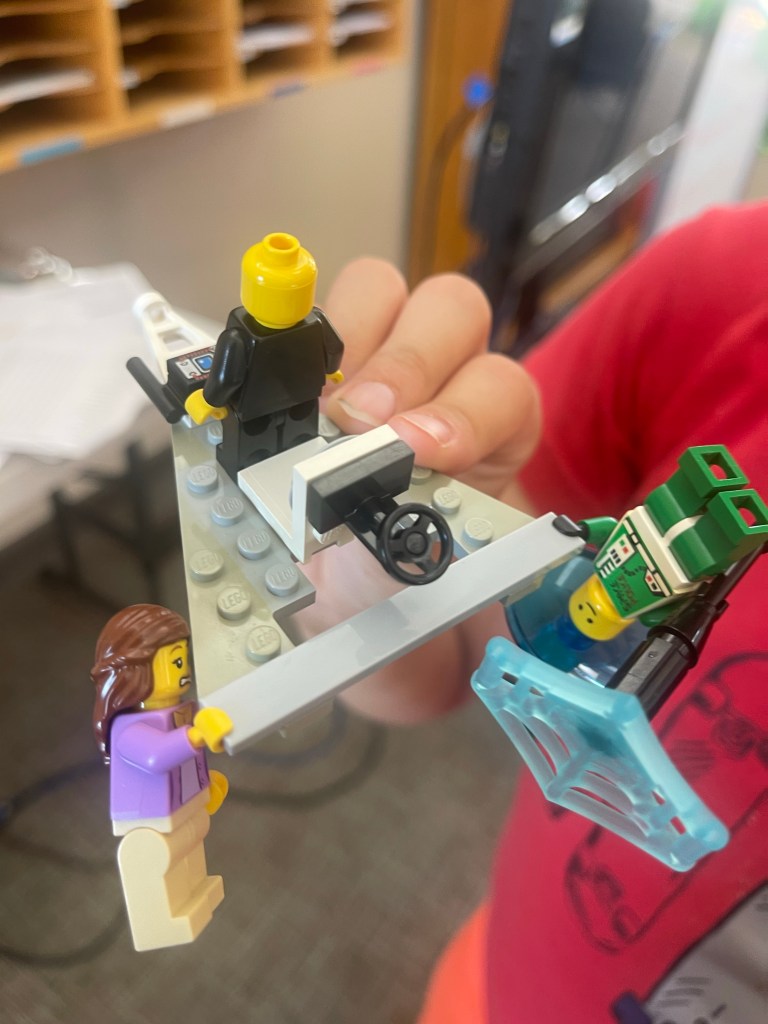
In all we do, we seek to deepen faith and powers of reflection. This week we have especially focussed on the themes of gratitude and creation. As well, we enjoyed the “Brick Bible” retelling of the story of Noah’s Ark and did our own dramatic reenactment of the animals boarding the ark (a combination of puppets and charades).
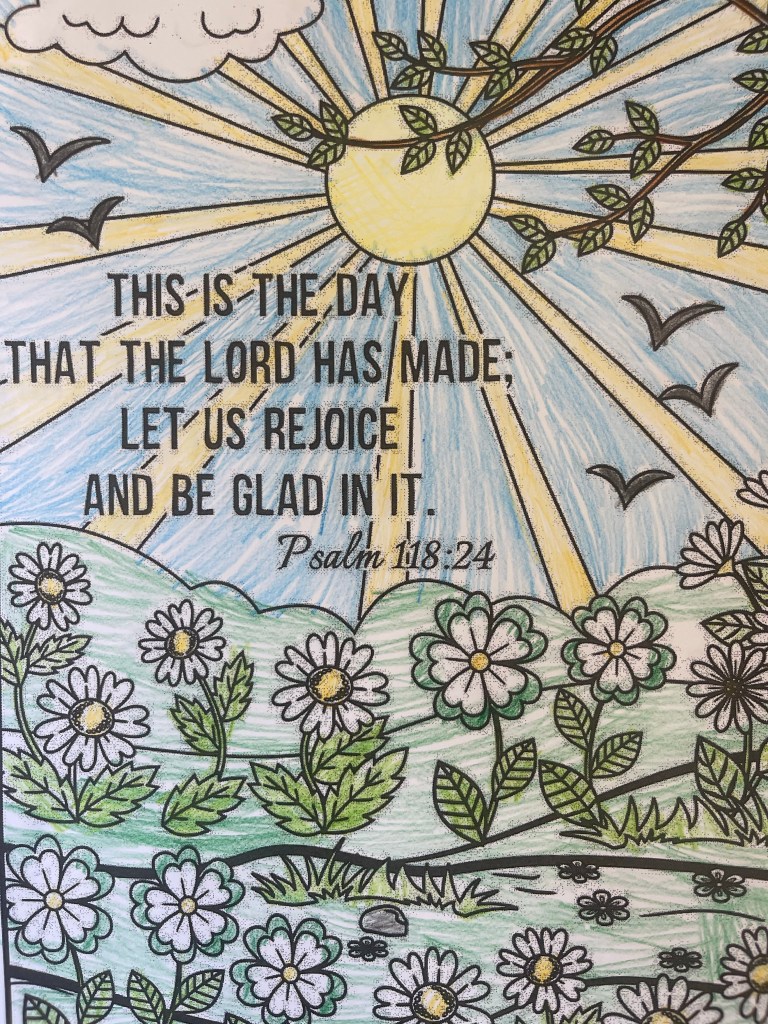
In Bible class I also introduced the idea of how we can work together this year to seek to faithfully dramatize Bible stories to deepen our understanding of them and share them with others. As a parent, I can tell you that my own sons learned and remembered so much more about the David and Goliath story through our family’s attempts to be filmmakers and bring it to life.
Storytelling
Lately we have been strengthening our core competencies of thinking and communicating by learning storytelling skills and associated vocabulary. We have learned about the structure of a story and strategies for advancing a plot.
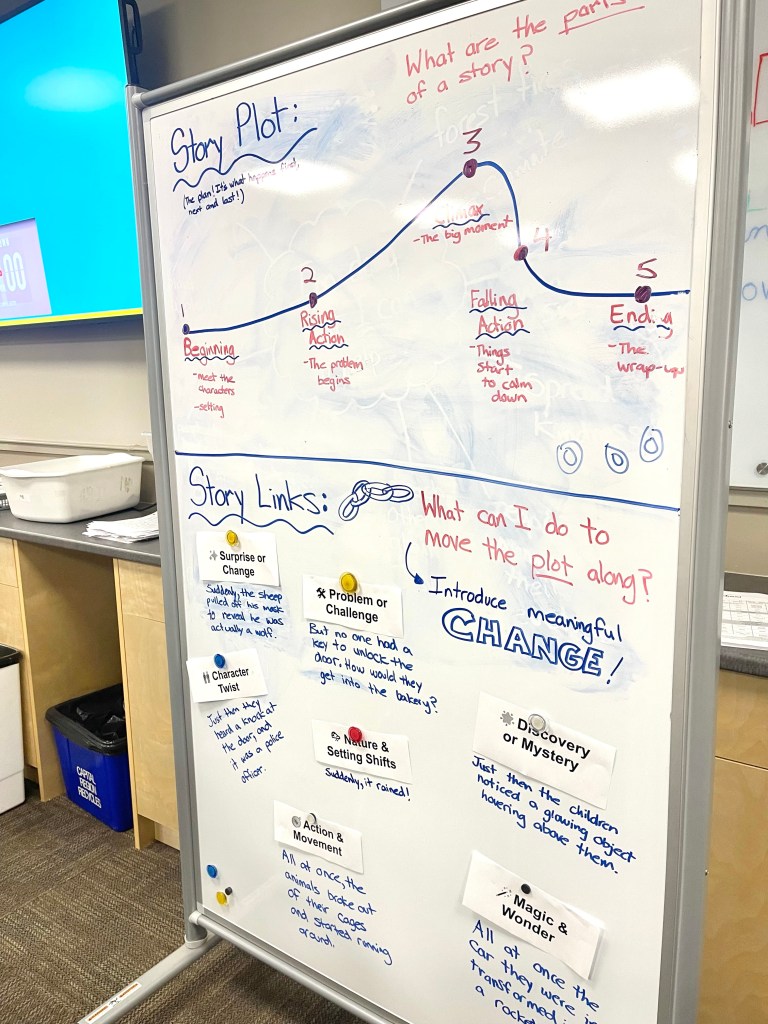
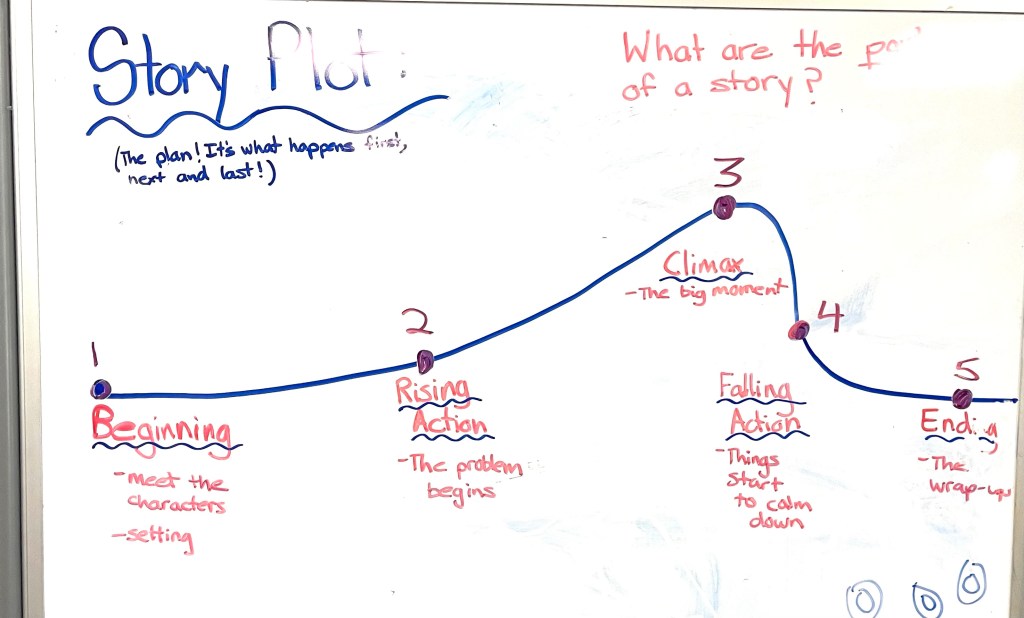

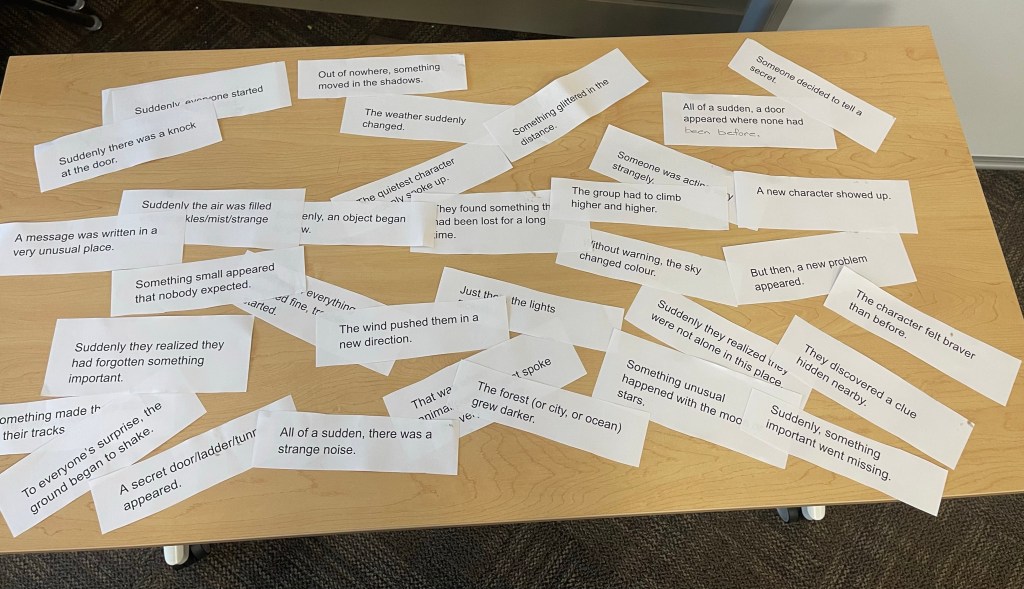
A collaborative game we have been learning to play with increasing skill is called STORY CHAIN: each person in the circle contributes a sentence to tell a story. This is an improv game—ideas are invented on the spot! Students have to work together with great listening skills to drive the plot and keep it interesting, but also coherent. This practice demands lots of creativity and patience. I am so amazed at everyone’s enthusiasm for storytelling! CLICK BELOW to hear the first story we created as a class…
CLASS LIFE & FITNESS
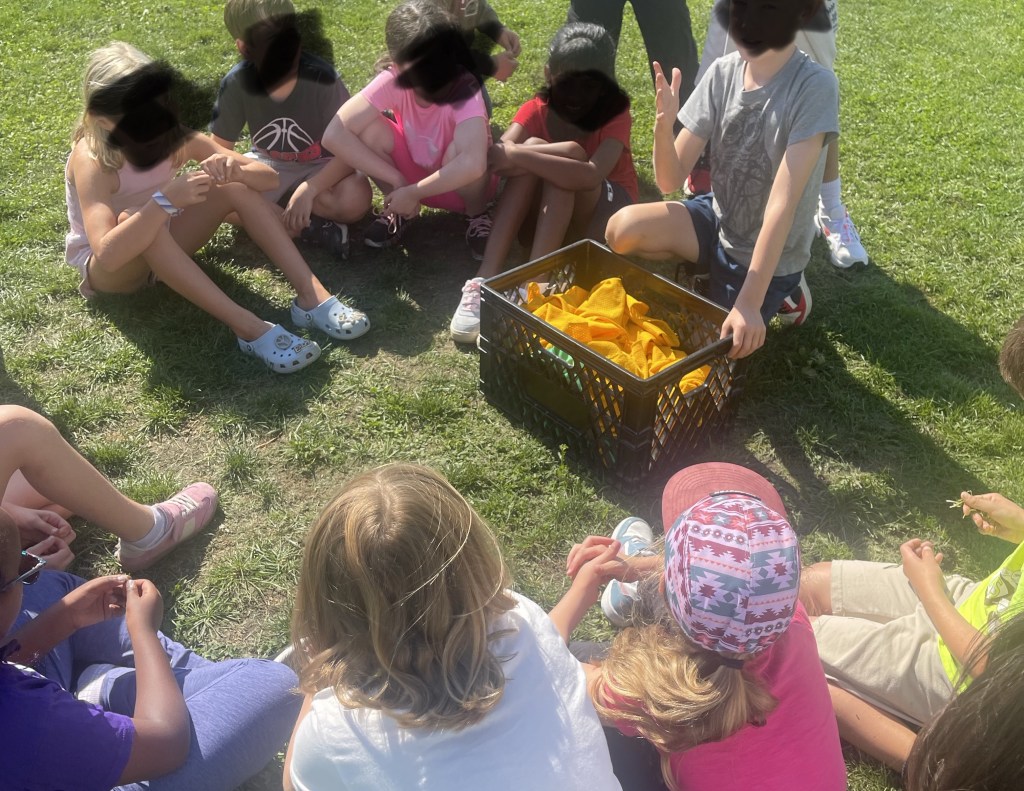
During a BODY BREAK these enthusiastic student athletes organized themselves quickly and insisted on testing their limits with planks and push-ups—while the rest of us chose to enjoy some stretching and deep breathing. Students are always encouraged and supported to make the choices that help them feel happy, healthy and self-regulated.

In Phys. Ed. this year, students will be encouraged and supported to be PE leaders, which involves planning and facilitating portions of our classes. Today a student invented and taught us all a new type of tag game, and it was awesome!


MATH
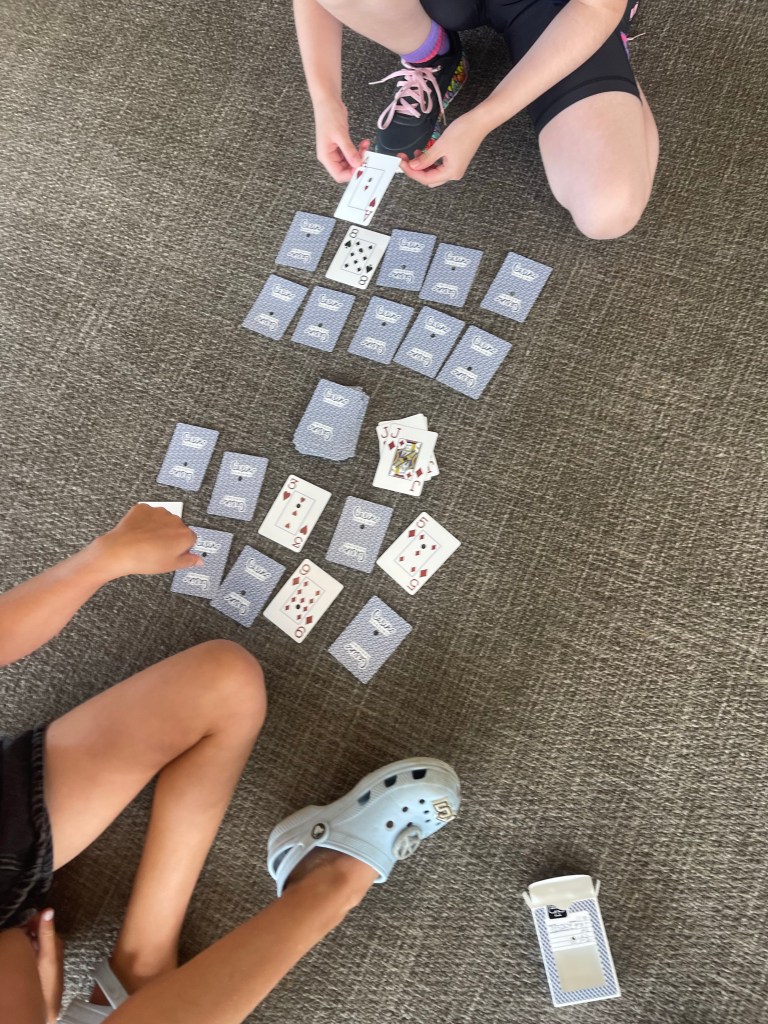
We explored how a MULTIPLICATION CHART can help us to identify patterns, skip count, and do quick calculations. A few students have passionately taken this to the next level, and I saw them making their own huge charts on grid paper at recess to work with factors larger than 12.
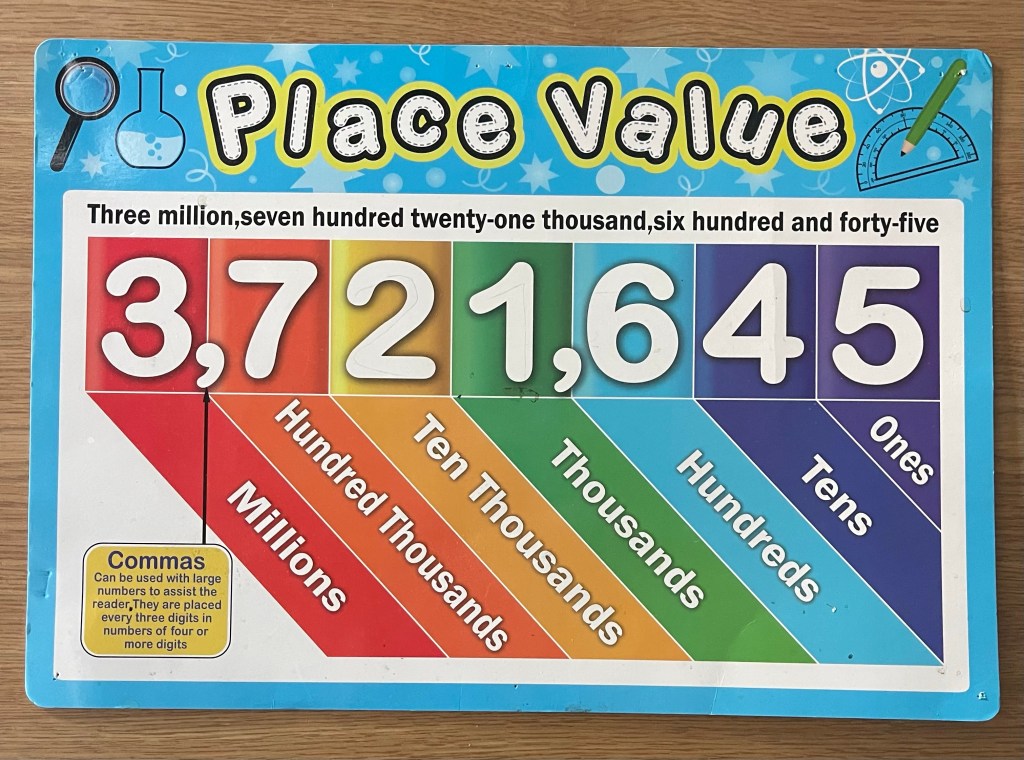
Base ten blocks are not only for making cool structures—they help us concretely understand and visualize place value concepts with these math manipulatives in units of ones, tens, hundreds and thousands.
We have done equations with pictorial representations of the base ten block numbers too.


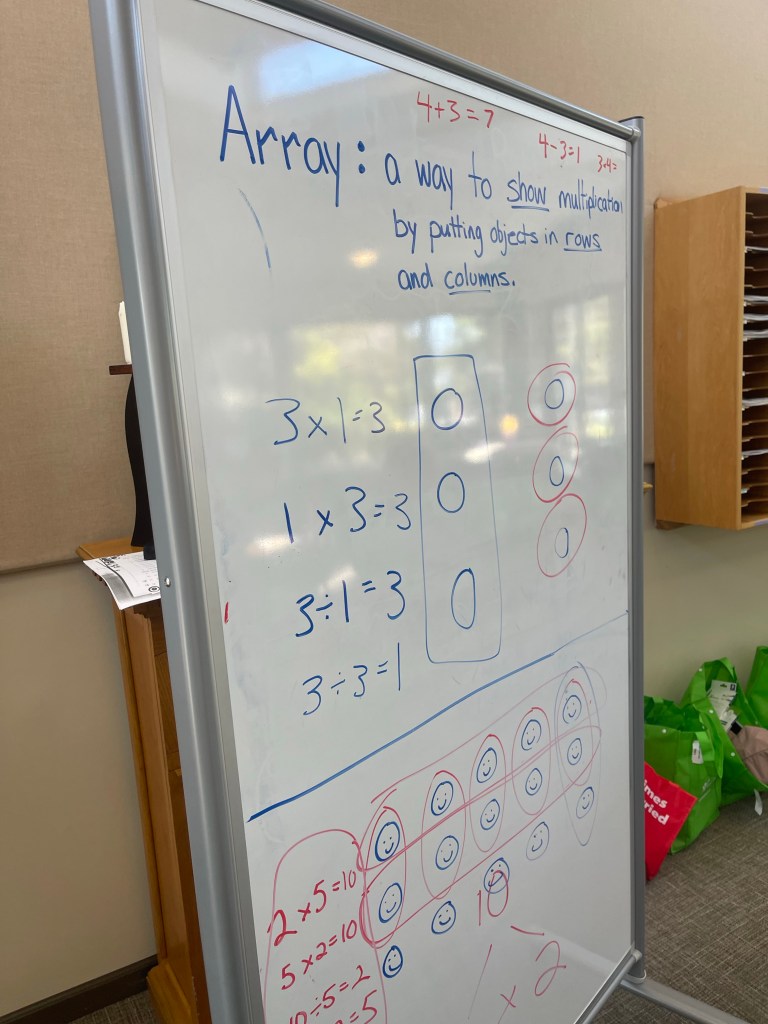


These videos can help reinforce the lessons we explored this week at a basic level…
OUR WEEKLY SCHEDULE
This schedule is subject to occasional changes as we accommodate special events, field trips, and otherwise make up time, but the big picture of our routines and usual quantity of time invested in each area is seen below. Not all areas of the curriculum are named in the schedule, yet happen as they are woven across many subjects (e.g. Career Ed., ADST, Health Ed., etc.).

Personal Interest Projects
Our students have been brainstorming long term, larger scale inquires based on their passions and interests. It is all very exciting! Here is a video where I introduce the concept…
I will support students each step of the way as a guide on the side while they explore a personal interest project of their own. Years ago, I created a video course for upper elementary students that introduces this concept and offers tips, strategies, and structures to help students move from identifying an area of passion, to developing their project, to presenting it meaningfully.
For example, a project could be as simple as creating a series of artworks to display in a a gallery exhibit, or designing and selling bookmarks at a farmer’s market-style event to raise money for an important cause.
Some students may choose to go deeper, like the case study video (below) I shared of a student who takes his playground design project to the next level. This gives students a glimpse of where in-depth inquiry could lead in the future, and may inspire them to stretch their own thinking.
The process can be completely student-driven. Nothing needs to be purchased or done at home by parents—though any support you would like to give is, of course, always welcome.
Here is a video we watched a bit of today:
Here is a link to the YouTube Playlist with all of the P.I.P. Course videos I created—no need to watch these, but they are here for reference for any students wanting to go deeper in their project design with some general guidance. PLAYLIST: https://youtube.com/playlist?list=PLaPaJfHEnFcJ7DTlEU-4FN8_McRGmrLaC&si=aUss8xTdyNaUPLAg
Bunny Science
As a way to deepen our understanding of the grade 4 Science curriculum related to stewardship and how animals sense and respond, I have the opportunity bring in my pet rabbits for the occasional visit—or even for a a more regular “class pet” experience. Full details to come in the future after I get to know students and formulate plans in connection with our school administration with education and support from a local rabbit welfare organization. Full information and consent forms will be shared in the future in the case that a student wants to have closer contact and/or a leadership role in caring for the rabbits. You will be informed before anything animal related happens in our class!
As you can imagine, our caring students are very excited about this, yet we are taking it slow to ensure this bunny science learning process is everything we dream it can be. To be clear, a message I have shared with students repeatedly is that I do not recommend having rabbits as pets for most people as they are far more complex and demanding creatures than people assume (they need lots of space and interaction), which is partly why there is a problem of dumped/abandoned domestic rabbits in our area. We will learn so much from this experience—including humane treatment and ethical considerations. FYI, I got my own rabbits from Amy’s Bunny Barn Society: a source of rich information.
Here is a video of my grade 5 students interacting with our bunny visitors last June. Bunnies need calm, quiet, peaceful environments with patient, gentle handlers who give them space, never pick up, and act as scientists in closely observing their signs and behaviour clues.
 Tiffany Poirier