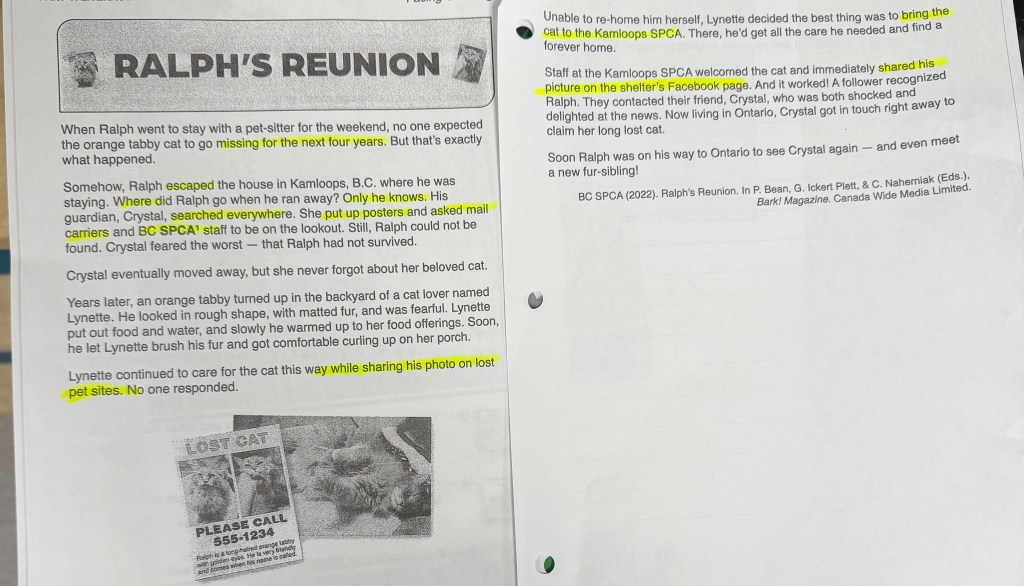
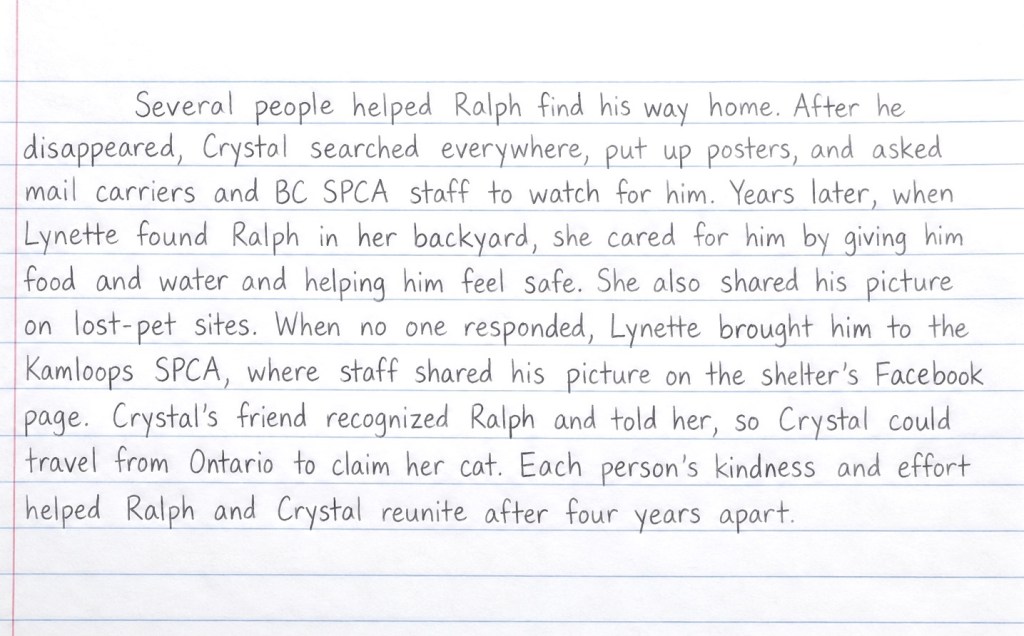
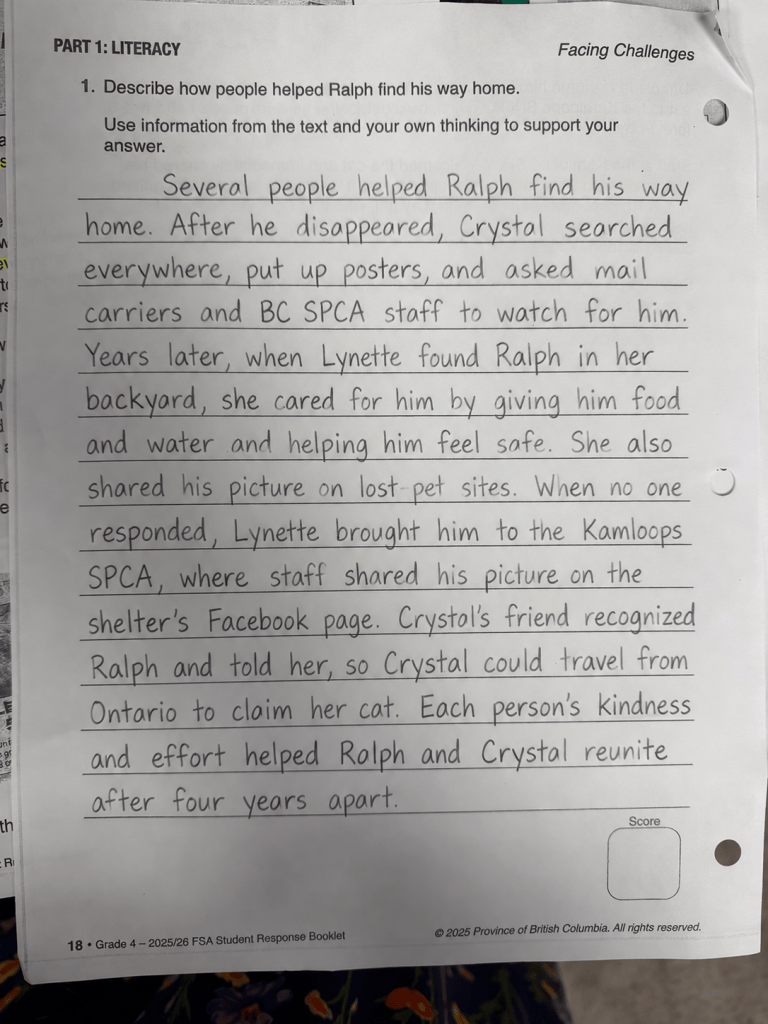
In Language Arts, as part of our preparation for writing the FSA, we have been learning how to use information from a text to support our ideas and writing.
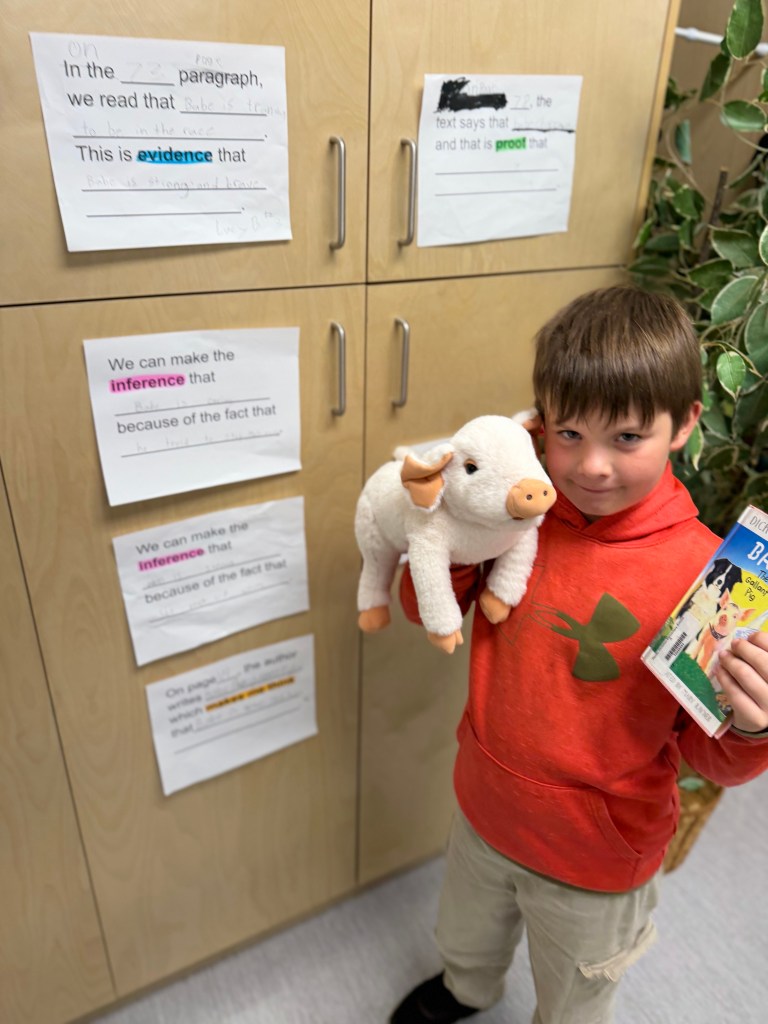
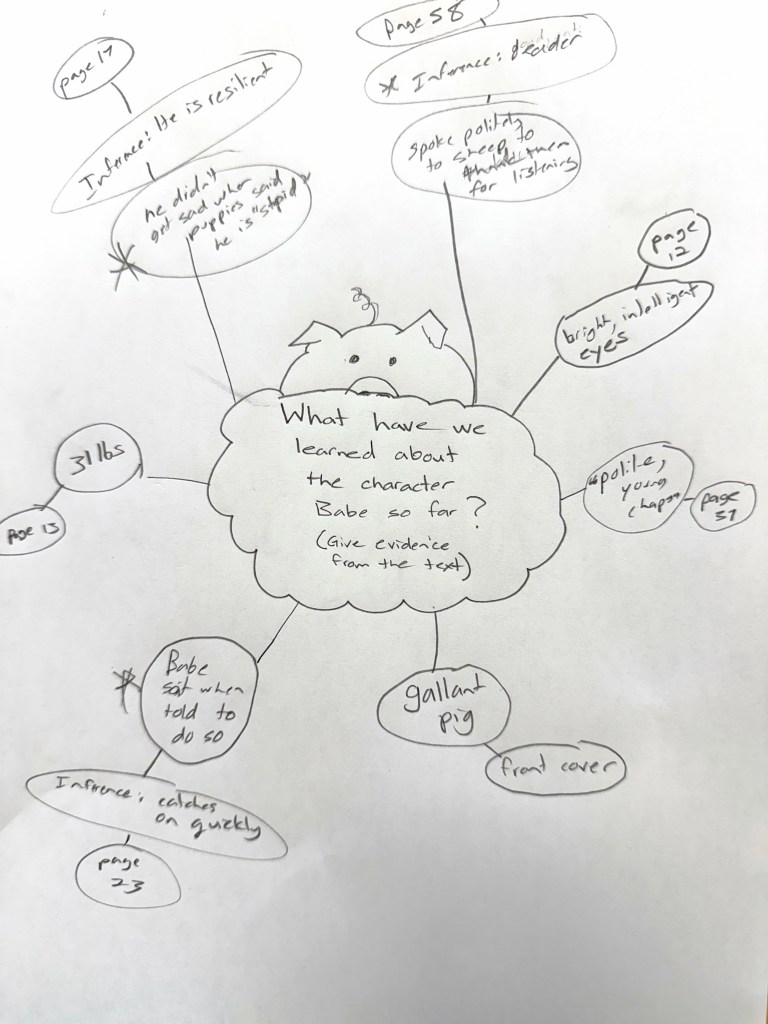
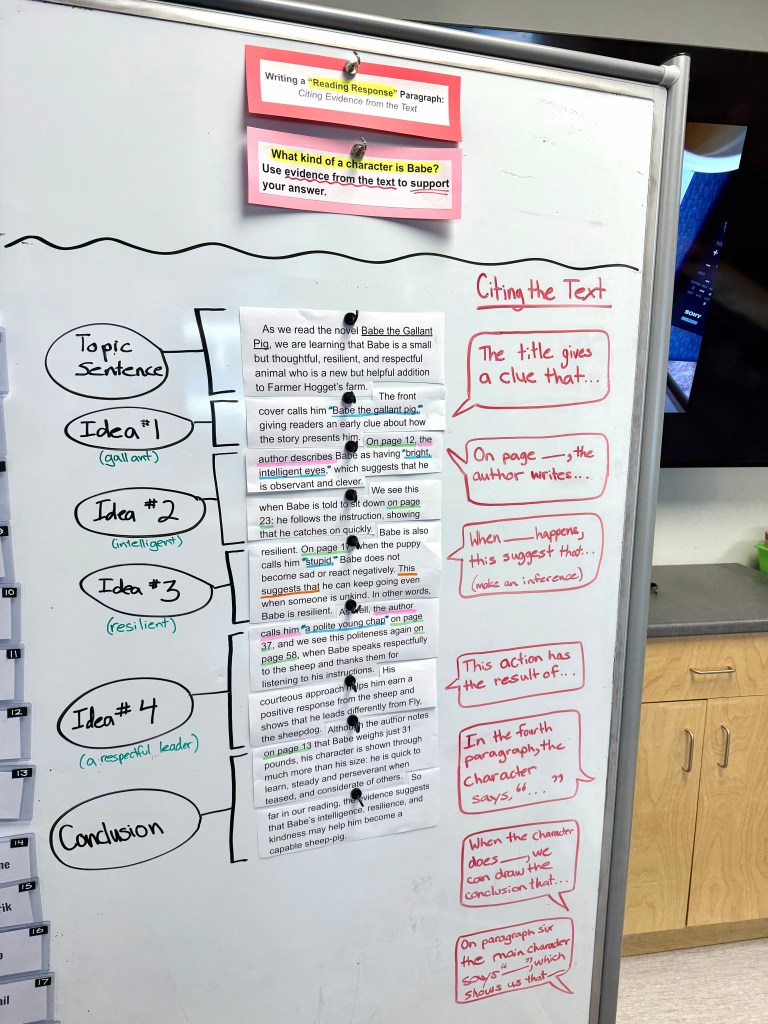
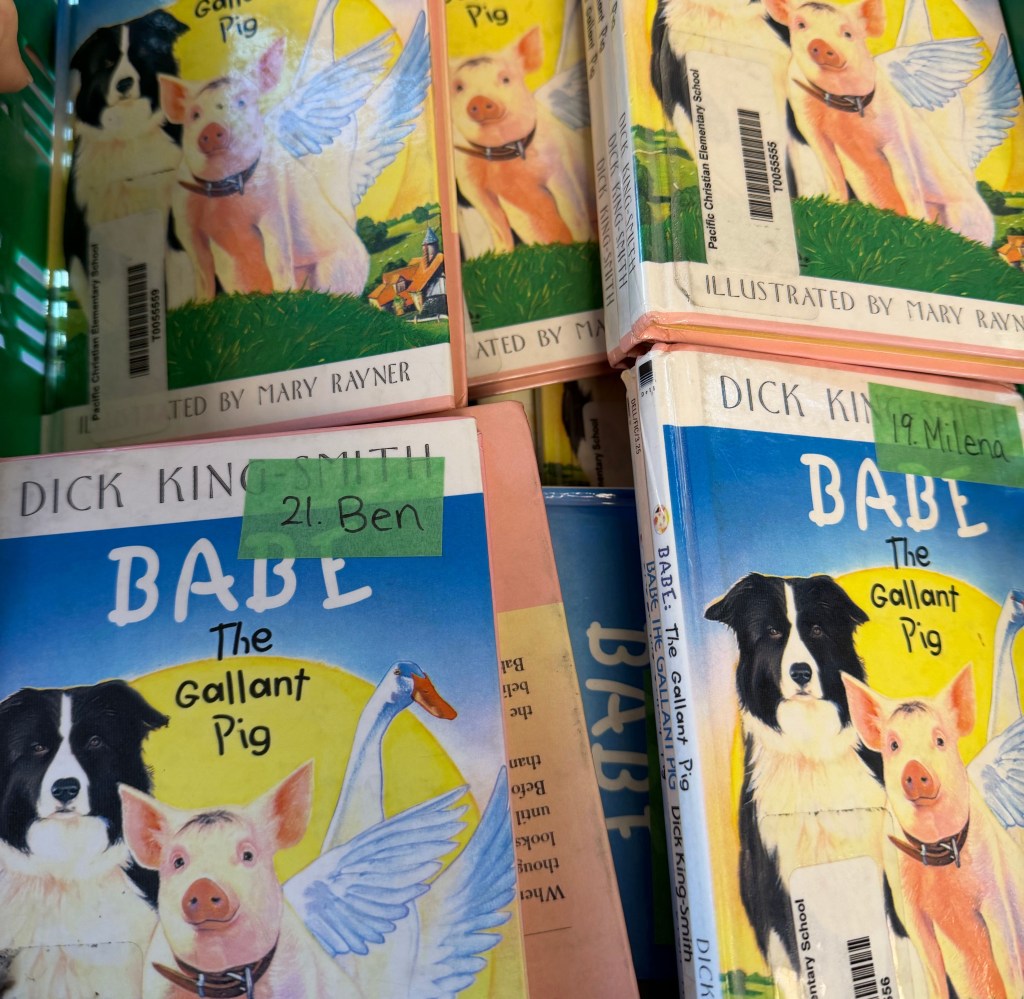
We practiced by gathering quotations and making inferences about Babe, the main character in our novel study. We recorded page numbers, then brought our ideas together to create an exemplary character-study paragraph.
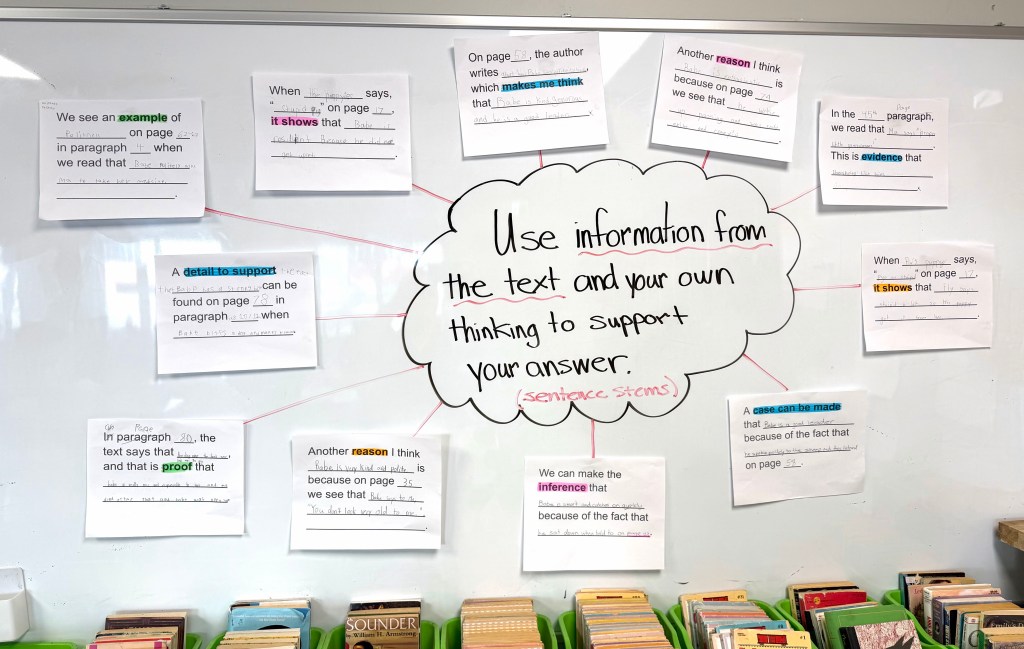
We also looked closely at the language and sentence stems students can use to cite evidence from a text and explain how it supports their thinking.
Students worked together to find evidence from the text to support their assessment of the kind of character Babe is.
Yet, this is one of the skills assessed on the FSA, so we’re doing what we can to help introduce students to this and give them practice.
Good news: you would be amazed by what these awesome thinkers have been able to do already! Yay!
We’ve also been talking about why this skill matters beyond Language Arts. In Bible class, we are learning that a key way we come to understand God’s character is by studying what the Bible says and shows. We need our ideas to be grounded in the biblical text. (This will also matter when students prepare to write their first sermons in Term Three: a Bible-based sermon draws on Scripture, with its ideas and arguments connected to specific passages, rather than relying only on personal experience.)
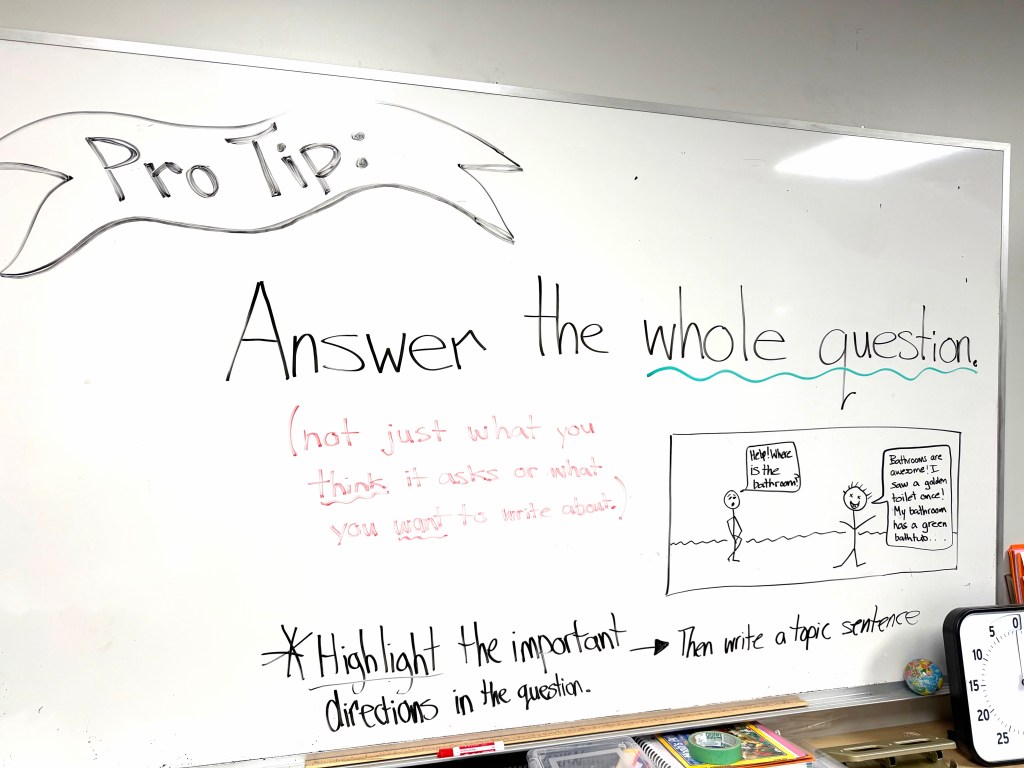
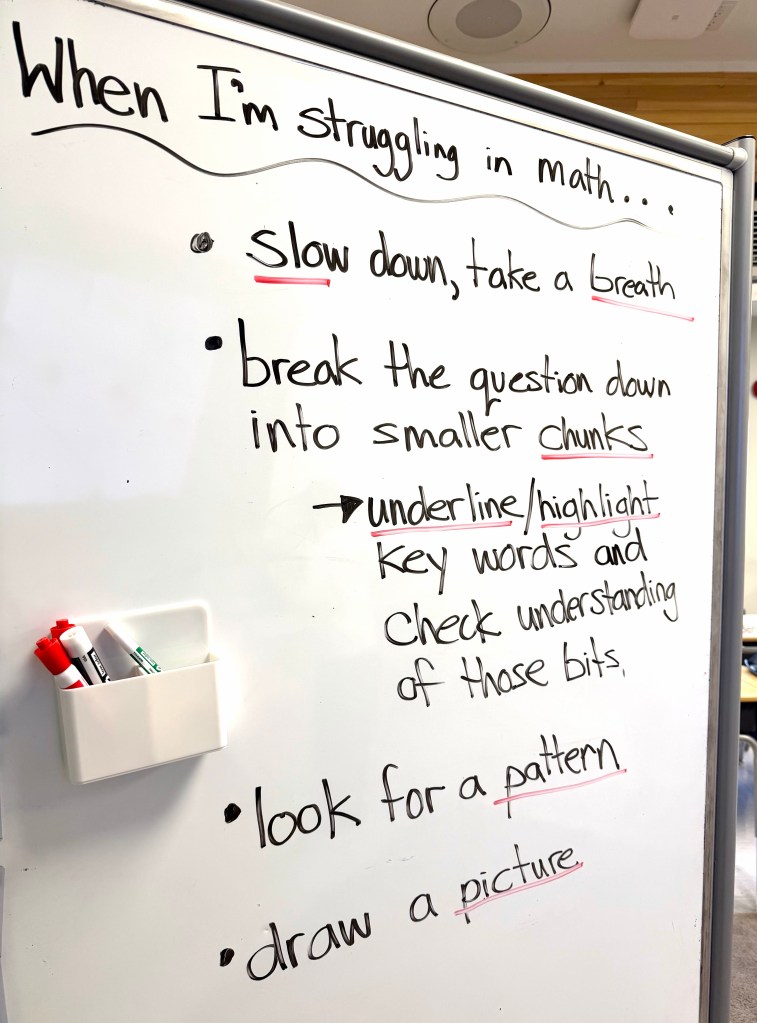
Another important part of this FSA prep work is learning to answer the whole question. Young writers can sometimes see a familiar word in a writing prompt and begin writing right away, before reading all the directions or noticing exactly the question asks. So we are practicing slowing down, reading carefully, and making sure our written responses addresses every part of the prompt.
These are big skills, and the students have made a strong start. We’ll keep practicing how to read closely, support our ideas with evidence, and explain our thinking clearly.
In Math, we will have another check-in quiz on place value this Thursday.
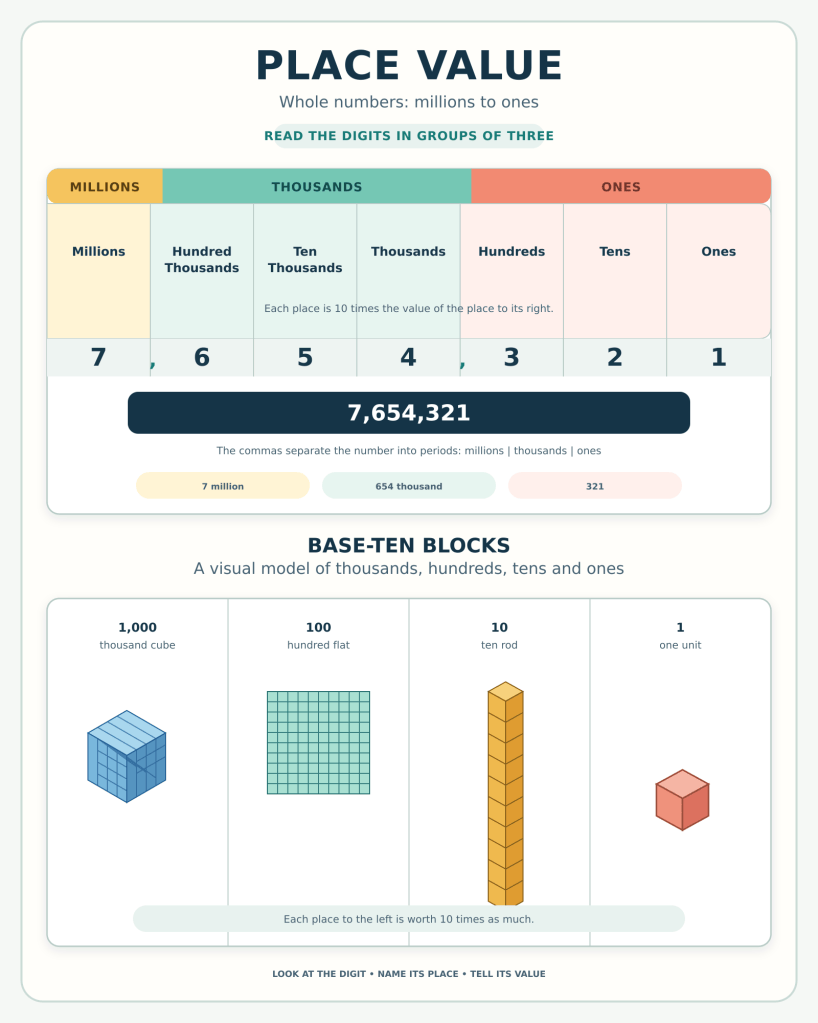
A key focus in Term 1 math is building a strong understanding of place value. Learning takes time; if a concept doesn’t click right away, students should keep practicing, since place value supports future math learning, including addition and subtraction.
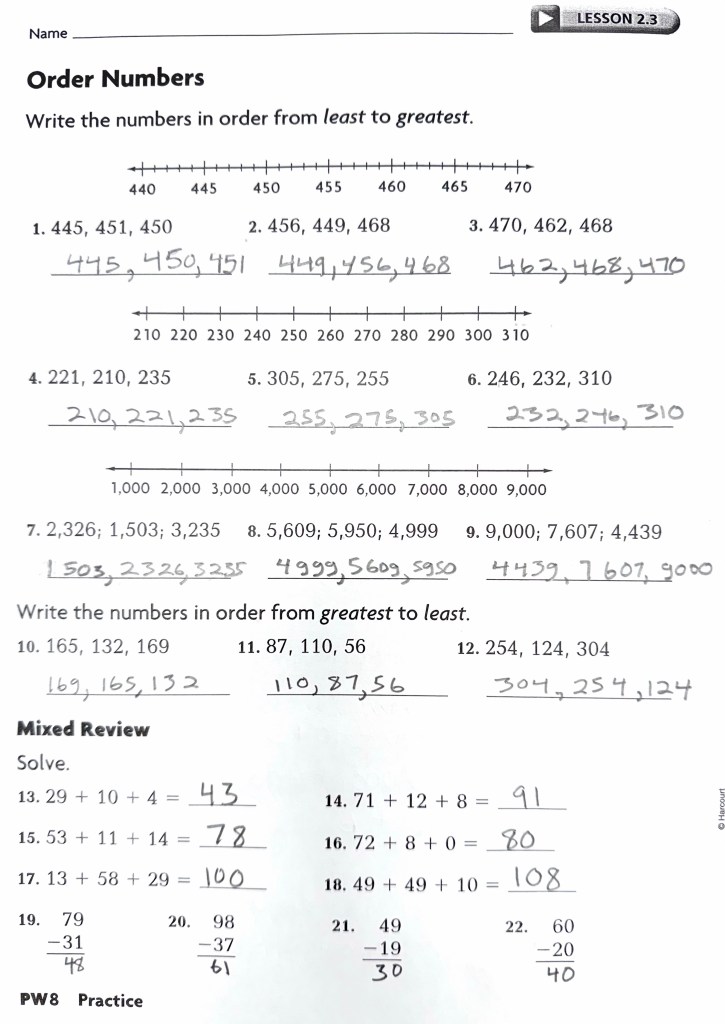
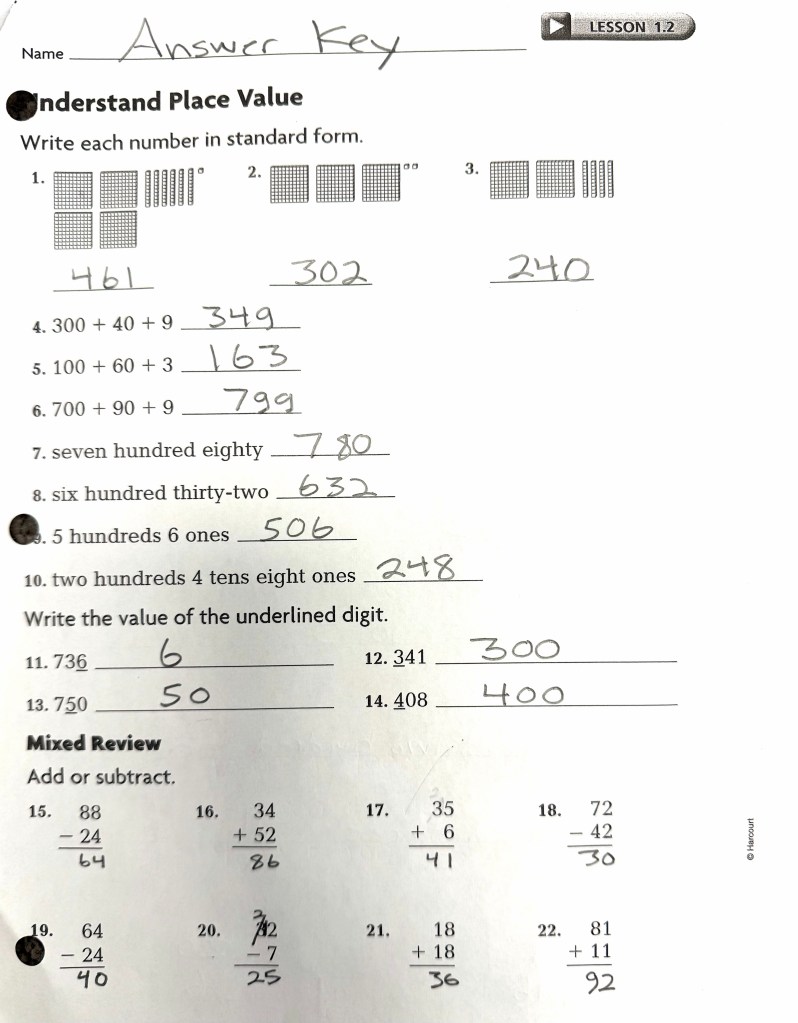
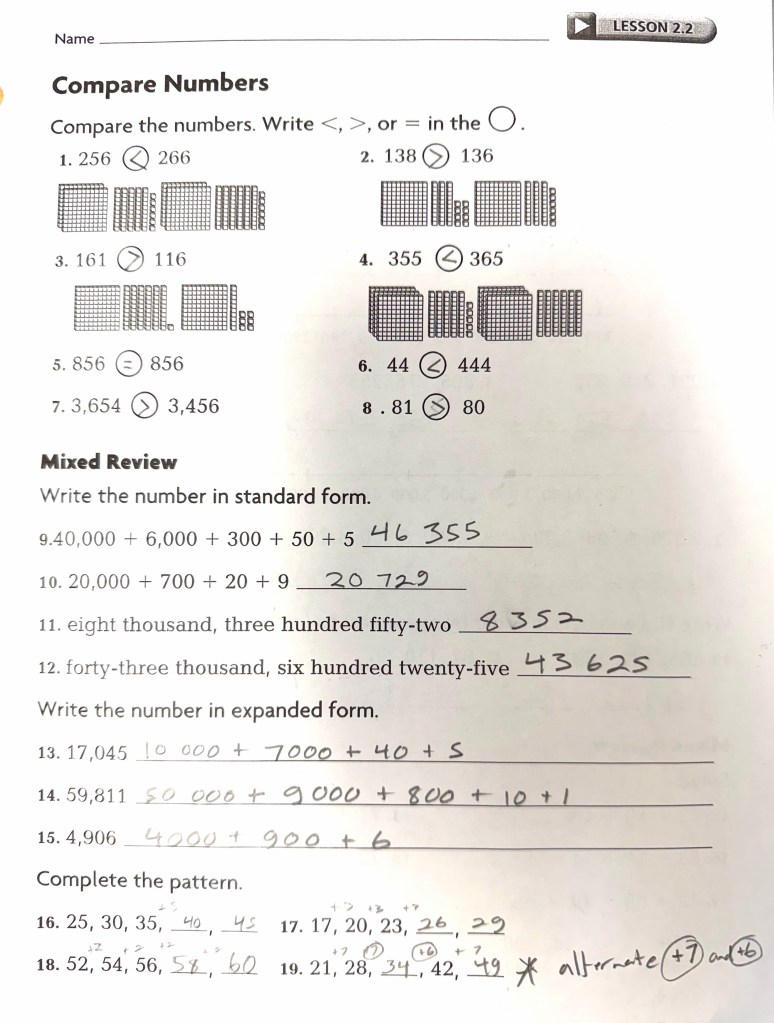
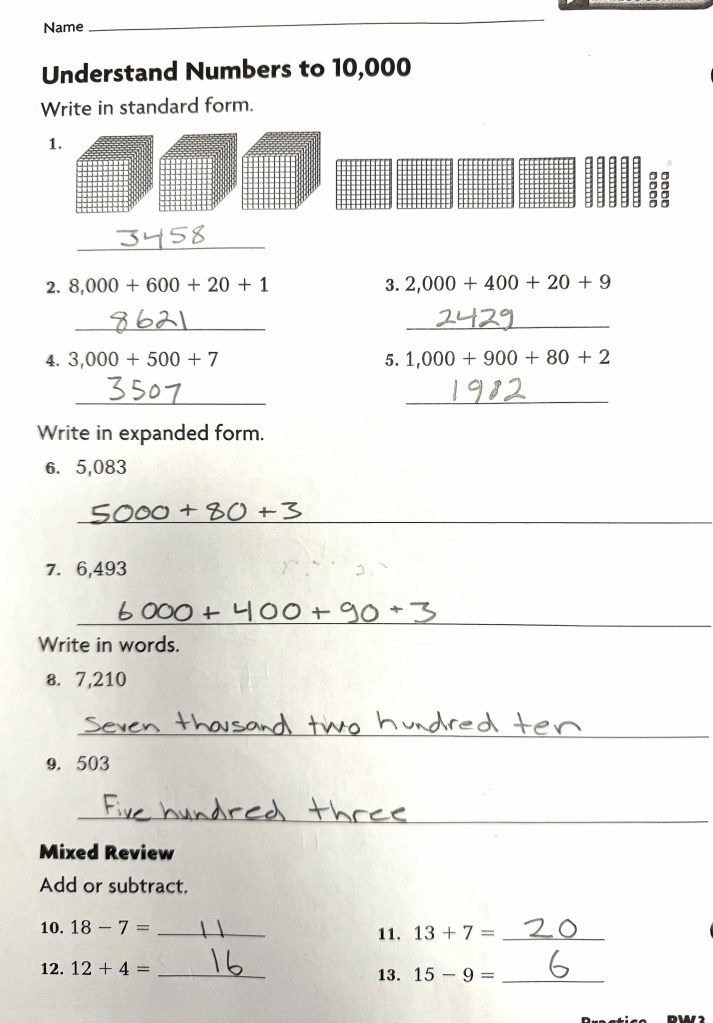
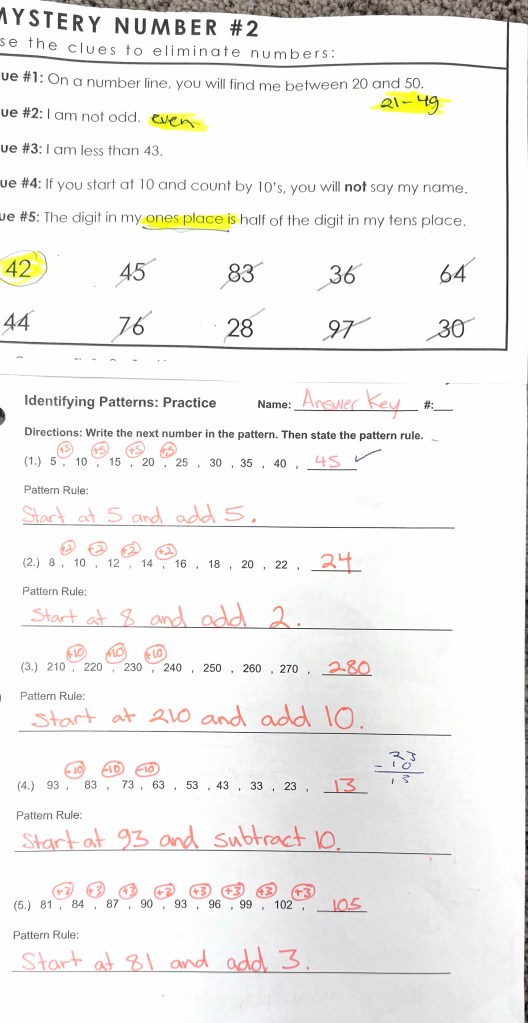
Tonight I’ve sent home optional practice pages for students to use during extra time at school or at home. They won’t be marked. The answer key and videos are available to help families support practice at home as they see fit. Our goal is for students to develop number sense, compare and order numbers, and represent them concretely, pictorially and symbolically.
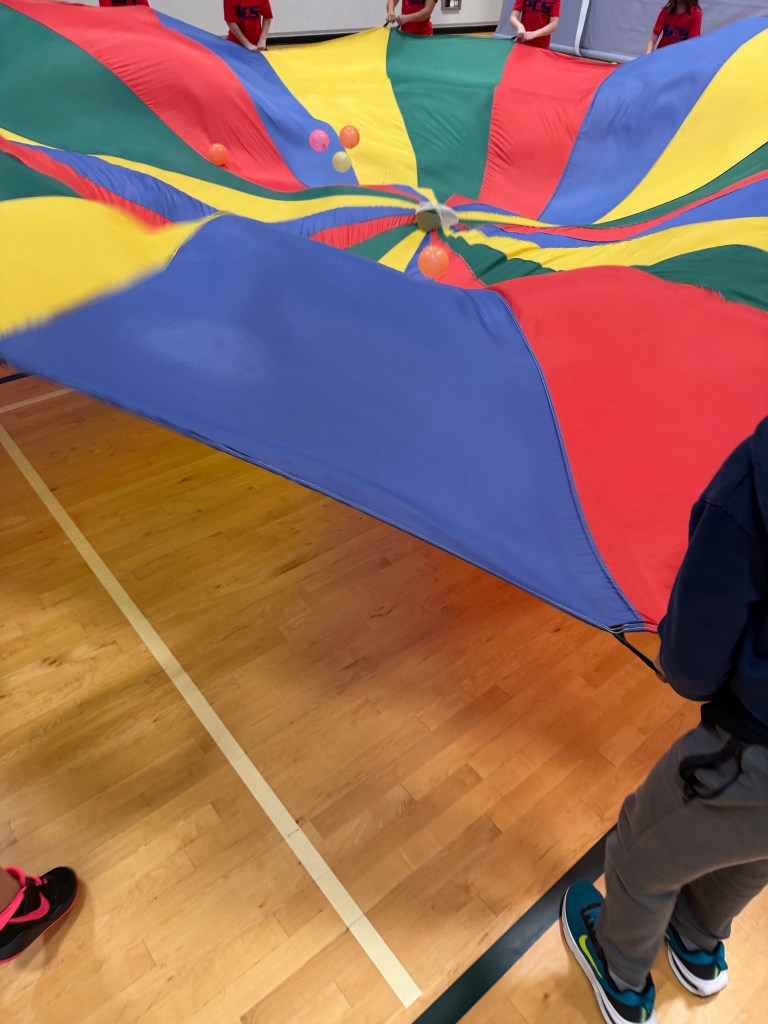
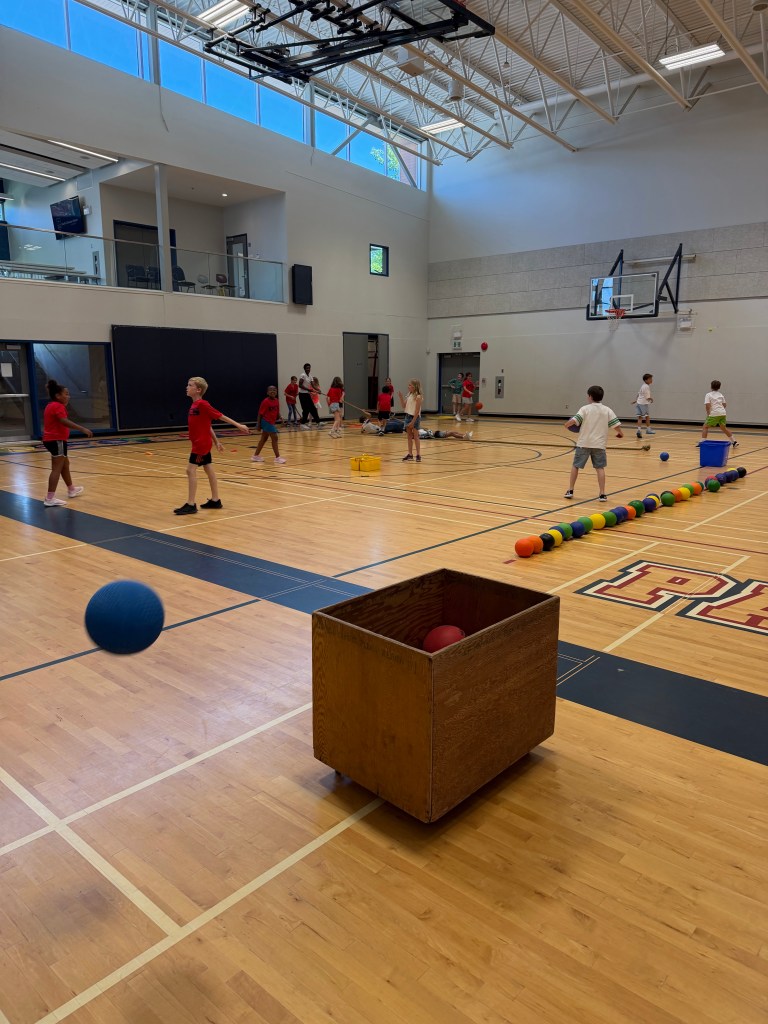
In the gym, we have been playing parachute games and tag.
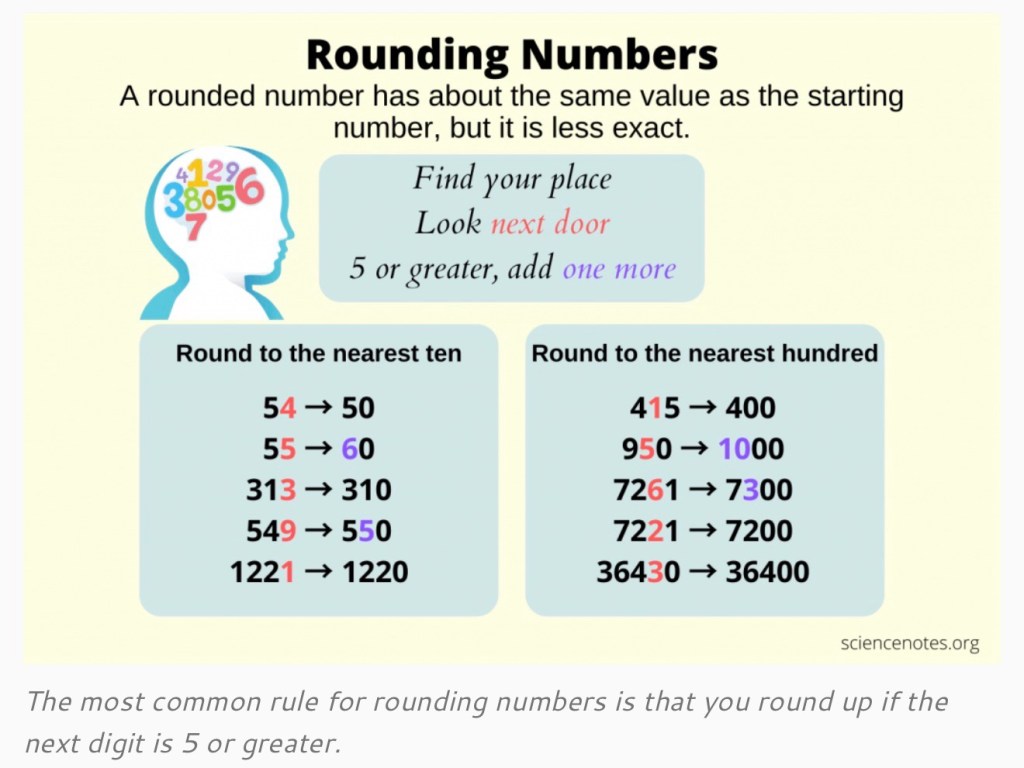
*The next math topic we will study is ROUNDING! For example, when rounding to the nearest ten, 73 becomes 70 and 56 becomes 60. 489 rounded to the nearest hundred becomes 500. Interestingly, 981 rounded to the nearest hundred is 1 000 and 32 rounded to the nearest hundred is zero.
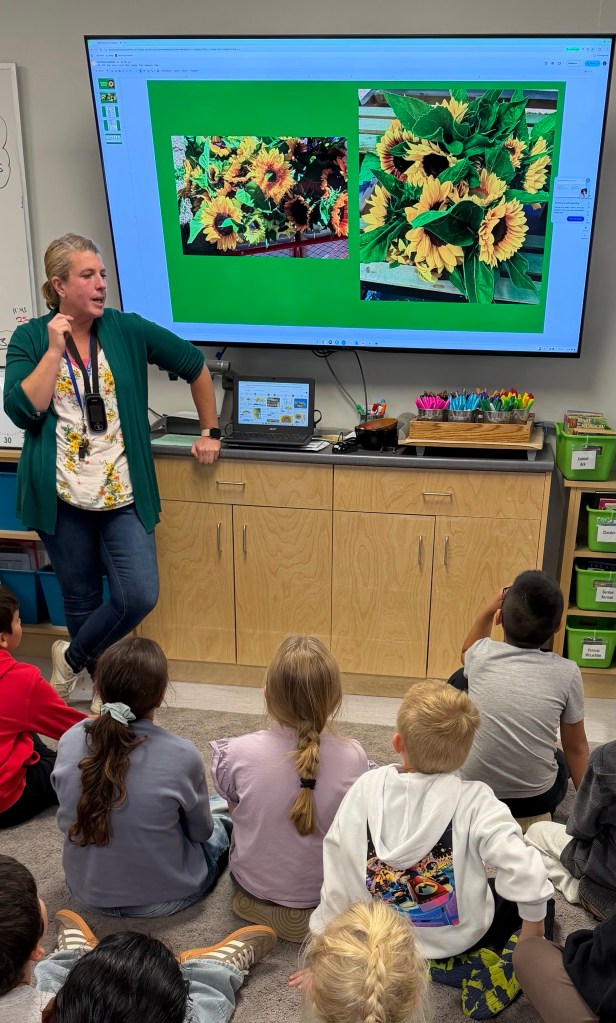
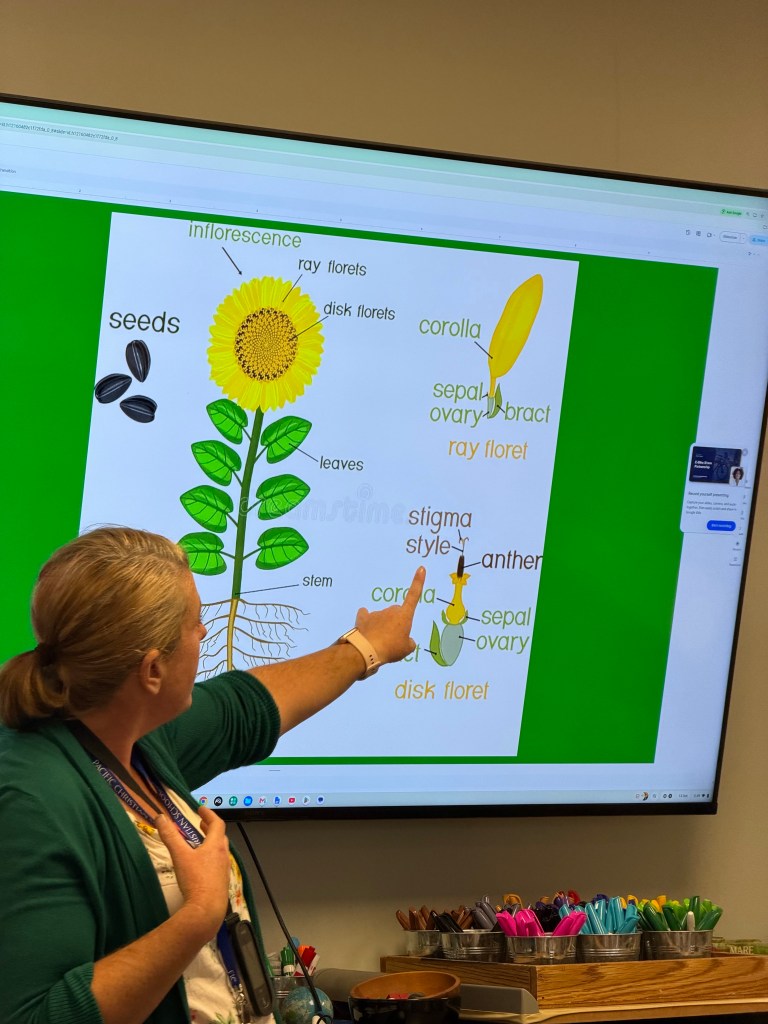
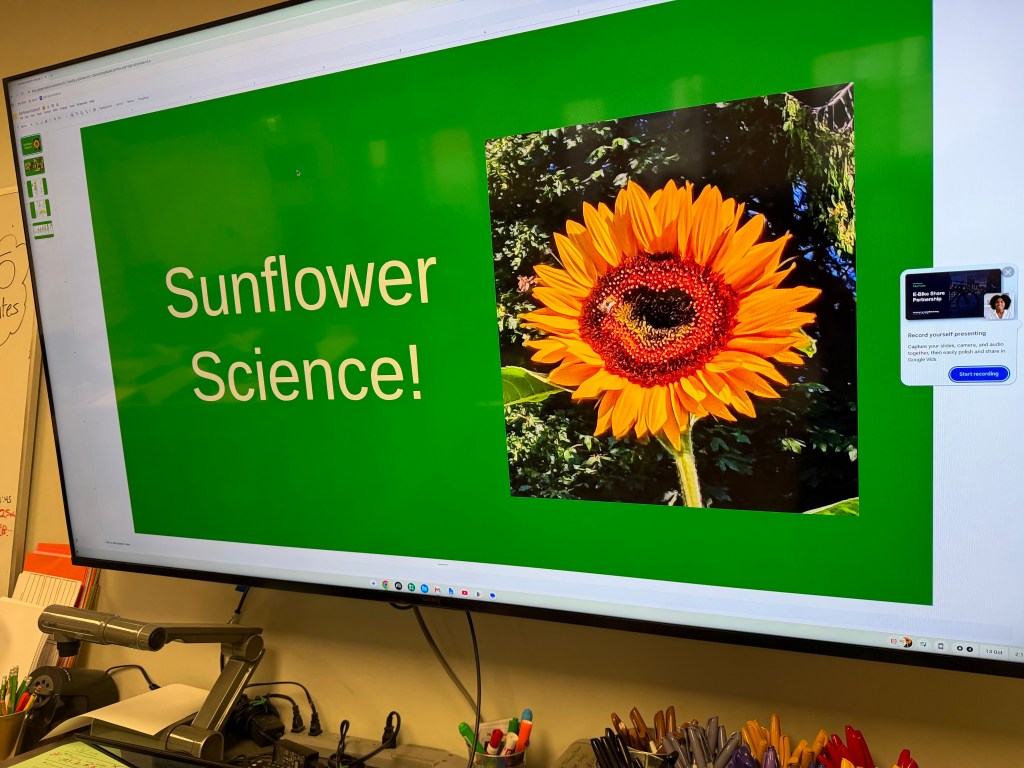
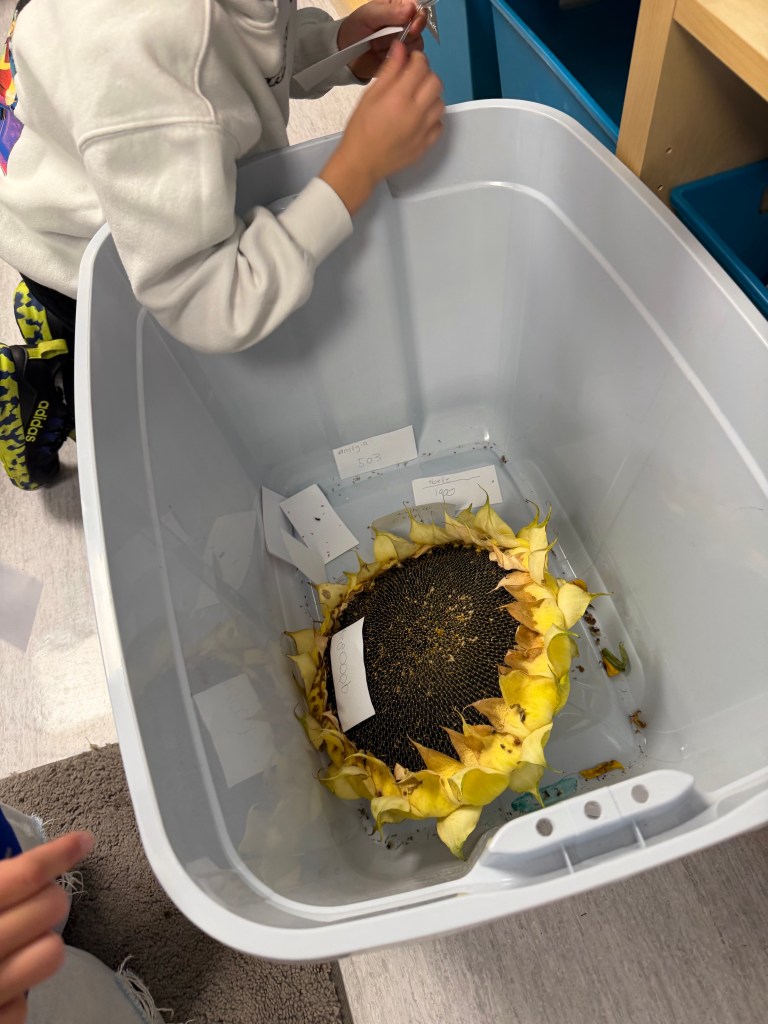
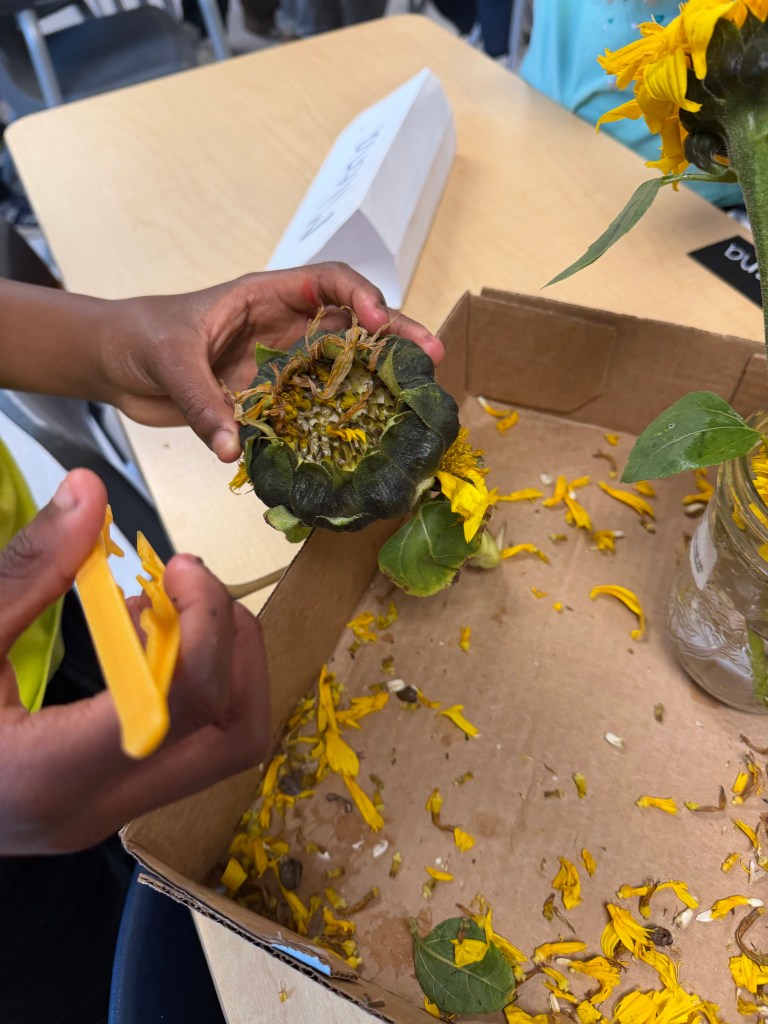
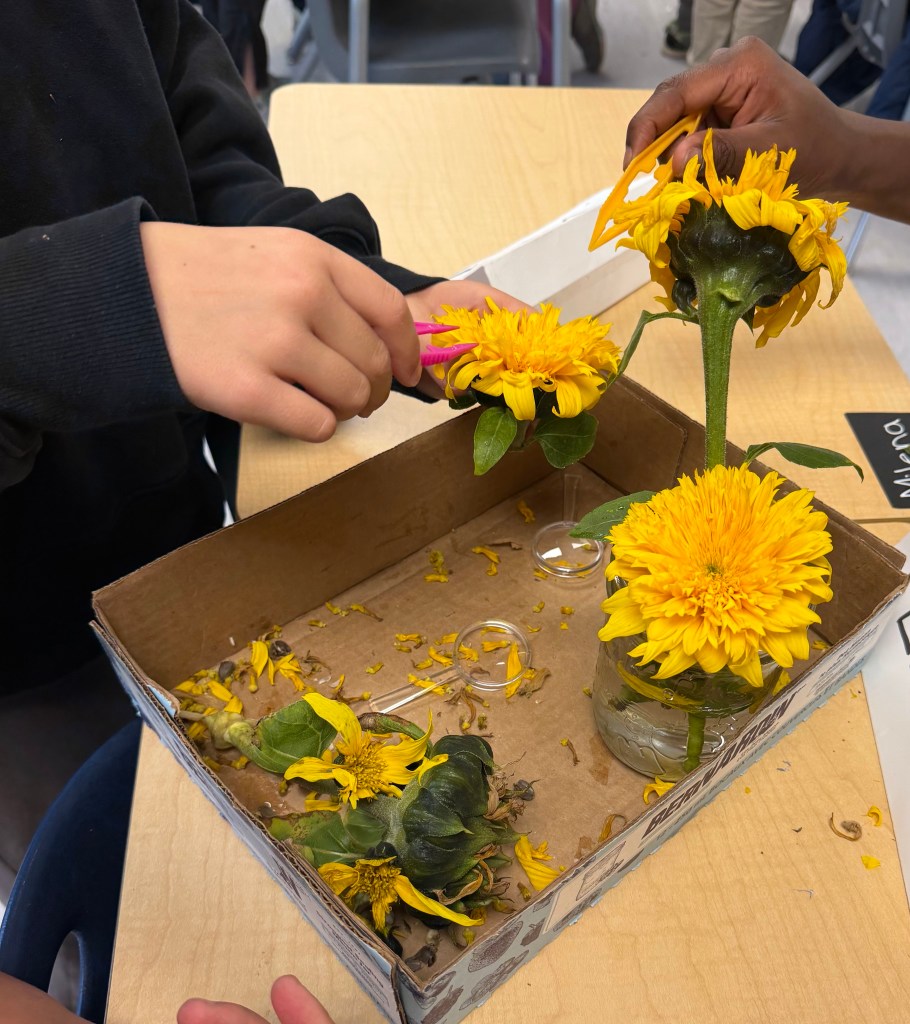
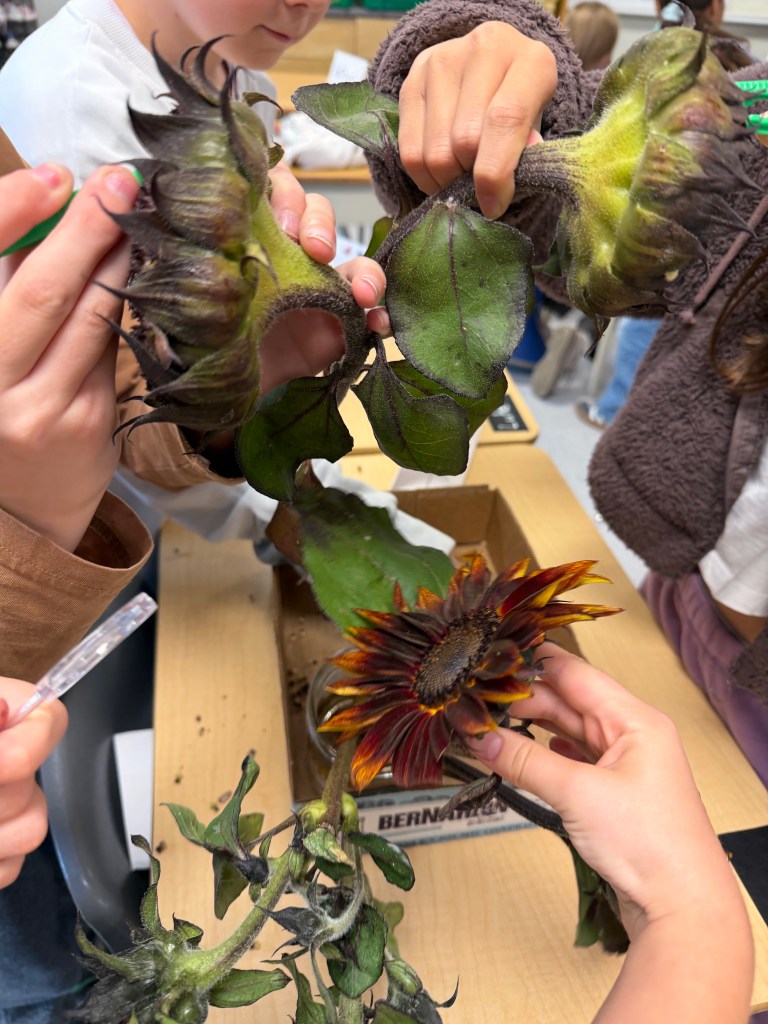
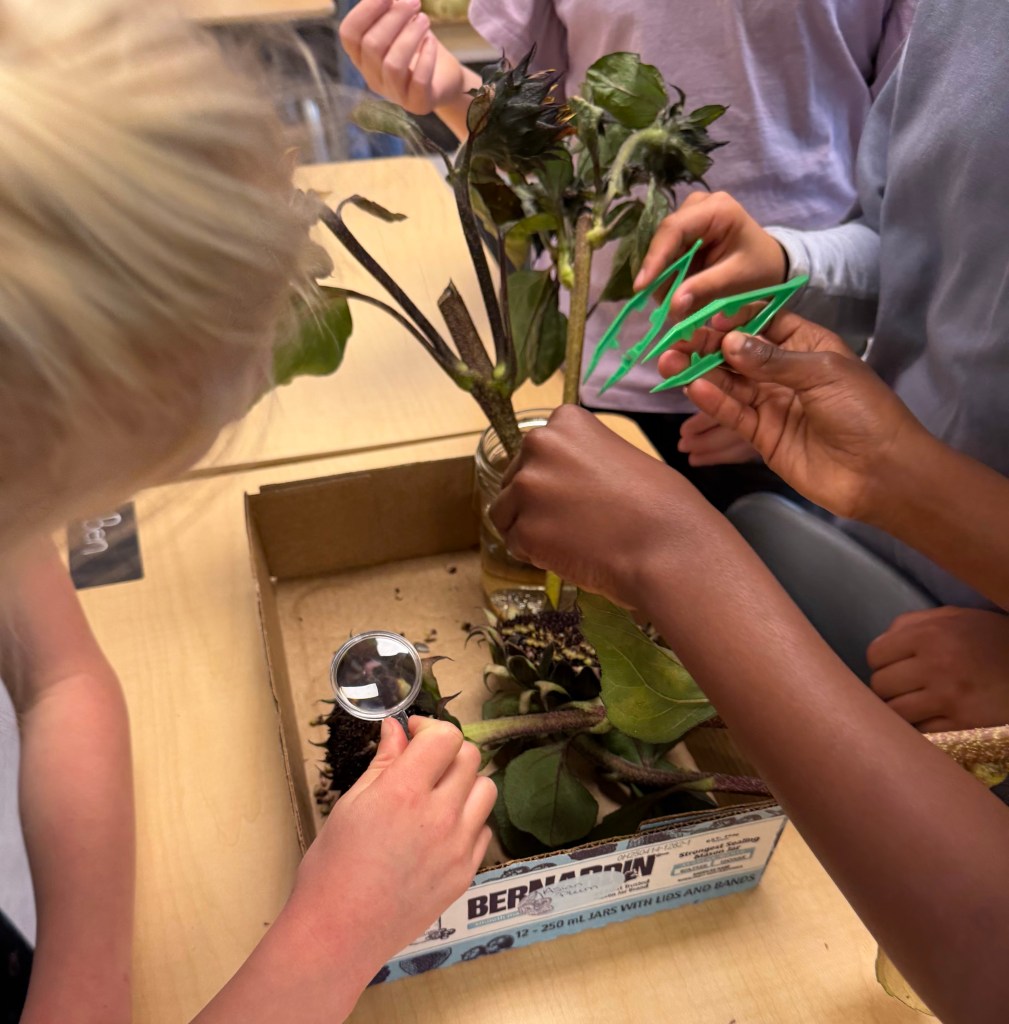
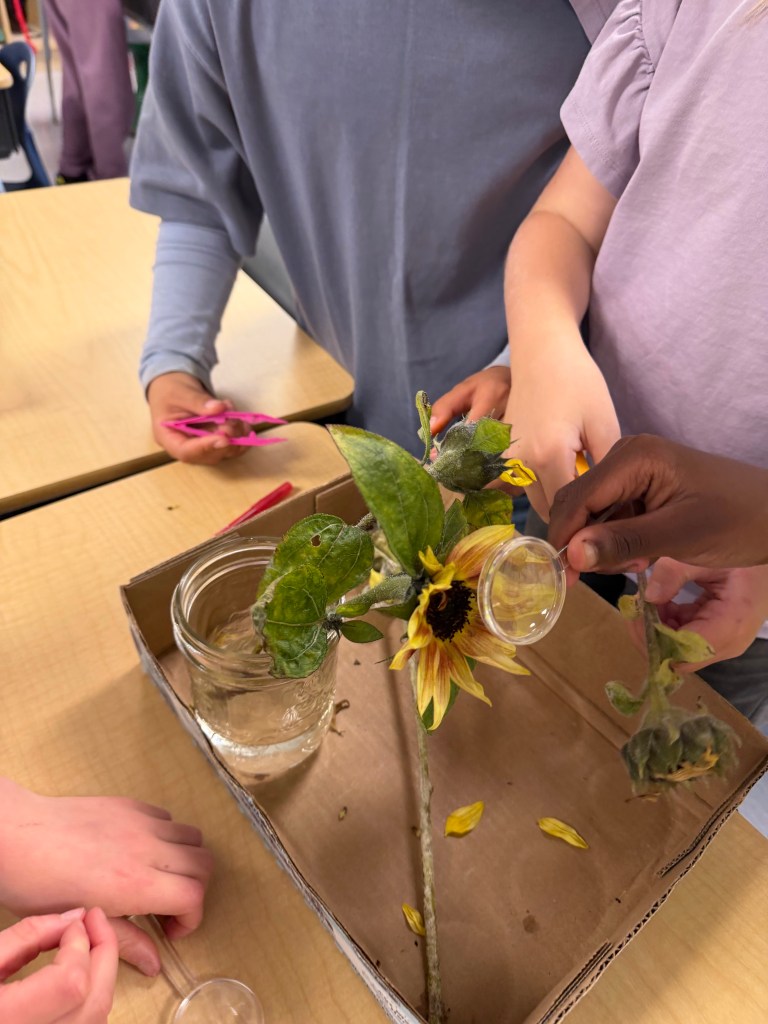
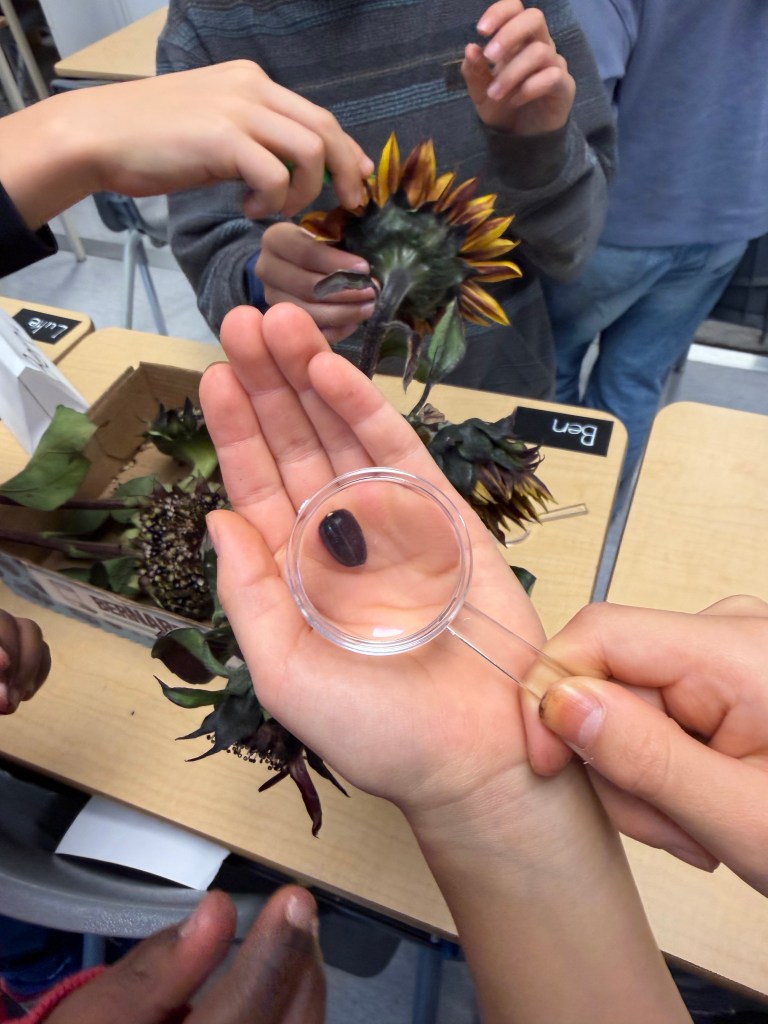
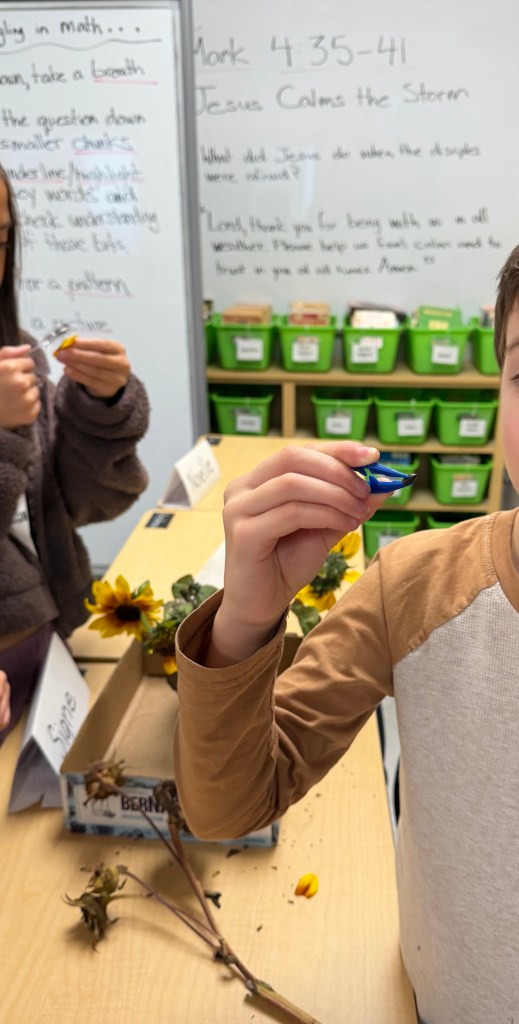
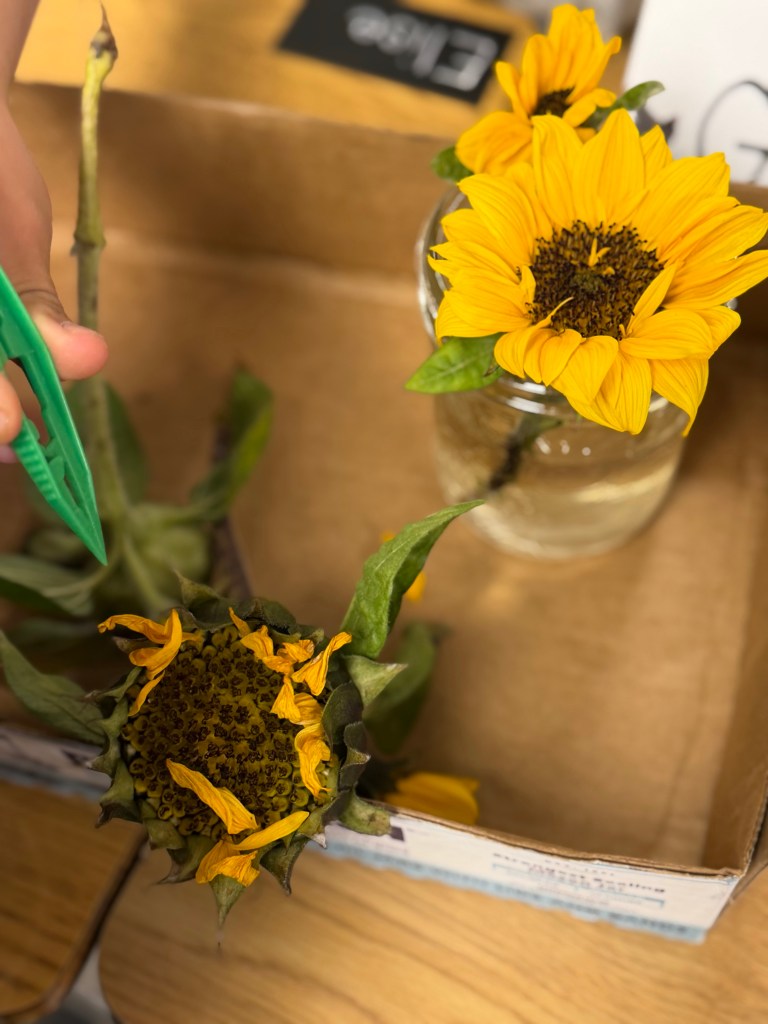
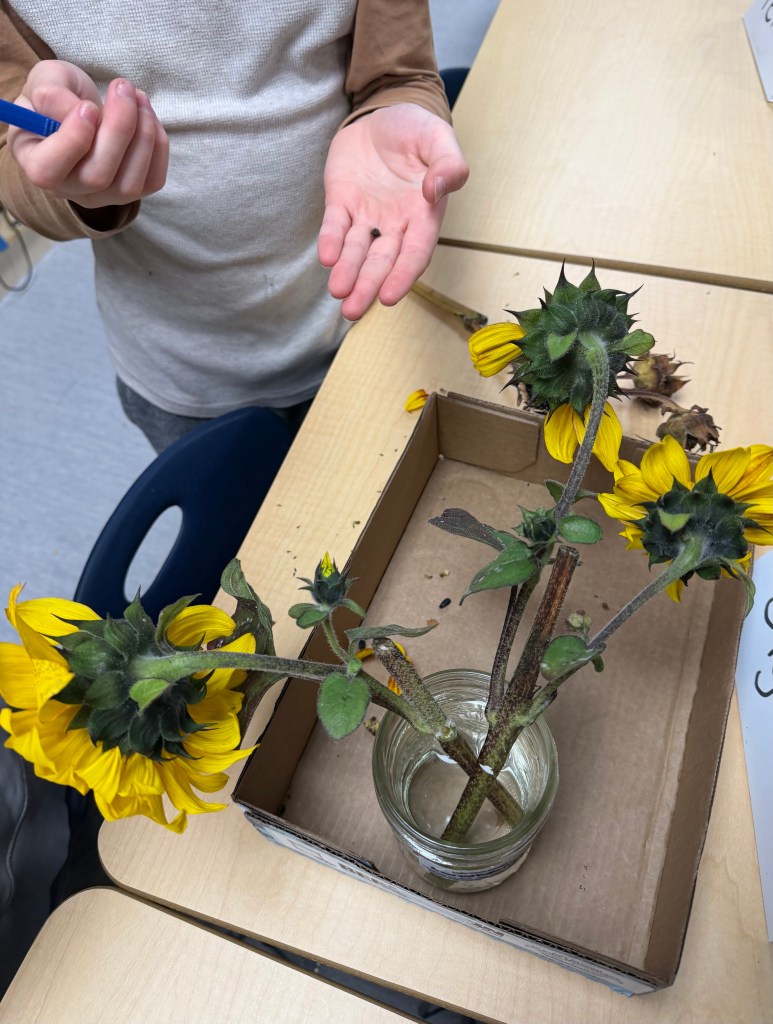
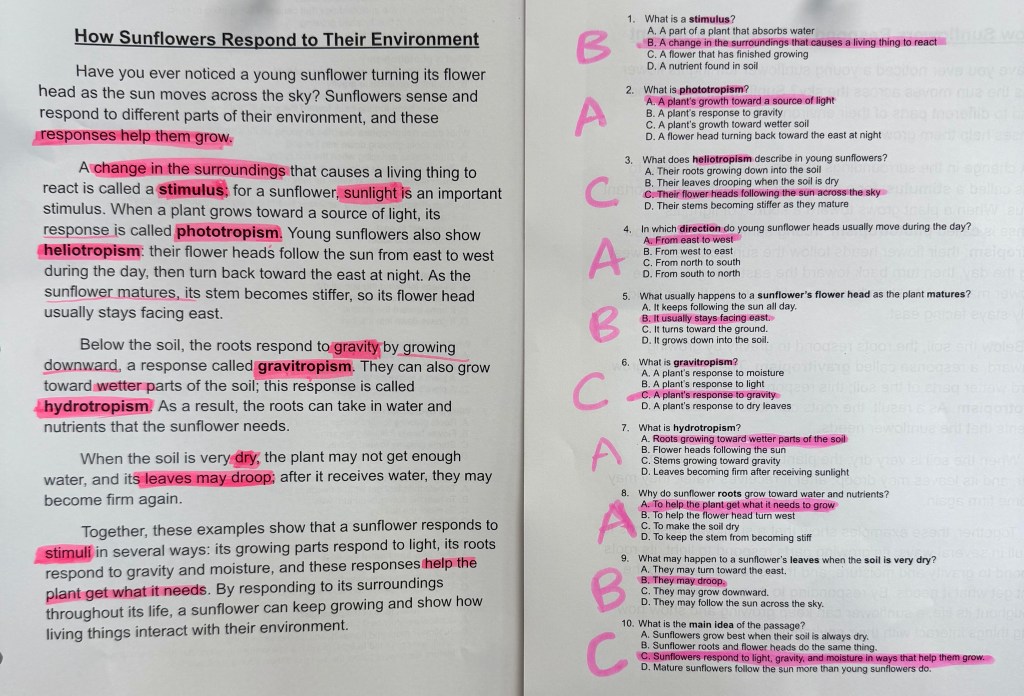
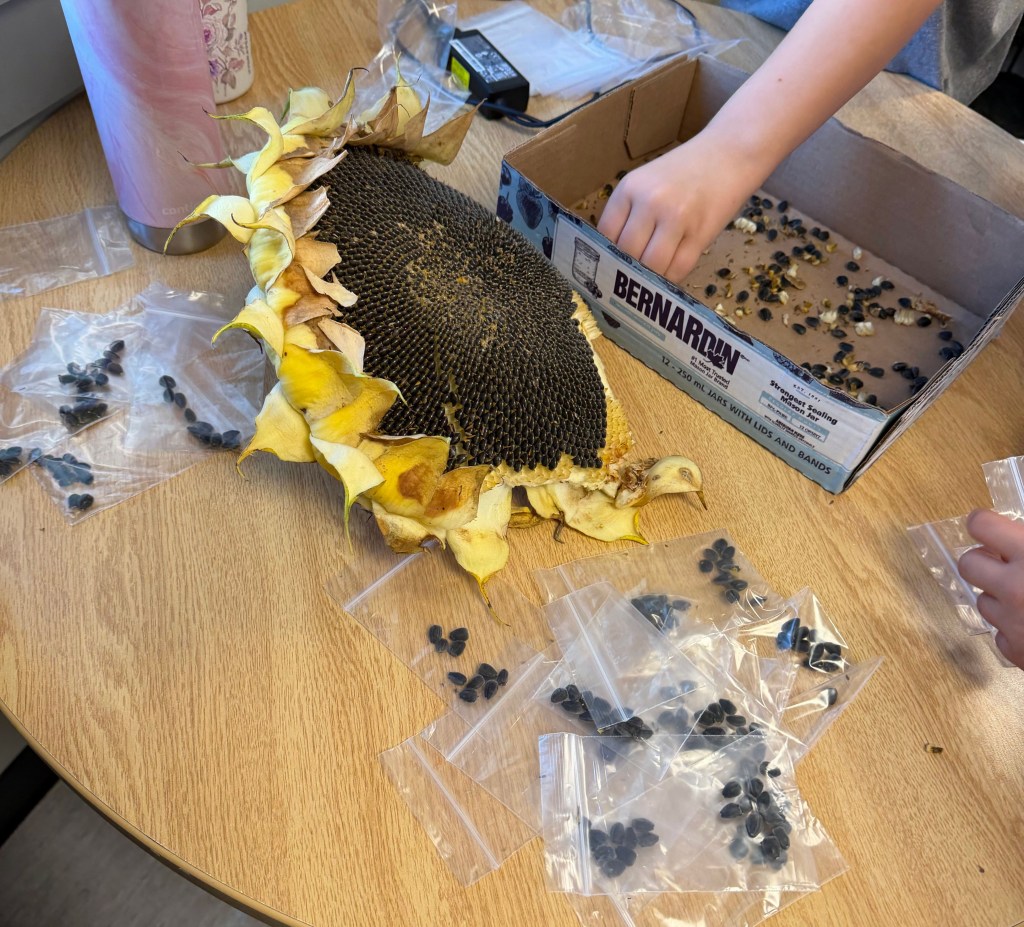
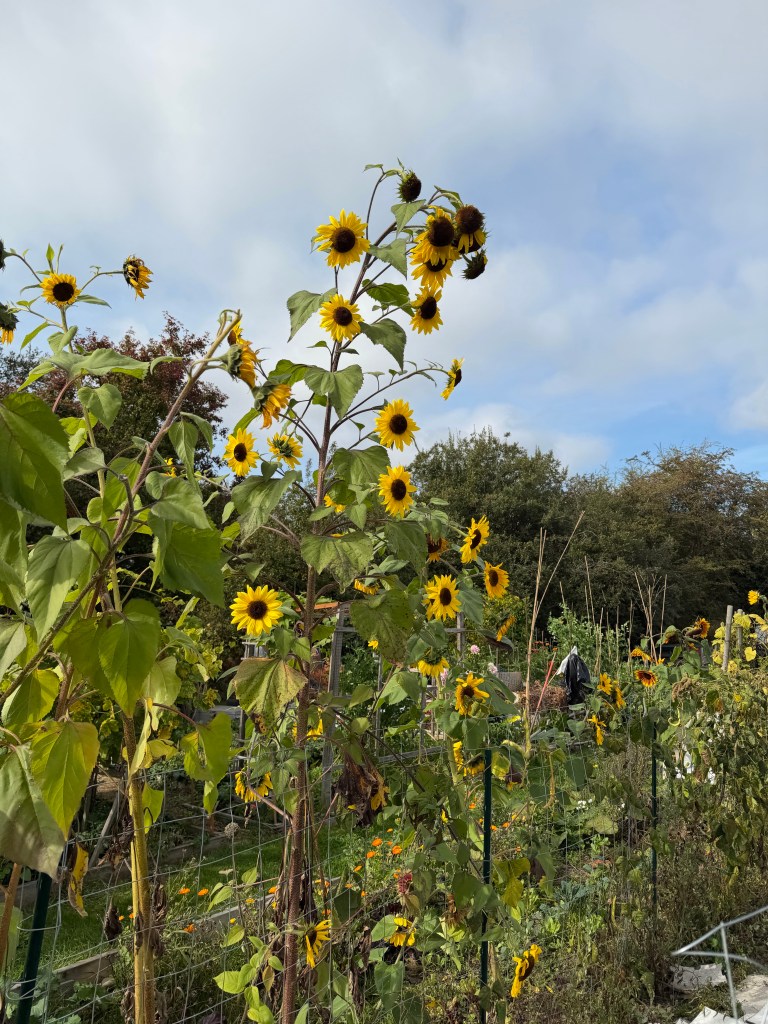
In Science, we were blessed this week to have our wonderful EA, Ms. Littler, bring more than six varieties of sunflowers to class, including examples from different stages of development!
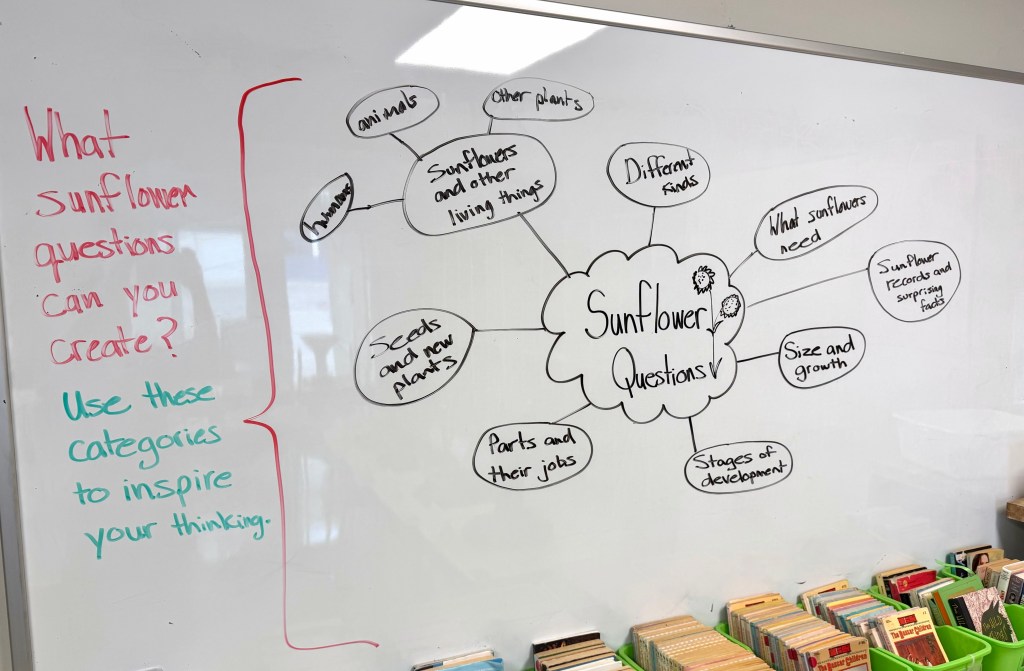
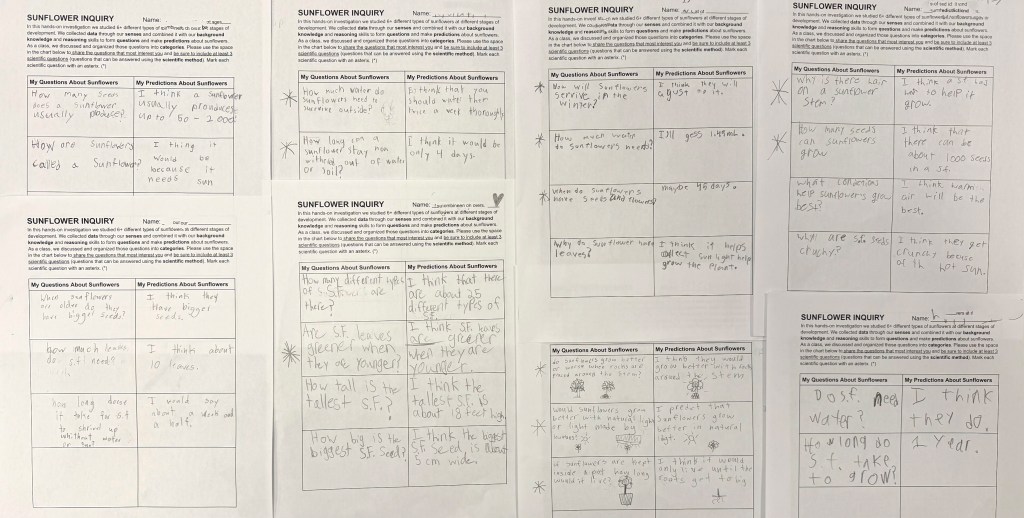
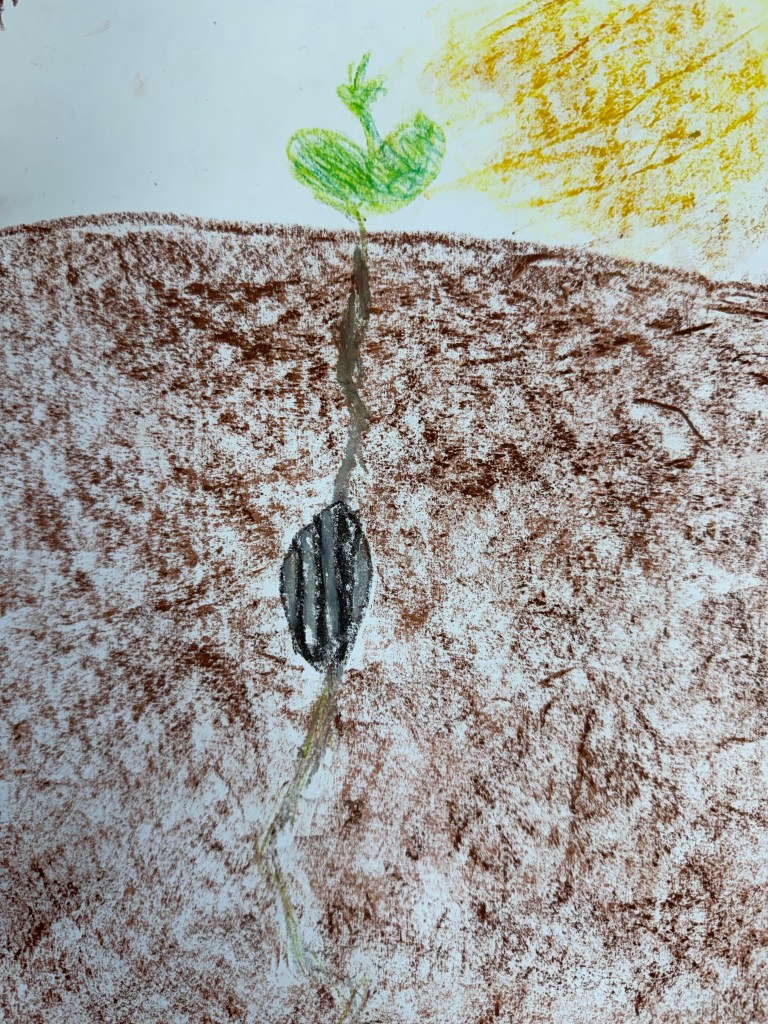
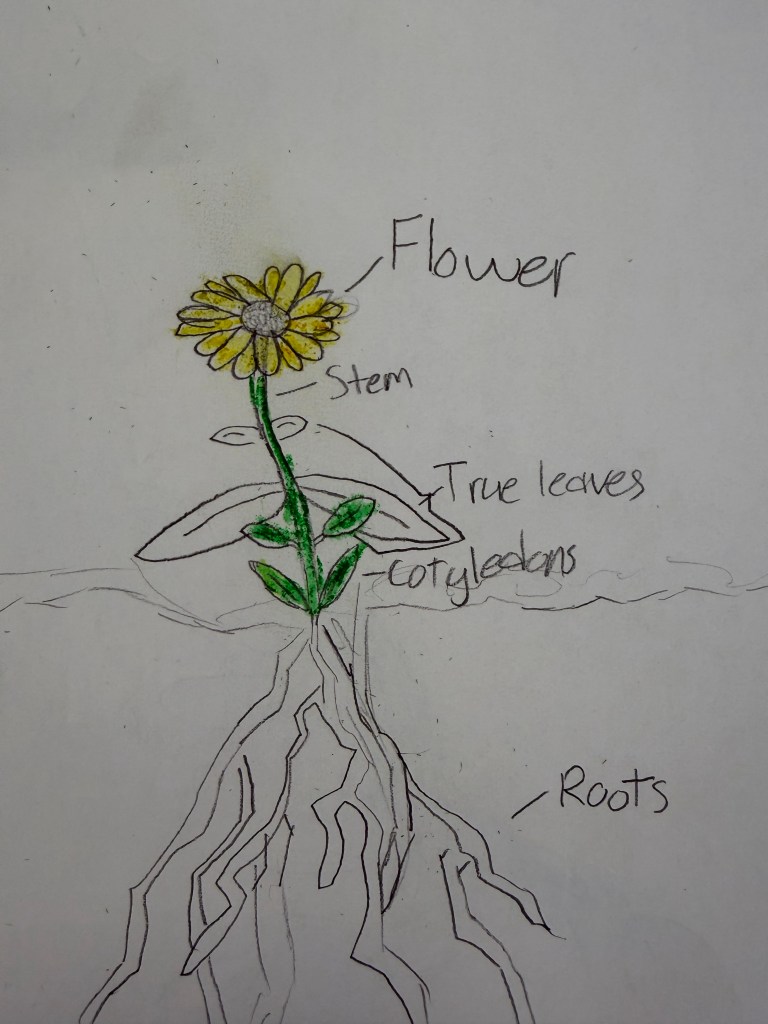
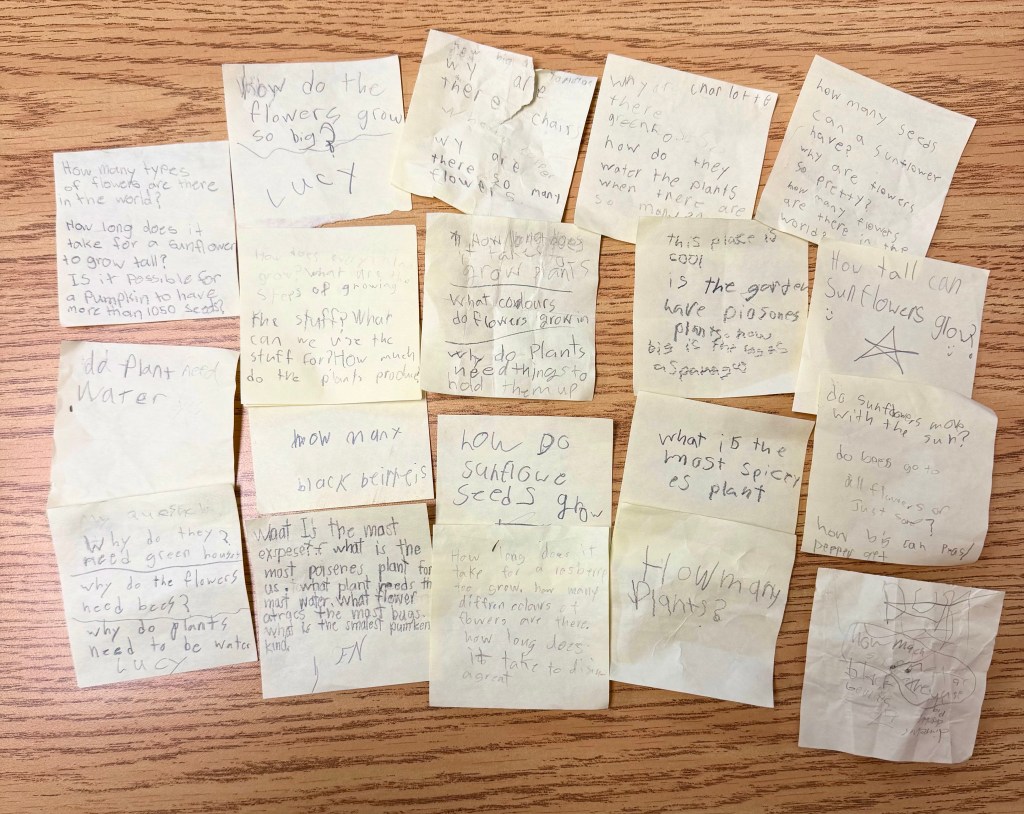
Students took part in a hands-on inquiry, observing the sunflowers with their senses and drawing on their background knowledge and reasoning skills to ask questions and make predictions. We also practiced how to formulate scientific questions and make thoughtful predictions.
(Work samples)
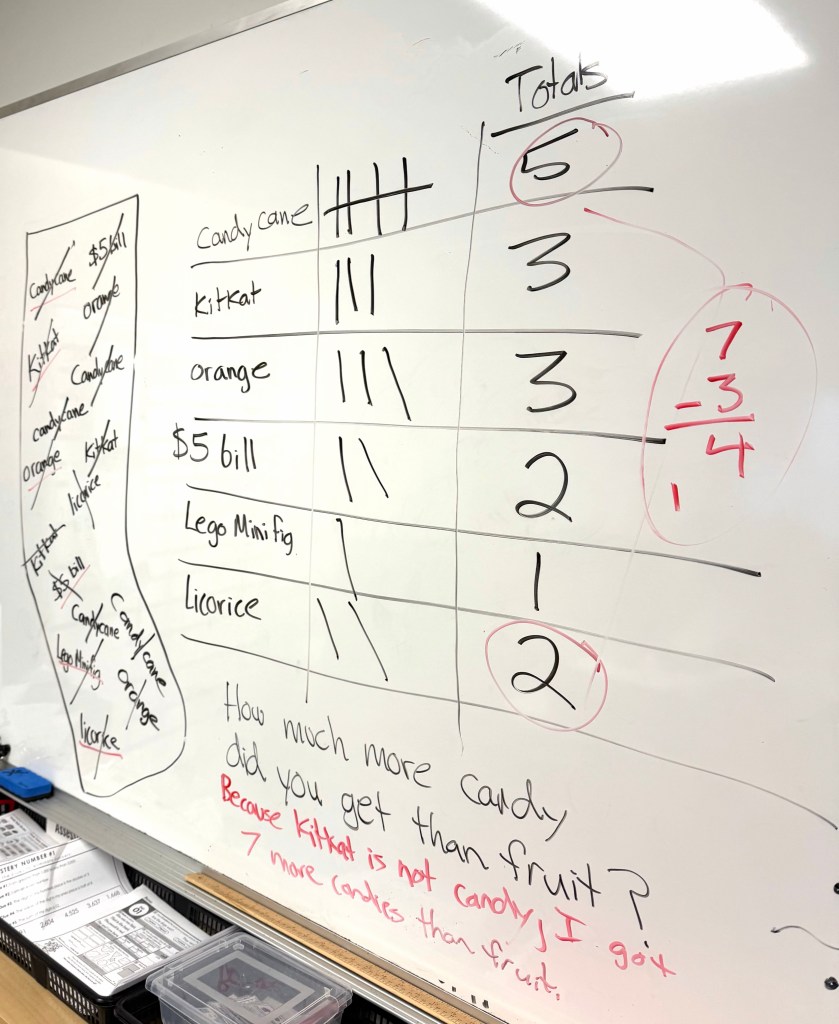
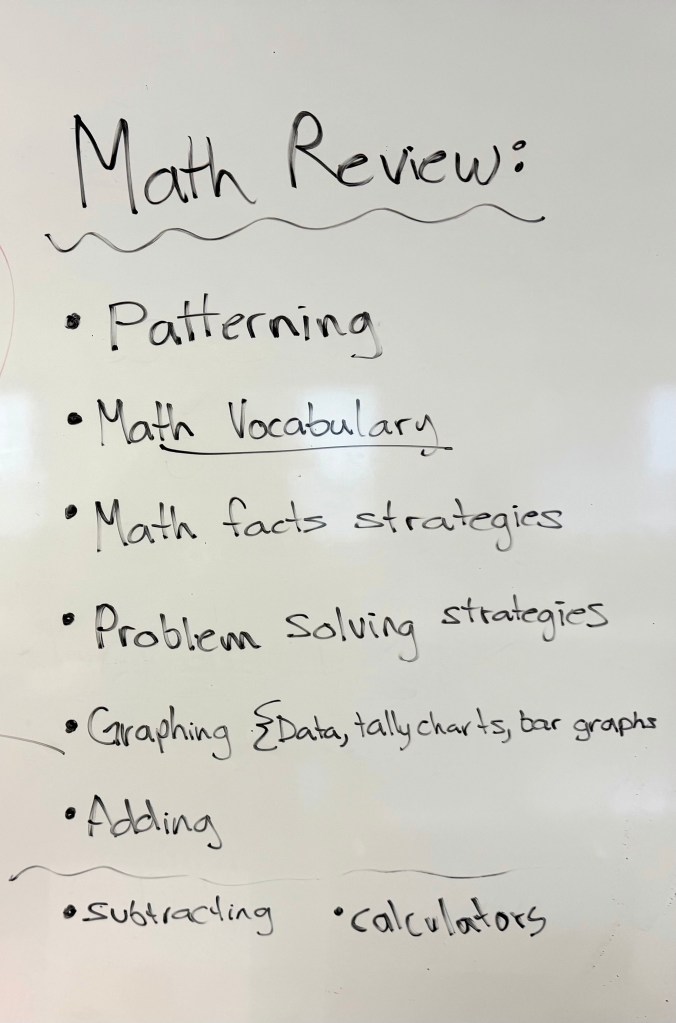
In Math this week, the key goal was to do deep review of the topics and concepts we’ve already covered so this year (pattern rules, place value, math facts, mental math strategies, math vocabulary, problem solving strategies, working with data and graphing); this process helped prepare students to do their best during the online and paper-and-pencil portions of the FSA numeracy sections.
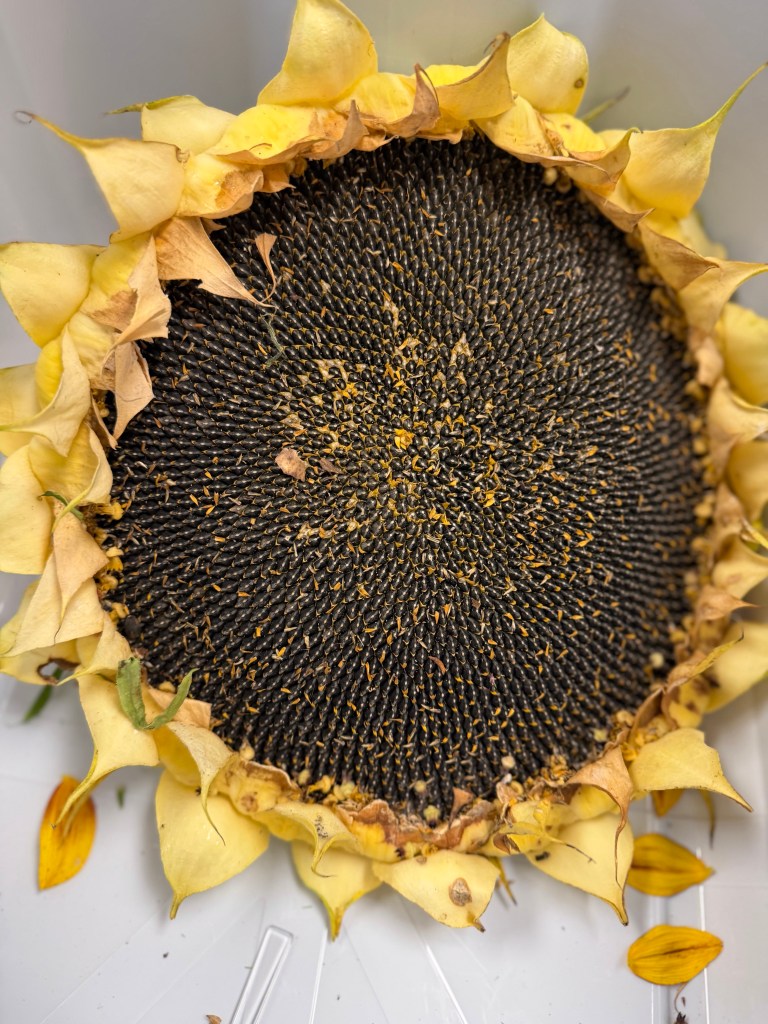
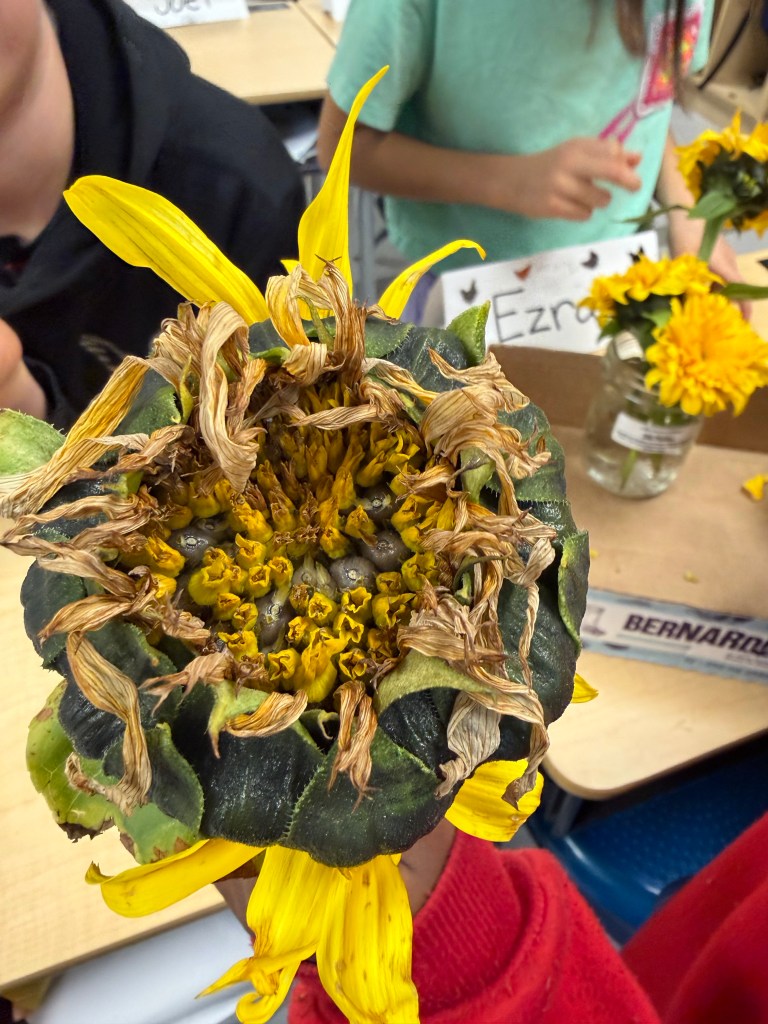
We also had fun estimating how many seeds might be in a giant sunflower head. Students recorded their first estimates, then worked together to develop an organized strategy for counting the seeds and managing their data.
How many seeds do you estimate are in this giant sunflower? What strategies can we use to find out?
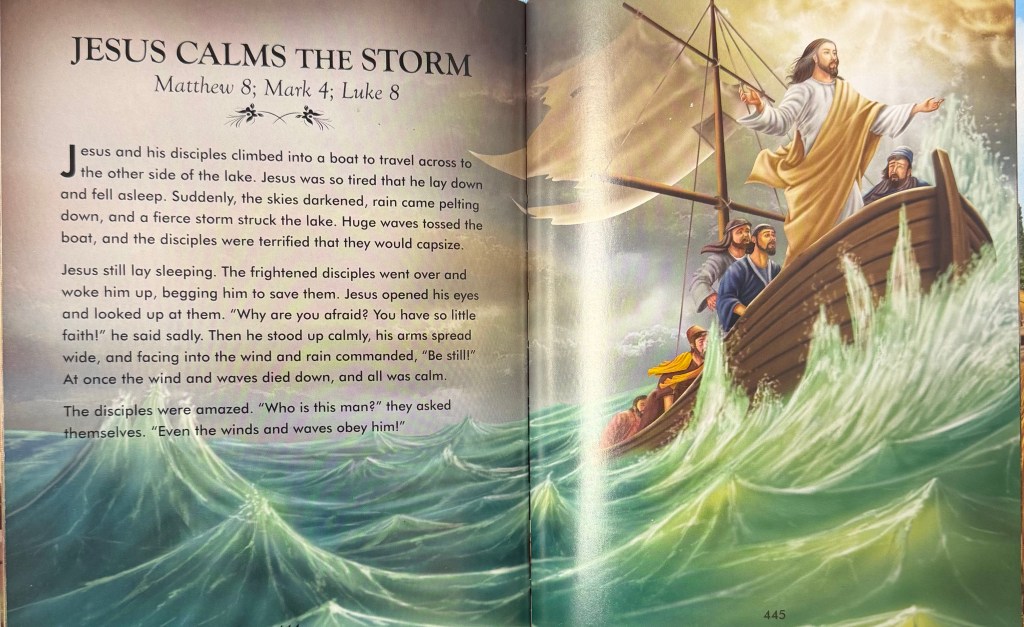
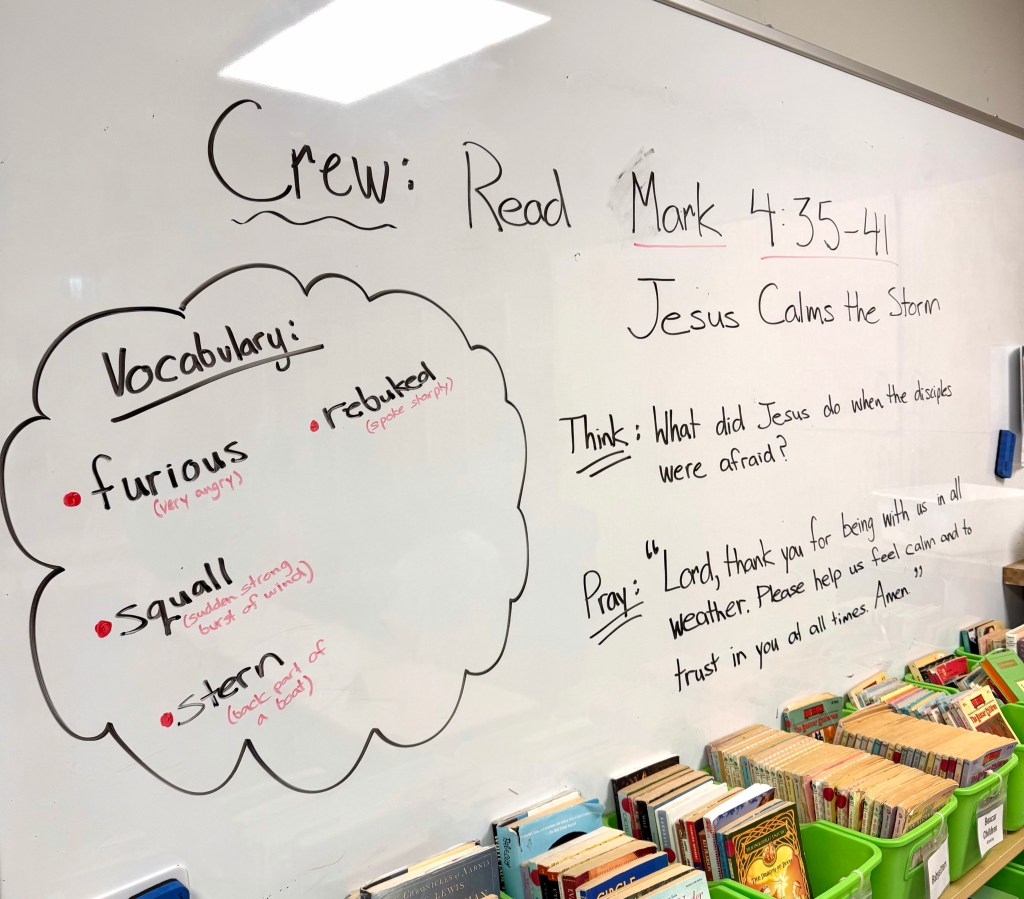
In Crew this week, we started with the Mark 4:35-41 account of “Jesus Calms the Storm”—connecting and reflecting upon how Jesus is always with us through all weather, and we are called to call upon and trust in Him to lead us to peace. Students were invited to retell the story from memory to the best of their ability.
In exploring Bible stories we approach reading the students’ NIV Bible text first, discuss and define new vocabulary, consider historical/context notes, explore children’s Bible story versions in text and occasionally preapproved video, pray for wisdom, and encourage students to continue exploring with family and friends.
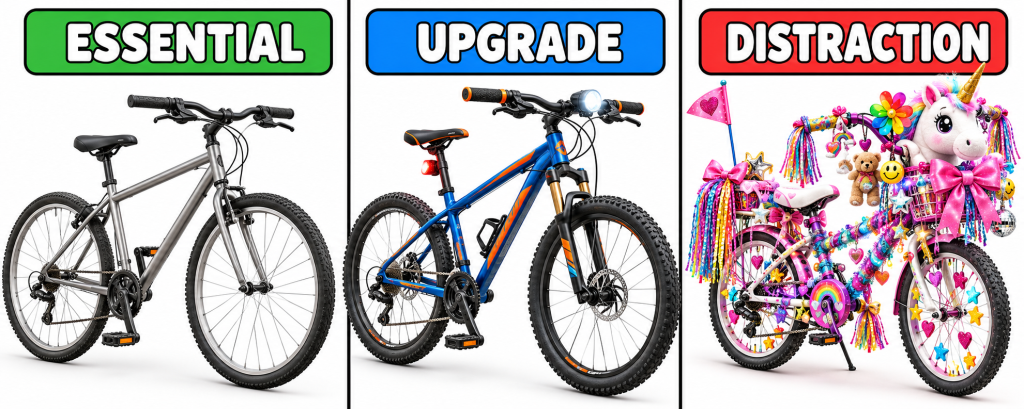
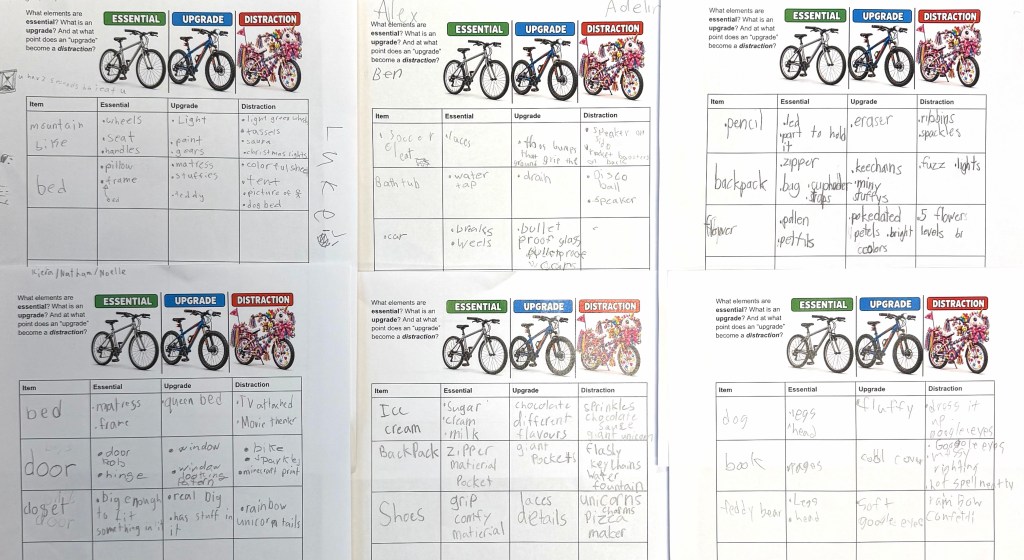
In Crew this week we also challenged our critical thinking by sorting the parts of different items into three categories: essentials, upgrades, and distractions.
We learned that we need to understand an item’s purpose before we can to what extent all of its parts and features help satisfy or distract from that purpose.
An essential part helps the item do what it is meant to do, an upgrade improves it, and a distraction pulls attention away from its purpose.
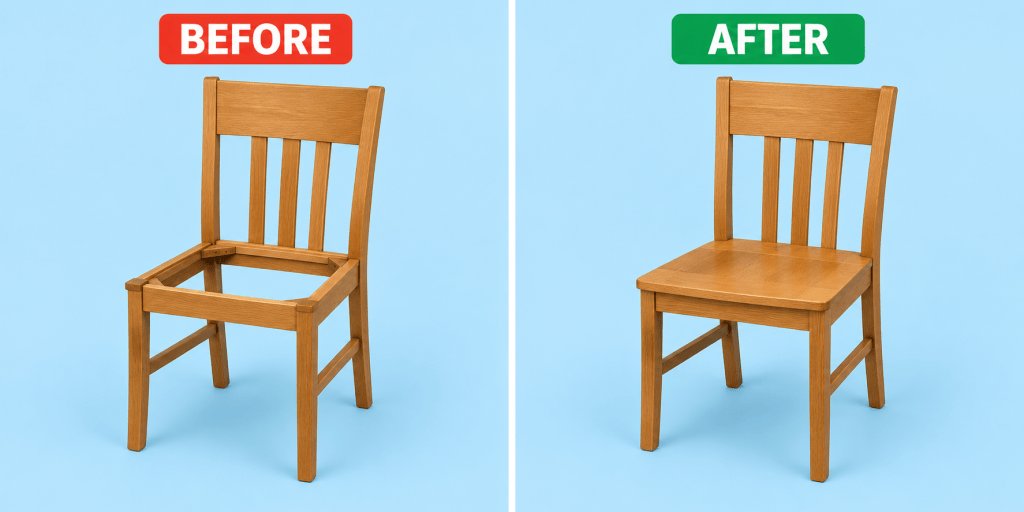
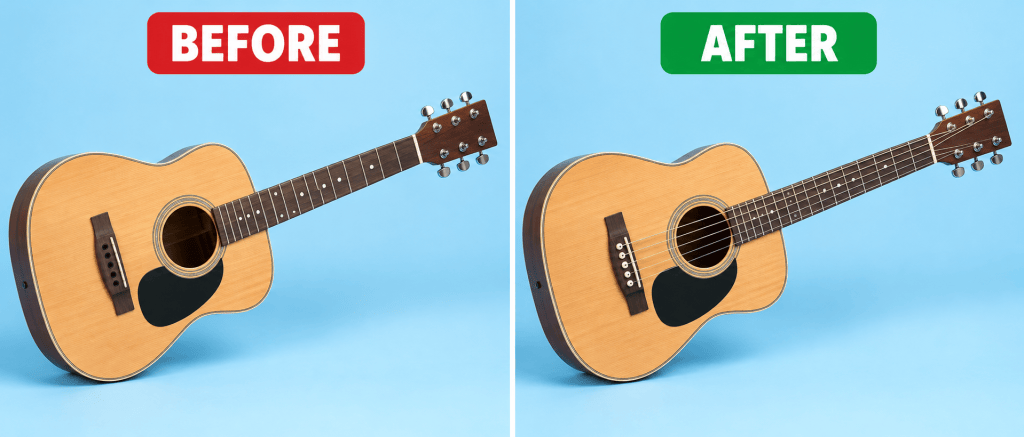
What features of these mountain bikes do you notice? To what extent does each feature help support the purpose/function of the bike?Take a seat! (Which one would you choose?)Is it a good umbrella if it lets you get wet?Are wheels a nice “upgrade” or do you need and expect them to come standard with a car?How important are strings on an acoustic guitar?Don’t throw out this “before” lamp—but definitely add a light bulb so that it actually works!Travelling first class could be nice, but you can still achieve your goal of flying from point A to point B in economy class.
We also connected this idea to writing: simply adding more words does not make a paragraph stronger if those words do not serve its purpose.
This led to a faith dialogue and discussion about the difference between appearances and what is truly important beyond the razzle dazzle people cloth themselves in. Decorating our lives to “look the part” of Christians is not fulfilling our purpose —rather, how we work in the world should grow from our genuine faith in Jesus and reflect our increasing understanding of and commitment to God’s purpose for our lives.
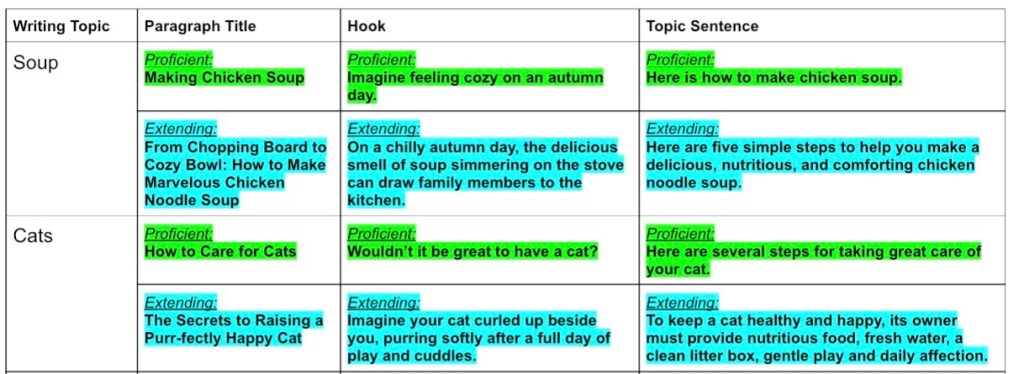
In Language Arts, we continued discussion using the ideas of essentials, upgrades, and distractions to think about our writing.
Students examined examples and practiced creating strong titles, hooks, and topic sentences.
They also played a creative game called “Upgrade My Sentence,” where they took turns trying out ways to make a sentence more engaging while keeping focused on its purpose.
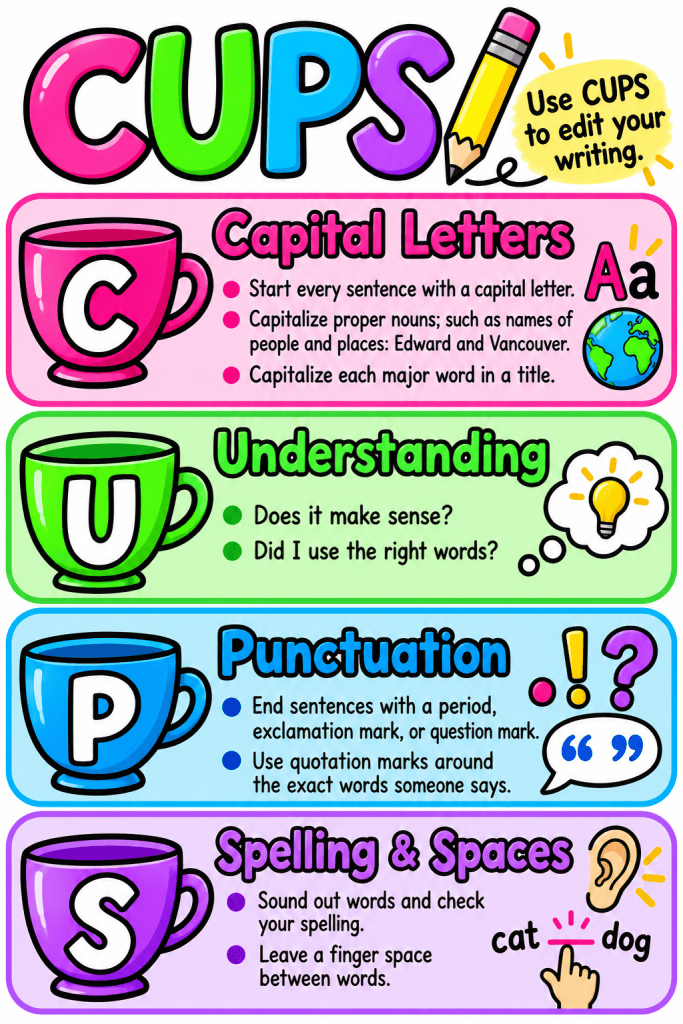
We also looked at the CUPS approach to proofreading.
Starting today, we are setting a clear standard for all 4A written work (an essential): sentences should begin with capital letters and end with appropriate punctuation.
We will continue to offer gentle reminders, and if students miss these conventions, we will return their work and expect corrections to be made.
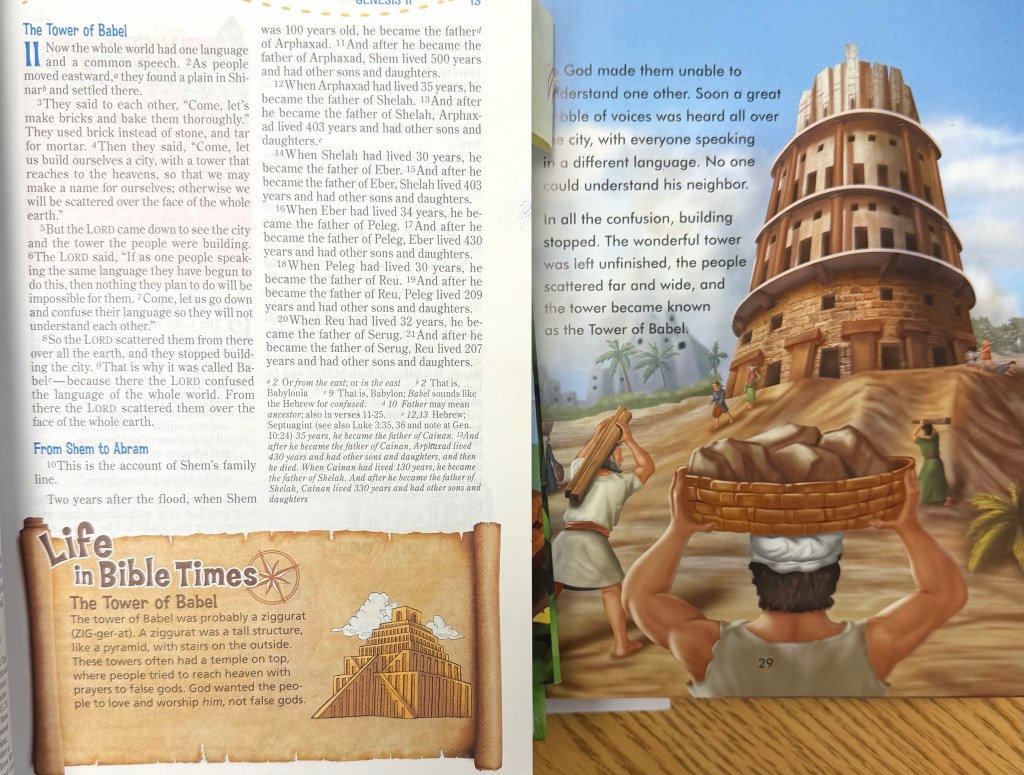
In Bible, we continued through Genesis to the study the story of the Tower of Babel.
The people wanted to “make a name” for themselves.
Personal Reflection Questions:
What might be a “Tower of Babel” we build in our own lives (not out of bricks, but through our choices)?
Have you ever wanted to do something mostly so other people would think you were impressive?
How can we use our talents to help others instead of just getting attention for ourselves?
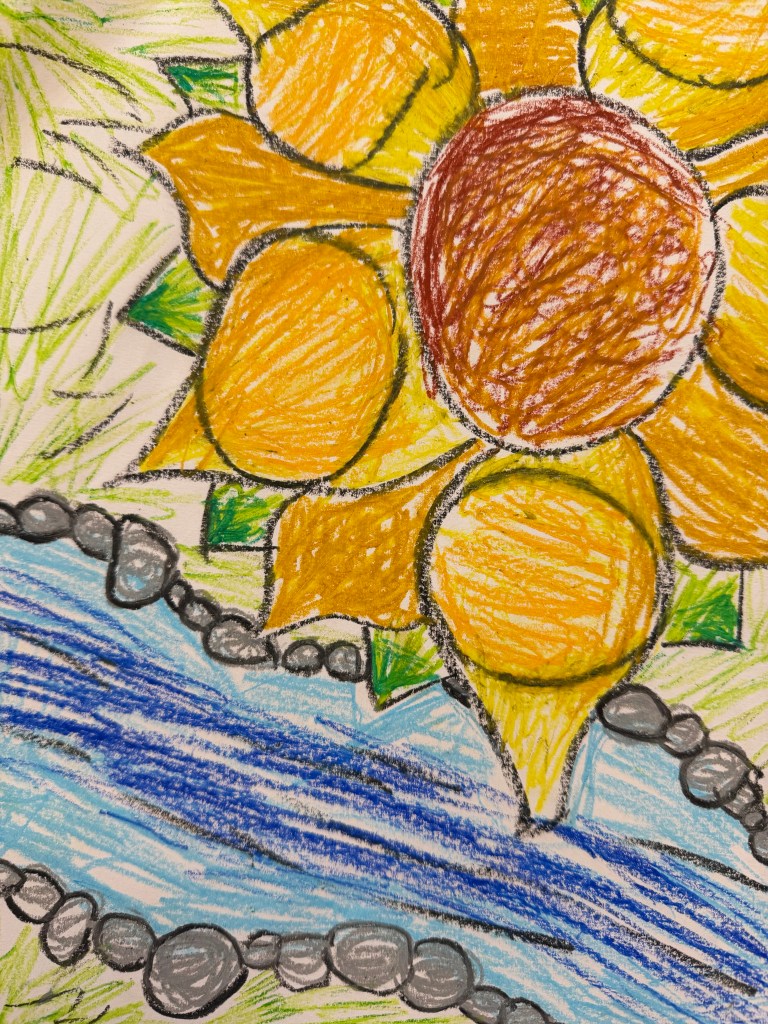
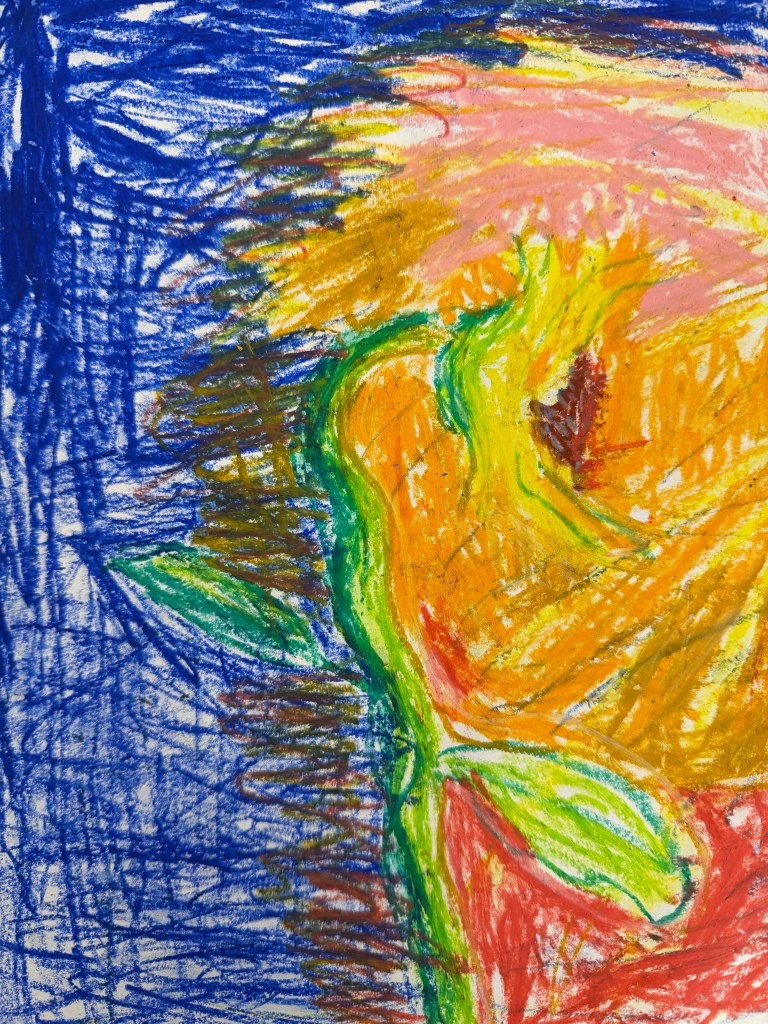
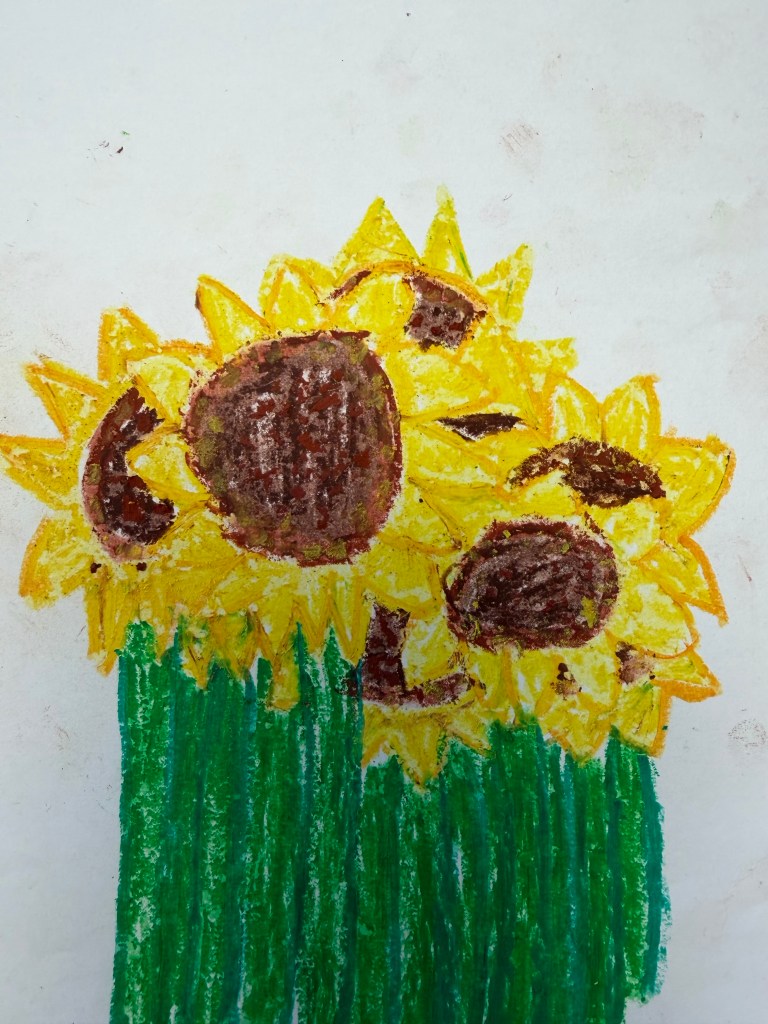
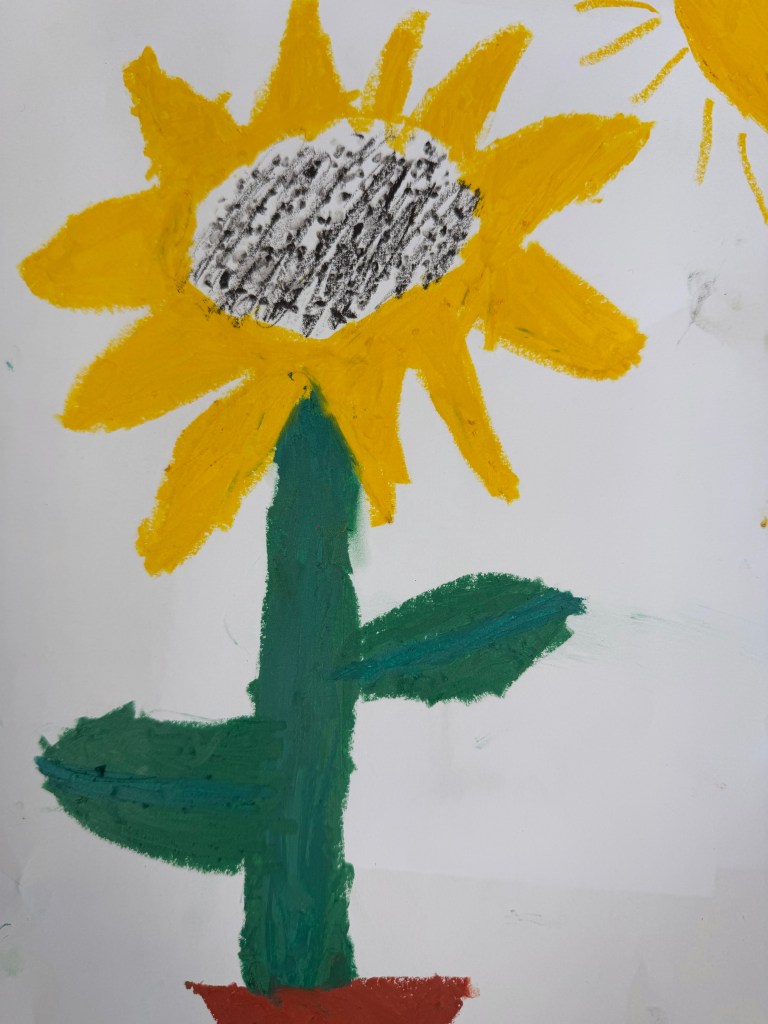
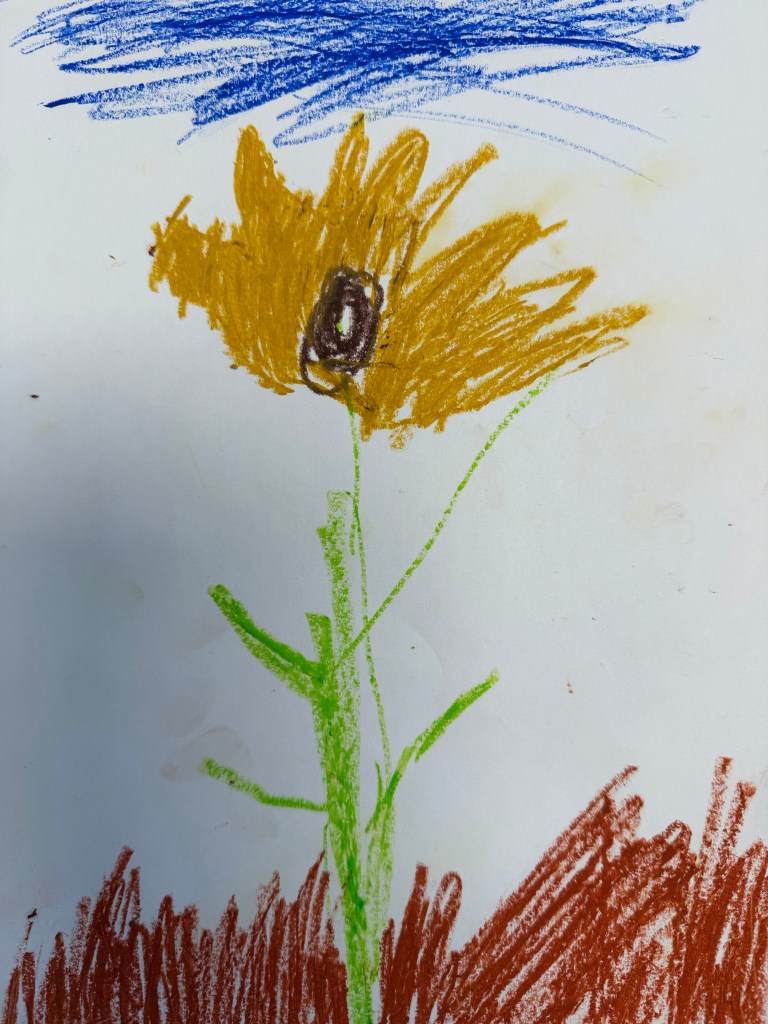
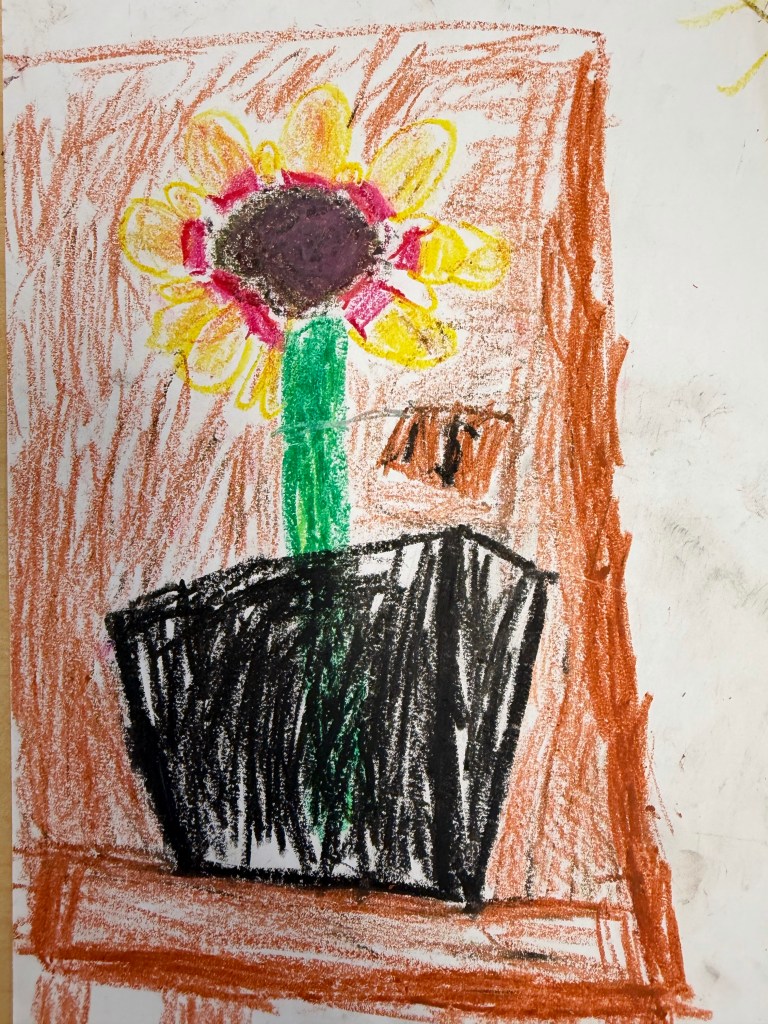
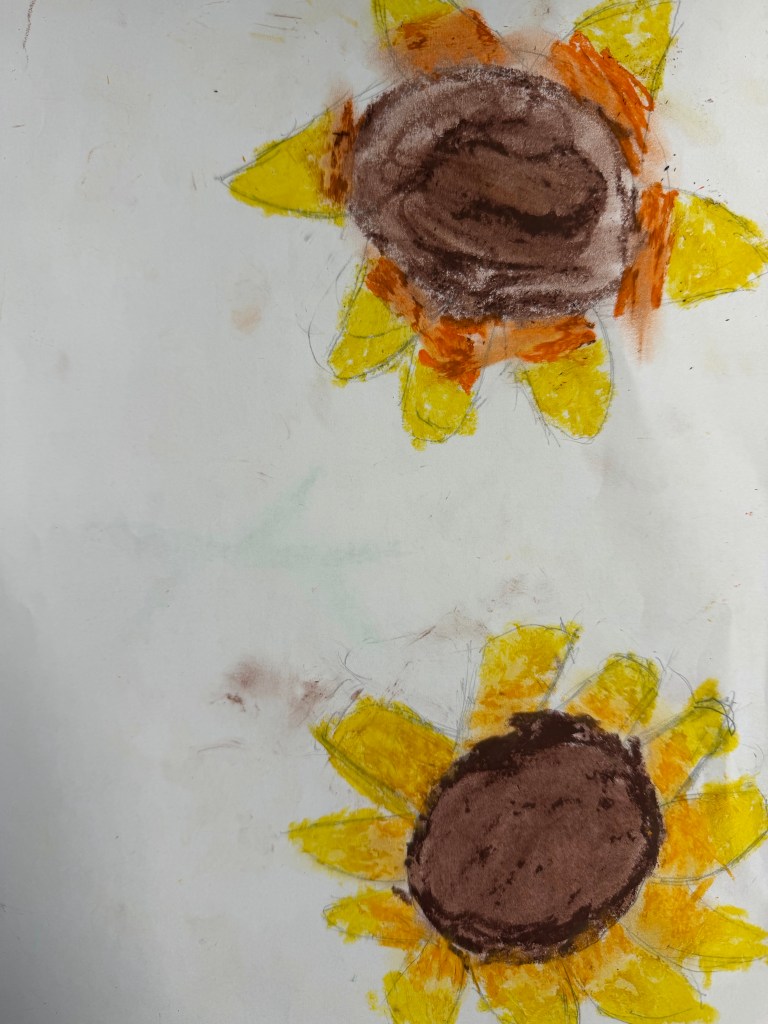
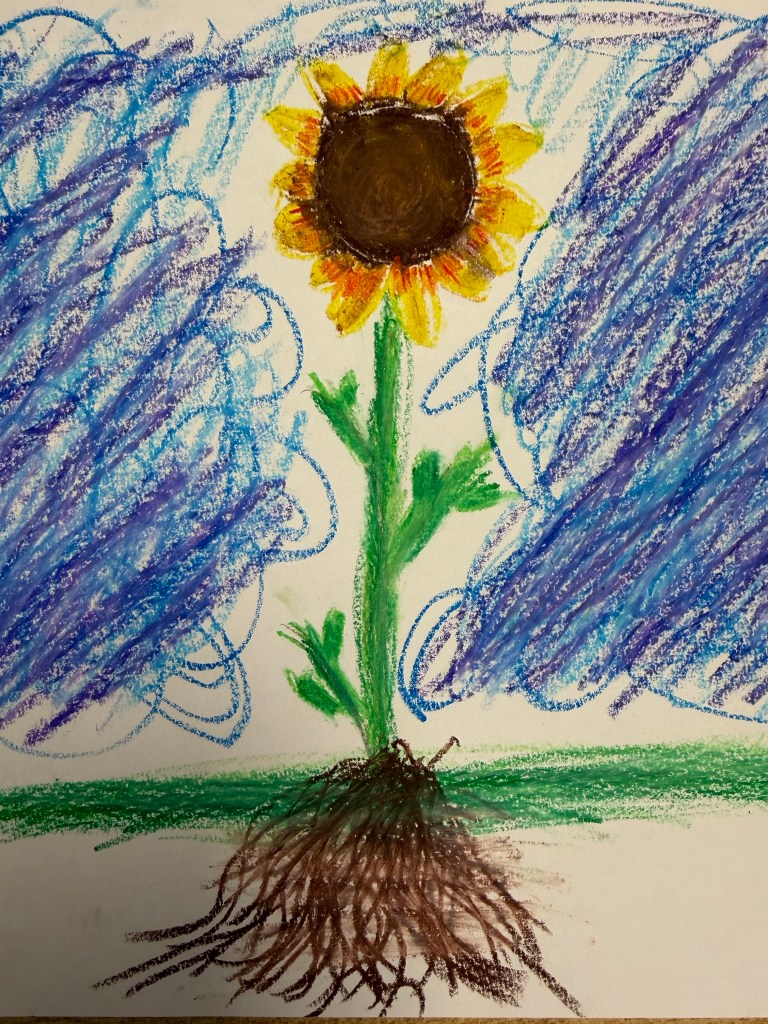
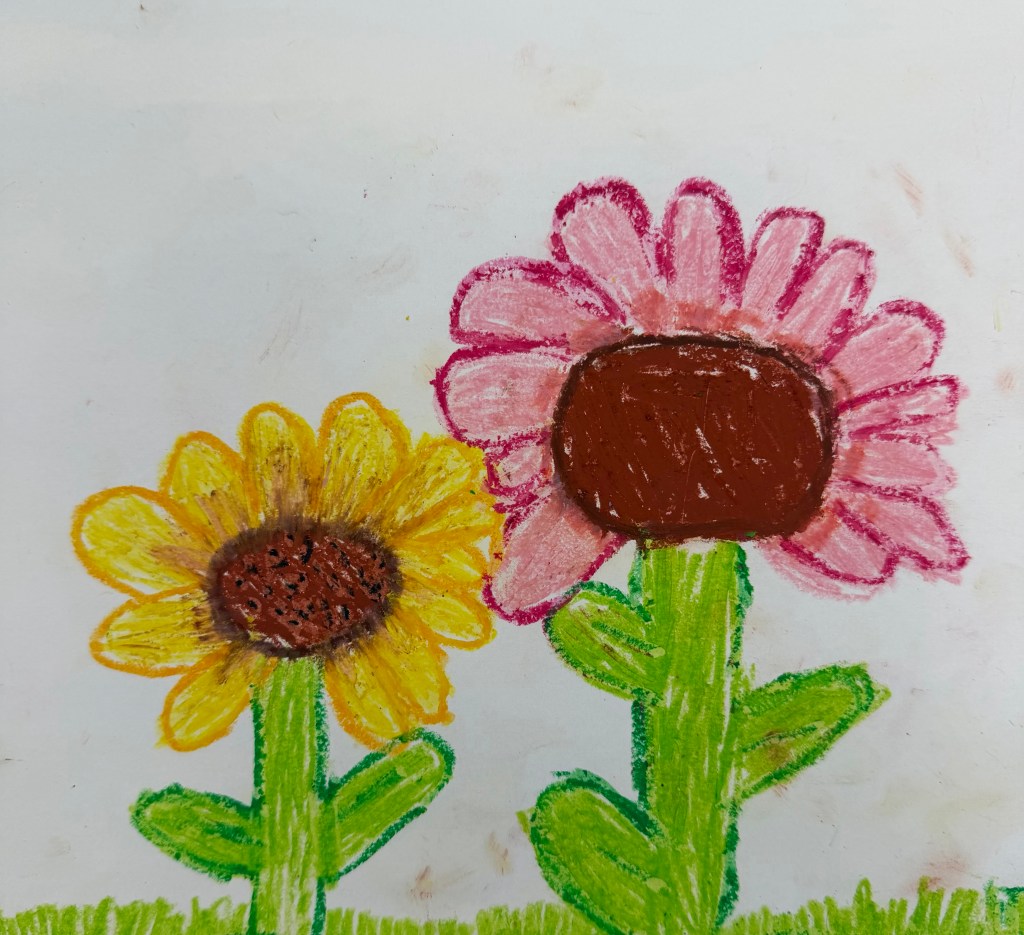
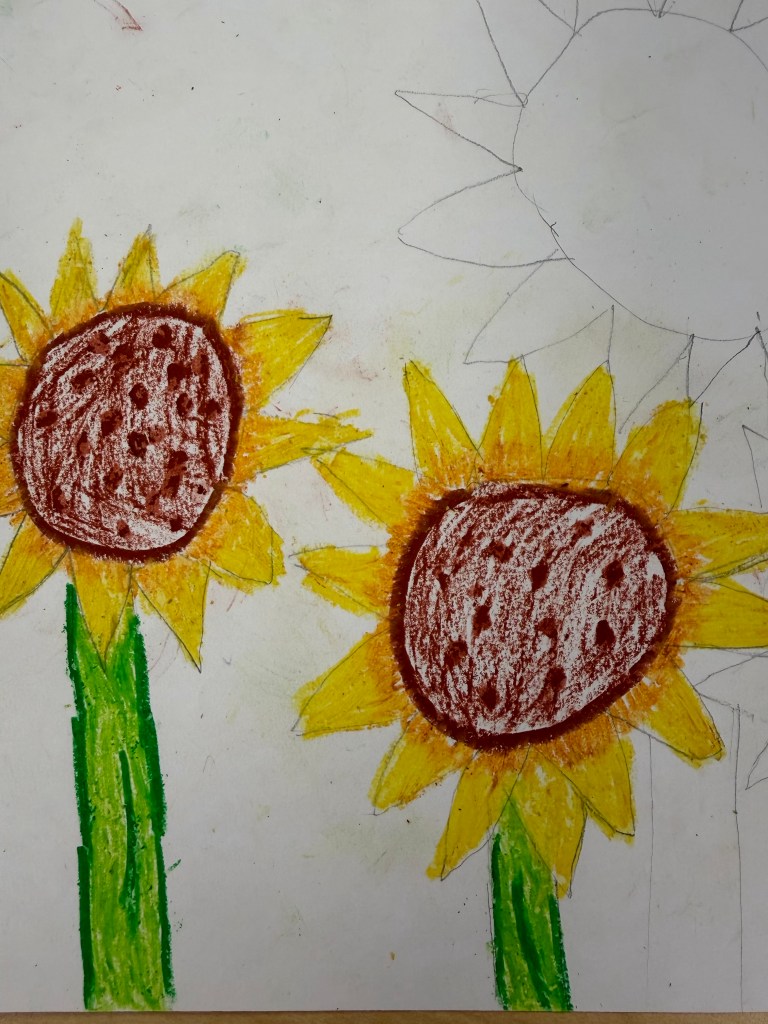
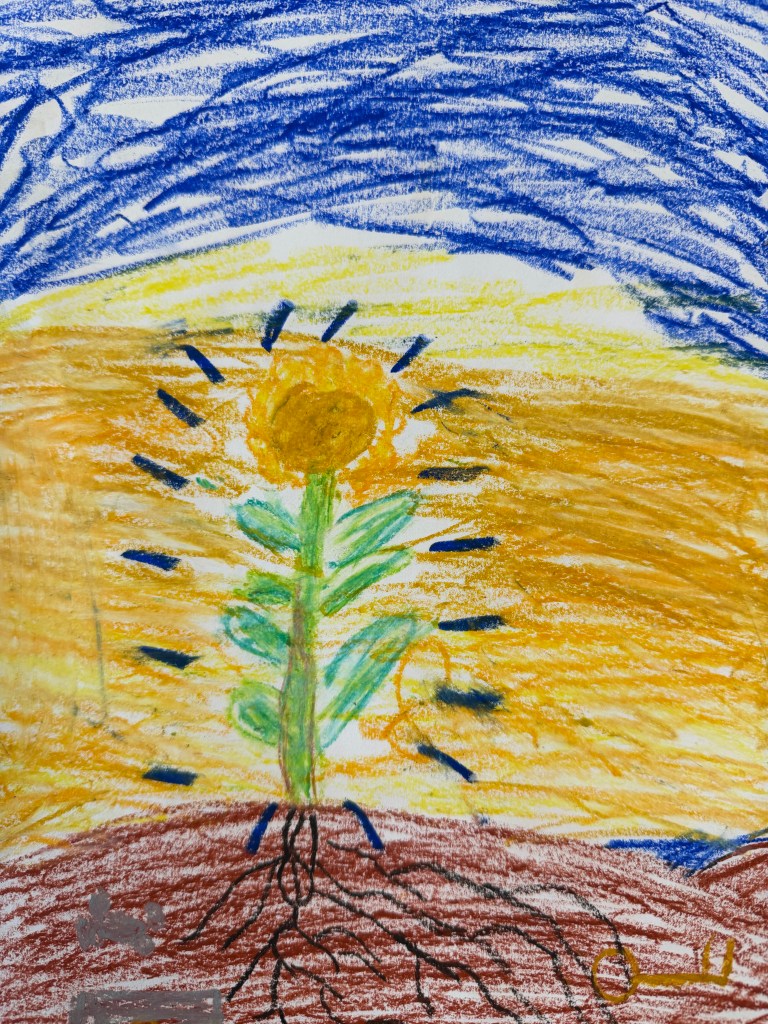
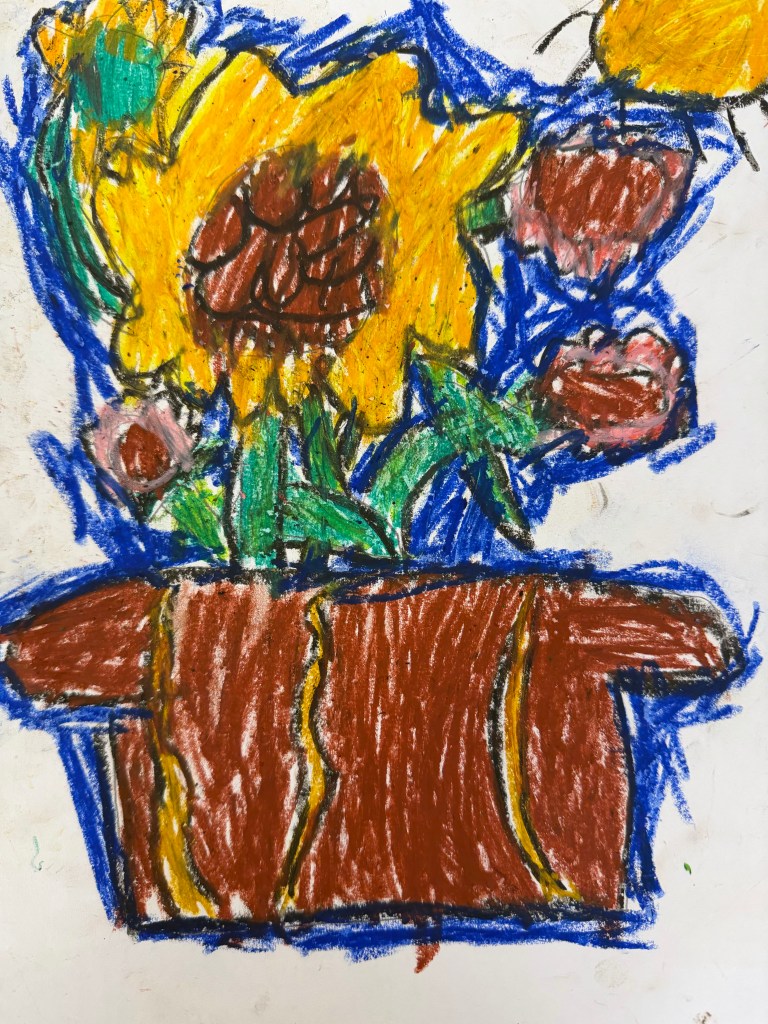
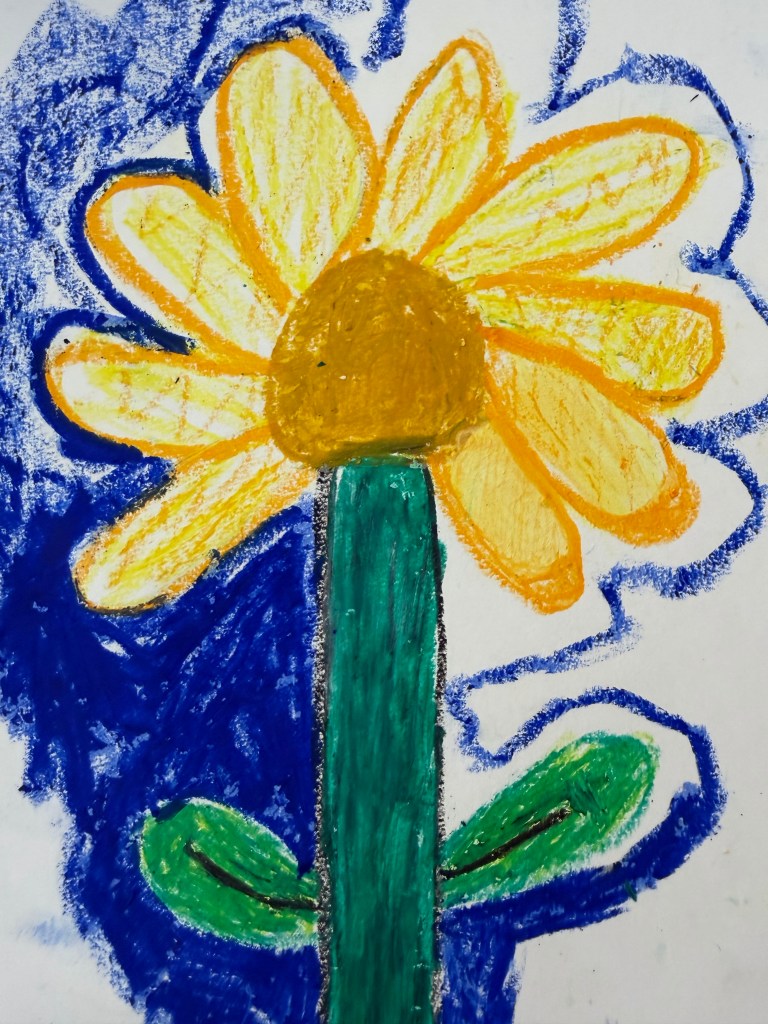
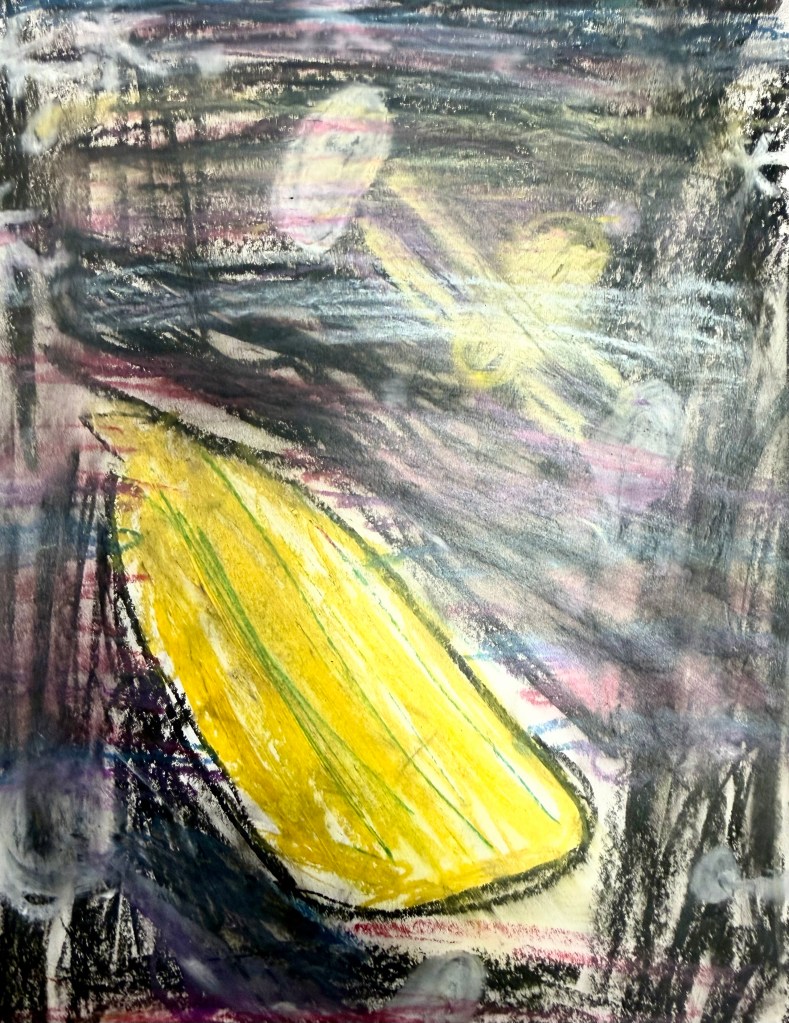
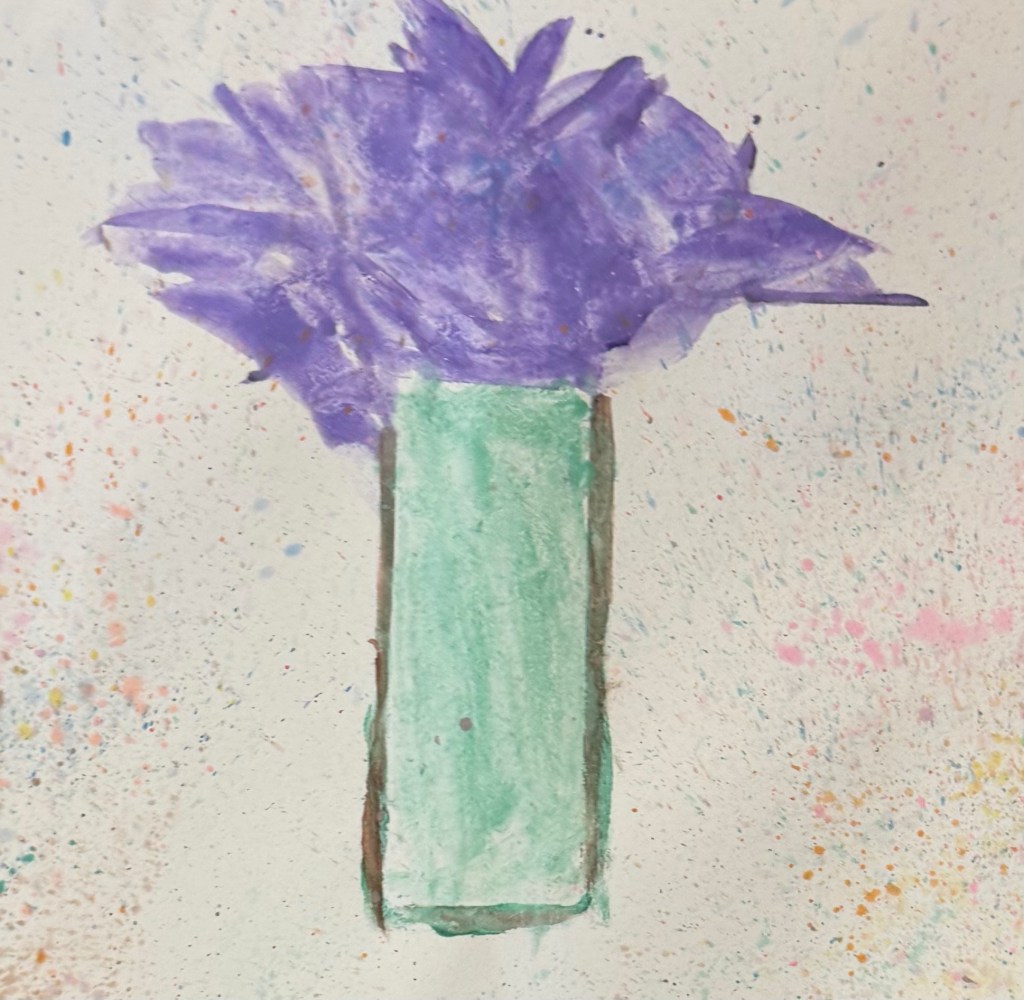
In Art this week, we did a still life study of sunflowers in oil pastel to continue working on our skills at blending and layering of colour and we will try the same subject in watercolour next week to compare the benefits and opportunities of the two mediums.
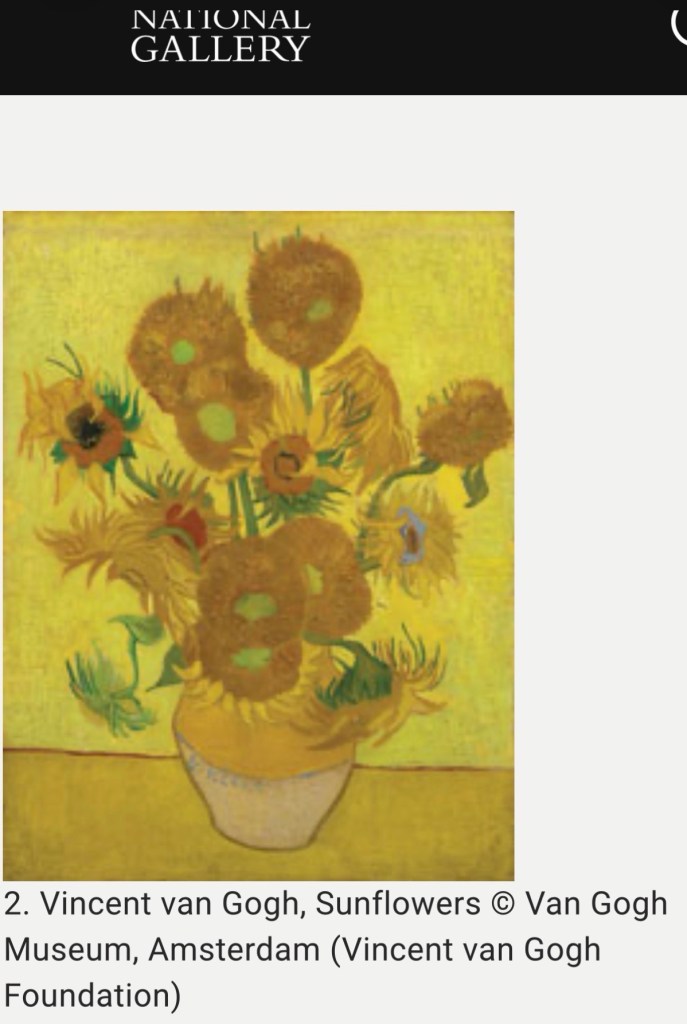
We also looked at Vincent van Gogh’s famous painting Sunflowers, noticing its vivid yellows and how the flowers’ different shapes and stages—from fresh blooms to drooping heads—bring the arrangement to life.
Happy Thanksgiving weekend! This week has been jam-packed…
(You can improve the resolution of this video to 1080p by clicking the gear button on the bottom right.)
NOTE: No school for students this Friday, October 9th (Parent Conferences/Pro-D) and Monday, October 12th (Thanksgiving).
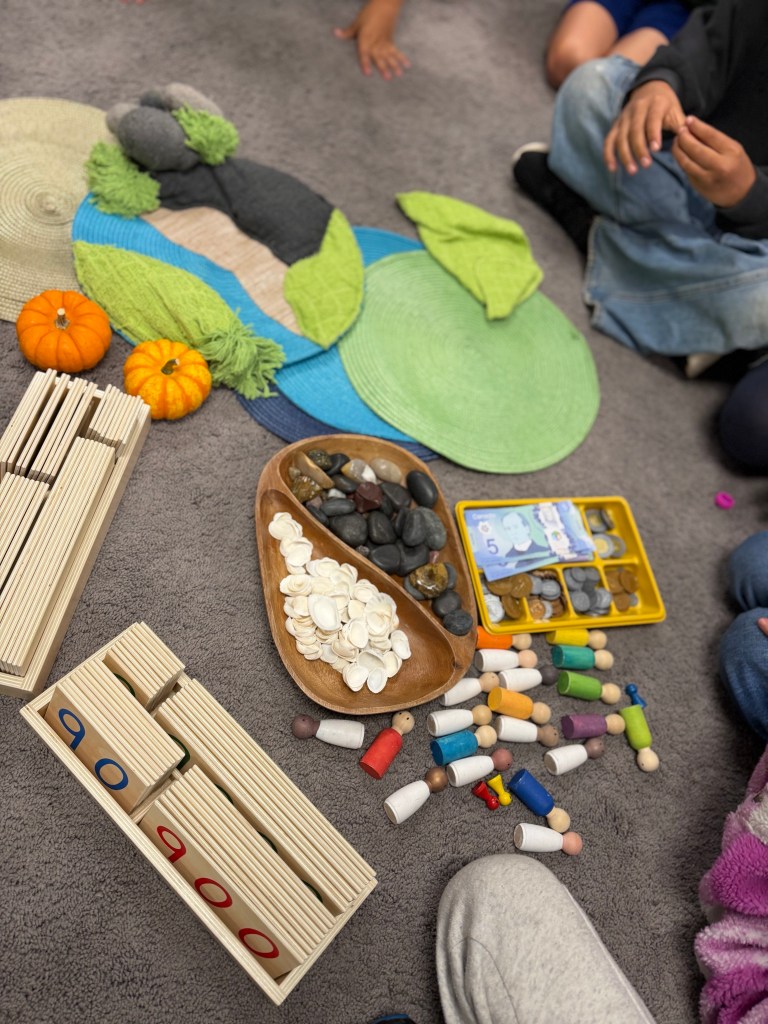
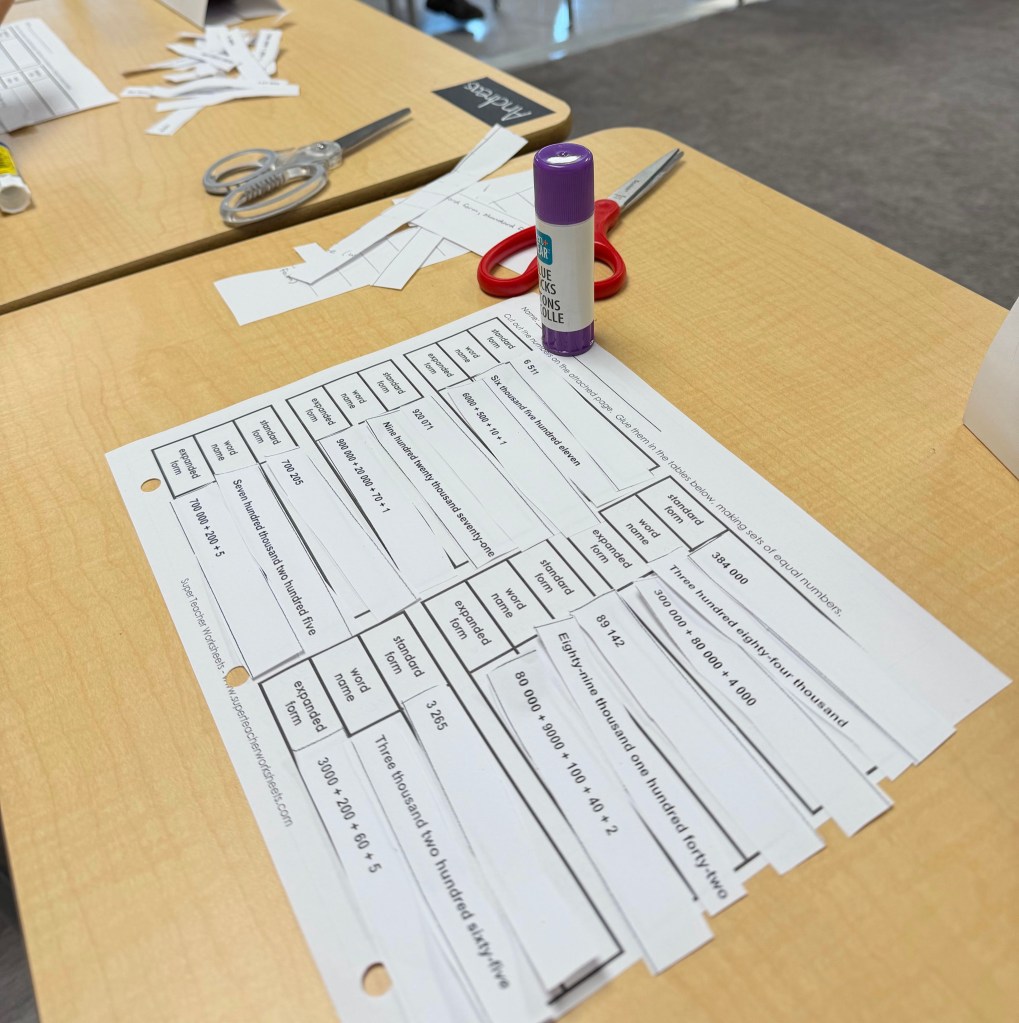
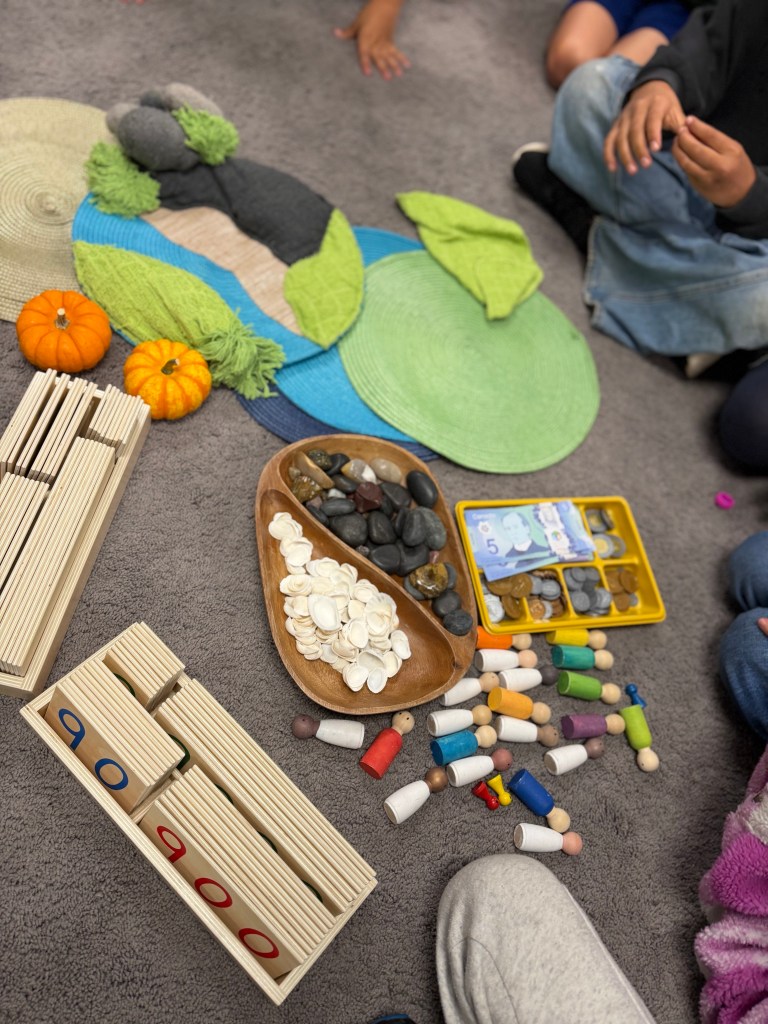
In Math, we continued our work on place value concepts and a marked quiz came home Wednesday. As well, students are showing their numeracy skills in a variety ways to meet all of our skills in interests—including with sorting activities, making math stories, using manipulatives, and practicing math vocabulary in conversation.
Math Stories are a fun way to challenge and share our mathematical understanding!
Addtionally, we have been working through the interesting and complex FSA numeracy booklets (practice versions), and it has been so rich to see students working hard together and finding ways to show their thinking on questions with more than one correct answer. We specifically added skills for making bar graphs today—as this is one area I have seen previous years of grade 4s need more practice with before FSAs.
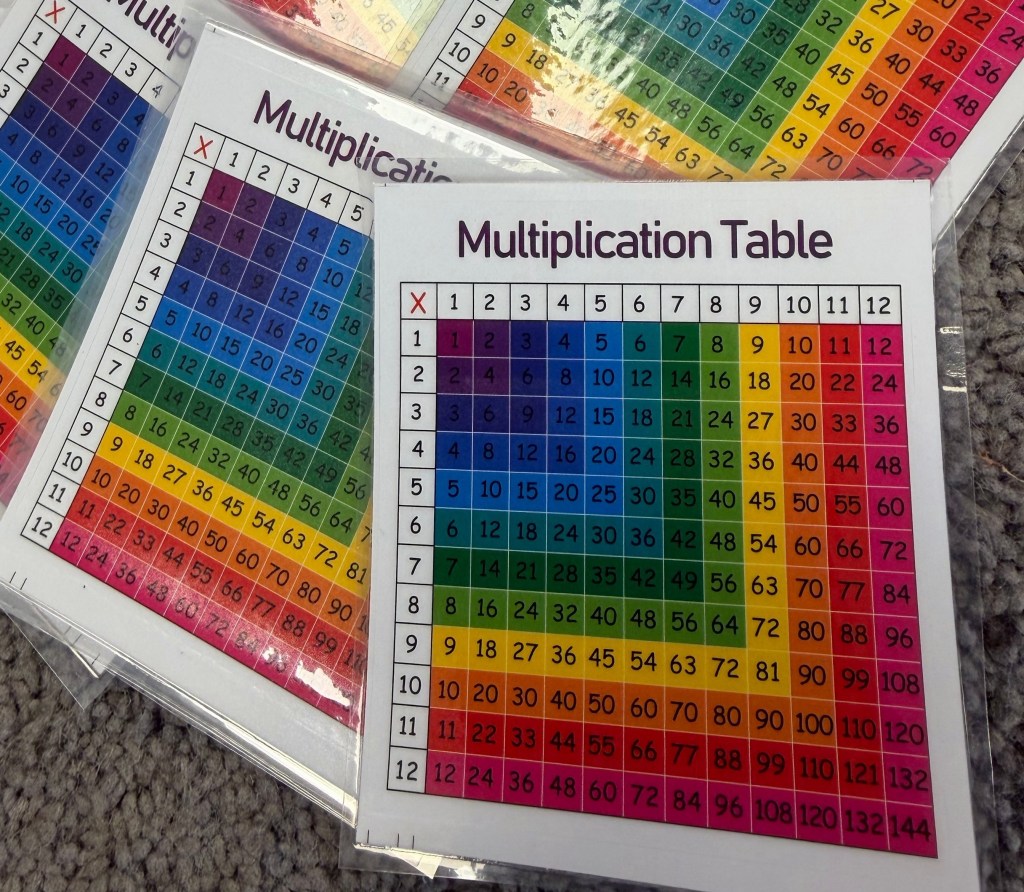
Skills to keep practicing at home: math facts (adding and subtracting to 20 and multiplication and division facts—especially the memorization of the 1, 2, 3, 5, and 10 times tables) and multi-digit addition with regrouping (457+269=726?)
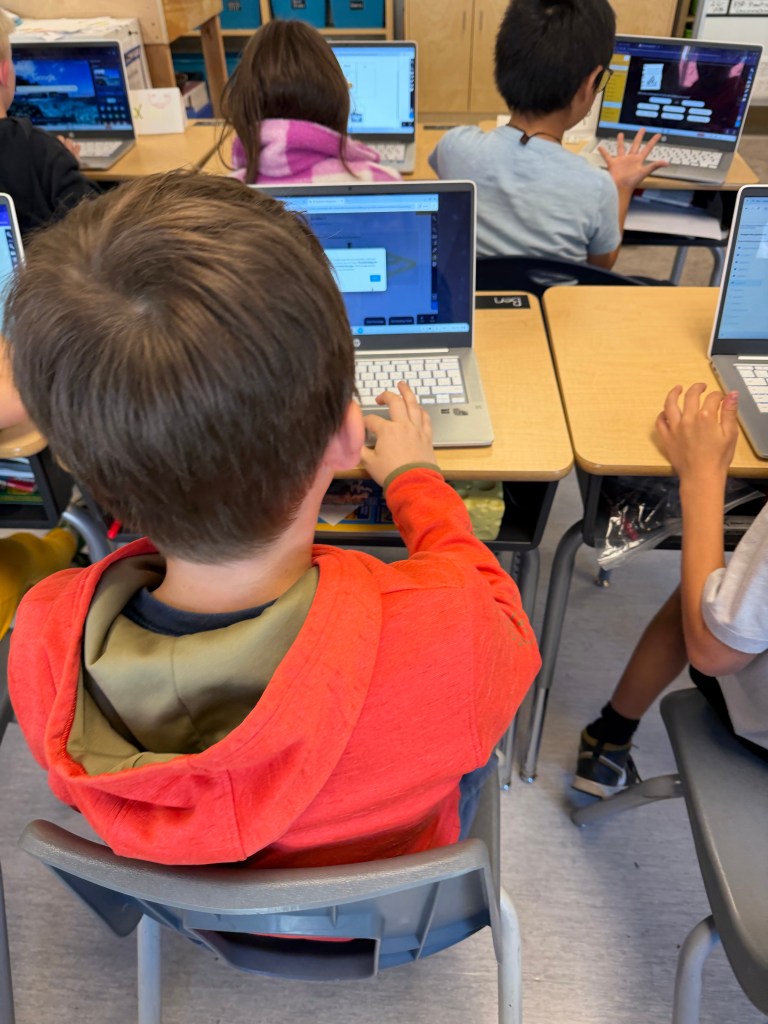
In Language Arts, we continued our Babe novel study and honed in on reading comprehension and writing strategies to support students in the upcoming FSAs. Students have been practicing in class both with sample FSA literacy booklets and the online practice site.
Our individual spelling programs are underway with students working through their school-wide write spelling corrections and “mindful spelling” routine.
As well, our compound word unit has wrapped up, and we were reviewing vowel teams this week—noting, for example, that the long a vowel sound made by the “ai” vowel team tends to occur in the middle of words (train, complaint, paid, sail), whereas the “ay” tends to land at the end of words (play, day, stray).
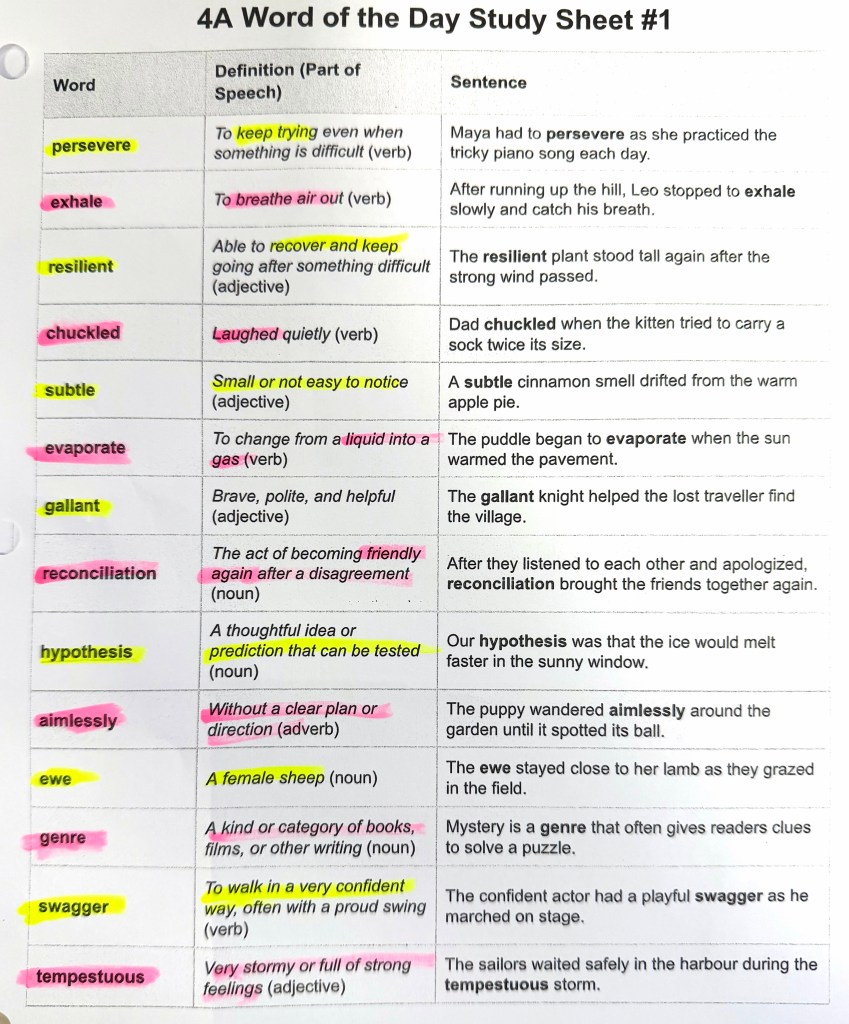
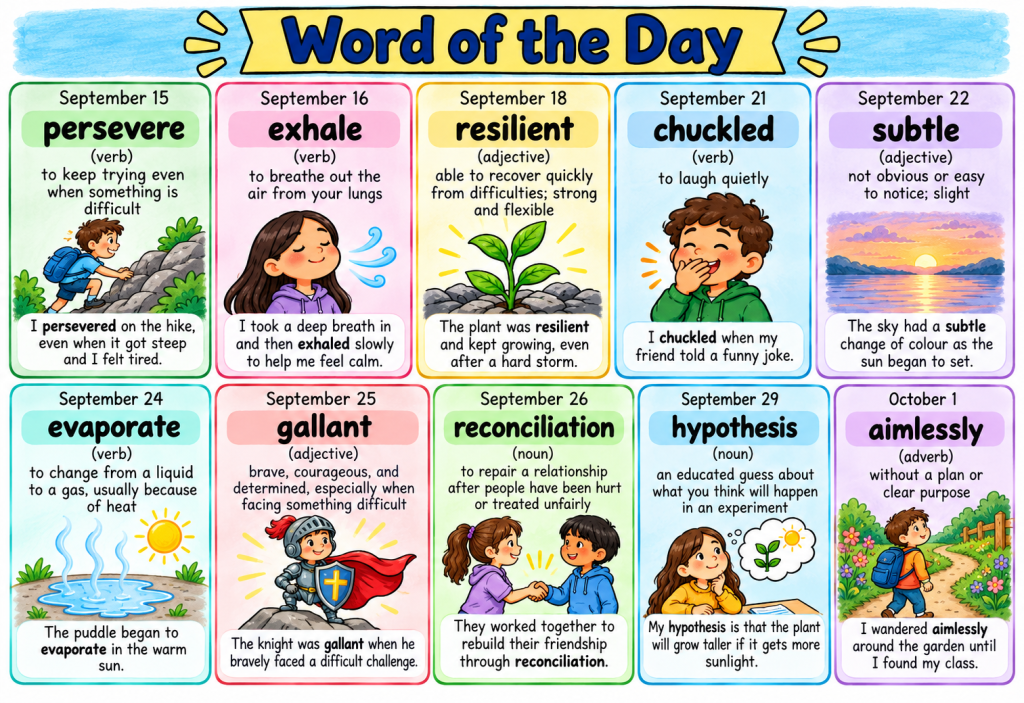
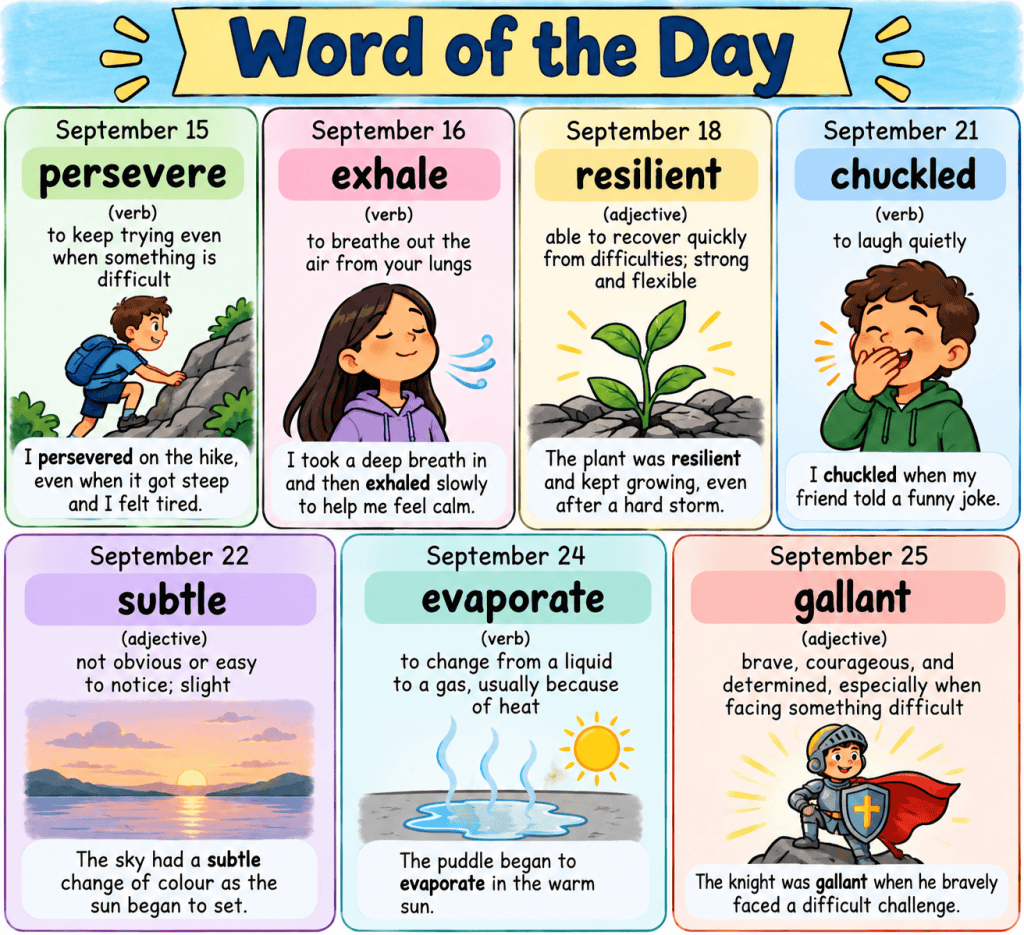
We continue to build our vocabulary with the W.O.T.D. practice. Check your child’s agenda each day to see what new challenge word we have added.
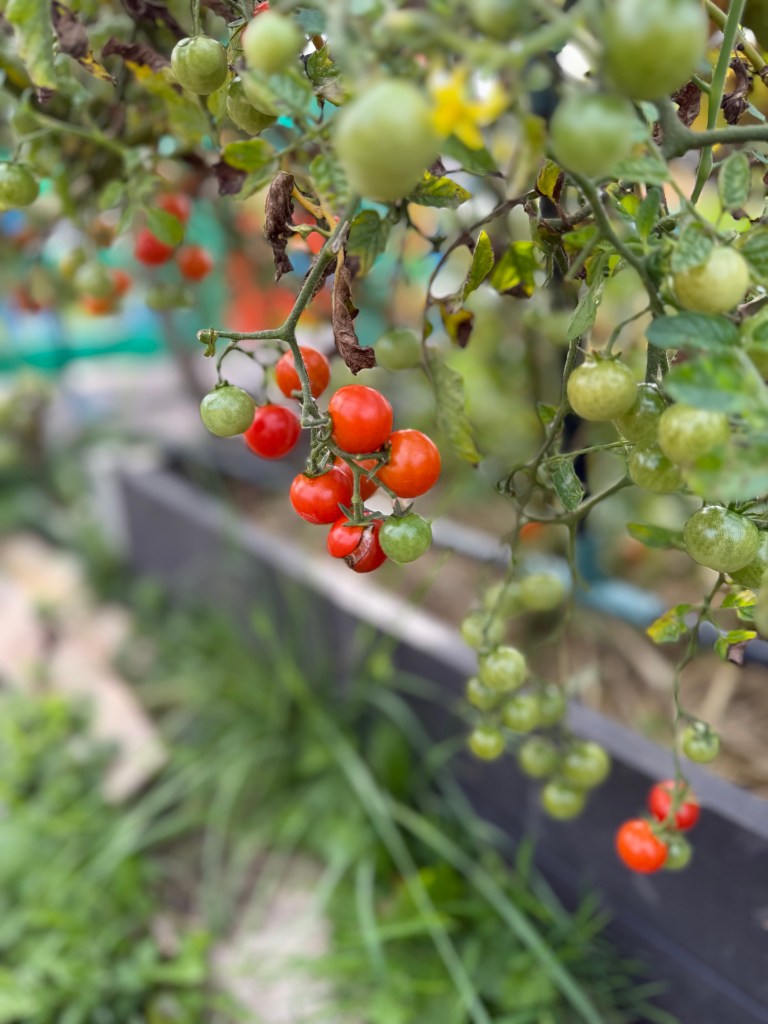
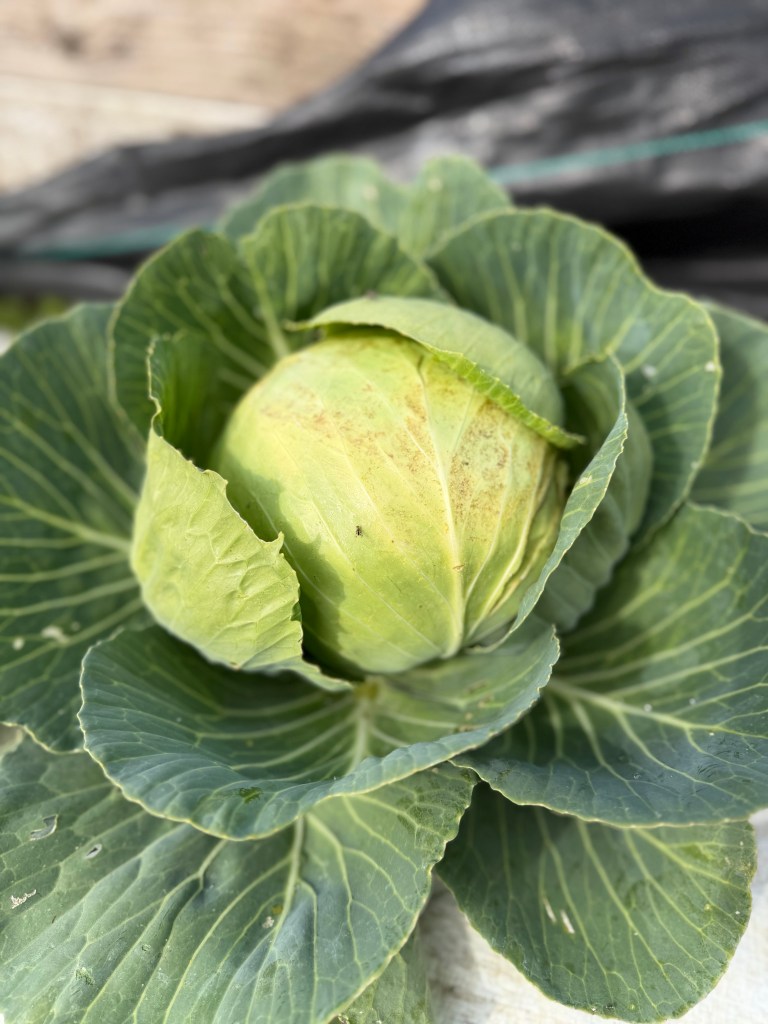
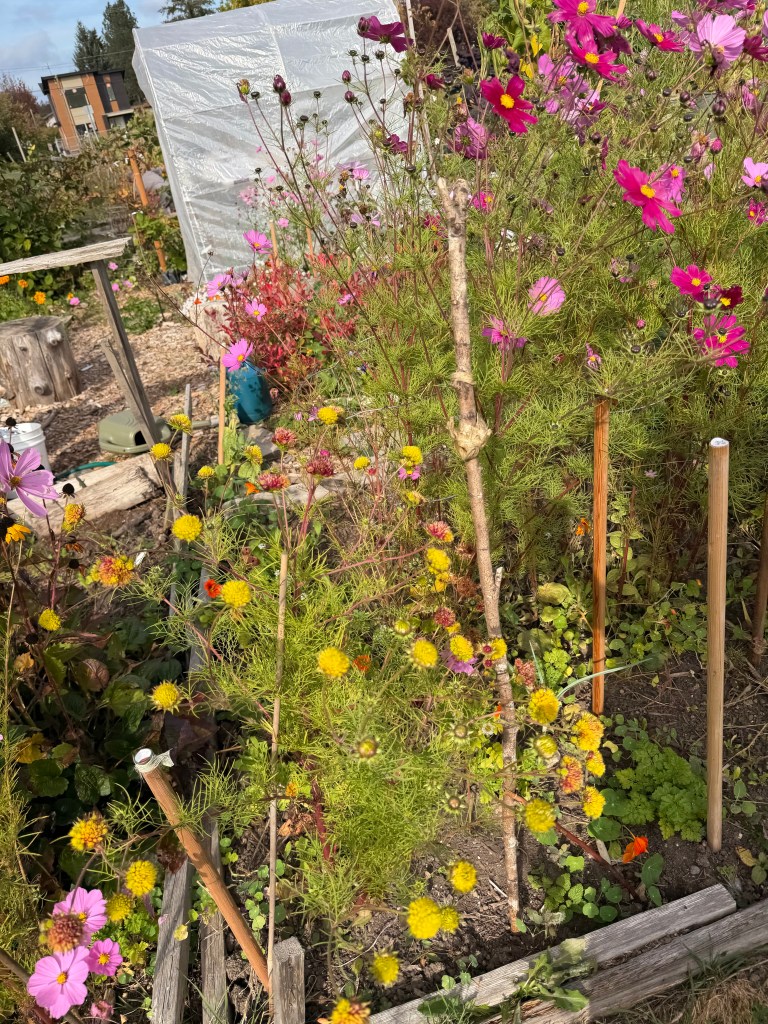
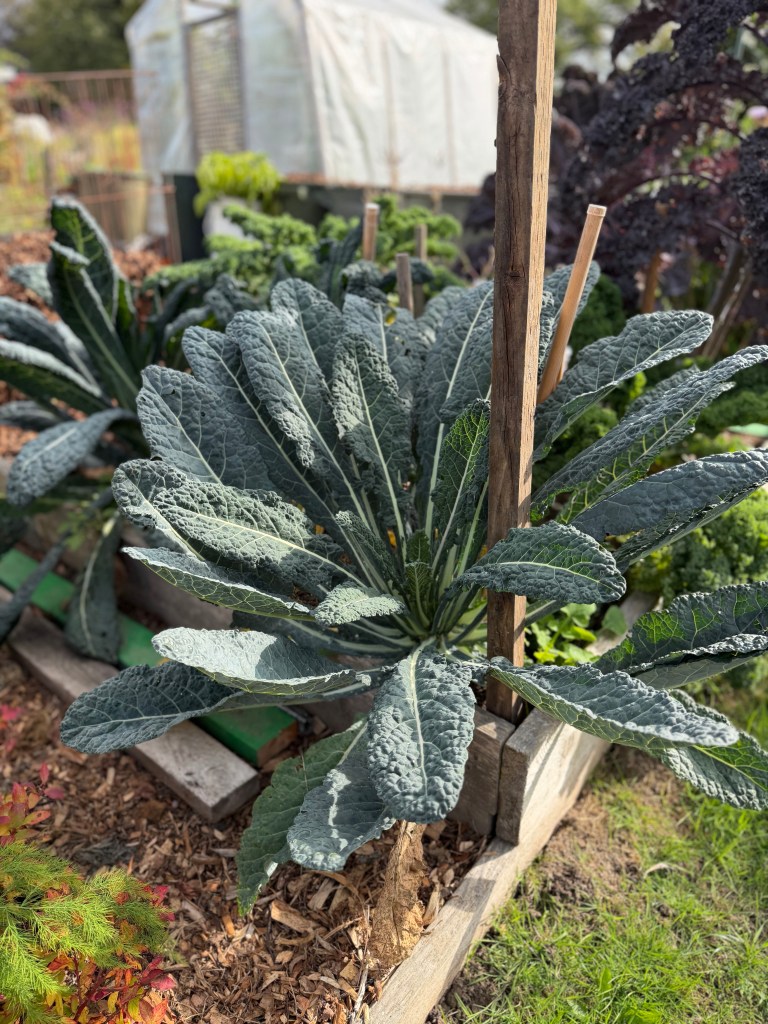
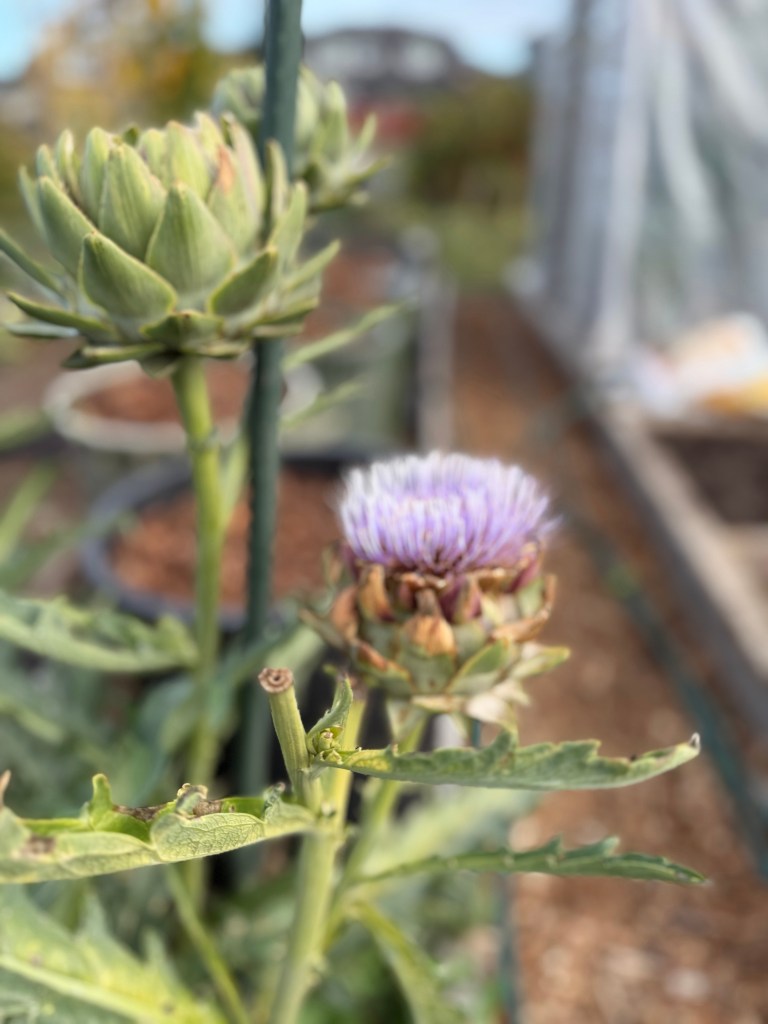
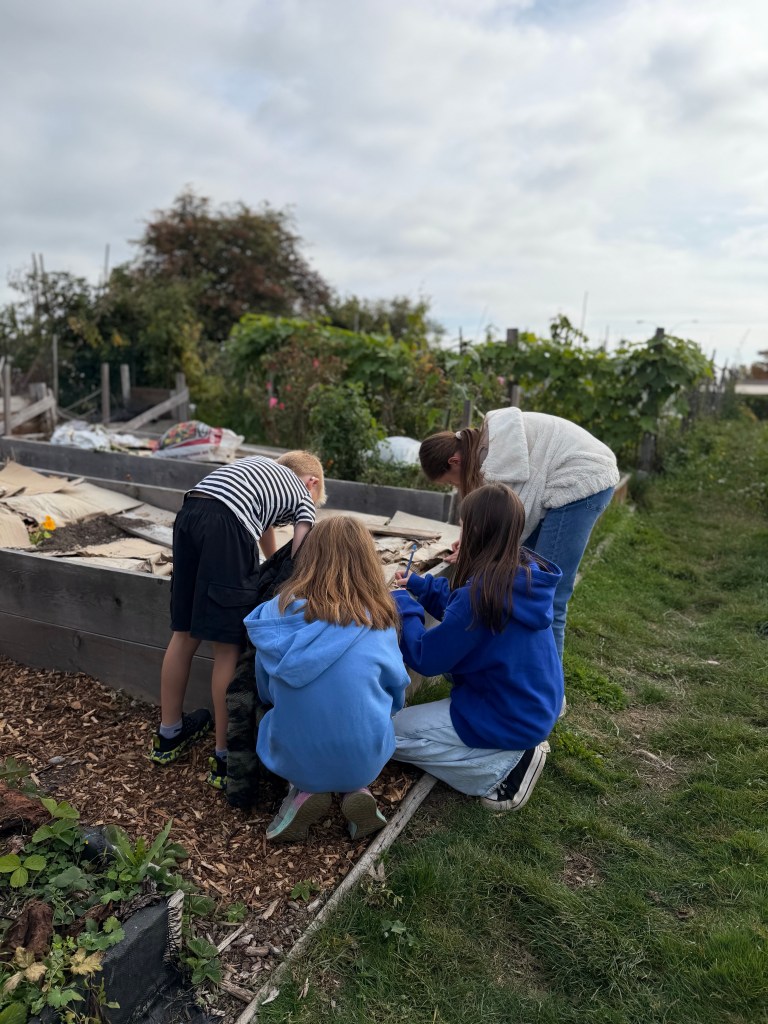
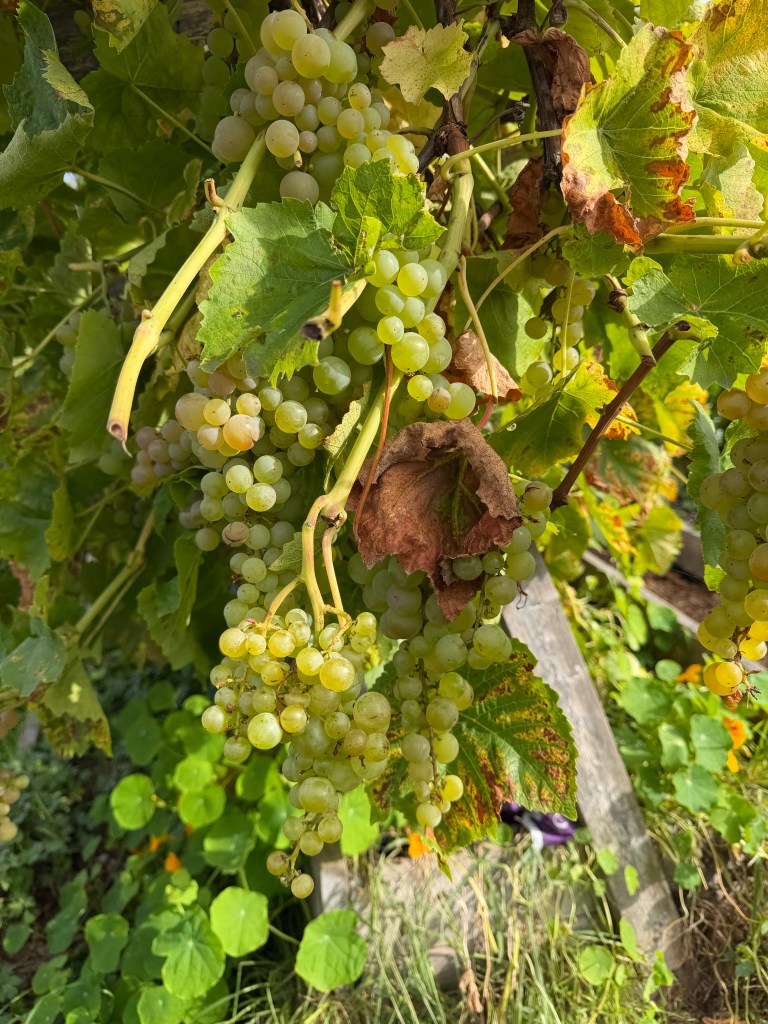
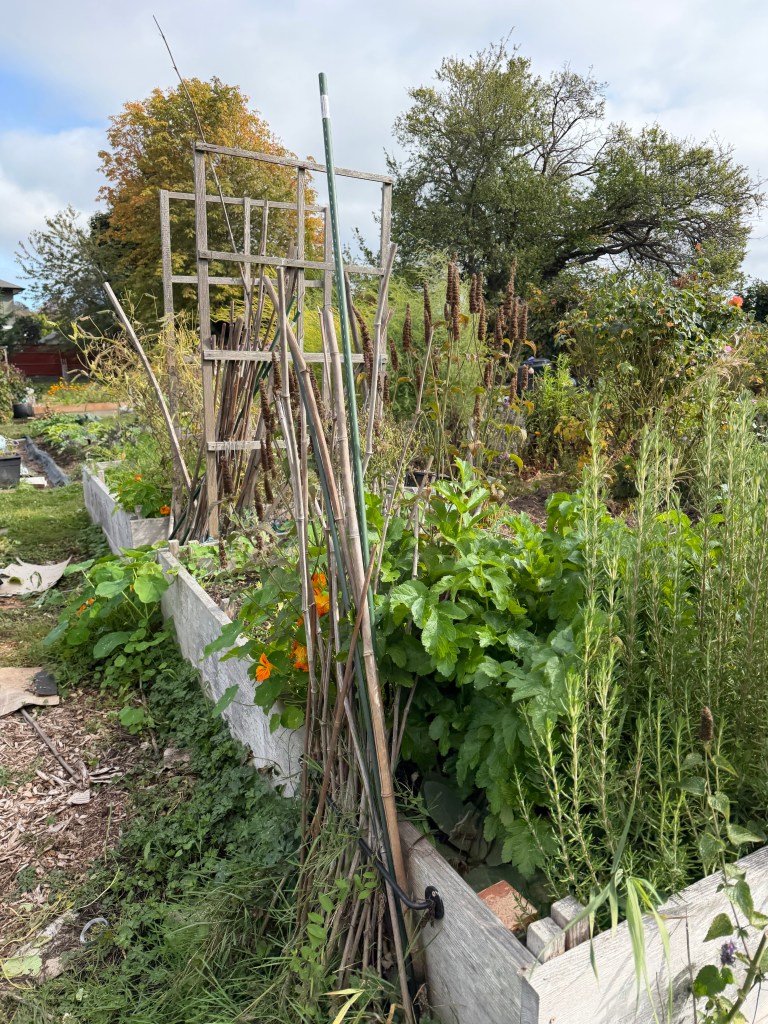
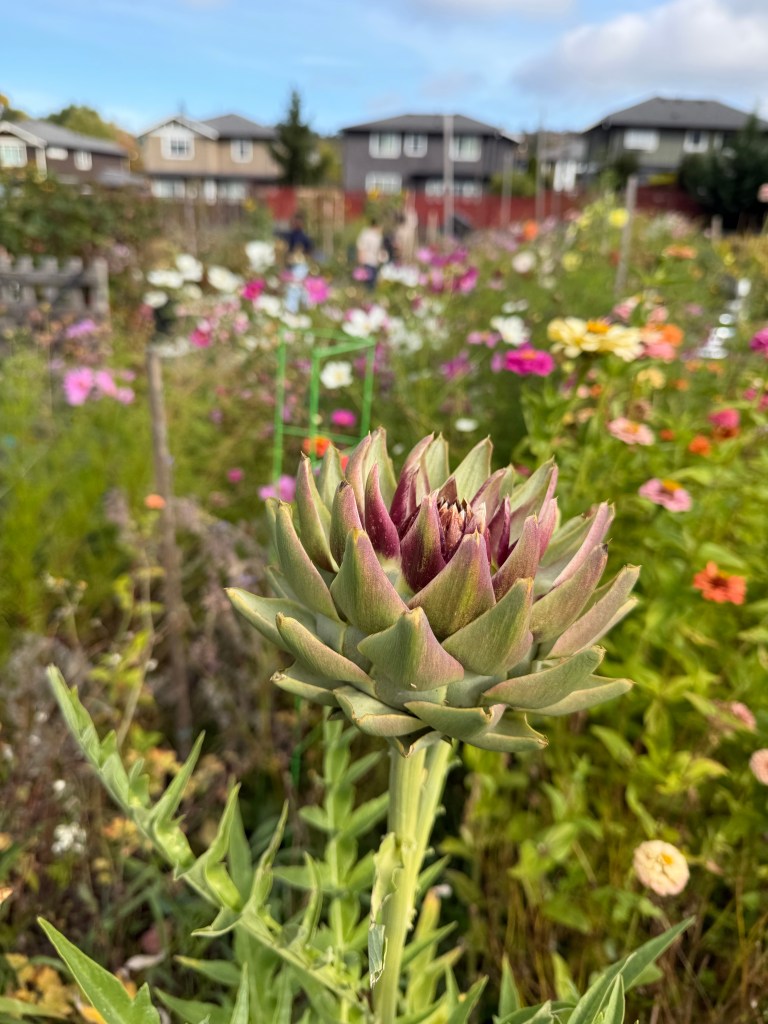
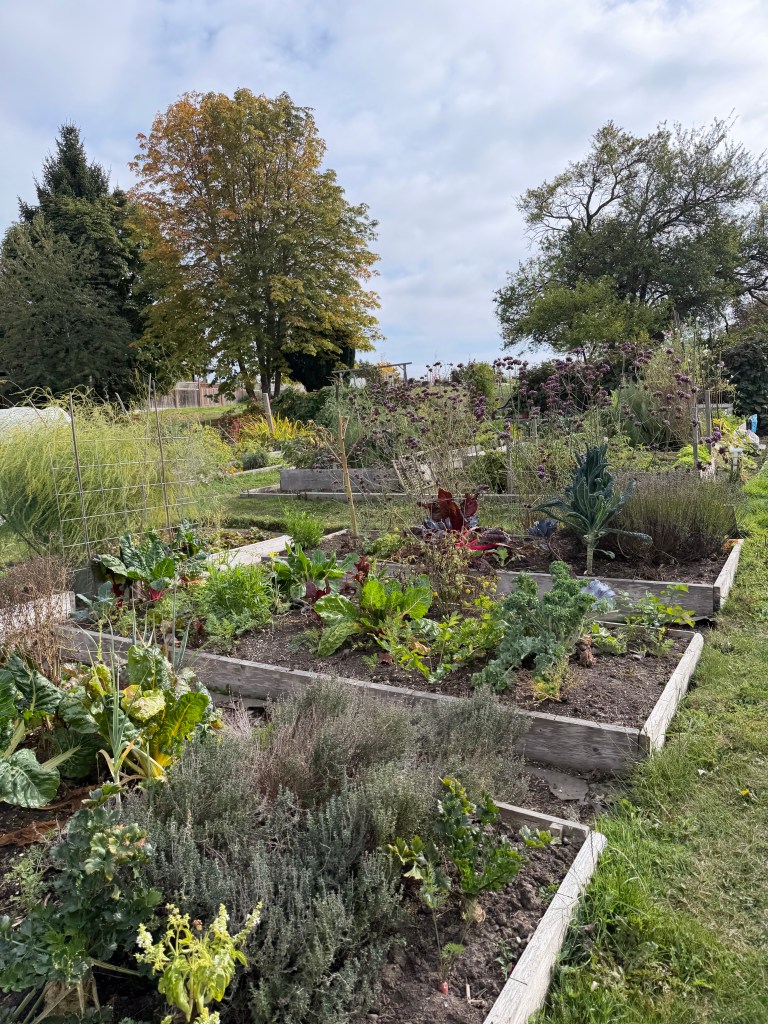
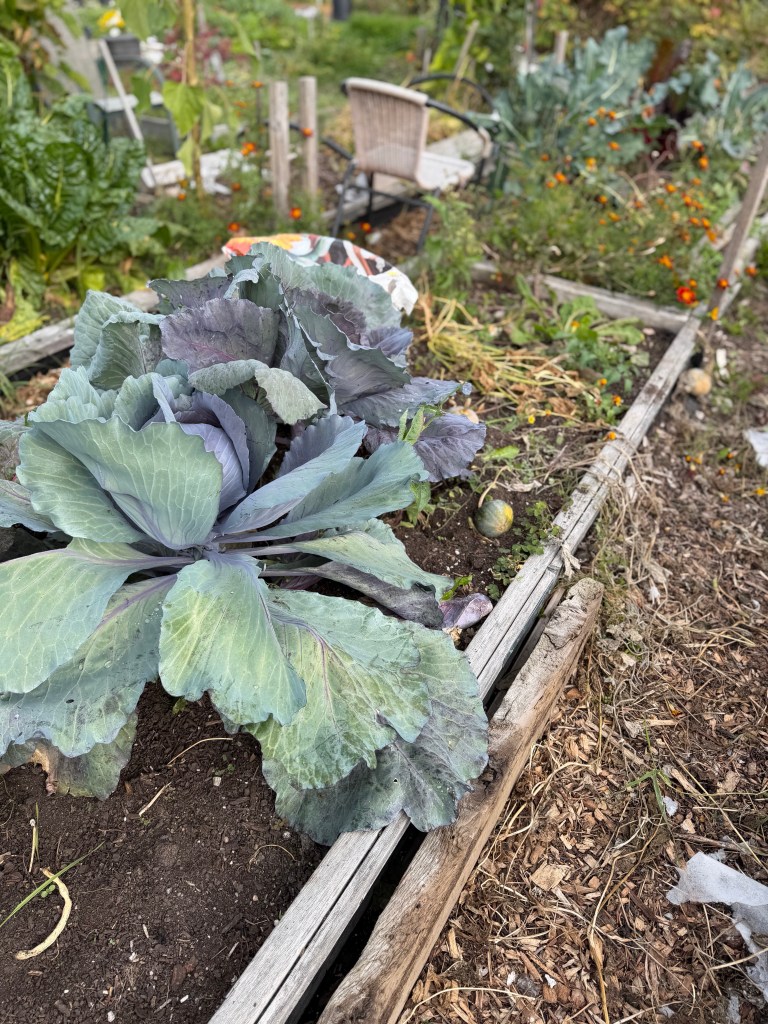
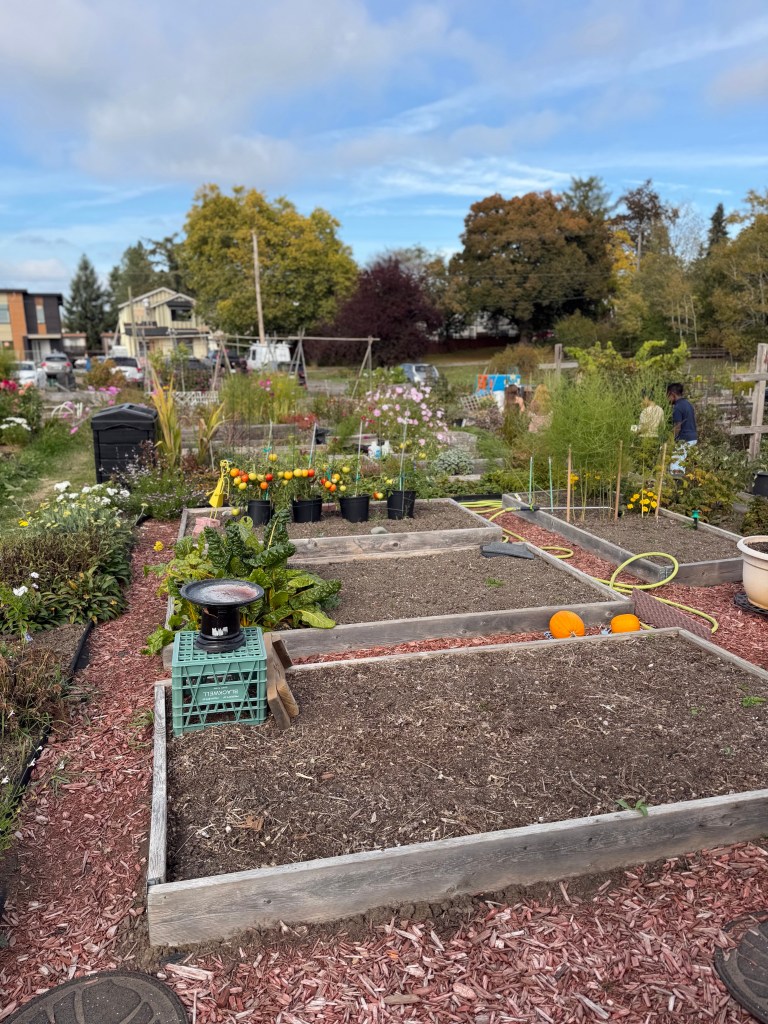
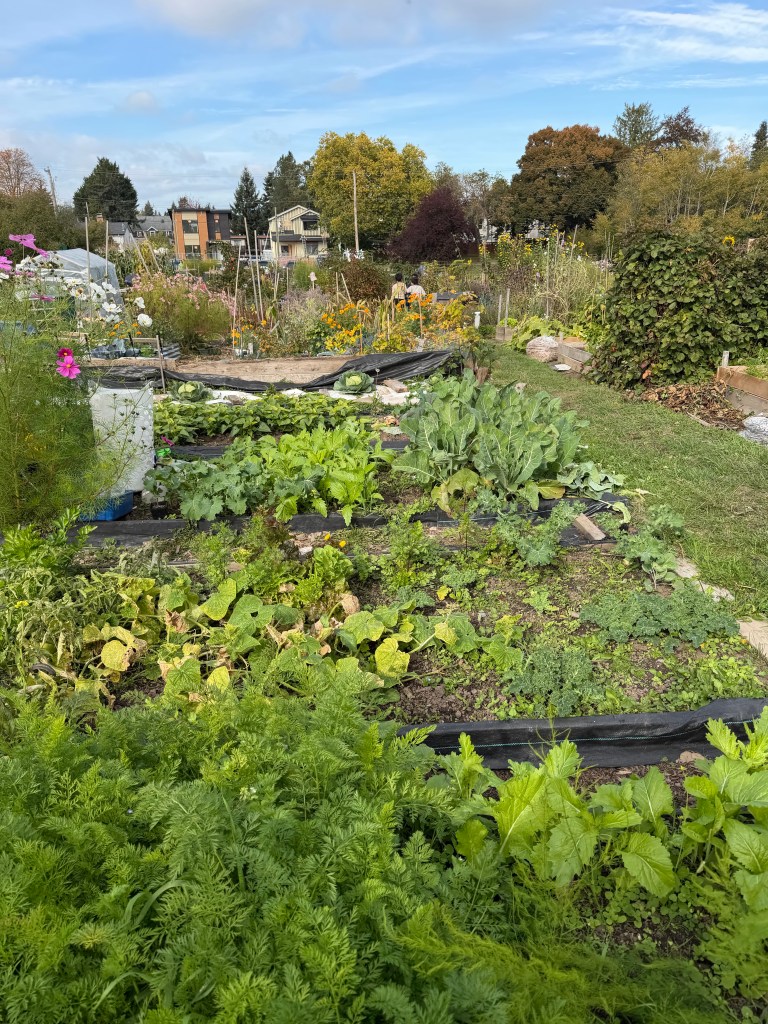
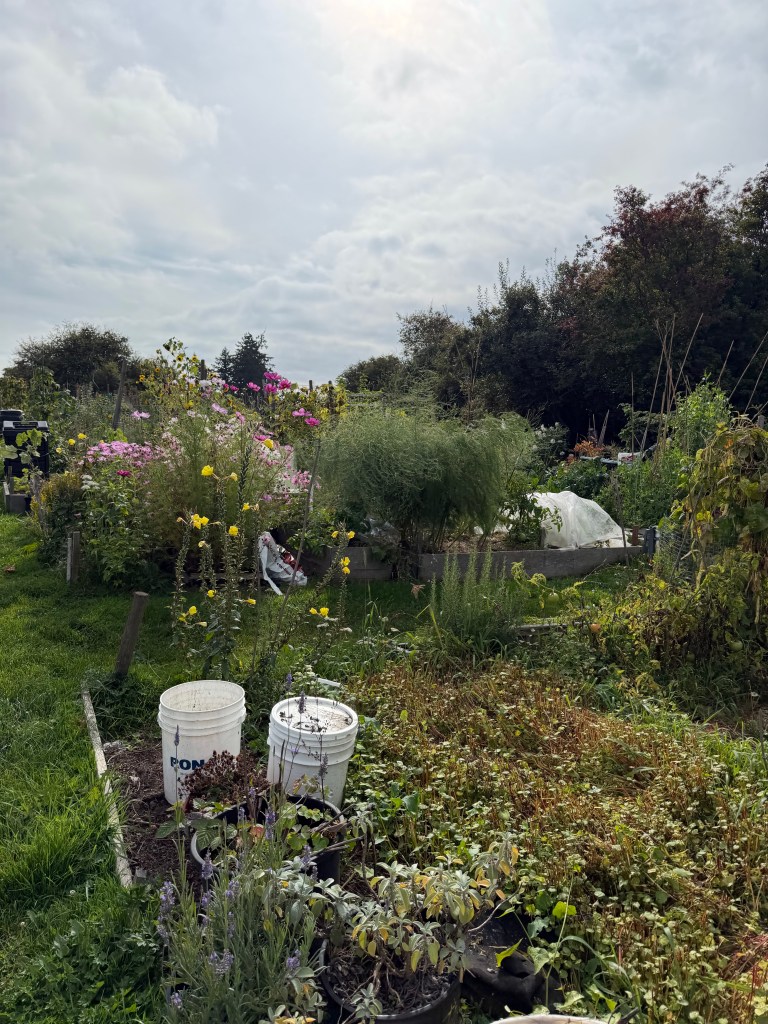
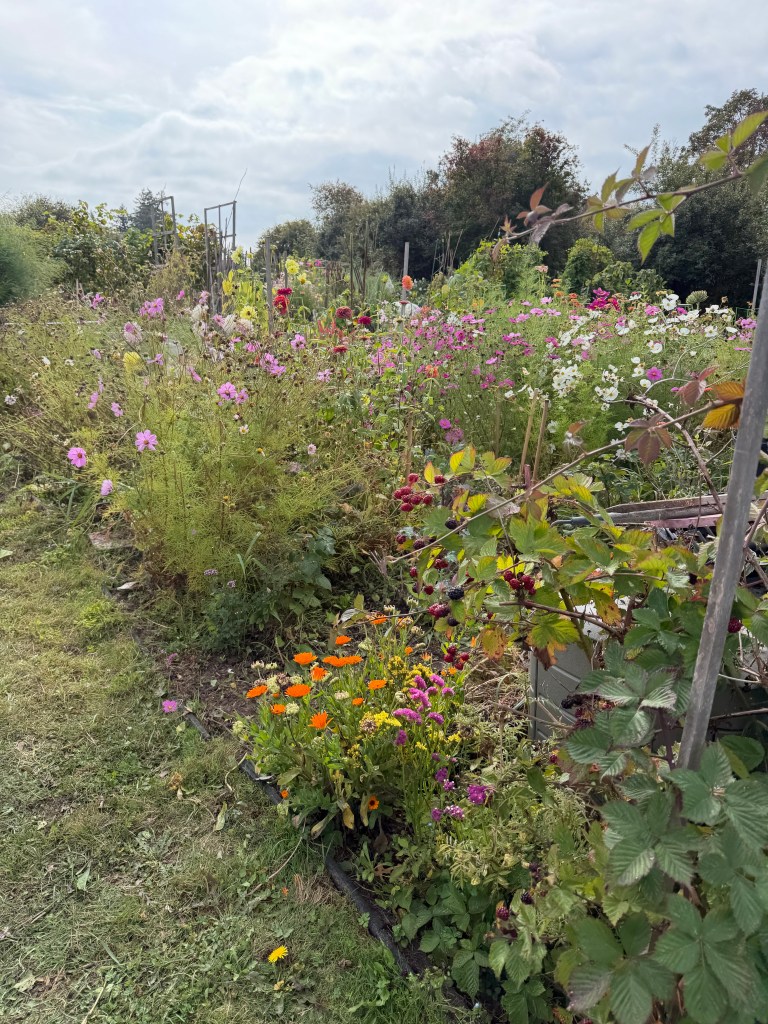
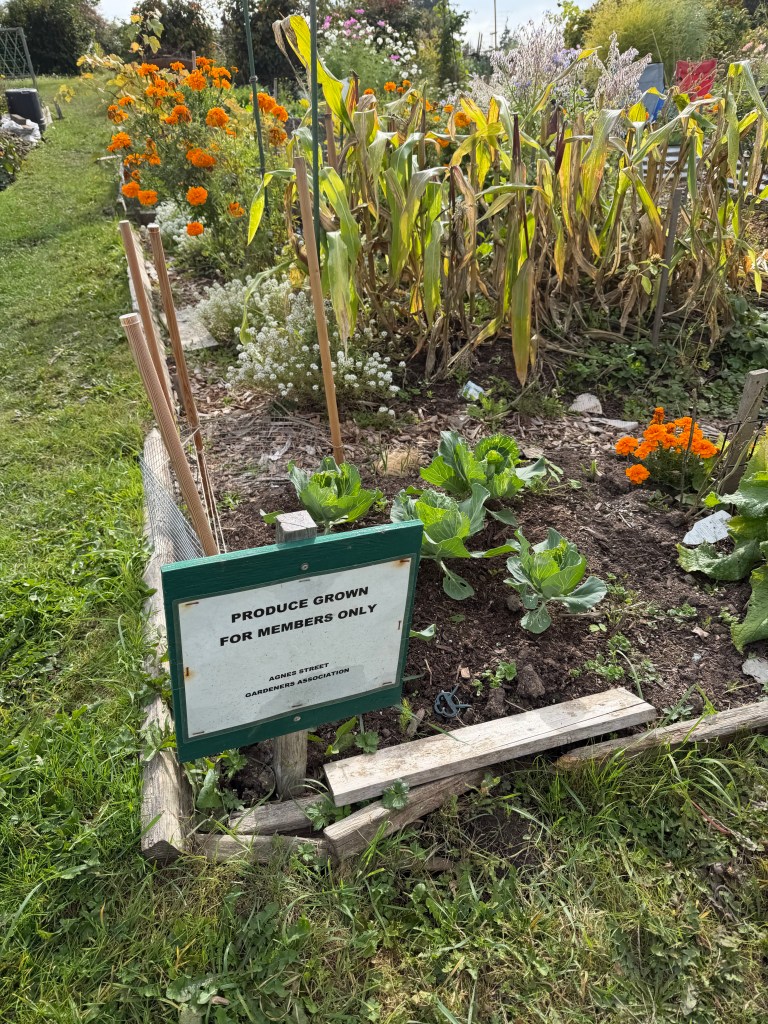
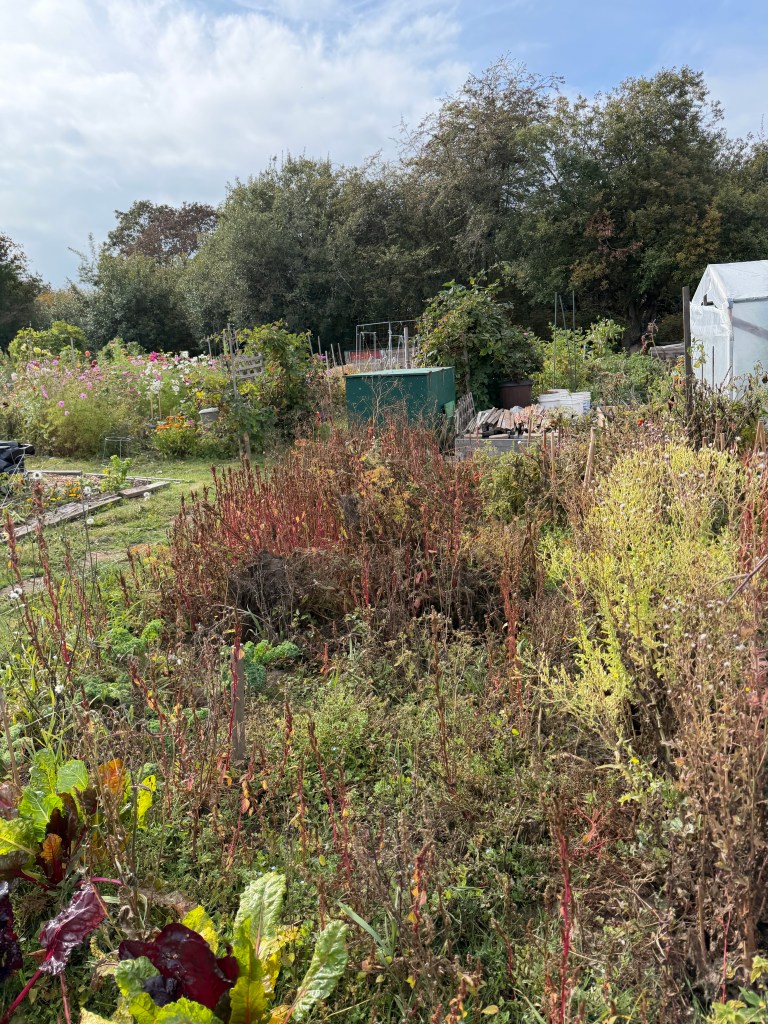
In Science, we enjoyed practicing our observation and scientific questioning skills in connection with a walking tour of Agnes Community Gardens.
“What questions emerge for you as we tour Agnes Community Garden?”
We also made “5 Senses Mind Maps” to organize our data and prepare for a future poetry writing activity.
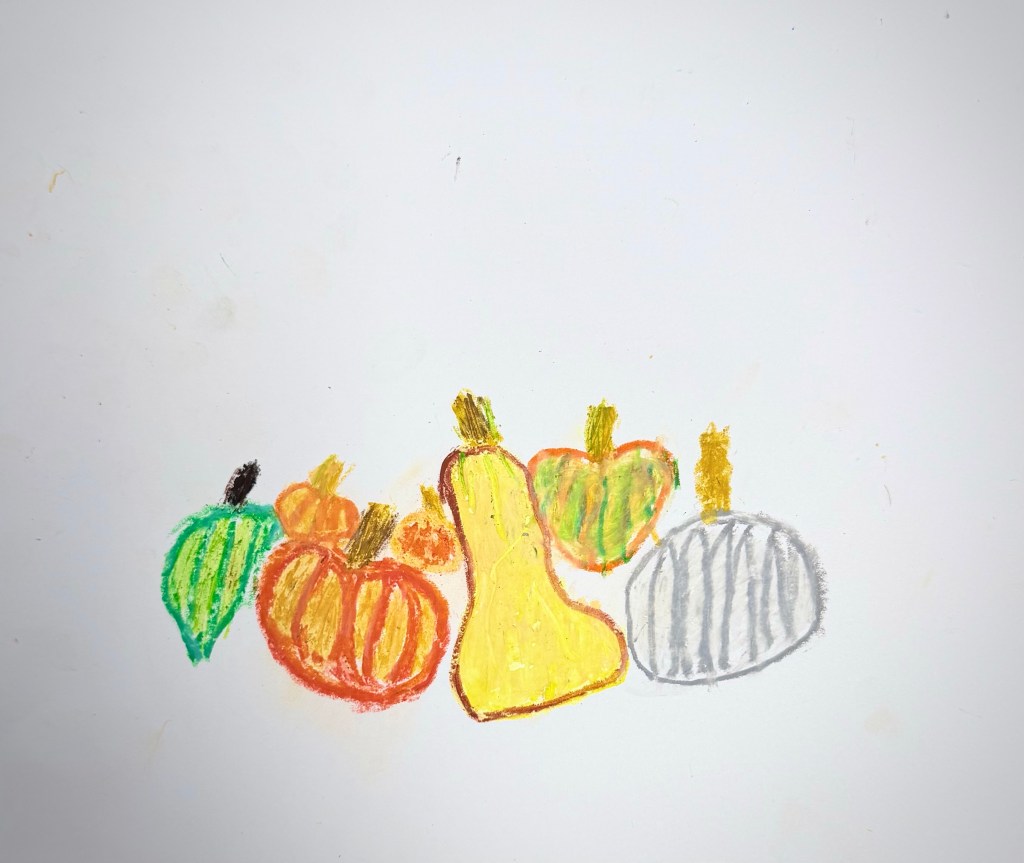
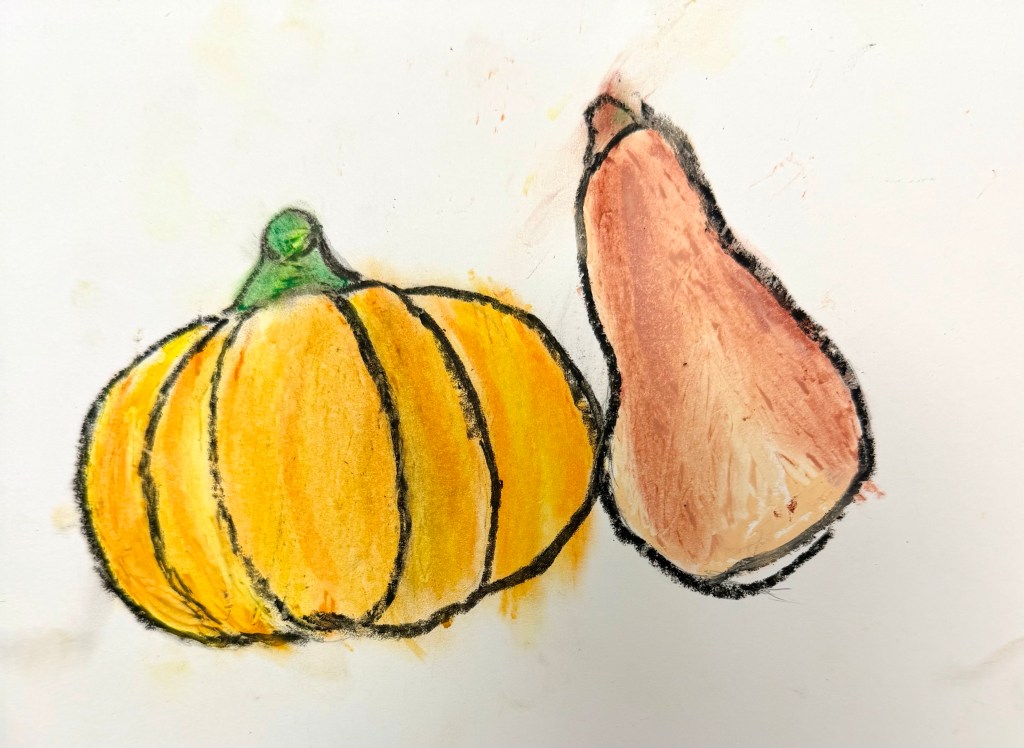
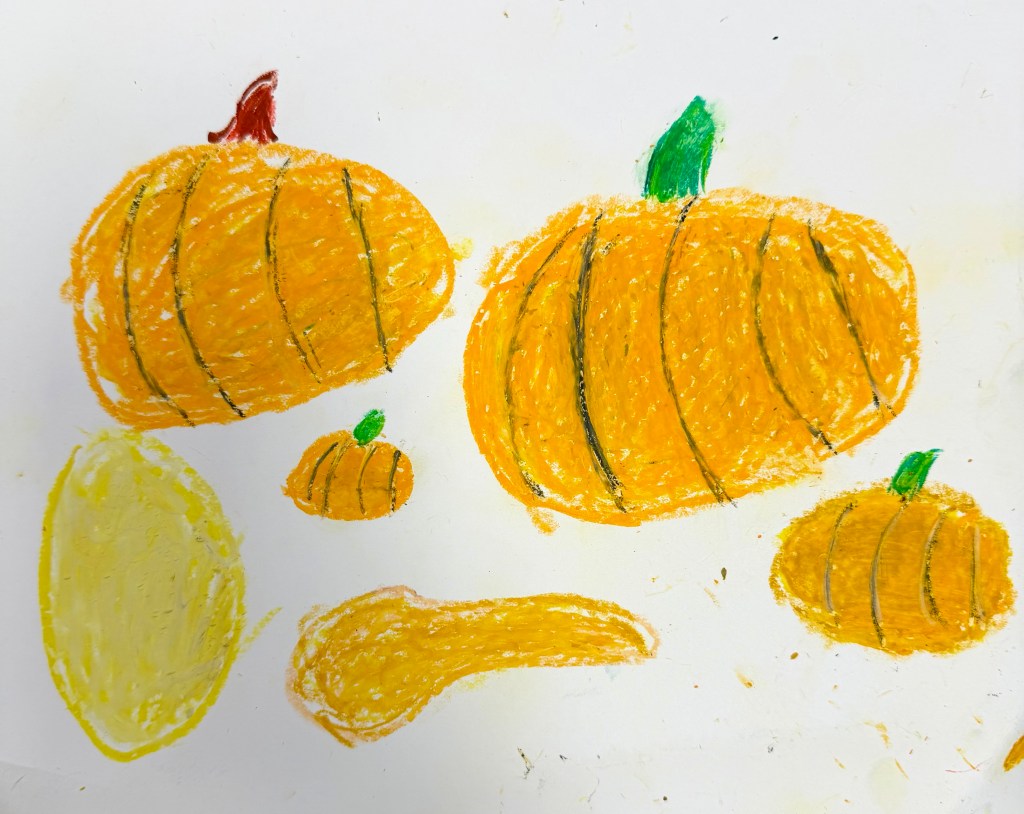
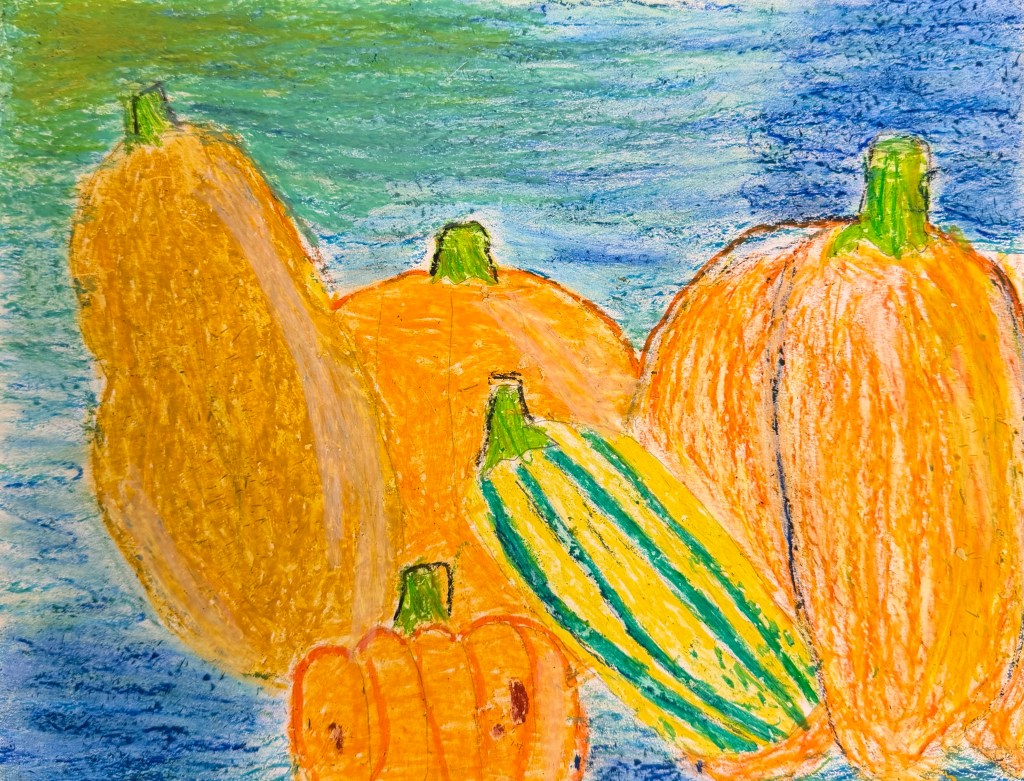
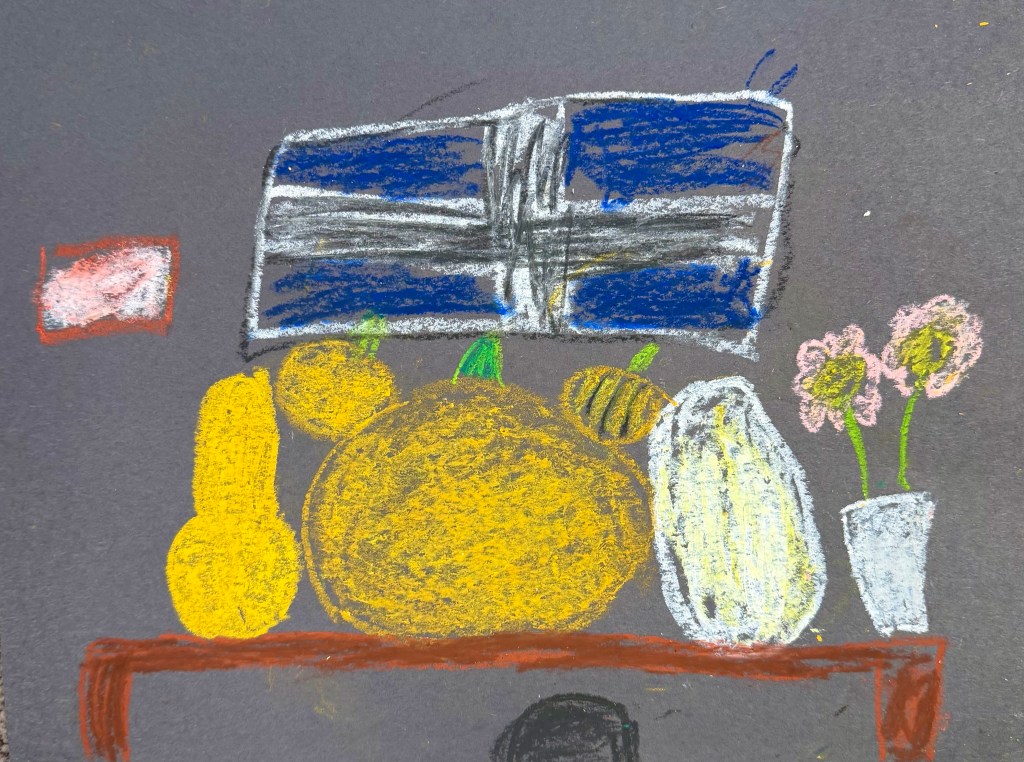
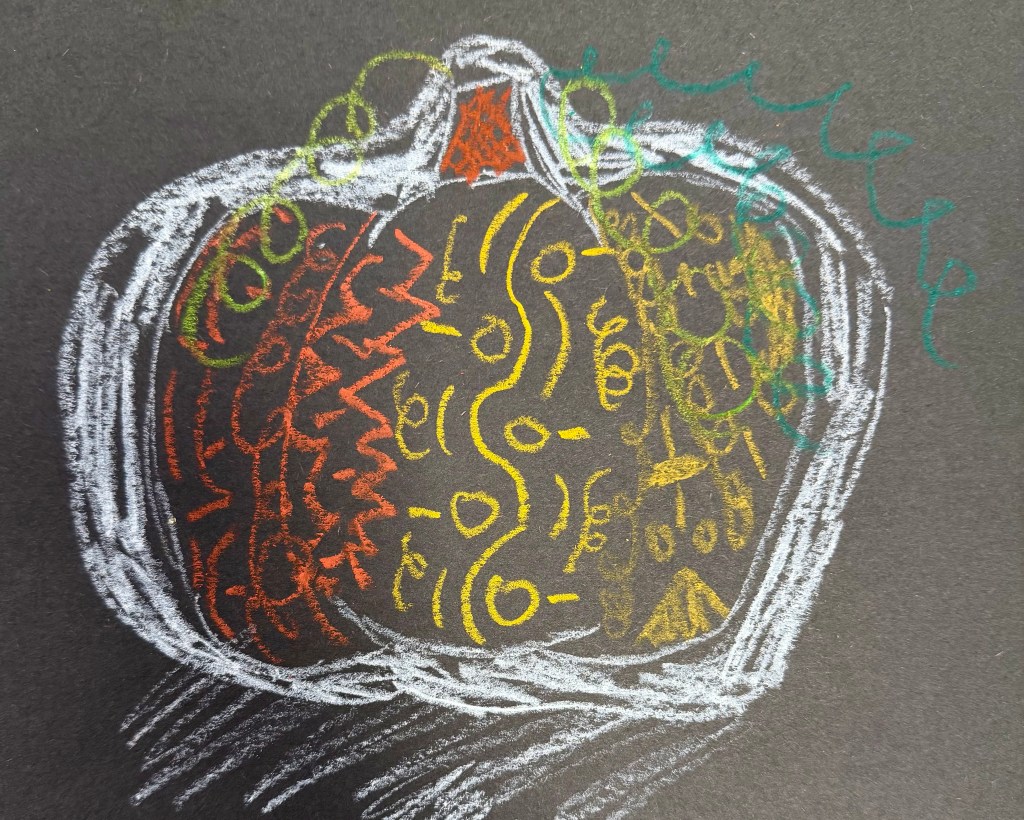
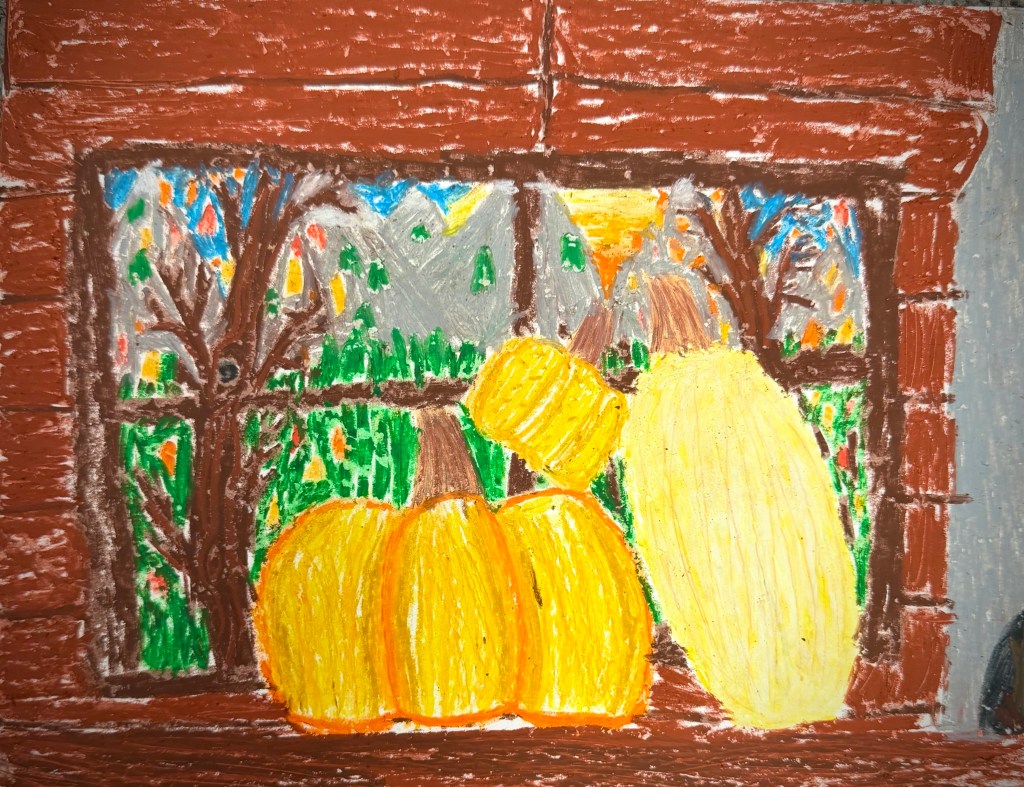
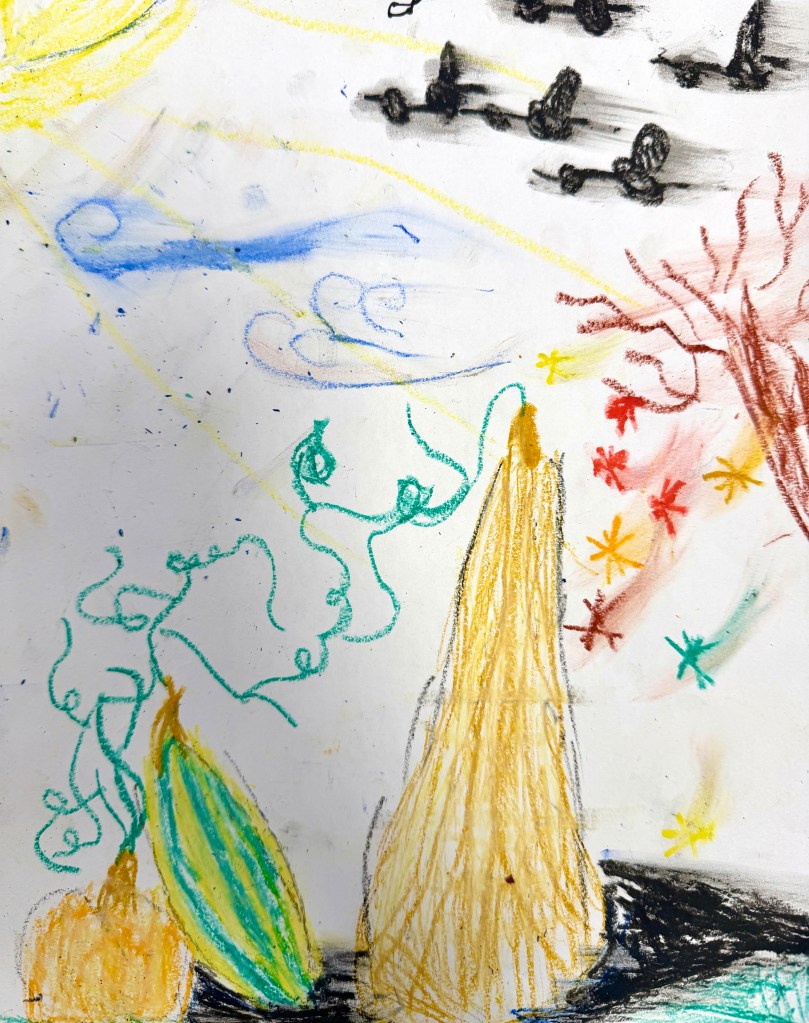
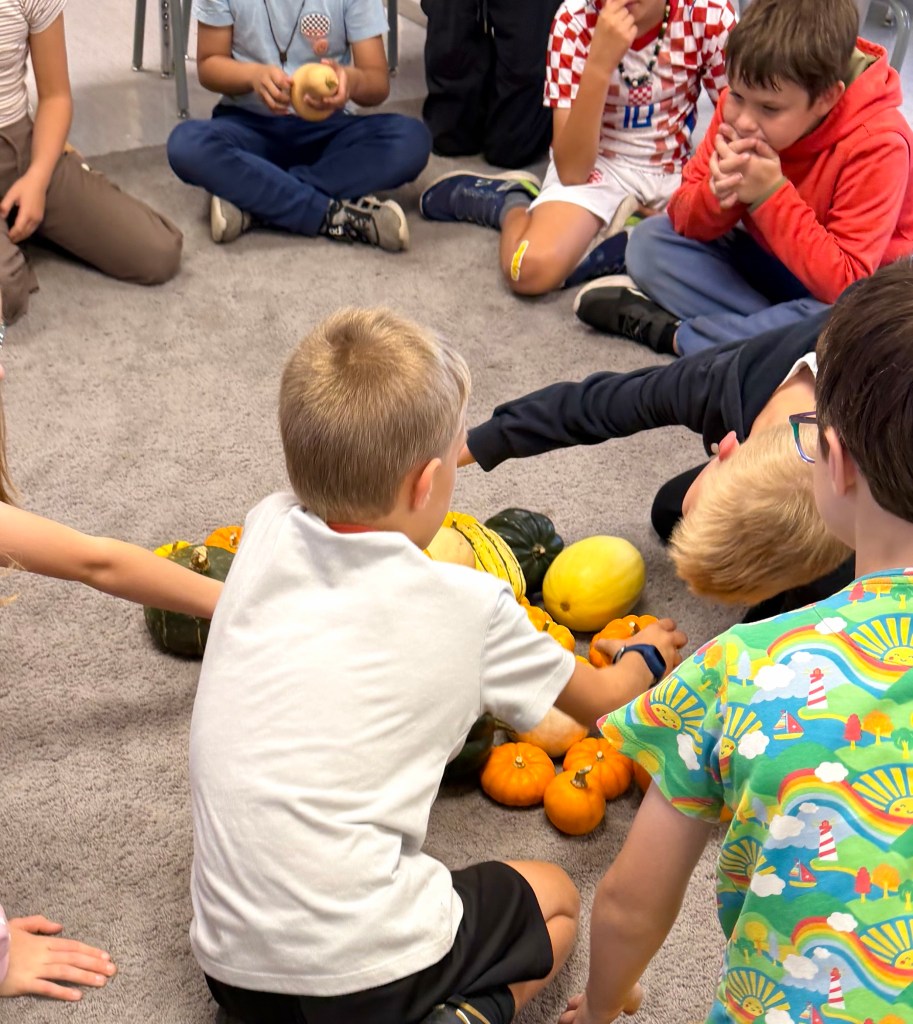
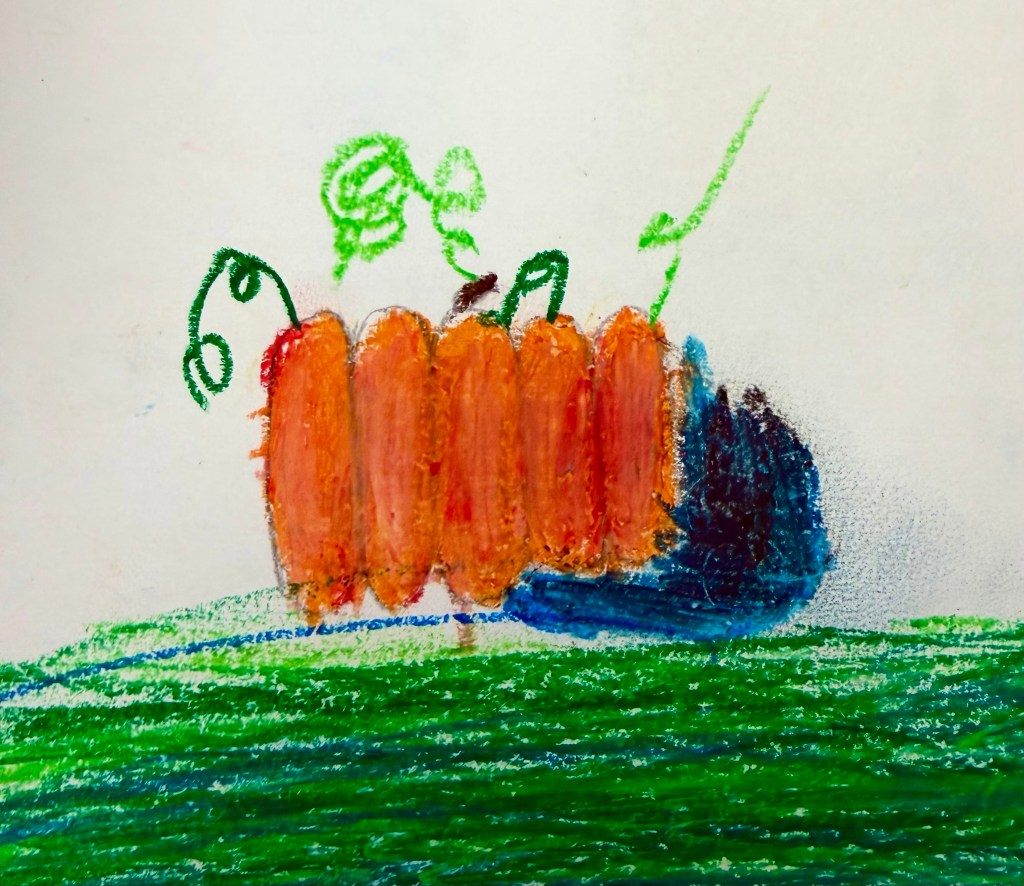
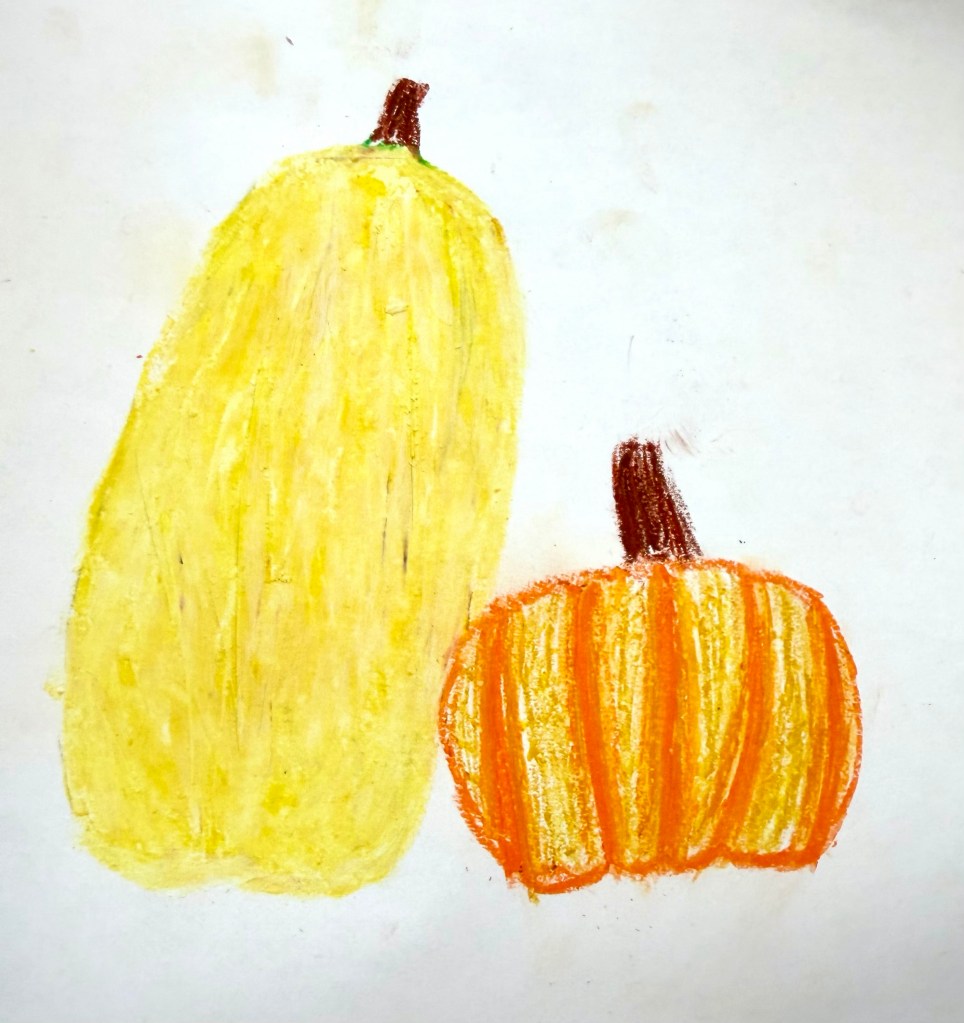
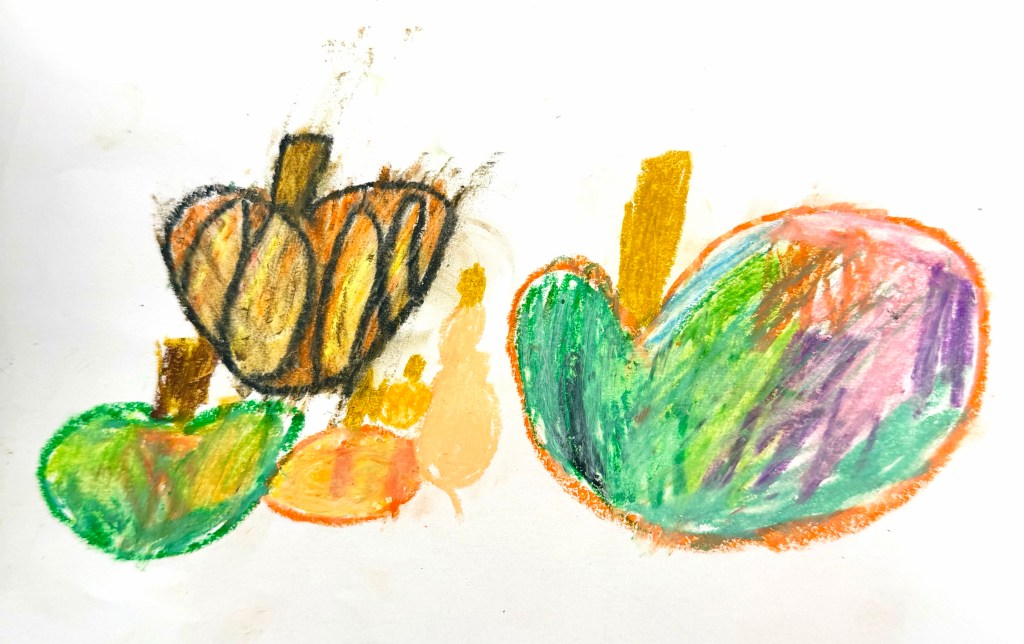
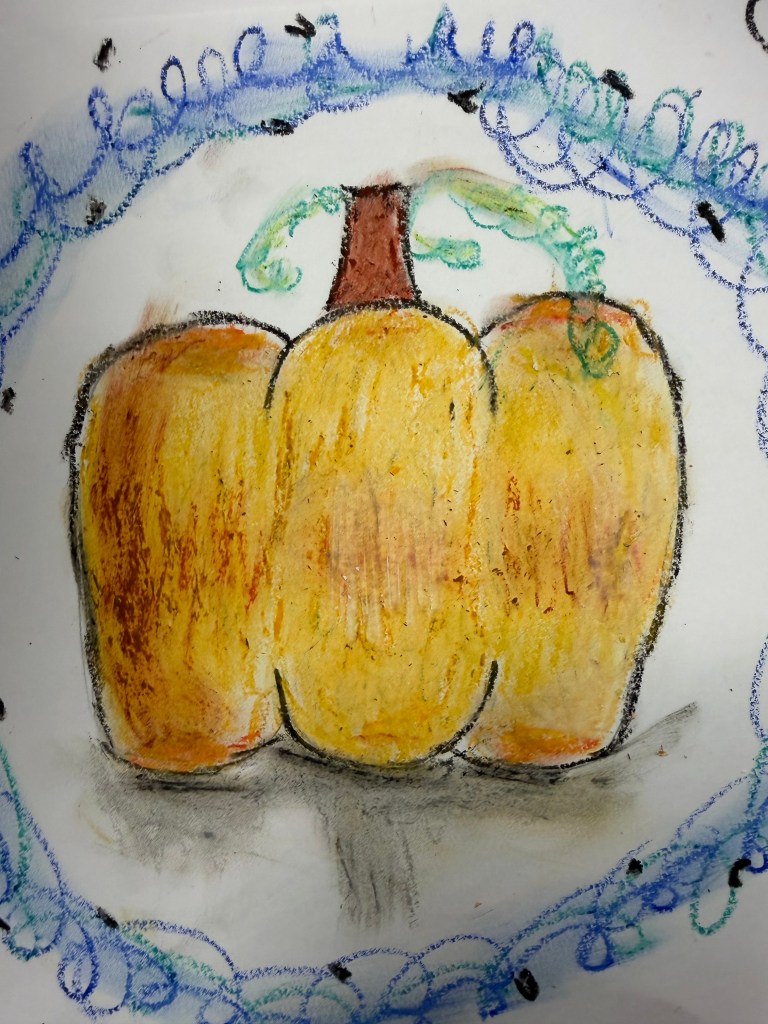
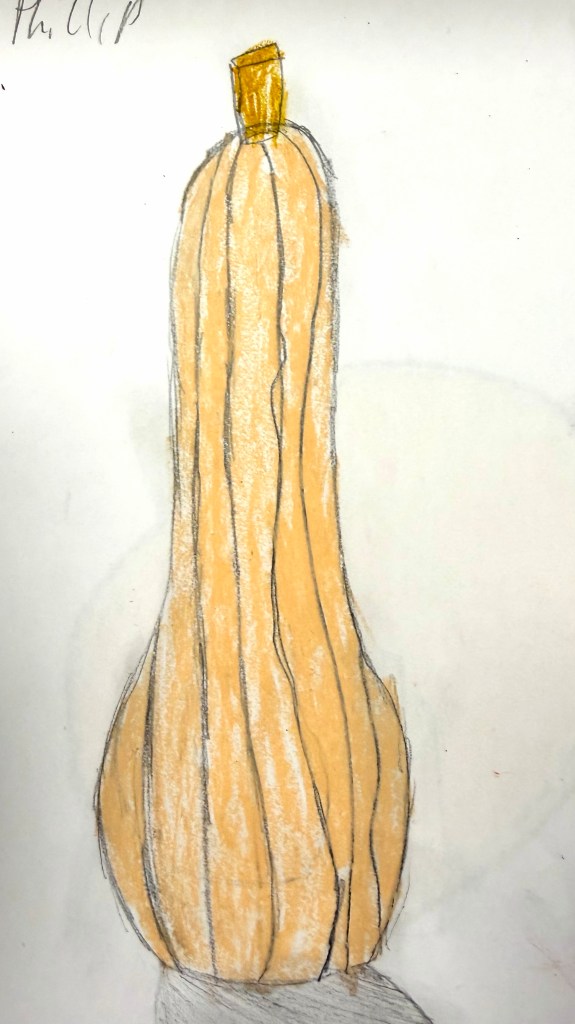
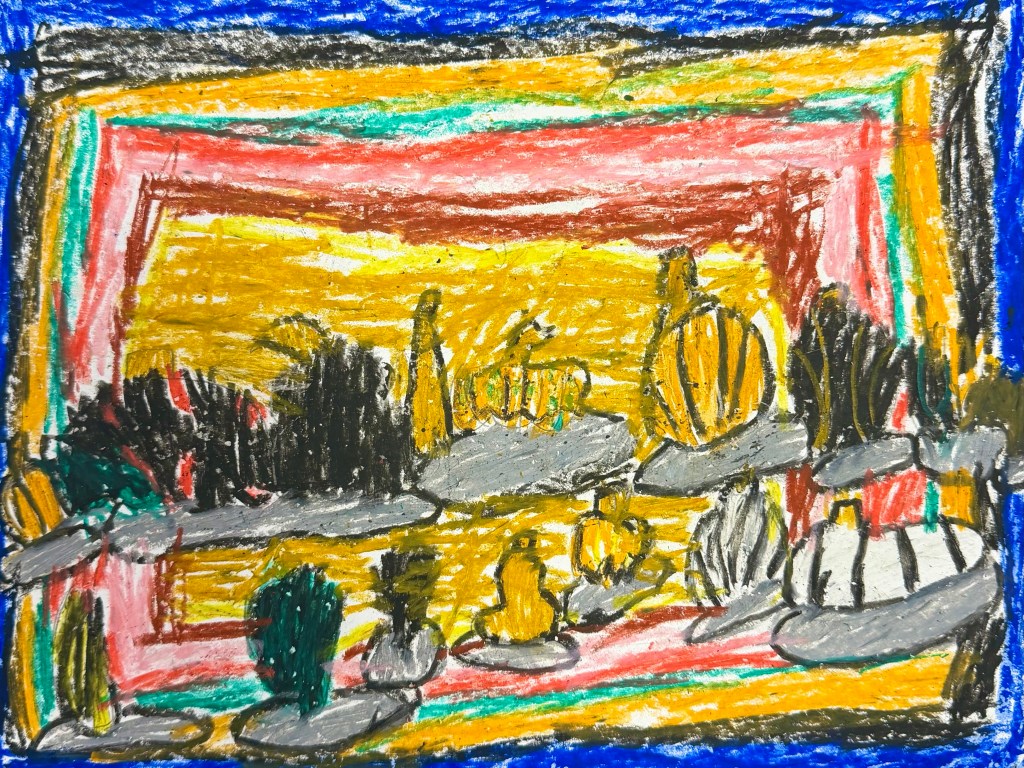
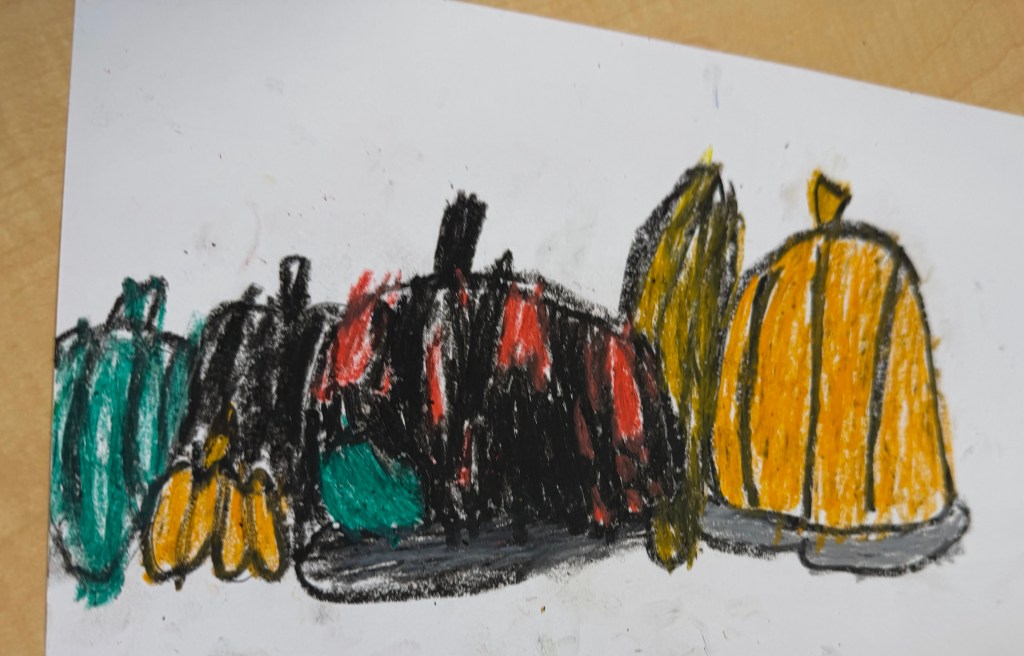
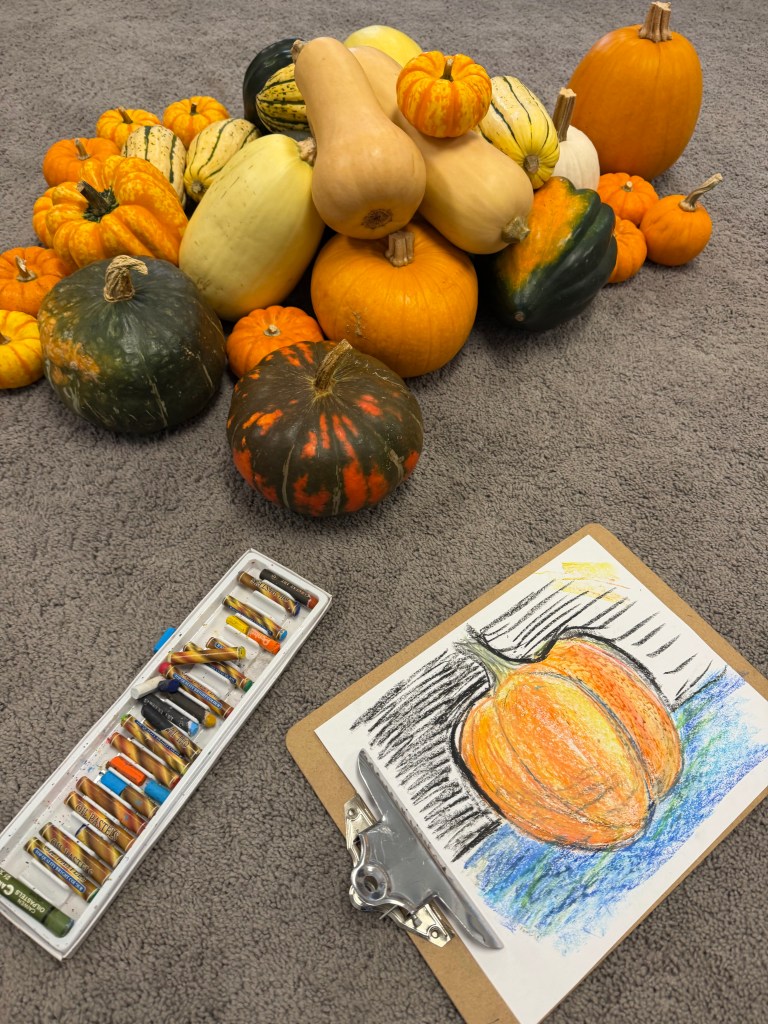
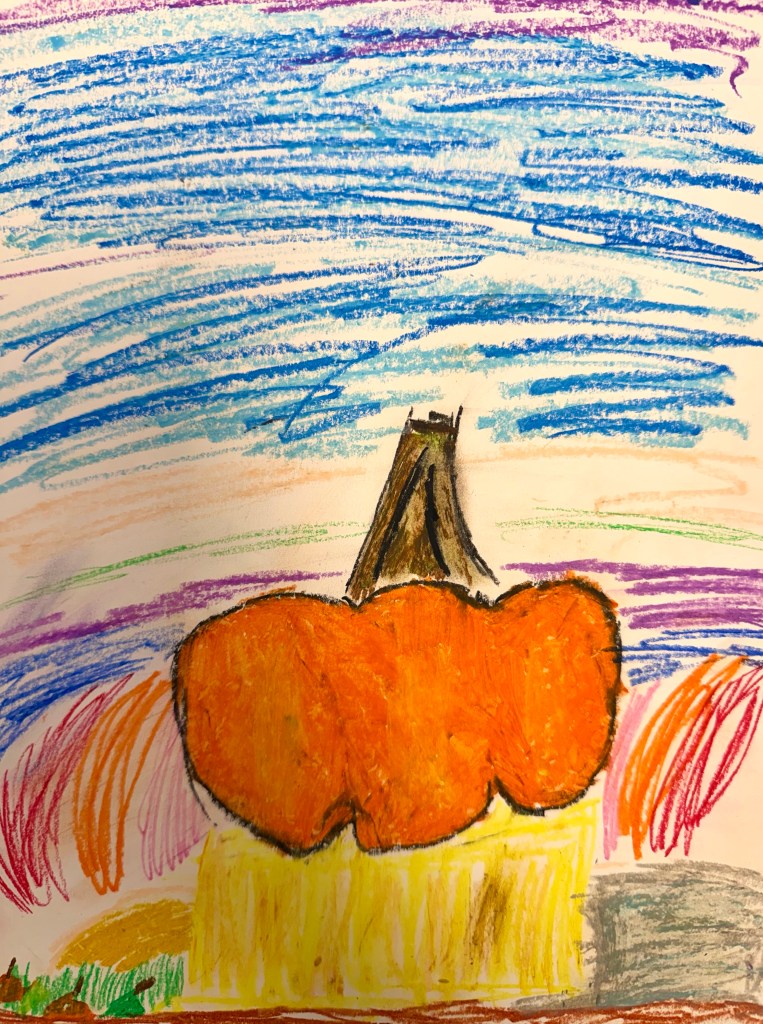
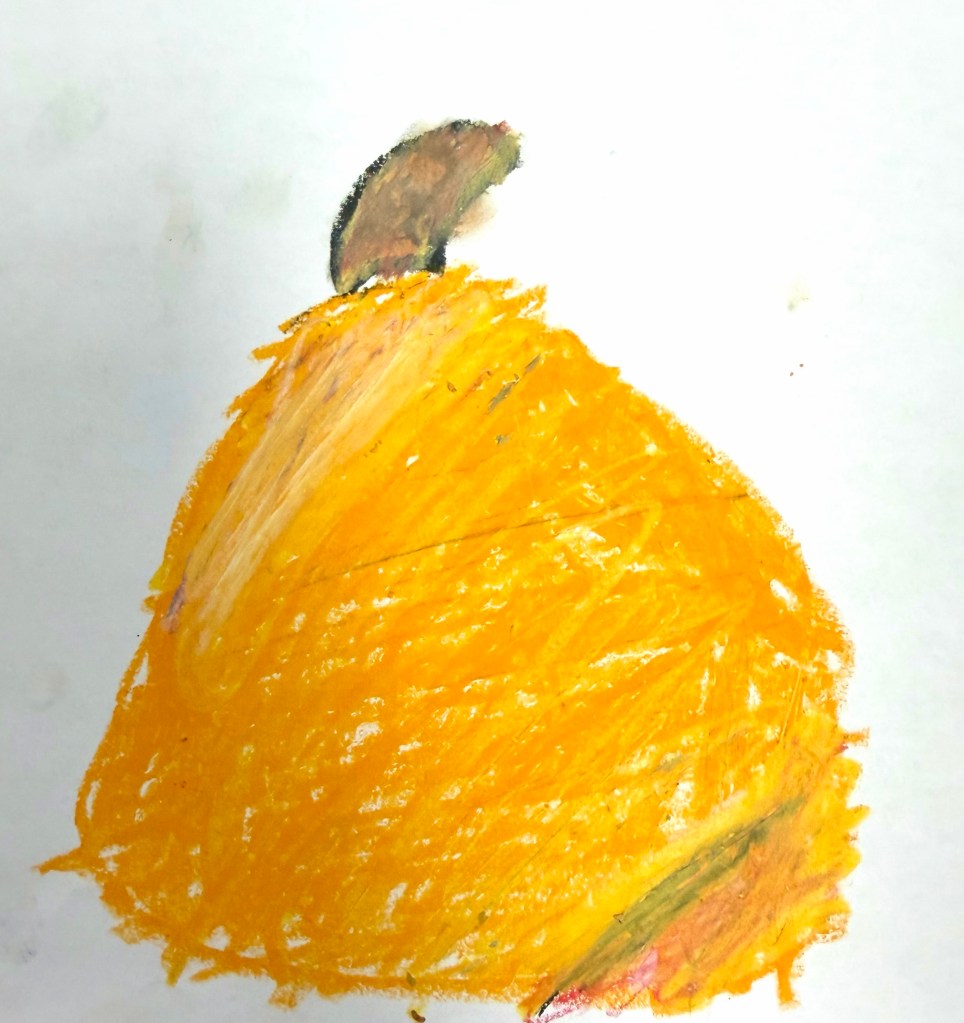
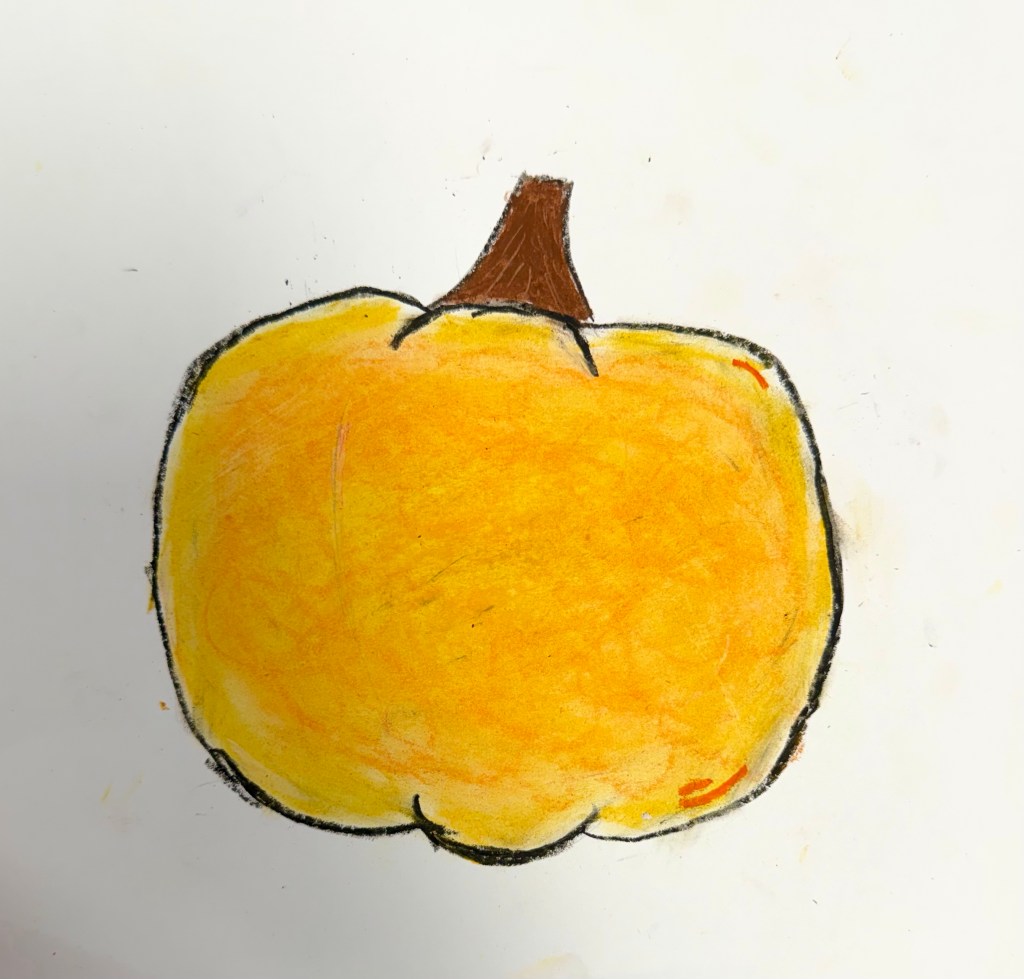
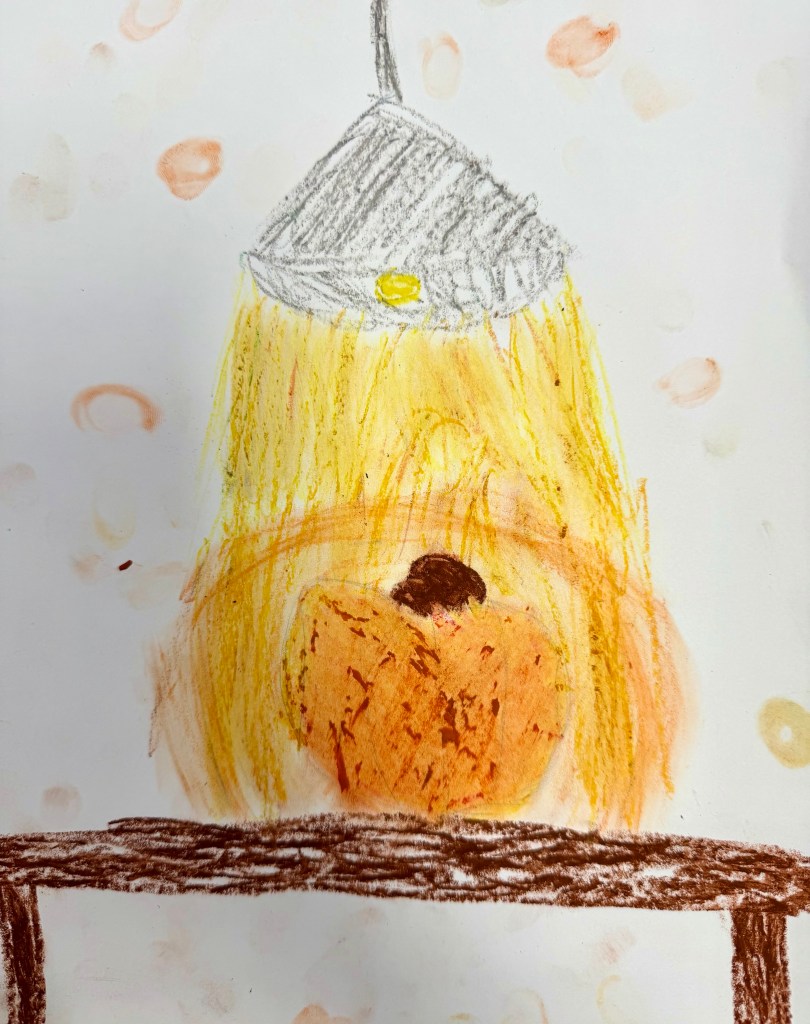
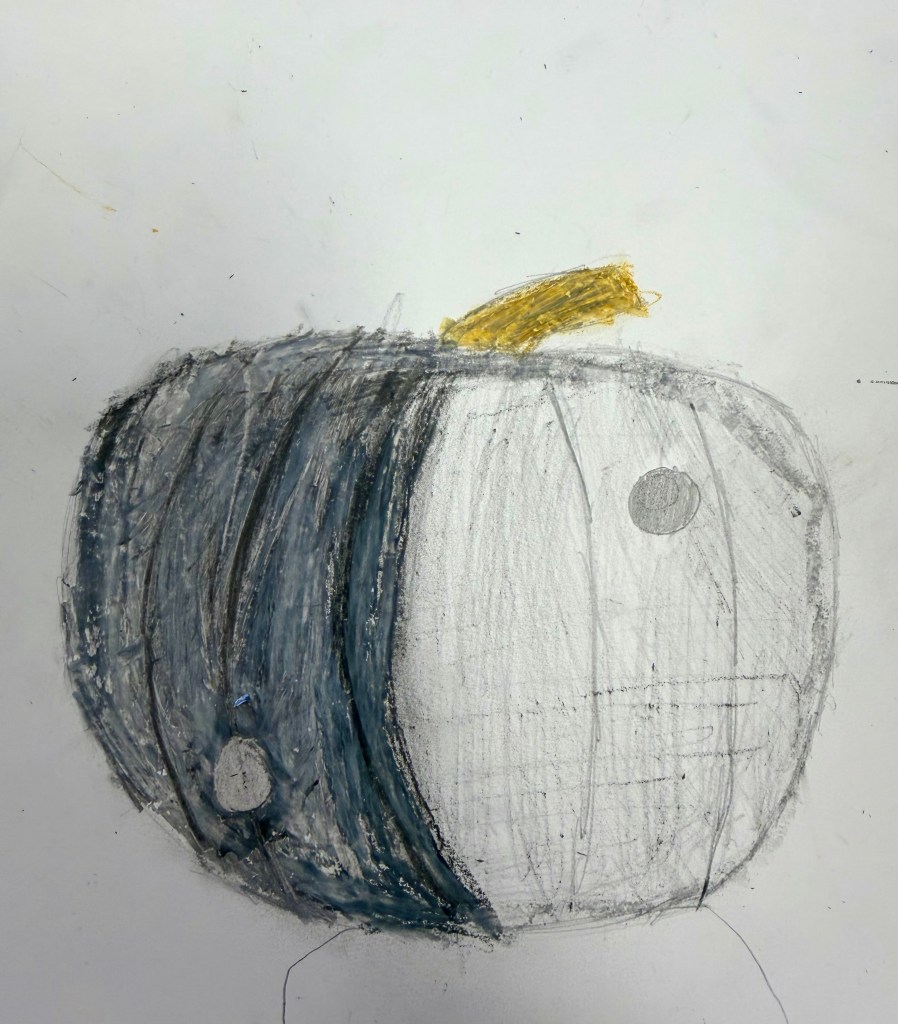
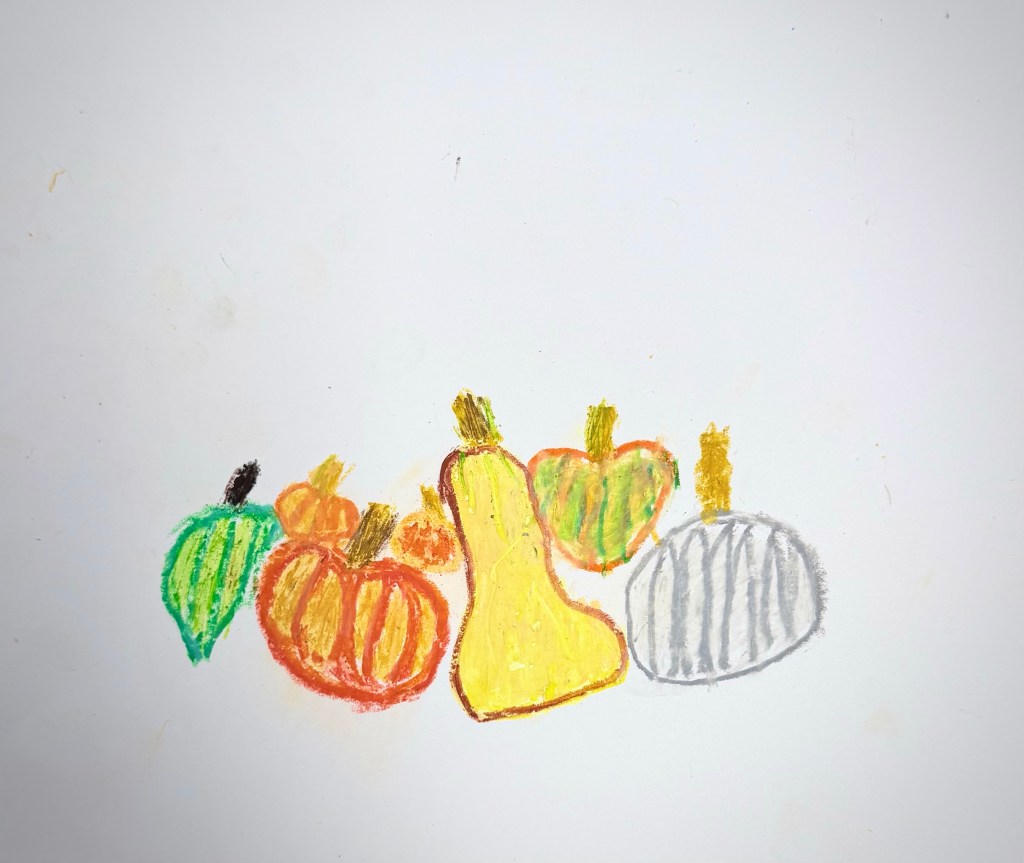
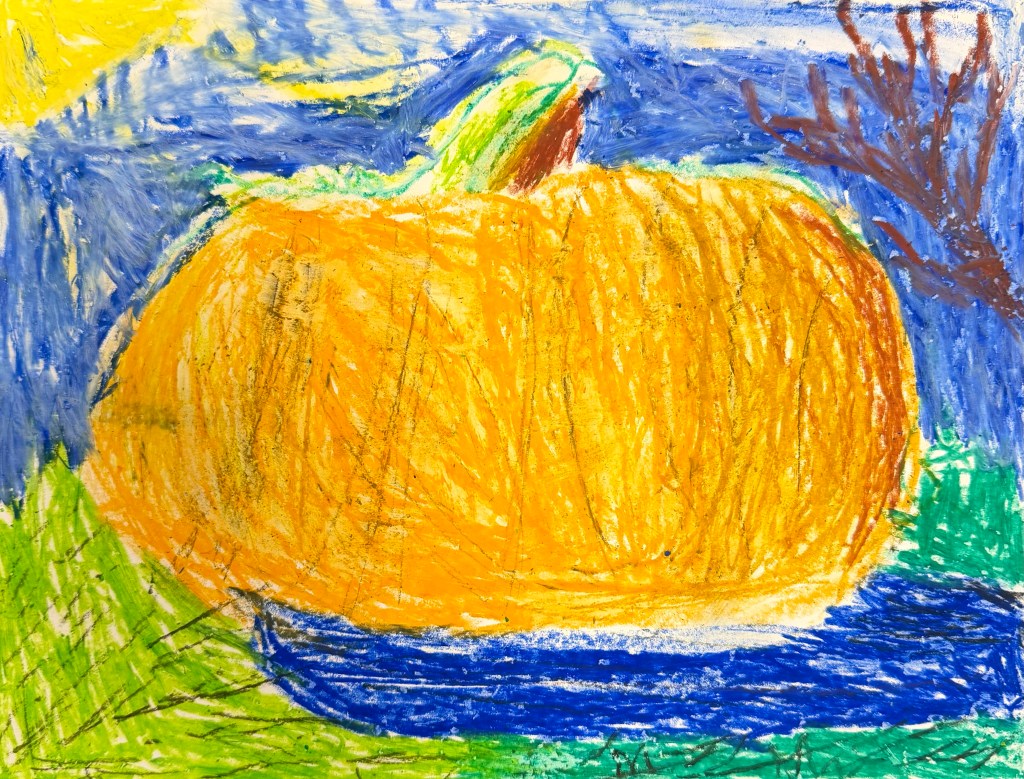
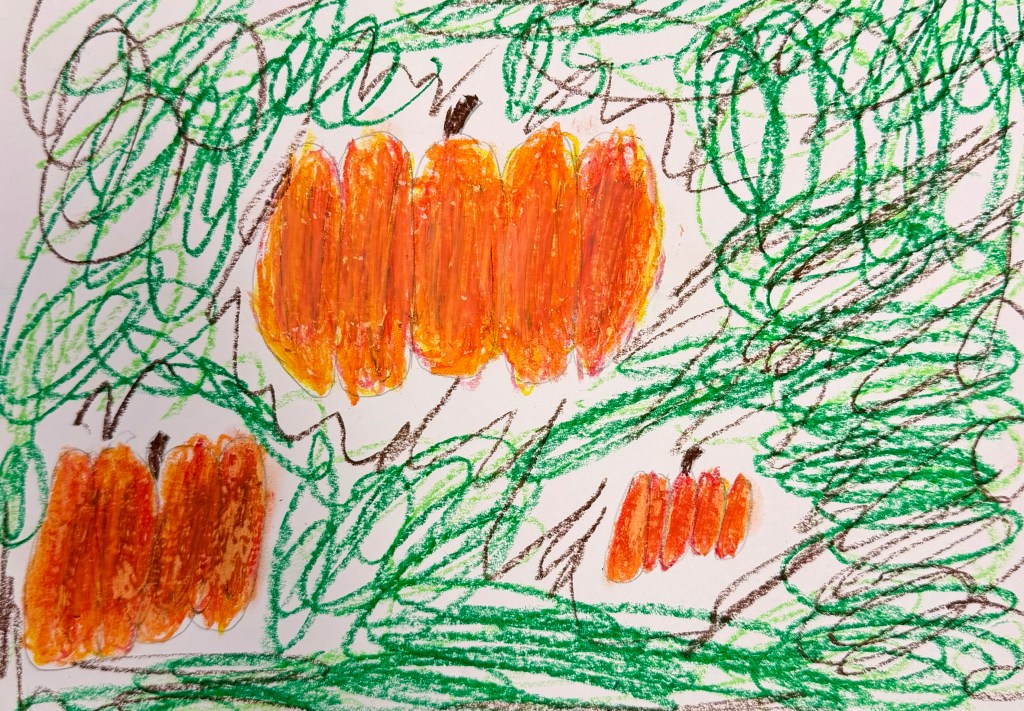
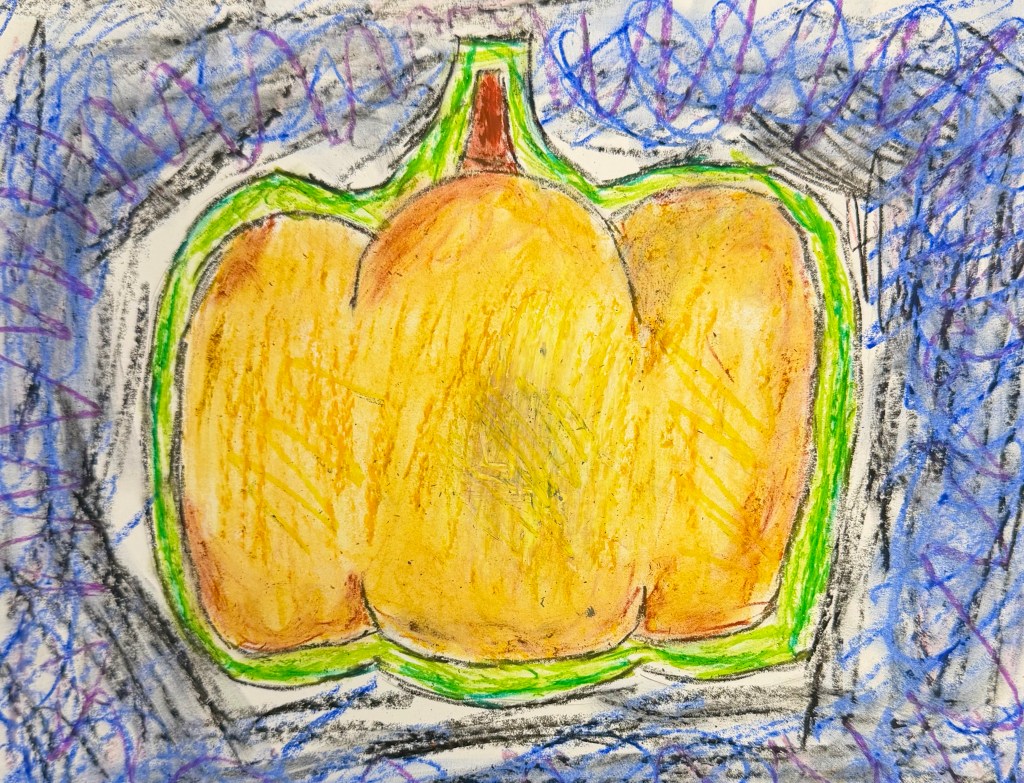
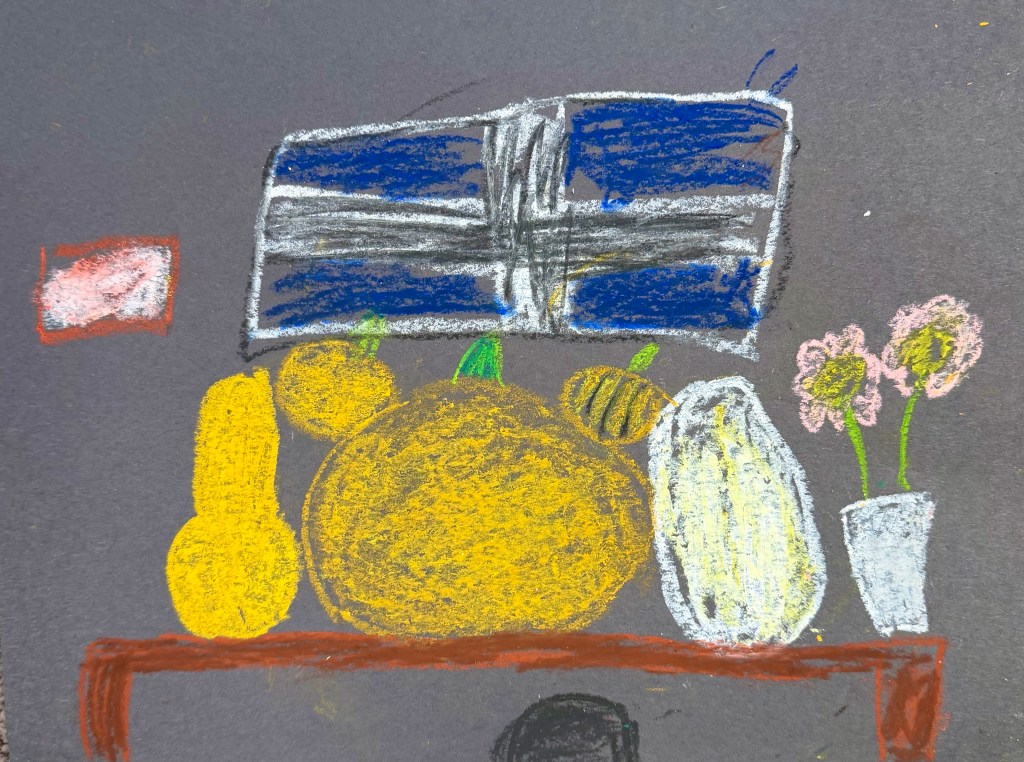
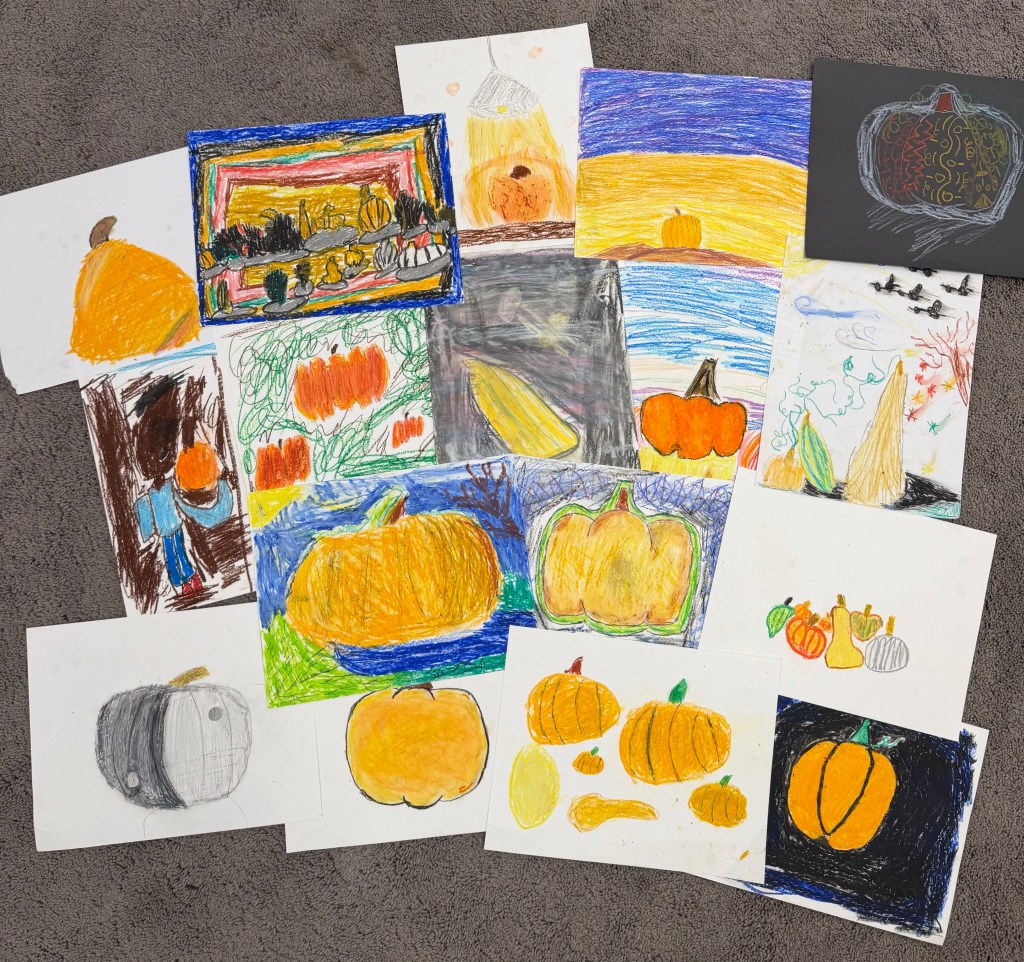
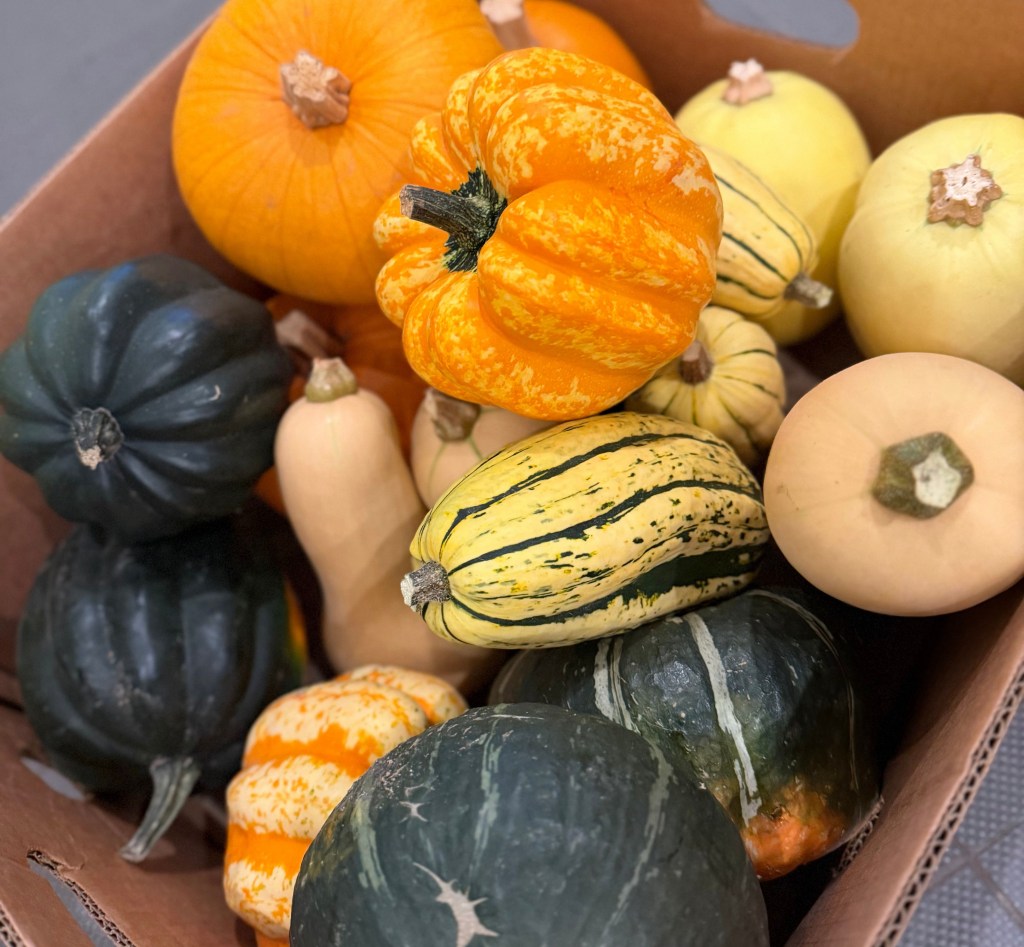
Then, for our still life Art lesson in shape and texture with oil pastels, we zoomed in on a particular harvest season treasure that we saw in the garden: fruits of the cucurbitaceae family! Pumpkins, squash and gourds!
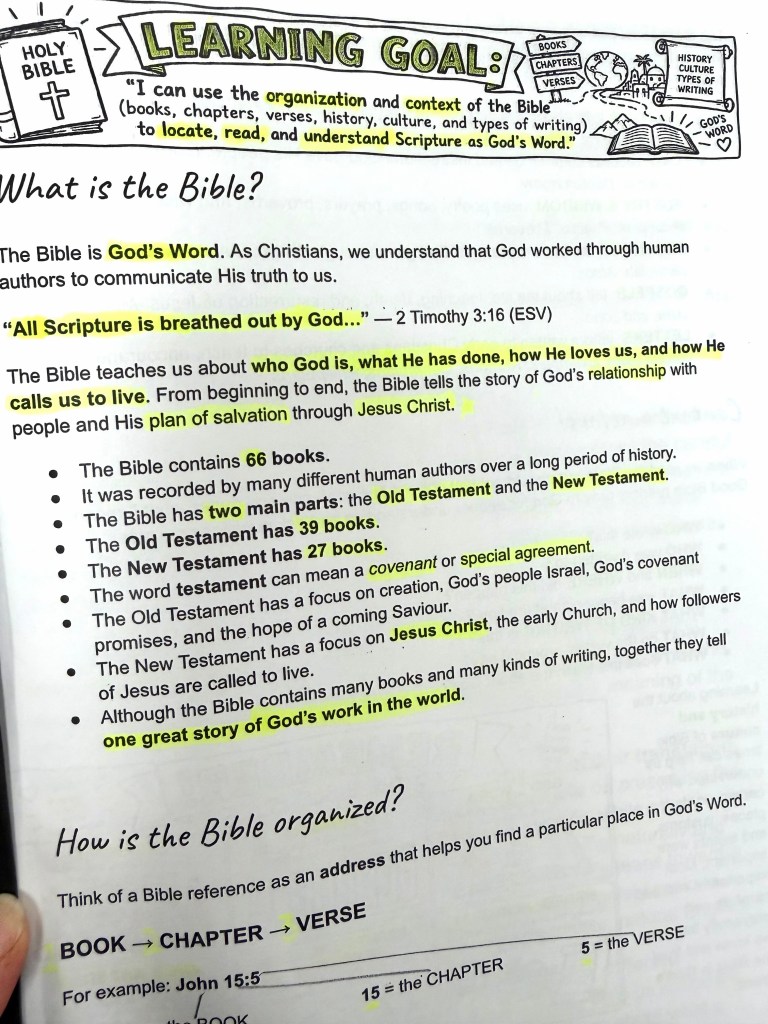
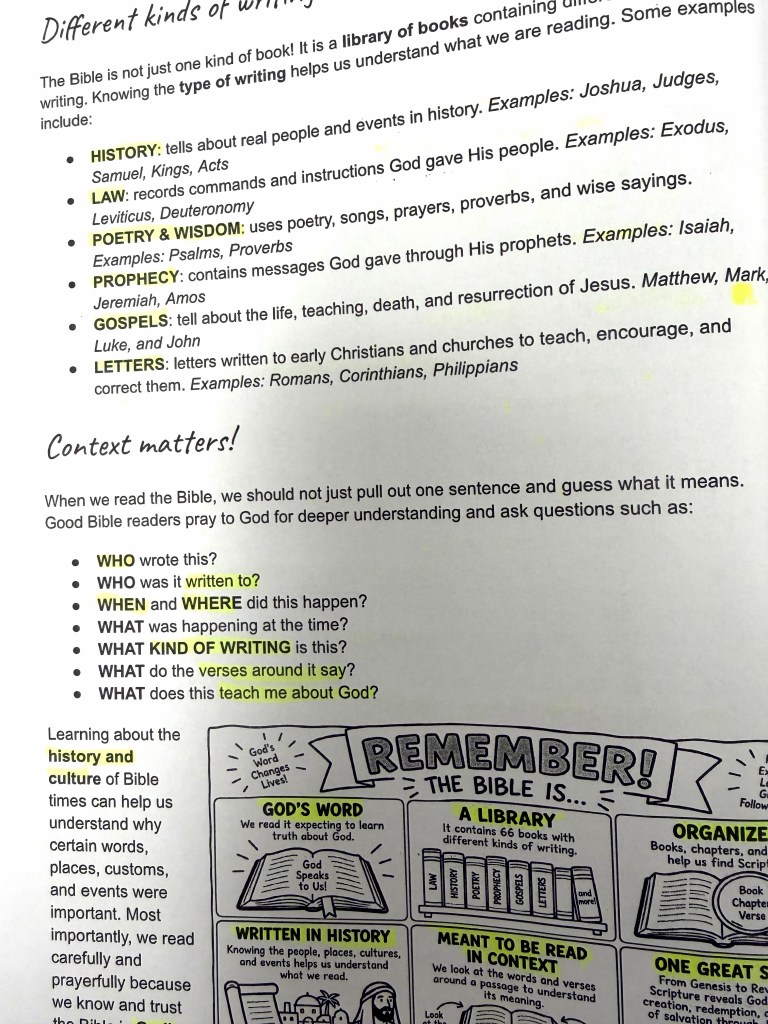
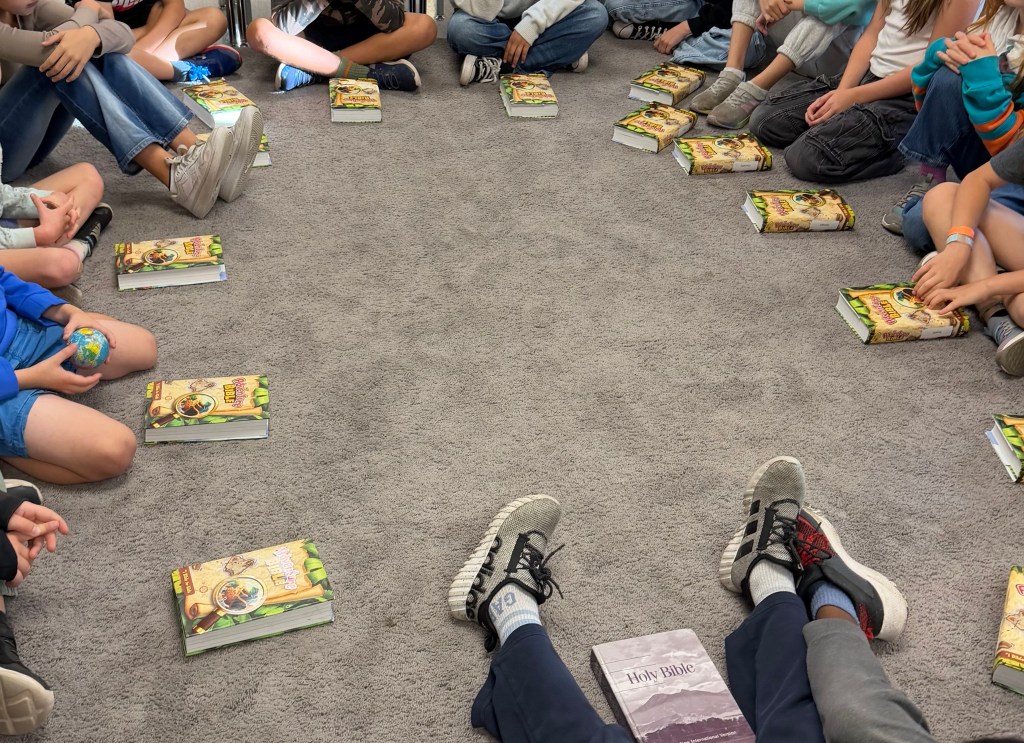
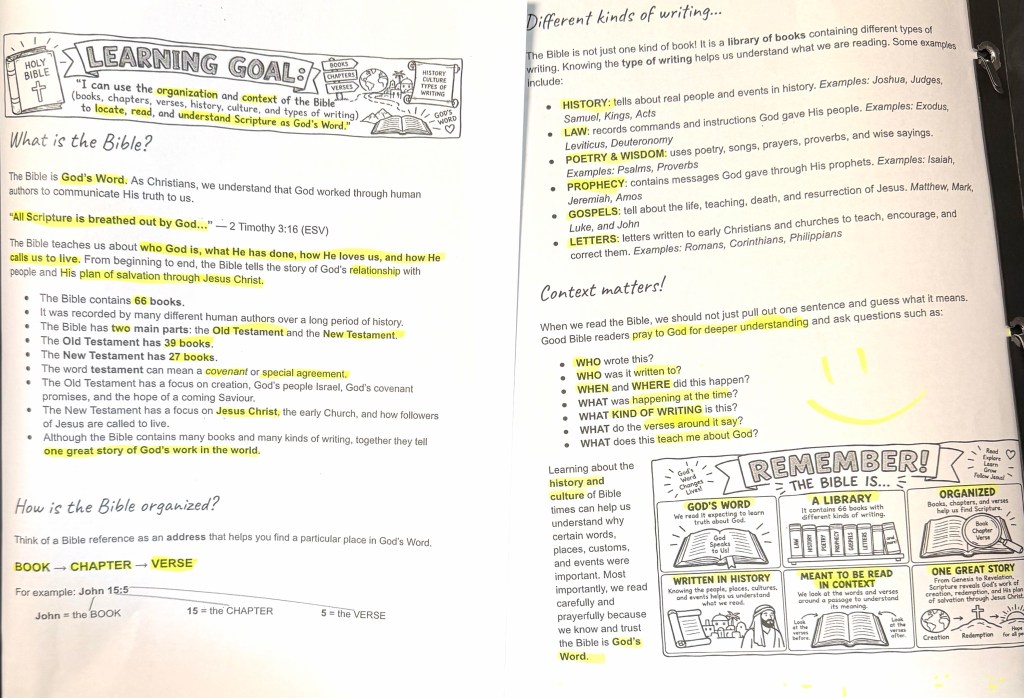
In Bible class, we have been learning that the Bible is a library books with a variety of genres of writing.
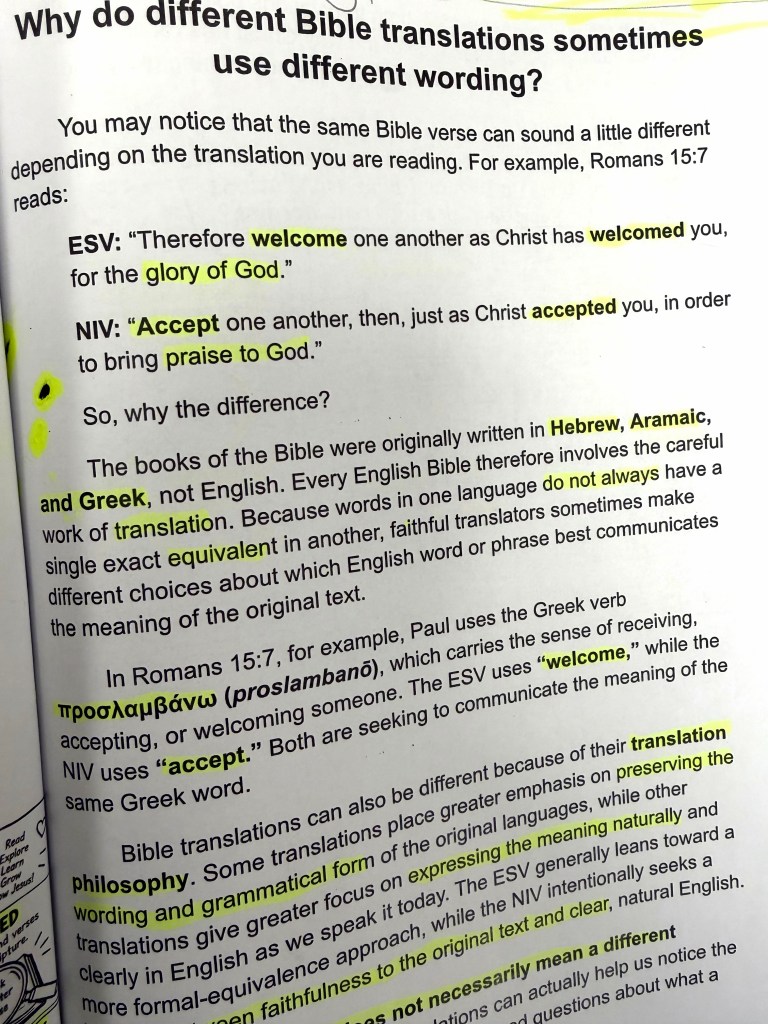
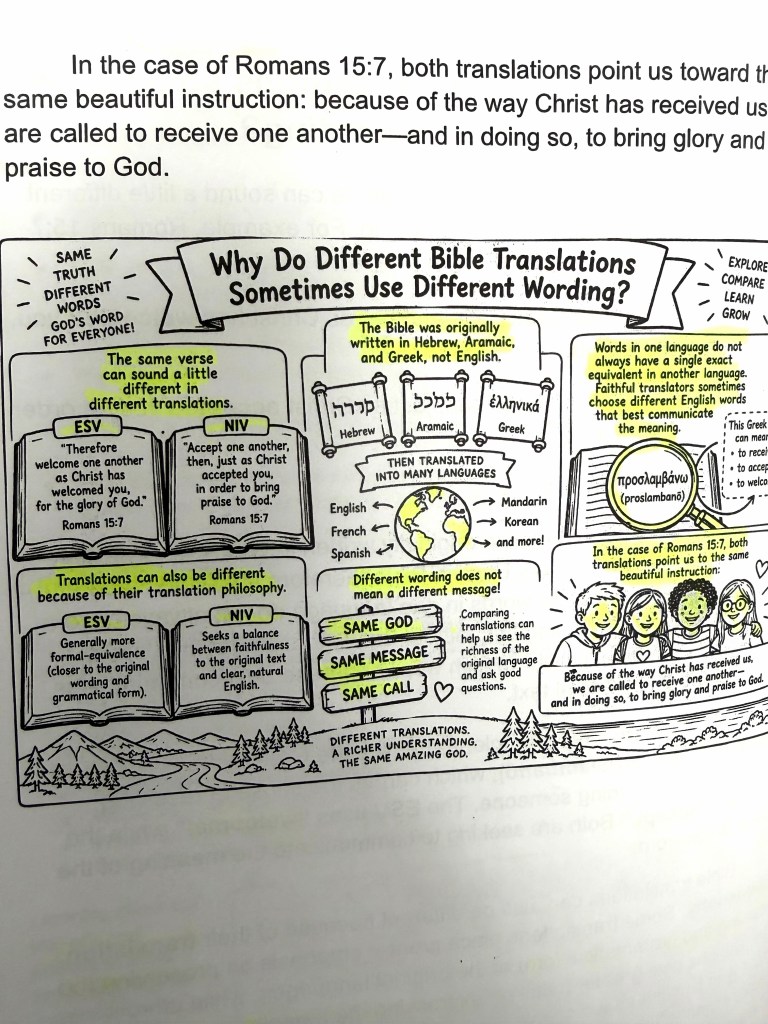
We have also been discussing Bible translations (NIV, ESV, etc). Exploring passages across different translations can help us increase our depth of understanding.
Our first memory verse for the year, Romans 15:7, says in the ESV, “Welcome one another as Christ has welcomed you.” In the NIV, it says, “Accept one another, then, just as Christ accepted you.” So we had rich discussion about welcome/accept.
We have also been reading in Genesis about creation and the temptation in the garden, and we made connections the story to our visit to Agnes Community Gardens where we practiced respecting the gardeners’ work by leaving their produce where it was growing and not taking the fruit or vegetables, even though they were really appealing. An object lesson!
This gave us a chance to think about what we can do when we feel tempted to make a choice we know is not right. Our choices affect other people and how we feel afterward. We can pray and ask God for strength and guidance. In the Lord’s Prayer, Jesus teaches us to pray, “Lead us not into temptation, but deliver us from evil.”
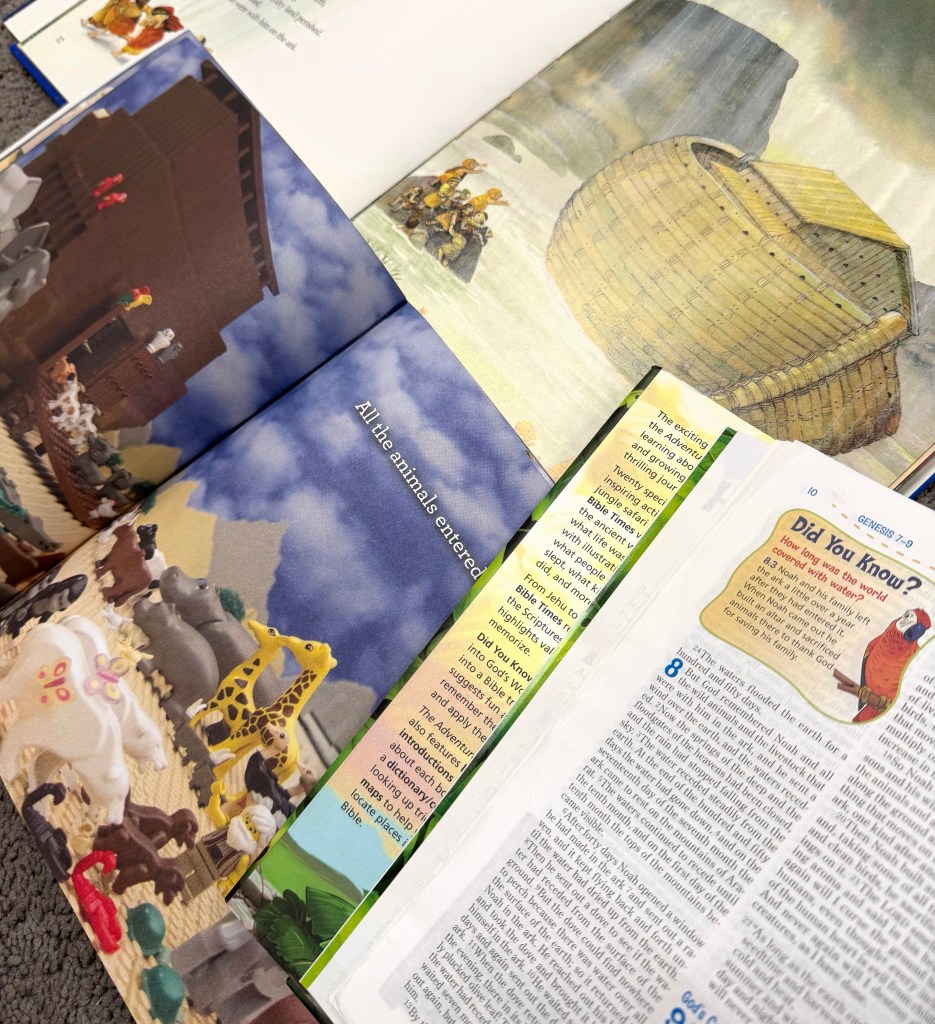
Going further in Genesis, as we learned about Noah, we compared the different ways/formats we have seen his story shared.
We read aloud a LEGO-inspired retelling of Noah’s Ark and compared how much was left out and different from the NIV Bible text. We acknowledged how children’s Bibles and creative retellings can help us picture a Bible story and begin to understand it, but they may simplify parts or add extra non-Biblical details, so it is helpful to return to the Biblical text ourselves and pray to clarify understanding. Comparing versions can inspire us to keep reading and learning and deepen our understanding of Scripture.
We are learning to ask thoughtful questions, listen to one another, and pray for the Holy Spirit to guide us as we seek to follow God’s truth and learn through His Word.
This is groundwork that will prepare students for their sermon writing asssingment in term 2.
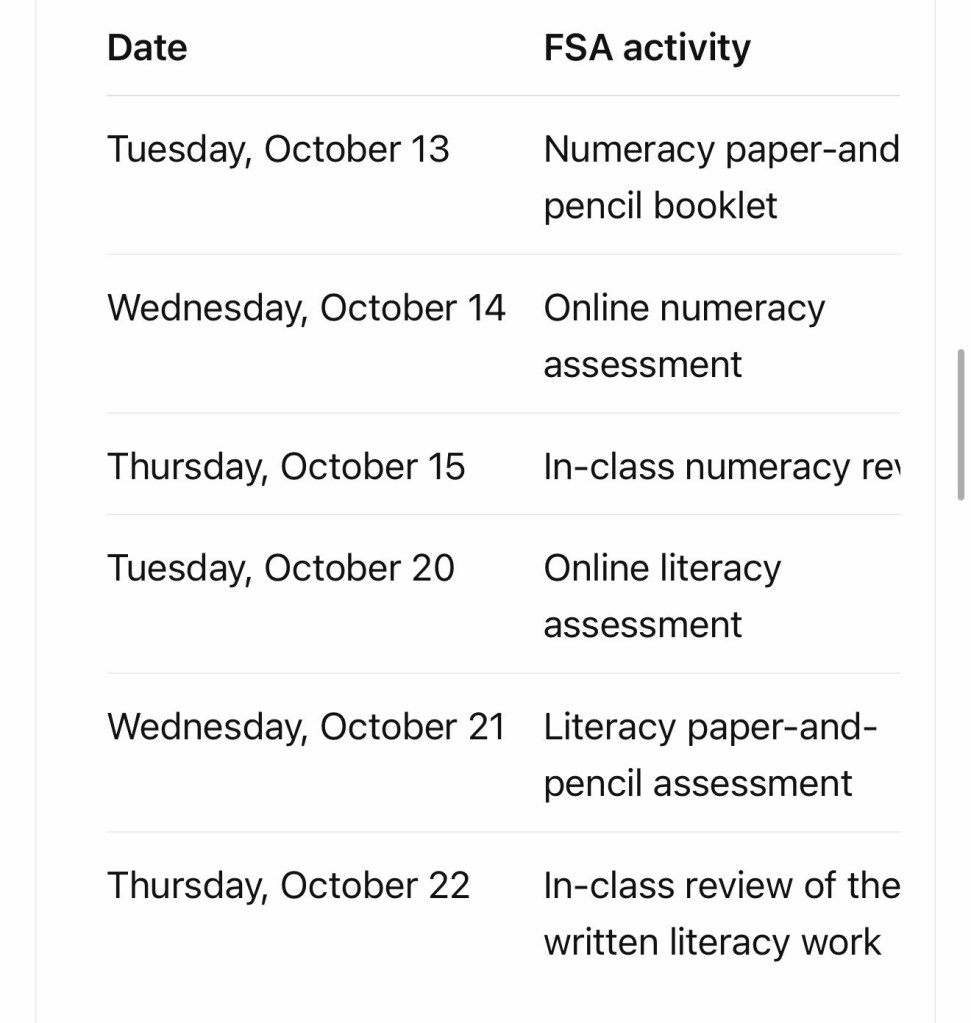
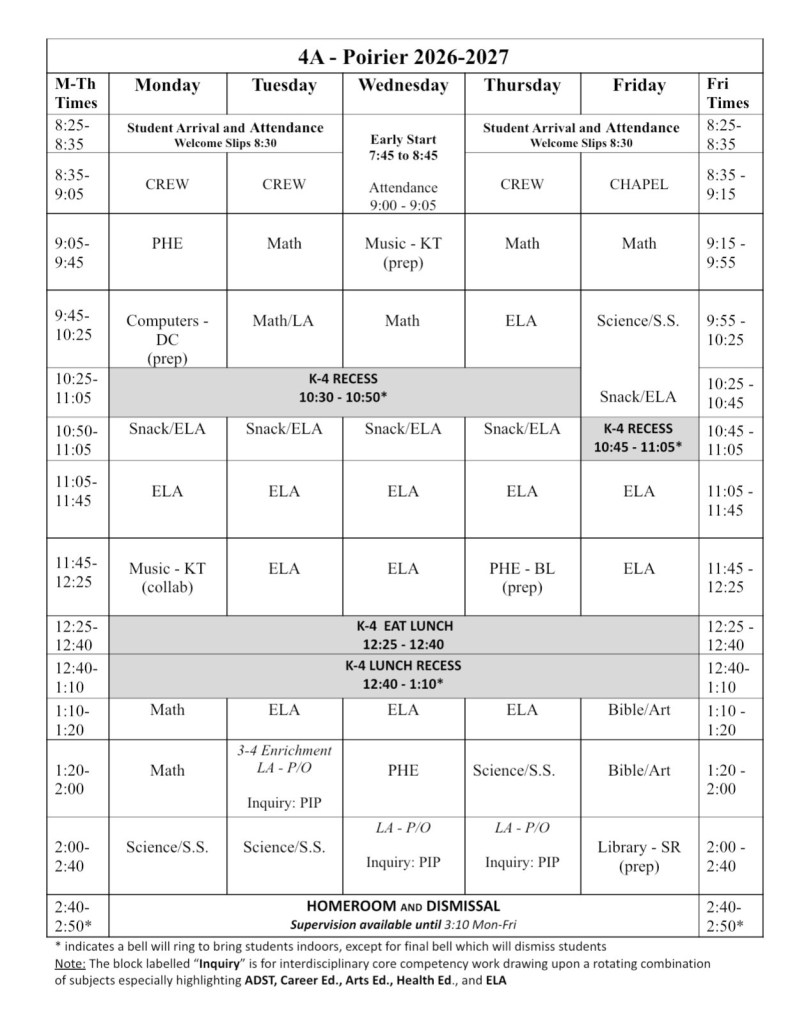
4A FSA Schedule
We encourage all students who are well to attend school on each scheduled FSA day. In-class warm-up, review, and support before each section help students feel prepared and give them the best opportunity to show what they know.
The assessment blocks include time for warm-up and review, instructions, settling in, and logging into accounts. Students will not be writing for the entire block.
If illness or another appointment means a student misses a section, they will have an opportunity to complete it the following week under the supervision of our vice-principal, Mrs. Laura Langley.
We hope you enjoy scanning through our recent learning.
In Math, we have been creating math stories, reviewing math facts and are working through a unit on place value. The video below will help students to study the big ideas.
PLEASE CHECK YOUR CHILD’S AGENDA
Almost every day we send home completed work for families to see as a way to communicate what we are learning and to provide something tangible for students to study. Ask your child to tell you the WOTD (word of the day) and explain what it means and use it in a sentence.
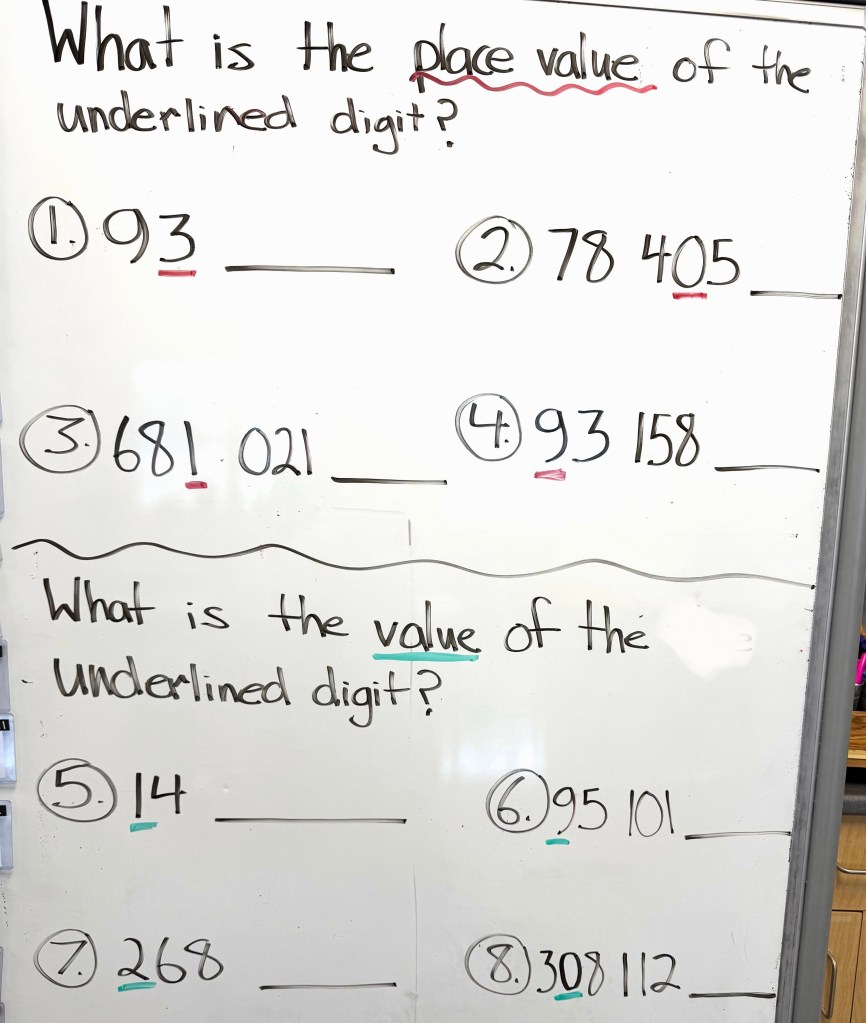
Answers: (1.) ones, (2.) tens, (3.) thousands, (4.) ten thousands, (5.) 1 ten or 10, (6.) 9 ten thousands or 90 000, (7.) 2 hundreds or 200, (8.) zero or 0
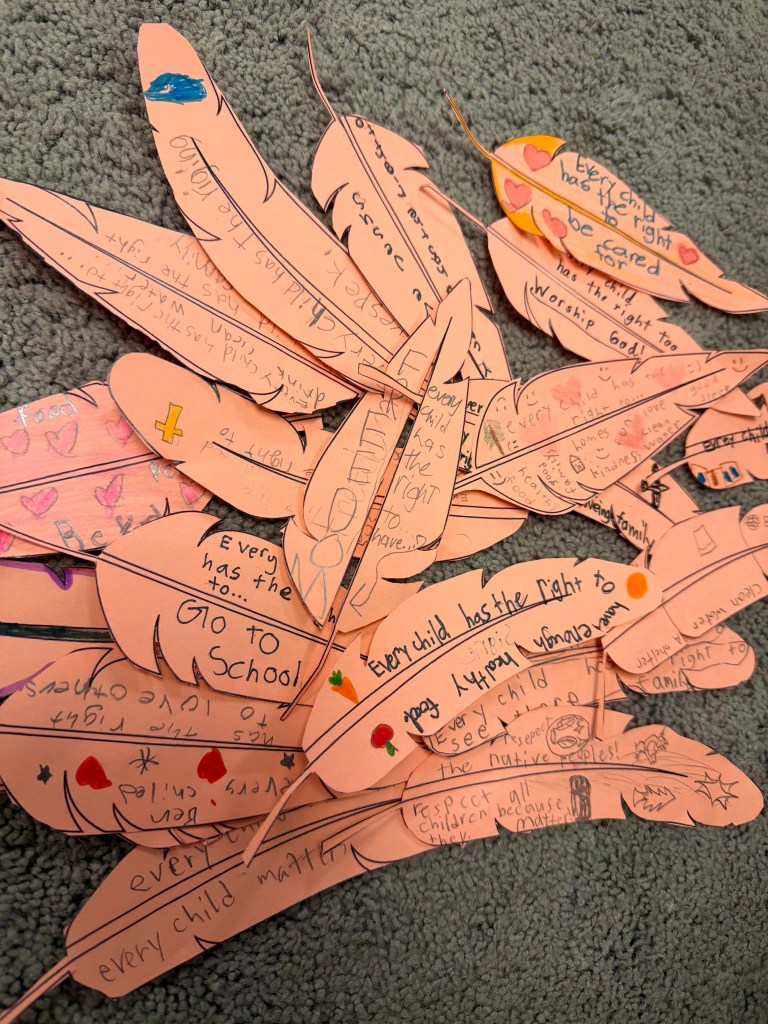
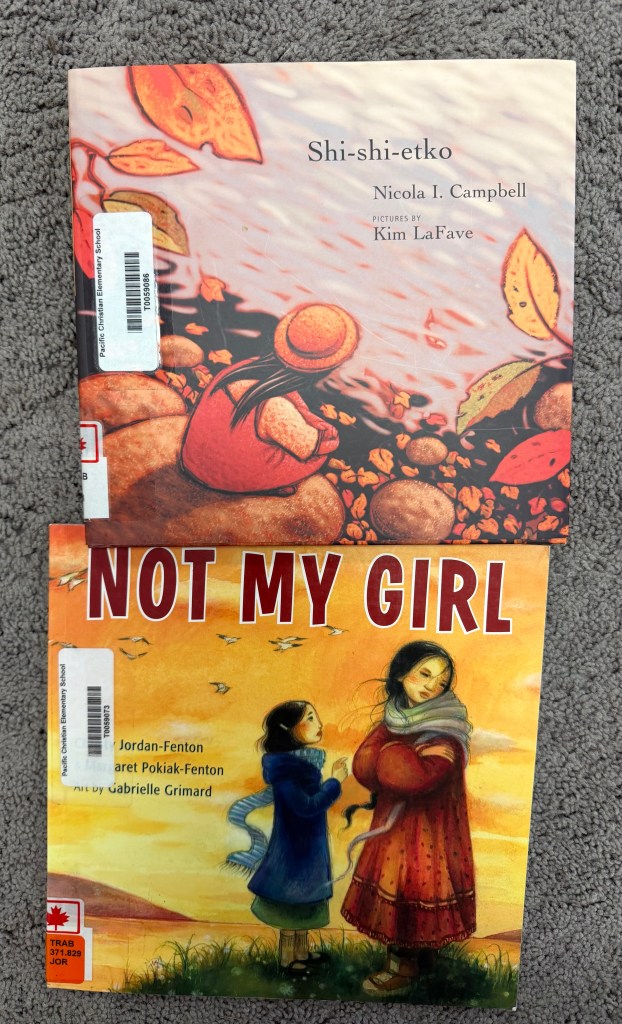
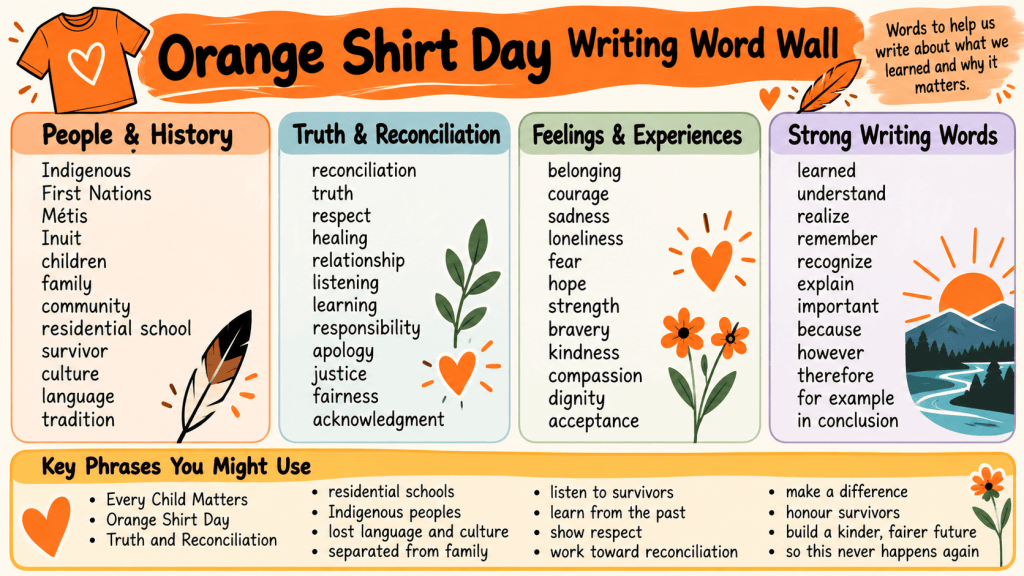
In Social Studies, we have now wrapped up our Social Studies unit on Orange Shirt Day and the history of residential schools, which connects to our grade 4 Social Studies curriculum on “the impact of colonization on First Peoples in BC and Canada”.
Students explored for themselves what has been reported through historical sources, read age-appropriate picture books selected by the school, completed reading comprehension activities, shared dialogue, and wrote personal reflections.
They approached the learning thoughtfully and respectfully, considering the topic first through the teachings of Jesus and our call to treat all of God’s children with dignity.
Students brought up important questions inspiring critical thinking around rights, evidence, impact, and the role individuals, communities, and our government have in creating a just society.
When there is a difference in viewpoints in class, we encourage students to keep questioning, researching, and dialoguing with their families, and to consider their questions through Scripture and prayer.
I have been delighted by the maturity, care, and curiosity students have shown in this unit, especially in connecting this learning to our first memory verse of the year: “Welcome one another as Christ has welcomed you” (Romans 15:7).
Our next Social Studies unit explores The Fur Trade!
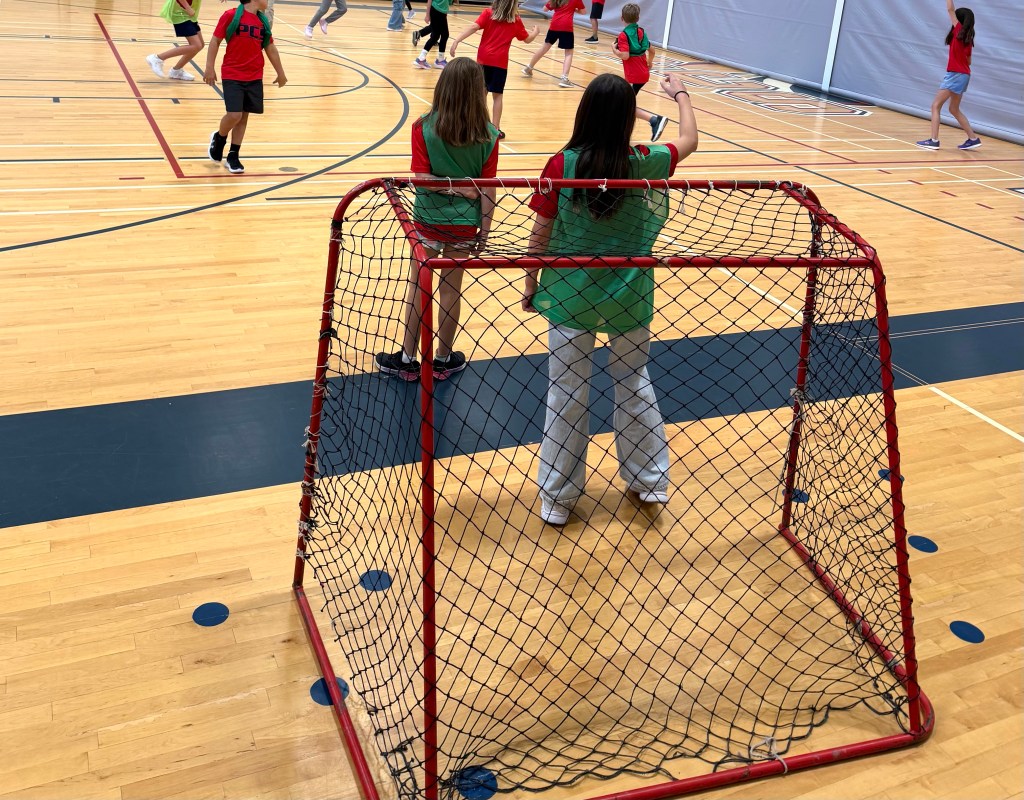
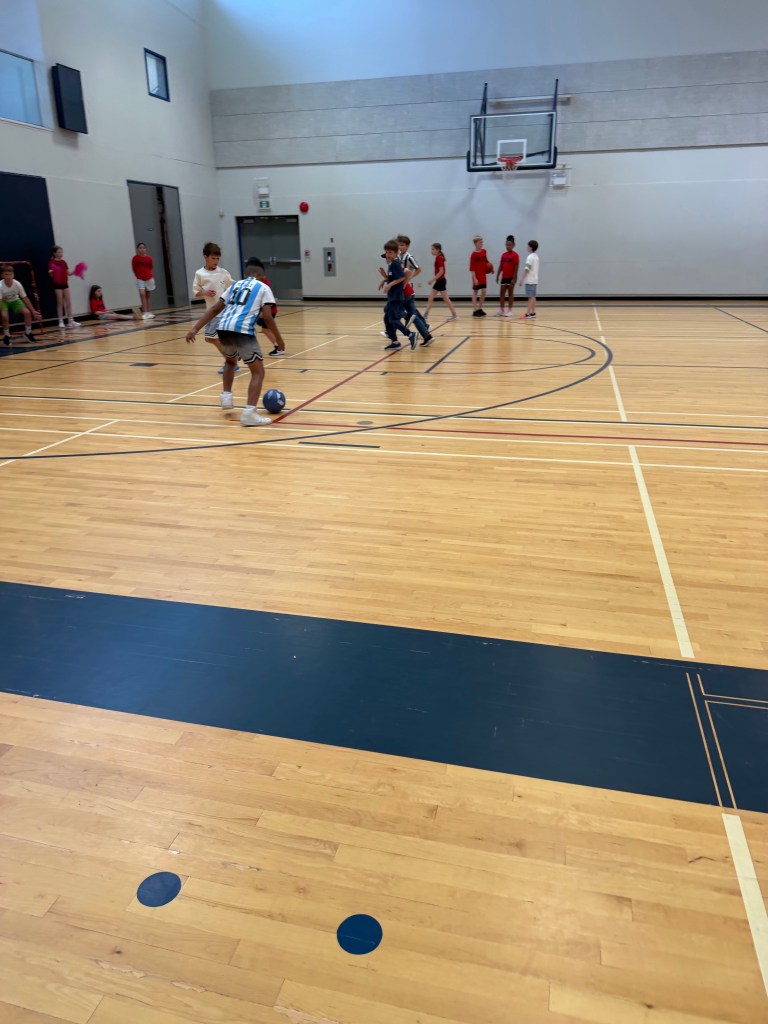
In Physical Education, we are enjoying a unit in soccer.
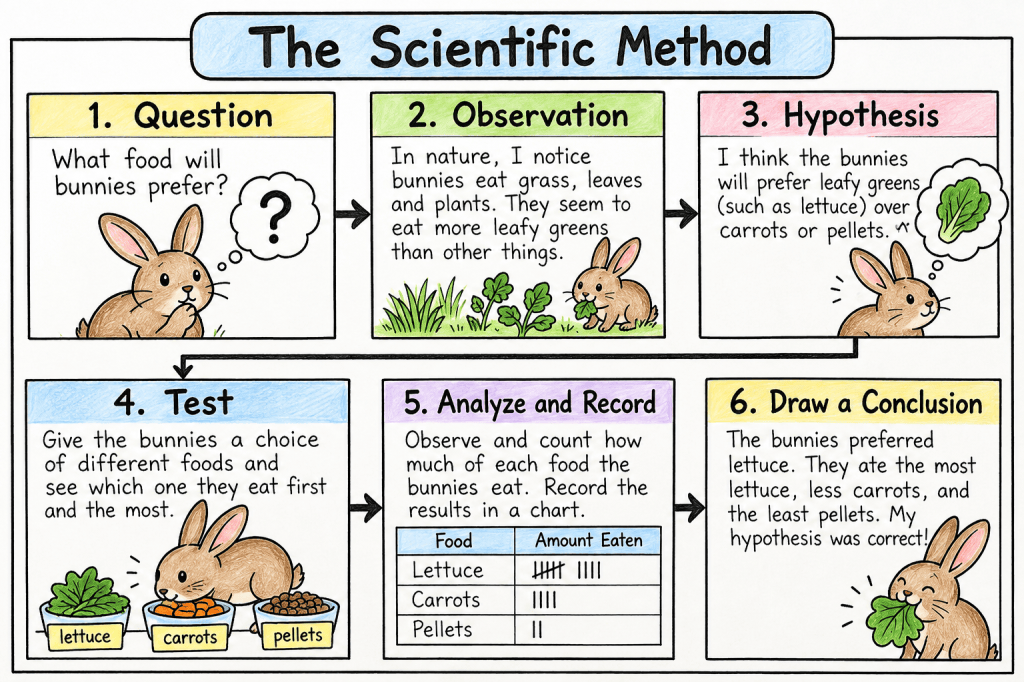
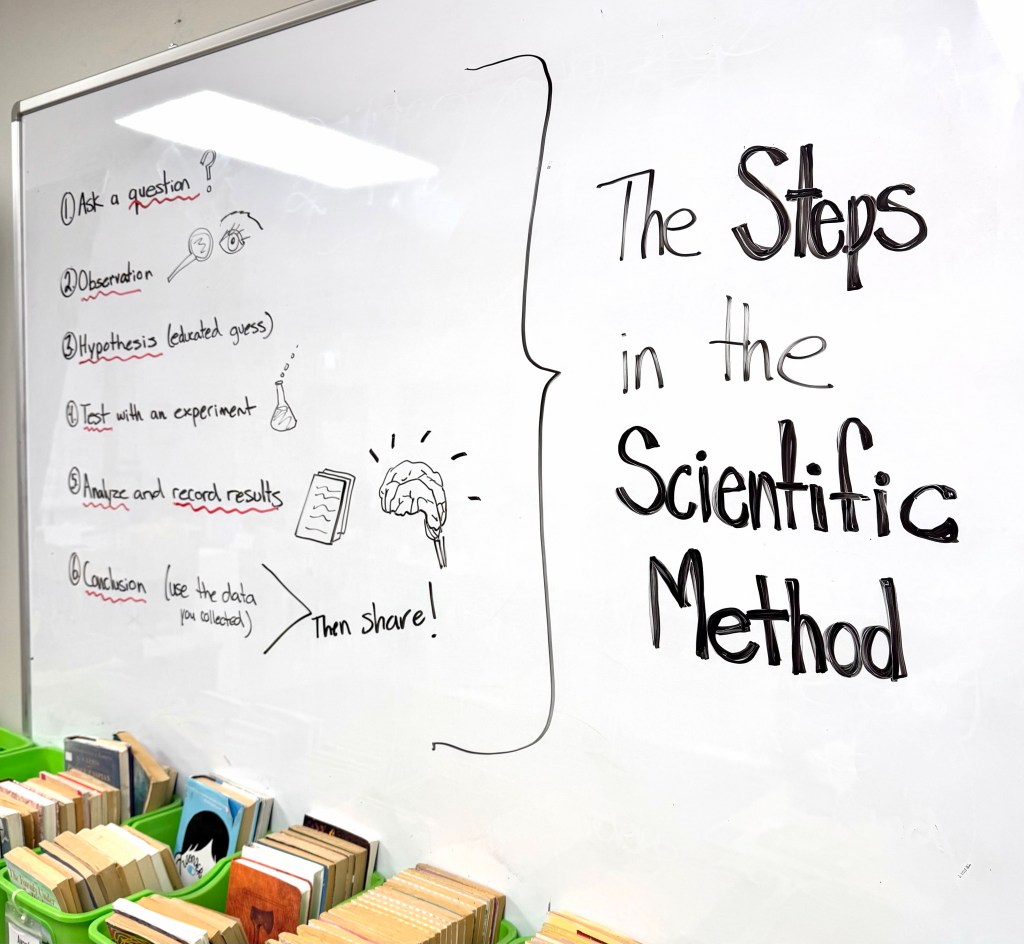
In Science, we are learning about the “scientific method” and what distinguishes a scientific question verses other kinds of important questions.
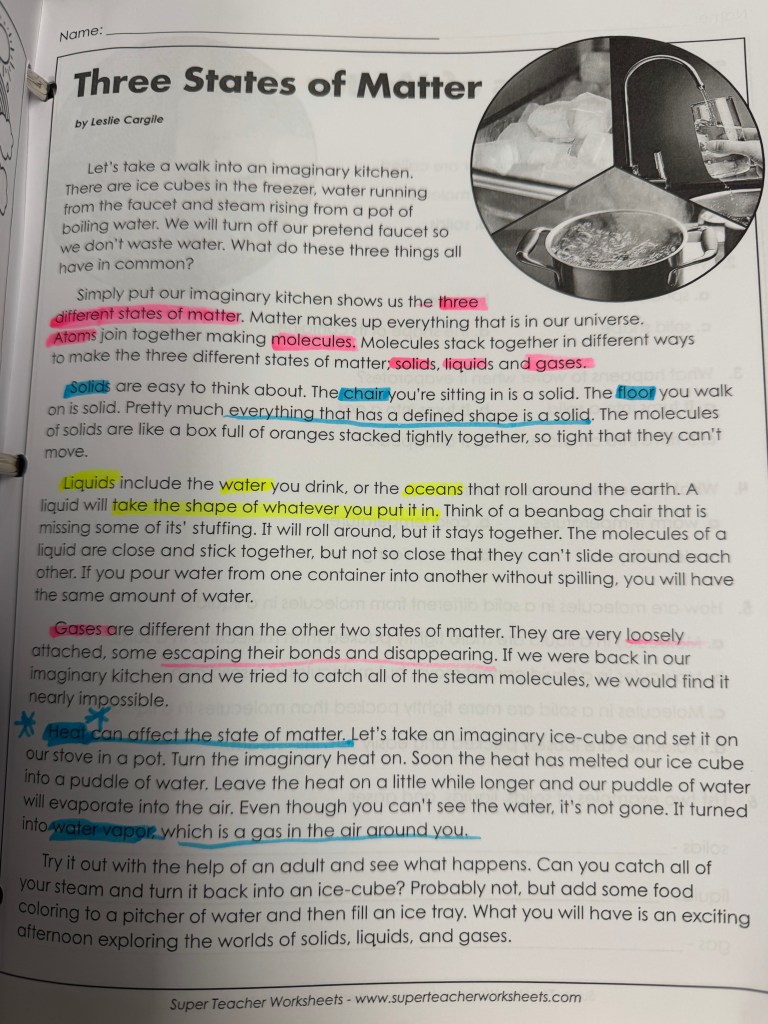
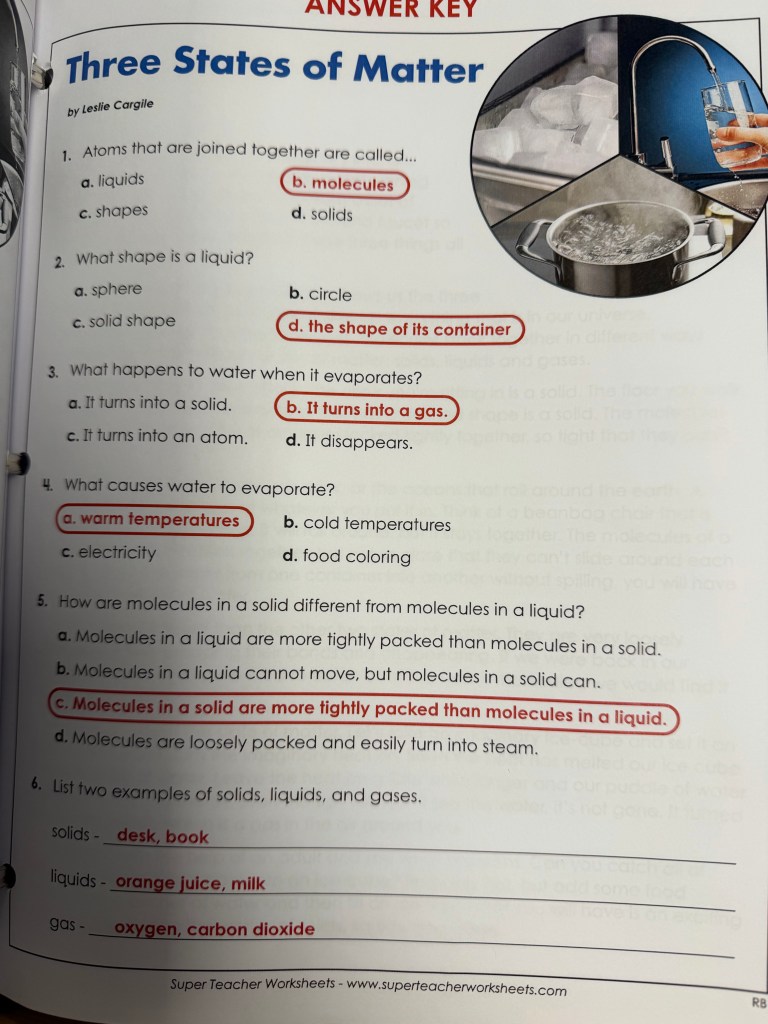
We are also learning about states of matter (solids, liquids, gases). Coming up next week is a science and art inquiry with some pumpkins, squash and gourds.
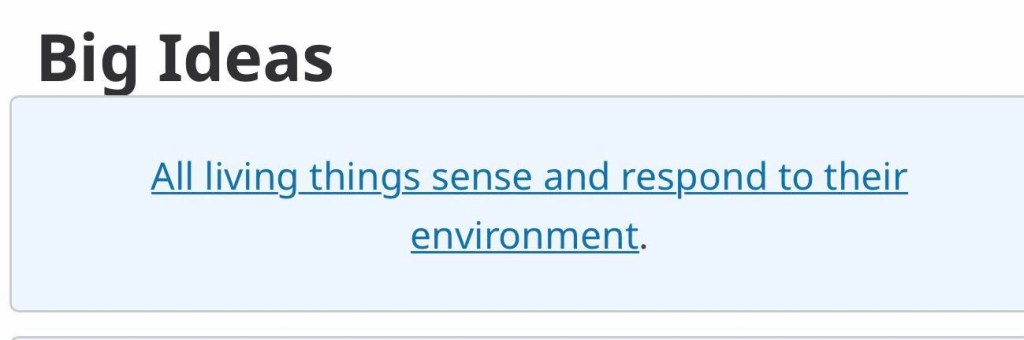
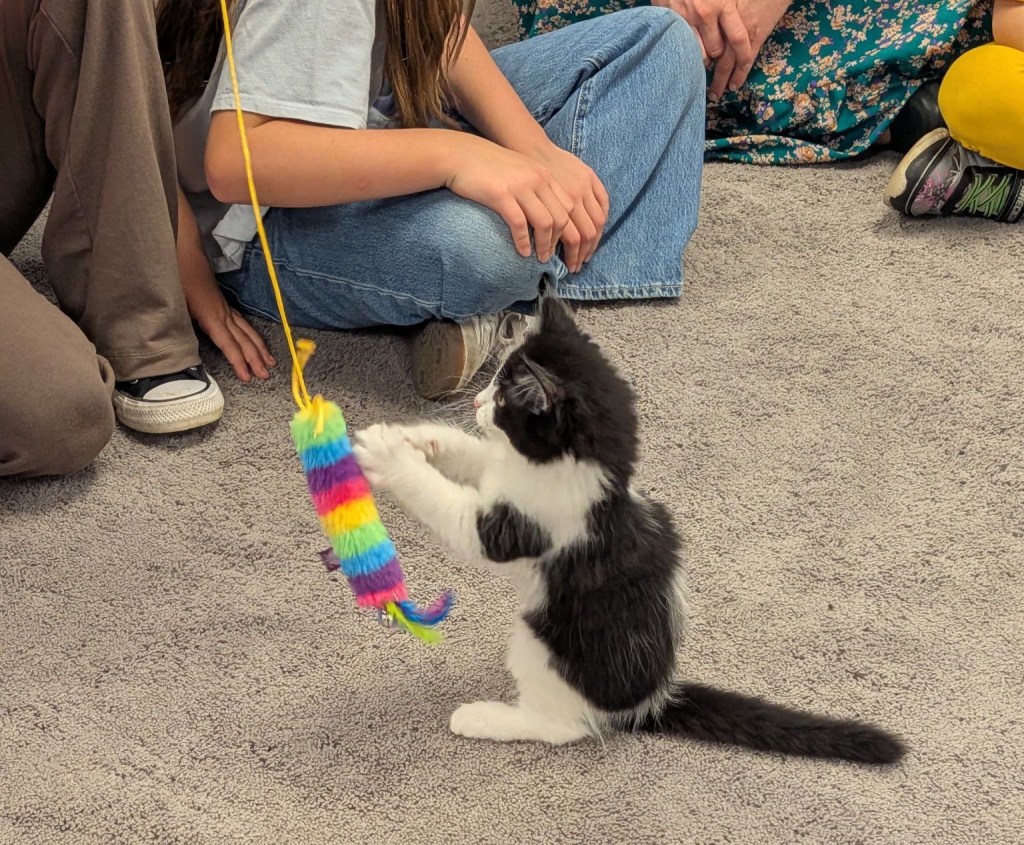
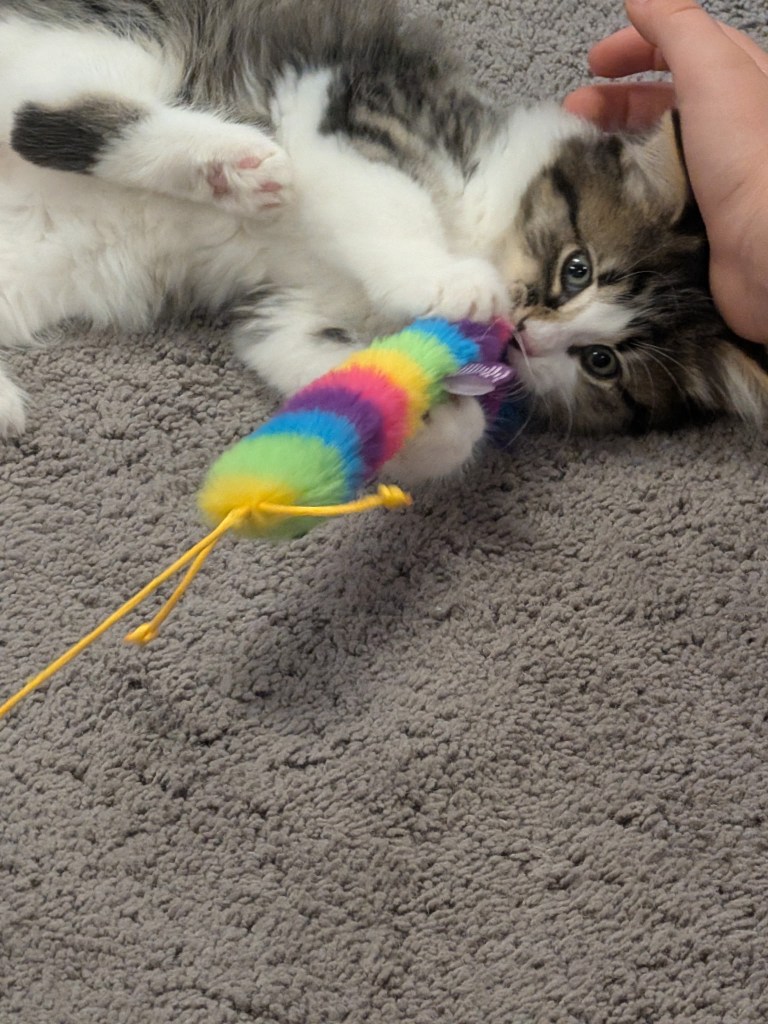
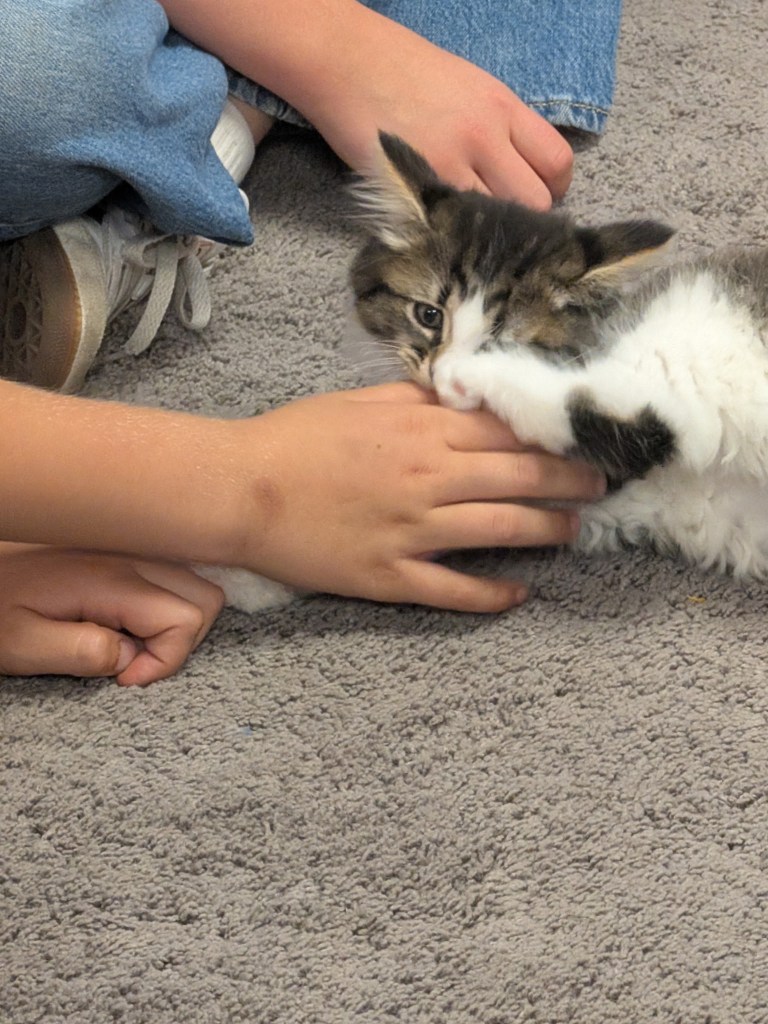
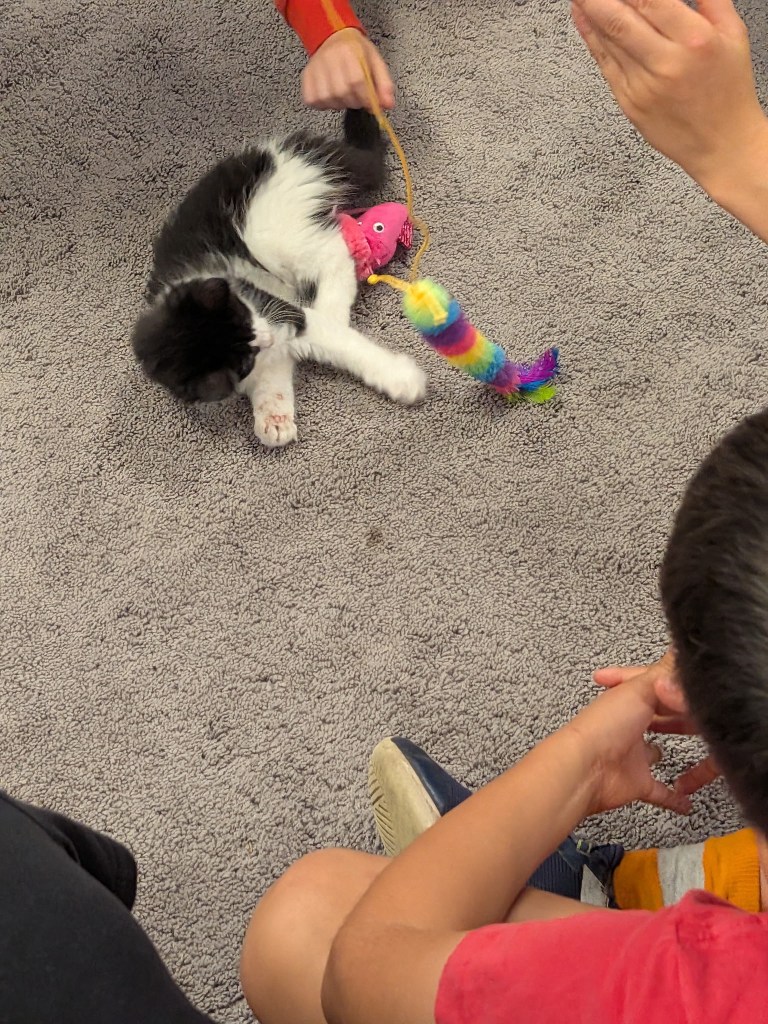
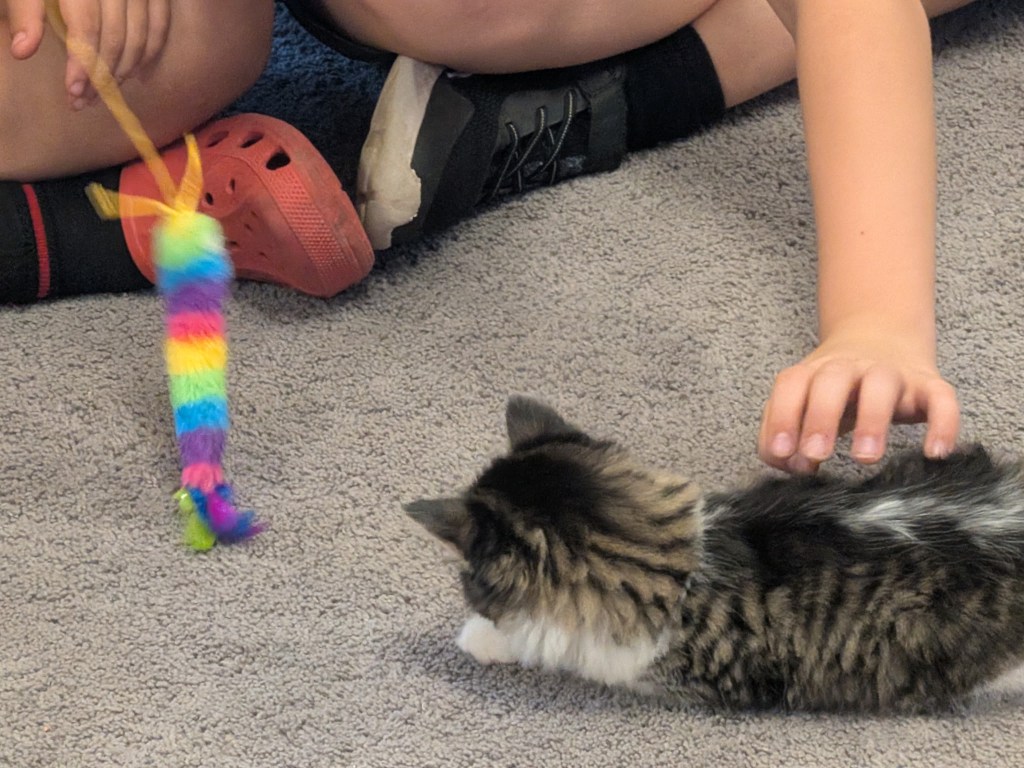
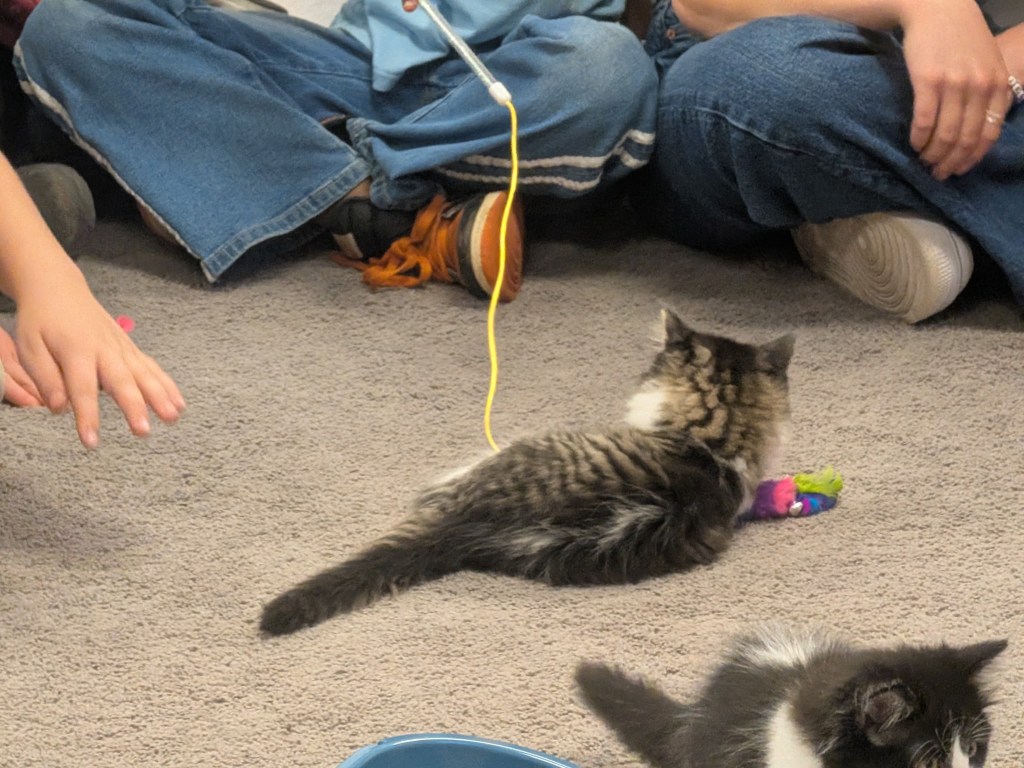
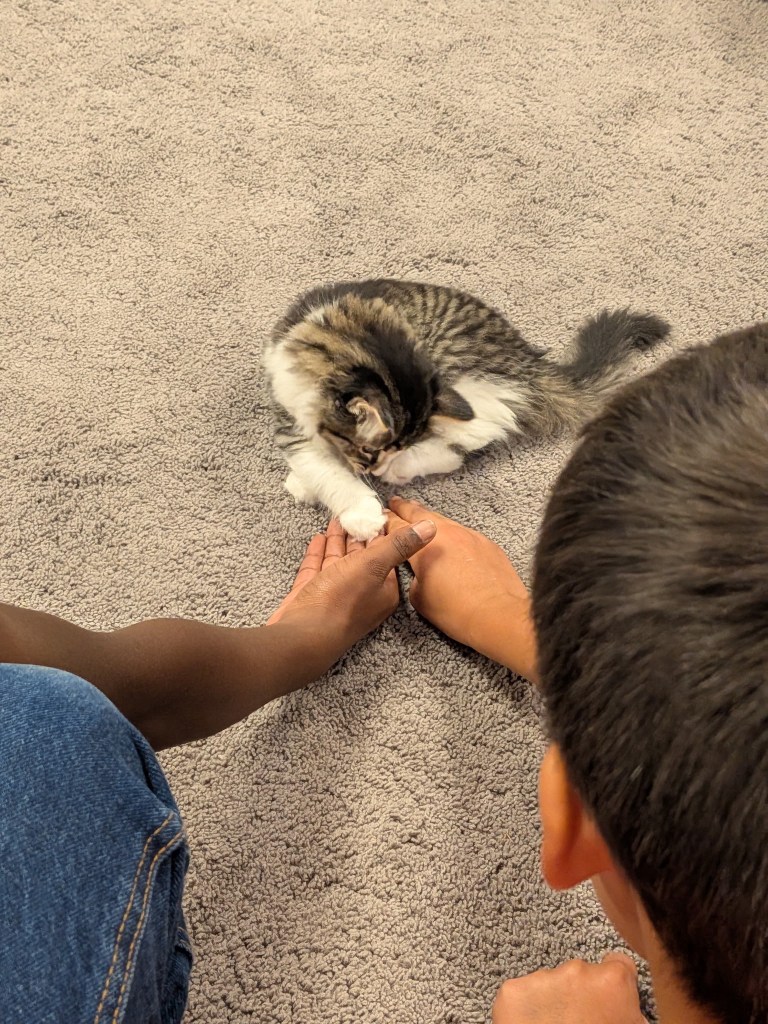
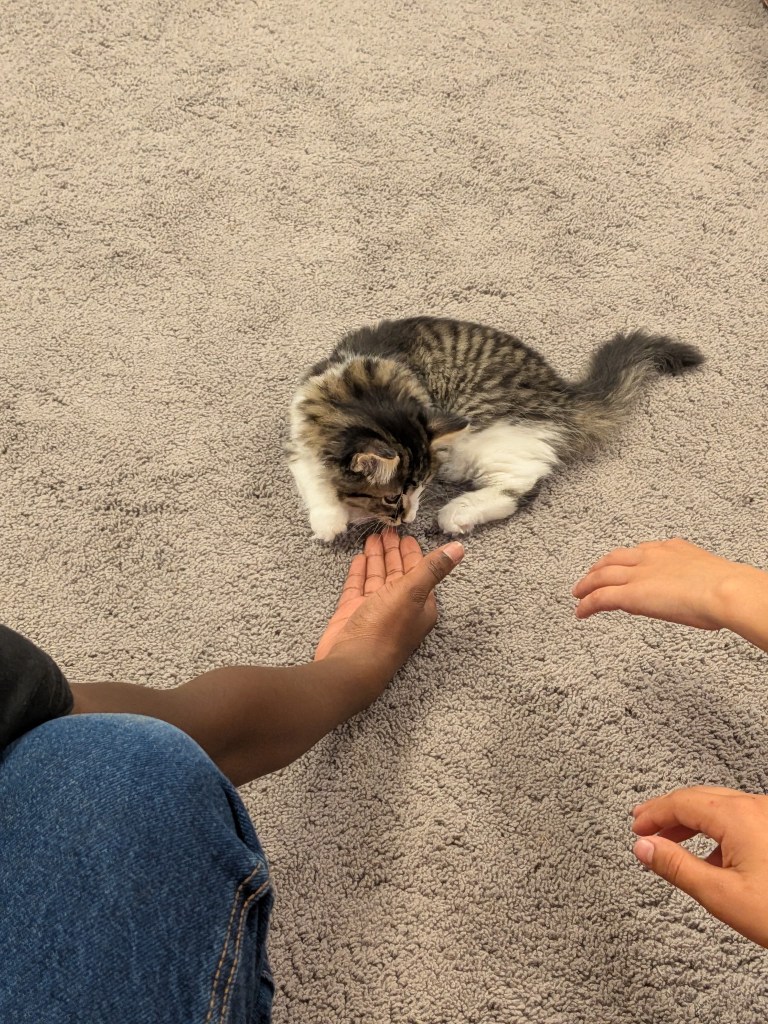
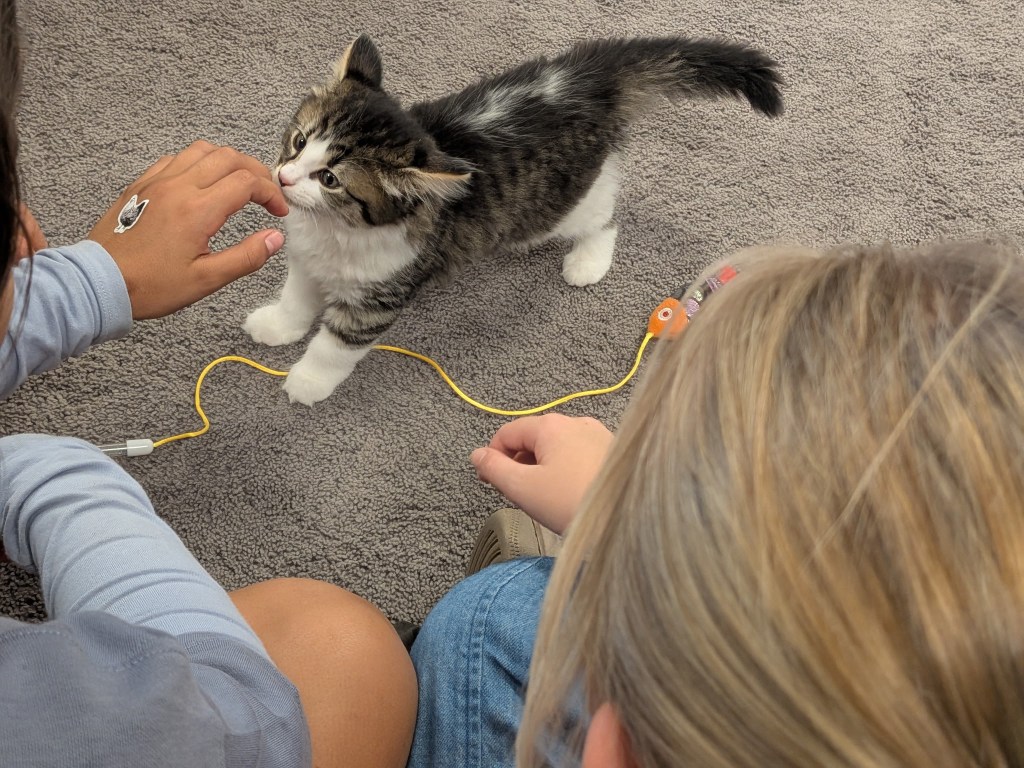
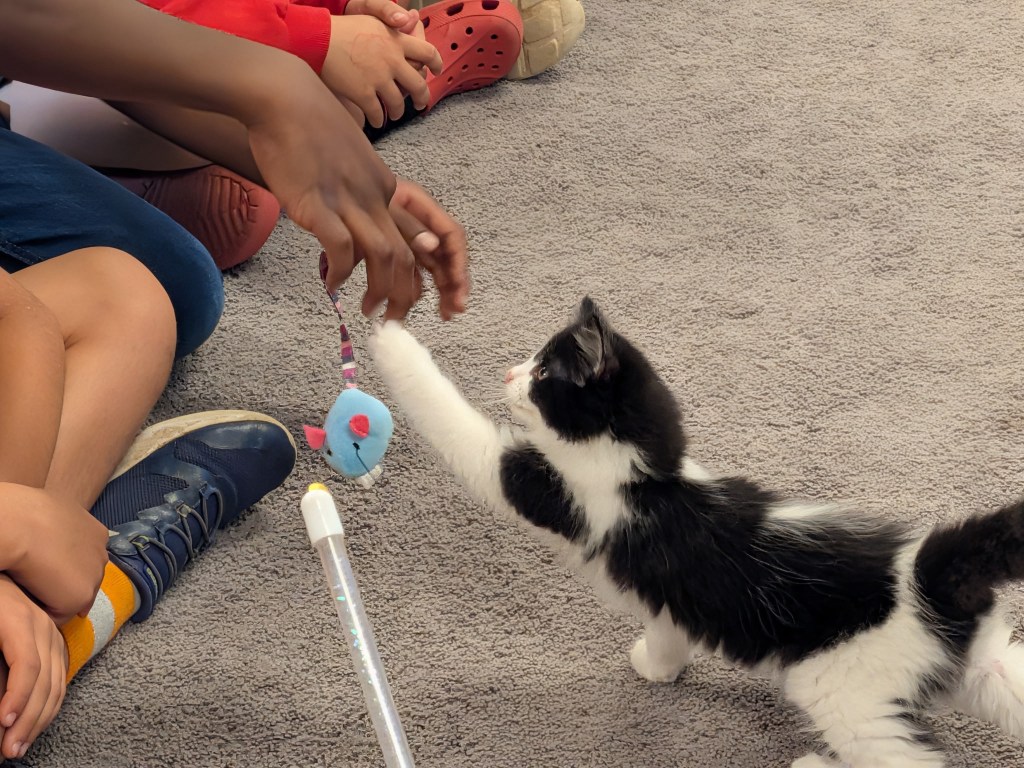
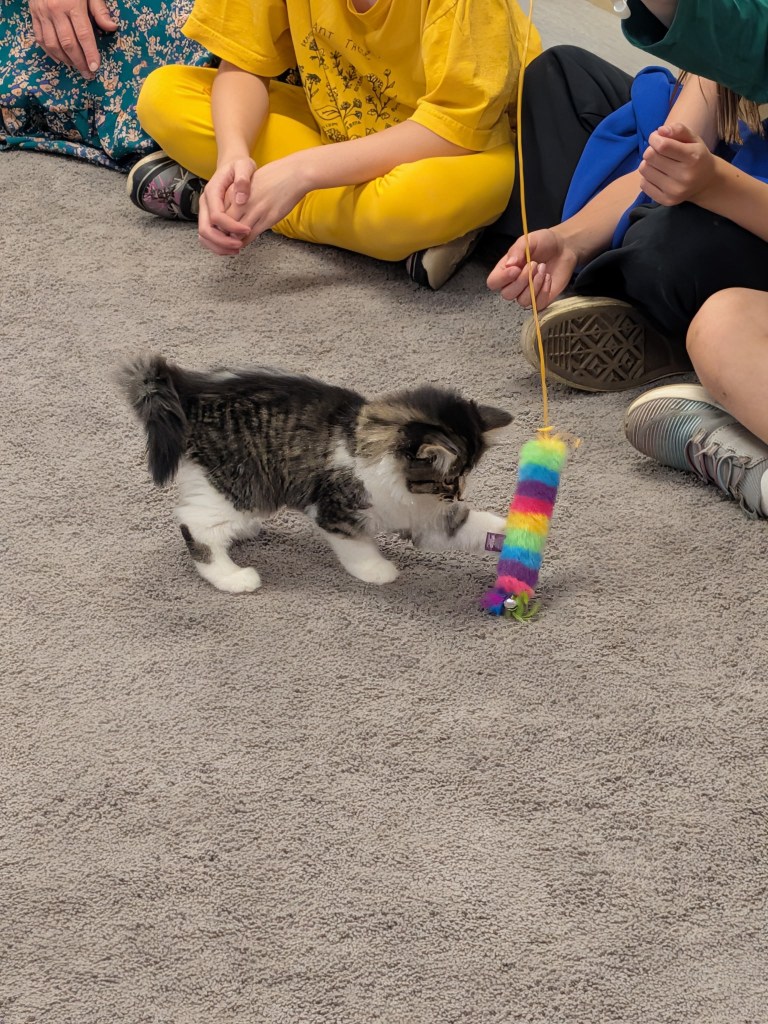
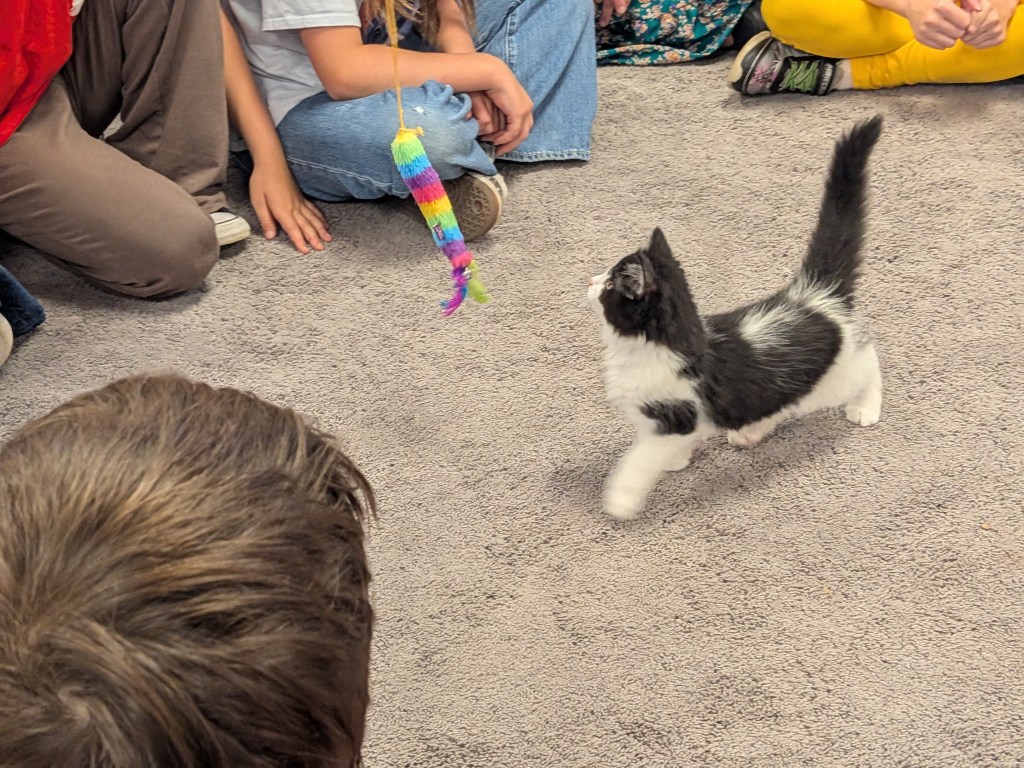
And can you imagine a more adorable way to consider the grade 4 Science learning standard that “living things sense and respond to their environment” than observing kittens!? Wow!
Thank you much to our classmate and family who generously foster kittens to give them a better start to life—they brought these precious felines in and everyone was amazed and had cuteness overload!
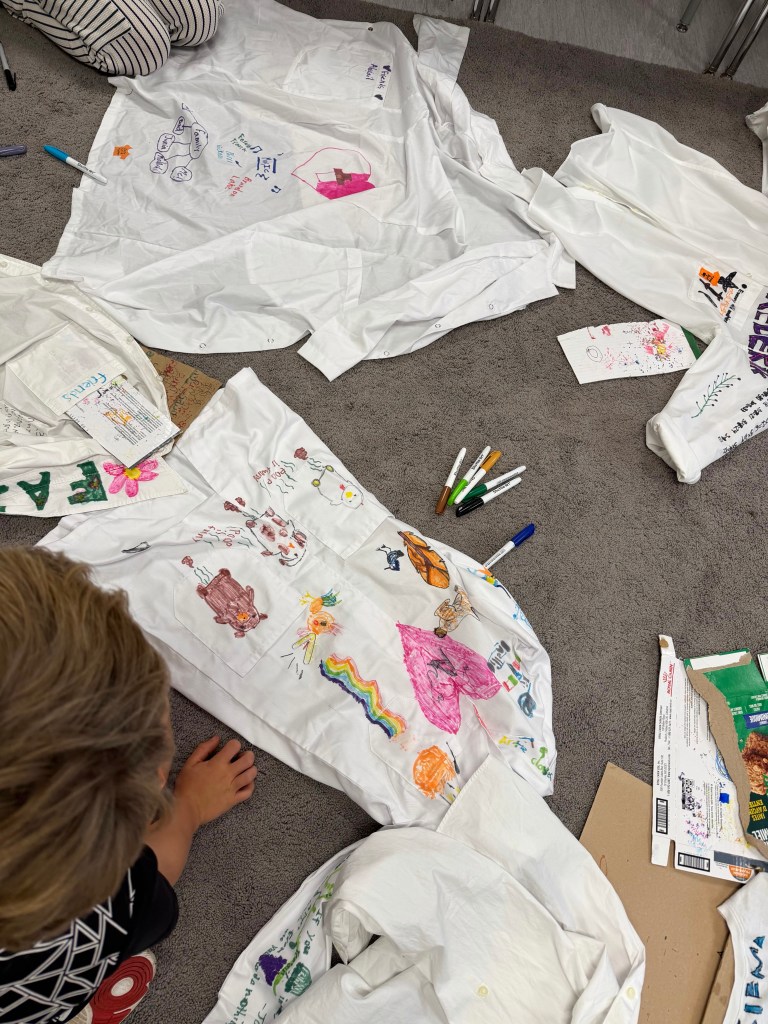
In Career Ed. and Art, students have made beautiful progress on their Learning Coats.
In Language Arts, we continue with our novel, Babe, learning about good paragraph structure, spelling strategies, WOTD (word of the day), and now some FSA preparation to help students get ready to do and feel their best during the Foundational Skills Assessment next later this month.
FSA PRACTICE LINK…
In the next couple weeks, students will be supported to take the Foundational Skills Assessment, a province-wide initiative that helps give schools, teachers, students and families a standardized evaluation of core literacy and numeracy skills. We have been practicing taking the online and paper-and-pencil portions of the assessment and using copies of previous years’ FSA booklets. As well, the province has made available a model of the online portion available to give students practice in that format. We are exploring these links in class, and feel free to see what the FSA is like at home by using these links.
Elementary Parent/Teacher Conferences are scheduled for Thursday, October 8th from 3:30-5:45pm and Friday, October 9th from 8:30am – 12:30pm. There are no classes on Friday, October 9th.
Please note:This time is set aside for parents to connect with the teacher, this is not a time for students to attend. Childcare is not available.
The Online Registration Form is NOW OPEN and will close Tues, Oct 6th at 9am.
Here is a recap of some of our learning this week!
(In the future, I look forward to sharing more vivid multimedia weekly recaps on our class blog. Until I have had a chance to meet with families to understand everyone’s comfort and specifics of photo permissions, we will stick with text.)
Learning Coats
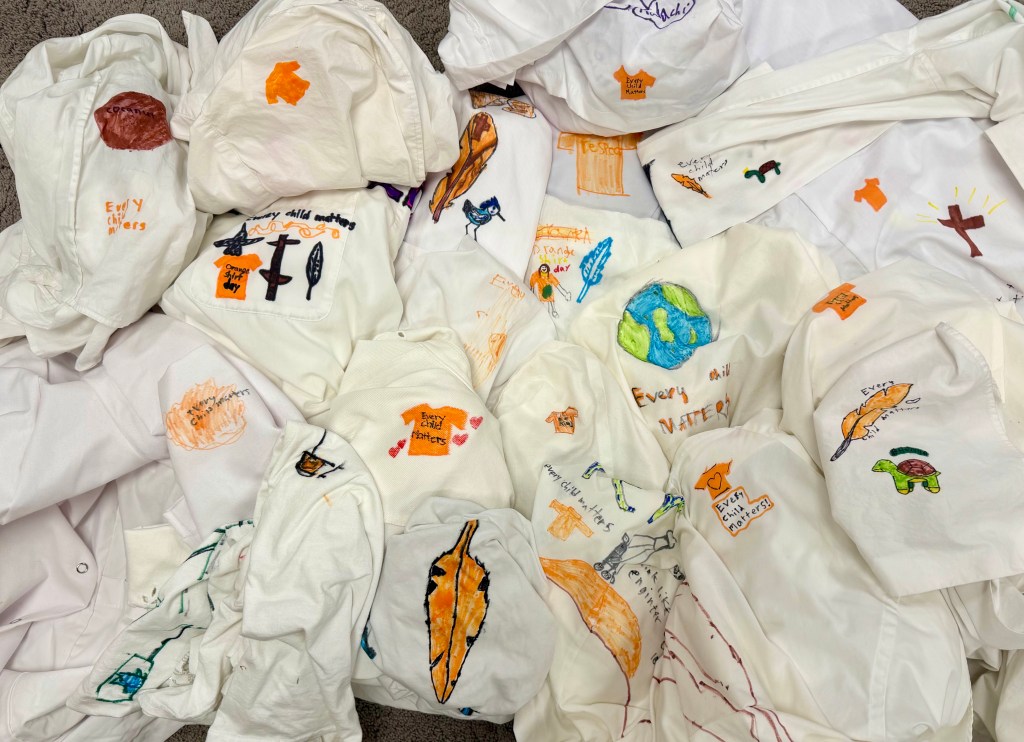
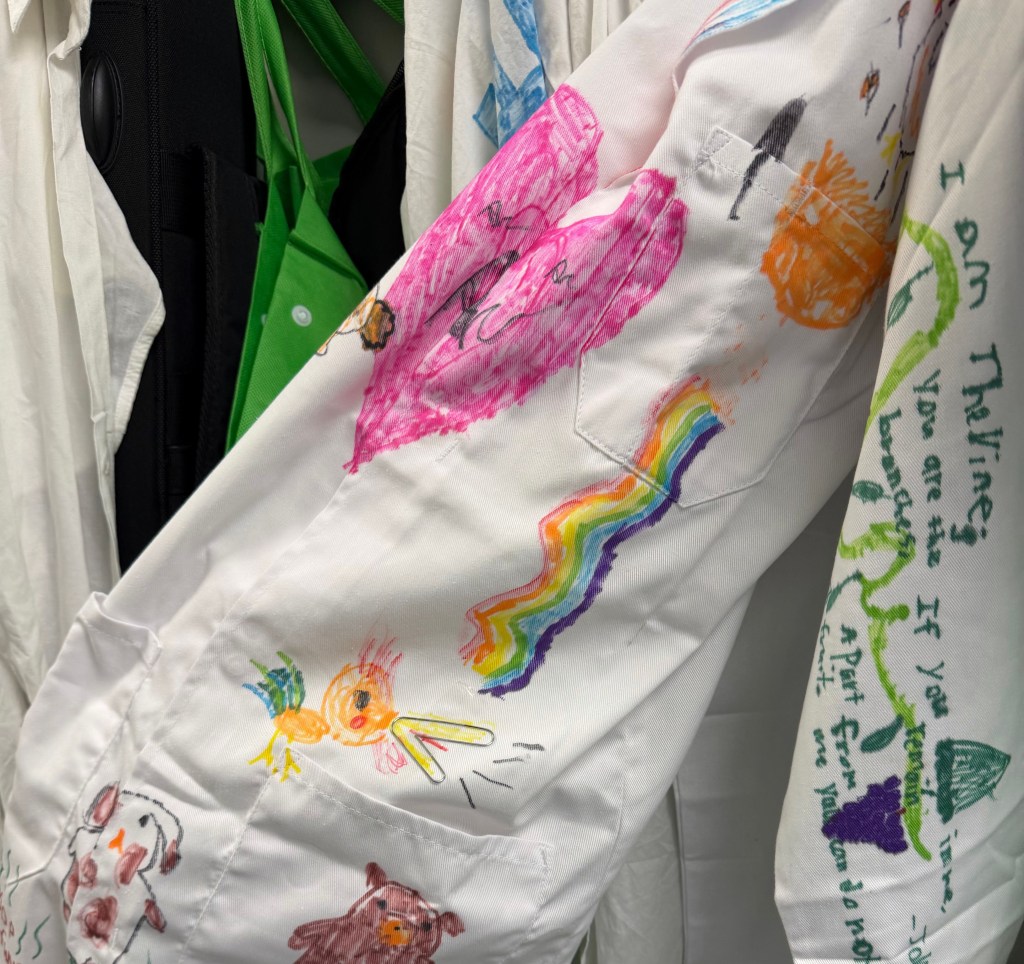
How wonderful it is to see students thinking creatively to express who they are and their learning through words, doodles and symbols on their Learning Coats!
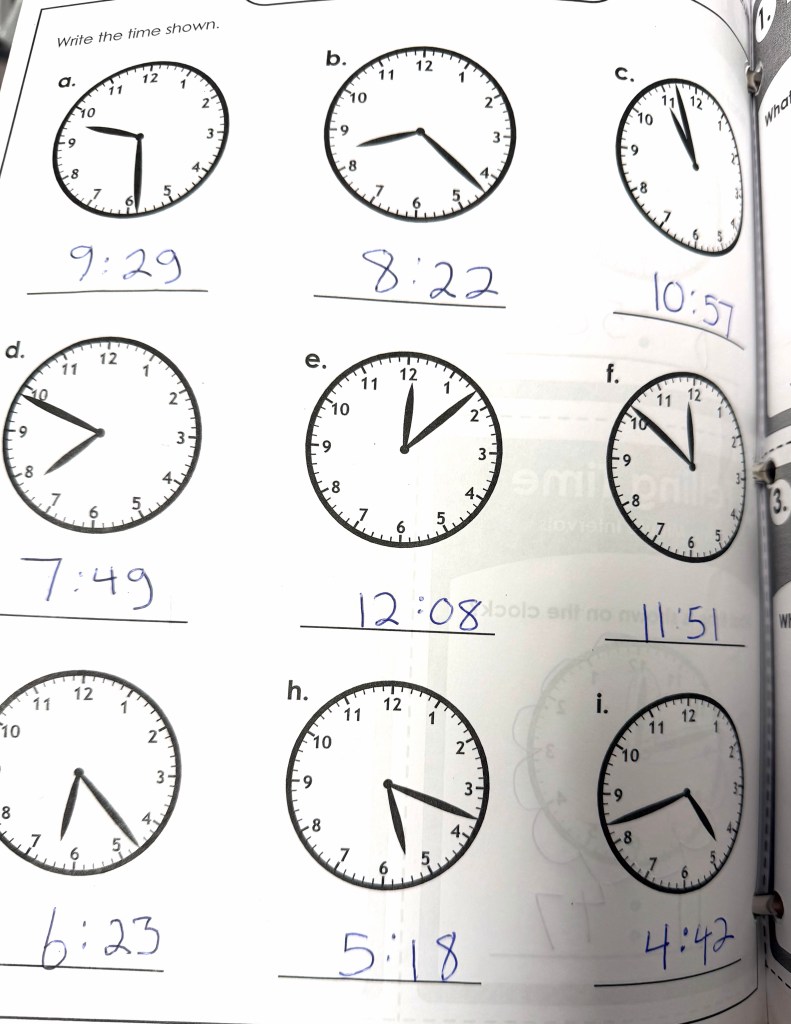
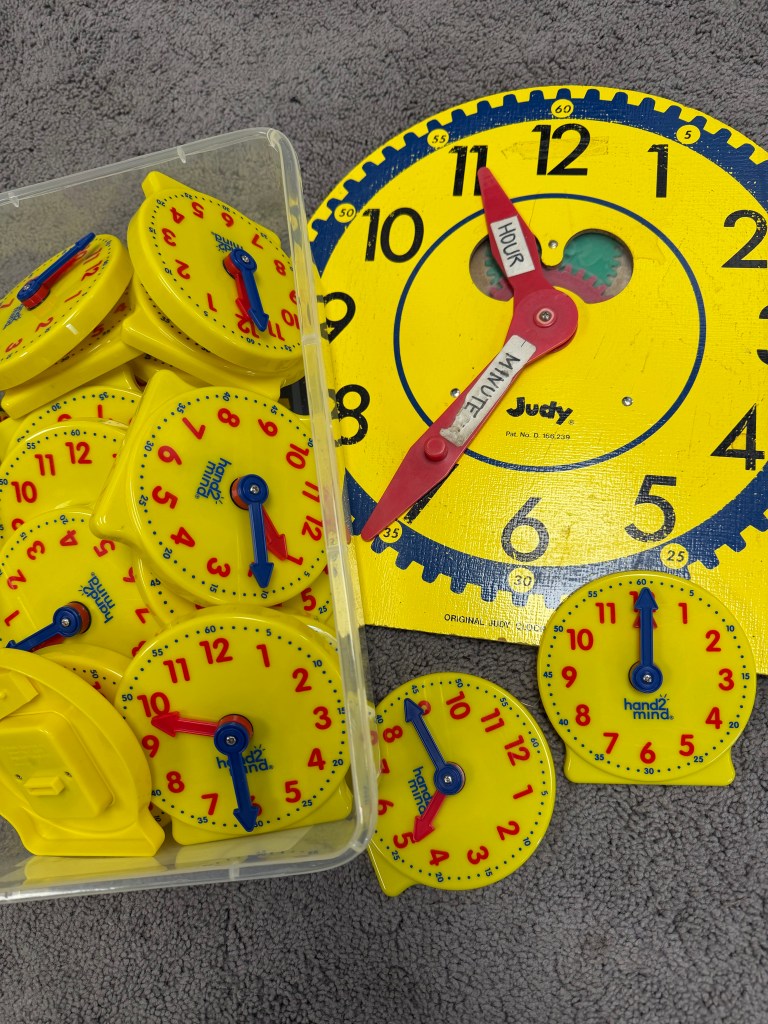
Math Today, students are bringing home a check-in quiz on reading analog clocks. They also wrote an assessment on patterning and 3x tables that will come home on Monday.
We have been learning to create “math stories” and math enrichment began this week both with Mr. Rathburn and in our class for any interested students with a discussion of exponents and order of operations with BEDMAS.
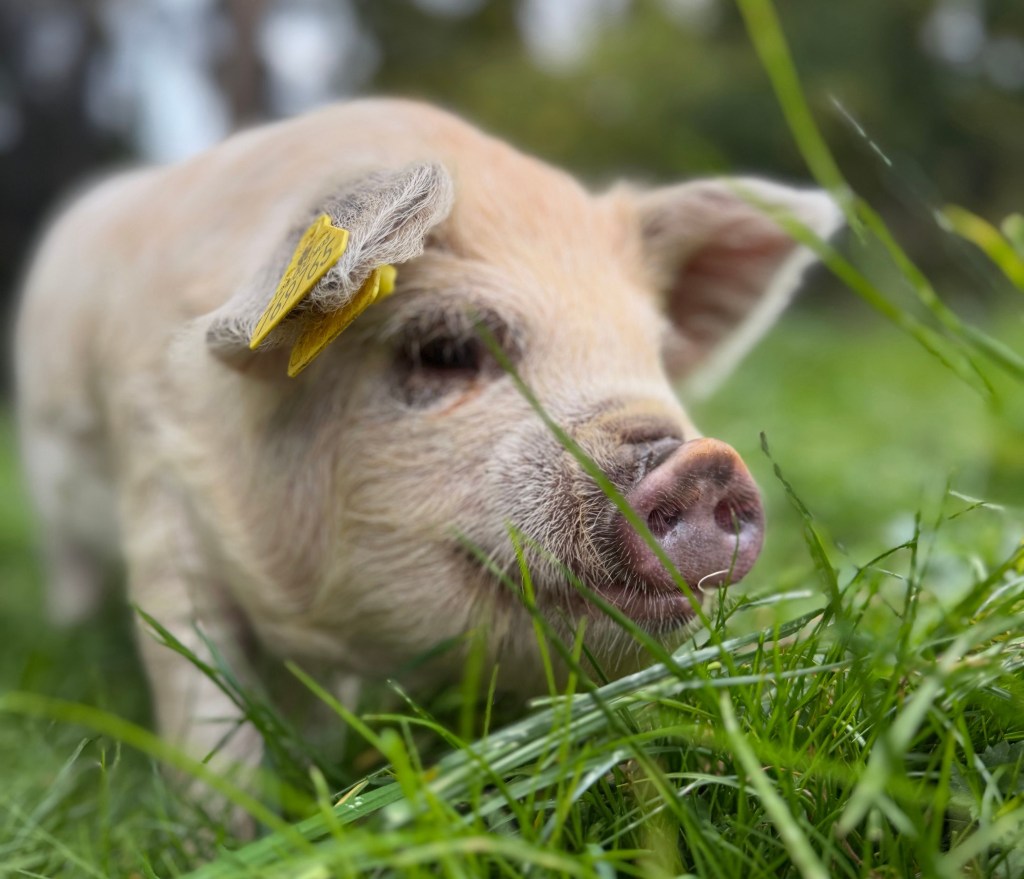
Language Arts We have been reviewing compound words and expository writing structures, and today we began our novel study of Babe: The Gallant Pig, a novel selected by PCS for Grade 4 classrooms.
It is a charming story and already proving to be a wonderful springboard for conversations about character, plot, language, dialect, and even the origins and changing meanings of words. We have read through the end of Chapter 2.
A note for families: one of the characters speaks in a regional dialect with “grammatical errors”—so we consider those as we go to promote clarity. As well, the early chapters also contain a traditional technical term for a female dog that, over time, has acquired a different and inappropriate meaning in some contexts today.
I chose to substitute the word as female dog and used this as an age-appropriate opportunity to discuss how language changes over time and how the meaning and appropriateness of a word can depend on its context. ***We also discussed what students can do when they encounter unfamiliar, confusing, or concerning language in books: seek the perspective and guidance of a trusted adult. This is a lesson we return to when students encounter words they find surprising in the Bible as well.
This week we also did a spelling diagnostic, which will help inform our personalized spelling instruction.
We completed our School-Wide Write to get a baseline of strengths and needs of the writers in our class. Students responded to this prompt:
What is something you enjoy doing? Think of a time when you did it and write about that particular time. What did you see, hear, feel, and think? What made this time special?
Students were supported in build up lessons to think about the structure of their writing, incorporating sensory description and specific details, and bringing their personal narratives to a thoughtful conclusion.
Here are some of the recent Words of the Day (WOTD):
Science We have begun our unit on matter, starting with the three states of matter.
We are also learning about the scientific method and brainstorming scientific questions that we could investigate through experiments. Students are beginning to distinguish questions that can be tested scientifically from other interesting and important questions we might ask about the world.
Bible & Chapel We had a beautiful chapel experience this morning in the newly renovated Numan Centre, including worship music and a focus on our school’s Bible verse for the year:
“I am the vine; you are the branches. If you remain in me and I in you, you will bear much fruit; apart from me you can do nothing.” John 15:5 (NIV)
In Bible, we are beginning a chronological journey through some key stories of Scripture, starting in the Old Testament and moving into the New Testament over the three terms. Today, we explored the Creation story and considered different ways we might bring Bible stories to life and explain them for different audiences.
We are learning more about how the Bible is organized, how to navigate it, and how its many books come together to tell God’s story. We are growing in our understanding of Scripture as God’s Word—true, trustworthy, and our ultimate written authority for faith and life—as we seek to know God, understand His purposes, and live faithfully in His world.
Much of our work during these opening weeks has been about building our class culture—getting to know one another and creating the kind of safe, joyful, caring community in which every student can learn and thrive.
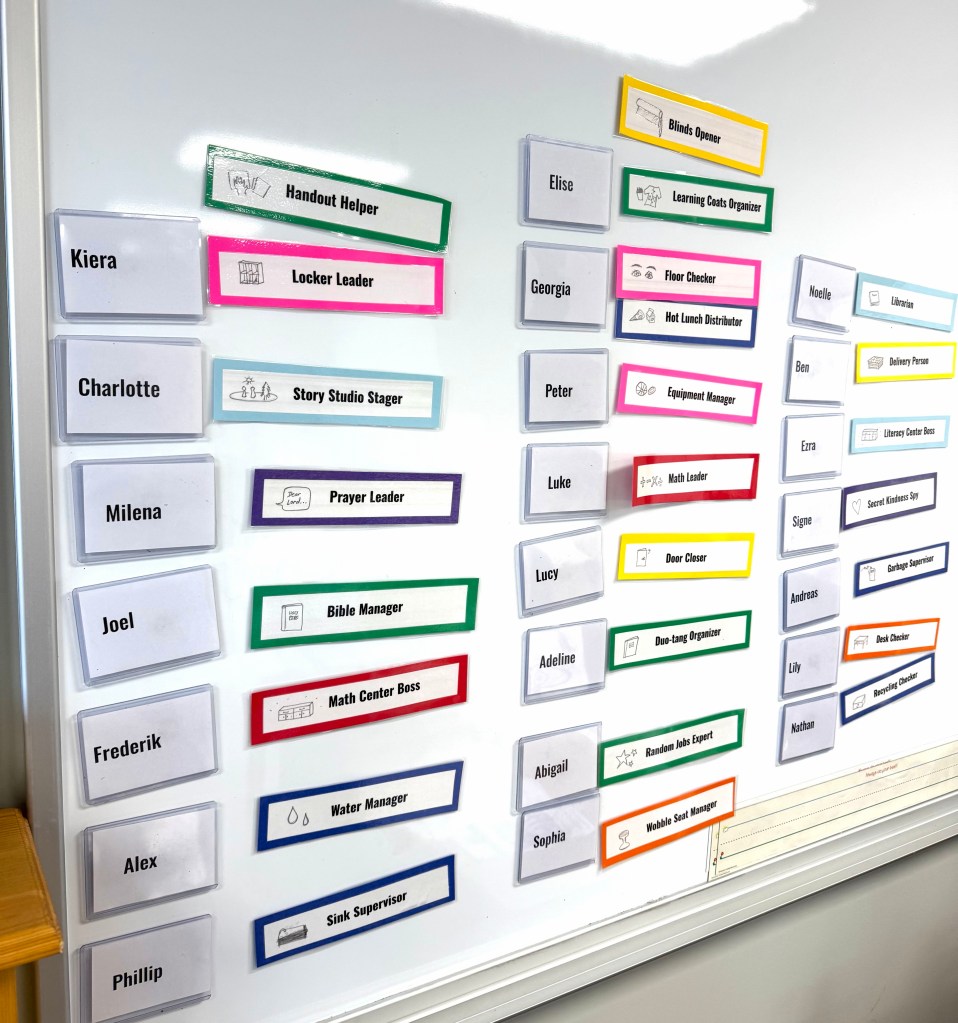
In Career Education, students have new “class jobs” assigned and we discussed how they can use even these smaller responsibilities to practice leadership and how Colossians 3:23 reminds us, “Whatever you do, work at it with all your heart, as working for the Lord.”
There are so many wonderful things ahead for our 4A students! I look forward to meeting with you in person or by video conference during our upcoming conferences. (PCS will send out further sign up info soon.)
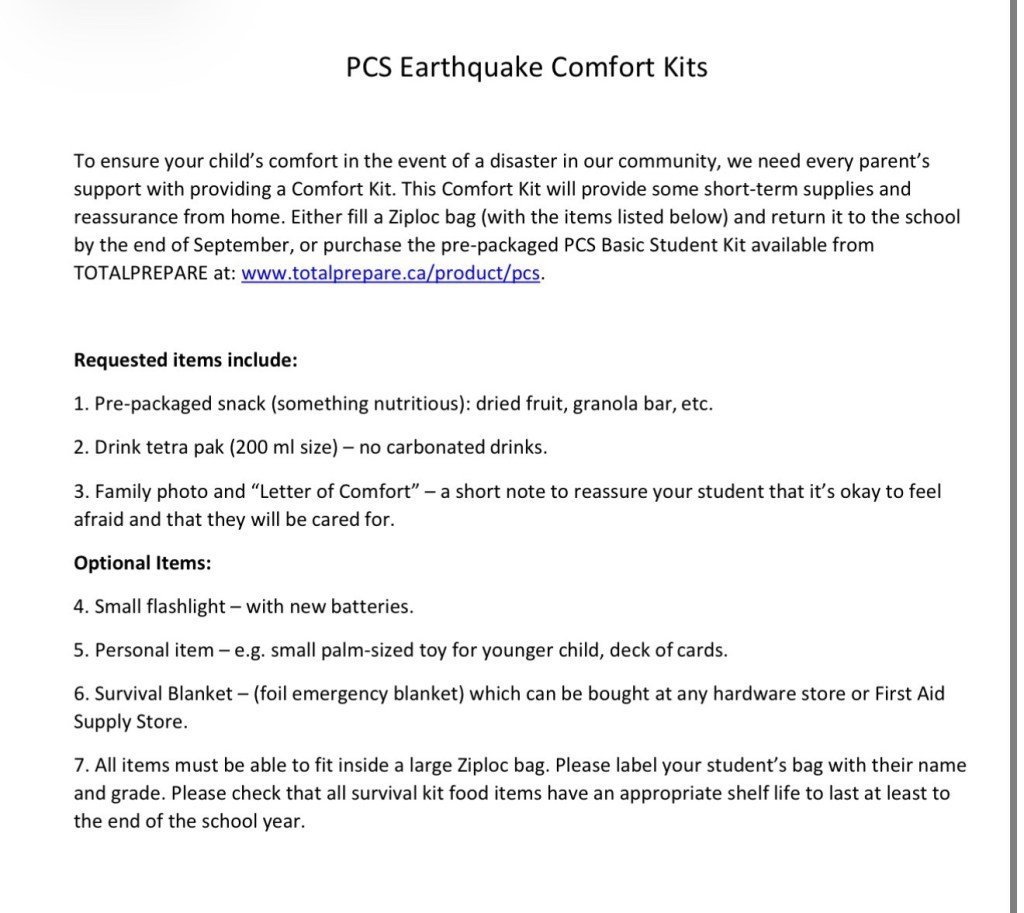
Please continue to send in those earthquake kits, PCS gym shirts, and Learning Coats—and reach out if any help is needed with these or other school supplies.
Reminder that if you are interested in ordering hot lunch for Thursday, the order deadline is Sunday night.
Thank you for all you work getting your children off to a wonderful start this school year! Blessings to you and your families!
How do we approach requests for extra practice materials in 4A?
If at some point in the year your child will be away for an extended time due to illness or travel, and/or you feel he/she would benefit from extra practice at home, please start your search with our class blog and emailsand the work coming home in your child’s agenda.
My hope and prayer is that the regular, robust email and blog communication will empower families to conduct any extra practice plans as you see fit.
(For example, your child is coming home with a marked place value math quiz in the agenda today—studying those corrections would be a great homework activity.)
On the blog you will find examples of classwork, worksheet photos, answer keys and tutorial video links. You can search the blog by topic or browse older posts.
For MORE practice, you may find these resources helpful:
You can also search YouTube for a specific topic and grade, such as “Grade 4 place value math tutorial.”
Our Learning Support team also recommends JUMP Math workbooks, available from retailers such as Amazon, Costco and teacher supply stores.
See the attached “Math Makes Sense” extra practice document attached to this email.
In my dream world, I’d have time to create the custom practice packages as requested. However, in reality, I work with competing prioritized demands, so I’m advised to focus my preparation time on classroom learning—and any extra time I invest blog posts that are accessible to all.
Thank you for helping your children build independent home study skills by using the materials and directions already provided.
How do we approach requests for extra practice materials in 4A?
If at some point in the year your child will be away for an extended time due to illness or travel, and/or you feel he/she would benefit from extra practice at home, please start your search with our class blog and emails and the work coming home in your child’s agenda.
My hope and prayer is that regular, robust email and blog communication will empower families to conduct any extra practice plans as you see fit.
(For example, your child is coming home with a marked place value math quiz in the agenda today—studying those corrections would be a great homework activity.)
On the blog you will find examples of classwork, worksheet photos, answer keys and tutorial video links. You can search the blog by topic or browse older posts.
For MORE practice, you may find these resources helpful:
In my dream world, I’d have time to create the custom practice packages as requested. However, in reality, I work with competing prioritized demands, so I’m advised to focus my preparation time on classroom learning—and any extra time I invest blog posts that are accessible to all.
Thank you for helping your children build independent home study skills by using the materials and directions already provided.
“Let all that you do be done in love.” — 1 Corinthians 16:14
Welcome to 4A! It was wonderful to see so many of you at Meet the Teacher Night, and I am so grateful for the thoughtful questions, conversations, and information you have already shared with me about your children. For those who couldn’t make it, we missed you—but I’ve got you! Here is a summary of some of the big practical details as we settle into our year together.
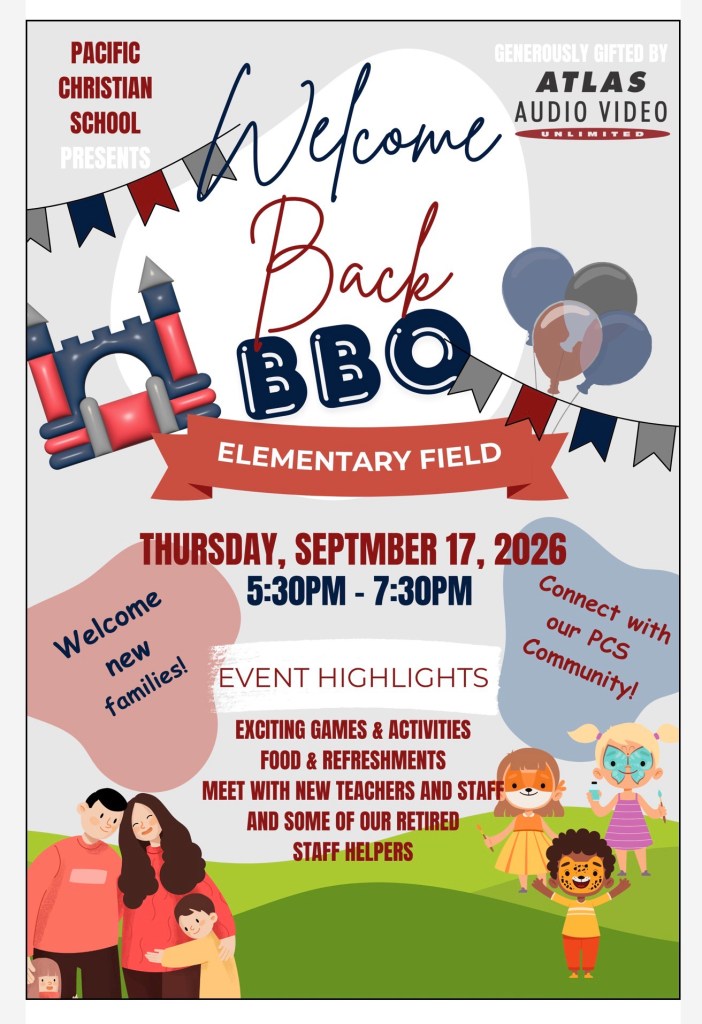
Reminder: PHOTO DAY is Wed., Sept 16th WELCOME BACK BBQ is Thurs., Sept. 17th
Getting Settled: The Nuts & Bolts
We recognize that much of these first couple of weeks involves housekeeping, forms, supplies, and learning new routines. This is necessary groundwork, but it is certainly not the most exciting part of what Grade 4 will be!
Over the weeks and months ahead, this blog will become a richer window into what we are learning, how we are learning, and why. I’ll share glimpses of our projects and thinking, useful learning tools and videos, photos when appropriate and consented to, and conversation starters to help you connect with what is happening in our classroom.
For now, thank you for helping us get these foundational details sorted out so we can get down to the joyful business of learning together!
Our Memory Verses
Our first classroom memory verse of the year has been: “Welcome one another as Christ has welcomed you.” — Romans 15:7
This year, our school-wide memory verse is John 15:5, which we will be practicing and studying, and returning to throughout the year:
“I am the vine; you are the branches. If you remain in me and I in you, you will bear much fruit; apart from me you can do nothing.” — John 15:5
Agendas & Growing Independence
Students have now received their agendas. Soon, we will begin using them regularly to record important reminders and our daily fancy vocabulary word. Please get into the habit of checking your child’s agenda and adding a quick initial when requested.
Our goal is bigger than remembering tomorrow’s details: we are helping students gradually develop the habits of organization, responsibility, independence, and communication that will serve them throughout their lives.
Please also return any outstanding student verification and technology consent forms. I will take care of keeping students’ emergency identification bands updated based on the information provided to the school.
Learning Coats
Our Learning Coat Project is beginning! Each student needs a second-hand or used, washed button-down shirt or lab coat that is a little too large and can be worn over clothing. Old, stained, imperfect, or holey is absolutely fine—perhaps even better! There is no need to purchase anything fancy.
These coats will grow and change alongside our learning throughout the year. More to come!
4A Learning Coats
Everyday Things Students Need
Please help your child arrive prepared with the following:
School supplies: Please continue sending in the supplies from the Grade 4 supply list as soon as possible. If you are having difficulty finding something, reach out—I may be able to help.
Indoor shoes: Every student needs a pair of indoor shoes that can remain at school.
Water bottle: Please send a labelled, reusable water bottle every day. Students need easy access to water throughout the day, and my emergency stash of paper cups cannot last forever! 😊
PE strip: Students need non-marking athletic shoes, comfortable athletic bottoms, and a red PCS sport shirt. Students who still need the shirt have been offered Mr. Low’s order form; shirts are $20.
Thank you for helping us care well for everyone in our classroom community. Please remind children to not to share food at school. We have dietary and allergy considerations in our class (gluten and dairy), so any shared treats or special food should be coordinated with me in advance.
Our goal is for every child to participate safely and comfortably without being unnecessarily singled out.
Homework & Learning at Home
My homework philosophy is simple: I do not want Grade 4 homework to become homework for parents. Home is also for family, play, activities, connection, and rest.
I will frequently send completed and marked math work home so you can see what we are learning and, if useful for your child, provide some extra repetition or review. Please use your judgment. When life is busy, we’ve got it at school.
One of the most valuable things you can do is simply talk with your child about their learning. This blog will hopefully help when the answer to “What did you do at school today?” is the ever-informative “Nothing.” 😊
Sometimes I post tutorial videos to help support students’ reviewing concepts at home. For example, here is a video to help reinforce skip counting by 3s.
Bunny Math: Counting by 3s
Volunteering
All volunteers who are working in the school or on field trips must have a Criminal Record Clearance. These remain valid for 5 years. Please request an application link from the office or email crcrequest@pacificchristian.ca.
If parents will be driving students for field trips, we also need:
a copy of their valid driver’s licence
a Driver’s Abstract report (check at the office)
a copy of their insurance coverage indicating they have a minimum $2 million third party liability coverage
Hot Lunch
We offer Hot lunch on Thursdays alternating between pizza and hot dogs. This is a fundraiser for various activities and equipment on site. We also raise funds on the Munch-a-Lunch platform for our World Vision sponsor children. Orders can be placed for the entire year, or week by week (there are processing fees for each time parents place an order so bigger batches are preferred). Orders must be submitted by 11:59pm on Sunday evenings. The first order is for Thurs., Sept. 24–so the order deadline is due Sun., Sept. 20th. Order here: https://mypcs.ca/hotlunch/
Building Our 4A Community
Alongside academics, we are intentionally building the kind of classroom we want to inhabit together: a peaceful, cooperative, creative, safe, joyful, and focused learning community.
In Crew and Bible, we have begun establishing practices for individual, small-group, and whole-class prayer. We are learning simple ways to quiet and prepare our bodies and minds so that we can give focused attention to prayer, Scripture, and the Lord.
Academically, we are beginning to establish routines, review foundational skills, learn how we each learn best, and stretch our thinking. There will be plenty more to share about our approaches to inquiry, creativity, challenge, deep thinking, collaboration, leadership, and joyful learning as the year unfolds. Something special coming up is planning yearlong personal interest projects.
Intro to Personal Interest Projects
A P.I.P.: Example
Communication & Partnership
Email will remain my primary way of communicating time-sensitive or need-to-know information, while this blog will provide the broader window into our classroom and learning journey. I aim to update it approximately weekly.
Please keep me informed when there is something happening with your child’s learning, friendships, confidence, worries, family circumstances, or experience at school that would help me understand and support them better. I genuinely value what you know about your child.
One principle I try to carry into communication with both children and adults is:
Seek first to understand, and then to be understood.
Thank you for your patience as we get through the beginning-of-year nuts and bolts. Soon enough, the forms will be filed, supplies will have homes, routines will become automatic—and we can spend much more of our time sharing the interesting stuff: what these remarkable young people are wondering, creating, discovering, practising, wrestling with, and becoming.
I feel incredibly blessed to teach your children and grateful to have you on our team.
Here’s to a joyful year of growing and learning together!
Are you called to share God’s message? In what ways could you share the Good News of Jesus? What is a sermon and how is it different from other expressions of faith? What is the journey like for people who write and share sermons? This term, the 4A students worked hard and prayed to find answers to questions such as these.
Preparing to preach!
In our Bible and Language Arts classes, students work through their own sermon creation process. There are many ways to approach a sermon writing journey and some preparation activities we explored together were guided and informed by resources including “The Art of Teaching” and the “Wycliffe Bible Storytelling Course” and our reflection and dialogue about our collective years of experiencing great sermons as listeners.
The students moved through studying scripture, reflection, and prayer to writing and doing their best to preach an original, thoughtful, Bible-based message from the heart.
Along the way, students practiced skills for deeply studying God’s Word, identifying biblical truths, making personal connections, speaking with courage, and trusting that God can use young voices to encourage others.
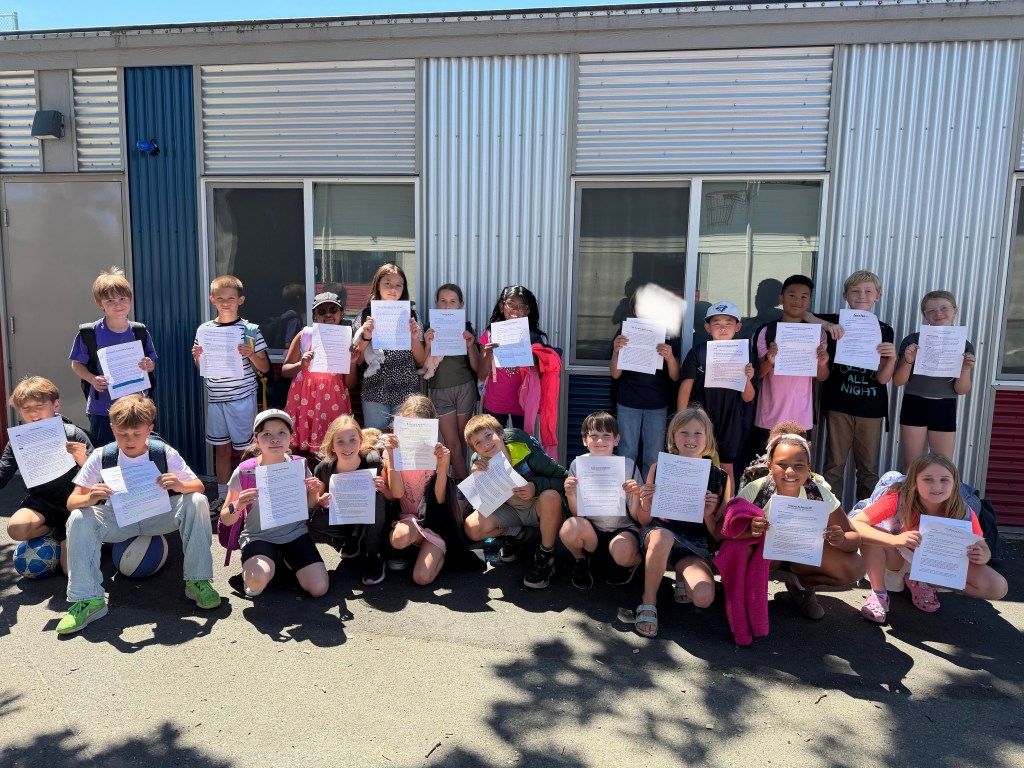
The goal was not to try to create mini pastors—but certainly the future of church leadership is looking bright and can be seen here!
Rather, the goal was to help students discover that God’s truth is not only a profound gift to be received—it is also a gift they can faithfully pass on and share…now! (And, of course, greater reading, writing, and speaking skills have been developed along the way!)
While our students are children, they are already disciples, and disciples are called to tell others about what God has done and is doing.
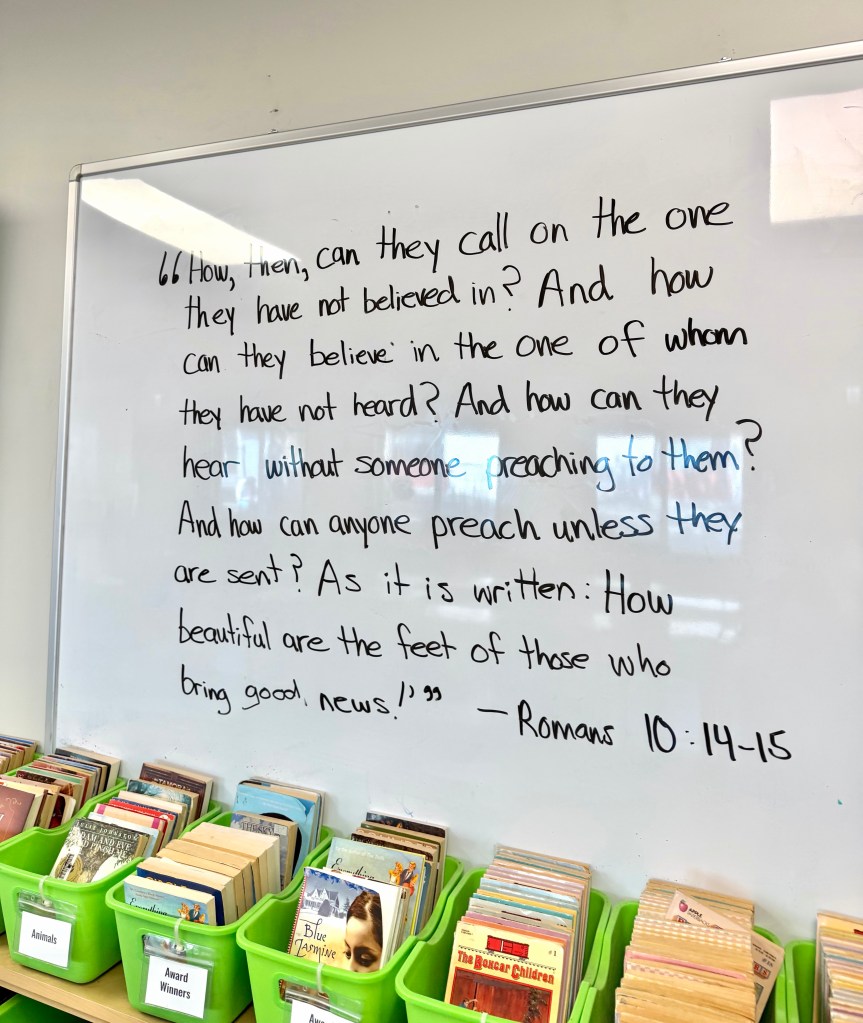
As Jesus commanded, “Go into all the world and preach the gospel to all creation.”
– Mark 16:15
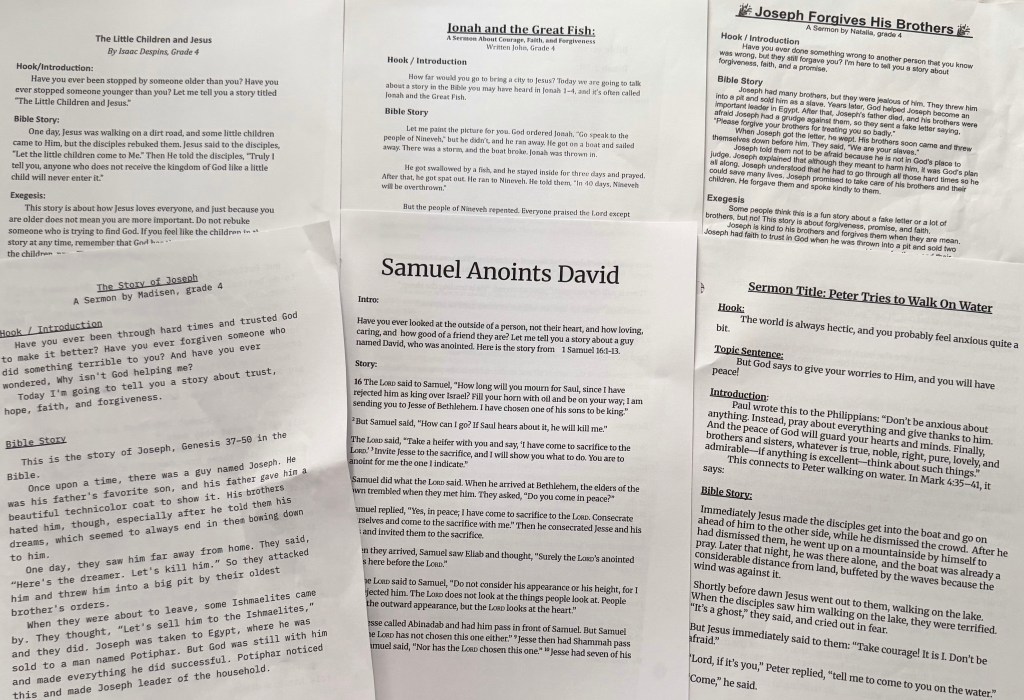
Sermons Examples…
Below you’ll see the process we used, examples of student work, and the remarkable sermons that emerged when young people were invited to take God’s Word seriously and speak about it with faith, wisdom, and joy.
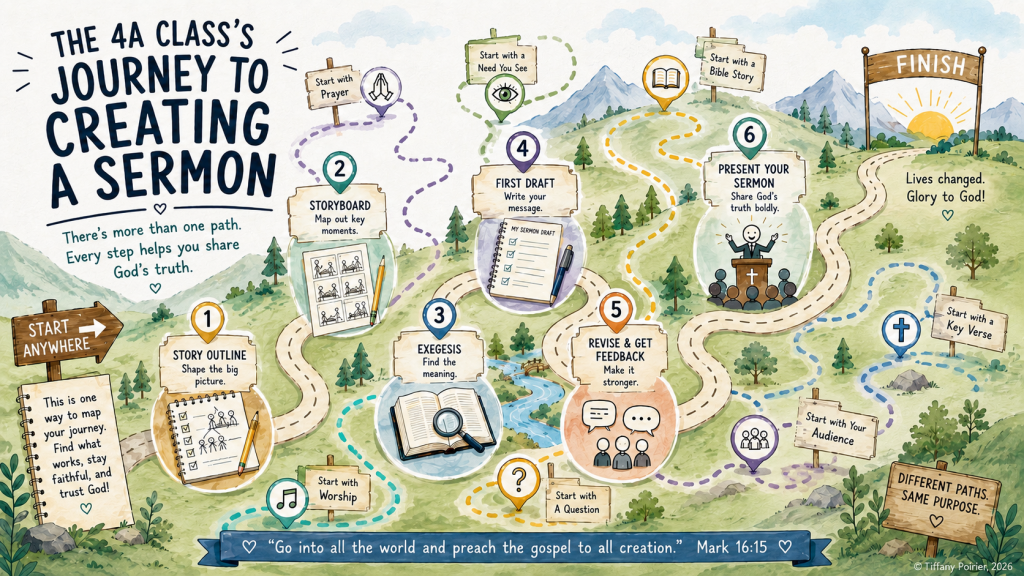
What was our process?
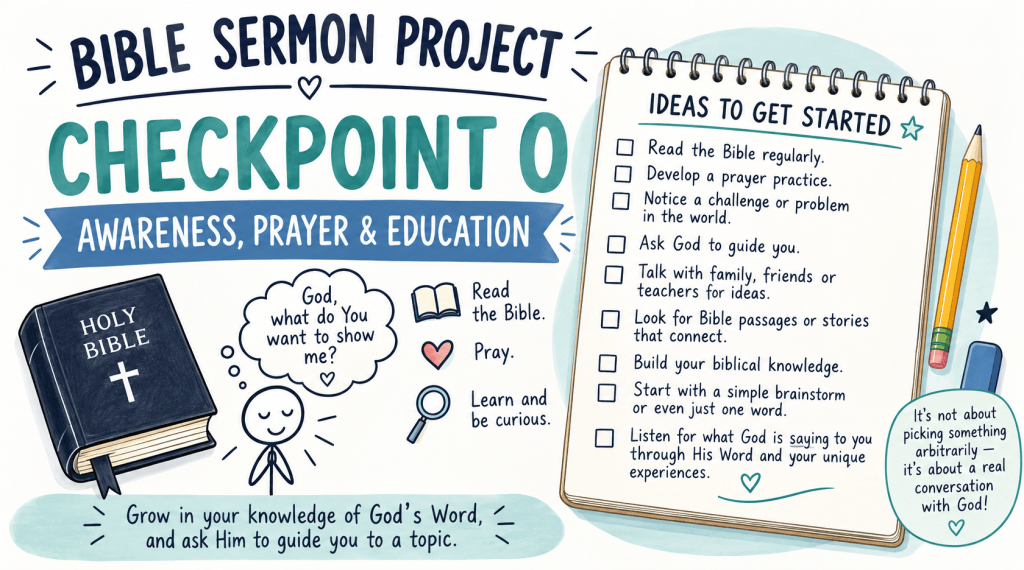
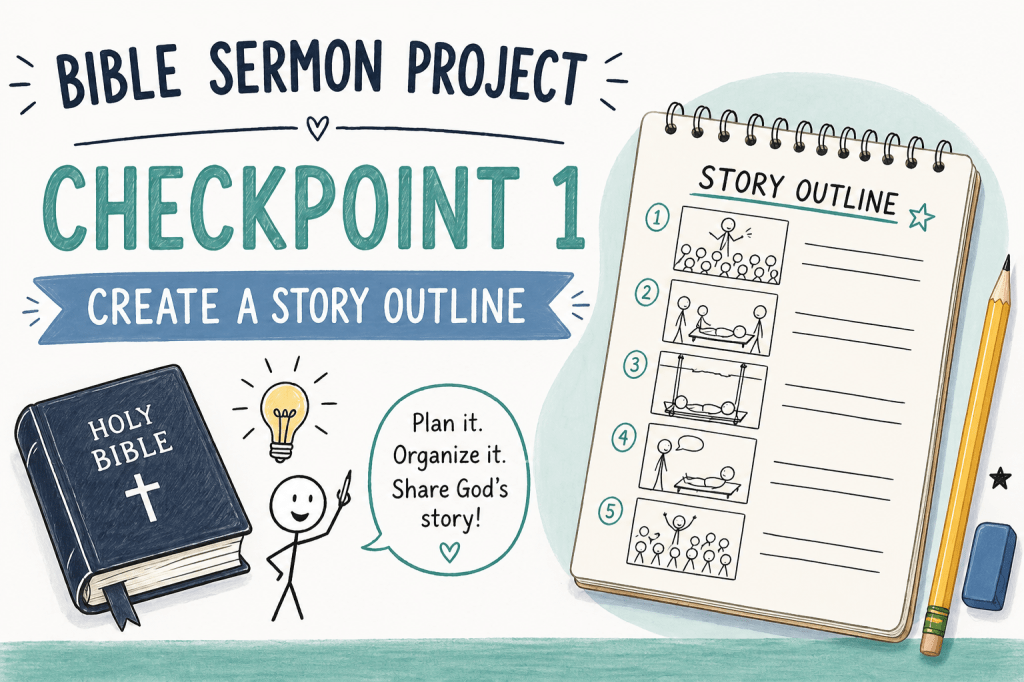
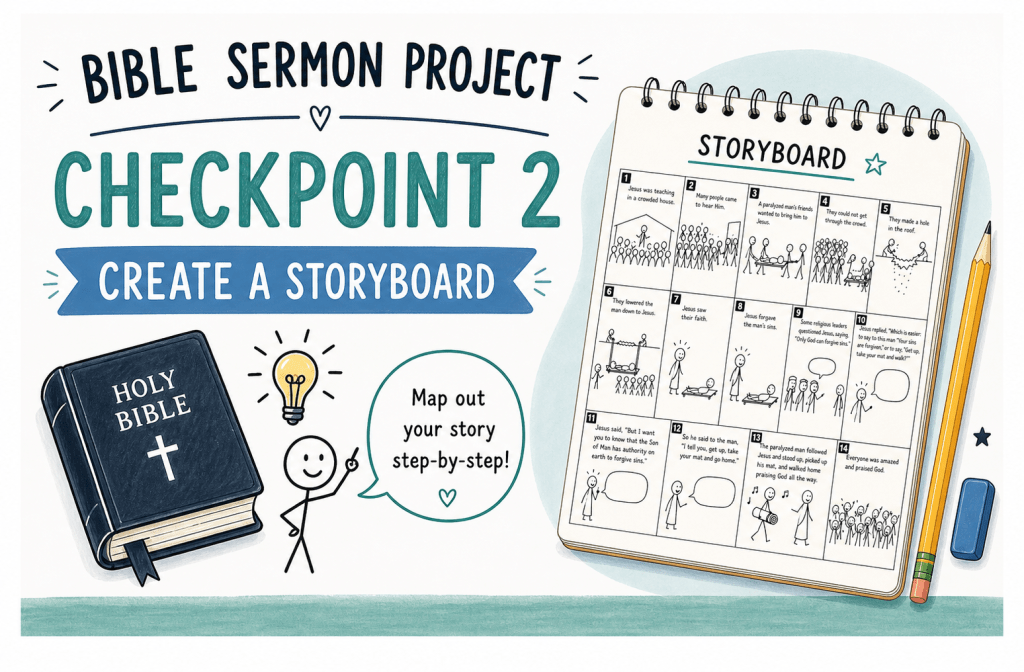
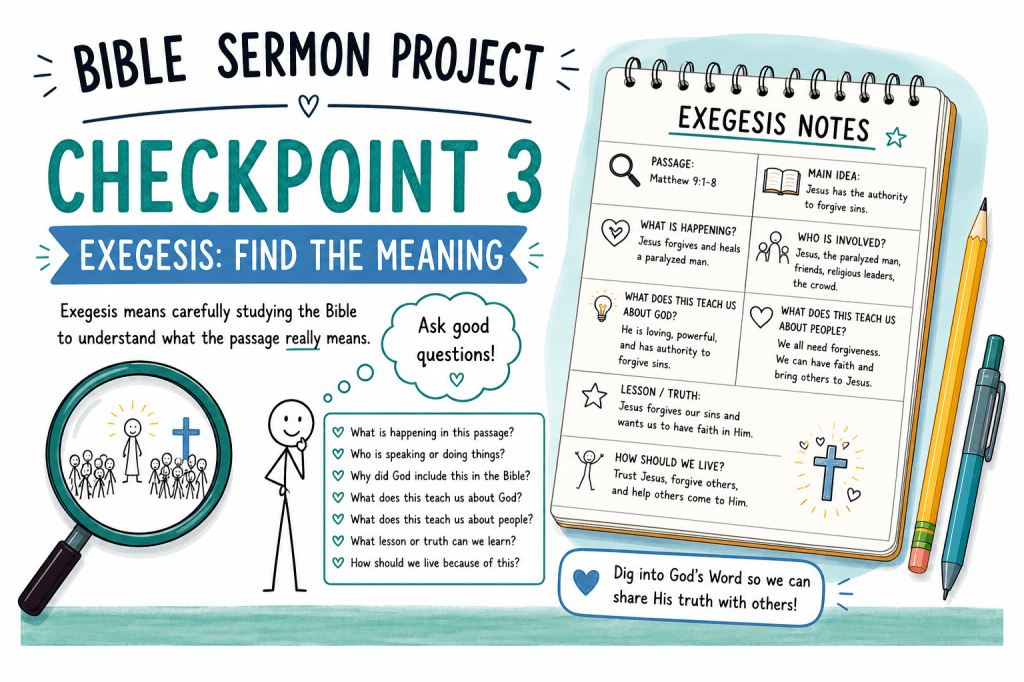
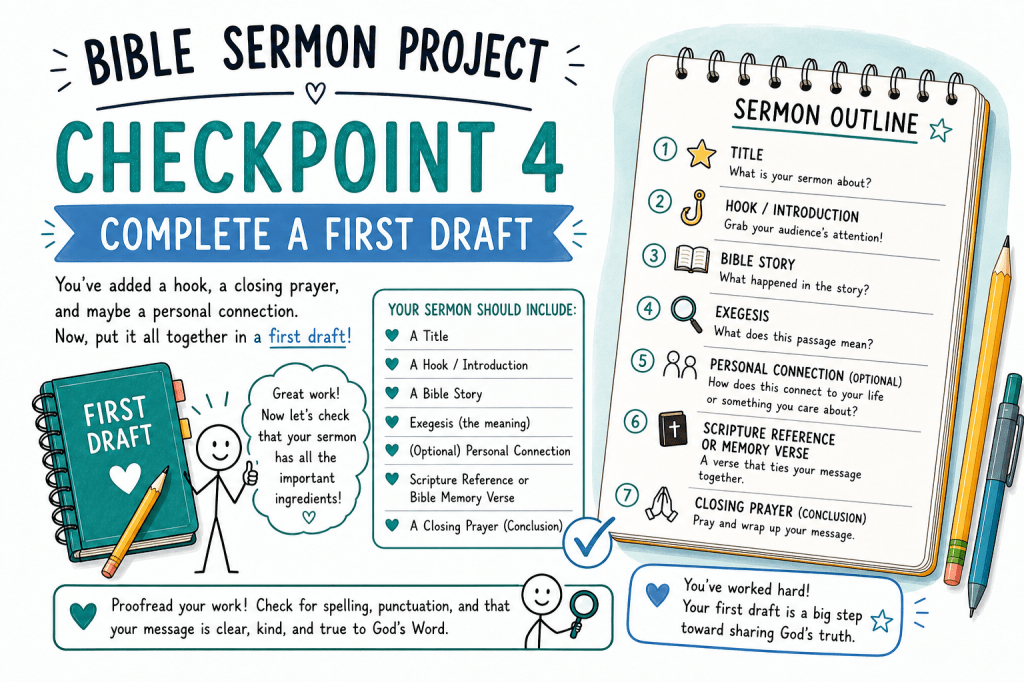
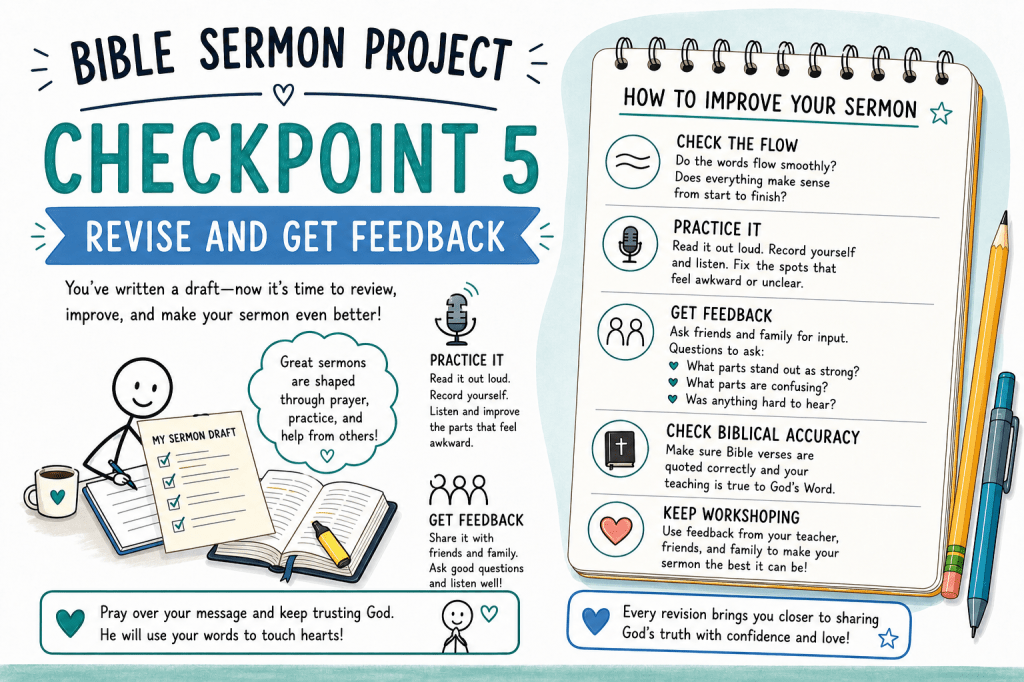
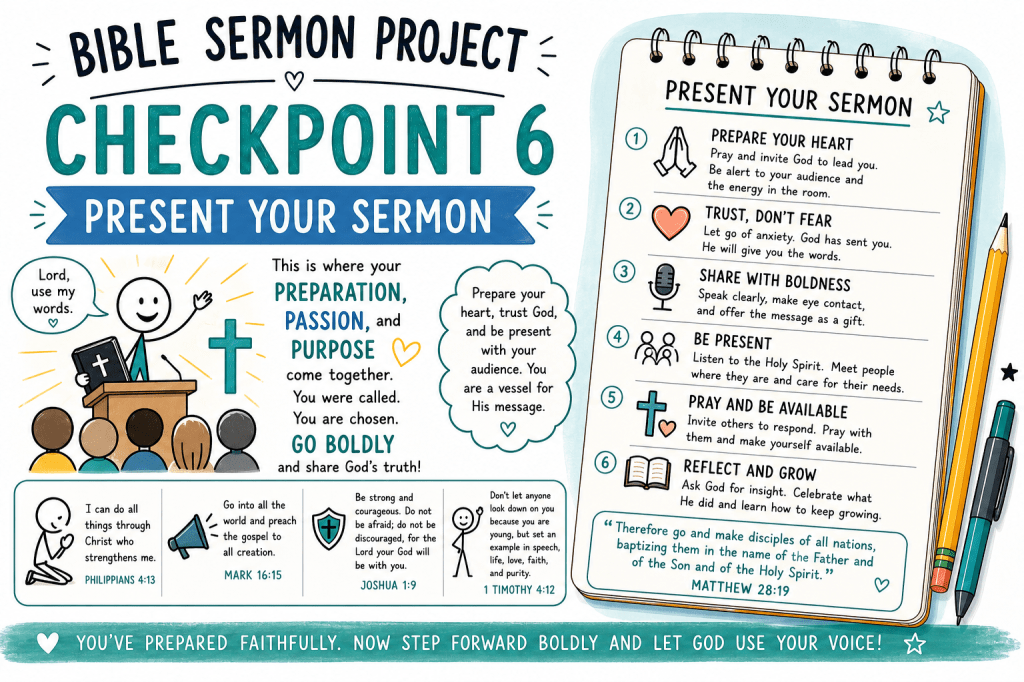
The following images summarize (but just scratch the surface of) the path we followed. Students were supported over six stages and asked to check in with me and their classmates at the end of each “checkpoint” to encourage deeper reflection.
NOTE: We repeatedly discussed that there is no “formula” for preparing an impactful sermon, but the practices students explored were intended to give them a broader perspective on how some sermons could come together when we proceed in prayer, Bible study, dialogue and reflection.
**** The graphics alone were created with AI based directly on my instructions and content as I thought best (after prayer and research) to summarize for you.
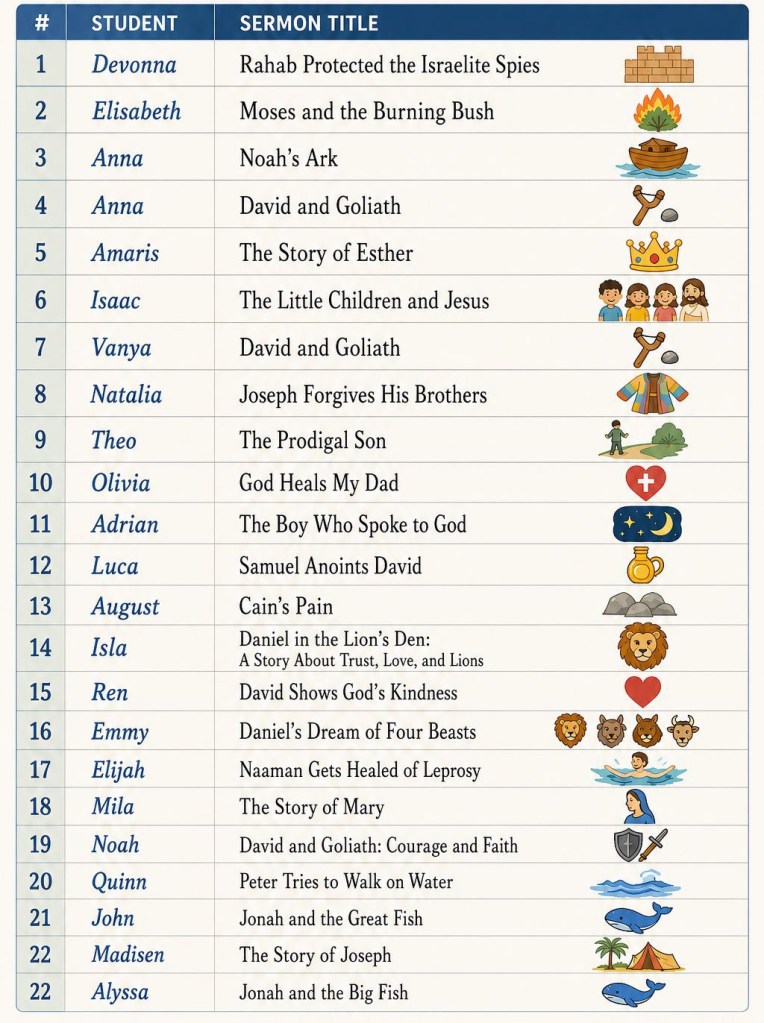
Our Speakers’ Bureau for the Week of June 15-18…
If you would like to have one or more of our grade 4 students come deliver an impassioned, practiced, original sermon for your students this week, please email your request to Tiffany Poirier at tiffany.poirier@pacificchristian.ca
Each sermon is between 1.5 to 5 minutes long. Be sure to state the date and time you would like the speakers to arrive and how many sermons you would like.
You can also request specific topics/students and we will do our best to make that happen if possible.
Please refer to the menu of sermons and preachers below if you are making specific requests—or leave it up to us to send you the right speaker.
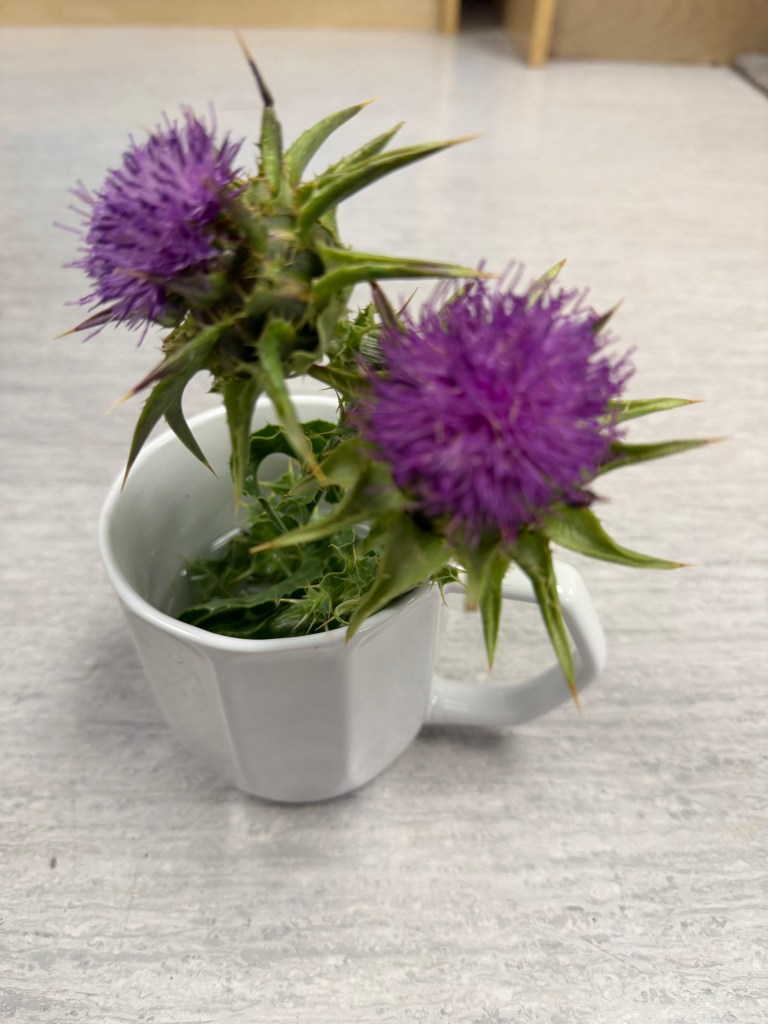
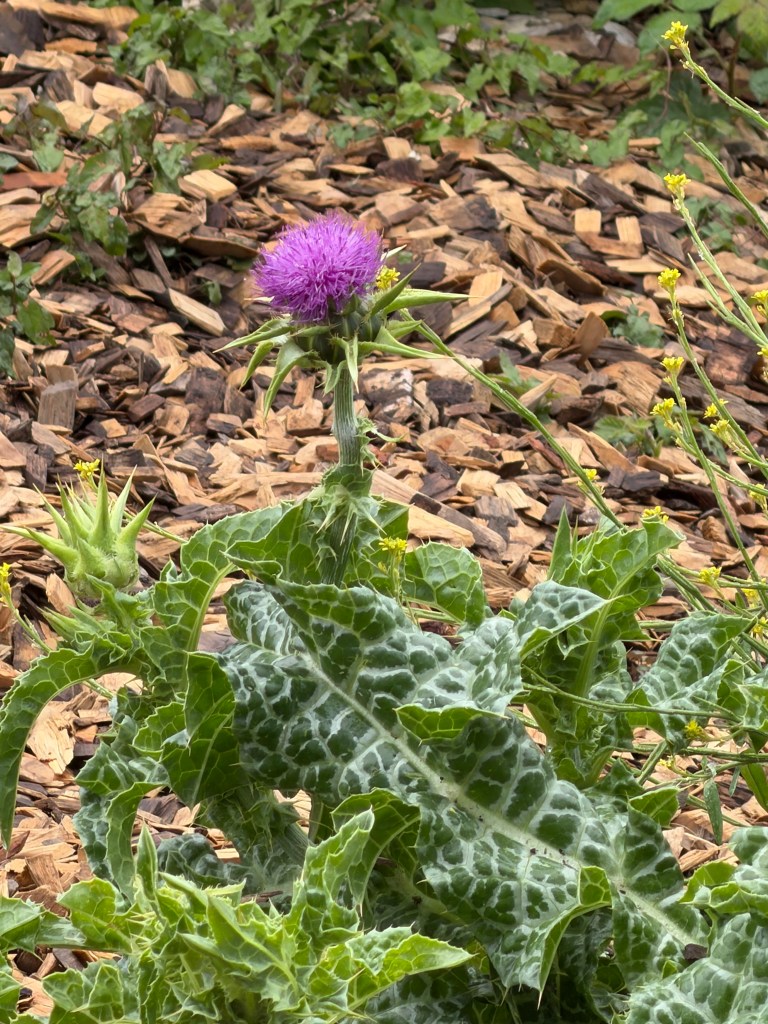
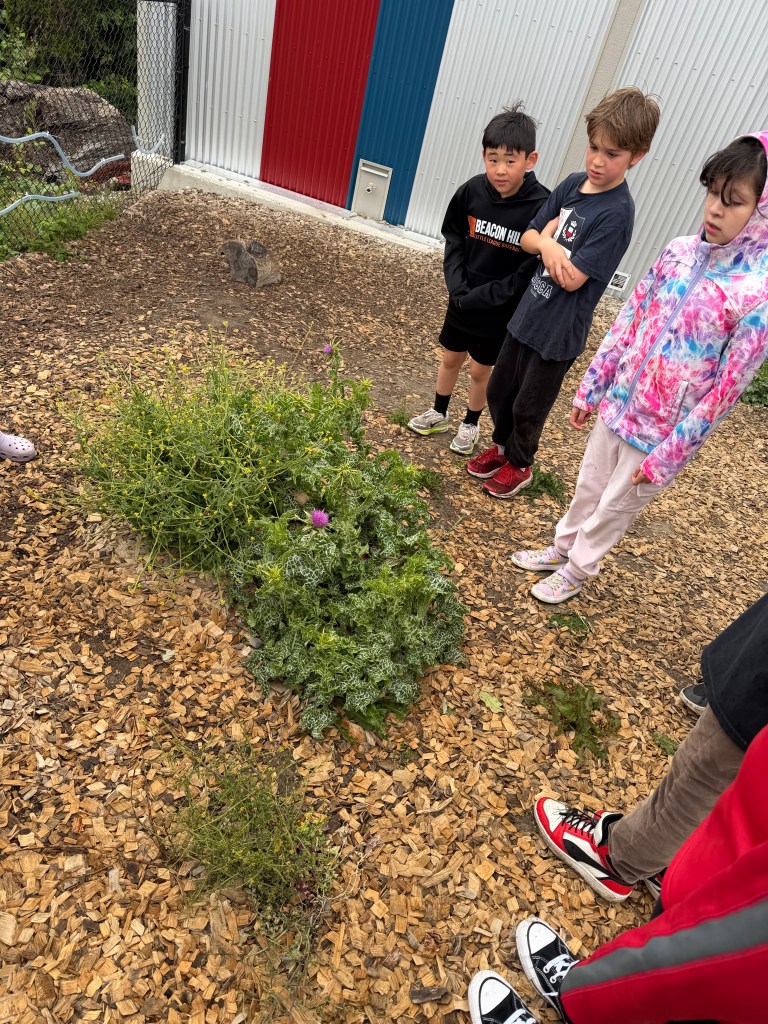
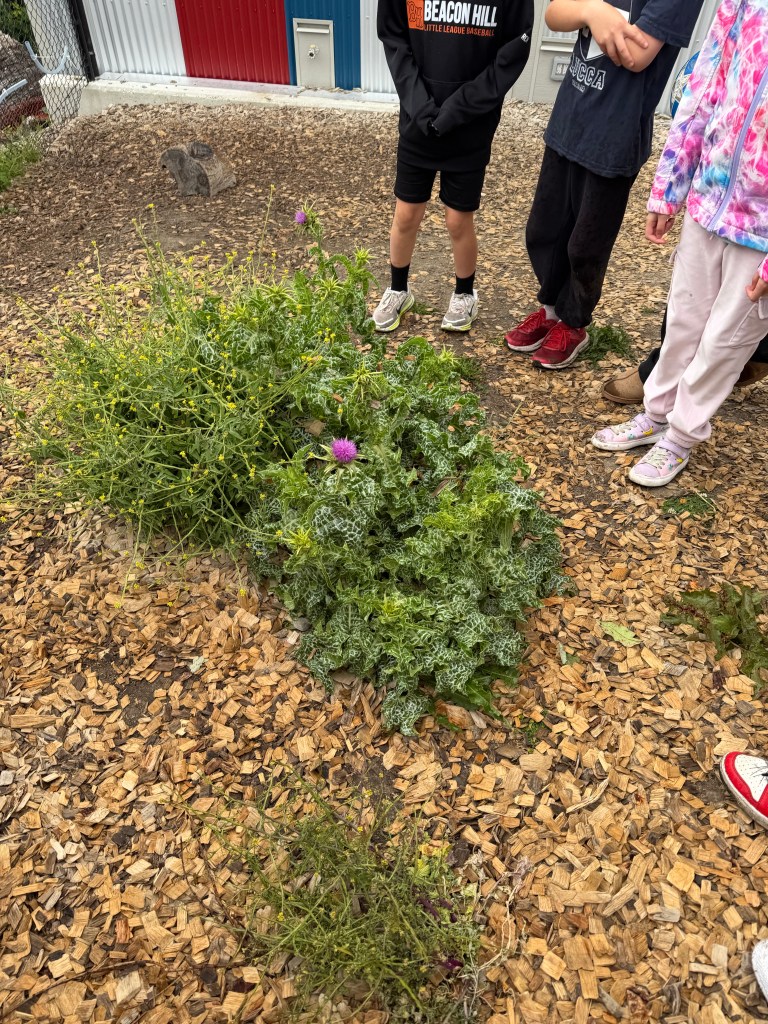
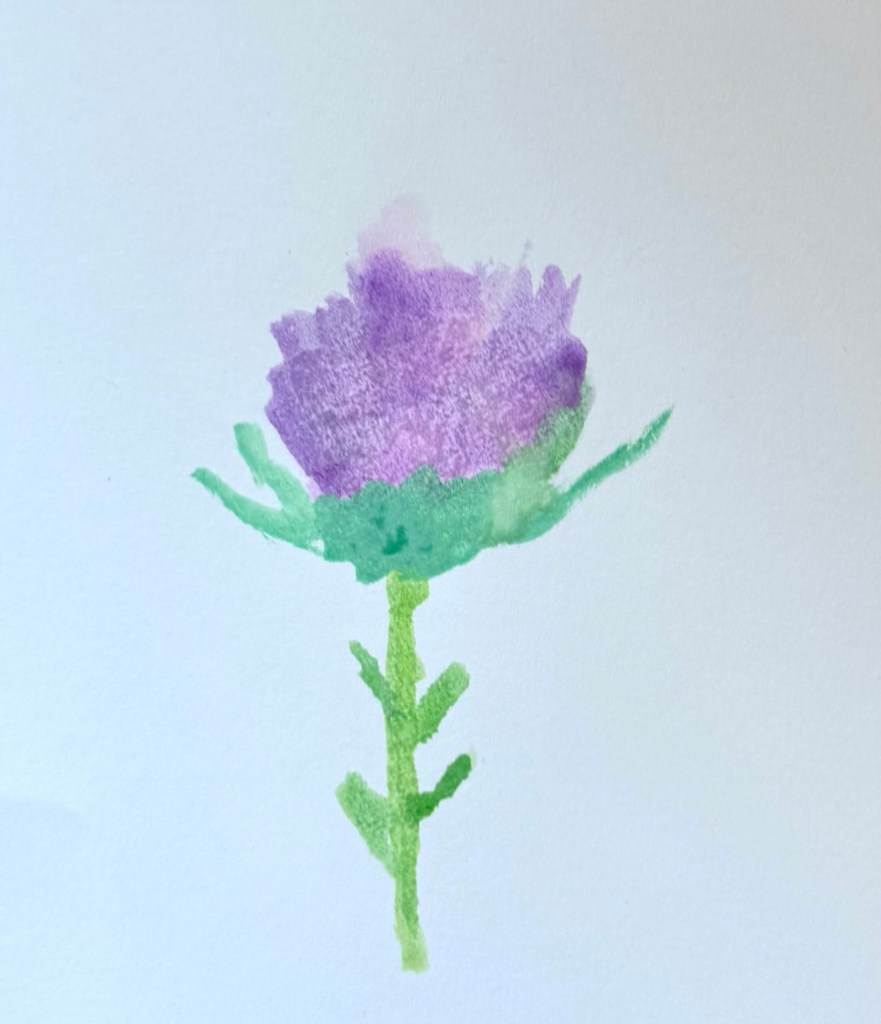
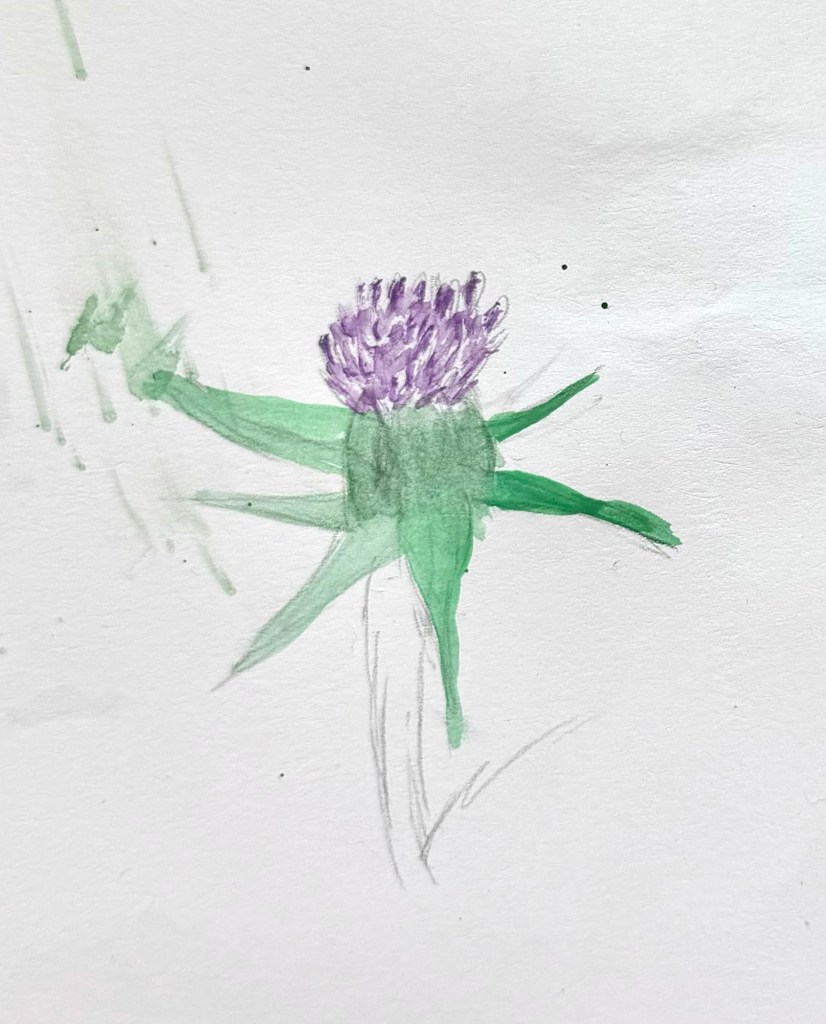
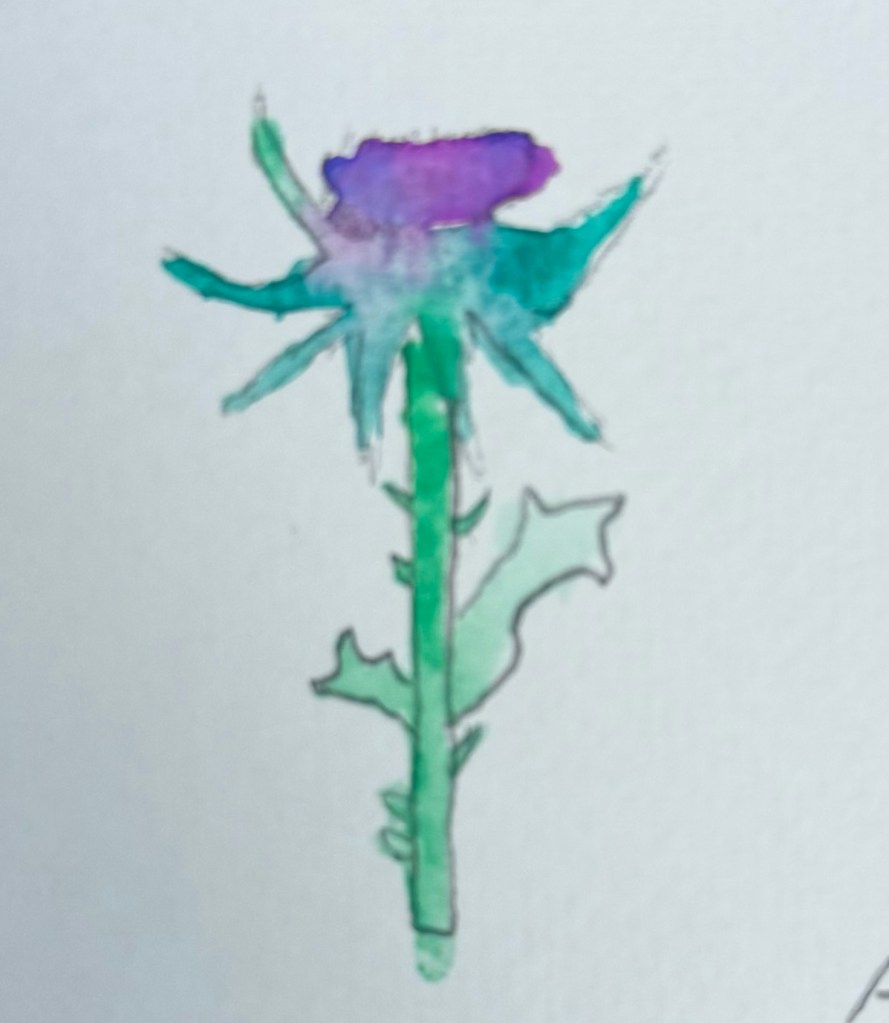
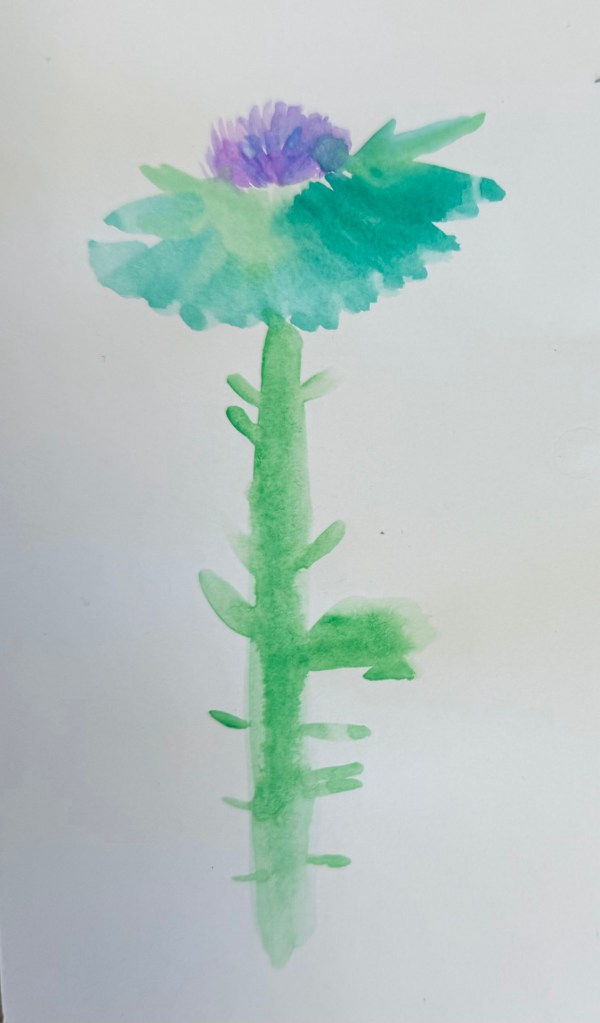
What natural resources are all around us? Observant students noticed a tall, striking, spiky plant growing beside our portable classroom.
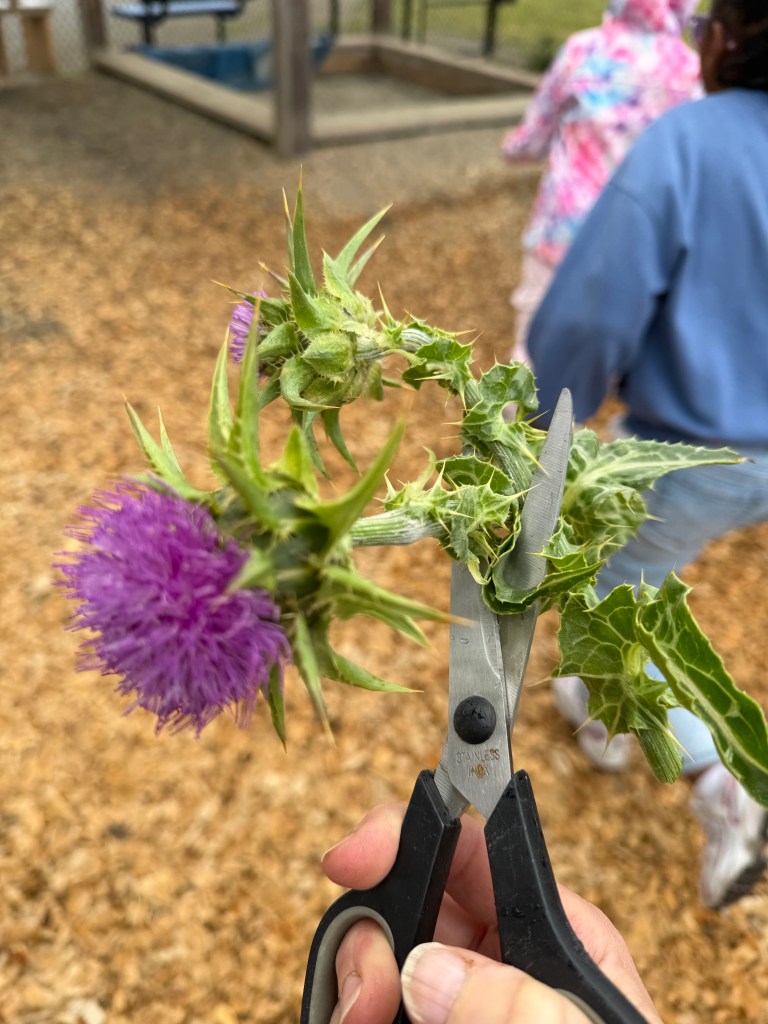
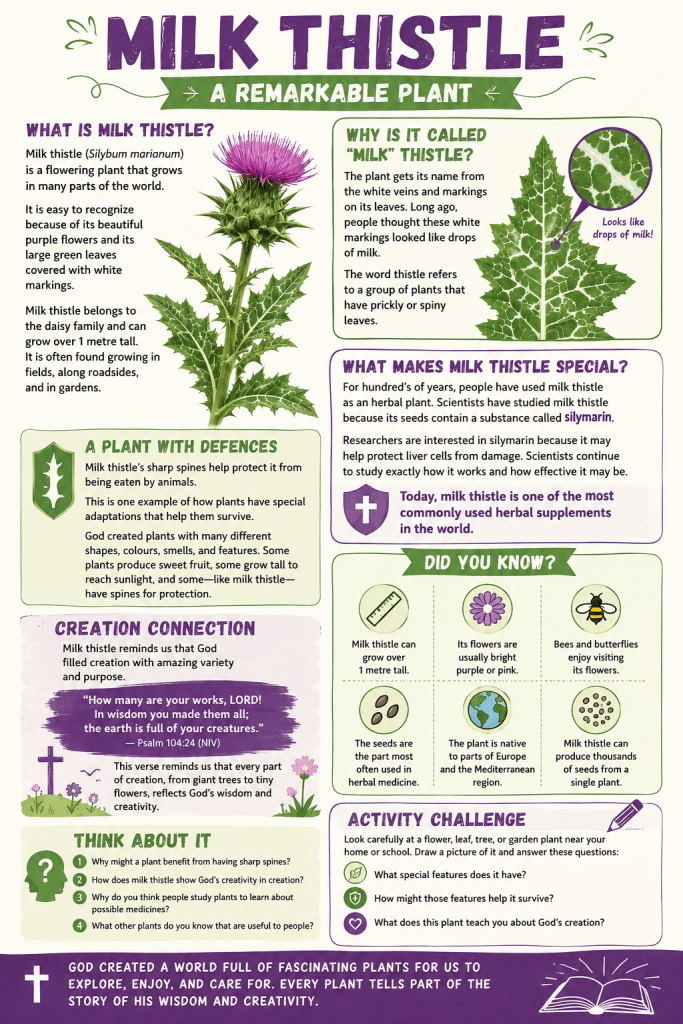
Curious about what it might be, we carefully examined the plant and used the iNaturalist app to help identify it as milk thistle, a remarkable flowering plant known for its striking purple flowers, distinctive white-veined leaves, and long history of use as a natural resource.
As we learned more about milk thistle, we discussed how plants that might initially seem prickly, unfriendly, or even unwanted can still have important purposes in the natural world.
Milk thistle has been studied for centuries because of compounds found in its seeds, and it provides food for pollinators such as bees and butterflies. This led us to reflect on how God has filled creation with incredible diversity, beauty, and purpose.
Our observations also connected to our learning from Term 2 about animal adaptations. Students recognized that just as animals have special features that help them survive in their environments, plants have adaptations too. We discussed how the sharp spines of milk thistle help protect it from being eaten by animals. Living things throughout creation have unique characteristics that help them survive and thrive.
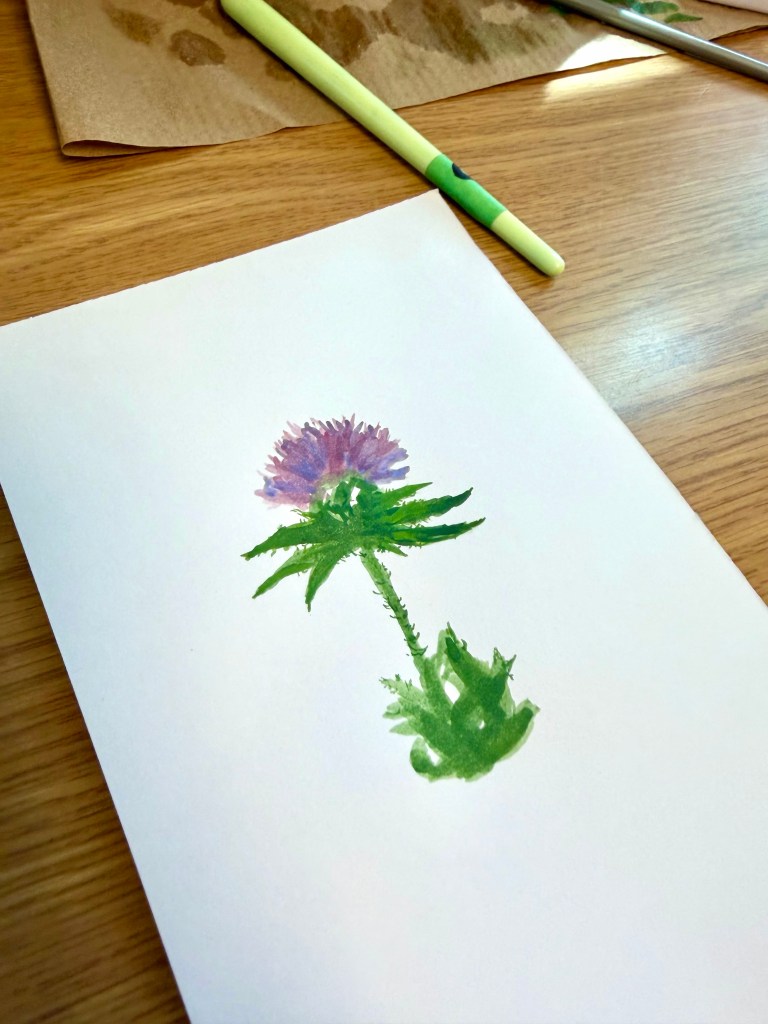
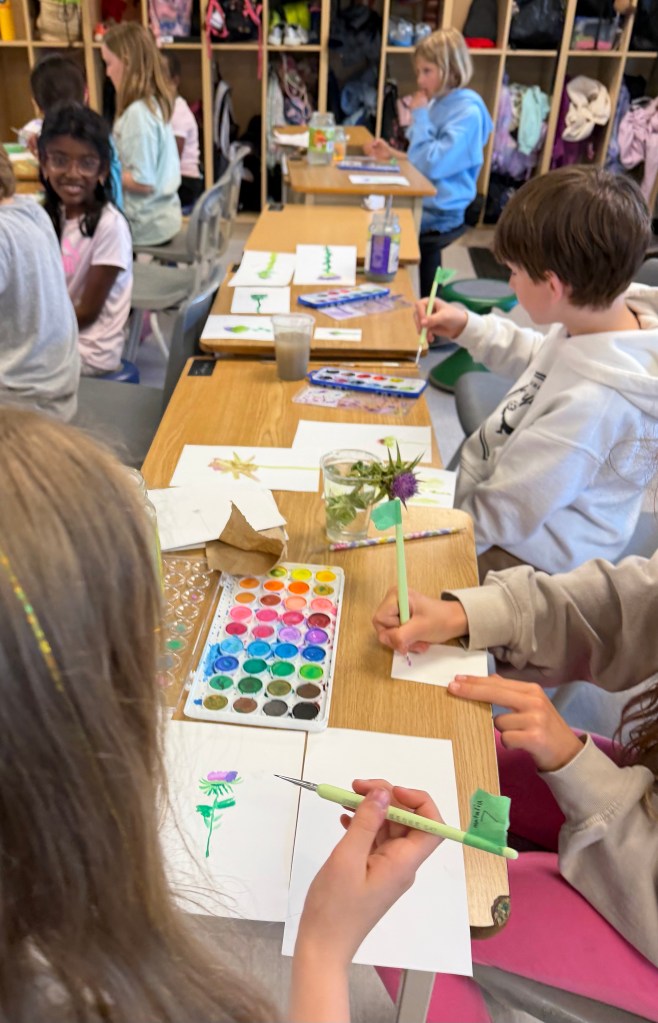
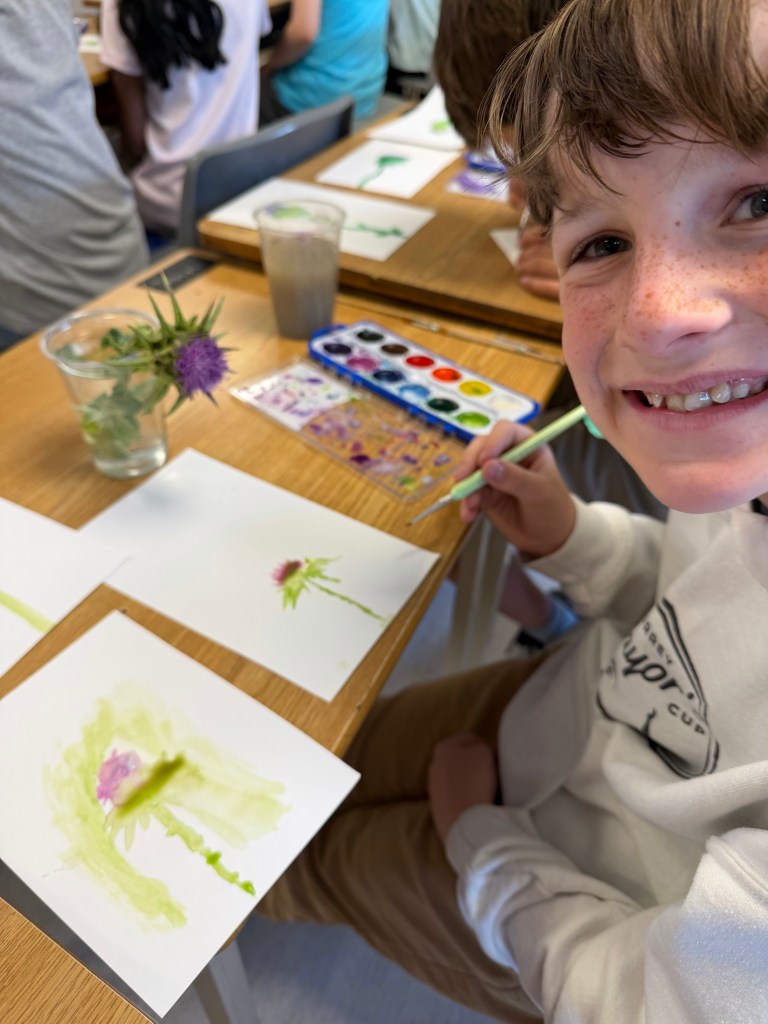
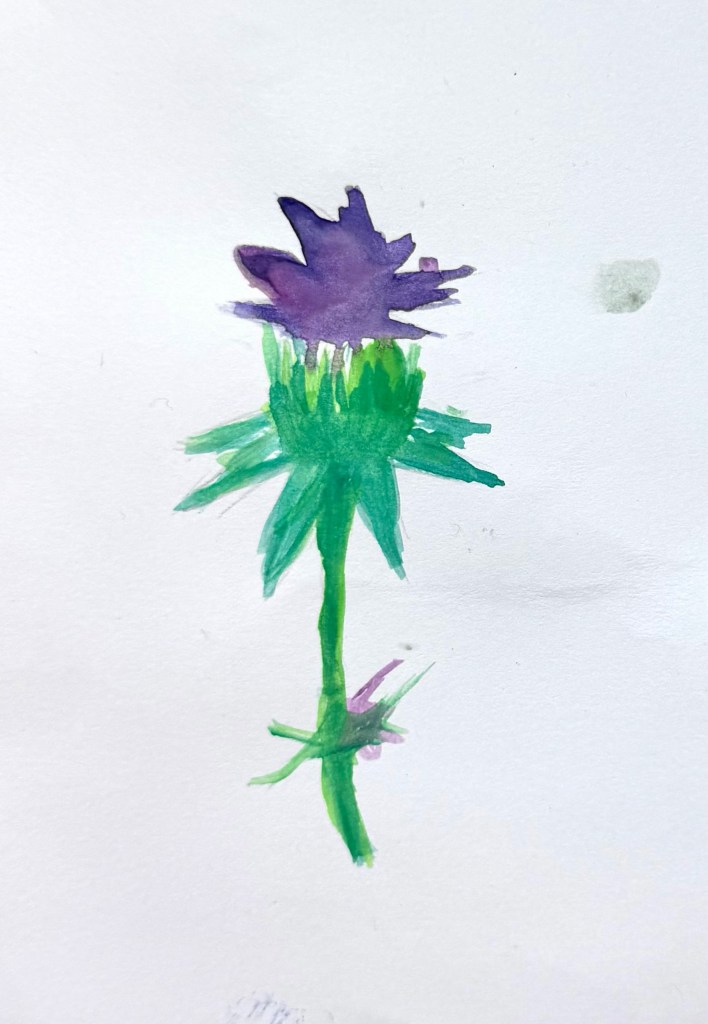
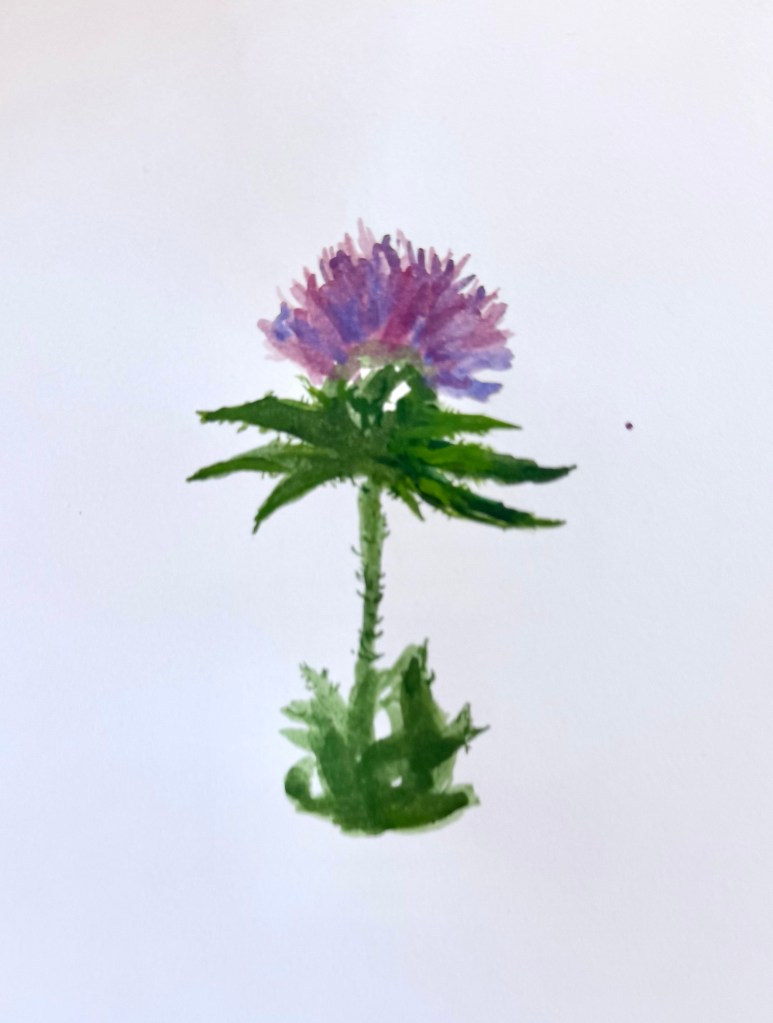
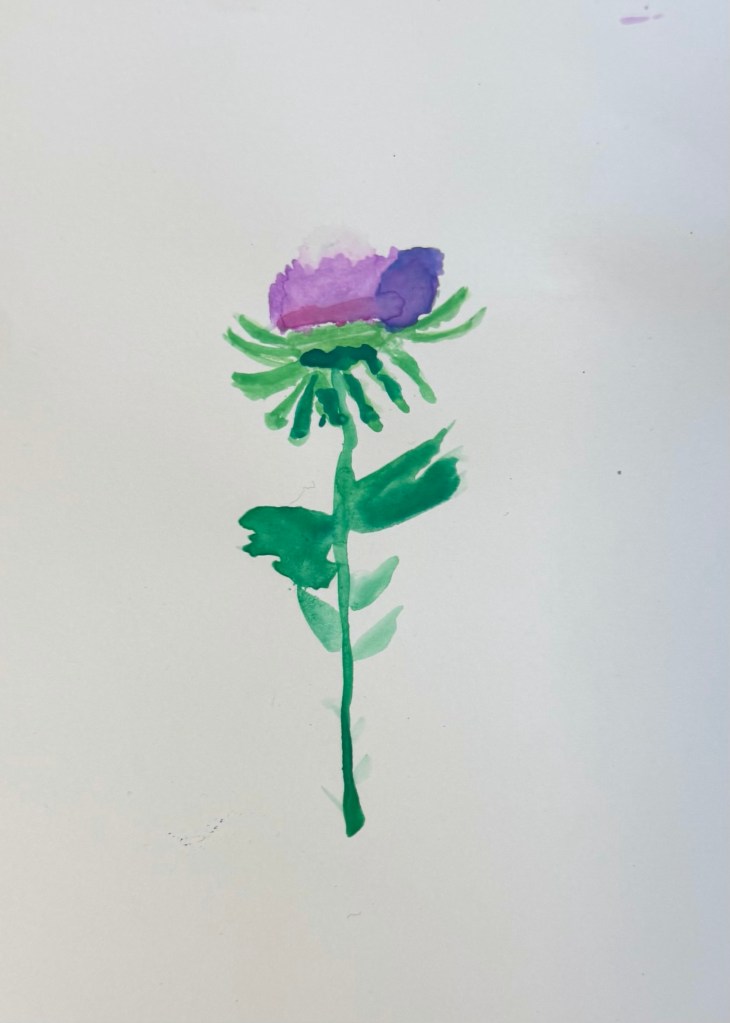
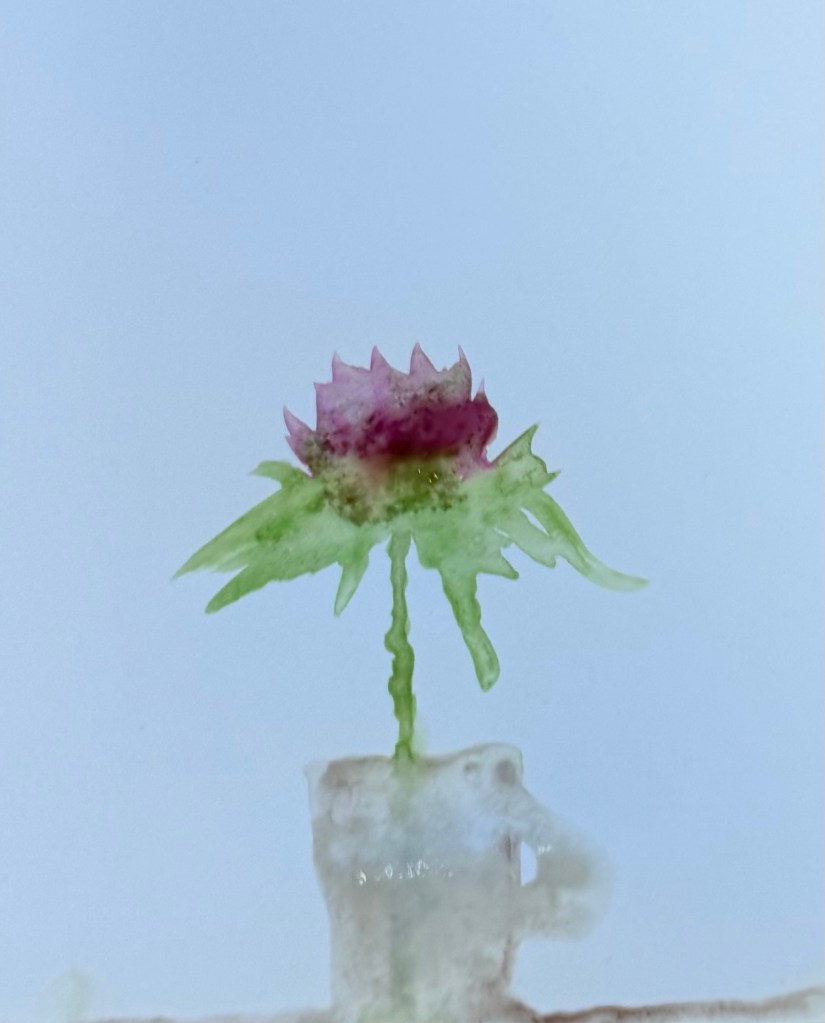
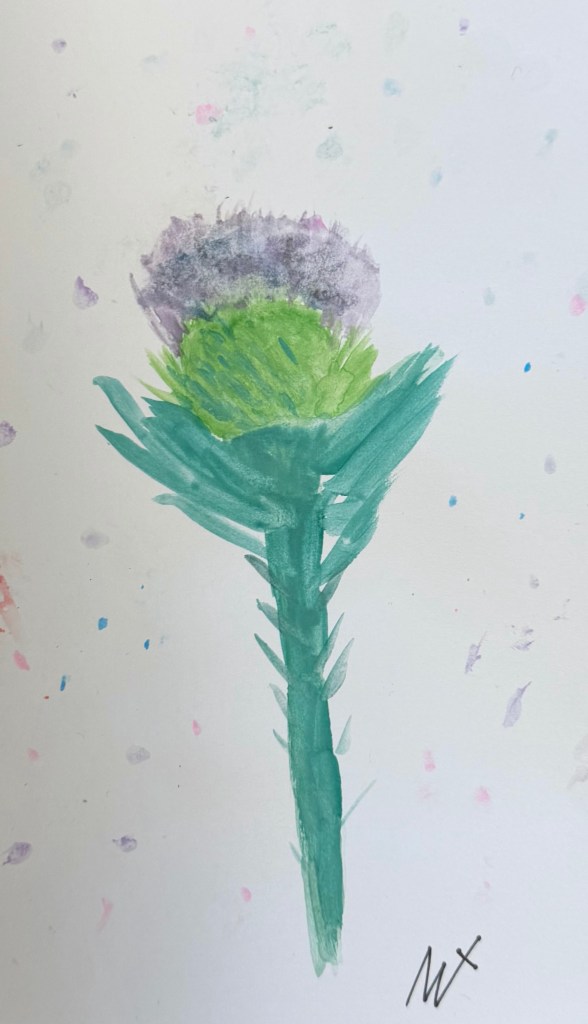
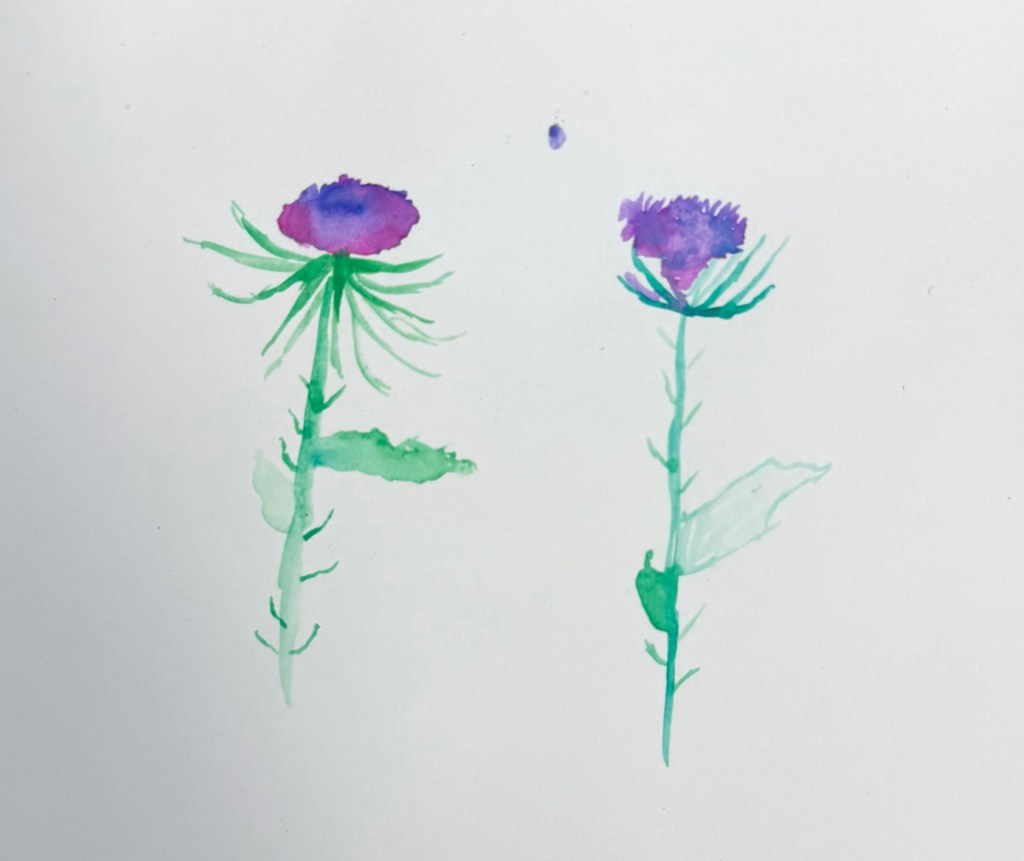
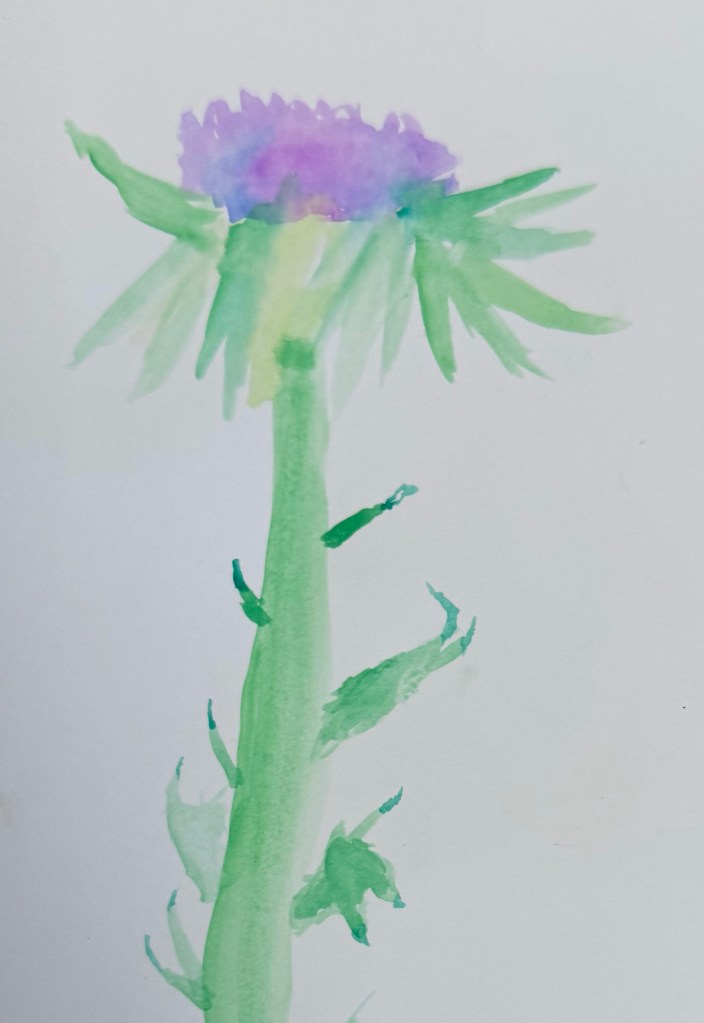
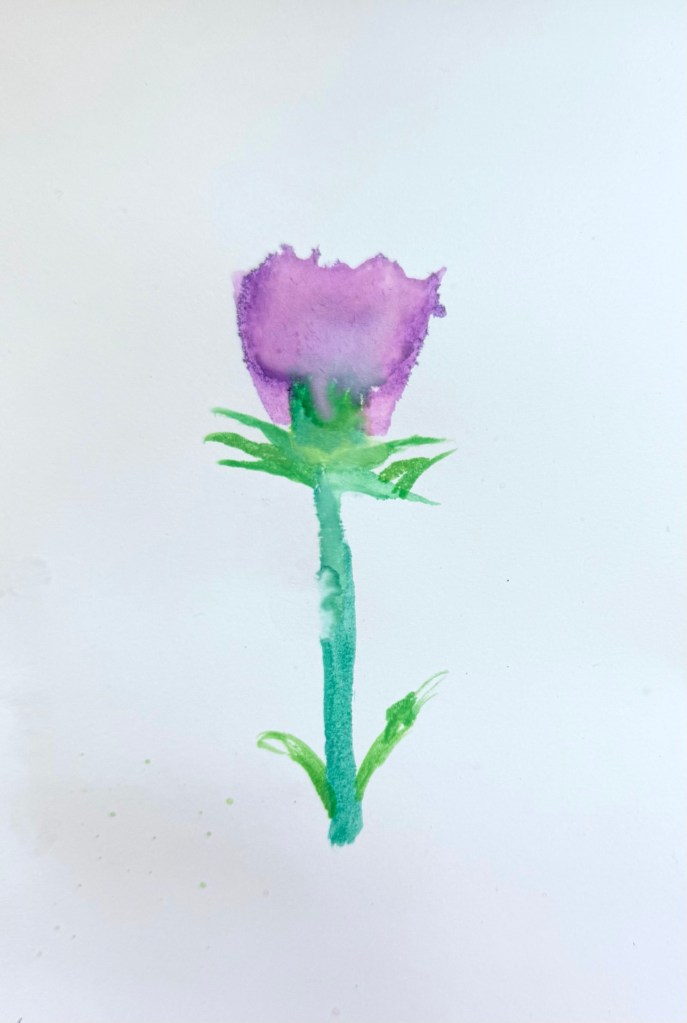
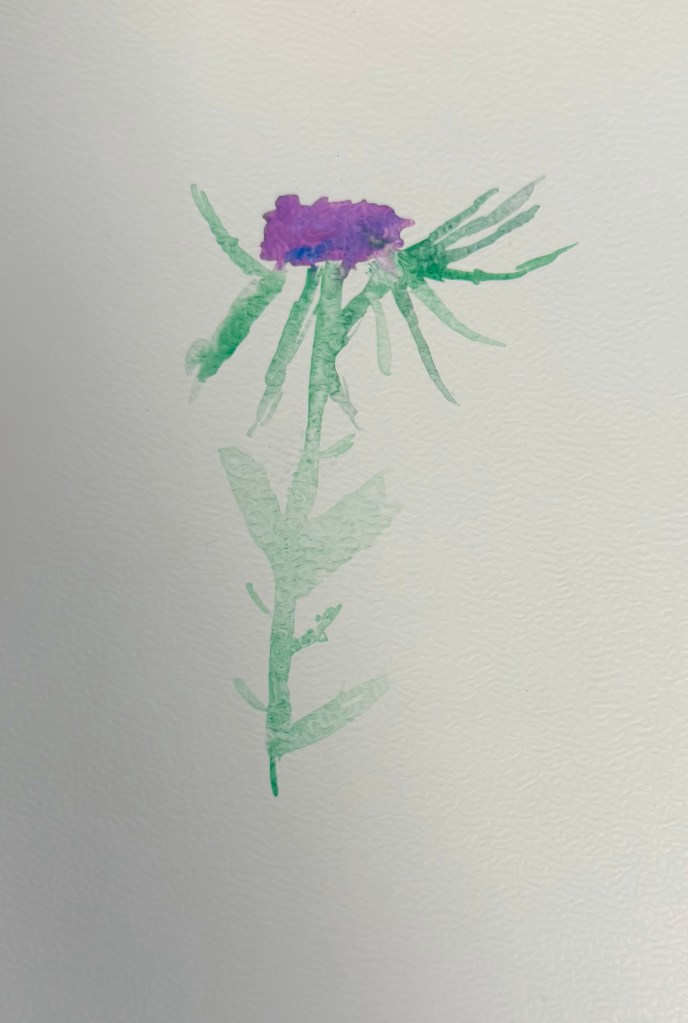
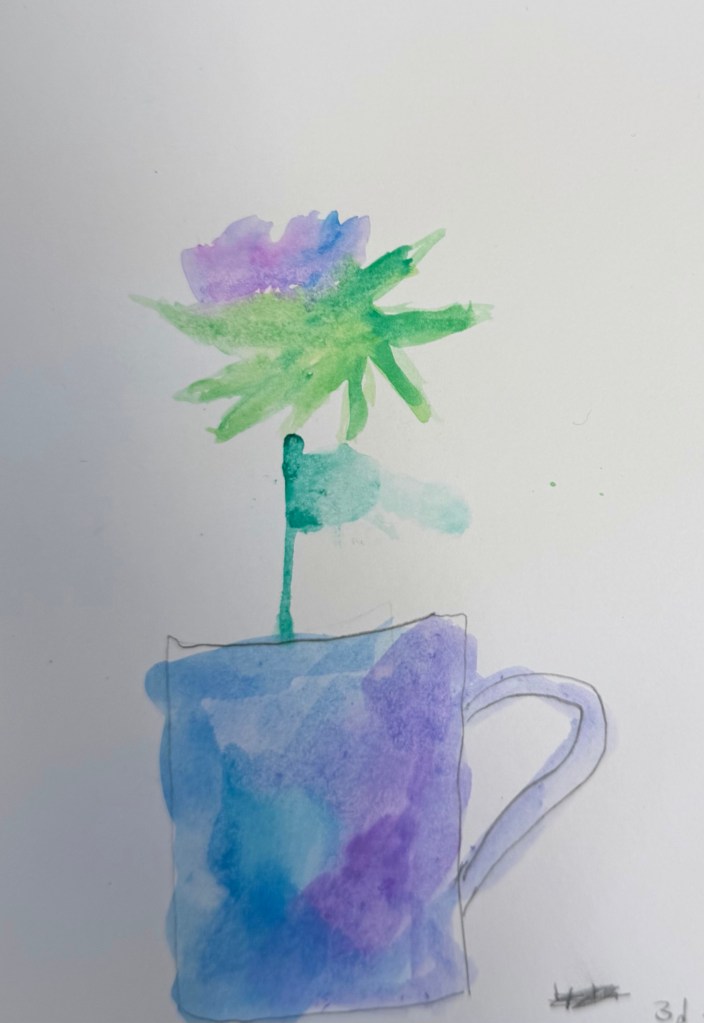
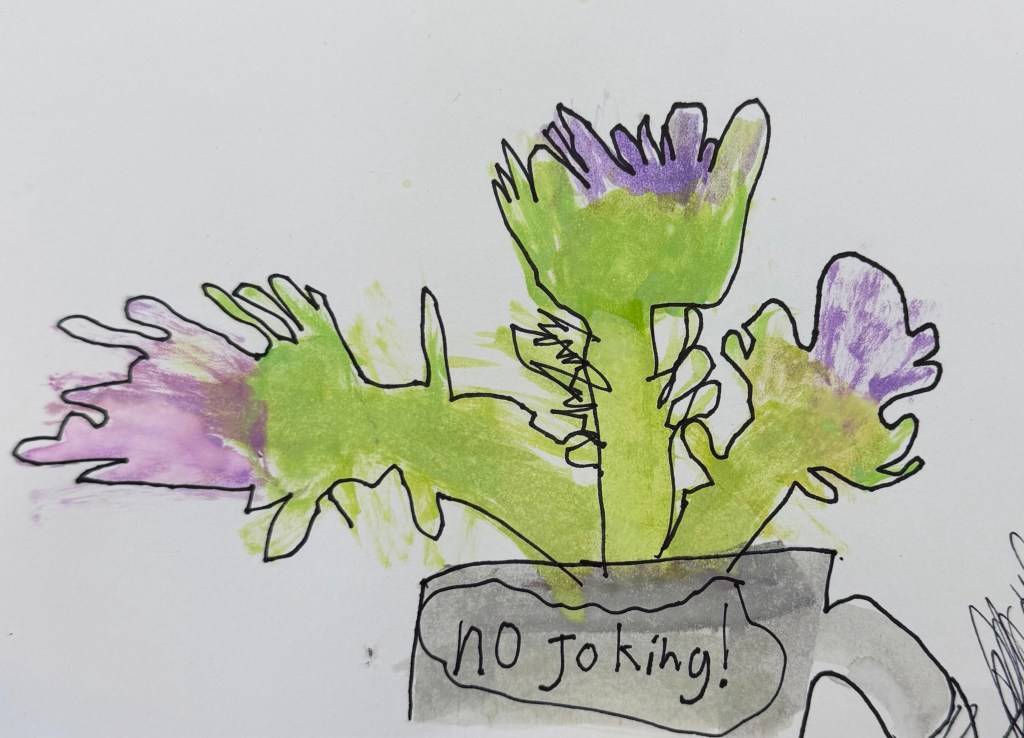
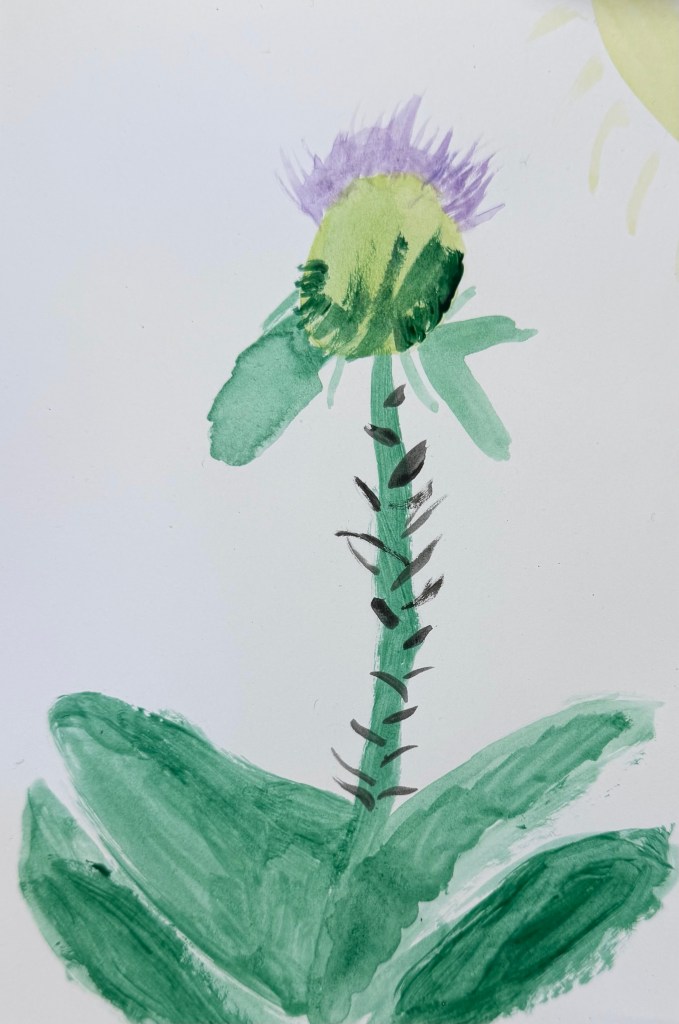
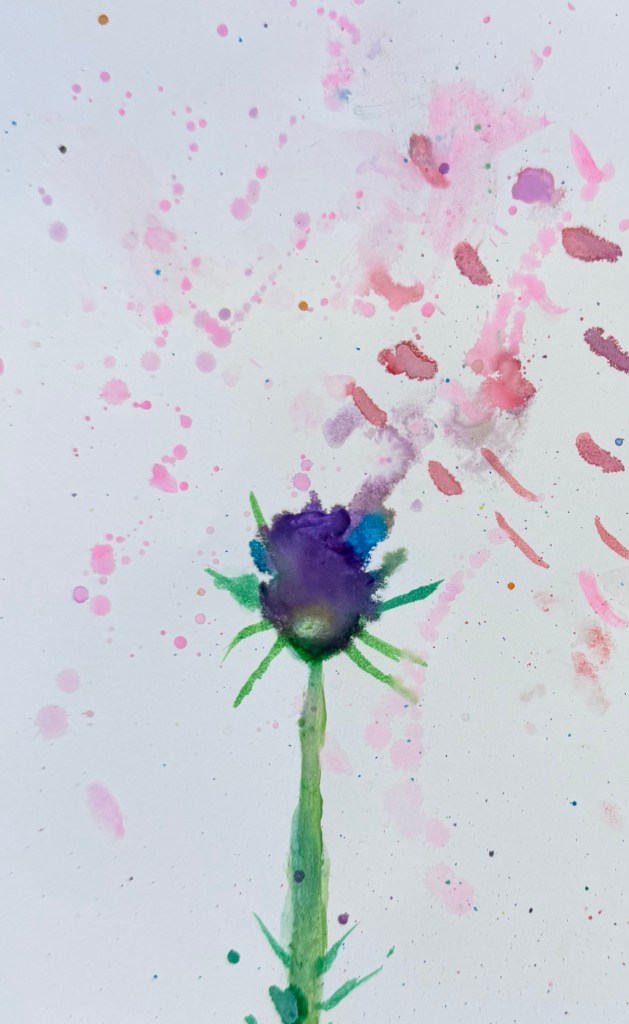
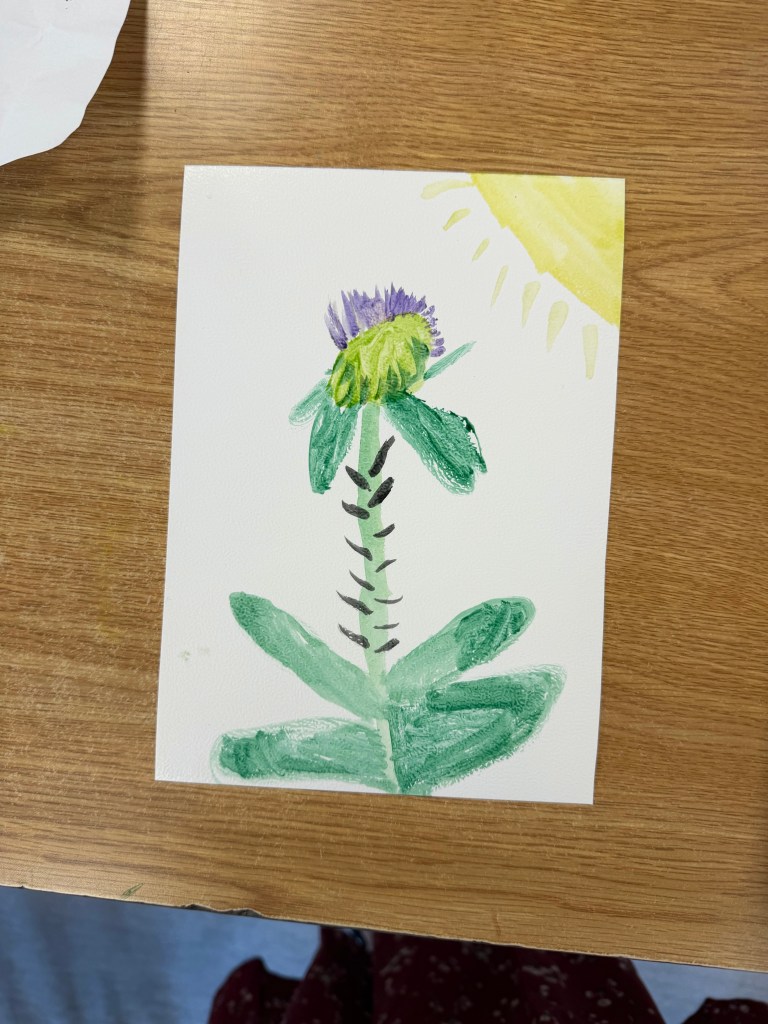
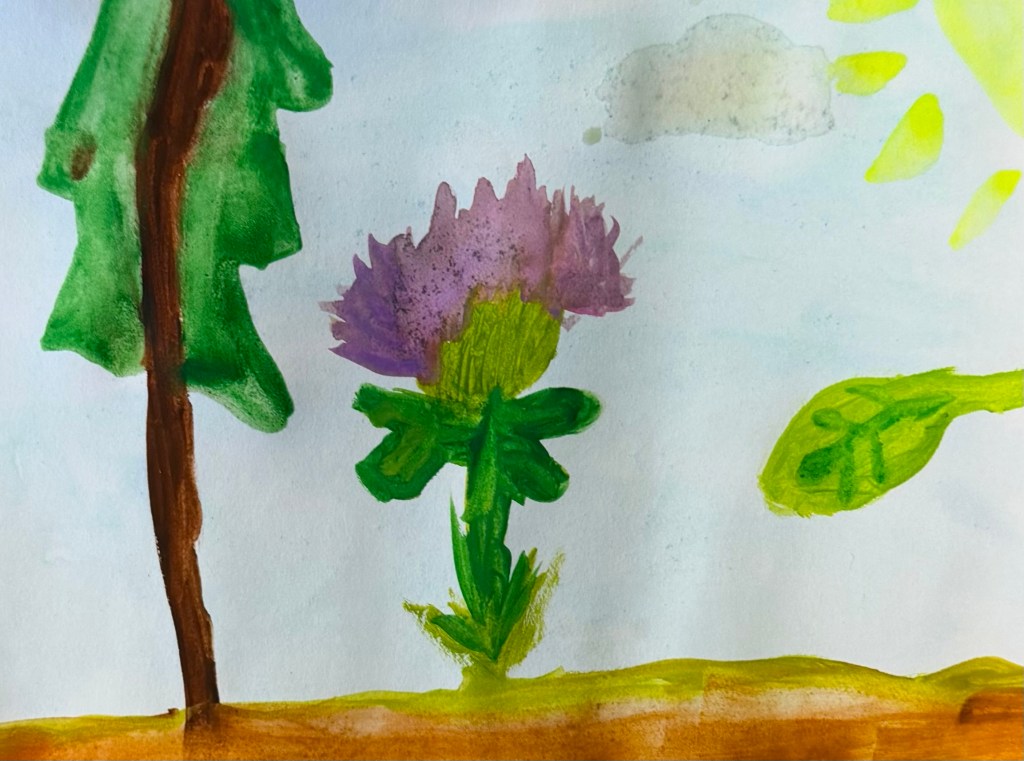
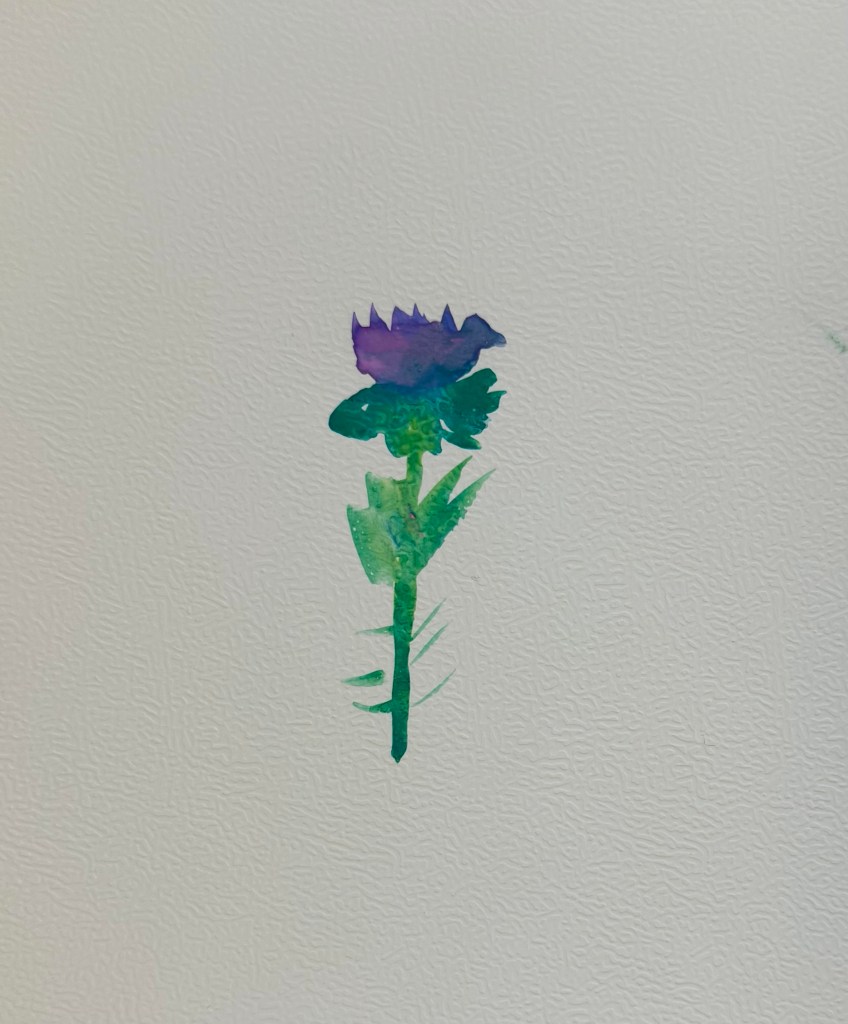
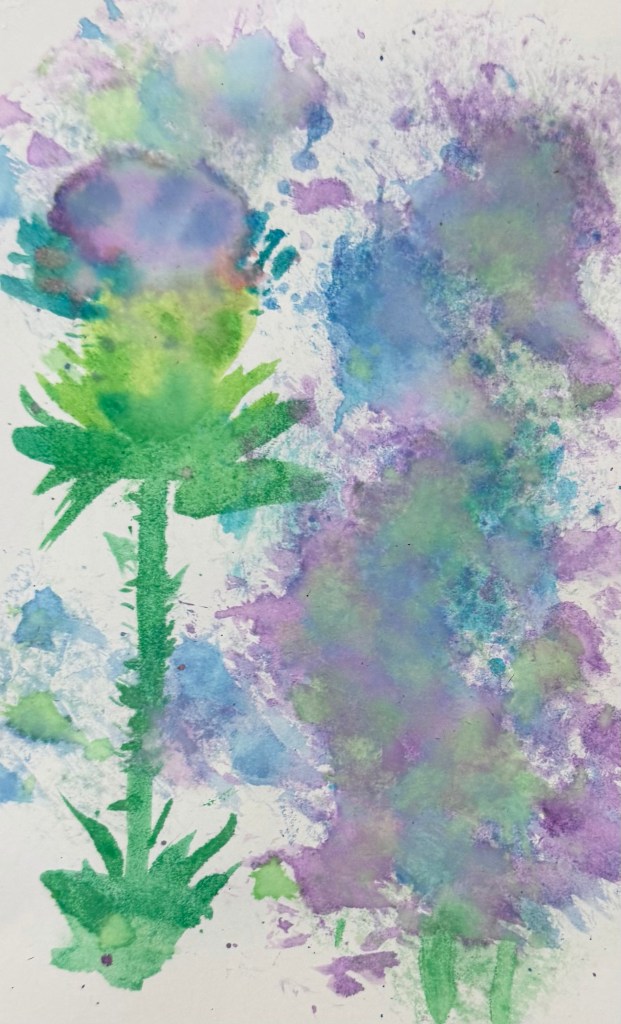
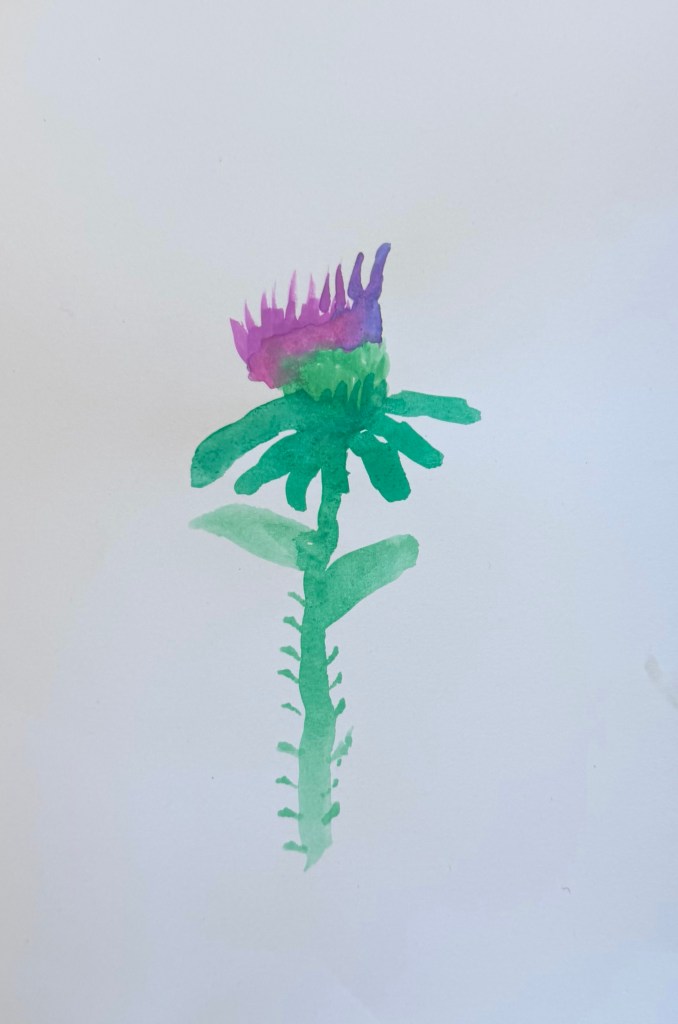
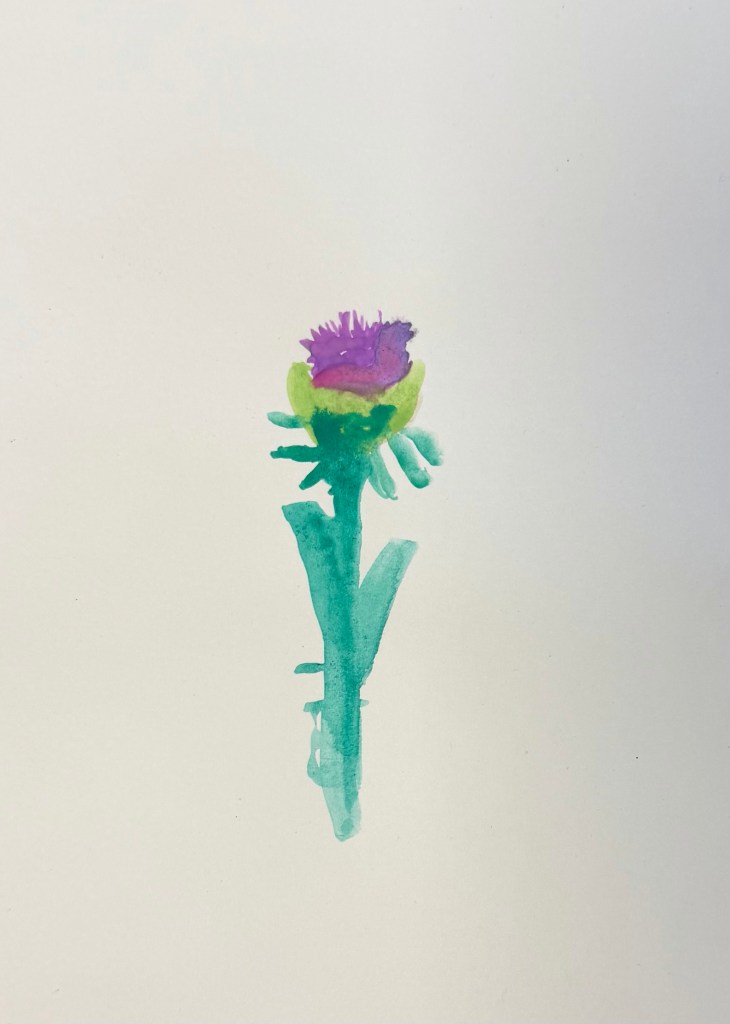
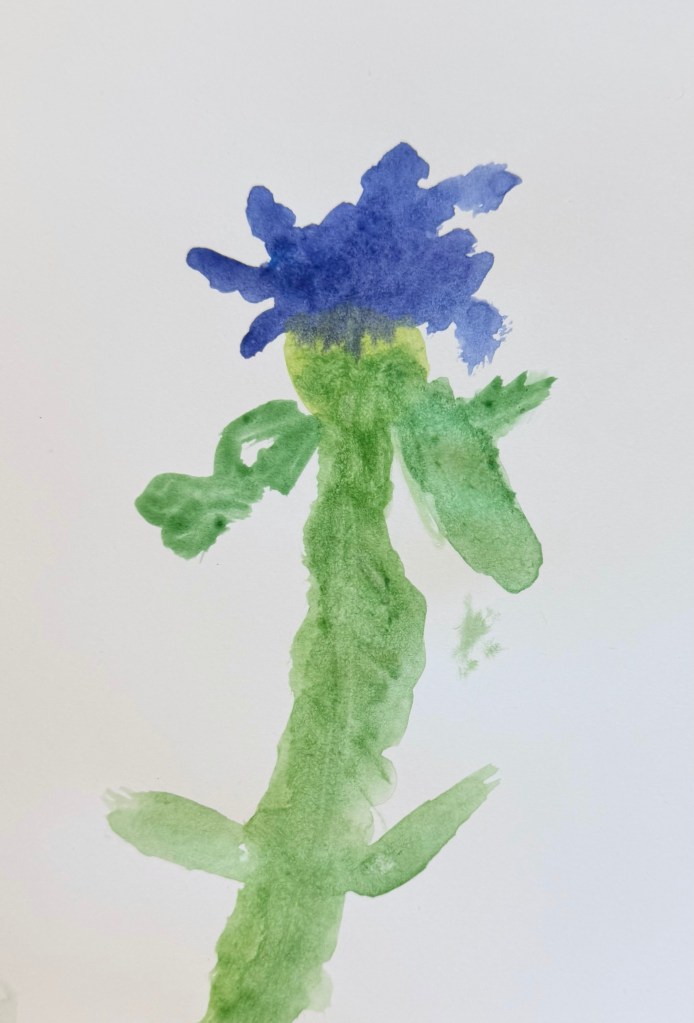
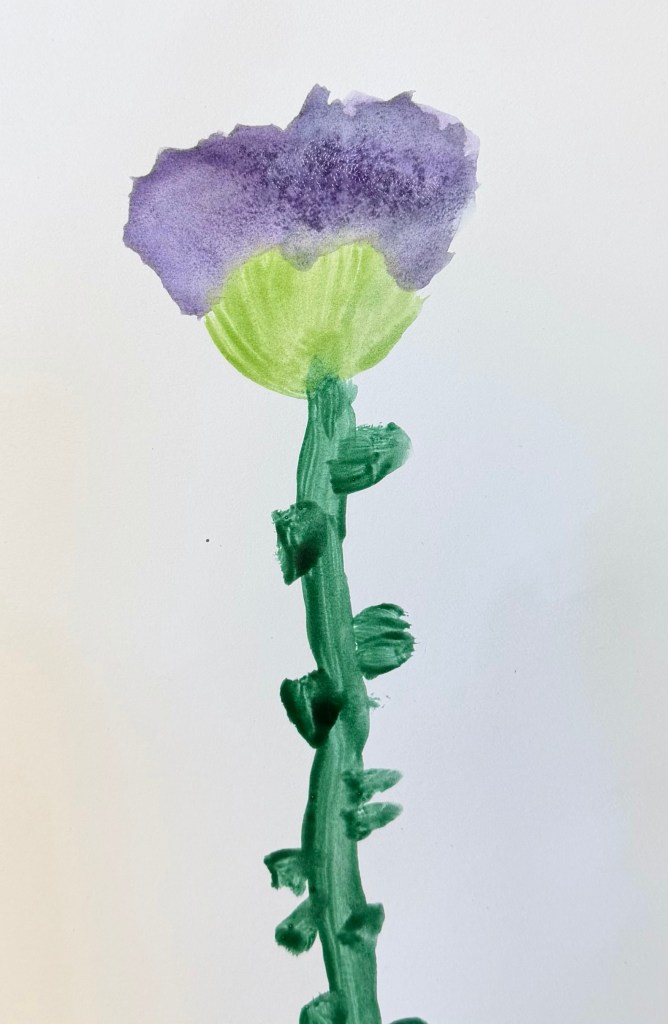
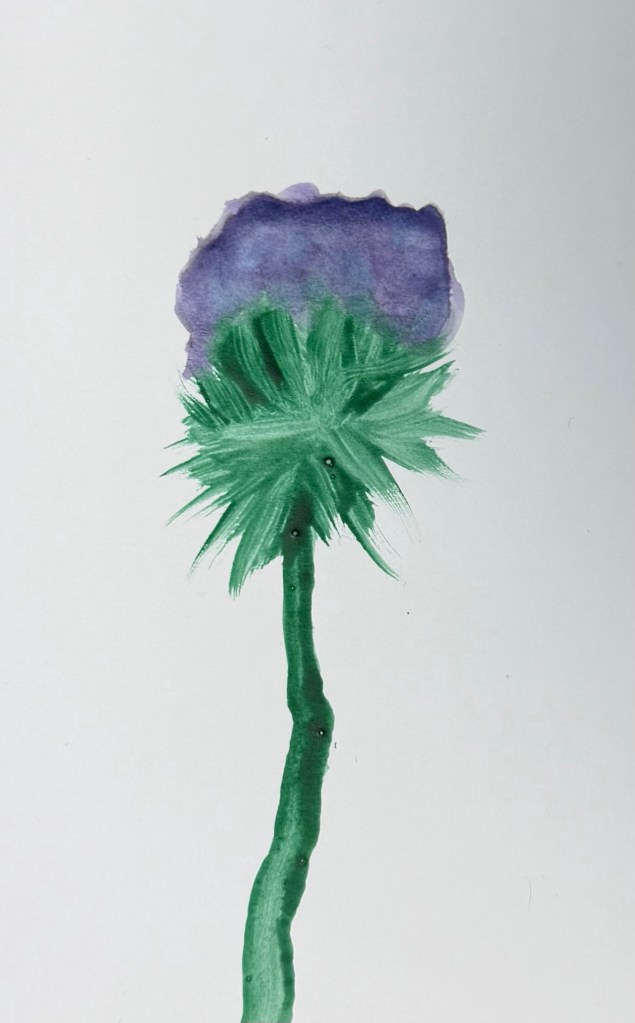
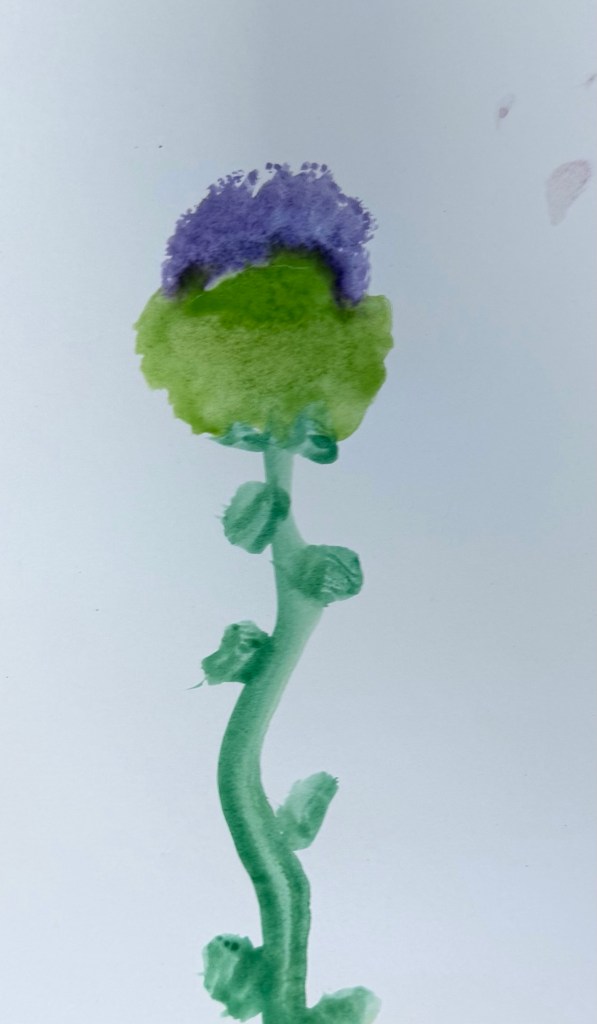
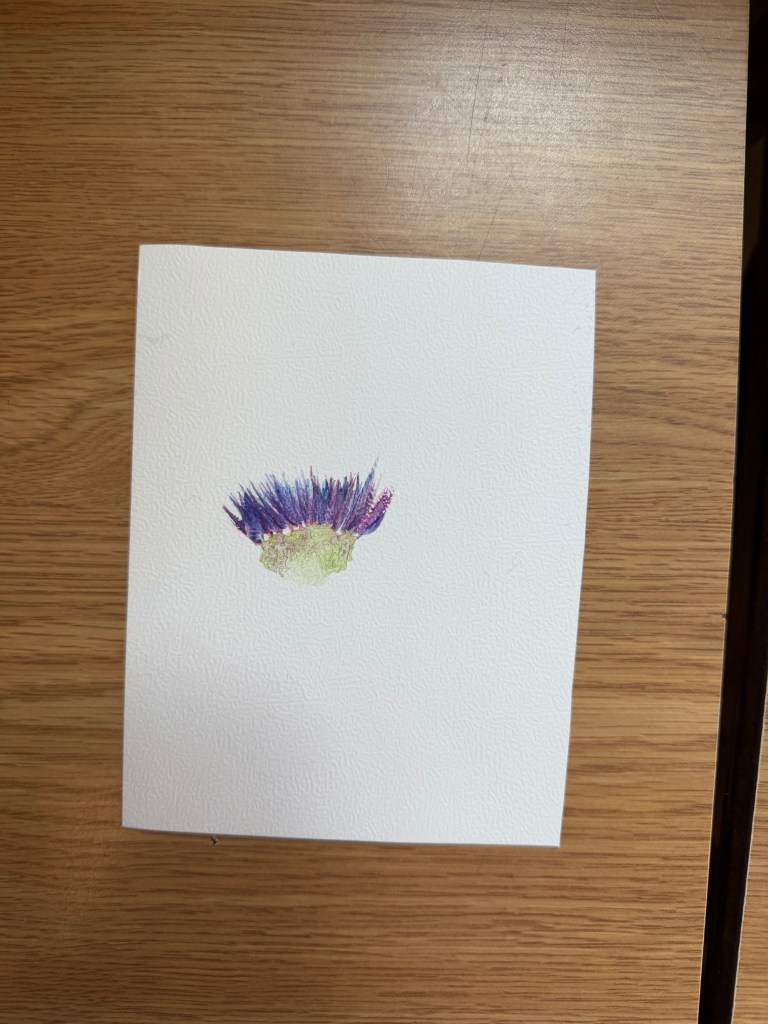
After spending time observing the plant, students applied their watercolor painting skills to create detailed botanical illustrations. Like scientists and naturalists, they carefully studied the shapes, colours, textures, and structures of the leaves, flowers, and stems before transferring their observations to paper.
Through this process, students practiced both artistic techniques and scientific observation skills.
We can uncover fascinating stories hidden within God’s creation—even in a spiky plant growing beside our classroom.
“How many are your works, LORD! In wisdom you made them all; the earth is full of your creatures.”
Congratulations to students at the VISAA Track Meet!
Thank you for representing our school and demonstrating perseverance, sportsmanship, and school spirit! We hope you enjoyed the experience, made great memories, and learned from the challenges and successes of the day.
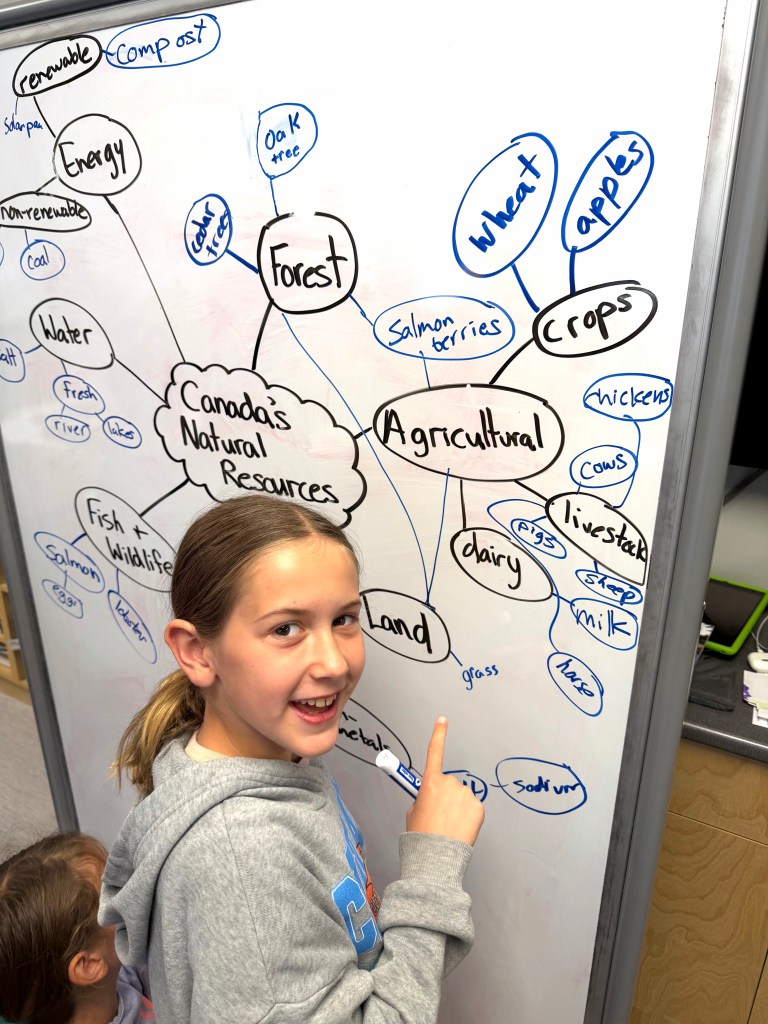
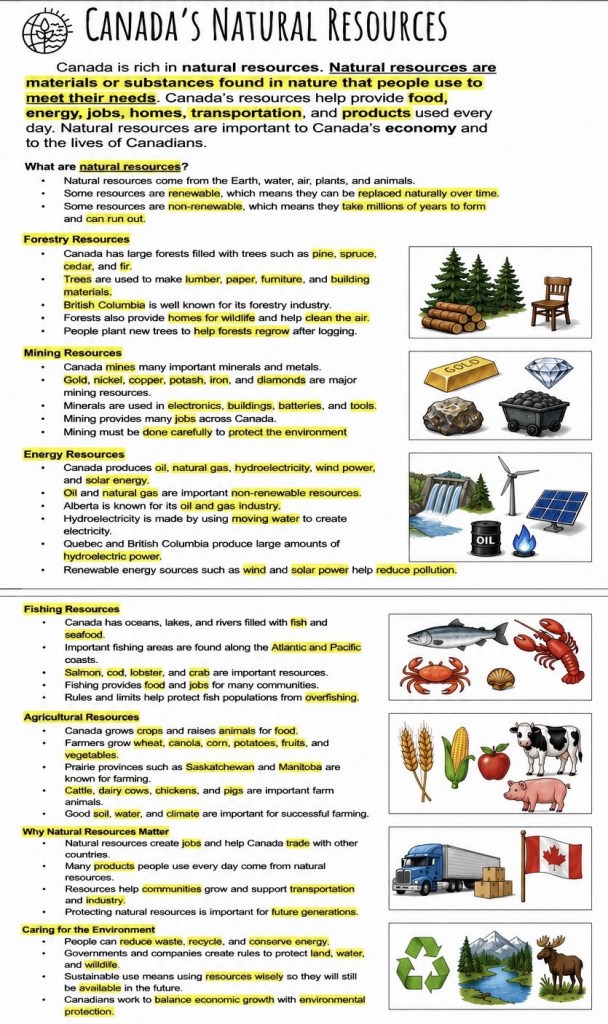
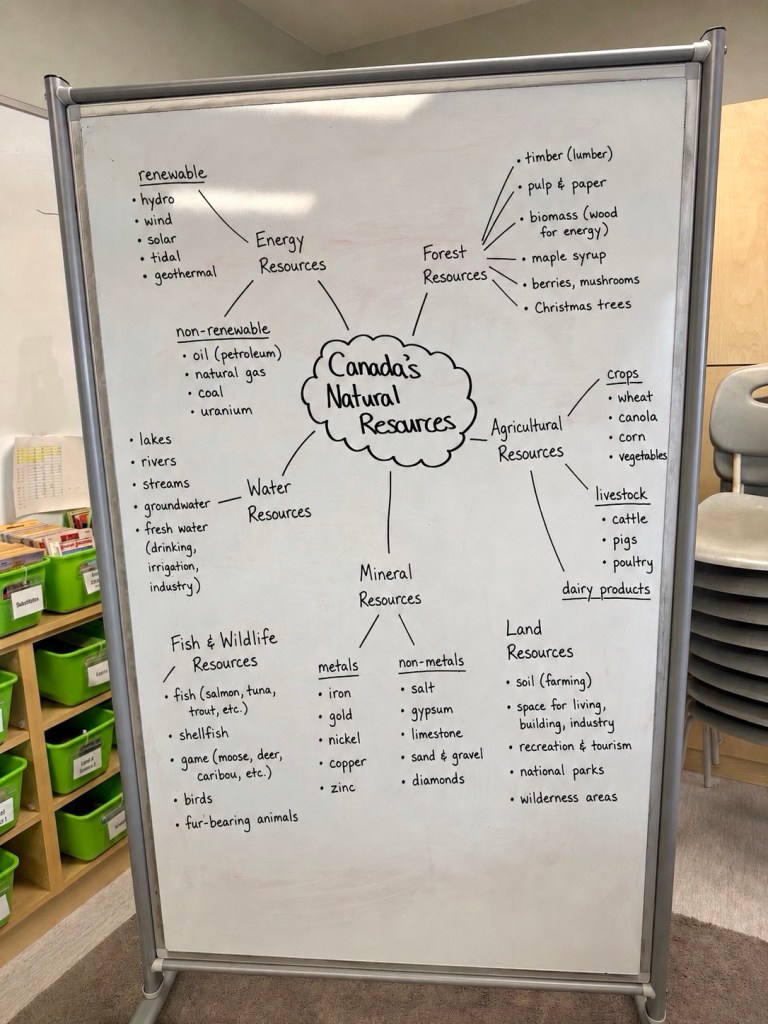
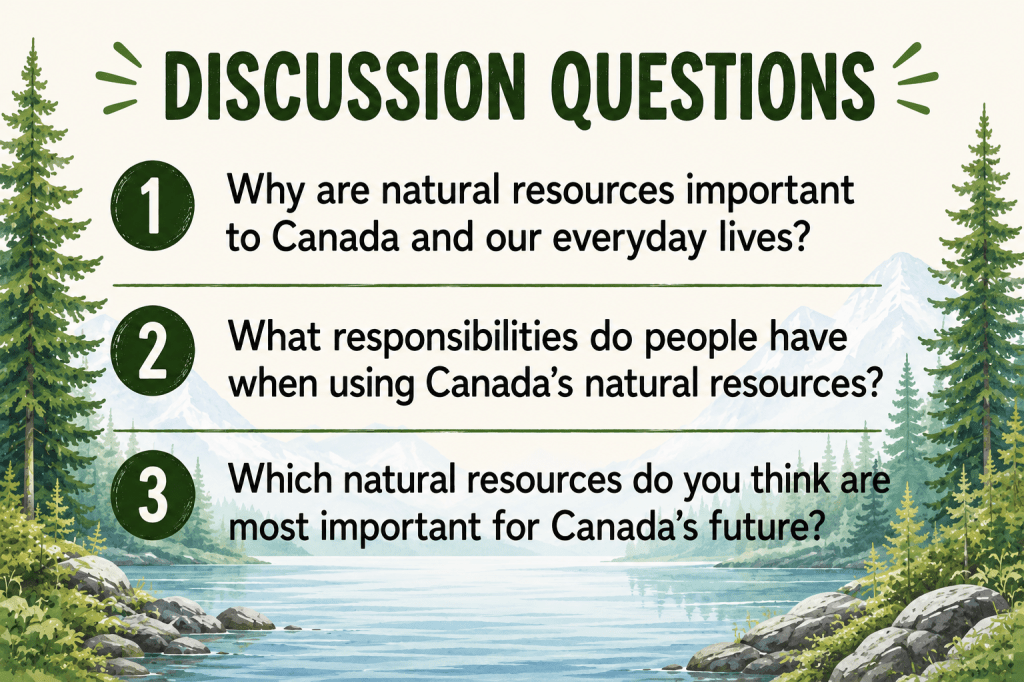
In Social Studies, we have been going deeper into our study of Canada’s natural resources and exploring ideas related to sustainability, renewable and non-renewable resources, and stewardship.
This connects closely to the BC curriculum as students learn how Canada’s land, forests, water, minerals, and energy resources shape our country, economy, and communities.
We have also been reflecting on our responsibility to care wisely for God’s creation and thinking critically about how natural resources can be managed for different goals and values.
Students are encouraged to research using a variety of sources, ask thoughtful questions, and begin developing their own informed perspectives about the balance between economic growth, environmental protection, and responsible stewardship.
These discussions are fascinating as we recognize and honour that different families and communities hold different perspectives and values around the use of Canada’s natural resources.
Our bigger picture goals in S.S. class are to empower learners to explore a variety of viewpoints and sources, think critically, and develop informed, thoughtful perspectives of their own as they consider the complex relationship between economic growth, environmental stewardship, and responsible resource management.
As always, I encourage students to bring these conversations home and deepen their learning with their parents, who are their first and best teachers.
Students have participated in group dialogues, done a self-quiz, and written a detailed paragraph to show their learning so far in this unit—and tomorrow they will do another quiz and some students will present a play on the topic.
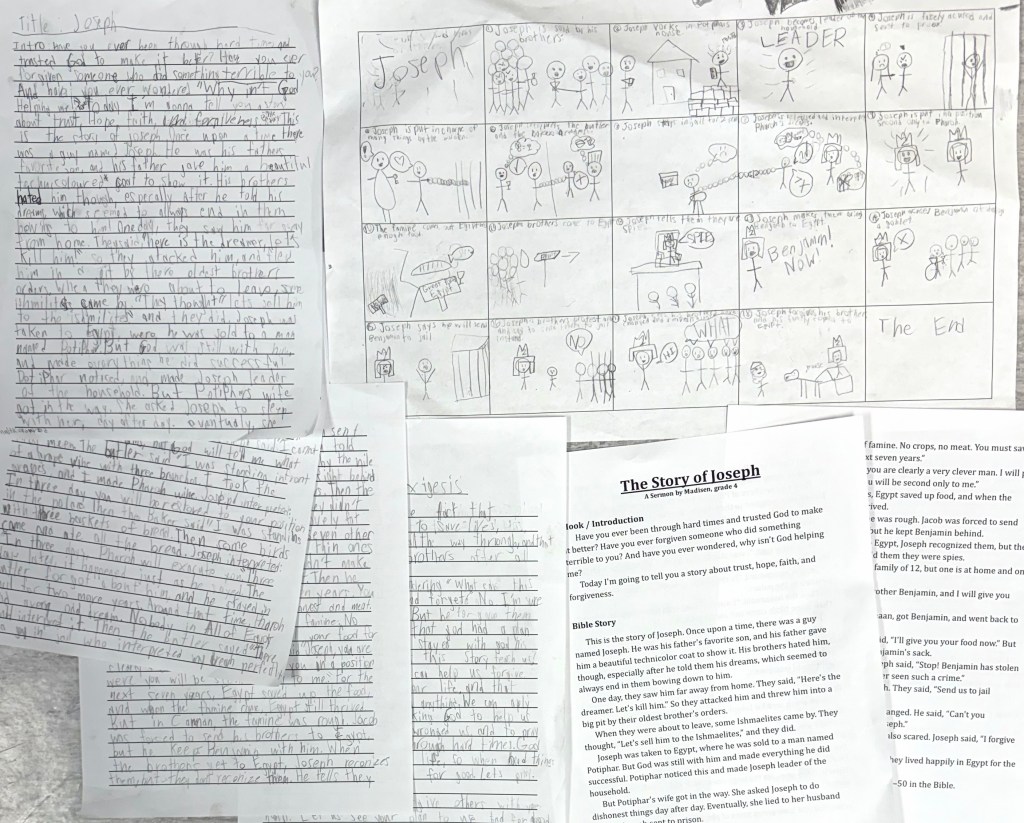
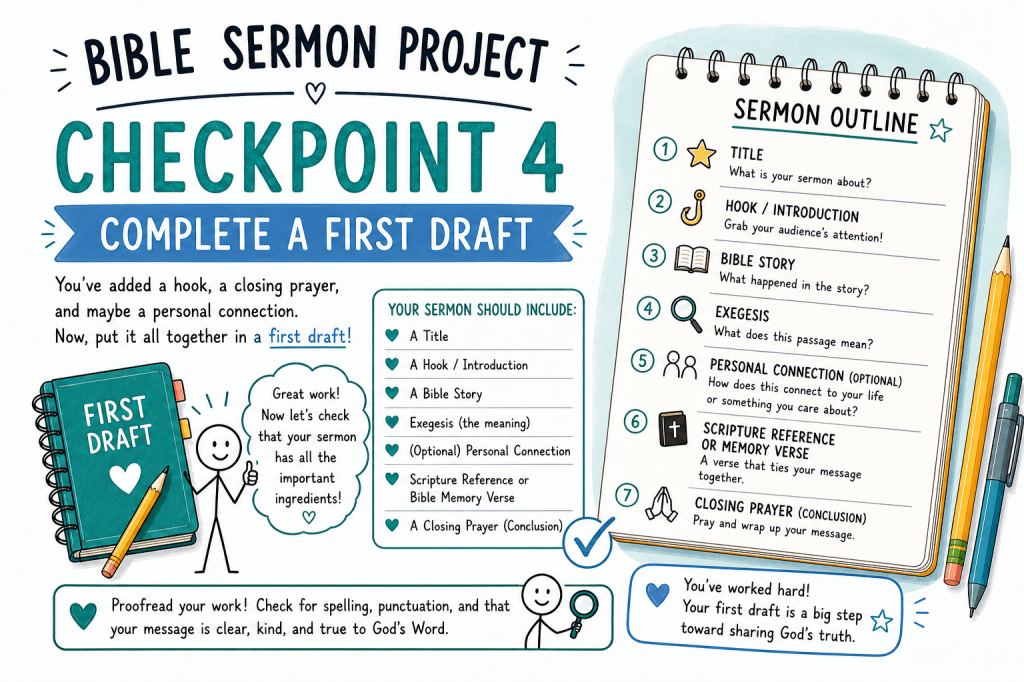
In Language Arts and Bible class, students have now completed Checkpoint 4 of their sermon-writing project: the first draft. You are going to be so inspired and blown away by the meaningful work our grade 4 students have done!
Students have finished their handwritten sermon copies and have been supported to create a typed version using either keyboarding or voice-to-text technology. (Students were encouraged and monitored to use digital tools as needed to support grammar, punctuation, spelling, and the accuracy of scripture references, but not to generate content.)
The greatest value of this learning project comes when the ideas, insights, and wording of each sermon remain the students’ own—family and friends were welcomed to discuss and provide guidance, but it was important that I supervised the writing of the first draft in class so I could understand the origin and development of each child’s ideas.
This stage of the project has sparked rich conversations about authenticity and the purpose of a sermon itself. We have emphasized that a sermon is an opportunity to faithfully communicate God’s truth to others and to help listeners better understand and apply His Word. For that reason, students have been encouraged to draw their ideas from thoughtful Bible study, prayer, and reflection.
At the same time, we have discussed how revising and polishing a sermon with the help of available tools, as well as feedback from family and friends, can be an important part of learning to communicate clearly and effectively.
We are excited to share the sermons with you soon!
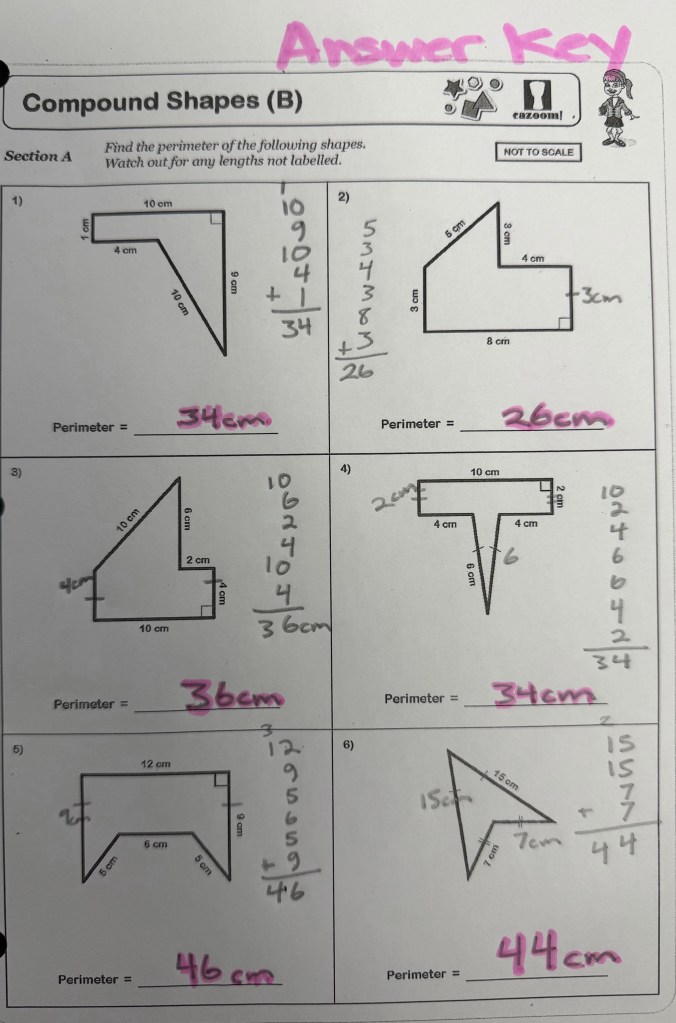
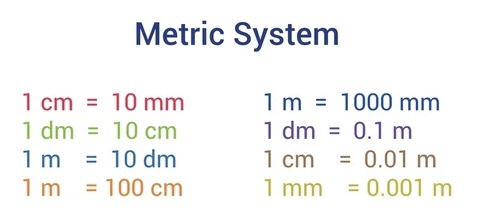
In Math, we have been reviewing perimeter and measurement concepts.