
Hello, 4A families!
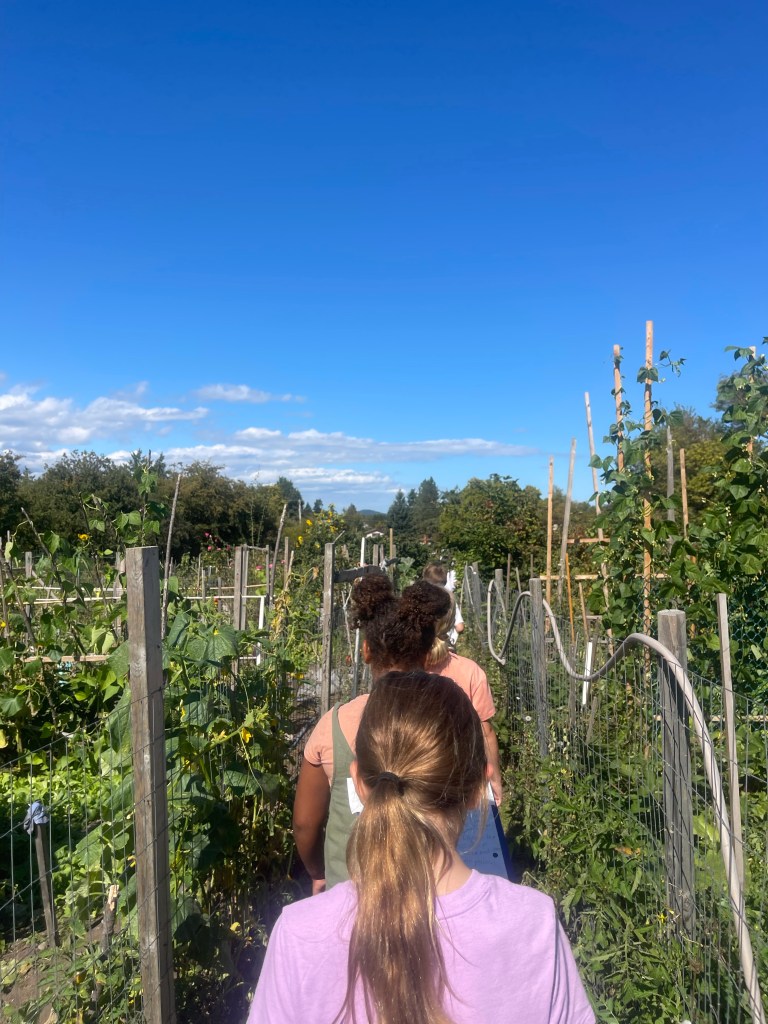
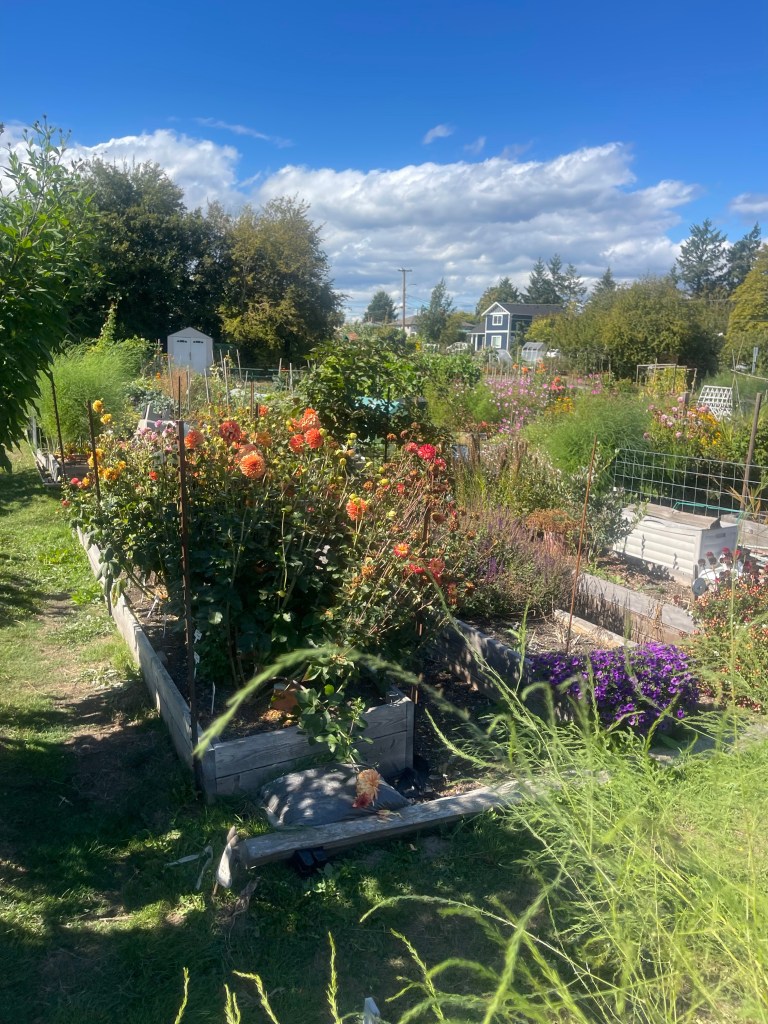
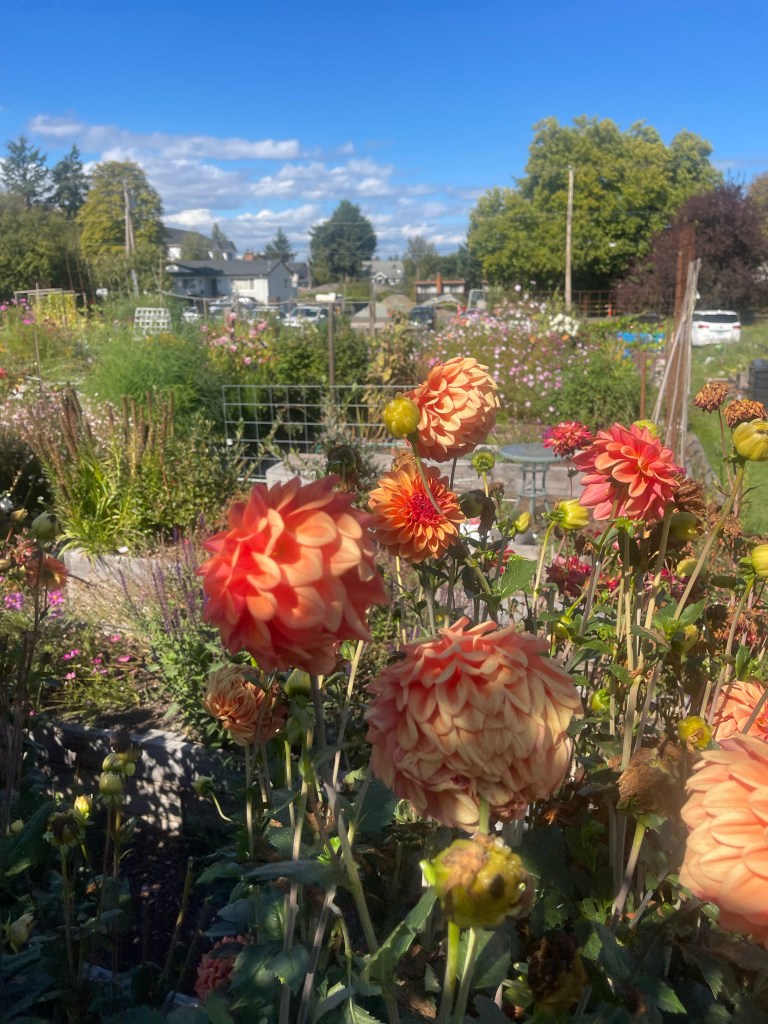
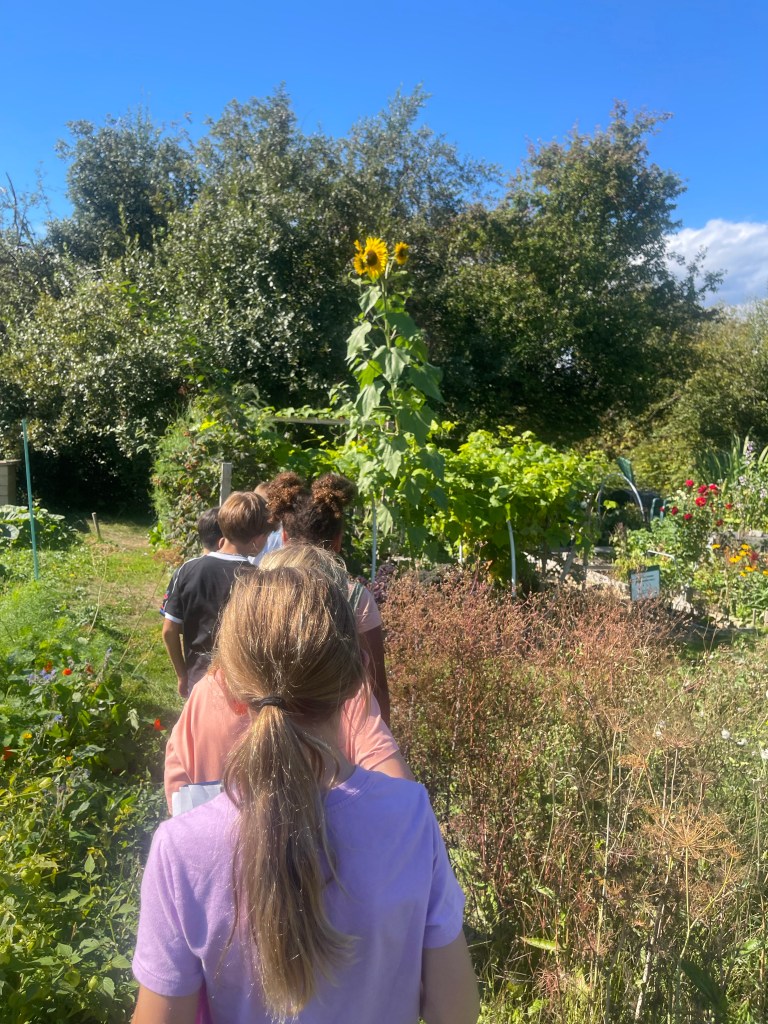
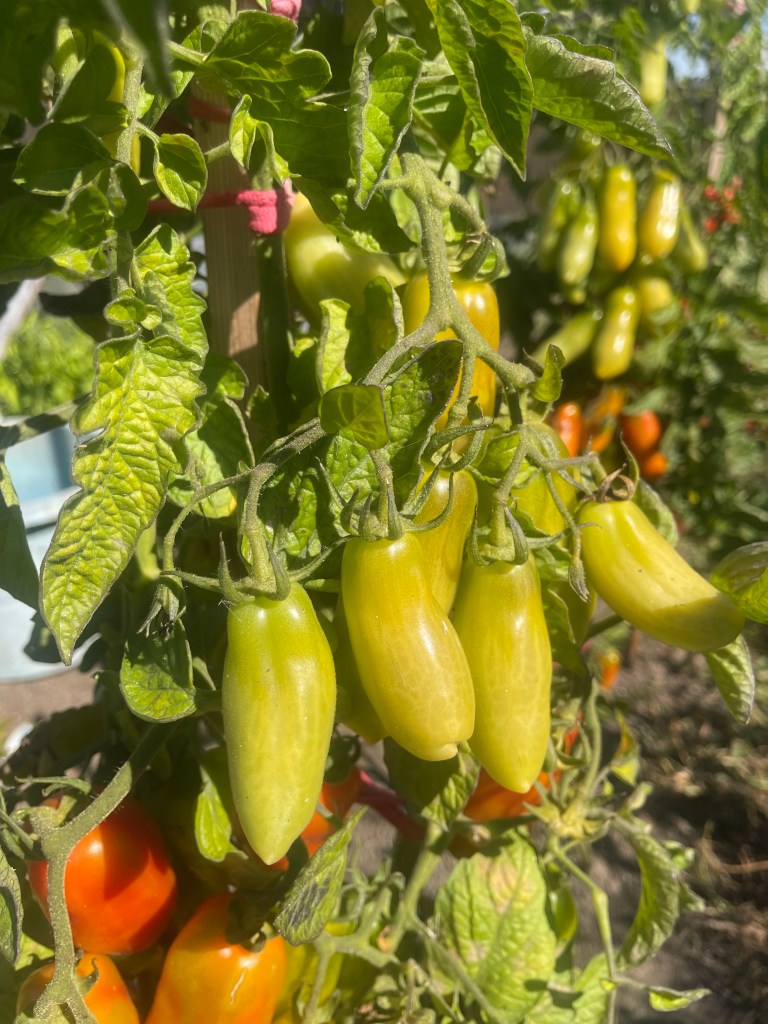
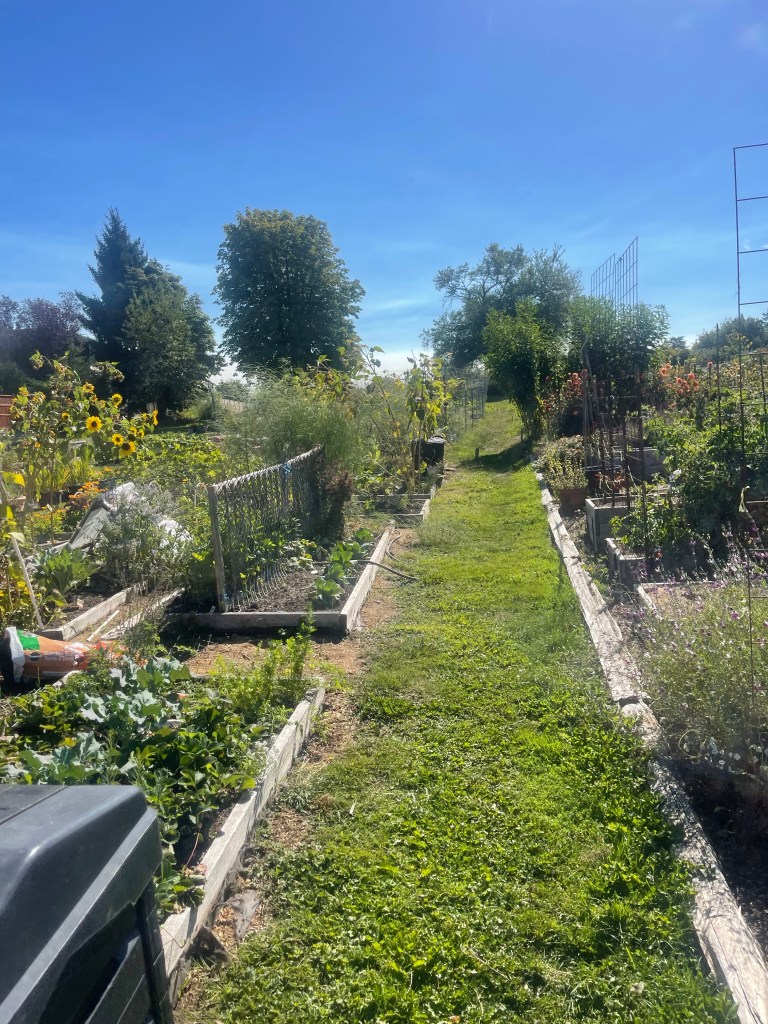
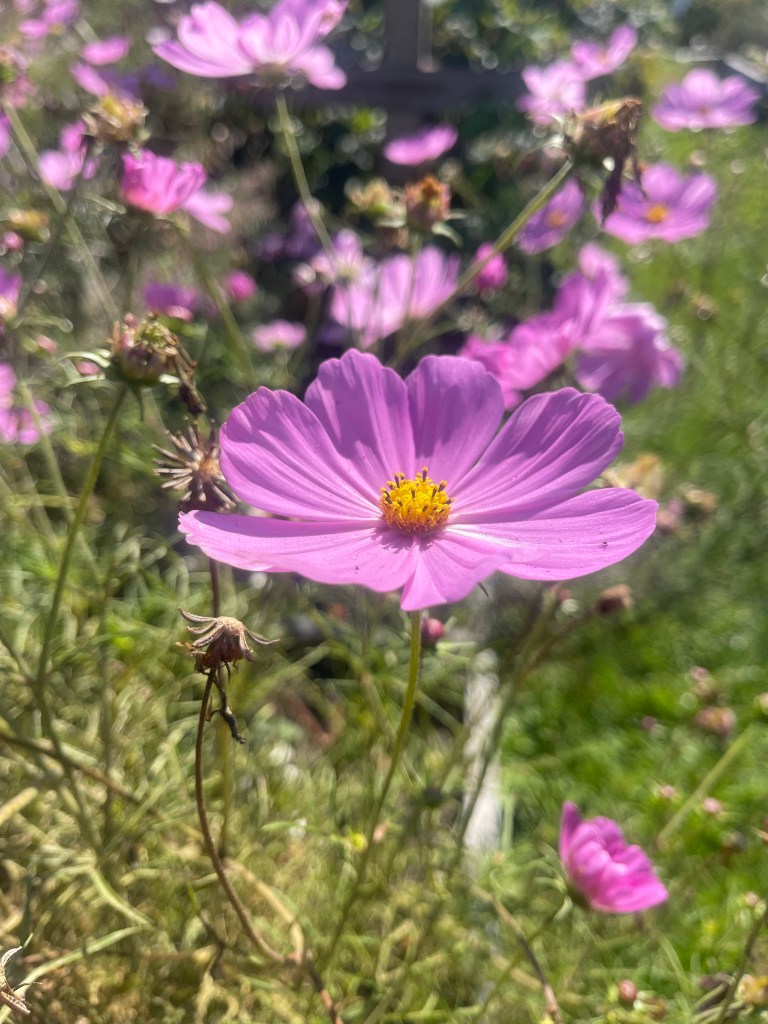
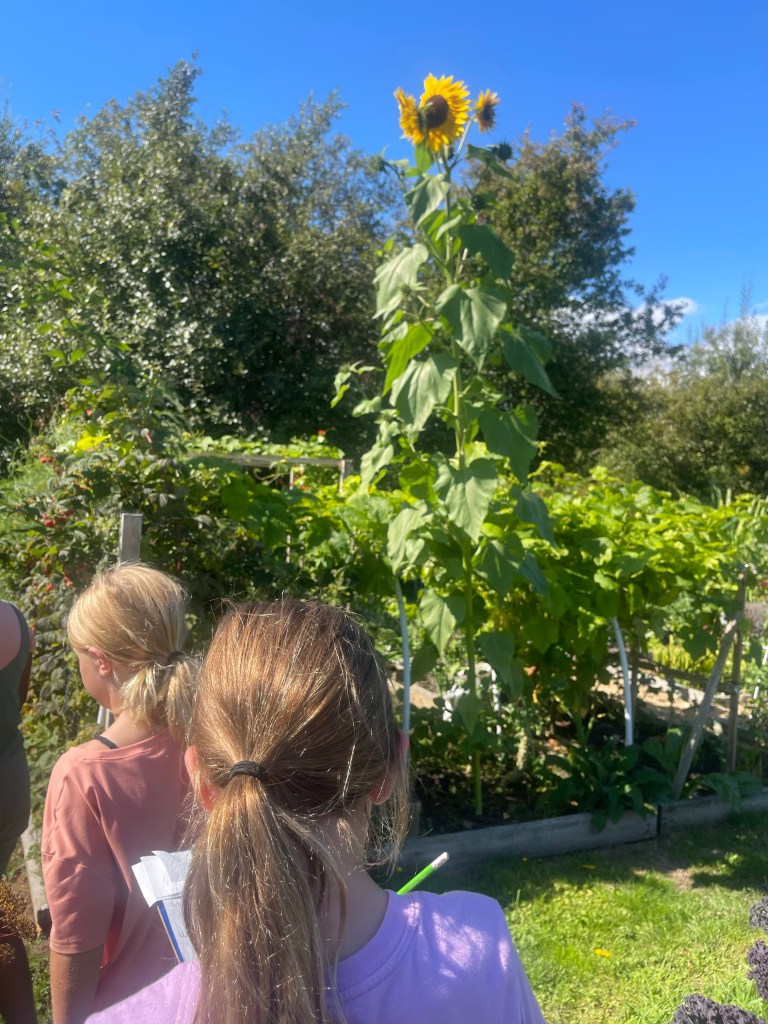
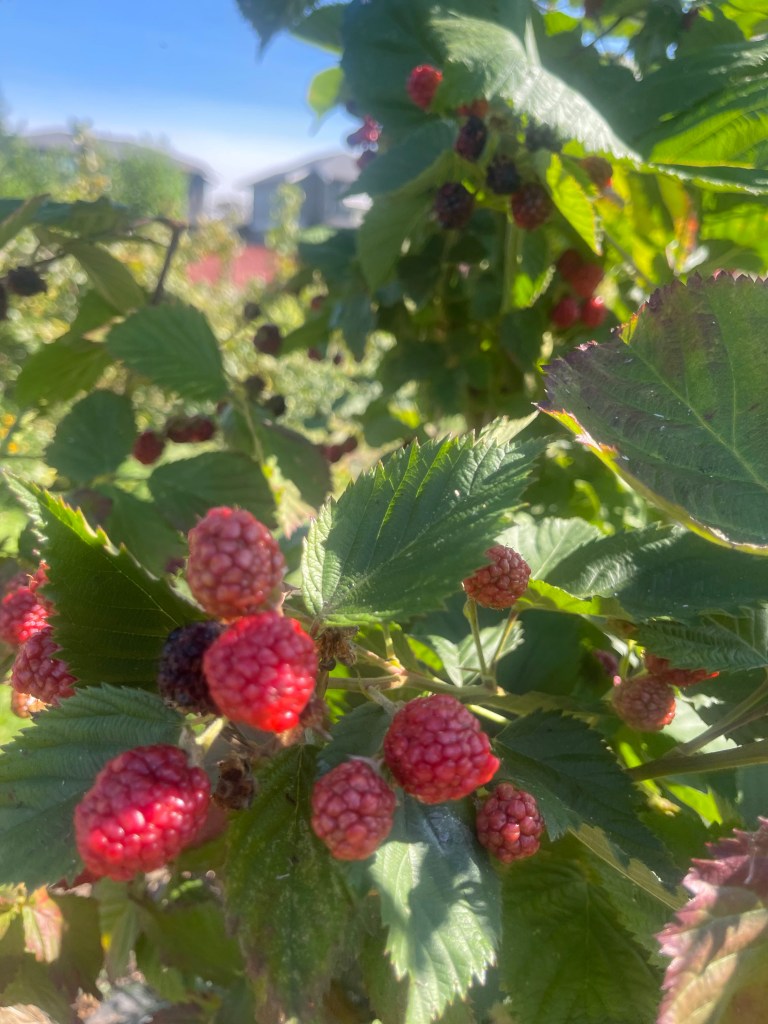
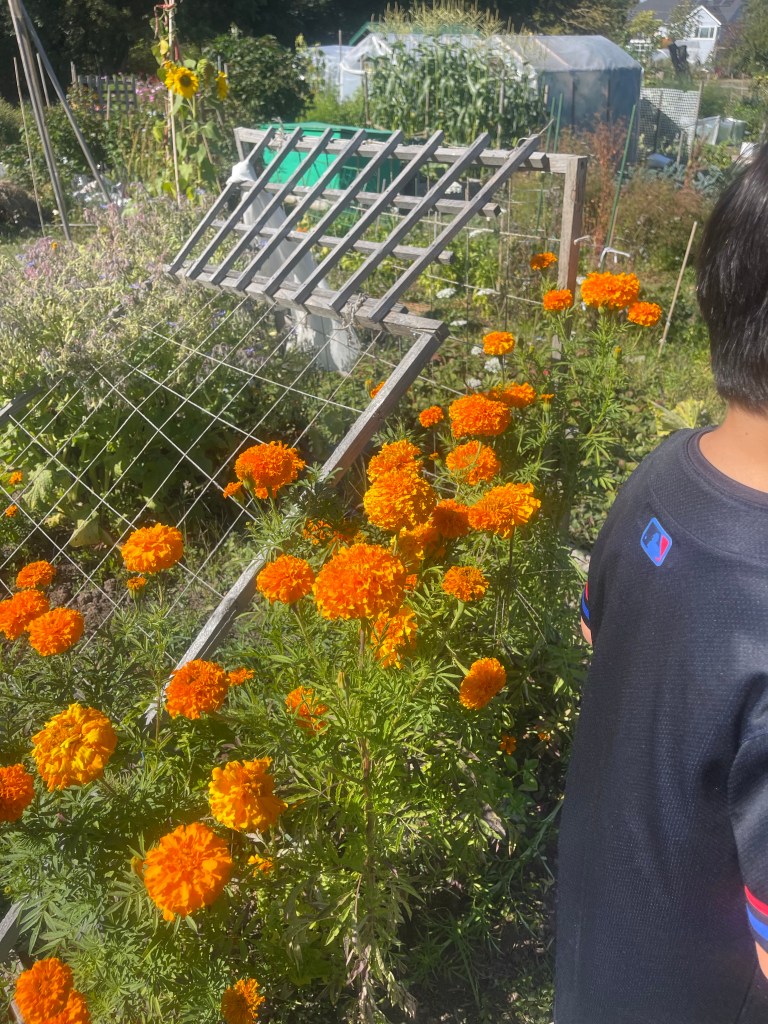
Today we enjoyed our Science class outside in the community garden.
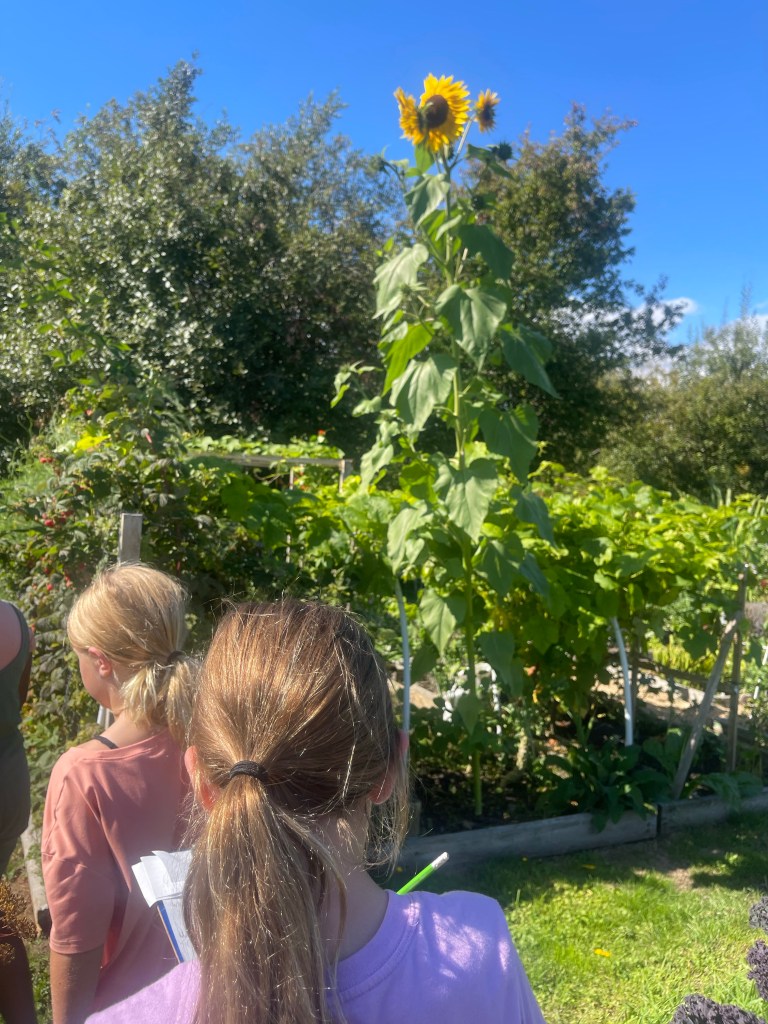
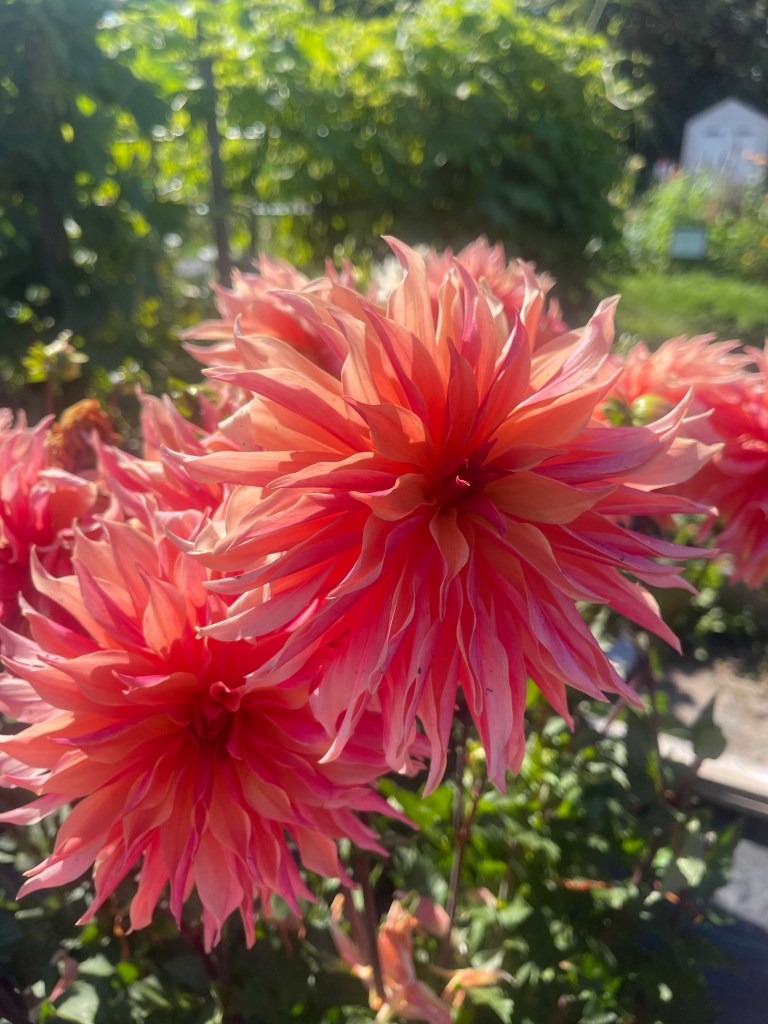
Nothing beats learning about the five senses by actually USING them! Life cycles, seasons, biodiversity, decomposition, soil health, the water cycle, pests and predators—this and so much more is available for us to observe and investigate in 3D in real life.
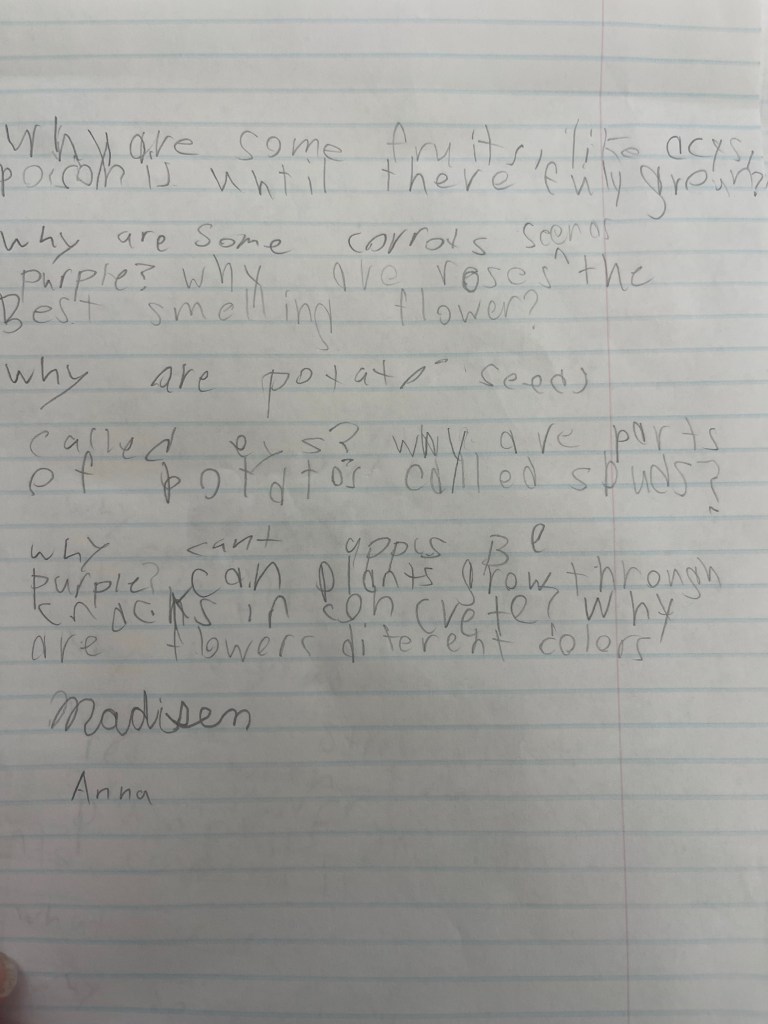
Today the grade 4 students learned about the scientific method and how to identify and create scientific questions by asking some of their own, all while surrounded by the wonders of creation.
What is a Scientific Question?
A scientific question is a kind of question we can answer through the scientific method. That means, we can observe something in the world, test, and measure to form conclusions based on provable evidence. It helps us explore the world using our senses, tools, and experiments.
Examples of Scientific Questions:
How many petals does a daisy flower usually have? 👉 We could collect daisies, count the petals, and record the numbers.
Which melts faster in the sun: an ice cube or a chocolate chip? 👉 We could test this by putting them both outside and watching what happens.
Do worms prefer wet soil or dry soil? 👉 We could set up an experiment with worms and see where they go.











The Scientific Method
“A way scientists explore God’s creation.”
1. Ask a Question
This is where it begins!
Example: Which soil helps beans grow taller — sand, clay, or garden soil?
2. Make a Hypothesis (a thoughtful guess)
You make a prediction you can test.
Example: I think beans will grow tallest in garden soil because it has nutrients.
3. Plan and Do an Experiment
Test your idea by setting up a fair experiment.
Example: Plant beans in three pots, one with sand, one with clay, one with garden soil. Give them the same amount of water and light.
4. Observe and Collect Data
Watch carefully and write down what happens. Measure, draw, or take notes.
Example: Check bean height every three days and write it down.
5. Analyze the Results
Look at the information and see what it tells you.
Example: Beans in garden soil grew 15 cm, while beans in sand grew 4 cm, and clay grew 8 cm.
6. Draw a Conclusion
Decide if your hypothesis was correct or not. Either way, you learned something!
Example: My hypothesis was right — beans grow tallest in garden soil.
7. Share What You Learned
Tell others what you discovered so they can learn too.
Example: Make a chart, a poster, or a class presentation.
Just a quick reminder that tomorrow is Photo Day, and it is also the first Hot Lunch day for those who ordered.
I’ve also posted on our class blog some photos, a short video, and a write-up from today’s science lesson in the Agnes Community Gardens. It truly was a feast for the senses, and the students did a wonderful job exploring, questioning, and learning together.
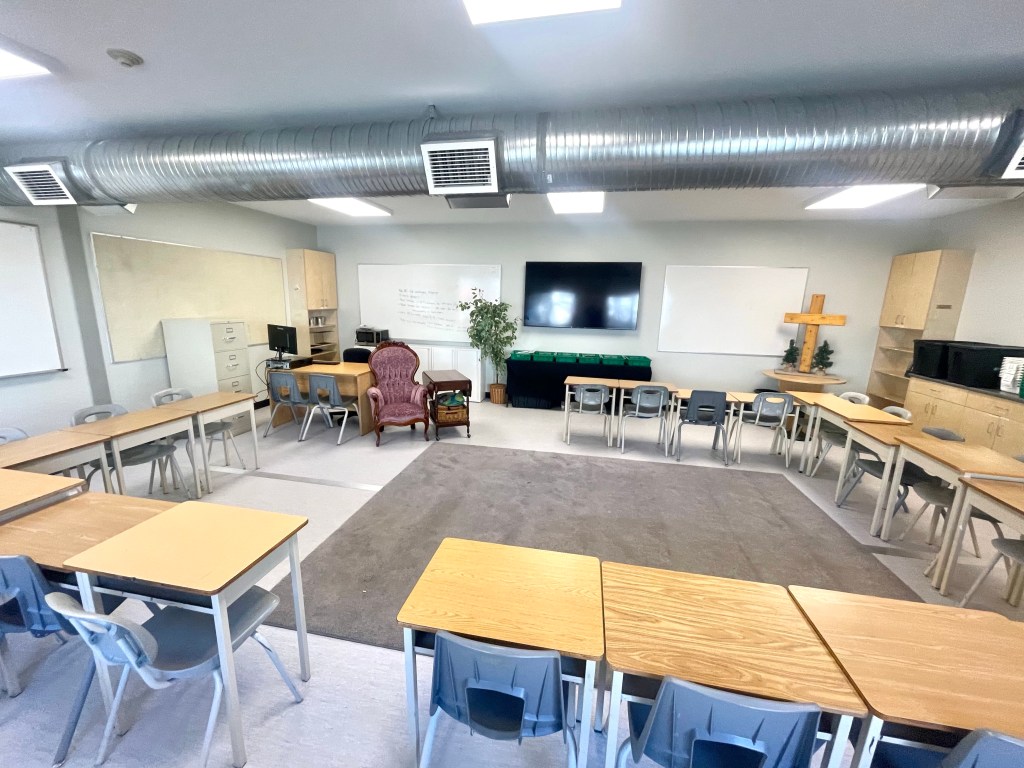
Portable update! We were approved to begin moving items like school supplies and books into the portable and do some desk arranging. There are still a few technology elements and other learning and storage items to set up before the space will be officially ready for our regular occupancy. Tomorrow and Friday we will spend an hour or two setting up supplies and desk items, and then plan for our first full day in the portable on Monday! Exciting!
**Please remind students to line up in the morning tomorrow at the SAME entrance they have been using at the church.
 Tiffany Poirier