
Dear 4A families,
It has been such a joy to connect with many of you during Parent-Teacher Conferences, and I look forward to meeting with the rest of you later this week. I want to take a moment to share some updates and clarifications that may be helpful for everyone.
Math Learning and Homework
We have an exciting year of math ahead! Teaching math is one of my passions, and I love helping students grow in both skill and confidence. Right now, we are doing a broad review of key concepts to prepare students for the upcoming Foundational Skills Assessments (FSAs). After this review period, we’ll move into a more sequential progression through core topics.
So far, we’ve been working on multiplication facts using a multiplication chart, place value (up to the hundred-thousandths place), expanded/standard/word form of numbers, comparing numbers, money calculations, general math vocabulary, pattern rules, and bar graphs. This week we’ll be focusing on interpreting data from graphs, continuing money work in word problems, and reinforcing mental math strategies. I recommend families play money games at home to help students practice calculating change. For example, letting a child be the “banker” in a game of Monopoly is great practice.
Our math lessons usually include direct teaching, hands-on activities and/or a demonstration, then some small-group work, and then an individual worksheet that serves as a review or summary. I encourage students to bring home all worksheets to share with their families to keep the learning going. You’ll notice students bring home worksheets that aren’t finished, but please don’t worry—these are meant as a communication tool so you can see what we’re covering in class, and I don’t require unfinished worksheets to be completed at home and returned. However, I do encourage students to keep working on them if your family finds that is helpful.
Students self-mark these worksheets to promote ownership and immediate feedback, while I daily observe and assess their in-person learning and regularly mark their learning through quizzes, tests, and one-on-one check-ins. I’ll continue posting math tutorials on the blog, and I encourage you to explore additional kid-friendly videos online for reinforcement if you’d like to hear concepts explained in different ways. Here is a link to the place on my blog where I have linked to a huge number of favourite math tutorials videos at the grade 4/5 level, with concepts ordered roughly in the order I usually teach them throughout the year. https://inquiryninja.com/math-tutorials/
Foundational Skills Assessment (FSA)
In British Columbia, all grade four and grade seven students, both in public and independent schools, participate in the Foundational Skills Assessment (FSA). This standardized assessment is designed to measure students’ competencies in literacy and numeracy.
The FSA process is spread out over about six sessions on different days, with a mix of pencil-and-paper tasks and online multiple-choice components. This helps reduce fatigue and allows students to do their best. We have already started preparing by practicing with sample questions from past FSAs so students can become familiar with the format and wording.
While some children may feel nervous about any kind of test, I want to reassure you that the FSA results do not affect your child’s school “grades” or report card. Rather, the FSAs are used at the provincial level to provide a broader picture of how schools across B.C. are supporting students and at individual schools like PCS we appreciate the general feedback so we can make data-driven decisions on how to best support learners’ needs. Families will receive their child’s results once everything is scored, but the emphasis in class will always be that this is a learning experience rather than a performance.
My goal and approach is to keep the atmosphere calm and encouraging, providing students with the time and space they need within the allowed guidelines. I also remind them that one test on one day cannot fully capture everything they know. In our regular classroom practice, I balance more traditional assessments (quizzes, multiple-choice, short answer) with opportunities for students to demonstrate their learning in other ways—through projects, interviews, creative work, and oral explanations. For example, after our recent Social Studies quiz, students can now choose to keep their mark or enhance it by rewriting the quiz and/or have a one-on-one interview with me, or express their understanding through a making a story, song, or other creative project (all of this is optional).
The big idea is that the FSA is just one piece of their learning journey. My goal is to ensure students feel prepared, supported, and confident—not only for this assessment, but also for many different kinds of learning challenges in the future.
Cozy & Flexible Seating for All
We are blessed to have this beautiful new classroom—and fortunate to be learning in a modern era where educators understand that healthy bodies need flexible options for body breaks and opportunities to work in ways and places that feel comfortable.
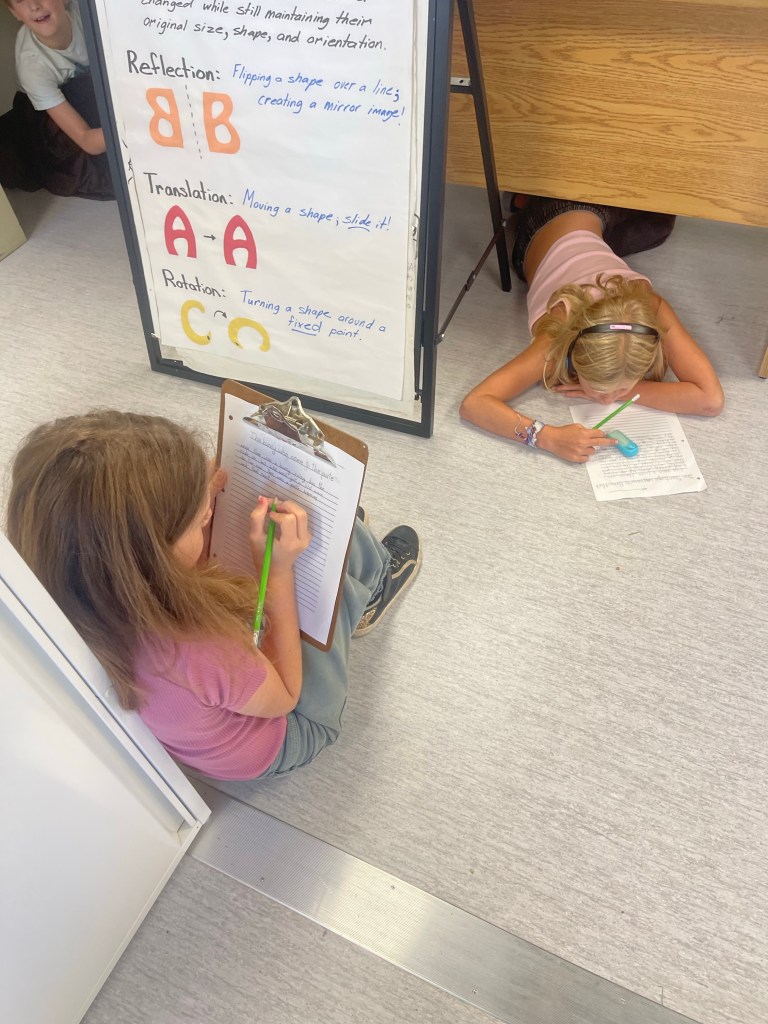


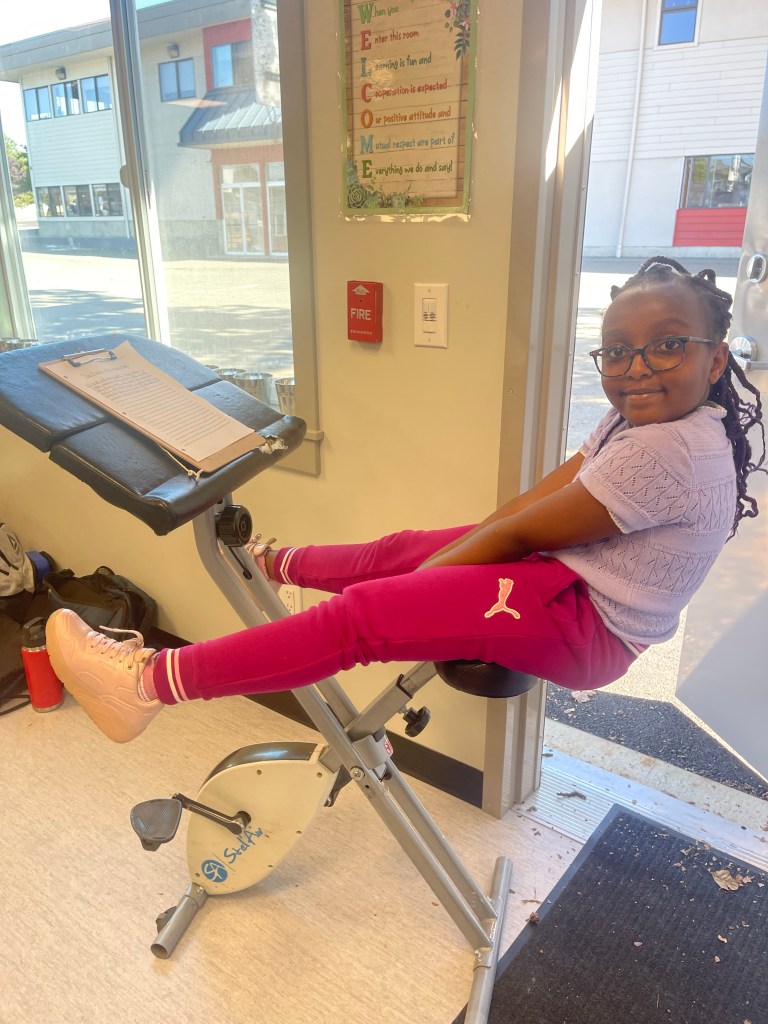
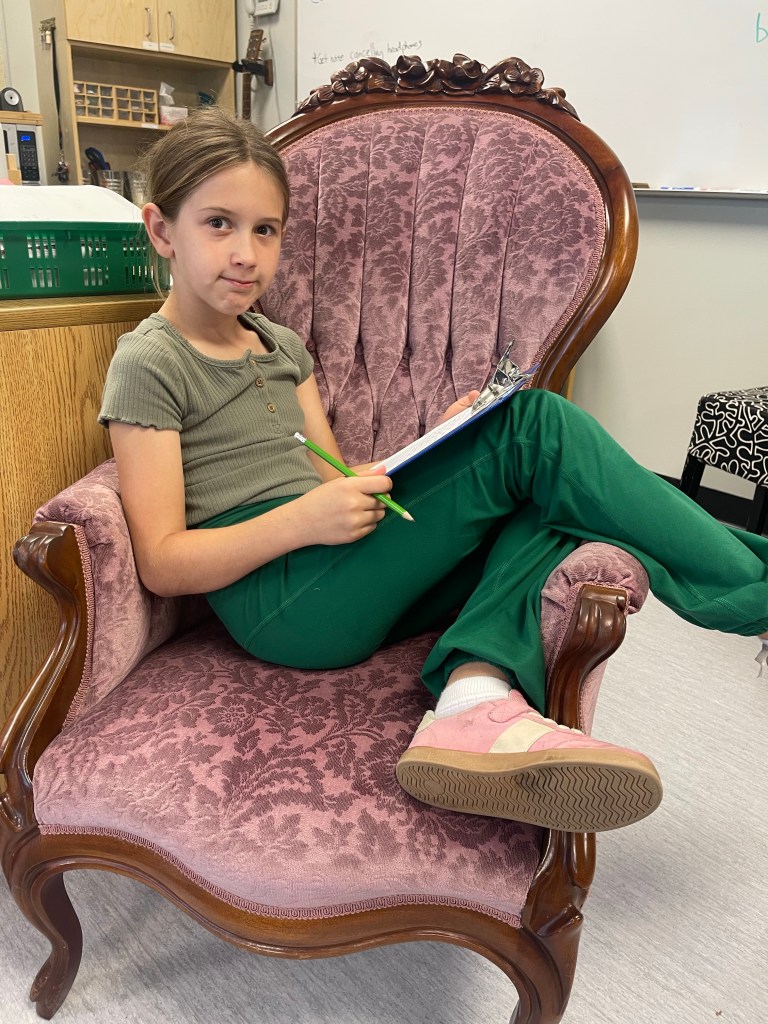
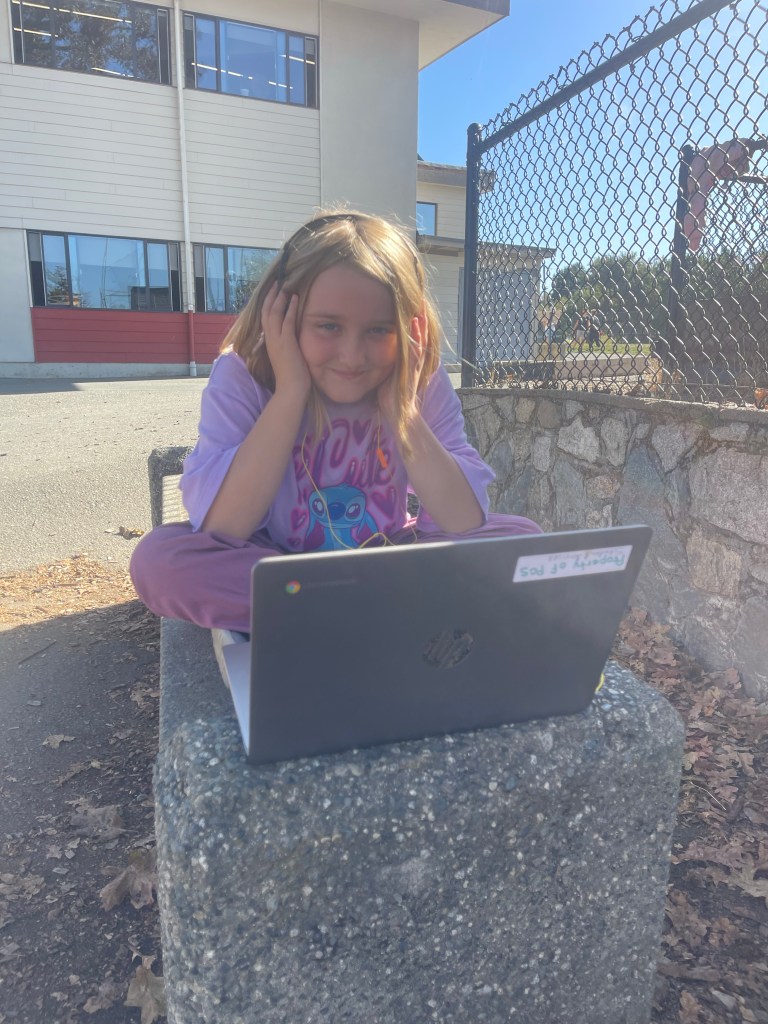
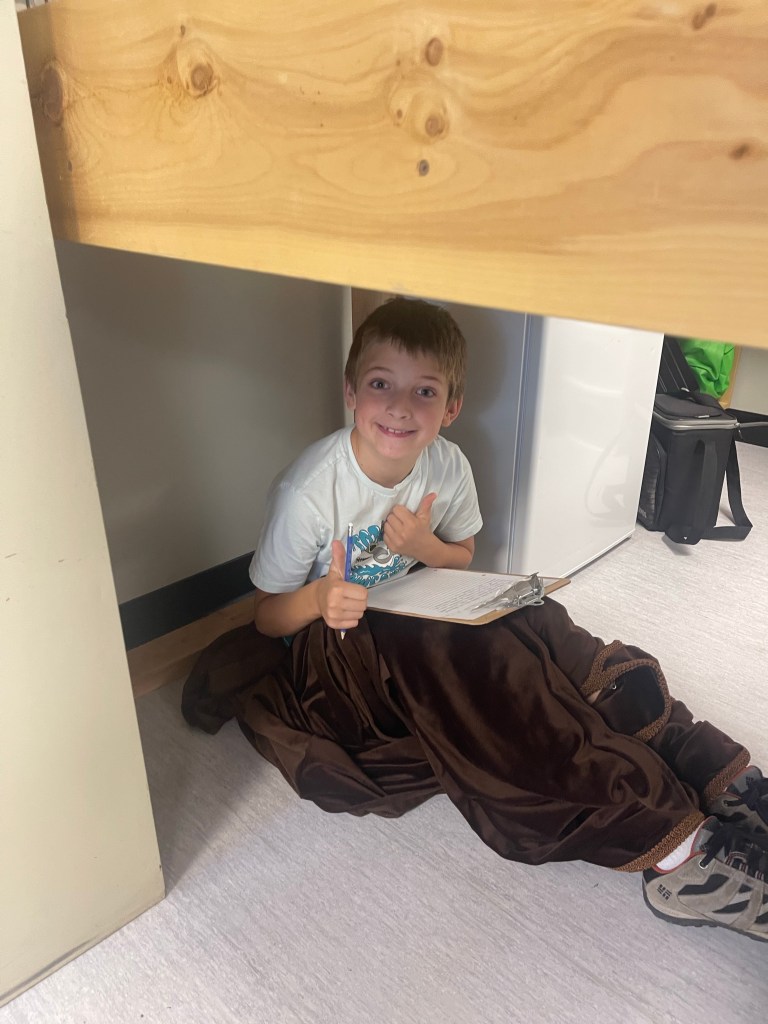
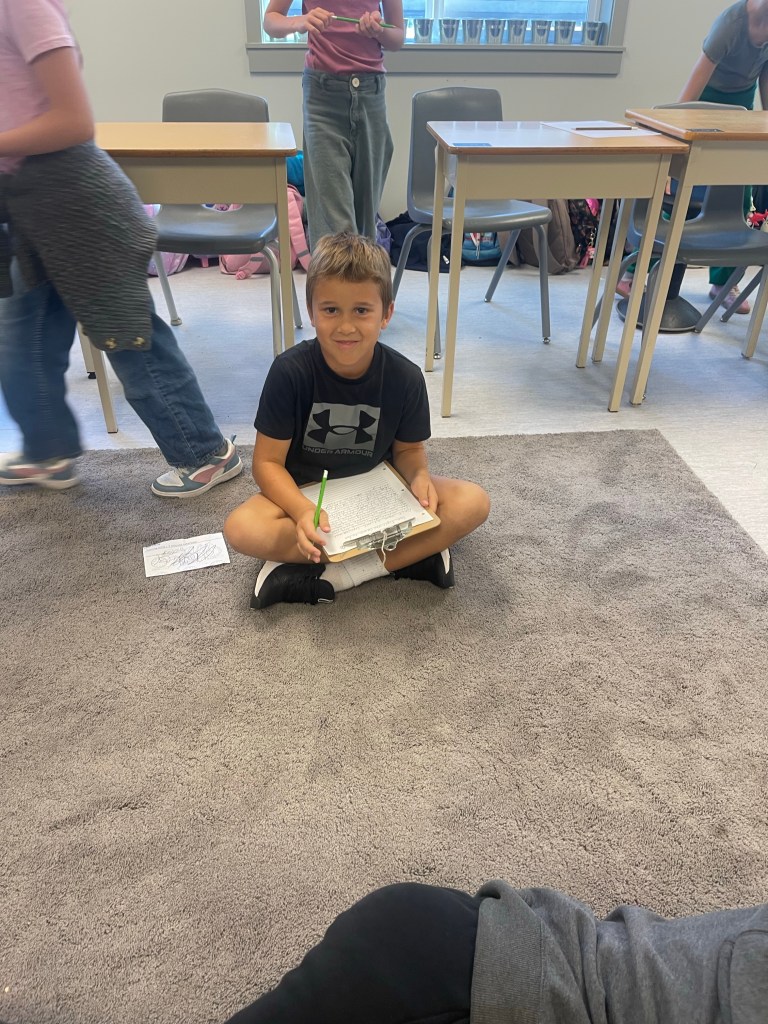

Students often have the autonomy to do their work not only at a desk but with a clipboard at the carpet or in a cozy nook they find or create, or to use a wobbly stool or cushion, to try the bike or bring a clipboard or Chromebook outside (within a few feet of the class for ease of supervision) for some fresh air. Please reach out if you have any other ideas or questions about how to help your child feel maximally energized, productive and regulated at school. *Note: I support bathroom breaks anytime a student says he/she needs it, and I always encourage water breaks as needed as well, and just ask students to store their water bottles at the “hydration station” in one particular area of the room so we can minimize water spills on technology and class work.
Supporting Diverse Needs
Every single student in our class is a gift from God, bringing a unique mix of interests, talents, and passions. A big part of our classroom culture is understanding that everyone has something valuable to contribute and, at times, everyone needs support too. I take a universal design for learning approach so that different types of supports and enrichment opportunities are available for all.
Some of the practices we’re establishing include:
Flexible seating: Wiggly stools, clipboards, and cozy corners so students can find comfortable ways to focus. Soundscapes: Noise-canceling headphones are available, and we vary the sound environment throughout the day—sometimes very quiet, sometimes lively and collaborative. Fidgets: Students are welcome to make use of non-distracting (quiet, non-messy) fidgets in class if it helps them to focus. Peer mentoring: Students are encouraged to be helpers and mentors to one another, building leadership, confidence, and interpersonal skills. Learning supports: Our learning support teachers and education assistants work with us throughout the week, providing targeted support to individuals and groups so that all students benefit. Technology: All students will have regular access to direct supervision while using technology options to advance their learning. We are just getting started with computer classes and setting students up with accounts and teaching responsible use. Coming soon, all students can access voice-to-text options for some work as well. Differentiation and enrichment: Lessons are designed with multiple entry points. Students who need review are supported with building blocks, while those ready for more challenge are given extension questions and enrichment opportunities.
I am also very excited about our year-long personal interest projects, which will allow students to dive deeply into their passions and share their learning with others.
Bunnies in the Classroom
You may have already heard some excited chatter from your child—we have the opportunity to rotationally welcome my own bunnies and some of my foster bunnies (through Amy’s Bunny Barn) for occasional class visits this year! This won’t be a traditional “class pet” arrangement: the bunnies won’t live in the classroom full-time or travel home with families. Instead, they’ll join us occasionally for special visits with humane and hygienic safety protocols in place.


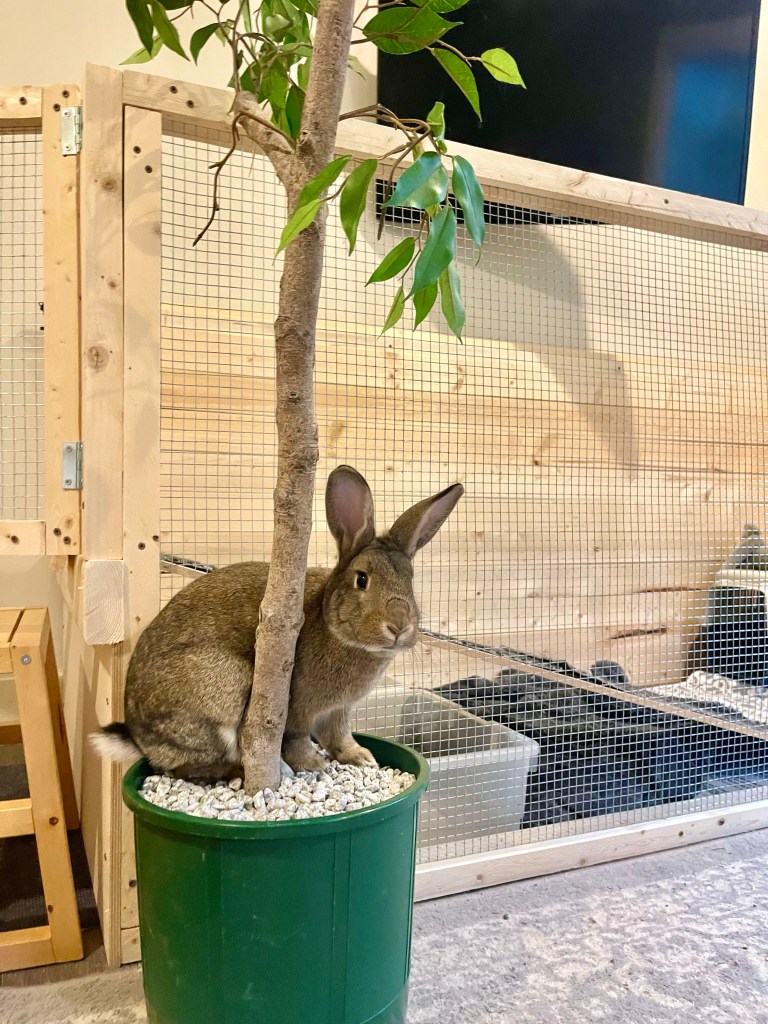

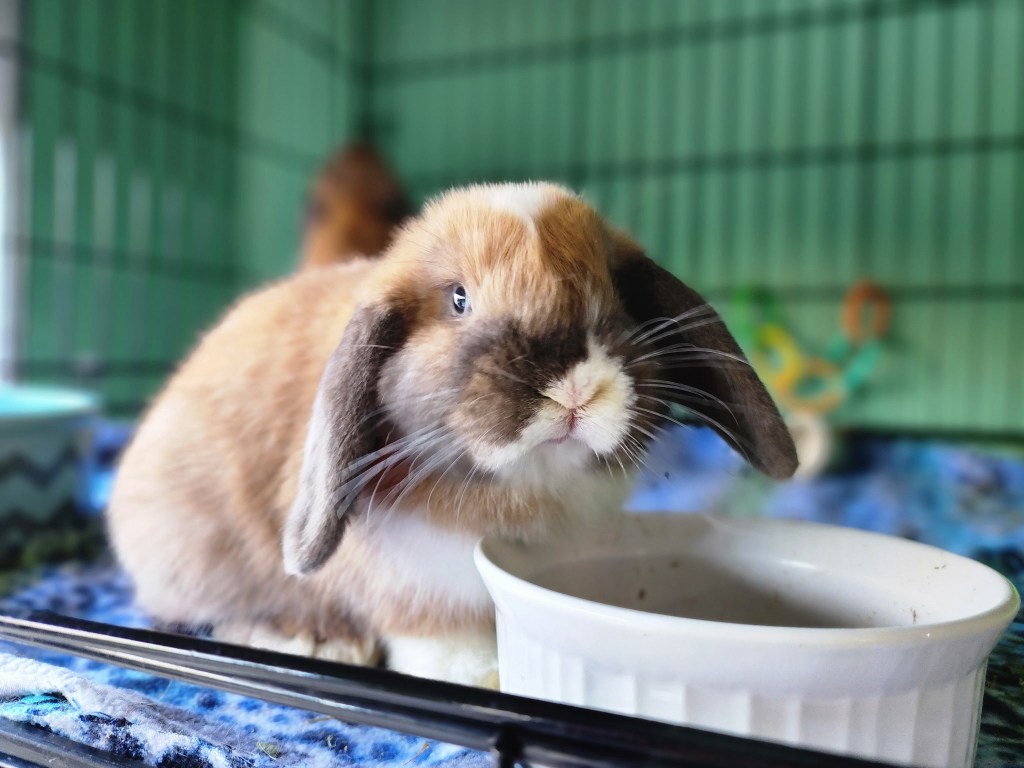
The goal is to give students the chance to observe the animals and reflect through the lens of science, stewardship, and leadership. Having animals in the classroom can also support social-emotional awareness and growth and create a unique, memorable bonding experience for our class community.
Our first visit is planned for the second week of October. All students will have equal opportunities to observe and interact with the bunnies, but we’ll move slowly—spending time learning about bunny body language, gentle handling interactions, and proper hygiene before any hands-on experiences. My bunnies are tame, gentle, and used to being around children, and I model taking full responsibility for their care and safety.
To be clear, I would not/have not recommended any child get pet bunnies. They are not “easy” pets because they can be messy and destructive and have specific care and housing requirements if one is to do it well. The goal of having a bunny visitor in class is not to encourage or hype up pet ownership, but to give children an honest glimpse of what stewardship for another life can involve and to squeak in some truly awesome science learning in the process.
Please feel free to reach out if you have any questions or concerns. I believe this will be a very special and meaningful experience for the students, and I’ll share more details soon to keep you fully informed and to respect families’ wishes around animal interaction.
Our Portable Classroom
I also want to thank you for your patience and support during our transition from “no classroom yet” to what will soon be a beautiful, ideal learning space. While we wait for our new cabinetry and storage (expected in three to four weeks), we’re working on adding hooks to make backpack storage more functional in the meantime. Please feel free to pop your head into the classroom if you haven’t already—things are coming together, and I’m excited for the space to feel more and more like a home away from home.
Microwave
There is a microwave in our classroom that I have not opened up use for general student lunches yet as I have been cautioned from colleagues that this can create some complexities in the class that we are not ready to add in especially given that we are still trying to get settled in the class and work around some other limits. Time limitations: Our eating period is short, and if many students need food heated, it can quickly create a lineup that prevents students from finishing their meals on time. Supervision responsibilities: If I am tied up managing a microwave line, cleaning spills, or handling hot or burned foods, that supervision is compromised. Fairness: It would be unfair if some students are disappointed when their food cannot be heated first or on time. Food safety and hygiene: Hot foods can spill,cook times can be unpredictable, and cooking smells can permeate the small space.
*That said, sometimes families are navigating more complex circumstances—so, yes, please let me know so I can help and find a work around.
Blog Updates
I aim to post one or two updates on our class blog each week. Sometimes, however, when we have a particularly special project or event, I take a little longer before posting because I want to capture it thoroughly and share it in a meaningful way.
For example, I’m currently finishing a little “mini-documentary” on our jam-making unit from this past week, along with some of the best images from that day. At the same time, I’ve also been busy marking the school-wide write and other writing assignments, which take up a fair bit of evening time. Thank you for your patience—I can’t wait to share more!
Blog Access
If you have occasional trouble loading our class blog on your phone or device, this usually happens if I have updated a blog post but you may have an old version of a blog post cached in your browser history (if you visited the blog before I updated it)or if a post contains large embedded videos. A quick fix is to clear your internet cache/cookies or try opening the blog in a different browser (for example, switching from Safari to Chrome). Refreshing the page after this almost always works. I’ll also do my best to keep posts with just one or a few videos to make them easier to load across devices.
Thank you for your ongoing support and partnership. I feel so grateful for the opportunity to teach your children and to share this learning journey together!
Did you just read this HUGE blog post—-wow! Gold star! I am a longwinded when endeavouring to be thorough. Kuddos to you! But still do feel free to reach out with anything else that I can clarify!
-Tiffany Poirier
 Tiffany Poirier