
Hello, 4A families!
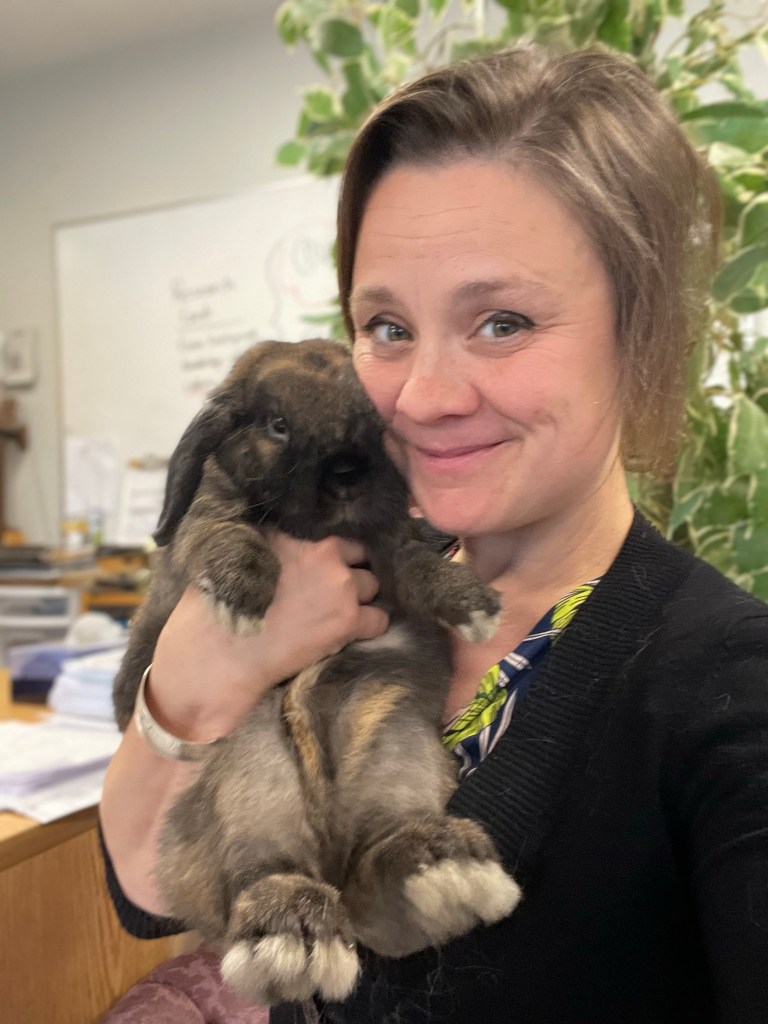
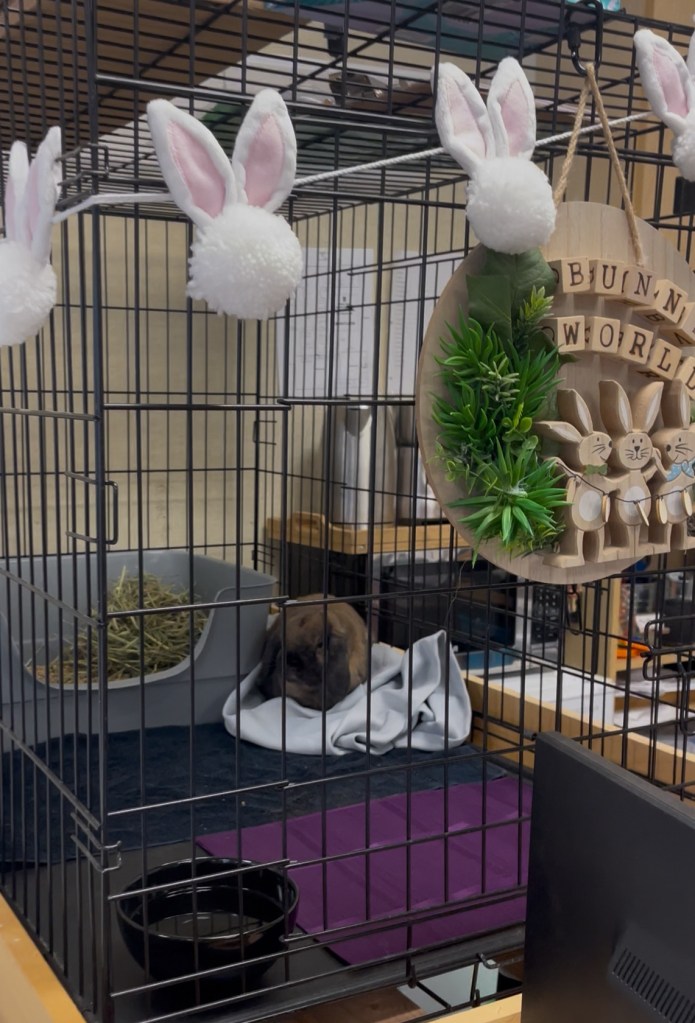
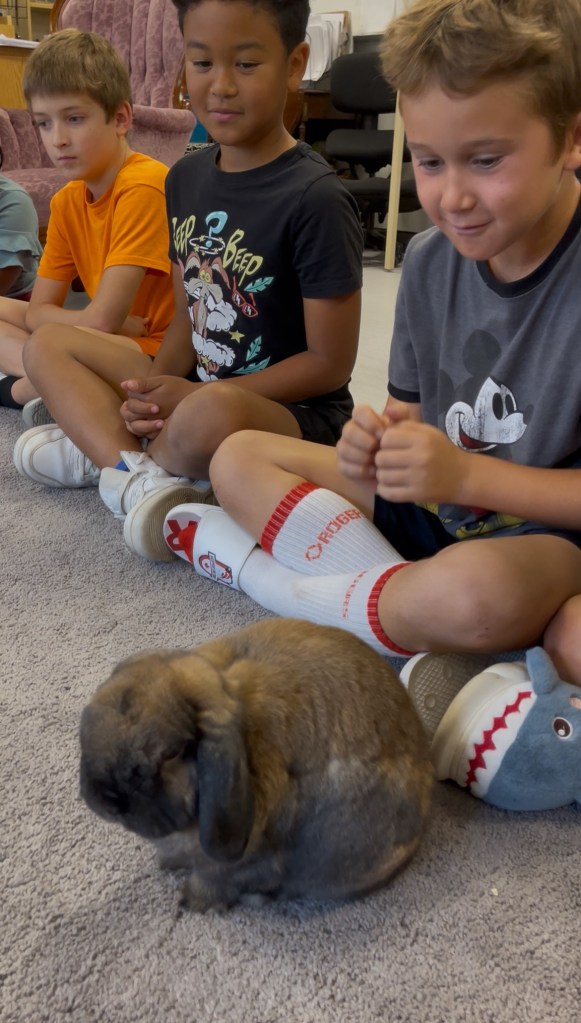
We had a memorable first day with our “ambassador bunny” named Bachelor Bob. He inspired lessons on self-awareness and self-regulation to help prepare us to be focussed, calm hosts. The children were so caring and sweet—it warmed my heart to see their rapt attention, gentleness, and joy. Bob had an awesome day and loved hoping around to sniff everything!

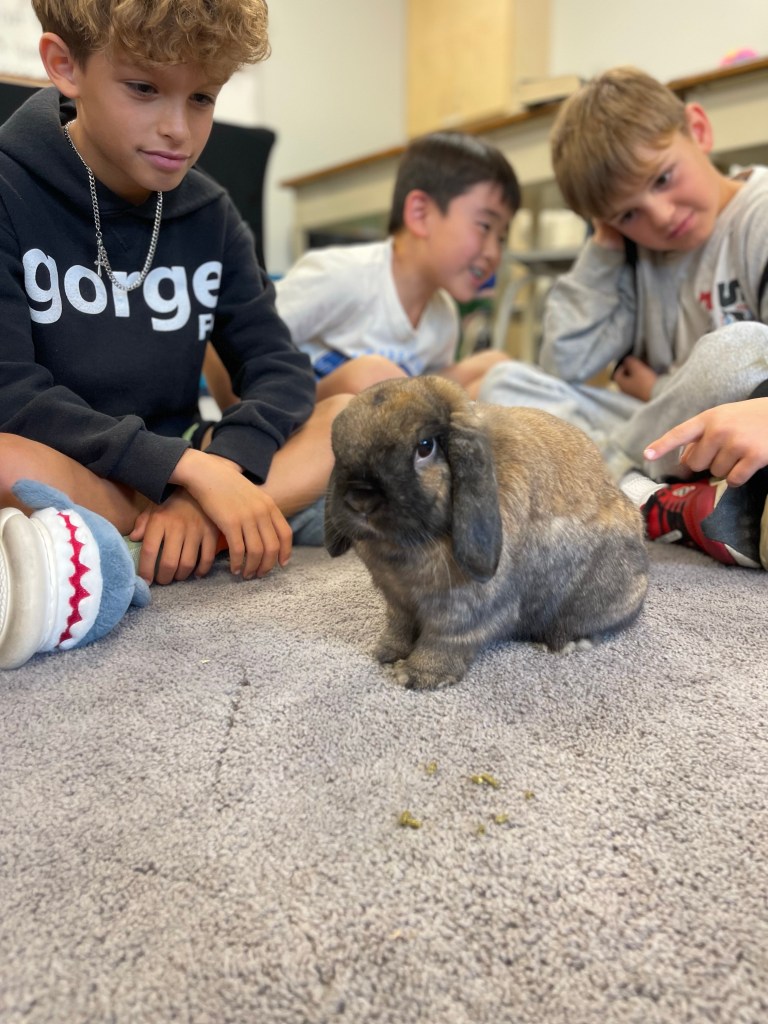
As a part of our SEL curriculum (social-emotional learning), we practiced “perspective-taking” — thinking about our classroom atmosphere through the bunny’s eyes.
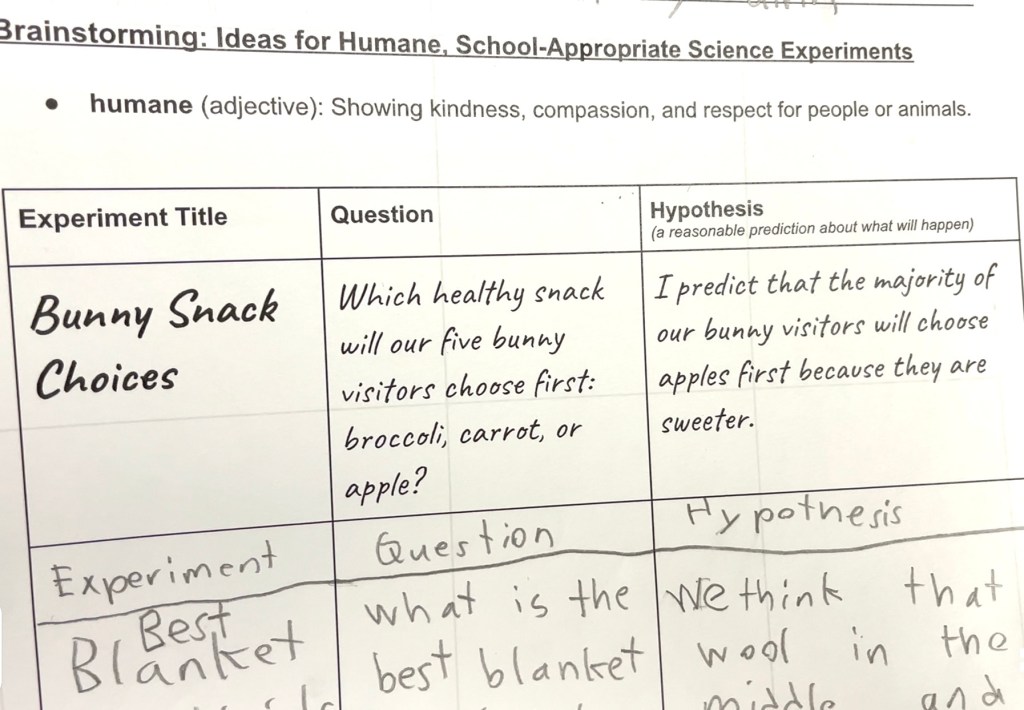
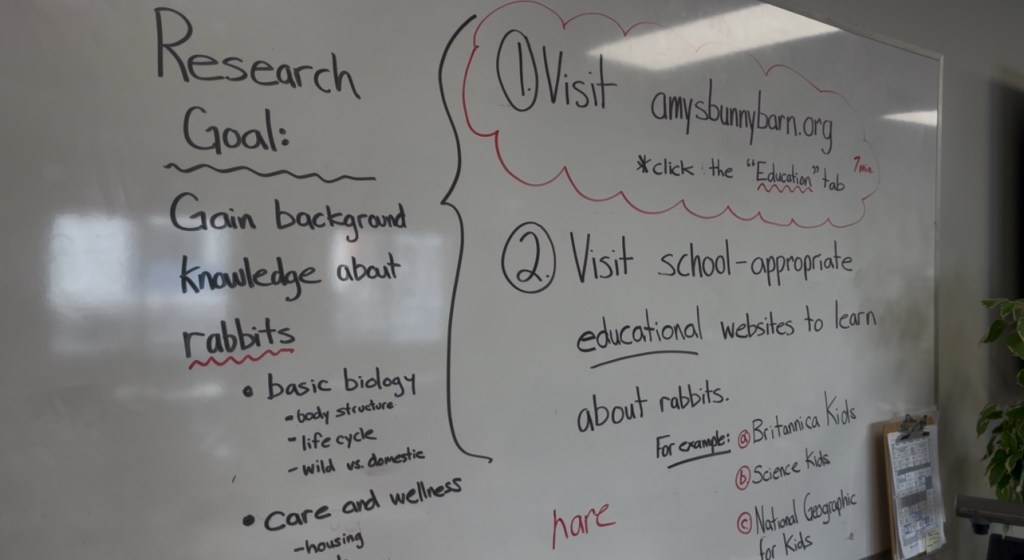
Tapping into grade 4 Science curricular goals, we observed how this animal used his senses and responded in our environment, and we began to brainstorm humane, school-appropriate science experiments we could do to collect even more data to grow as bunny scientists.
Which healthy, bunny-safe treat would a pet bunny prefer: carrot slice, apple bits or broccoli?
We made predictions that we will test in the future.




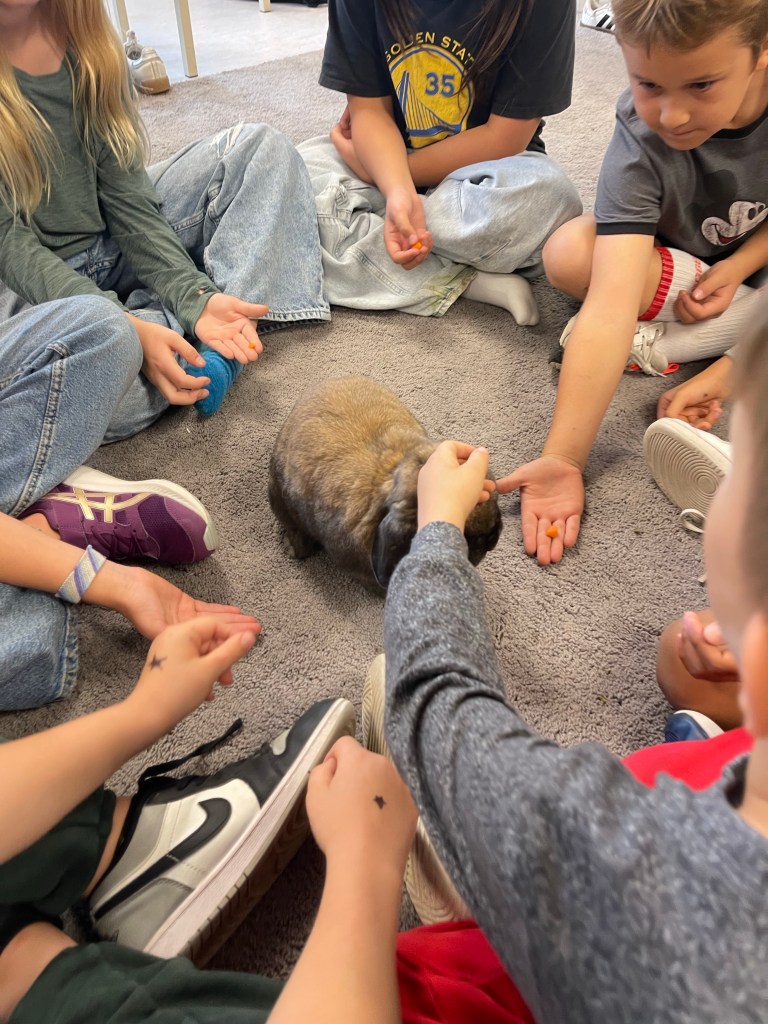
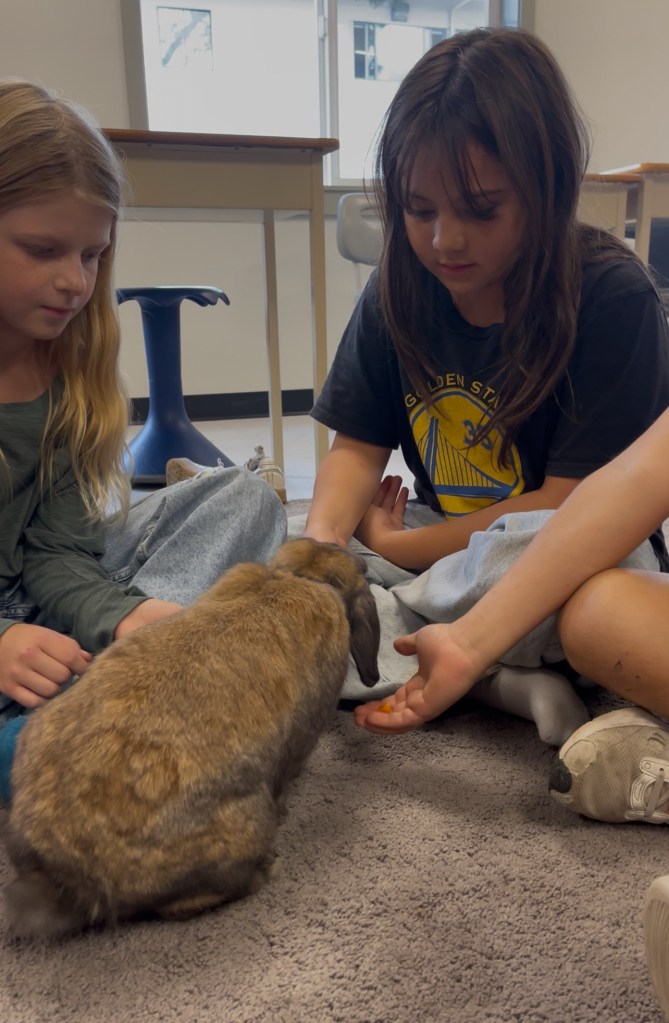


In Science, we also continued to learn about the scientific method.
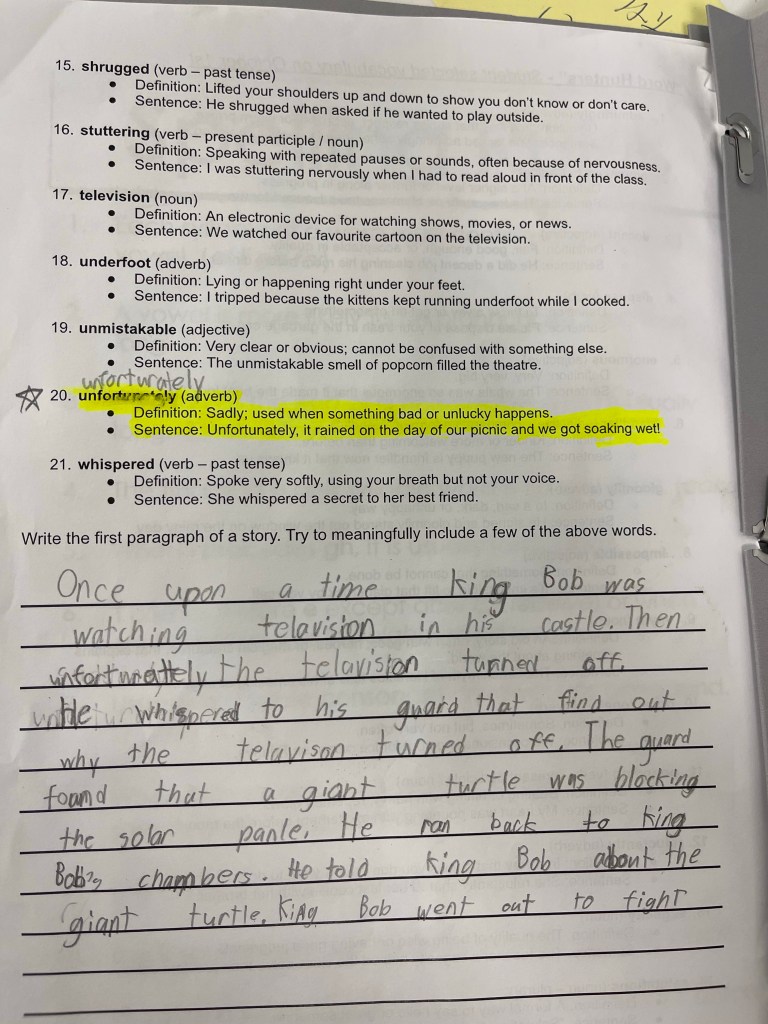
In Language Arts, the beautiful book “The Word Collector” launched our discussion of the power, fun, and benefits of growing a richer vocabulary.

Each student has set up a new “Word Study” duo-tang with a personal spelling dictionary to use and add to all year; it comes with some helpful resources and is the home of our current list of 4A’s student curated “word hunter” vocabulary.


In Math, have been reviewing money concepts and strategies for solving word problems.


In Social Studies last week, we learned about the history of residential schools in Canada by reading The Orange Shirt Story by Phyllis Webstad and watching videos that gave important context. Our chapel theme also echoed this learning. I was very moved by the sensitivity and care our students showed during group discussions and brainstorming as we reflected on the phrase Every Child Matters and how it connects to biblical teachings that remind us we are all children of God.
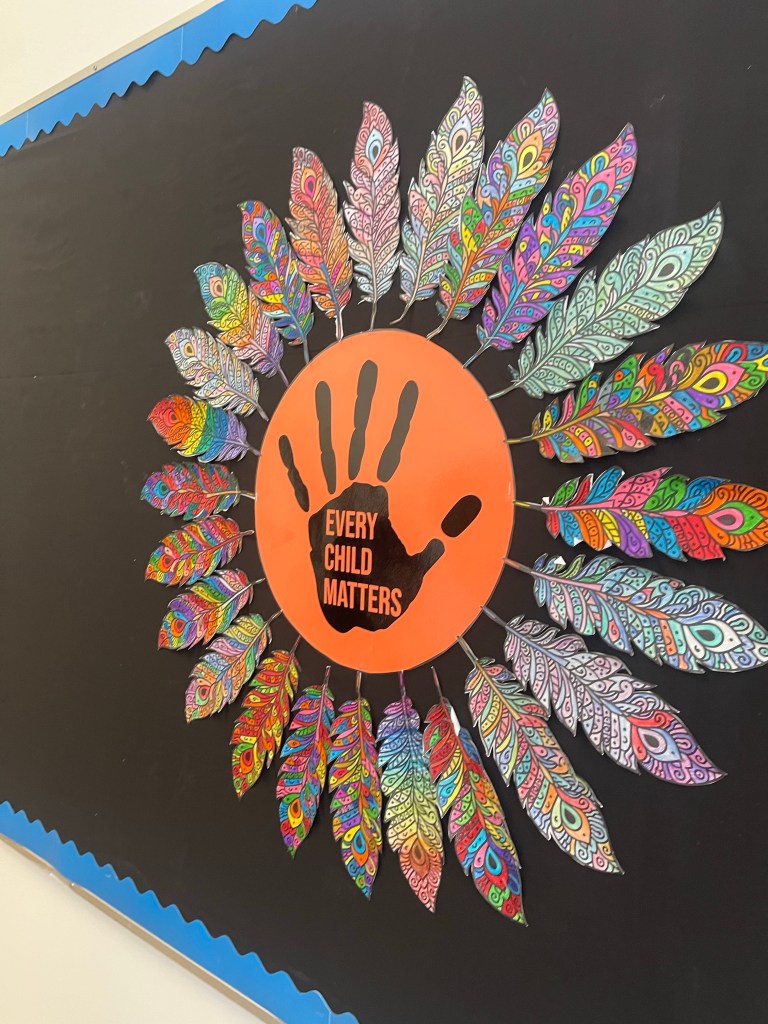


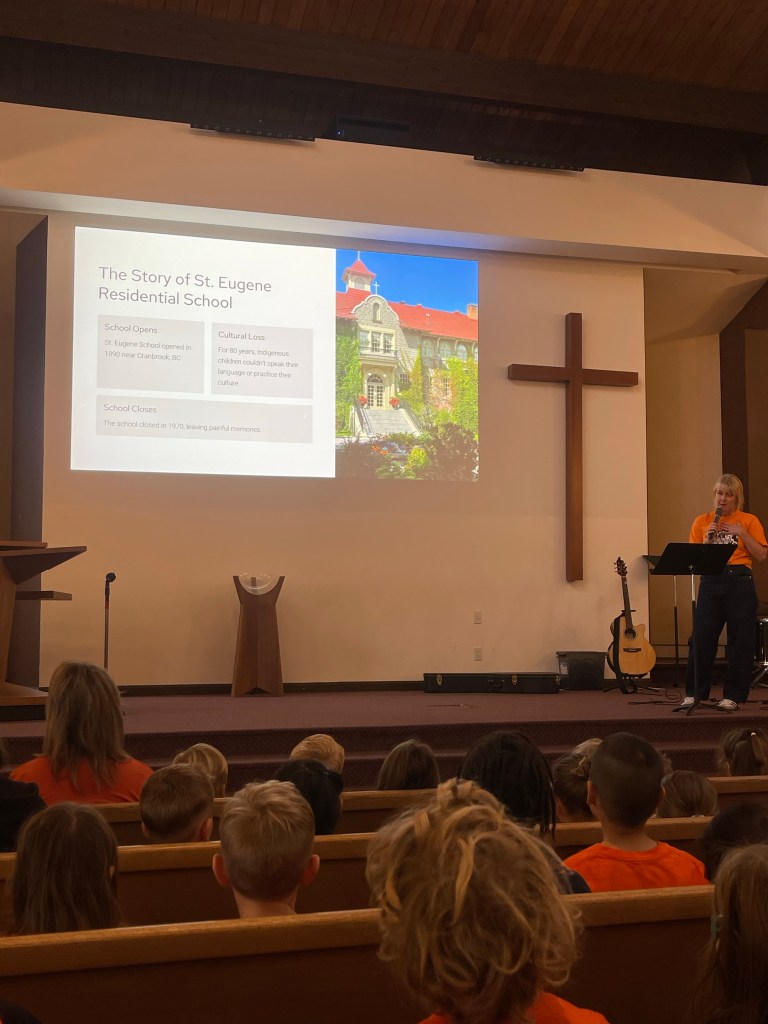
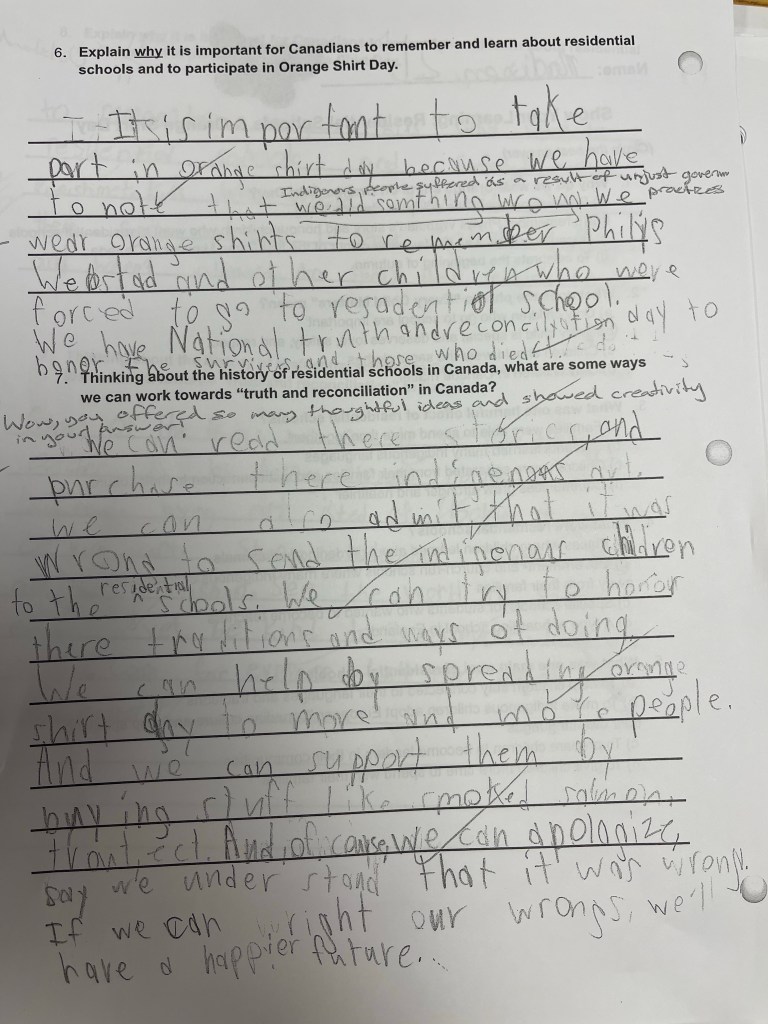
Students expressed their learning and understanding of this theme in several ways: in a dialogue, in a word chain activity, and on a quiz.


Here is a summary of some of the big ideas we brainstormed together based on our research…
1. Explain why it is important for Canadians to learn about residential schools and to participate in Orange Shirt Day.
Learning about the history of residential schools in Canada helps us understand the injustices that took place, which is a part of ensuring that they are never repeated. We remember children who were forcibly taken from their families, those who never came home, and the survivors who courageously share their stories. By participating in Orange Shirt Day, we stand in solidarity with Indigenous peoples, take responsibility for learning and sharing the truth and take responsibility for reconciliation. We join in proclaiming that every child matters. This day encourages Canadians to reflect on how past decisions continue to affect Indigenous communities today. It reminds us of our responsibility to live in ways that respect the dignity, worth, and rights of every child. It strengthens our communities by emphasizing compassion, justice, and respect for other cultures.
2. Thinking about the history of residential schools in Canada, what are some ways we can work towards truth and reconciliation?
Here is a list brainstormed from our research and dialogue with friends and mentors…
- Listen with respect to the stories and experiences of residential school survivors.
- Share the history of residential schools with others to raise awareness and promote understanding.
- Learn about the 94 Calls to Action from the Truth and Reconciliation Commission and take practical steps to support them.
- Learn about the history, languages, and cultures of Indigenous peoples in Canada, and especially about the Indigenous nations whose land we live on.
- Attend local Indigenous-led events, ceremonies, or cultural celebrations when invited, showing respect and openness to learning.
- Support Indigenous authors, artists, musicians, and knowledge keepers by reading their work, listening to their voices, and sharing them with others when we have permission to do so.
- Teach and model respect for Indigenous languages and names, making an effort to pronounce them correctly.
- Work together in our communities to challenge racism and unkindness wherever we encounter them.
- Support Indigenous businesses and initiatives as a way of contributing to economic reconciliation.
- Care for the land, water, and environment, recognizing the deep connection Indigenous peoples have with the land, and learning from their stewardship practices as we care for God’s creation.


 Tiffany Poirier