Hello, 4A families!
Today we read “Yetsa’s Sweater” by Sylvia Olsen — a story that opened our eyes to the beauty, meaning, and history woven into every authentic Cowichan sweater. Through stories, videos, and voices from Cowichan people, students learned how this Coast Salish art form connects generations through skill, family, and identity.


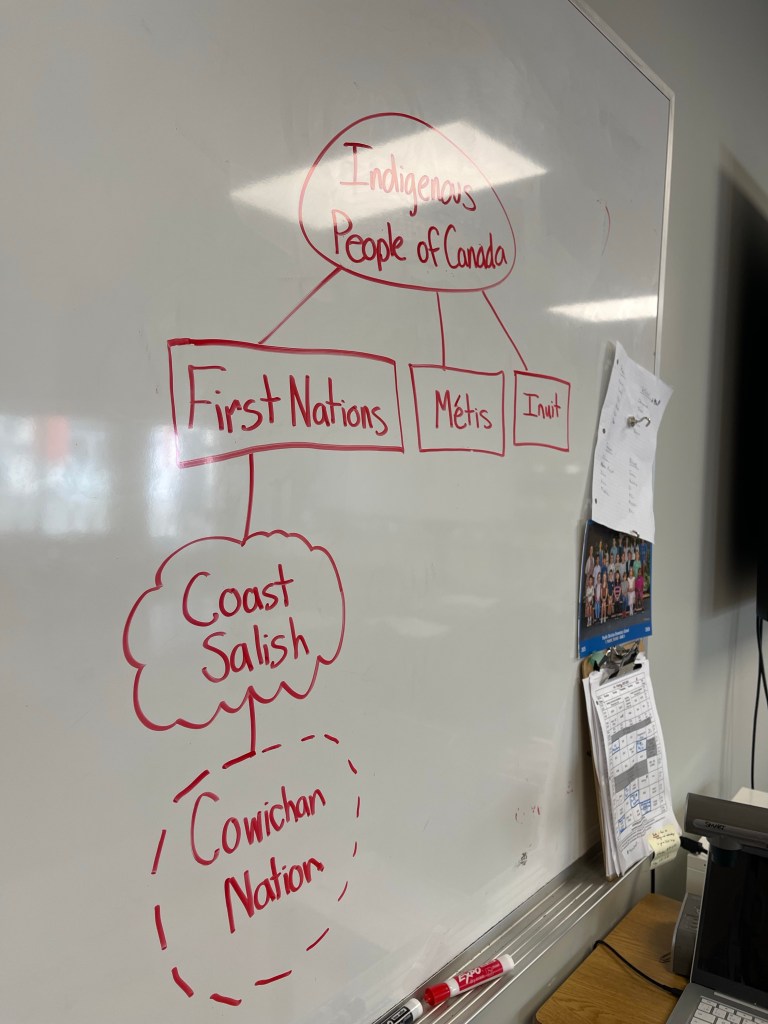
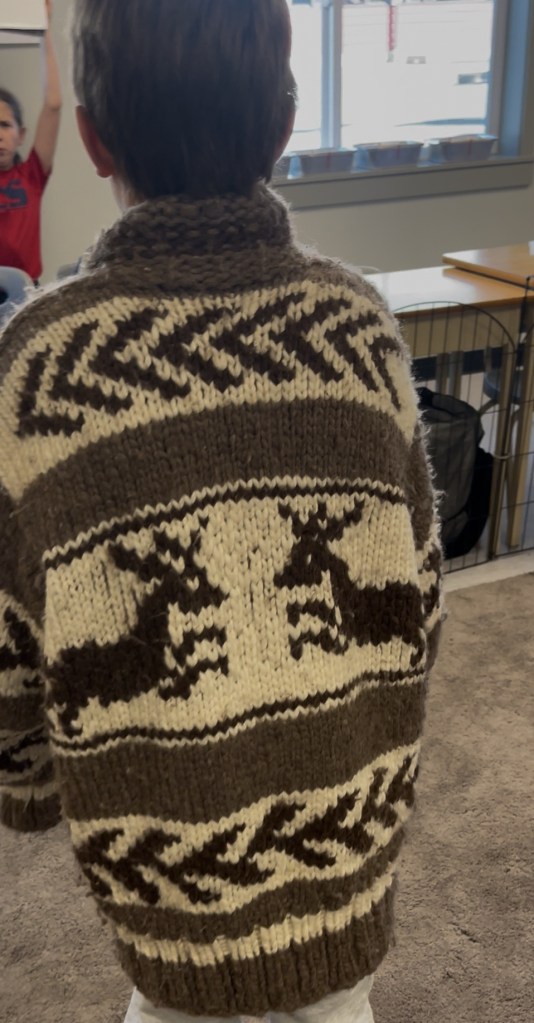
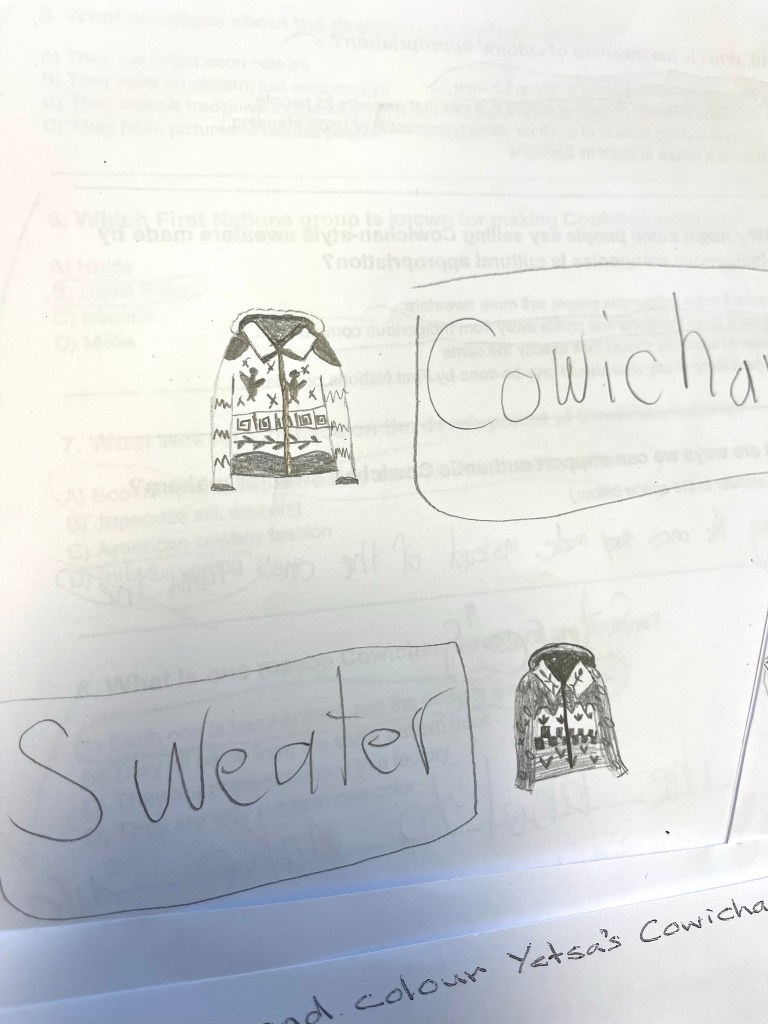
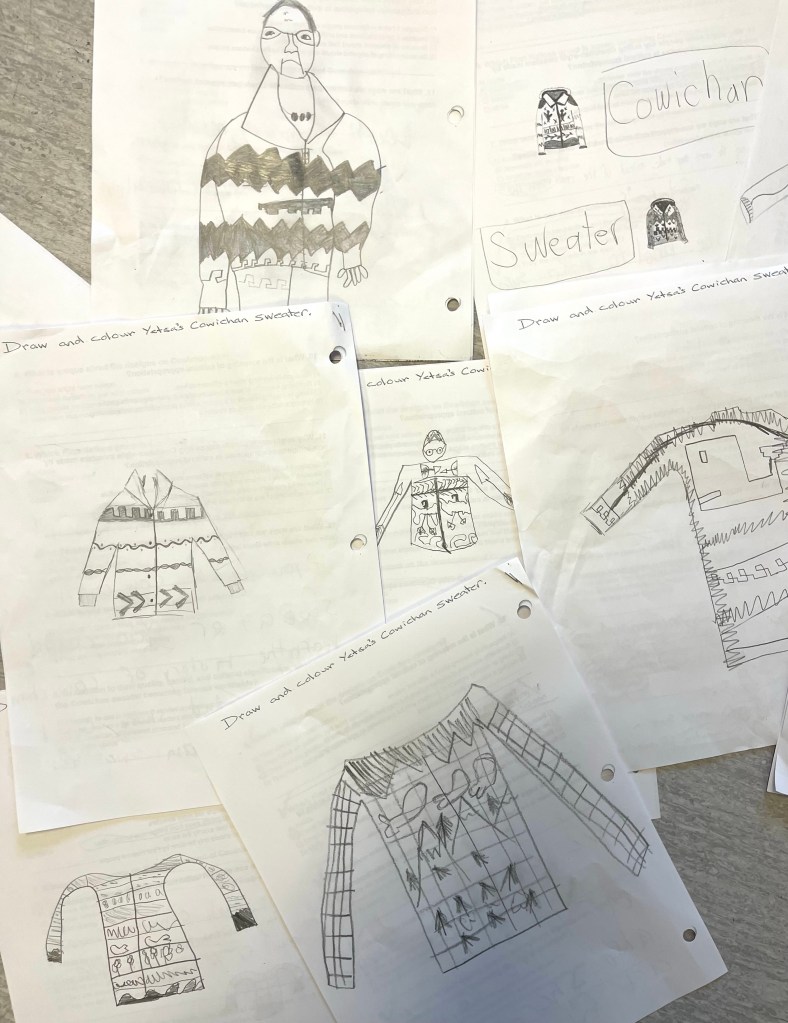
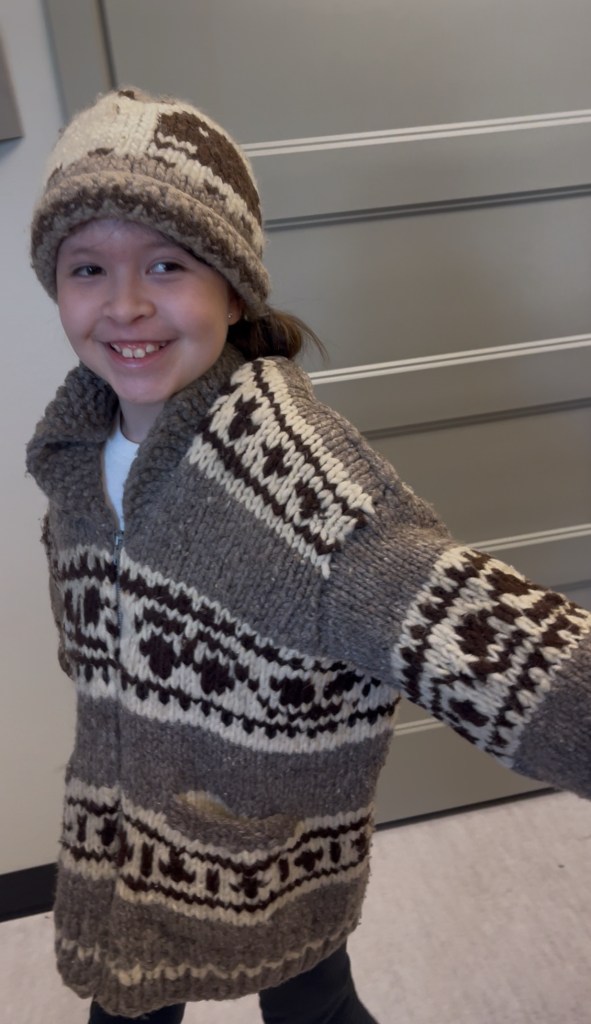
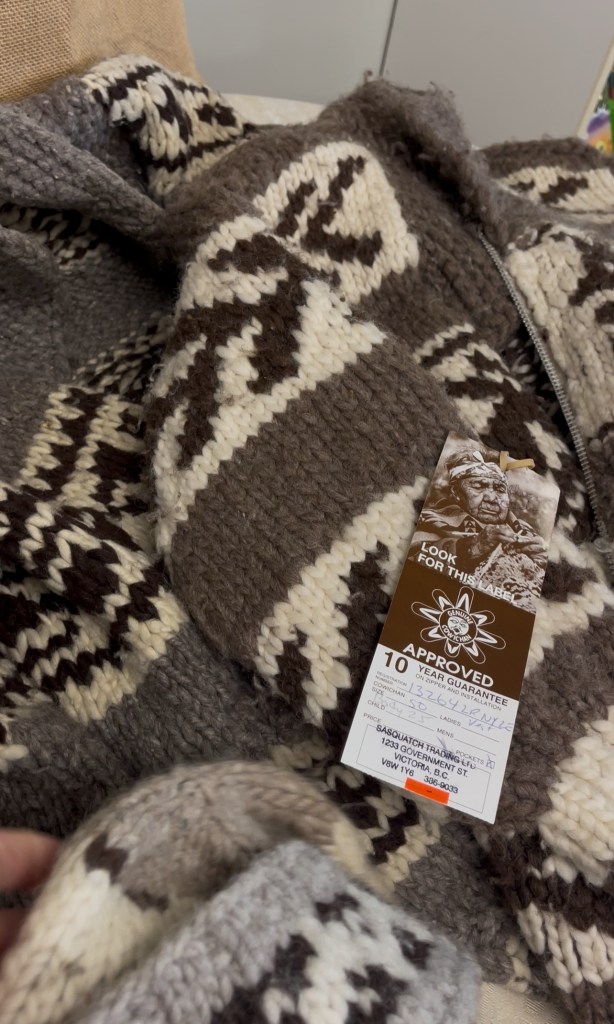
We discovered how early encounters and trade between Indigenous peoples and European settlers led to new ideas and exchanges. There were times of cooperation and times of conflict. We also discussed the harm of cultural appropriation and the need to honour and protect authentic designs.
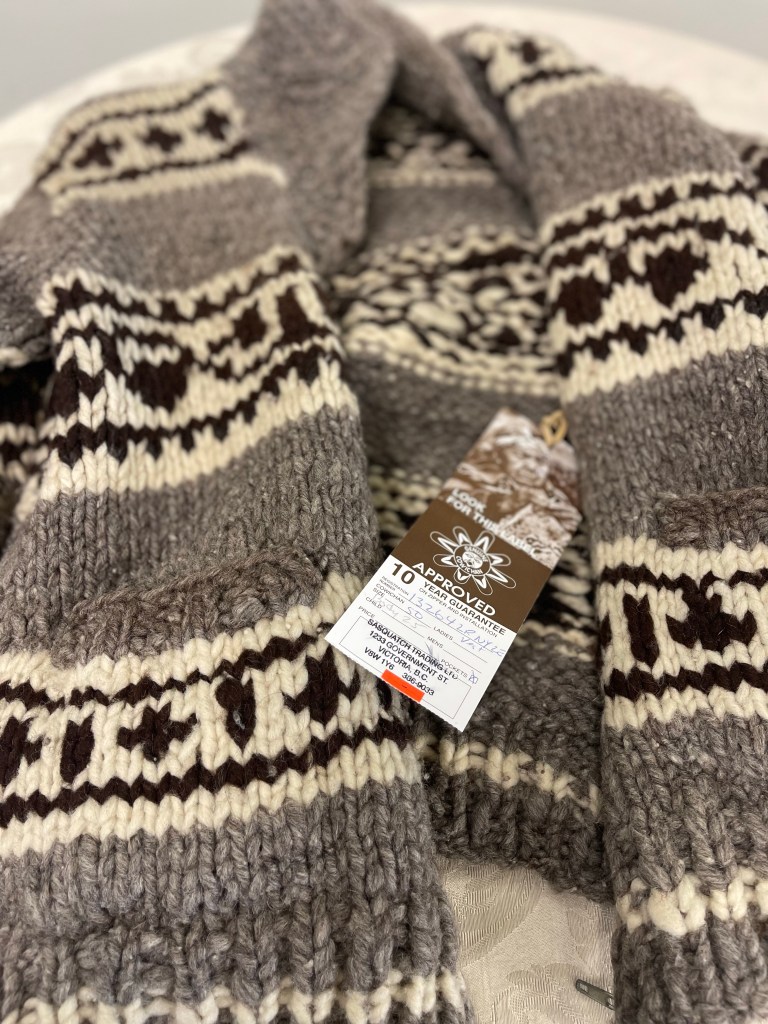
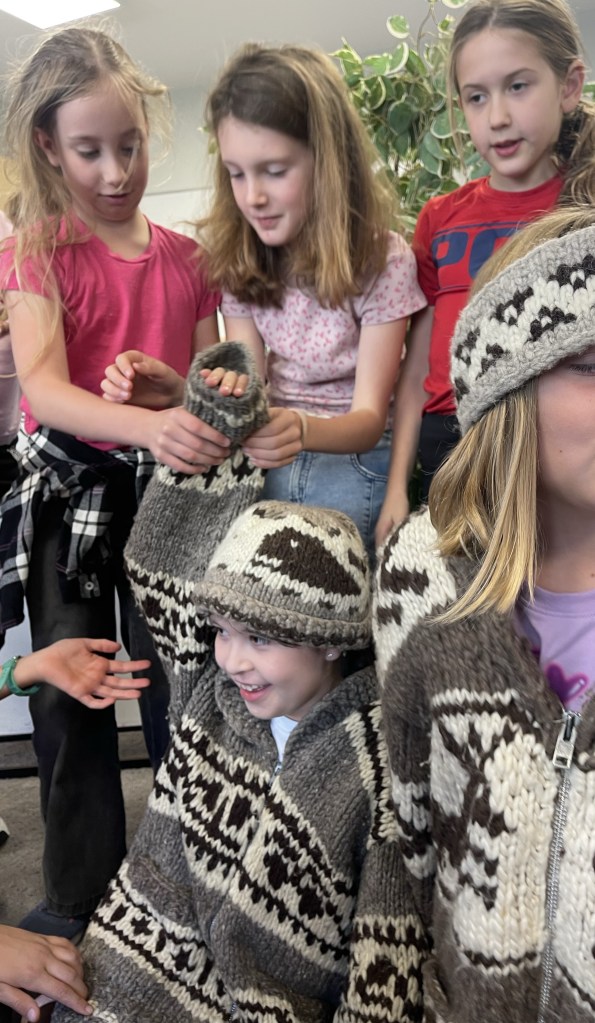
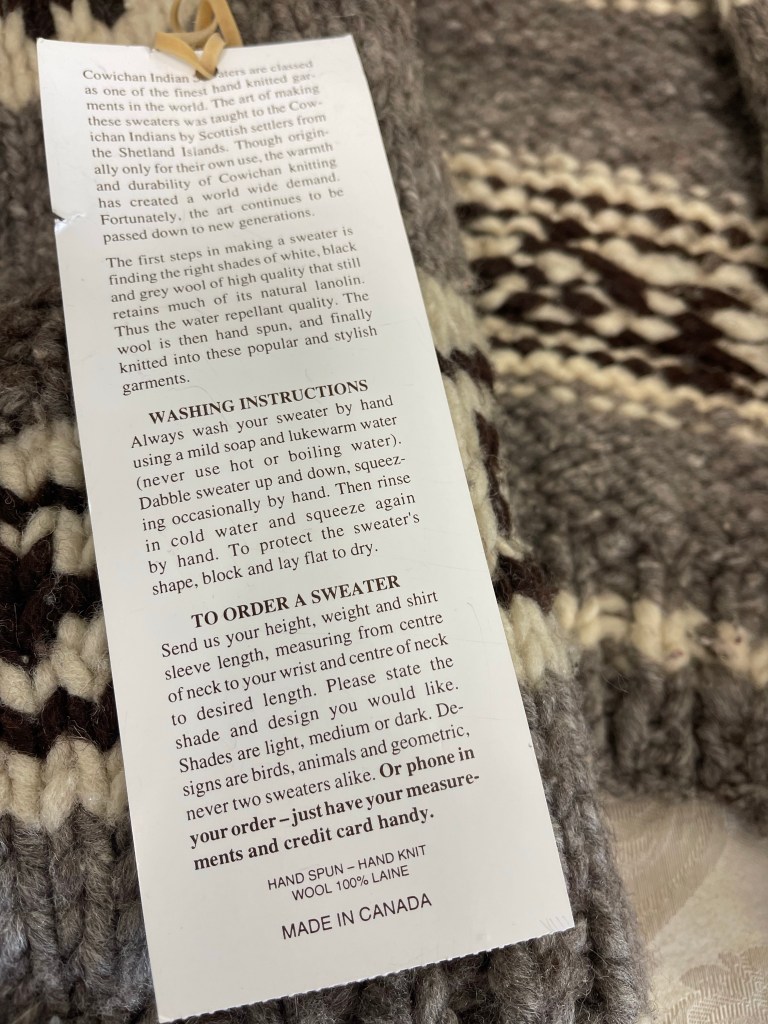
Students examined real Cowichan sweaters and authentication labelling, and talked about ways we can support Indigenous artists’ work.
This connects with our BC Grade 4 Social Studies learning about how First Peoples and newcomers interacted and influenced one another and how art reflects identity, values, and relationship to place.
This learning also grows from our earlier reflections on the National Day for Truth and Reconciliation.
Becoming more aware of the history of our local area (and of the peoples who have lived here for thousands of years) is an important part of our journey toward truth, understanding, and reconciliation.
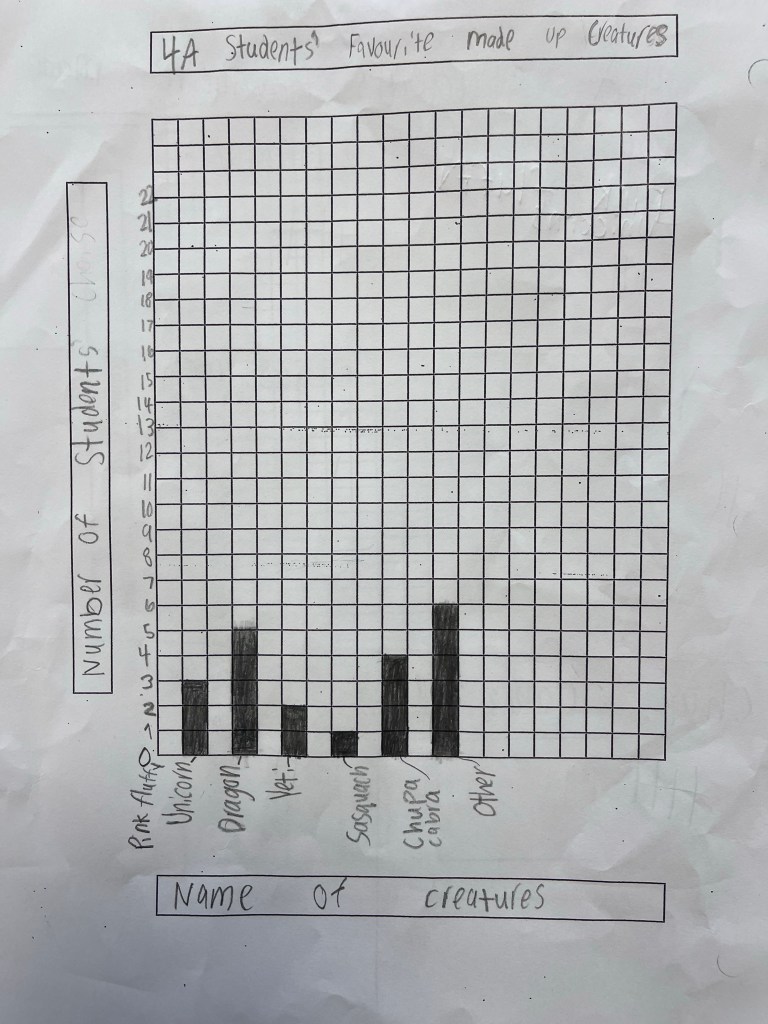
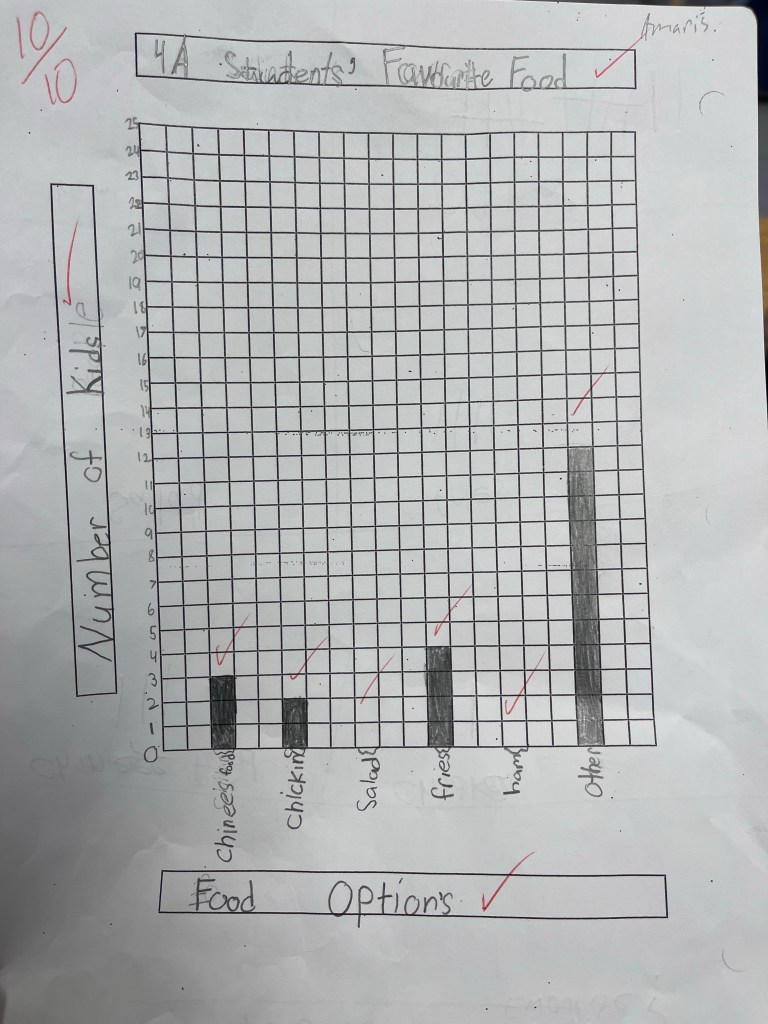
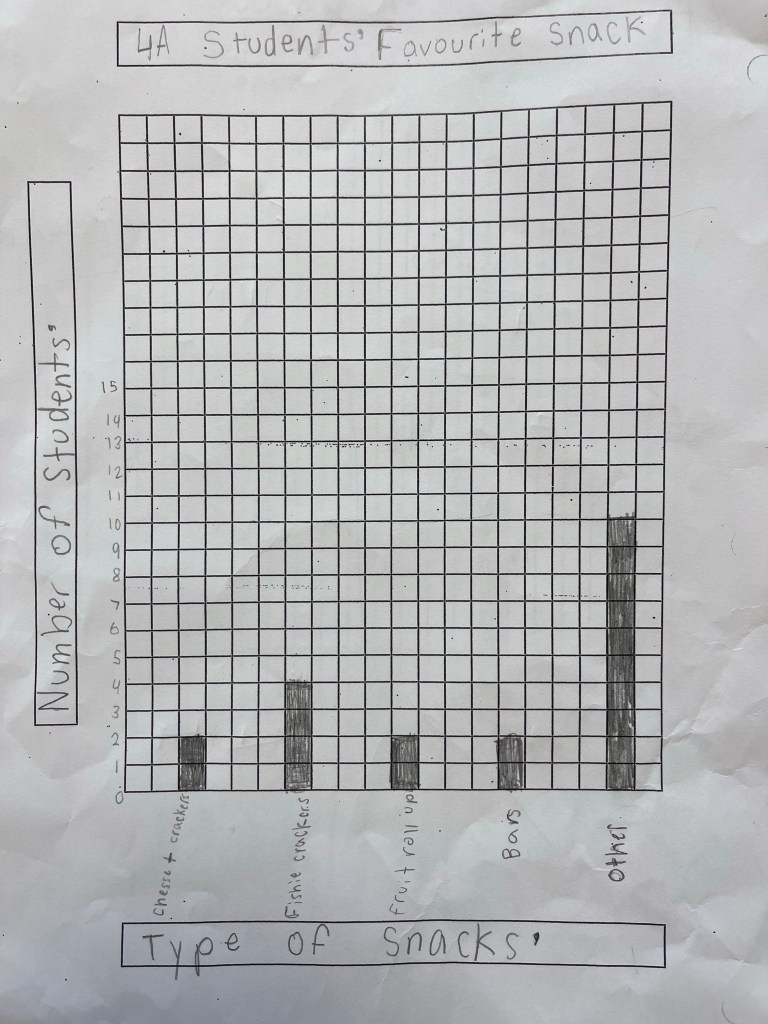
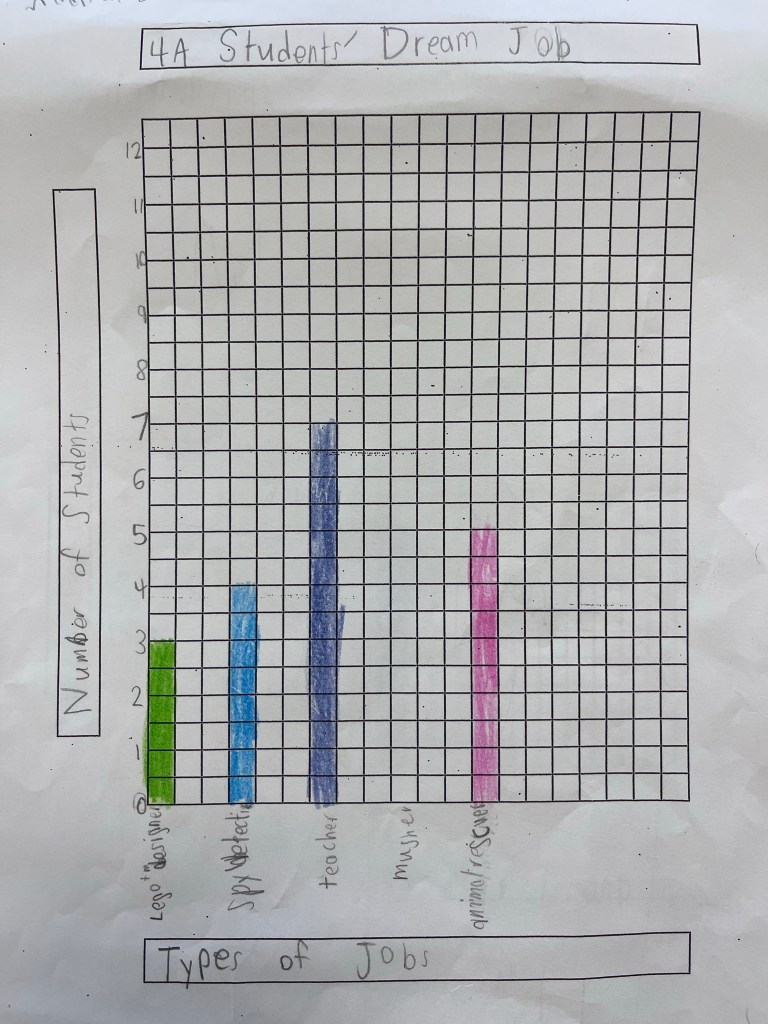
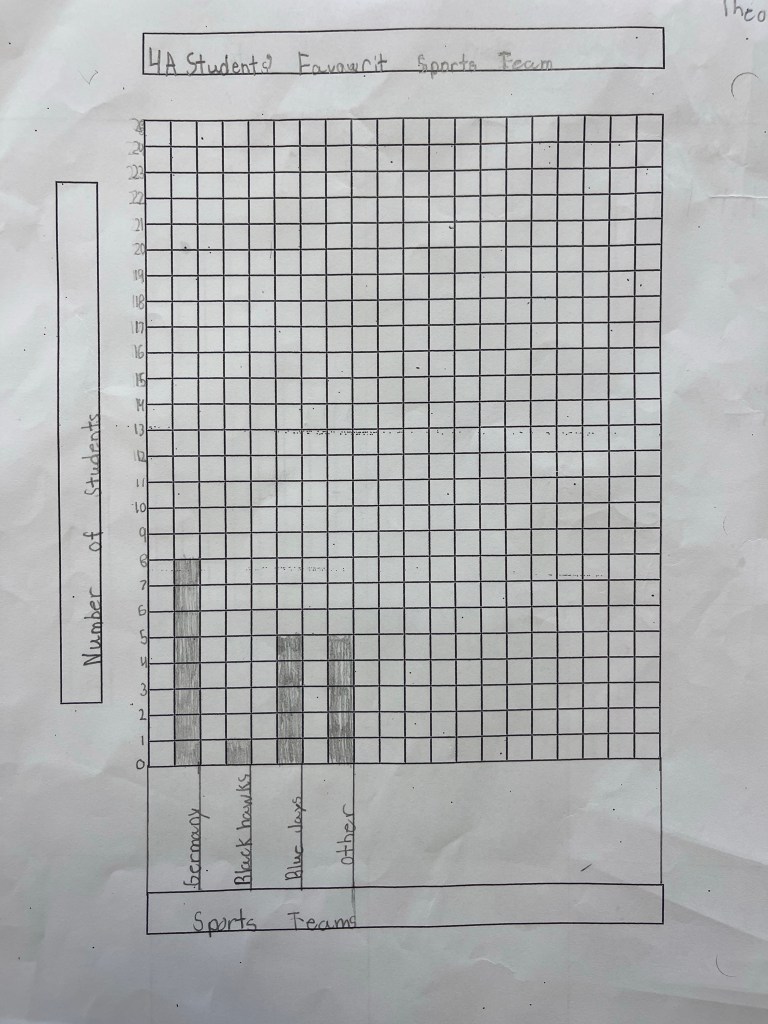
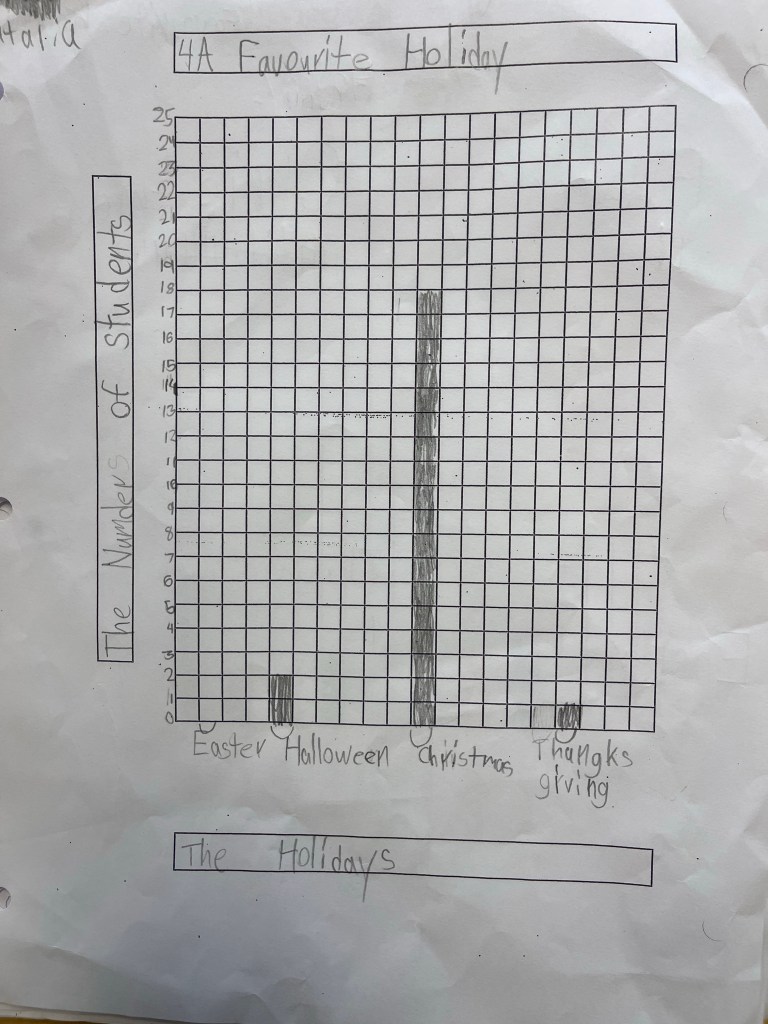
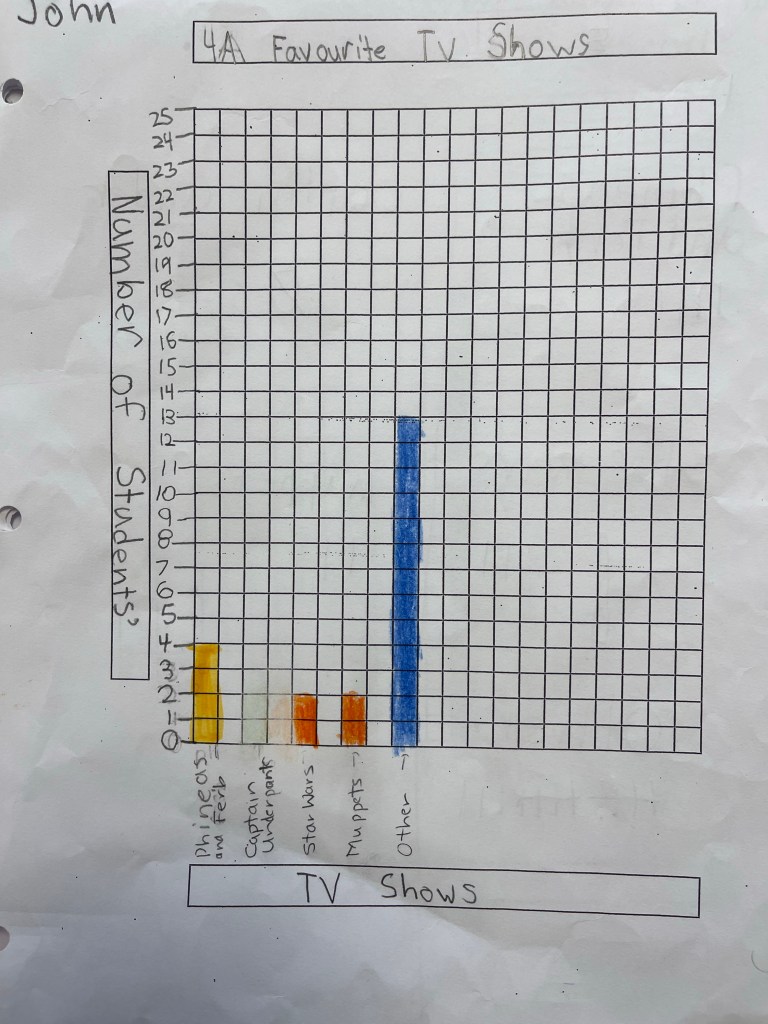
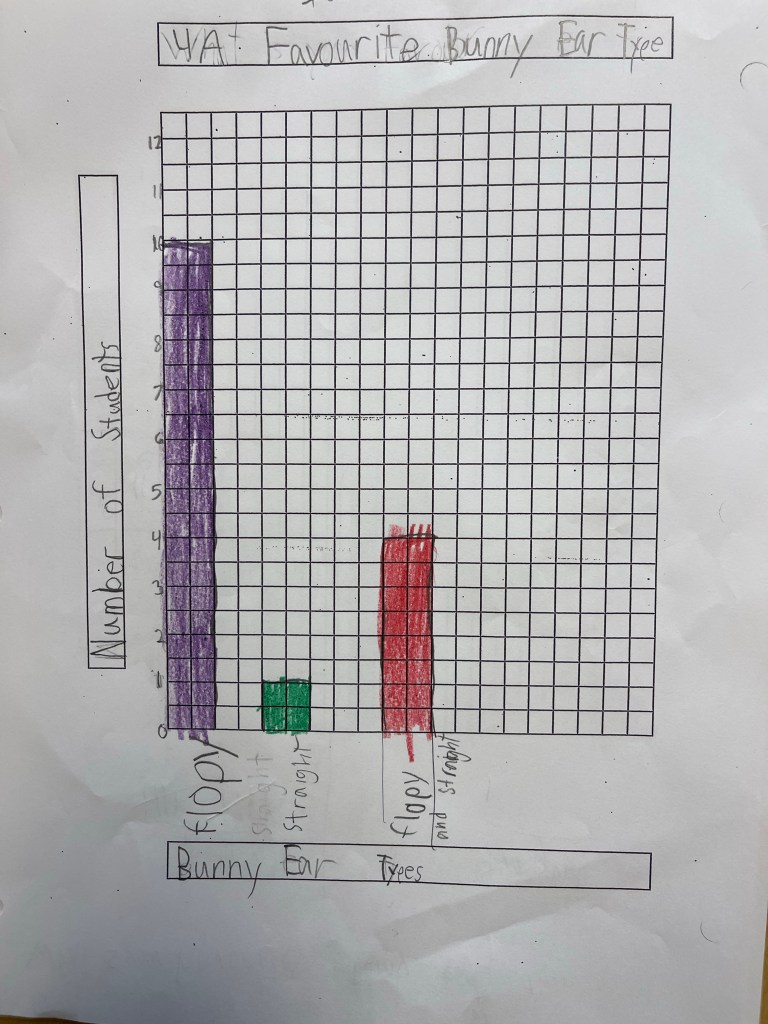
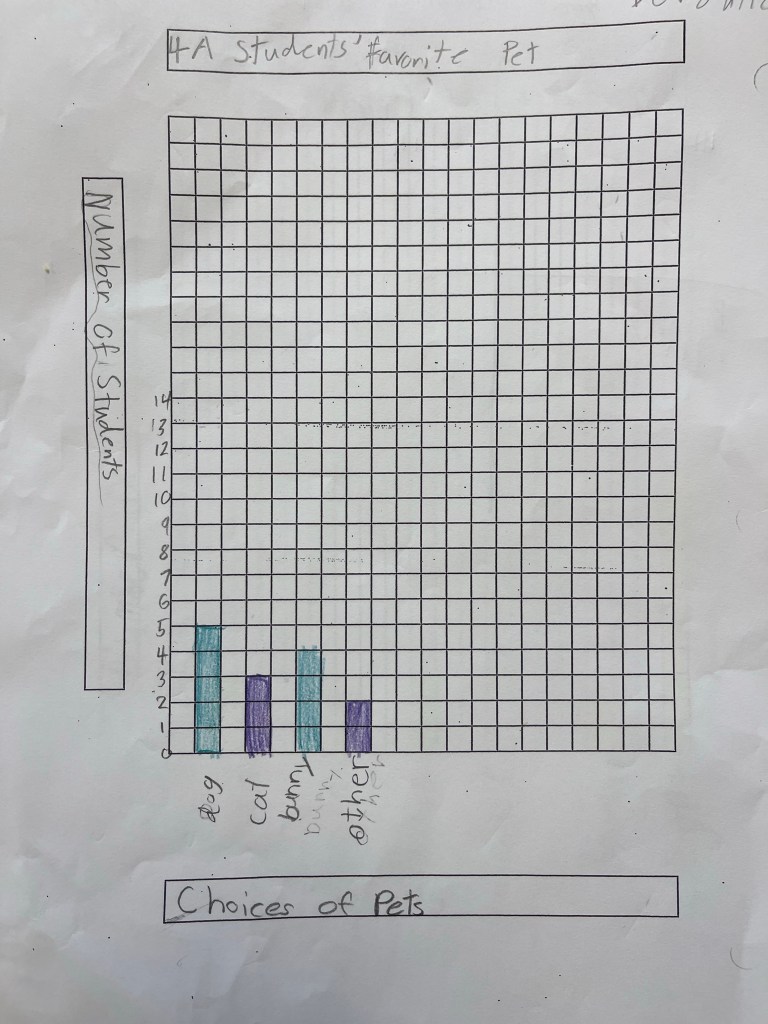
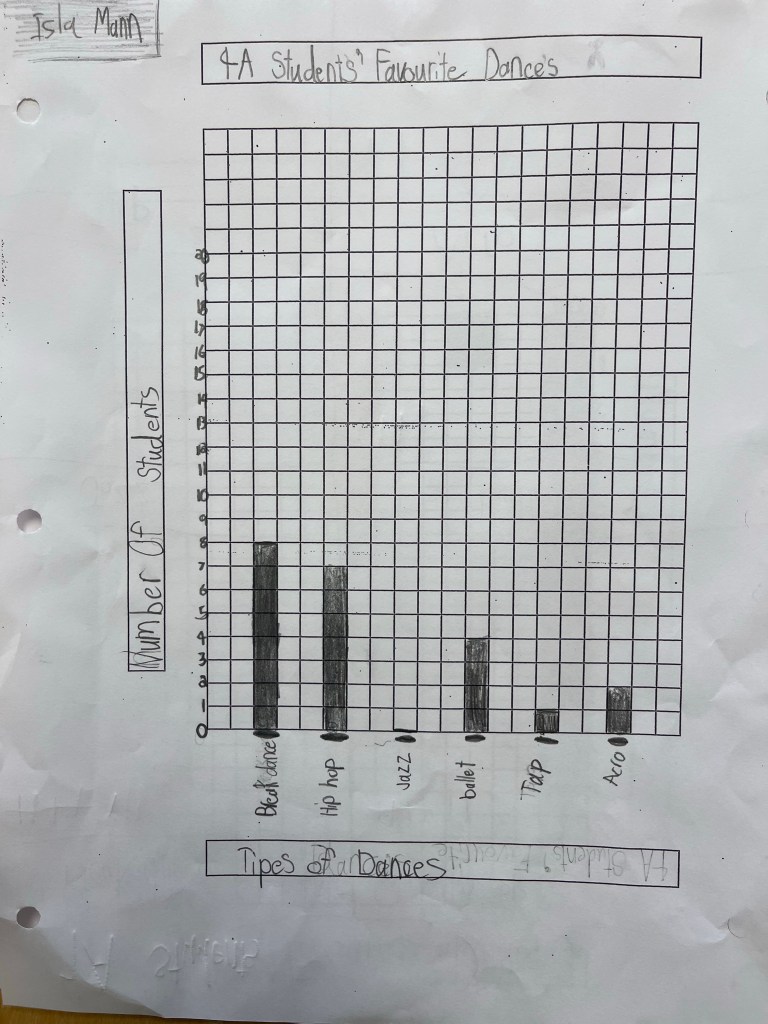
In Math and Science, we have been learning how to accurately organize, record, and share data using bar graphs. Students designed and conducted their own polls, collecting their peers’ responses in tally charts first and then compiling their data in bar graphs.
 Tiffany Poirier