
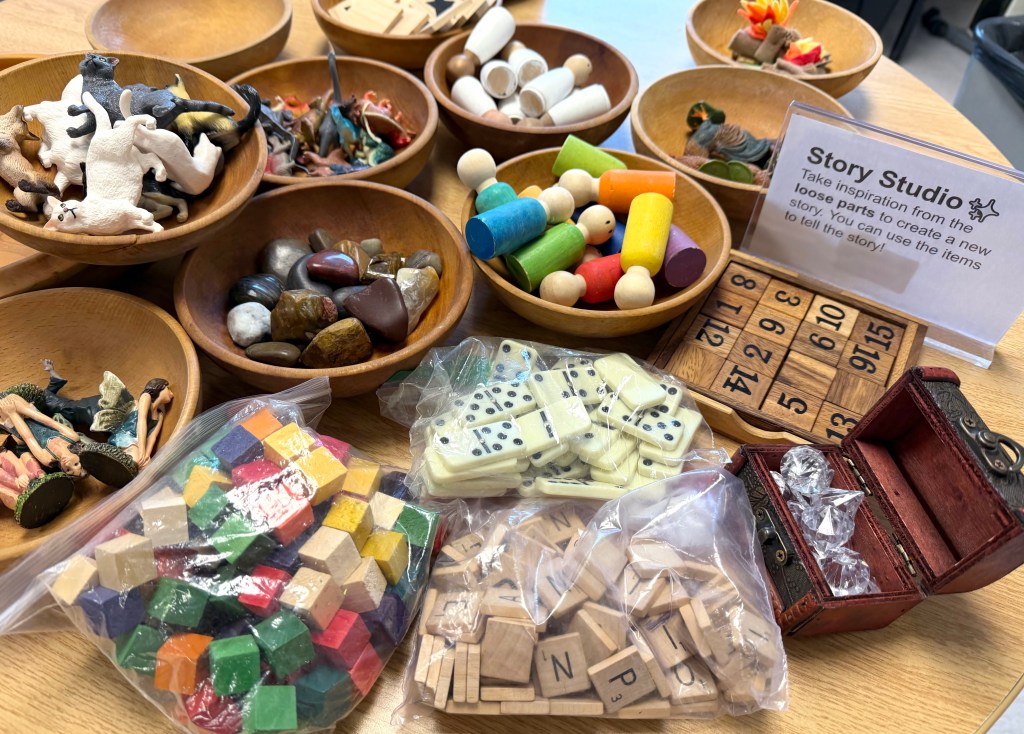
Hello, 4A families!
We are now deep into our division unit! Some goals for the end of grade 4 are for students to build computational fluency in division facts to 100, solve up to 3-digit by 1-digit division questions in flexible ways, and understand the relationship between multiplication and division.
What do our division math classes look like?
Our approach in a typical 40-minute block is often a combination of pencil-and-paper work, modelling at the whiteboard, guided practice, small-group instruction, and one-to-one support.
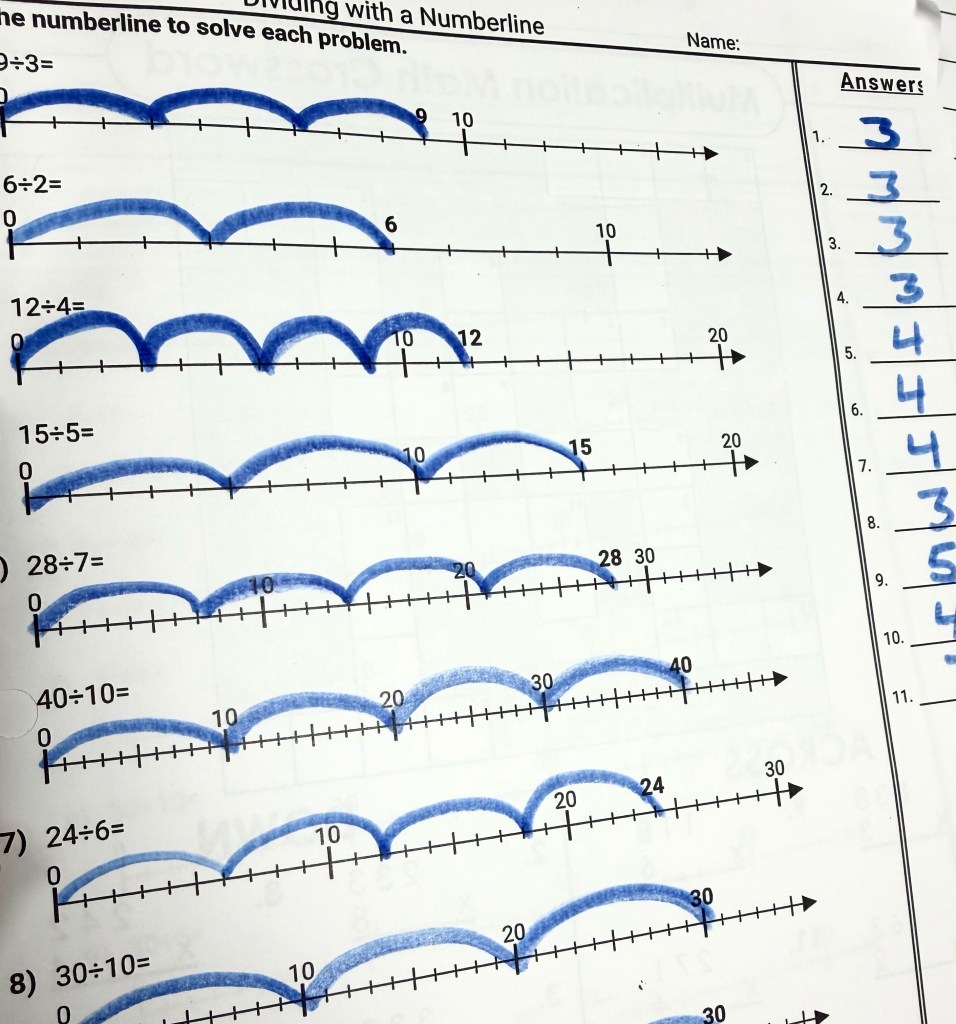

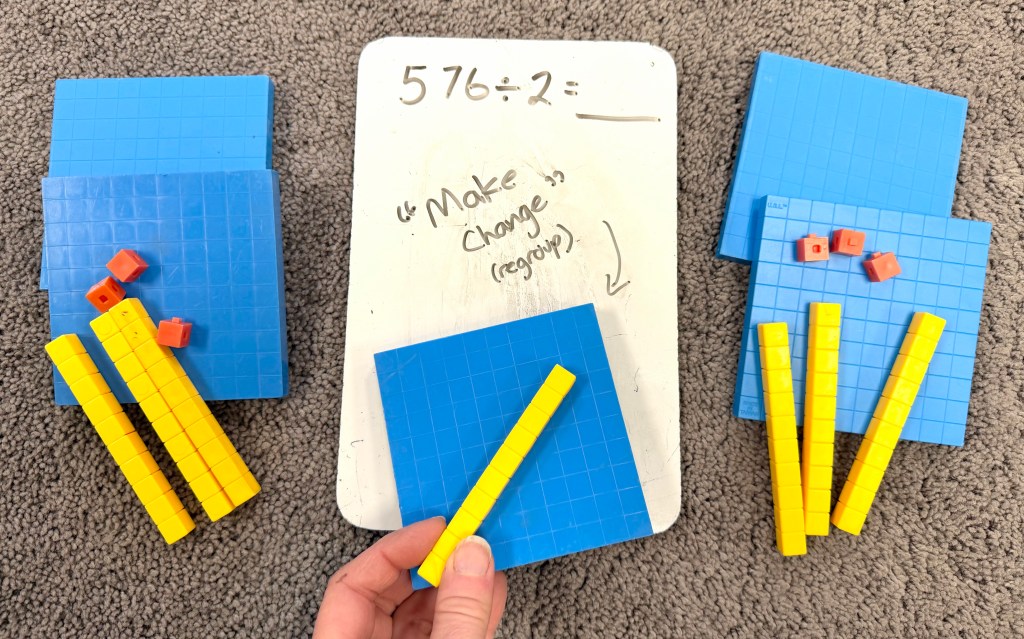
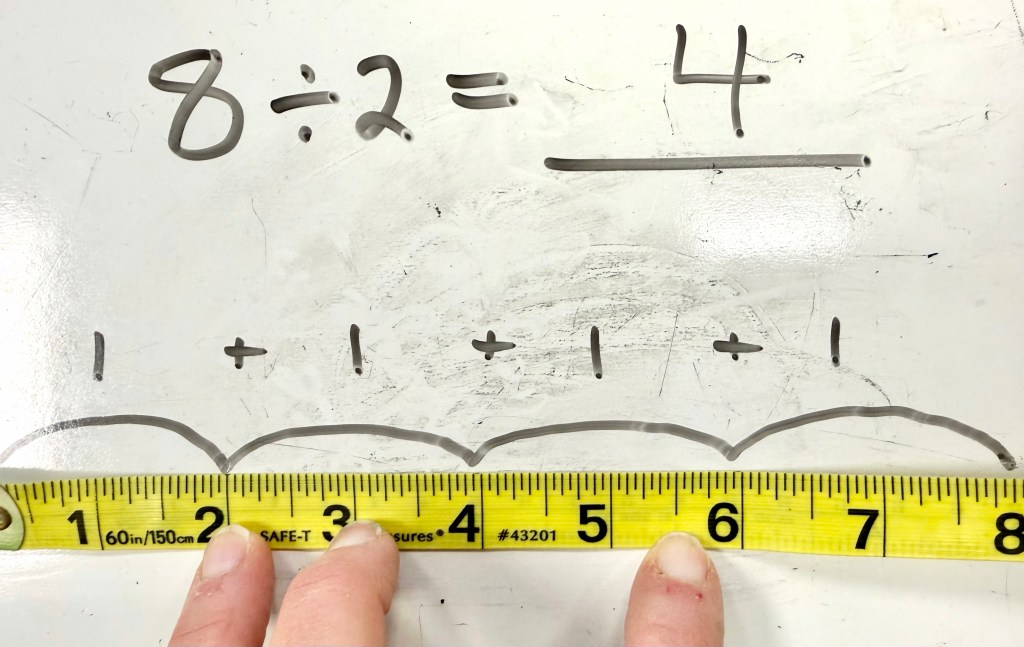
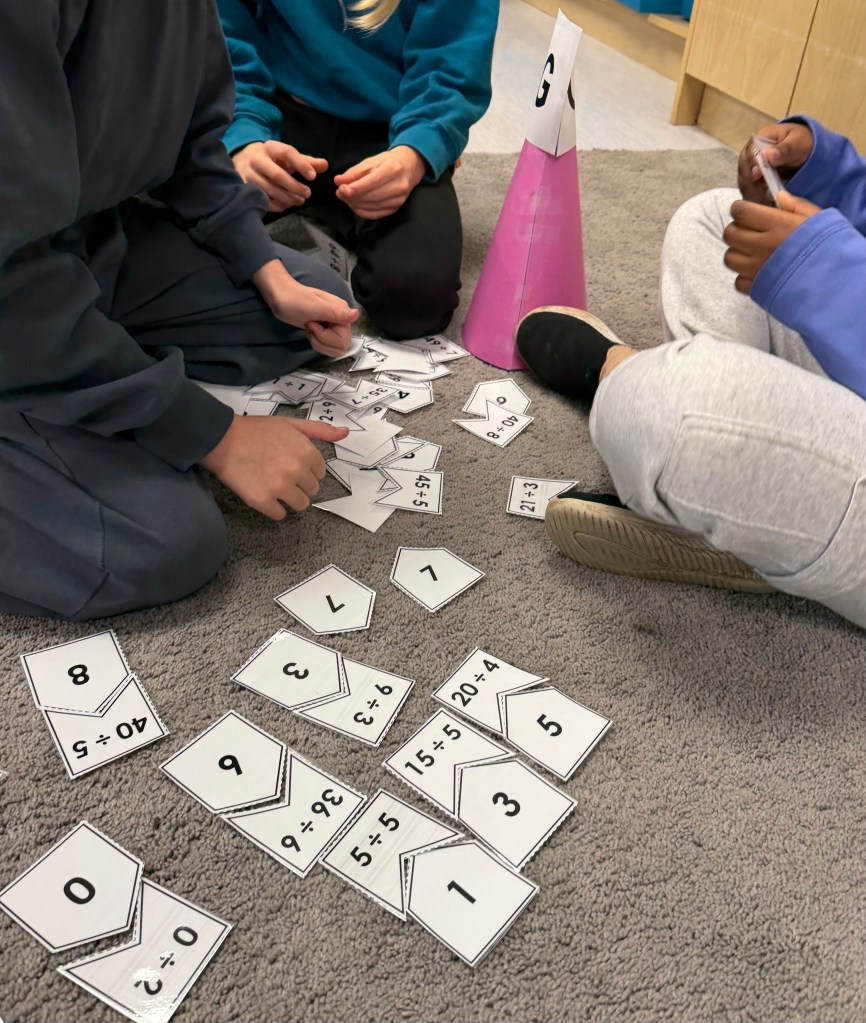
We also do whole-class number talks and watch tutorial videos like this and this to expose students to multiple strategies. Students can also do math centres, especially to access the enrichment challenges.

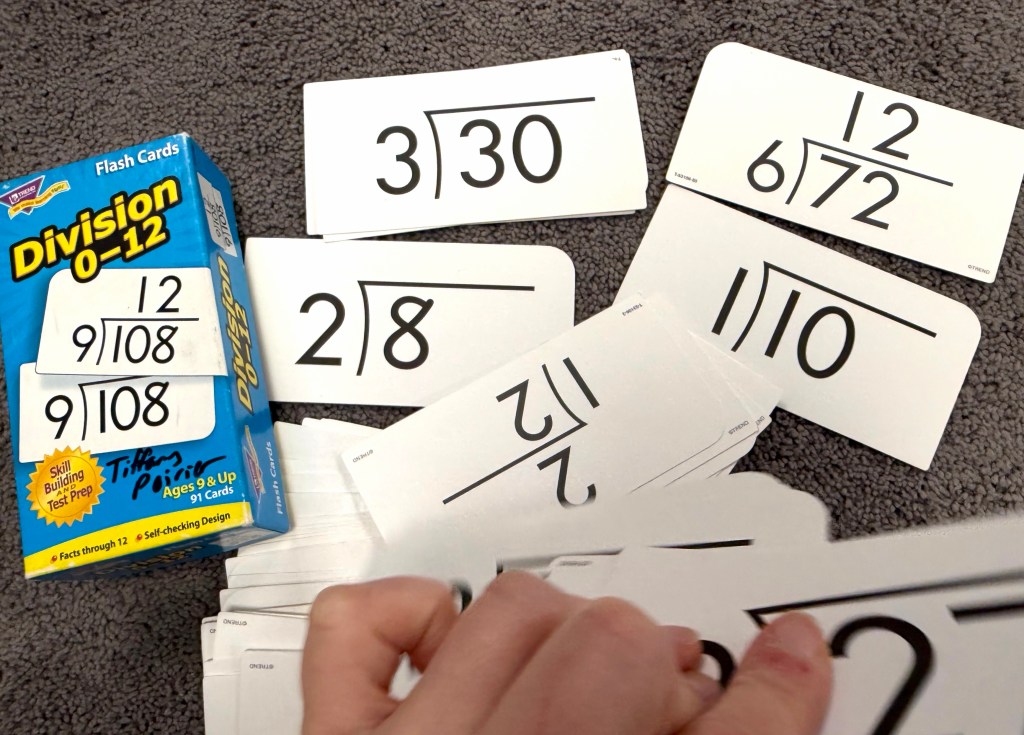
Right now we are spending more time deepening our understanding of division by using math manipulatives, problem solving, and math stories—the focus of this blog post today.
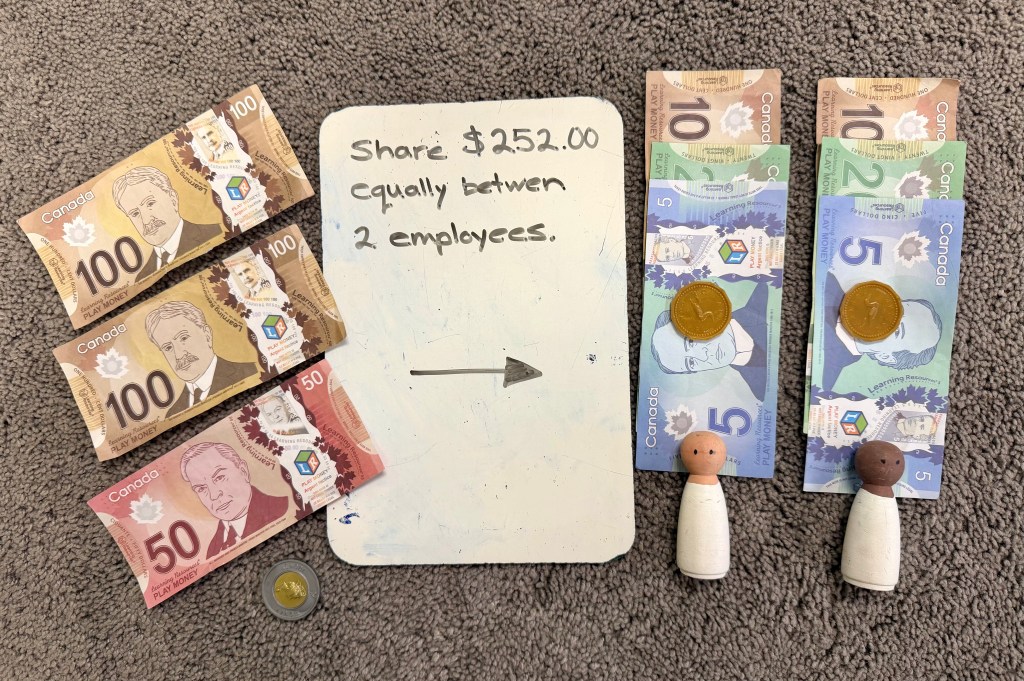
What is a “math story”?
A math story is like a detailed word problem, and ideally it follows a narrative arc, with a beginning that sets the context, a middle that presents a problem or challenge, and an end that resolves it.
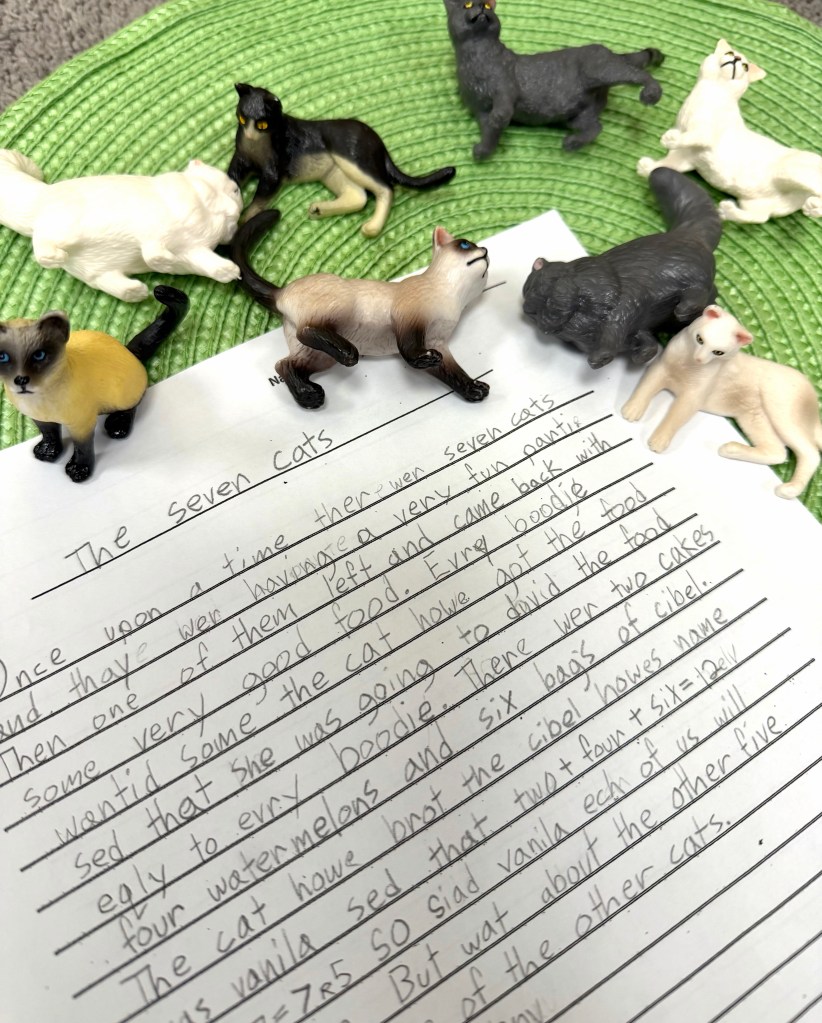
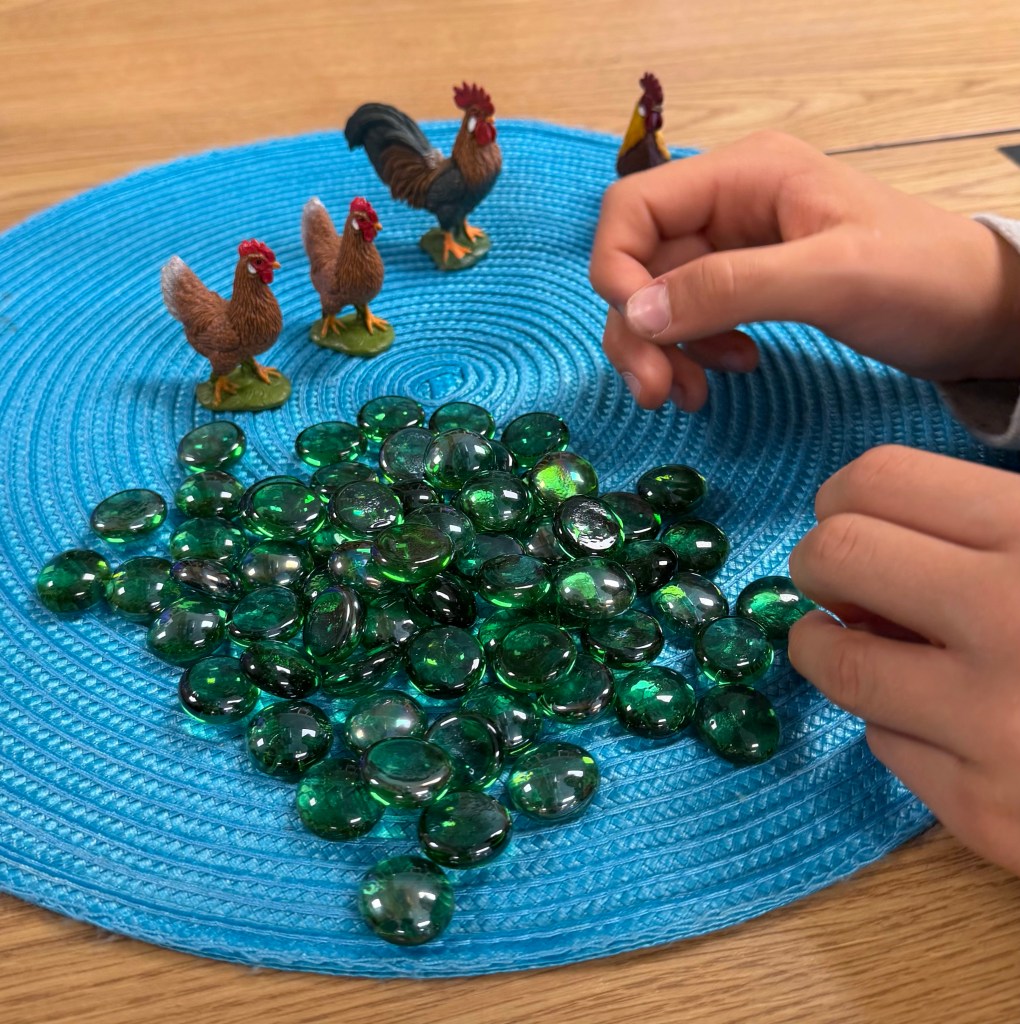
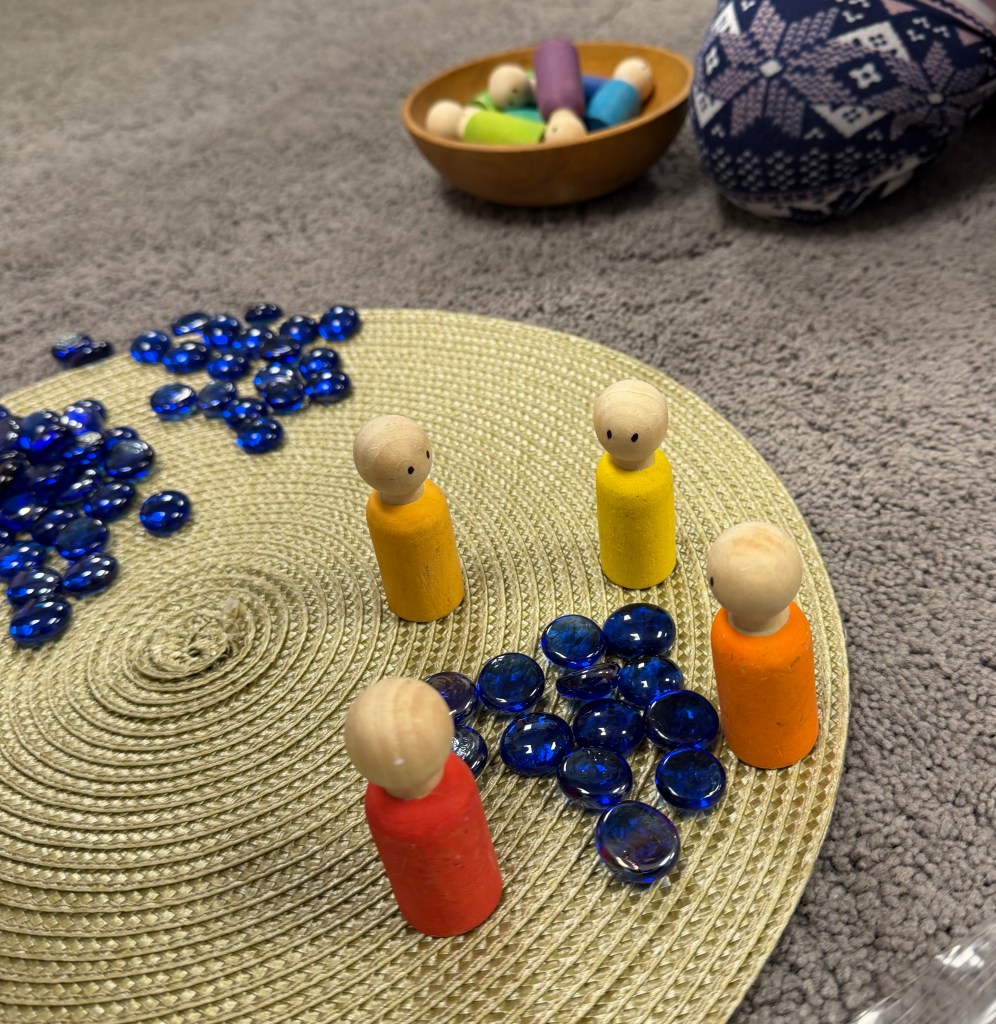
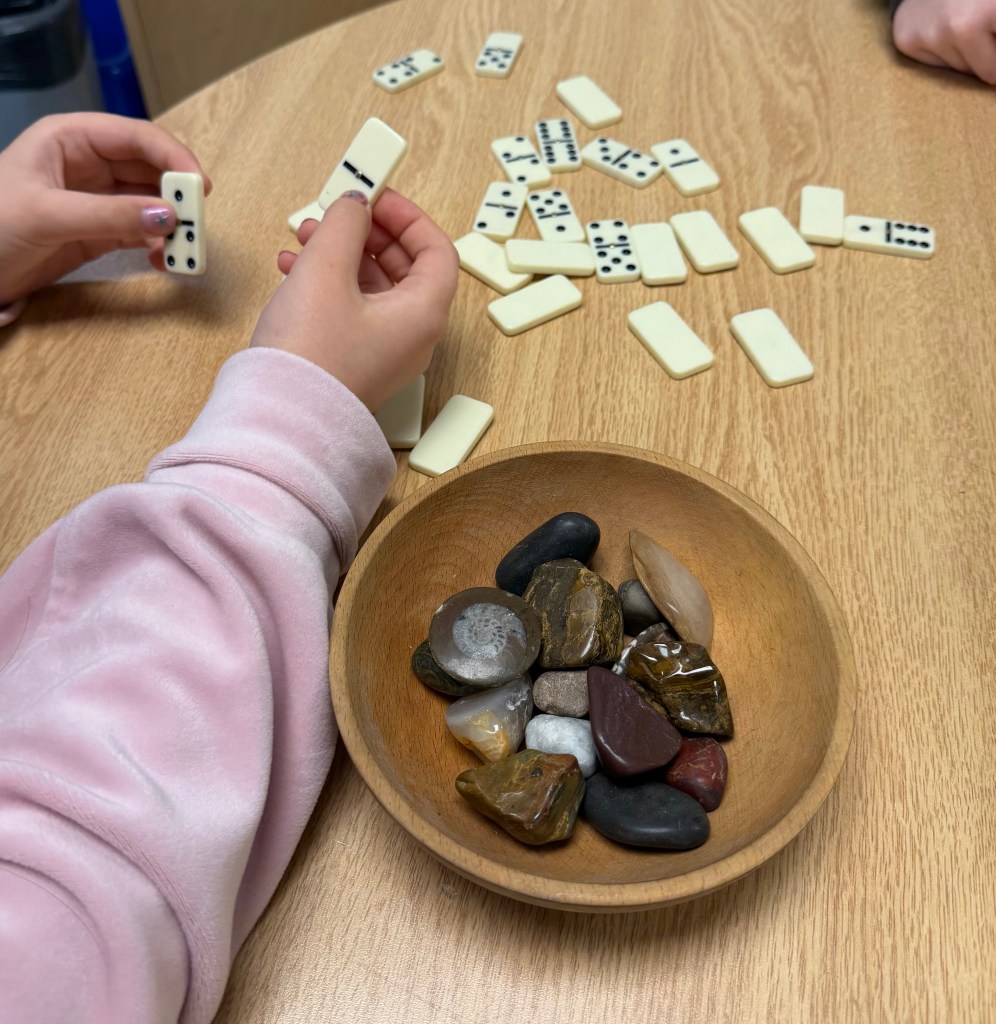
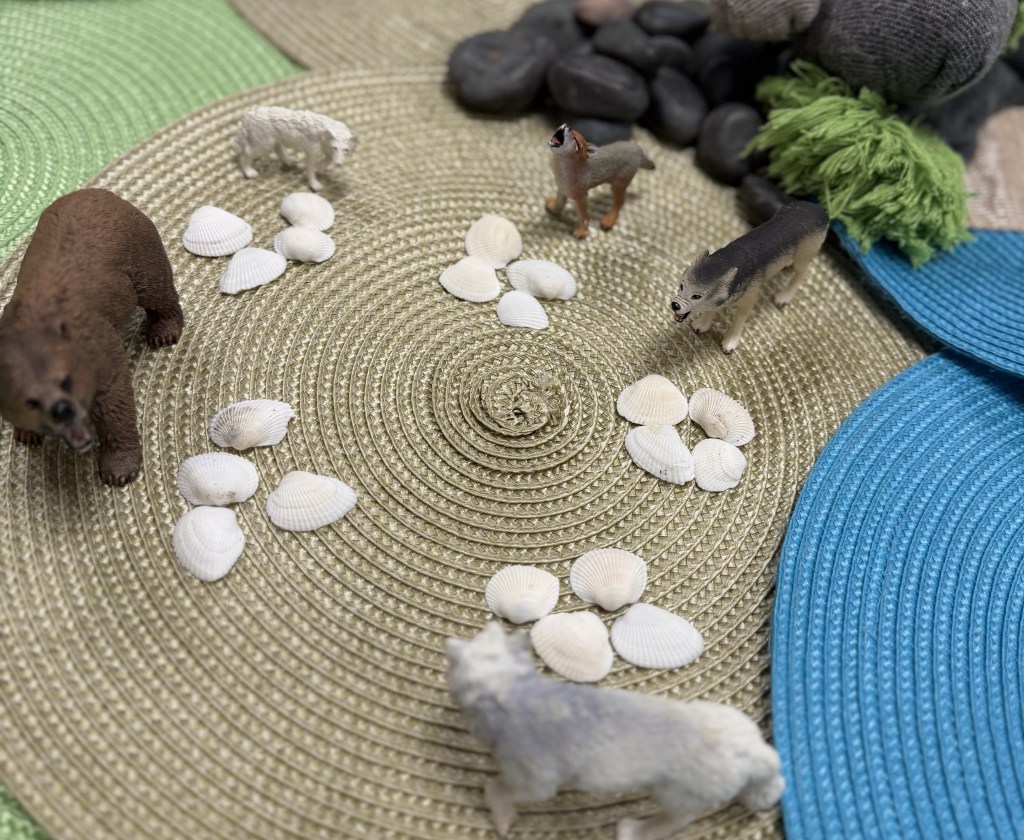
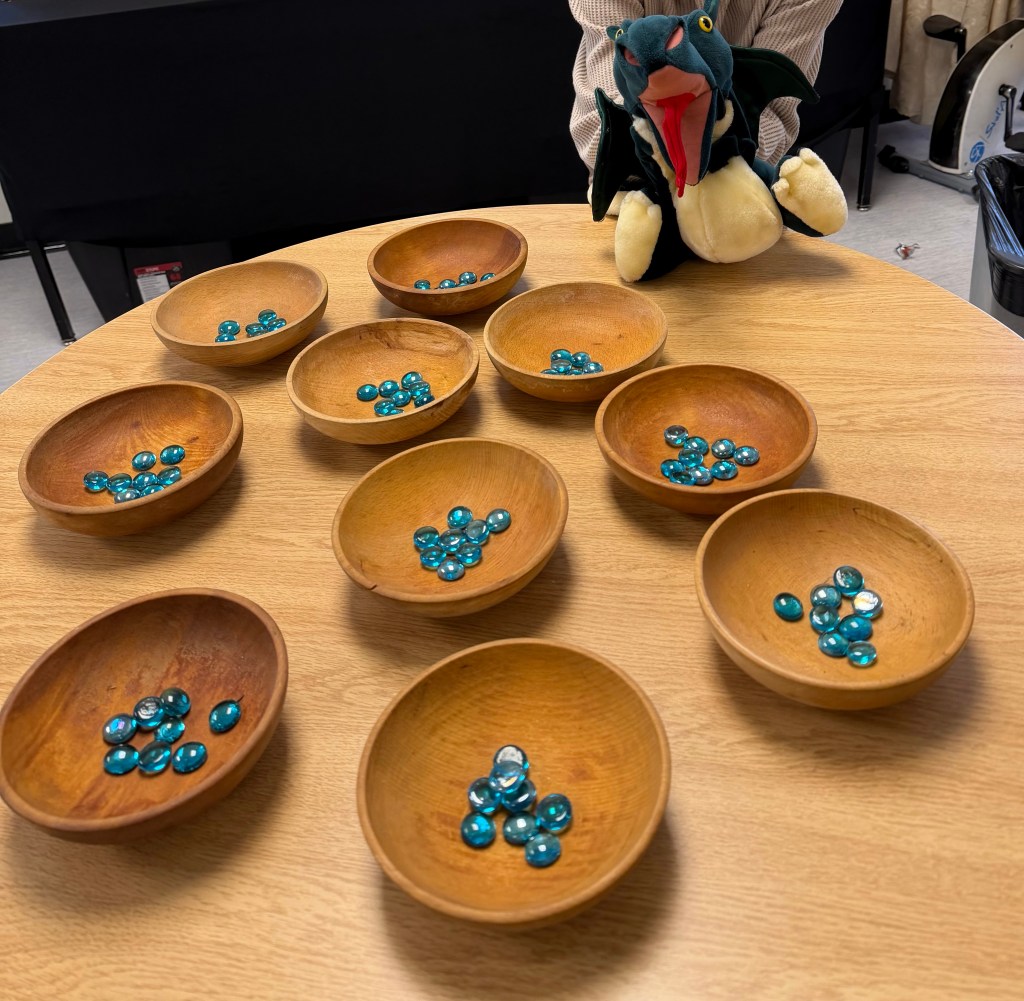
Math stories can be highly engaging and make math easier to understand for learners when packaged in fun narratives told with vivid images, puppets, and or toys and loose parts.
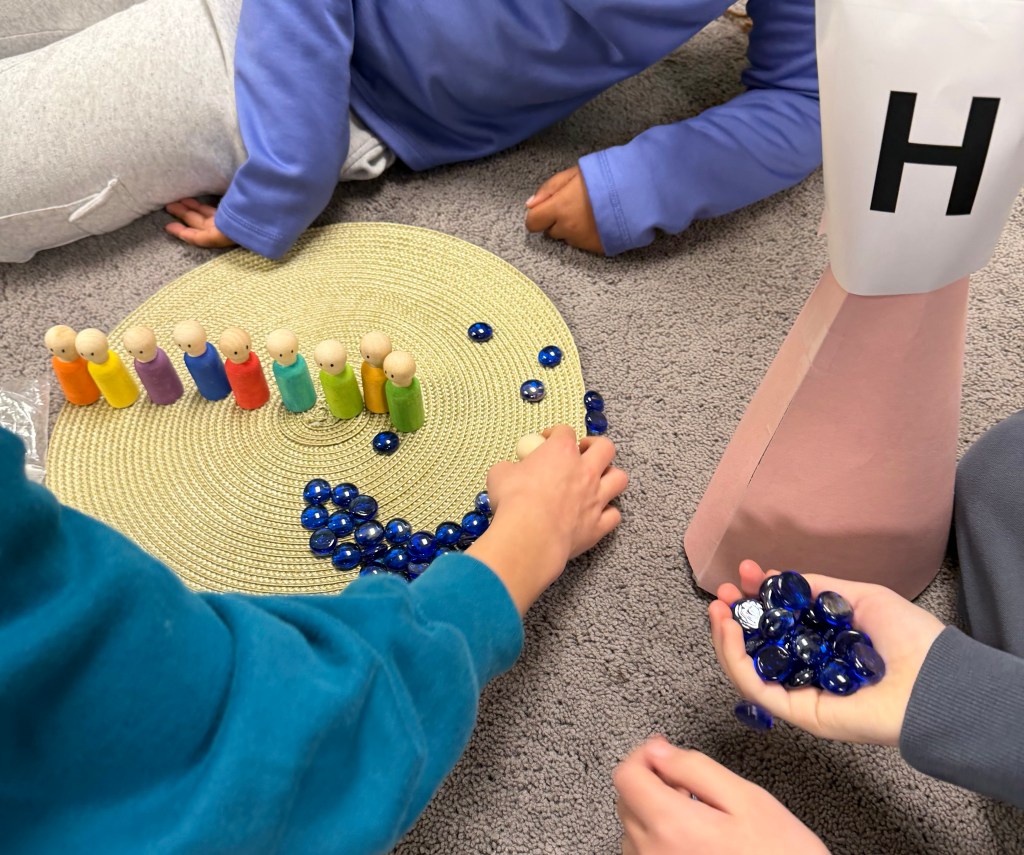
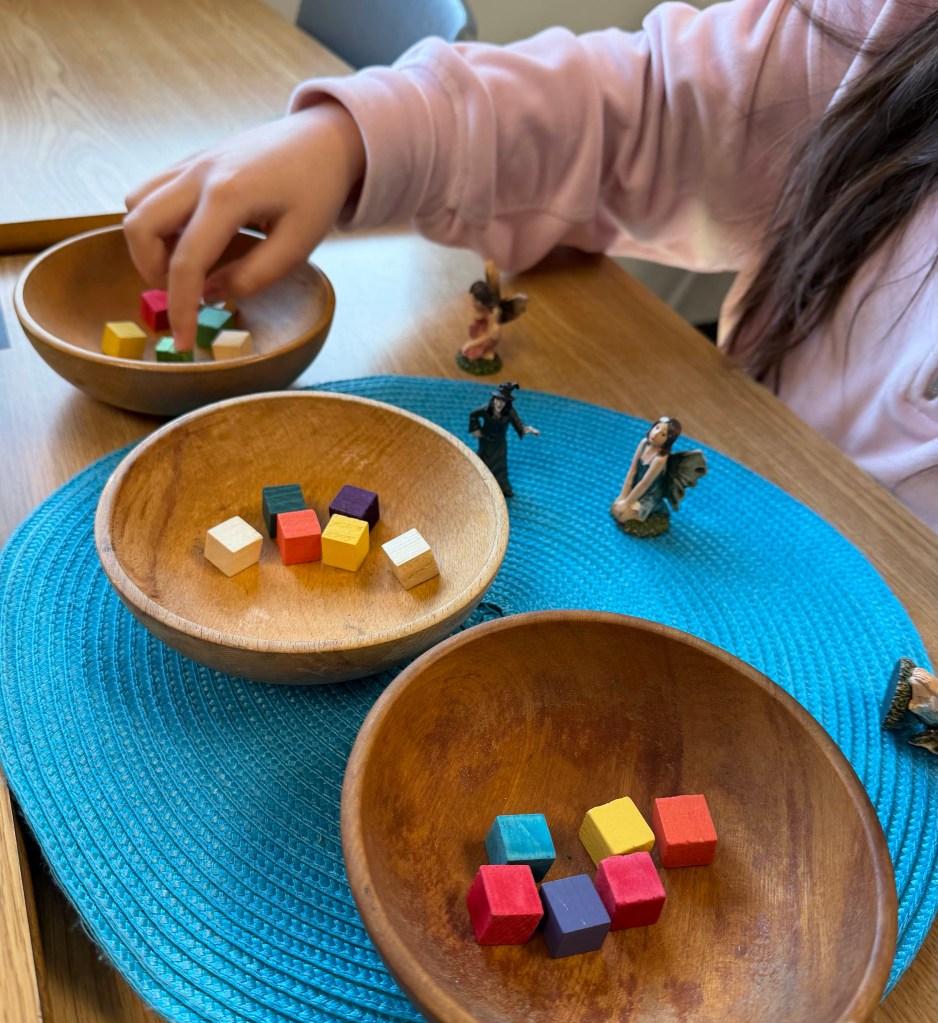
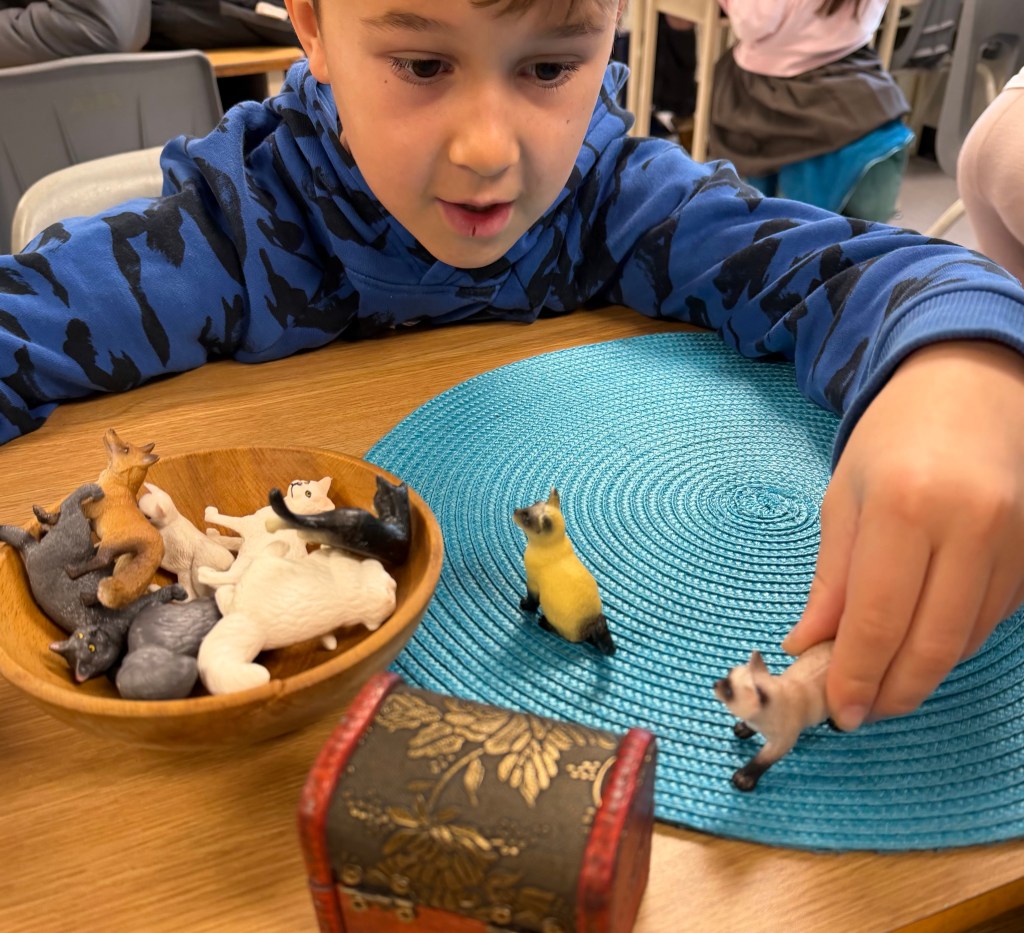
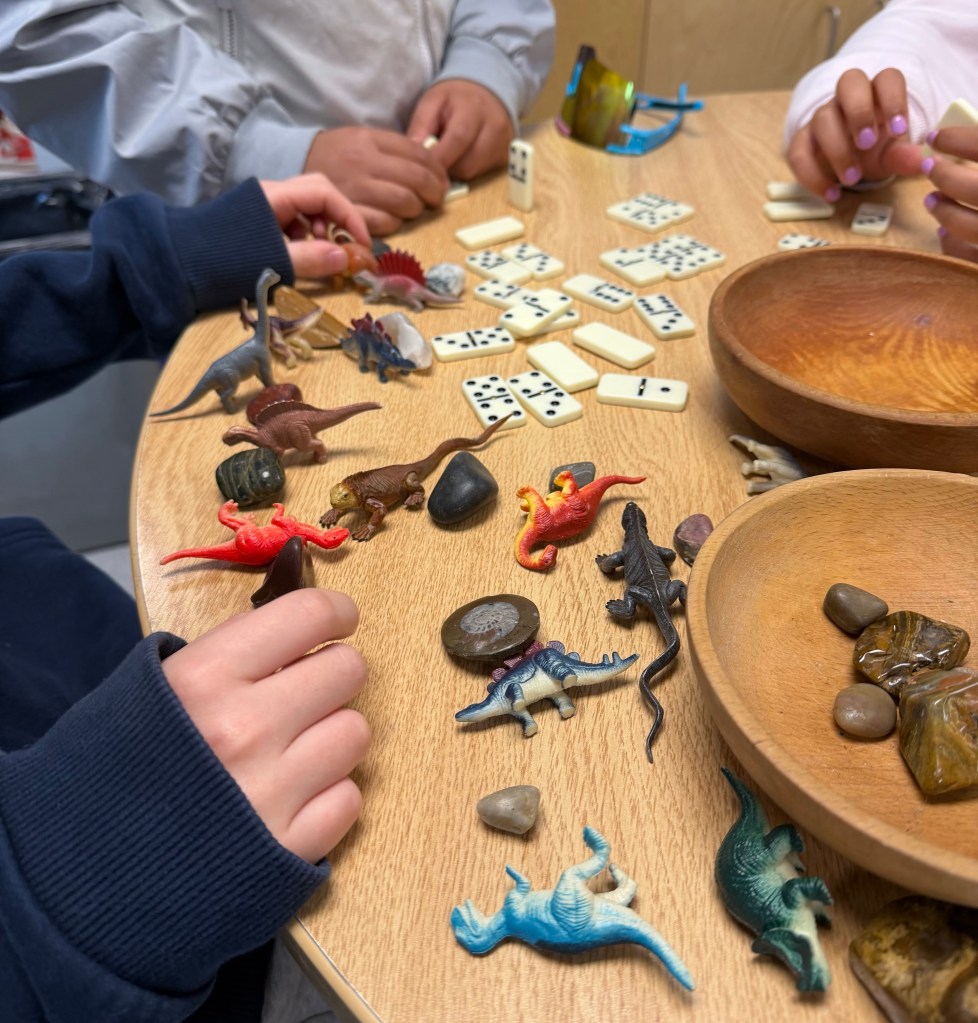
How does this work?
We have been using our “Story Studio” items to inspire creative new tales—with wonderful results!
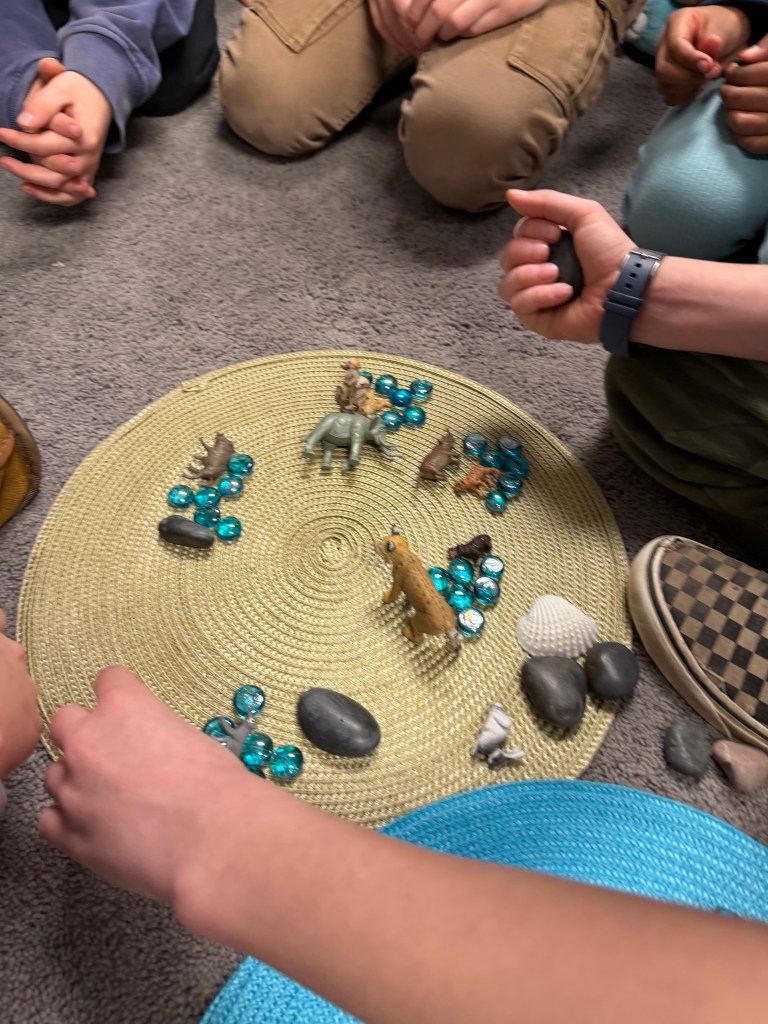
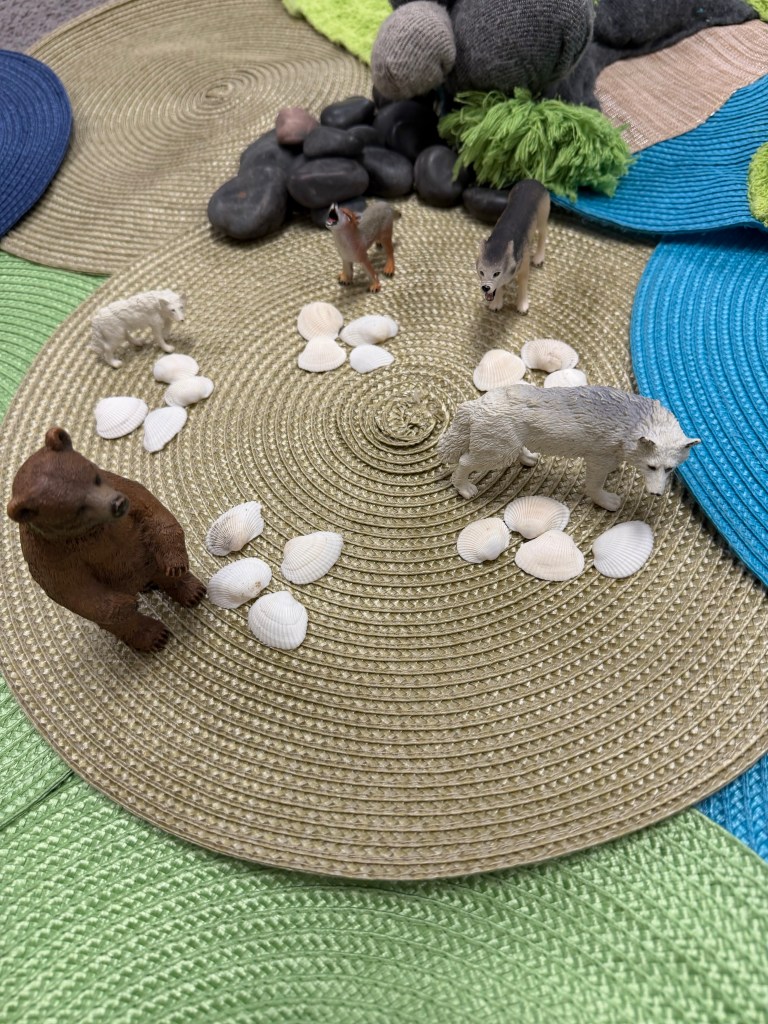
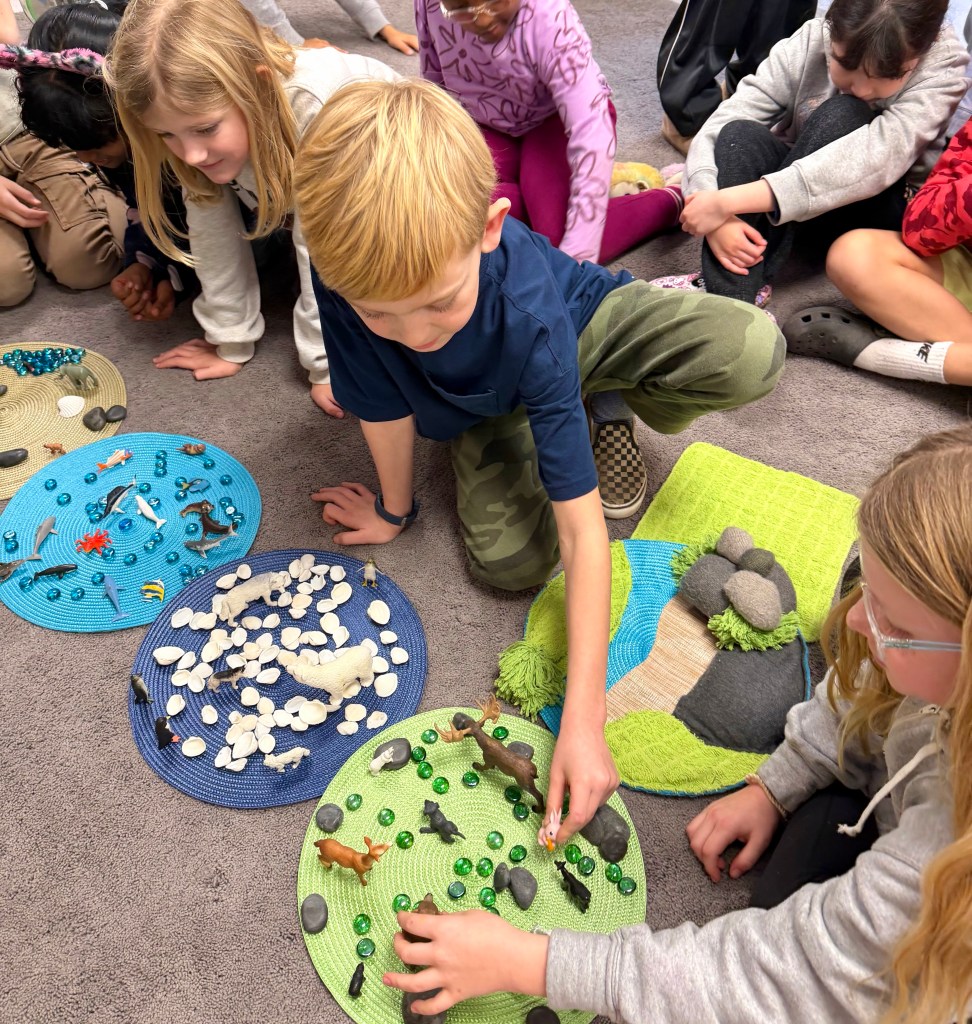
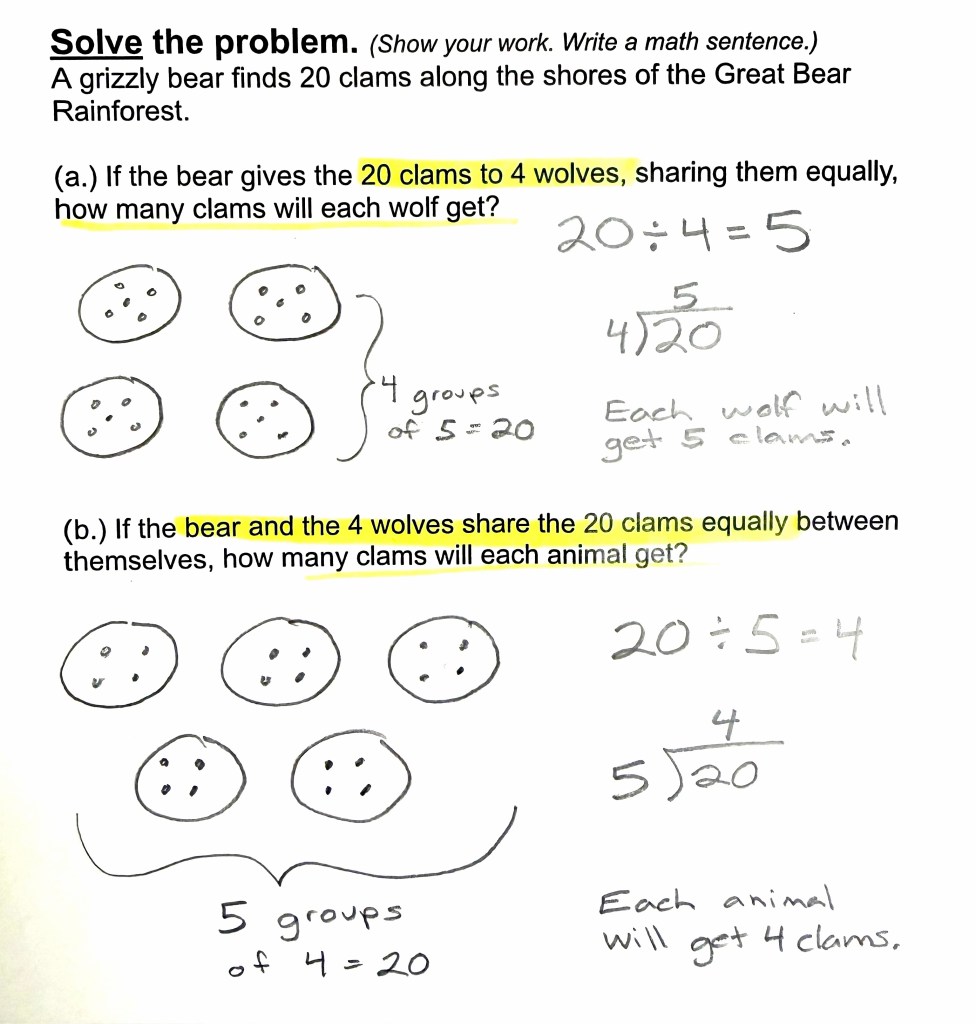
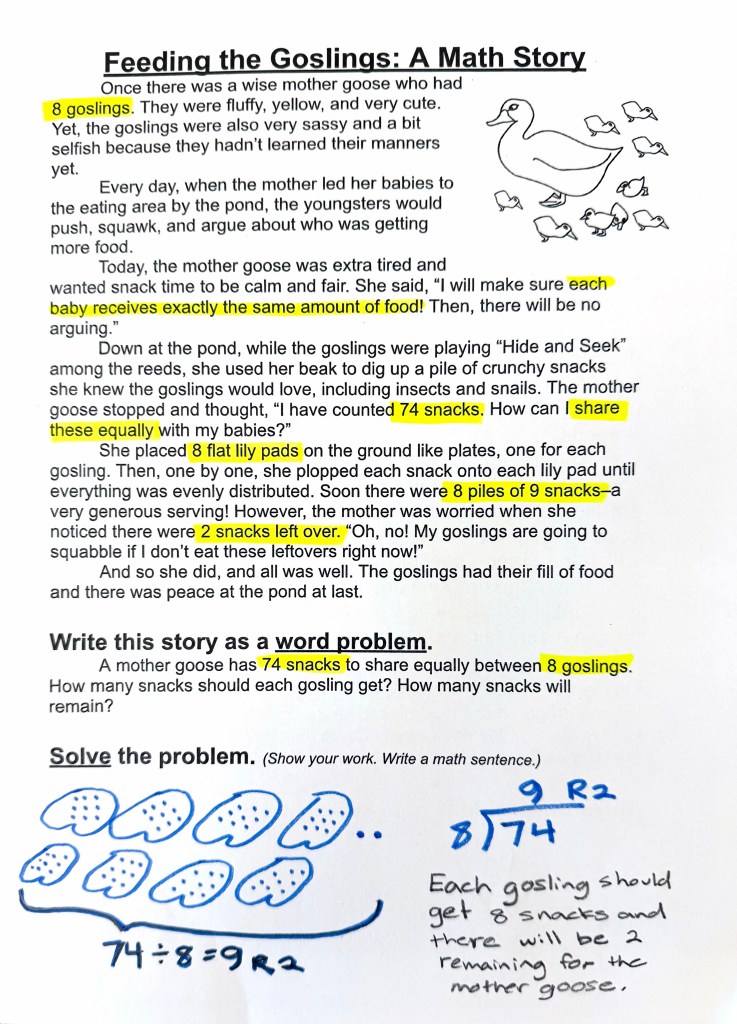
Some math stories are created as a teaching tool: these are complete tales that model ways to solve problems using mathematical vocabulary.
While other math stories are “unfinished” on purpose and created to provoke problem solving. They set up a problem and end on a cliffhanger that invites audiences to think of a solution for themselves.
Can you give me example?
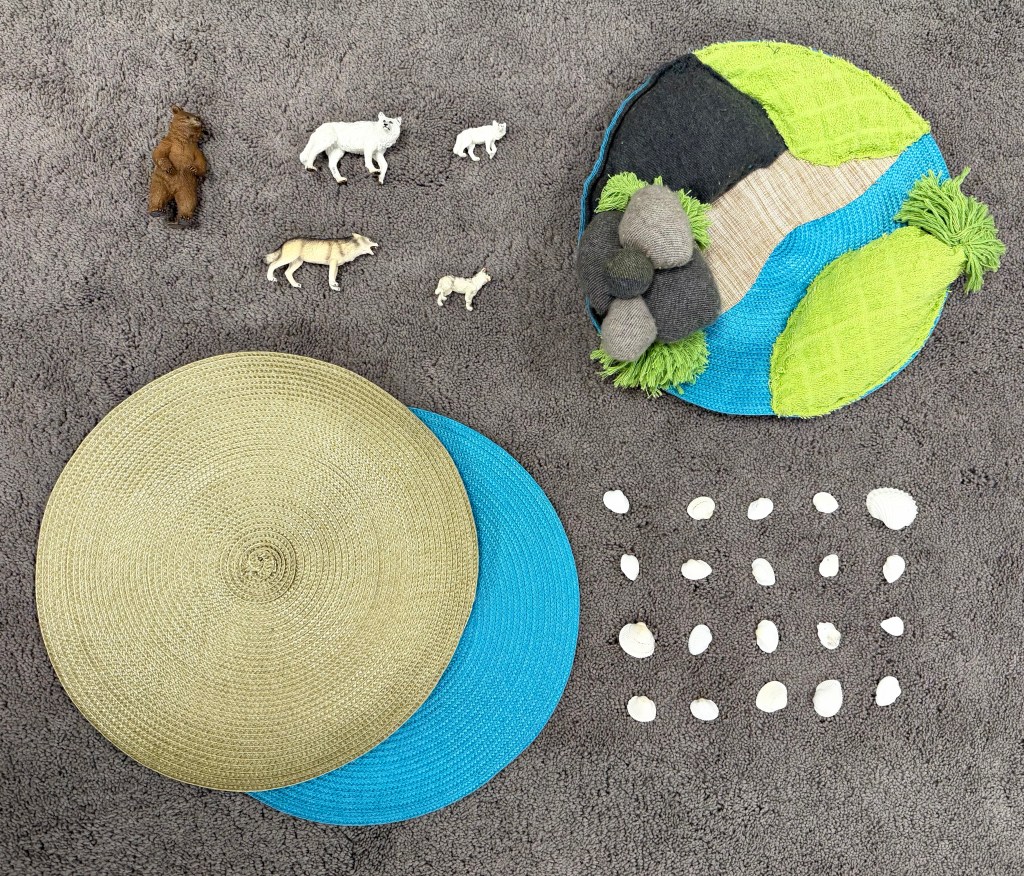
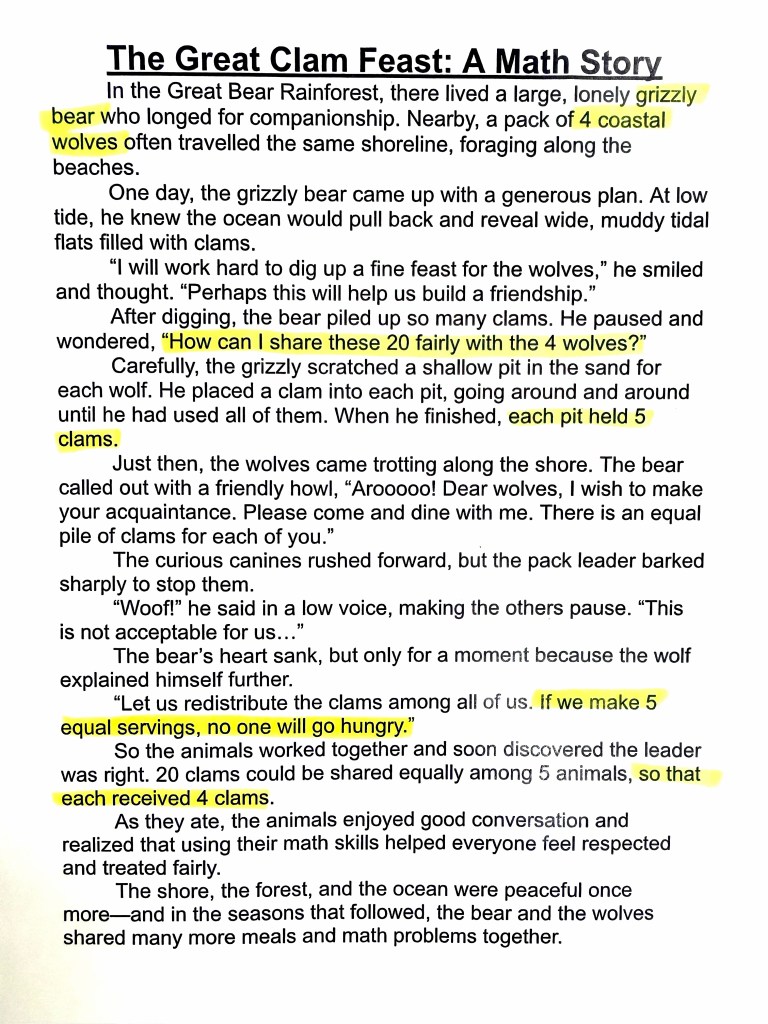
Here is an example of a math story I created this week to model…
What is the rationale for doing math stories?
Learning through play and storytelling is a timeless approach that offers a flexible, personalized, hands on experience of more abstract concepts. This helps so that when students get to working with symbols on a page they have a frame of reference.
Rigorous math work can happen both with toys and pencil and paper.
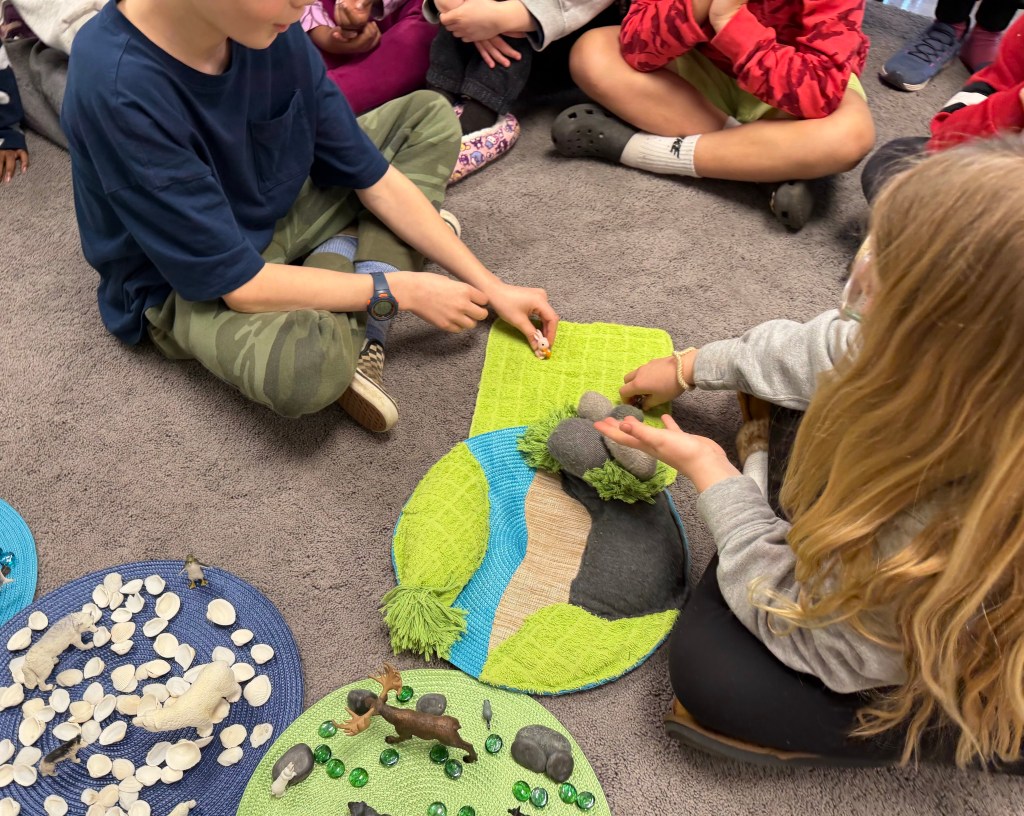
Hmmm, do serious mathematicians really “play” like this?
Sure! Our modern world is shaped by technology and data, and people who use mathematics in their careers and daily lives are expected now more than ever to do far more than act like human calculators.
They must also be strong communicators—able to explain their thinking, tell meaningful stories with data, and use imagination to uncover new insights. My husband Peter reminds me of this all the time. His PhD is in pure mathematics, and he works as a data scientist for a video game company. Peter speaks often of how essential communication, creativity, and narrative thinking are for math professionals as they manipulate data in innovative ways and form new understandings that they have to try to explain to others who may not have their background.
So is this in the BC Curriculum?
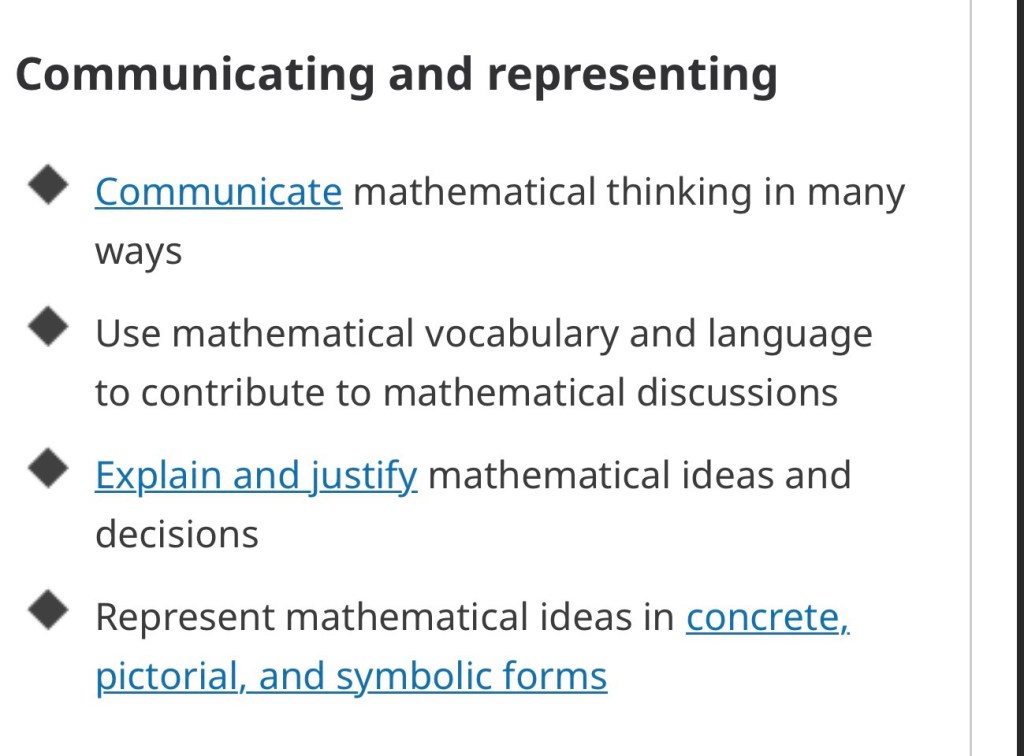
Yes! Our math stories practice simultaneously hits so many learning standards and core competencies.

Can everyone do “math stories”?
Yes! The complexity of a math story is easy to adjust, and so the learning potential when using them is very open-ended. We have already seen in our class how students with a range of math confidence levels can enjoy working side-by-side on the same story, supporting each other.
How do you grade math when it’s so open-ended?
In the formative phase, students have lots of time to play with concepts on their own, while I circulate to observe, provoke deeper thinking, and troubleshoot. This gives me a chance to see where students are in their understanding in a way that feels lower stakes.
Often I am surprised to see some students using story to successfully explore more advanced concepts than I’ve seen them want to tackle with just pencil and paper.
I can also drive the inquiry by being selective with the kinds of materials I offer when I’m looking to see certain skills.
Students are invited to present their math stories to the class or just to me if that is their comfort level, which leads to more discussion and feedback for how to enhance the stories. Students can also write down and/or draw their stories in diagrams and comics.
Creativity and language skills are assessed separately from math learning standards.
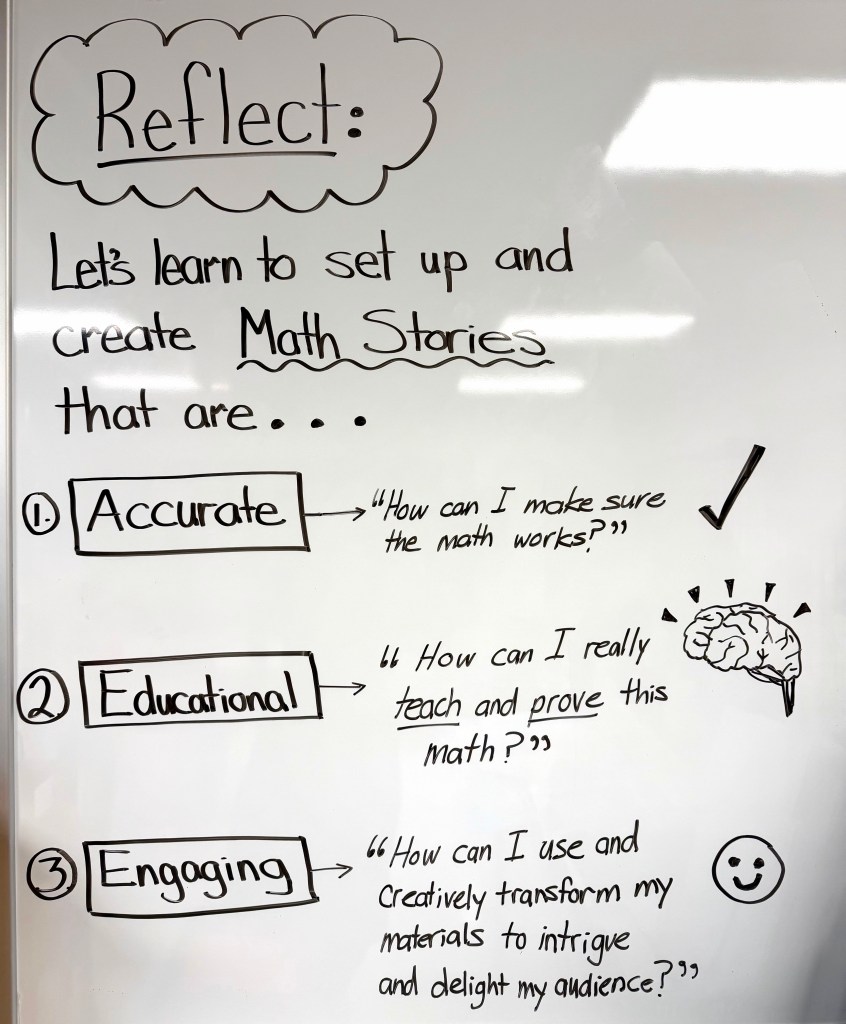
Here are some “teacher examples” I shared with the students at the start of our unit of study…

How can I help my child to learn division?
On any day that we complete pencil-and-paper work in math class, students are asked to bring their marked worksheets home and share them with their families. This happens usually about three out of five days each week. Having short conversations about this work at home is a wonderful way to reinforce learning and build confidence.
For homework this week, students have been asked to retell the math stories they have created or encountered in class. Families are also encouraged to create math stories at home.
Narrating everyday mathematical decision–making—such as while cooking or sharing food—can bring math to life. Whether the story is a simple word problem (for example, trying to divid 15 pancakes fairly among 3 family members) or a more imaginative scenario with characters and background details is entirely up to you. The more children hear adults talk through real-life mathematical thinking, the more they begin to recognize how math applies beyond the classroom.
Reviewing the blog and watching the video tutorials posted here is another helpful way to support learning. Families can also explore YouTube Kids with “division” as a key search term can help to find different teachers explaining a variety of strategies.
While many adults are most familiar with the traditional long-division method, the BC math curriculum emphasizes a need for learners to use flexible thinking and multiple strategies. Exploring different approaches helps deepen students’ understanding of numeracy rather than relying on a single algorithm.
Because of the strong relationship between multiplication and division, continued practice with skip counting and multiplication facts is especially helpful.
Thank you for the support you provide at home. This partnership is making a real difference in strengthening students’ foundational math skills.
 Tiffany Poirier