
Hello, 4A families!
Here is a window into our week of learning. *Reminder that our class will go on our SKATING FIELD TRIP this coming Monday, Feb. 2nd. Please send in that day a helmet and warm outerwear (and skates only if your child is not renting).
In Language Arts & Arts Ed…
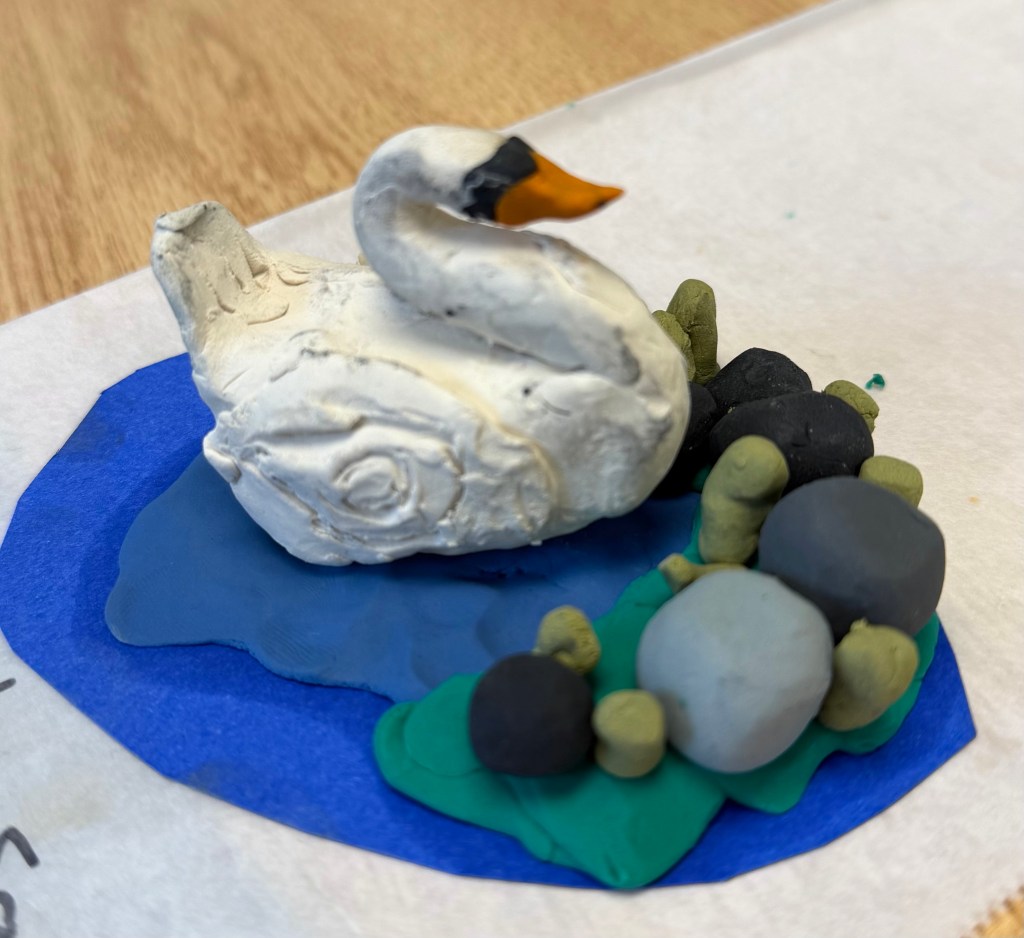
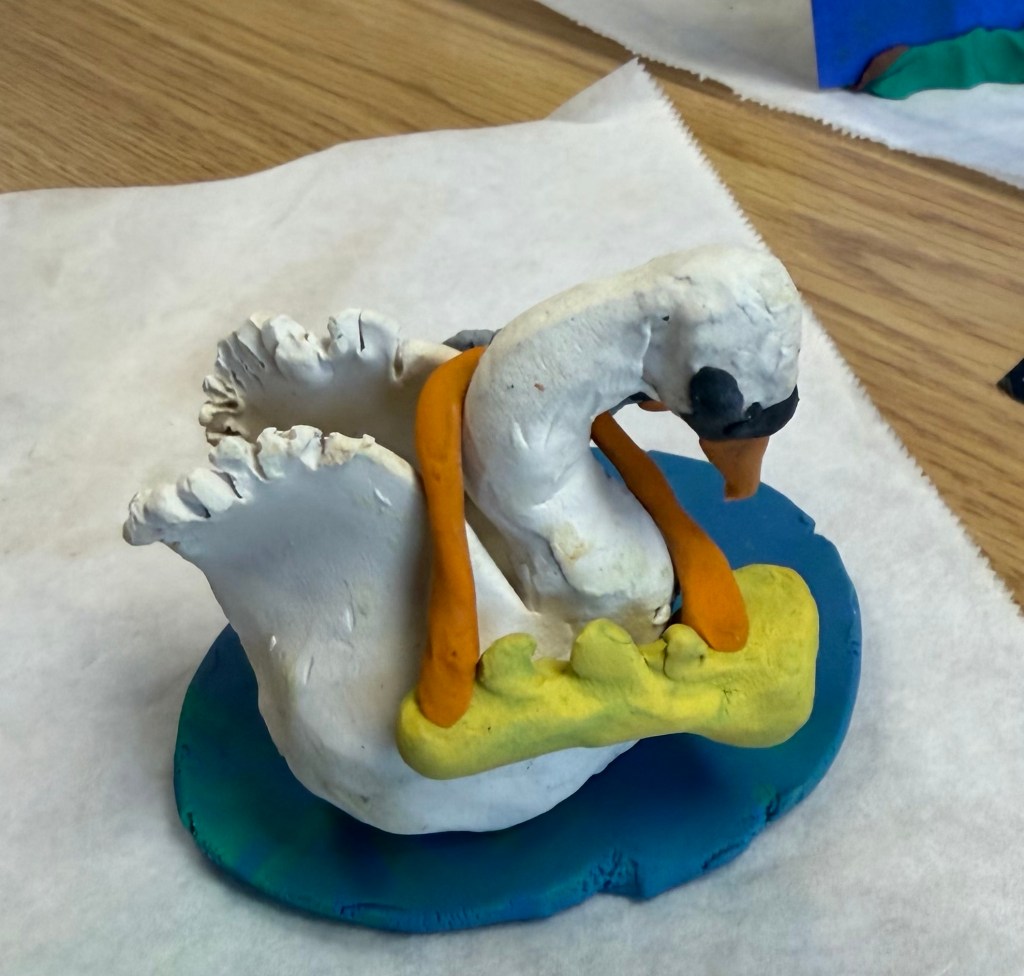
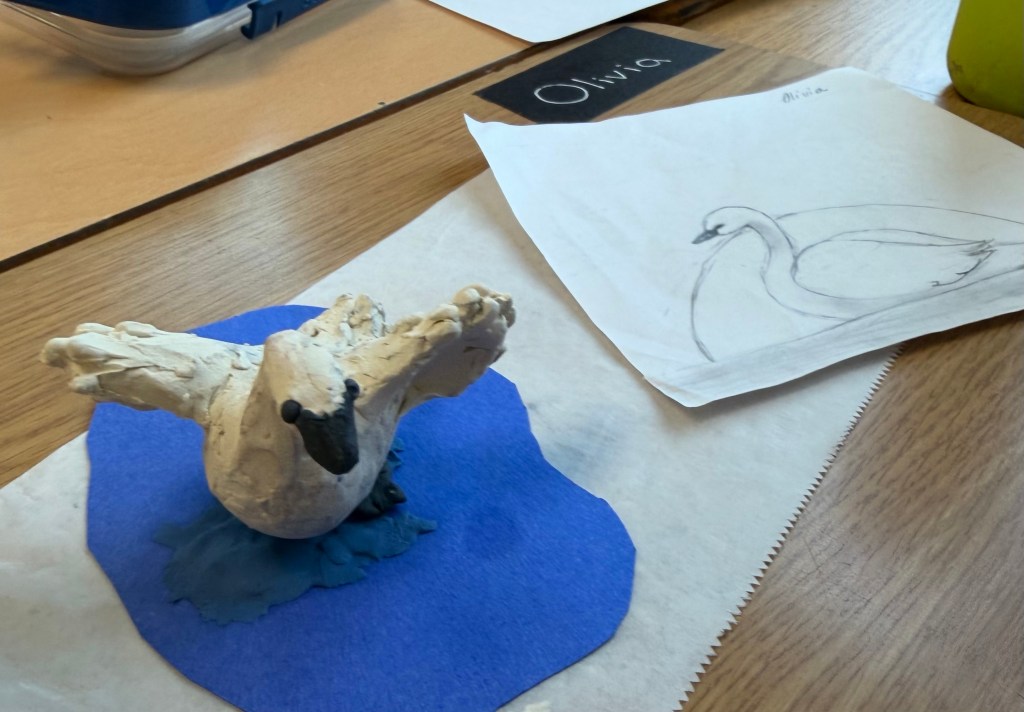
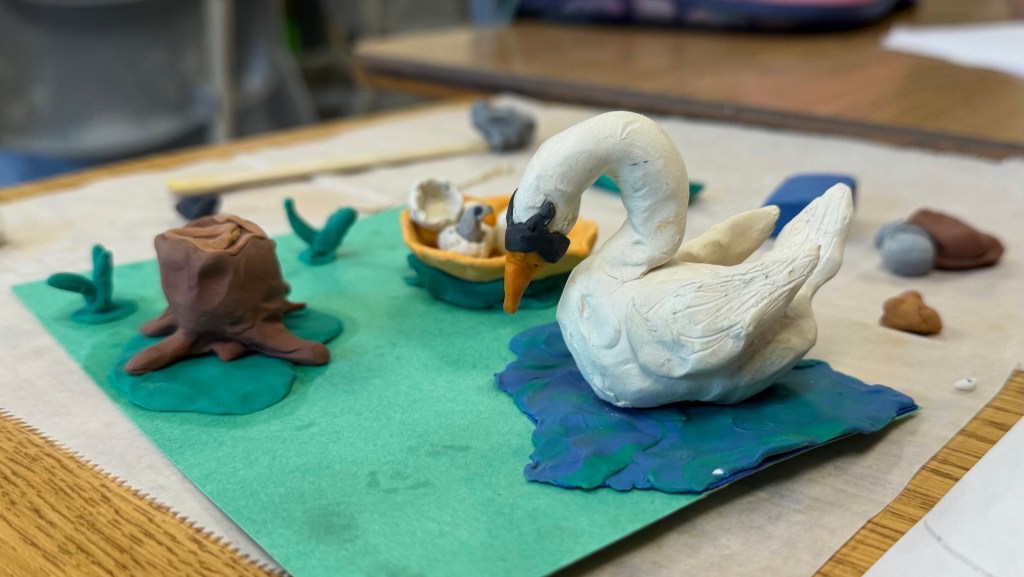
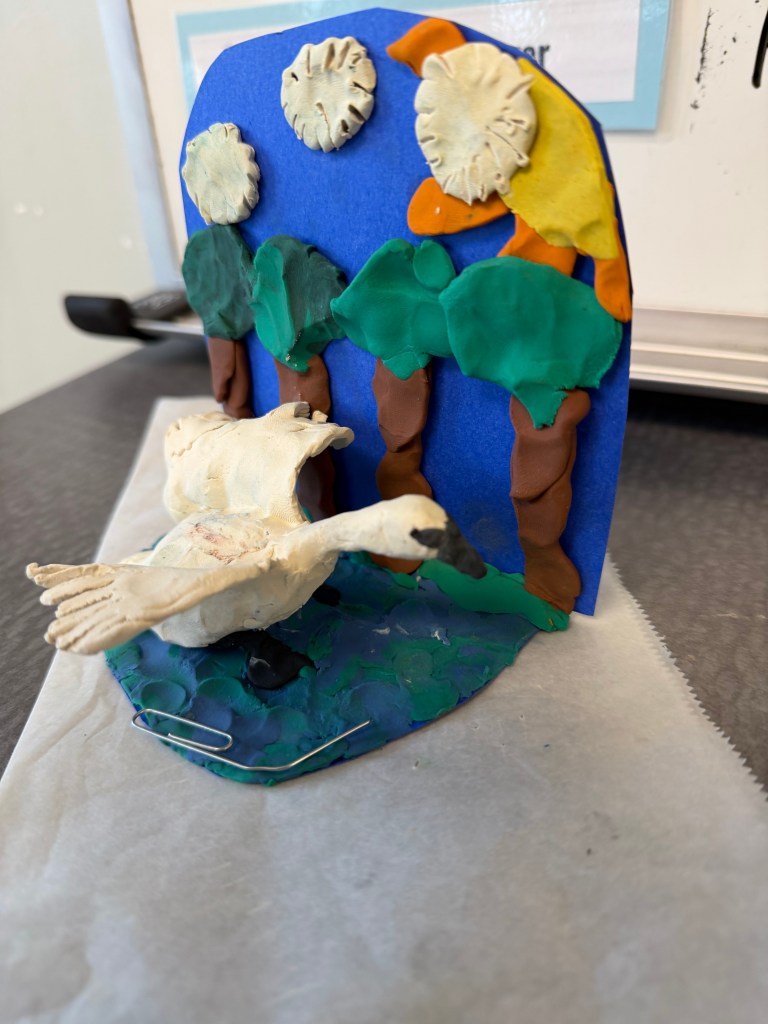
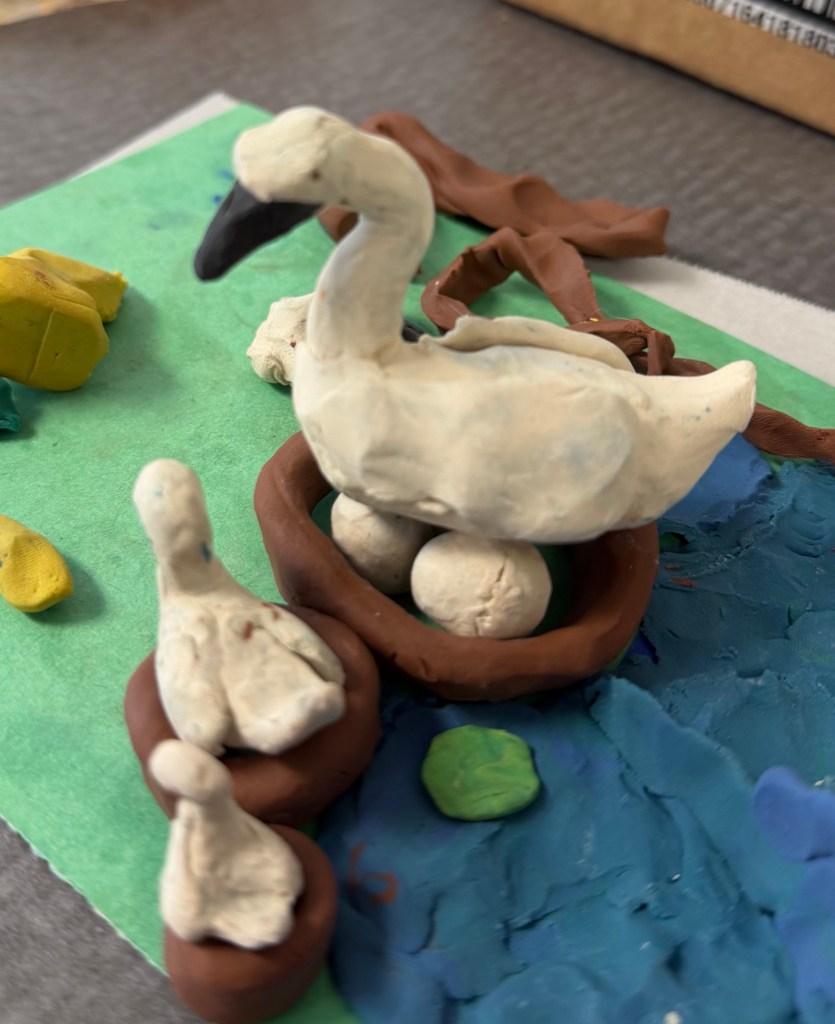
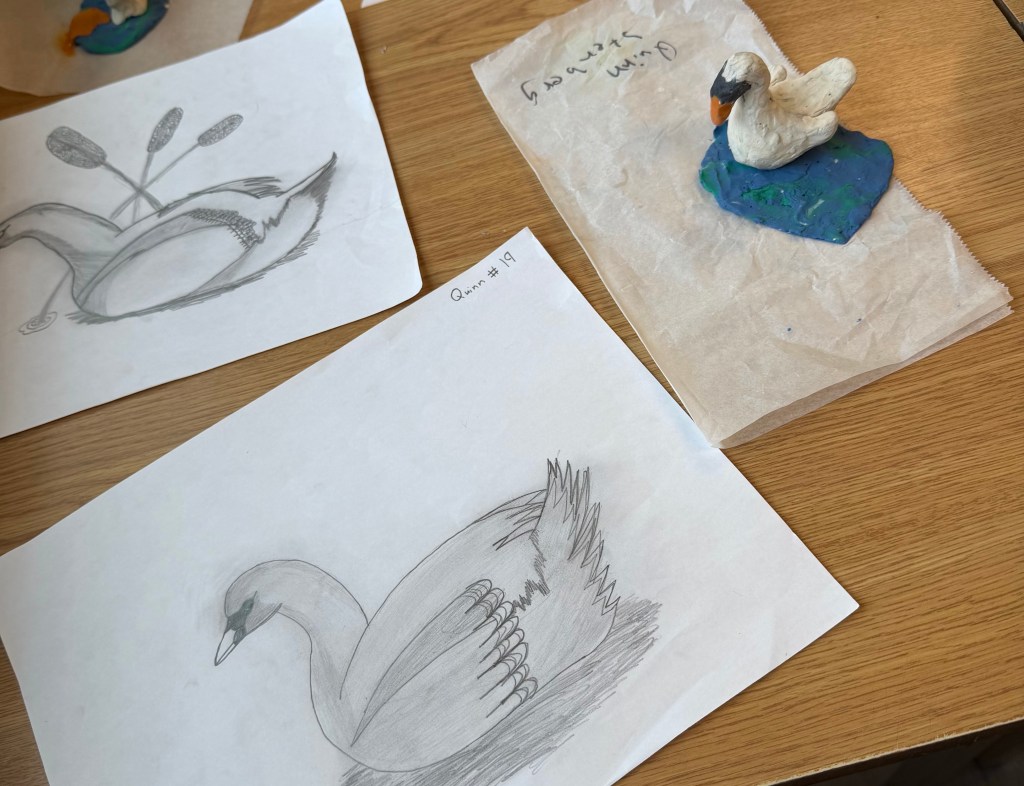
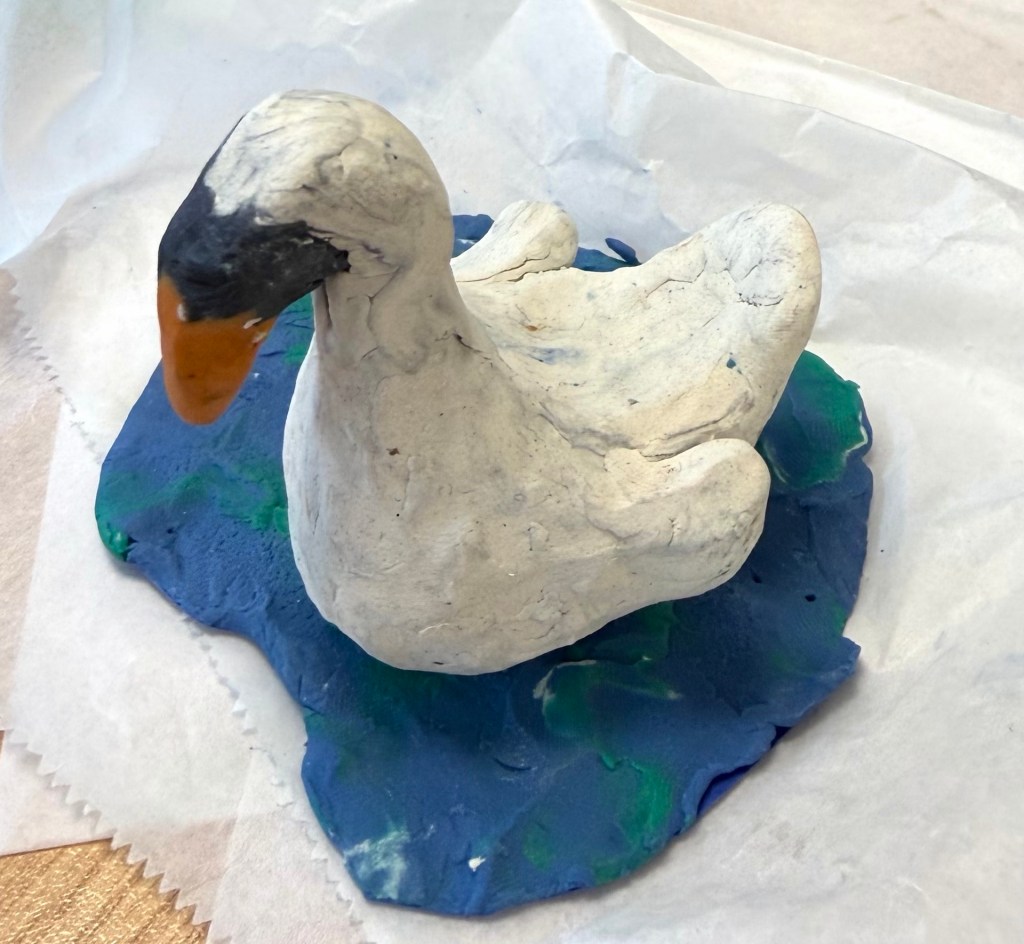
We have continued our novel study of “The Trumpet of the Swan” by E. B. White.
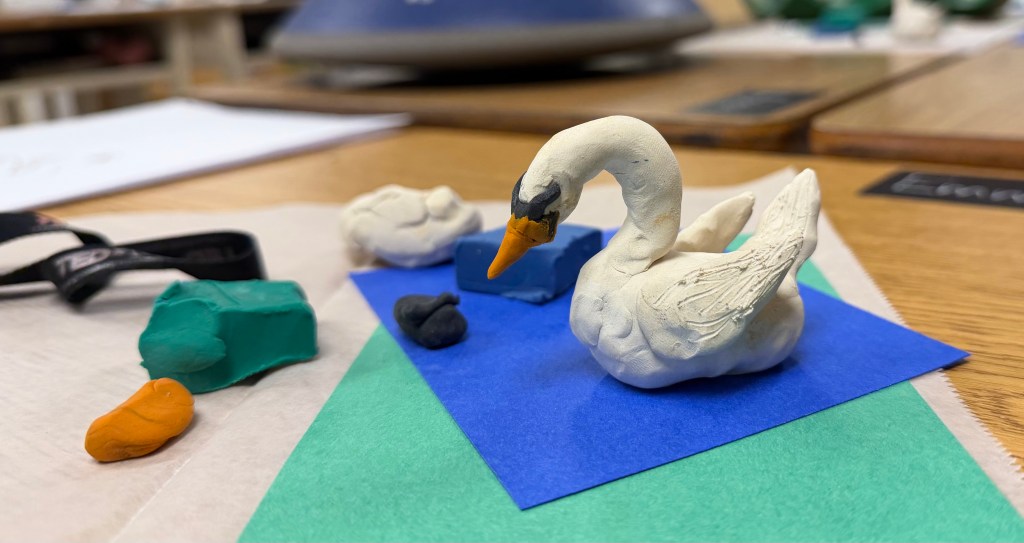
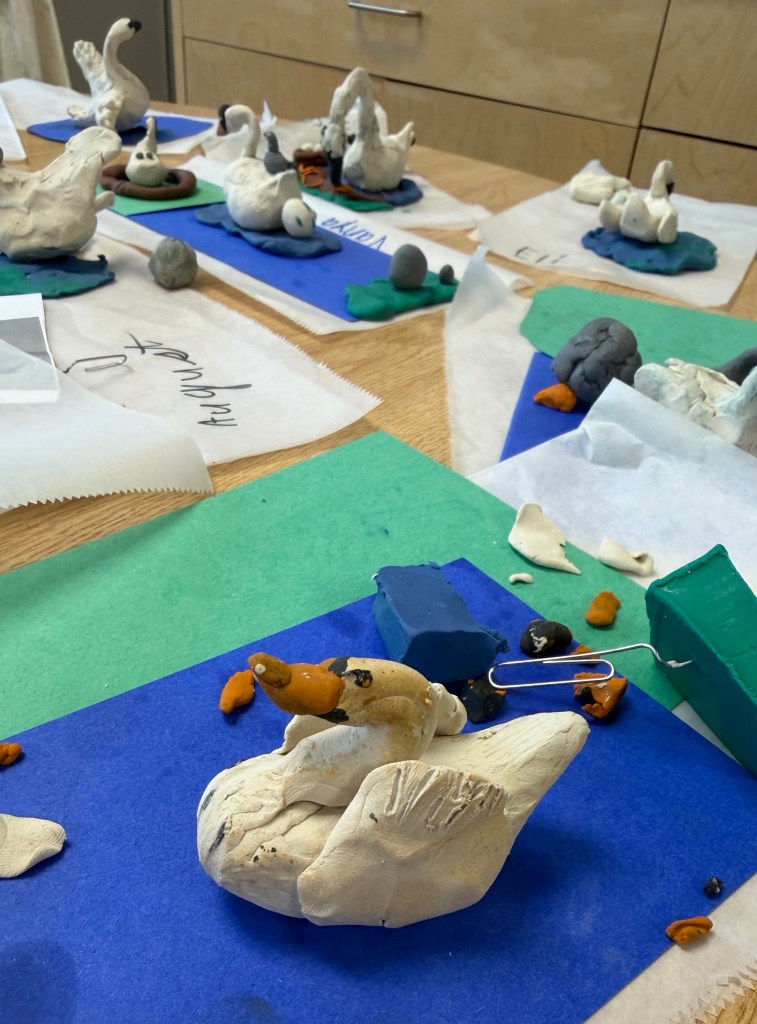
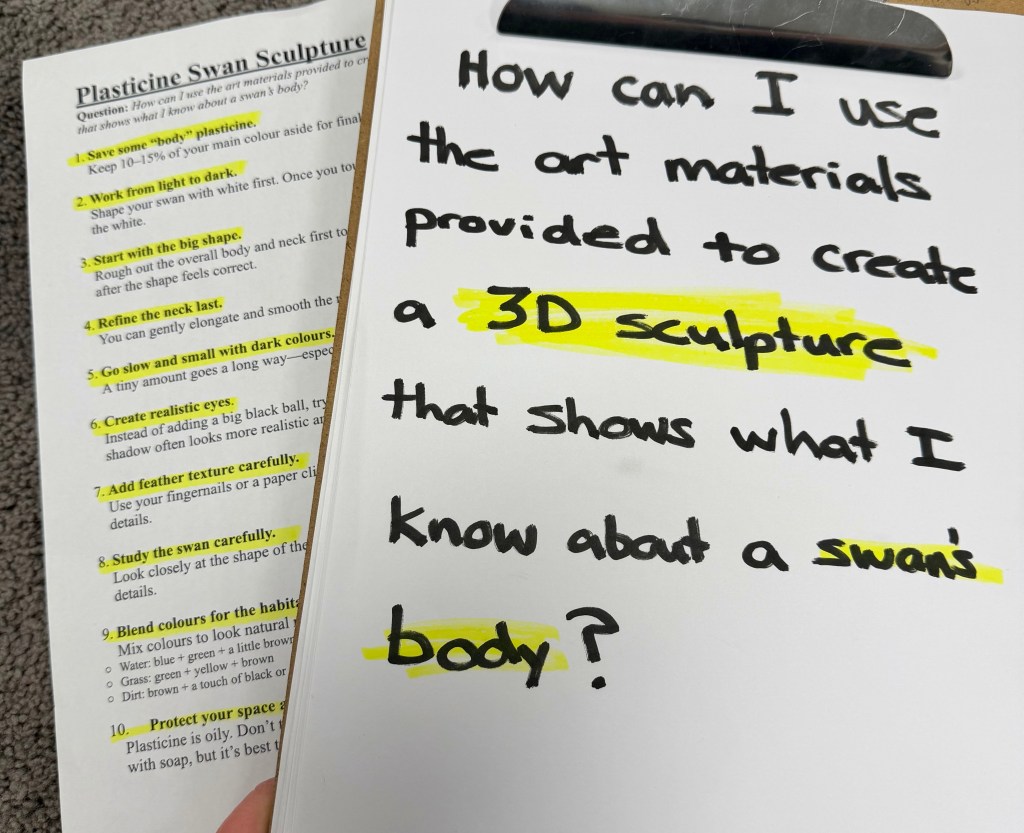
They have analyzed photos and watched swan videos to help them draw sketches and then sculpt swans from plasticine.
In Social Studies…
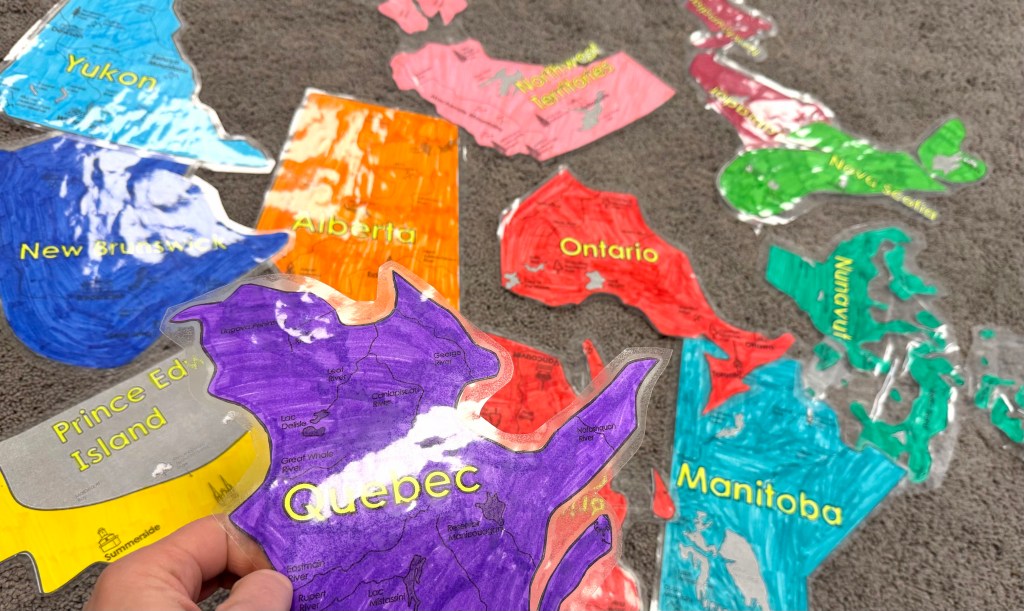
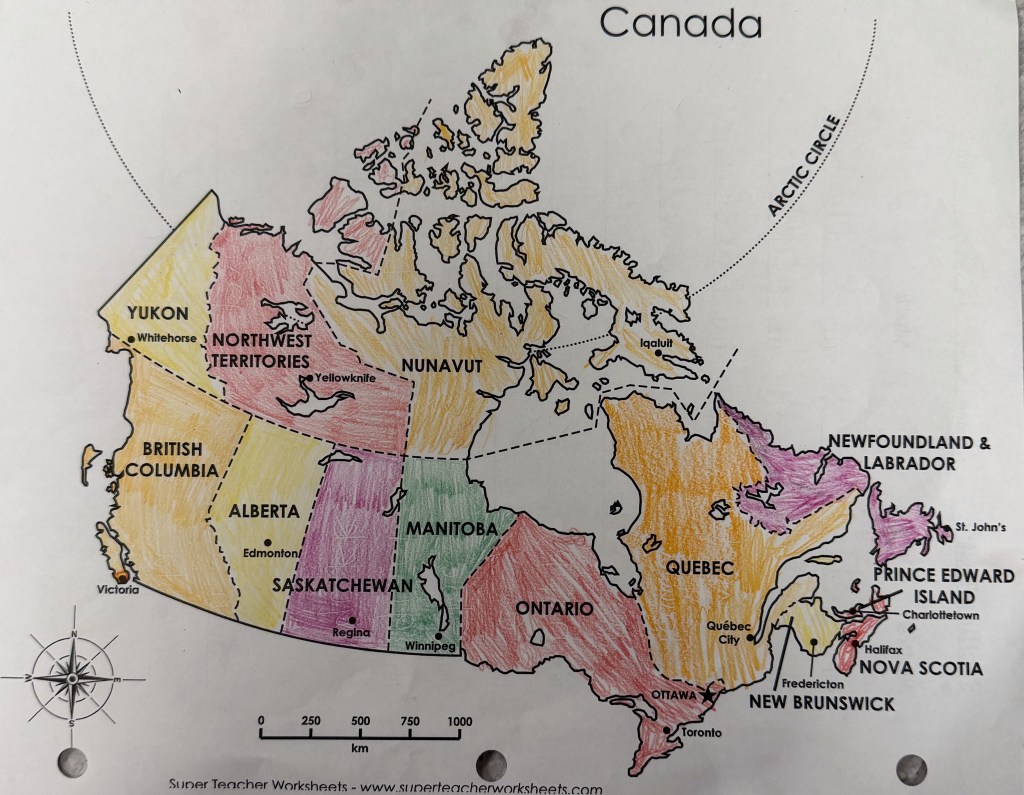
We are in the middle of our unit of study on the path BC took to confederation. We have been working on props for a play to help tell the story of the early days of British Columbia.
In Science…
Students have been learning to summarize and take “bullet point notes” of texts to aid their comprehension and retention of academic content. They applied this new study skill when doing a practice quiz and two additional quizzes on the topic of what factors have put biomes in danger in the past.
This topic was an excellent jumping off point to practice critical thinking and consider point of view and purpose for writing when reading scientific information.
For example, farming was listed repeatedly as a historical cause of harm to various biomes; indeed, there is lots of evidence to support this.
But how do we define “farming”? Is all farming harmful all the time? Are the trade-offs of the benefits of some farming important or necessary?
Ethical scientists consider how their own perspectives can intentionally or unintentionally impact their work and how they share and frame their research.
So, this was a time when I modelled acknowledging my bias: “I live on a tiny farm surrounded by other farms, and that informs how I would view and interpret research about the impact of farming on biomes.”
A strong education in science prepares students not just to unthinkingly consume data, but to investigate it, contextualize it, reflect upon it, and challenge it.
This approach does not ask students to dismiss evidence, but to more deeply understand it with awareness of how evidence is gathered, framed, and interpreted.
These skills will help students work towards becoming thoughtful readers of scientific studies, news articles, and real-world claims now and in the future.
In Math…
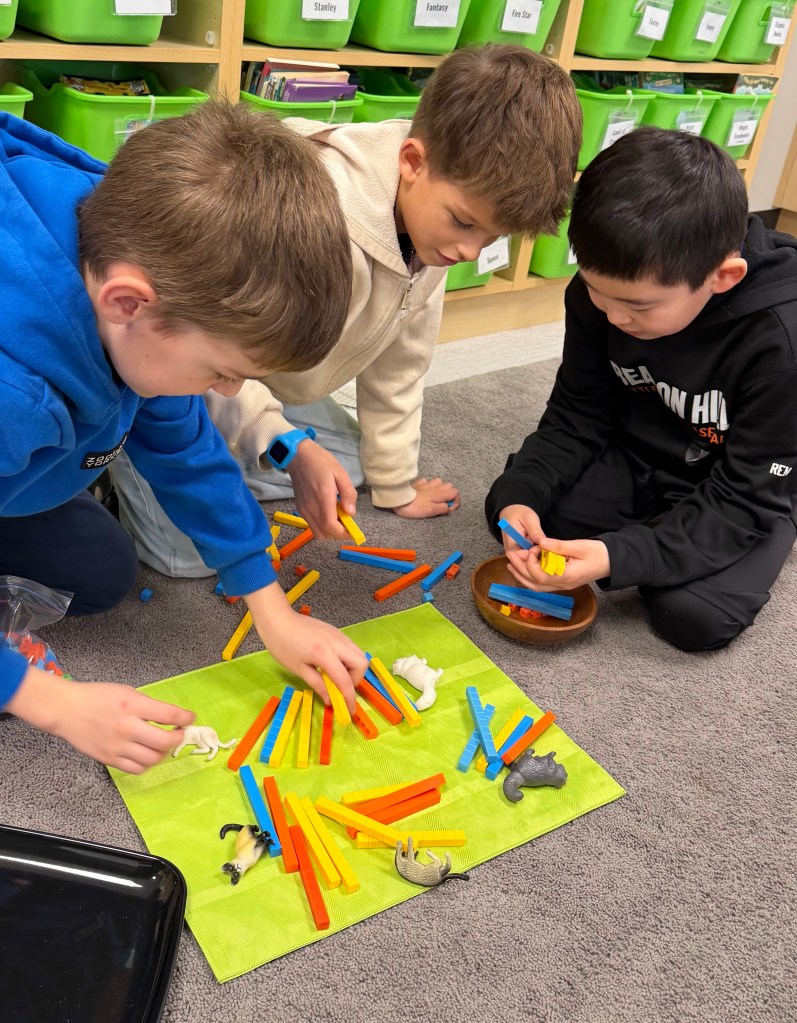
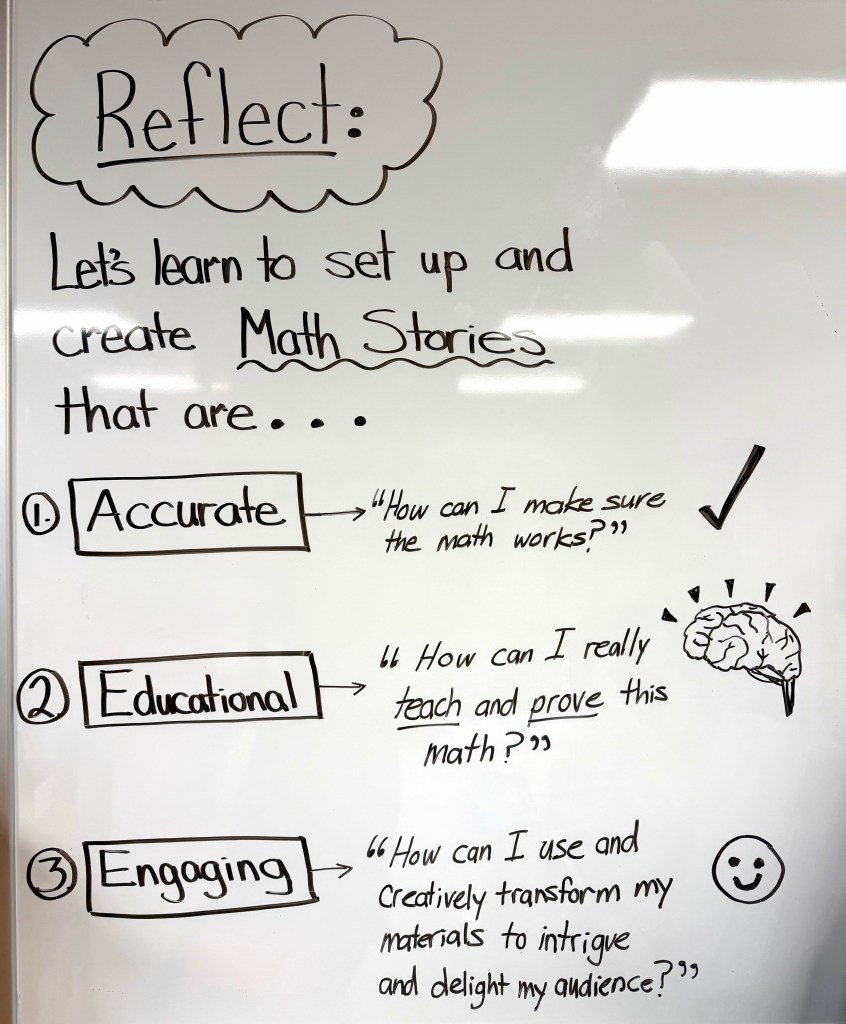
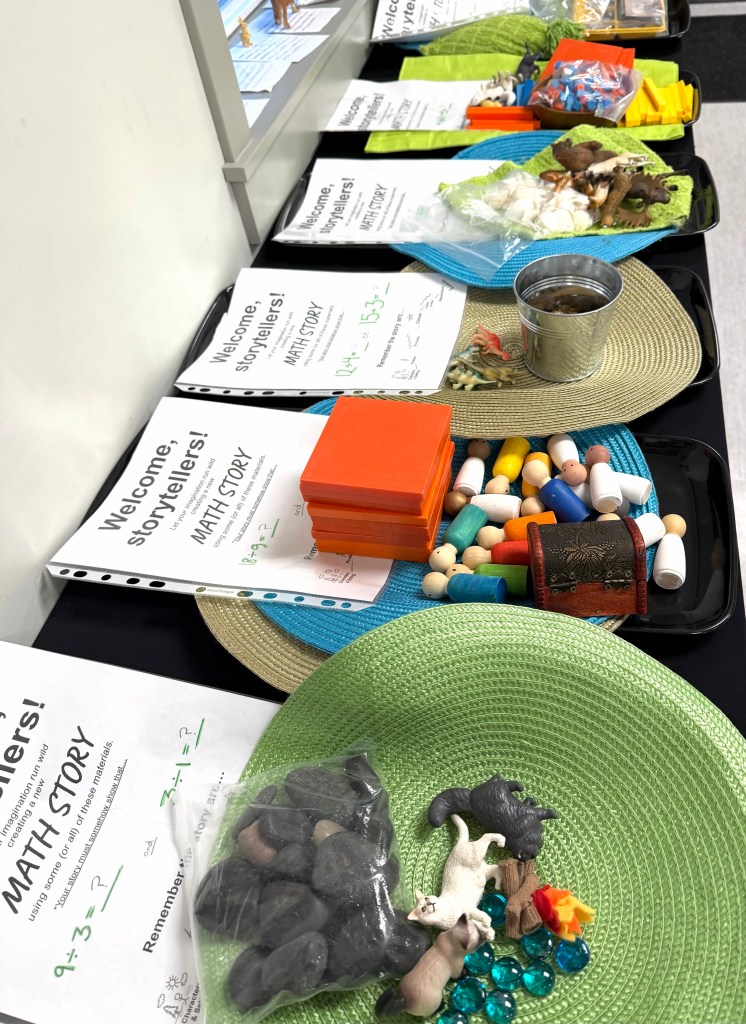
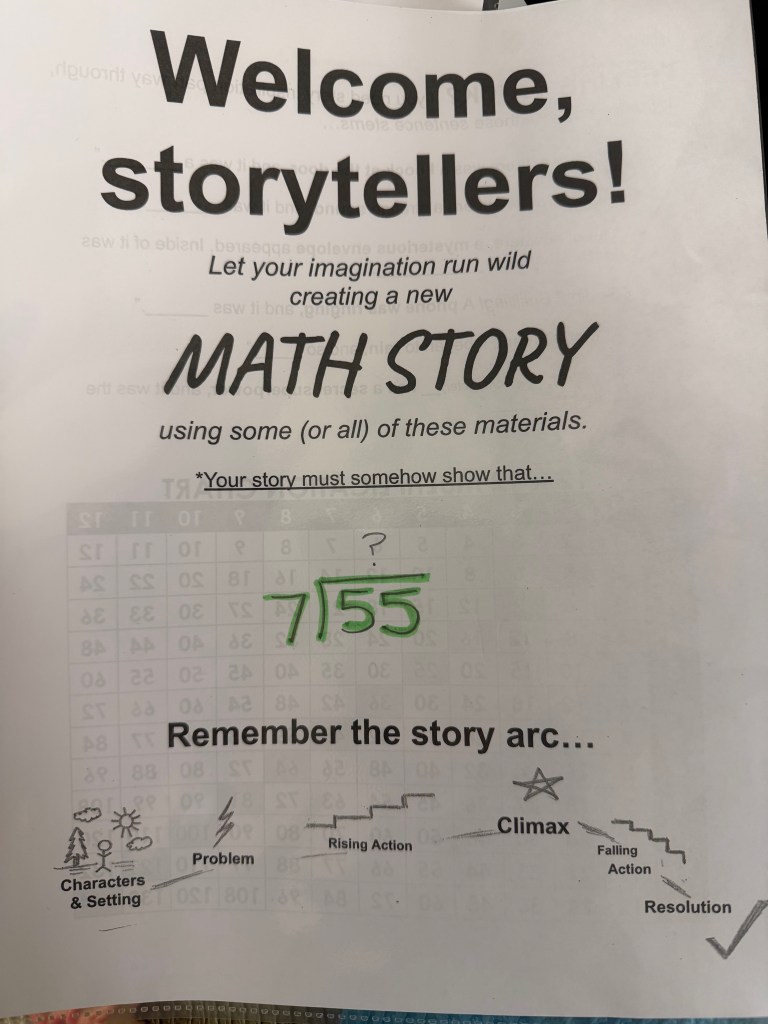
Students have been creating division math stories, working at times with maximum freedom of choice of materials and math topics. At other times, I challenge students to work within constraints from a teacher-curated prop list with defined questions.
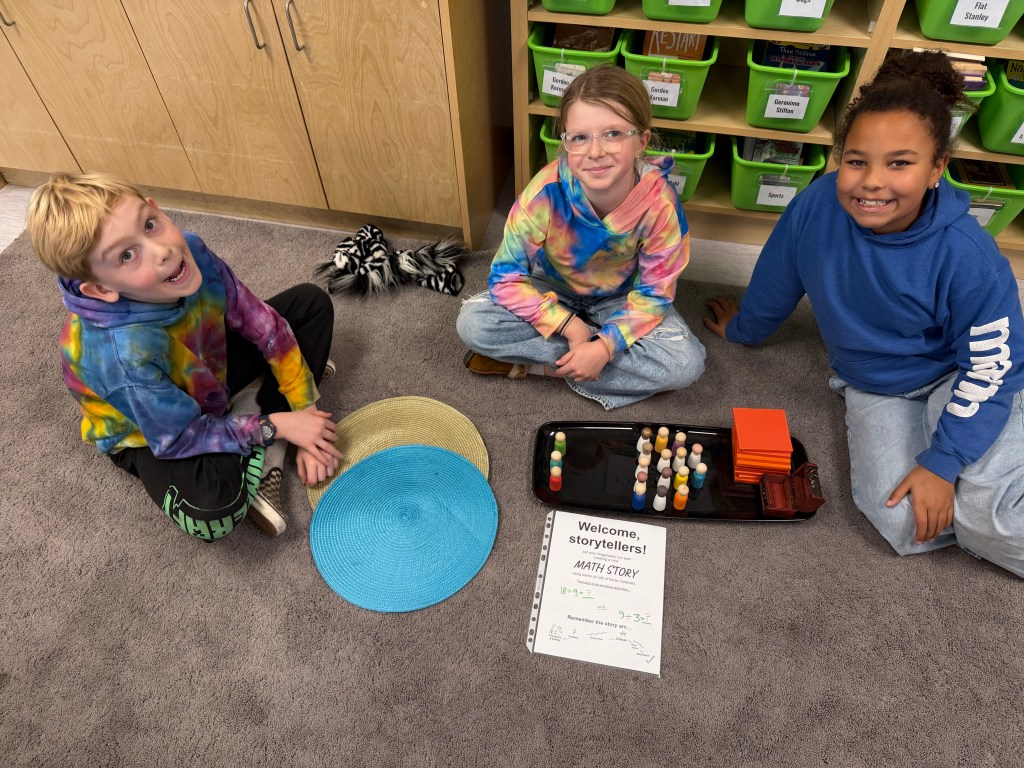
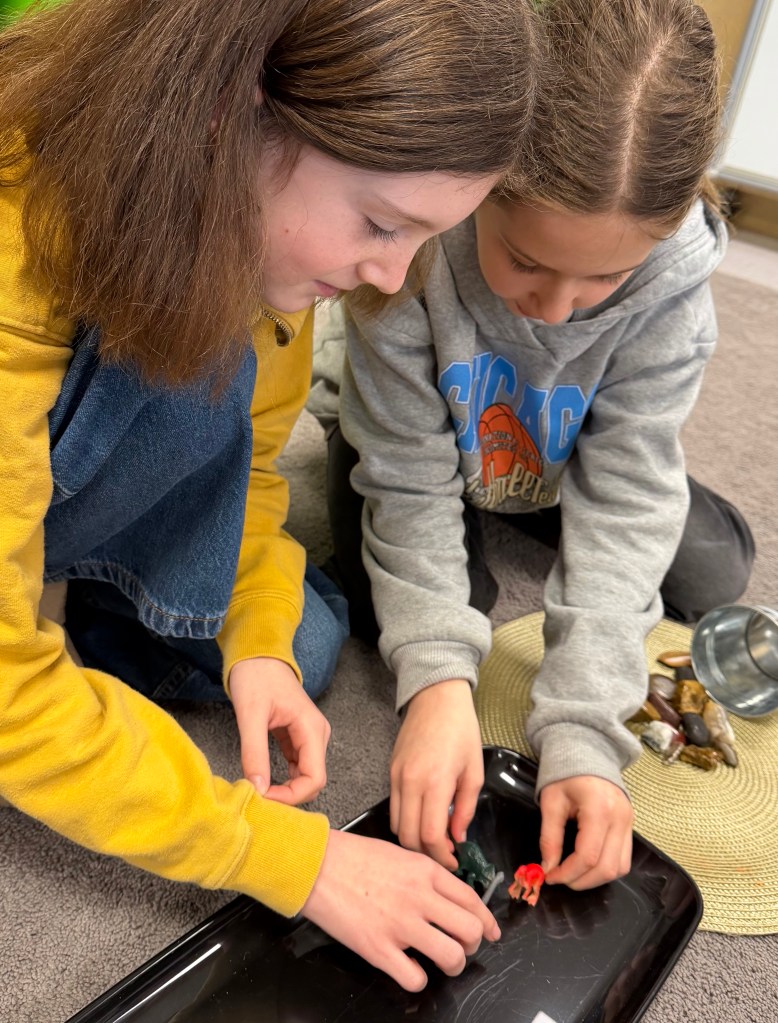
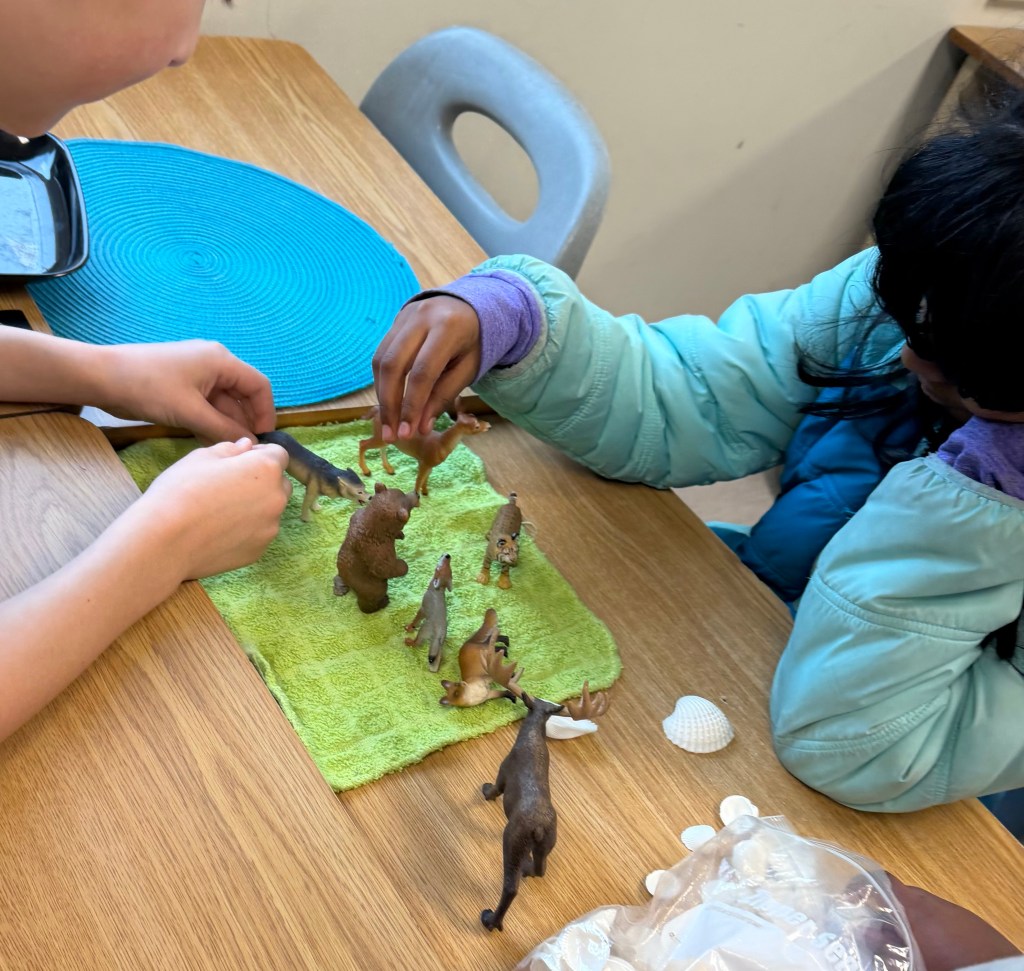

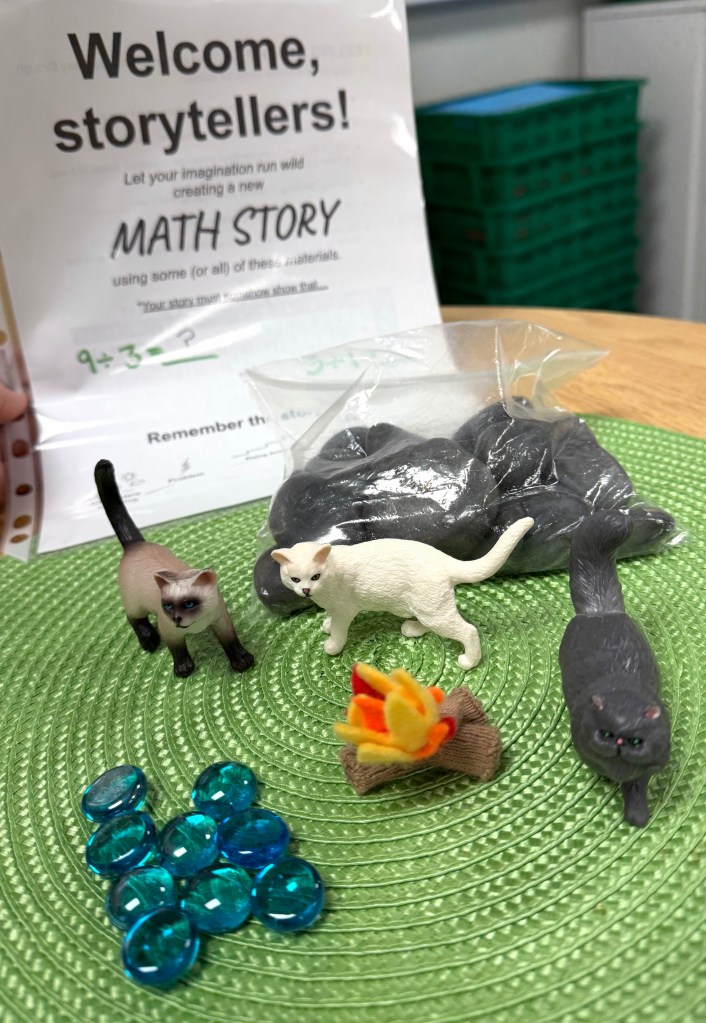
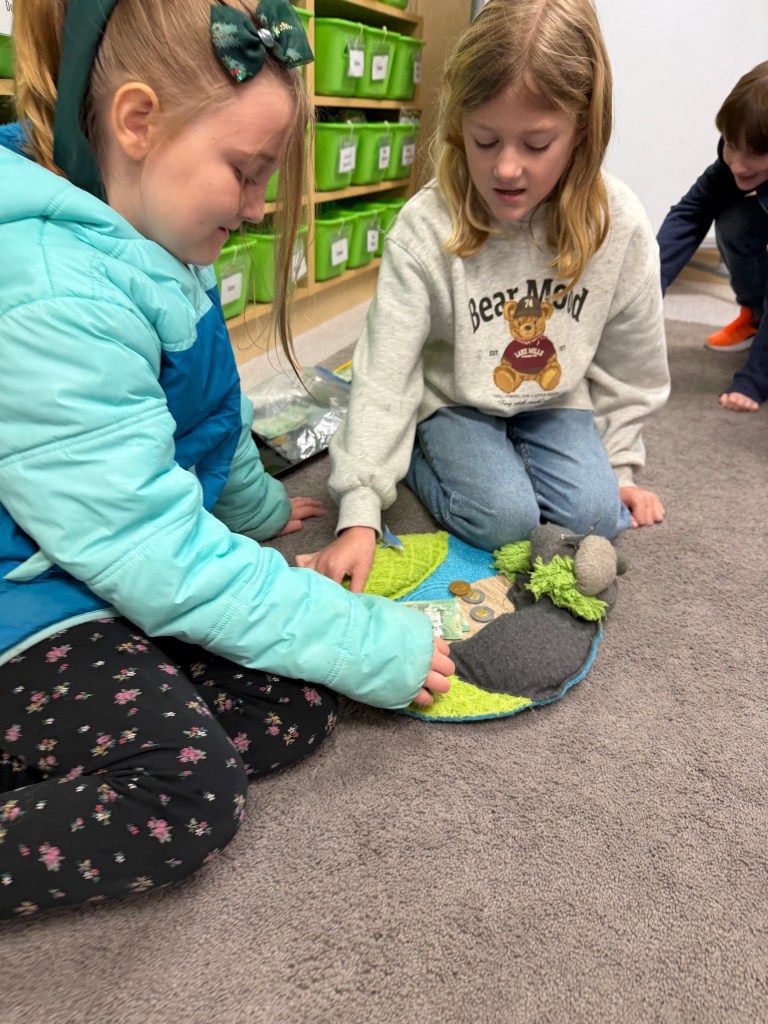
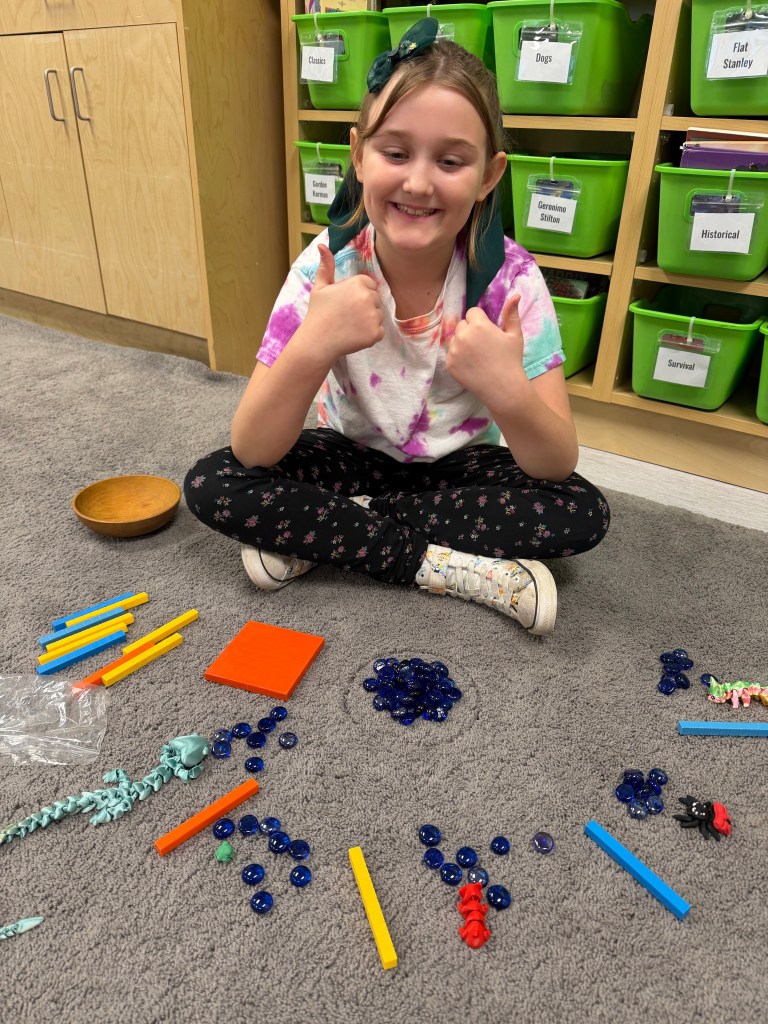
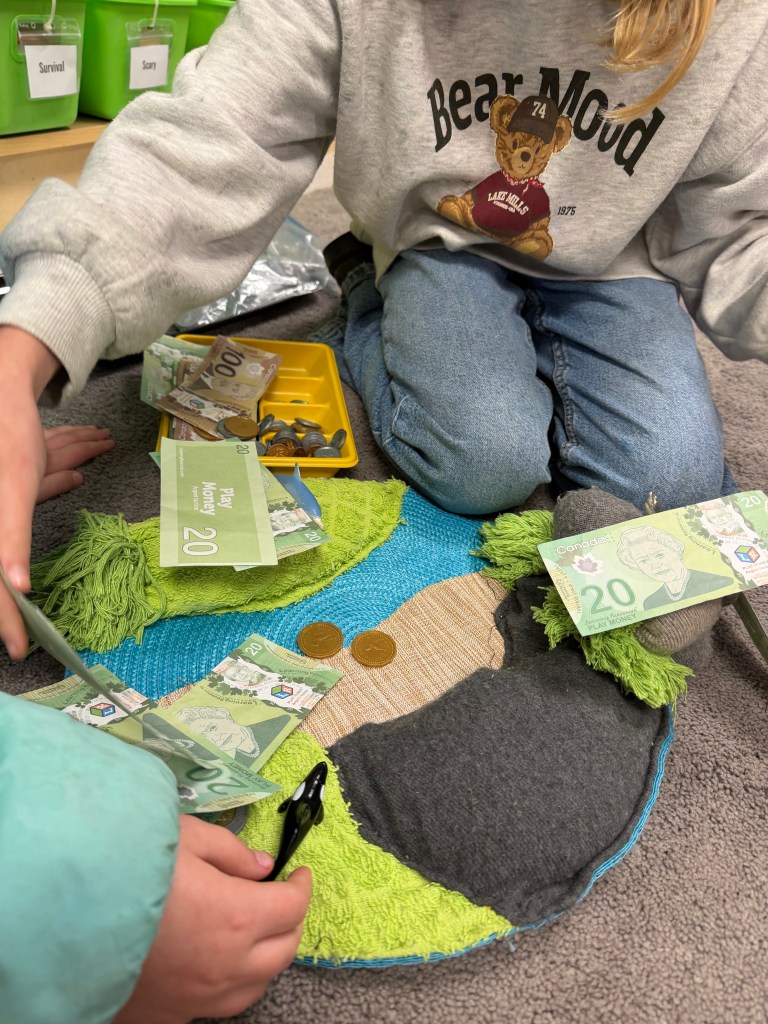
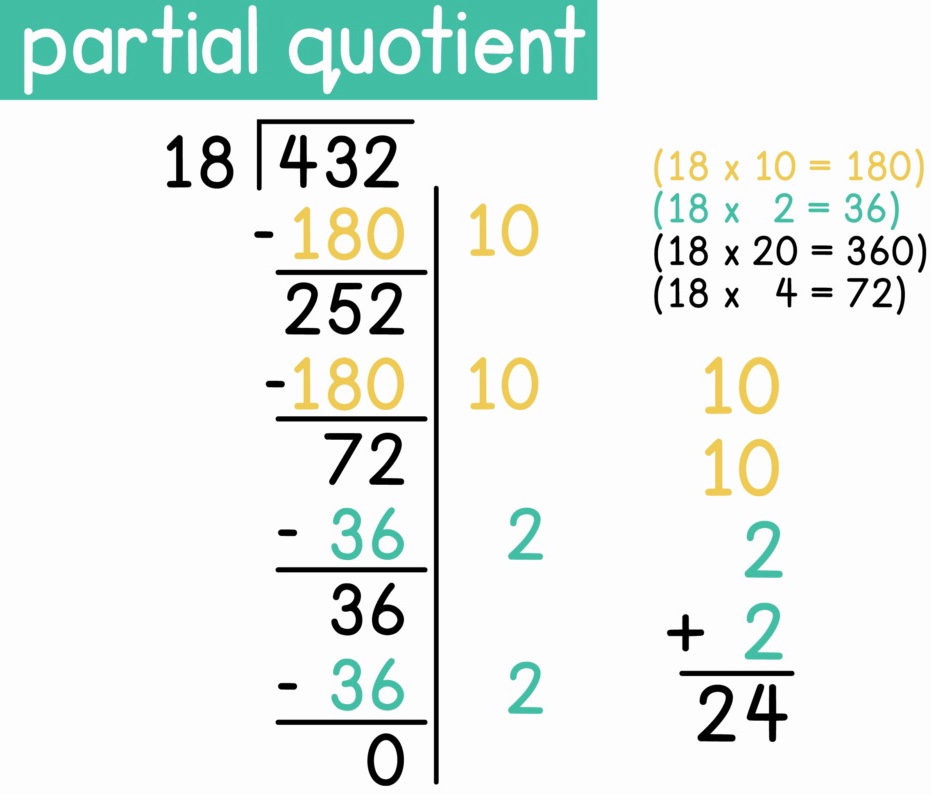
In Math, we are deep into our unit on division and now learning the “Partial Quotients Method of Division”—which is more forgiving than the traditional method because it doesn’t rely on students having memorized most of their times tables. See some videos below…
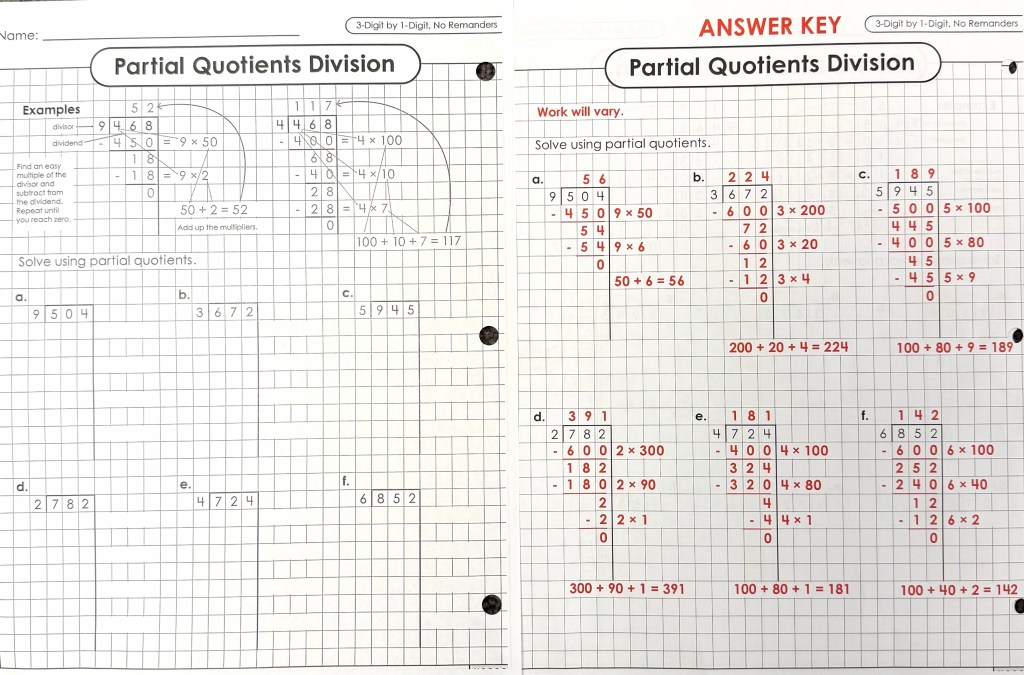
Yesterday I sent students home with two extra practice sheets to complete in their own time as desired. I recommend students complete and mark 2-3 questions each day. I will not be marking this work, but I let them know the answer key is here on the blog.
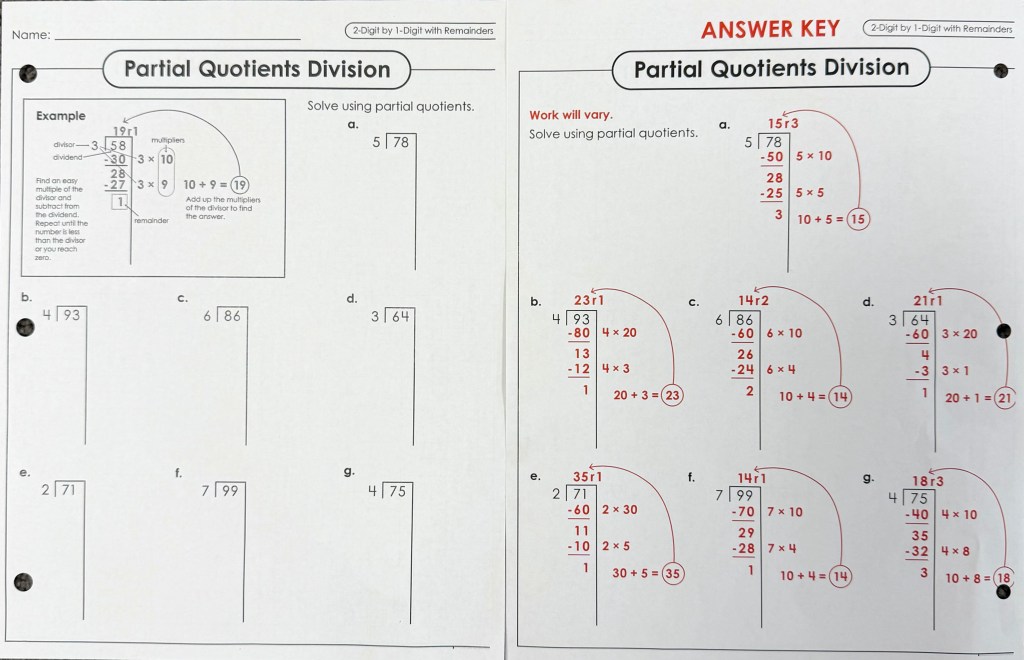
Work will vary, but the goal is for the answers should match the answer key.
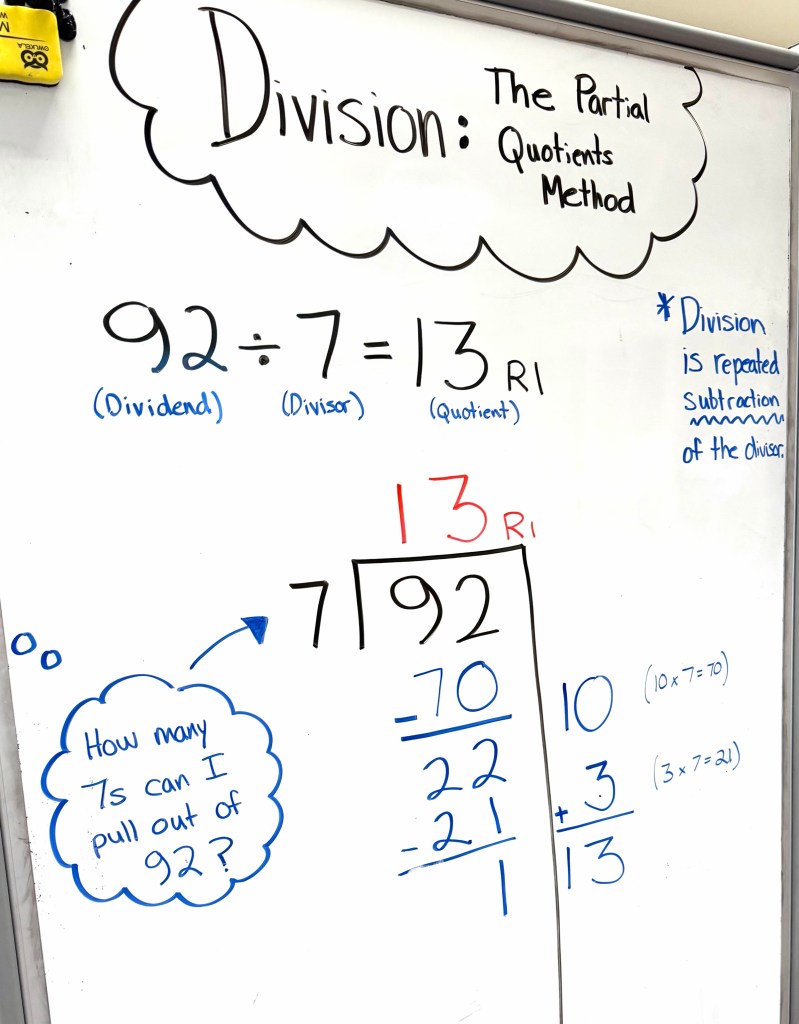
YES! I will be teaching the traditional long division method next.
However, we started with “Partial Quotients” because it is more flexible and far easier for students with minimal division experience and who do not have the whole multiplication table memorized.
In Physical Education…
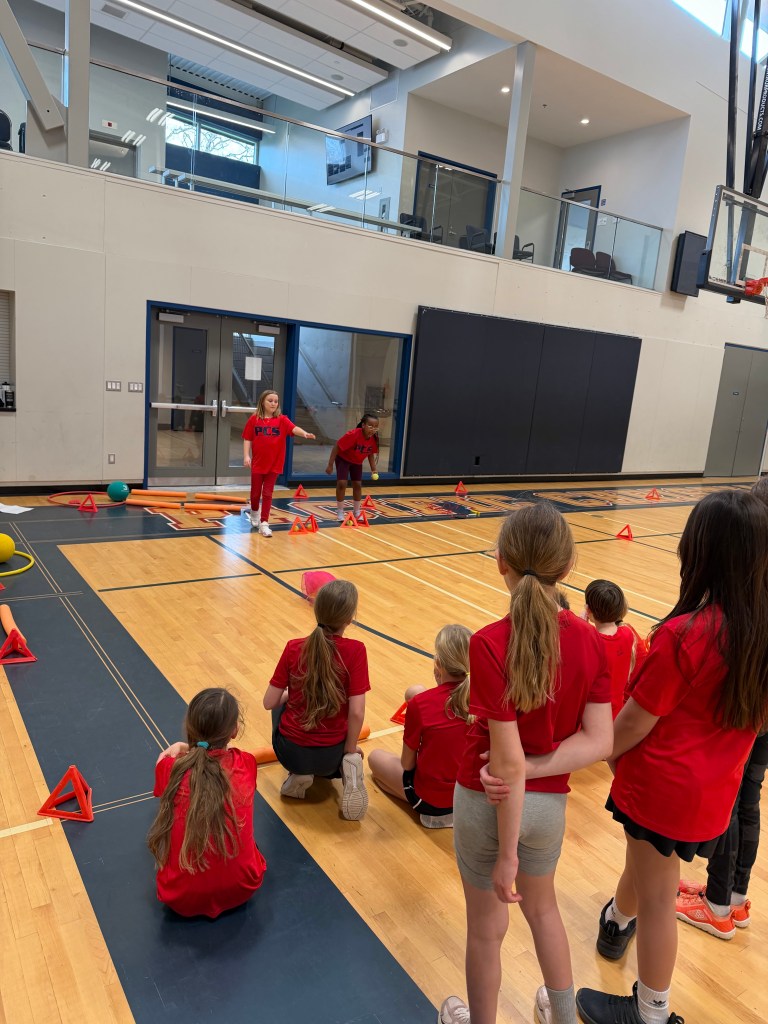
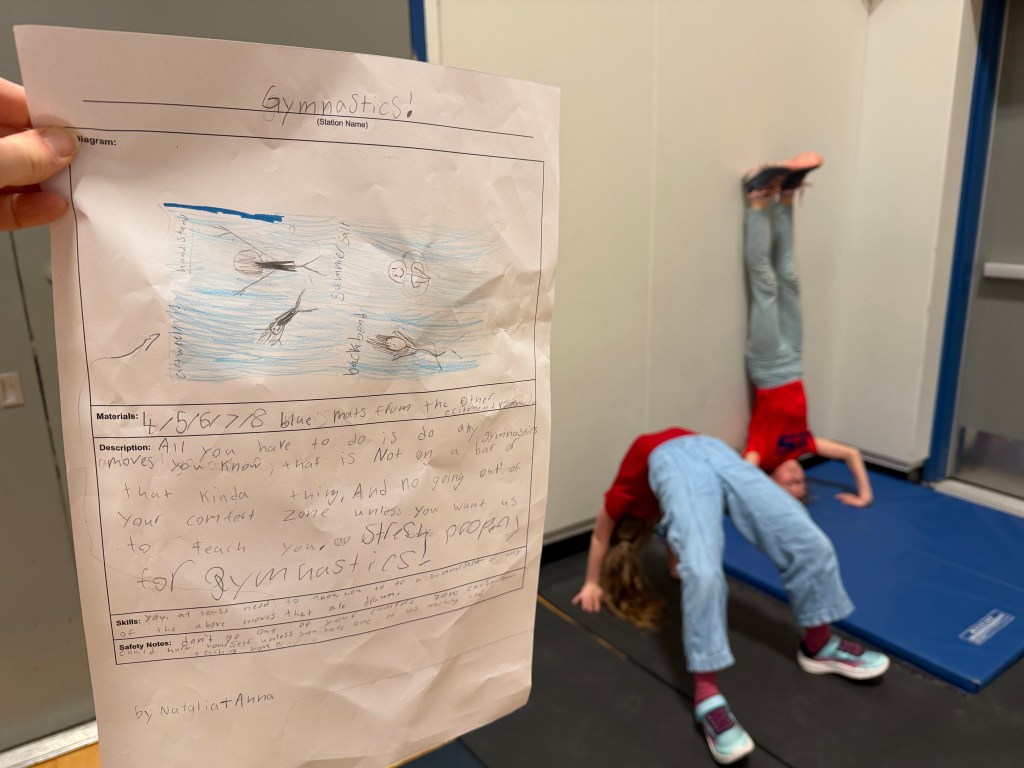
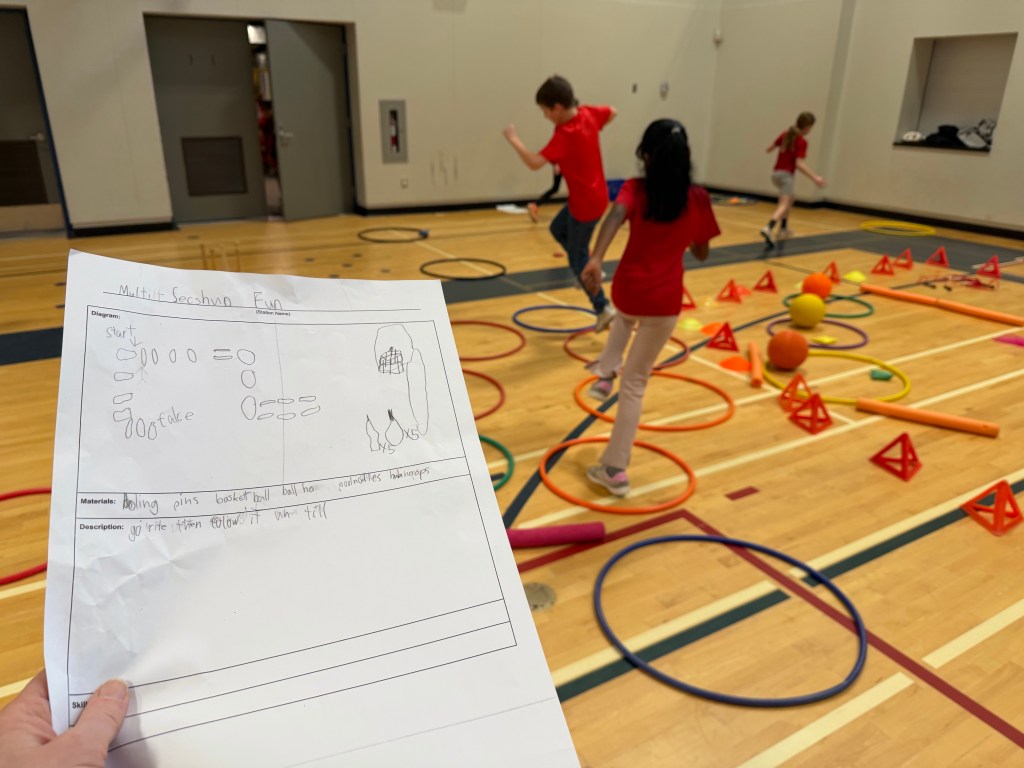
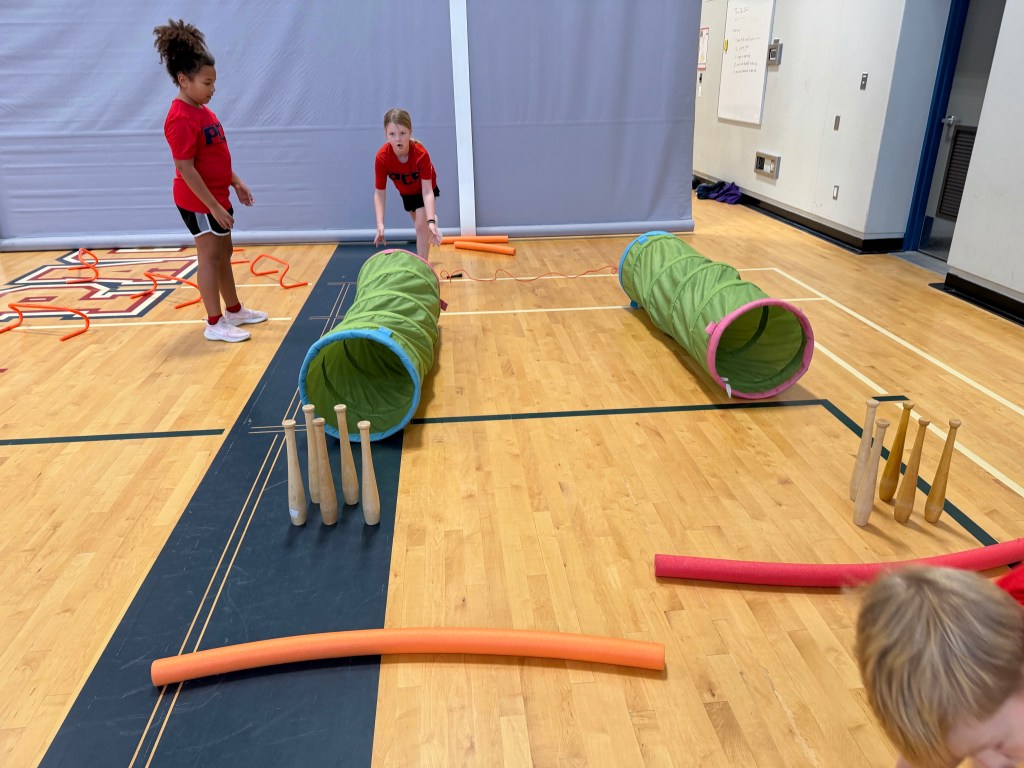
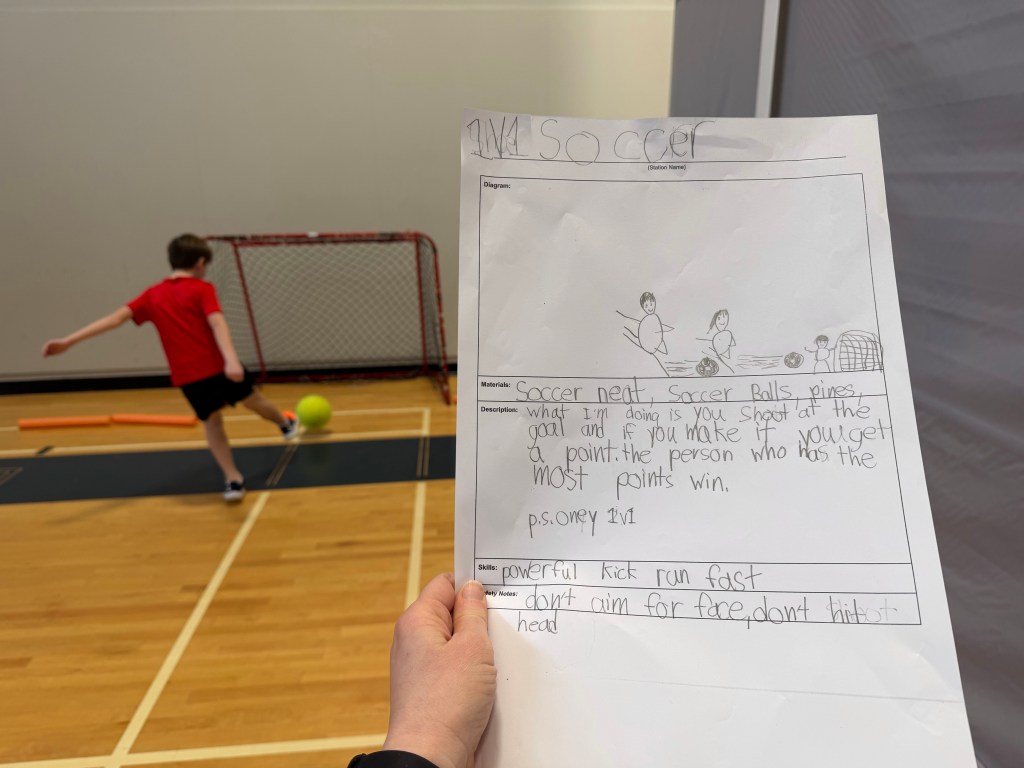
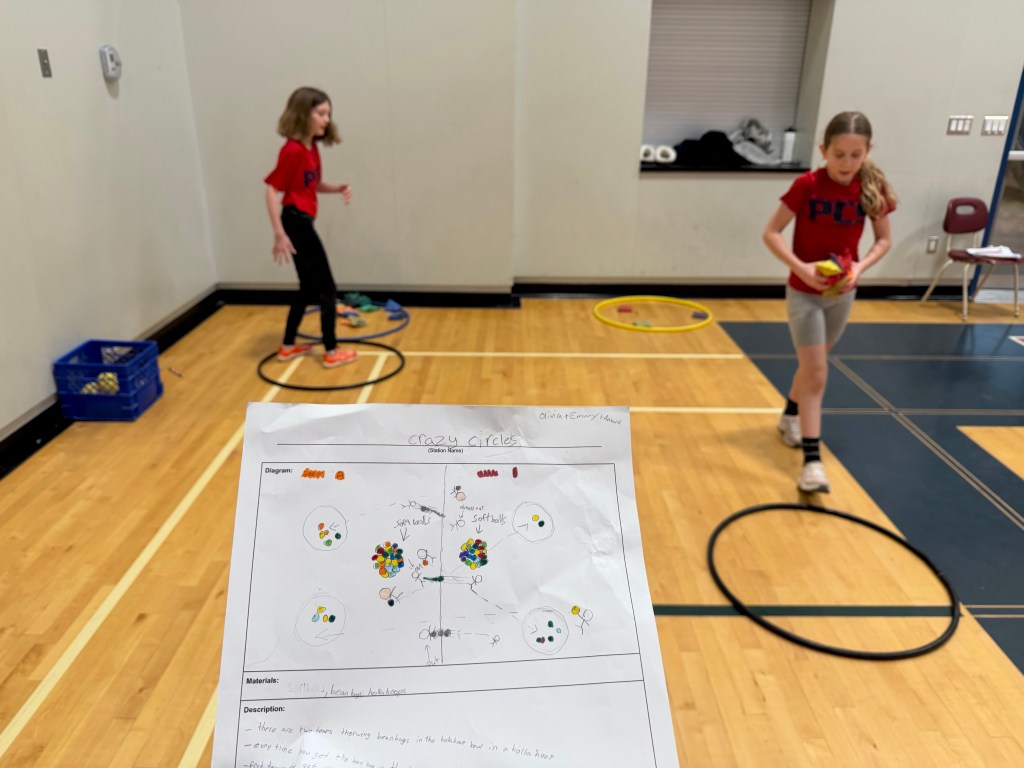
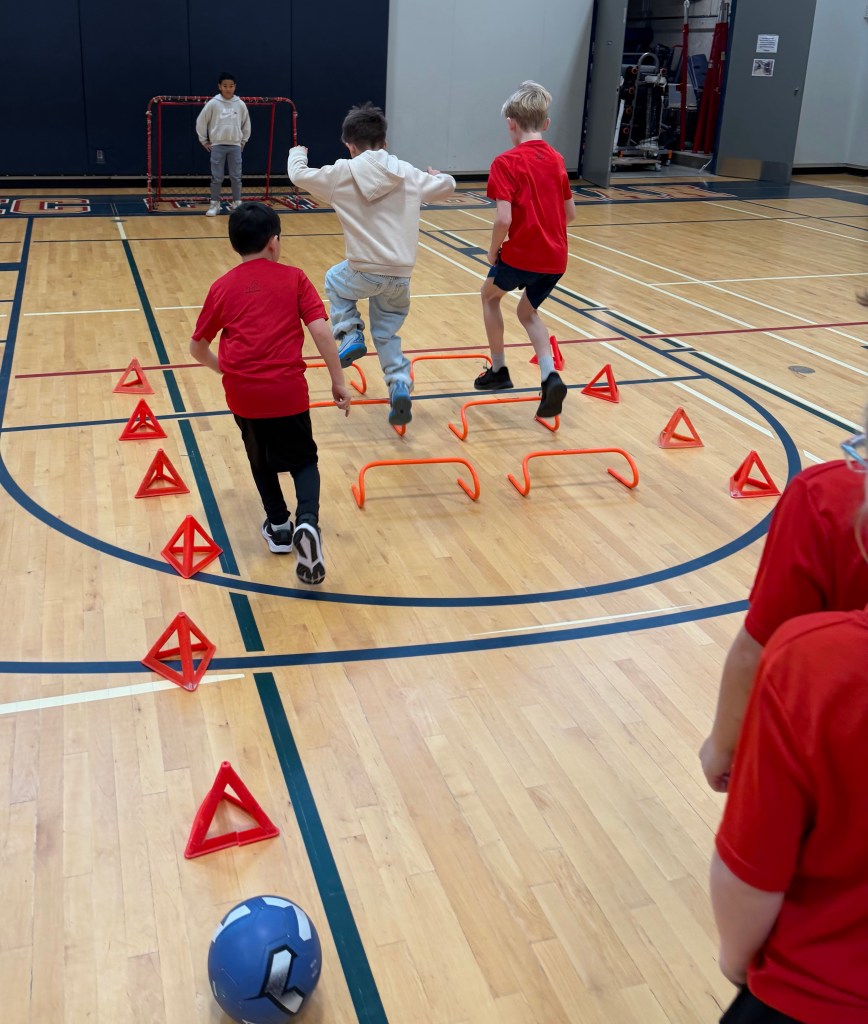
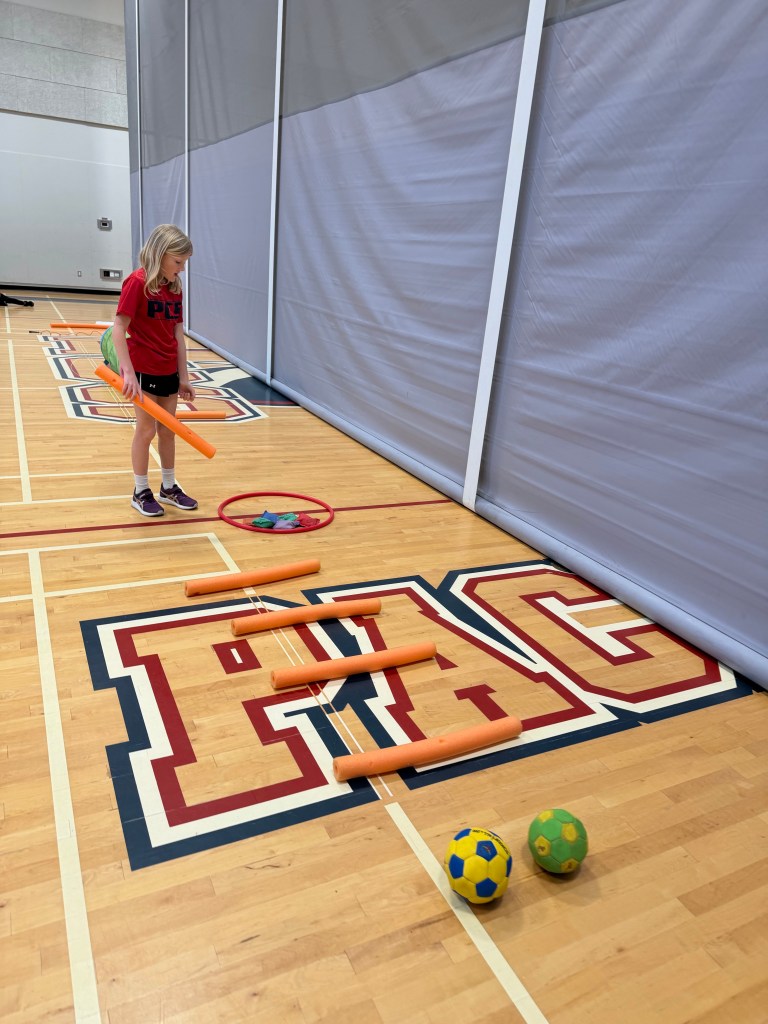
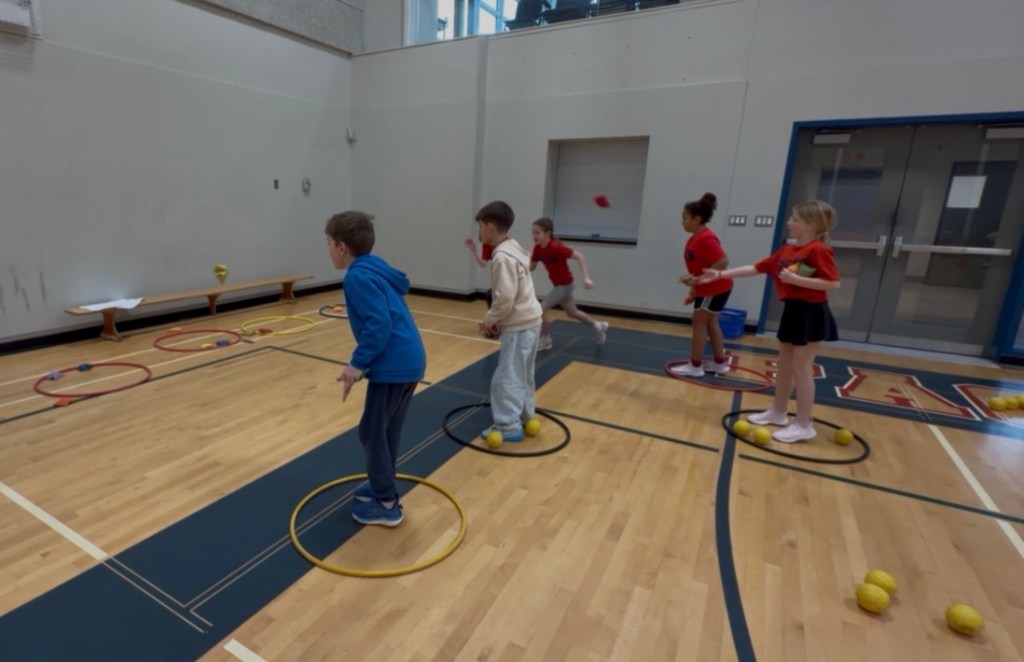
Students have been working hard on their “make a fitness station” projects. They worked in teams to create plans and have been presenting their stations, complete with skill demos and safety guidelines. So much creativity!
In Bible & Crew…
This week’s focus has been on our call to “be kind and compassionate to one another, forgiving each other, just as in Christ God forgave you” (Ephesians 4:32). We considered these questions: Who does Jesus show kindness for whom others don’t? What can we learn from this?
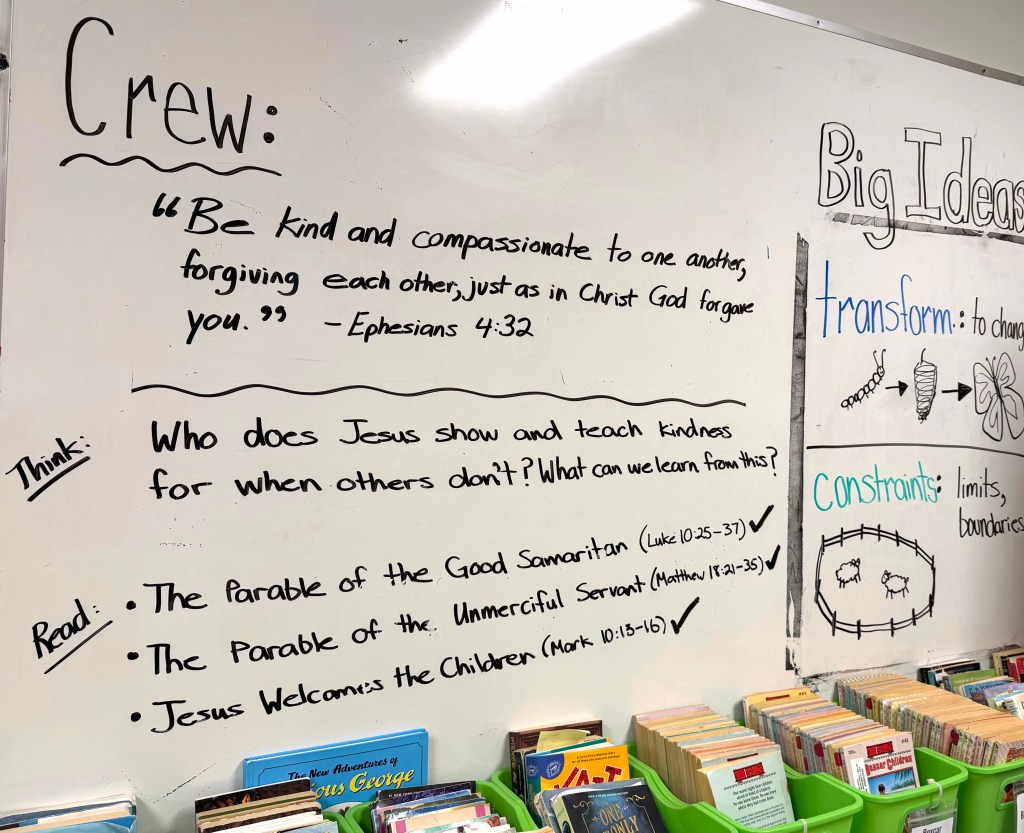
We have read, analyzed and discussed the parable of the good Samaritan, the parable of the unmerciful servant and the story of Jesus welcoming the children—and sought to connect these stories to our studies of how to meaningfully respond to racism. Students created more related puppet shows for us to reflect upon.
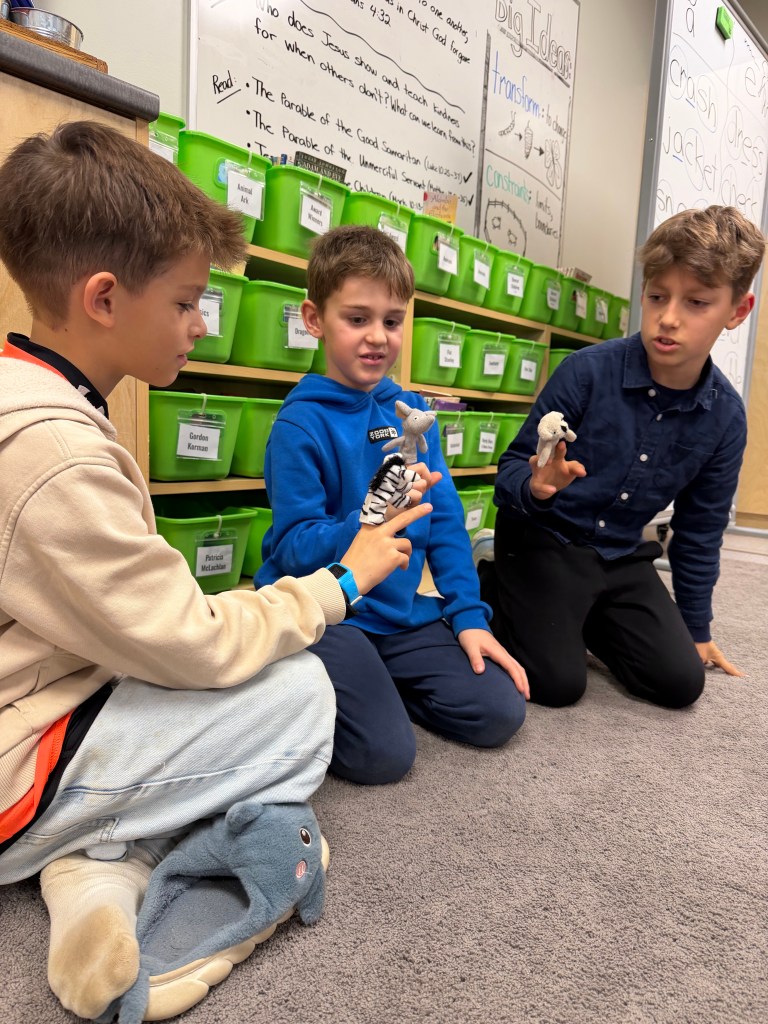
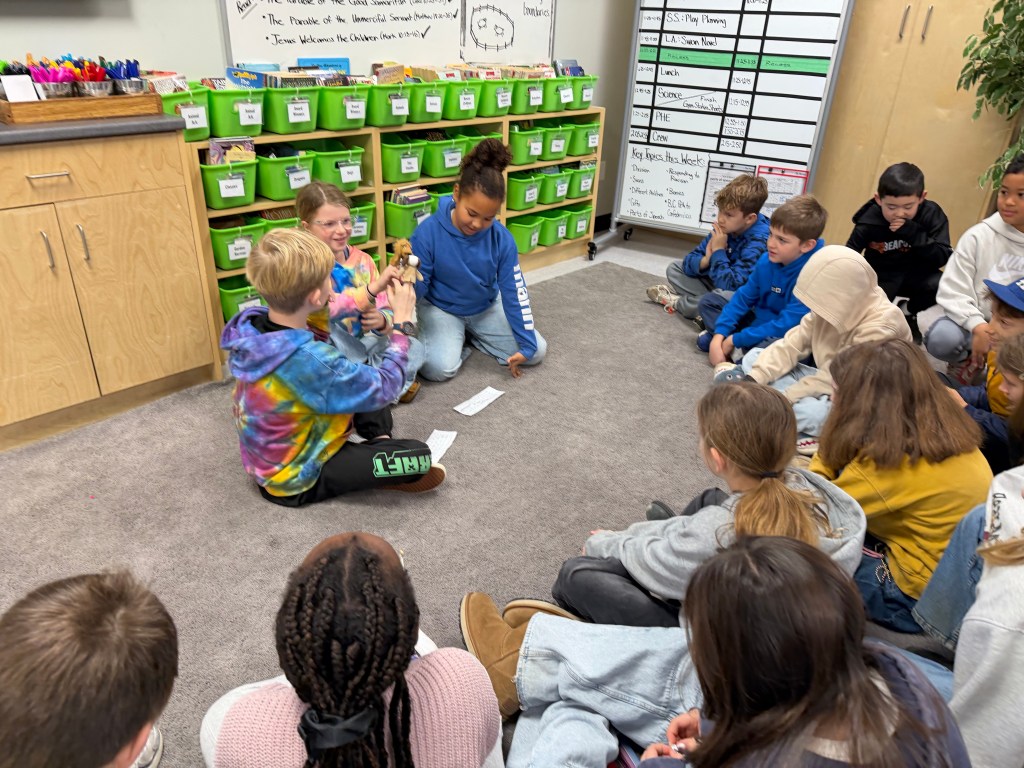
Students have also continued presenting their plays that illustrate strategies for how to respond to hurtful, racist comments.
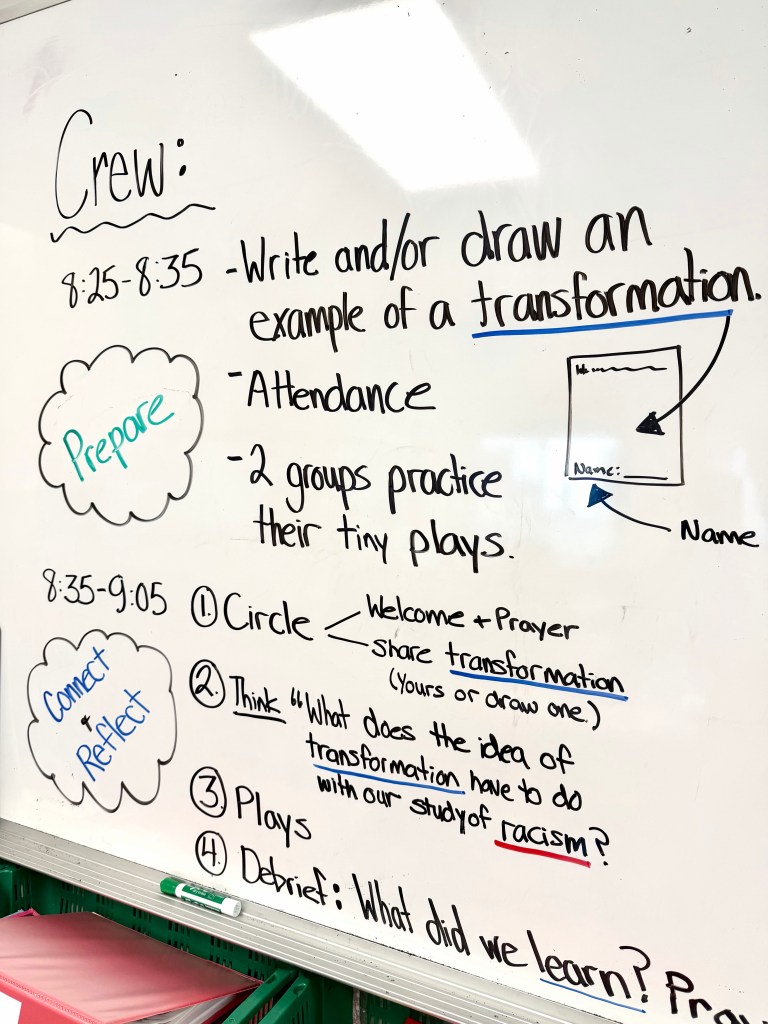
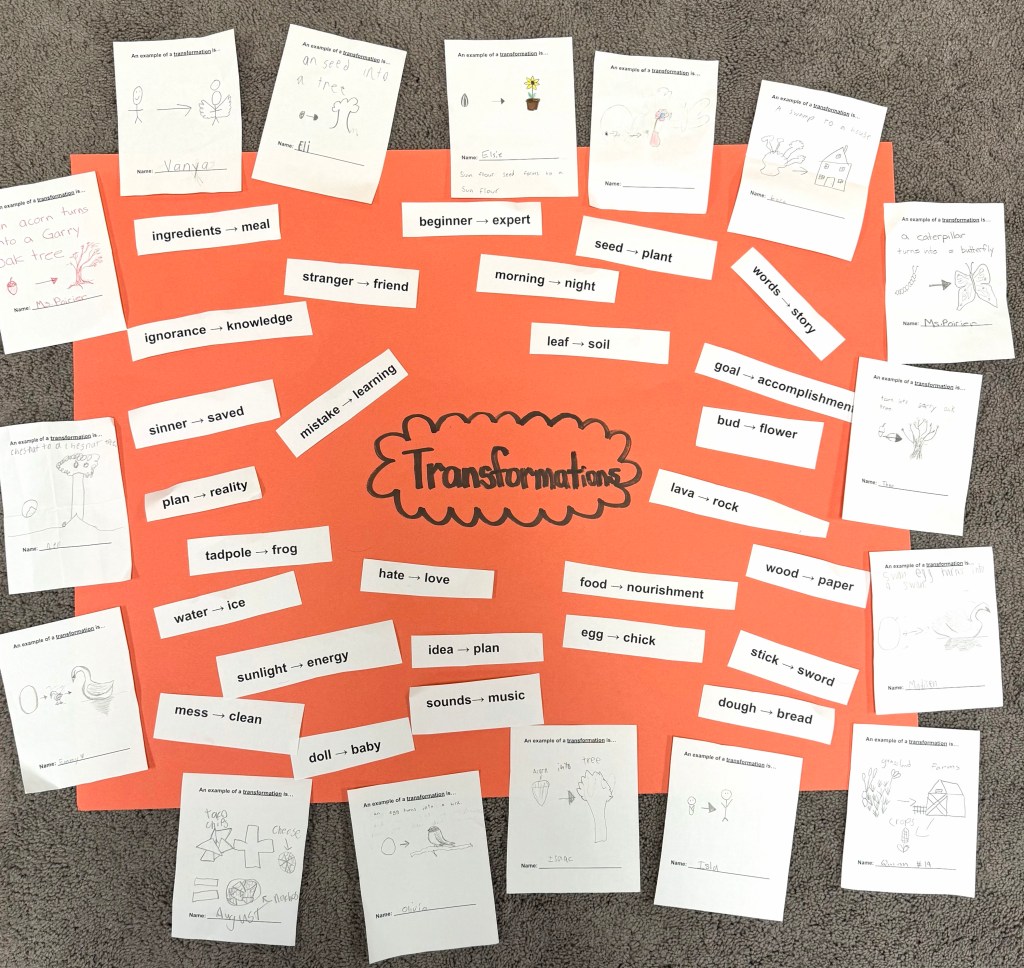
Next week, we focus in Crew (and throughout the curriculum) on the concept of “transformation”—so today we soft-launched that topic with a brainstorm so students can have time to beginning noticing transformations in our world.
Lovely Moments…
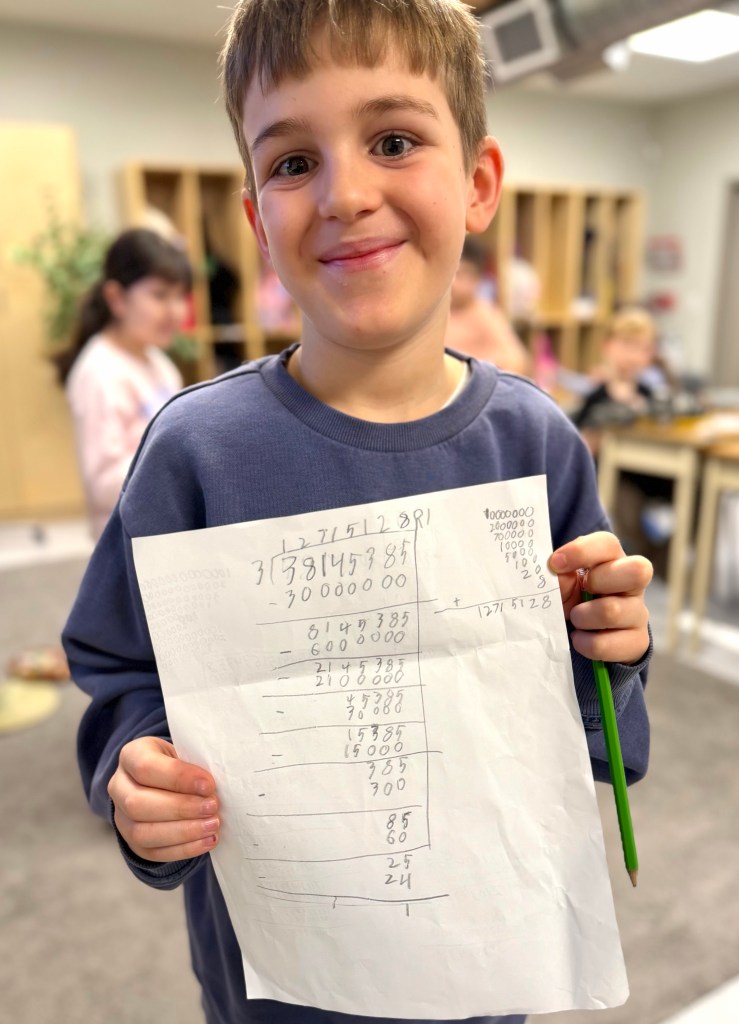
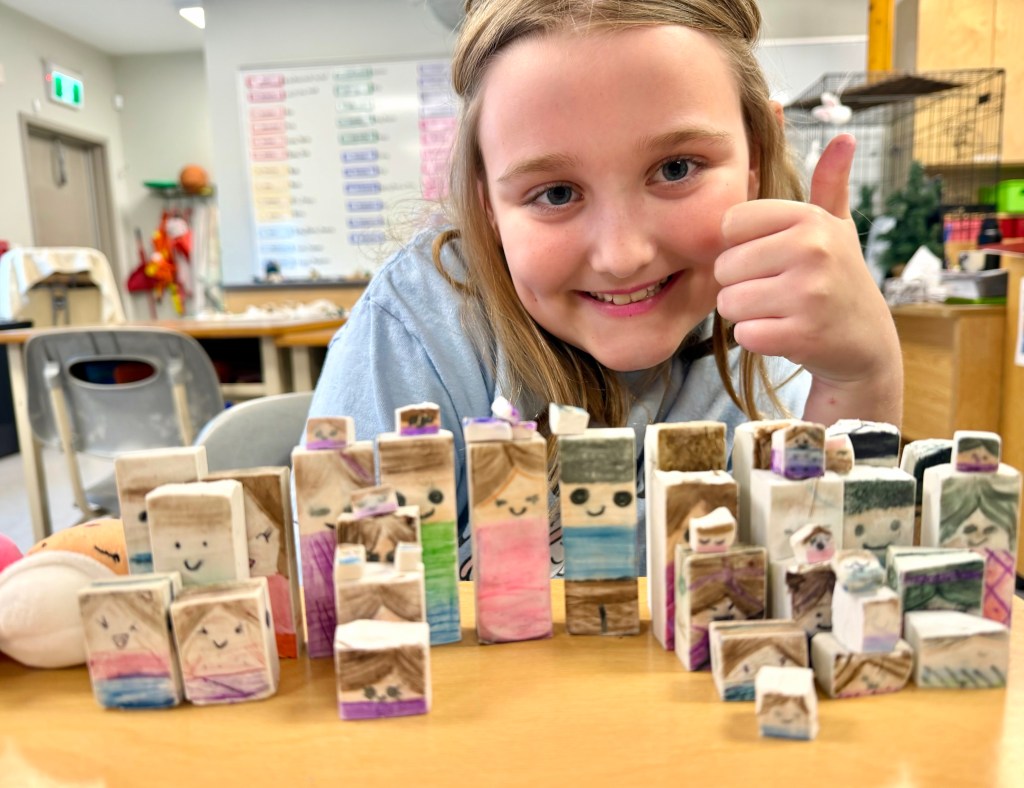
Wildly huge division questions have been popping in class just for fun! Well done!
In Spelling…
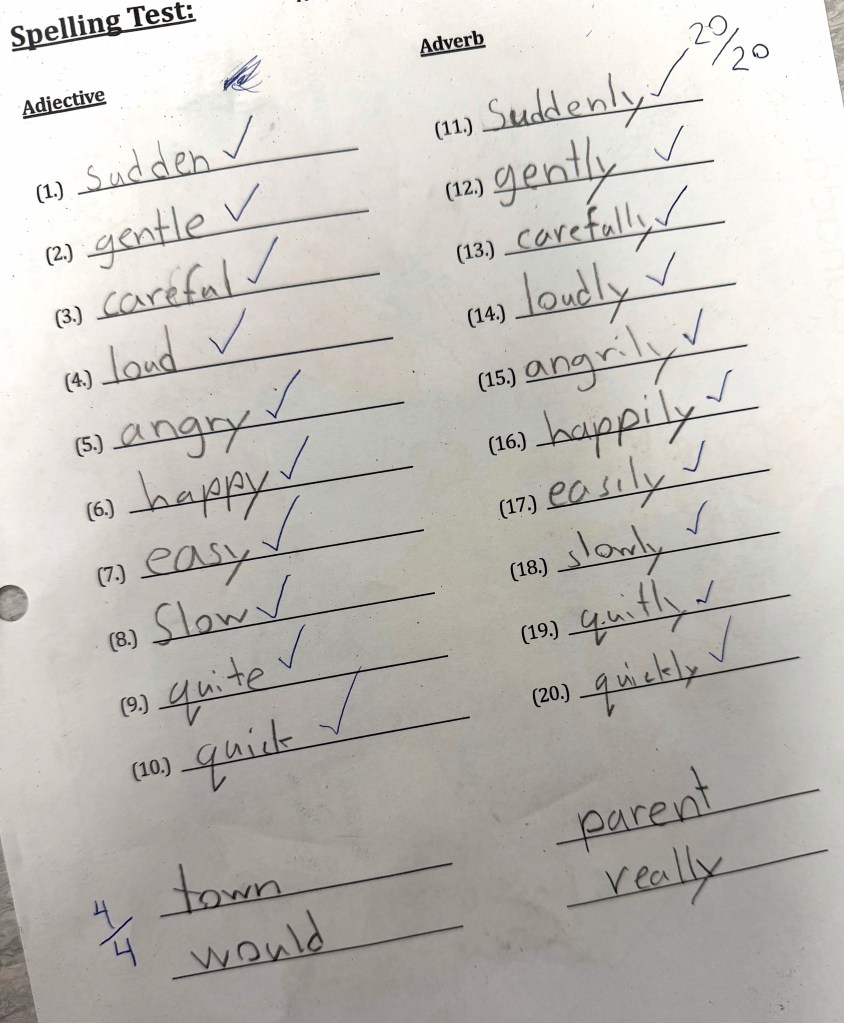
We finished our “Adjective to Adverb” spelling unit this week.
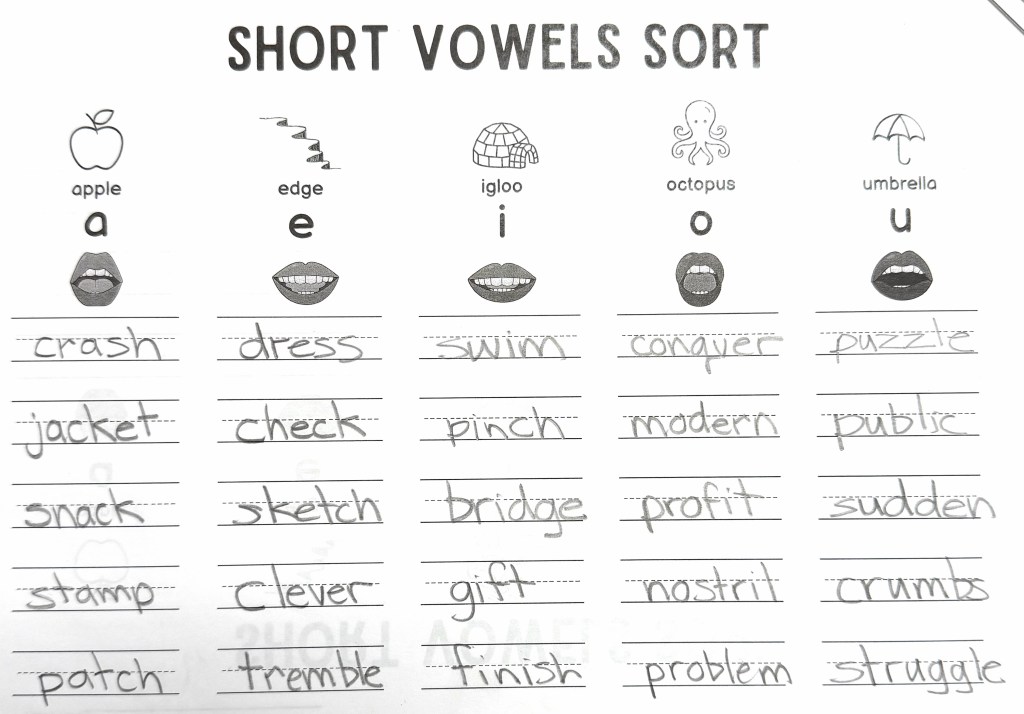
Our next Spelling list focuses on reviewing short vowel sounds with a focus on some words that have come up in students’ writing lately…
Update from me…
 Tiffany Poirier