📖 “As each has received a gift, use it to serve one another, as good stewards of God’s varied grace.” — 1 Peter 4:10
Parachute games are just so fun!
Our students are doing great work on their yearlong Personal Interest Projects—learning, creating, and contributing something new to the world! 🌎
Some are taking up crochet and sewing, another is compiling a culturally inspired cookbook, a few are designing a new fashion lines, one is recording a podcast, some are coding a video game and others are learning business skills and engineering solutions to real-world problems.
I can tell this year will be an especially powerful one! What an indescribable blessing it is to witness the joy and new milestones hit each day.
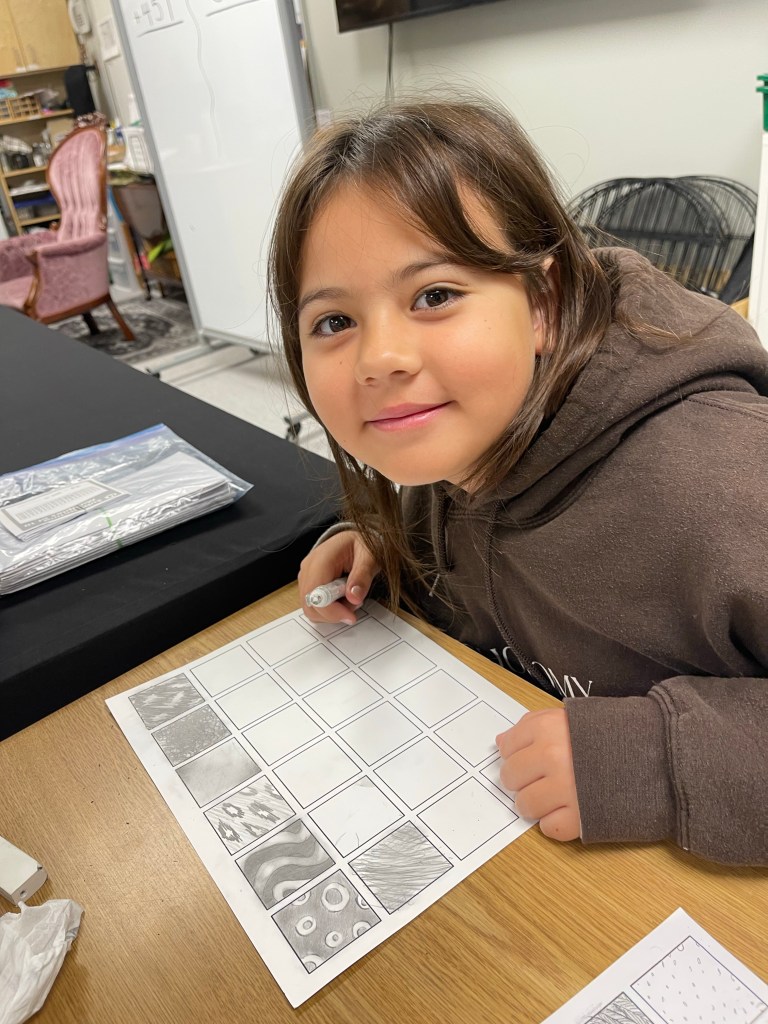
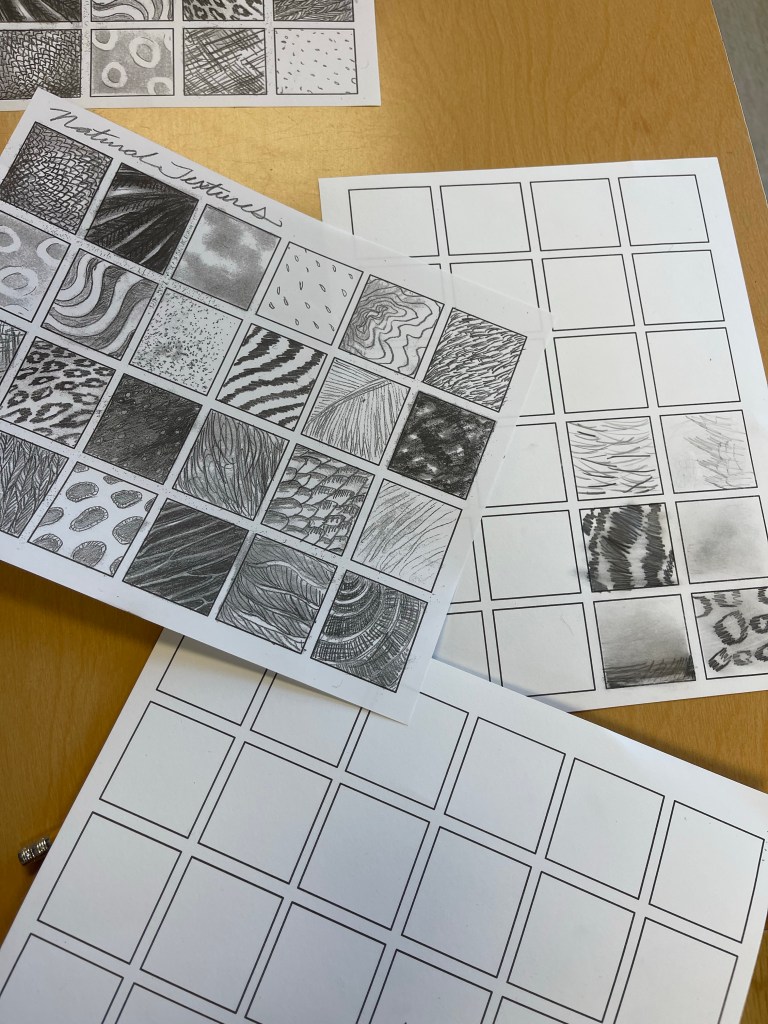
Natural Textures Art
Students are learning some pencil techniques through a project realistically representing 24 textures found in nature.
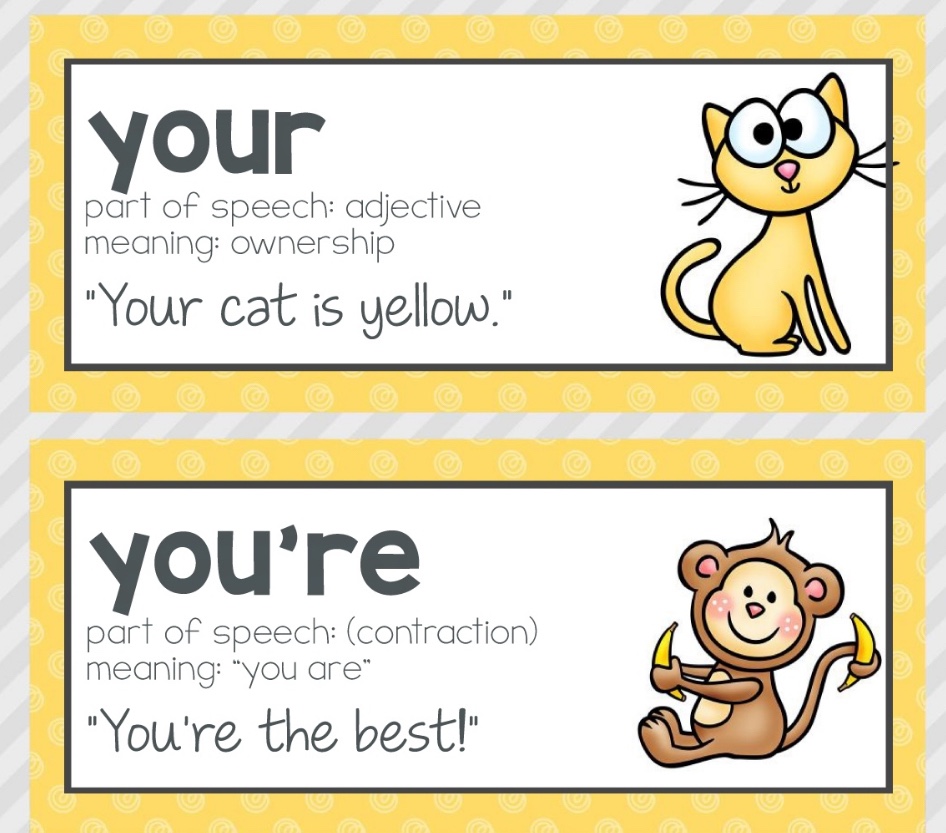
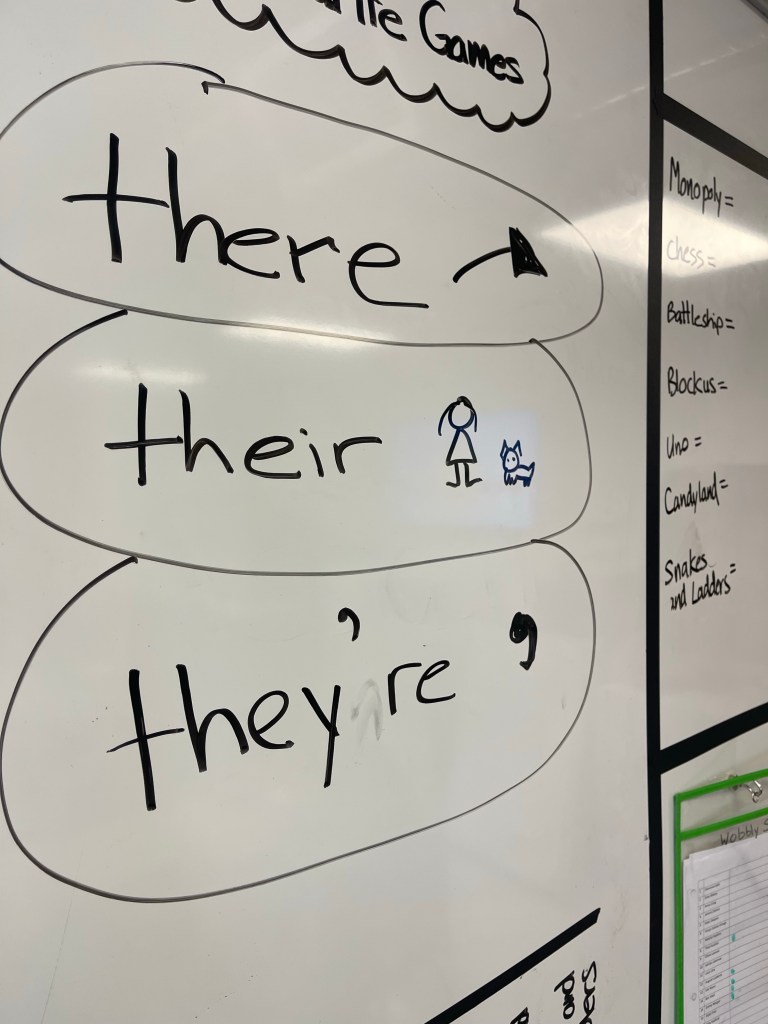
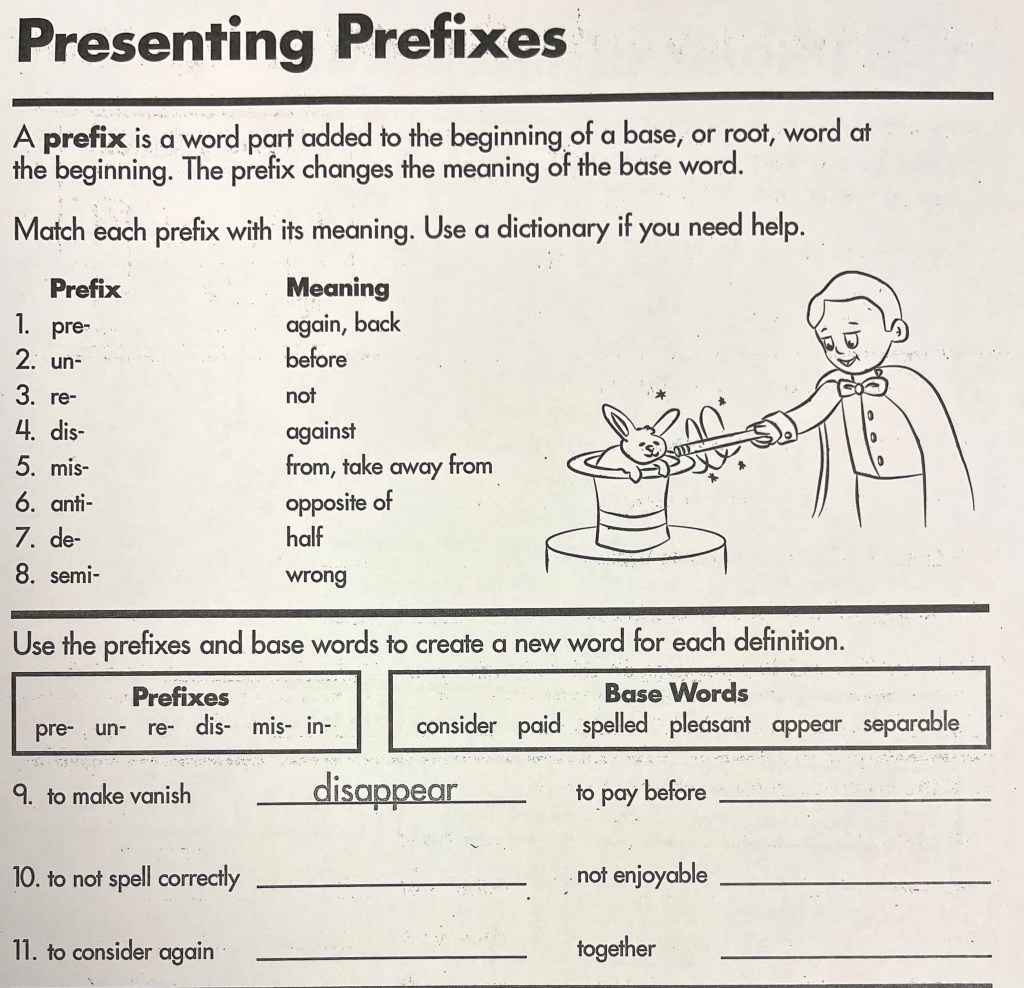
Homophones and Prefixes, Suffixes, and Root Words
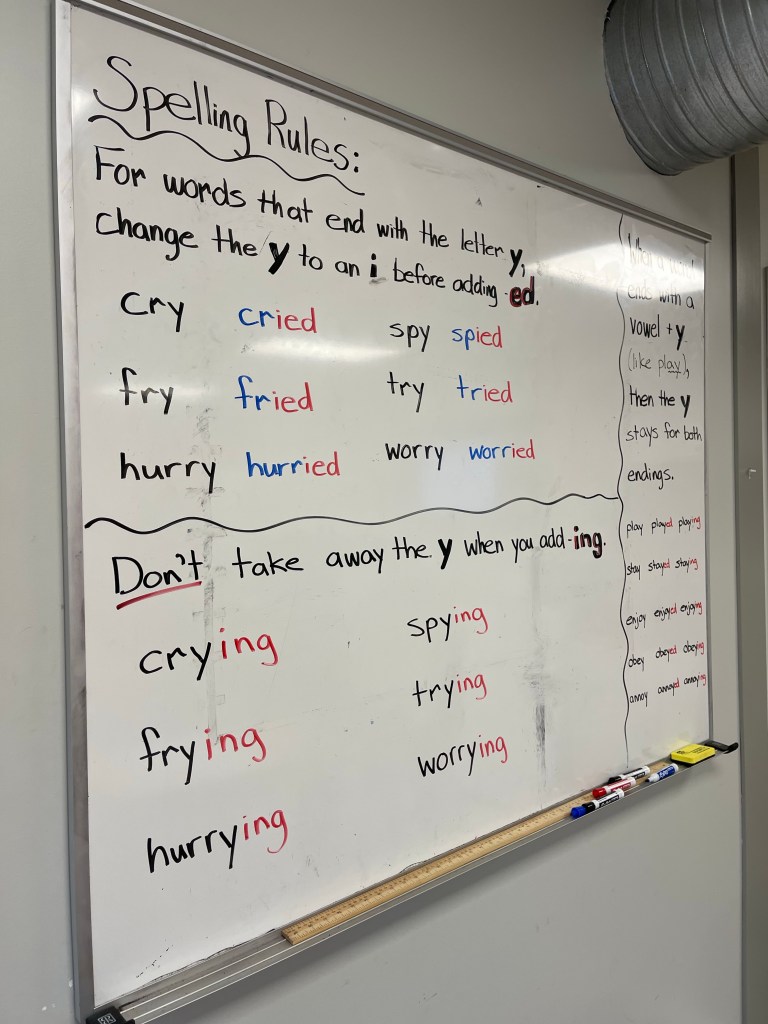
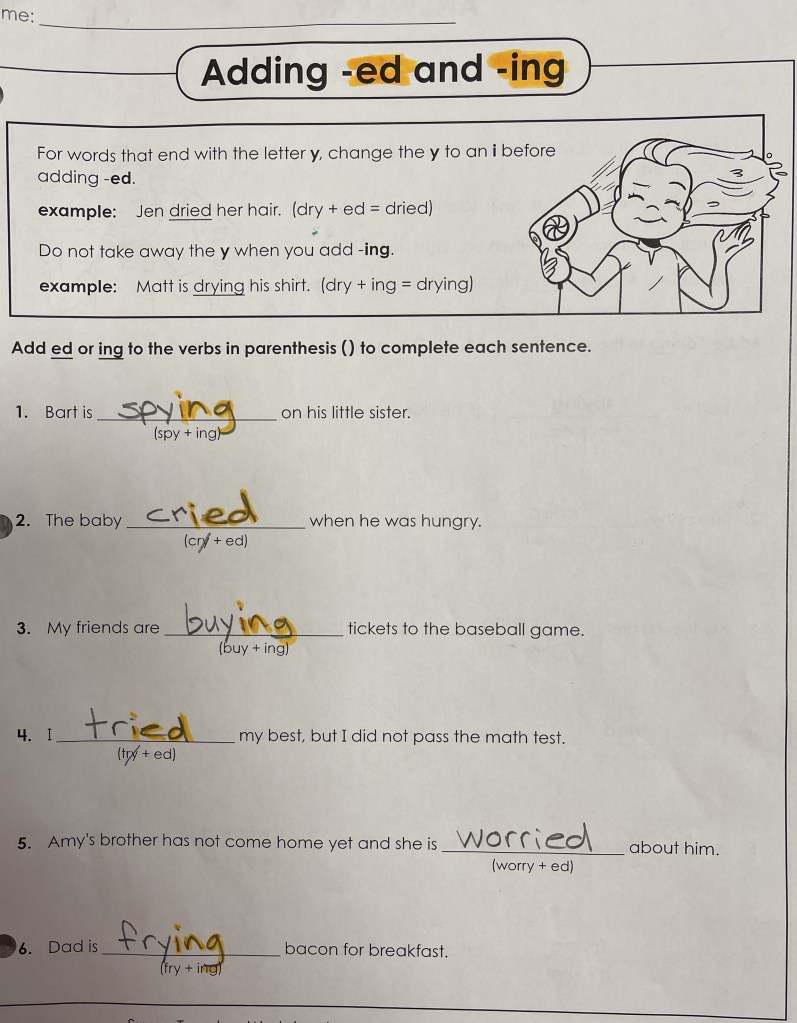
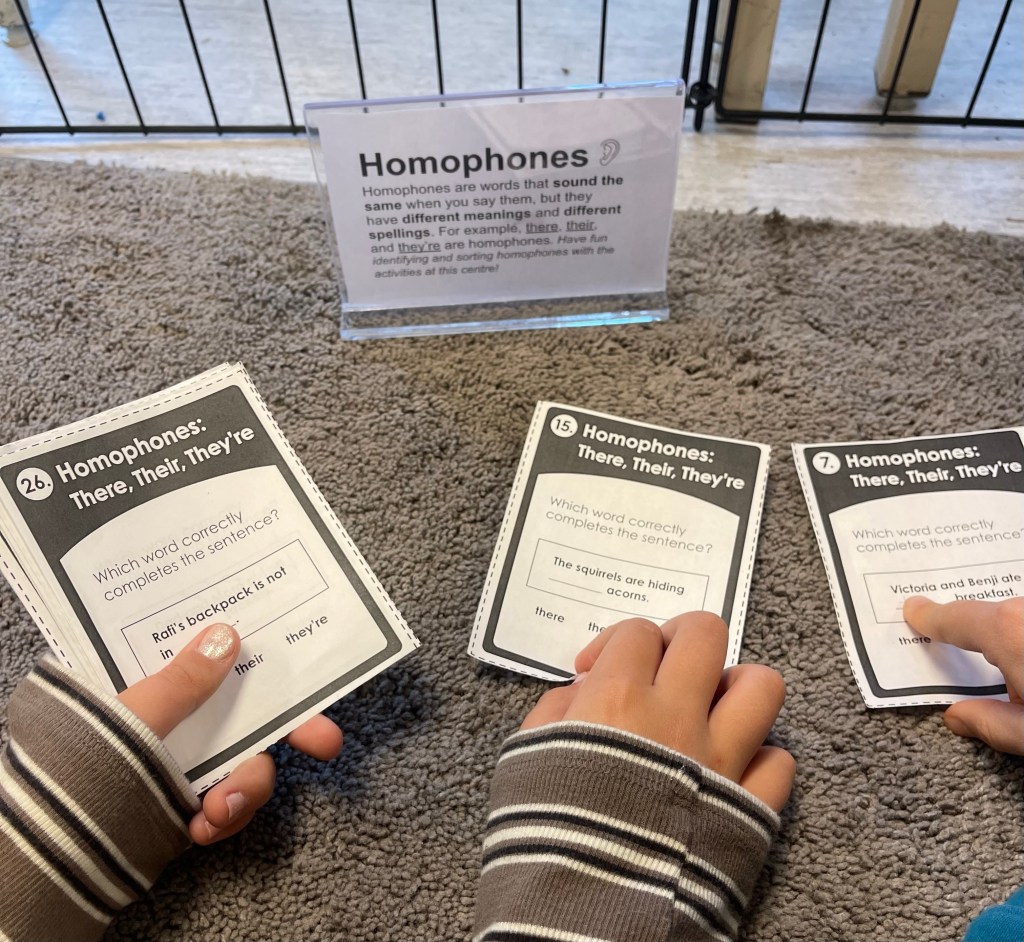
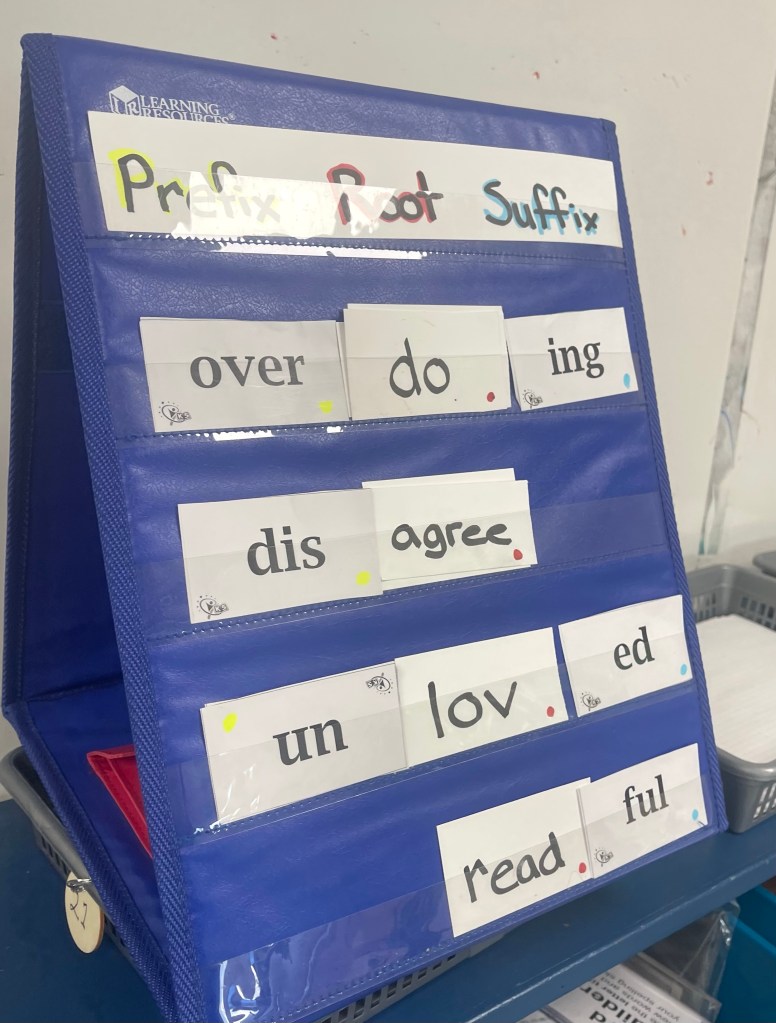
We have been investigating homophones (your/you’re and there/their/they’re) how words are put together. Over the next week we will focus especially on spelling with the –ed and –ing endings
Real World Math
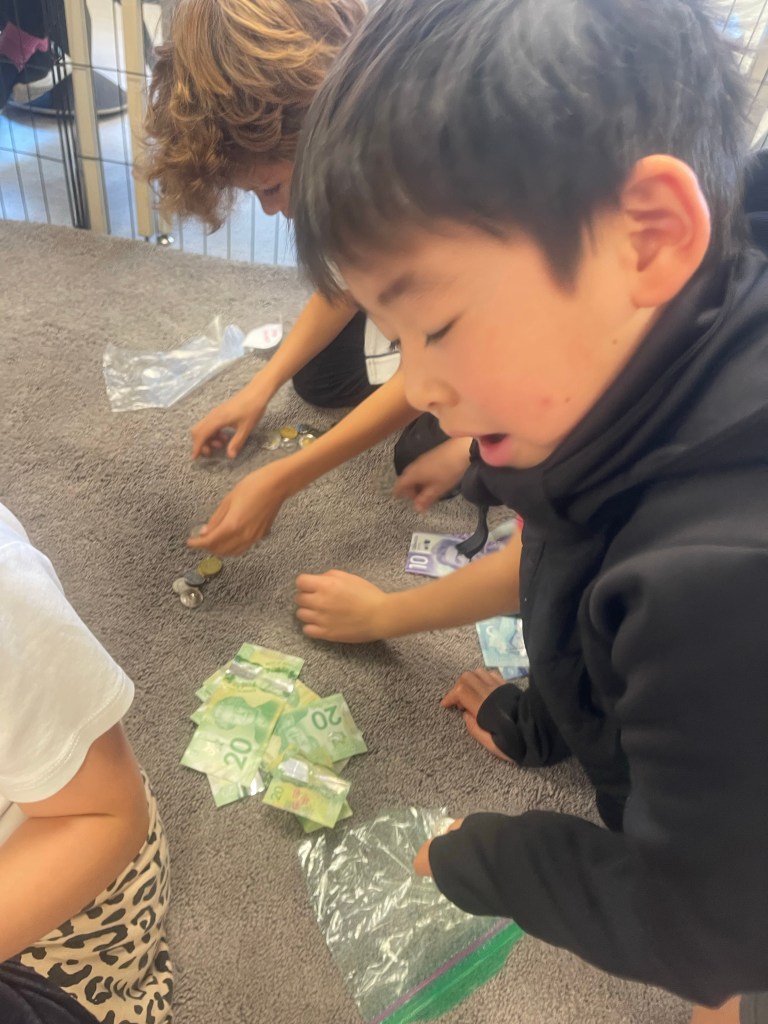
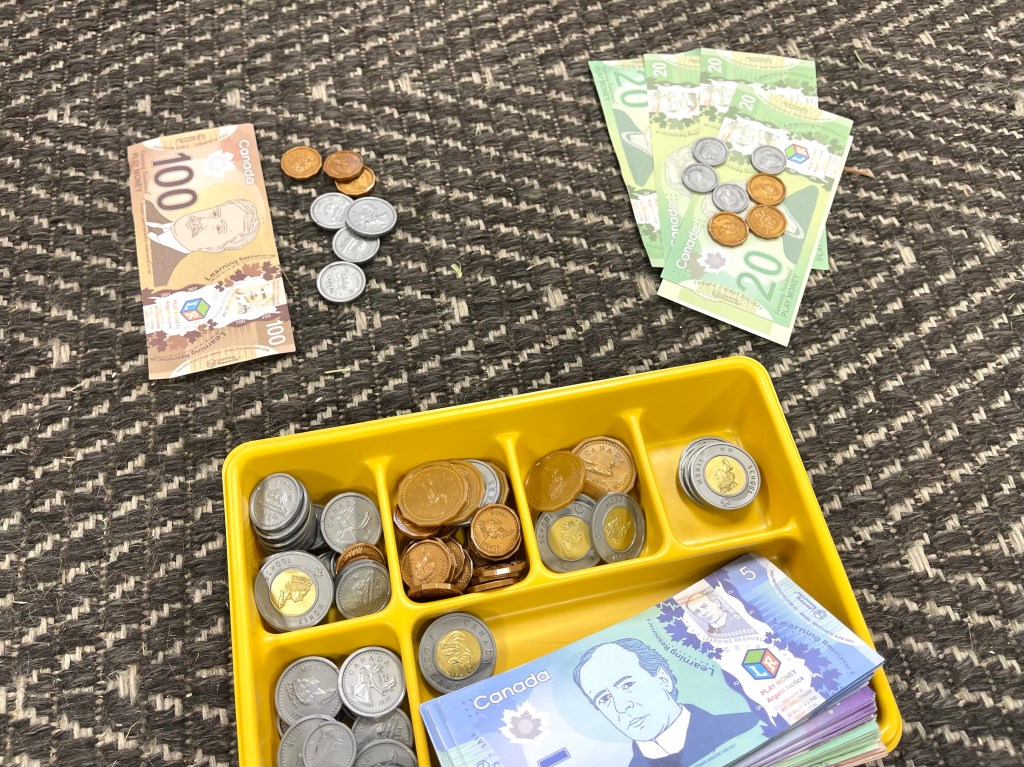
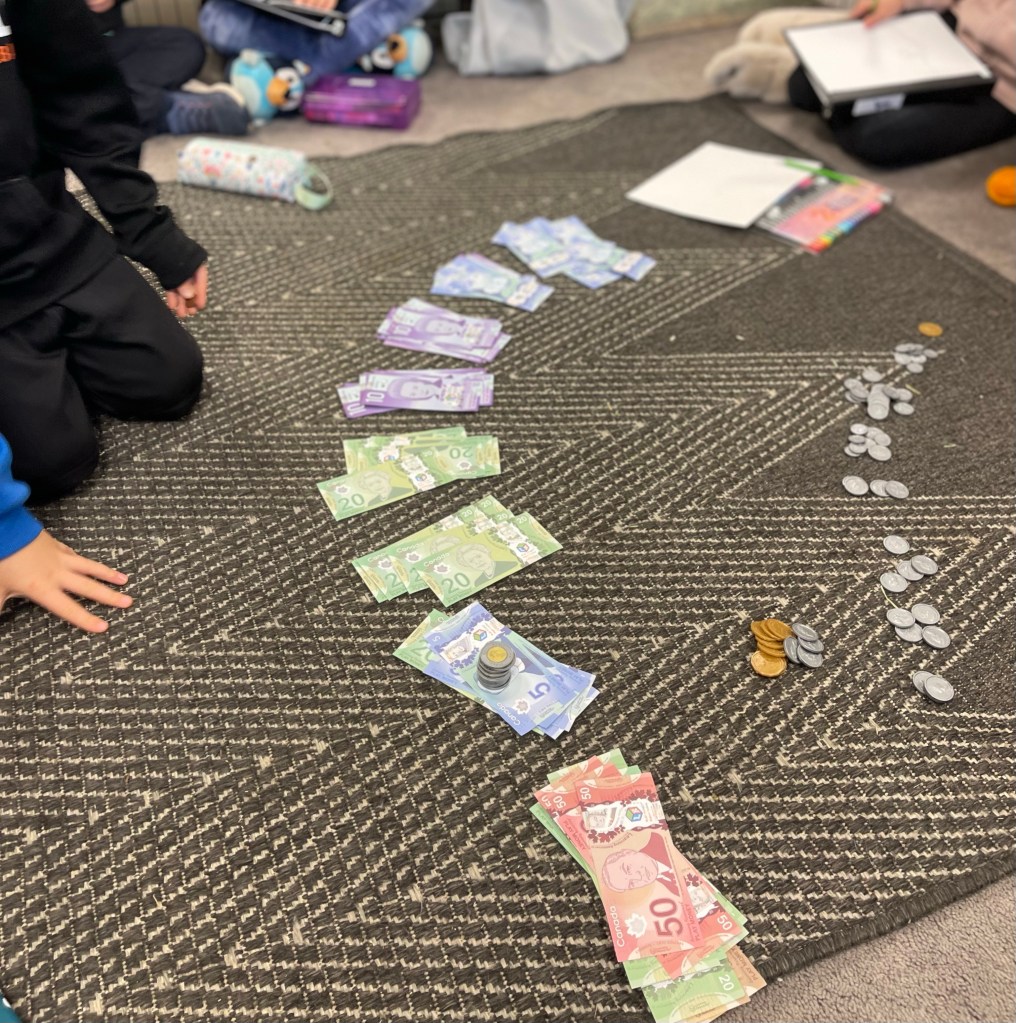
We have made excellent progress as a class in our multi-digit addition unit using the traditional method, hands on activities with money, and base ten blocks to help anchor understanding. Here is a tutorial video to help home practice…
Use this video to study…
Students have brought home their addition quizzes and are welcome to rewrite these as many times as they like. We are now focussing on subtraction for the coming week, but we will continue to circle back to addition skills weekly all year.
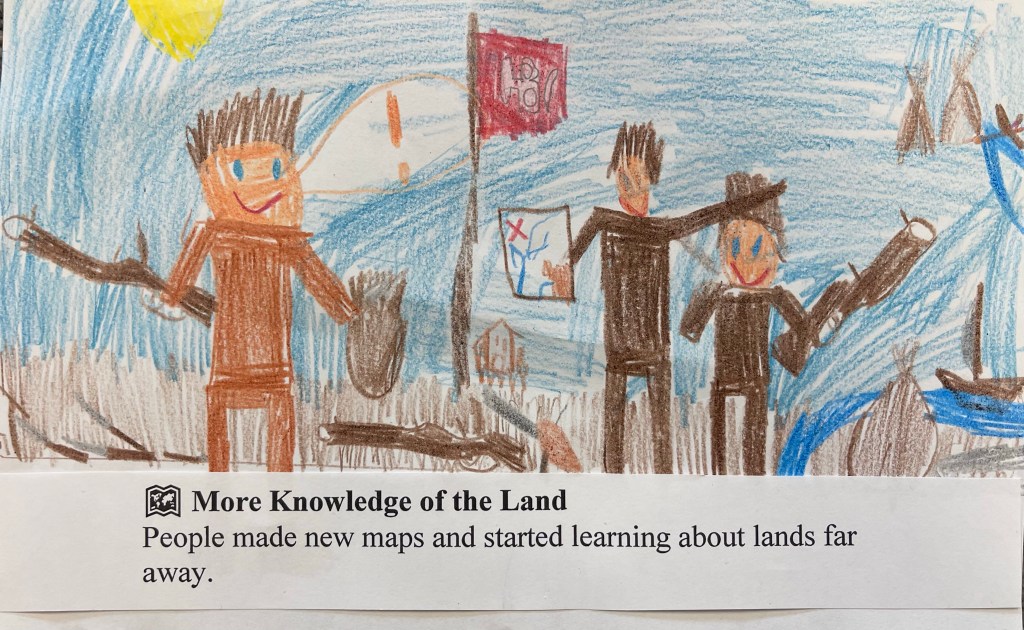
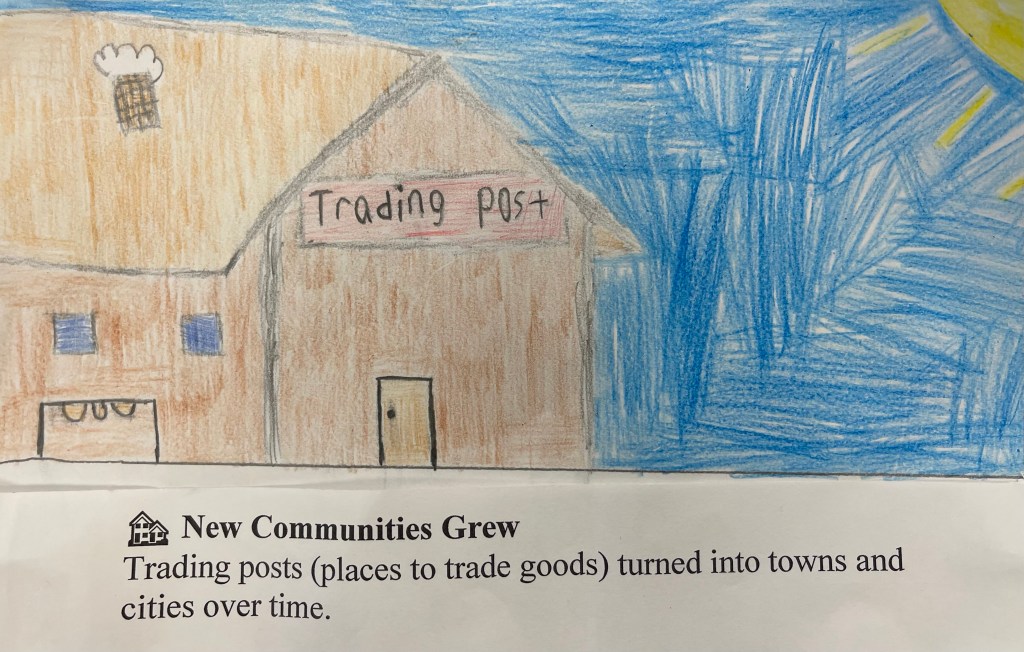
The Impacts of the Fur Trade
In Social Studies, we have been investigating the impacts of the Canadian fur trade from different perspectives—encouraging students to think critically, act as historians and form their own perspectives. We are working on making a video about this learning.
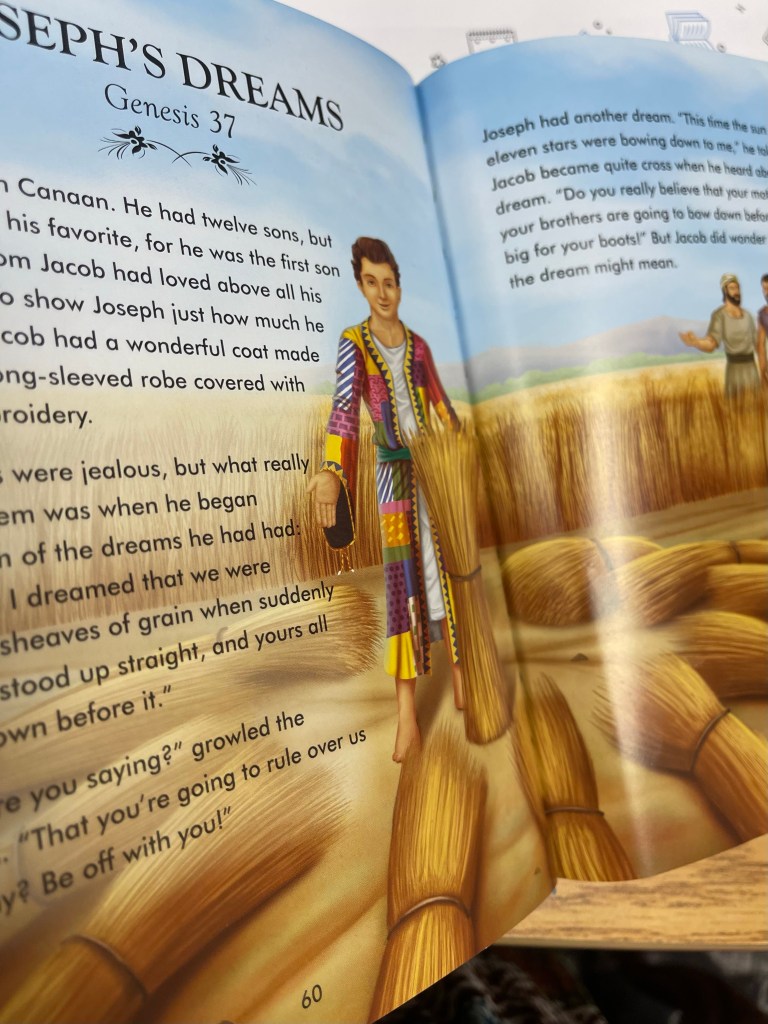
Bible: Jacob, Joseph, and Moses
In Bible class, we have been working our way through powerful stories in the Old Testament by reading the original text and children’s Bible story versions, discussions, and video. We have been talking about creative ways we could faithfully adapt and dramatize the story of Moses and the plagues of Egypt in our class.
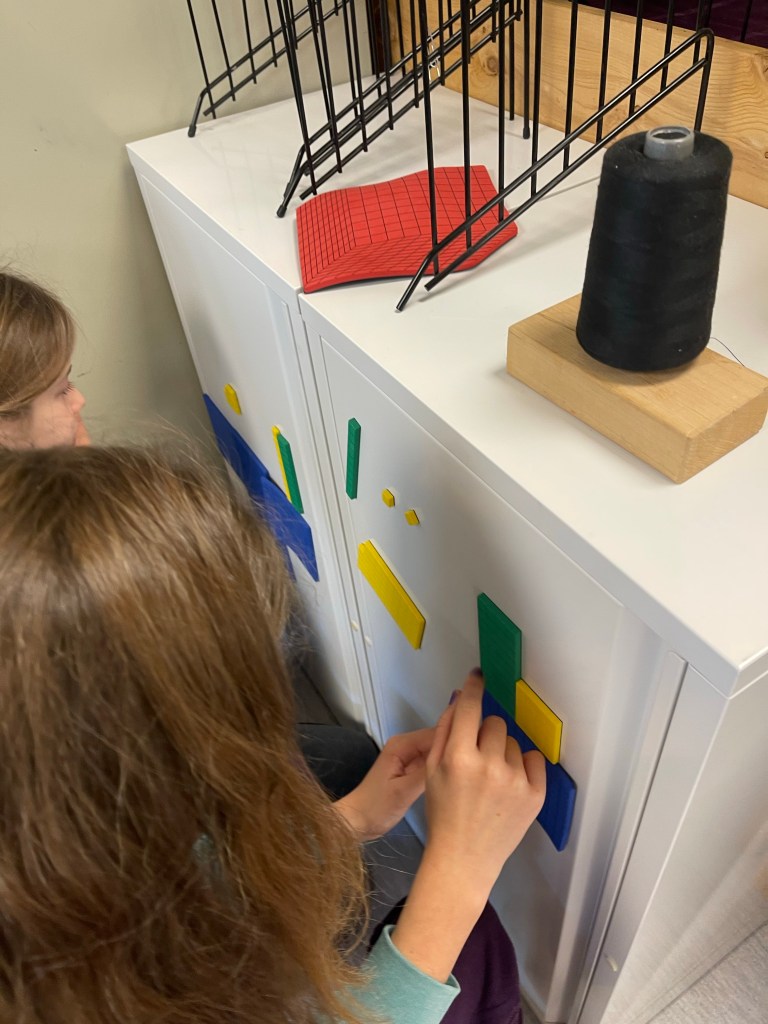
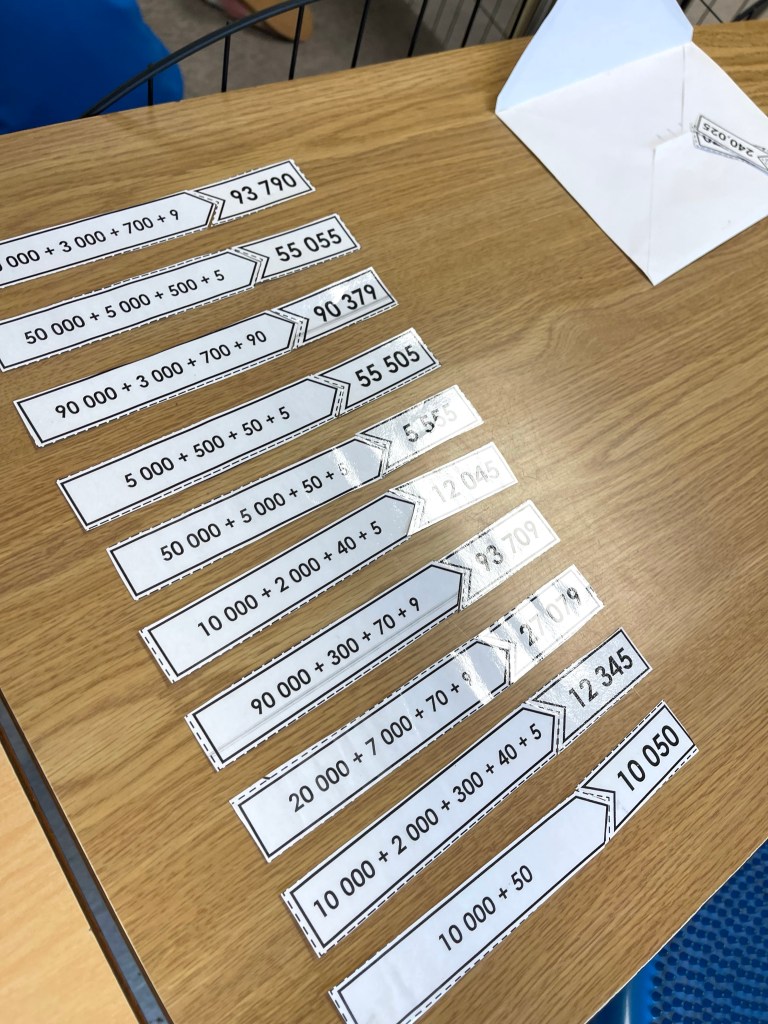
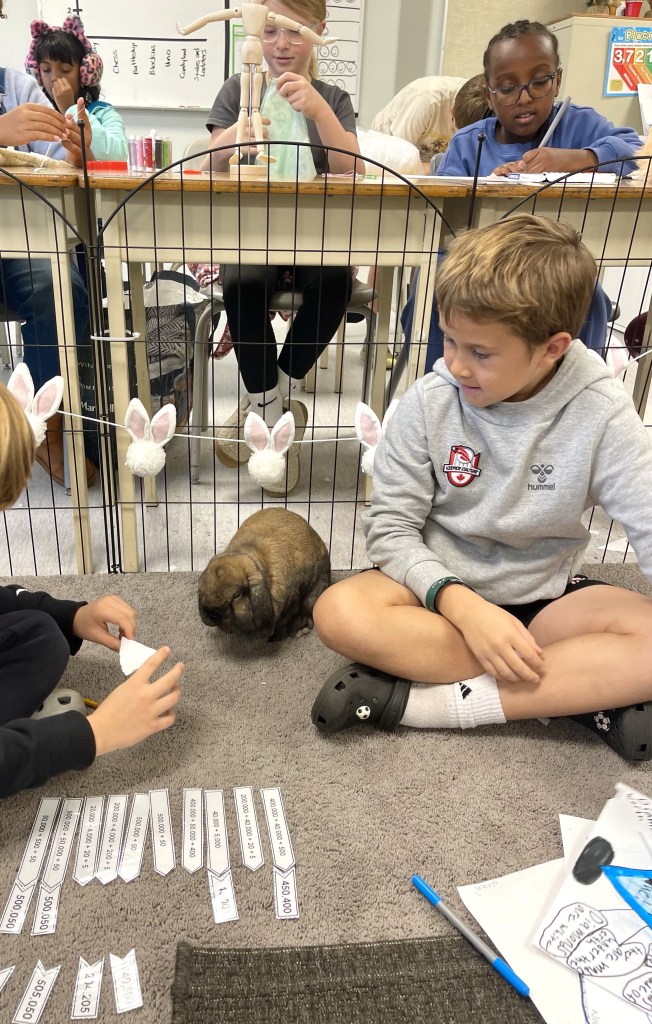
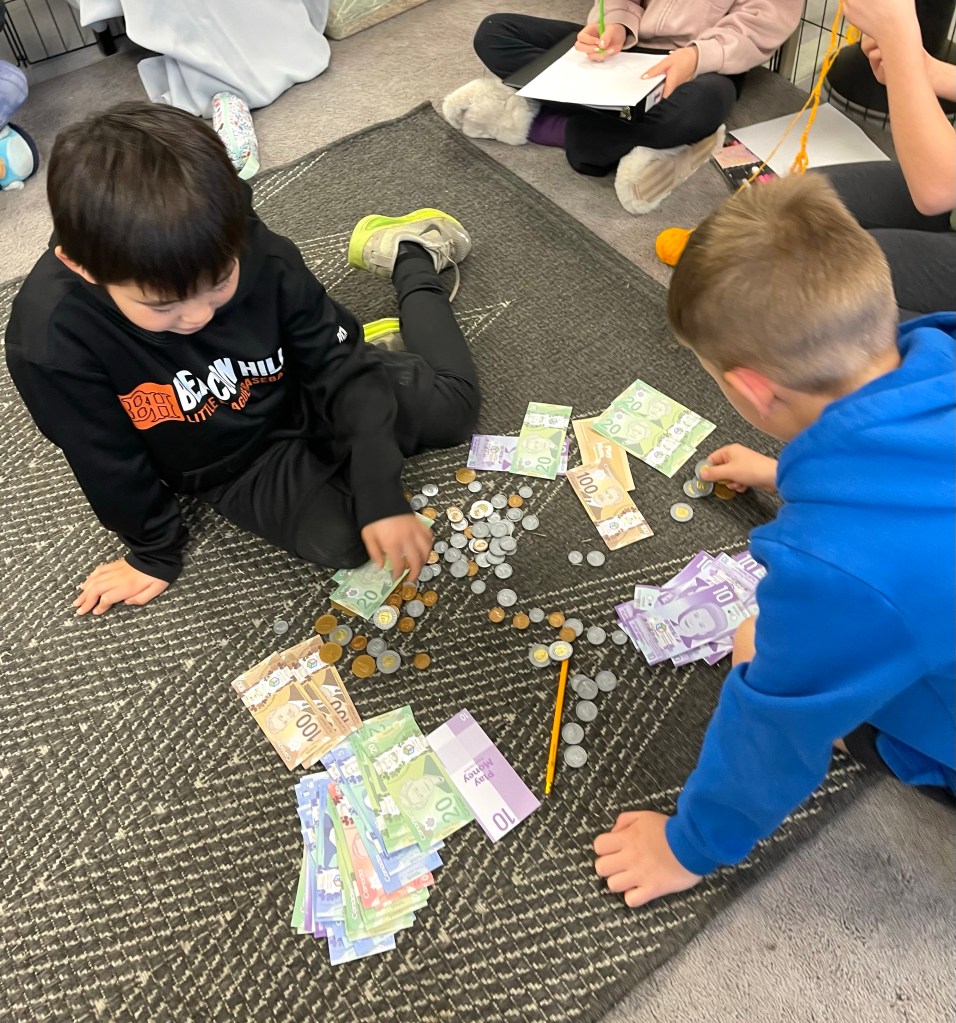
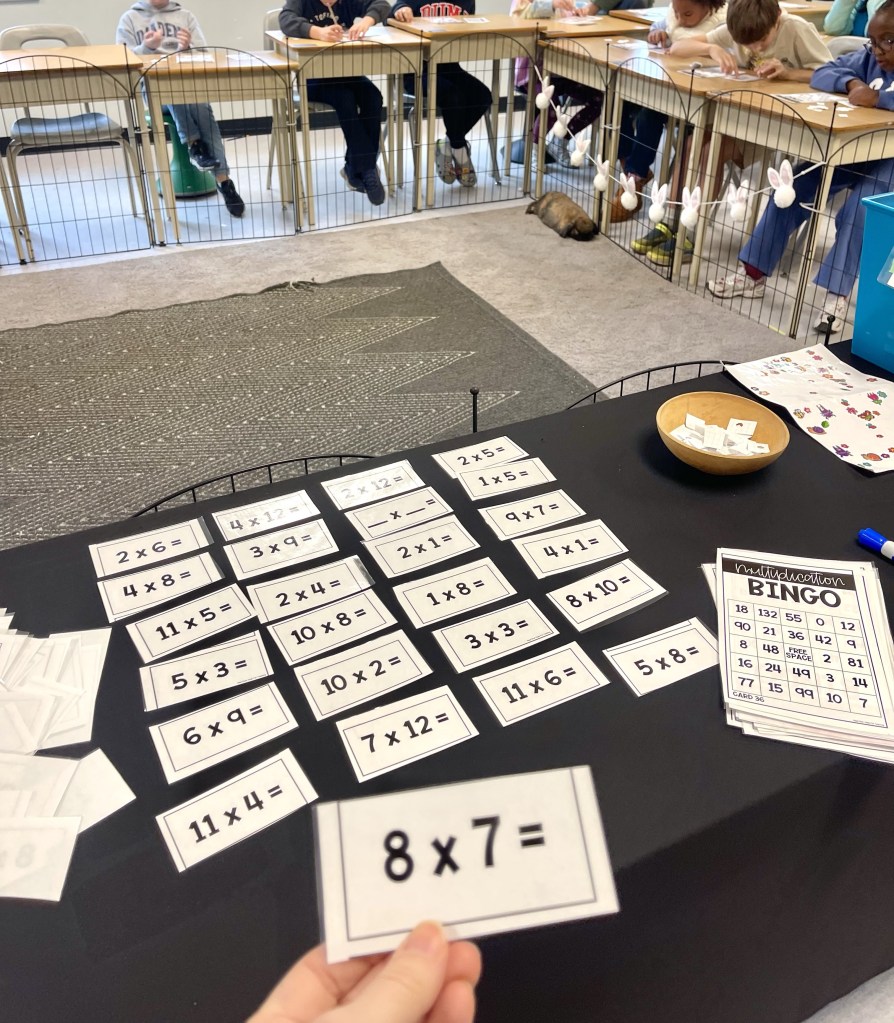
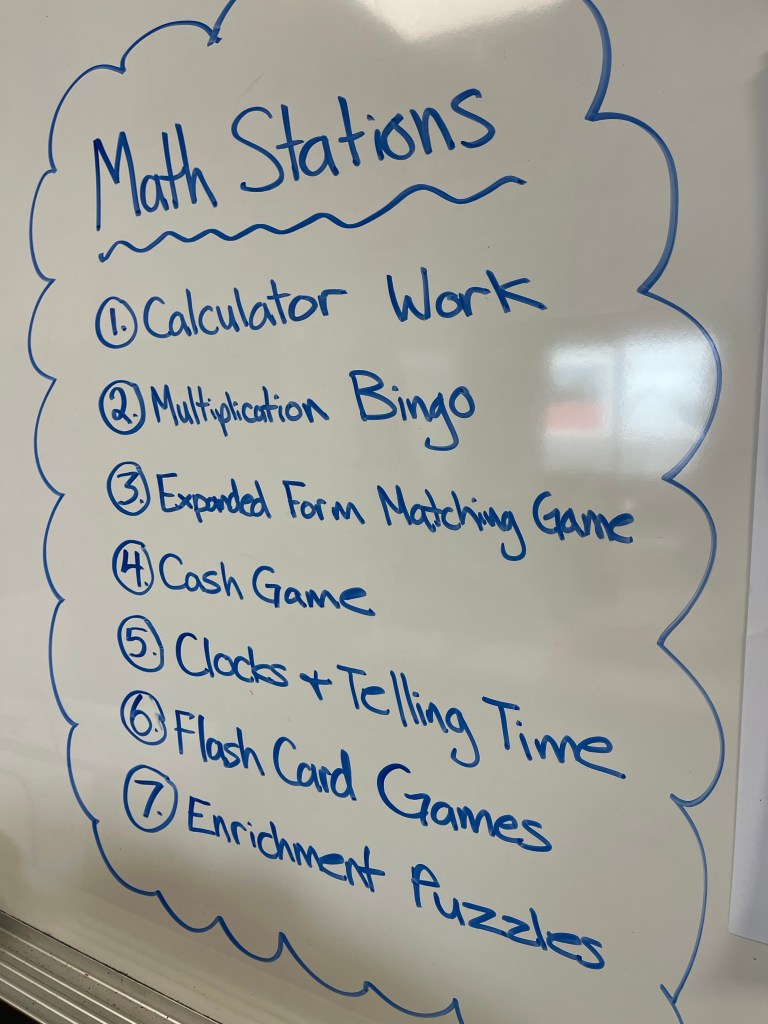
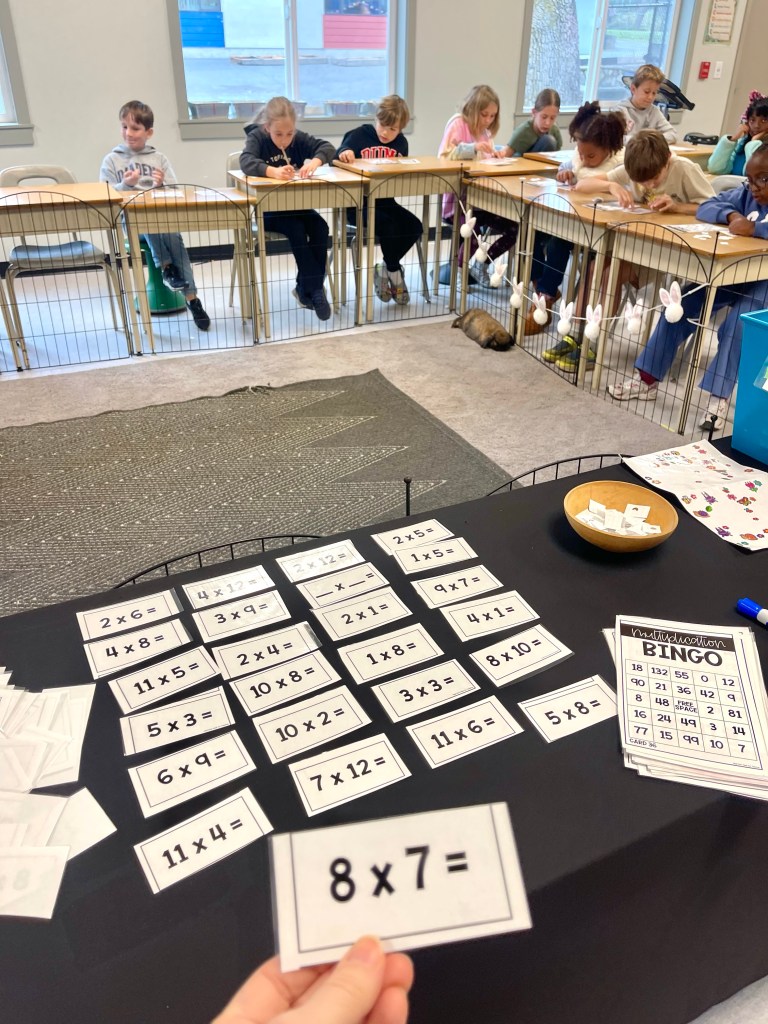
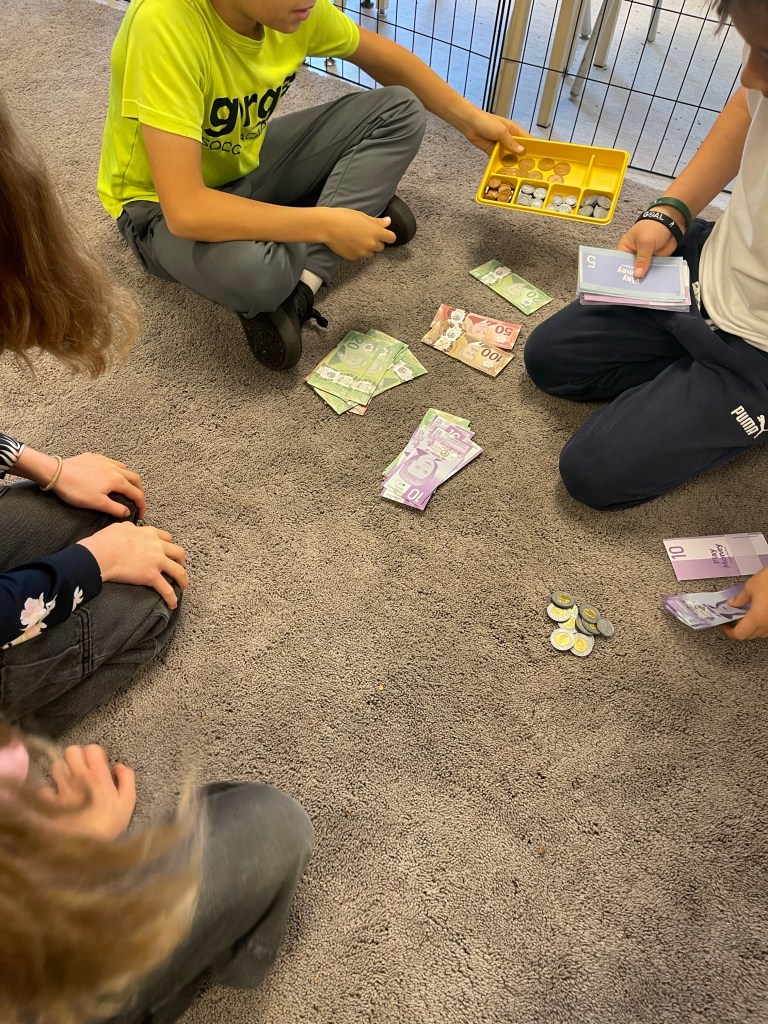
In Math, are focusing on addition of multi-digit numbers with regrouping, while also doing fun, hands-on Math Centres to get deeper practice of multiplication, telling time, and doing calculations with money.
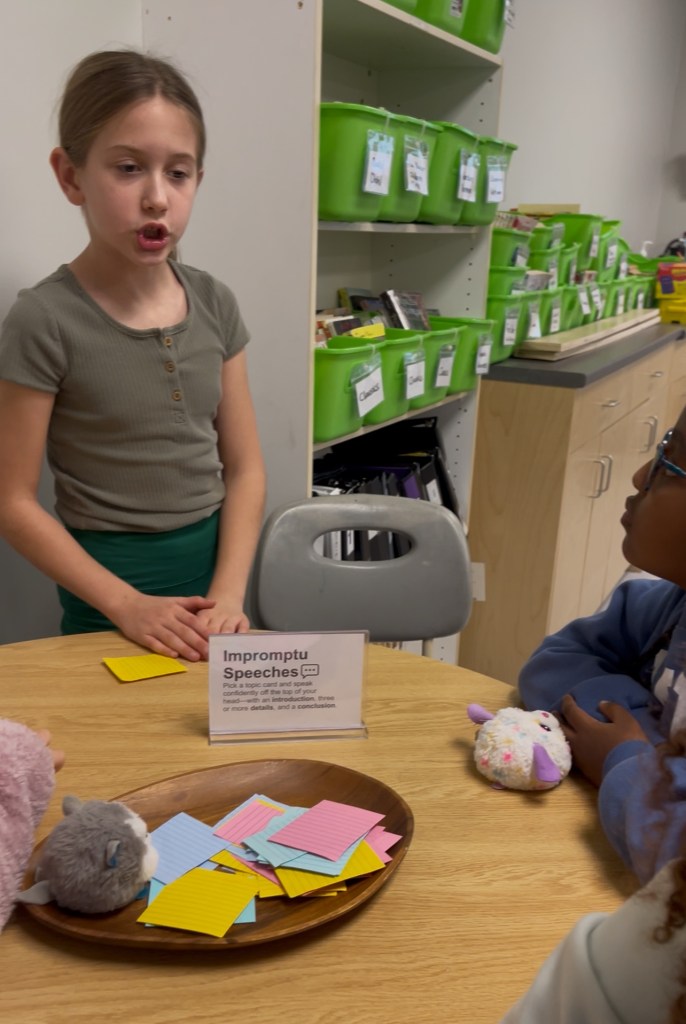
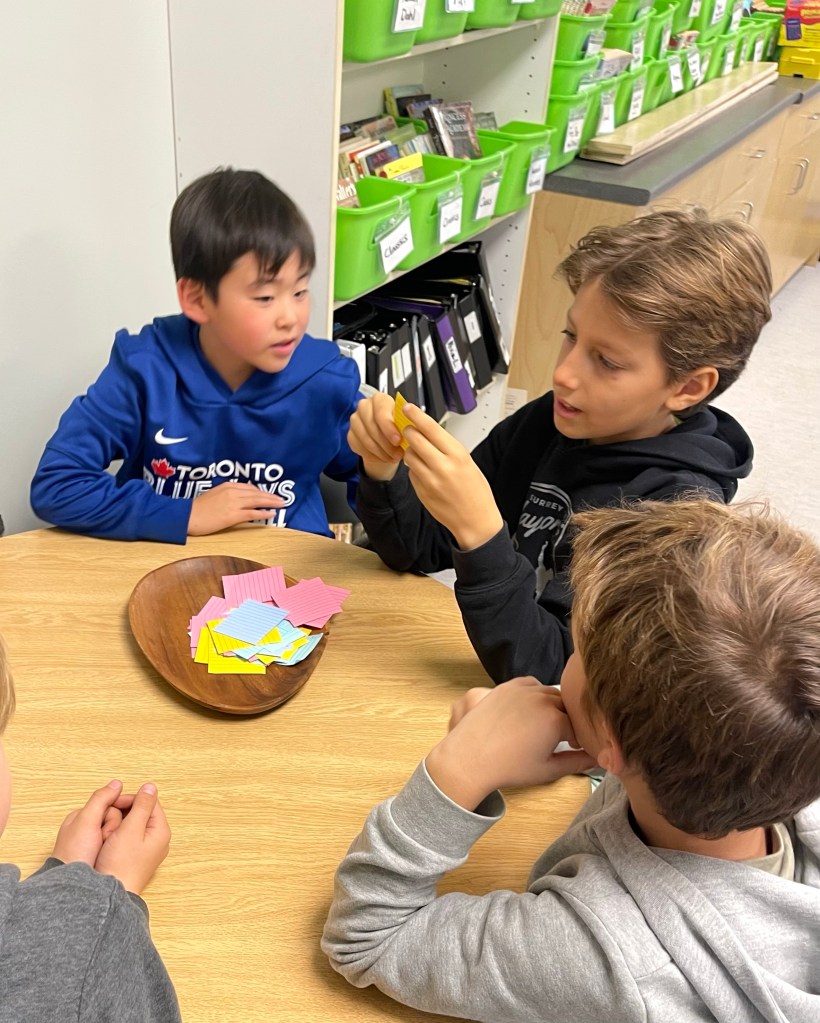
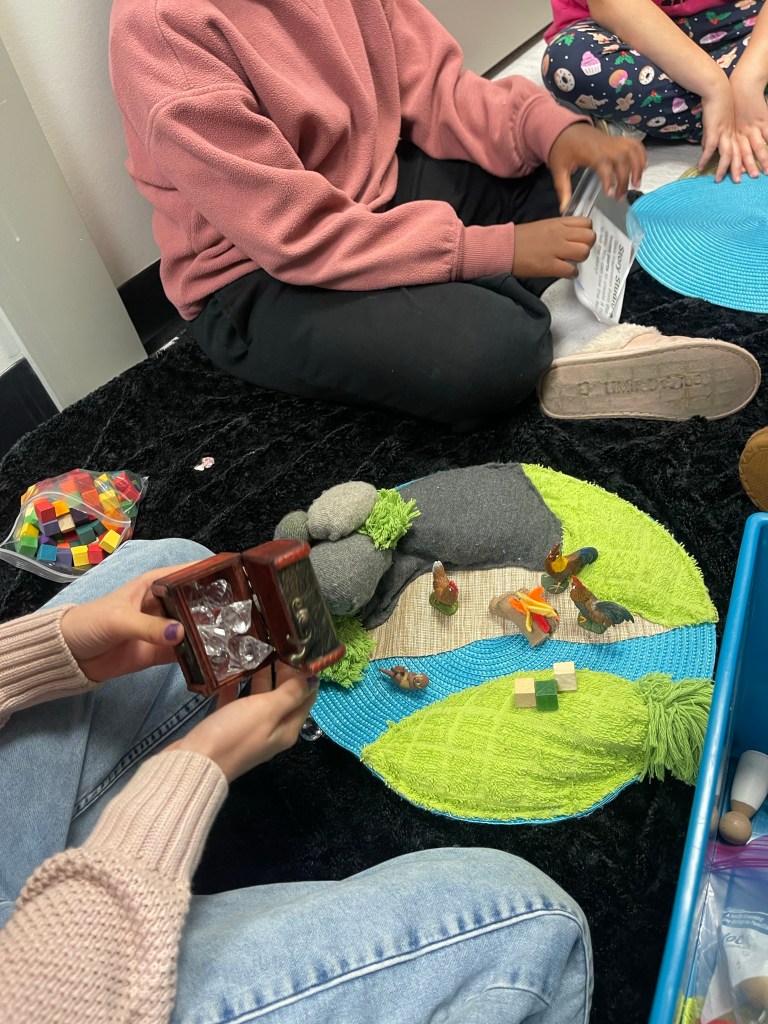
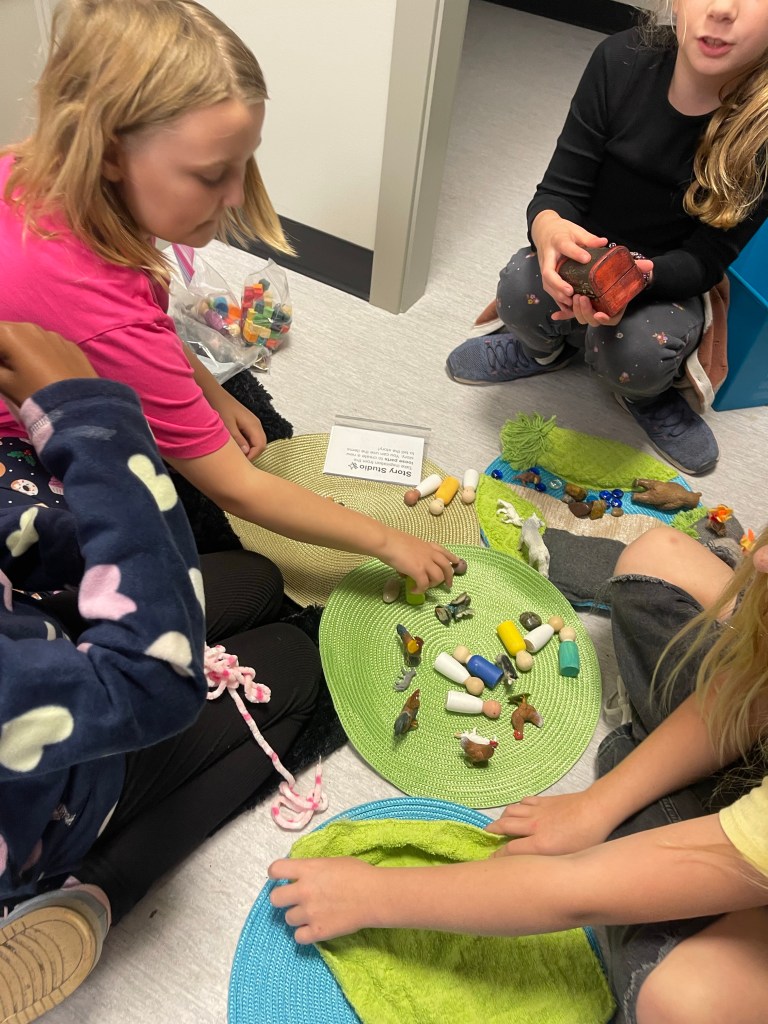
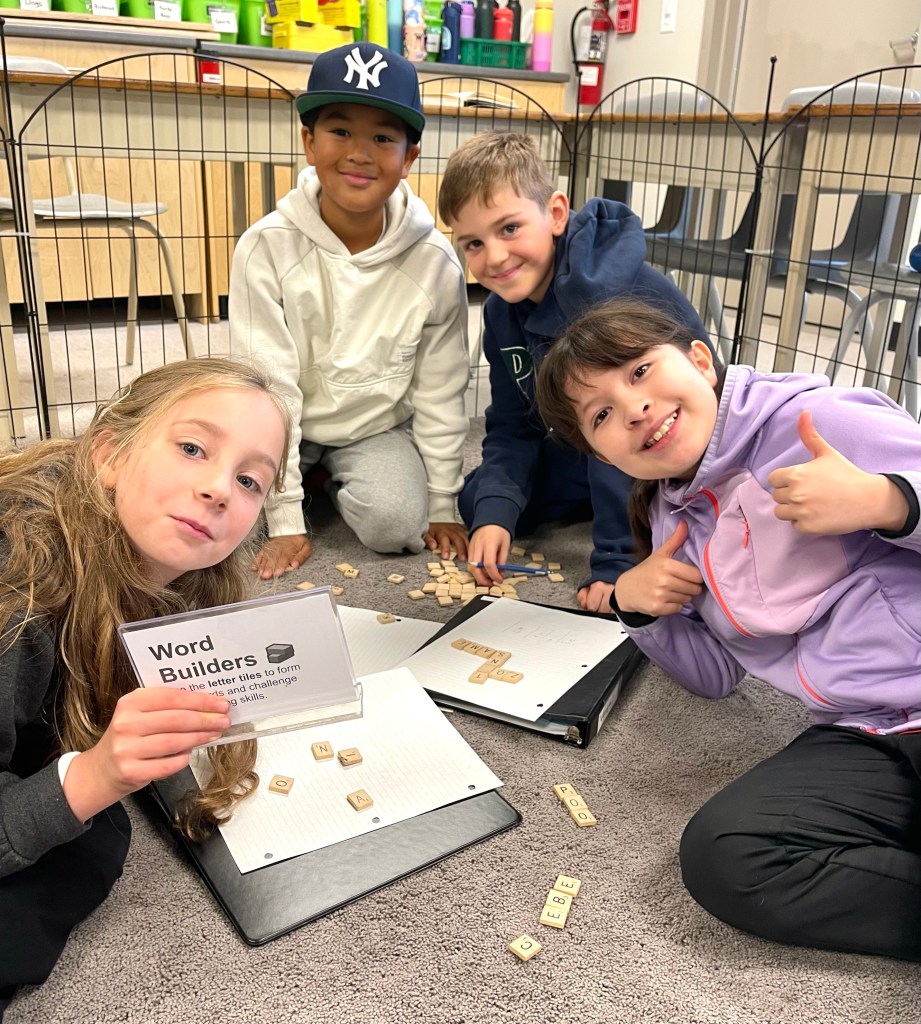
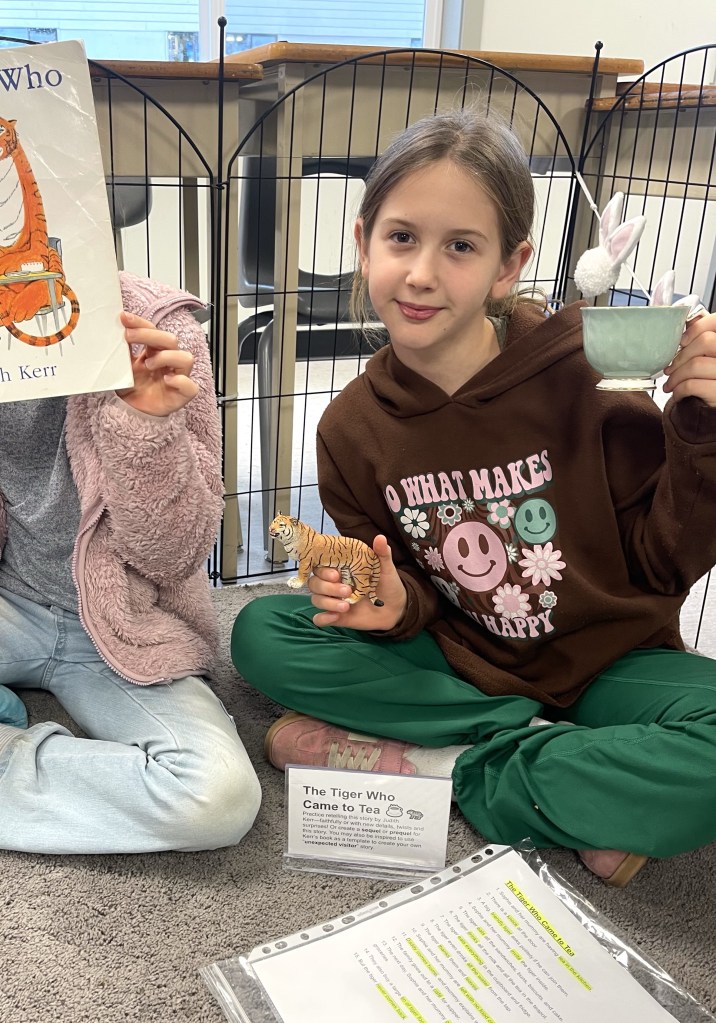
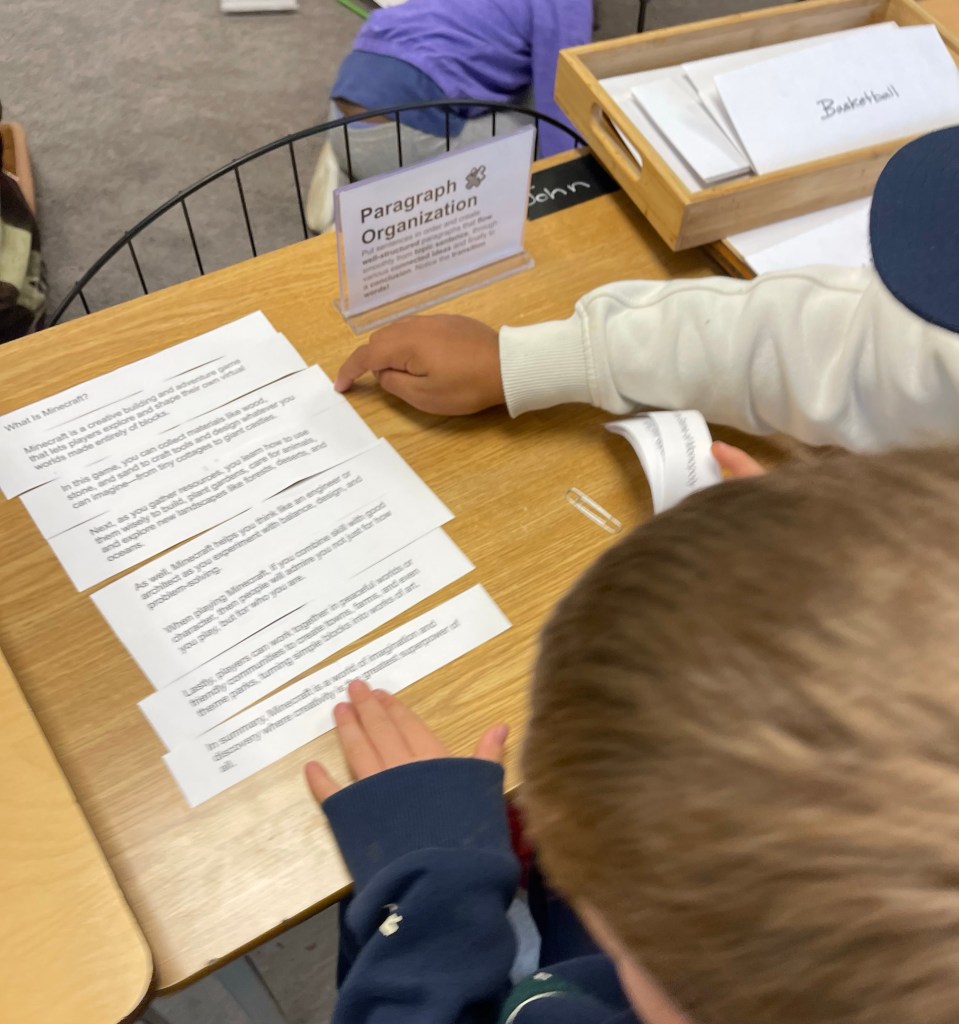
In Language Arts, we continue to work through lessons on writing well organized expository paragraphs, telling stories with attention to character and plot, and strengthening vocabulary, spelling, and grammar skills—and we have a huge selection of fun Literacy Centres for even more practice! Ask your children to tell you about the literacy centre activities below or click this linkto learn the details and rationale for these activities.
Reminder: No costumes at school on Friday, Oct. 31st, but we are having a fun “Pyjama Day” instead! Then, because other classes in the school are doing their pyjama day on Monday, our 4A class is also welcome to have a second pyjama day then too.
On Mon., November 10 there is NO SCHOOL (Non-Instructional day).
Coming up: Addition quiz on Thursday!
Also, keep practicing the homophones there/their/they’re and to/too/two and also how to correctly form contractions. Use your “Word Study” duo-tang content for review!
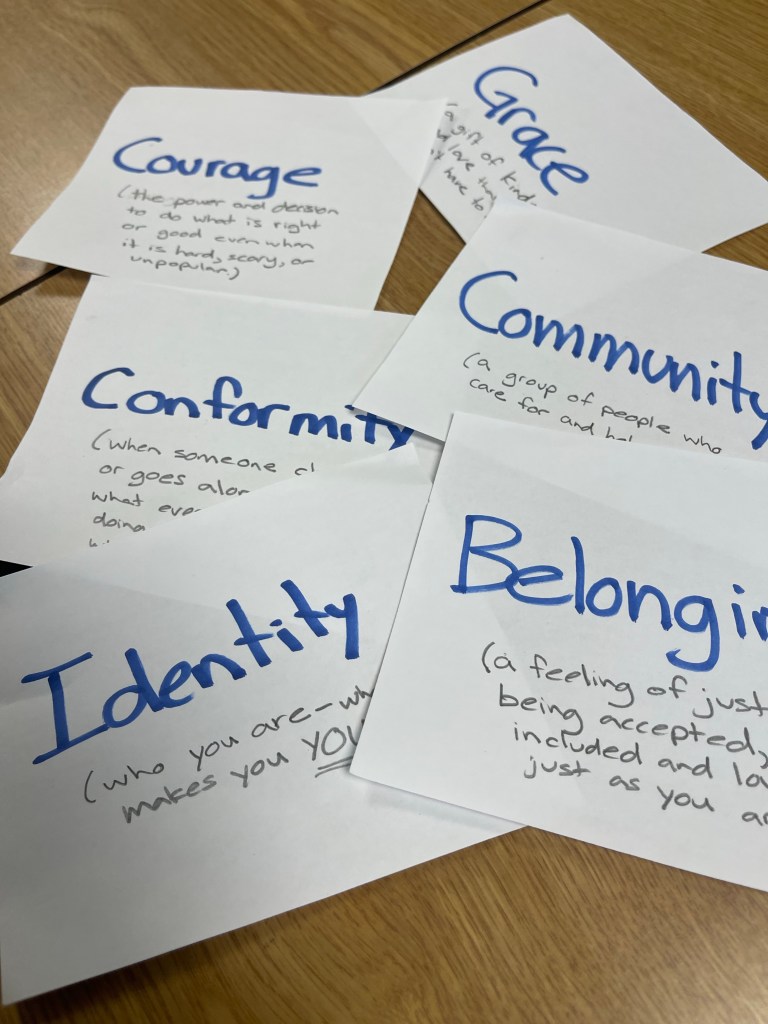
Each morning in “Crew” we aim for some sparkly moments to set the tone for a great day! The students explore a learning provocation inspiring G.R.A.C.E. (Gratitude, Respect, Acceptance, Caring, and Engagement).
A sense of belonging can happen organically, but we’re also intentionally trying to help students co-create a warm sense of community on purpose.
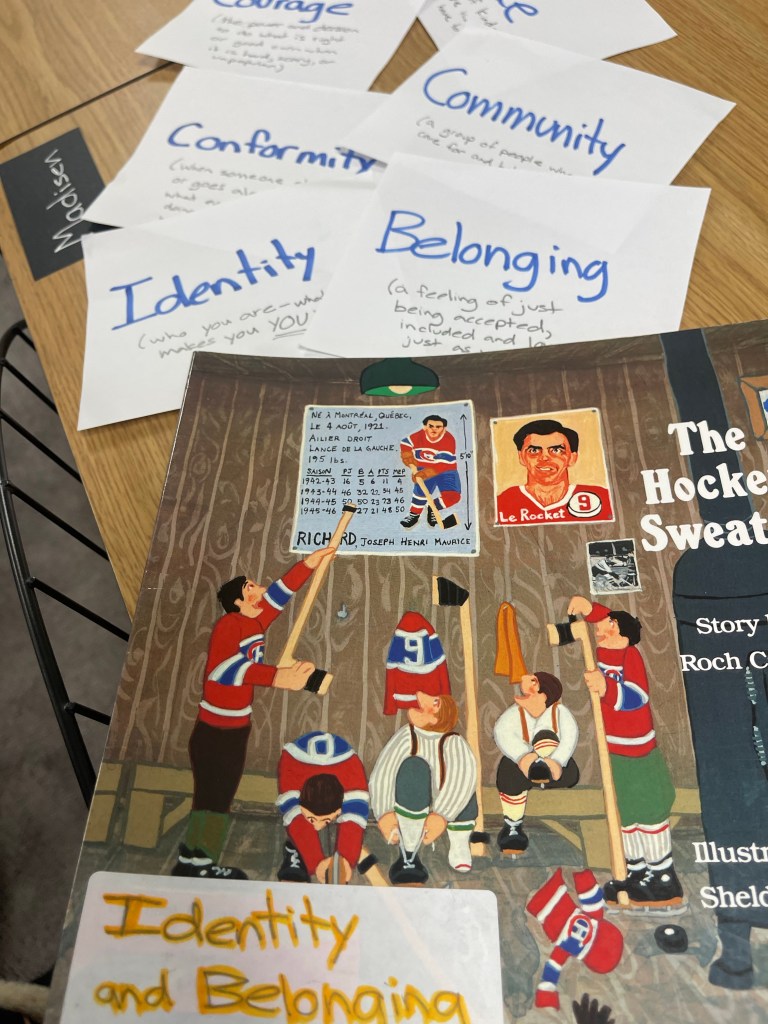
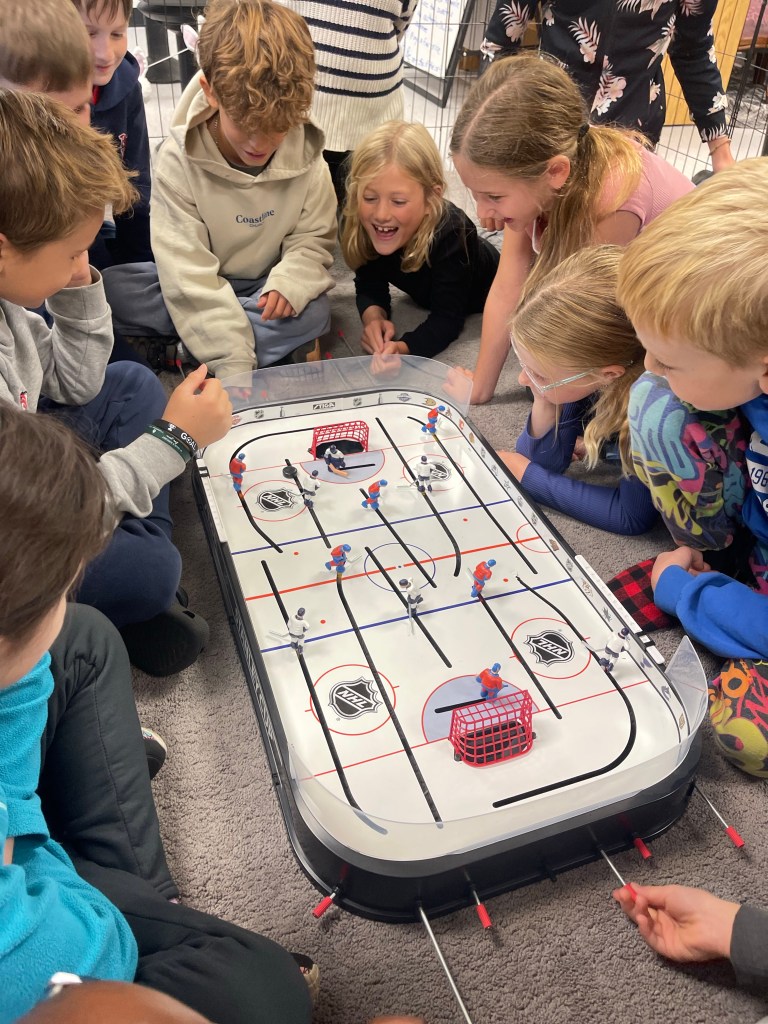
Yesterday, the surprise was a hockey table and the classic Canadian tale “The Hockey Sweater” with some powerful themes.
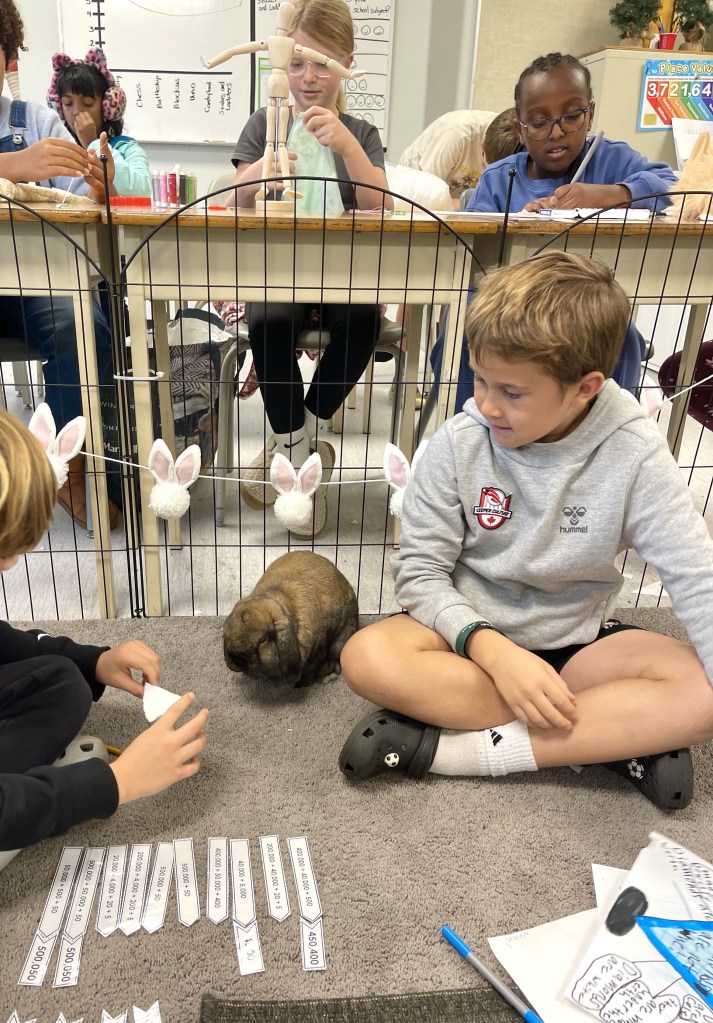
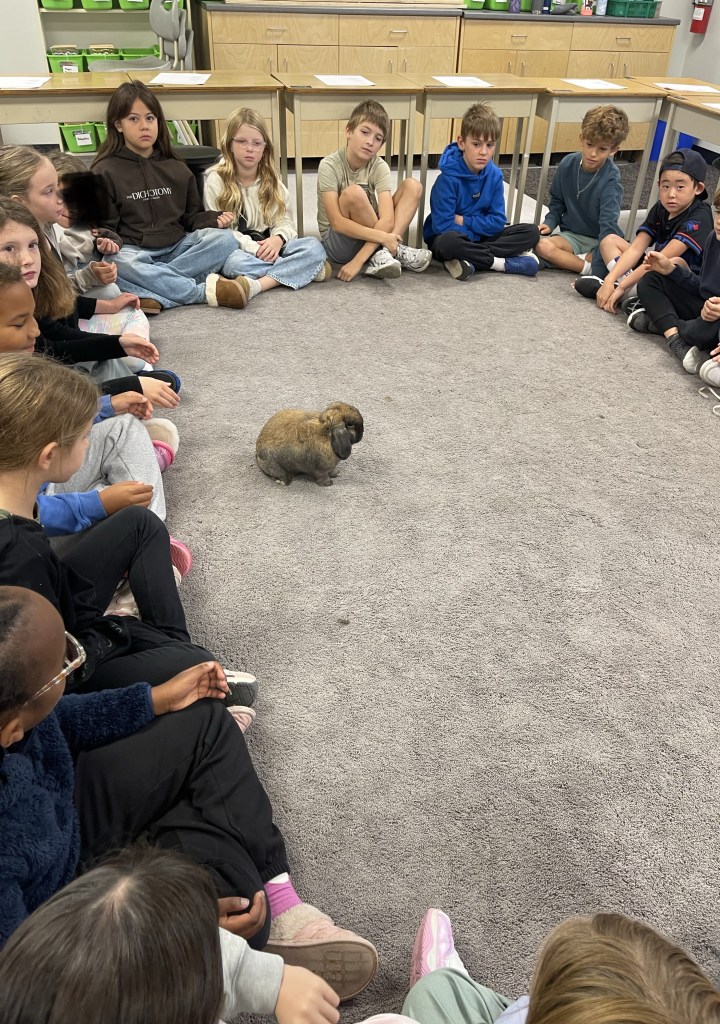
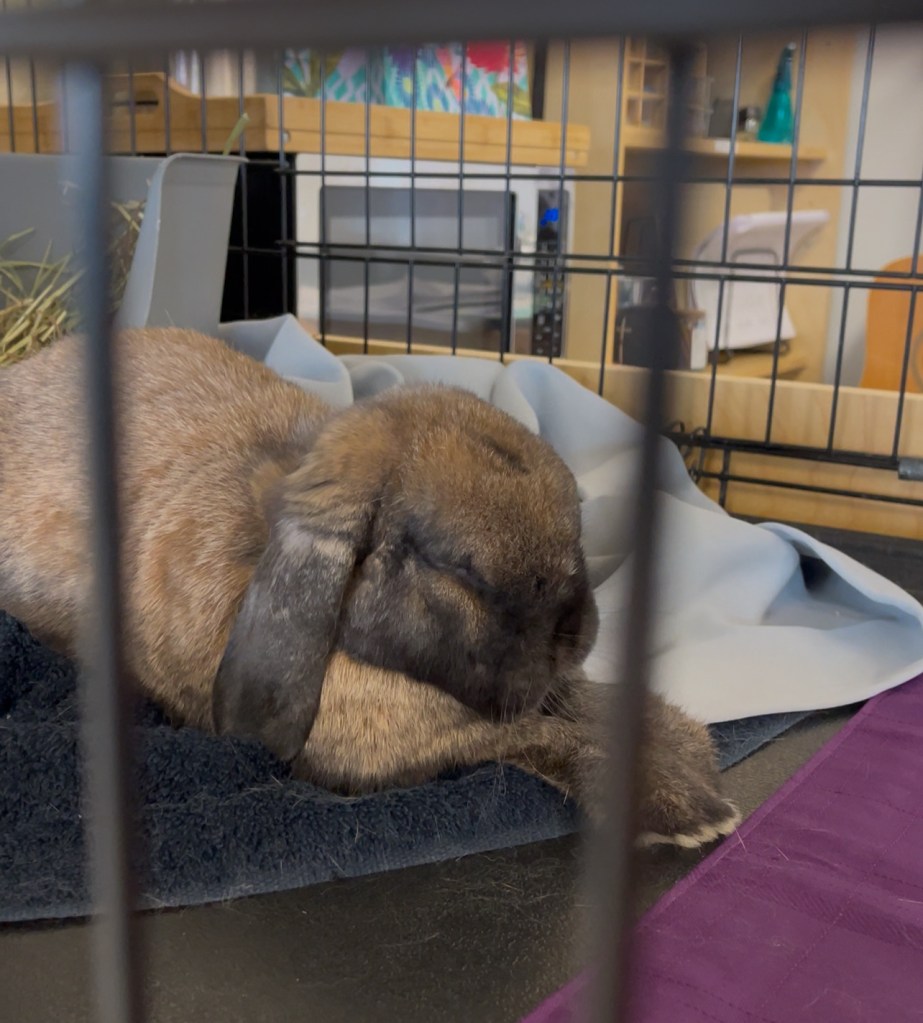
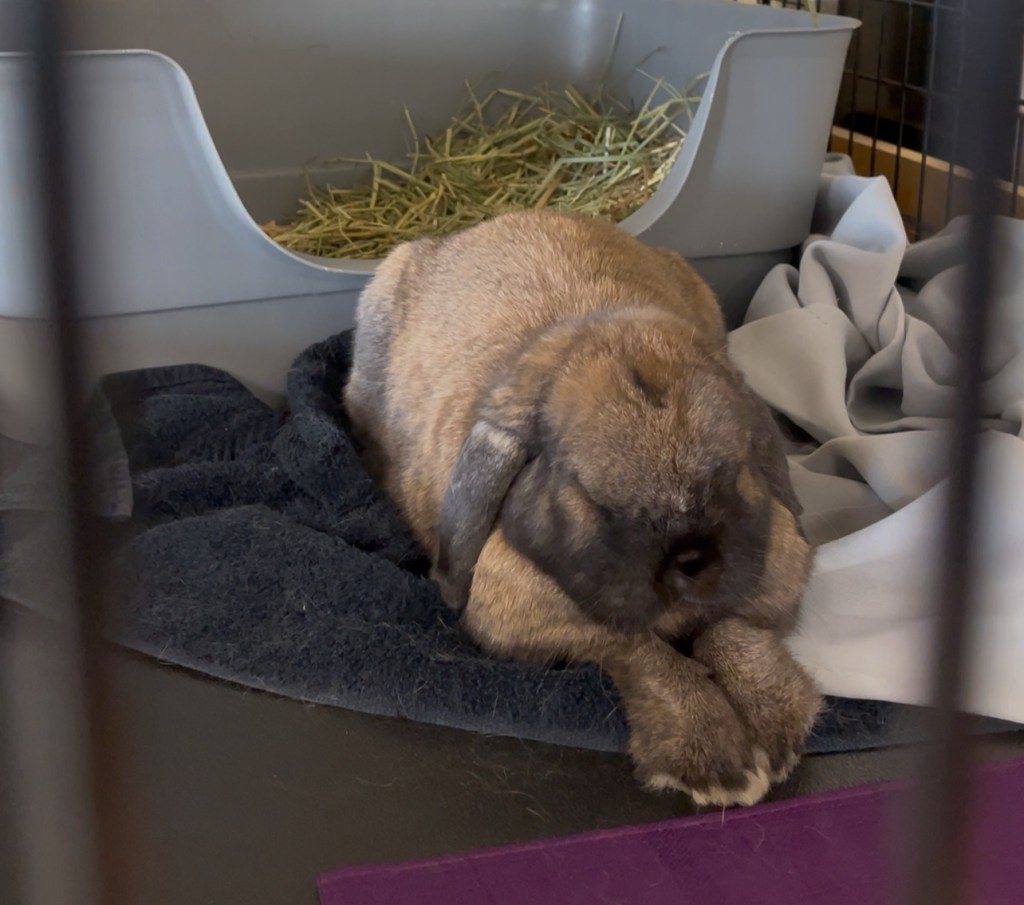
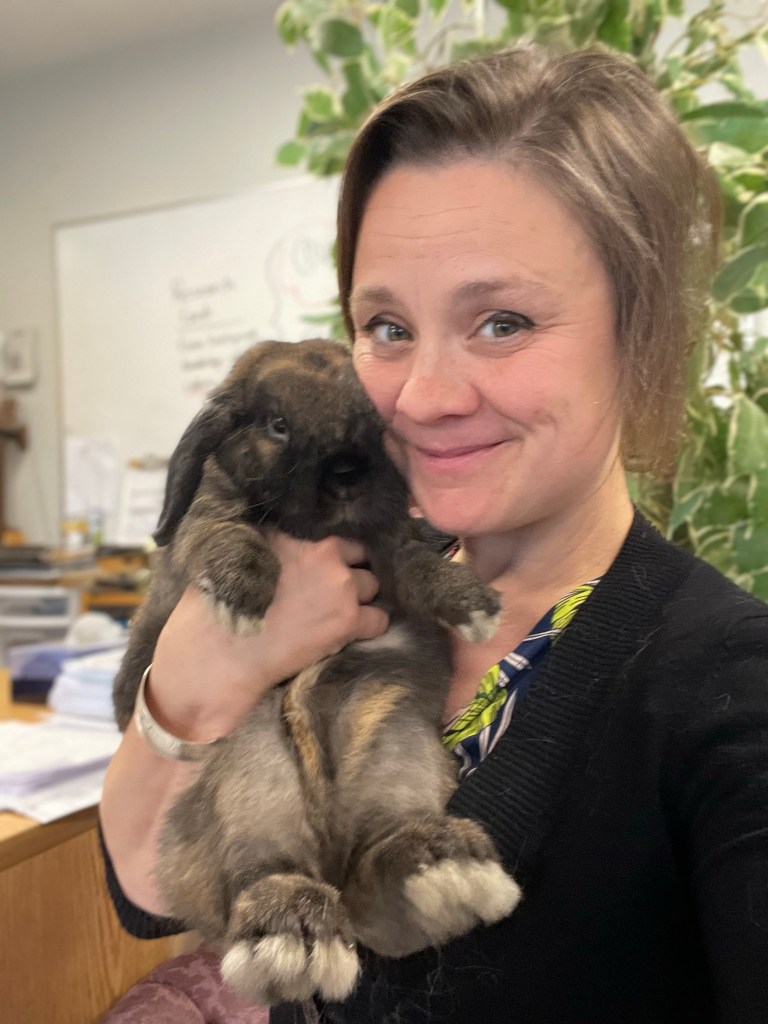
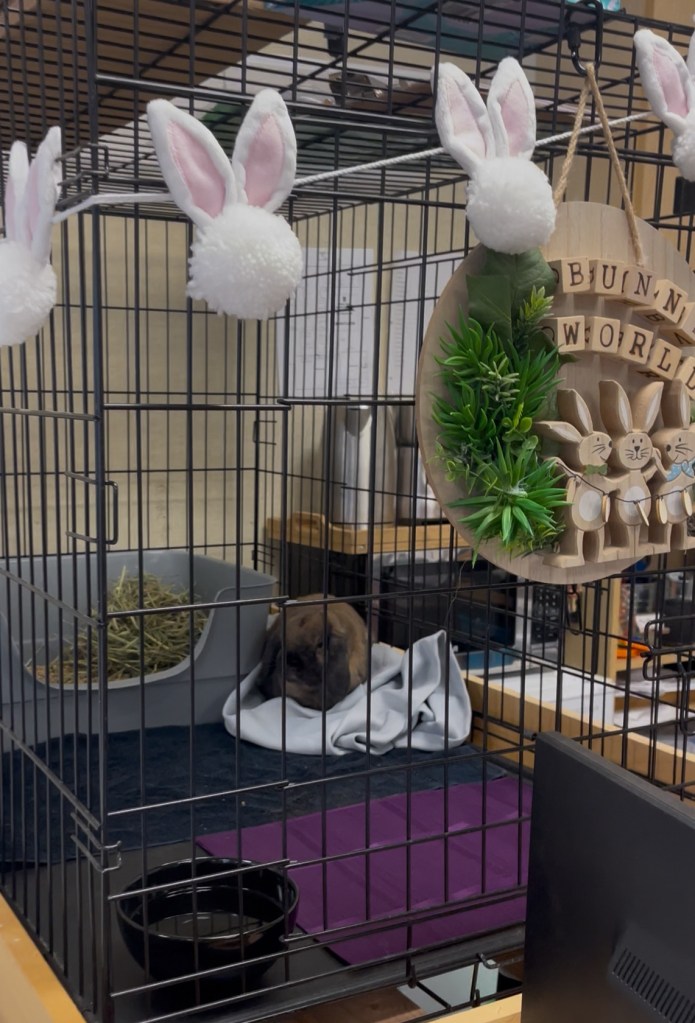
Bachelor Bob, our lop-eared learning coach, also did his part to drive the inquiry and keep team members focussed on the big goal!
Crew sessions like these hit learning standards across the curriculum, such as those in Language Arts, Physical & Health Education, Career Education, ADST, and more!
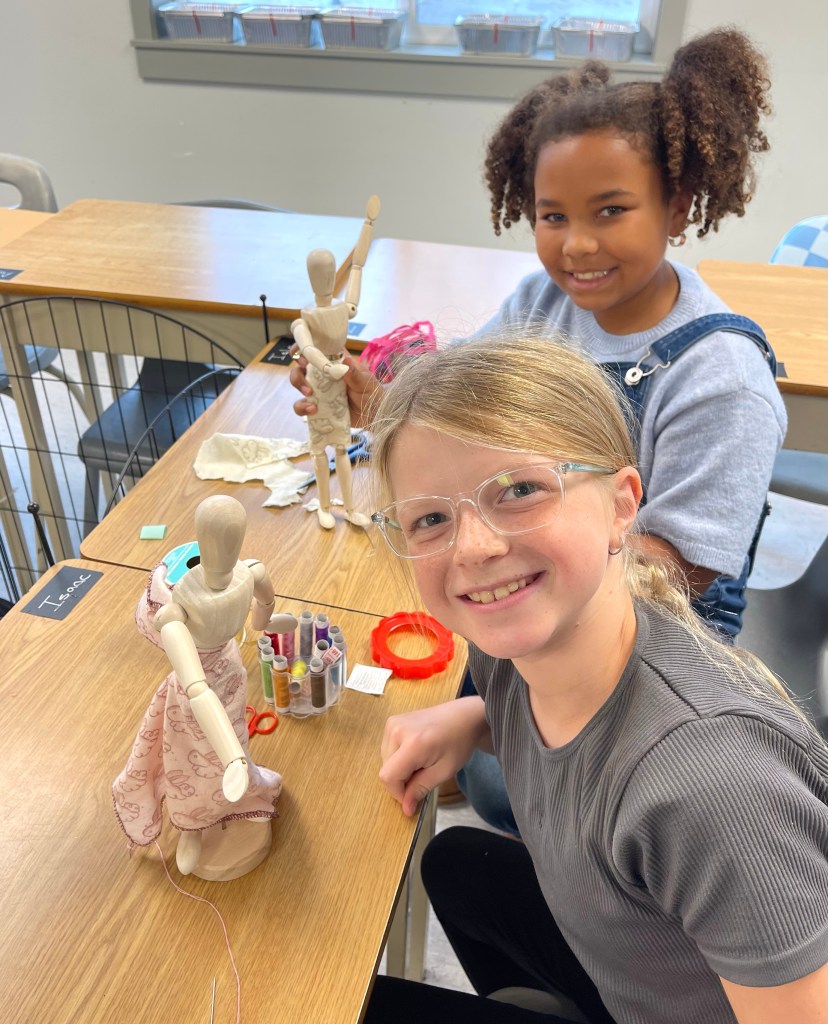
P.I.P. UPDATE: As a part of our Career Education goals, students are working on their own personal interest projects. They are welcome to work on multiple smaller projects or focus on one larger goal.
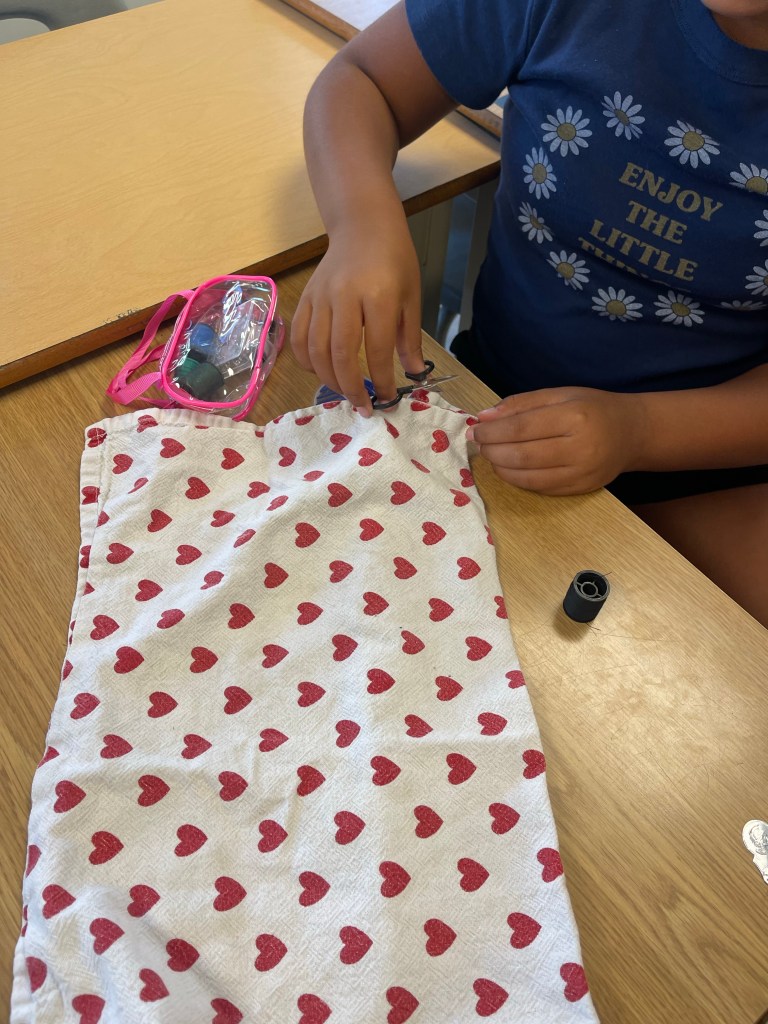
A popular interest in our class right now is textile arts, and many students are learning sewing, knitting, and crochet.
*If your child is interested in learning to sew, please send me an email granting your child permission to use my class set of sewing needles and have from me in sewing.
Students can bring in their own material, but I only permit students to use in class the needles I provide and track by number, so I can more easily supervise the safe sewing practices at all times. (No random sewing without permission—we can’t risk losing needles in class.) All students who sew must be reliable in following class safety guidelines.
Thank you so much for all your amazing support of our creative learners!
Crochet Club (a P.I.P. Option)
If your child has expressed interest in joining the in-class Crochet Club with Brooke (our grade 9 TA), please read the information below…
PASSION FOR CROCHET: We are blessed to have Brooke, a grade 9 PCS student, working with us on Wednesdays and Friday afternoons as a TA (teacher assistant).
Brooke is a multi-talented entrepreneur who runs her own crochet business selling her handmade creations. She has offered to teach any interested 4A student basic crochet skills during our inquiry blocks. (I personally do not know how to crochet, but I will directly supervise the sessions.)
FEASIBILITY: Crochet is a challenging skill that can take lots of one-to-one guidance for younger children to master, so it is best taught in smaller groups rather than as a whole class activity. So the plan is for Brooke to start working with one group of about 4-5 students next Wednesday, and then start a new group in a few weeks until each interested student has had a chance to be taught by the end of the year.
Tying a slipknot
MATERIALS: Our school does not have crochet hooks or the specific yarn and other materials needed, and I have not been able to secure donations yet—but I am looking into that for the future.
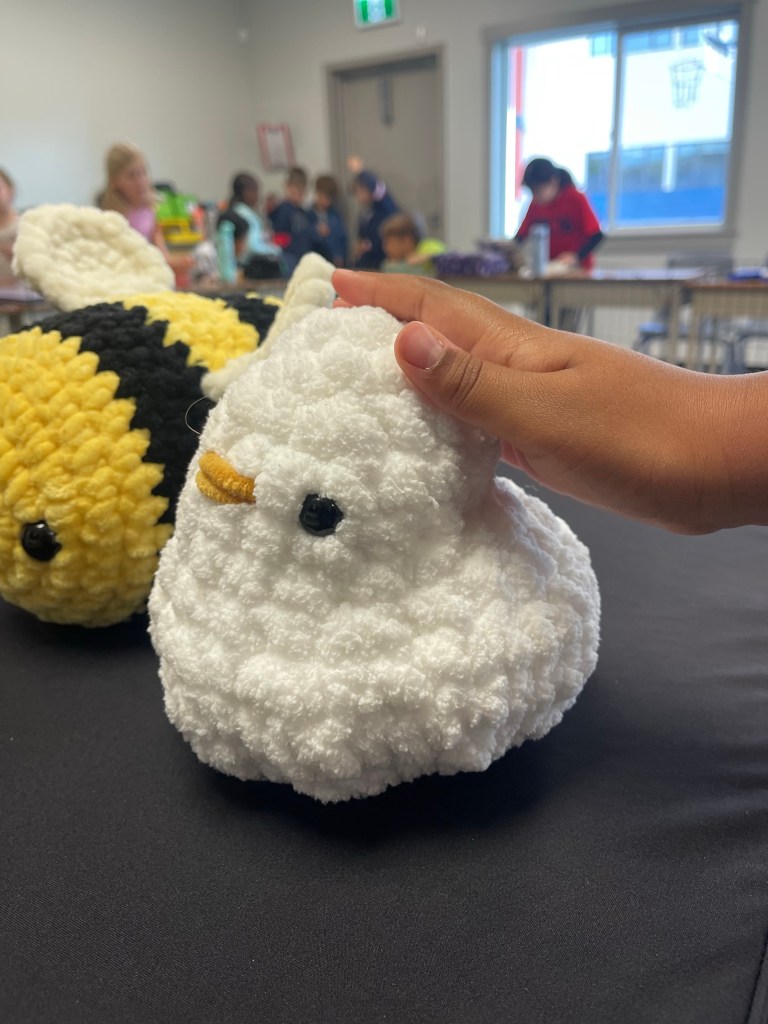
For now, since Brooke has her own business, she is able to purchase crochet materials at wholesale prices. Brooke has offered to buy bulk quantities of yarn, crochet hooks, and the other materials needed for our students to get started in crochet, and she put together a “Learn to Crochet Starter” kits for students to purchase from her that includes materials to make a duck. The kits will include the following:
– 3 crochet patterns for stuffies
– 5mm crochet hook
– 7mm crochet hook
– Fluffy yarn to make the duck
– Thin yarn to make square/coaster/dishcloth
– Stuffing
– 4 stitch markers
– 6 pairs of craft eyes (for duck and other extra
projects)
– 2 darning needles (to sew in the ends,) they are NOT sharp, very dull and made from plastic, and not a safety hazard.
Brooke has priced the cost of the kits, after her wholesale discount at $25 each—there is no profit for her, just material costs.
If your child would like to work with Brooke and do the “Learn to Crochet a Duck” project, you can send in $25 cash (which will go directly to Brooke for the kit material).
Purchasing the hooks and materials for the project directly on your own is also an option, but the cost could be higher.
Students who are interested but are not ready to commit to doing a full duck project yet and just want to experiment with basic skills are welcome to use my yarn and try finger crochet in class. (Today we introduced the basic slipknot.)
Or, feel free to send in crochet materials with your child and Brooke and/or other classmates can work together as time allows once the duck project students have finished.
THIS IS OPTIONAL: So, to be clear, there is no expectation or pressure for any child to do the “Learn to Crochet a Duck” project or purchase a kit. It’s simply a neat opportunity—and a student can decide later in the year to join in. We are blessed to have Brooke with us all year!
NEXT STEP: If your child has a strong interest, a likelihood of following through with the project, and you would like this opportunity for him or her, then send in $25 to initiate the kit purchase or email me if you have other questions.
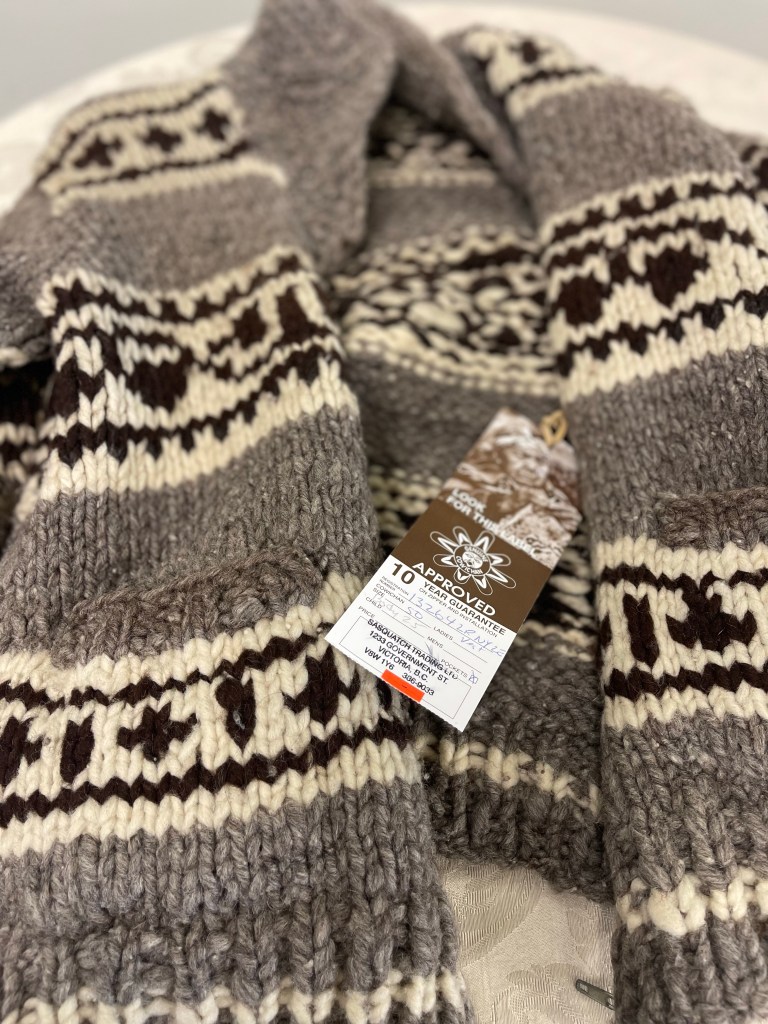
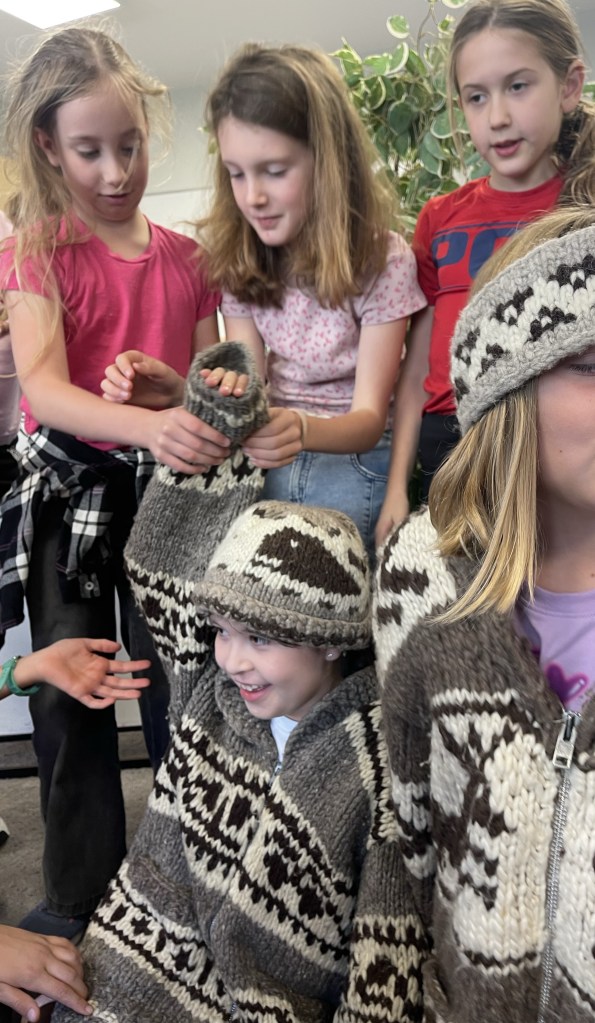
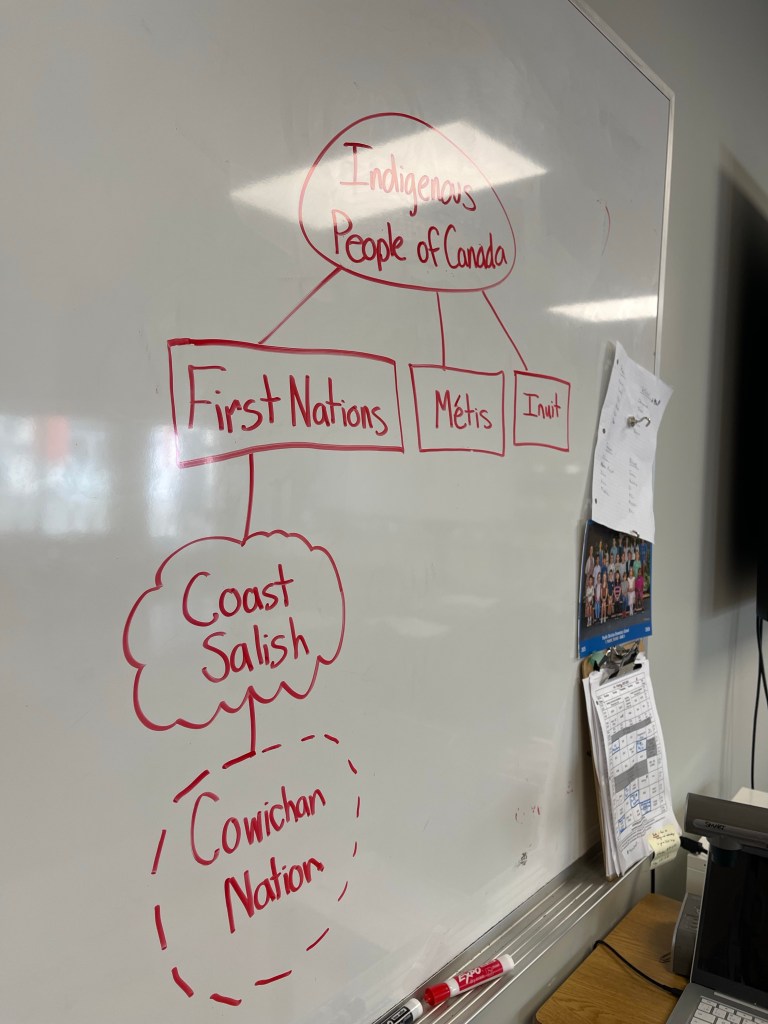
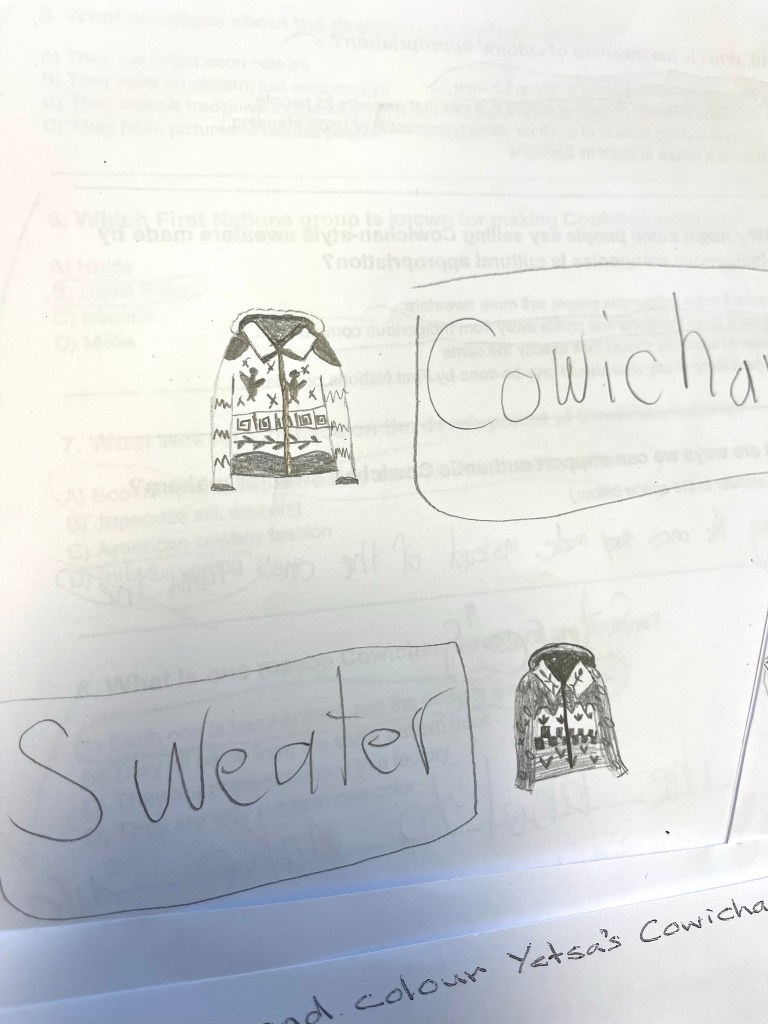
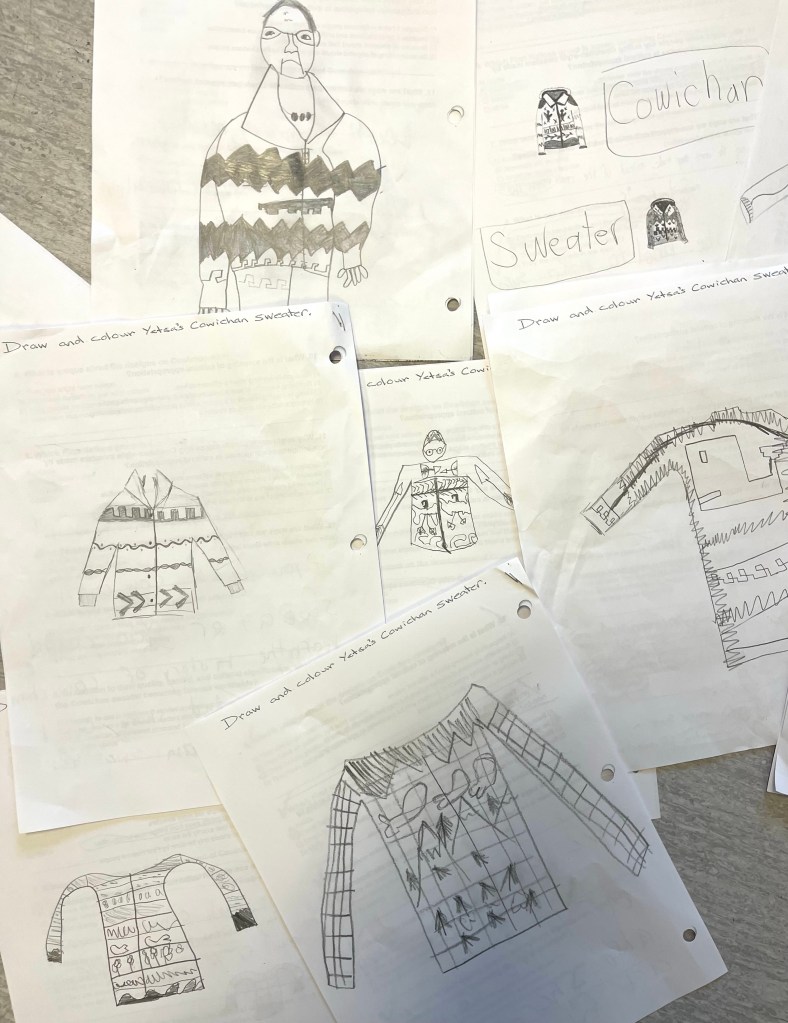
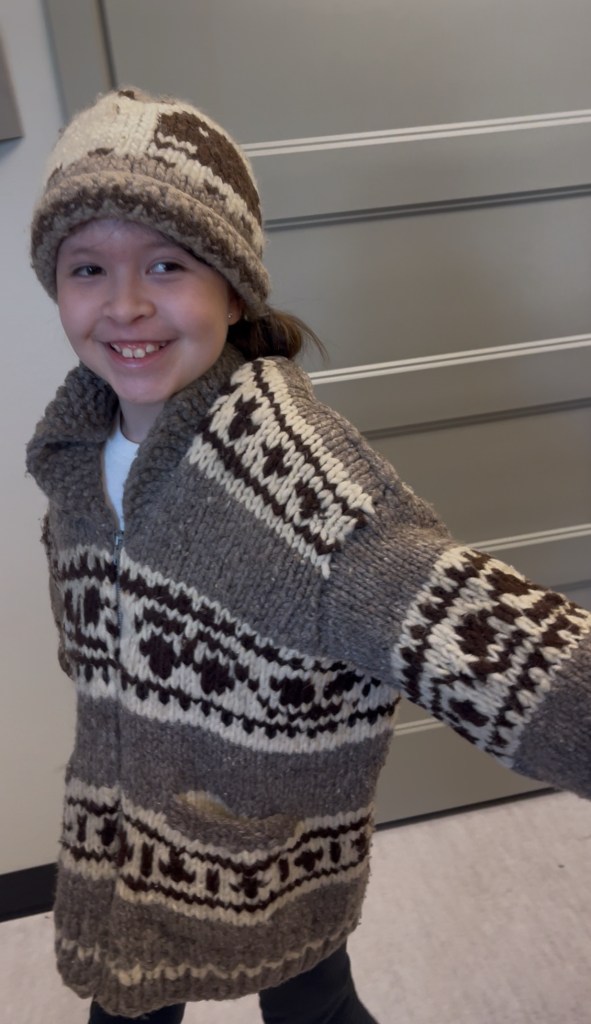
Today we read “Yetsa’s Sweater” by Sylvia Olsen — a story that opened our eyes to the beauty, meaning, and history woven into every authentic Cowichan sweater. Through stories, videos, and voices from Cowichan people, students learned how this Coast Salish art form connects generations through skill, family, and identity.
We discovered how early encounters and trade between Indigenous peoples and European settlers led to new ideas and exchanges. There were times of cooperation and times of conflict. We also discussed the harm of cultural appropriation and the need to honour and protect authentic designs.
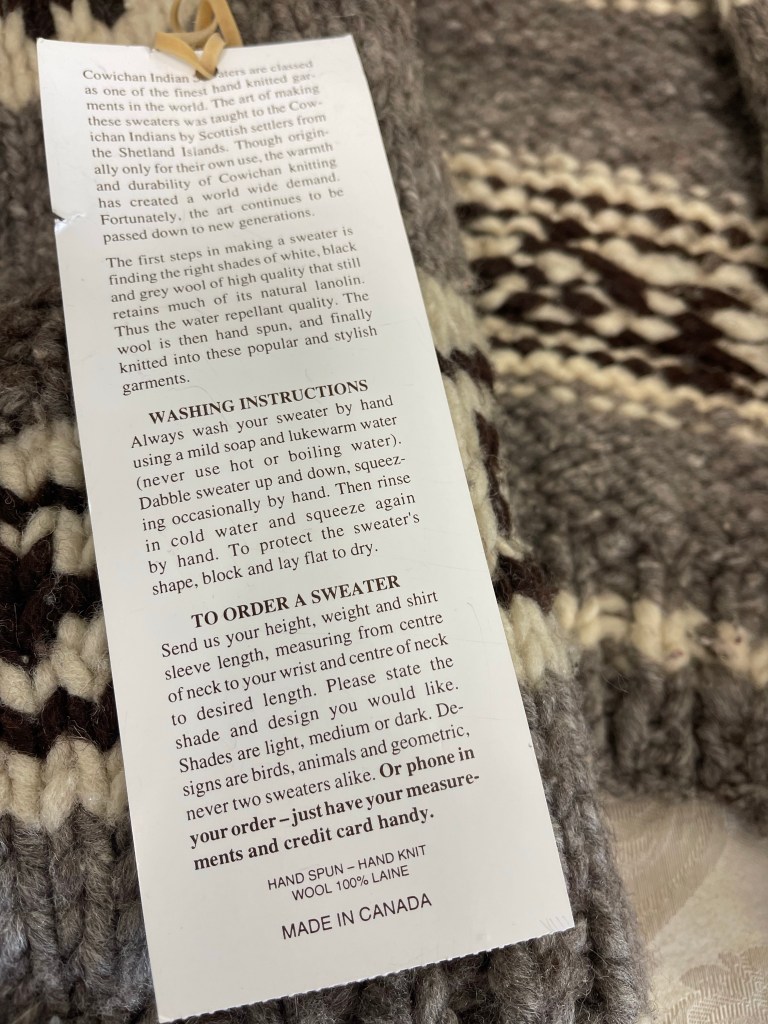
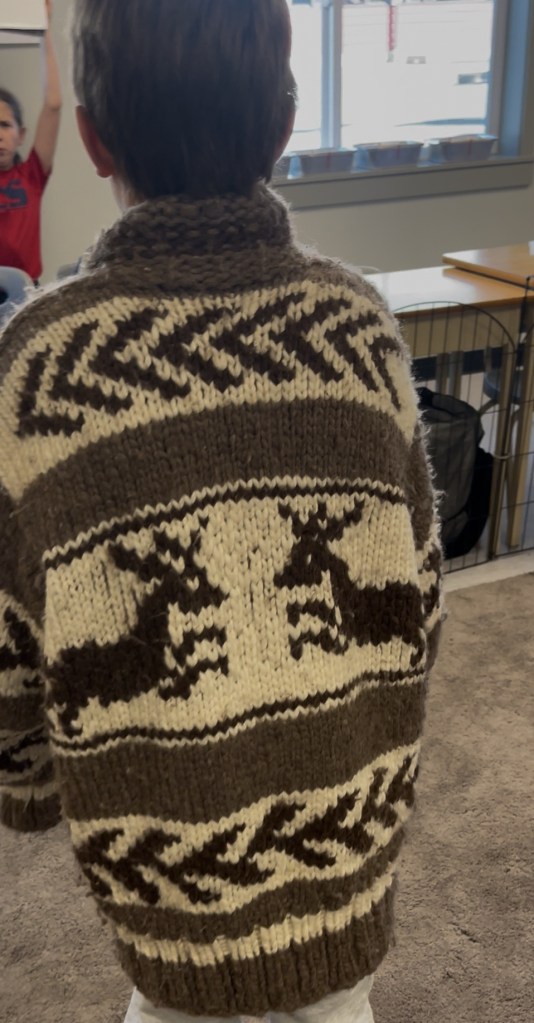
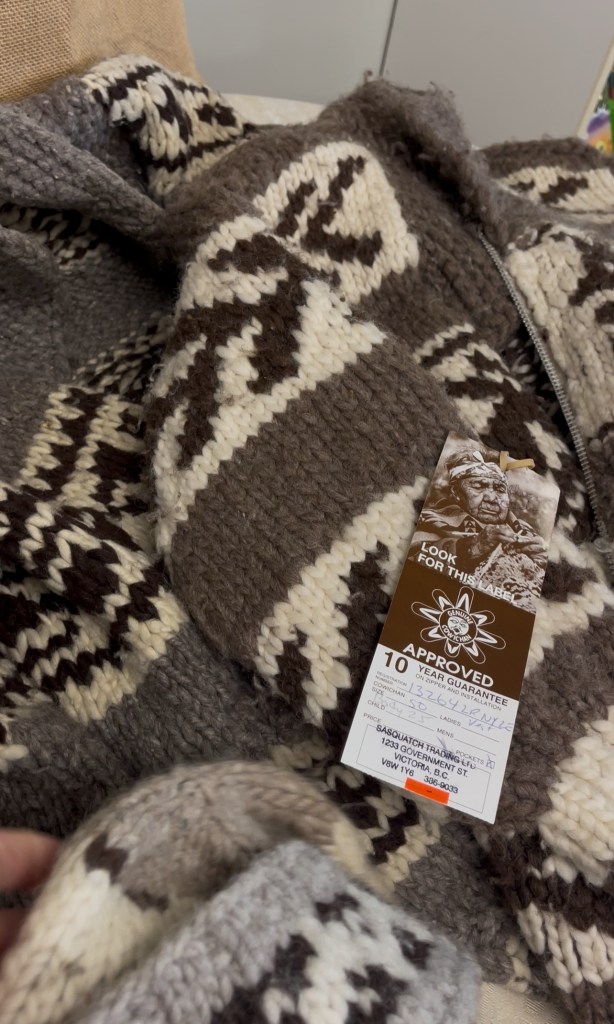
Students examined real Cowichan sweaters and authentication labelling, and talked about ways we can support Indigenous artists’ work.
This connects with our BC Grade 4 Social Studies learning about how First Peoples and newcomers interacted and influenced one another and how art reflects identity, values, and relationship to place.
This learning also grows from our earlier reflections on the National Day for Truth and Reconciliation.
Becoming more aware of the history of our local area (and of the peoples who have lived here for thousands of years) is an important part of our journey toward truth, understanding, and reconciliation.
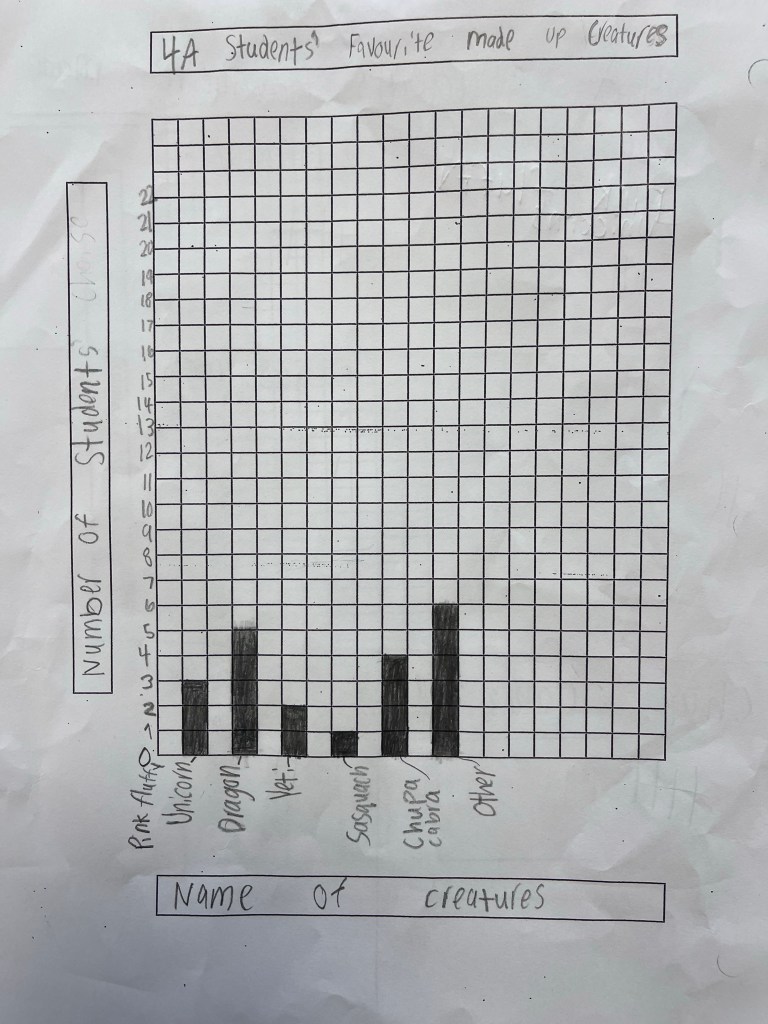
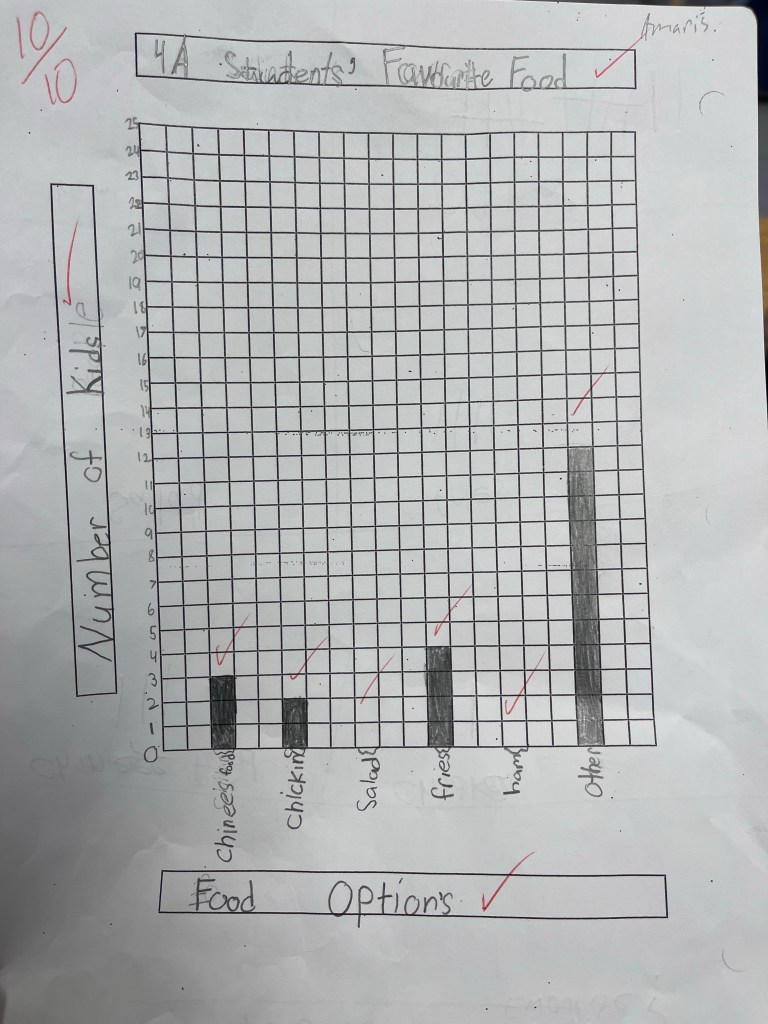
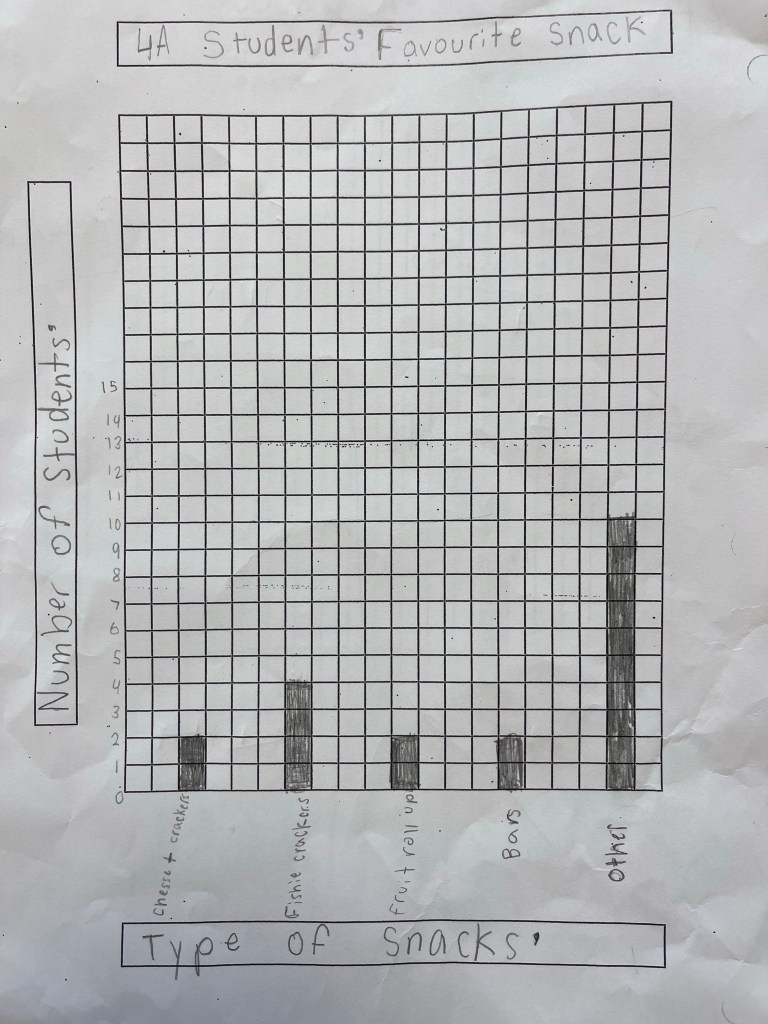
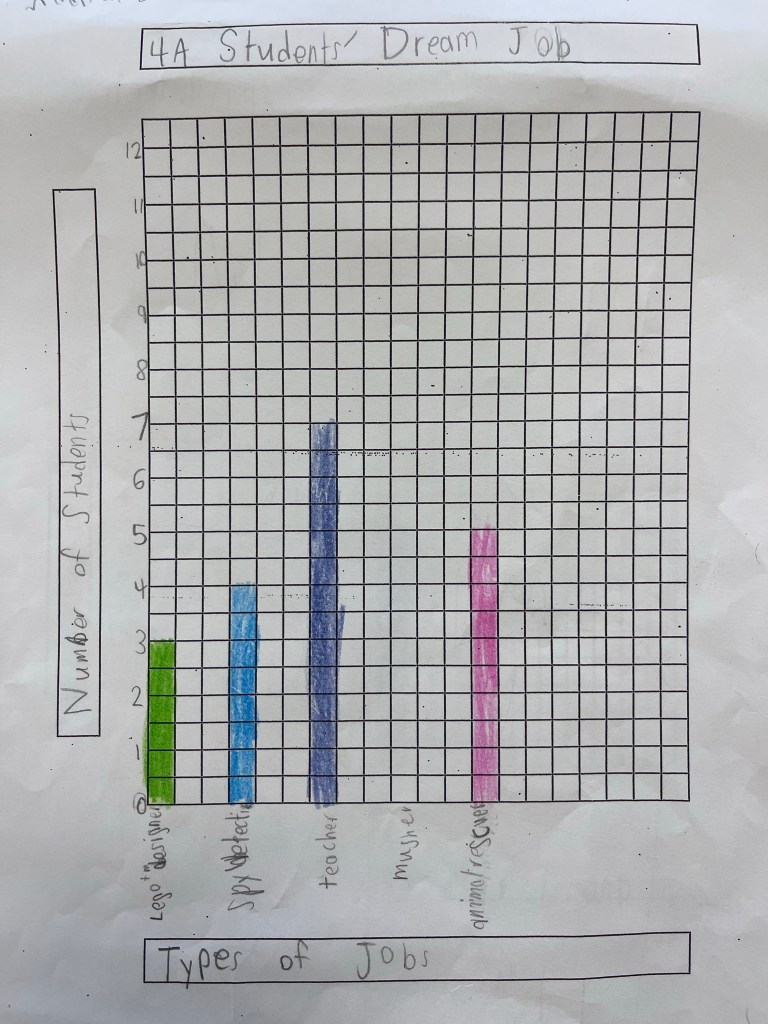
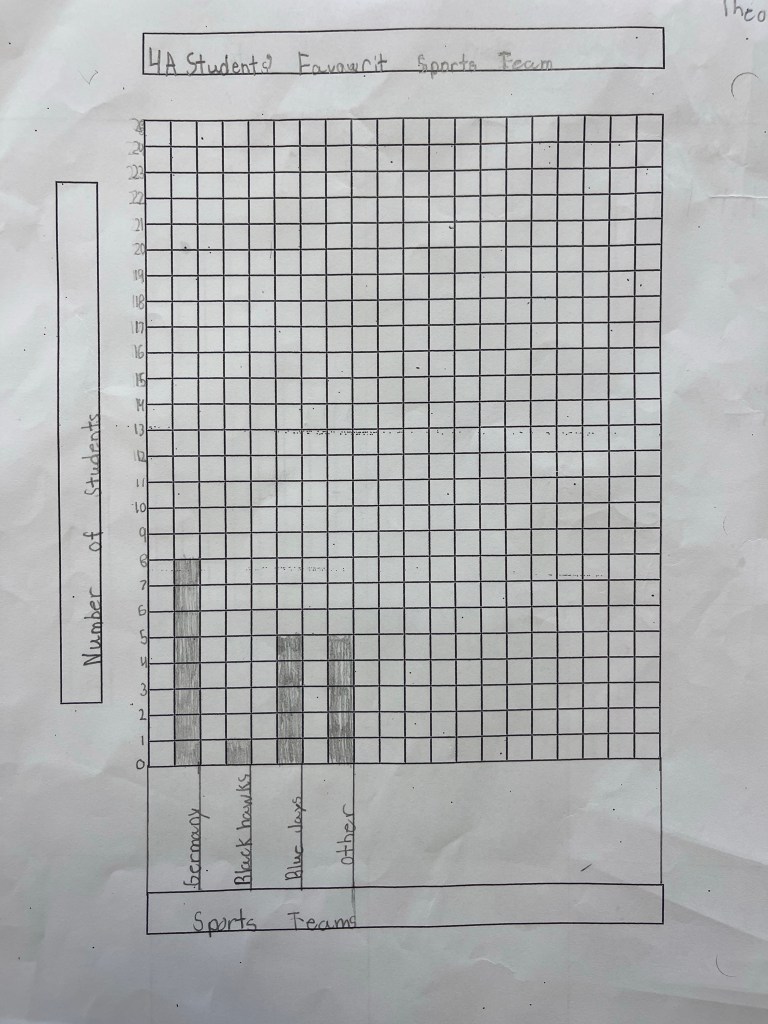
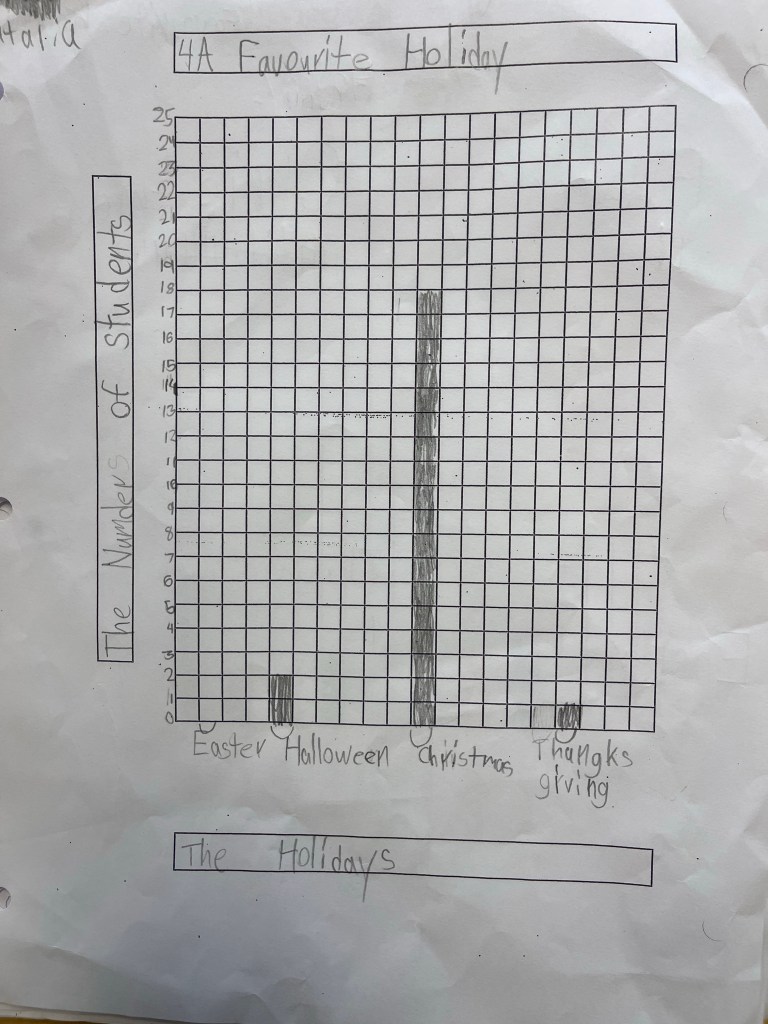
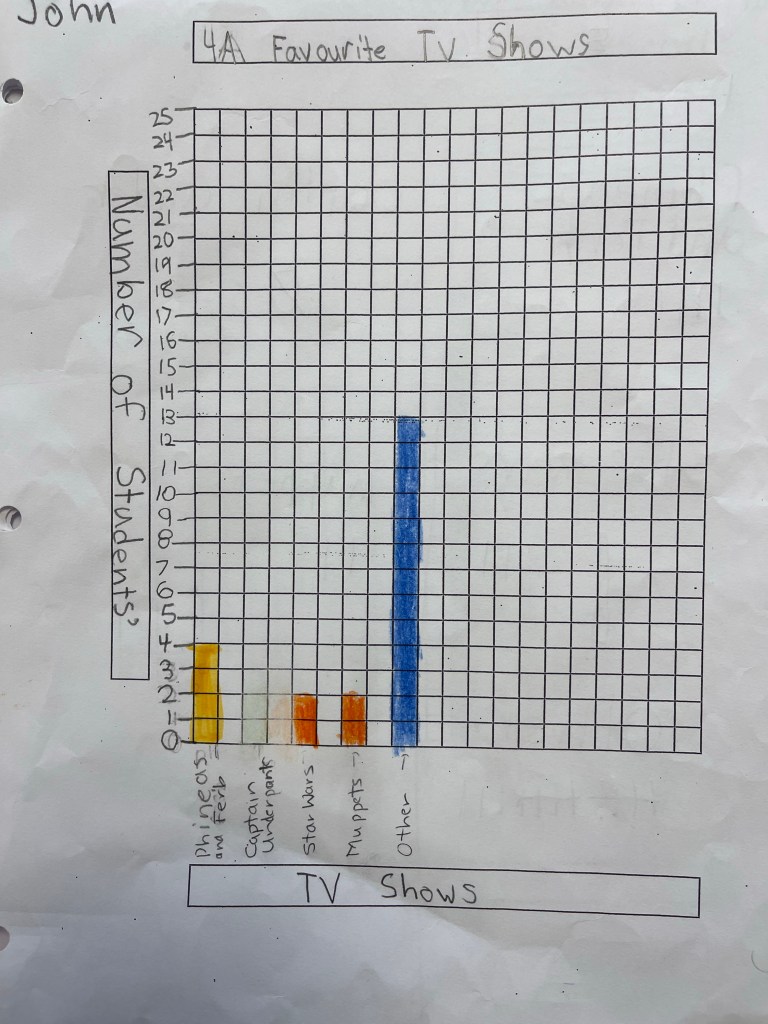
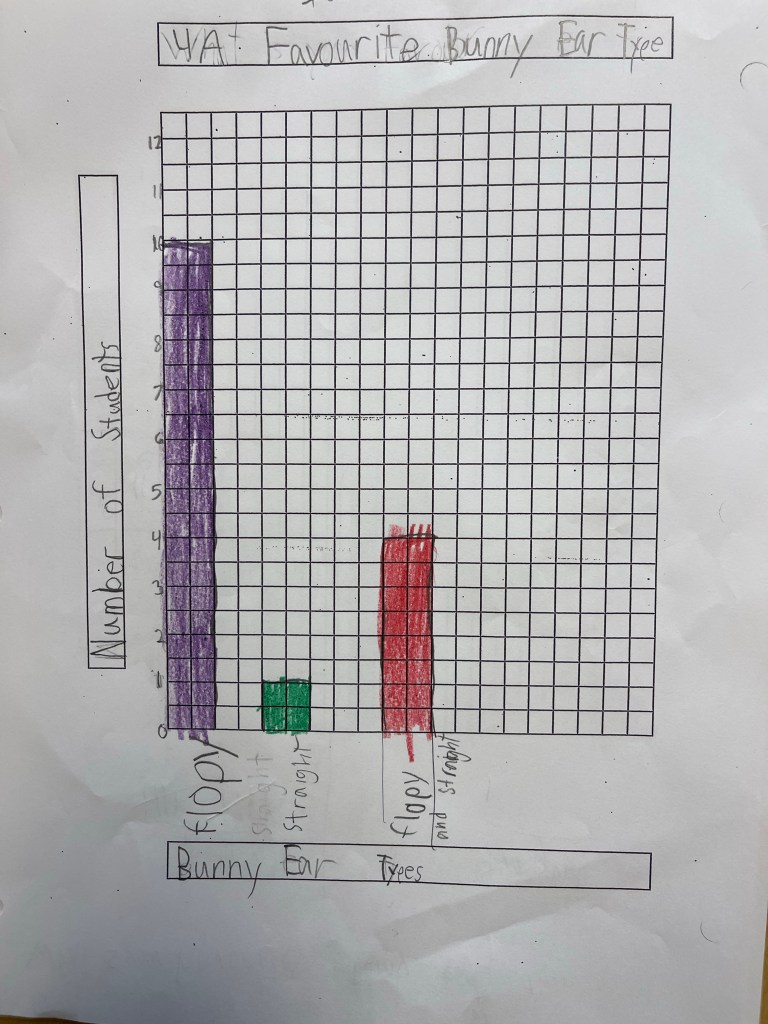
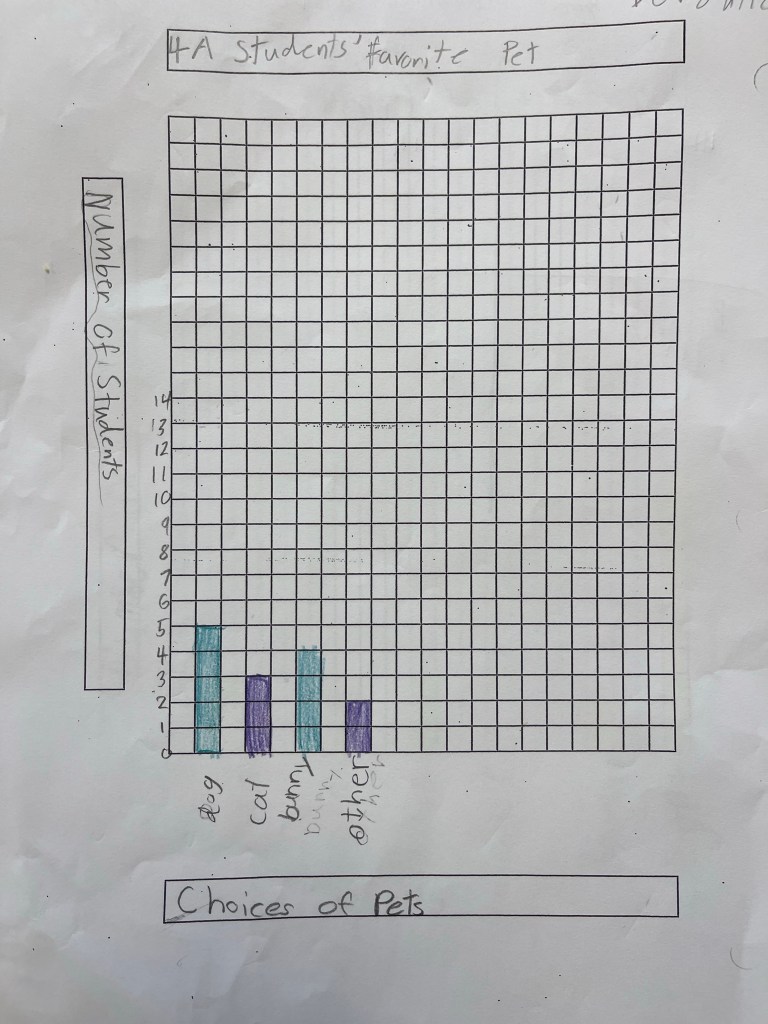
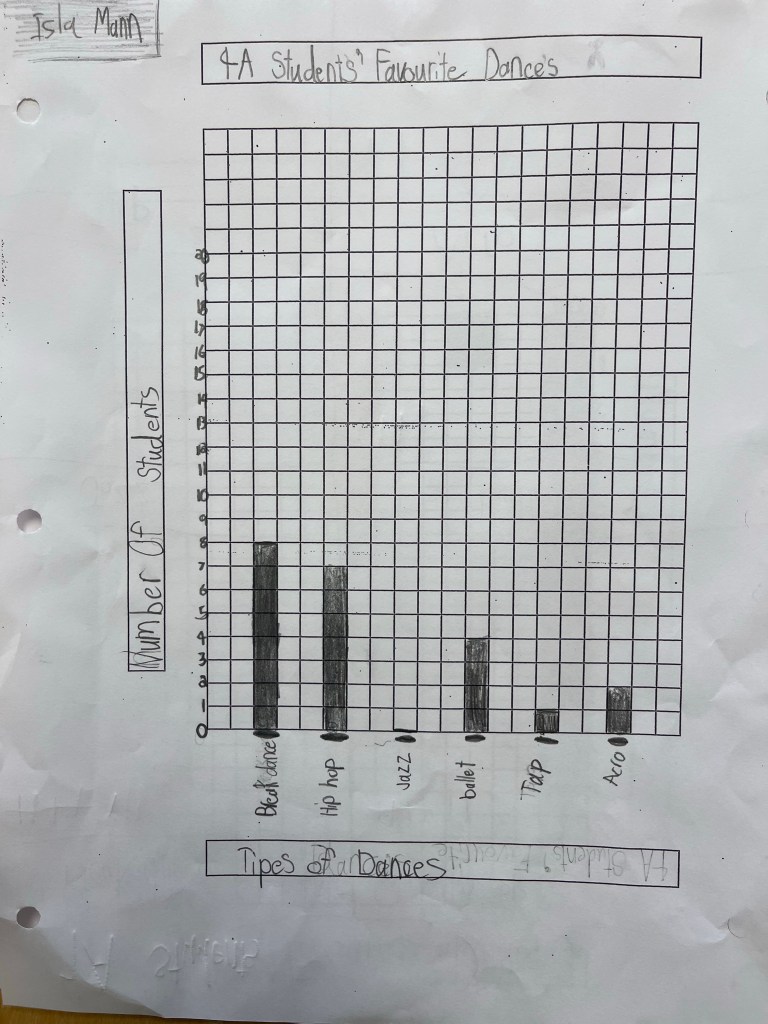
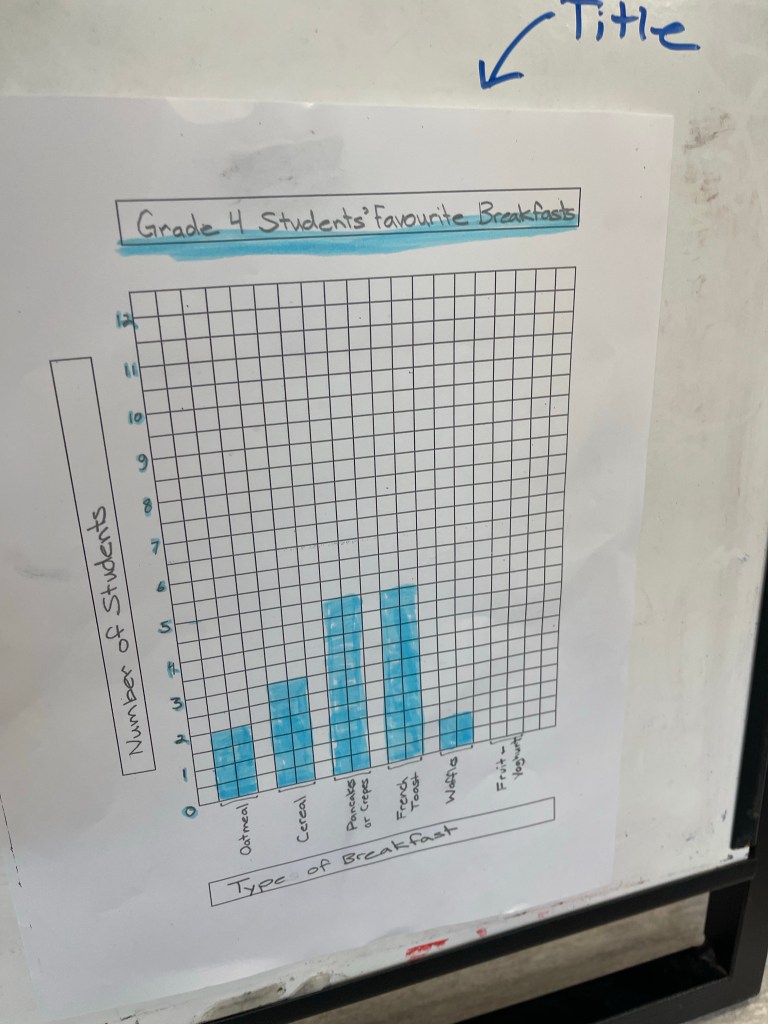
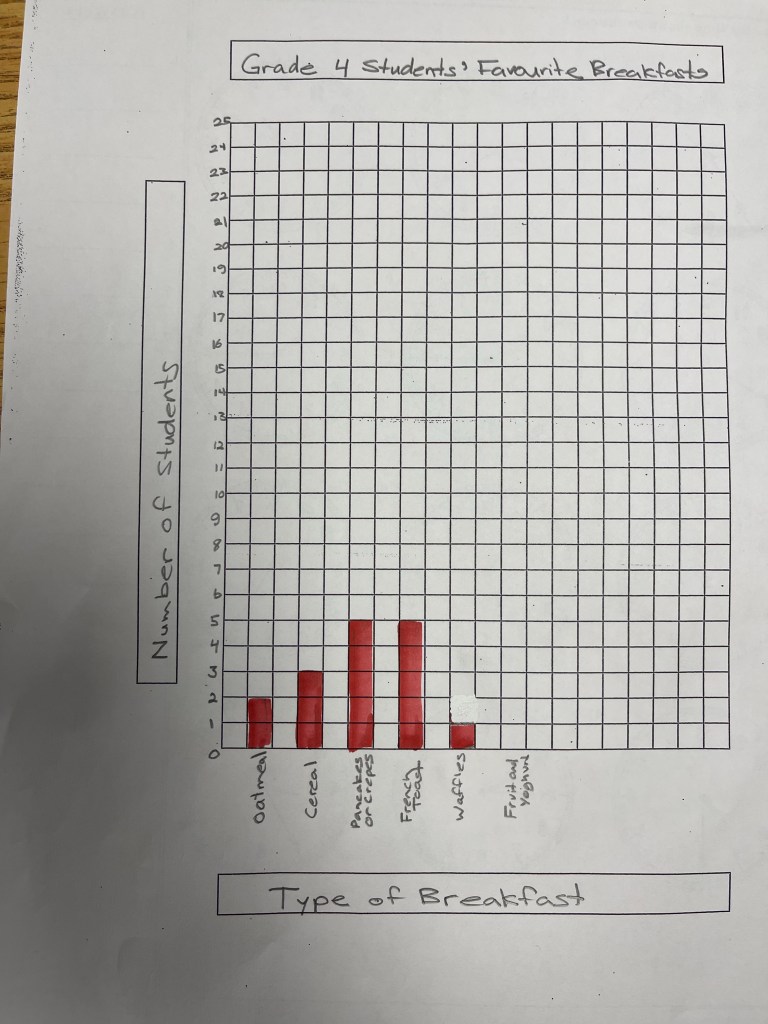
In Math and Science, we have been learning how to accurately organize, record, and share data using bar graphs. Students designed and conducted their own polls, collecting their peers’ responses in tally charts first and then compiling their data in bar graphs.
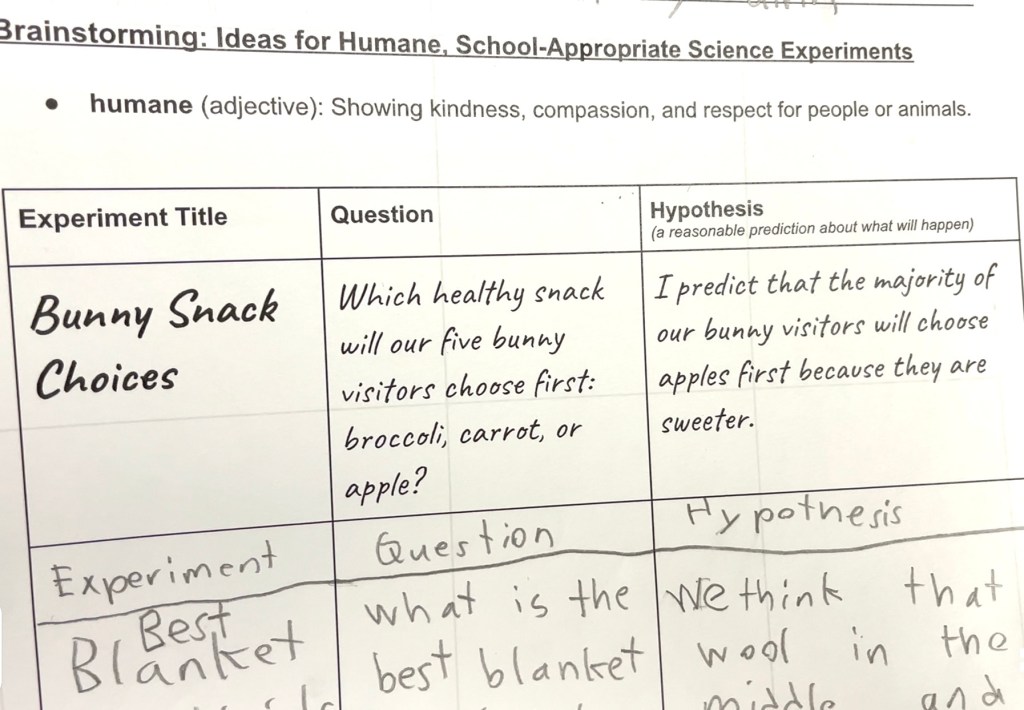
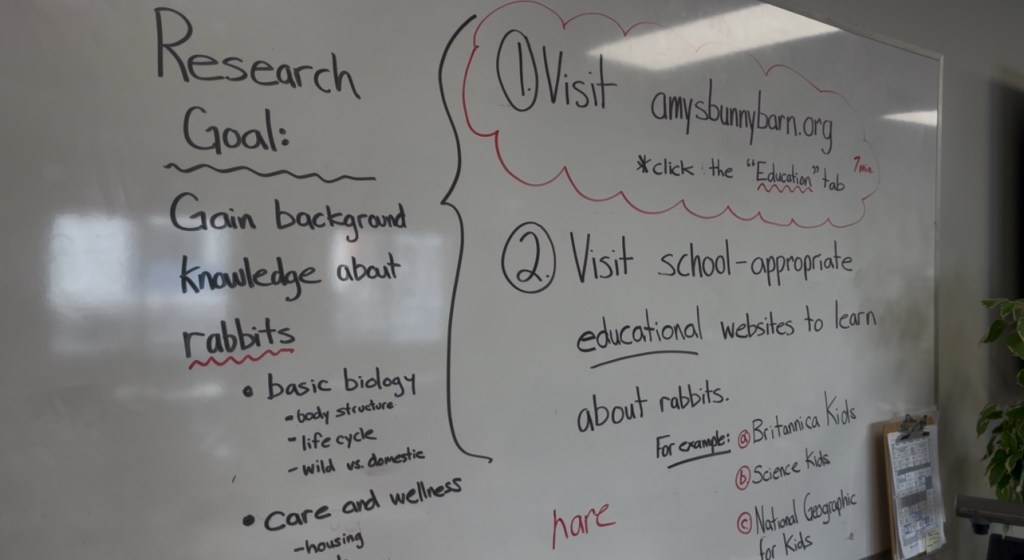
We’re continuing our “bunny science” adventures — this time focusing on how to design humane, school-appropriate experiments and how to record our findings like real scientists! 🐇🔬
Today we learned the difference between qualitative data (observations we can describe, like the bunny’s behaviour or body language) and quantitative data (information we can measure or count, like the number of hops or the time it takes to choose a treat).
We also talked about why it’s important to control the variables — keeping everything else the same — so our results are fair and reliable. [All of this learning is important in getting students ready for greater independence when doing a Science Fair project next year in grade 5.]
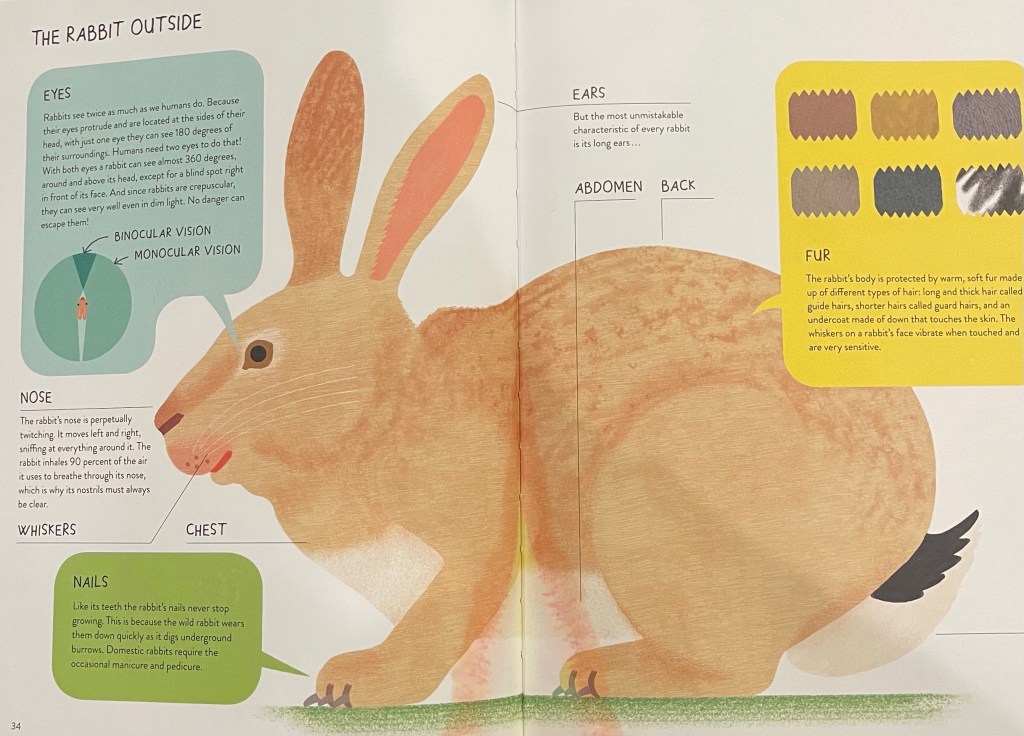
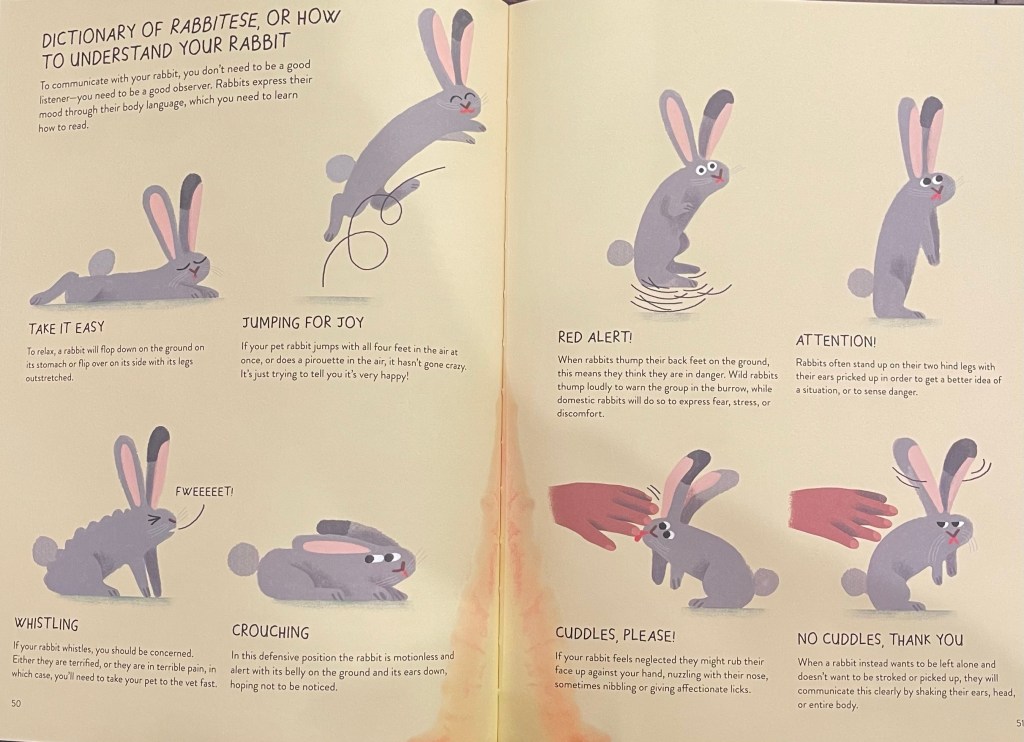
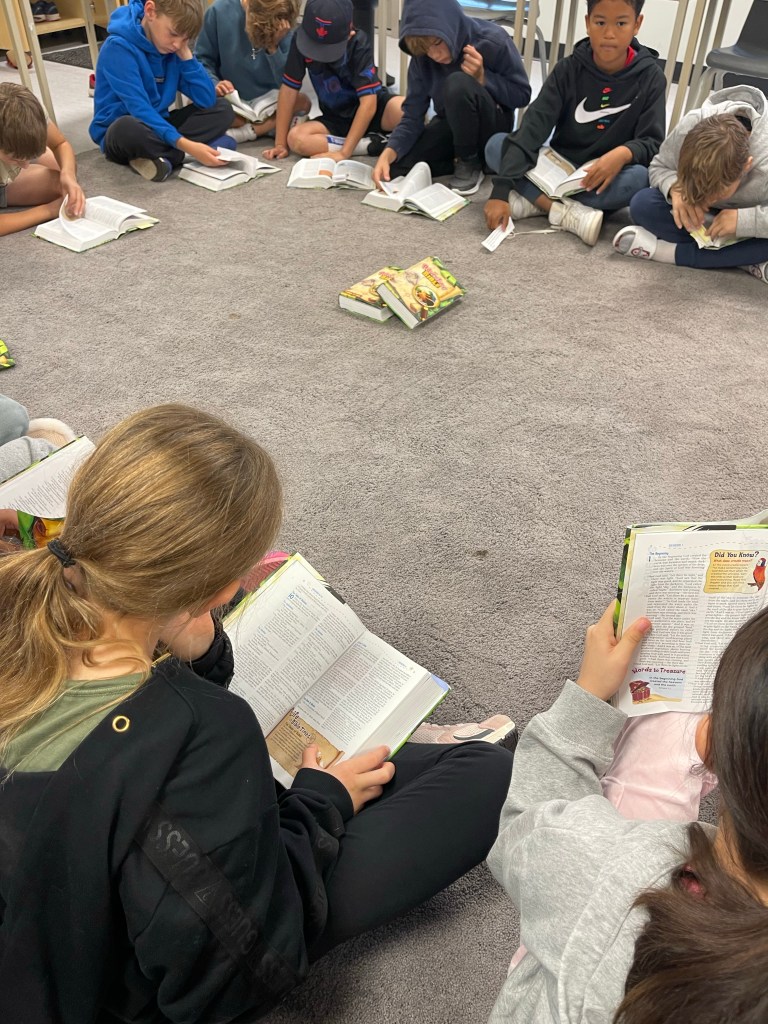
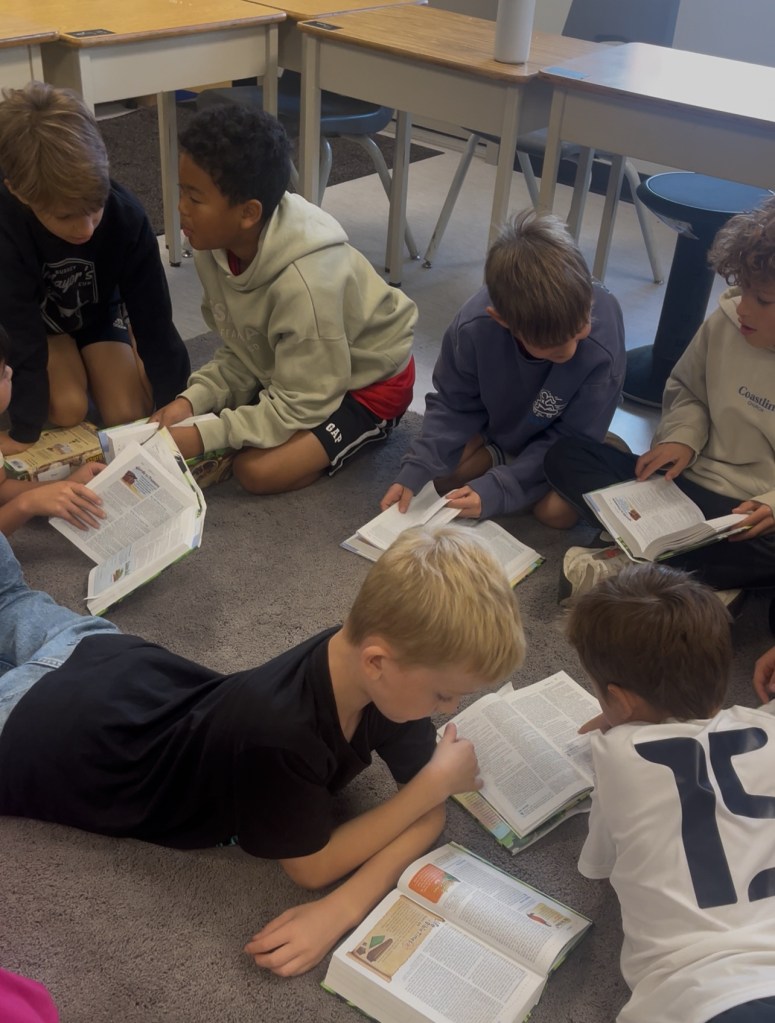
This book, Rabbitology, is a fabulous resource for bunny scientists (a Christmas gift idea?)! Some sample pages below…
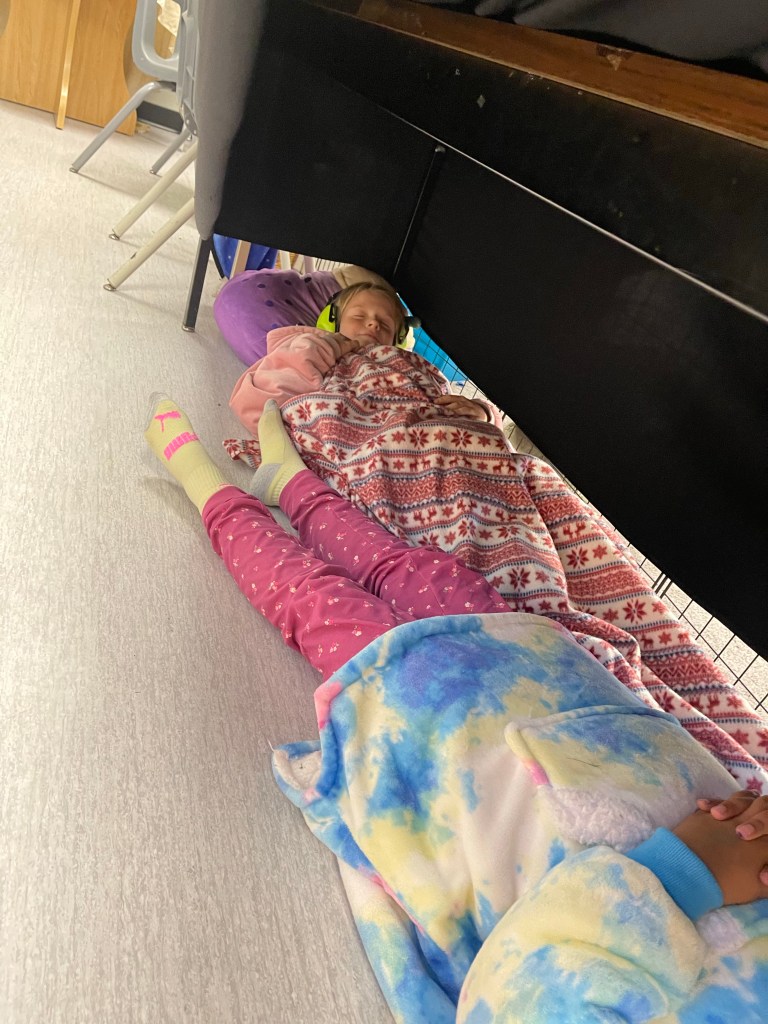
A cozy, calm classroom—fuzzy slippers, Bible time, and prayer by the fire with a bunny. We are thankful.
Hello, 4A families!
It’s been another rich week of learning! Students are bringing home their “Multiplying by 3s” quizzes today. Please note that questions with an asterisk (*) were “bonus” questions for extra challenge. We have reviewed how to solve each question in class.
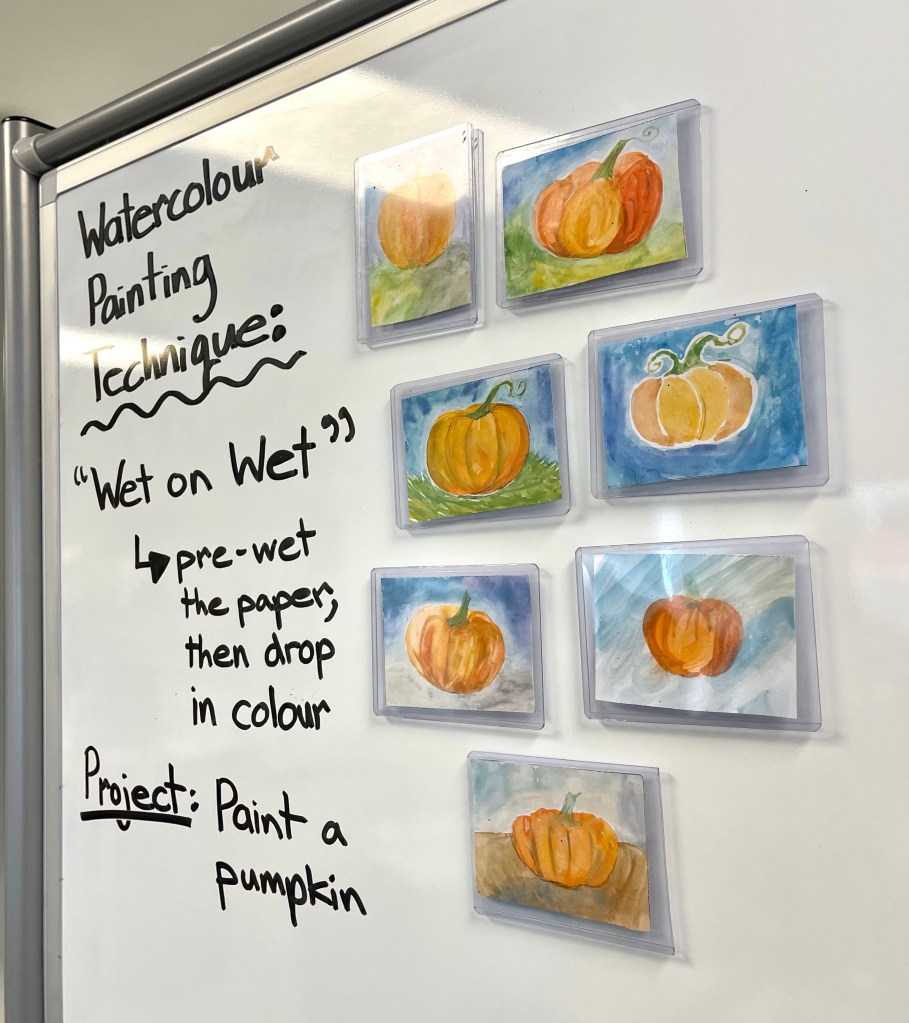
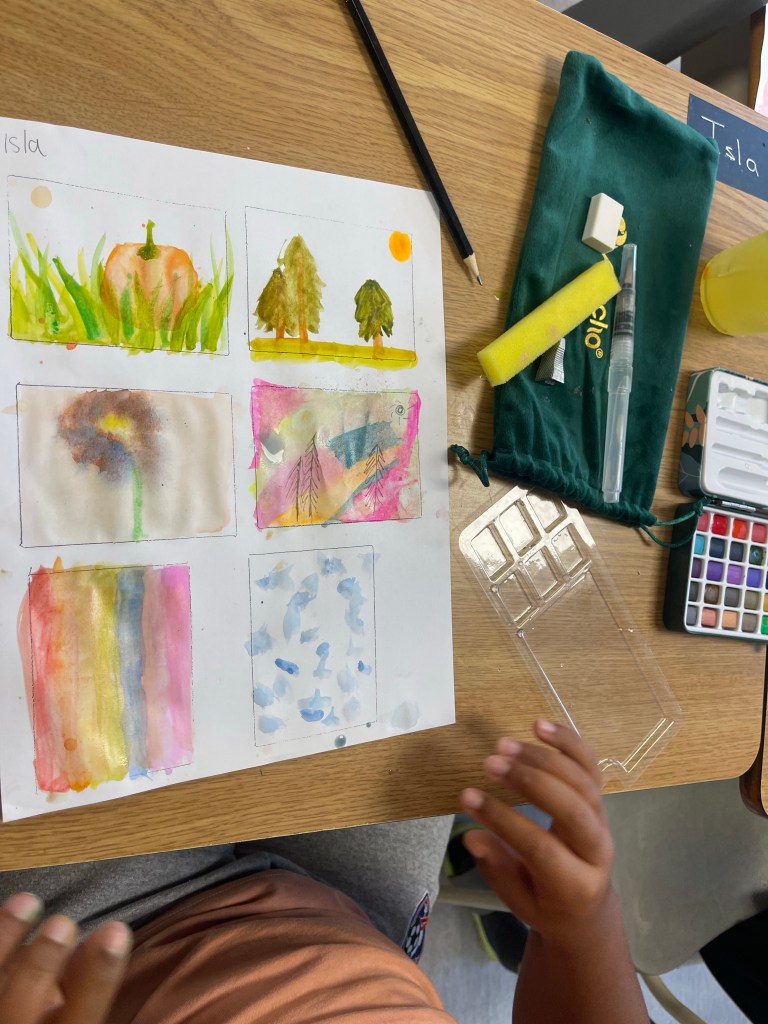
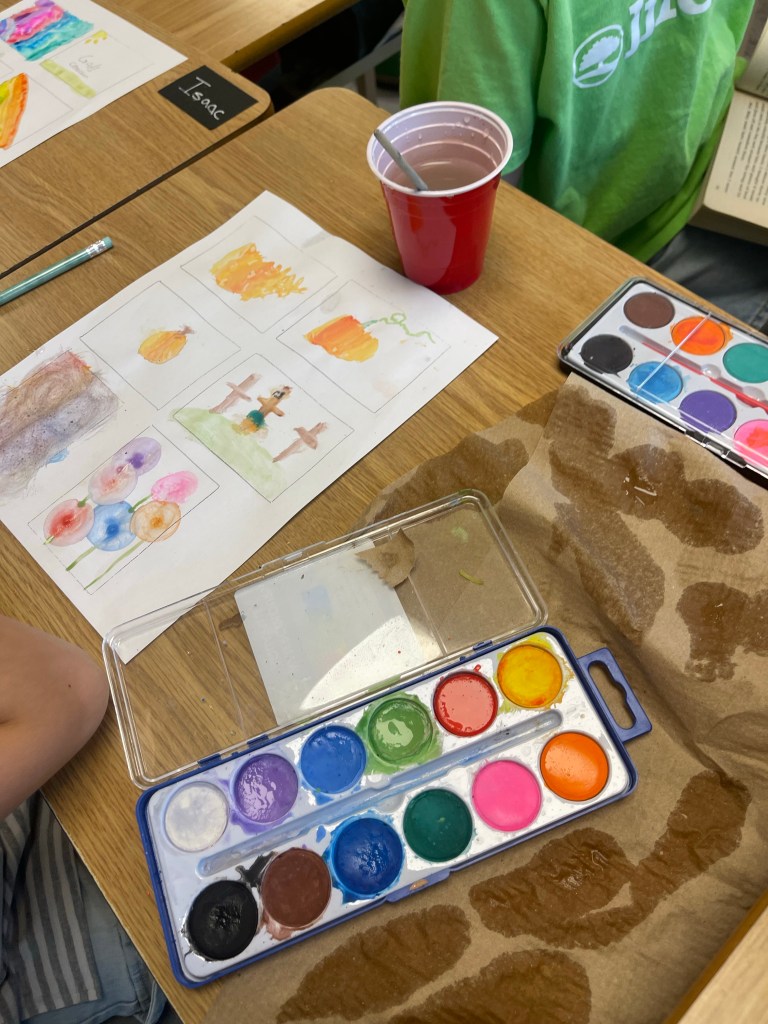
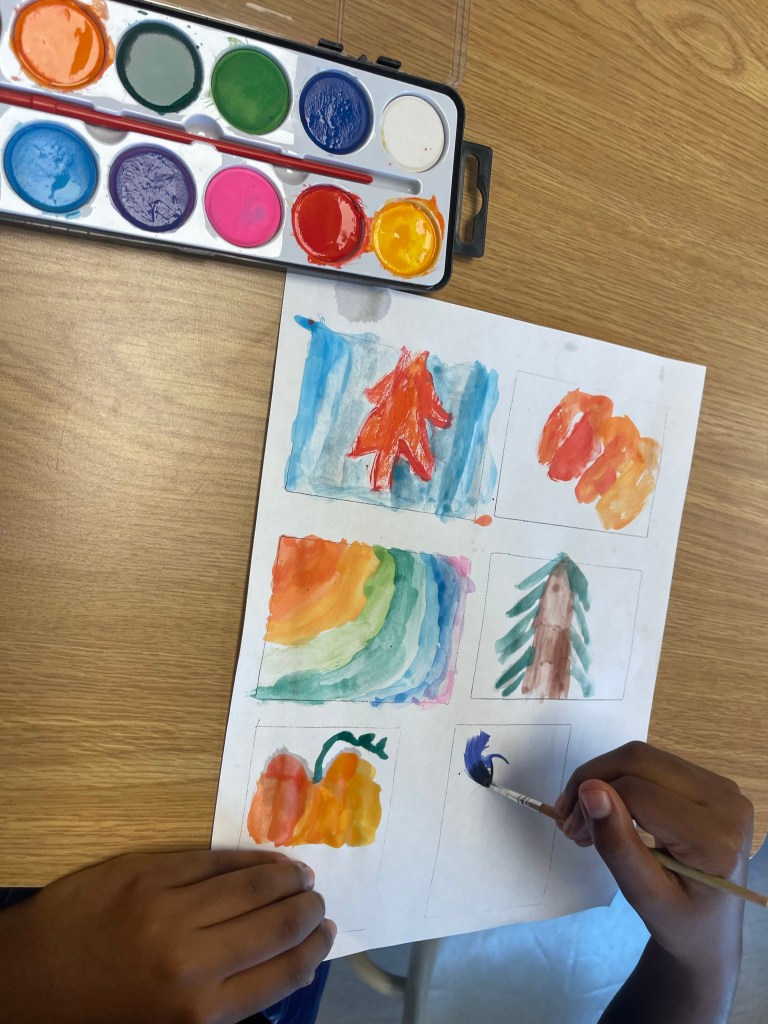
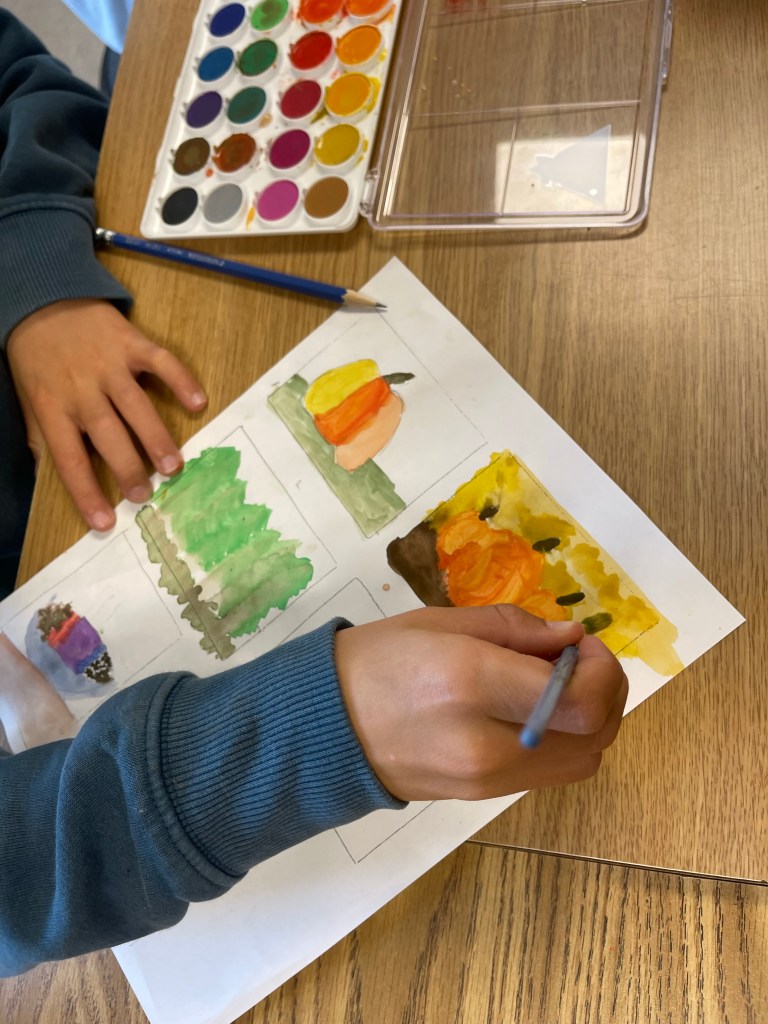
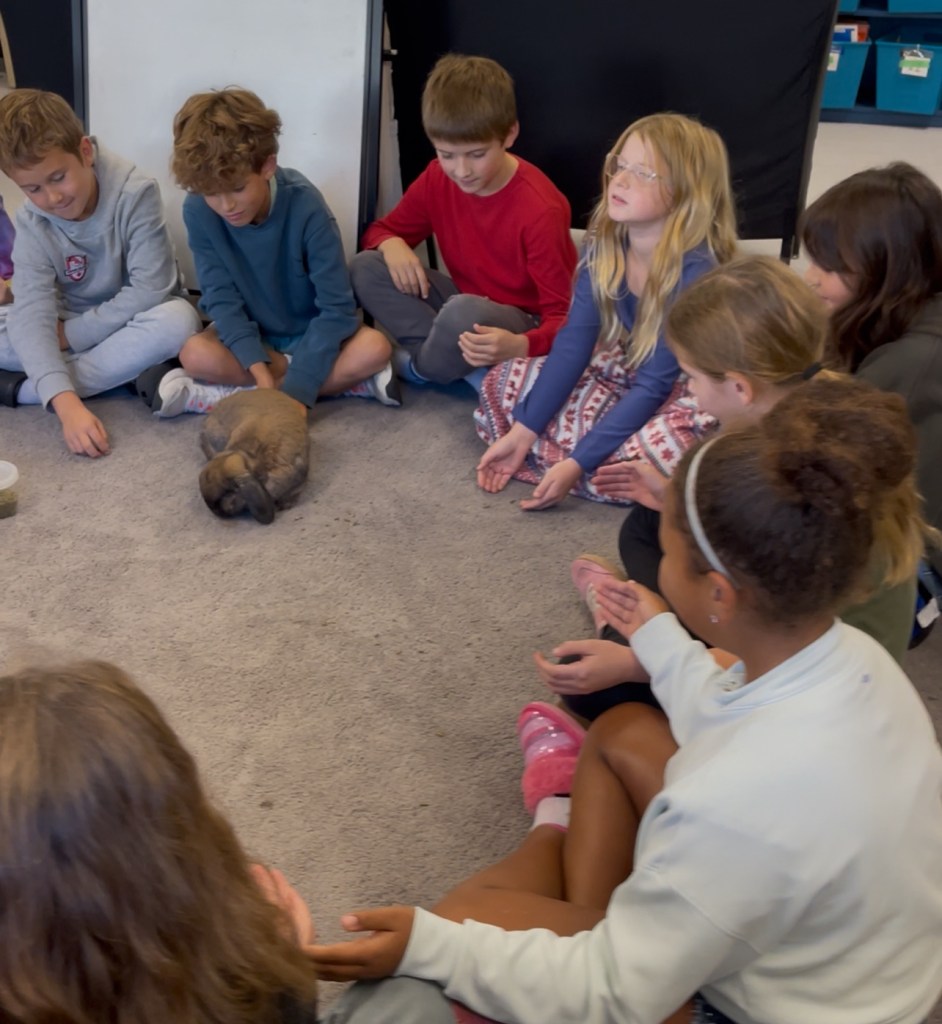
We have been learning about the “wet in wet” watercolour technique in Art class.Lots of special moments of connection during Crew this week! During the FSAs, it has been so quiet and focused that Bachelor Bob has been able to get in some good nap time. The kids get excited and do a silent cheer when discovering and pointing out when he naps in new positions—this was a new pose, the “superbunny”.
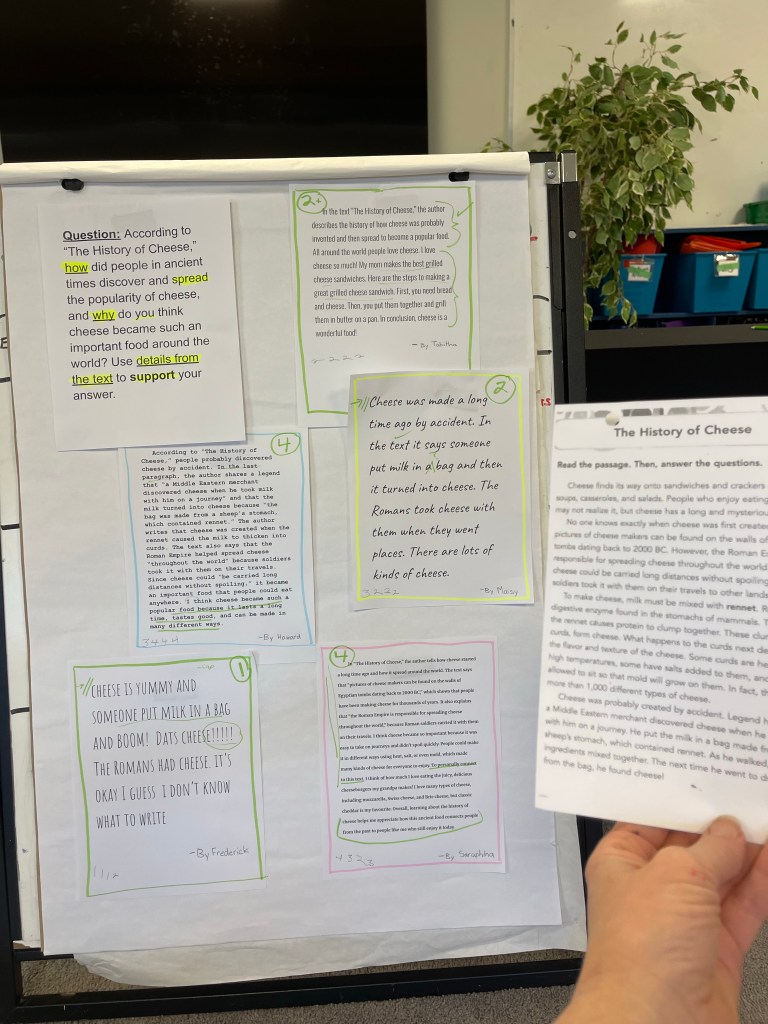
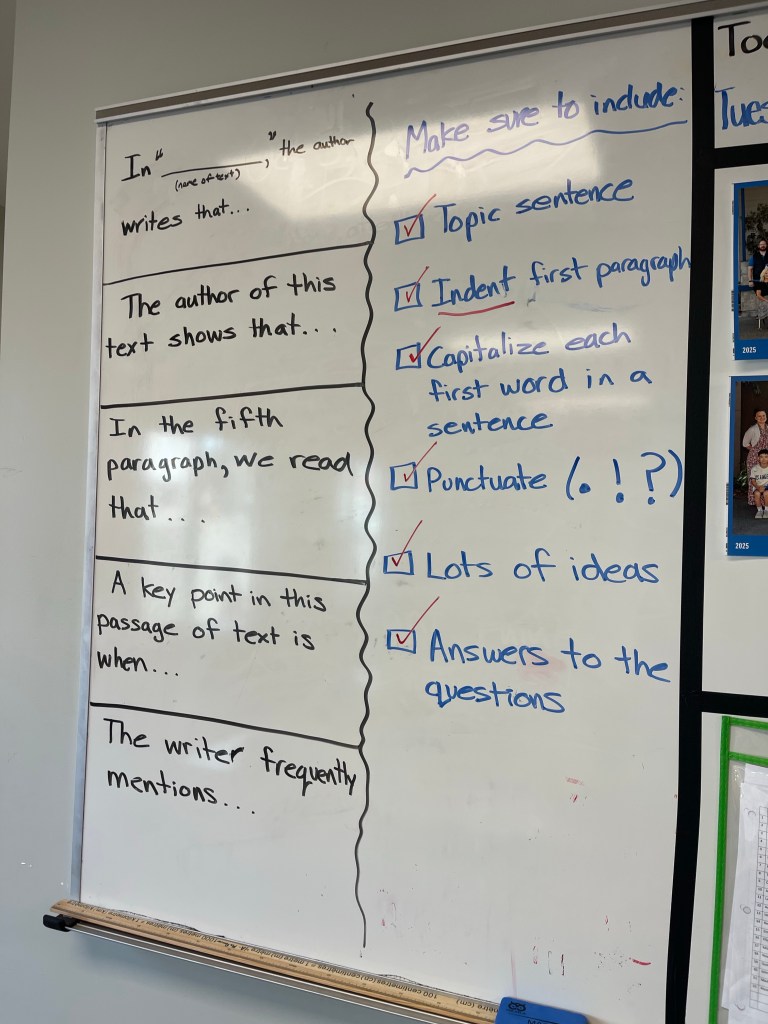
This week in Language Arts, our grade 4 writers explored how to carefully read a text and then write a great “reading response”. We learned that a strong response directly answers the question, begins with a clear topic sentence, and develops its ideas with specific details and evidence from the text.
Students practiced using sentence stems like “As the author writes on page…” or “In the fifth paragraph, the text says…” to support their writing while referencing the source material accurately. We also talked about using vivid vocabulary, smooth transition words, and finishing with a thoughtful conclusion—all while keeping an eye on spelling, capitalization, and punctuation.
After the direct lesson, students put on their “teacher hats.” Working in small groups, they analyzed five sample responses and scored them using our proficiency scale—Emerging, Developing, Proficient, or Extending. They discussed the merits and challenges of each piece. This activity helped students recognize what works well in writing and reflect on the strategies they want to apply in their own.
Our focal text for this activity was a piece on the history of cheese. Along the way, we discovered some of the science behind how cheese is made. (Judging by the cheesy enthusiasm in the room, a future science lesson on cheese-making may be on the horizon!)
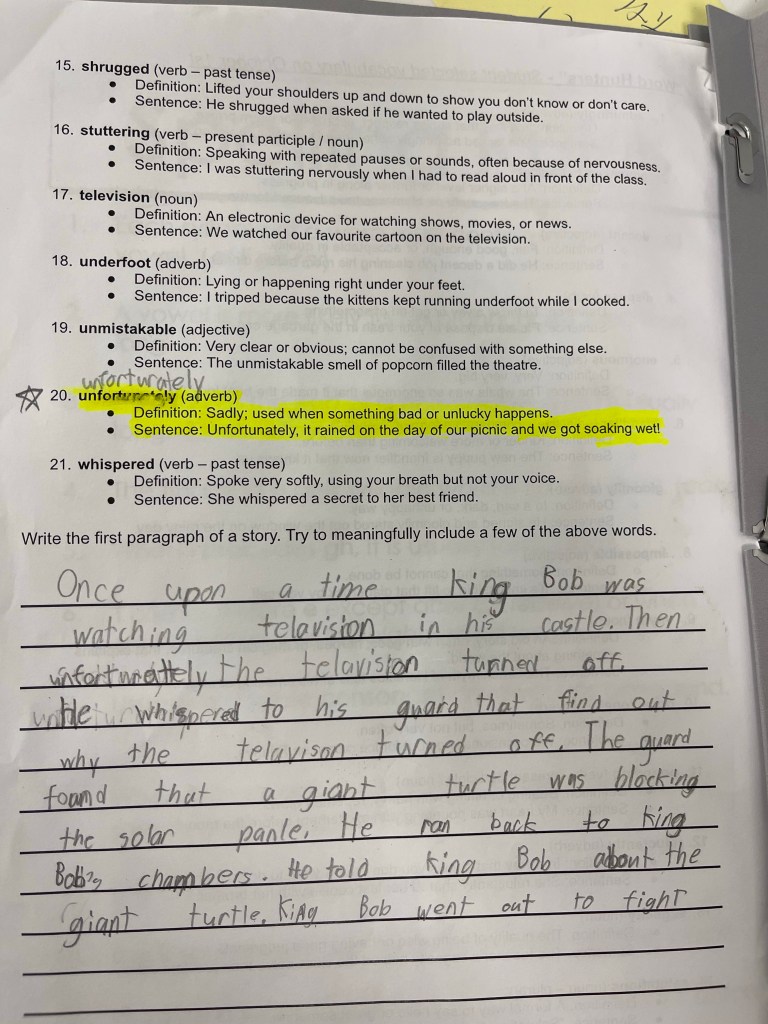
In Language Arts, we have also been learning about forming contractions and continuing to build our vocabularies with our “Word Study” program.
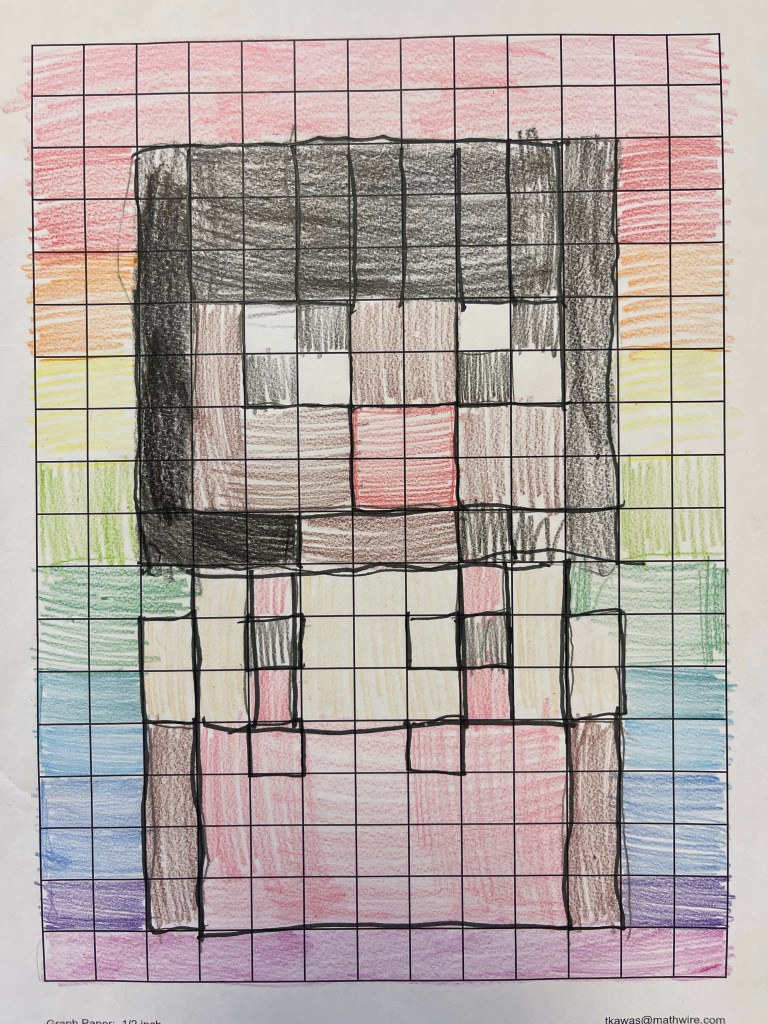
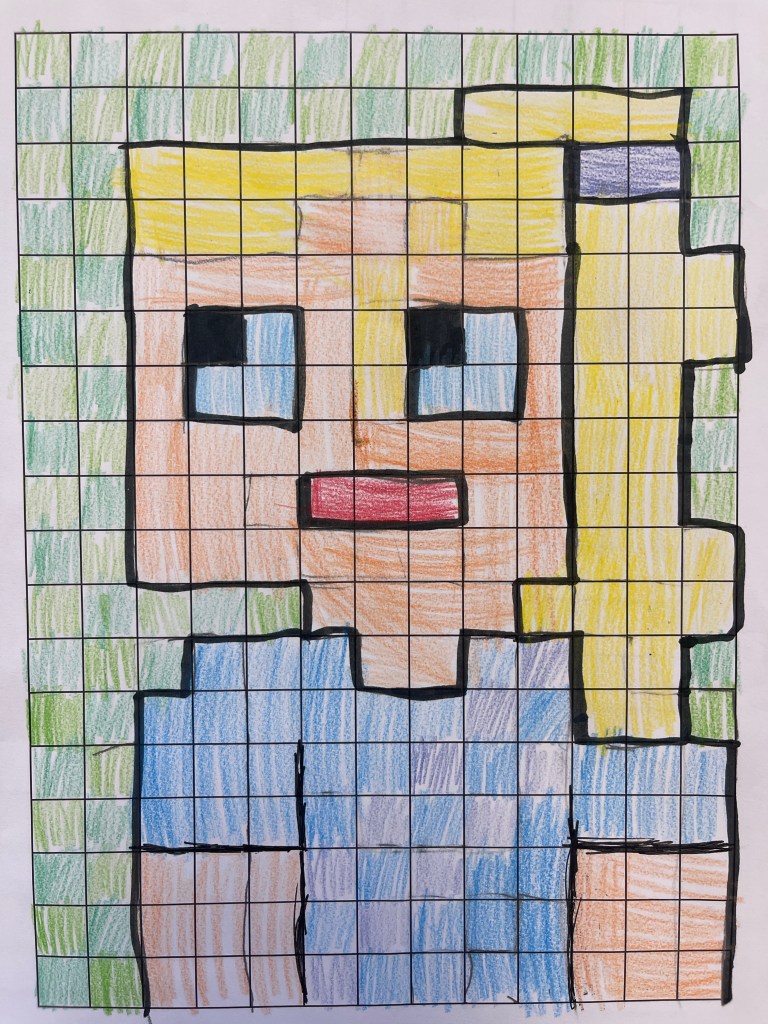
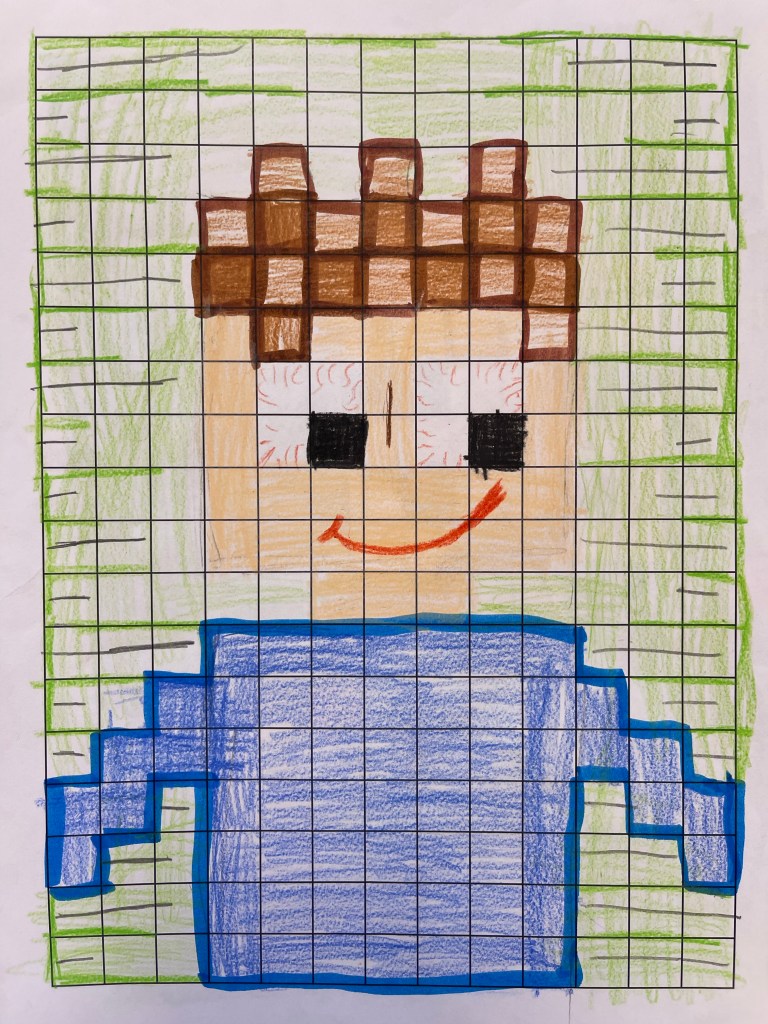
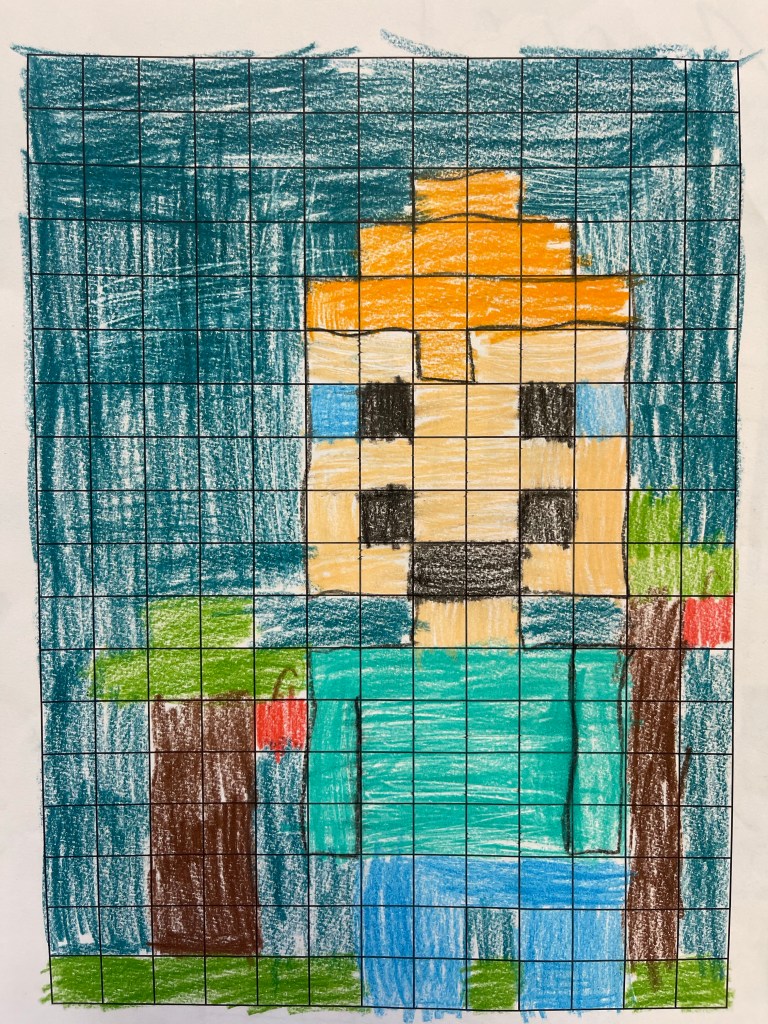
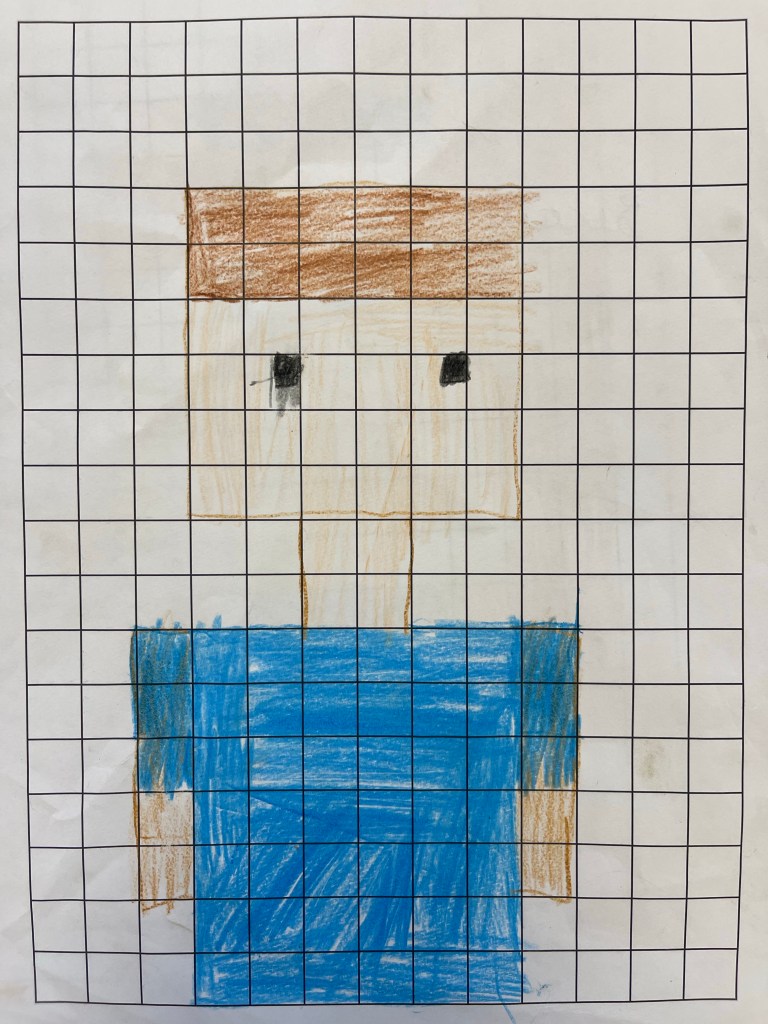
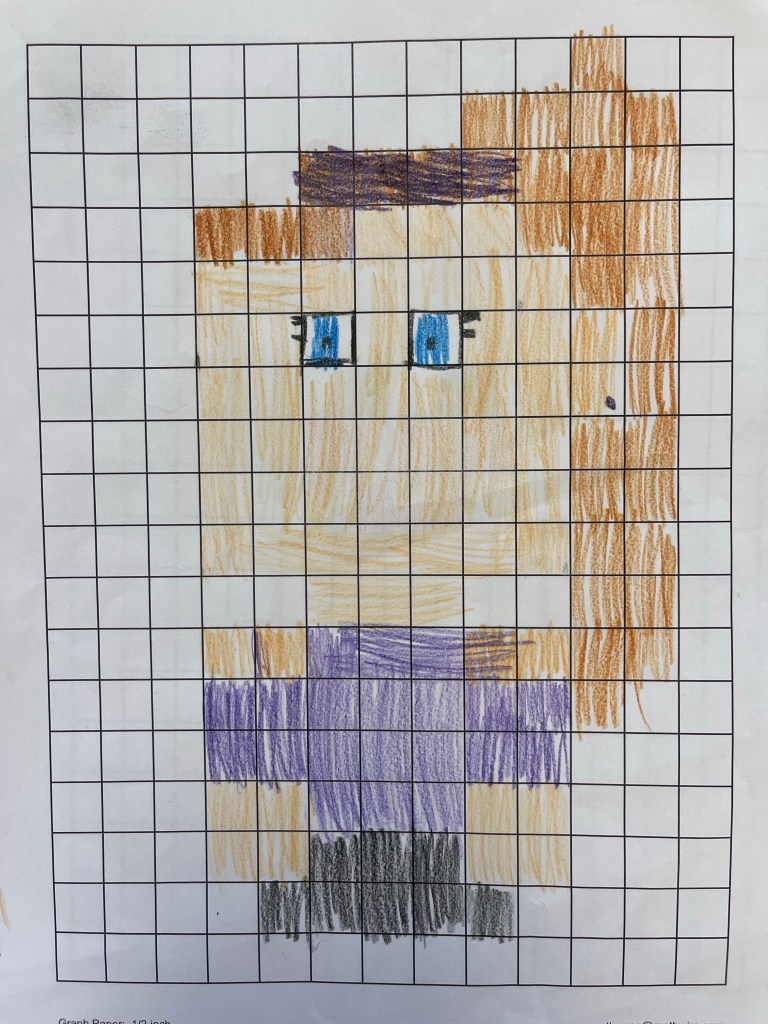
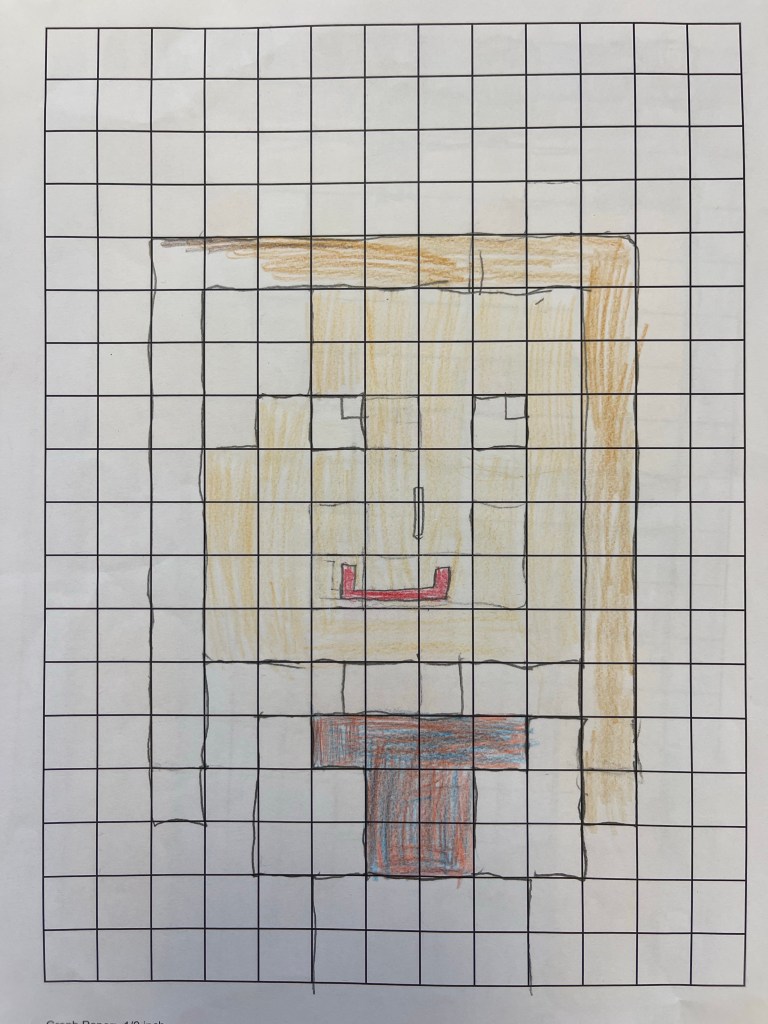
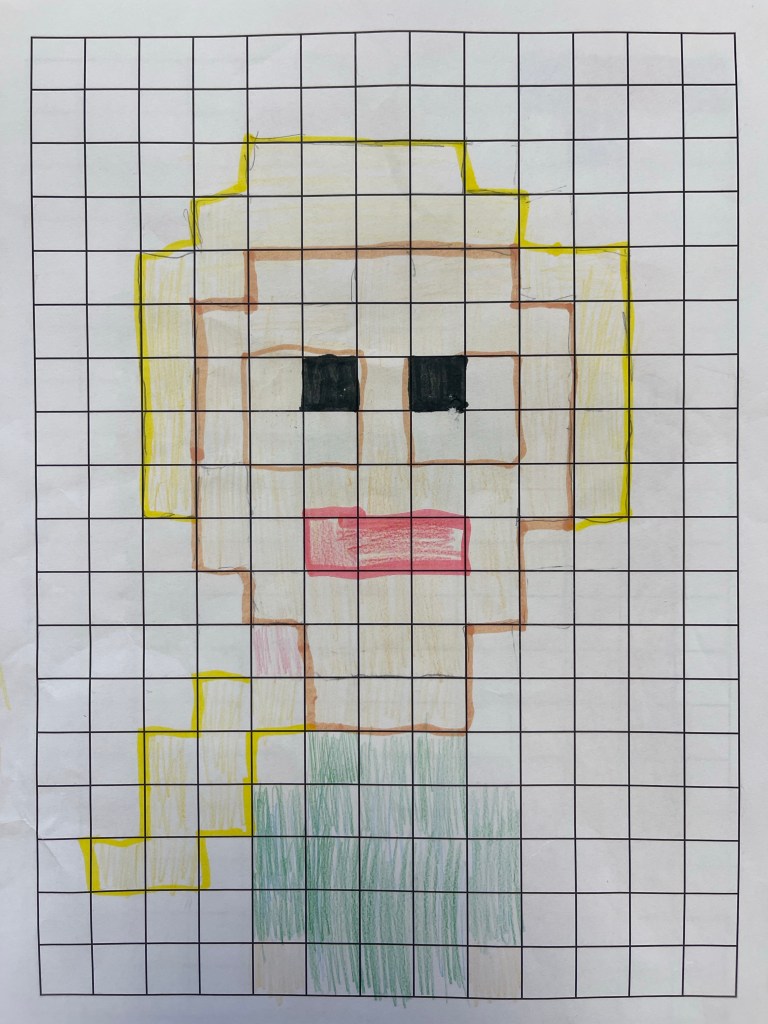
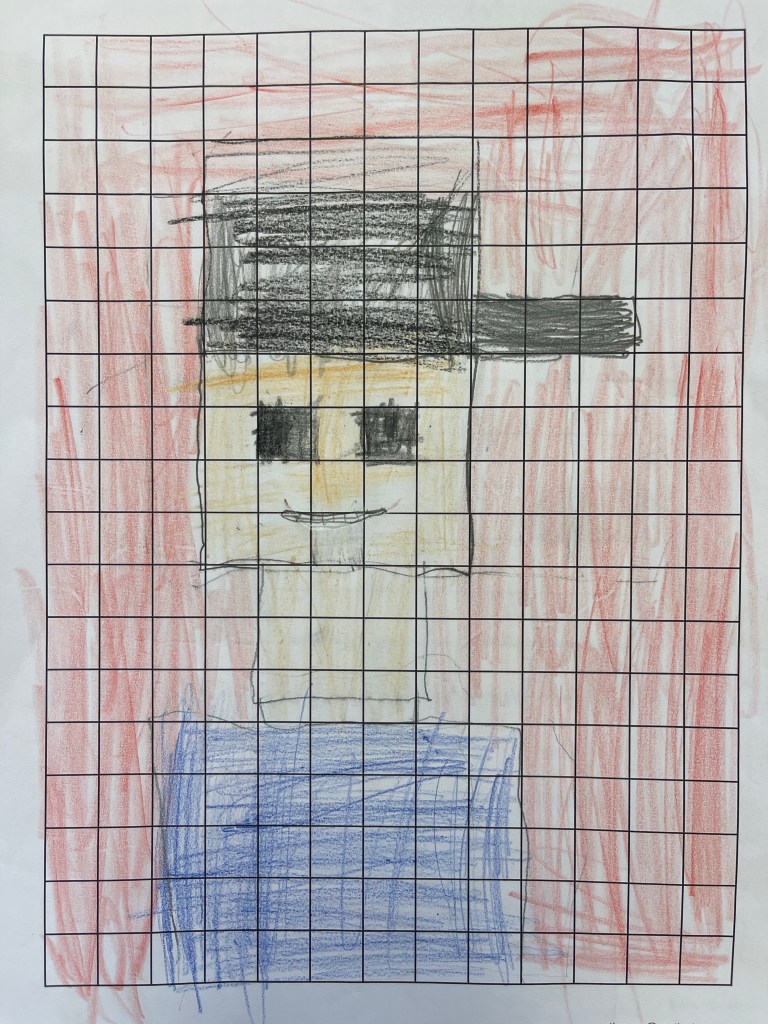
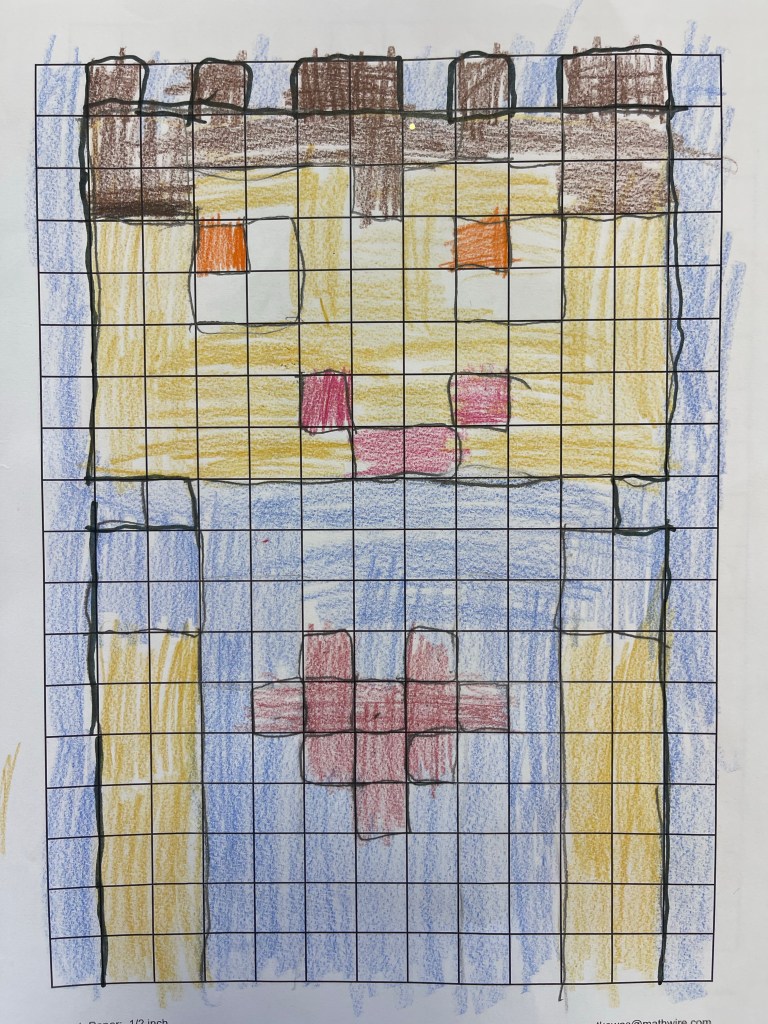
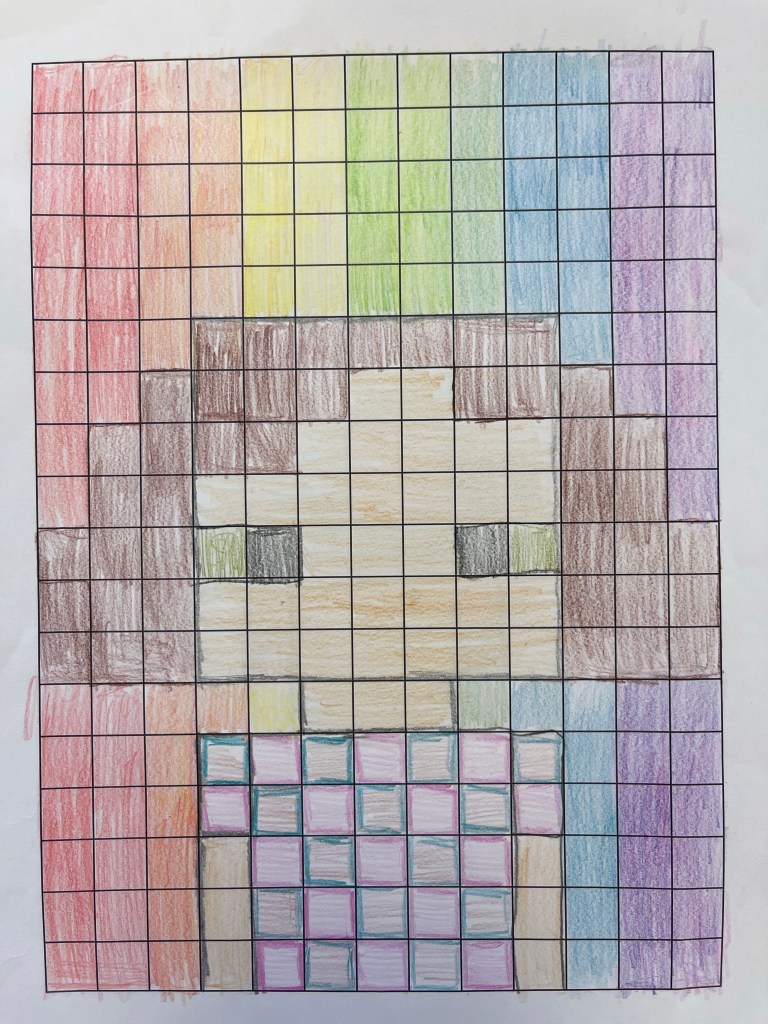
In Arts Education, we have completed the Minecraft self-portraits and are working on watercolour painting techniques with our Thanksgiving art project.
In Math, we have wrapped up our unit on telling time and have been working with data and graphing. Students are learning to use tally charts and make accurate bar graphs.
A game of handball in the gymAs well, in combination with our Bible learning, we are starting to plan and script plays and puppet shows to bring to life some Bible stories from the Old Testament. I am happy to see kids so excited to dive into their Bibles—this school culture is so special and wonderful for our children!
In our Bible classes this term, one of our goals is to study key stories from the Old Testament which will be a foundation for our upcoming focus on the birth of Jesus during the Christmas season.
Students are invited to work on their own, with a partner, or in a small group to choose one Bible story to retell or dramatize for our class. The goal is for students to creatively but faithfully retell their chosen story and share what key lessons it offers us.
Students are welcome to use props, puppets, or costumes, and we’re having many thoughtful conversations about how to make creative choices that bring a story to life while also honouring its message. This is nuanced, meaningful work that helps students think deeply about questions such as:
Which props and costumes would be effective and engaging without being distracting? How can we portray characters in ways that feel authentic and respectful?
It’s been exciting to see how enthusiastic students are! We’ll continue to work together in class to develop their projects, but families are encouraged to talk at home about the stories their children have chosen.
Students may present their work as a live performance or storytelling session, or, if they prefer, they can create a short movie at home.
To inspire them with some ideas, I’m posting two examples:
A short video of my son Ben’s dramatic retelling of David and Goliath (we recorded this as a family when he was in Grade 1). His retelling came from memory and was in his own words—we value both faithful storytelling and age-appropriate personal understanding.
As well, you can see my own finger puppet dramatization of Jonah.
Fun news for the 4A jam makers: our “jam lady,” Katherine was featured tonight on CHEK News.
The segment highlights her advocacy around the Saanich farm stands bylaw, her new product called Traffic Jam (a playful nod to Victoria’s recent traffic situation), and her service passing out free jam to road workers.
Please watch this bespoke bunny-based math tutorial we made in class this week!
Combining music, visuals, and animals certainly helps imprint math facts in the mind more quickly! In our class, the social connection is key too—even if we forget a math fact, we may remember the friend’s face that brought us that fact! We’ve got lots of songs coming up for all the times tables, and our goal is to learn them all before Christmas! We will keep sharing them here—so stay tuned!
Also, students brought home their quiz on patterns today with feedback/corrections to look over. They can rewrite this quiz again next week. I offer unlimited rewrites within reason and before the end of term—I just expect students to show they have meaningfully studied to improve in between rewrites.
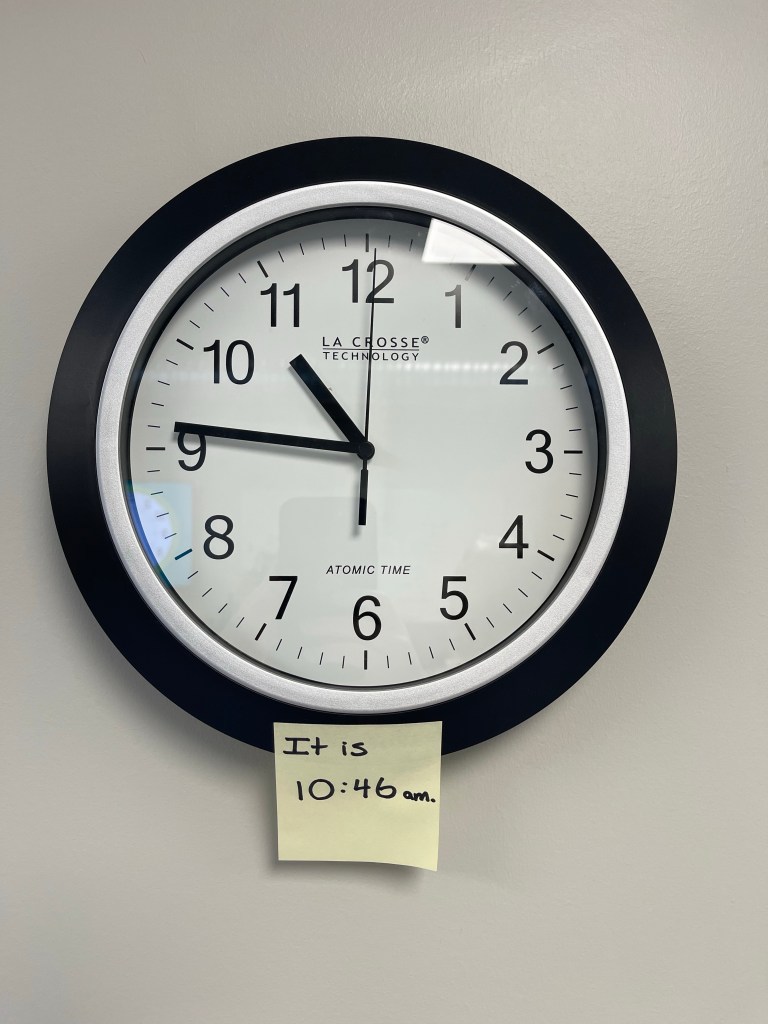
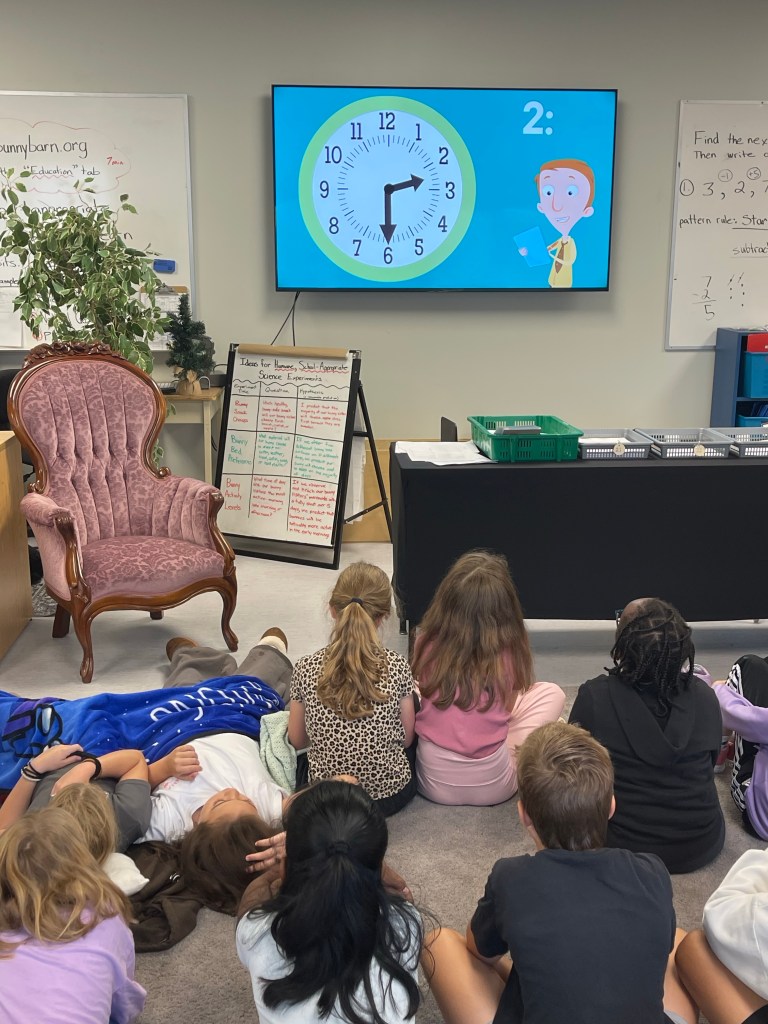
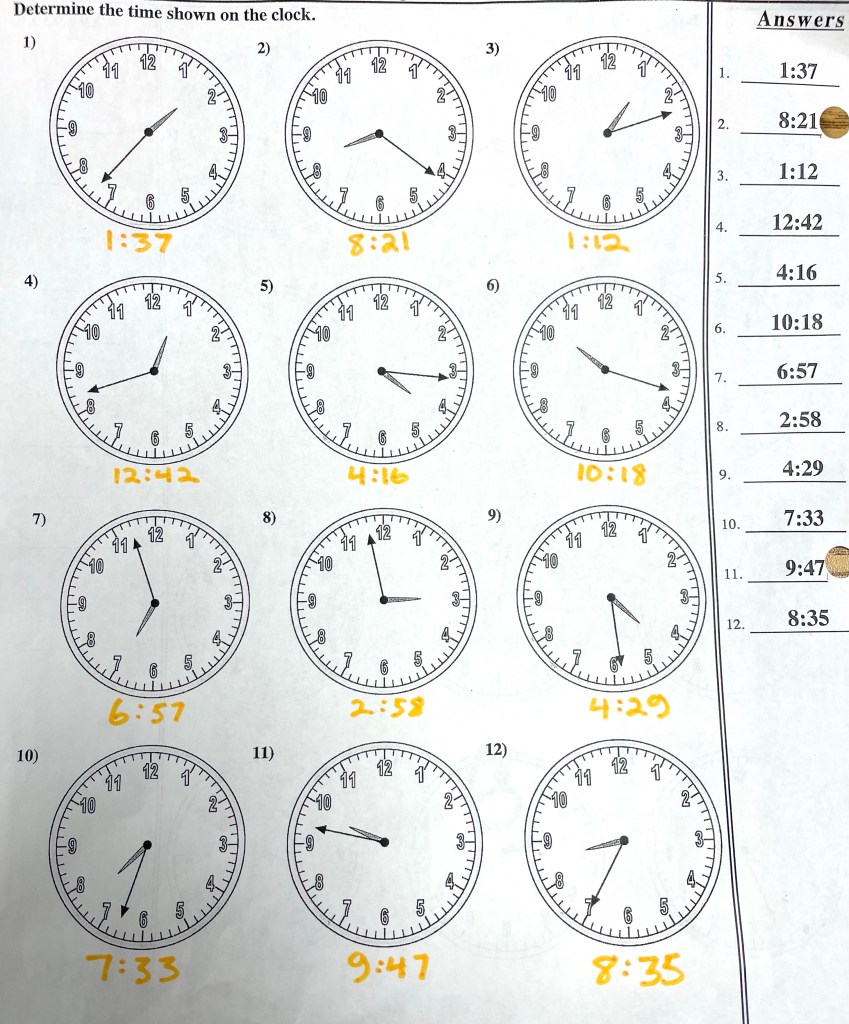
As well, I encourage students to review at home how to tell time from an analog clock. This is the next topic we will assess in quizzes and one-to-one math meetings. We have been practicing reading our practice clocks and new class clock, we watched the video below, and I have sent home a corrected worksheet of each child’s progress so far.
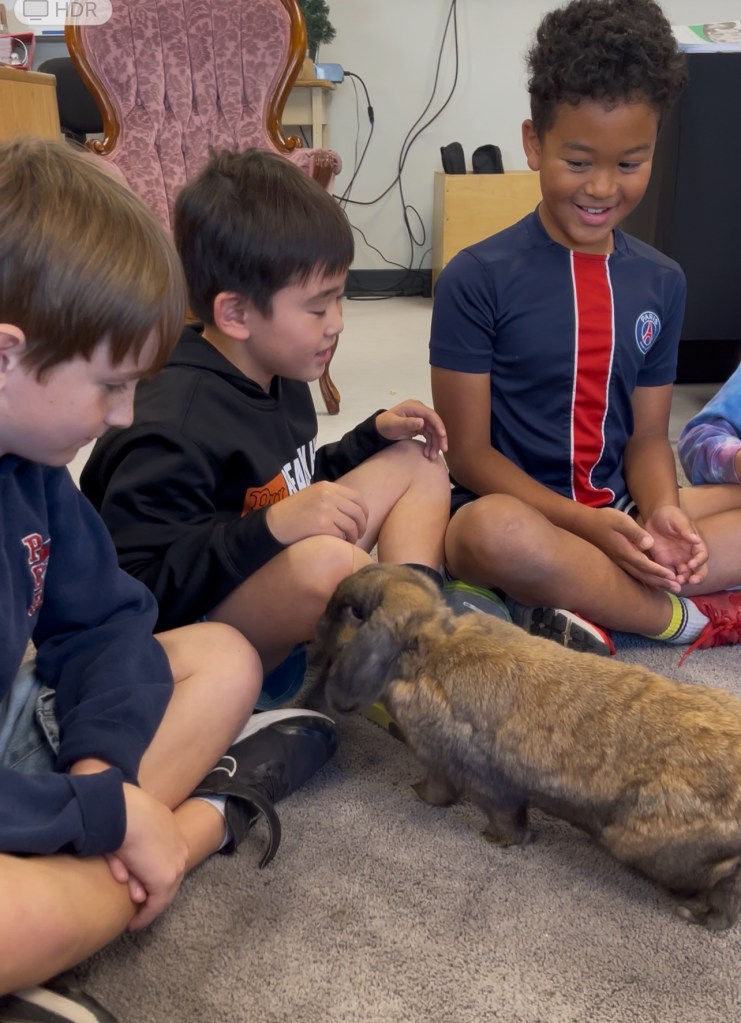
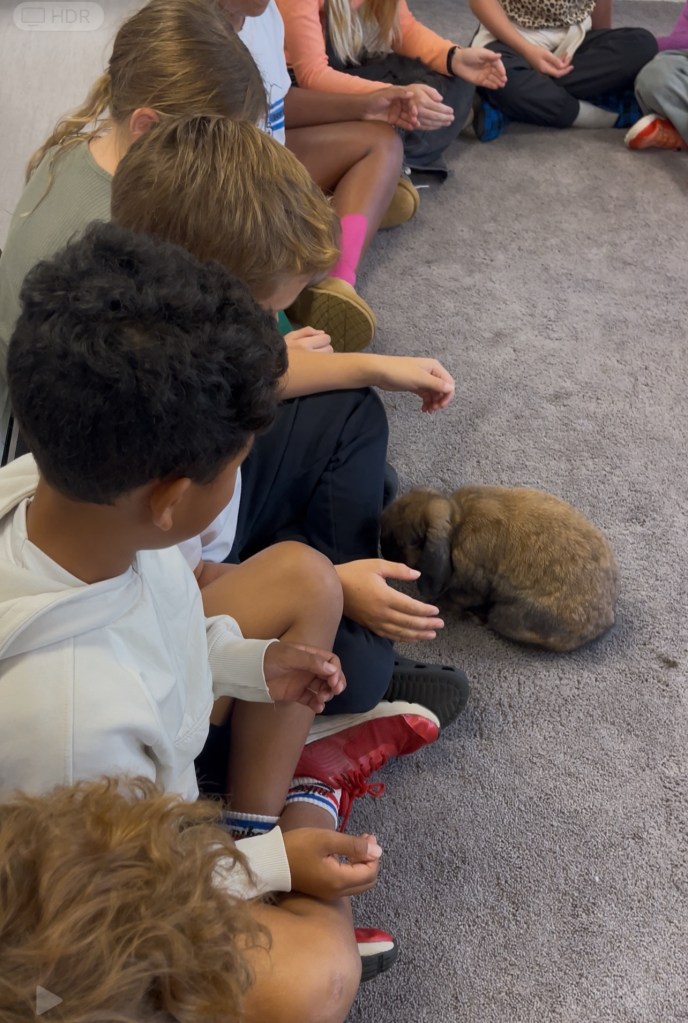
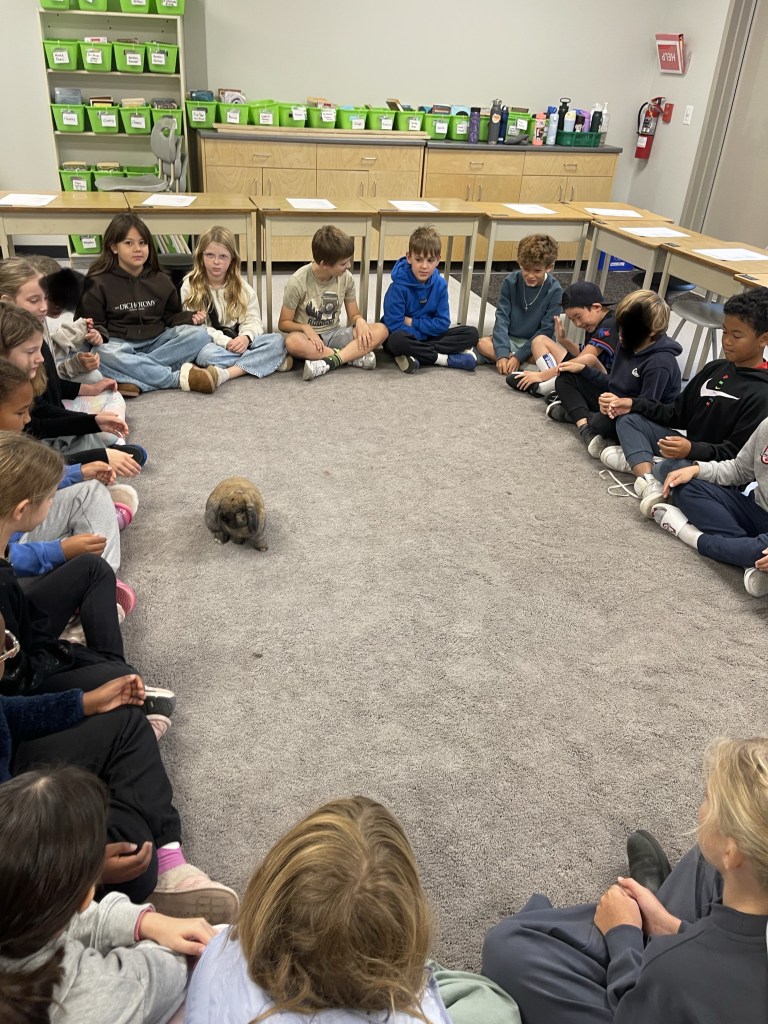
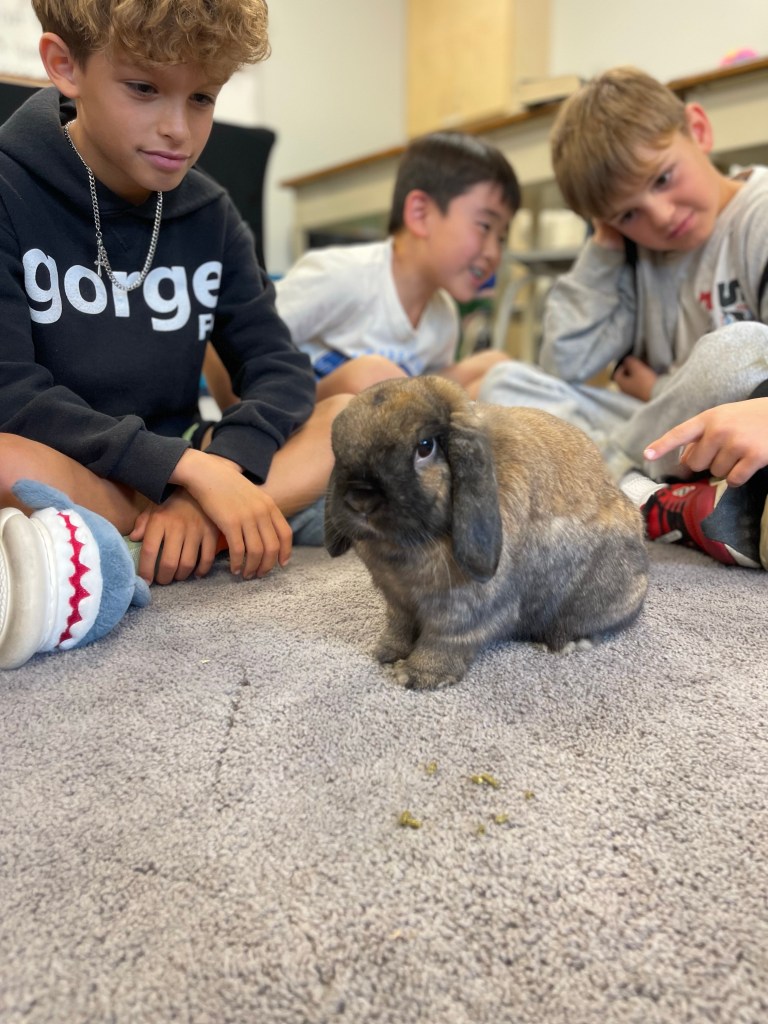
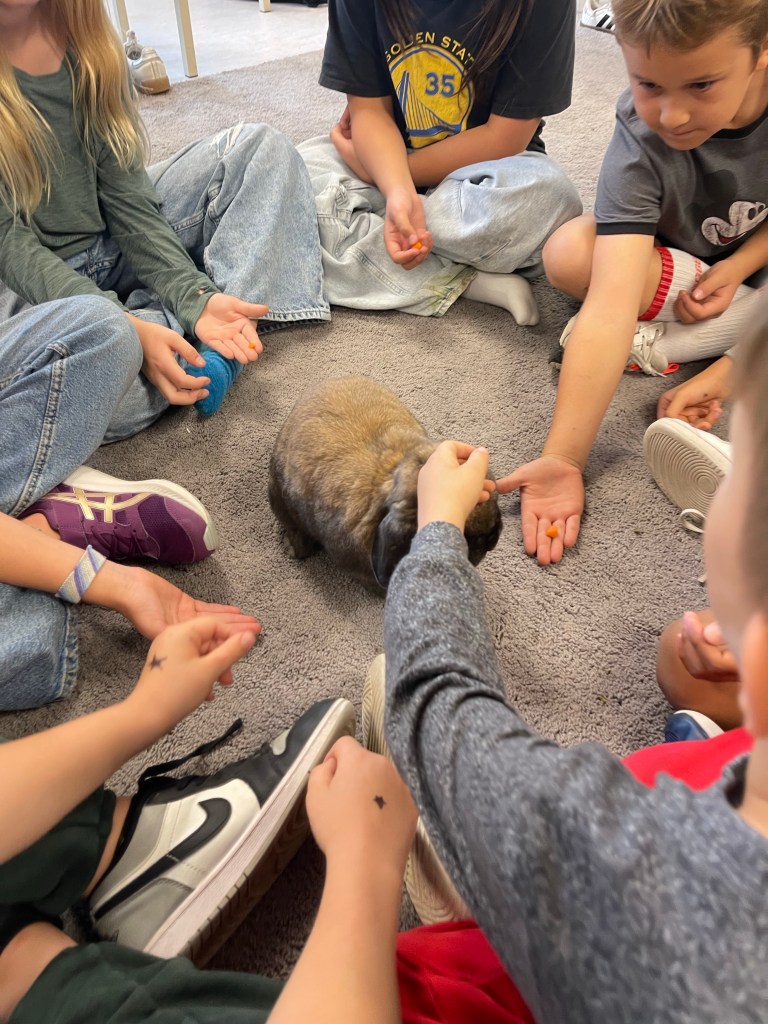
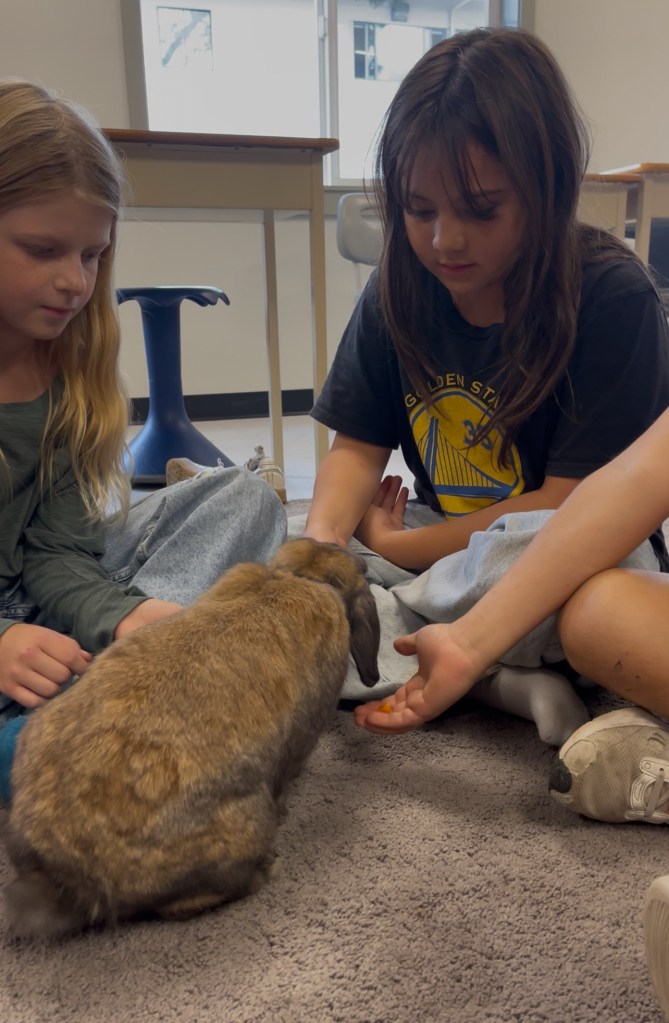
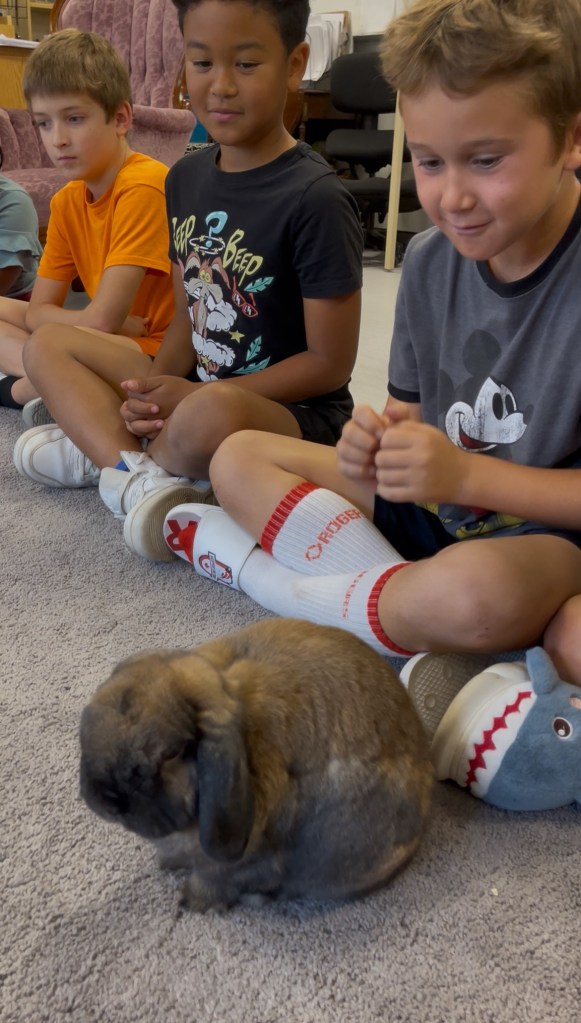
We had a memorable first day with our “ambassador bunny” named Bachelor Bob. He inspired lessons on self-awareness and self-regulation to help prepare us to be focussed, calm hosts. The children were so caring and sweet—it warmed my heart to see their rapt attention, gentleness, and joy. Bob had an awesome day and loved hoping around to sniff everything!
As a part of our SEL curriculum (social-emotional learning), we practiced “perspective-taking” — thinking about our classroom atmosphere through the bunny’s eyes.
Tapping into grade 4 Science curricular goals, we observed how this animal used his senses and responded in our environment, and we began to brainstorm humane, school-appropriate science experiments we could do to collect even more data to grow as bunny scientists.
Which healthy, bunny-safe treat would a pet bunny prefer: carrot slice, apple bits or broccoli?
We made predictions that we will test in the future.
In Science, we also continued to learn about the scientific method.
In Language Arts, the beautiful book “The Word Collector” launched our discussion of the power, fun, and benefits of growing a richer vocabulary.
Each student has set up a new “Word Study” duo-tang with a personal spelling dictionary to use and add to all year; it comes with some helpful resources and is the home of our current list of 4A’s student curated “word hunter” vocabulary.
In Math, have been reviewing money concepts and strategies for solving word problems.
We have also worked on identifying and creating patterns and pattern rules with addition and subtraction.As a part of FSA preparation, students practiced reading and doing calculations with data from an infographic.
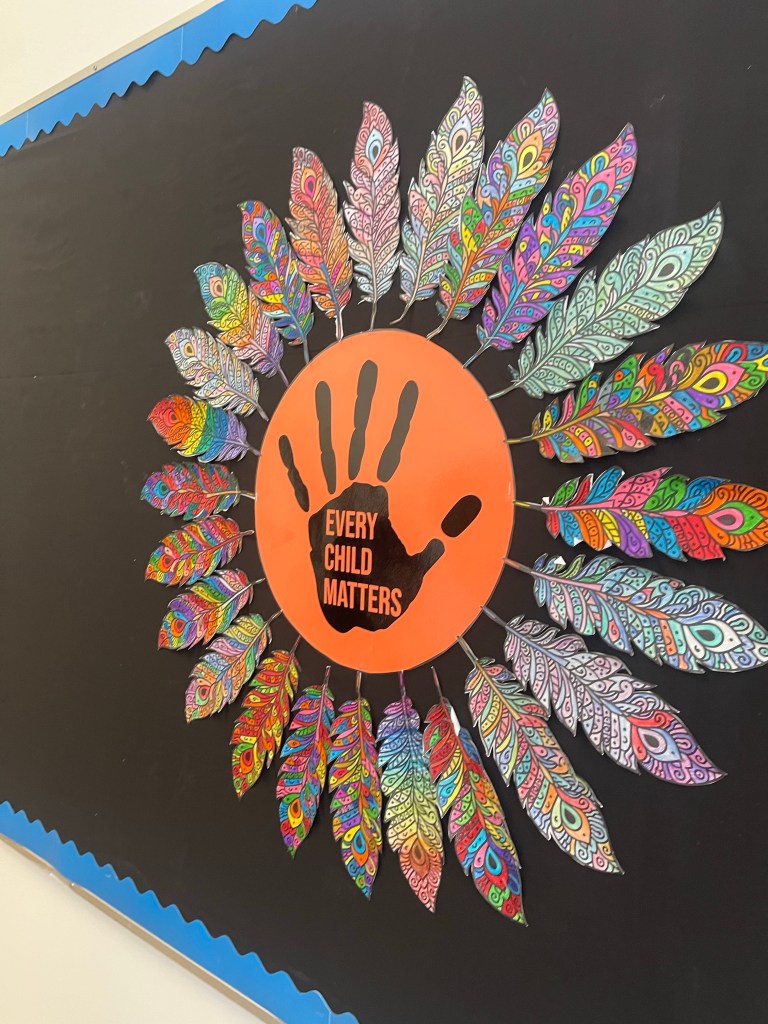
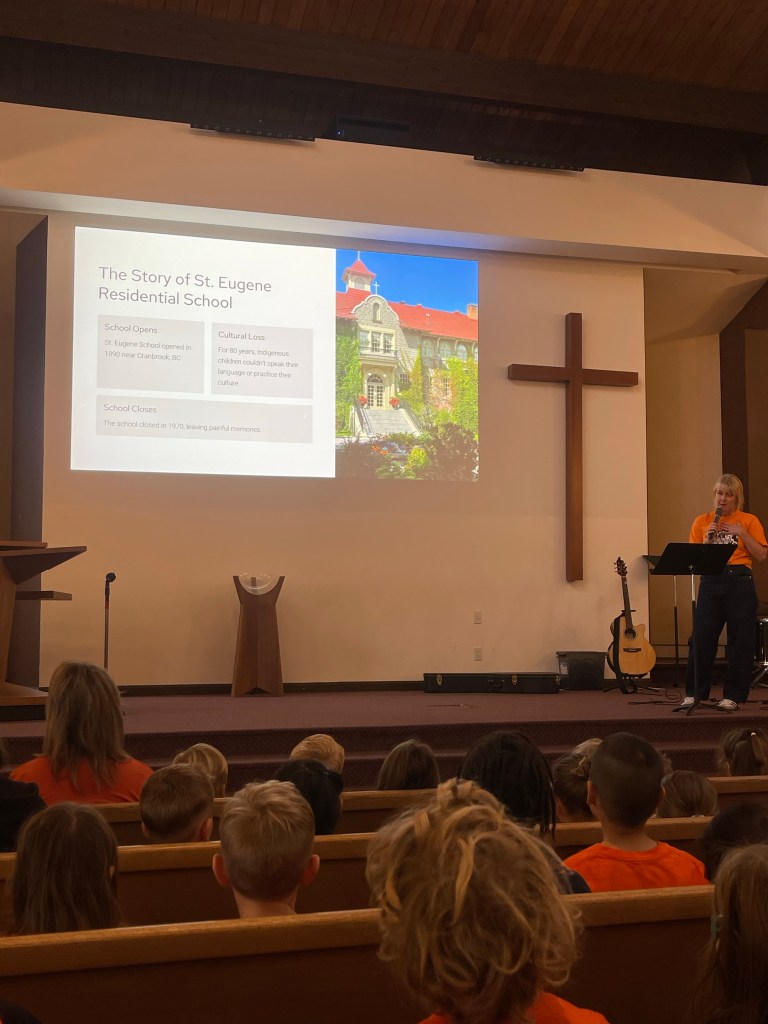
In Social Studies last week, we learned about the history of residential schools in Canada by reading The Orange Shirt Story by Phyllis Webstad and watching videos that gave important context. Our chapel theme also echoed this learning. I was very moved by the sensitivity and care our students showed during group discussions and brainstorming as we reflected on the phrase Every Child Matters and how it connects to biblical teachings that remind us we are all children of God.
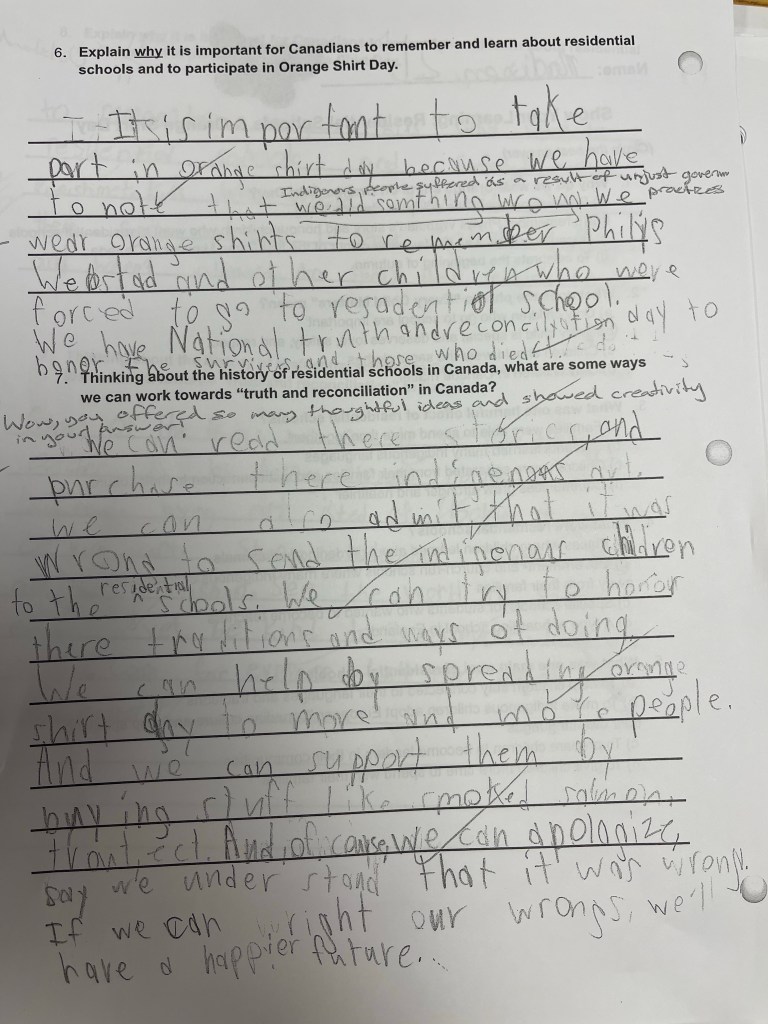
Students expressed their learning and understanding of this theme in several ways: in a dialogue, in a word chain activity, and on a quiz.
Here is a summary of some of the big ideas we brainstormed together based on our research…
1. Explain why it is important for Canadians to learn about residential schools and to participate in Orange Shirt Day.
Learning about the history of residential schools in Canada helps us understand the injustices that took place, which is a part of ensuring that they are never repeated. We remember children who were forcibly taken from their families, those who never came home, and the survivors who courageously share their stories. By participating in Orange Shirt Day, we stand in solidarity with Indigenous peoples, take responsibility for learning and sharing the truth and take responsibility for reconciliation. We join in proclaiming that every child matters. This day encourages Canadians to reflect on how past decisions continue to affect Indigenous communities today. It reminds us of our responsibility to live in ways that respect the dignity, worth, and rights of every child. It strengthens our communities by emphasizing compassion, justice, and respect for other cultures.
2. Thinking about the history of residential schools in Canada, what are some ways we can work towards truth and reconciliation?
Here is a list brainstormed from our research and dialogue with friends and mentors…
Listen with respect to the stories and experiences of residential school survivors.
Share the history of residential schools with others to raise awareness and promote understanding.
Learn about the 94 Calls to Action from the Truth and Reconciliation Commission and take practical steps to support them.
Learn about the history, languages, and cultures of Indigenous peoples in Canada, and especially about the Indigenous nations whose land we live on.
Attend local Indigenous-led events, ceremonies, or cultural celebrations when invited, showing respect and openness to learning.
Support Indigenous authors, artists, musicians, and knowledge keepers by reading their work, listening to their voices, and sharing them with others when we have permission to do so.
Teach and model respect for Indigenous languages and names, making an effort to pronounce them correctly.
Work together in our communities to challenge racism and unkindness wherever we encounter them.
Support Indigenous businesses and initiatives as a way of contributing to economic reconciliation.
Care for the land, water, and environment, recognizing the deep connection Indigenous peoples have with the land, and learning from their stewardship practices as we care for God’s creation.
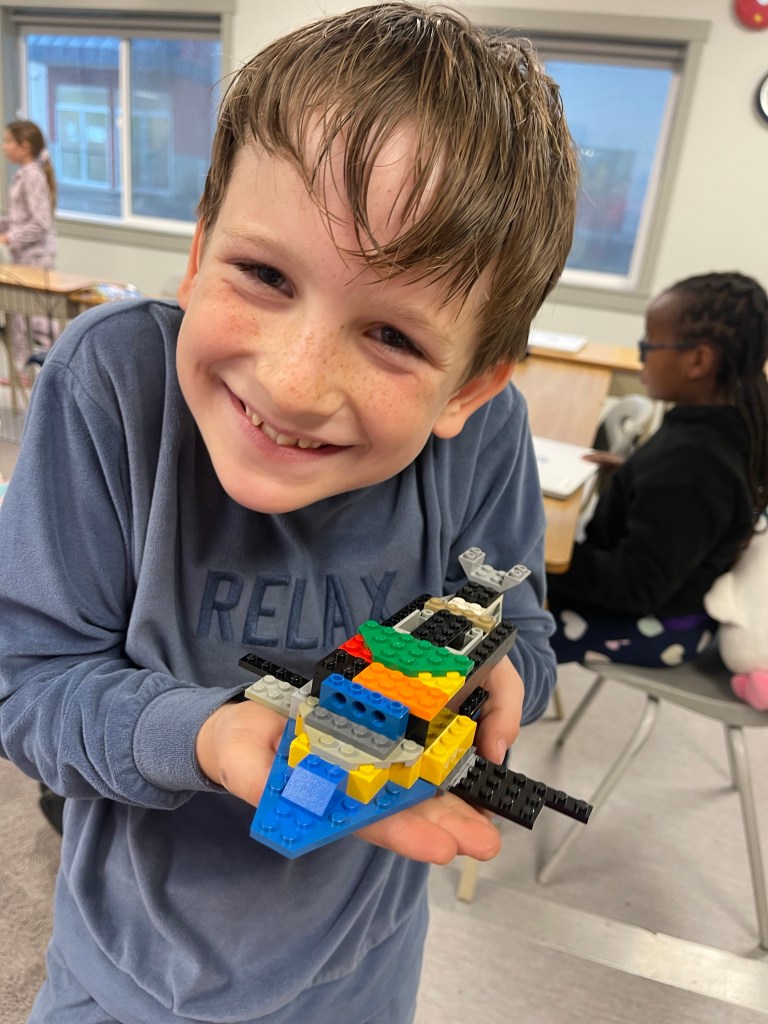
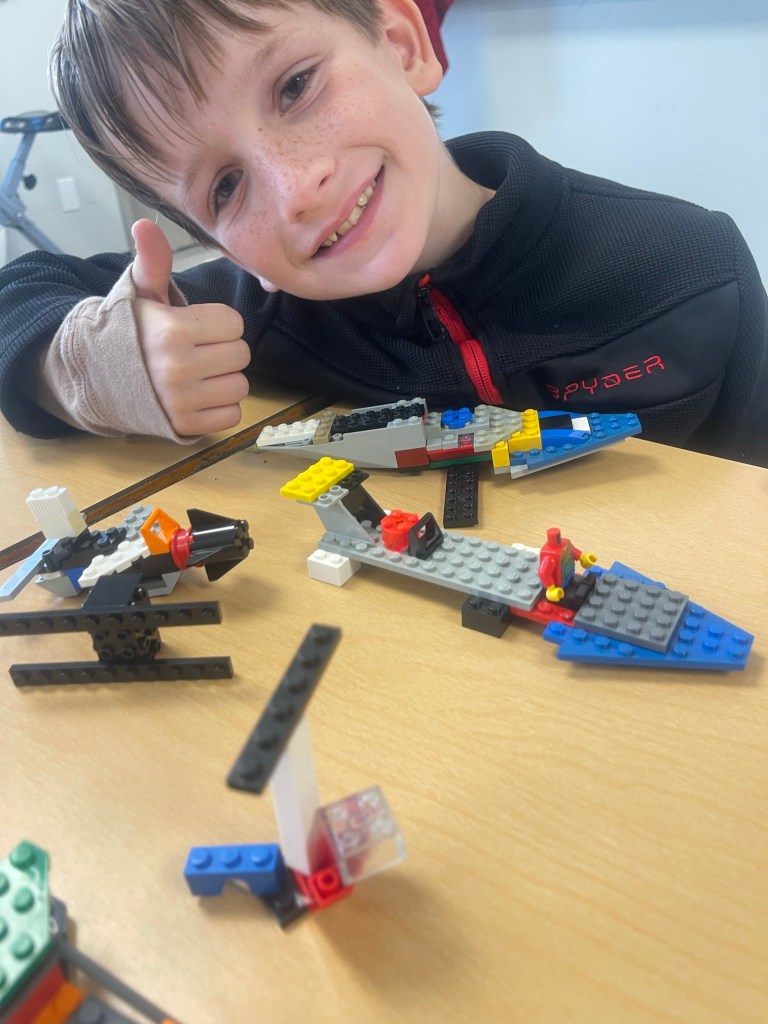
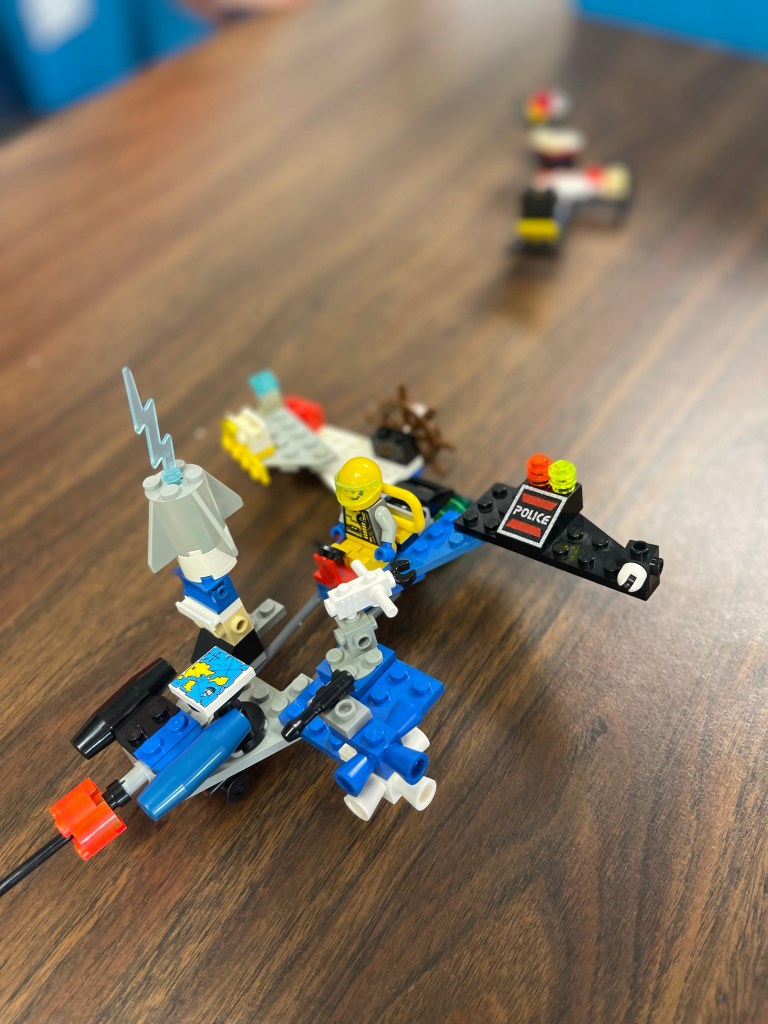
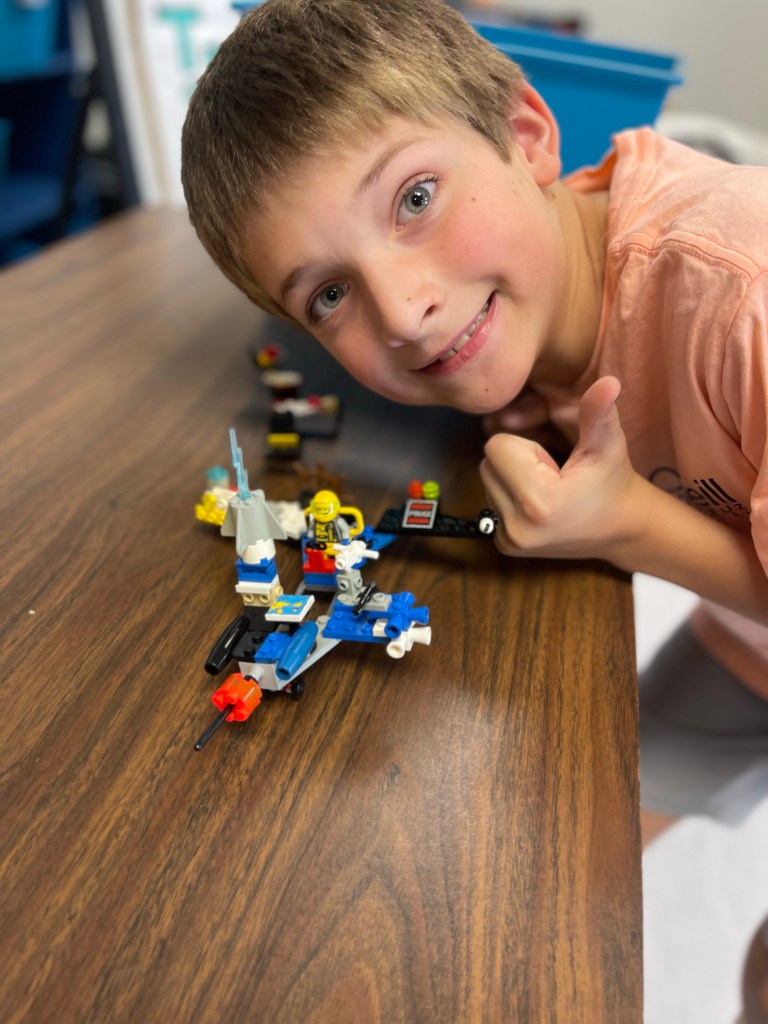
Lego continues to be a favourite provocation for creativity and connection between lessons.



































































 Tiffany Poirier