
Hello, grade 5 families!
In anticipation of our Clover Point field trip here is some information about the area and what you may see here. As well, please review our safety guidelines and sustainability practices at the bottom of this post.
WHAT IS OUR ITINERARY?
10:00am – Bus leaves school
10:20am – Arrive at Clover Point (students will be put into three groups and then eat snack)
10:45am – First Rotation
11:25am – Second Rotation
12:05pm – Eat Lunch
12:25pm – Third Rotation
1:10pm – 5-Minute Wrap Up
For this trip, we will the following educators: Tiffany Poirier, Marylee McKeown, and Lanilyn Lindstrom.
We will also have the following parent supervisors: Silvana, Julia
Our Eagle Wing Tour guides will be: Izzy, Lili, and Sam.
Students will be in three groups, each led by an Eagle Wing Tour guide and another educator.
Each group will rotate through three sessions: rockpooling, sustainability/interconnectedness scavenger hunt, and wildlife watching with binoculars.
WHAT DO WE BRING?
Please dress warmly in layers. This is a day to be comfortable in your St. Patrick’s gym strip and then add layers on over top such as rain pants or snow pants and a warm coat that will repel water. You must have comfortable walking shoes or boots too. A toque and gloves may come in handy. Students will bring a backpack with their water bottles, snacks and a pencil and paper for the scavenger activity. The weather forecast does not suggest rain, and students should leave their umbrellas at home as these are not appropriate for a potentially windy shoreline experience where two hands are needed for activities. However, if a student is concerned about rain, he/she can wear a rain hat and rain suit.
WHERE IS CLOVER POINT?
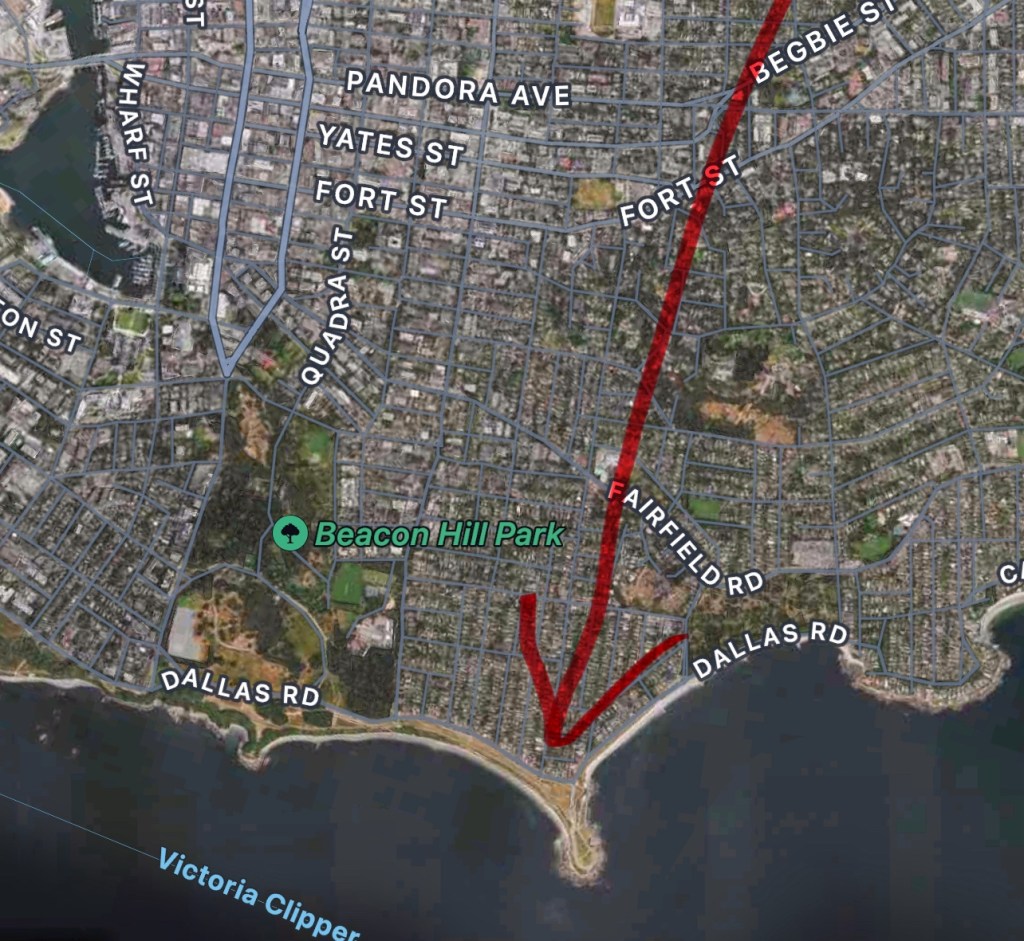
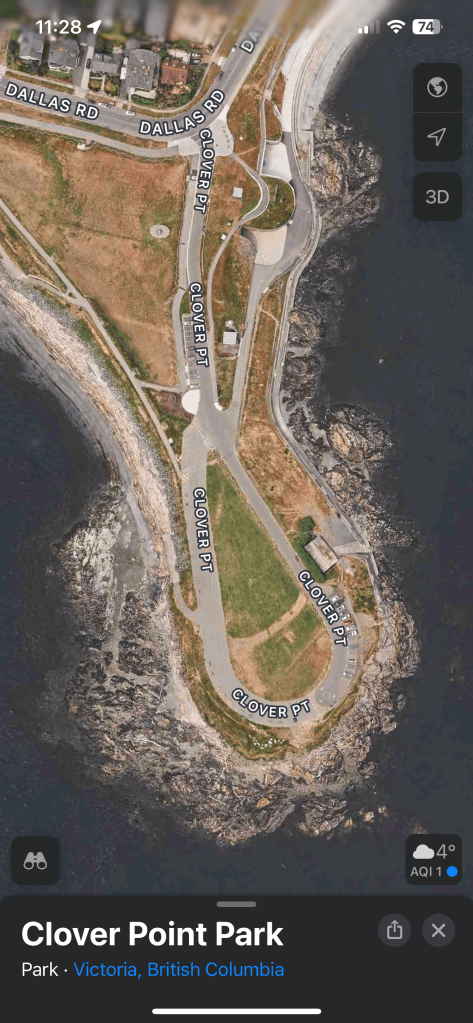
WHAT CAN I SEE AT CLOVER POINT?

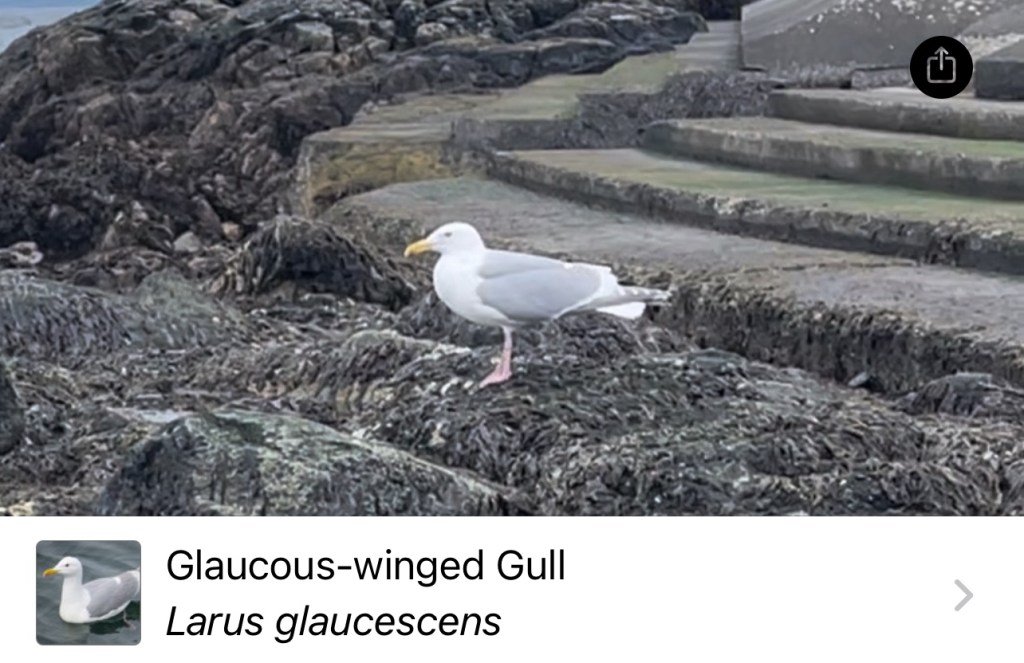

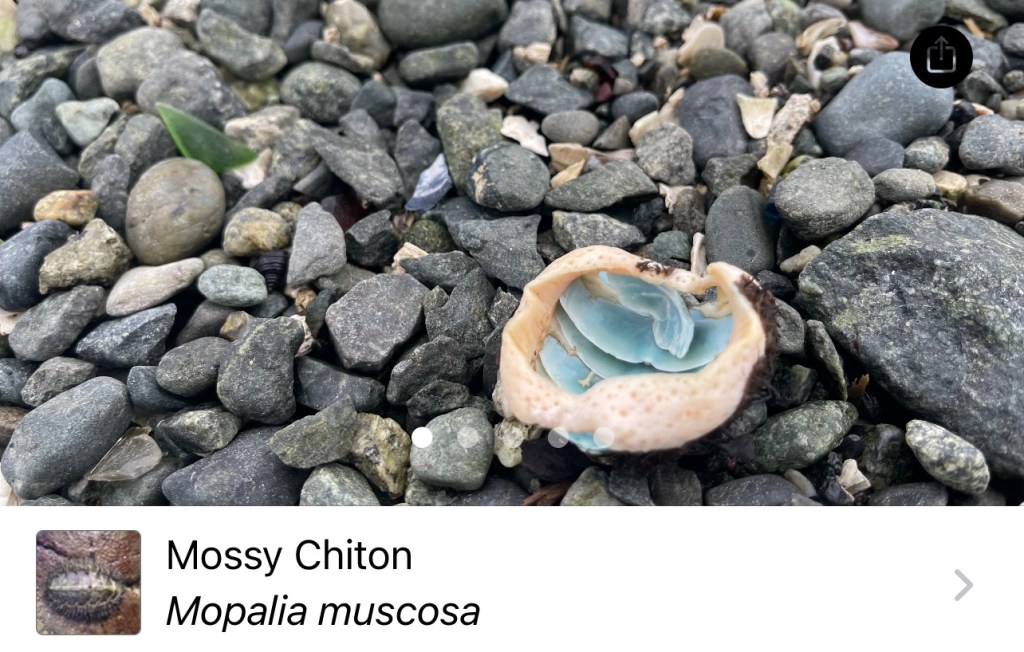
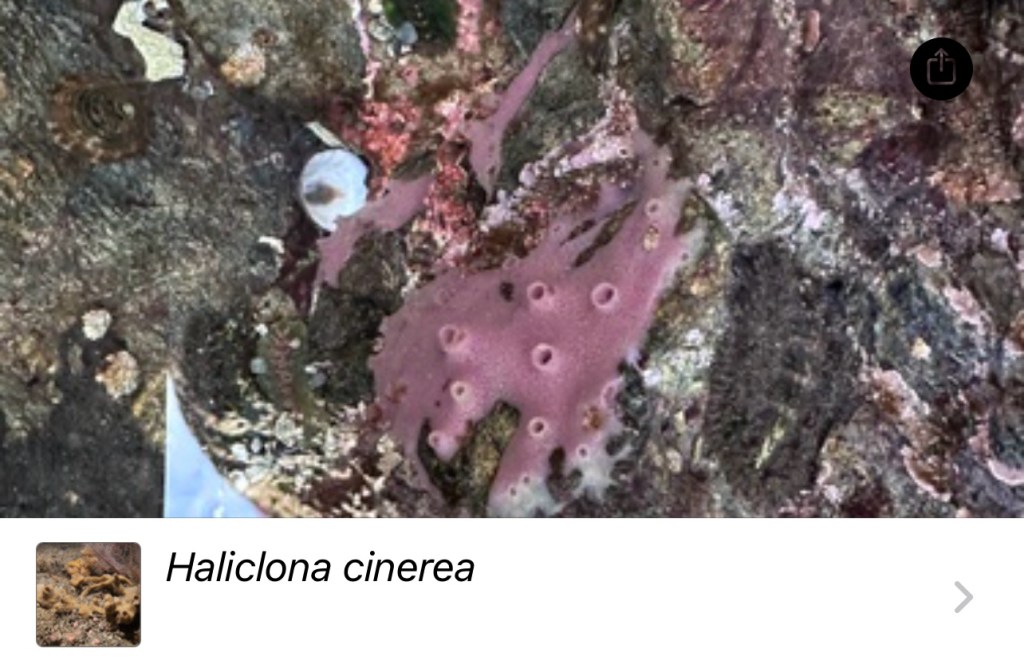
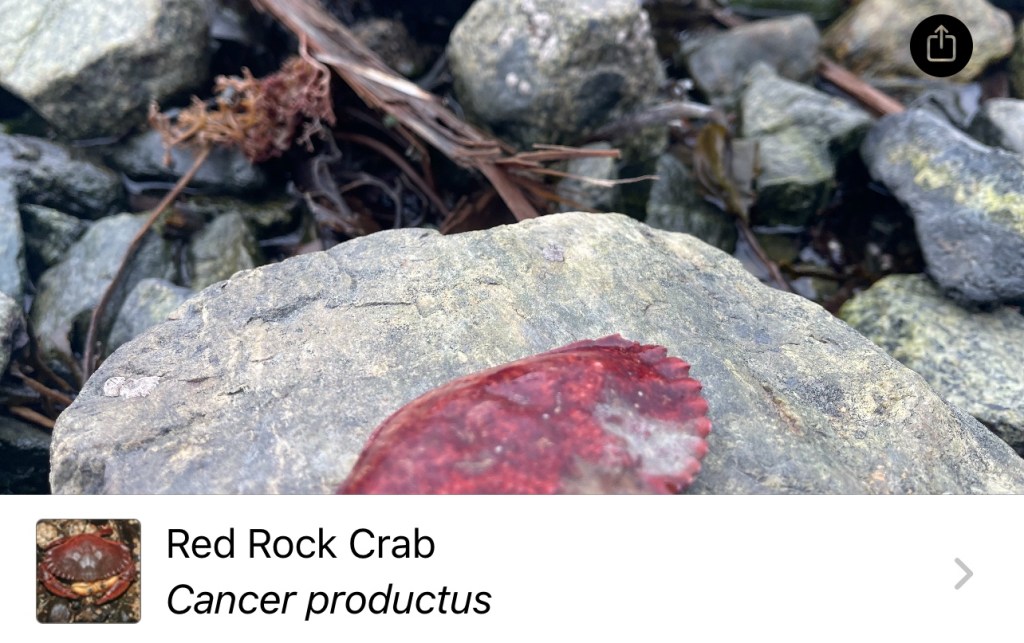
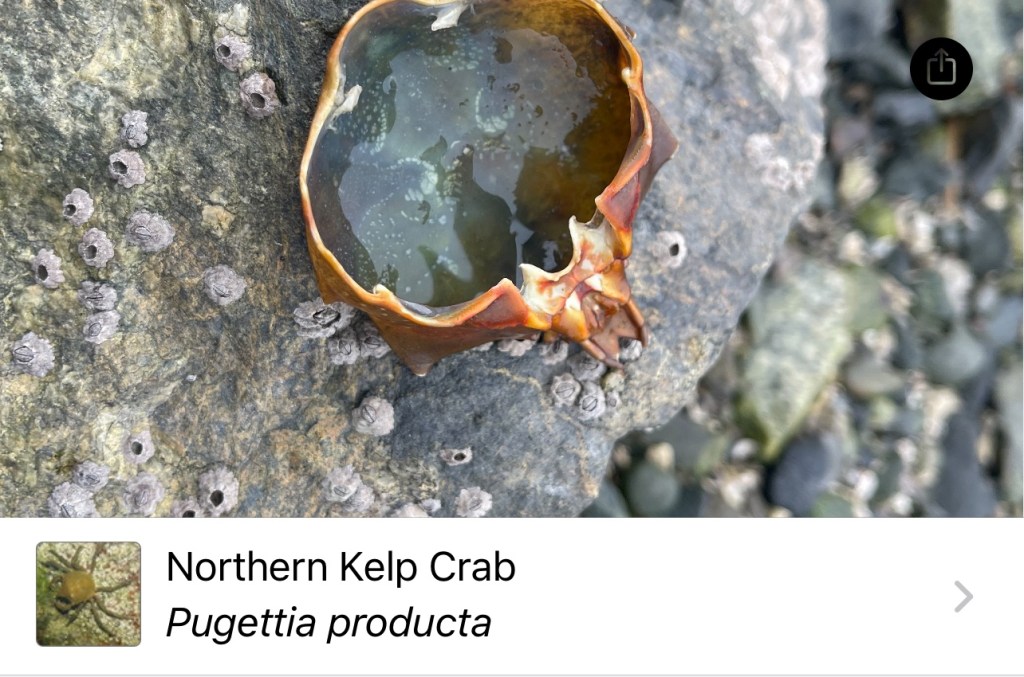
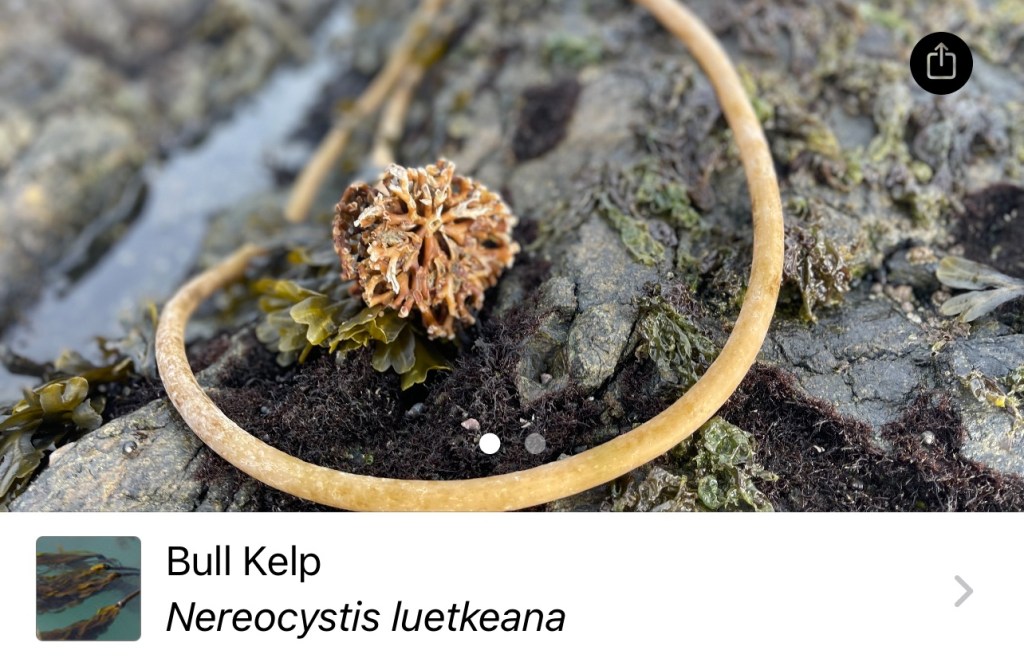
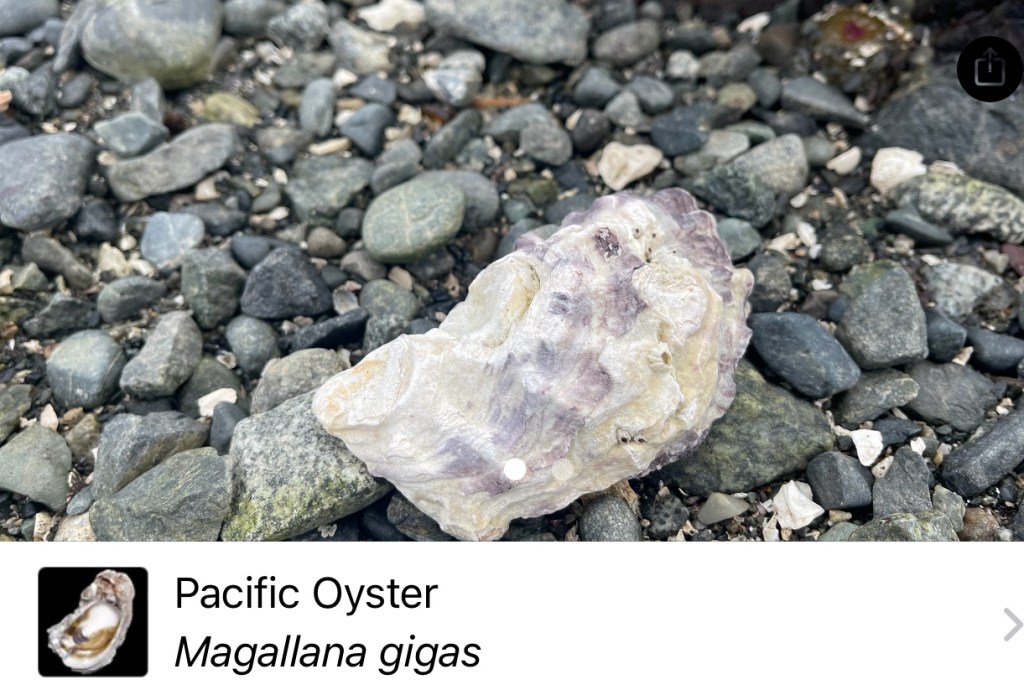
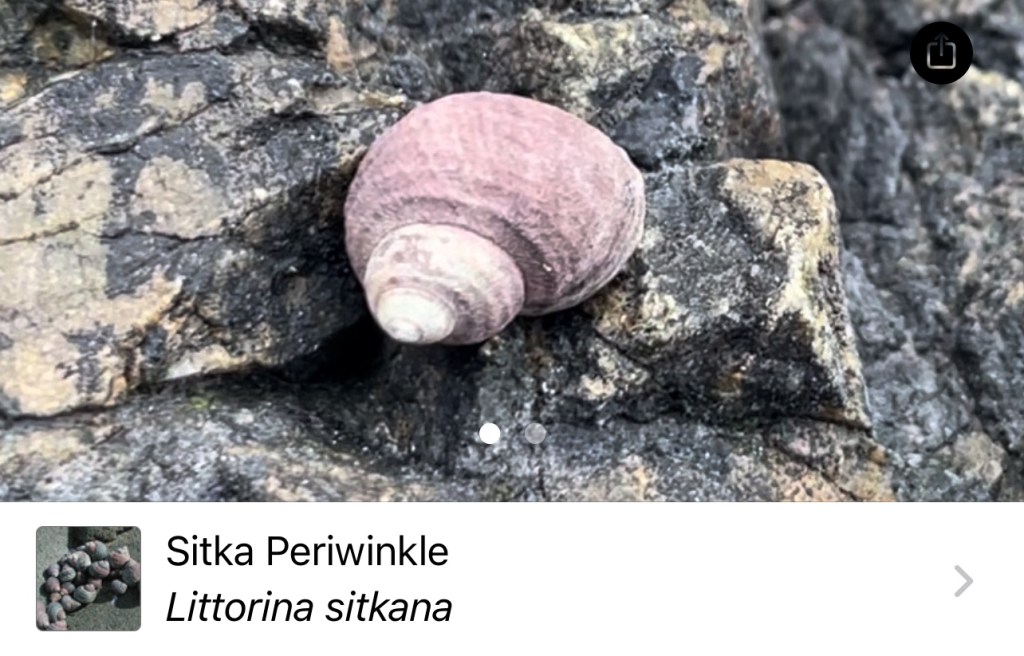
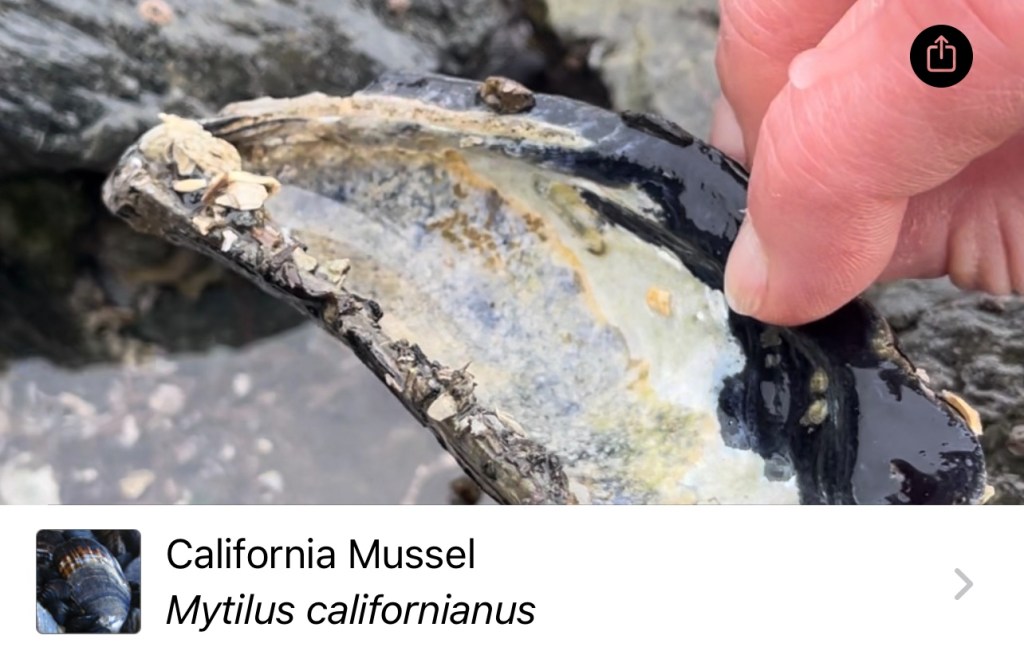

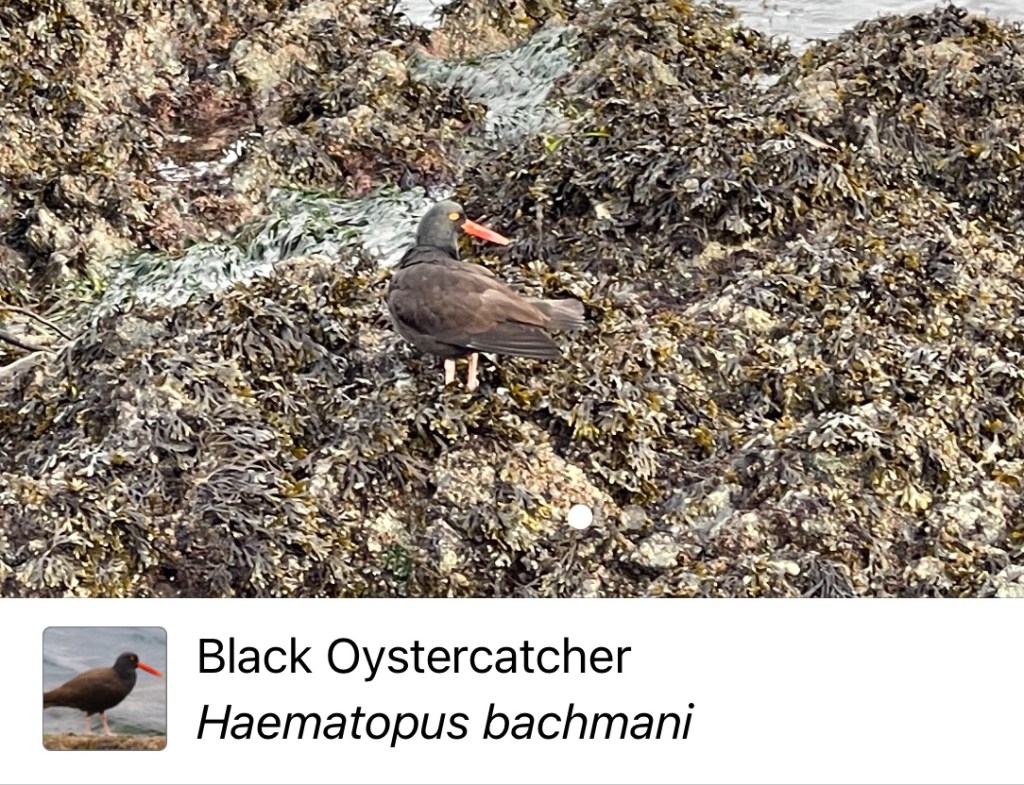

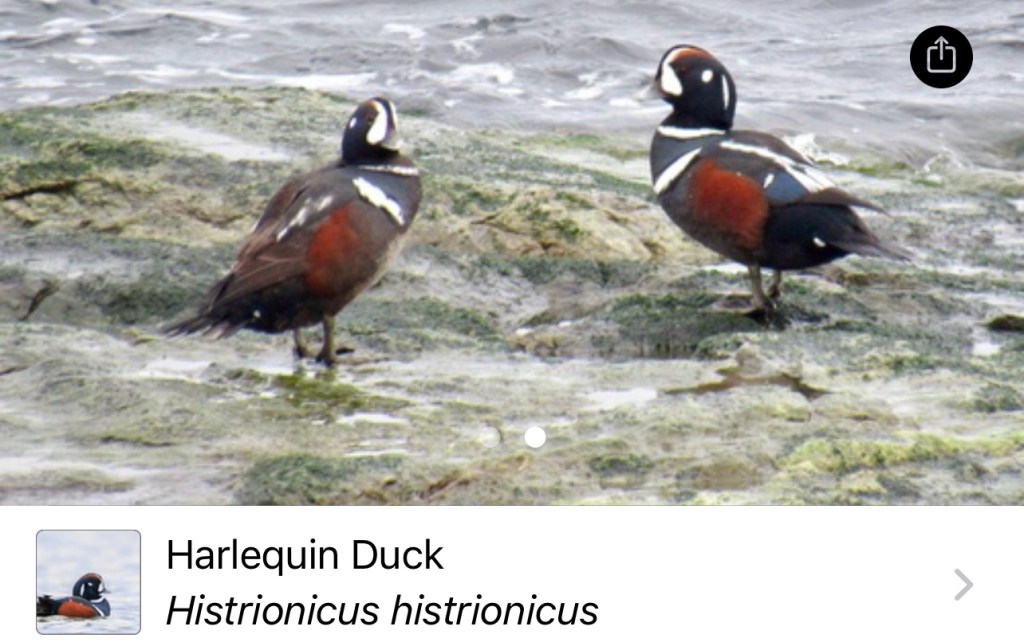
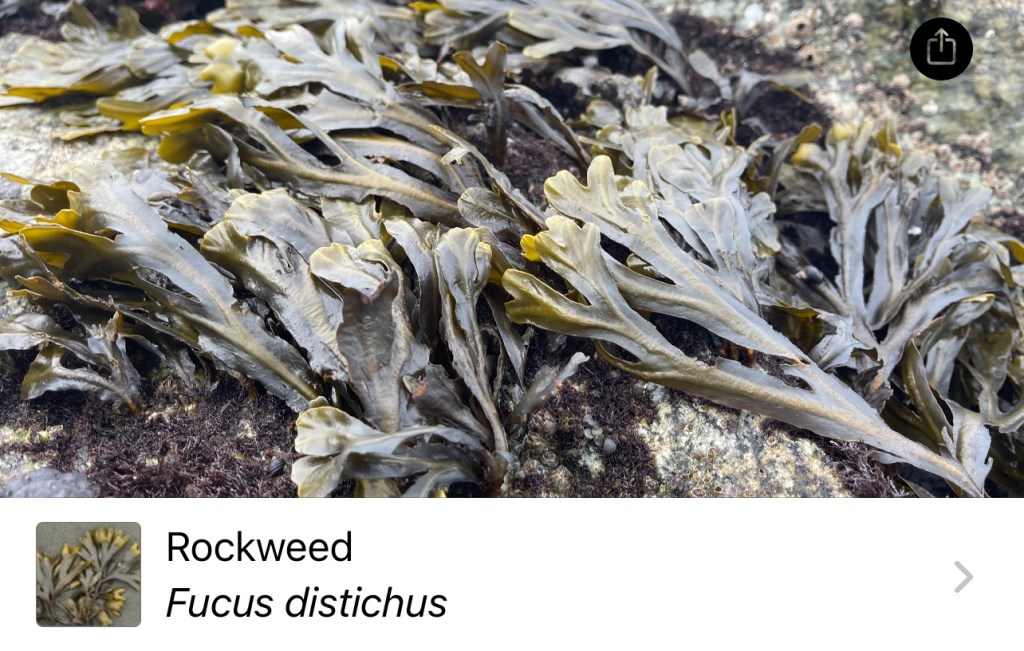
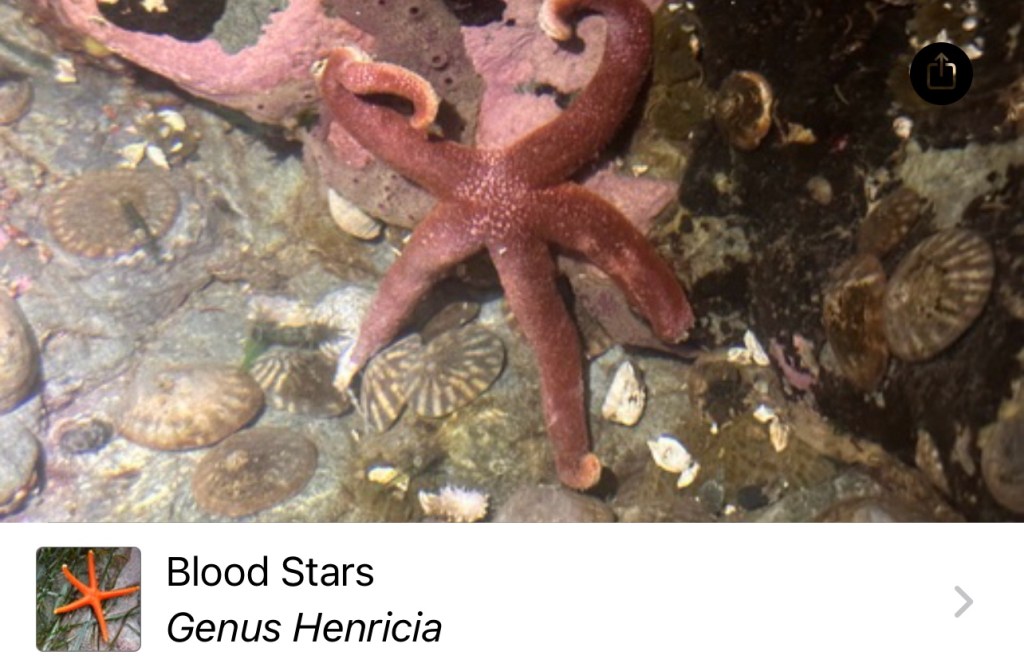
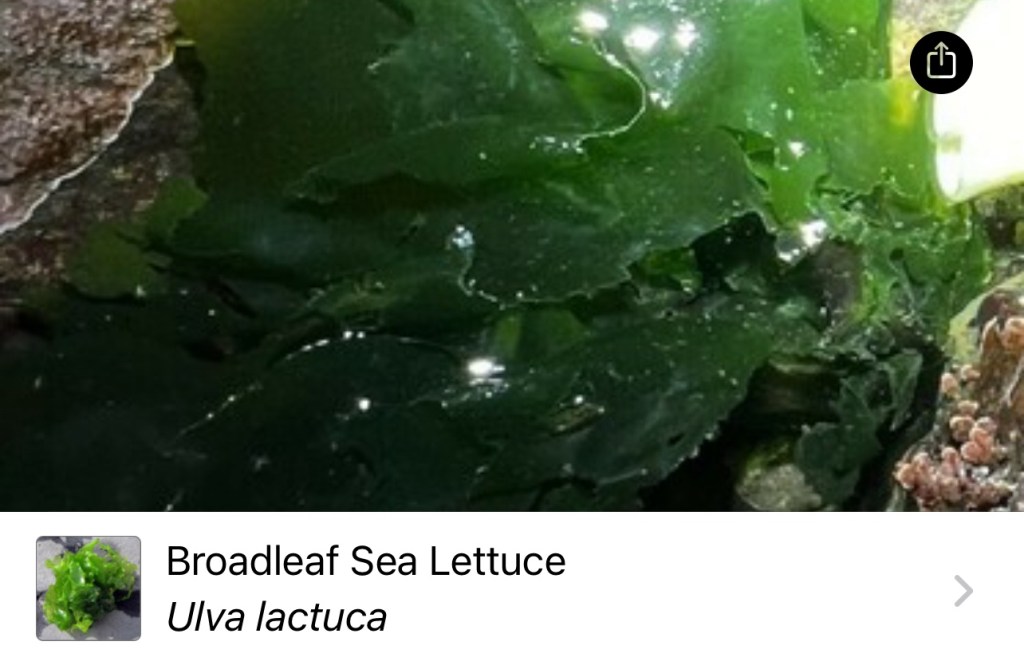
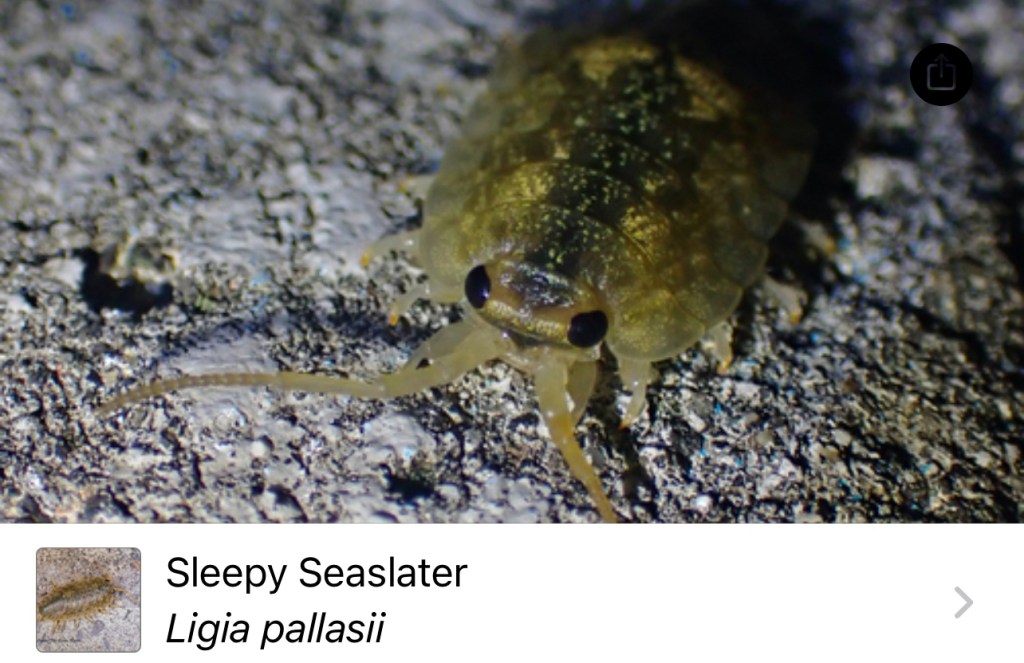

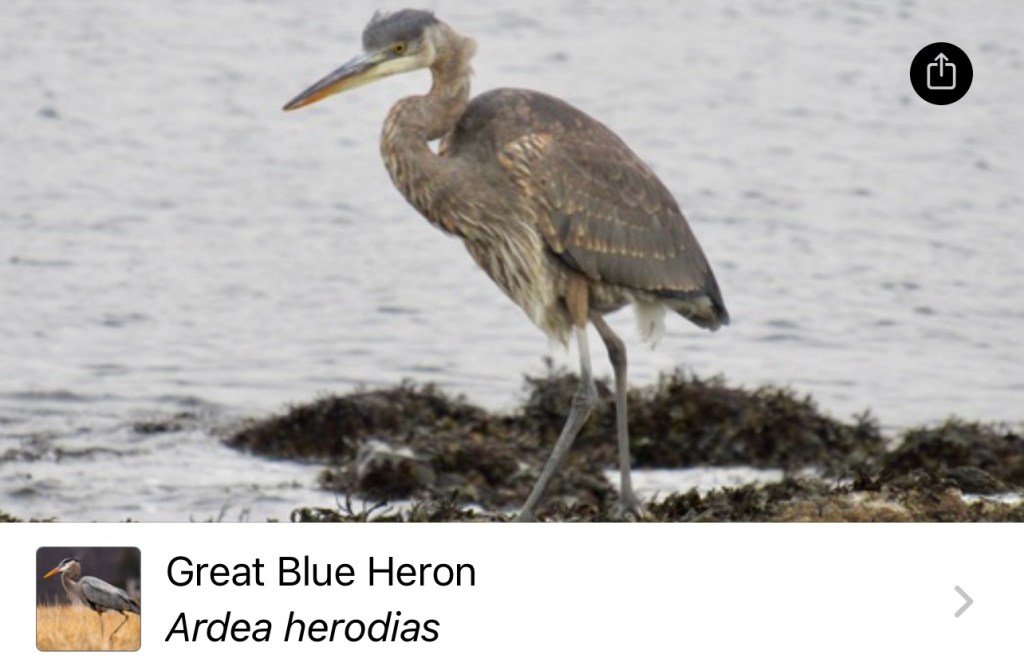
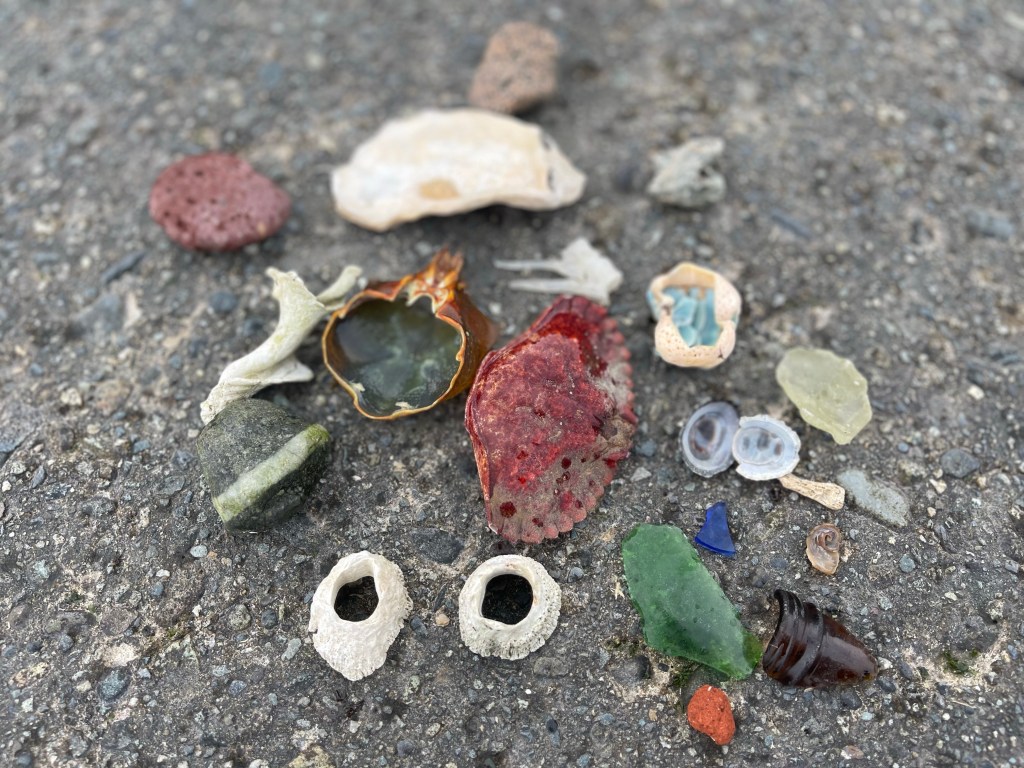
WHAT CAN YOU TELL ME ABOUT CLOVER POINT?
Clover Point, located in Victoria, British Columbia, is a prominent headland offering panoramic views of the Strait of Juan de Fuca and the Olympic Mountains. Its history is layered, encompassing Indigenous heritage, wartime significance, and modern developments, including waste management.
Environment & Biodiversity
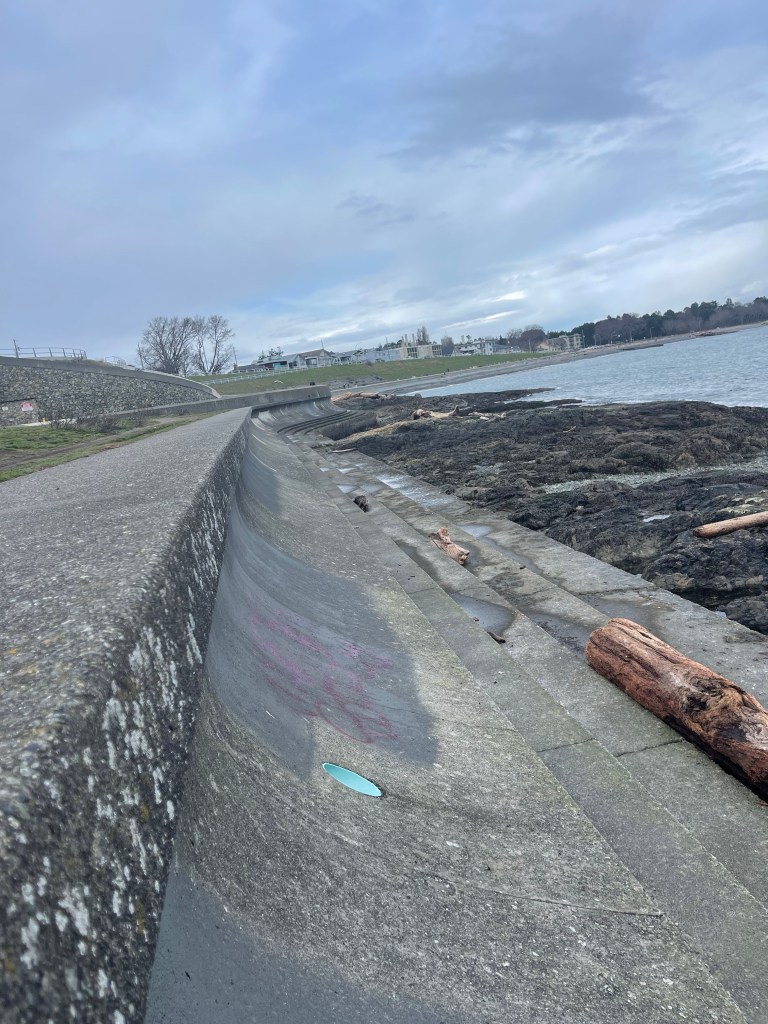
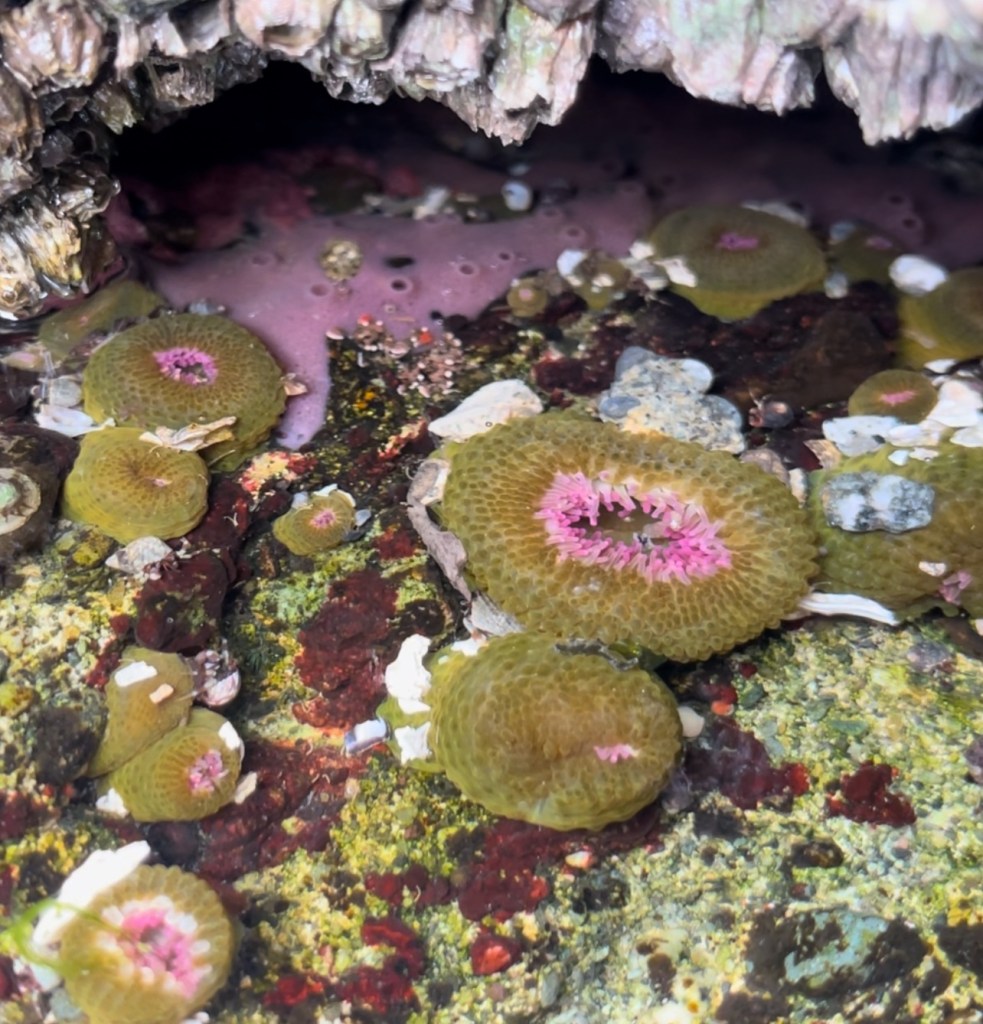
Clover Point offers a unique blend of environmental elements and biodiversity. Its coastal environment, characterized by rugged shorelines and sweeping views of the Strait of Juan de Fuca, provides a habitat for a diverse array of flora and fauna. The grassy areas above the beach are adorned with wildflowers and native plants, while the rocky intertidal zones below teem with life, including sea anemones, barnacles, mussels, and various species of seaweed. Seasonal migrations bring a variety of bird species to the area, making it a popular spot for birdwatching. Clover Point’s mix of terrestrial and marine ecosystems supports a dynamic balance of life, where the rhythmic ebb and flow of the tides shape the daily rhythms of its inhabitants. This beautiful locale serves as a reminder of the natural beauty and ecological richness found along the coast of British Columbia.
Indigenous Heritage
Before European settlement, the area around Clover Point was inhabited by the Lekwungen (Songhees) people, part of the Coast Salish. The Lekwungen used the area for its rich resources from the sea and land. European settlement dramatically altered their way of life, but the importance of the land to local Indigenous peoples remains recognized today. European Naming and Use The point was named by the British during the early period of colonization in the 19th century, likely for the clover that grew there. Victoria itself was established as a fort by the Hudson’s Bay Company in 1843, with Clover Point lying in close proximity to the fort. Its natural beauty made it a popular area for recreation and leisure as the city of Victoria grew.
Wartime Significance
During World War II, Clover Point became part of Canada’s coastal defense system. The Canadian military installed gun batteries and searchlights at strategic points, including Clover Point, to defend against potential Japanese attacks. These installations were part of a broader network of defenses along the British Columbia coast. After the war, the military installations were removed, and the area was returned to public use.
Waste Management
In more recent times, Clover Point has been connected to waste management issues due to its proximity to the Clover Point Pump Station. The pump station is part of Victoria’s sewage treatment system, which has been the subject of significant public and political discussion. Efforts to upgrade waste treatment facilities in the region, including near Clover Point, have aimed to improve environmental outcomes for the area’s marine and shore ecosystems.
Modern Usage
Today, Clover Point is a popular spot for residents and visitors alike, offering walking paths, green space, and unparalleled views. It is also a favoured location for kite flying due to the open space and consistent winds. The area around Clover Point continues to evolve, reflecting both its natural beauty and its significance within the urban fabric of Victoria.
Clover Point has been site of Indigenous significance and strategic military location, and it is also a beloved public space representative of the beauty and diversity of Coast Salish region.
HOW CAN I LEARN MORE ABOUT THE HISTORY OF CLOVER POINT?
WHAT SHOULD WE DO TO ENSURE A SAFE, SUCCESSFUL EDUCATIONAL EXPERIENCE AT CLOVER POINT?
General Conduct
• Maintain a respectful and calm academic demeanor. Keep a learning mindset and listen carefully to educators and supervisors.
• Represent our school positively. Display ethical and appropriate behavior at all times. Remember our school code of conduct—it applies on field trips as well!
Environmental Respect
• Interact with wildlife respectfully. Do not touch or disturb any living creatures, including sea anemones. Gently handle non-living elements only. You may pick up rocks or shells without disturbing their placement but please return them exactly where you found them.
• Do not take anything from the beach.
• Avoid throwing stones into the ocean for safety and to maintain a calm environment. We are here to study the shoreline!
• Do not leave any personal belongings or garbage behind. Ensure you take everything you brought with you to preserve the cleanliness and natural beauty of the environment.
• Respect all signage. Follow any posted signs or warnings, including wildlife protection or restricted access areas.
• Avoid feeding wildlife. Do not feed any animals to avoid disrupting their natural behaviors.
Personal Safety
• Walk at all times, no running. Be mindful of each step, as seaweed and wet surfaces can be very slippery!
• Do not go into the water.
• No jumping off tall structures or the walkway. Such actions could lead to slipping or injury from falls.
• Refrain from trying to build structures to play in or on by using the driftwood. You could slip or hurt yourself if the wood shifts unexpectedly.
• Practice hygiene. Wash your hands before eating.
• Dress appropriately for the weather and terrain. Wear sturdy shoes or boots and bring layers or rain gear as needed.
• Stay within designated areas. Always remain in areas designated by the field trip supervisors to ensure safety.
• Steer clear of the off-leash dog area. Do not touch or interact with dogs for your safety and theirs.
Group Dynamics
• Use the buddy system. Always stick with a buddy or in small groups to ensure no one gets lost. Make sure your group leader knows where you are and can see and call to you at all times.
• Report any incidents immediately. If you get hurt or notice anything dangerous, report it to an adult right away.
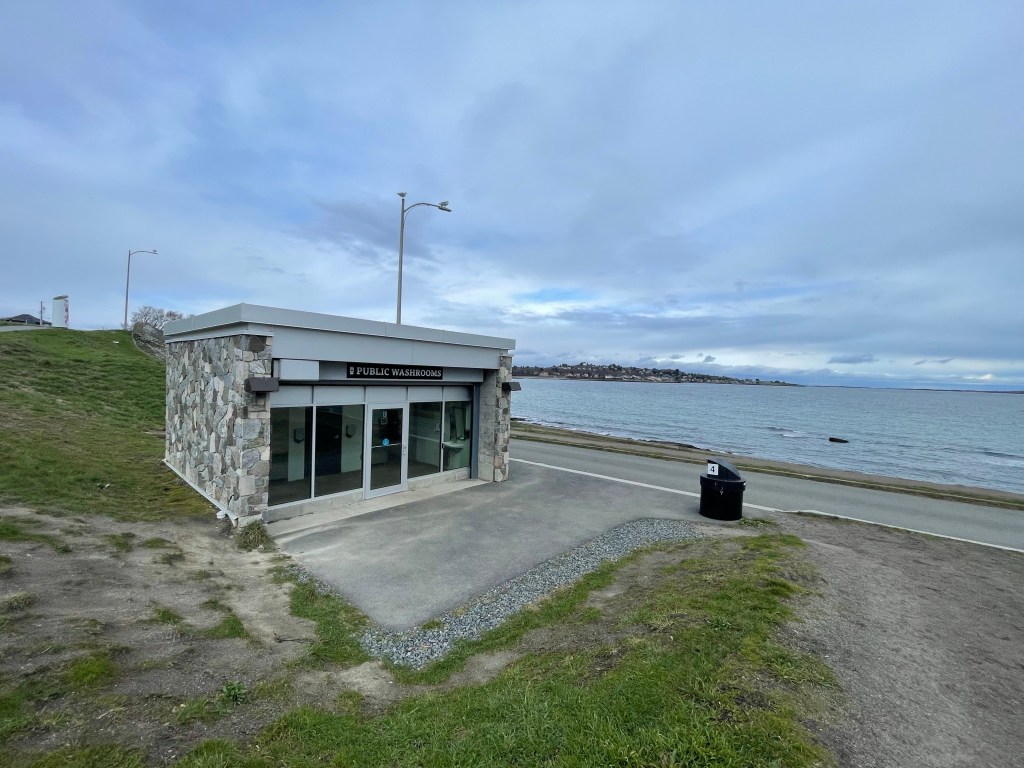
• Use the washroom responsibly. Go to the washroom building with at least one other person and inform an adult supervisor.
• Avoid roughhousing. No pushing or shoving, and use common sense in all actions.
• Educators and parent supervisors are encouraged to take photos of the environment; yet please do not take photos of students unless you have permission to do so.
 Inquiry Ninja
Hi,
This looks great! just to clarify… are they to wear their gym strips, and then layers of clothing?
Thank you!!!
LikeLike
Yes, Wednesday is a day students should wear their comfortable gym strips and appropriate shoes but they are encouraged to layer overtop warm clothing as needed. Rain pants or even snow pants may provide comfort.
LikeLike
Perfect,Thank you so much for the confirming! 🙂
LikeLiked by 1 person