
Hello, 4A families!
What natural resources are all around us? Observant students noticed a tall, striking, spiky plant growing beside our portable classroom.
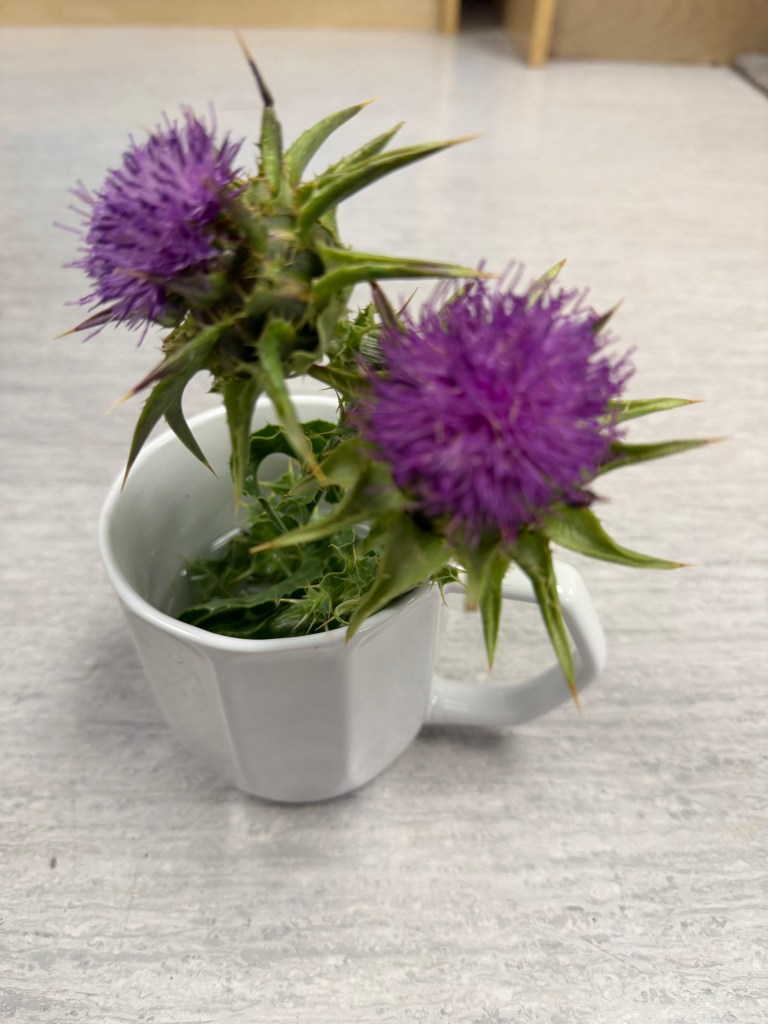
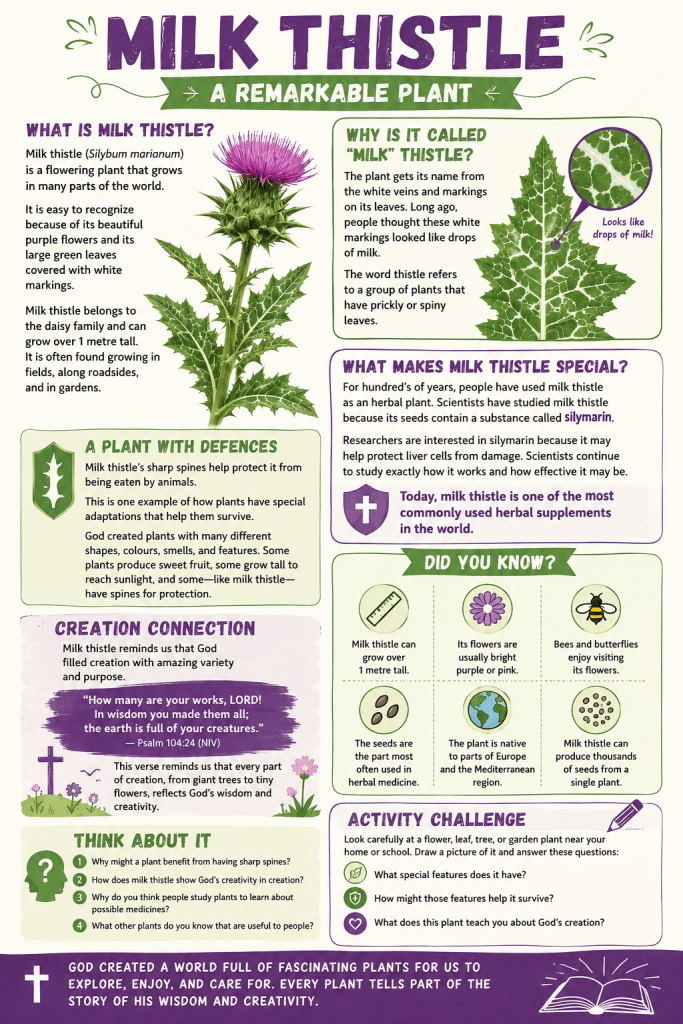
Curious about what it might be, we carefully examined the plant and used the iNaturalist app to help identify it as milk thistle, a remarkable flowering plant known for its striking purple flowers, distinctive white-veined leaves, and long history of use as a natural resource.
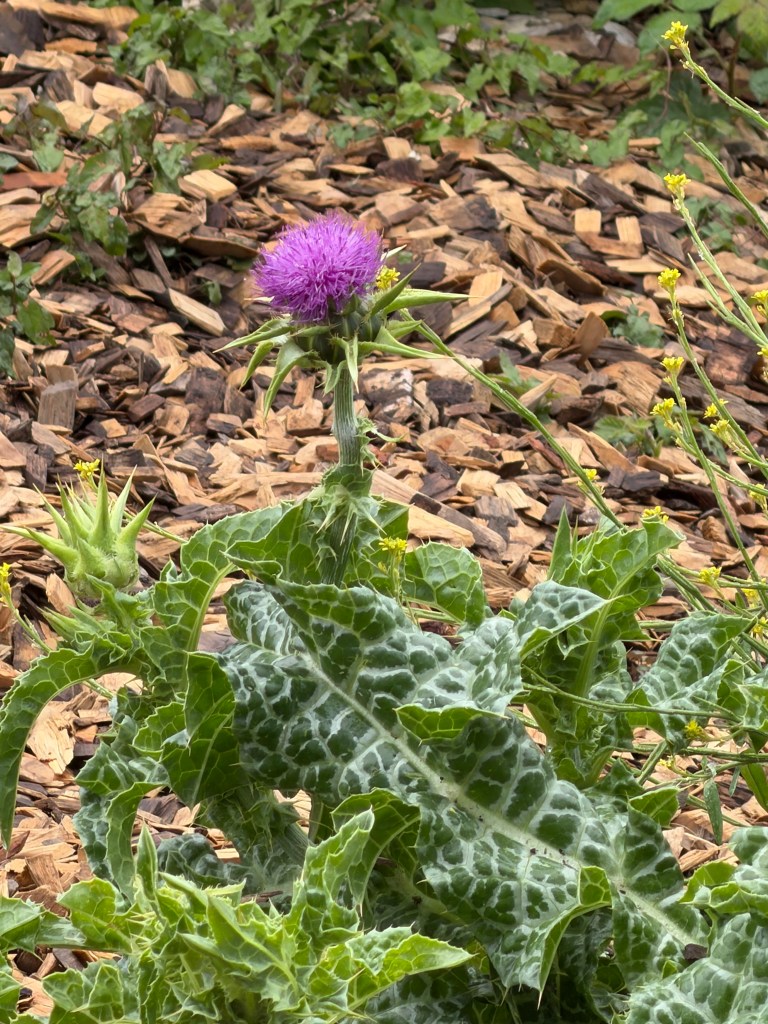
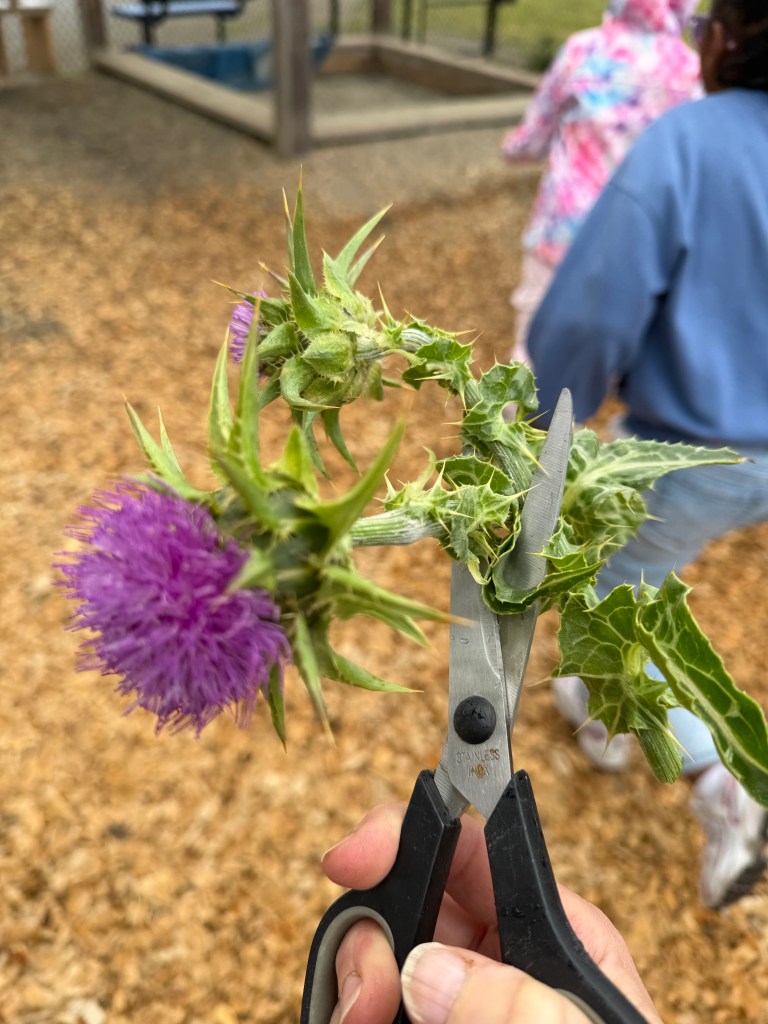
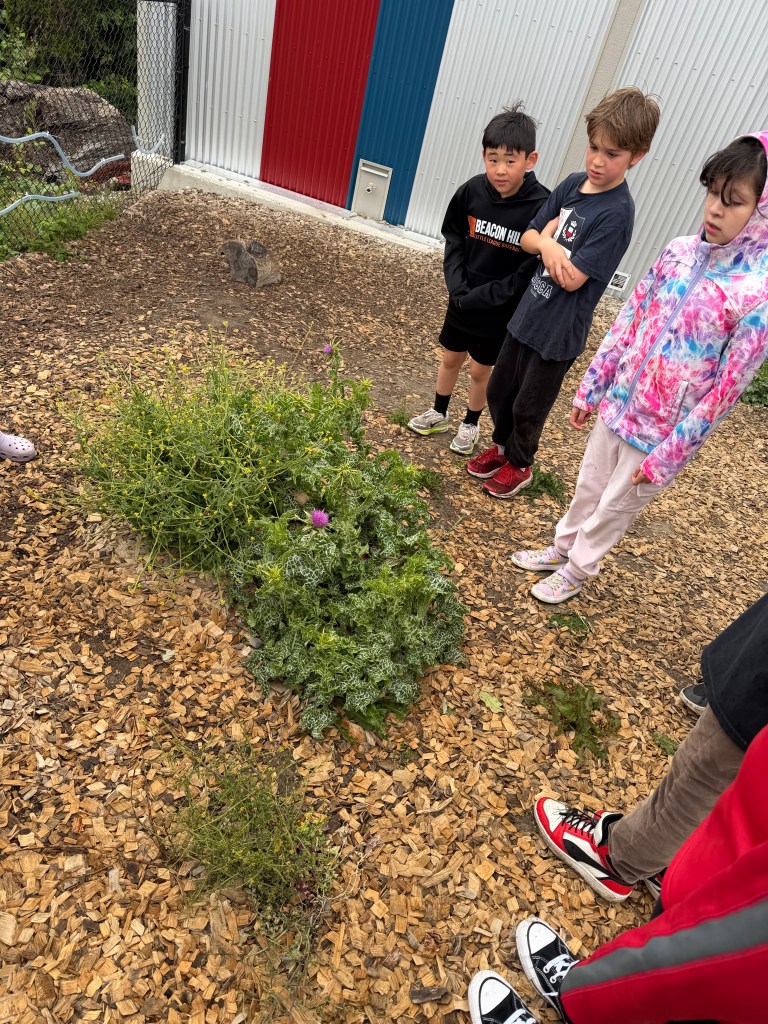
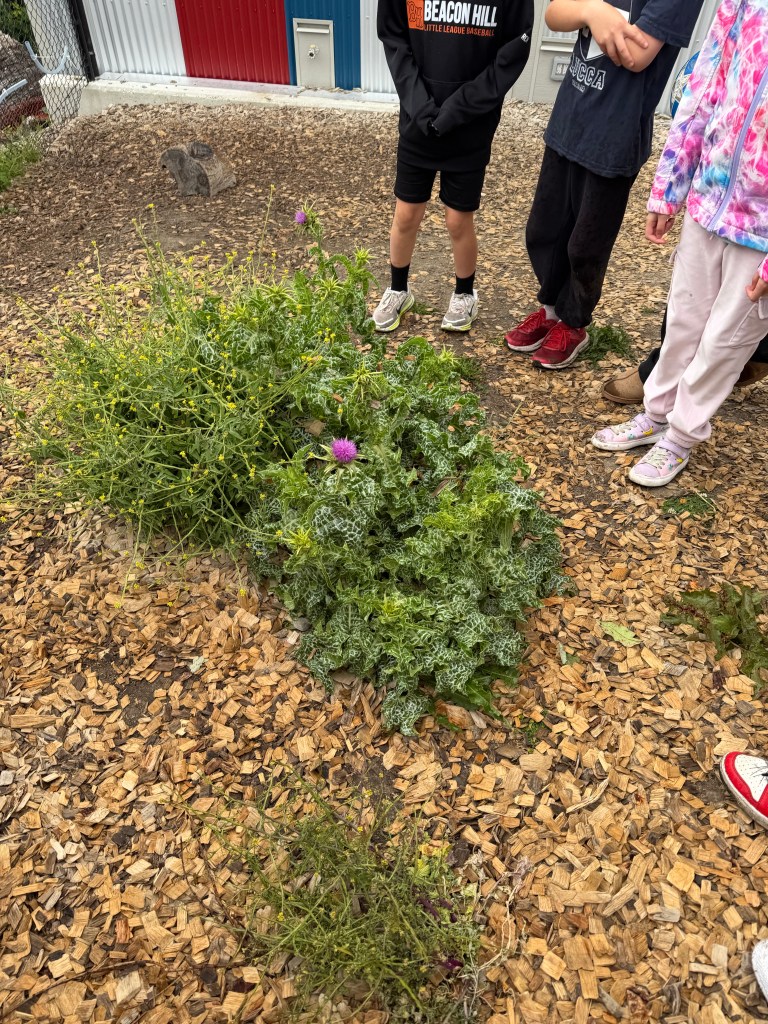
As we learned more about milk thistle, we discussed how plants that might initially seem prickly, unfriendly, or even unwanted can still have important purposes in the natural world.
Milk thistle has been studied for centuries because of compounds found in its seeds, and it provides food for pollinators such as bees and butterflies. This led us to reflect on how God has filled creation with incredible diversity, beauty, and purpose.
Our observations also connected to our learning from Term 2 about animal adaptations. Students recognized that just as animals have special features that help them survive in their environments, plants have adaptations too. We discussed how the sharp spines of milk thistle help protect it from being eaten by animals. Living things throughout creation have unique characteristics that help them survive and thrive.
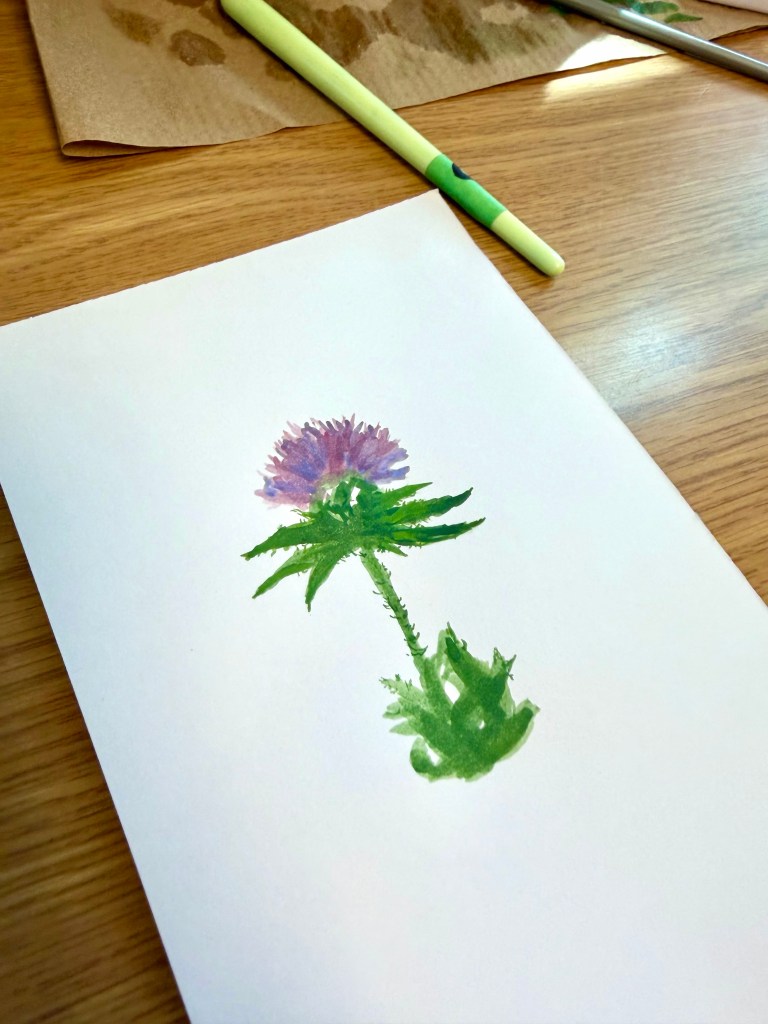
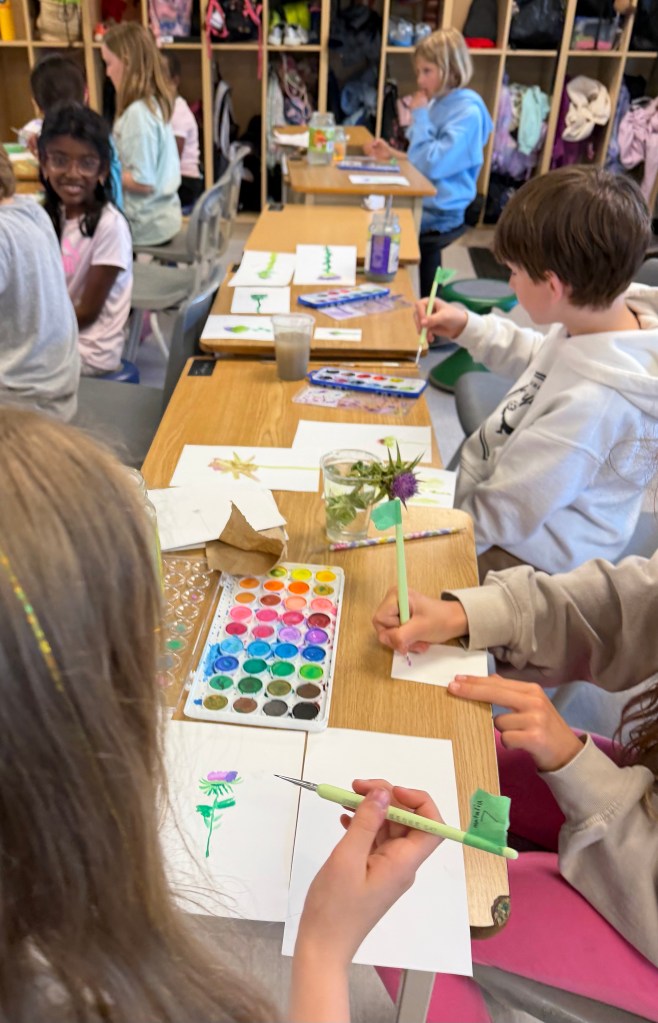
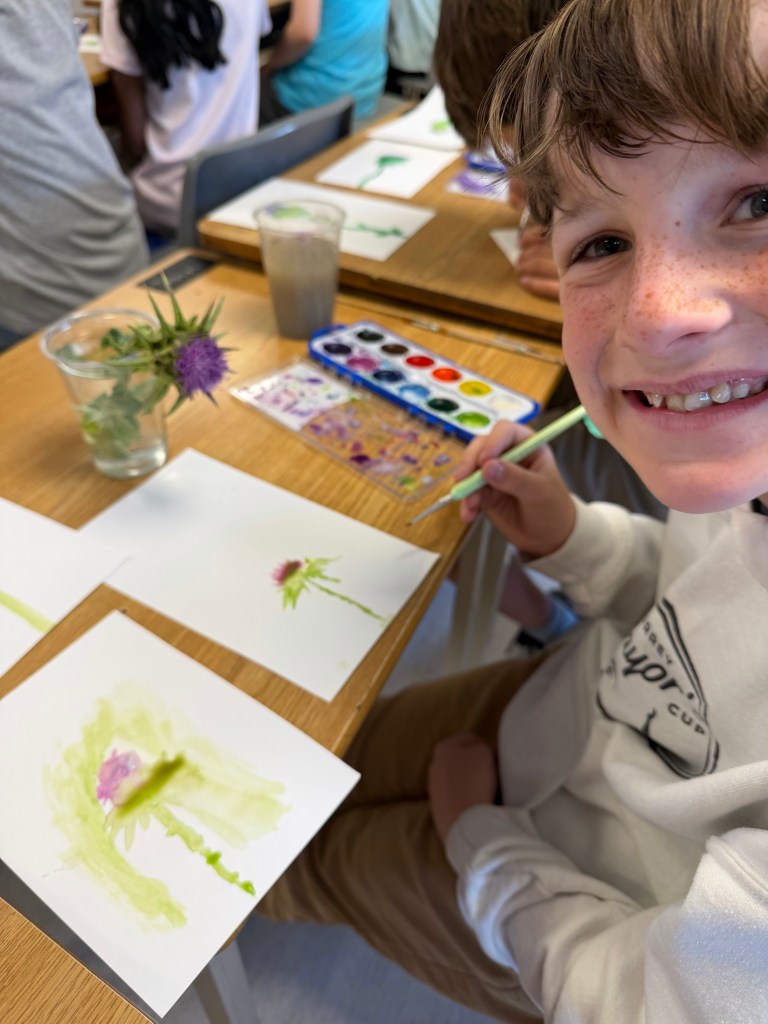
After spending time observing the plant, students applied their watercolor painting skills to create detailed botanical illustrations. Like scientists and naturalists, they carefully studied the shapes, colours, textures, and structures of the leaves, flowers, and stems before transferring their observations to paper.
Through this process, students practiced both artistic techniques and scientific observation skills.
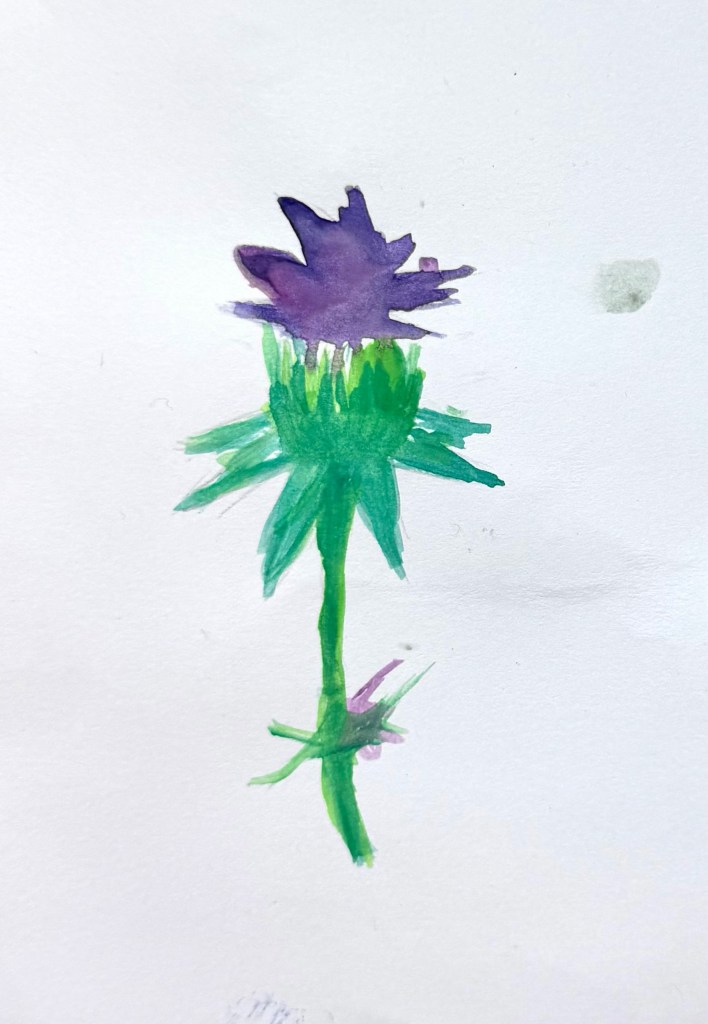
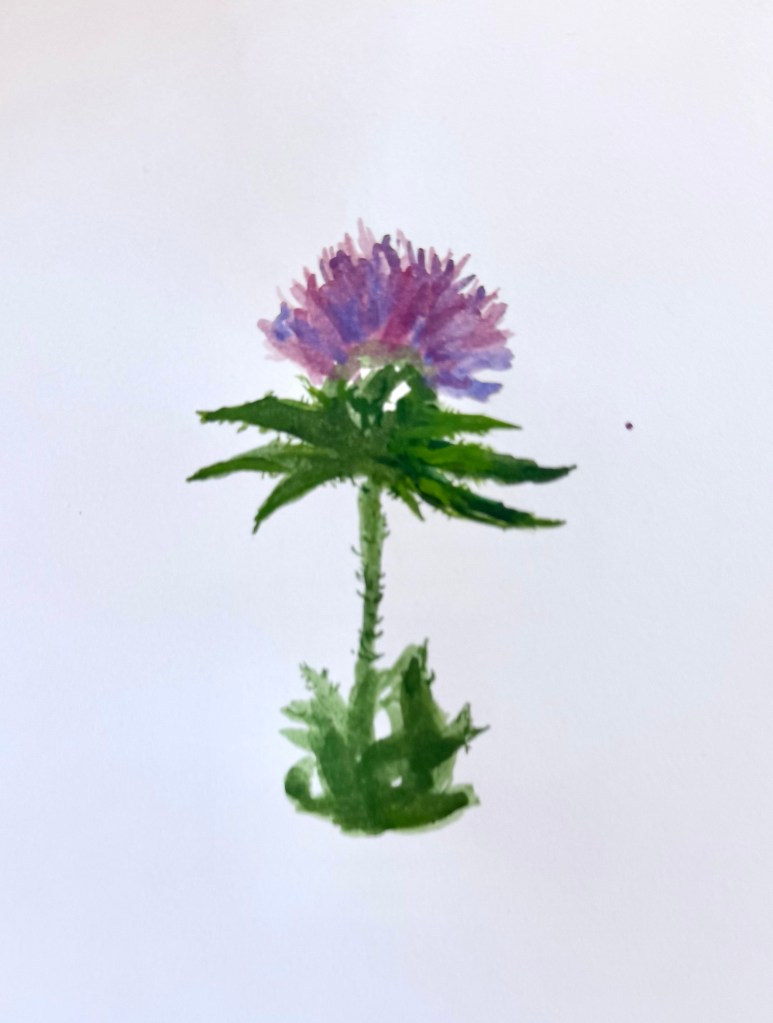
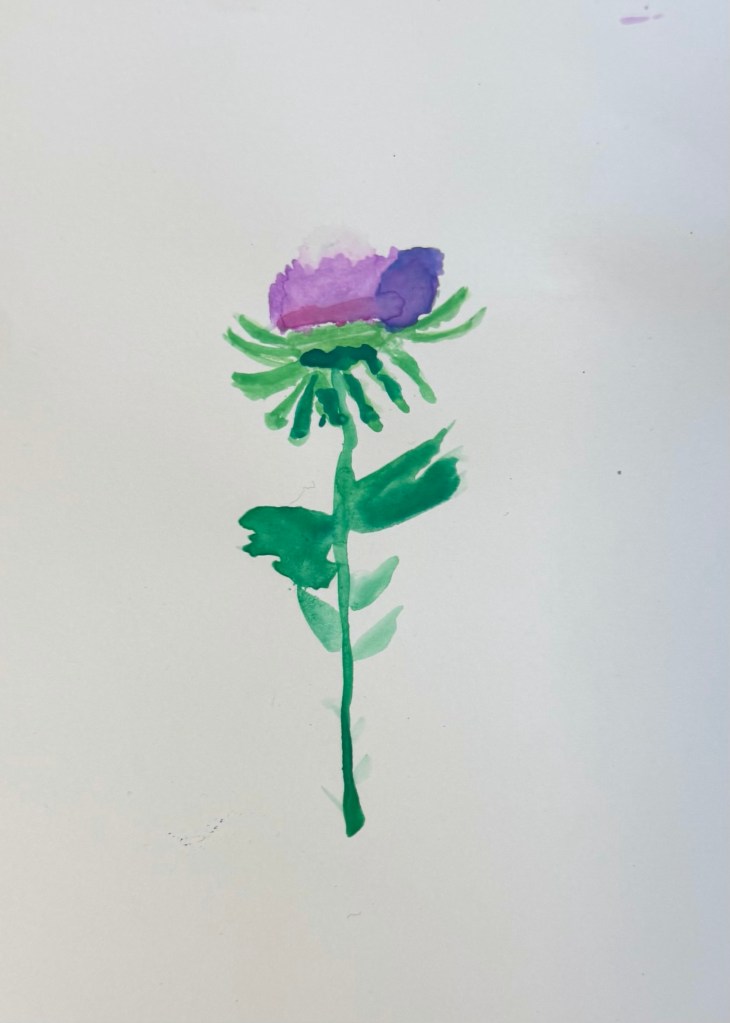
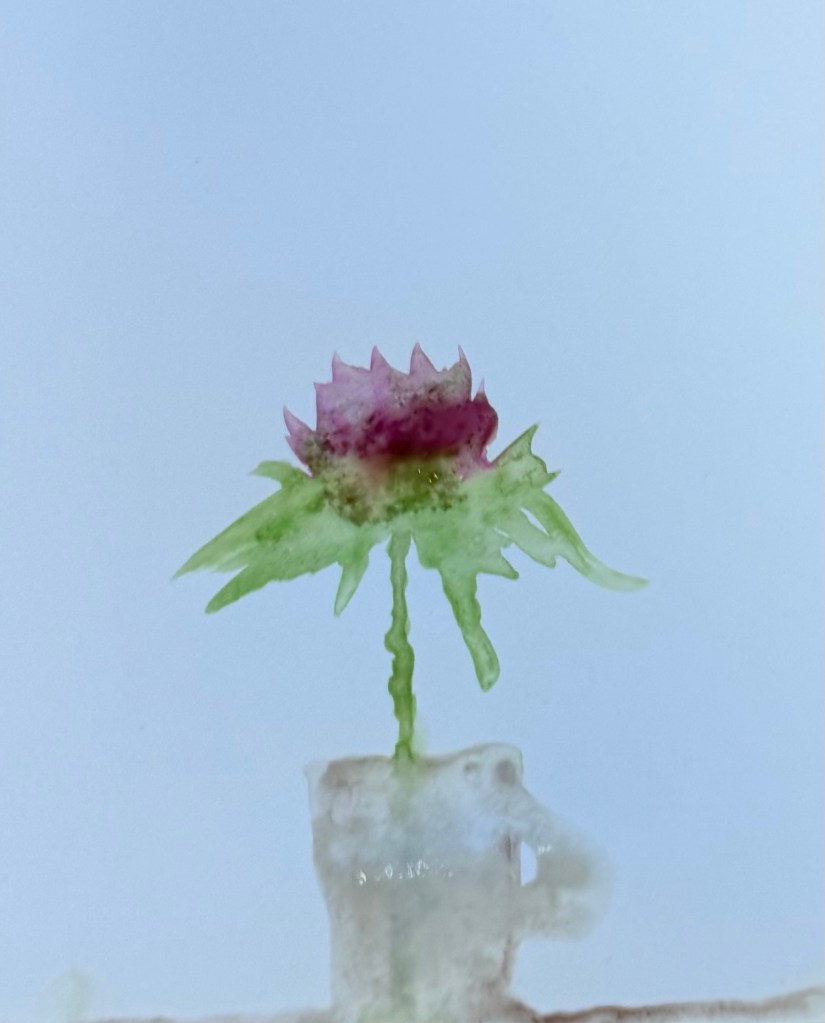
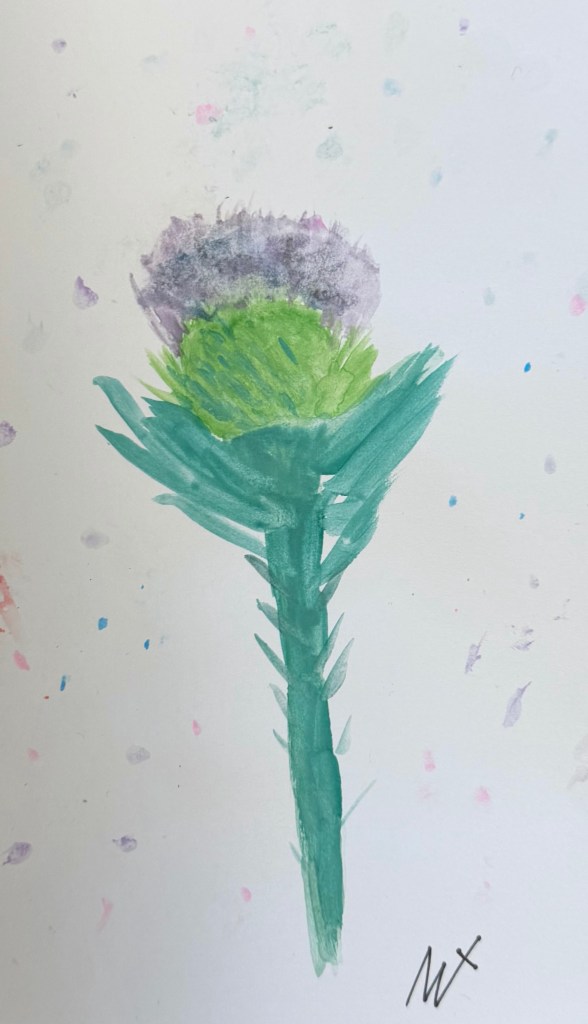
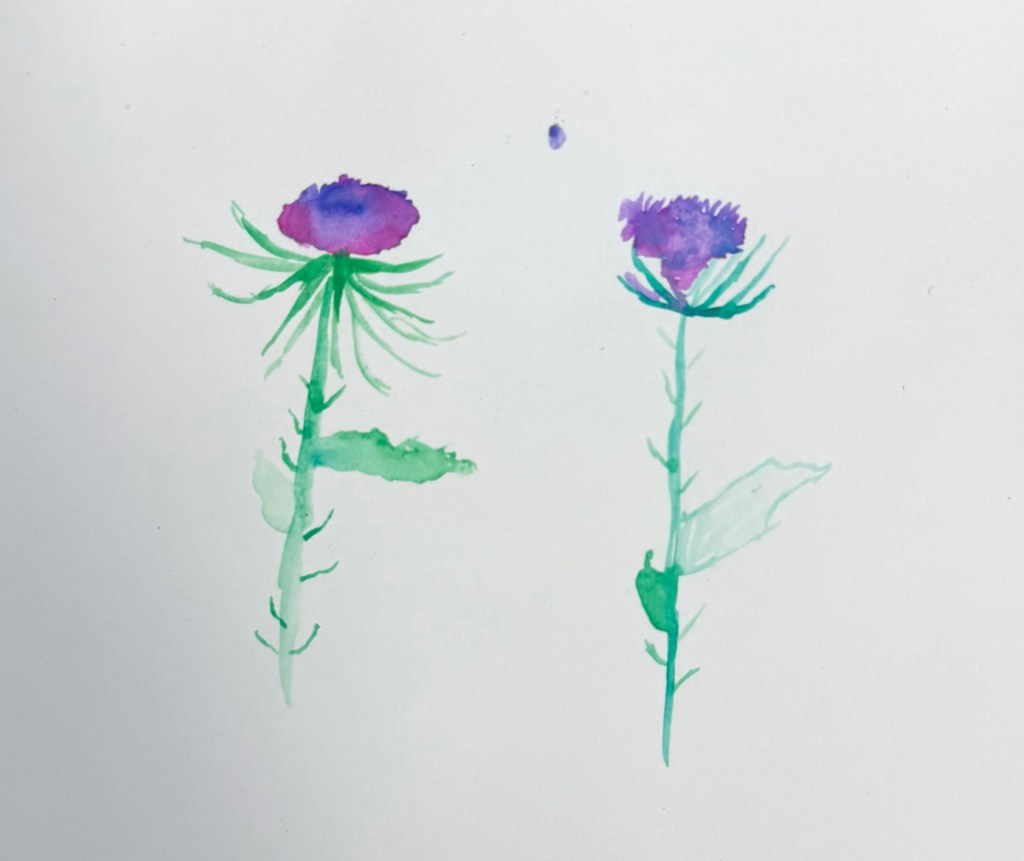
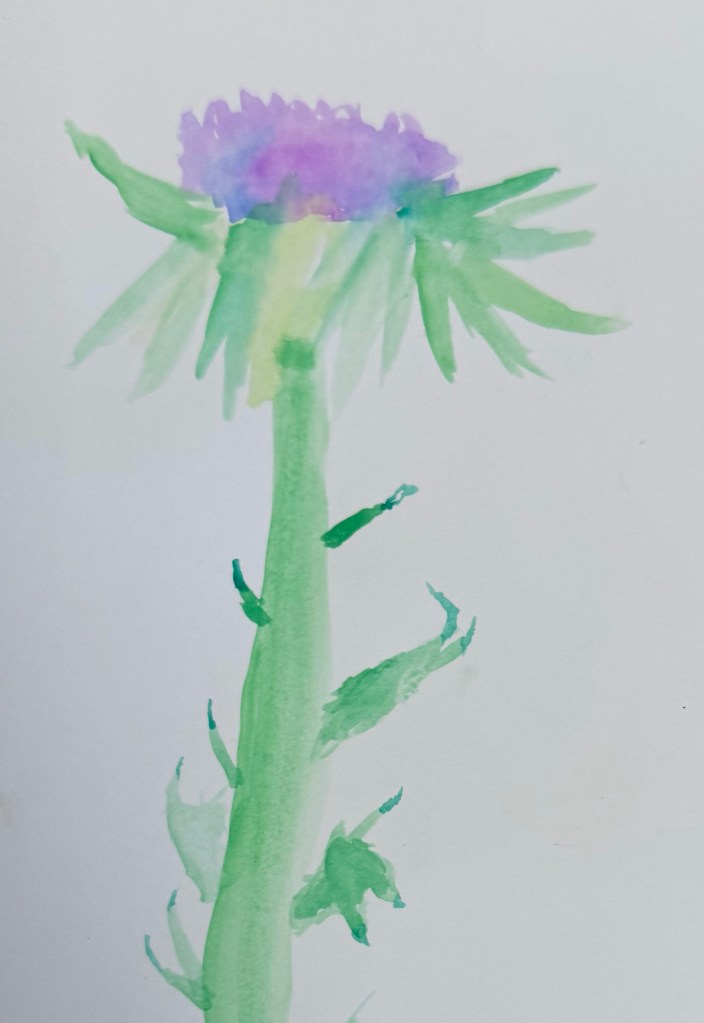
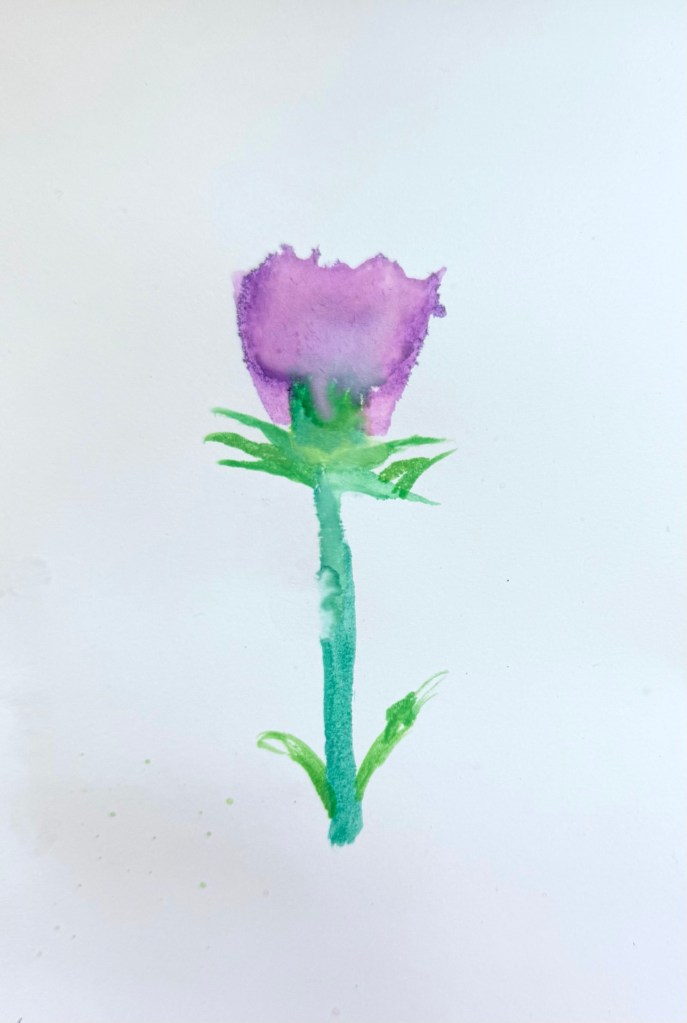
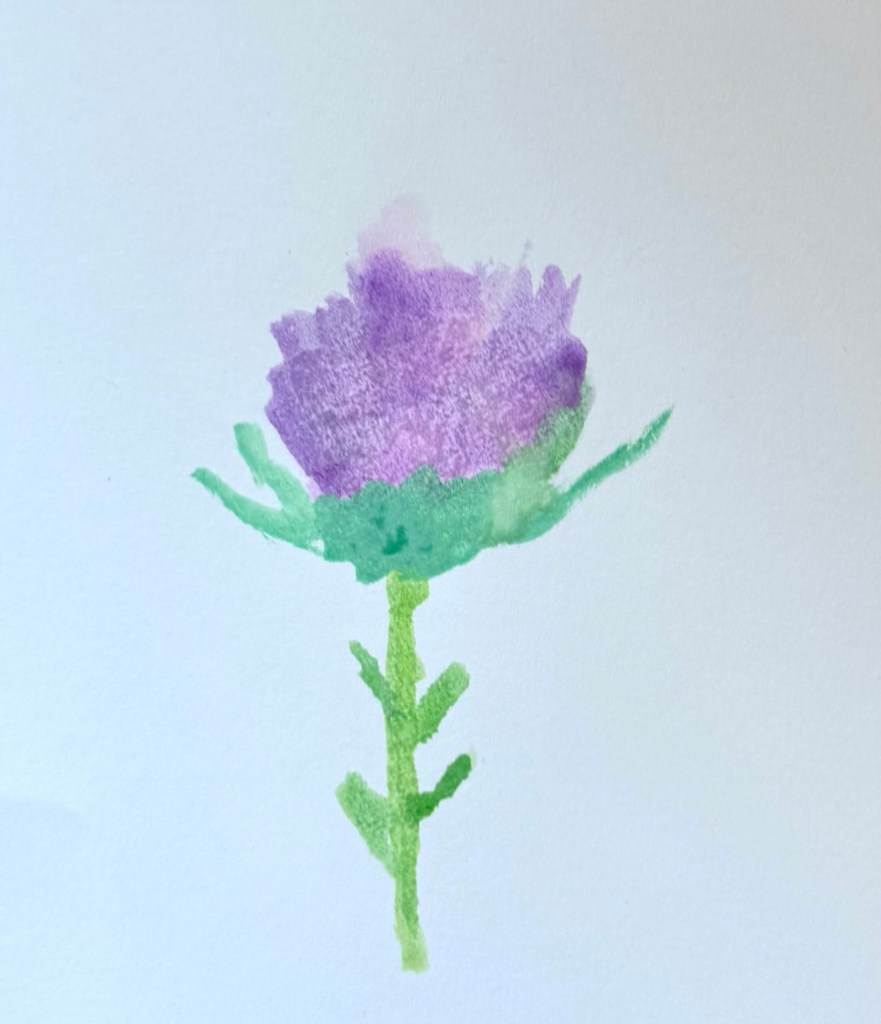
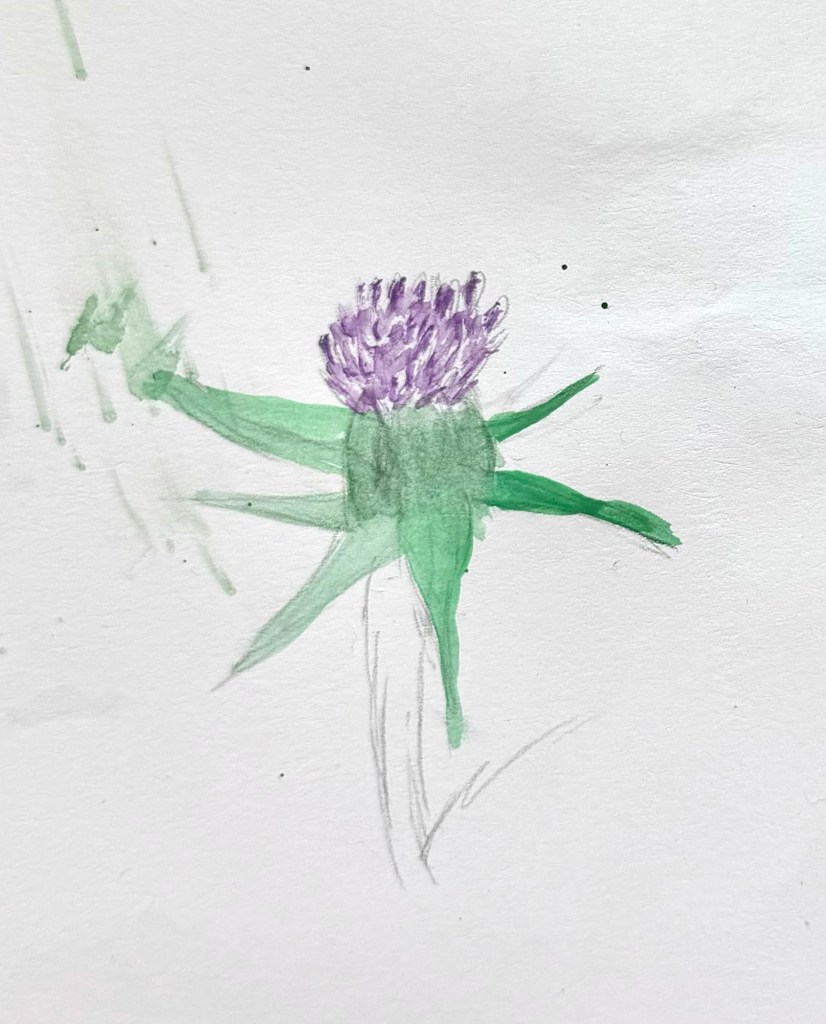
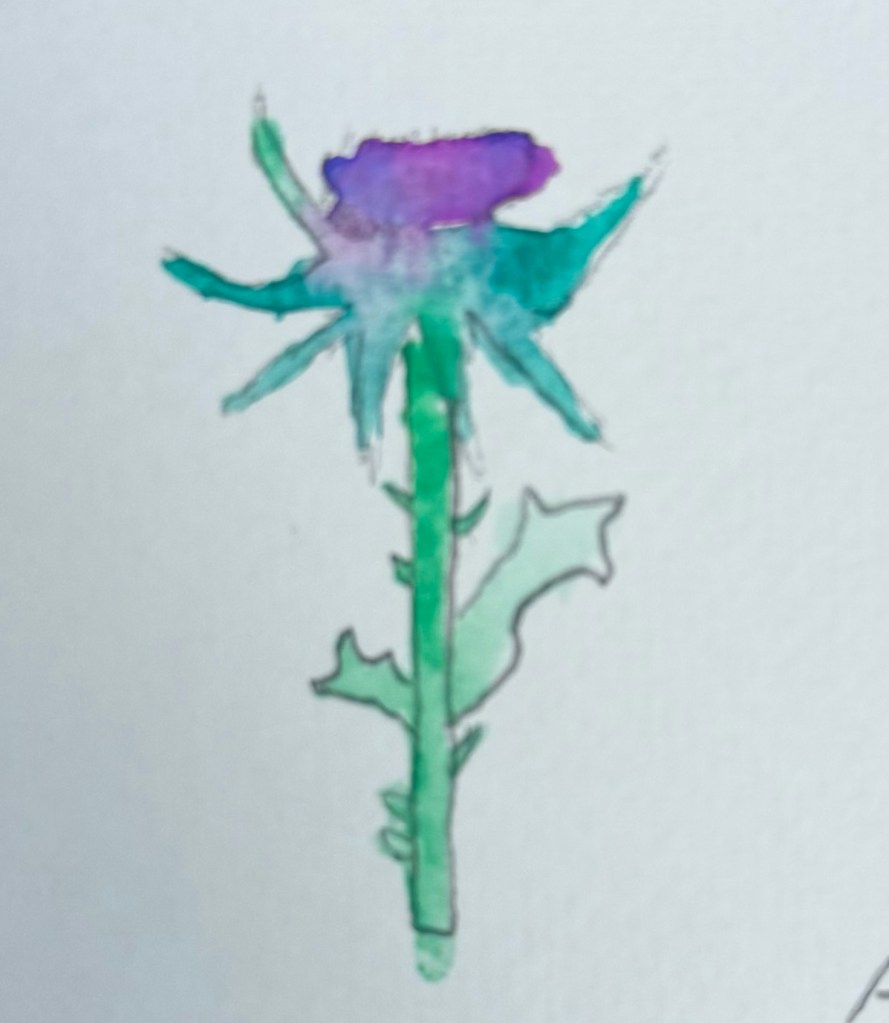
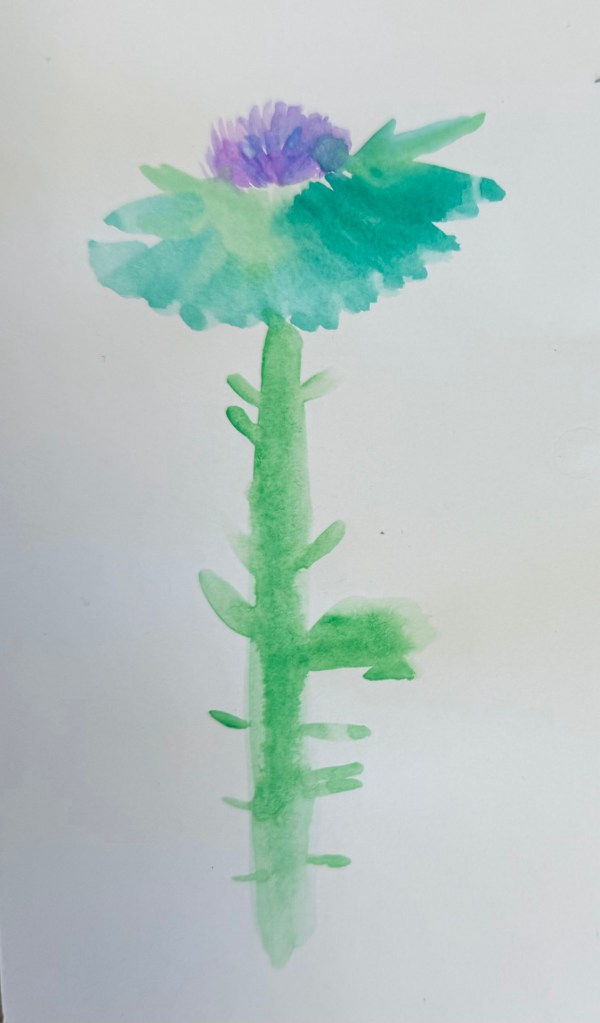
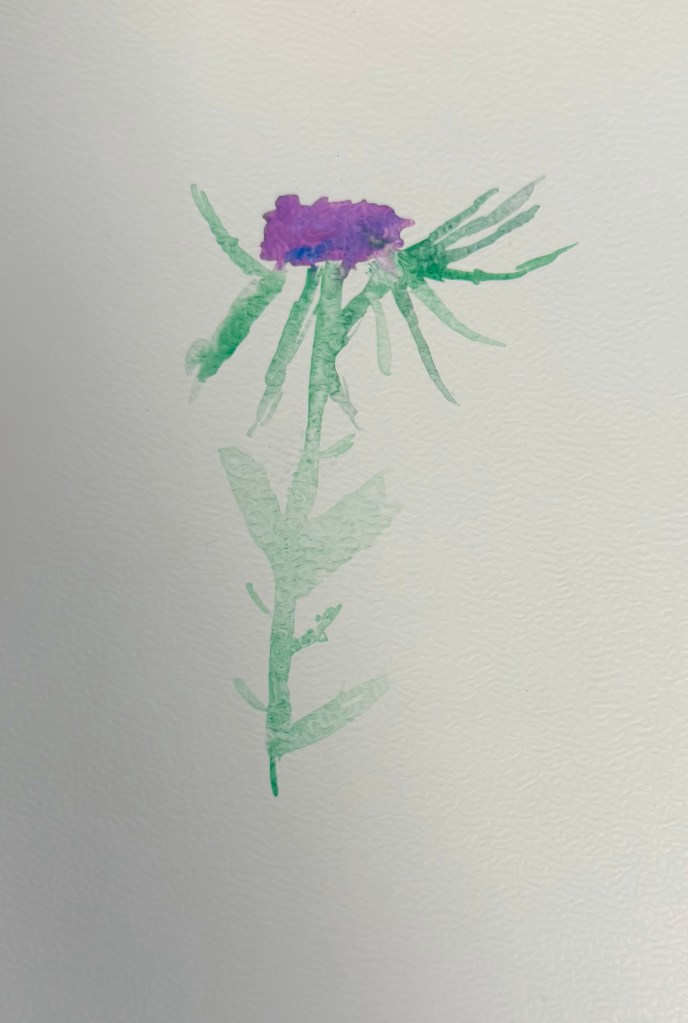
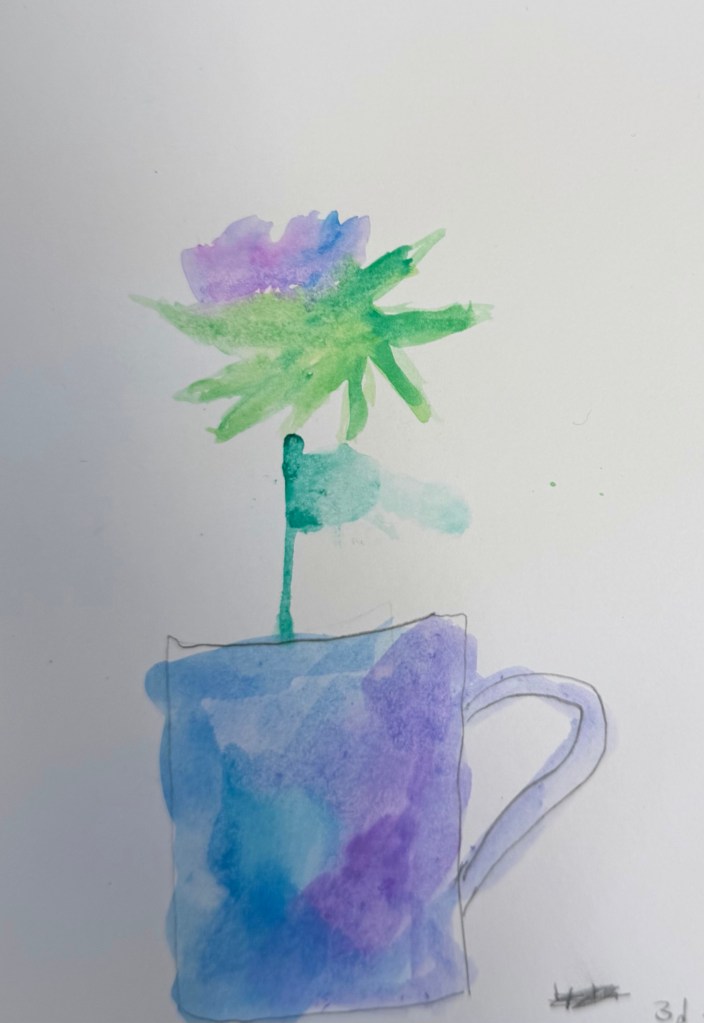
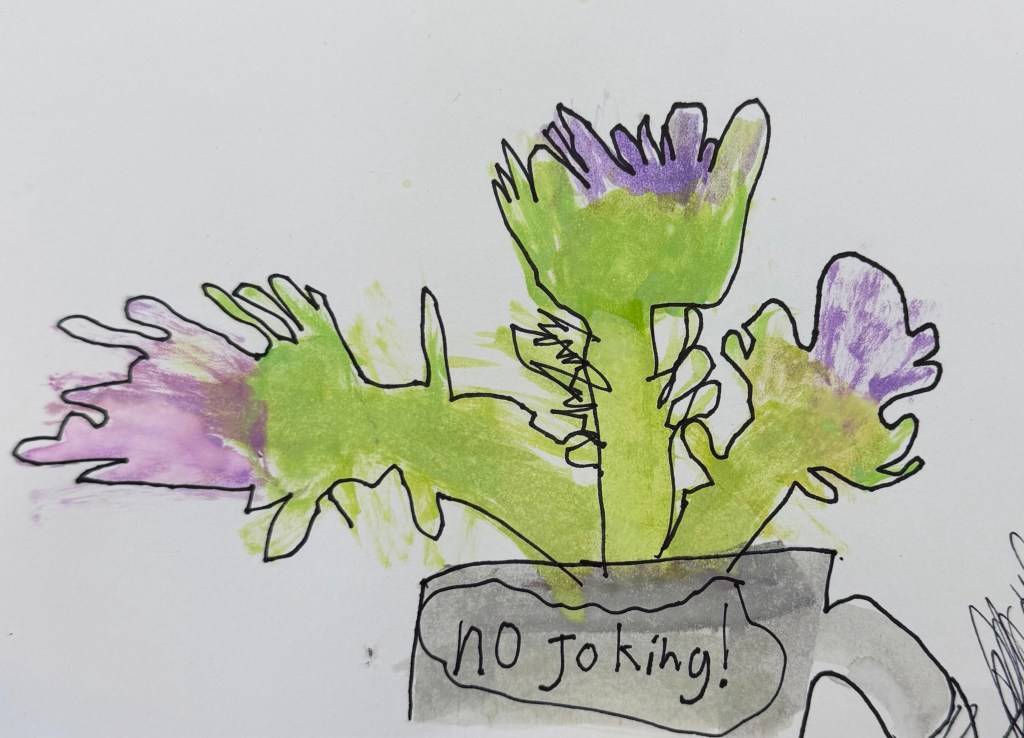
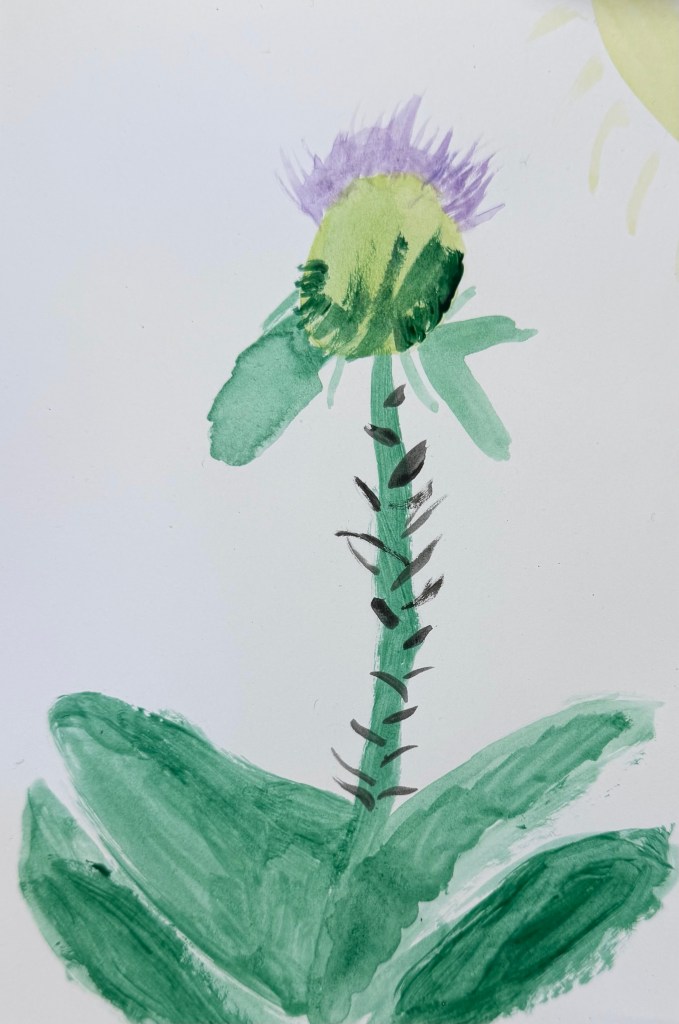
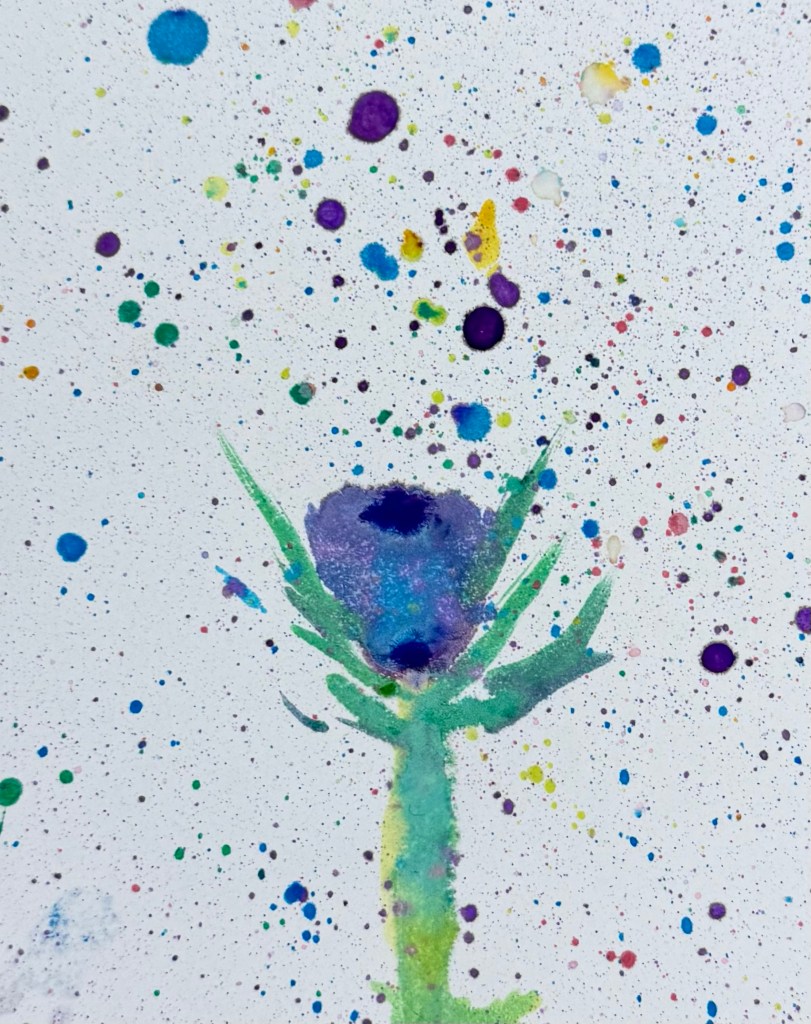
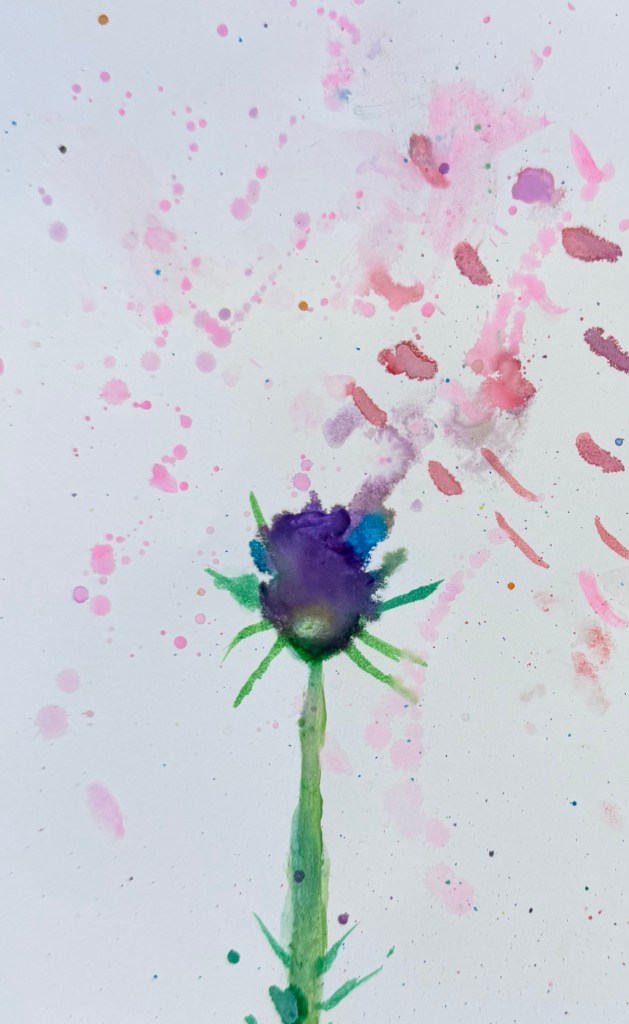
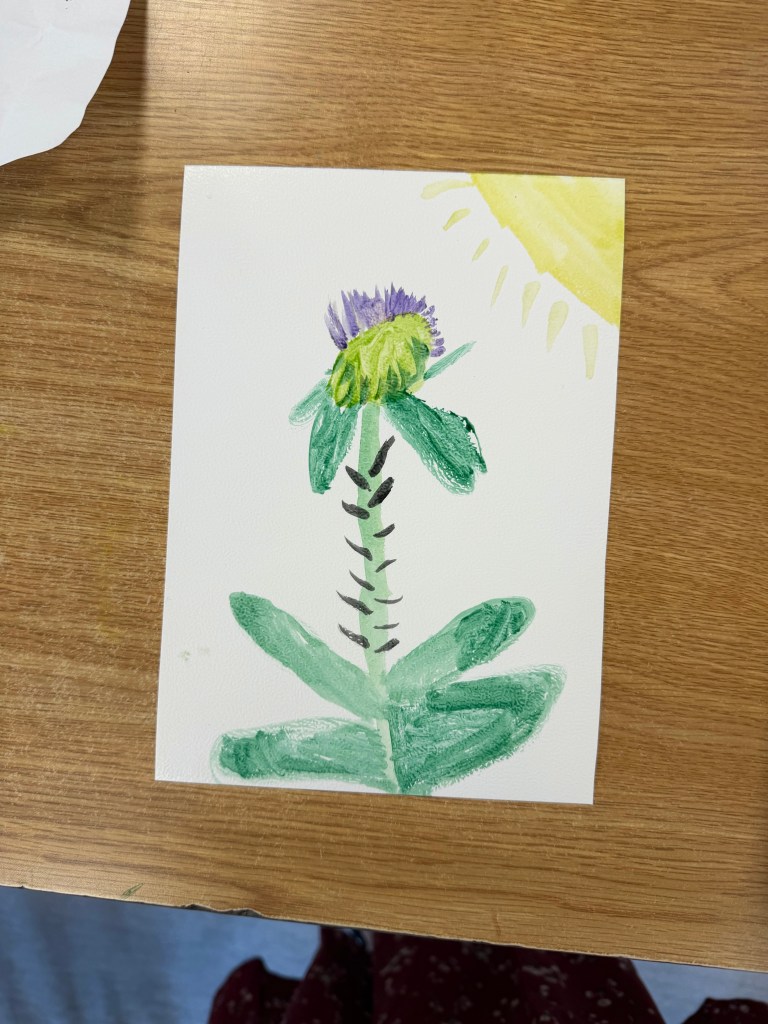
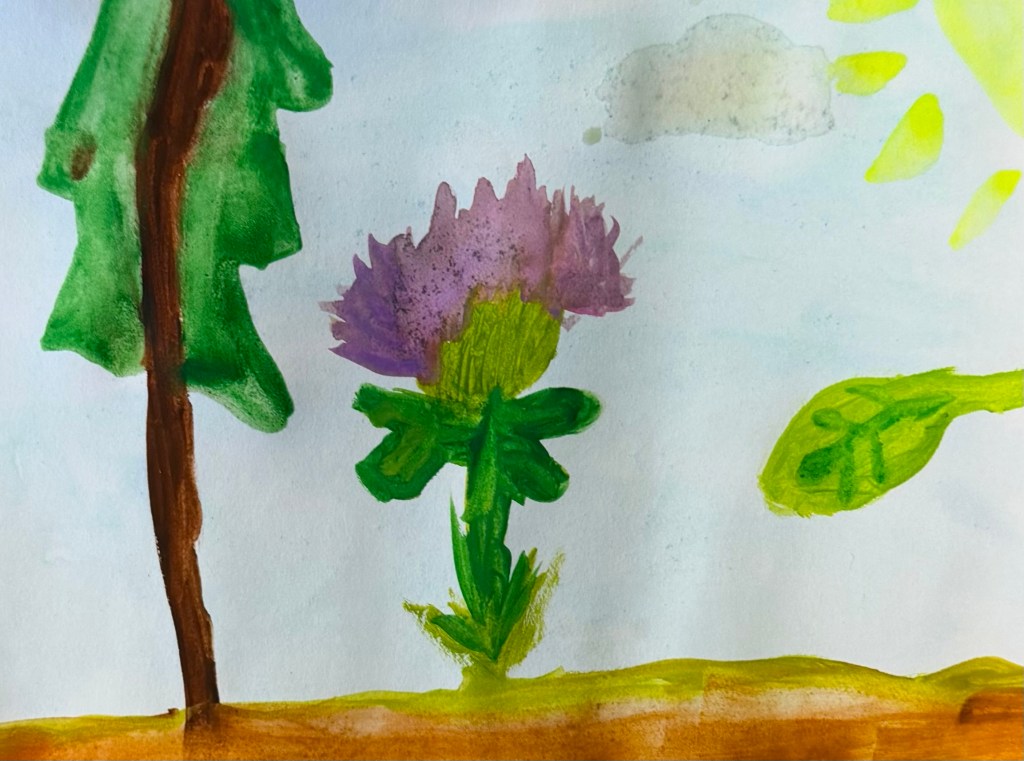
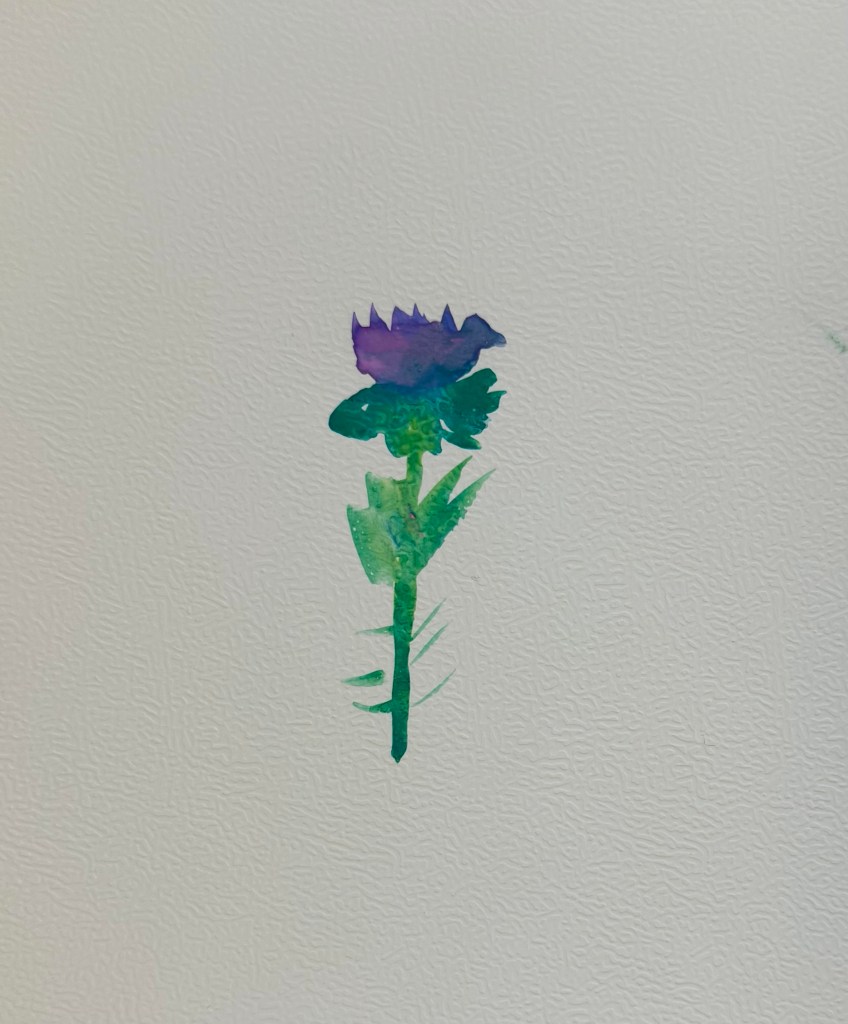
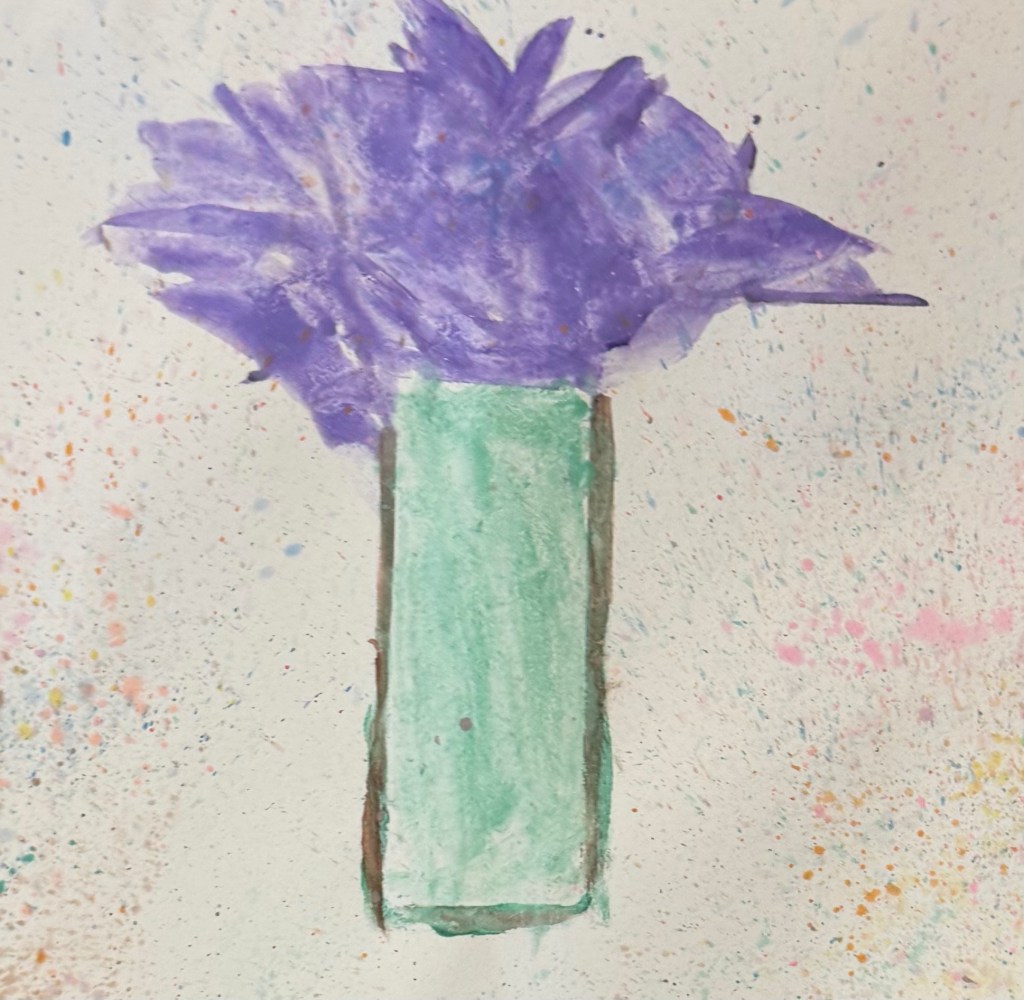
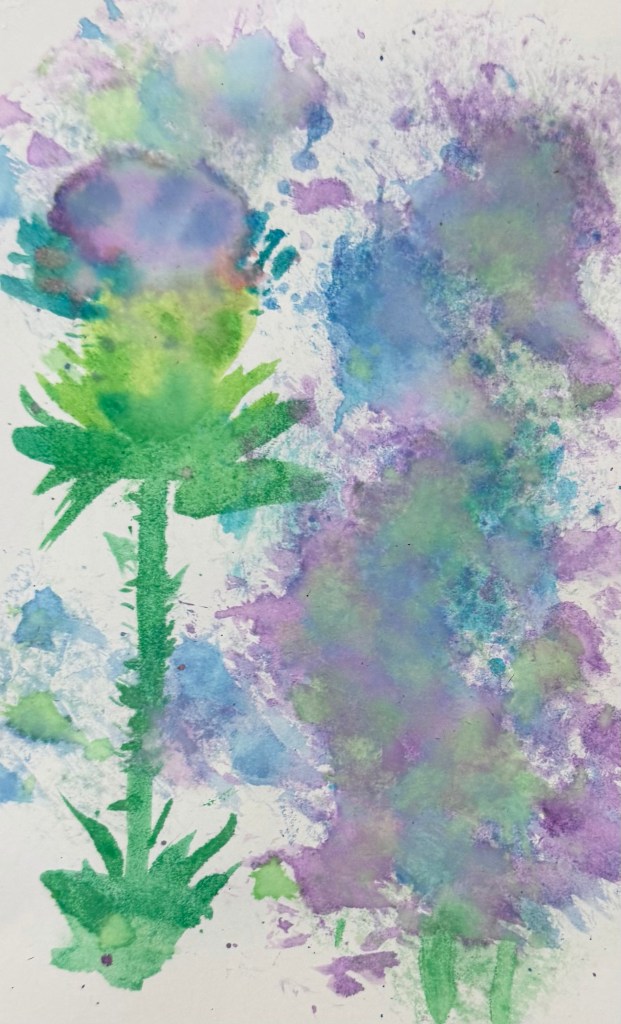
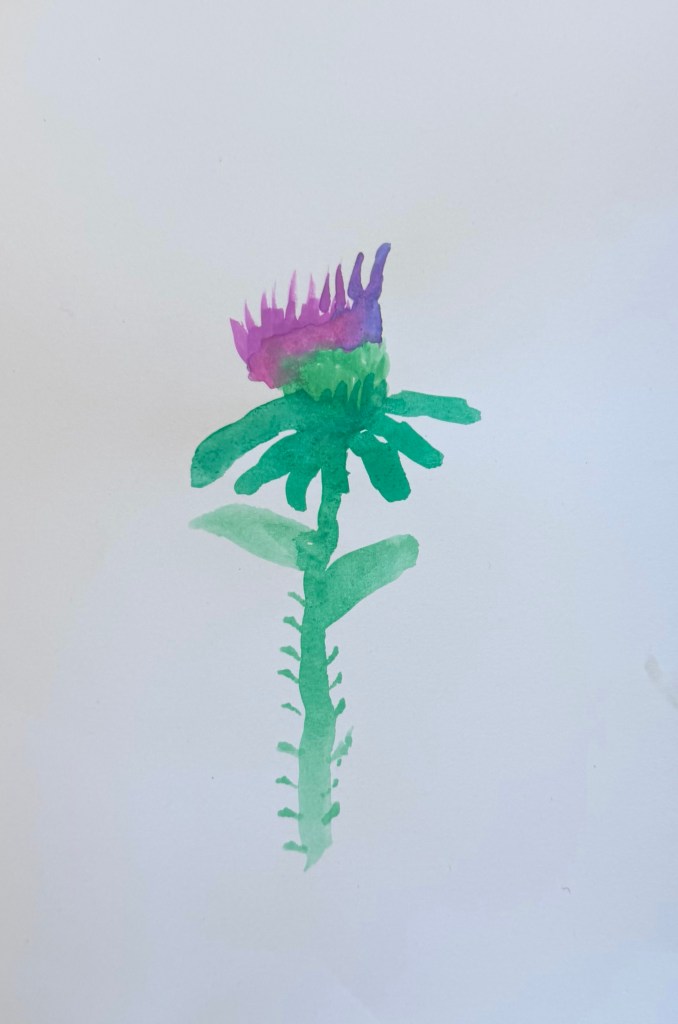
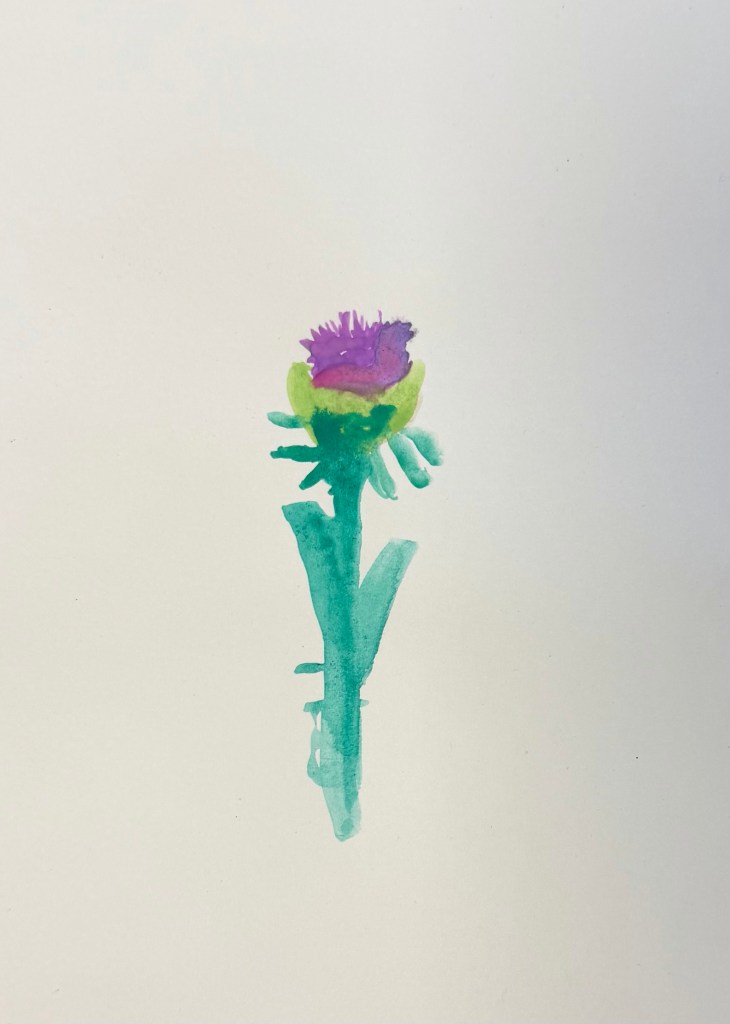
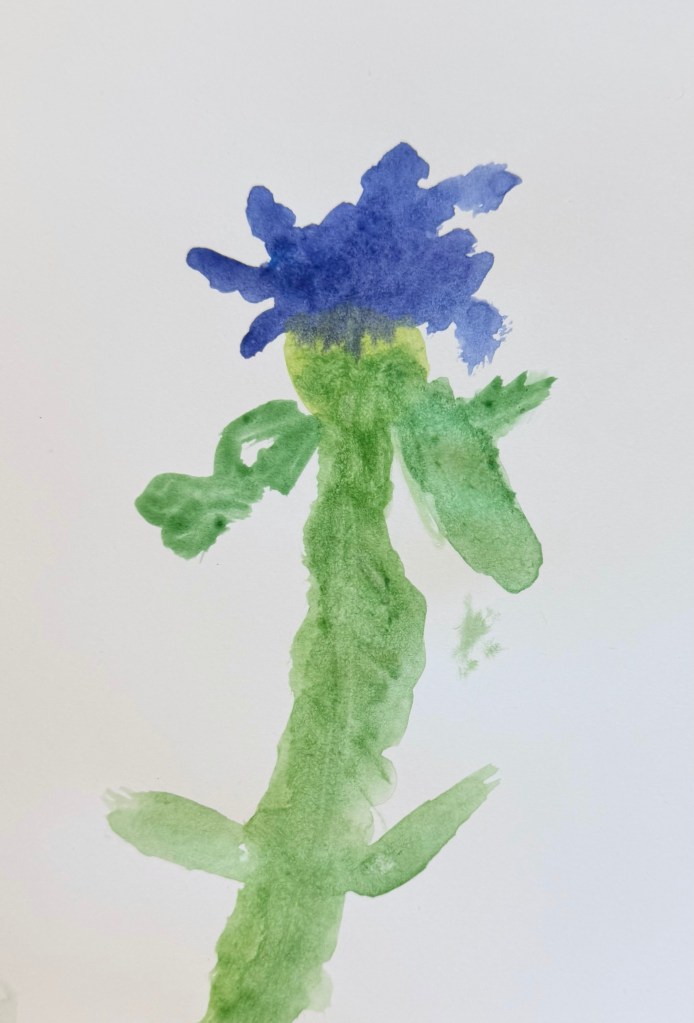
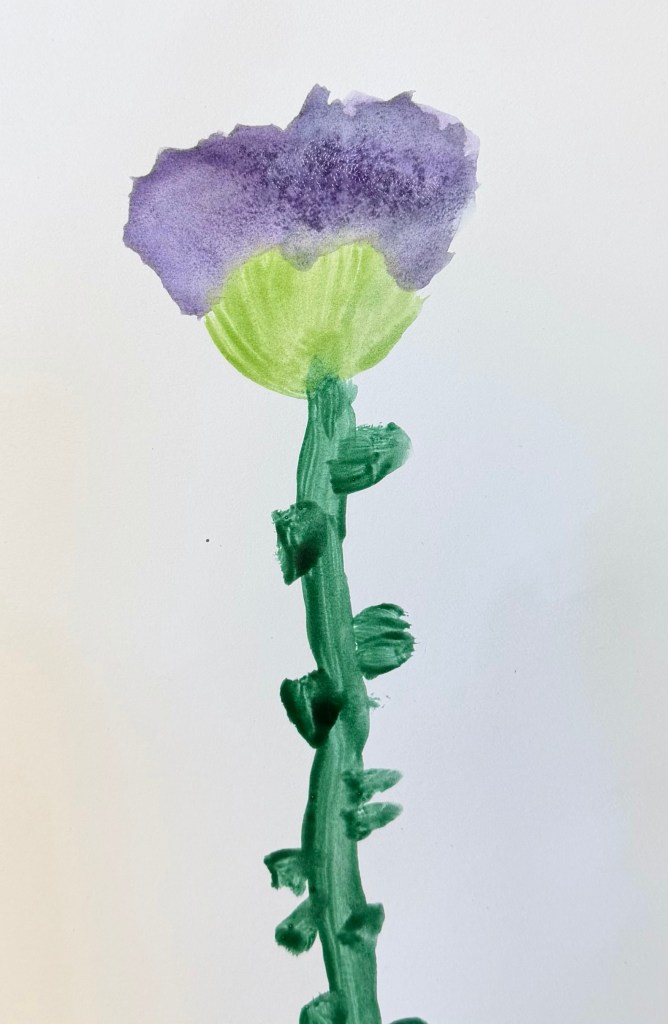
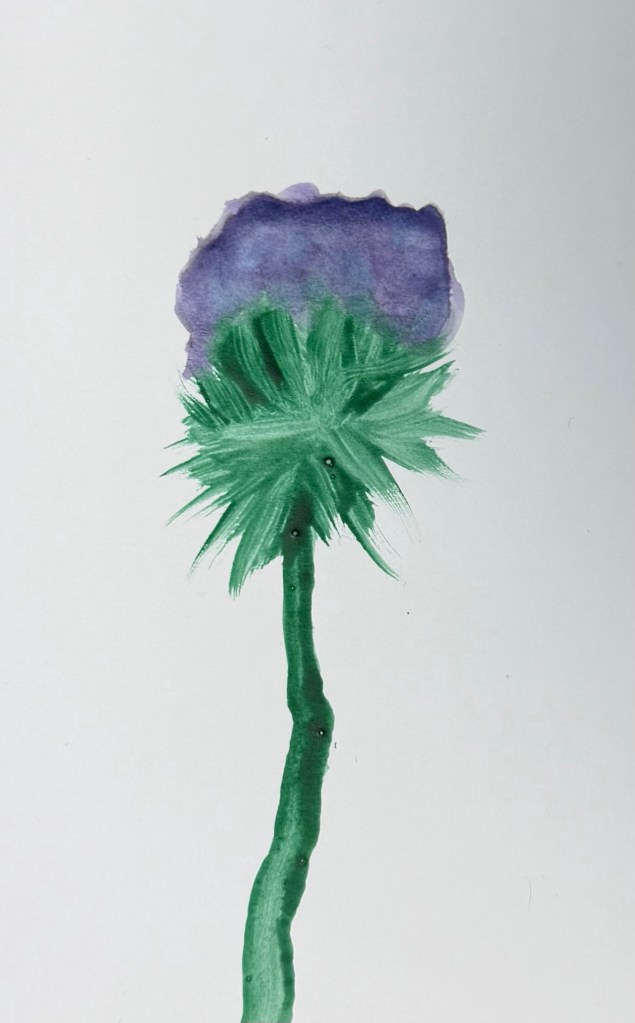
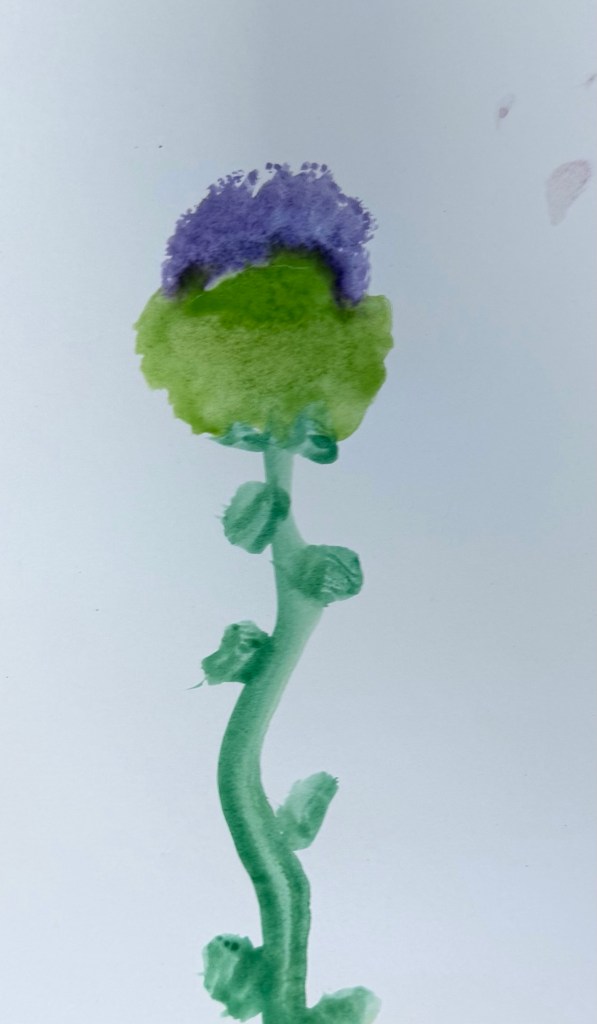
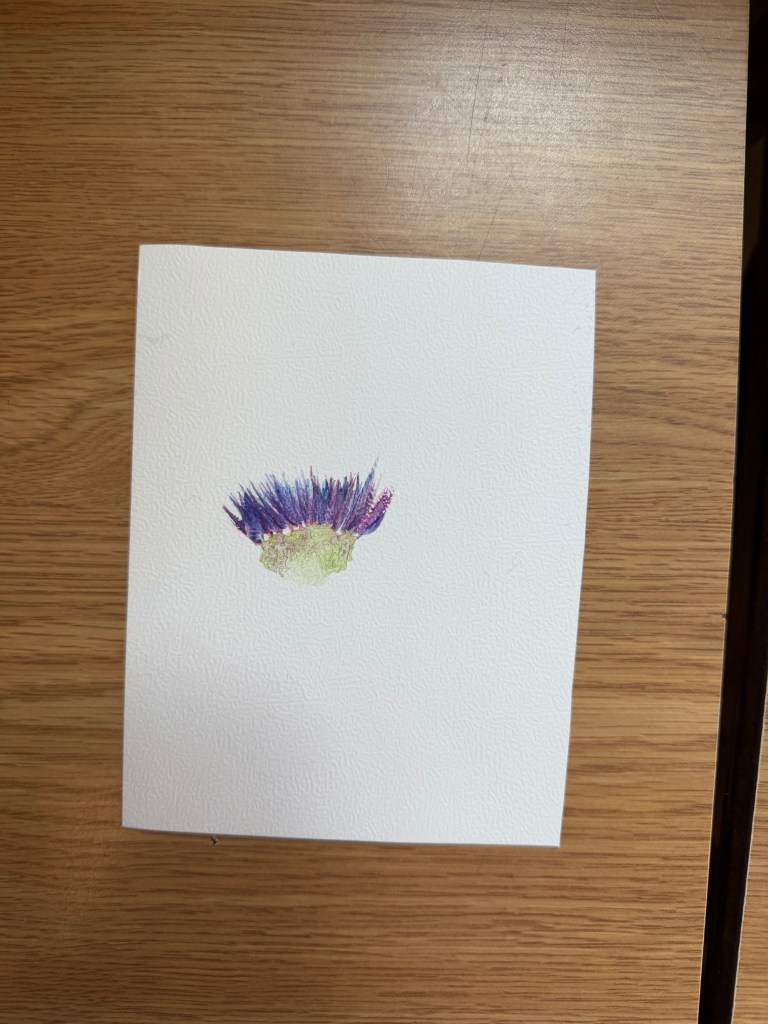
We can uncover fascinating stories hidden within God’s creation—even in a spiky plant growing beside our classroom.
“How many are your works, LORD! In wisdom you made them all; the earth is full of your creatures.”
— Psalm 104:24
Further Research: Here is more scientific information about the use of milk thistle: https://pmc.ncbi.nlm.nih.gov/articles/PMC7140758/

