We have wrapped up term 2, and report card will be sent home next week. Congratulations to all learners and families on your hard work!
Personal Interest Projects…
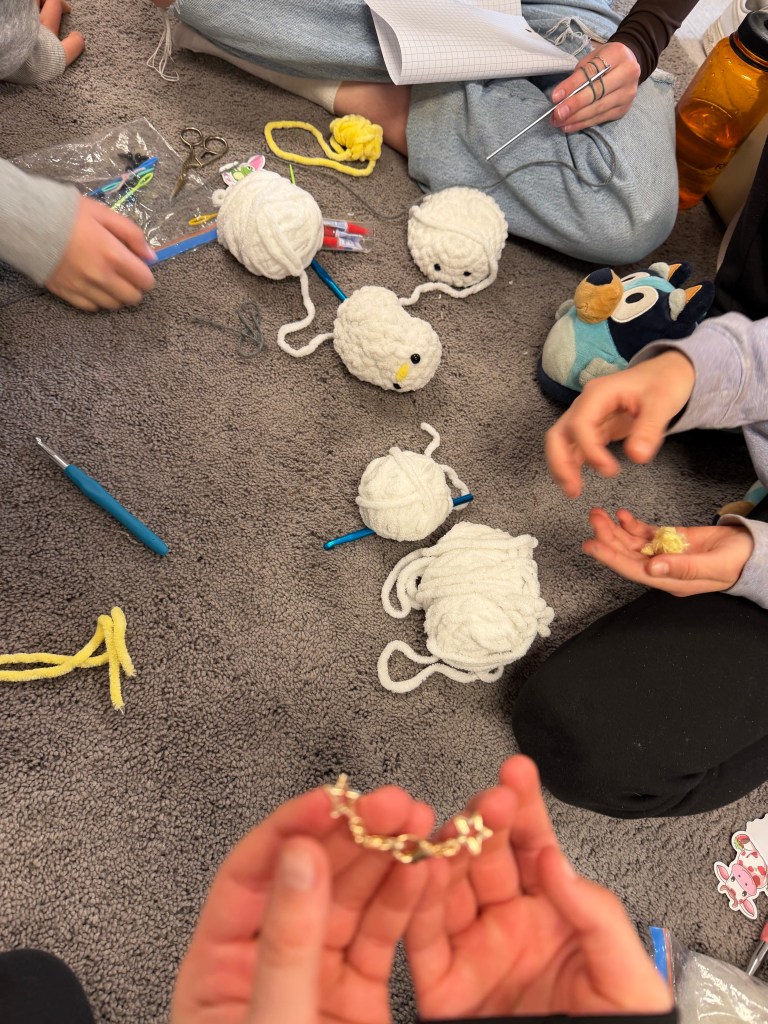
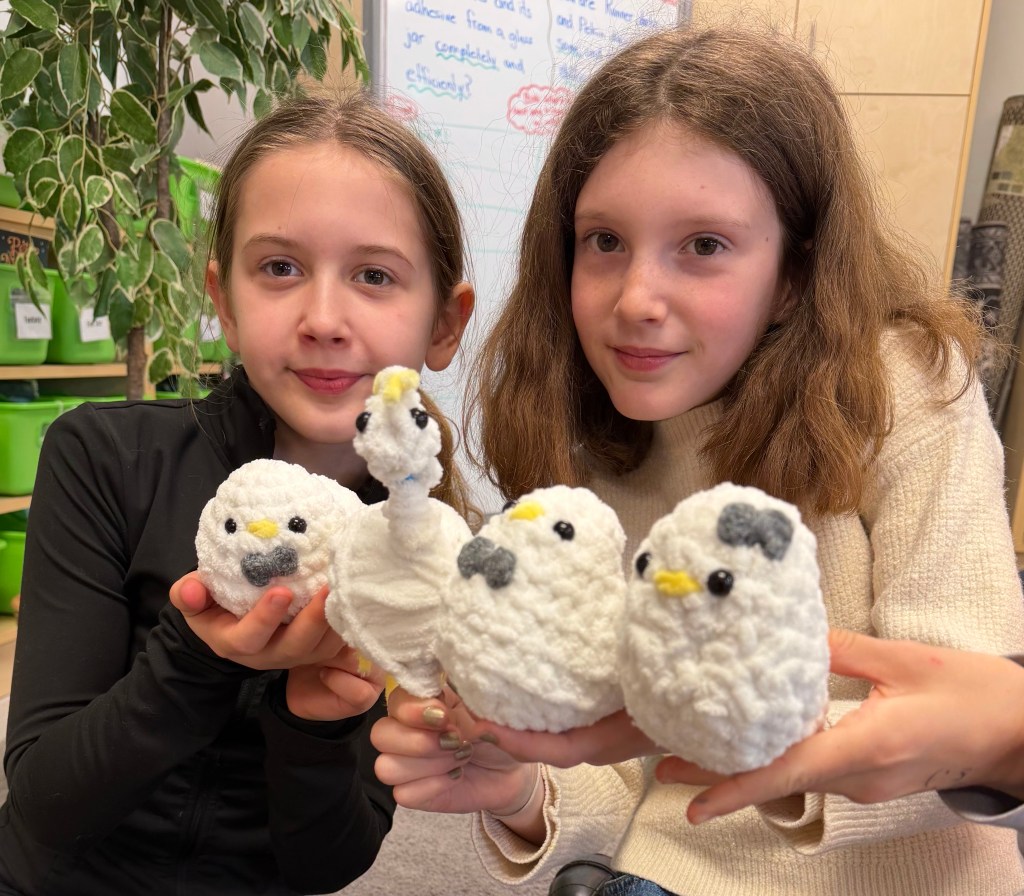
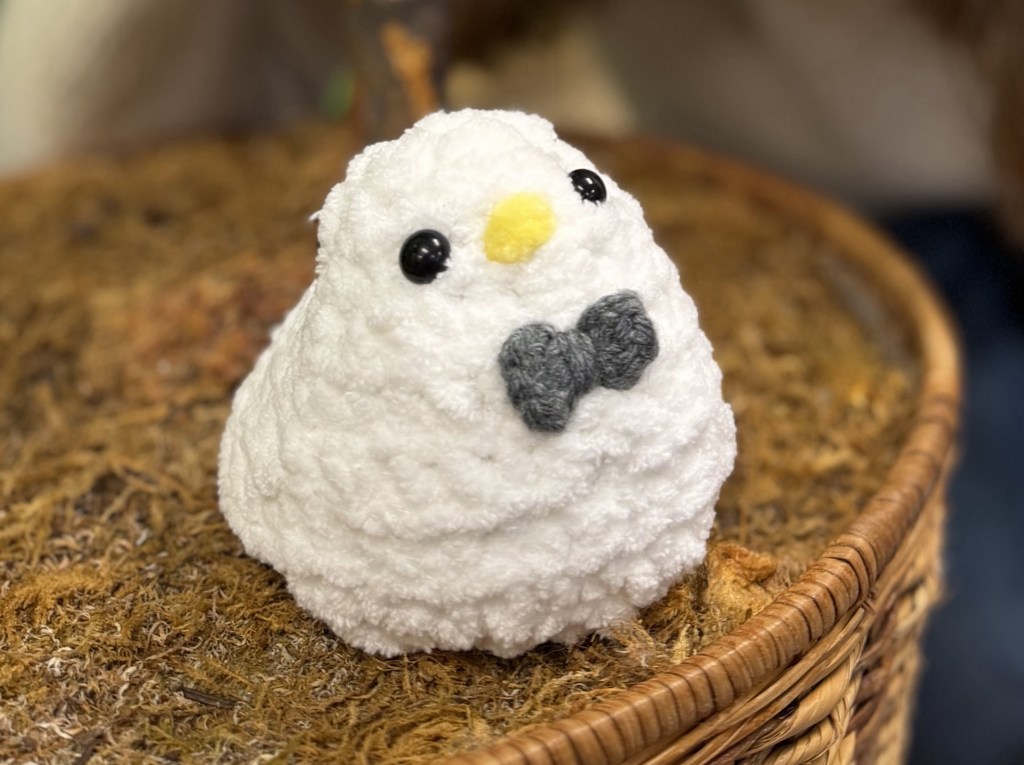
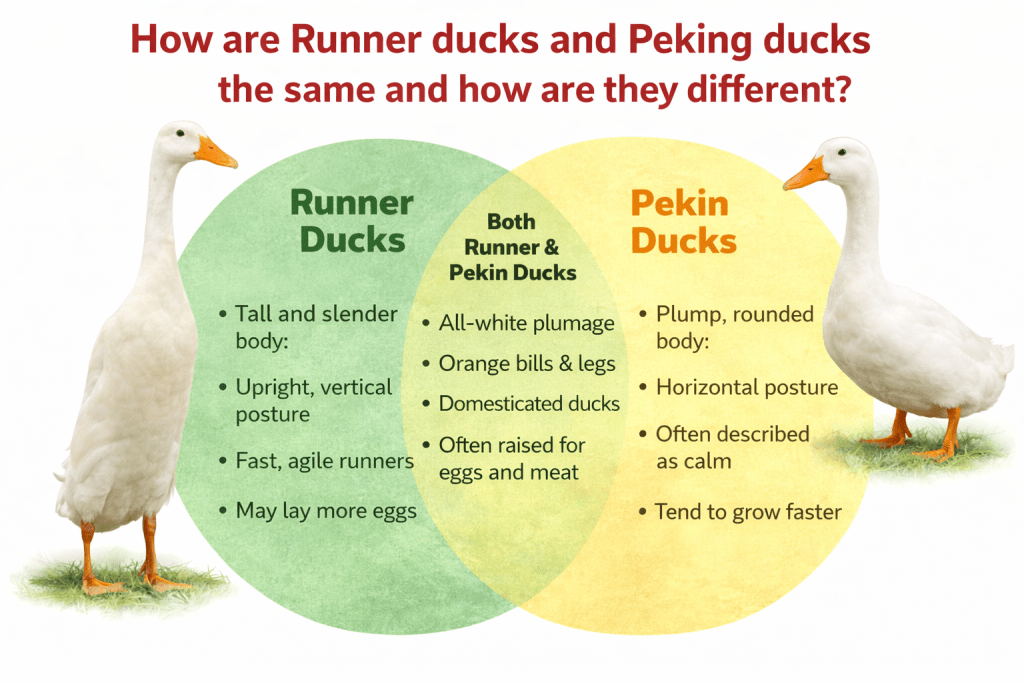
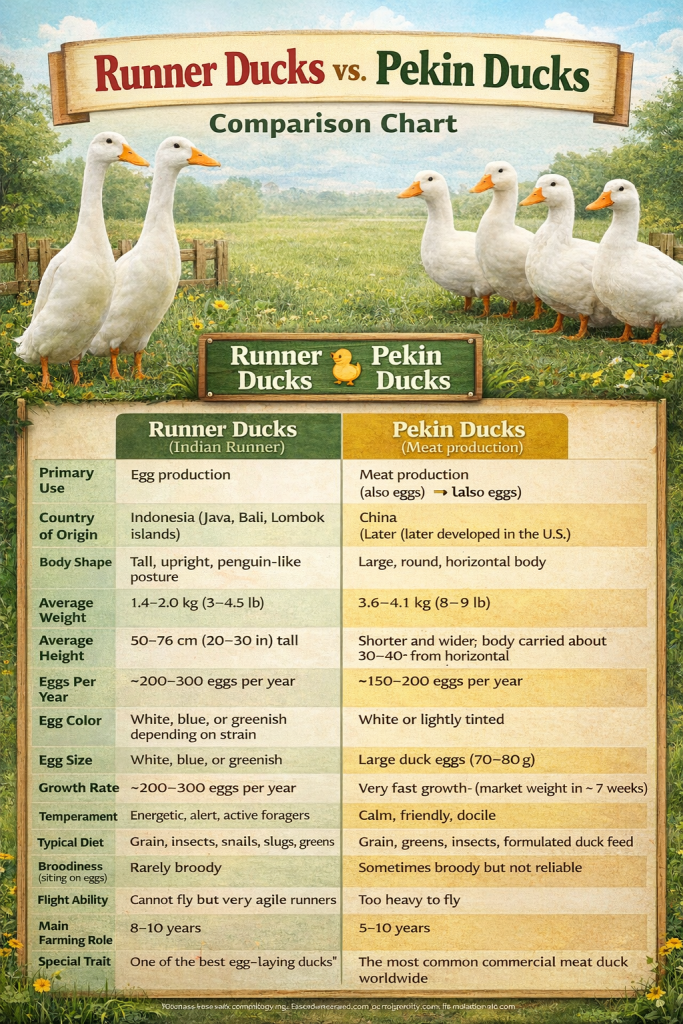
We have such an amazing range of P.I.P.s on the go, including songwriting, novel writing, making a sticker company, sewing, puppet-making, comic books, clay sculpture, and planning a profitable lemonade stand. We also have some wonderful crochet animals coming to life including a flock of cute little ducks!
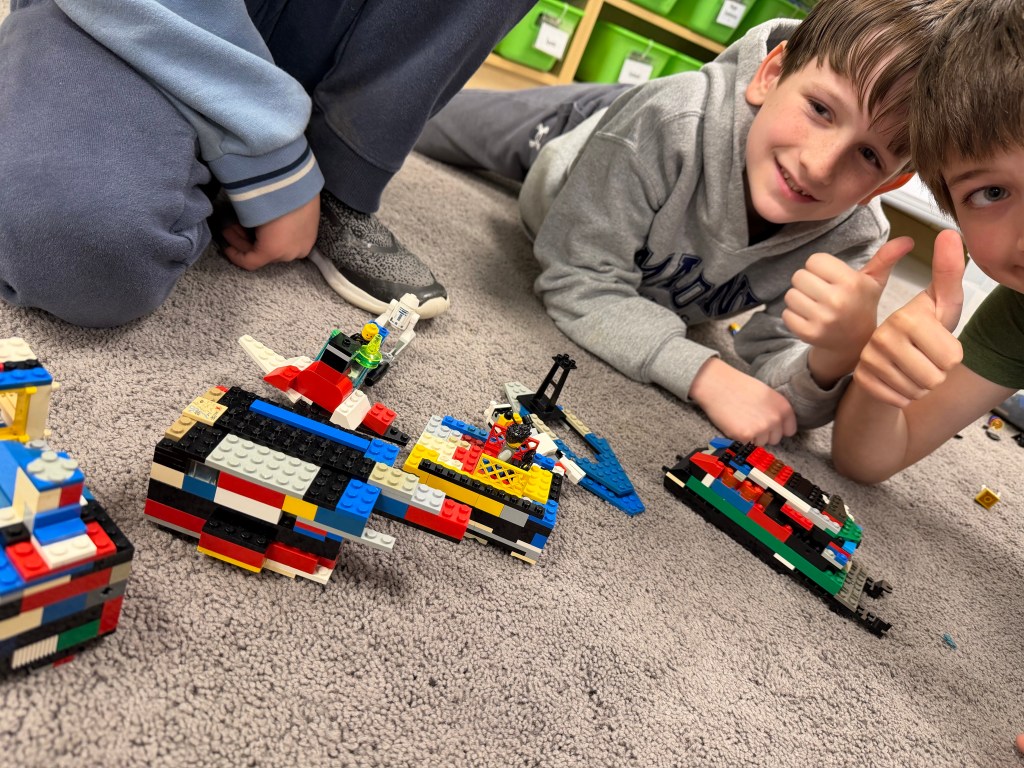
As well, the variety of engineering problems solved with Lego keeps growing.
In Math…
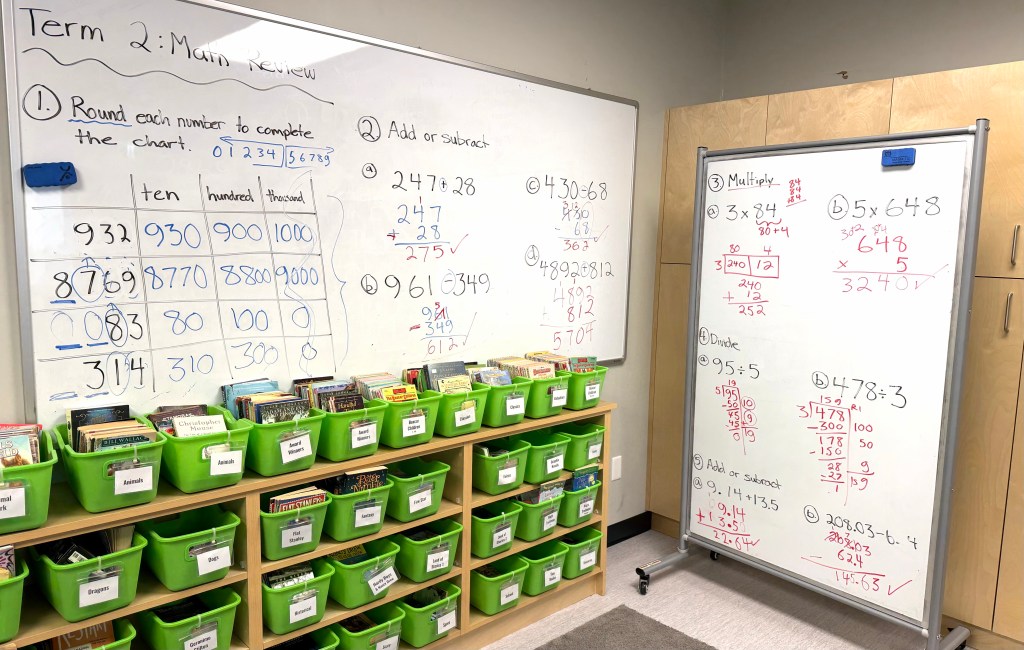
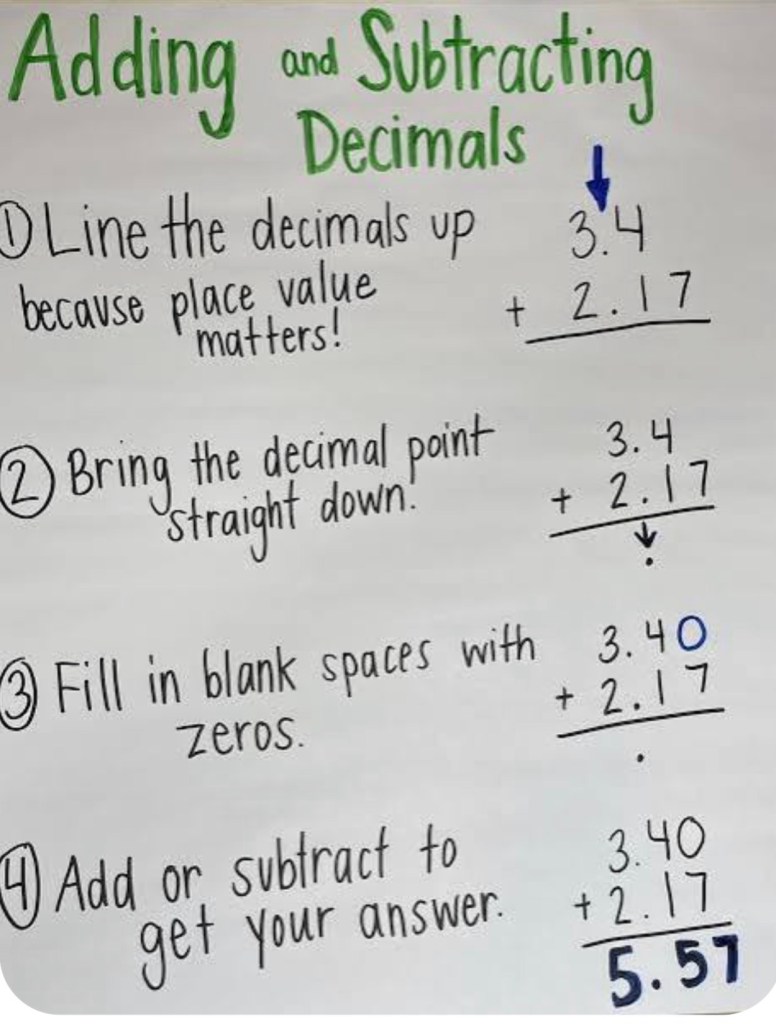
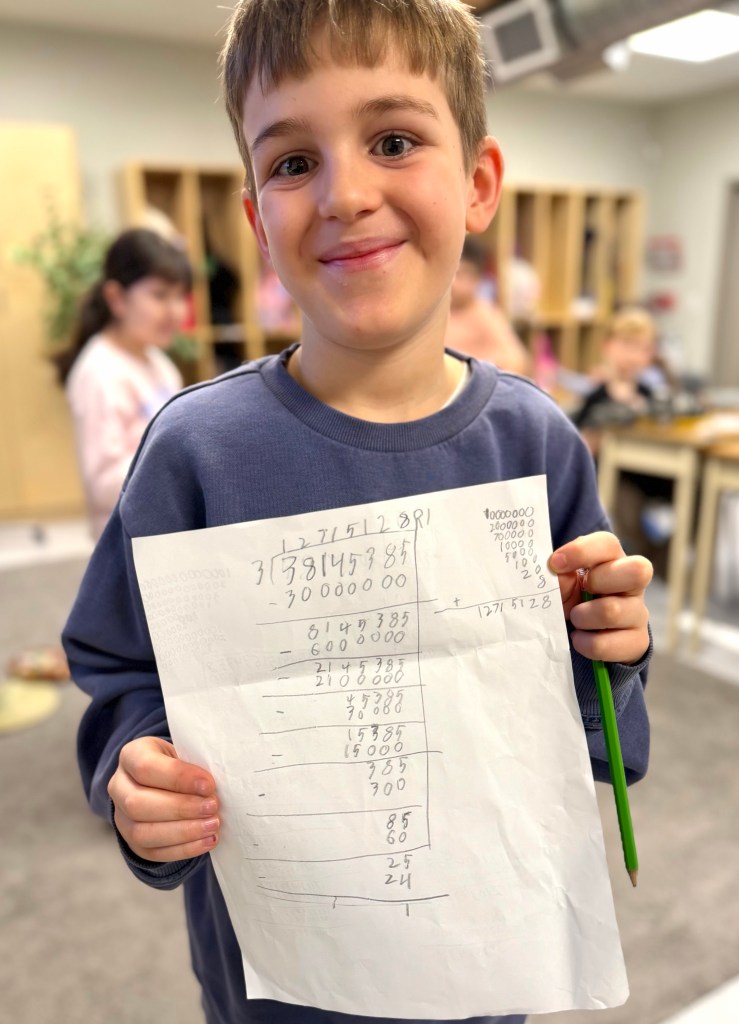
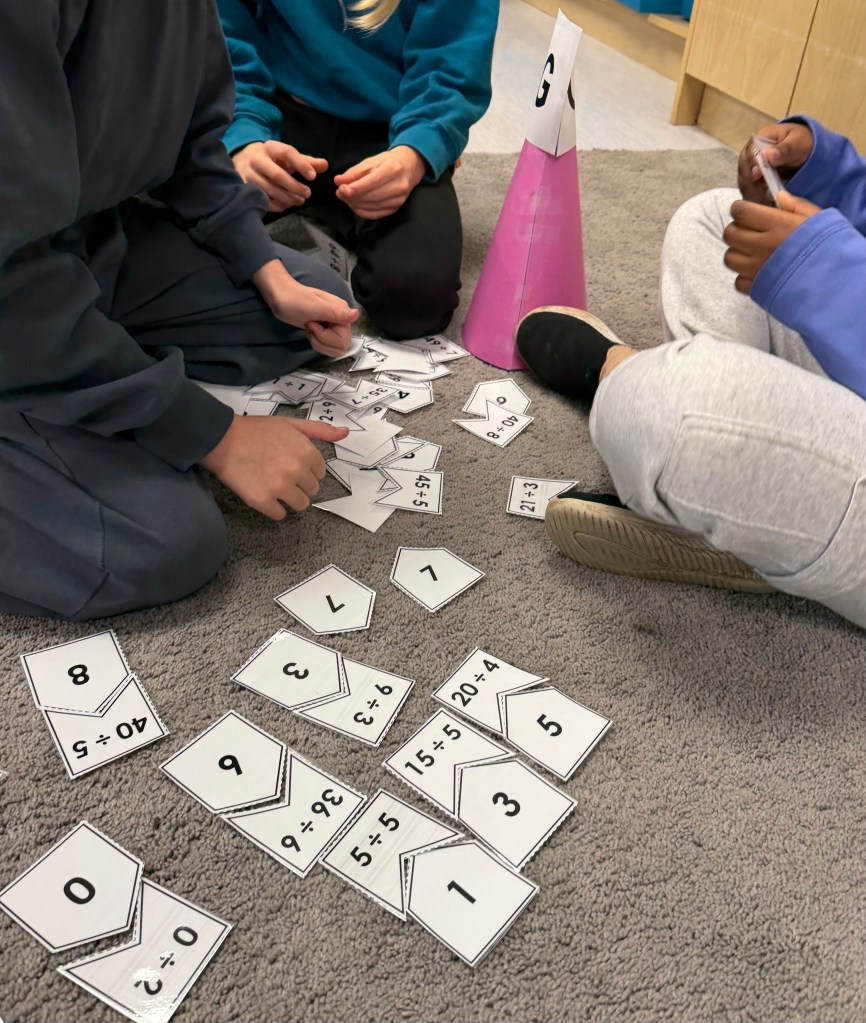
This week we are continuing our review of core Term 2 concepts, with a special focus on division and adding and subtracting decimals.
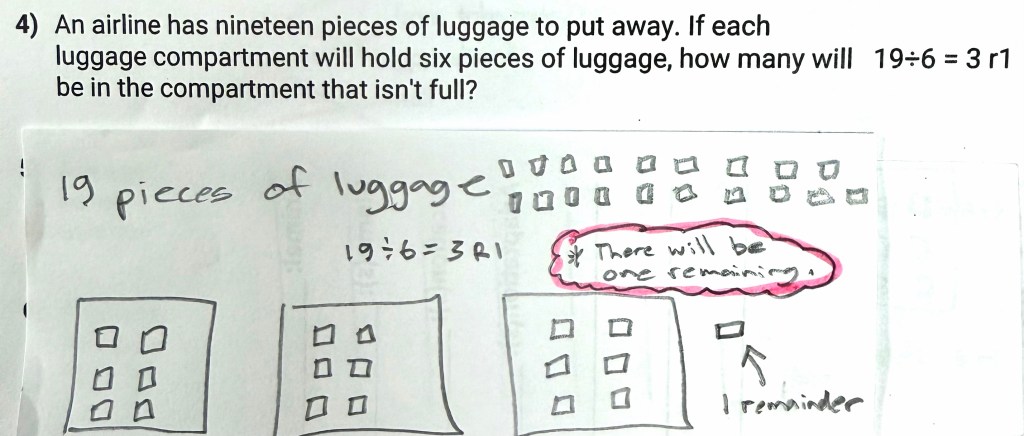
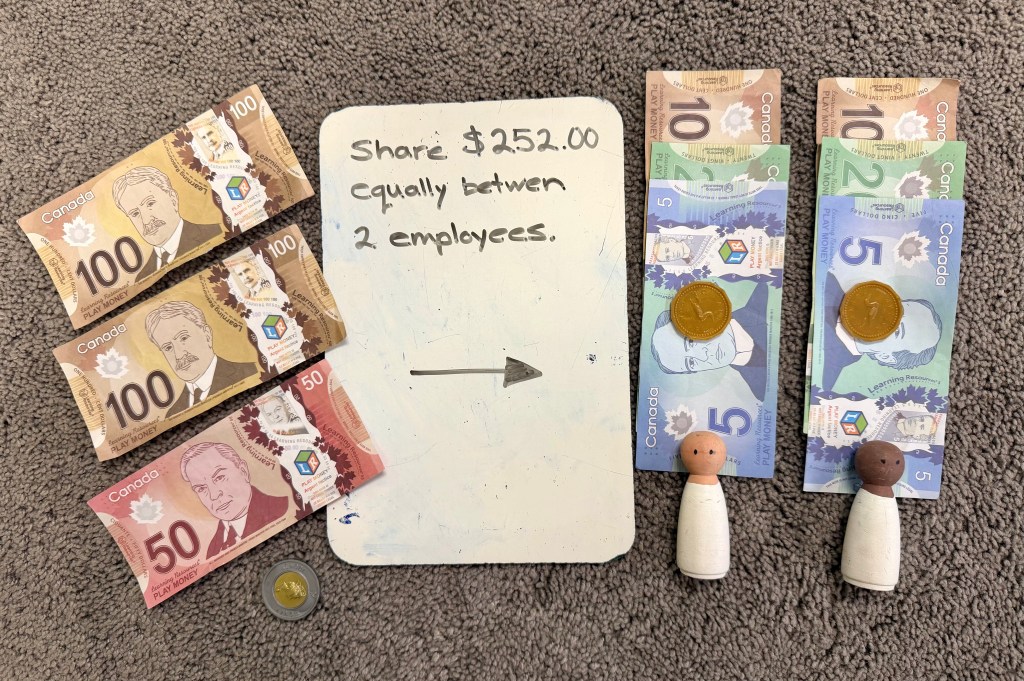
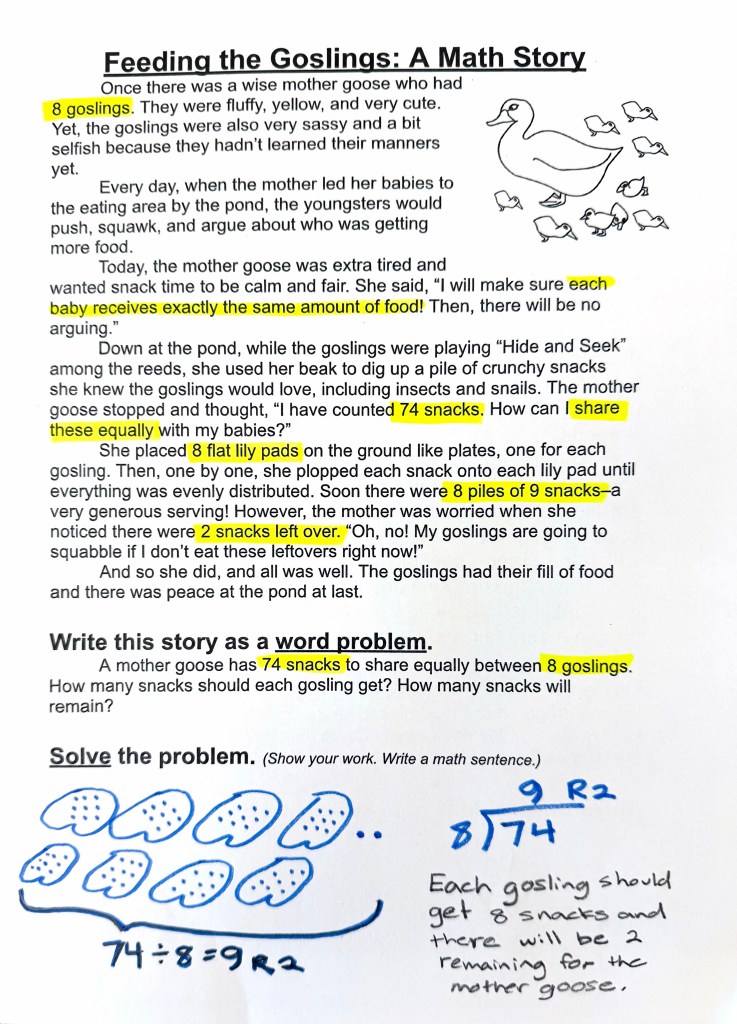
Today we also worked on strengthening our word-problem comprehension skills. Students practiced reading carefully for understanding and drawing pictures to help make sense of the questions before solving them.
The Learning Coat Project…
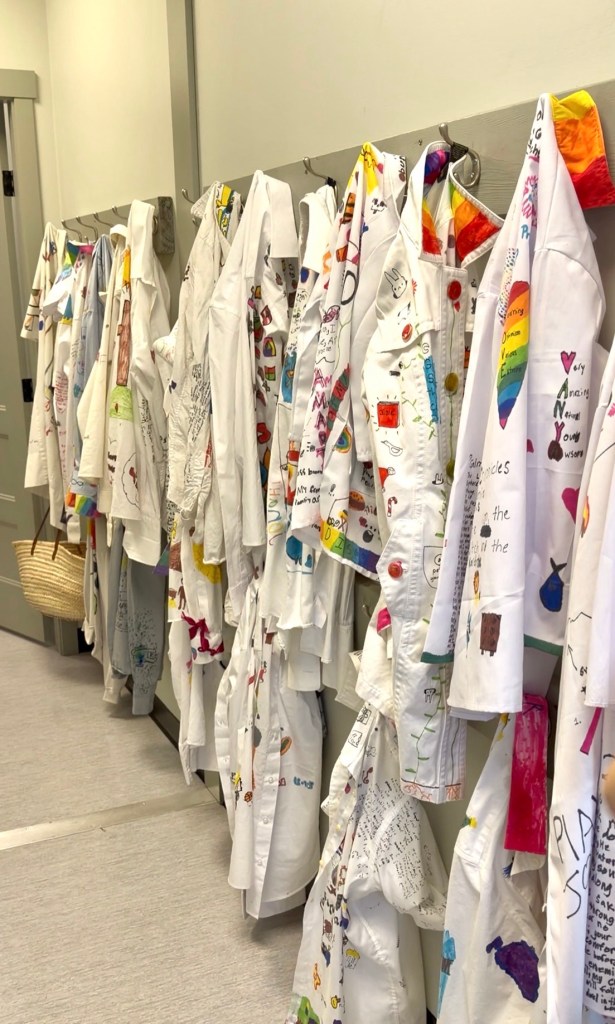
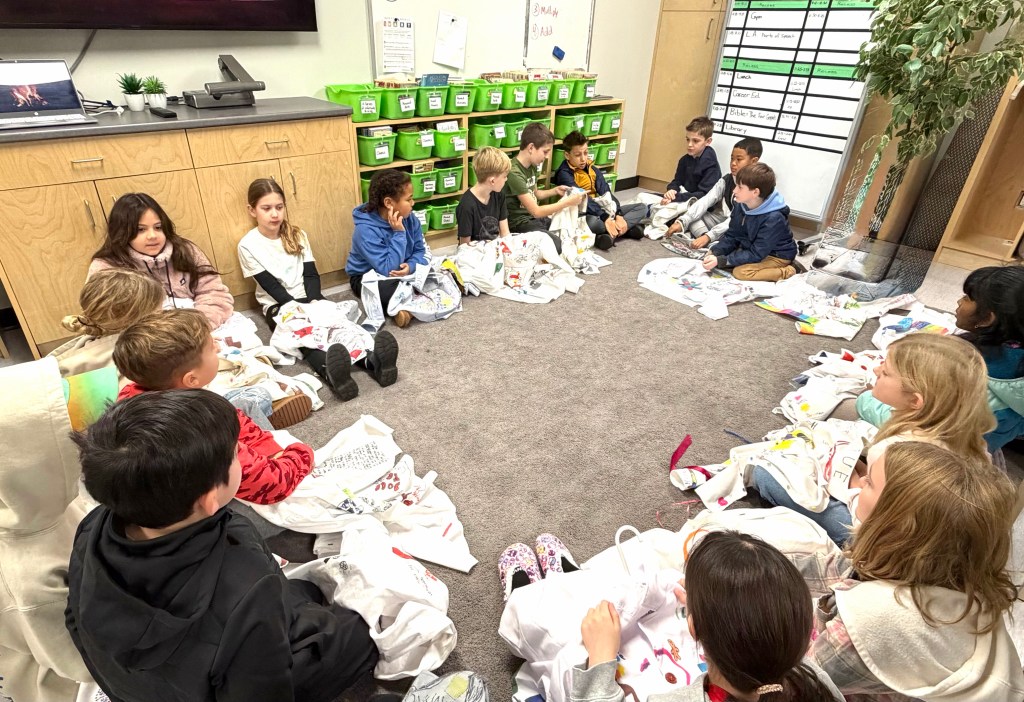
The detail, symbolism, and l rainbow of colours growing across the students’ Learning Coats is so very joyful to behold! Ask your child what recent addition he/she has made…
Screenshot
In Language Arts..
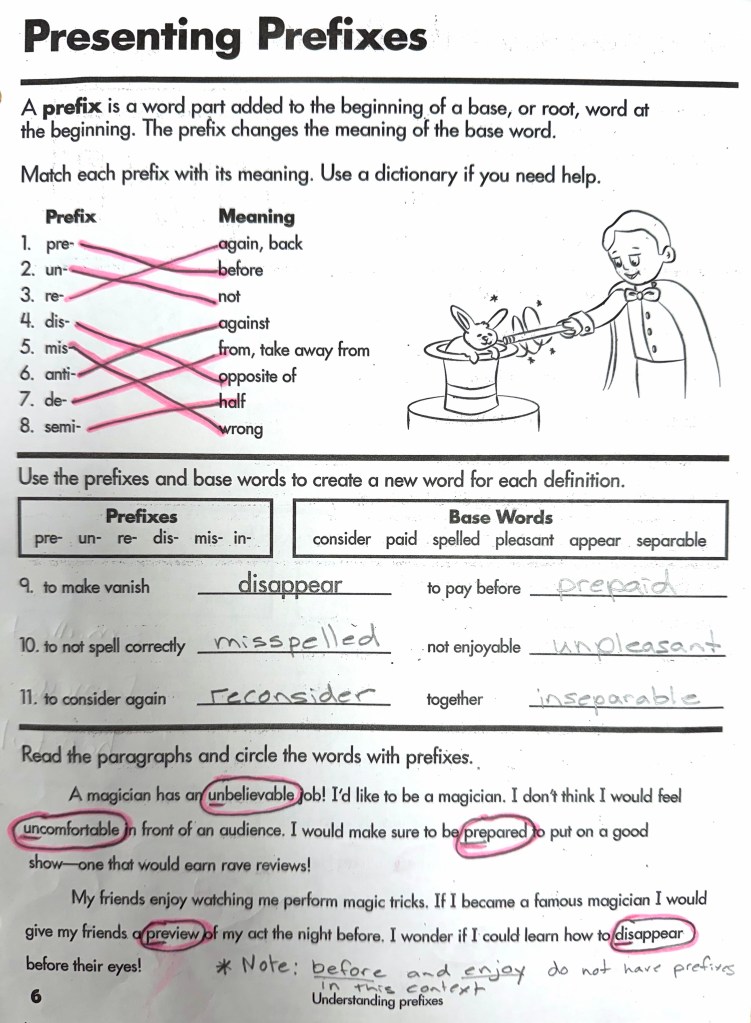
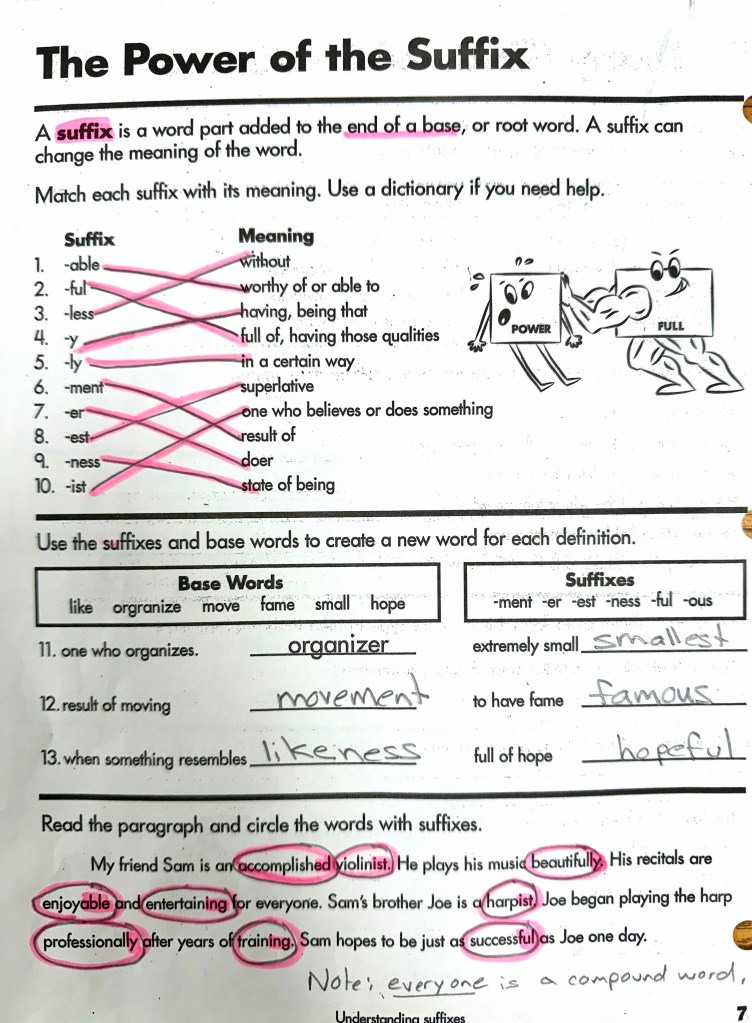
We have returned to studying prefixes and suffixes. Please watch the videos below for a quick review and take a look at the study sheets as well.
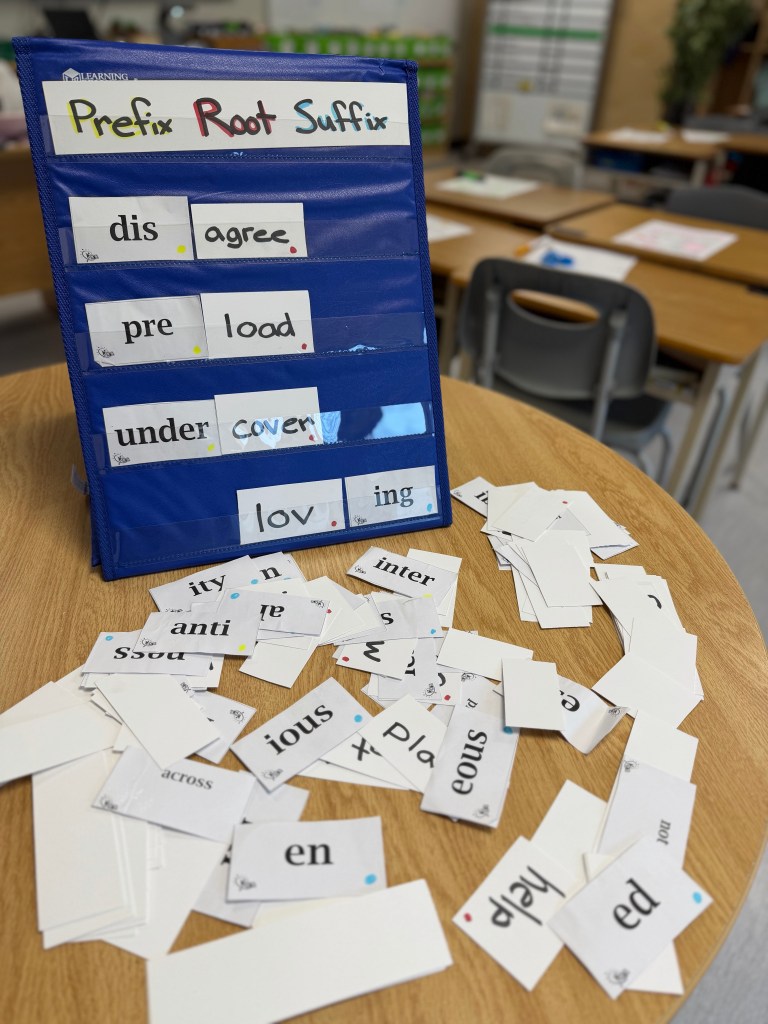
In class, students are also exploring two prefix and suffix literacy centres to help them practice these ideas in a hands-on way.
The English language can sometimes feel mysterious, but there are helpful patterns that show us how words are built. Prefixes and suffixes are important building blocks that help us understand the meaning of words and how they fit together.
In Social Studies…
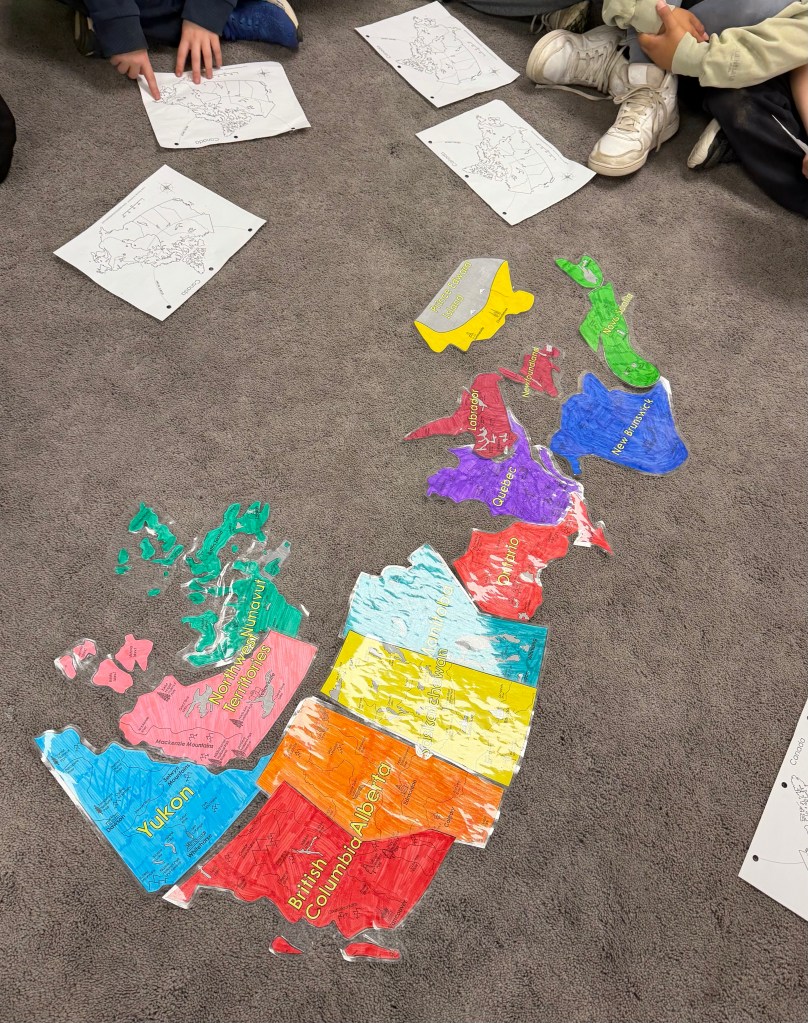
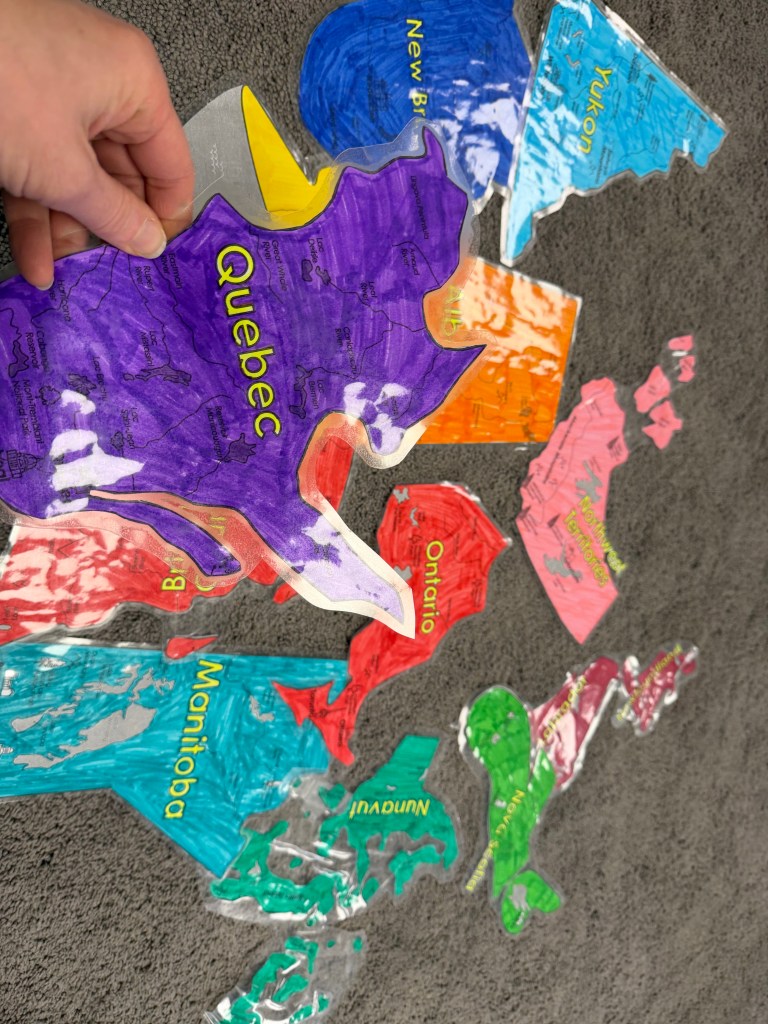
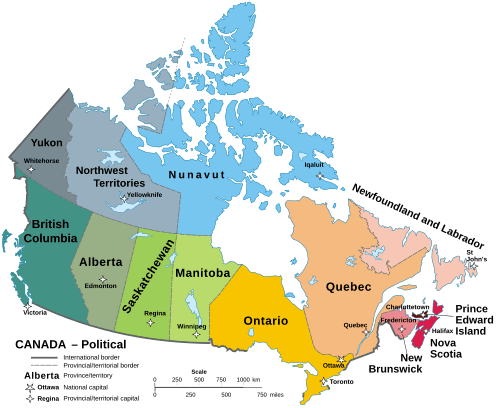
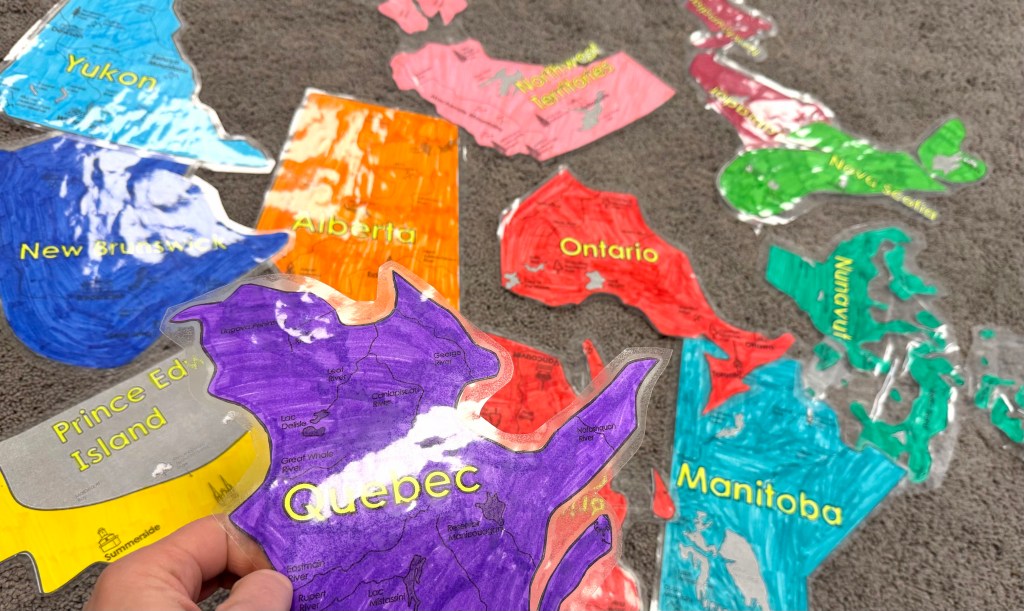
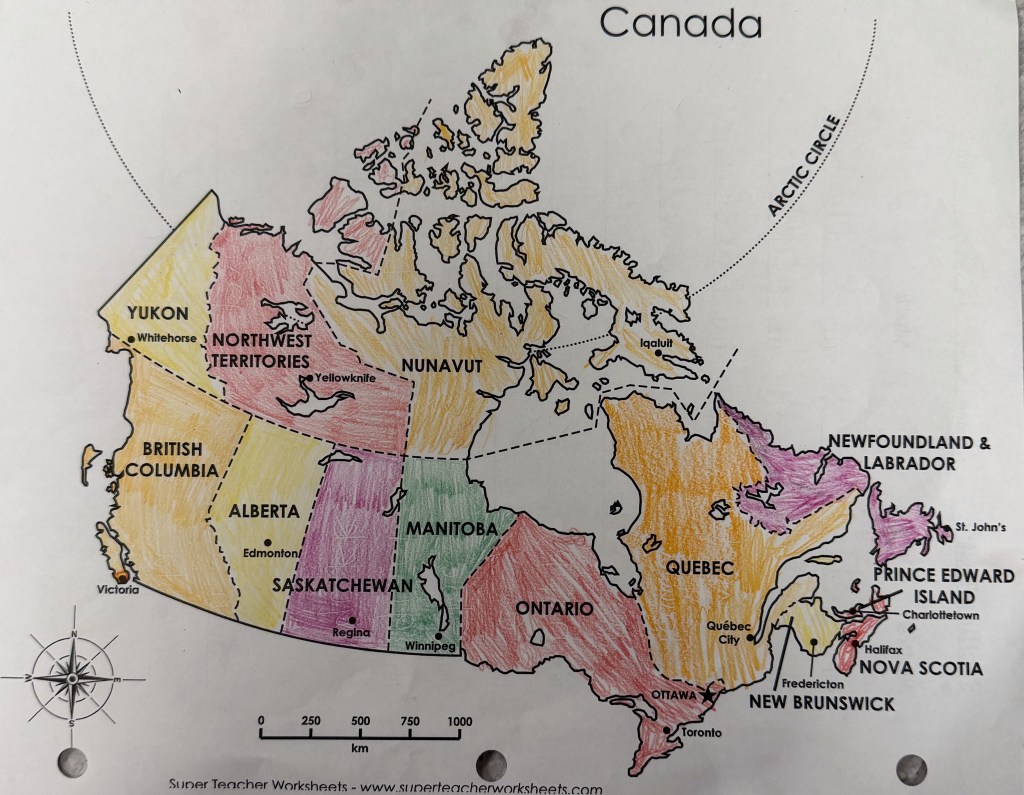
We have been focussing on the map of Canada, learning the locations of the provinces and territories and learning their capitals. Here is a link to an online game that can help reinforce this learning: https://world-geography-games.com/en/americas_canada.html
In Science…
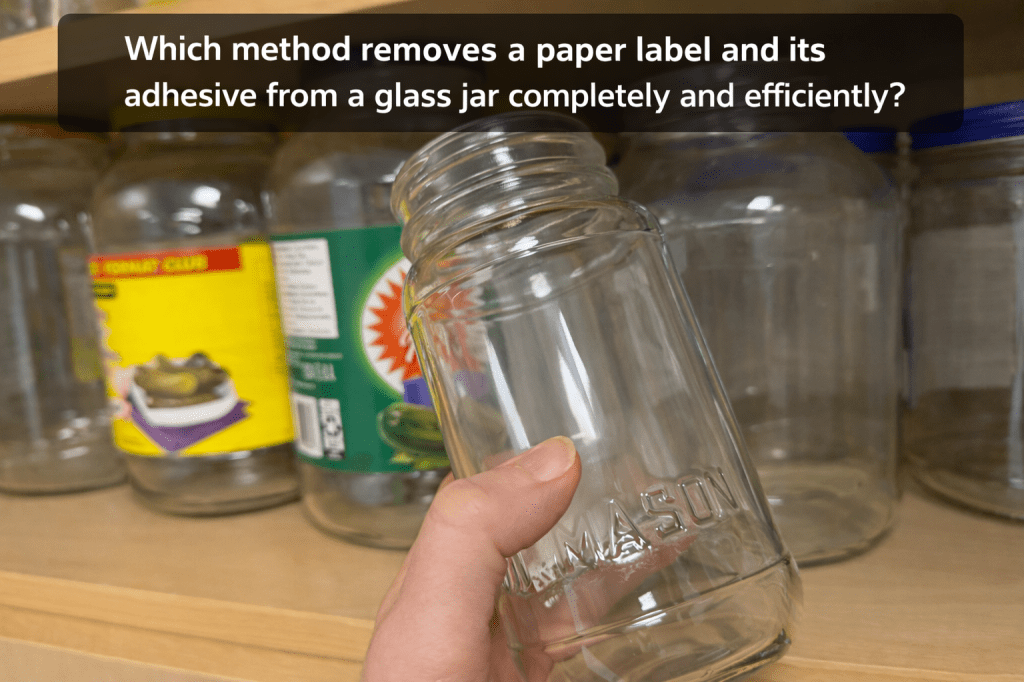
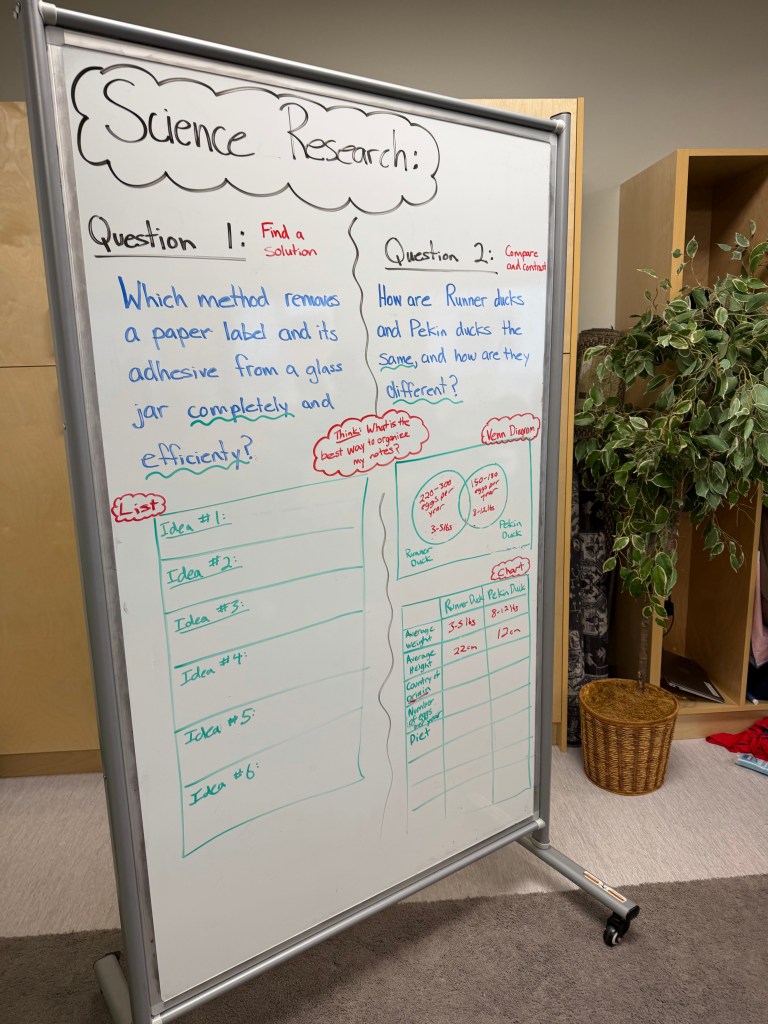
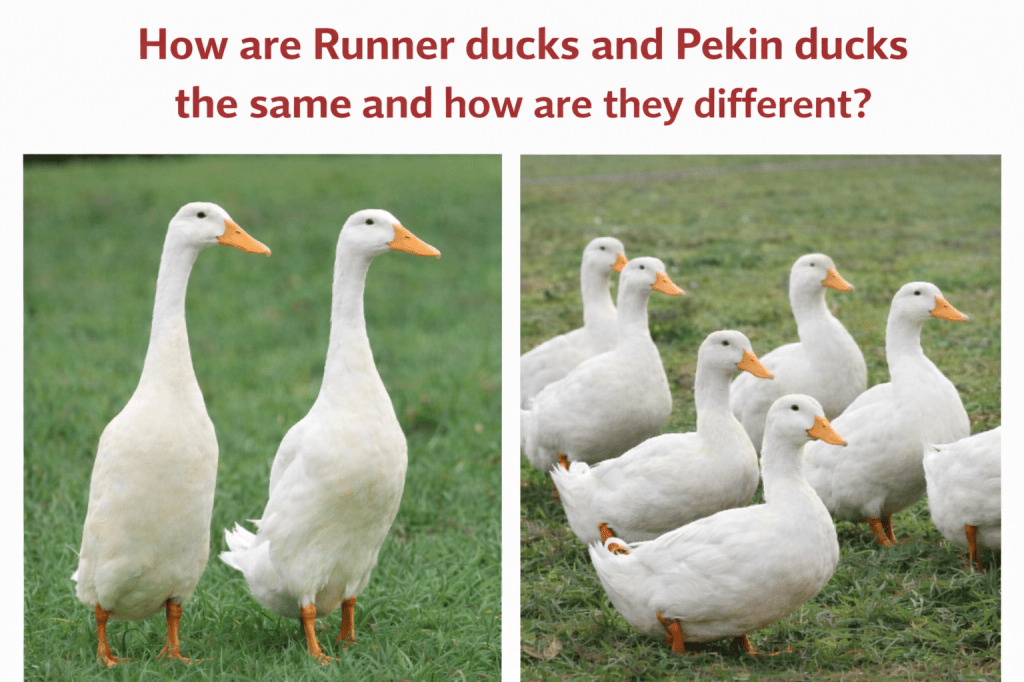
In Science class, we have been continuing to build our research skills. Last term, students learned and practiced summarizing longer pieces of information into short, meaningful bullet-point notes based keywords to help strengthen comprehension and remember key ideas.
This week, we explored additional note-taking strategies for organizing different kinds of information, including tables, charts, Venn diagrams, flowcharts, and idea boxes.
Learning to interact with information in these ways helps students process scientific ideas more deeply. The next step will be using these notes as a foundation for developing thoughtful scientific questions and designing simple research investigations.
In Crew…
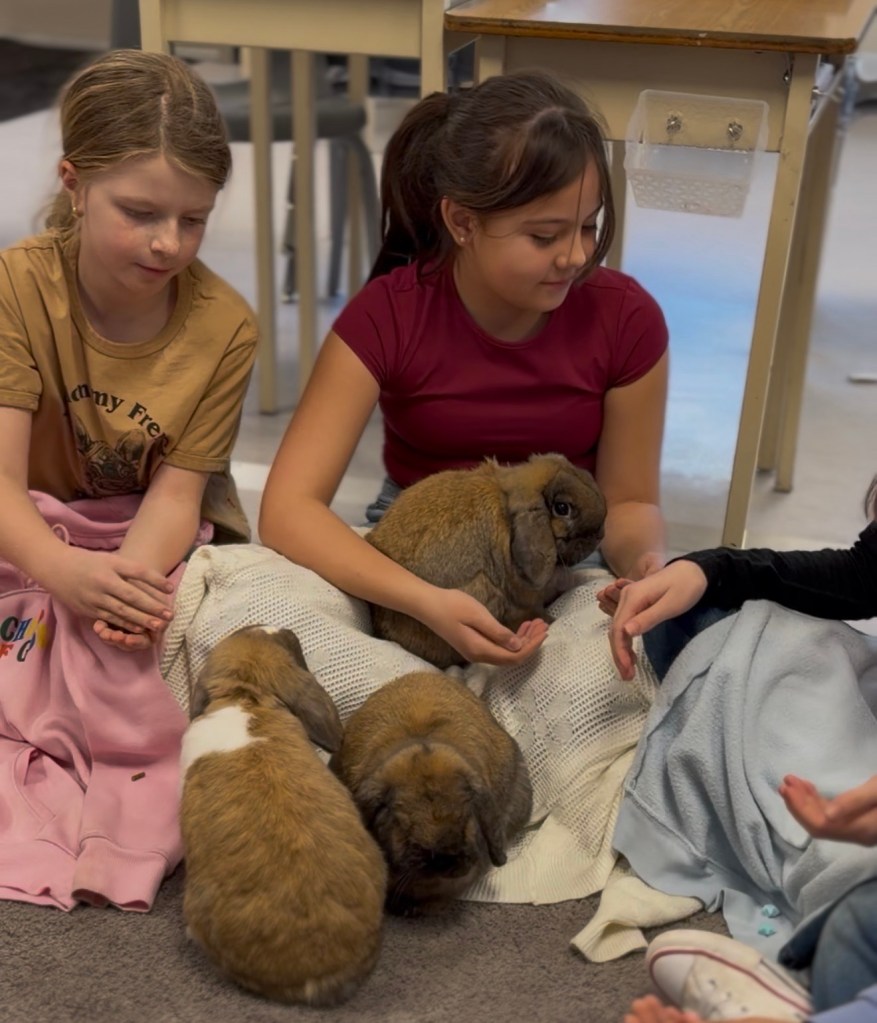
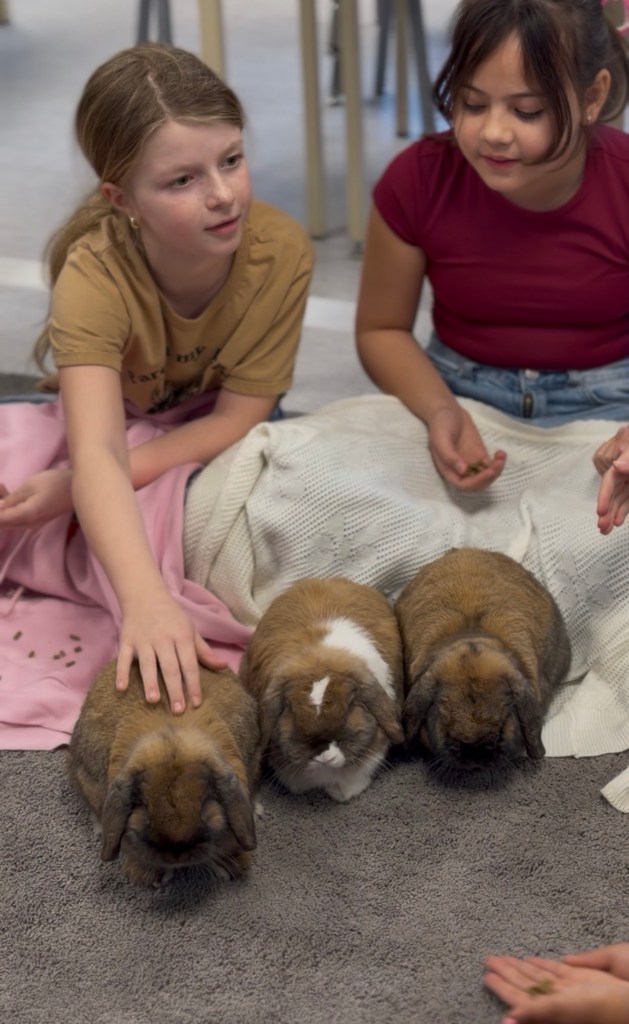
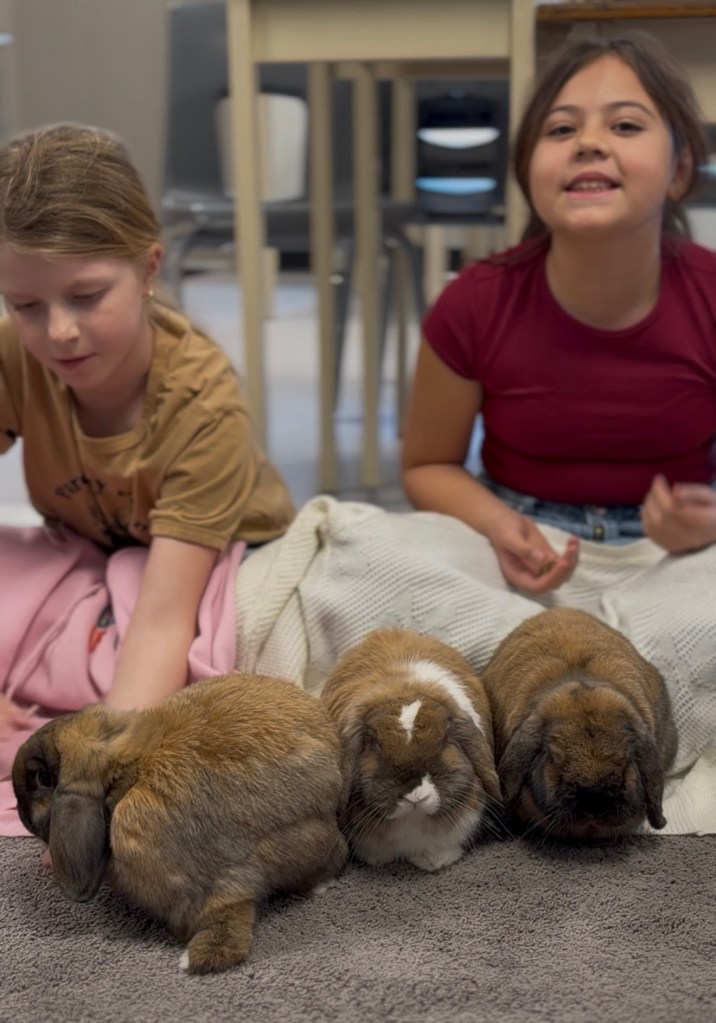
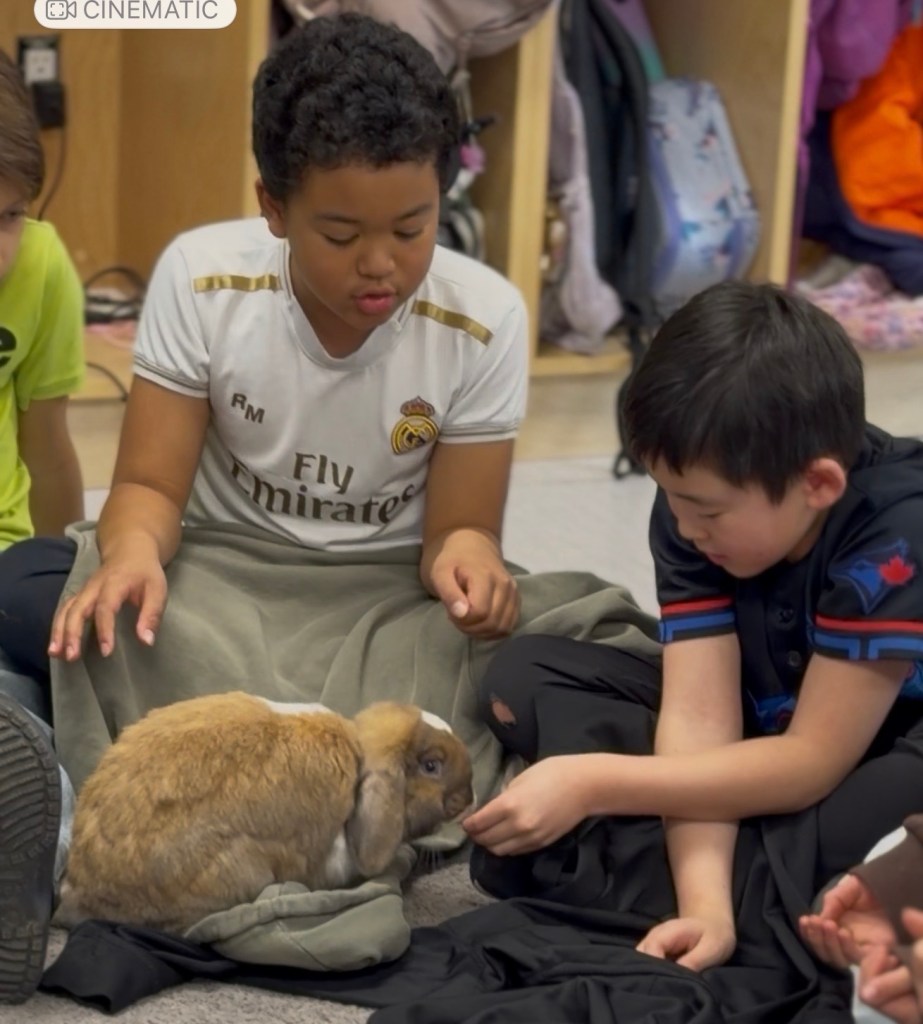
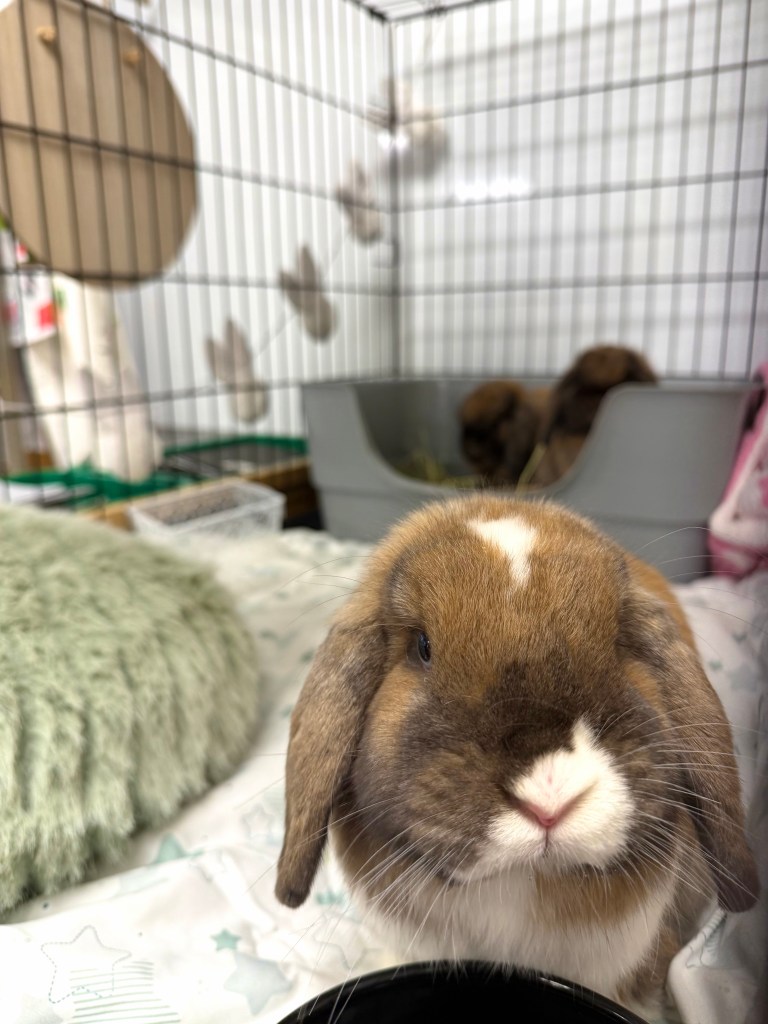
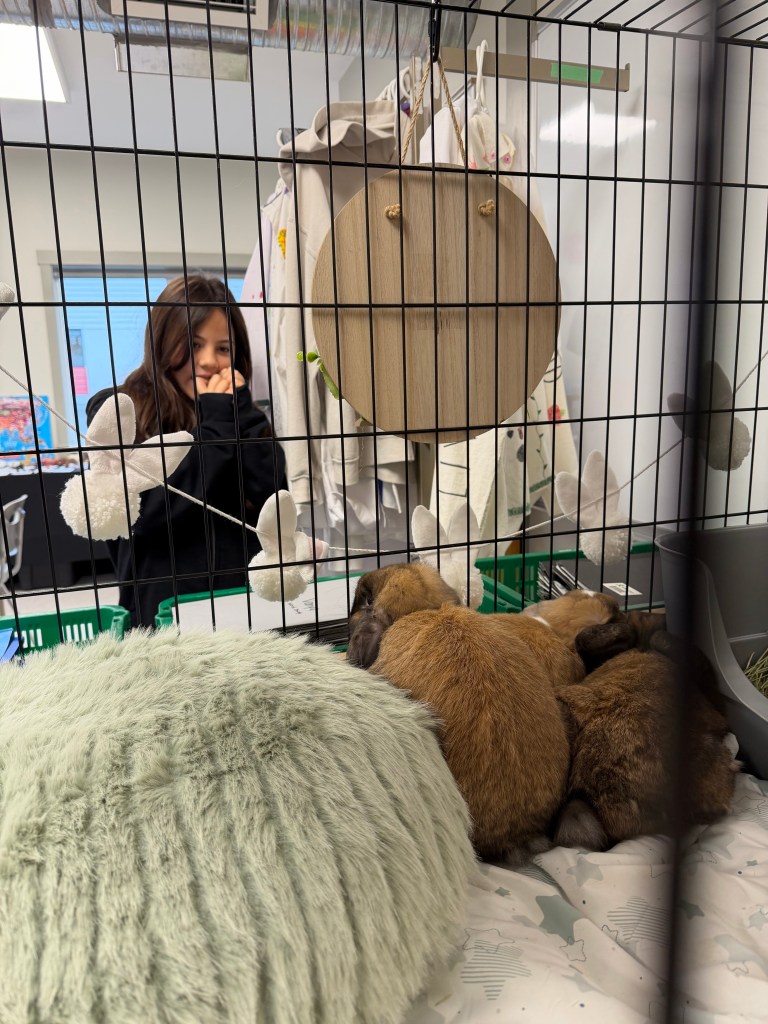
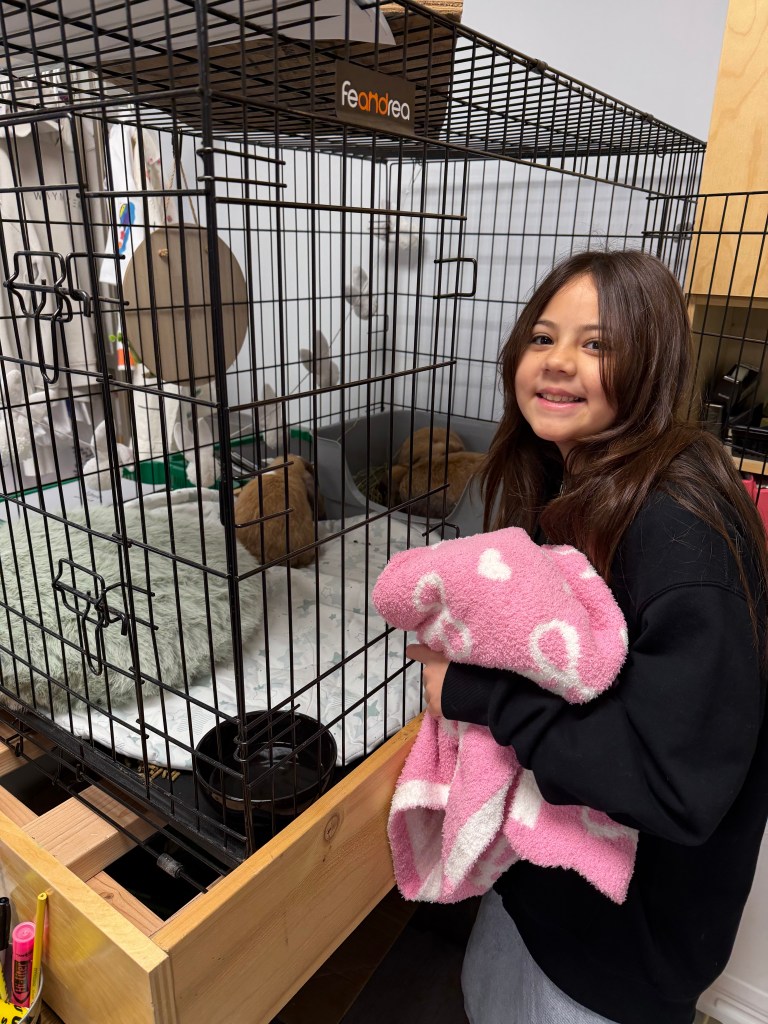
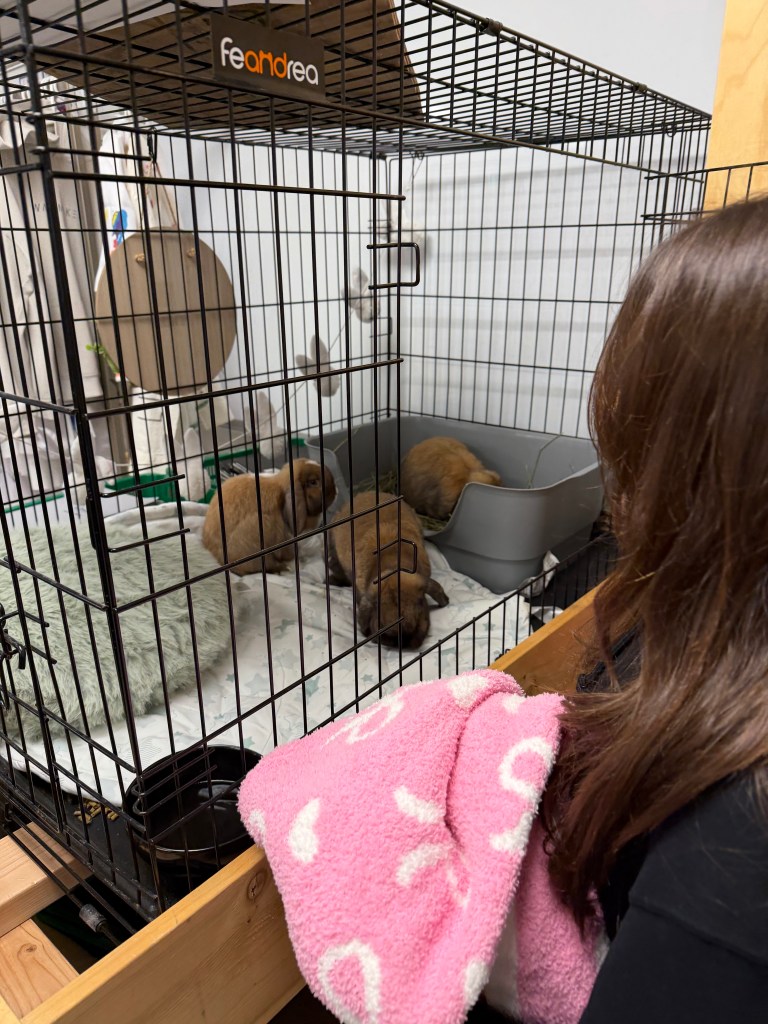
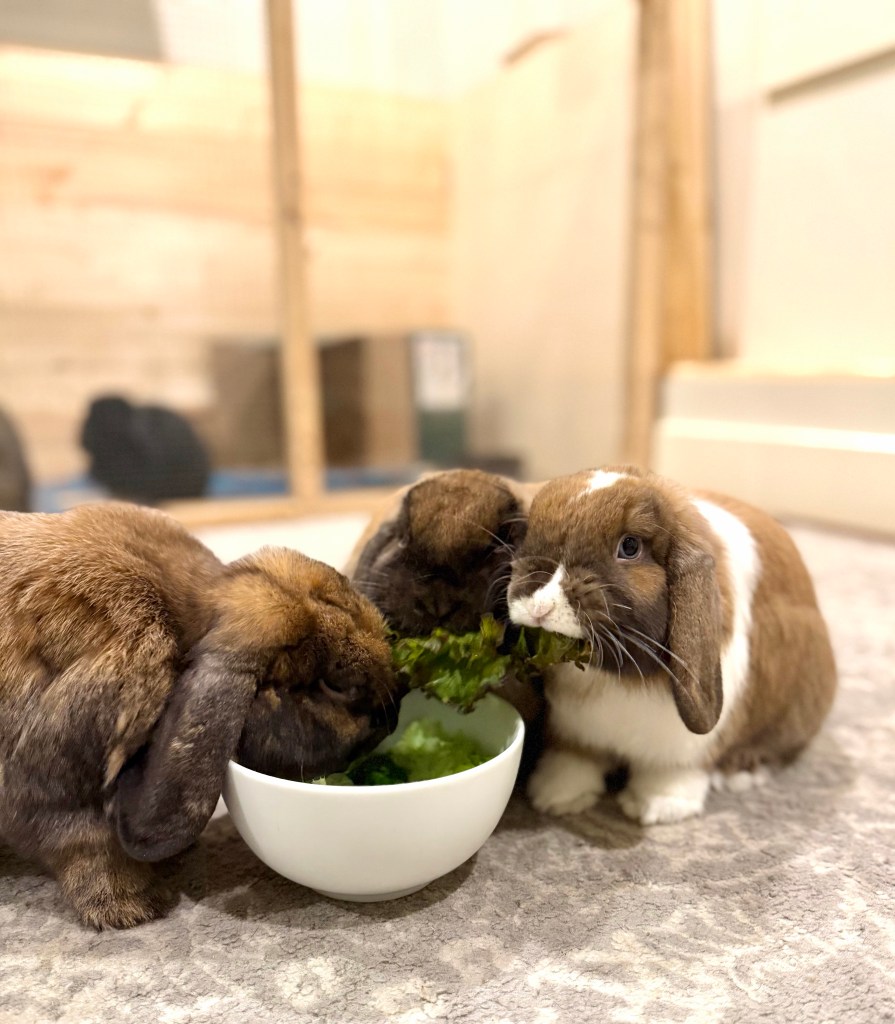
Discussing how we can thoughtful care for God’s creation in Crew has special meaning when the bunnies are visiting.
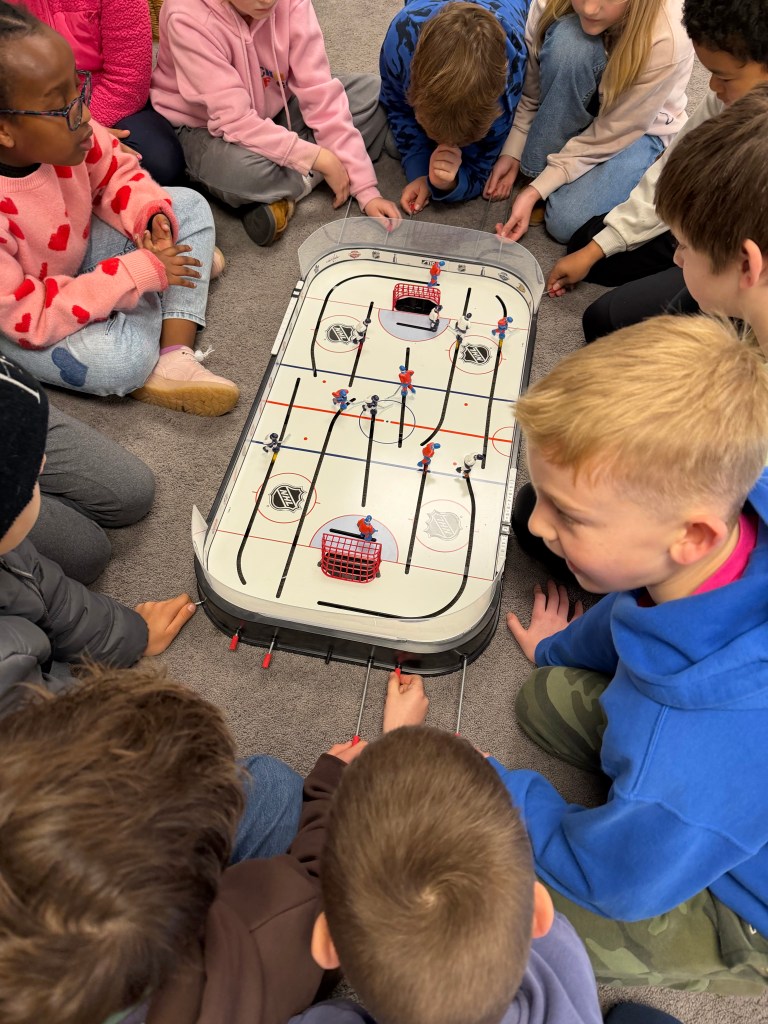
We have be “redoing” the Canada vs. US Olympic hockey game in class with our alternate preferred endings. 😉
In Social Studies…
UPDATE! Wow – today was a victory for our Social Studies learners! Thank you all for studying! I had a fabulous time marking everyone’s quizzes and paragraph responses because I could see truly remarkable growth!
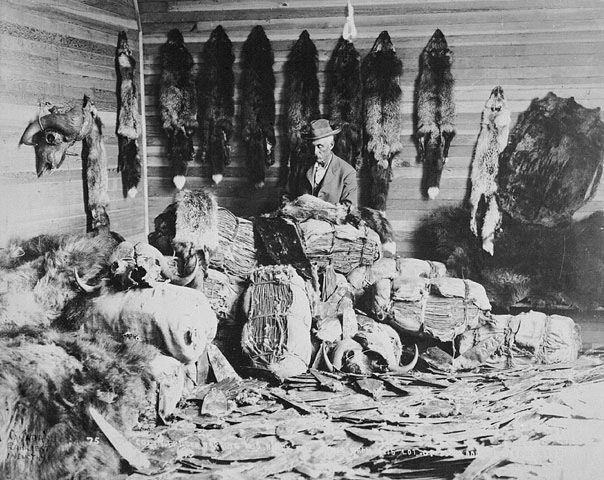
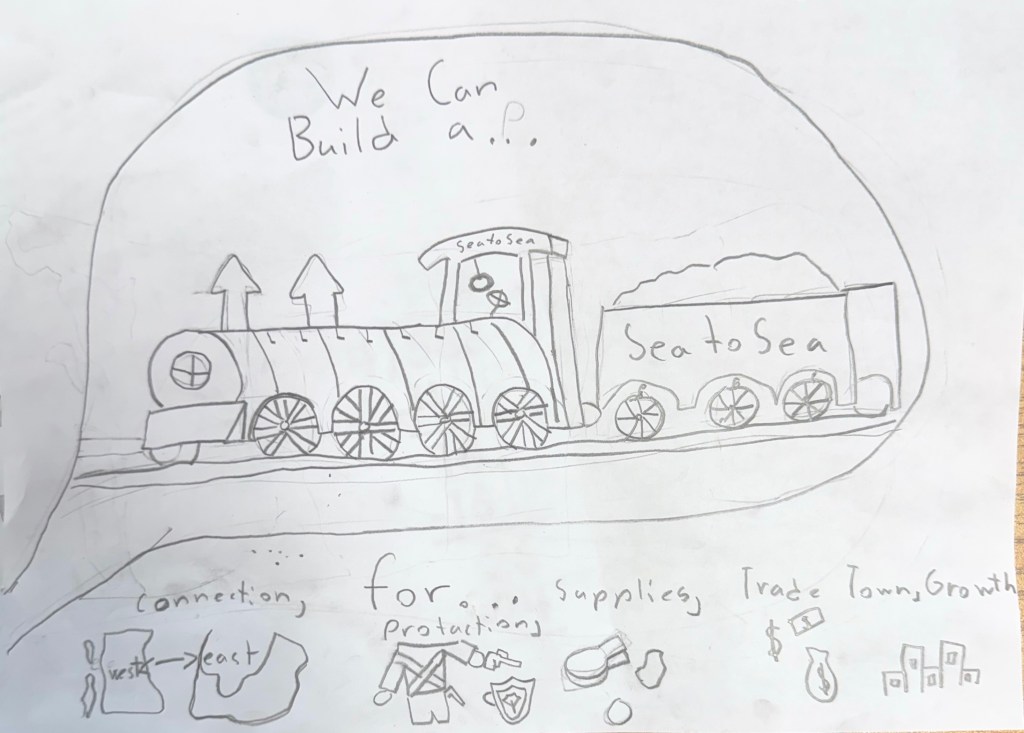
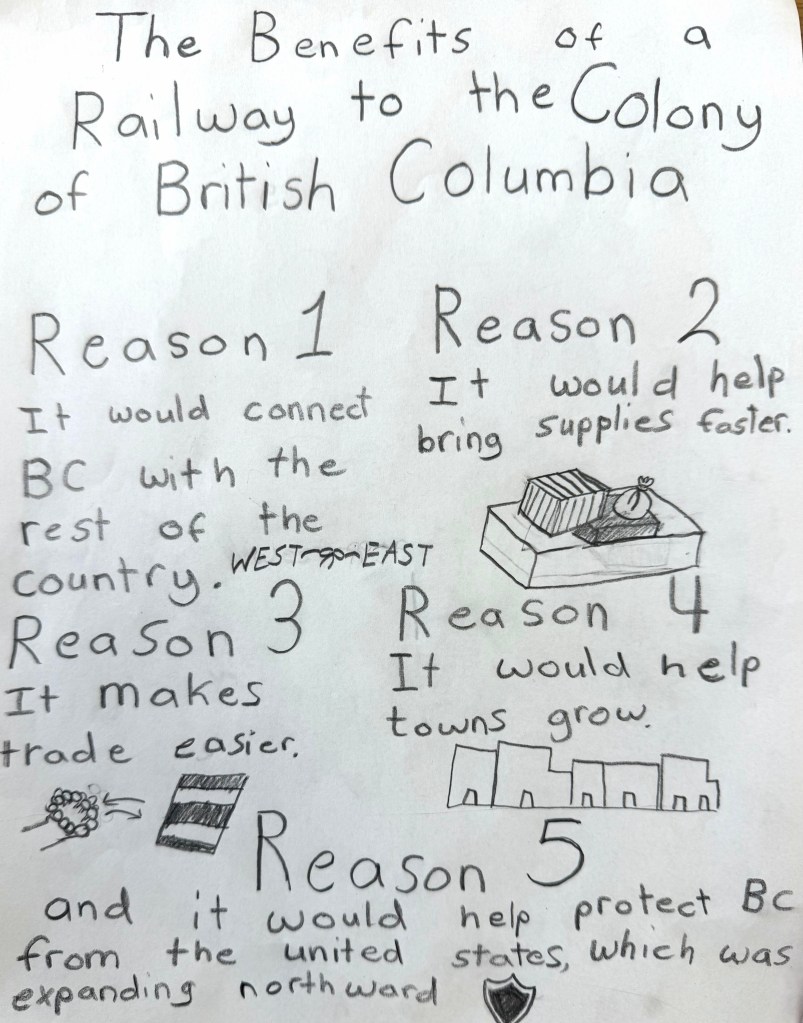
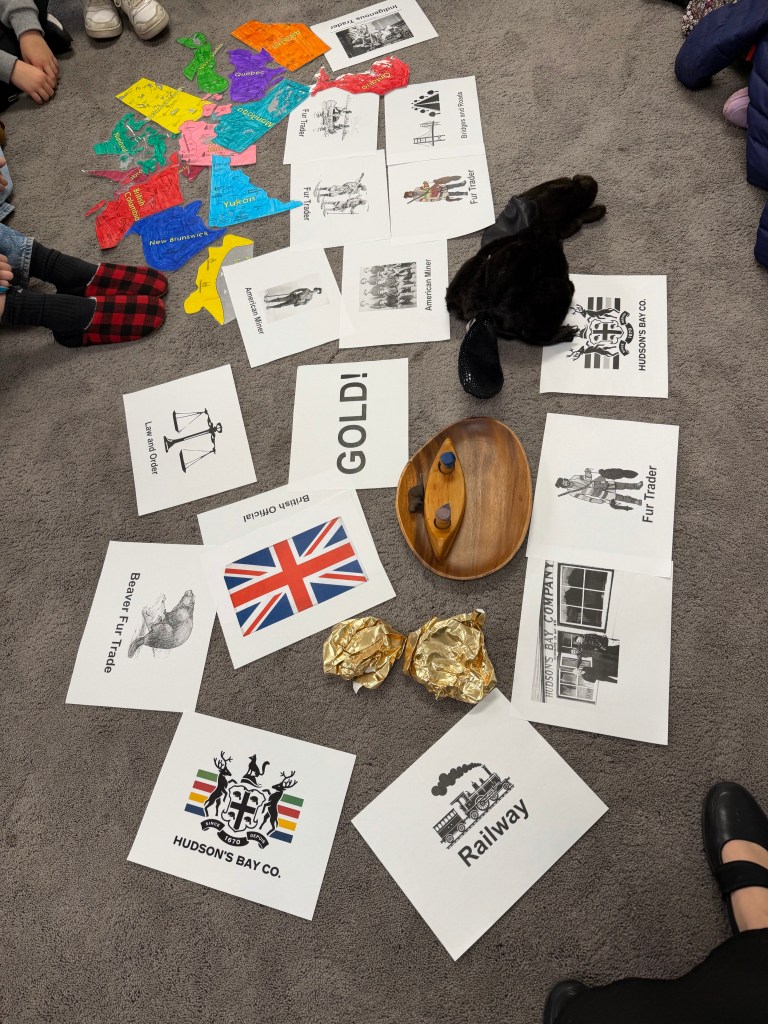
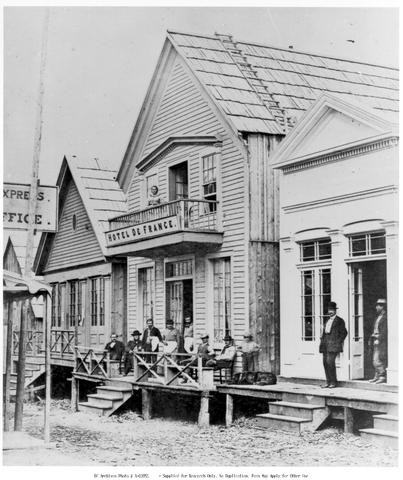
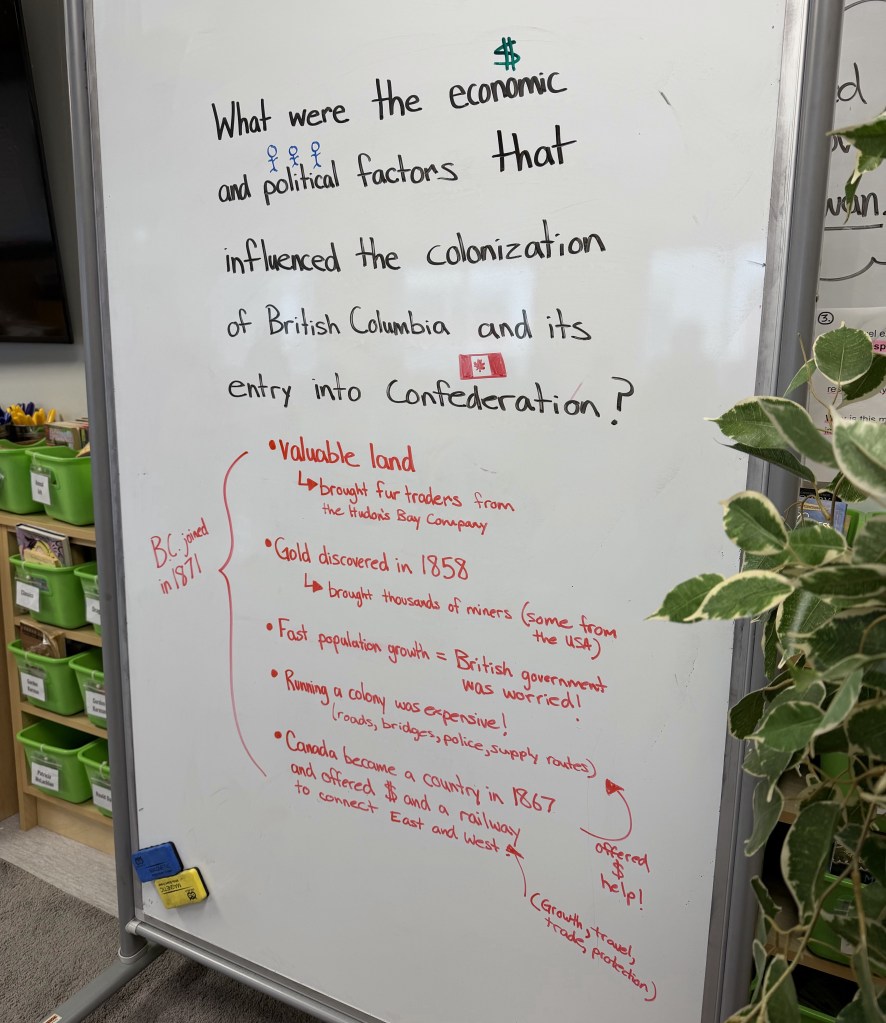
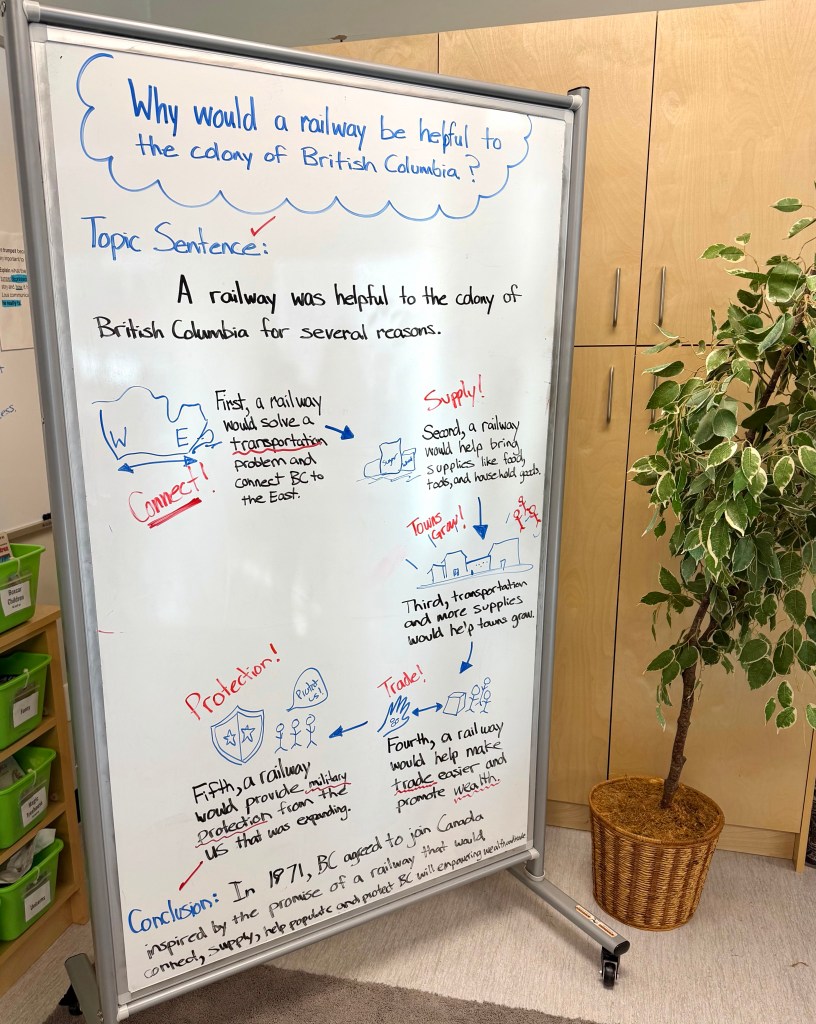
We have been learning about British Columbia’s path to confederation and the provinces and territories of Canada.
We have explored “documentary filmmaking” as a creative way to reinforce key concepts.
We made this “documentary”! It’s a great study tool!
Students have been using visuals, icons, and storytelling techniques to represent ideas. Students are understanding the material more deeply and remembering it with impressive clarity—even the dates. It helps that confederation was 1867…67! If you know, you know 😉
We’ve seen how combining visuals with narrative strengthens memory and builds meaningful connections between ideas.
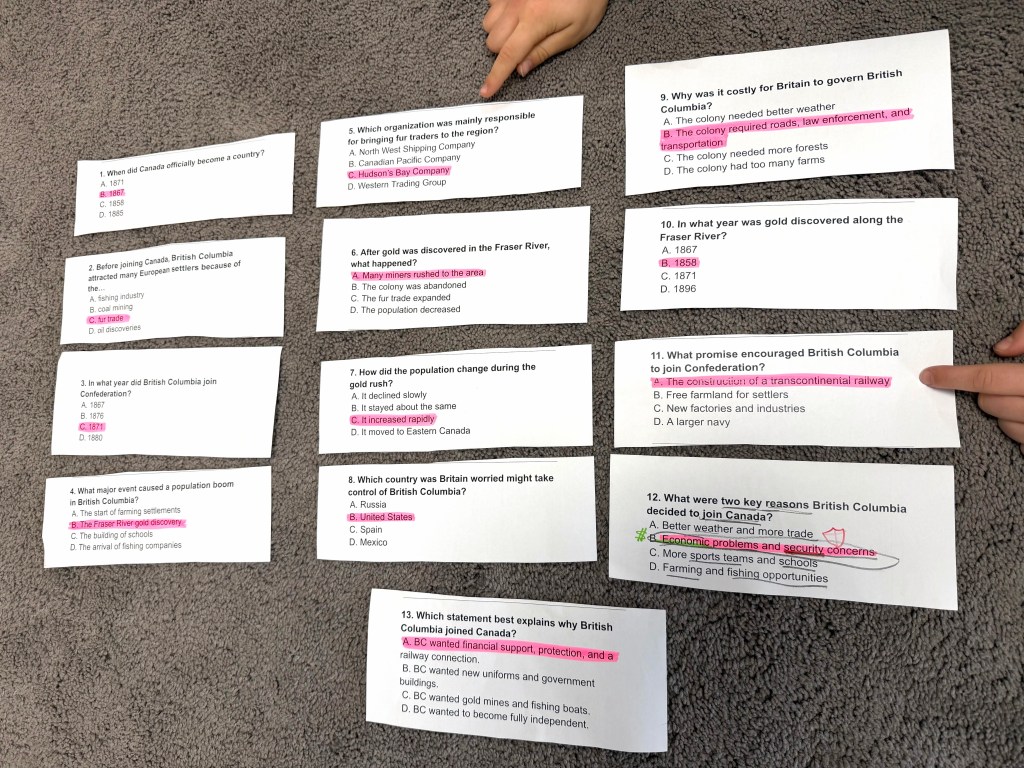
We have been also been doing lots of trivia games and practice quizzes.
Students have been demonstrating their learning in many ways all term. As well, we had a more formal unit quiz in class on Thursday: this assessment was just like the practice quizzes and had multiple choice questions, a written response section, and an oral component (I will give students a chance to flesh out their written responses in discussion with me—each learner will have many chances and ways to show his/her learning.)
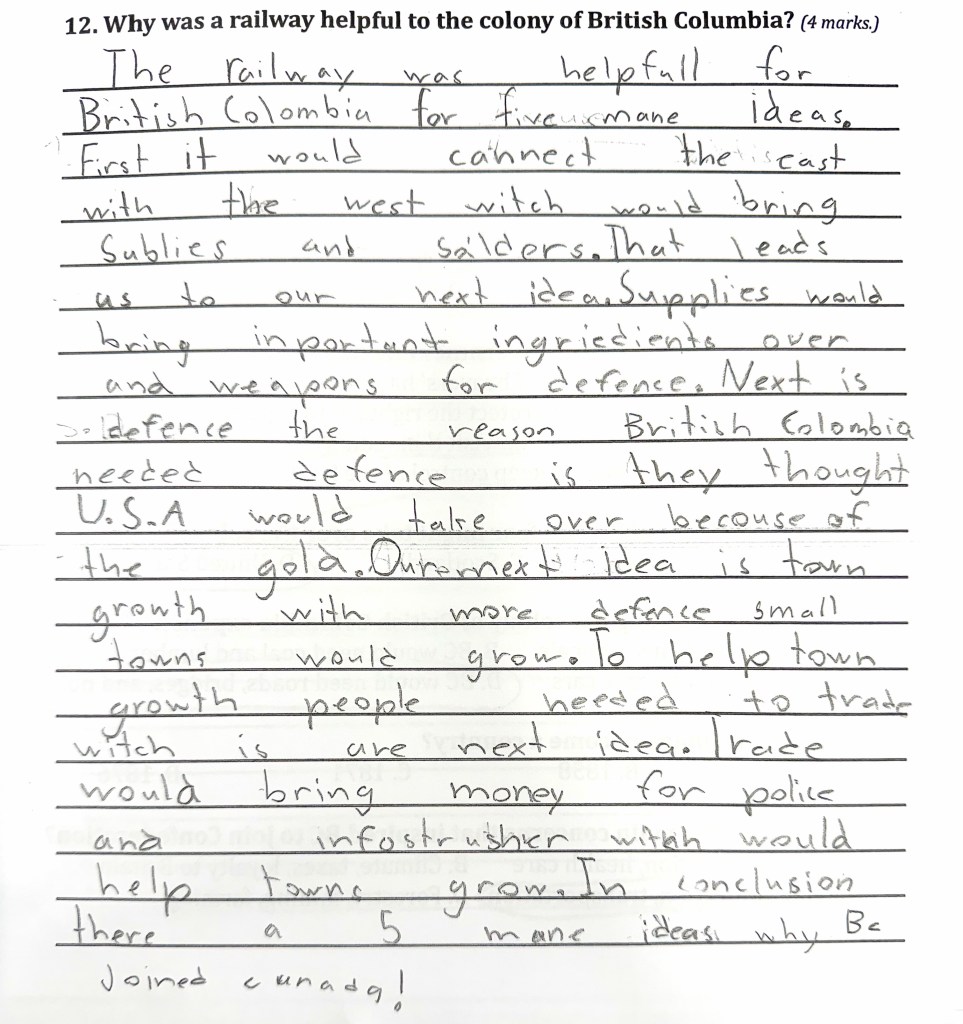
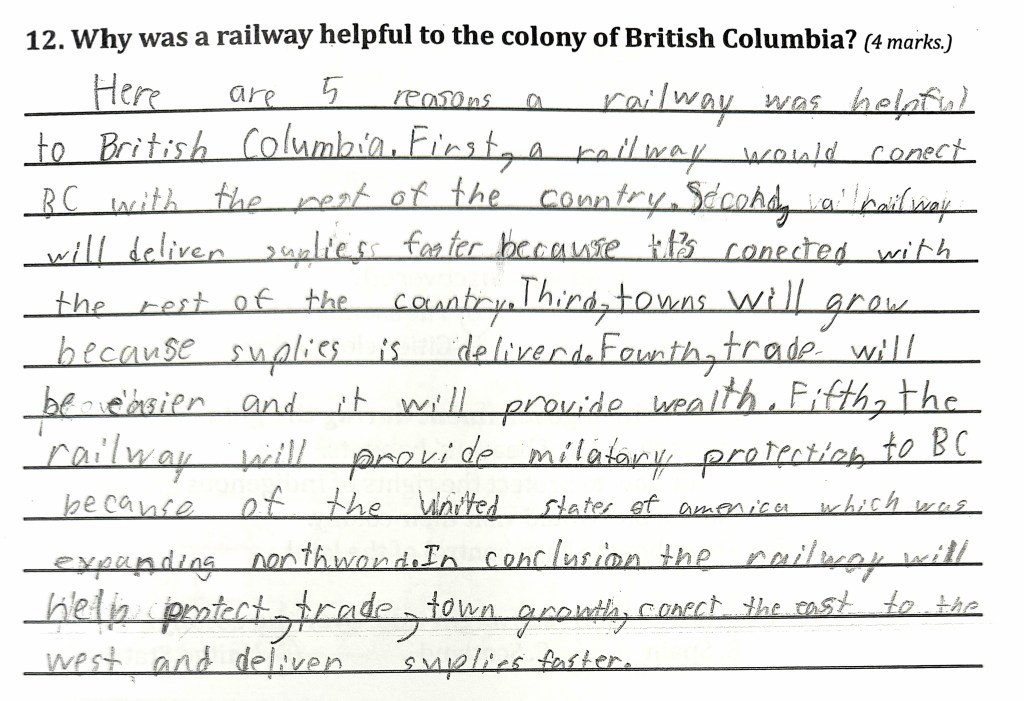
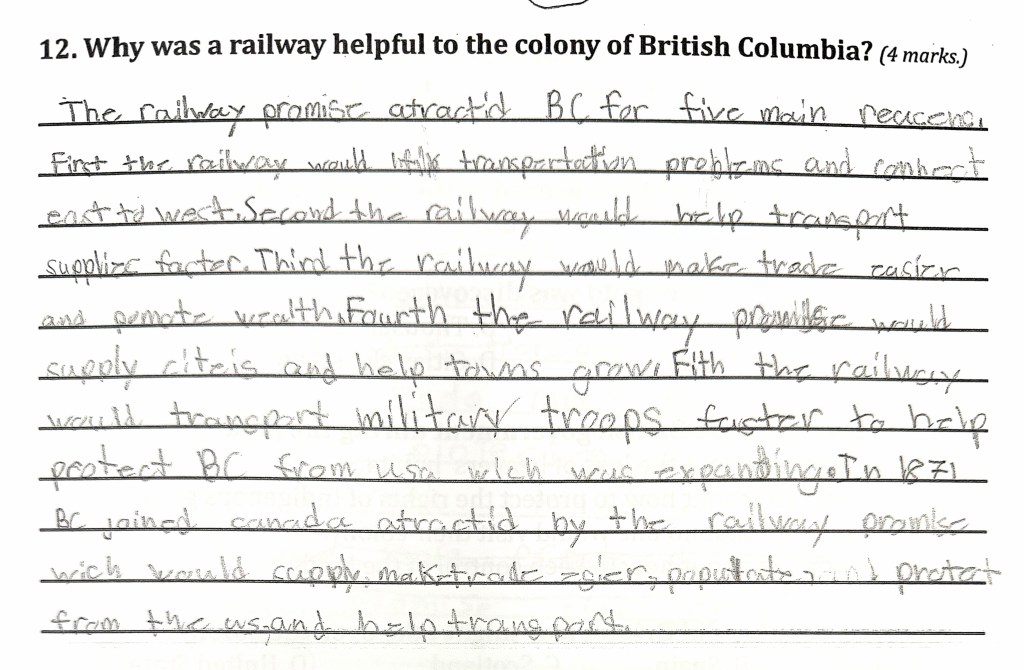
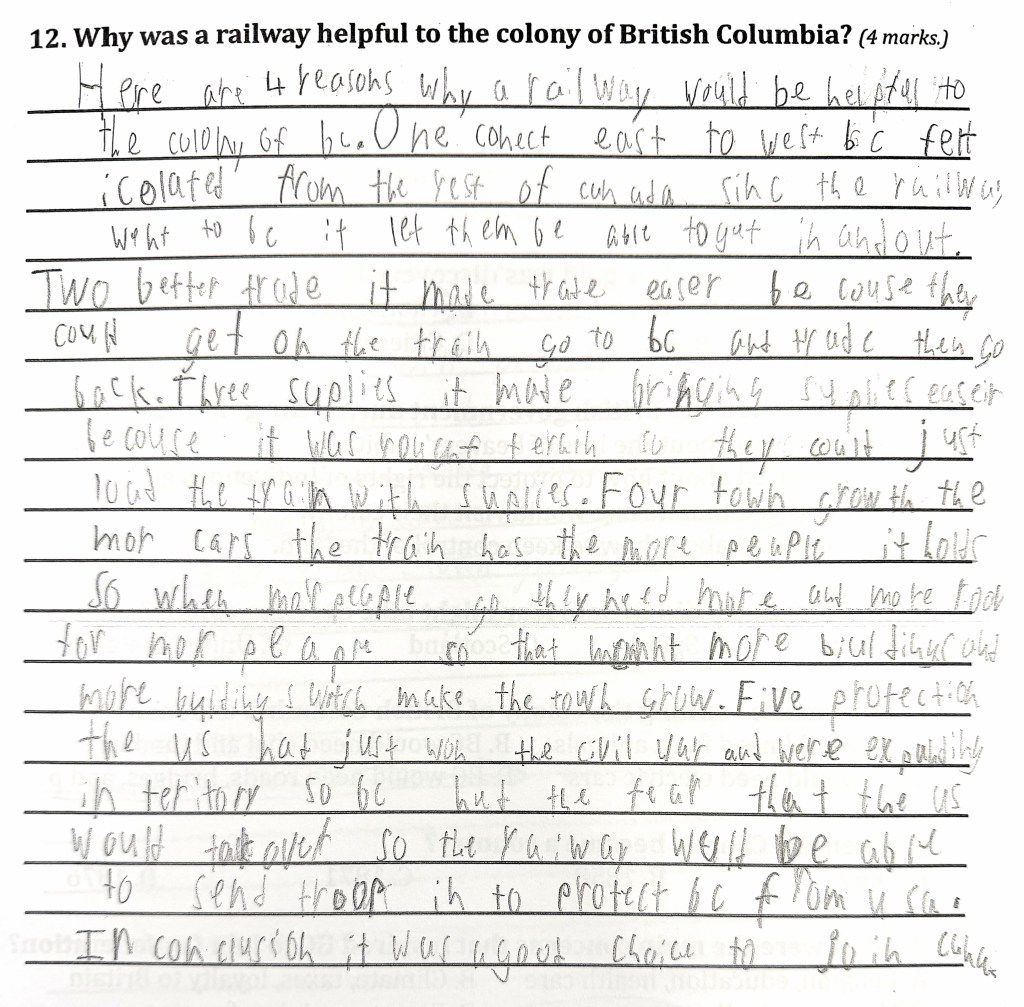
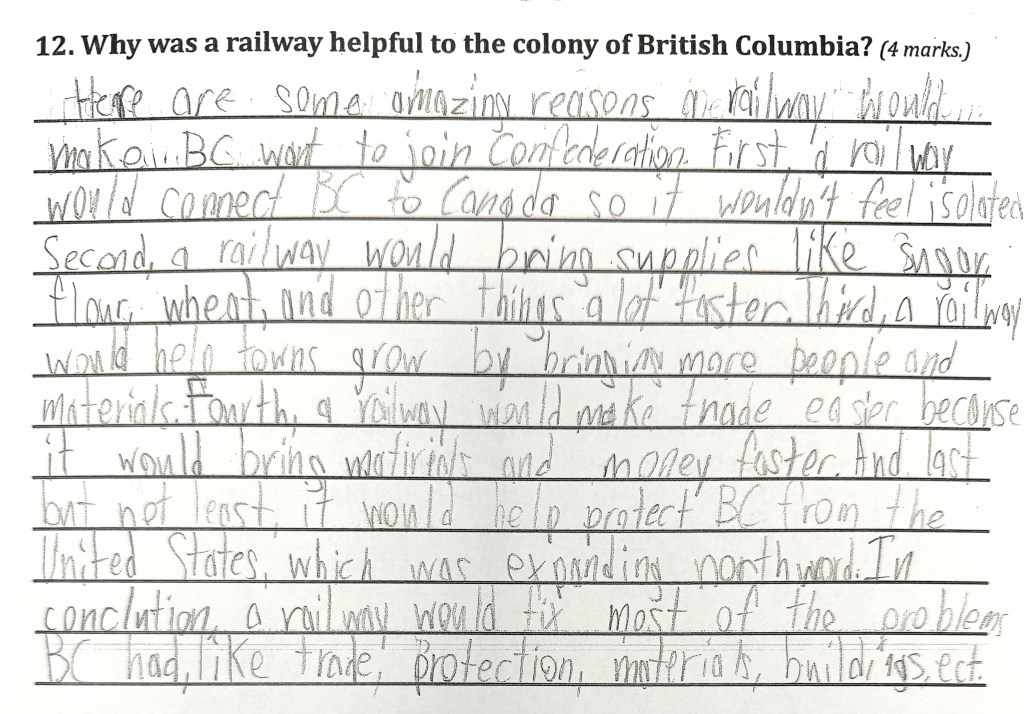
Some great examples of student writing from the quiz (composed without the help of notes)…
It’s important for students to study exemplars—to see good examples of work and analyze how and to what extent they meet assignment criteria. We want to know the facts in context and be able to explain them with clarity.
In Physical Education…
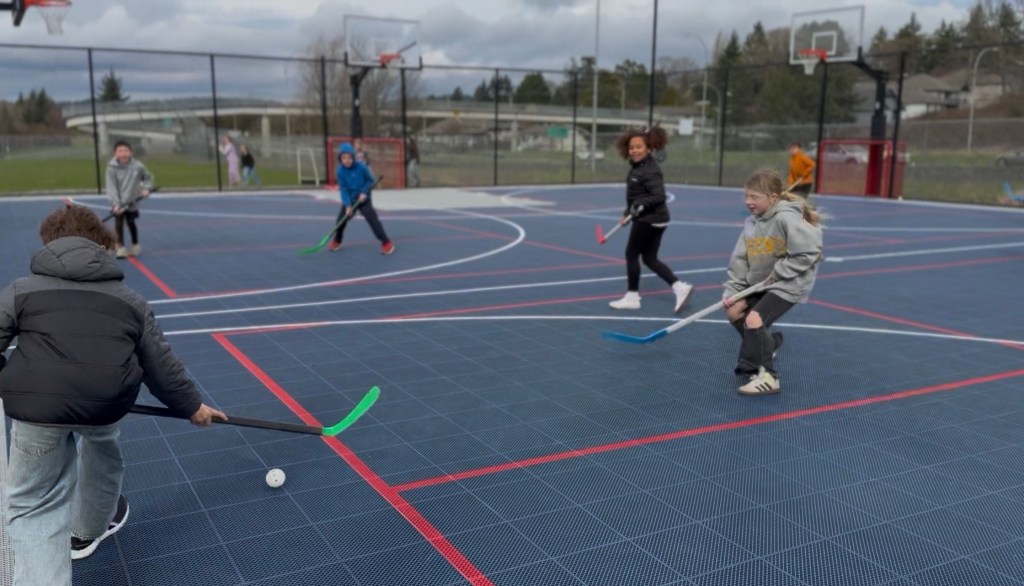
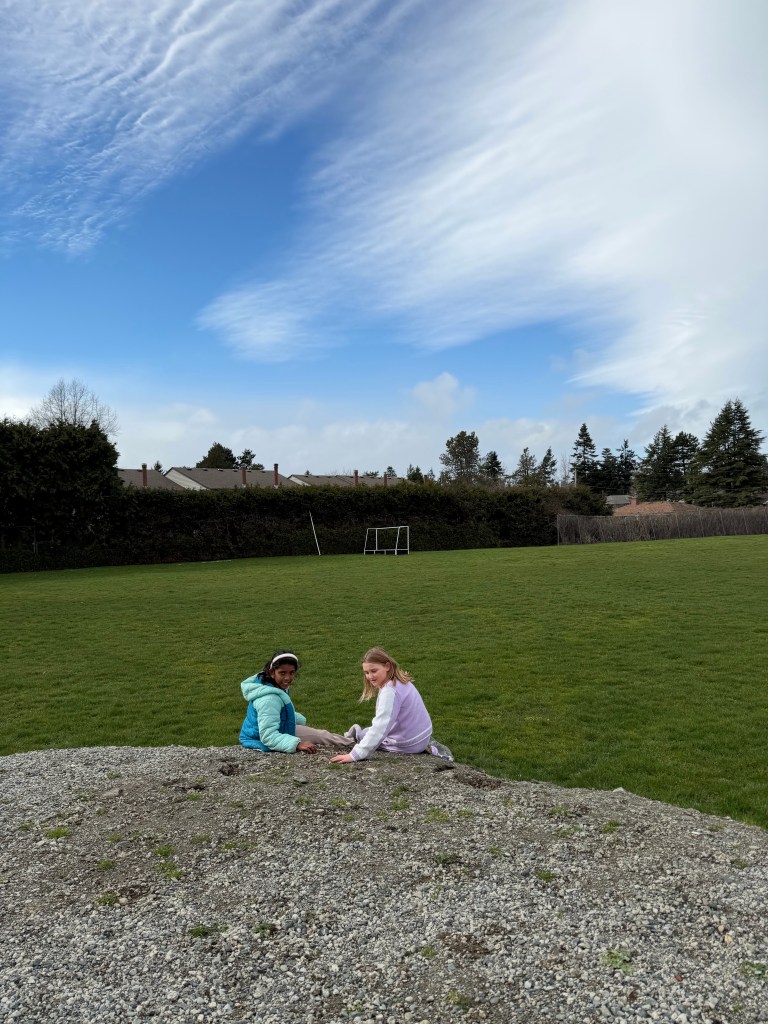
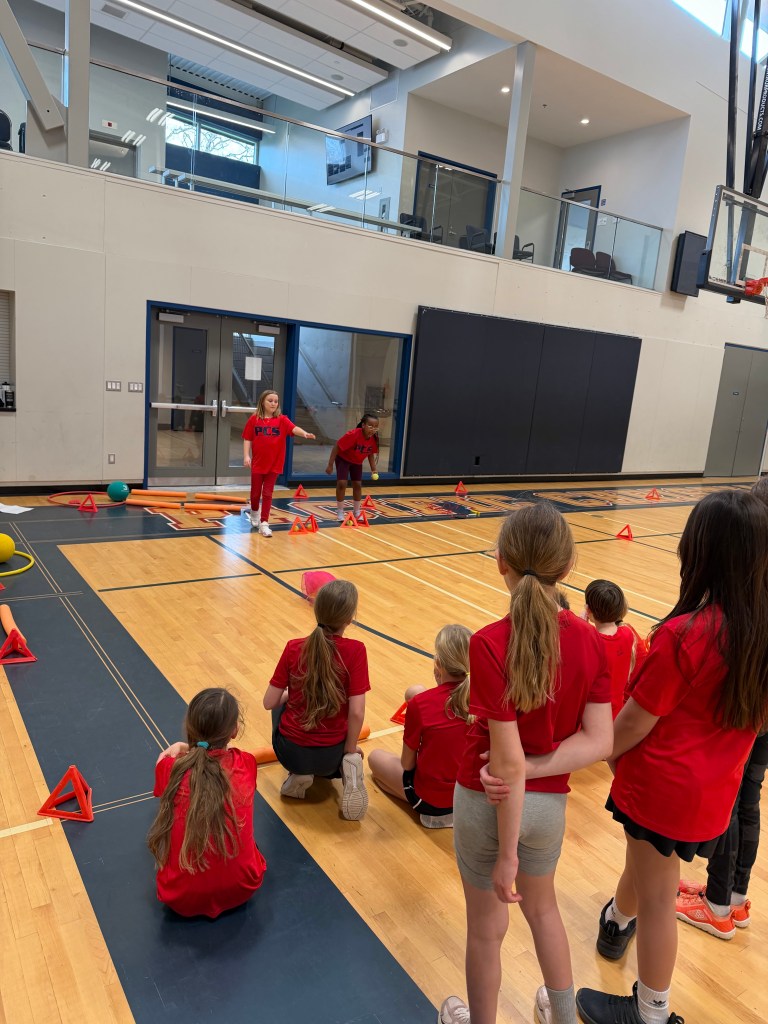
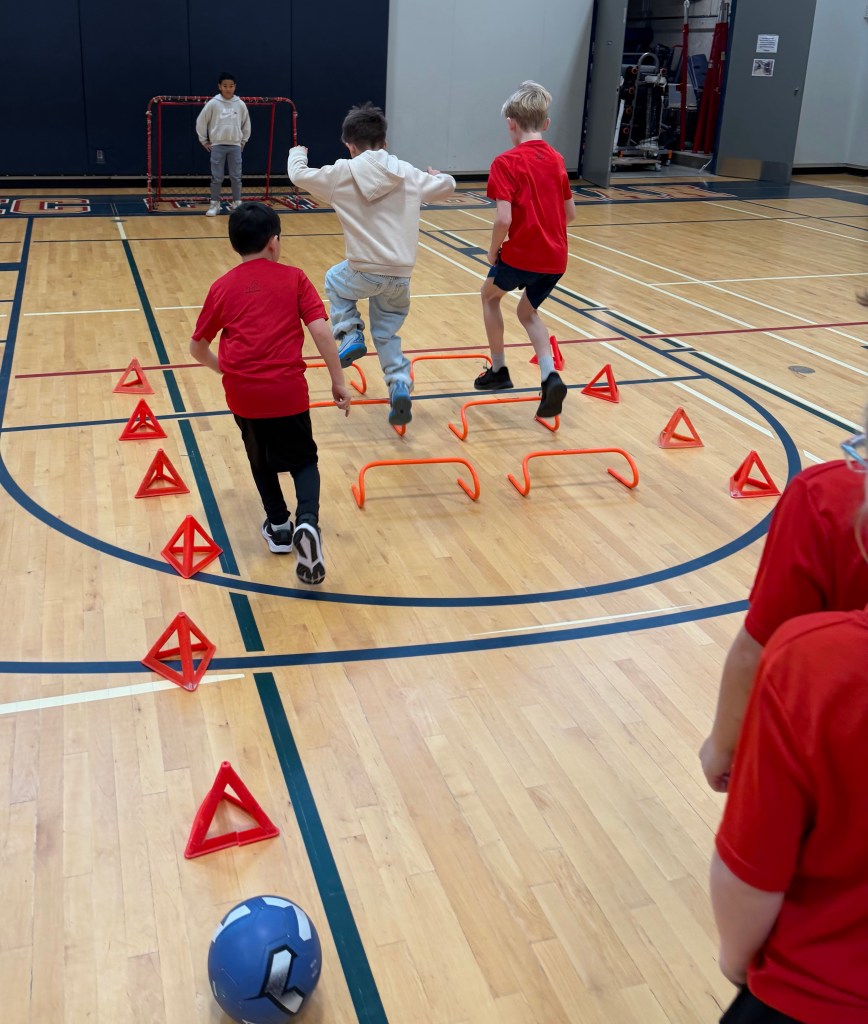
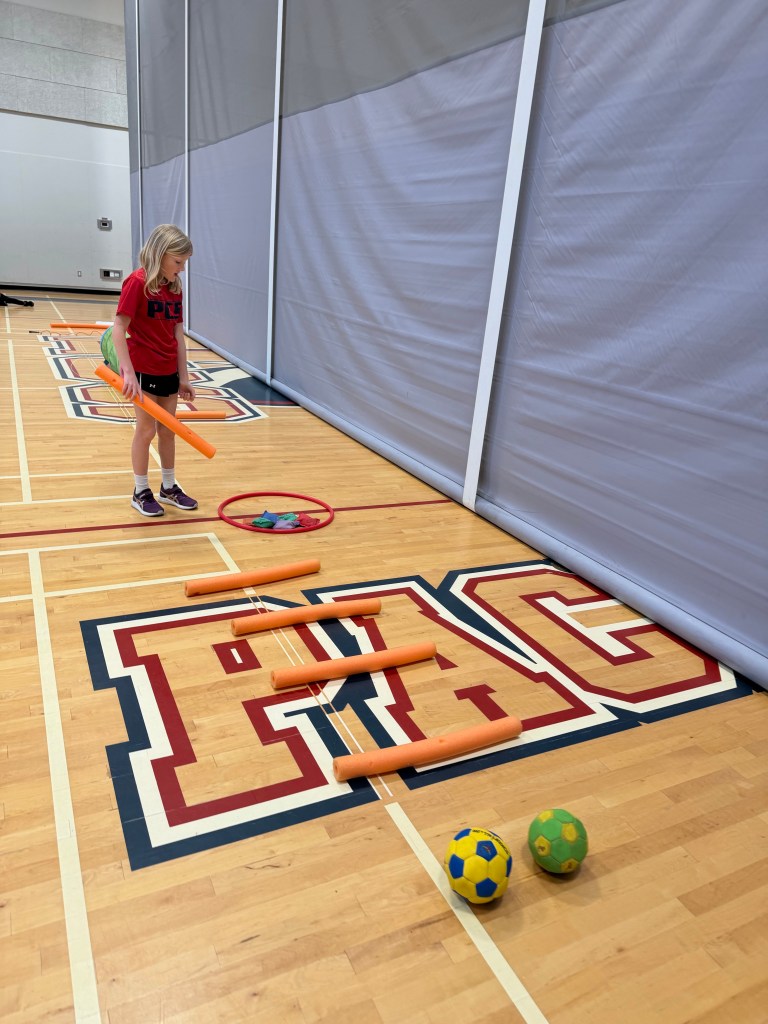
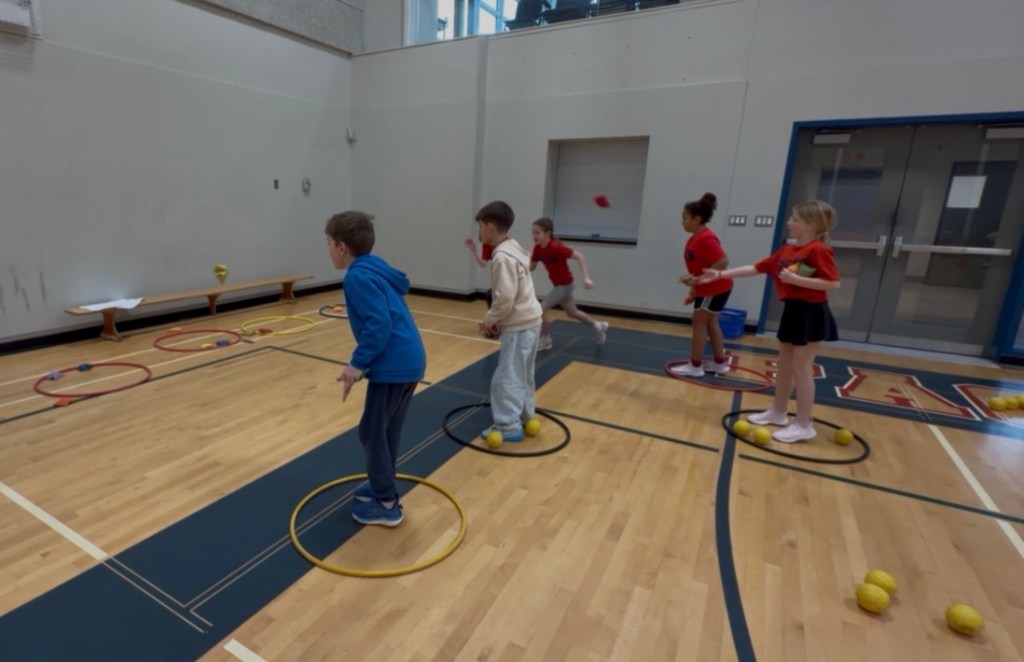
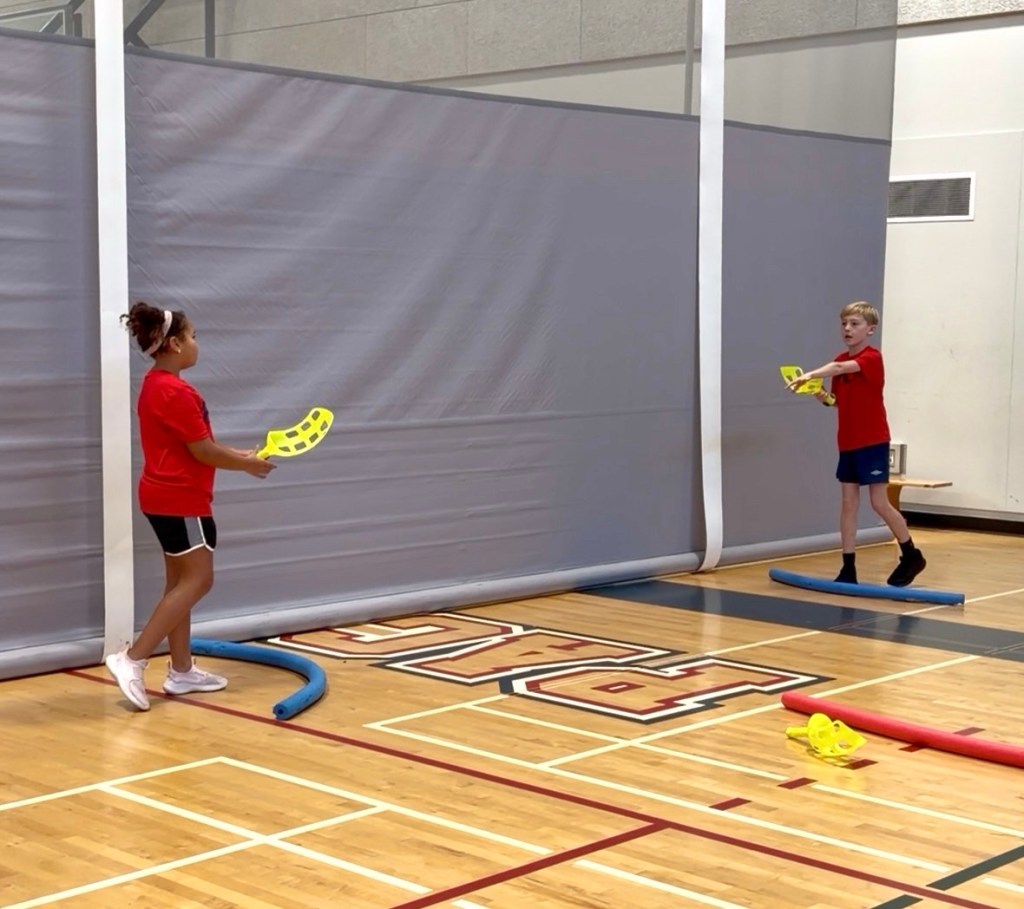
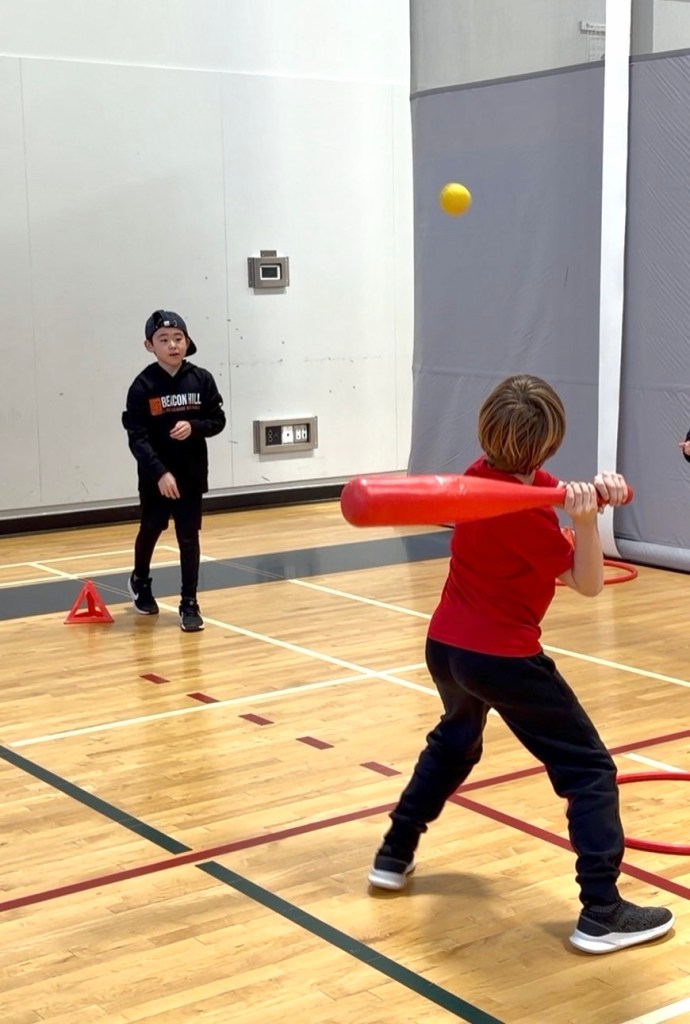
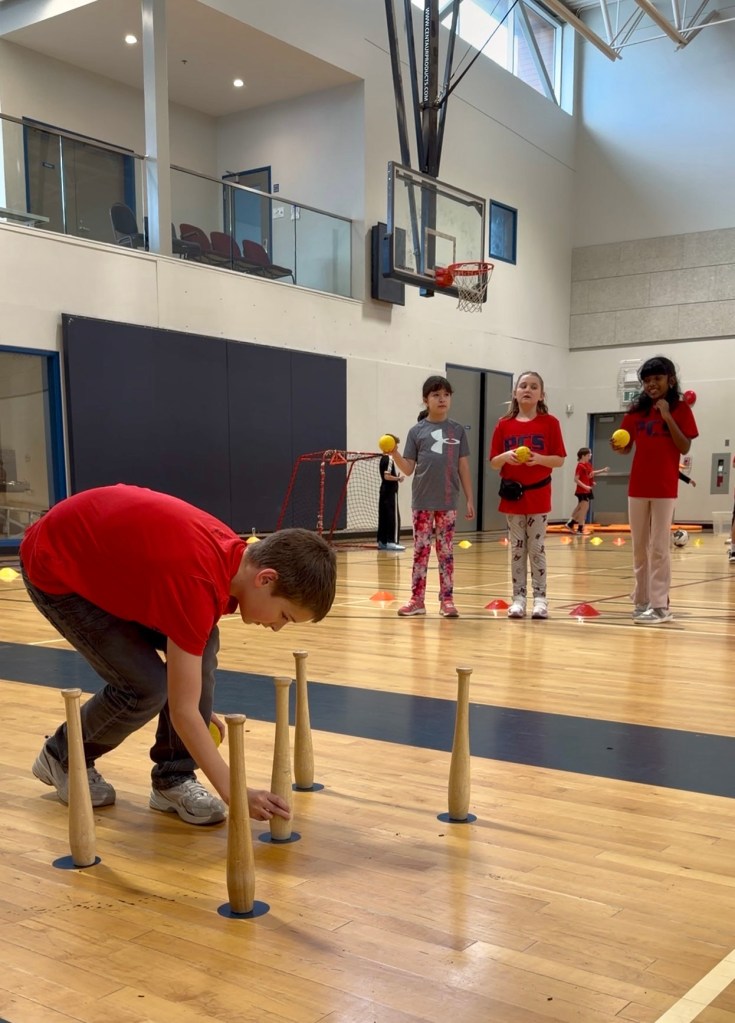
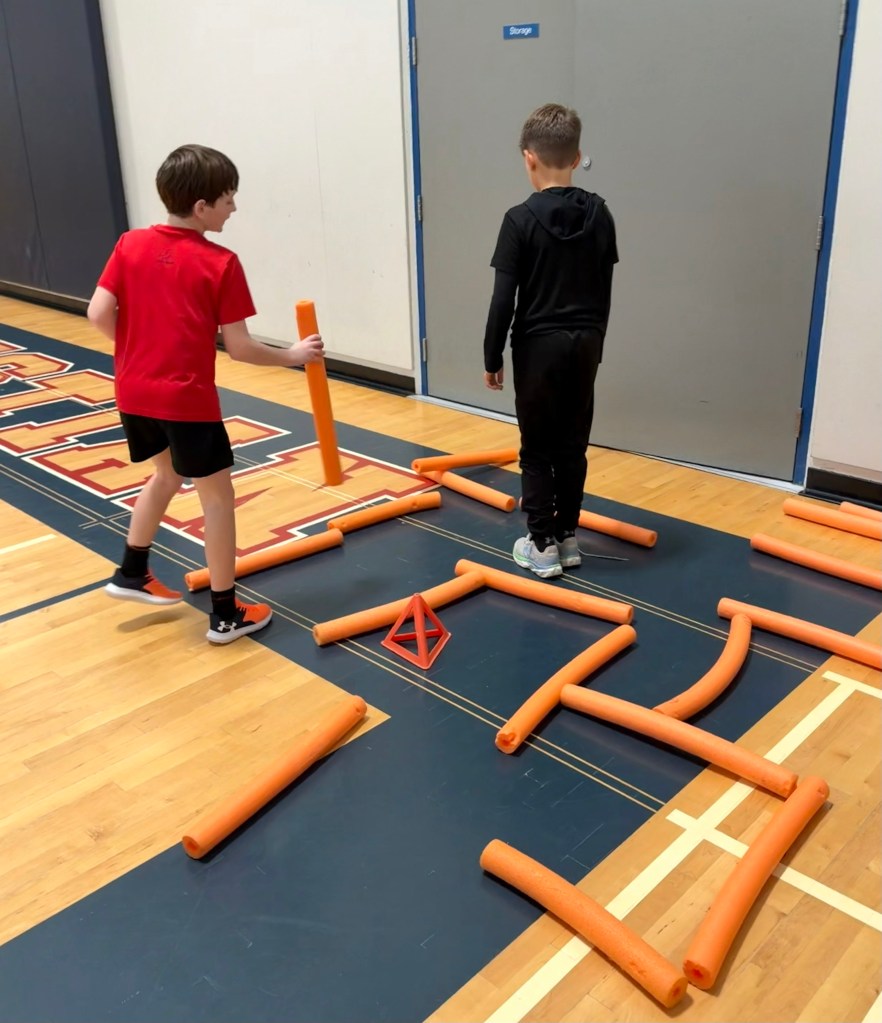
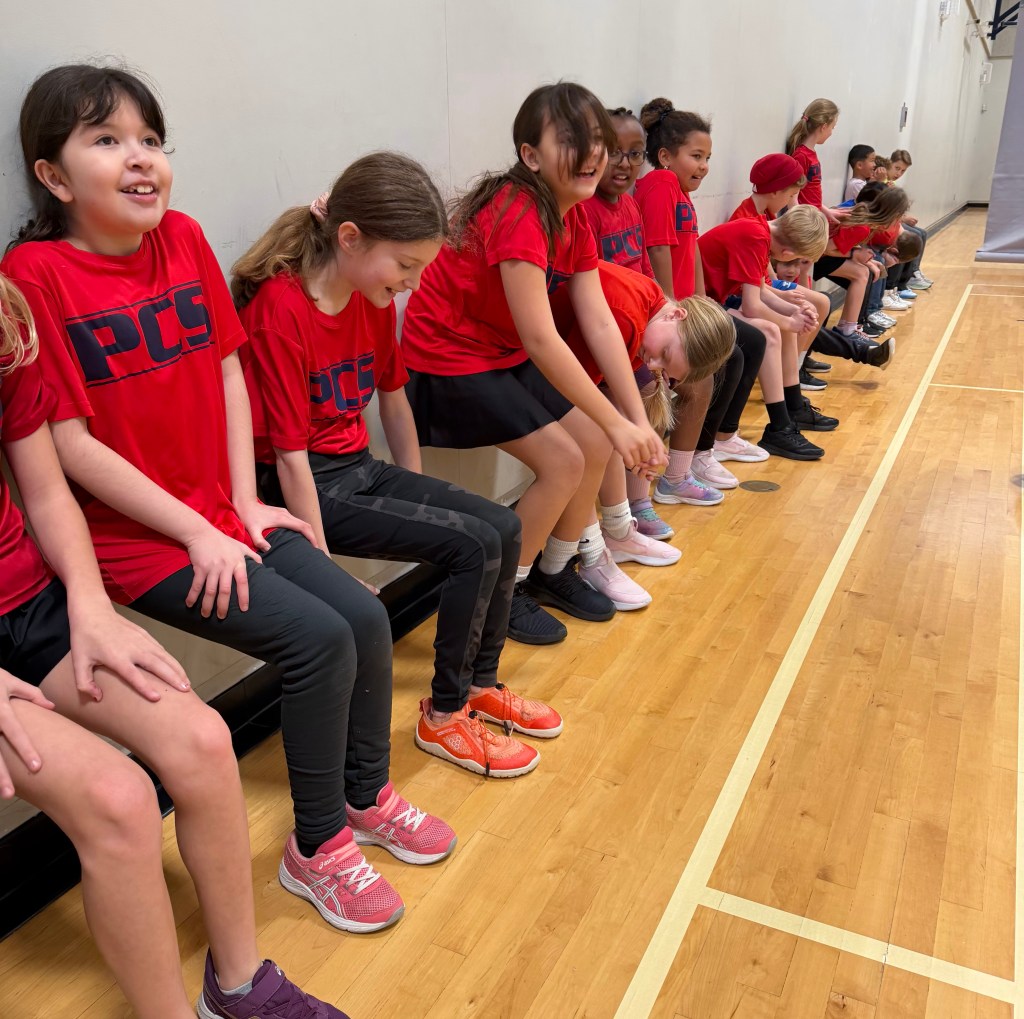
We have been loving the beautiful PCS sport court and field.
Math…
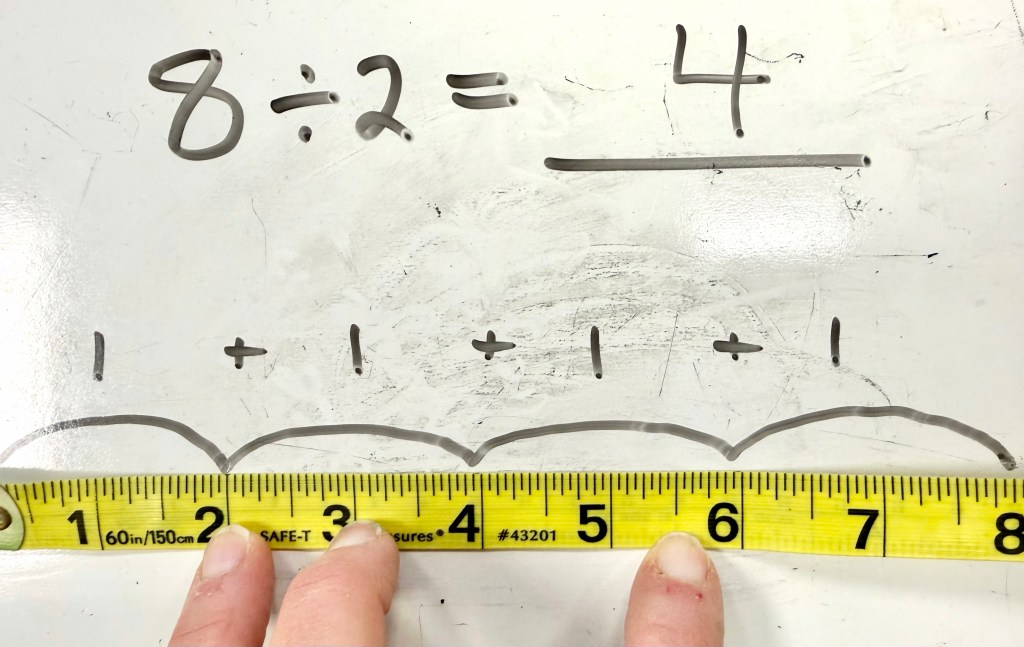
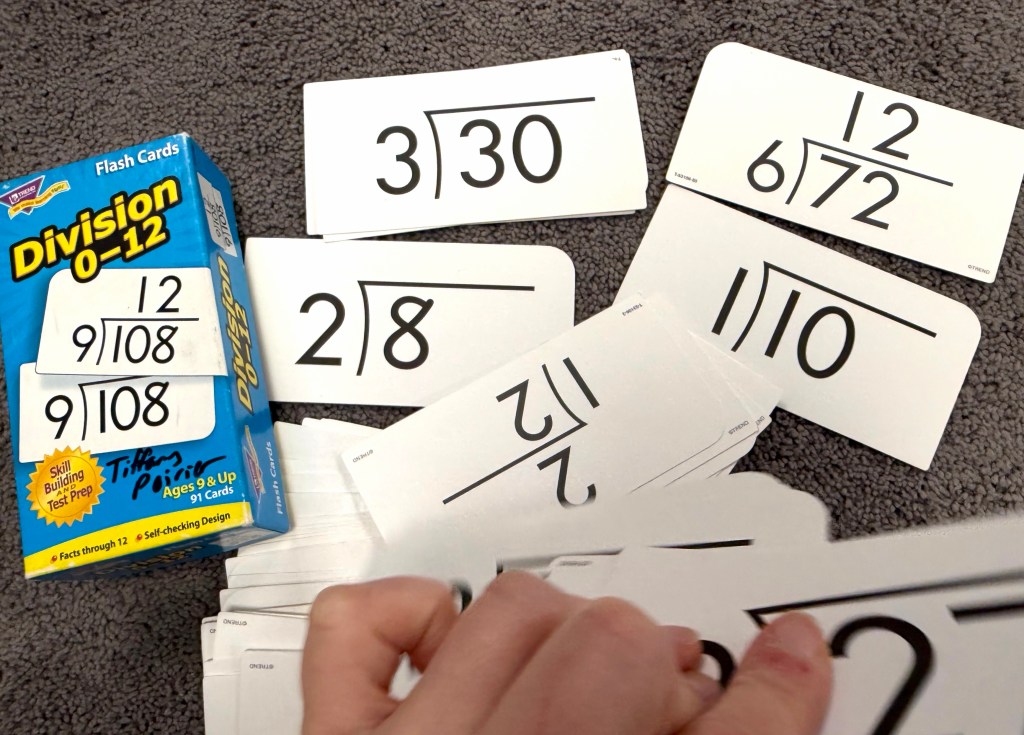
Students have been practicing division with both the traditional method and partial quotients method and as well working on adding and subtracting decimals.
Please see your child’s agenda for their daily worksheet. Any incomplete class work is recommended to be finished at home. Then, it can be brought back in for marking at school or you can mark it at home yourselves.
In Bible…
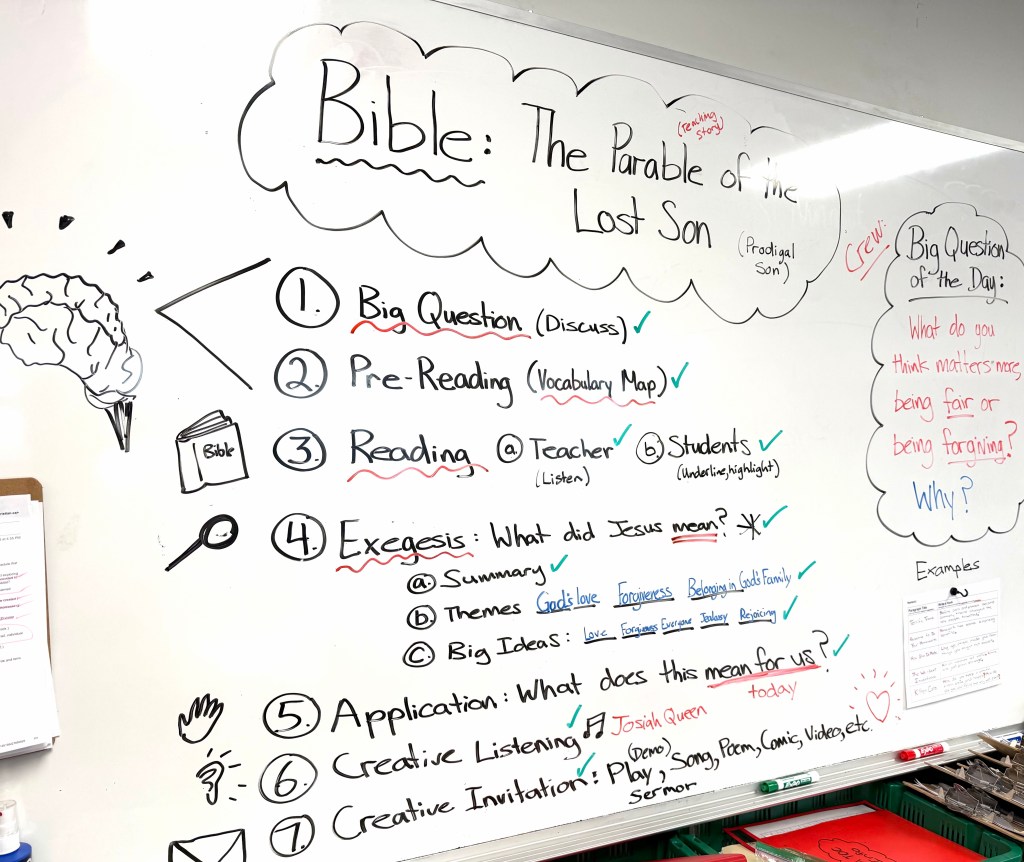
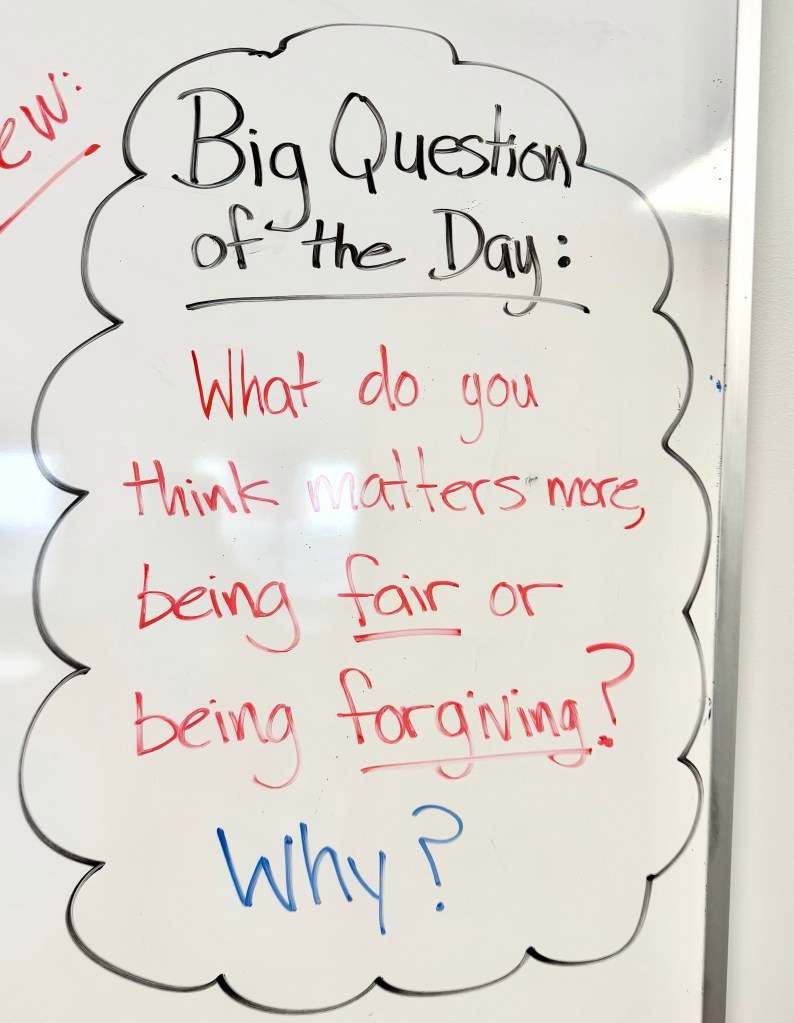
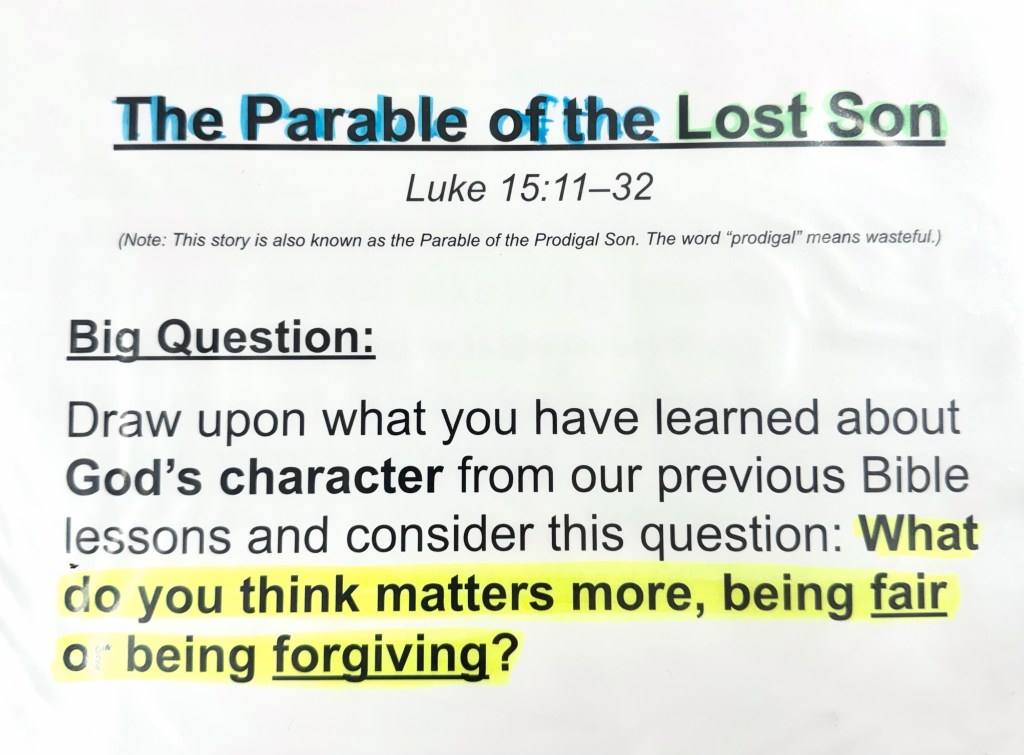
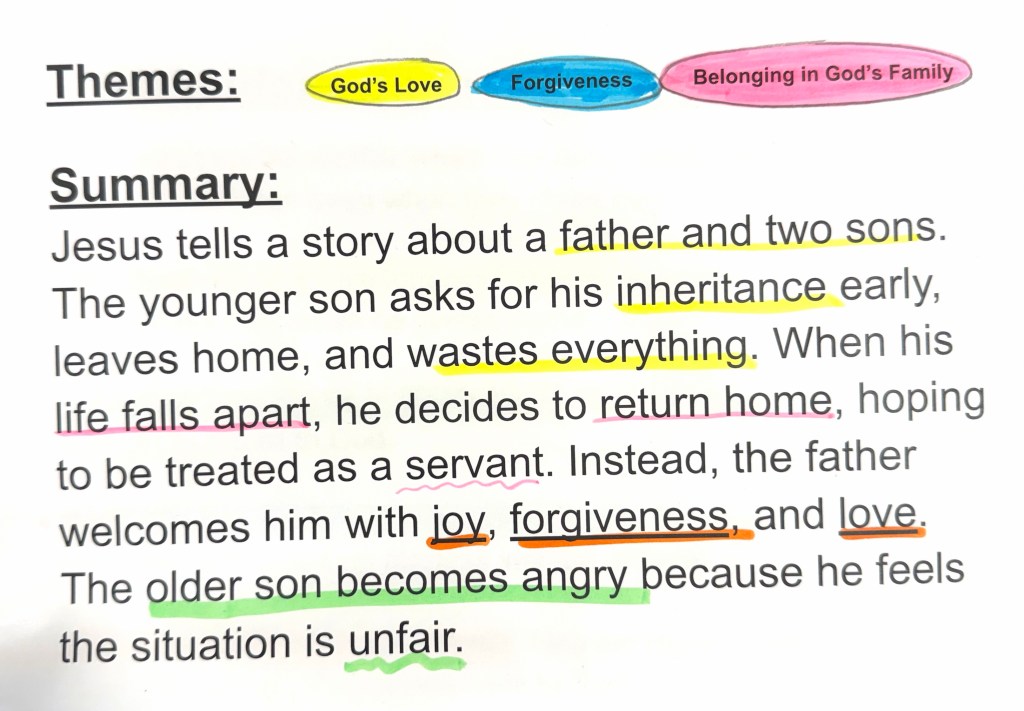
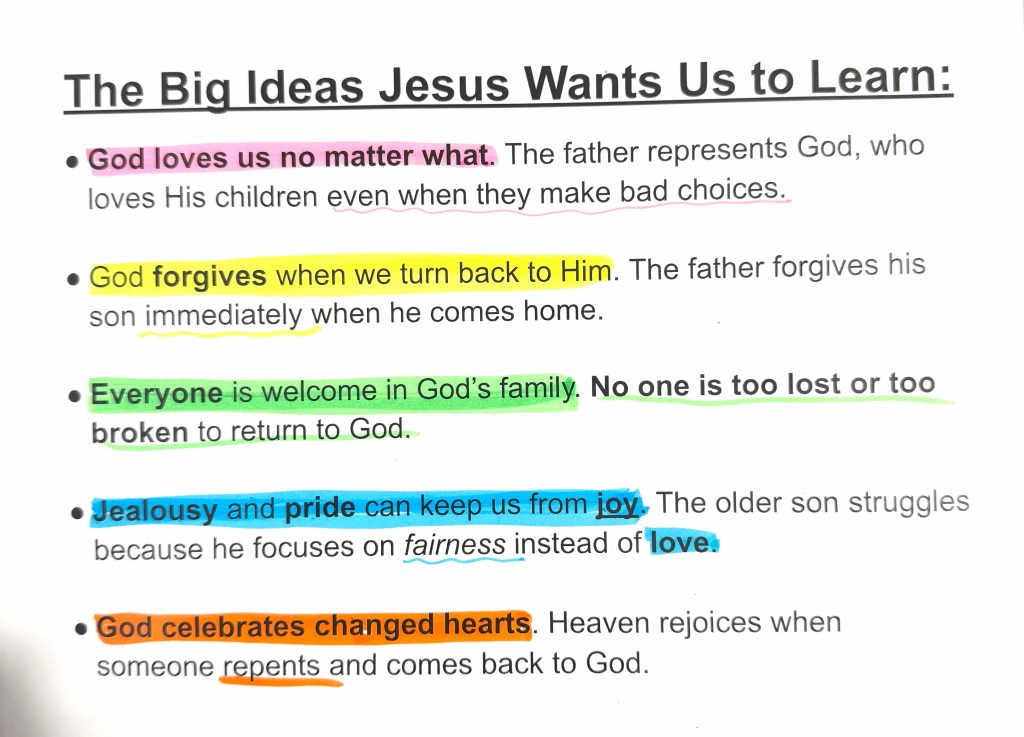
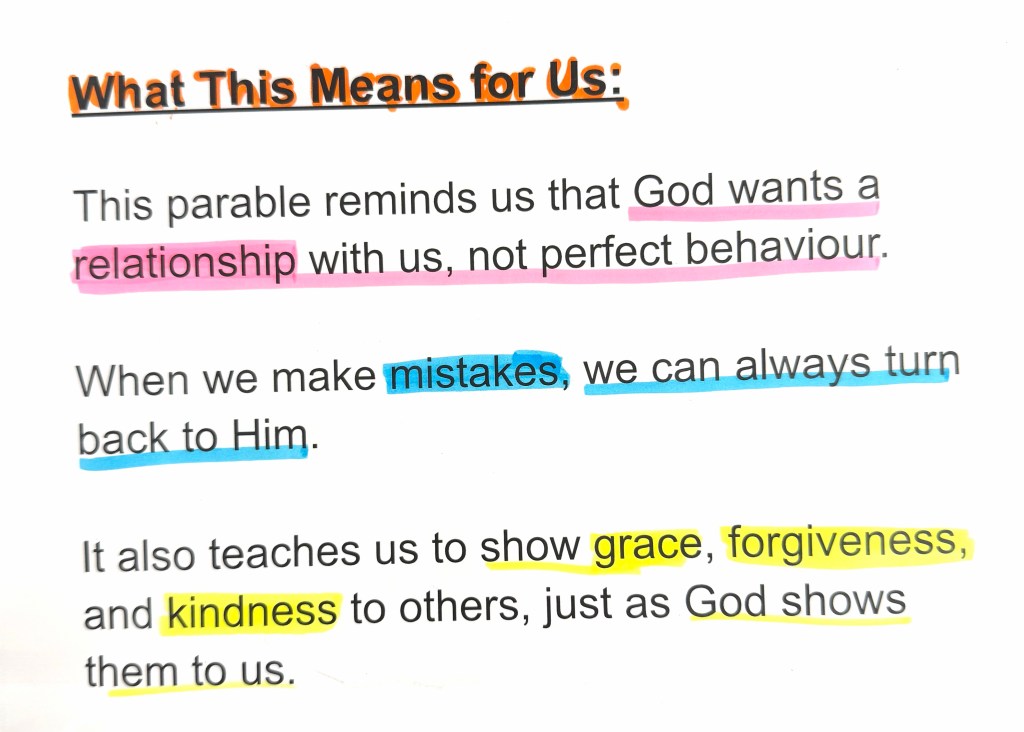
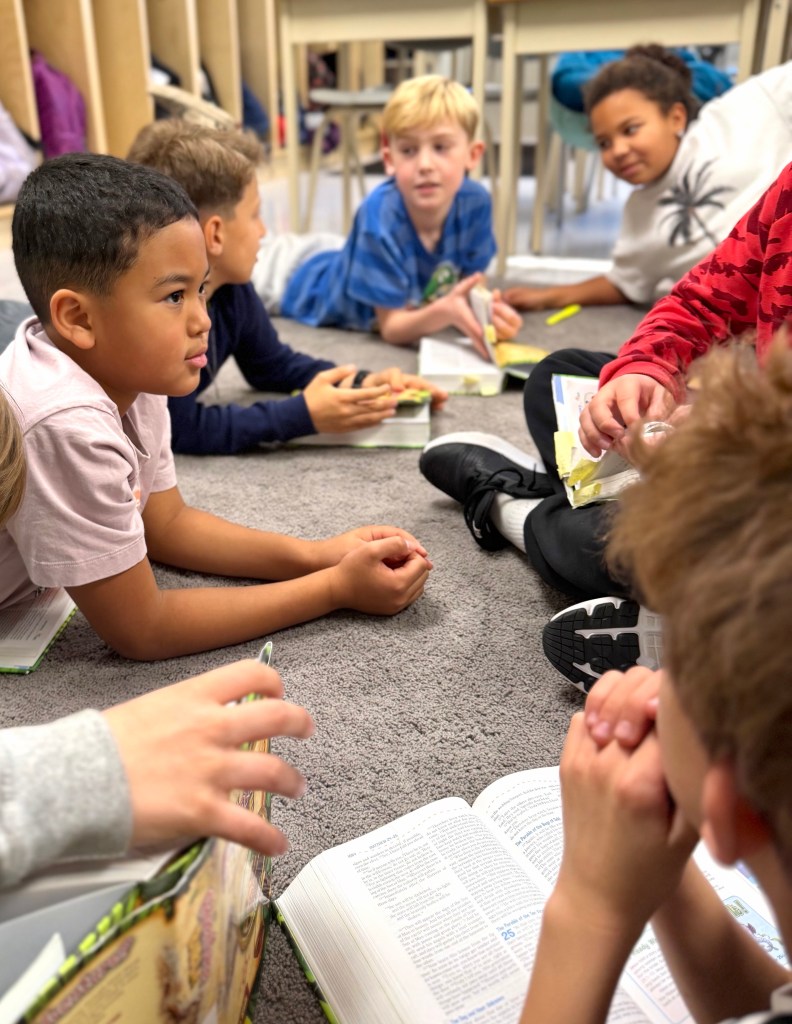
In Bible, we have continued our deep dive into the parable of the lost son—the story Jesus told about forgiveness, humility, and the extravagant love of a father. We have explored the big themes woven throughout the parable:
• repentance and second chances
• jealousy and comparison
• grace that is freely given, not earned
• and the joy of restoration
Students reflected on the heart of each character (the younger son, the older brother, and the father) and considered what this story teaches us about God’s character and our own responses to others.
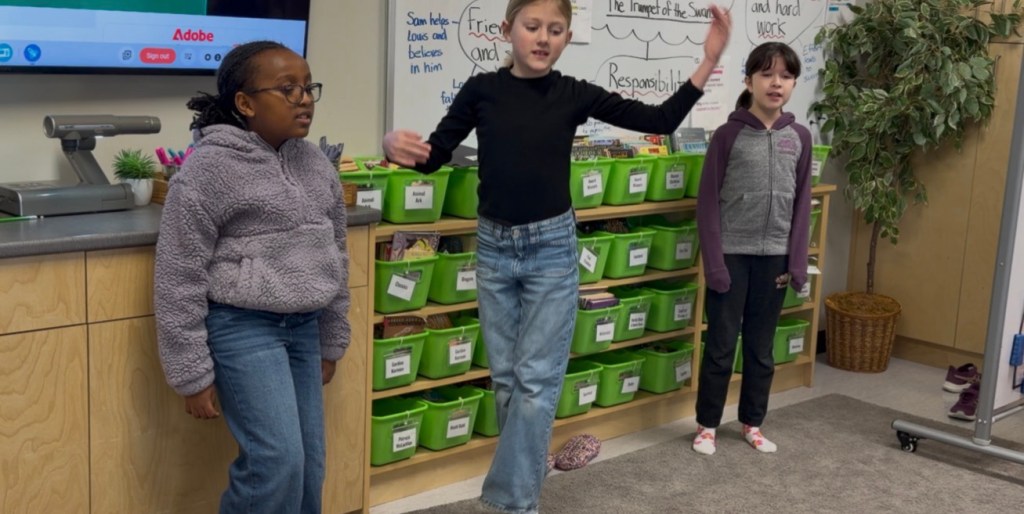
We have seen interpretive dance, comics, plays and artwork expressing the students learning of the parable of the prodigal son.
As a creative extension, students expressed their understanding in meaningful and imaginative ways. Some created their own dramatizations of the story, others choreographed interpretive dances, and some designed thoughtful comic-strip retellings that captured the emotional turning points of the parable.
It has been beautiful to see how deeply students are engaging, not just retelling the story, but wrestling with its meaning.
More to come as we continue unpacking its layers together.
Just a fun look at what a “bunny circle” is in our Crew block.
You could ask your child: What was in the black gift box in your Language Arts lesson today?
Hello, 4A families!
Peek inside our class! These photos and descriptions of learning are here to support you and your child in conversations about learning.
Upgrading Our Writing Skills…
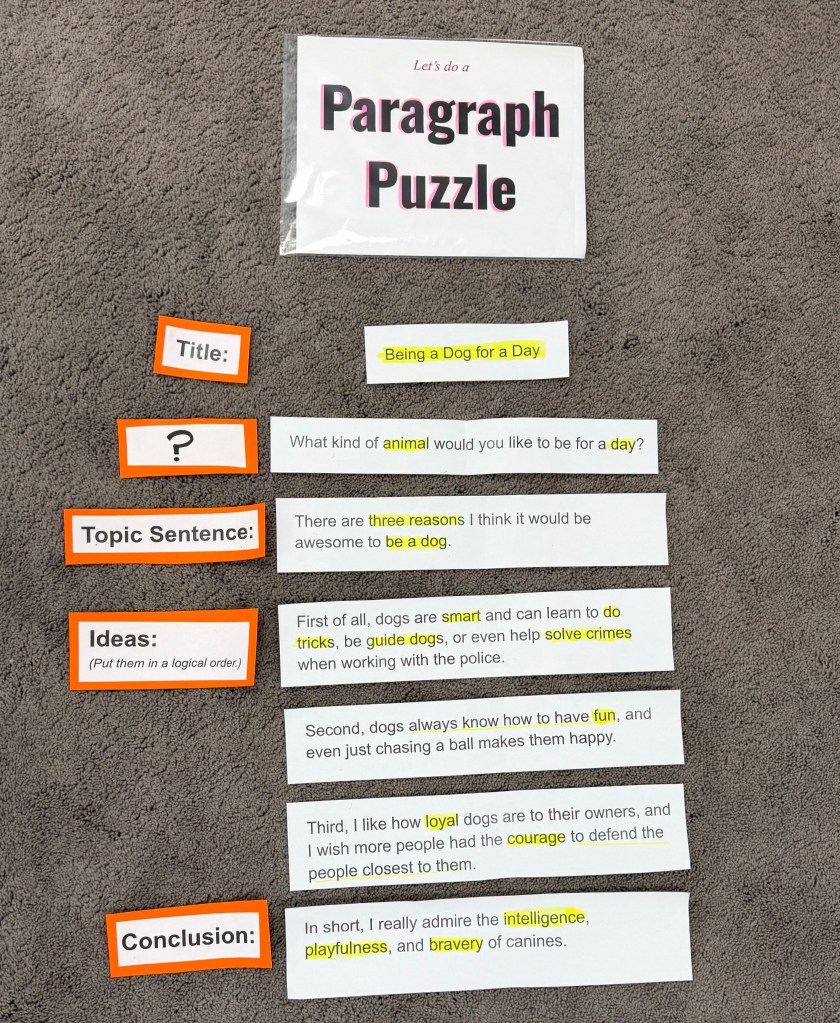
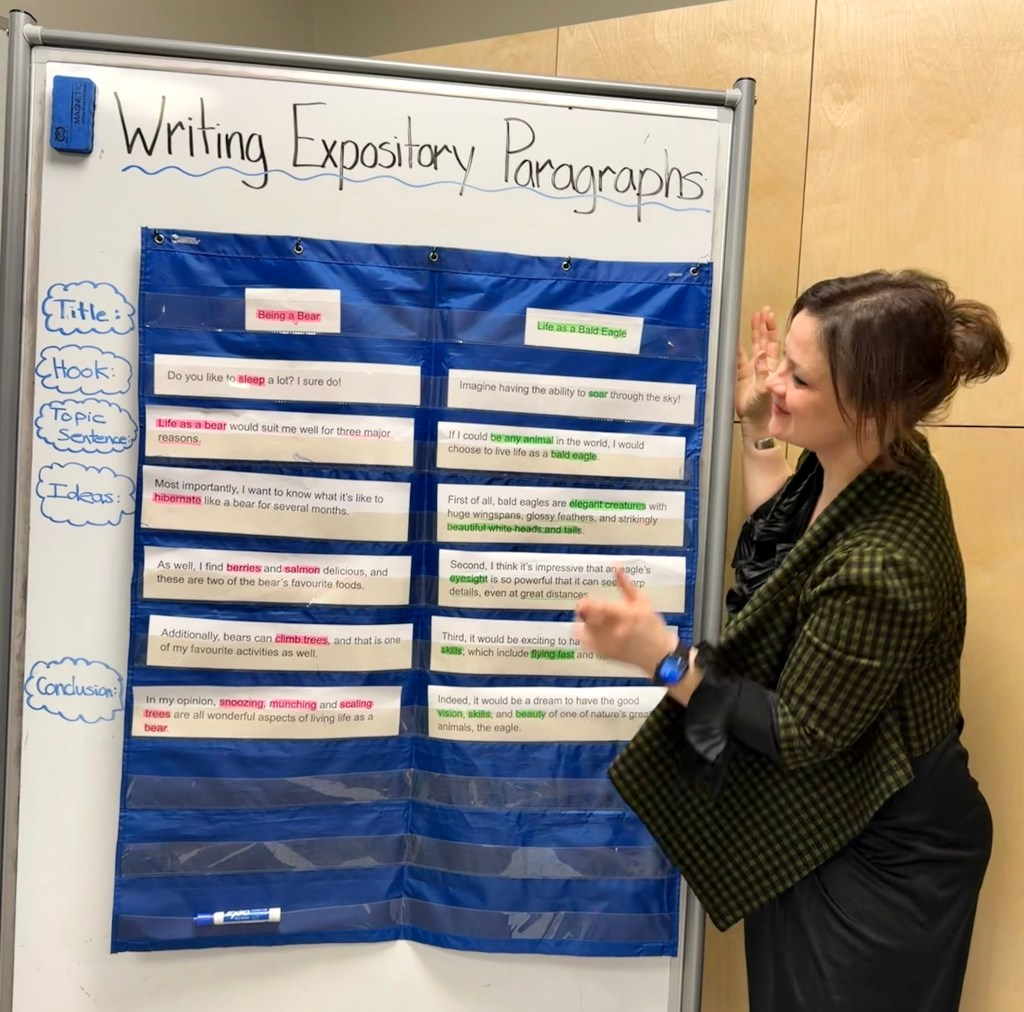
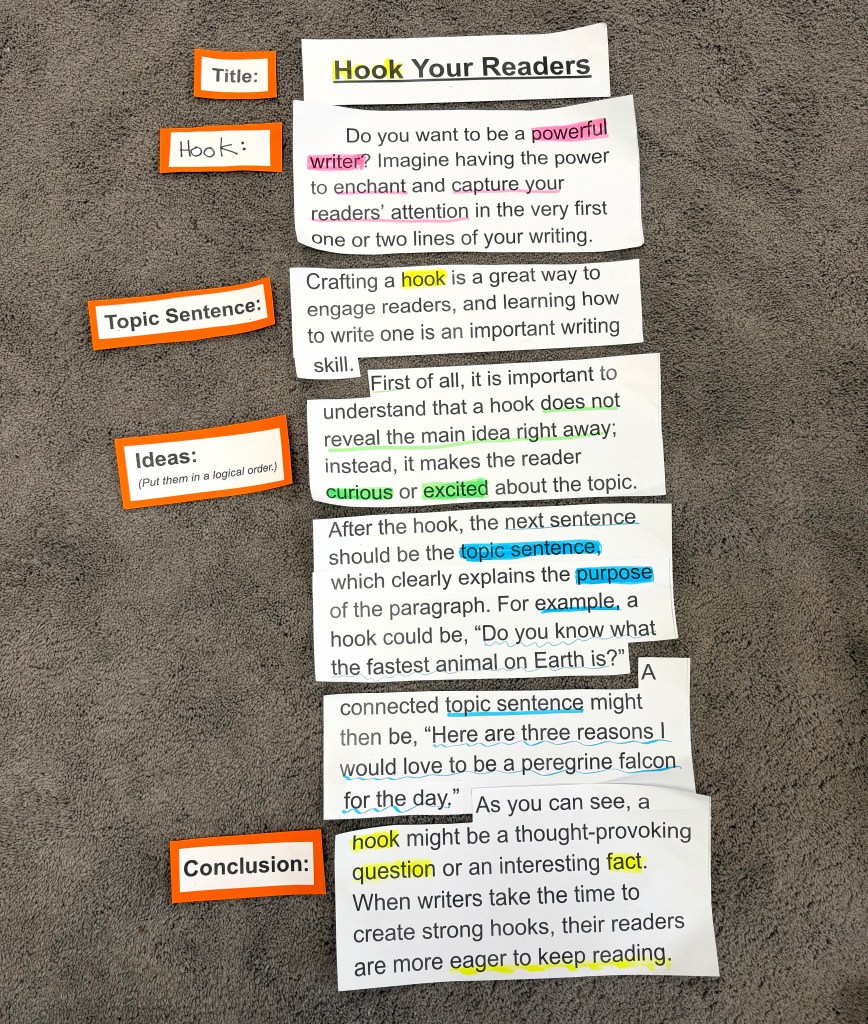
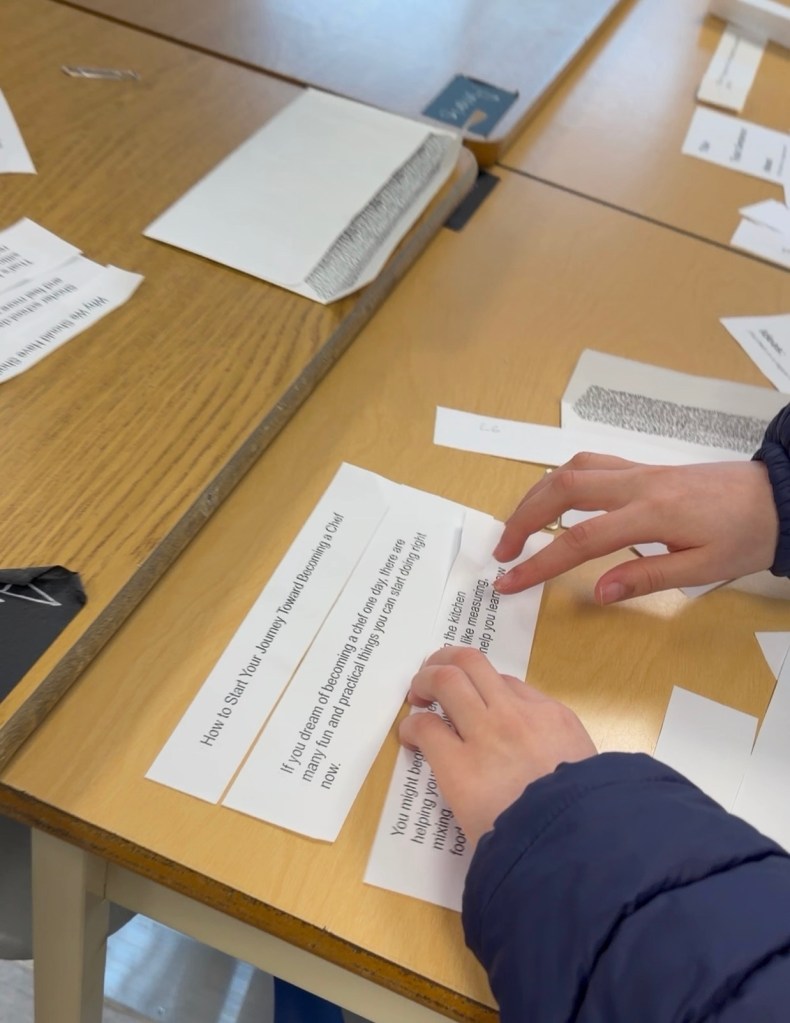
As writers, how can we learn to capture our readers’ attention right away? Students worked in term one on writing topic sentences, and this important learning continues.
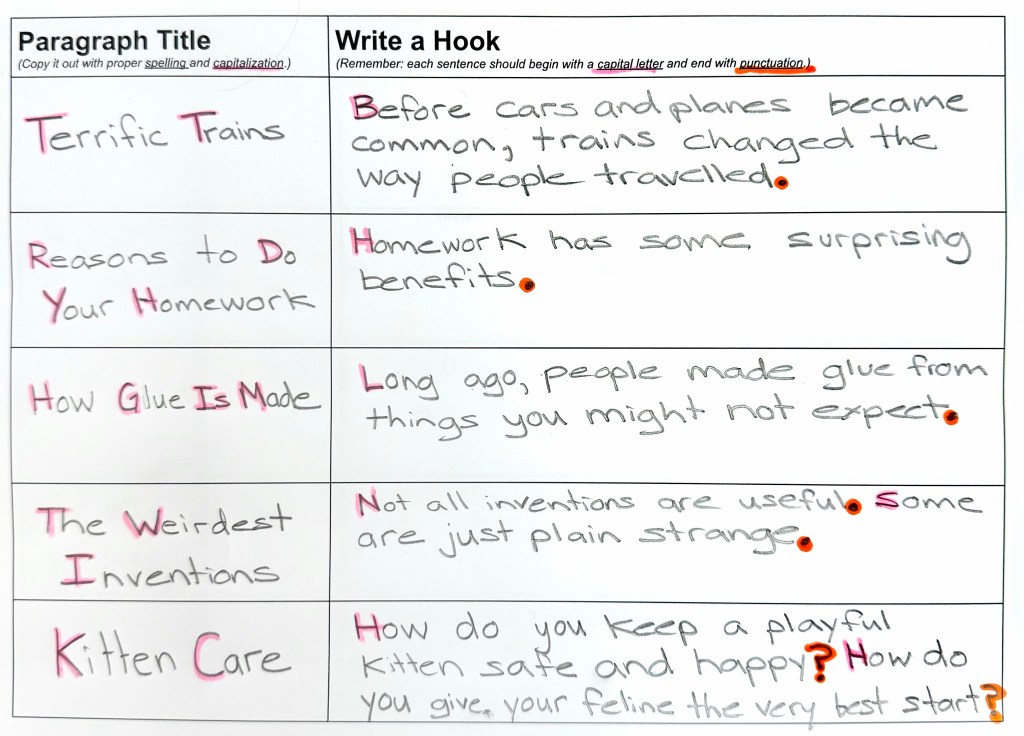
However, it is time to add some style and depth to our paragraph writing by crafting hooks!
This was lesson 1 of 3 before students will be asked to apply their new hook writing skills next week in an expository paragraph on topic of their choosing for a final unit assessment. (Before then, for practice they will write dozens of hooks and a few practice paragraphs and get feedback on them.)
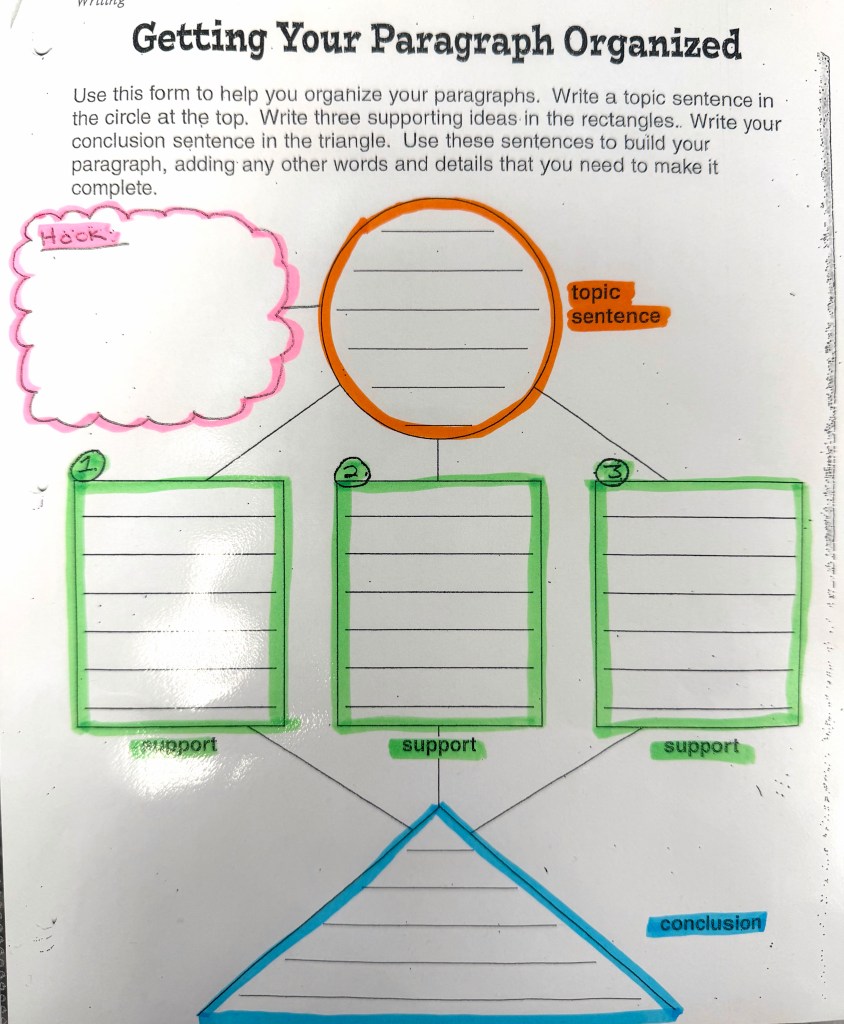
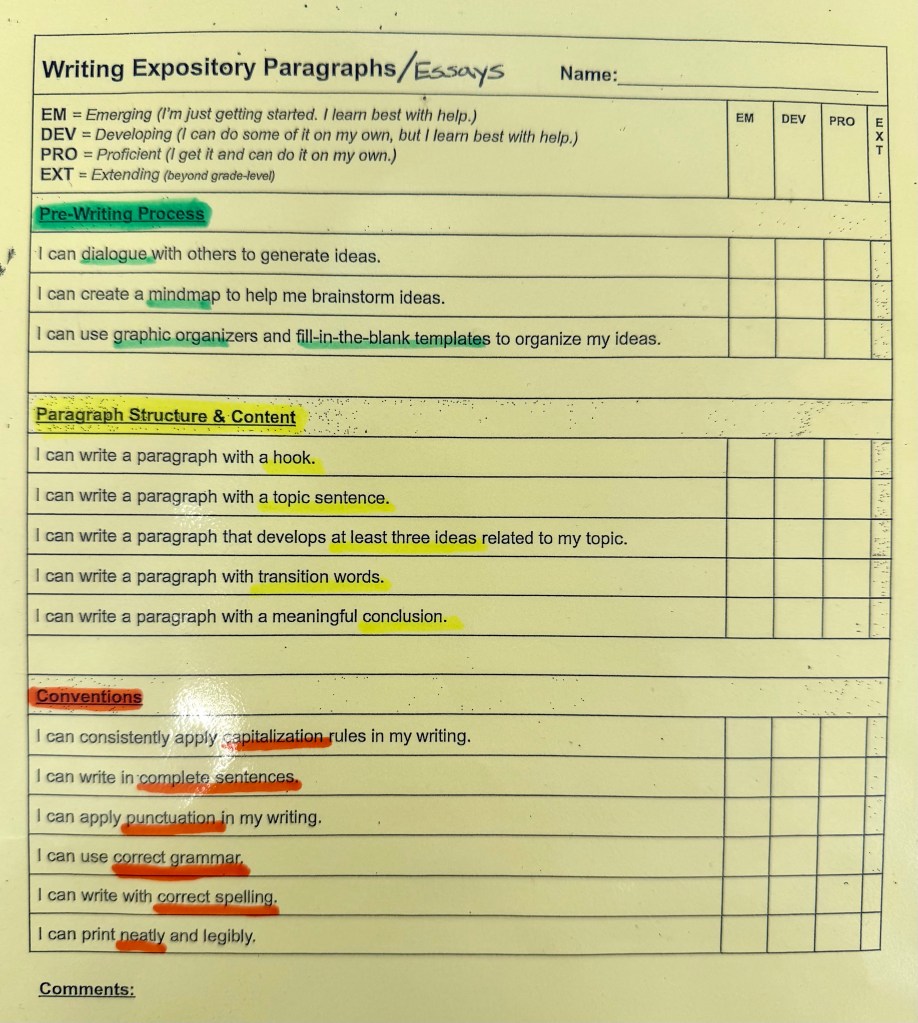
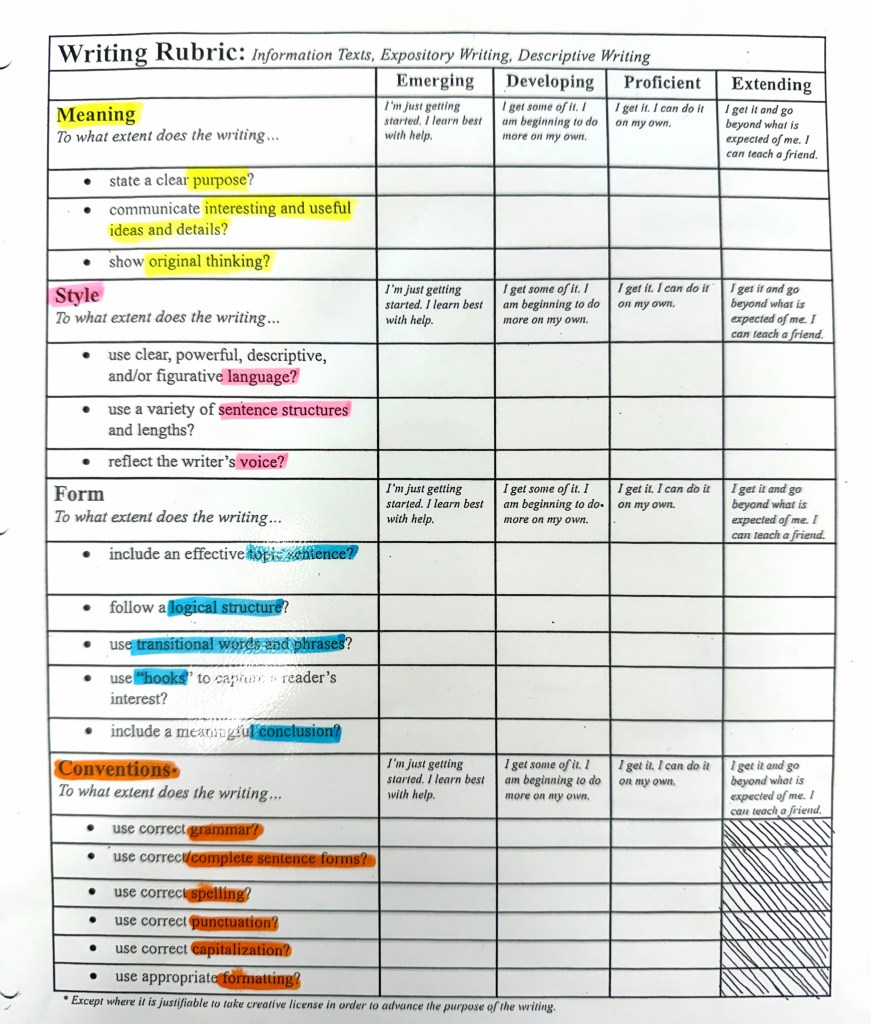
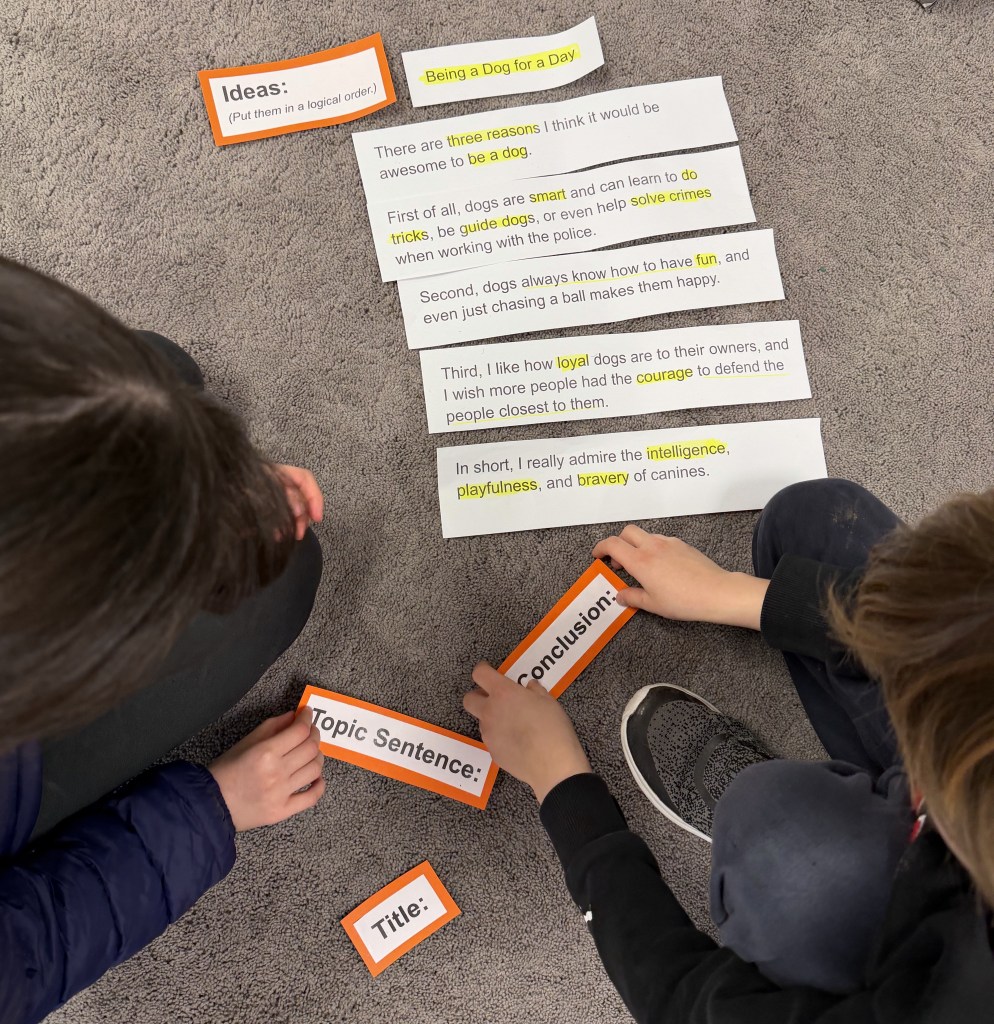
Below you can see a graphic organizer students have used this year to plan their writing and some rubrics to assess and provide feedback.
Our Novel Study…
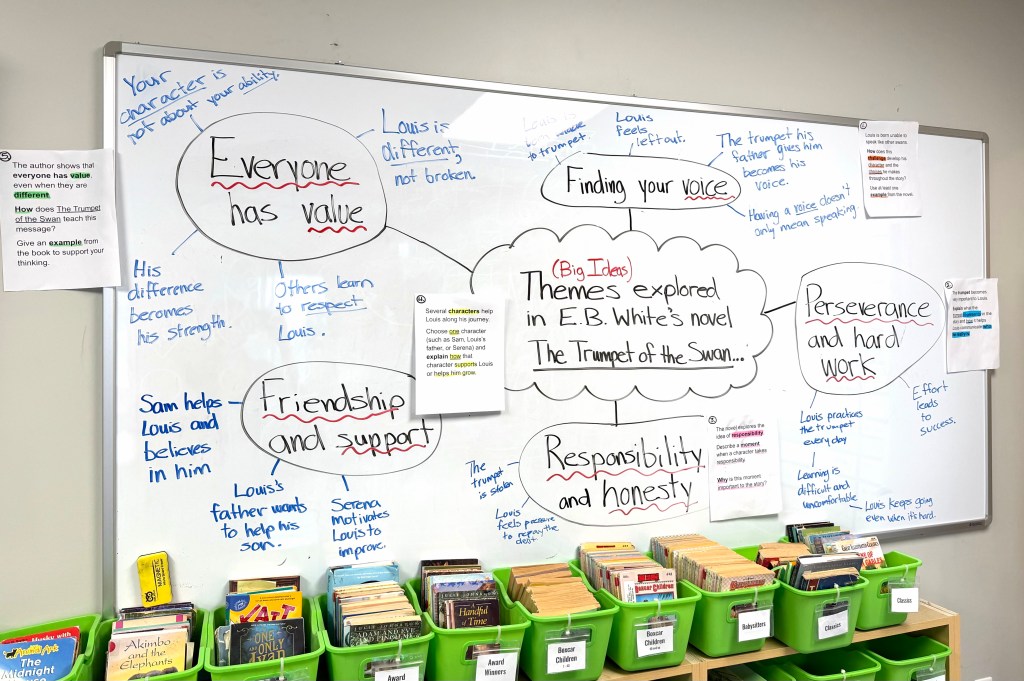
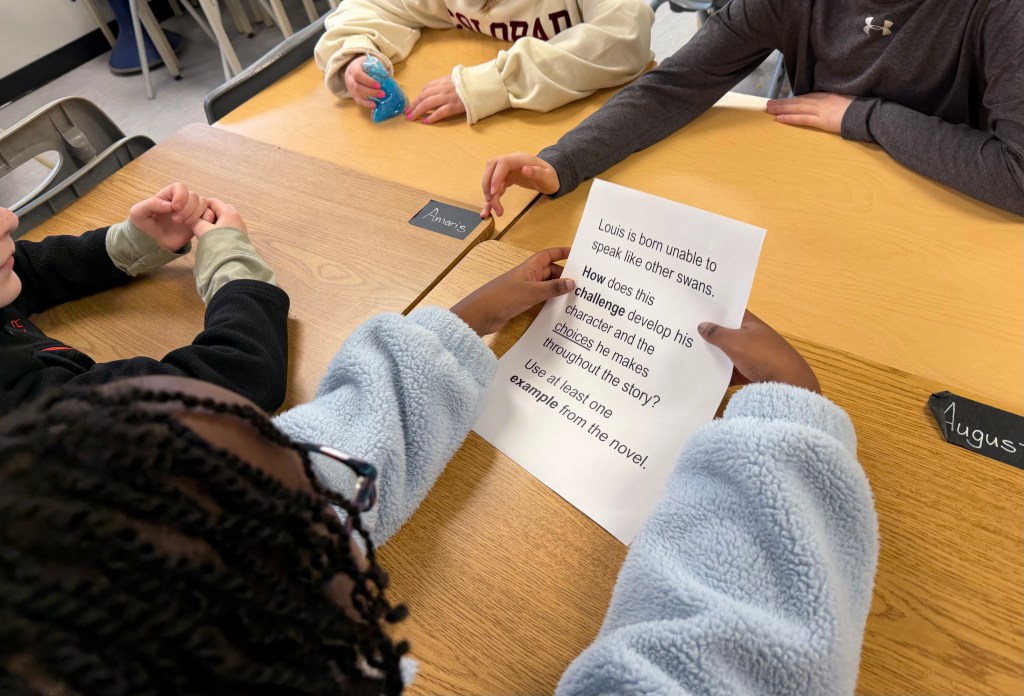
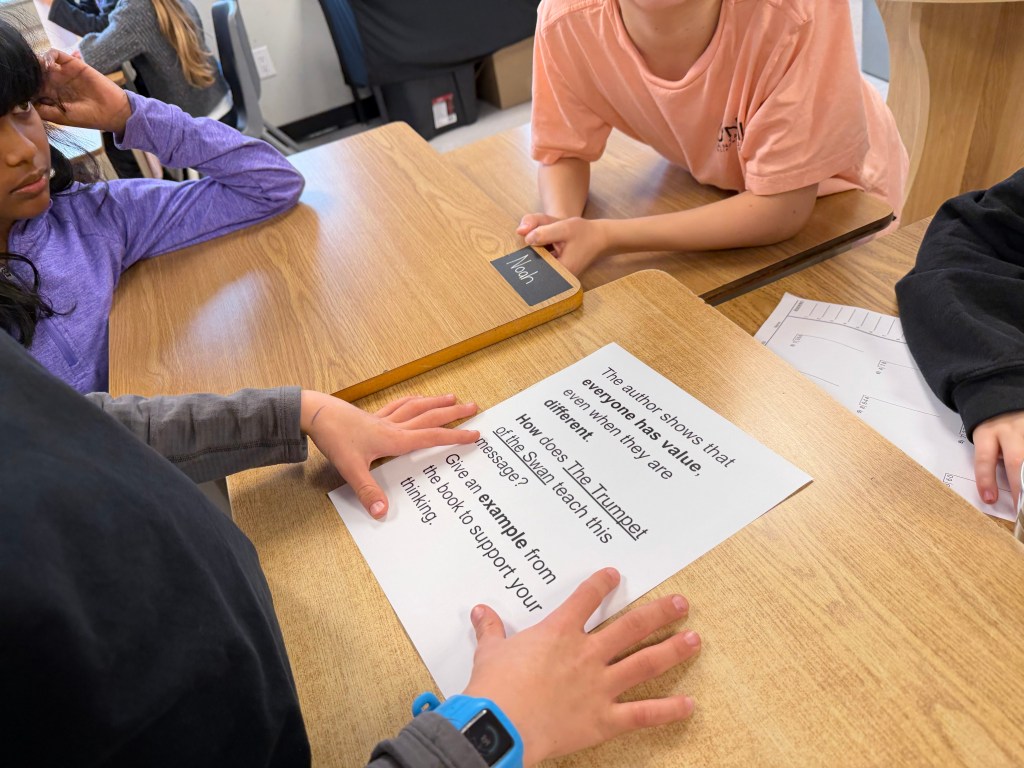
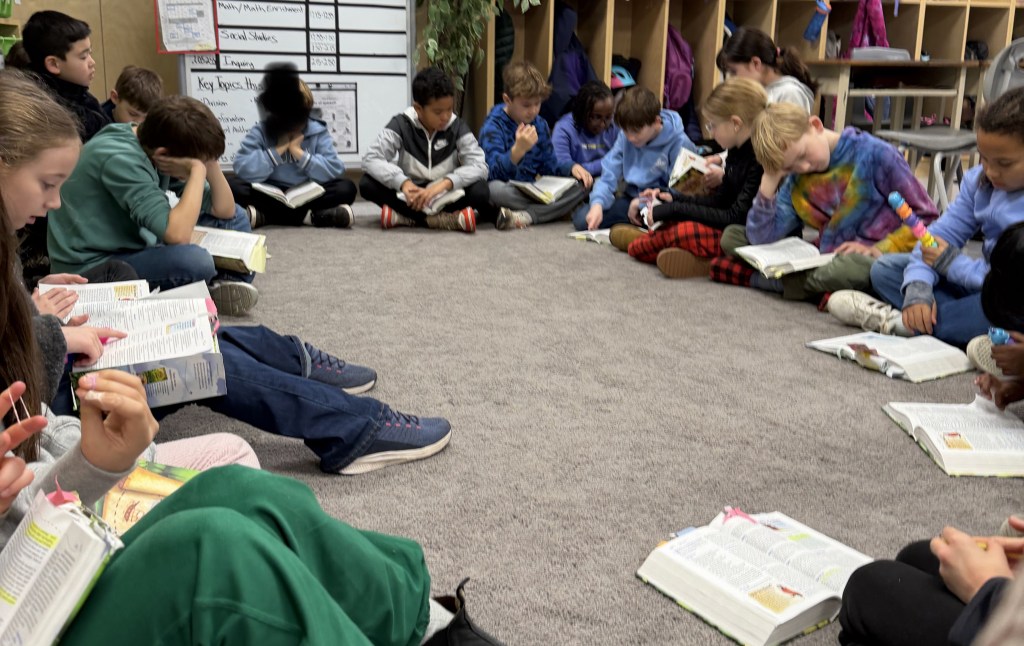
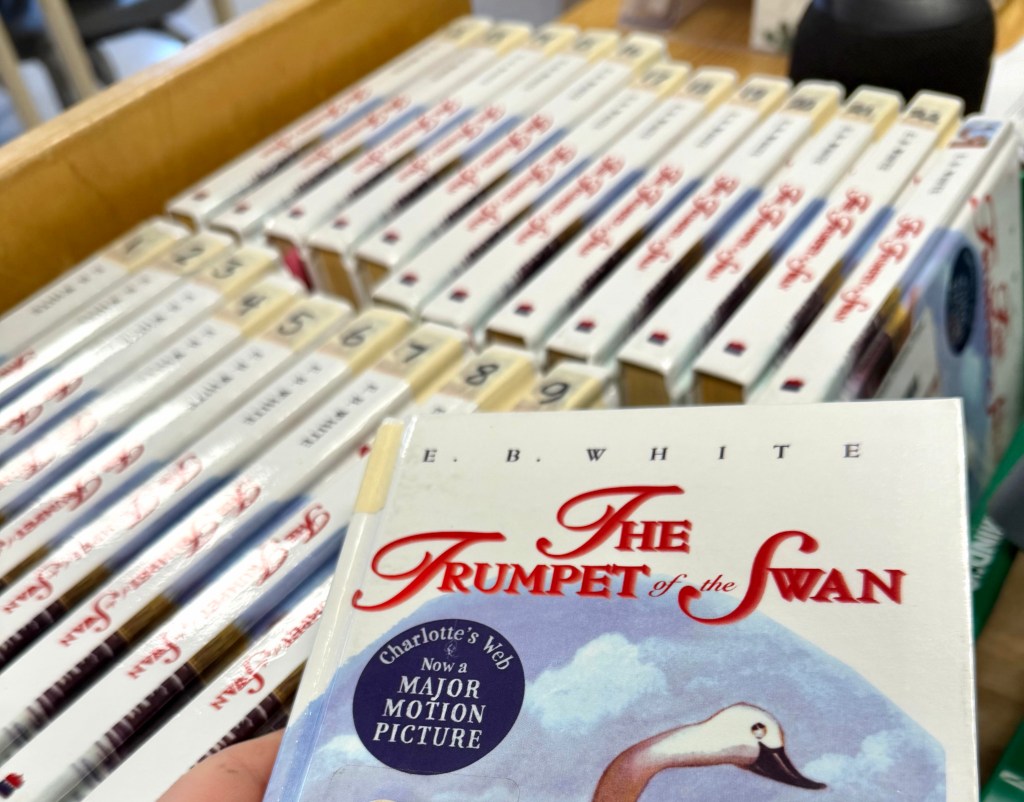
We finished reading E.B. White’s novel, “The Trumpet of the Swan” and have been discussing its five major themes: finding your voice, perseverance and hard work, responsibility and honesty, friendship and support, and the fact that everyone has value.
We have been studying Jesus’s early life and ministry, especially his parables.
We also did a deep dive on the Parable of the Lost Son (Prodigal Son). Stay tuned for a future full blog post on this unit of study once students are finished the creative dimension of this work.
Students have begun plans for plays, comics, songs, videos, puppet shows, and more to deepen and communicate their learning of the lessons Jesus has for us in this story.
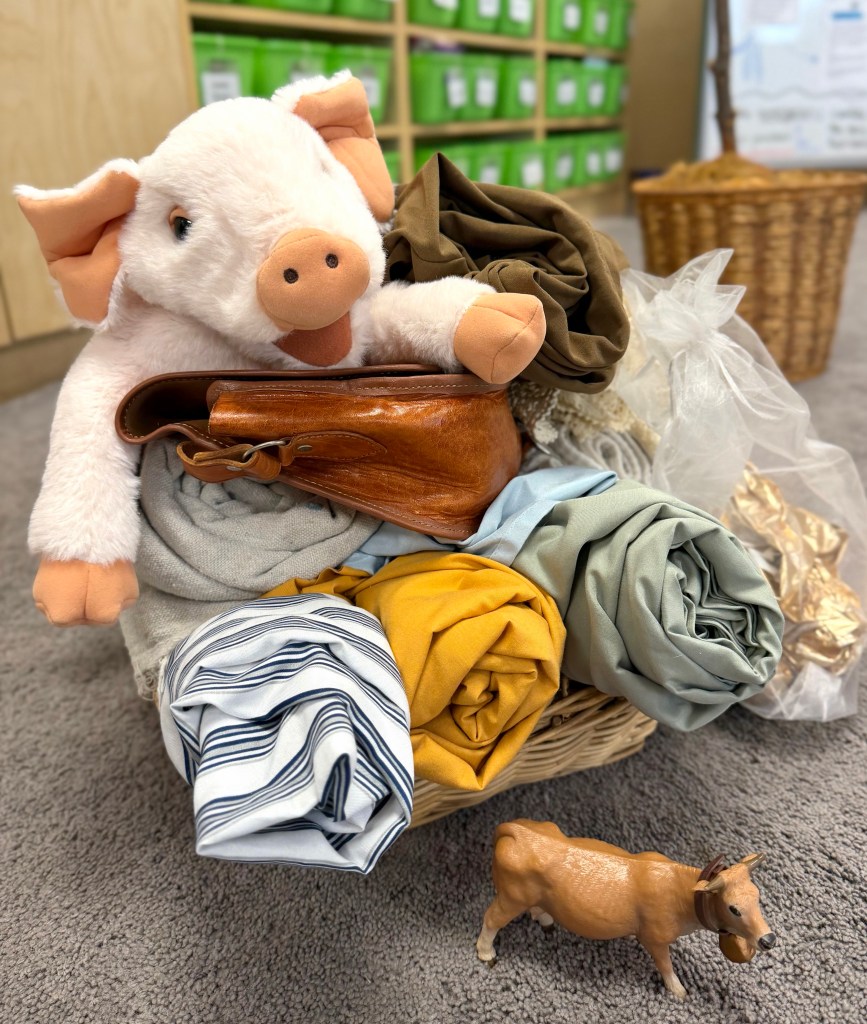
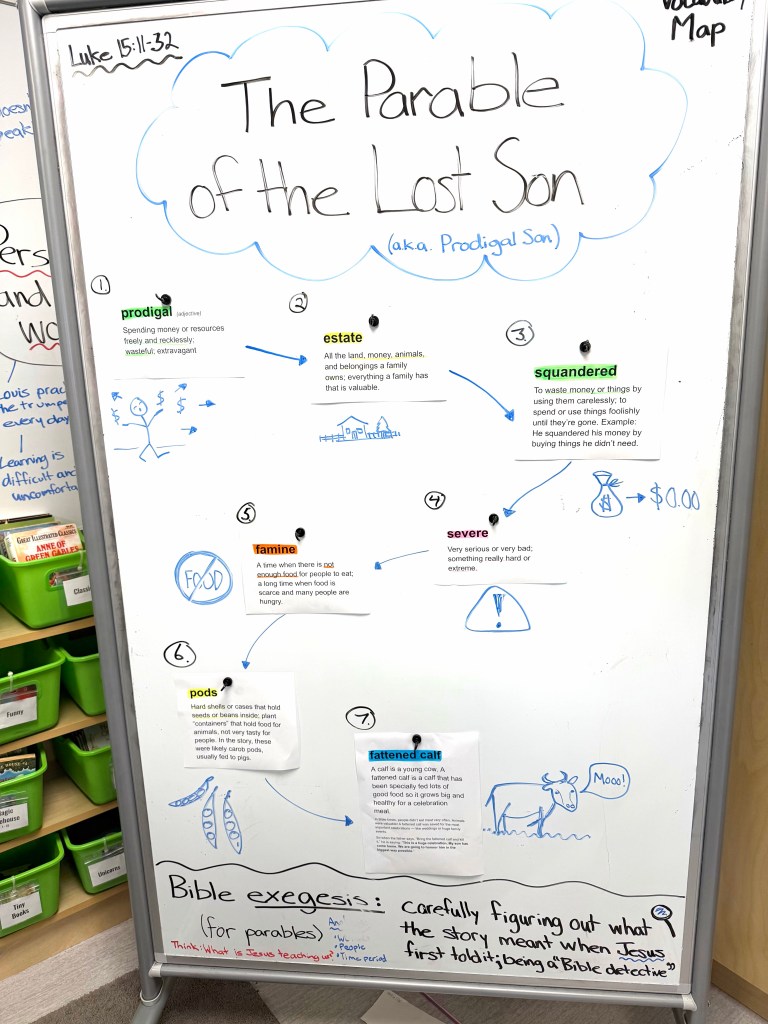
I have a few fun props and costumes students may use, but we welcome families to send in more “prodigal son”-related items to help us bring this story to life! Before Bible reading, we learn new vocabulary and its meaning in context the Bible times context to deepen our exegesis.
Below is a video of Christian music artist Josiah Queen’s song, The Prodigal. We played this song in class today to illustrate how we can creatively engage with ideas in the Bible.
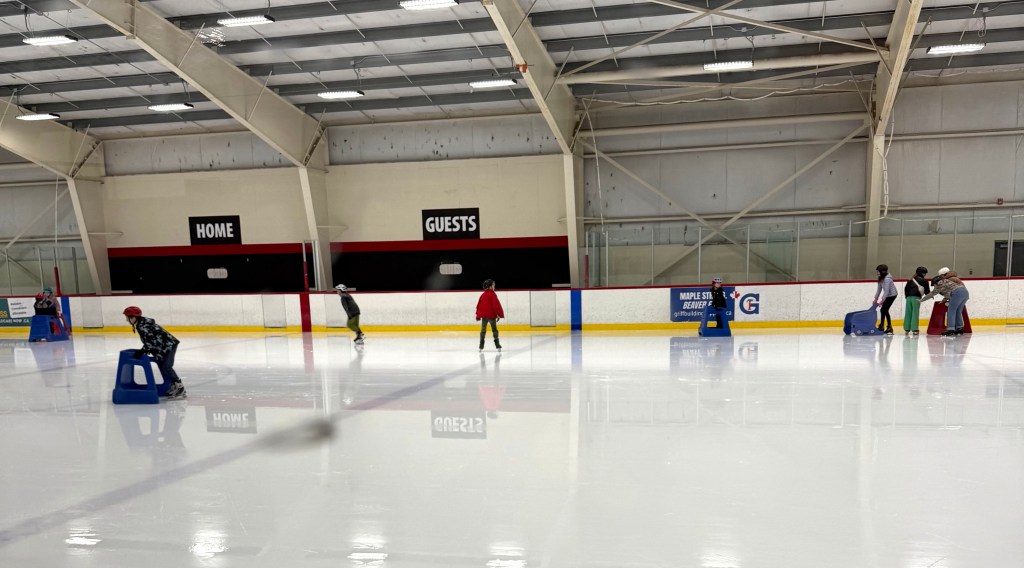
Skating was awesome!
In Math…
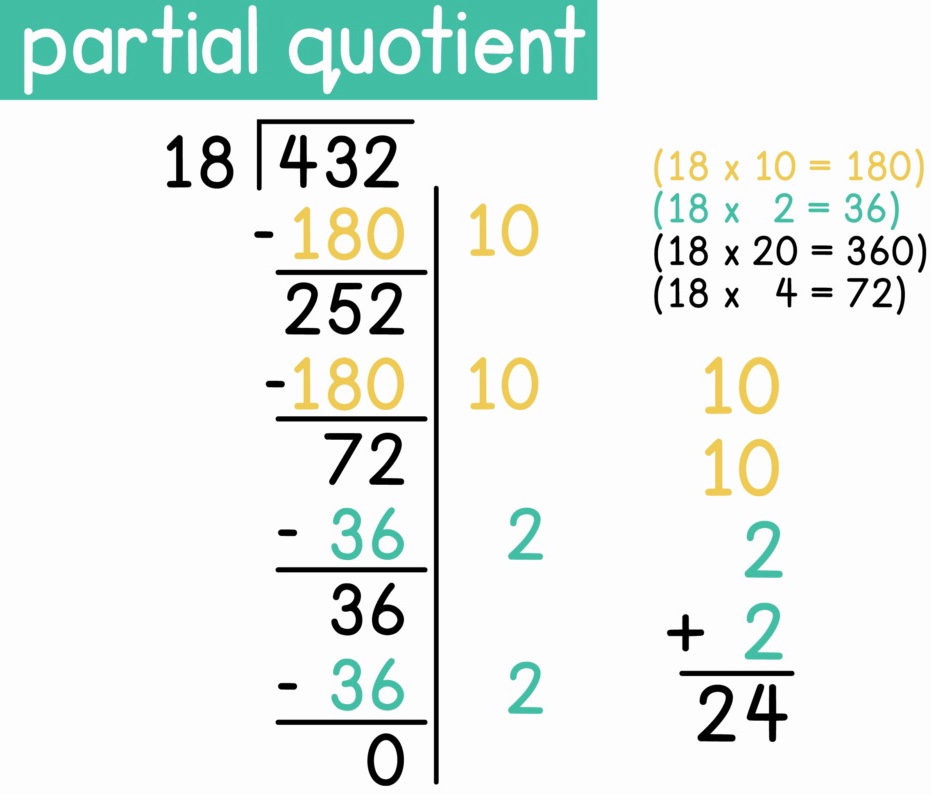
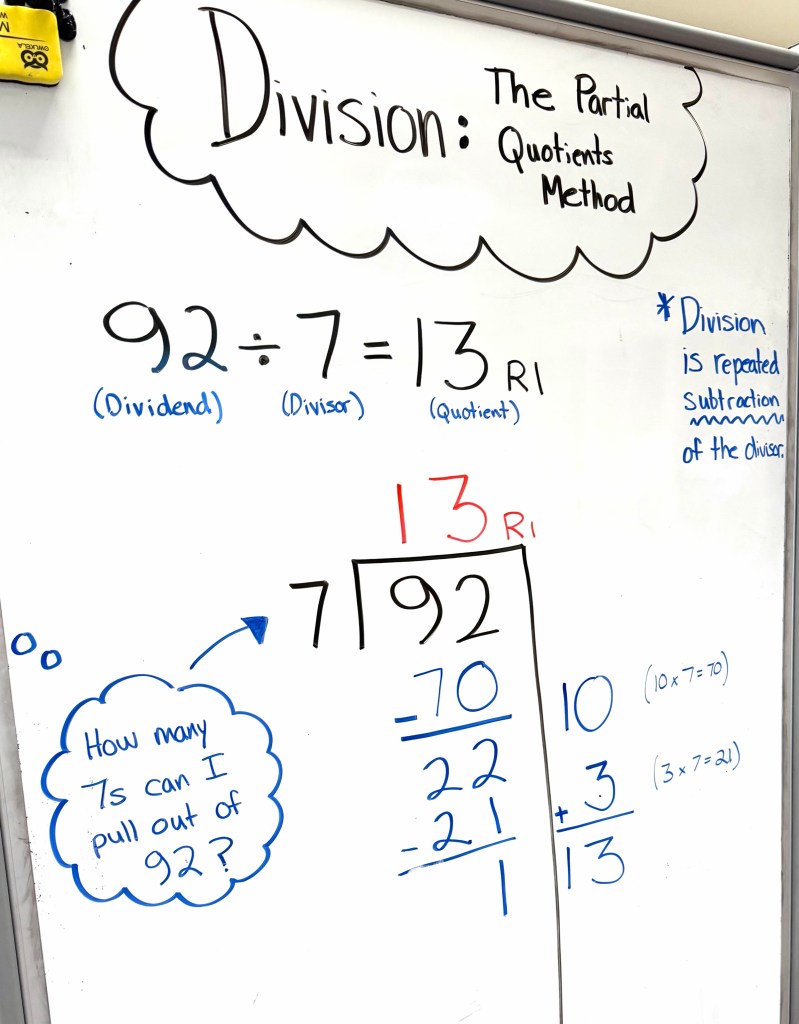
We are continuing with daily practice of the Partial Quotients method of division. I have assigned all students to do 3 division questions at home each night (like complete their daily math worksheet that they bring home in their agenda or make up new questions to check with a calculator, parent, or with multiplication).
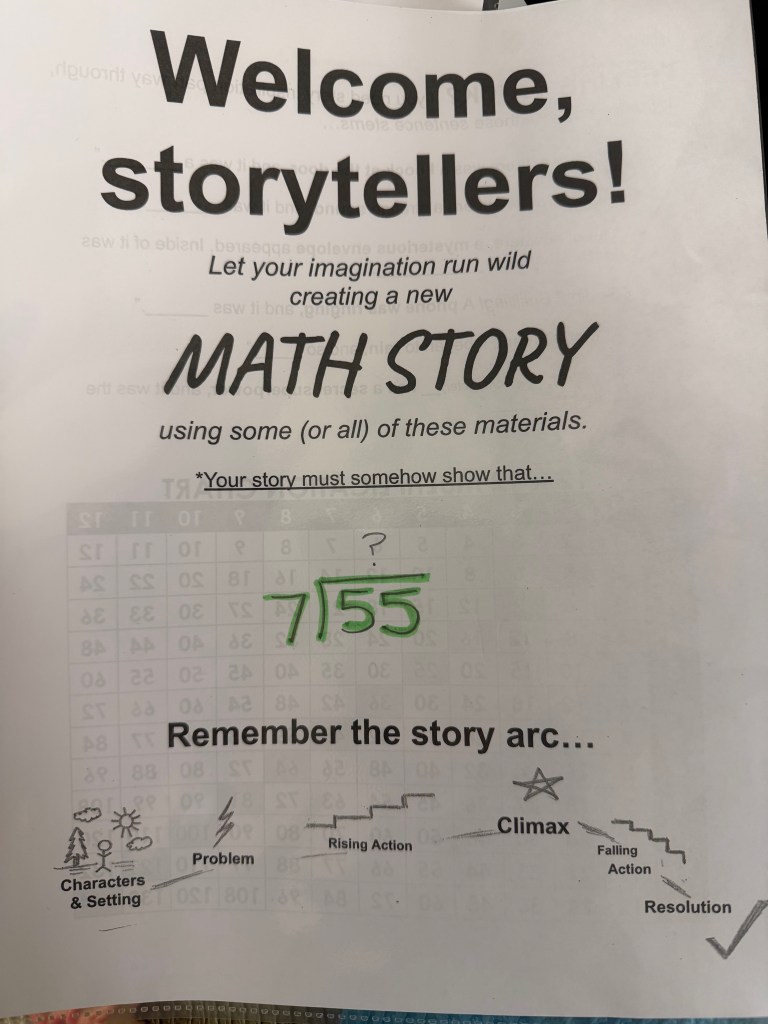
Math stories continue as well.
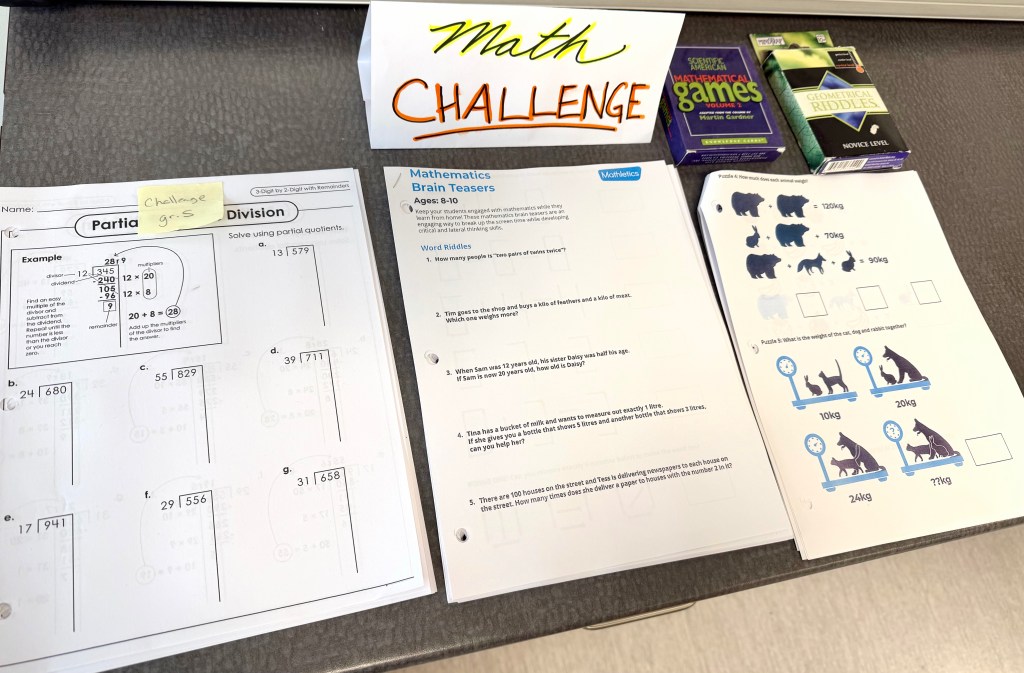
Students who finish their work early are invited to explore grade 5+ level worksheets, choose math enrichment handouts, play math card games, work with manipulatives, or dive into math stories that challenge them to apply their understanding in new ways.
In our class, math leaders have a special role—anyone can work their way to becoming a math leader. Once they demonstrate mastery of a topic in an assessment and complete their own regular work, they are “deployed” first as helpers (serving their peers for a few minutes) before moving on to new enrichment challenges or choice activities. (Doing your homework pays off!)
Learning Coats…
They are coming along beautifully! The symbolism and thought expressed in this textiles project is powerful! We can’t wait to show you!
Perhaps ask your child to share with you something he/she has newly added…
Here is a window into our week of learning. *Reminder that our class will go on our SKATING FIELD TRIP this coming Monday, Feb. 2nd. Please send in that day a helmet and warm outerwear (and skates only if your child is not renting).
In Language Arts & Arts Ed…
We have continued our novel study of “The Trumpet of the Swan” by E. B. White.
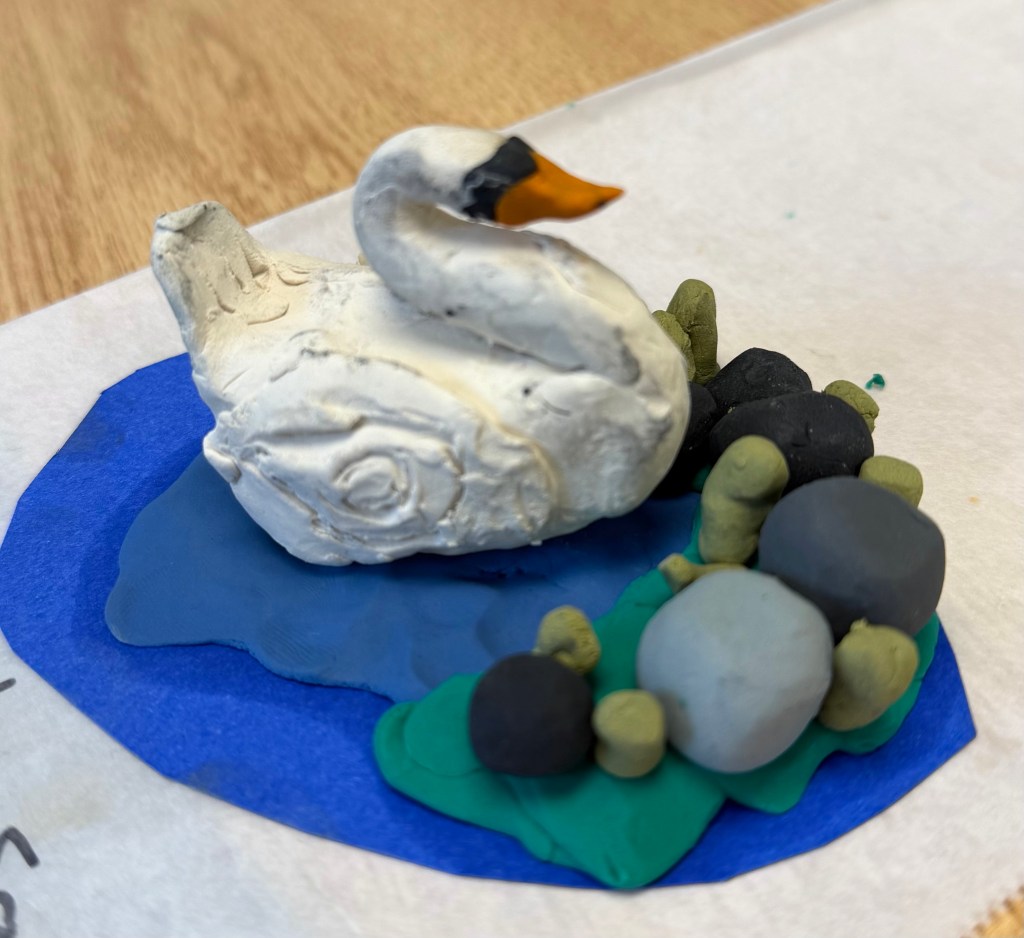
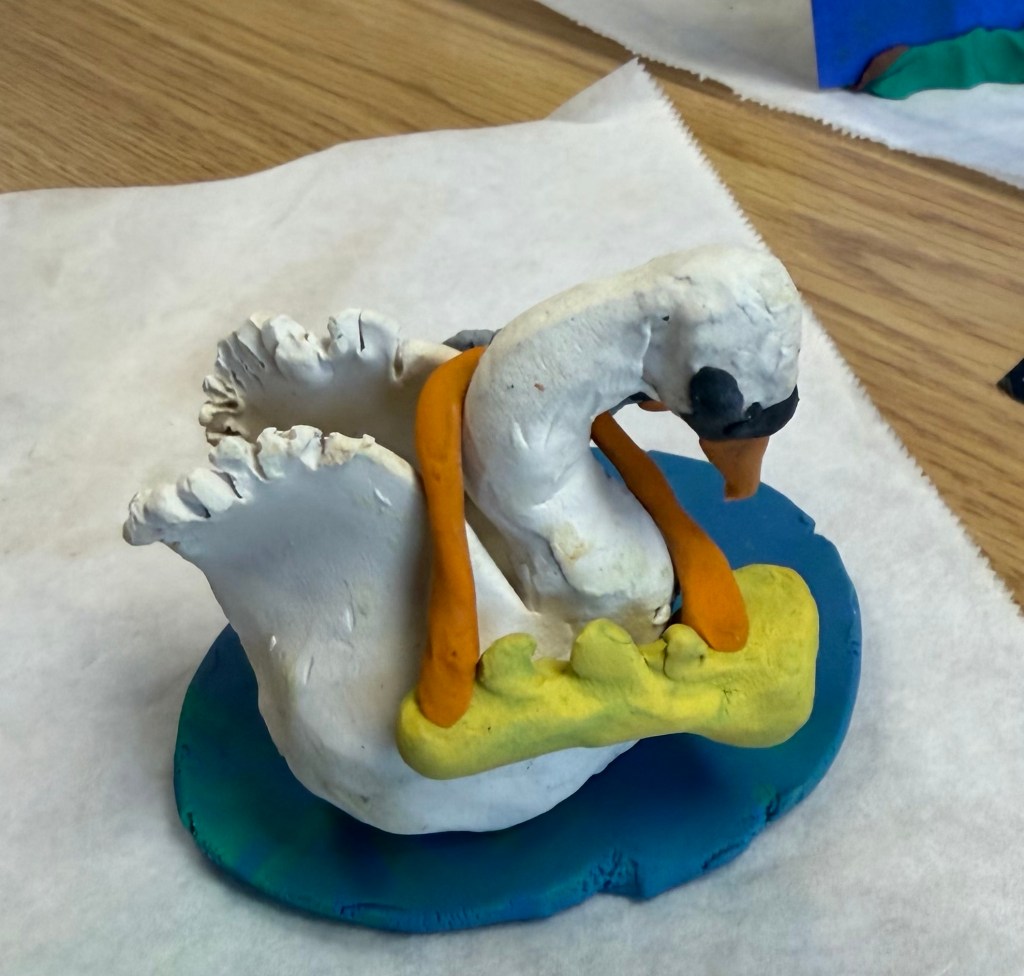
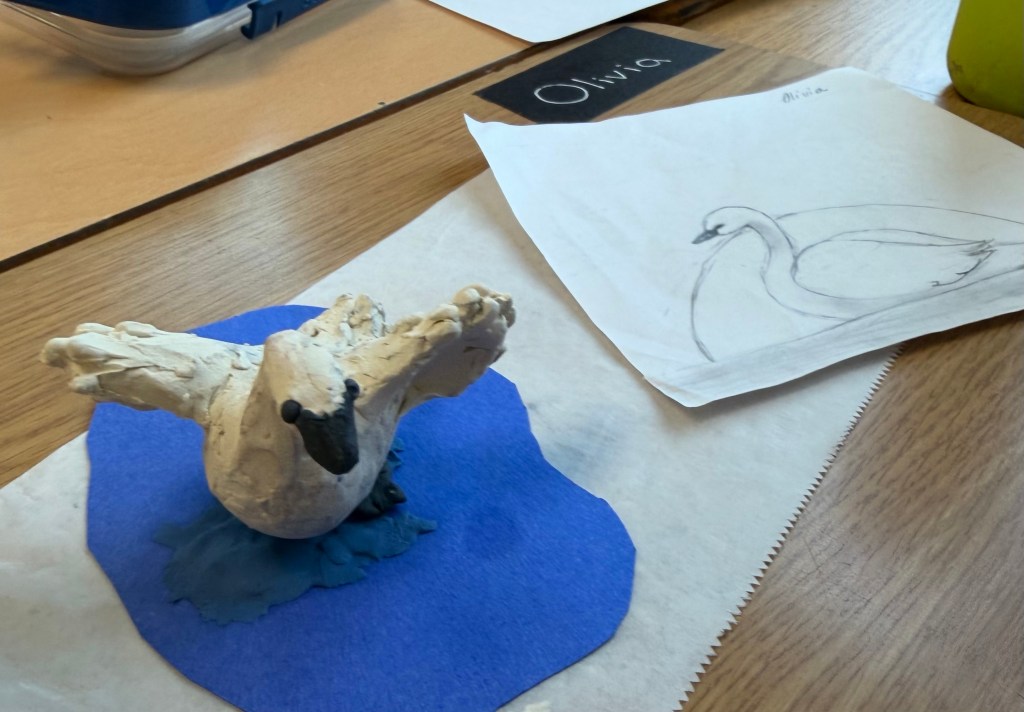
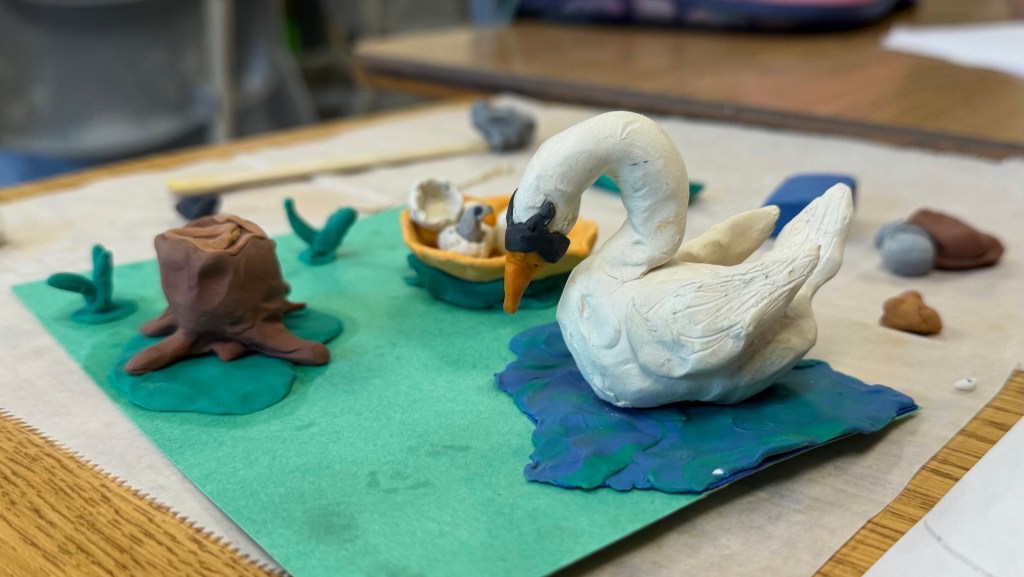
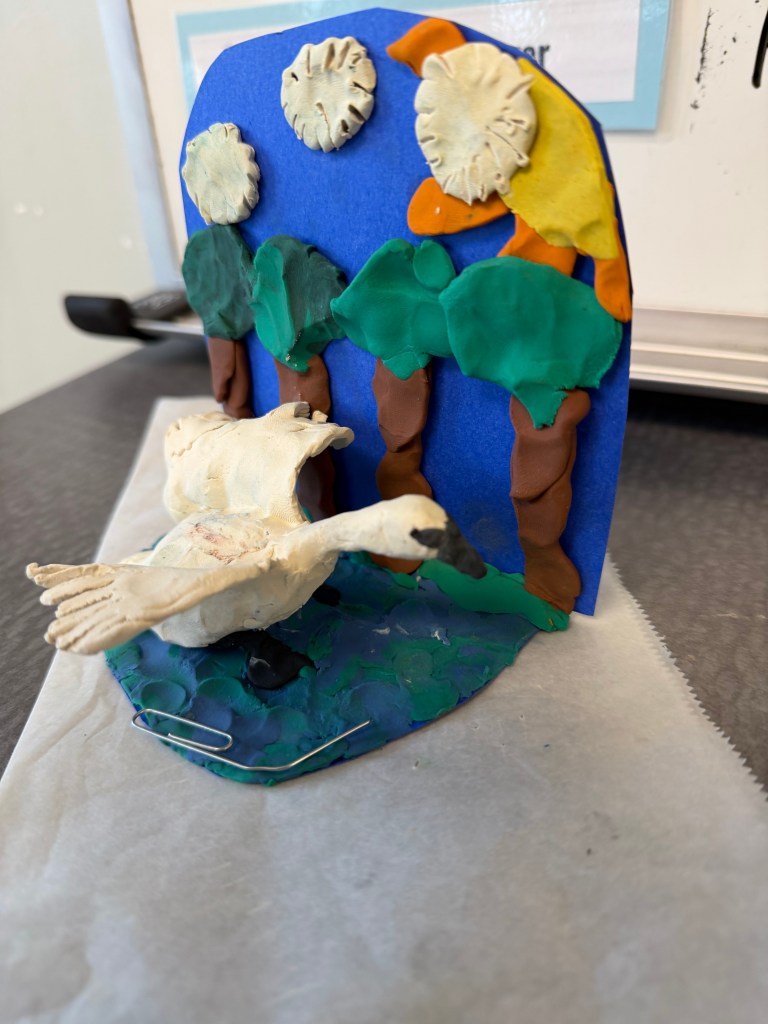
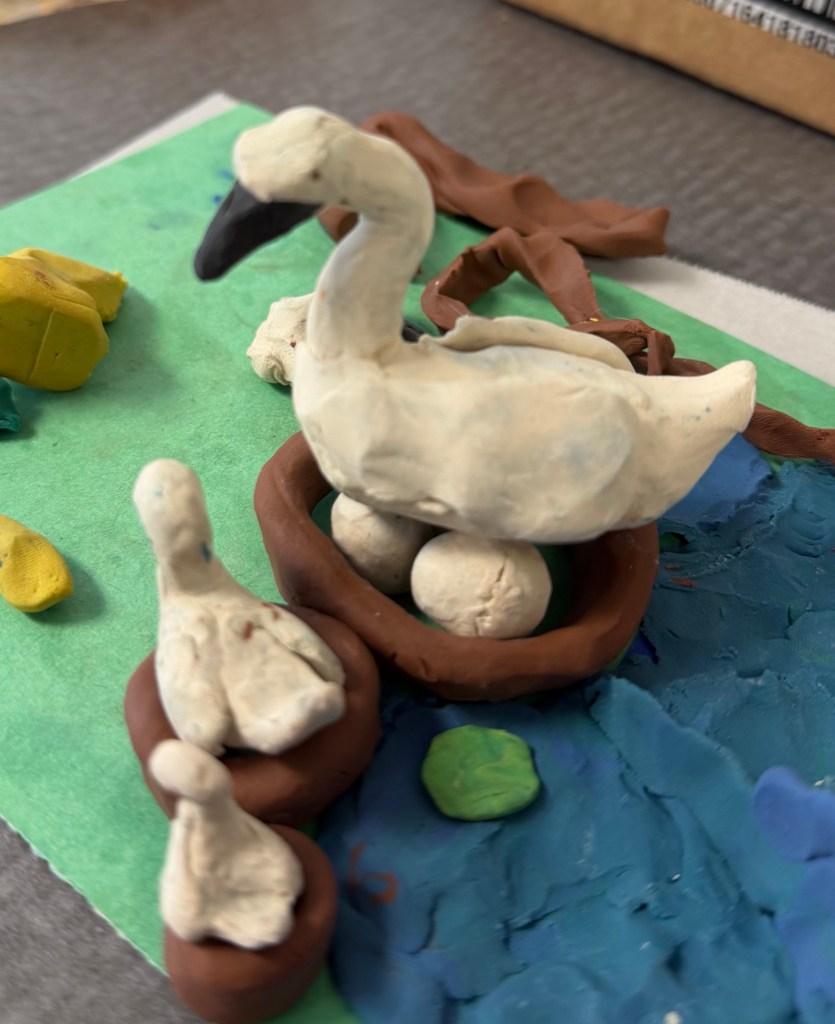
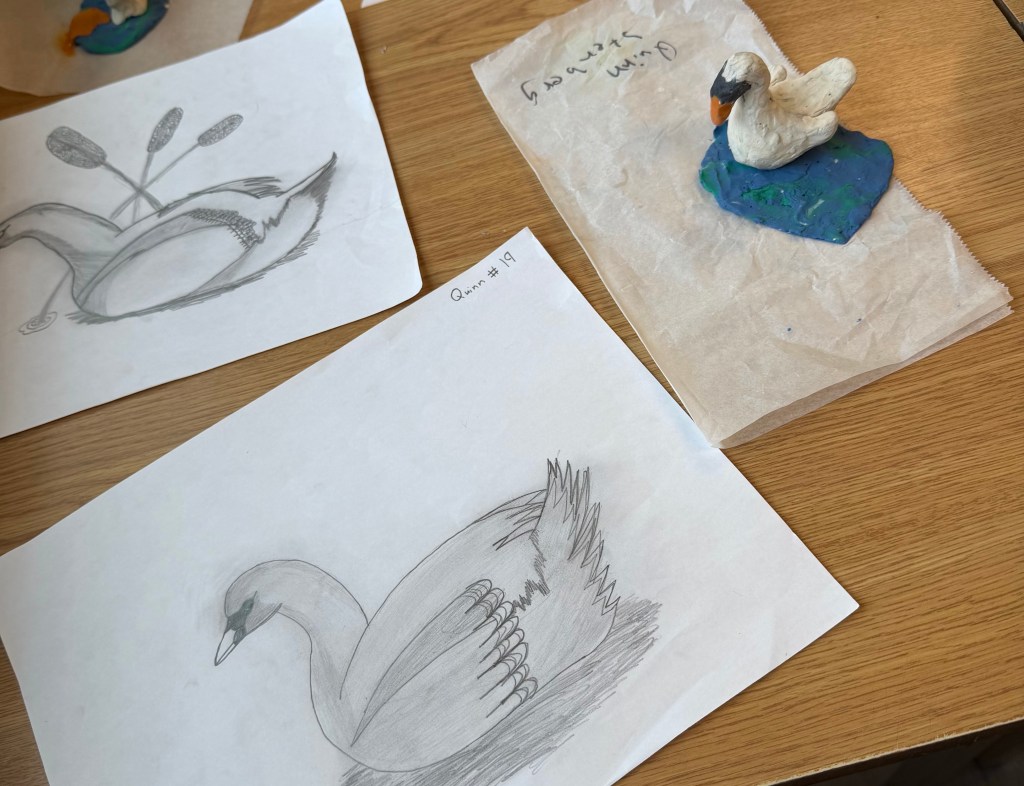
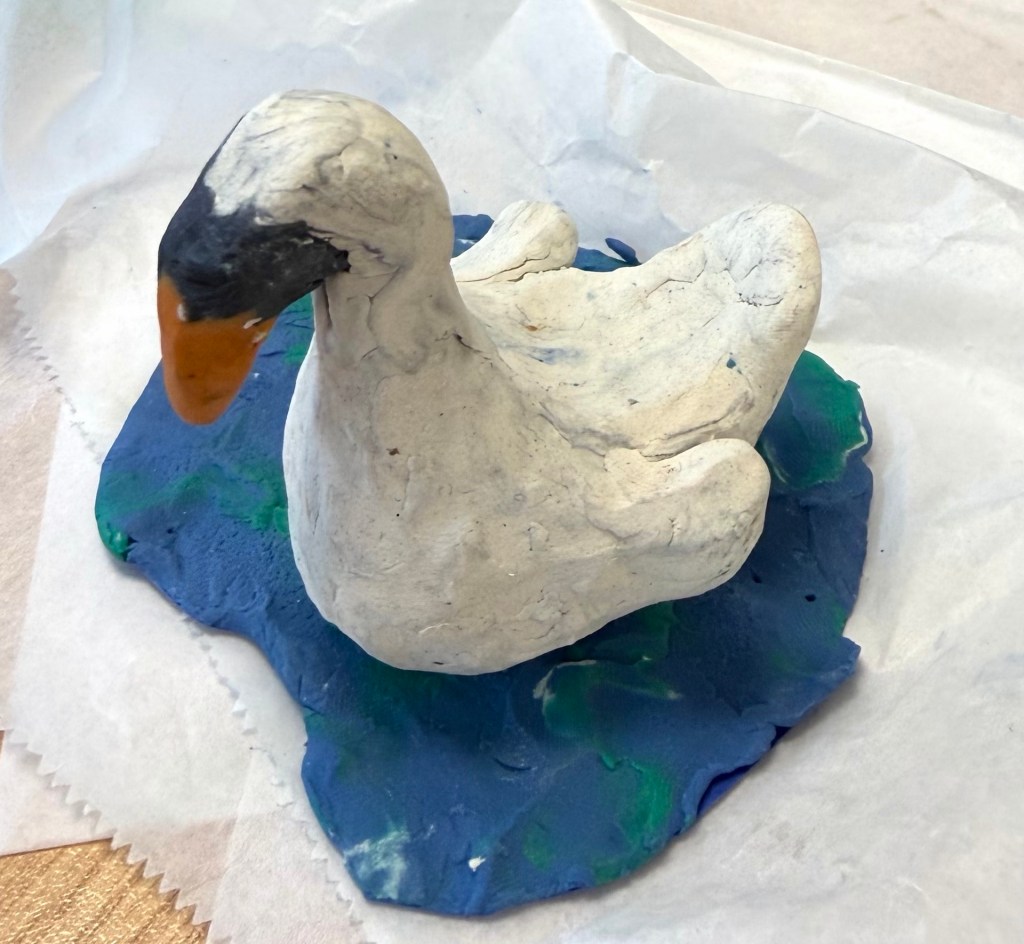
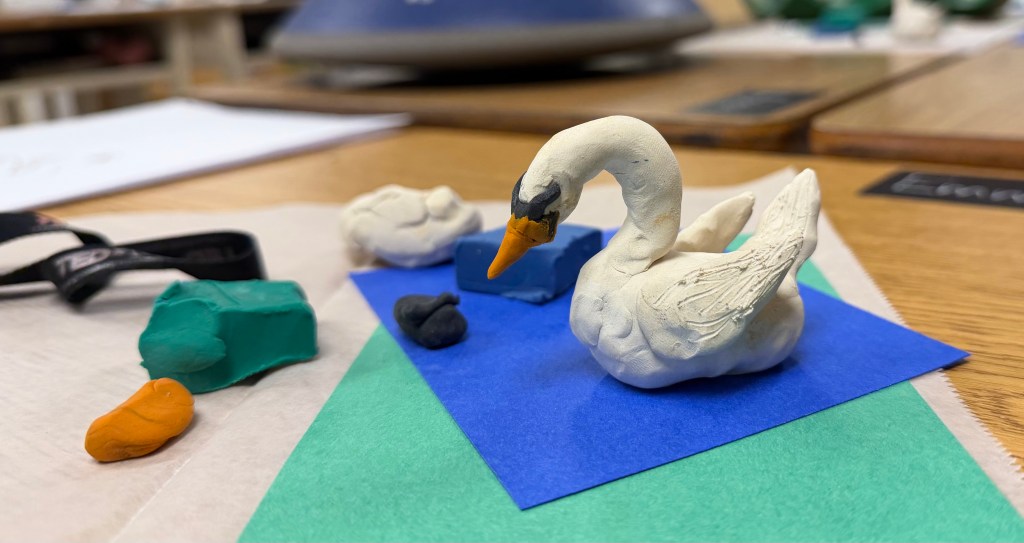
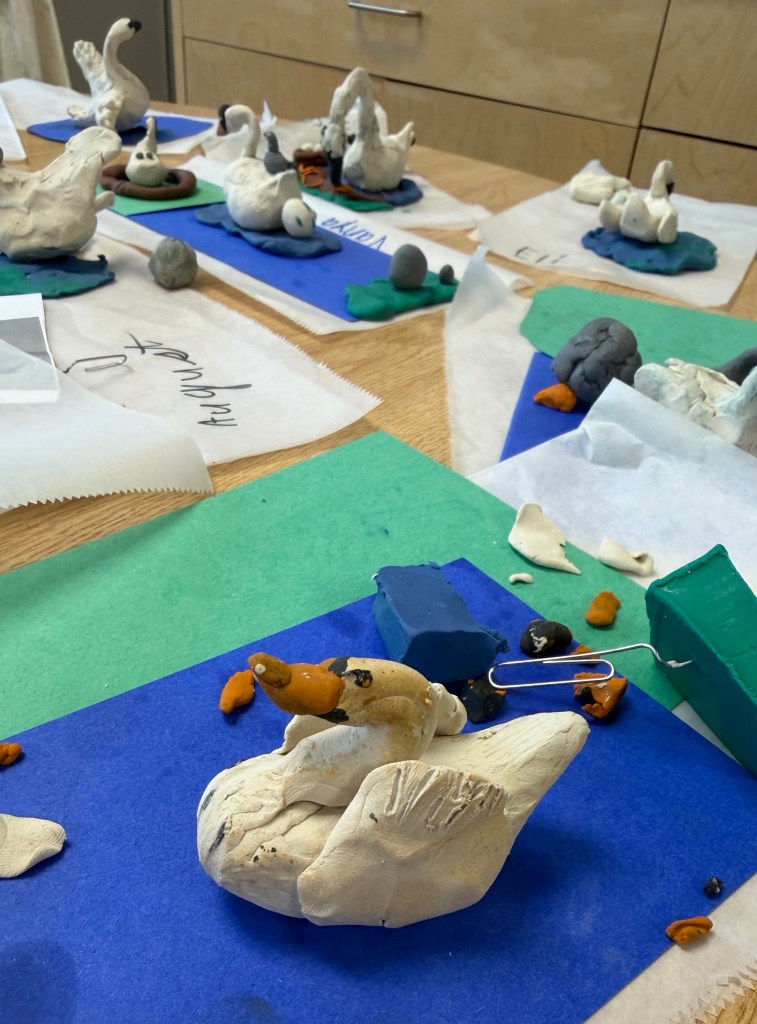
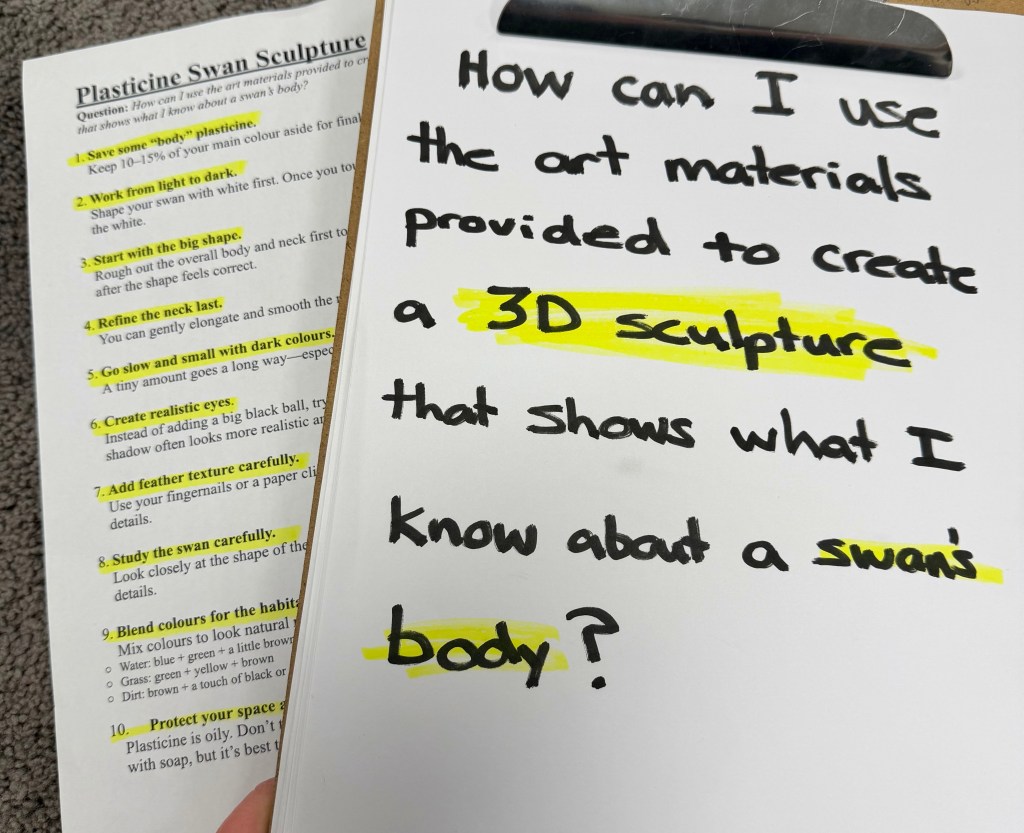
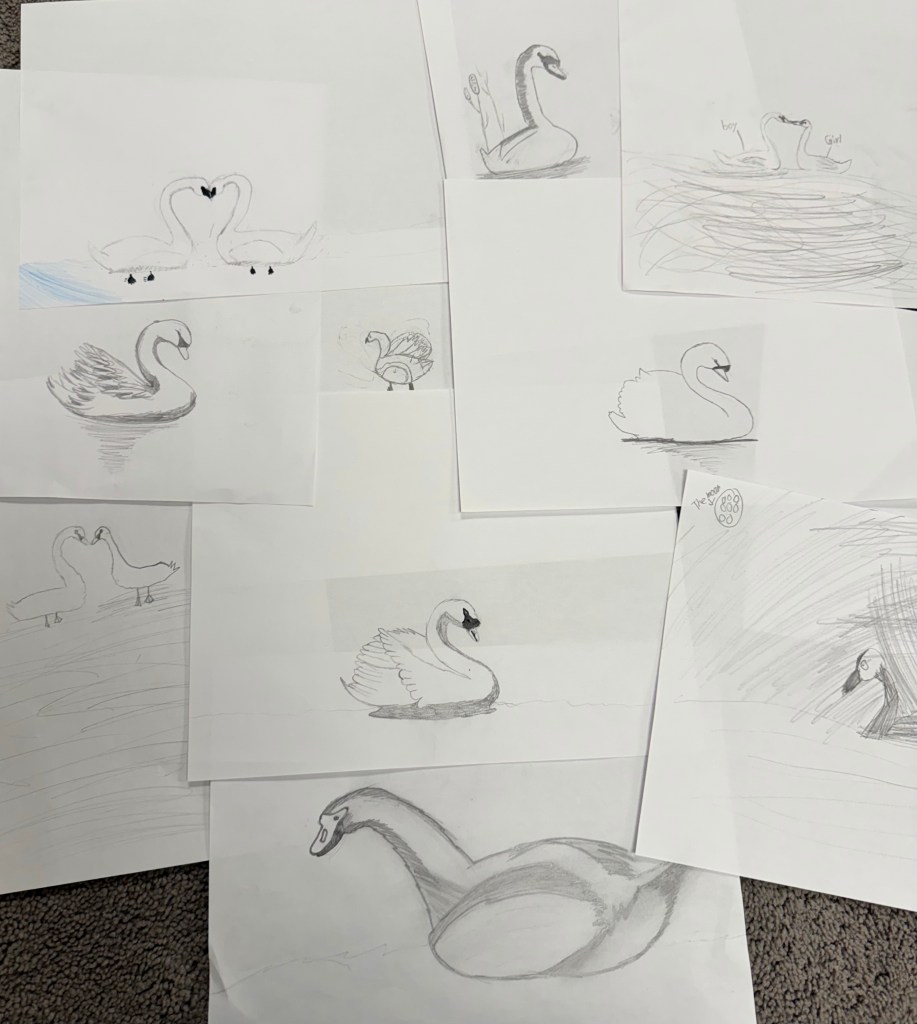
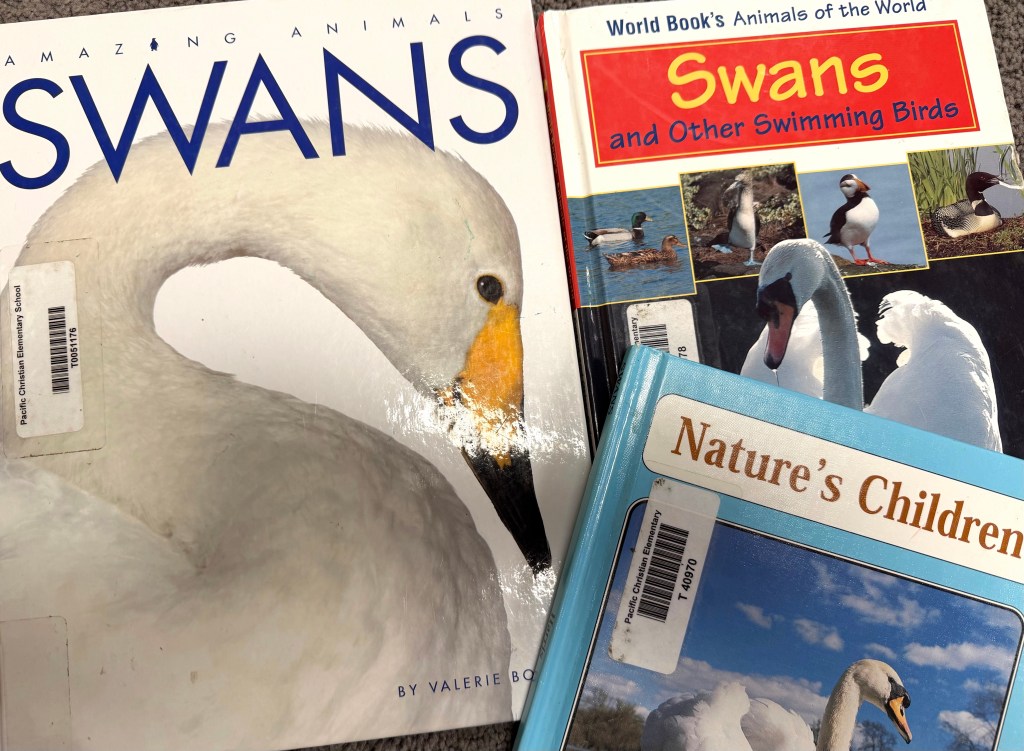
They have analyzed photos and watched swan videos to help them draw sketches and then sculpt swans from plasticine.
In Social Studies…
We are in the middle of our unit of study on the path BC took to confederation. We have been working on props for a play to help tell the story of the early days of British Columbia.
Students have been studying the map of Canada and learning about the location of the 10 provinces and 3 territories.
In Science…
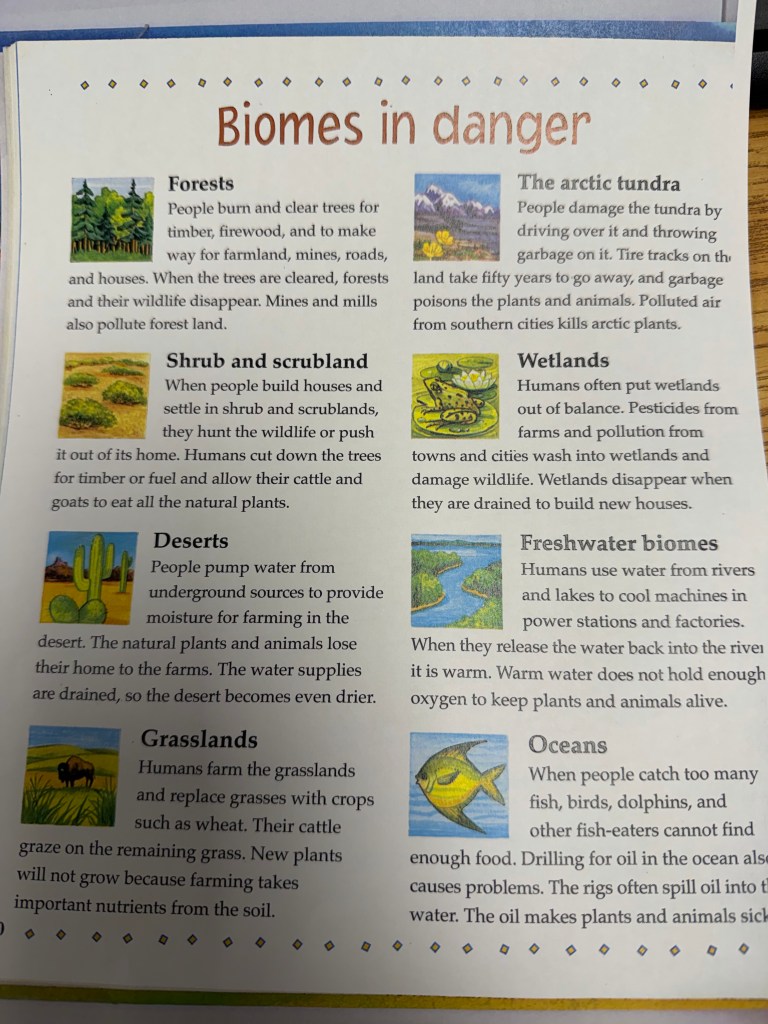
Students have been learning to summarize and take “bulletpointnotes” of texts to aid their comprehension and retention of academic content. They applied this new study skill when doing a practice quiz and two additional quizzes on the topic of what factors have put biomesindanger in the past.
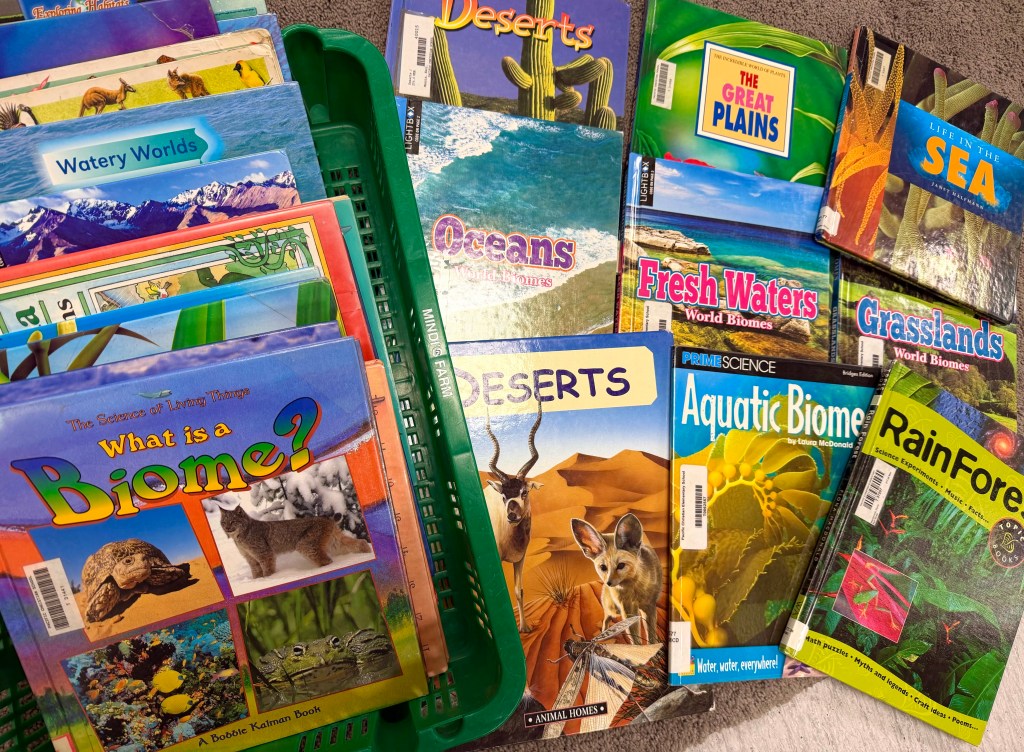
This video is a reading of a book from our school library on biomes.
This topic was an excellent jumping off point to practice critical thinking and consider point of view and purpose for writing when reading scientific information.
For example, farming was listed repeatedly as a historical cause of harm to various biomes; indeed, there is lots of evidence to support this.
But how do we define “farming”? Is all farming harmful all the time? Are the trade-offs of the benefits of some farming important or necessary?
Ethical scientists consider how their own perspectives can intentionally or unintentionally impact their work and how they share and frame their research.
So, this was a time when I modelled acknowledging my bias: “I live on a tiny farm surrounded by other farms, and that informs how I would view and interpret research about the impact of farming on biomes.”
A strong education in science prepares students not just to unthinkingly consume data, but to investigate it, contextualize it, reflect upon it, and challenge it.
This approach does not ask students to dismiss evidence, but to more deeply understand it with awareness of how evidence is gathered, framed, and interpreted.
These skills will help students work towards becoming thoughtful readers of scientific studies, news articles, and real-world claims now and in the future.
In Math…
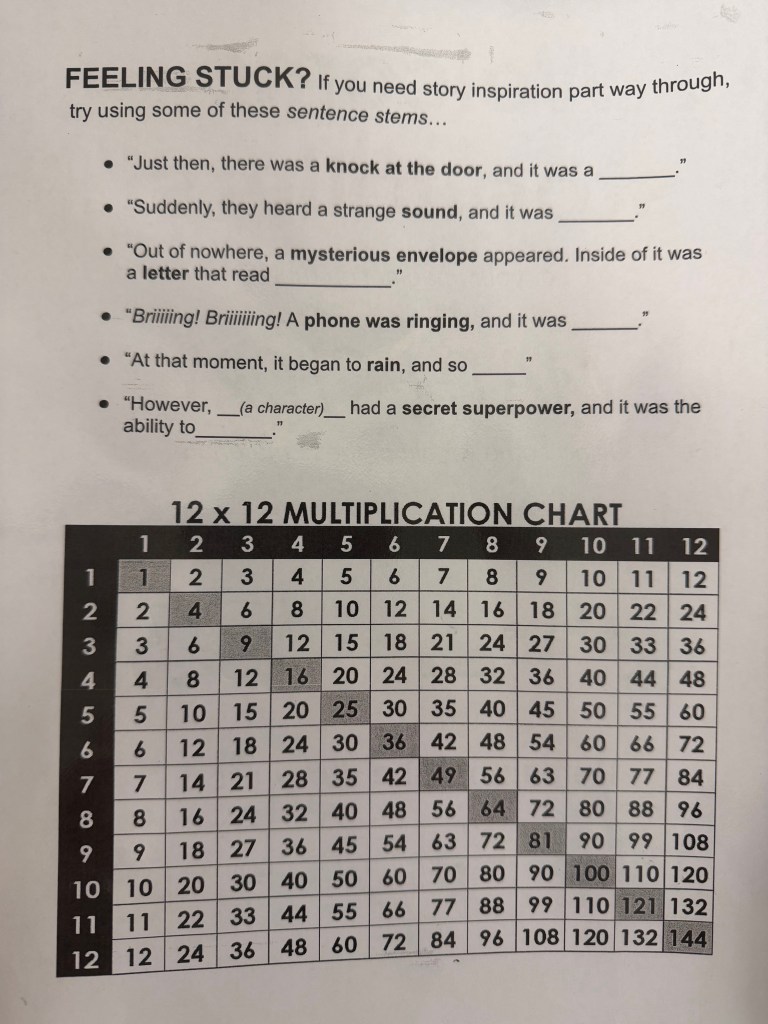
Students have been creating division math stories, working at times with maximum freedom of choice of materials and math topics. At other times, I challenge students to work within constraints from a teacher-curated prop list with defined questions.
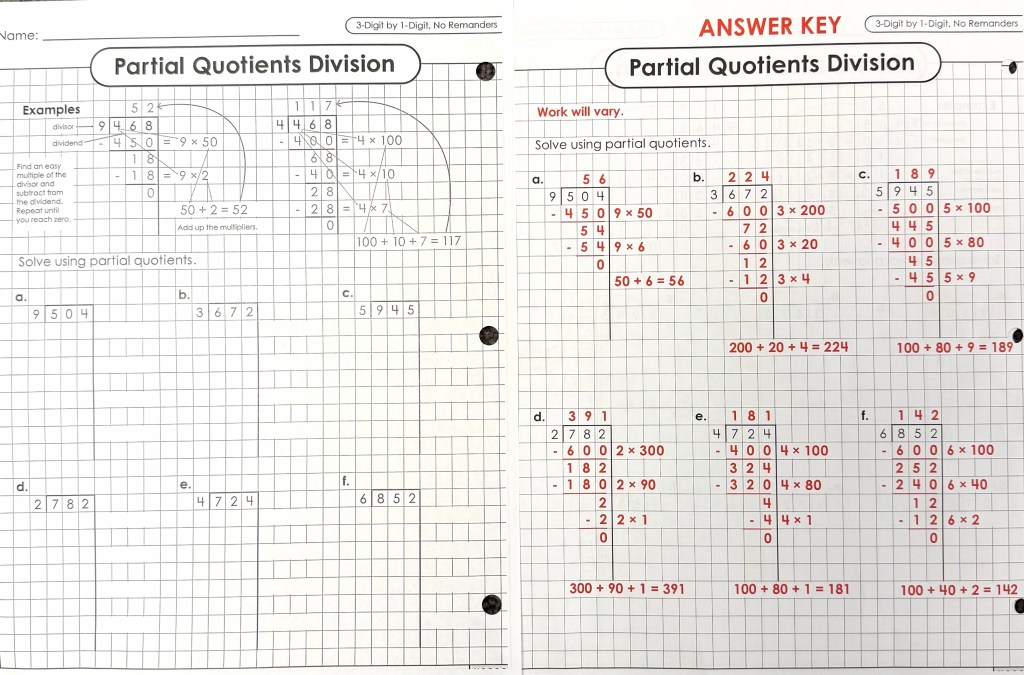
In Math, we are deep into our unit on division and now learning the “Partial Quotients Method of Division”—which is more forgiving than the traditional method because it doesn’t rely on students having memorized most of their times tables. See some videos below…
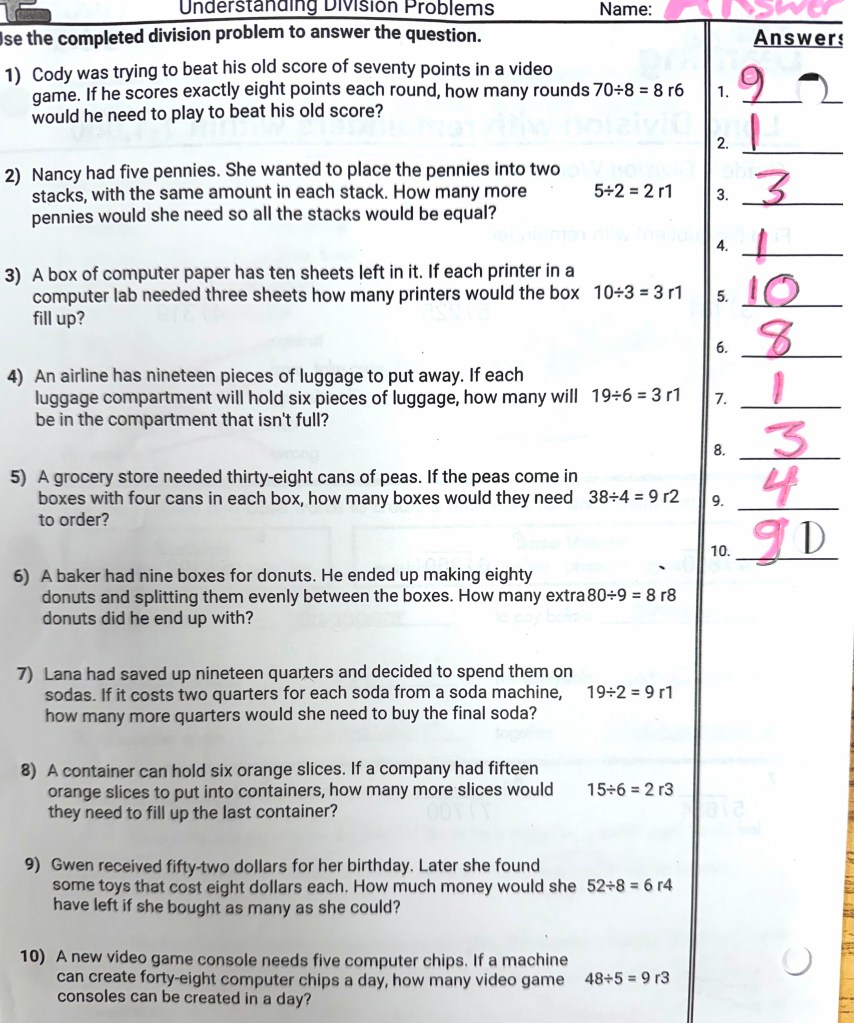
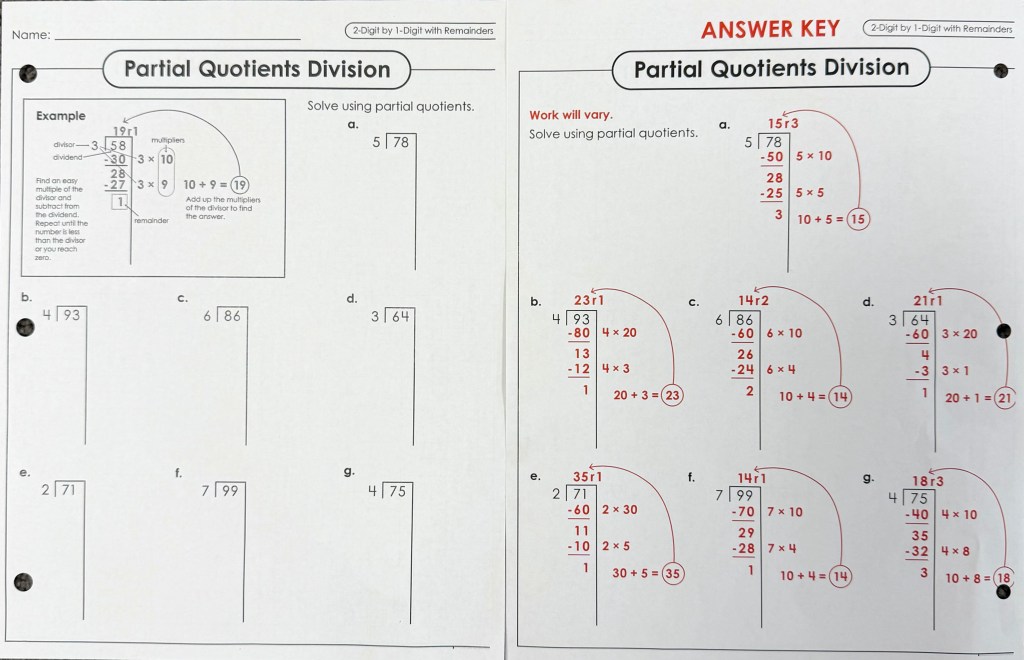
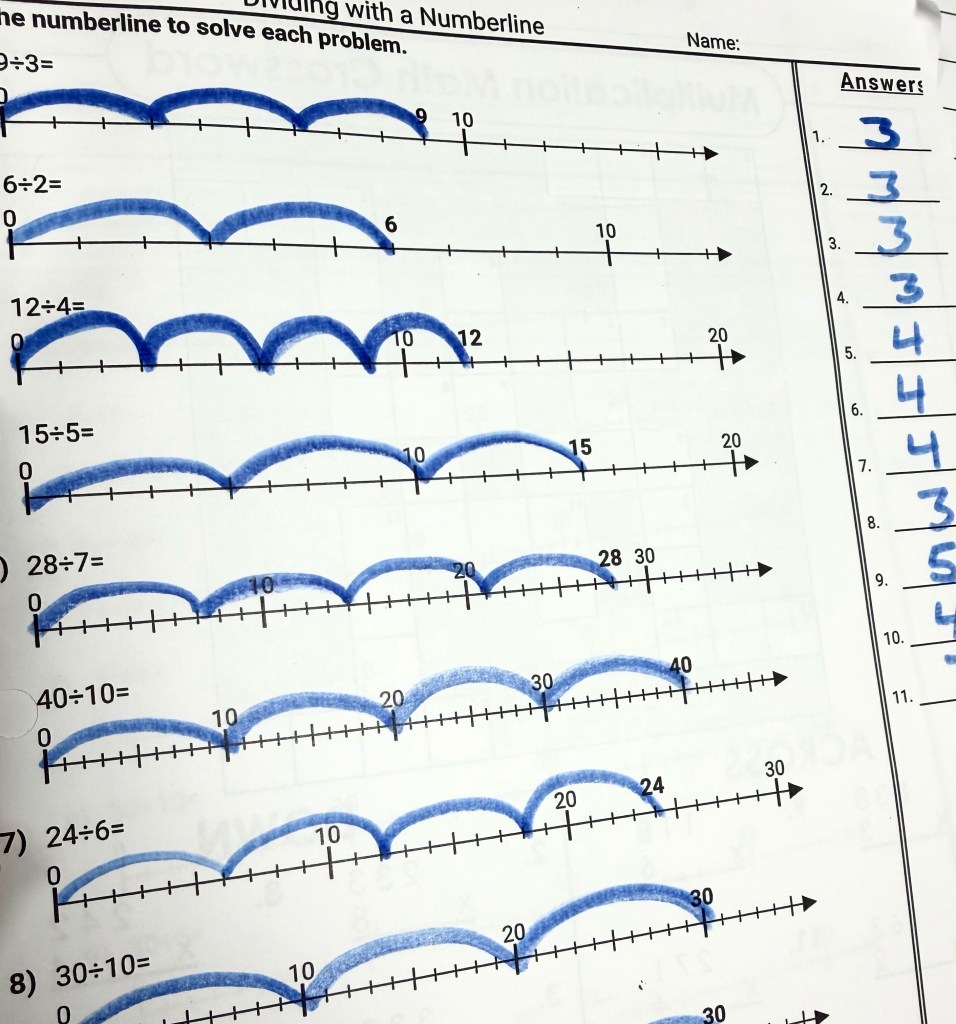
Yesterday I sent students home with two extra practice sheets to complete in their own time as desired. I recommend students complete and mark 2-3 questions each day. I will not be marking this work, but I let them know the answer key is here on the blog.
Work will vary, but the goal is for the answers should match the answer key.
Some students prefer doing math on grid paper because it helps them to stay organized. However, for some folks the grid adds distracting visual clutter. Which layout does your child prefer?
YES! I will be teaching the traditional long division method next.
However, we started with “Partial Quotients” because it is more flexible and far easier for students with minimal division experience and who do not have the whole multiplication table memorized.
In Physical Education…
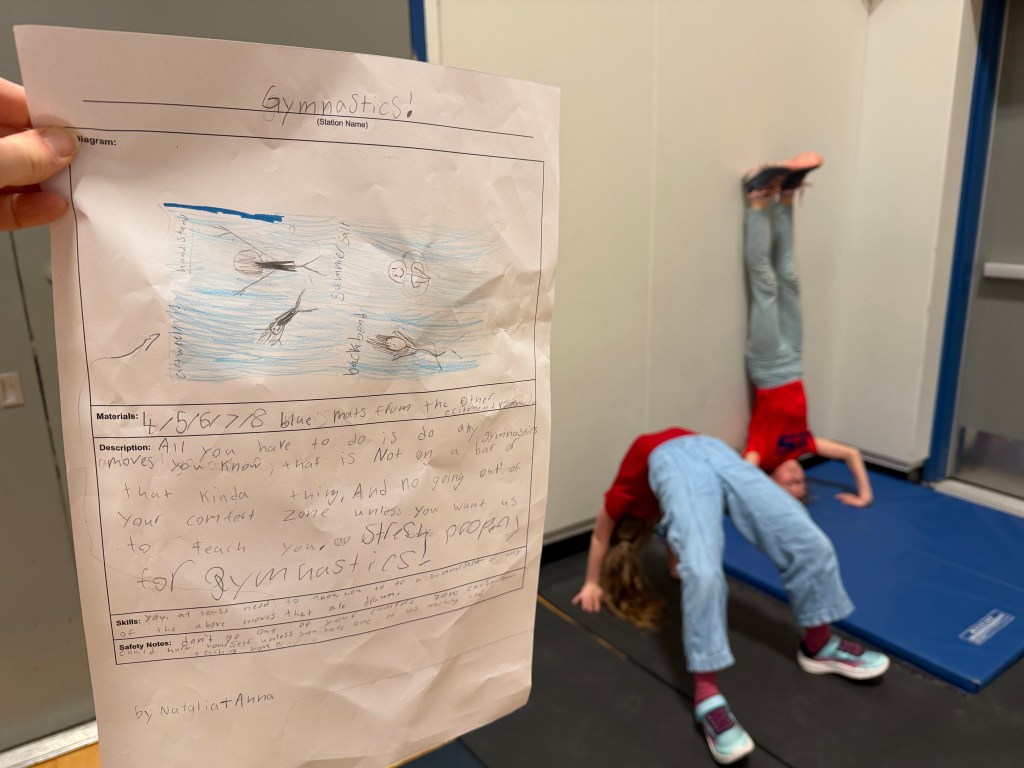
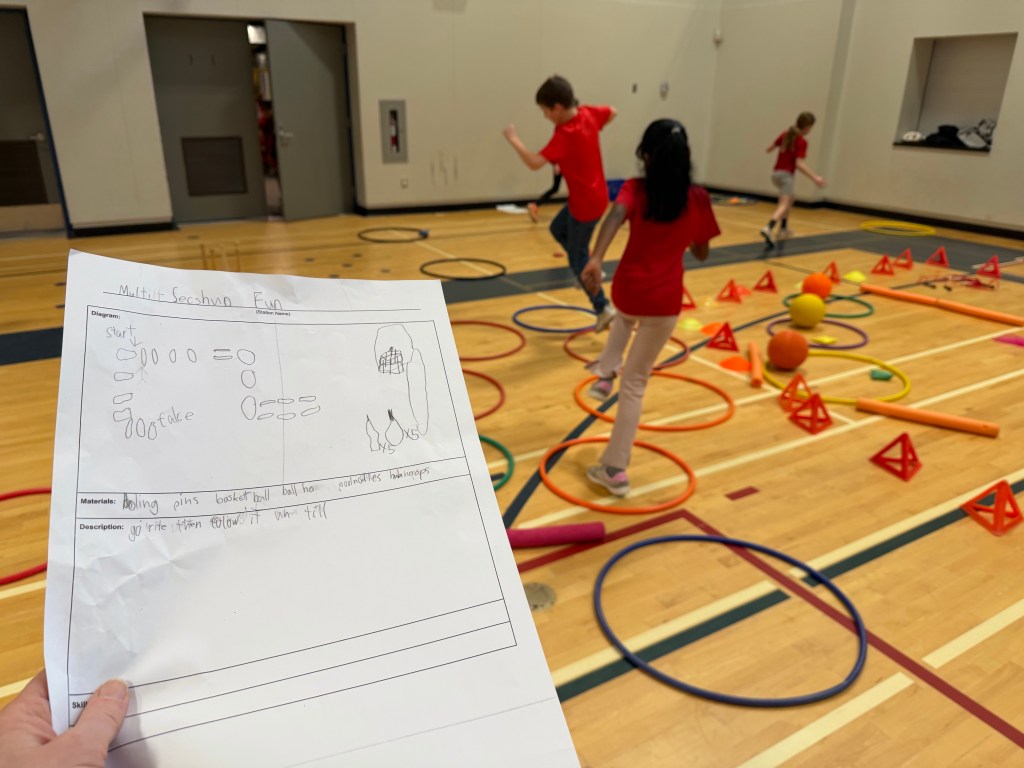
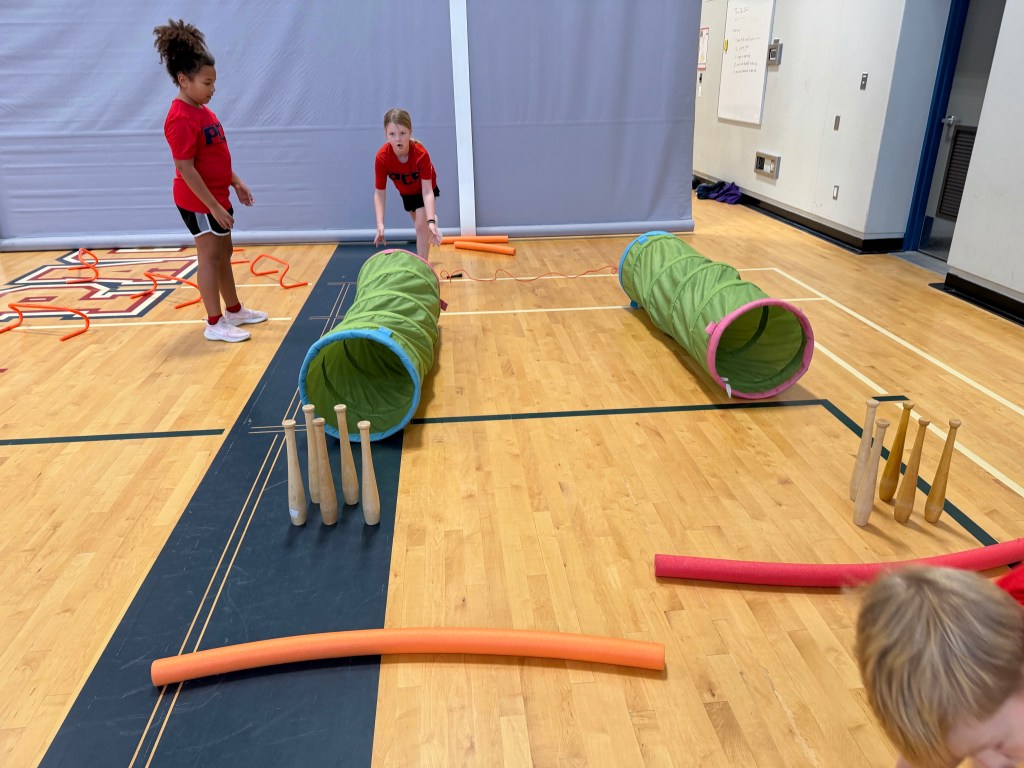
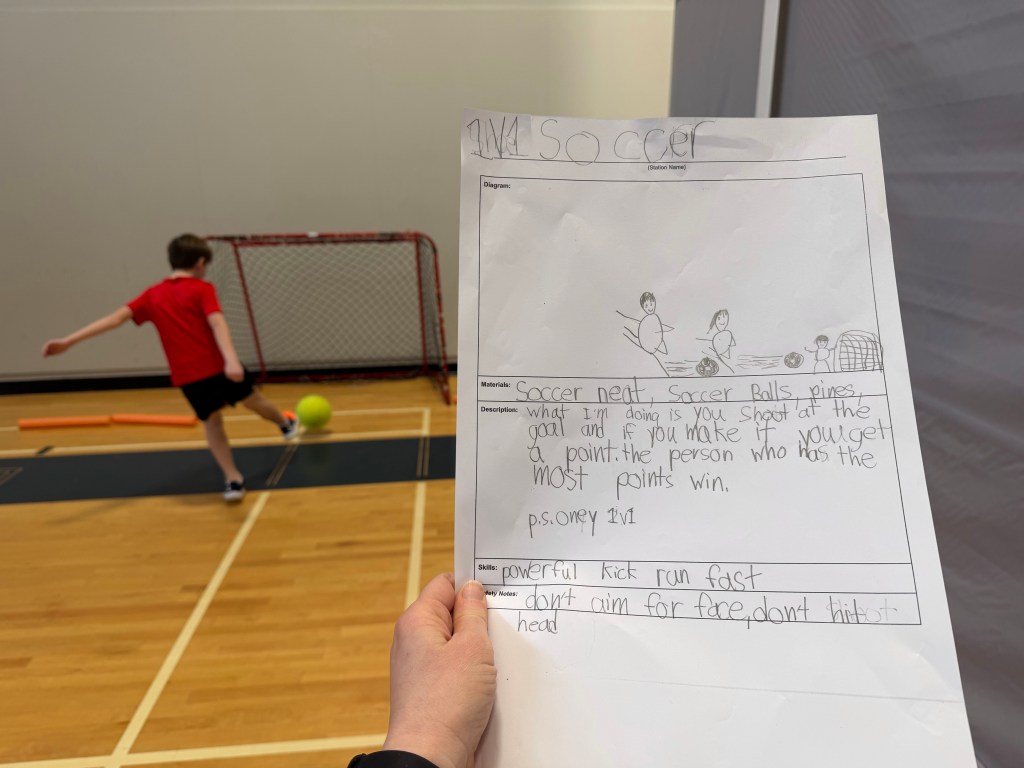
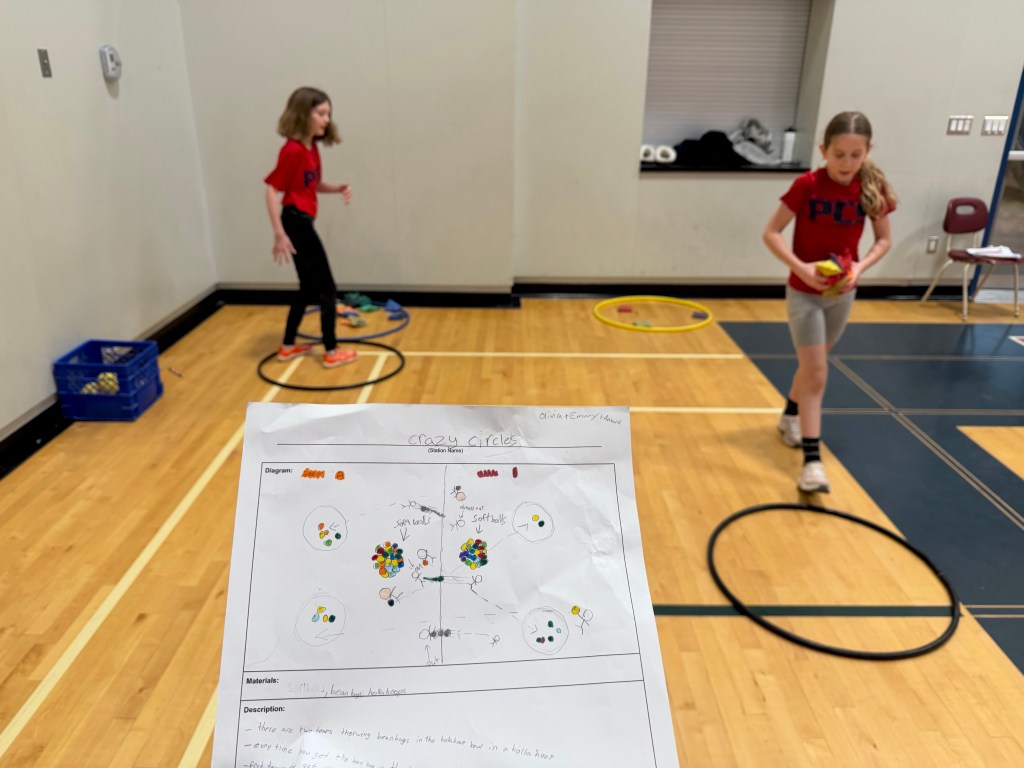
Students have been working hard on their “make a fitness station” projects. They worked in teams to create plans and have been presenting their stations, complete with skill demos and safety guidelines. So much creativity!
In Bible & Crew…
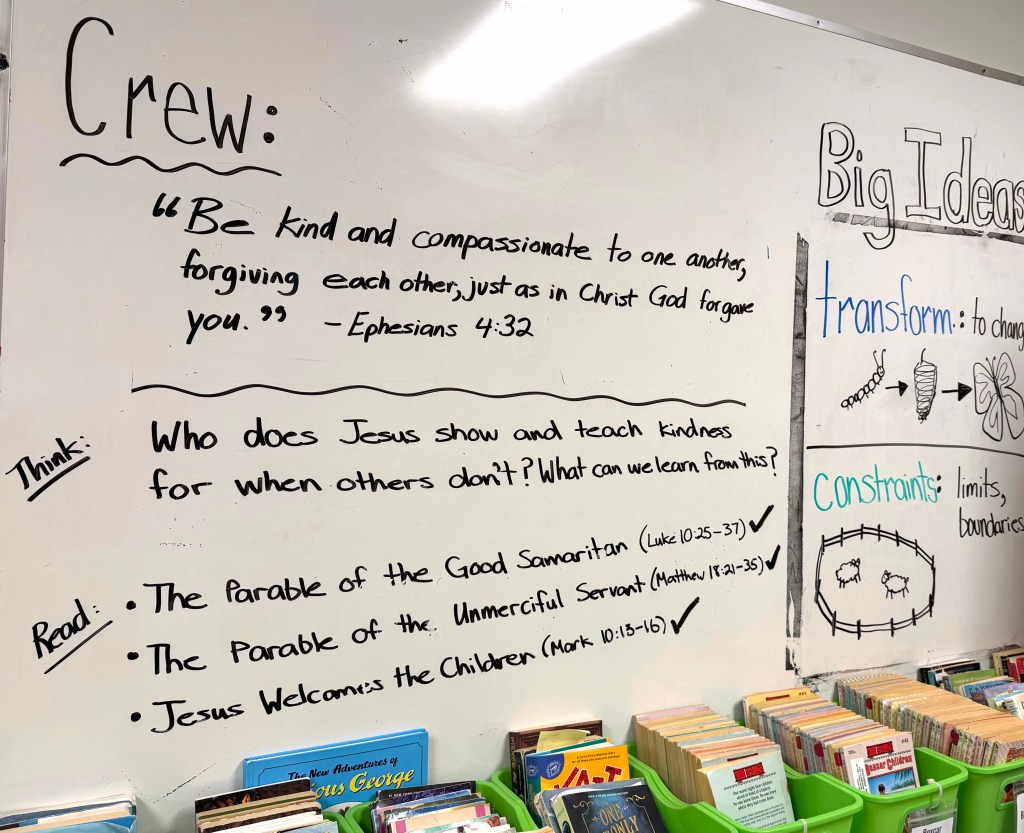
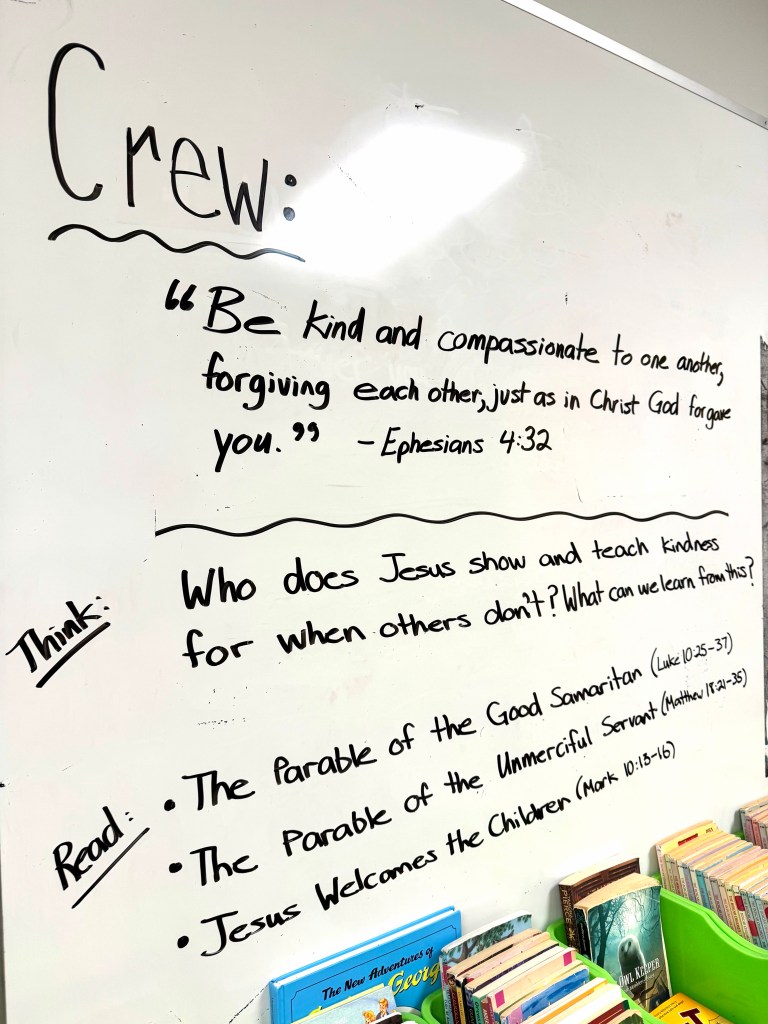
This week’s focus has been on our call to “be kind and compassionate to one another, forgiving each other, just as in Christ God forgave you” (Ephesians 4:32). We considered these questions: Who does Jesus show kindness for whom others don’t? What can we learn from this?
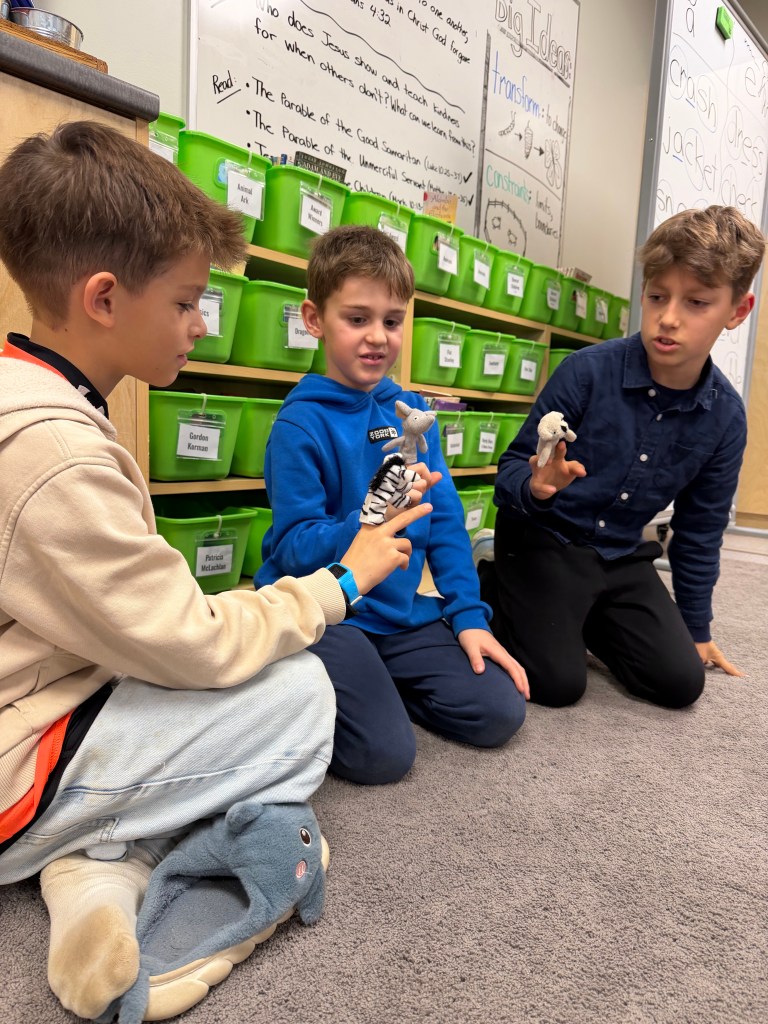
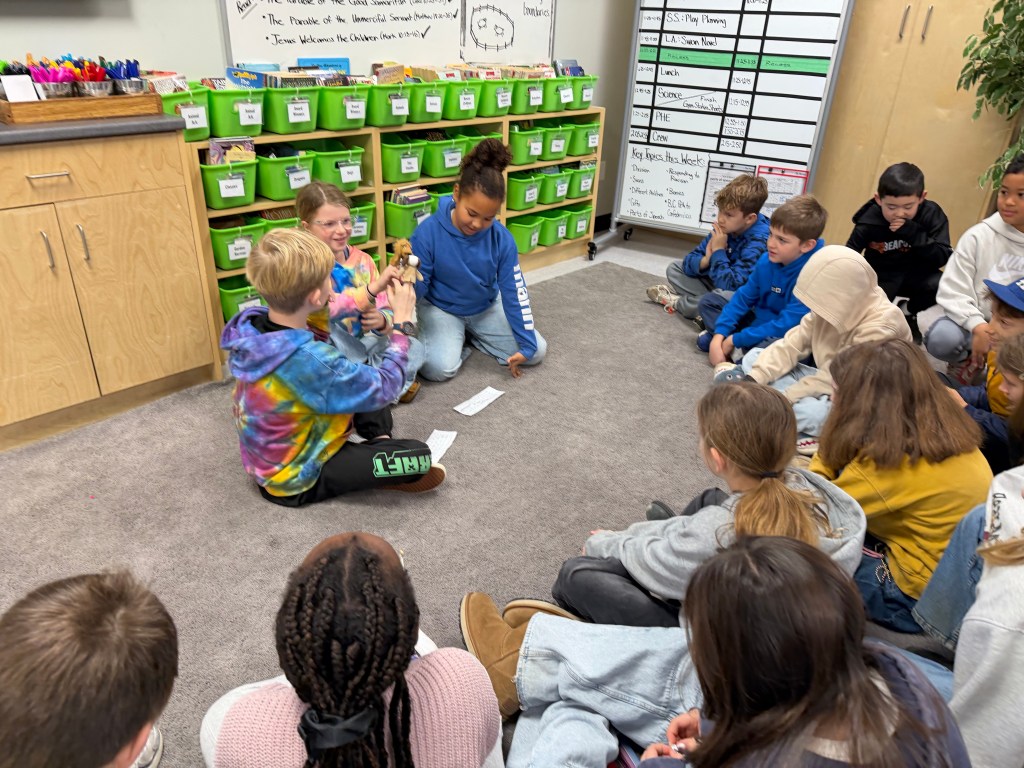
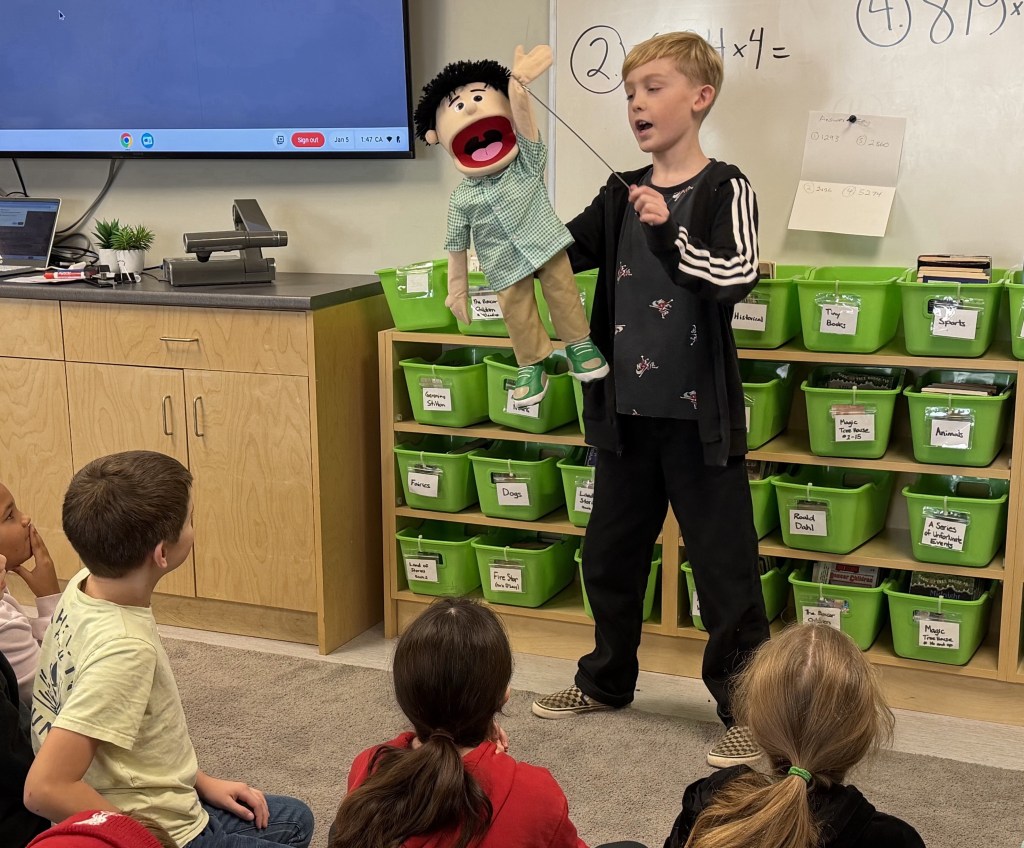
We have read, analyzed and discussed the parable of the good Samaritan, the parable of the unmerciful servant and the story of Jesus welcoming the children—and sought to connect these stories to our studies of how to meaningfully respond to racism. Students created more related puppet shows for us to reflect upon.
Students have also continued presenting their plays that illustrate strategies for how to respond to hurtful, racist comments.
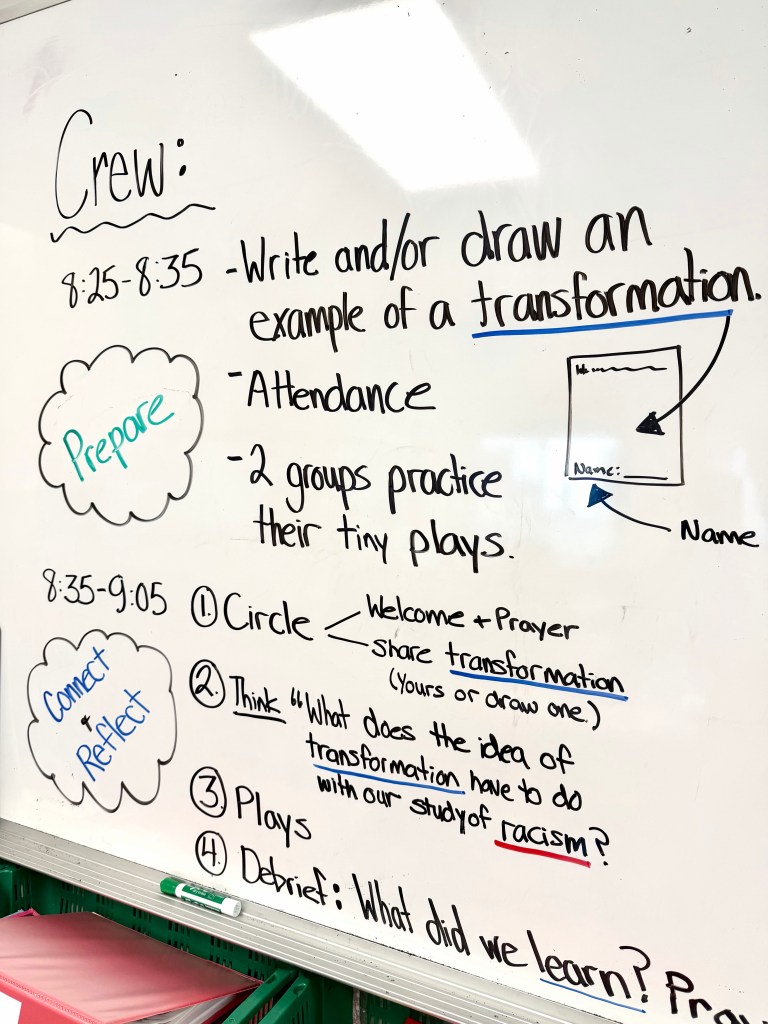
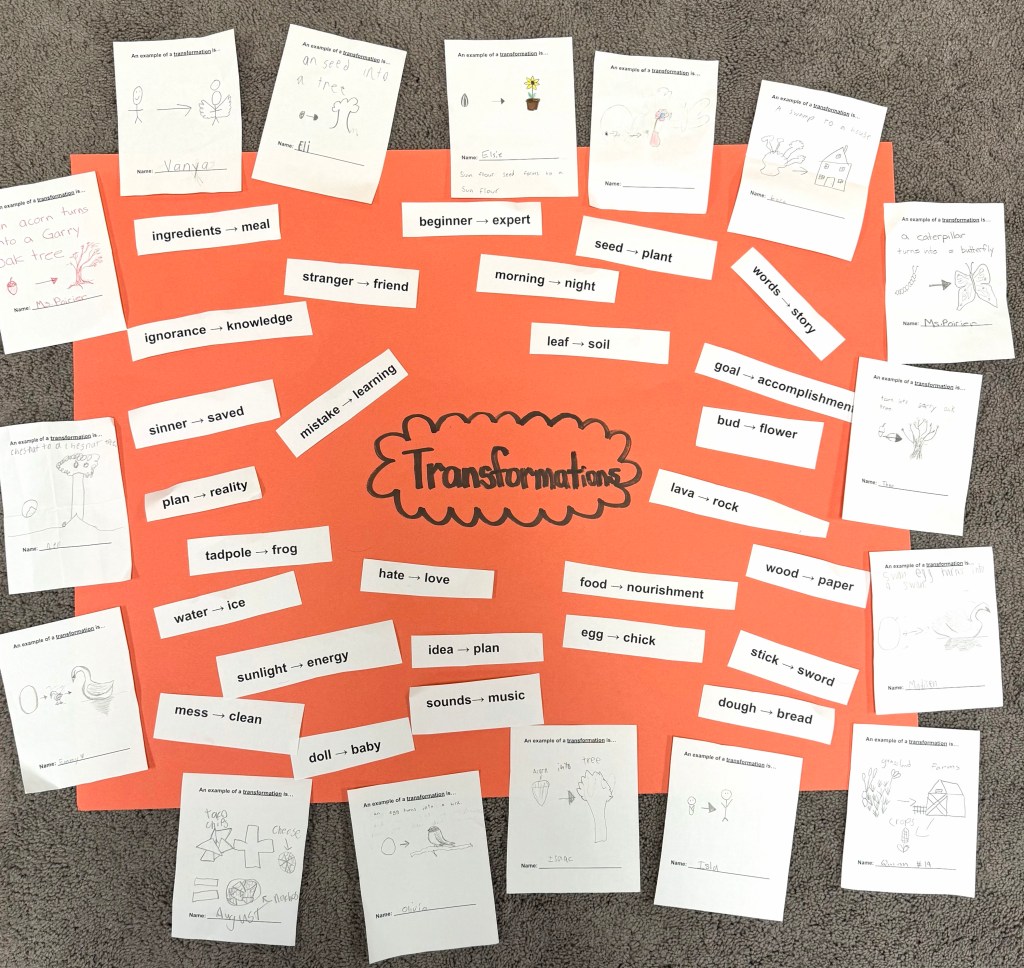
Next week, we focus in Crew (and throughout the curriculum) on the concept of “transformation”—so today we soft-launched that topic with a brainstorm so students can have time to beginning noticing transformations in our world.
Lovely Moments…
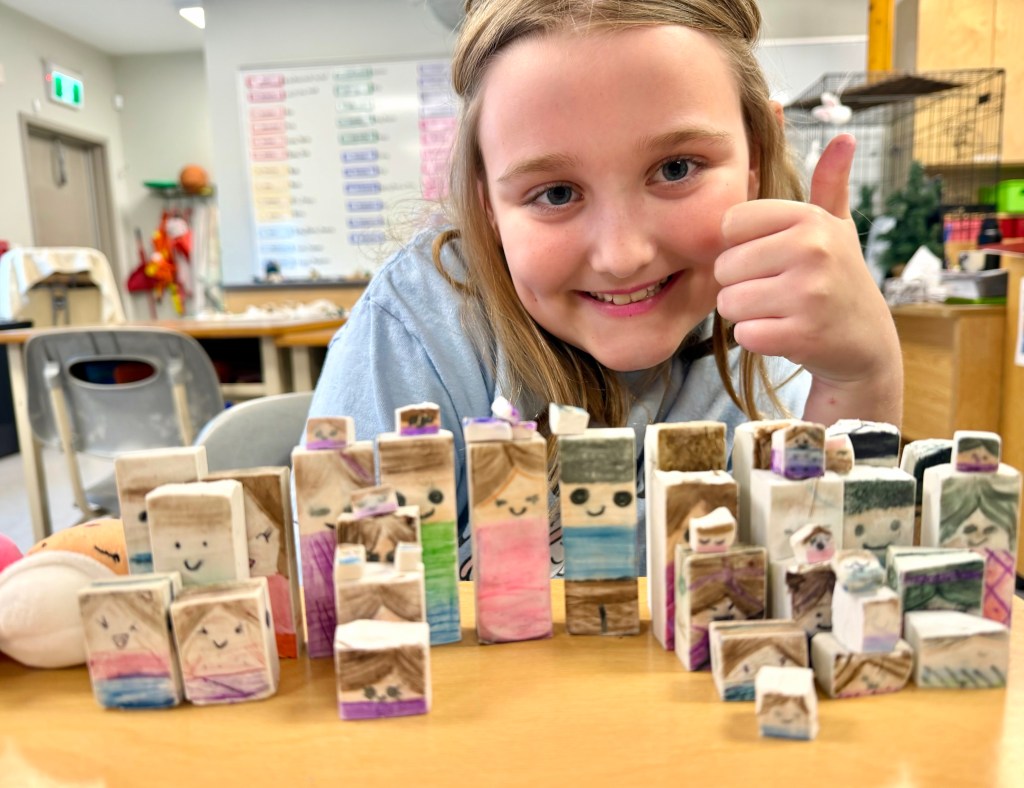
Wowzars! Wildly huge division questions have been popping in class just for fun! Well done!This “Eraser People” personal interest project continues to grow with new characters and stories. When you have the heart of a sculptor, mundane objects can transformed into whimsical art!
In Spelling…
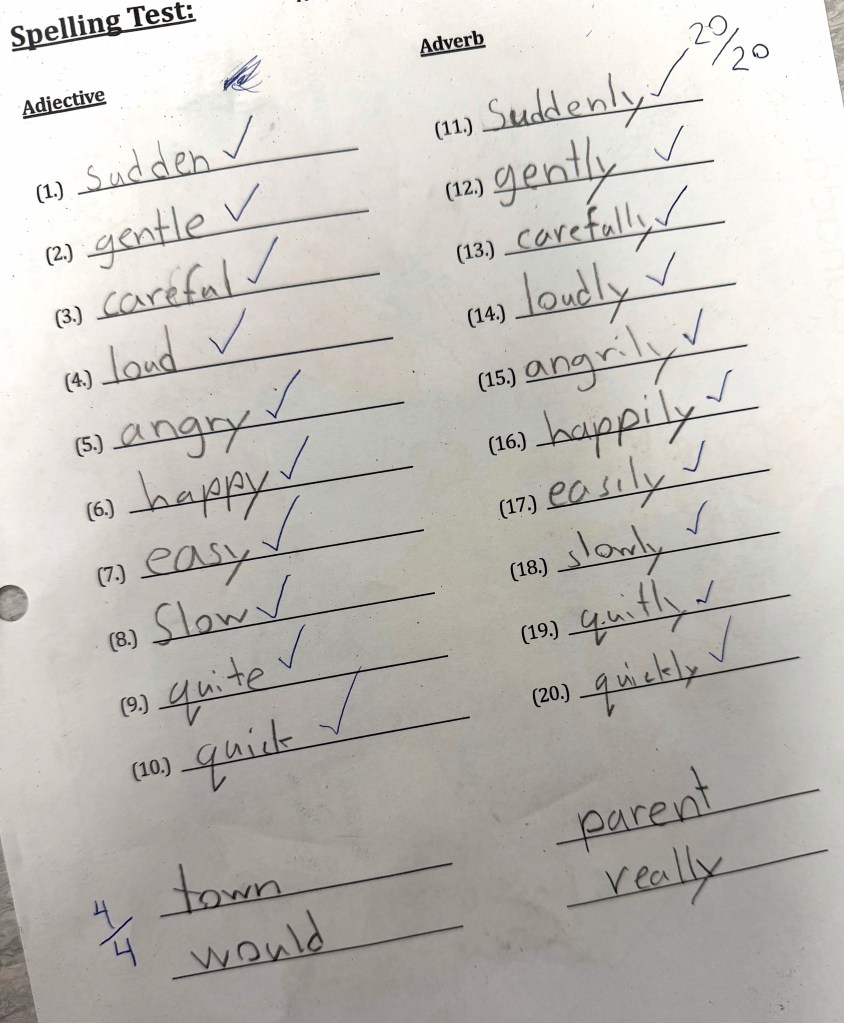
We finished our “Adjective to Adverb” spelling unit this week.
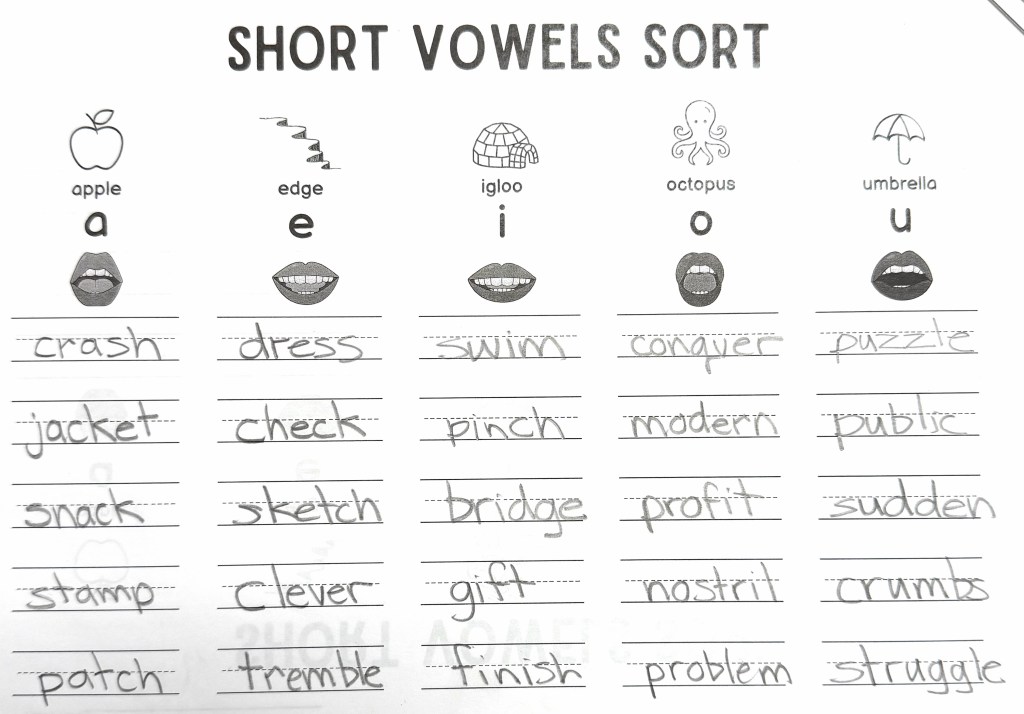
Our next Spelling list focuses on reviewing short vowel sounds with a focus on some words that have come up in students’ writing lately…
Update from me…
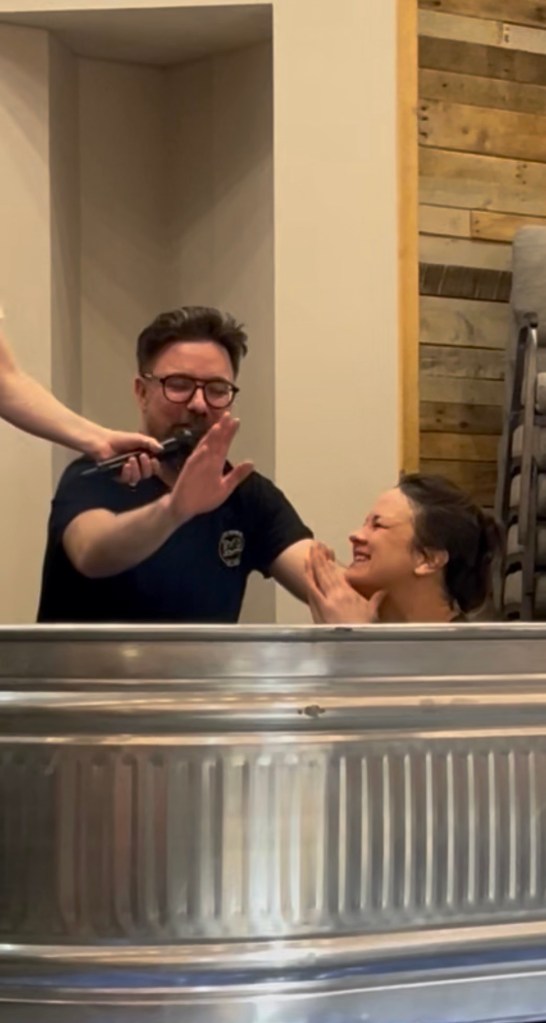
This past Sunday, I was baptized—an incredibly meaningful moment in my faith journey. My husband was also baptized on the same day right after me.
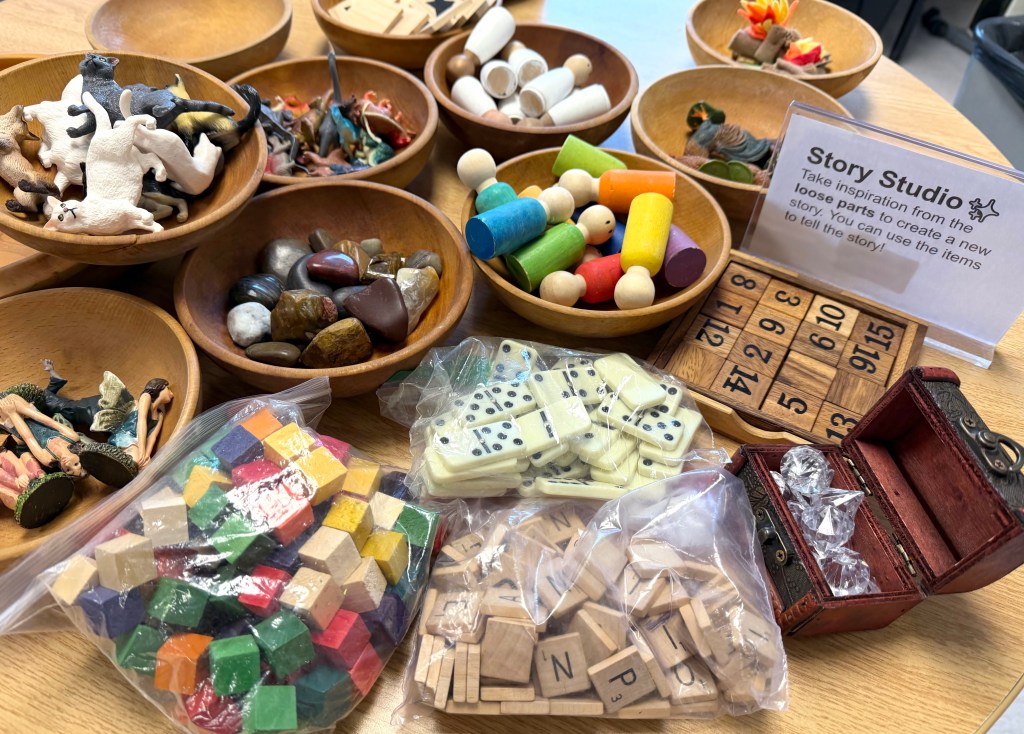
“Story Studio”: Loose parts to spark our mathematical imaginations…
Hello, 4A families!
We are now deep into our division unit! Some goals for the end of grade 4 are for students to build computational fluency in division facts to 100, solve up to 3-digit by 1-digit division questions in flexible ways, and understand the relationship between multiplication and division.
What do our division math classes look like?
Our approach in a typical 40-minute block is often a combination of pencil-and-paper work, modelling at the whiteboard, guided practice, small-group instruction, and one-to-one support.
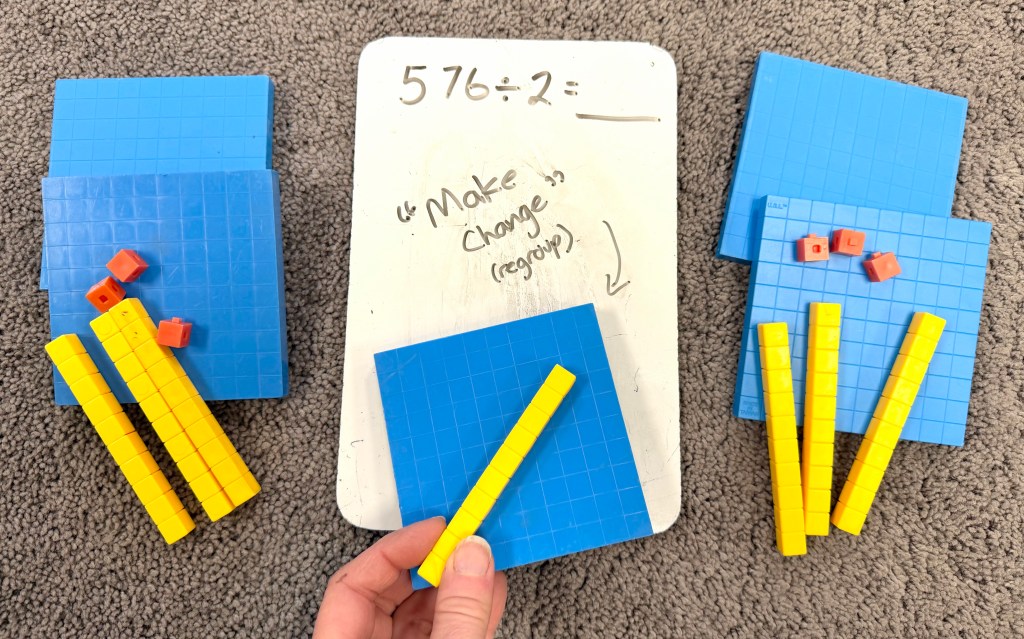
We also do whole-class number talks and watch tutorial videos like this and this to expose students to multiple strategies. Students can also do math centres, especially to access the enrichment challenges.
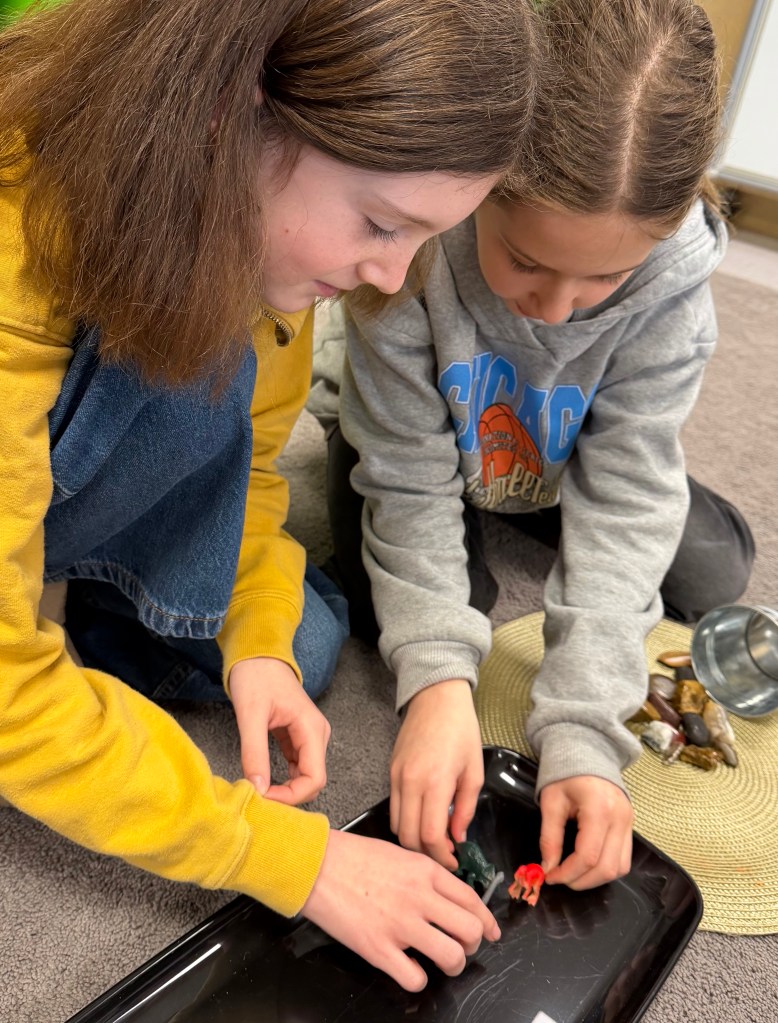
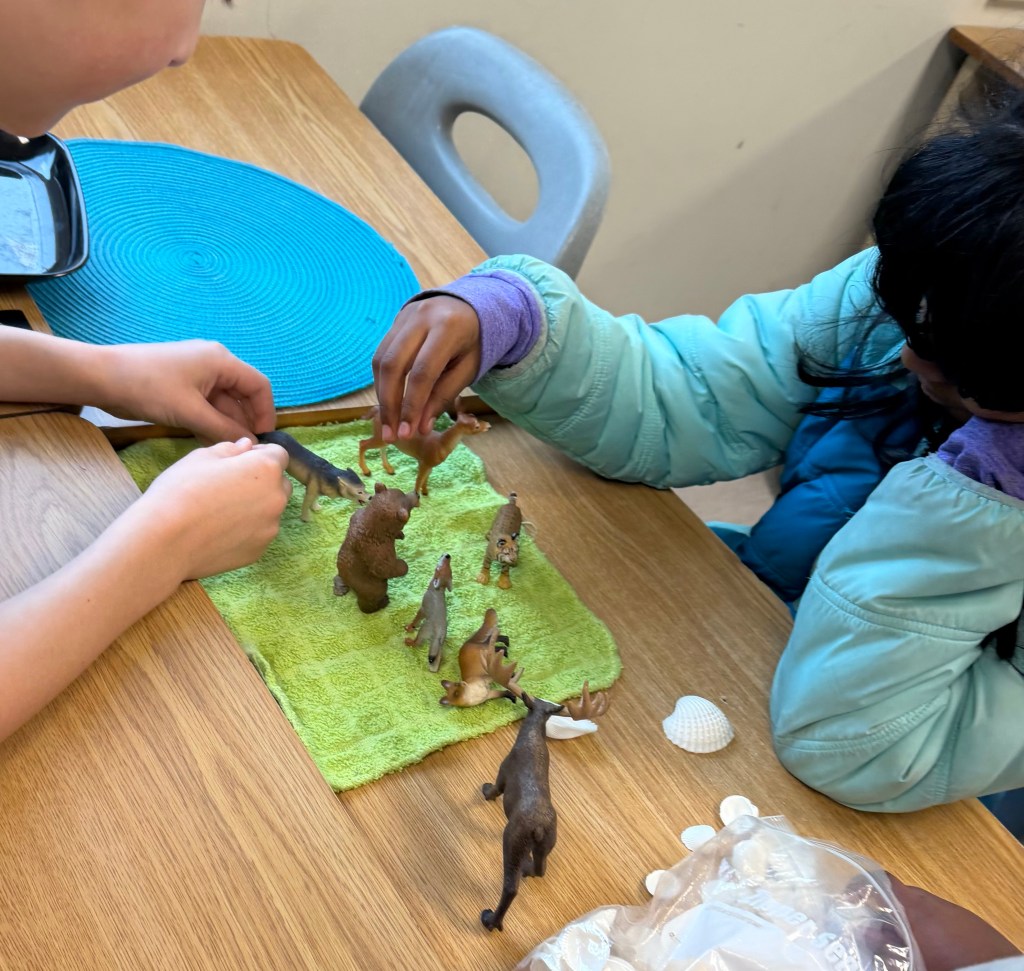
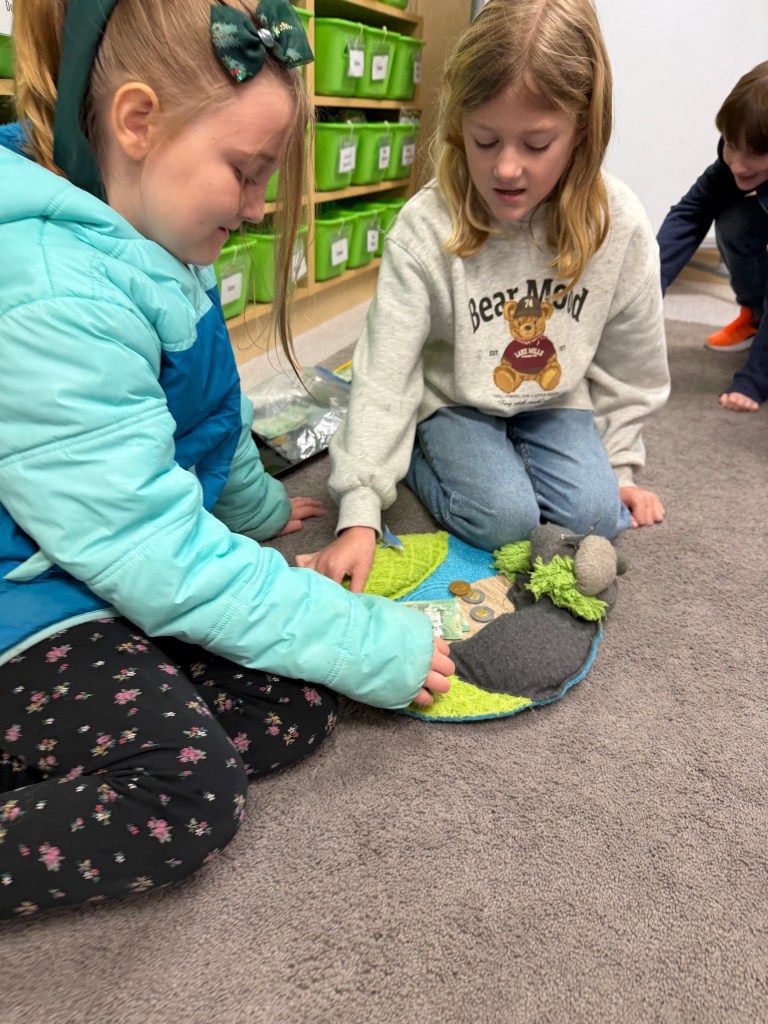
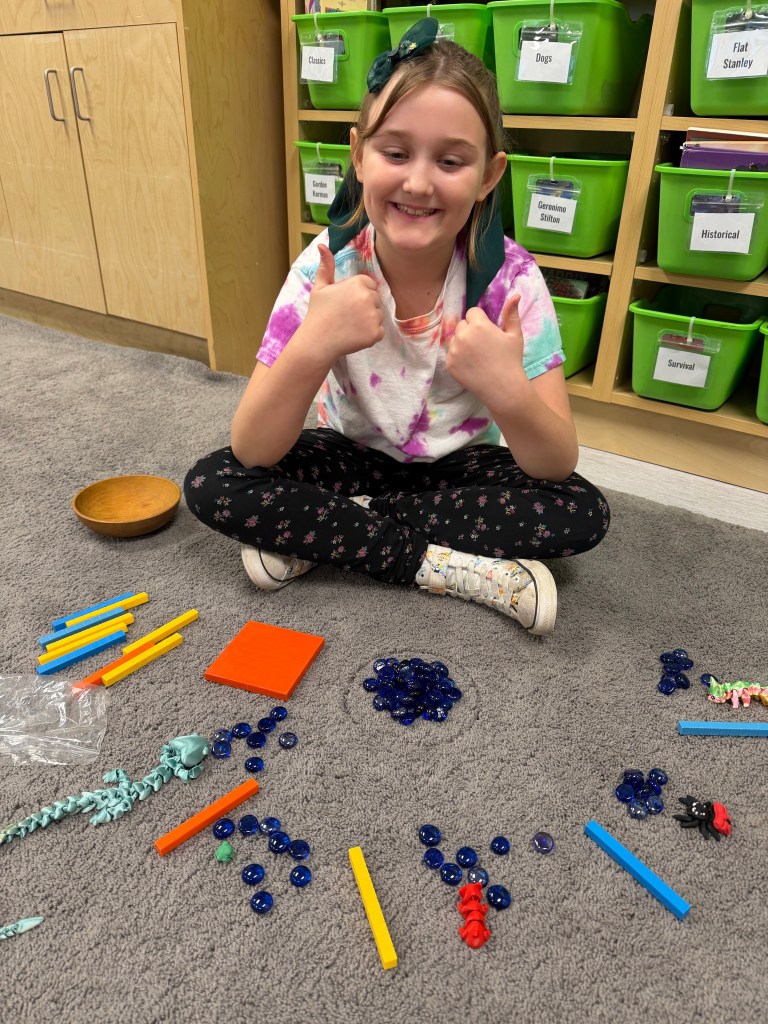
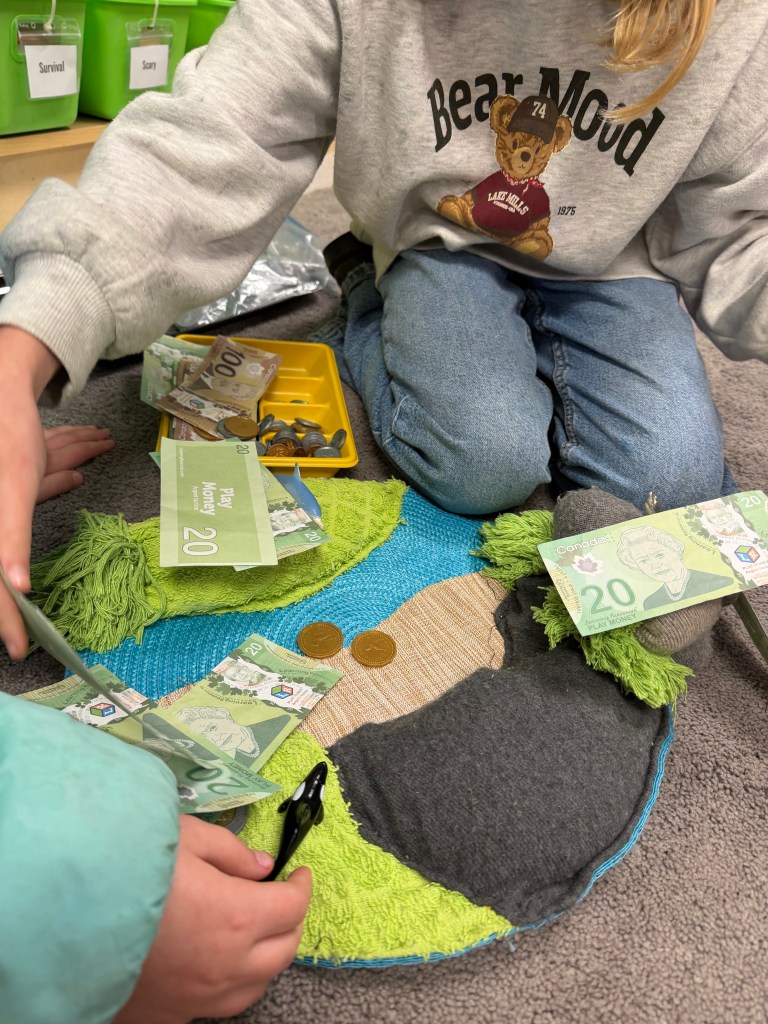
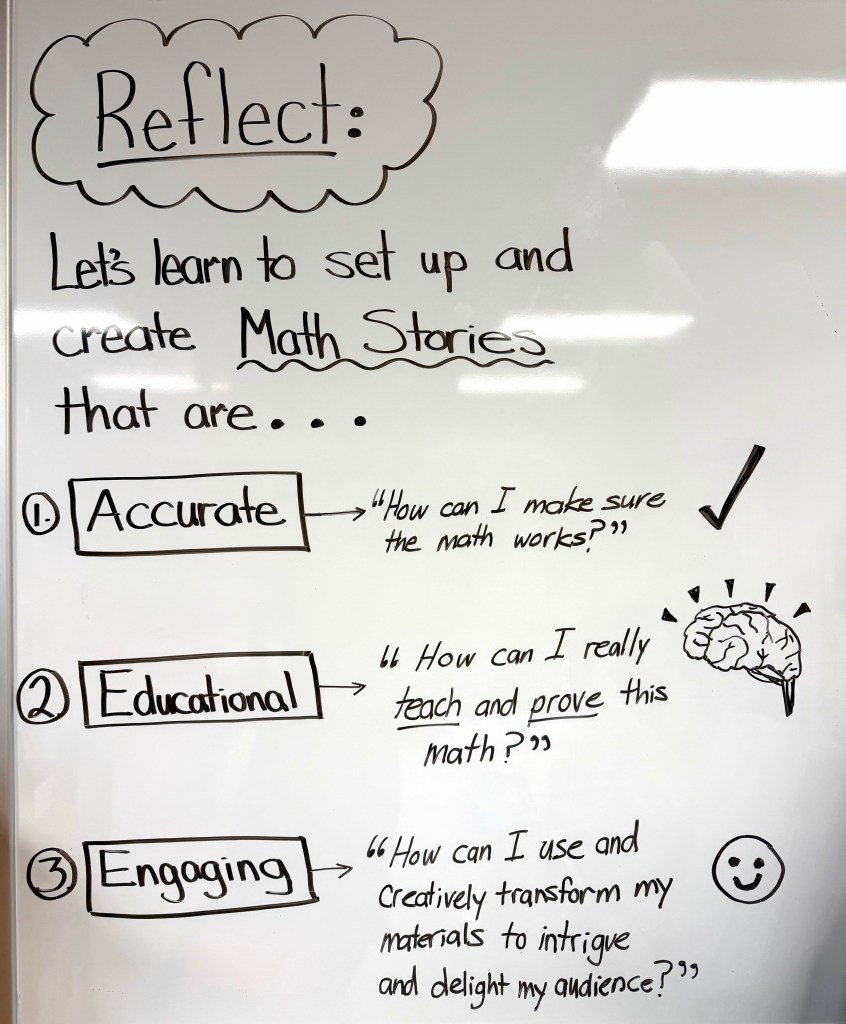
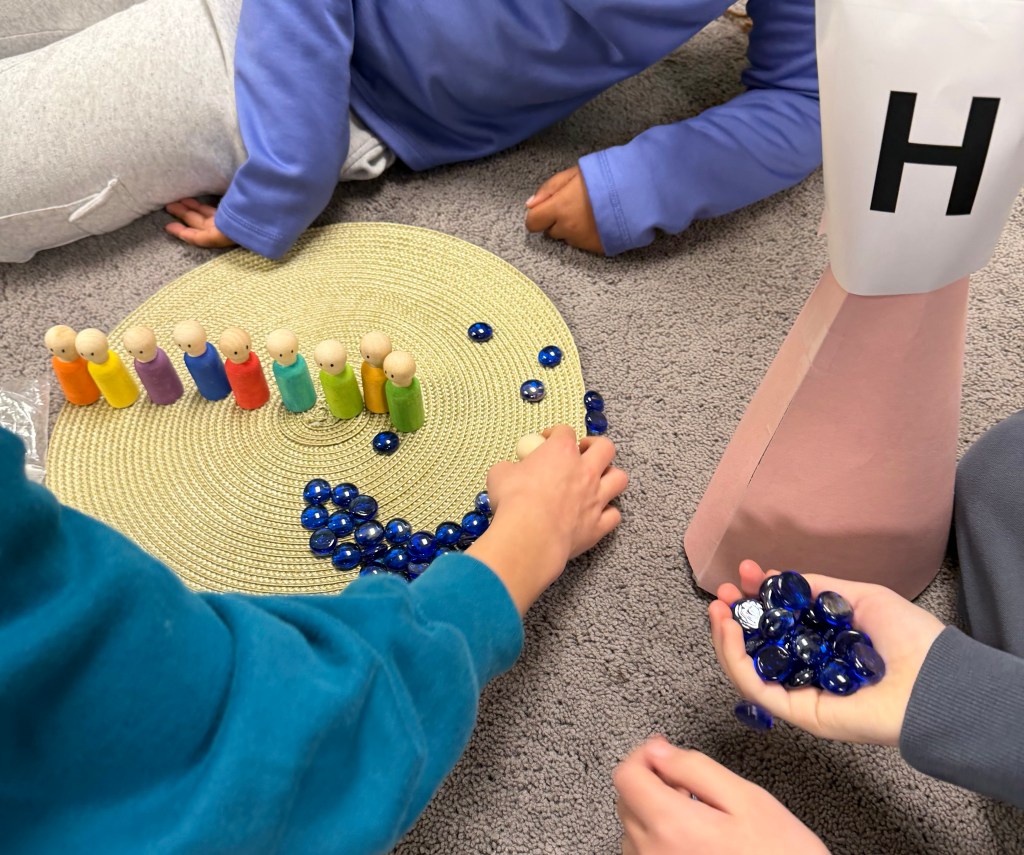
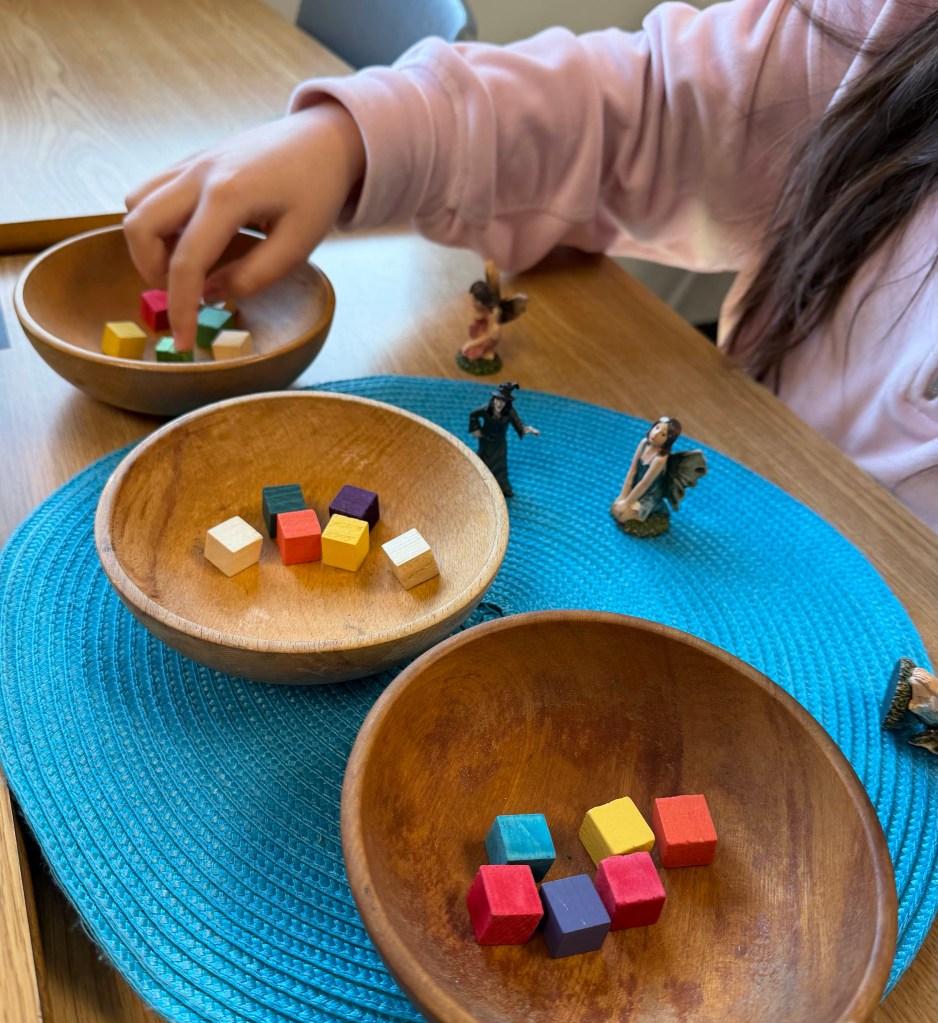
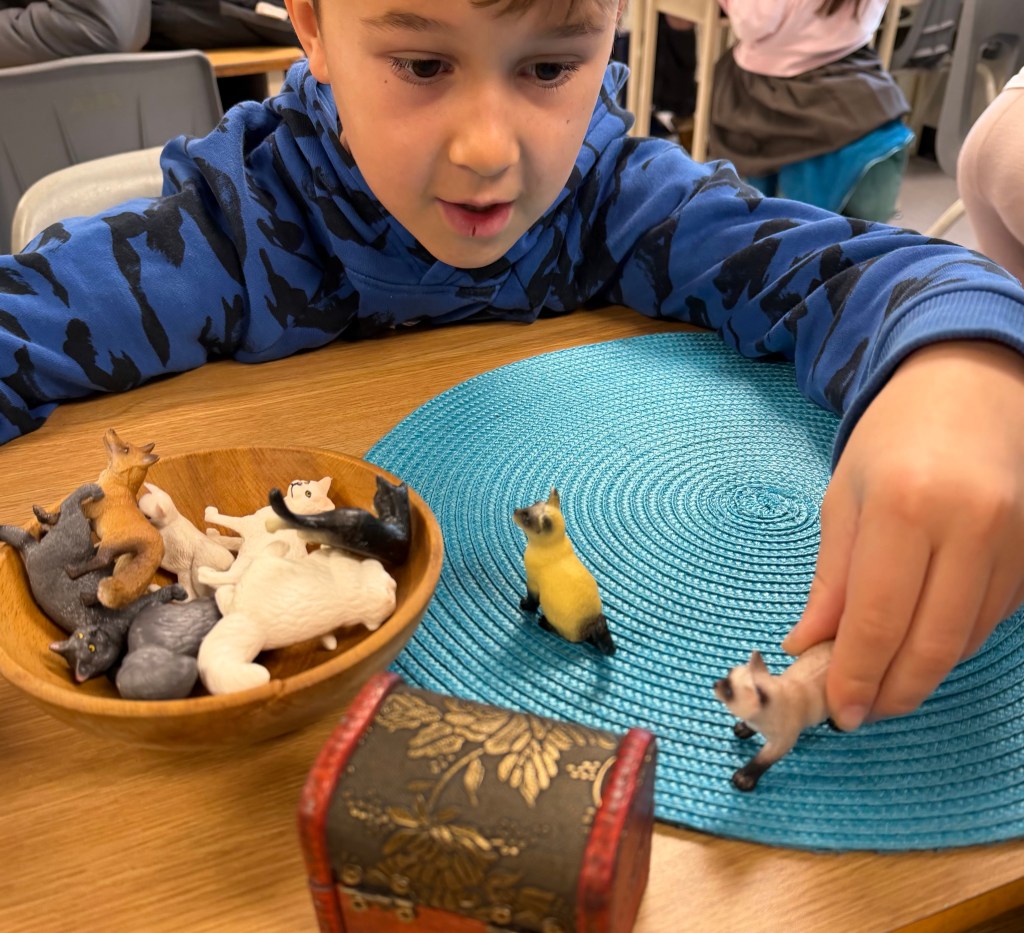
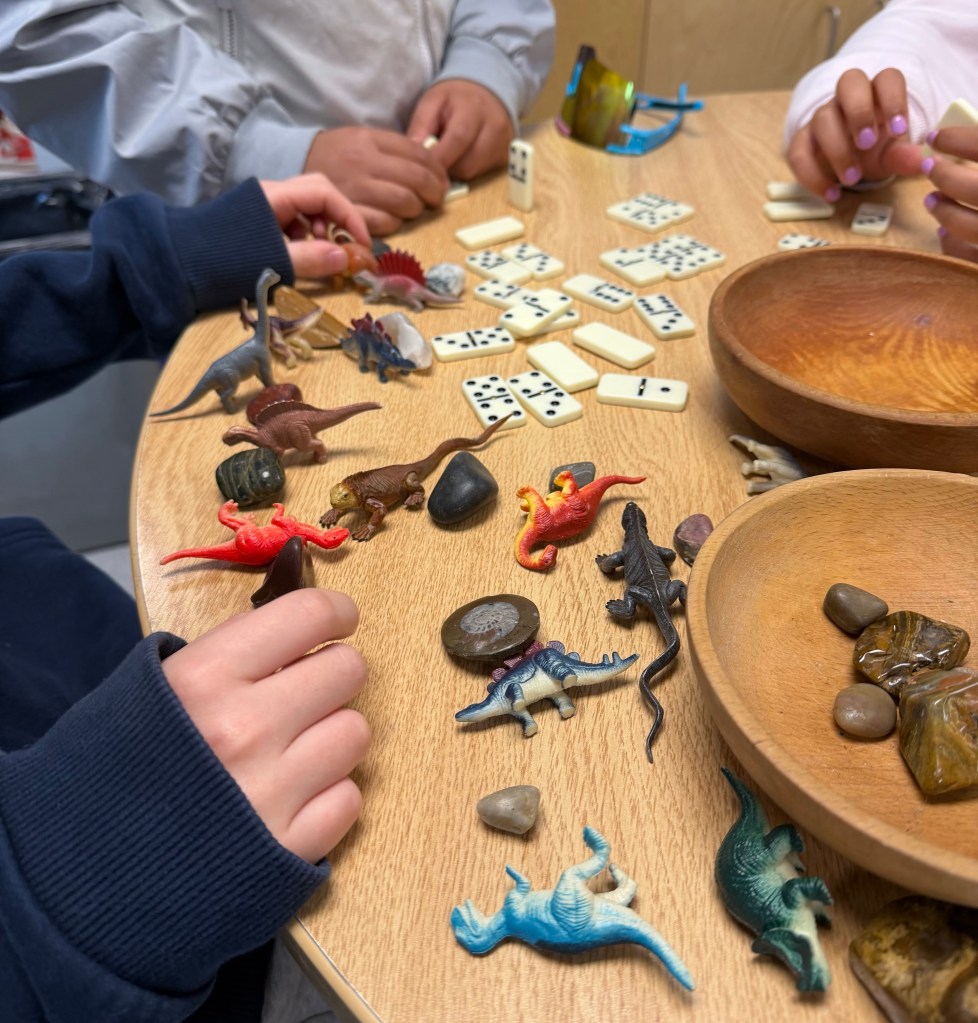
Right now we are spending more time deepening our understanding of division by using math manipulatives, problem solving, and math stories—the focus of this blog post today.
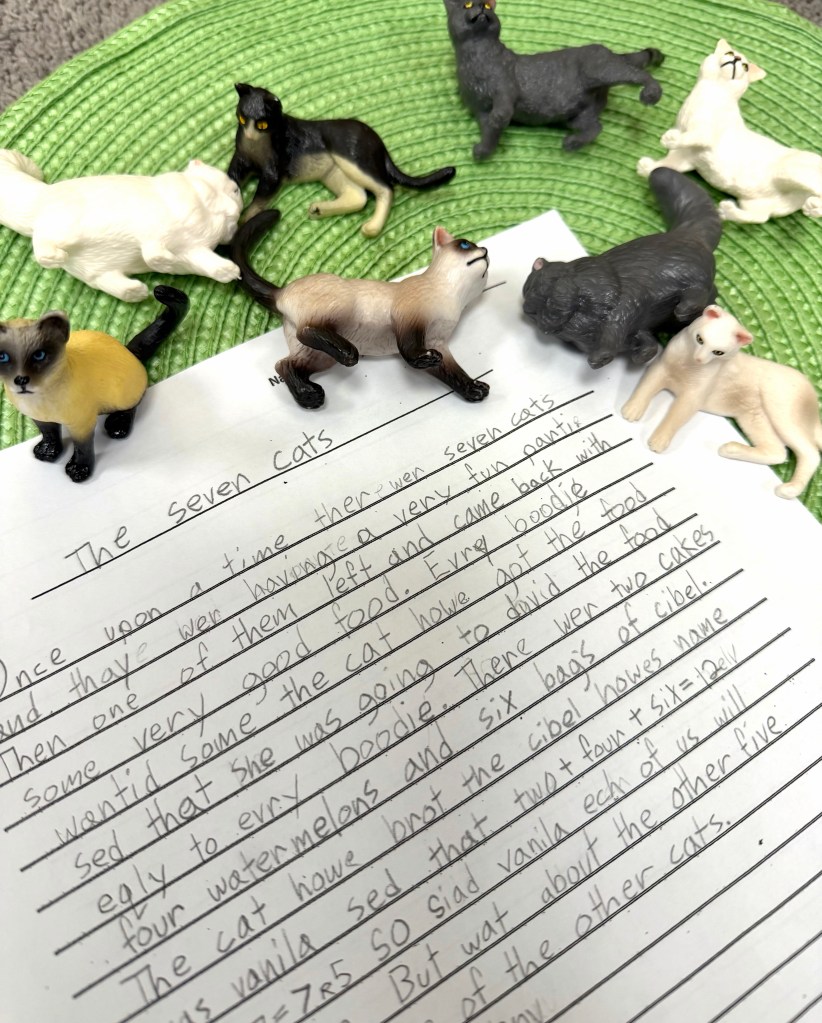
What is a “math story”?
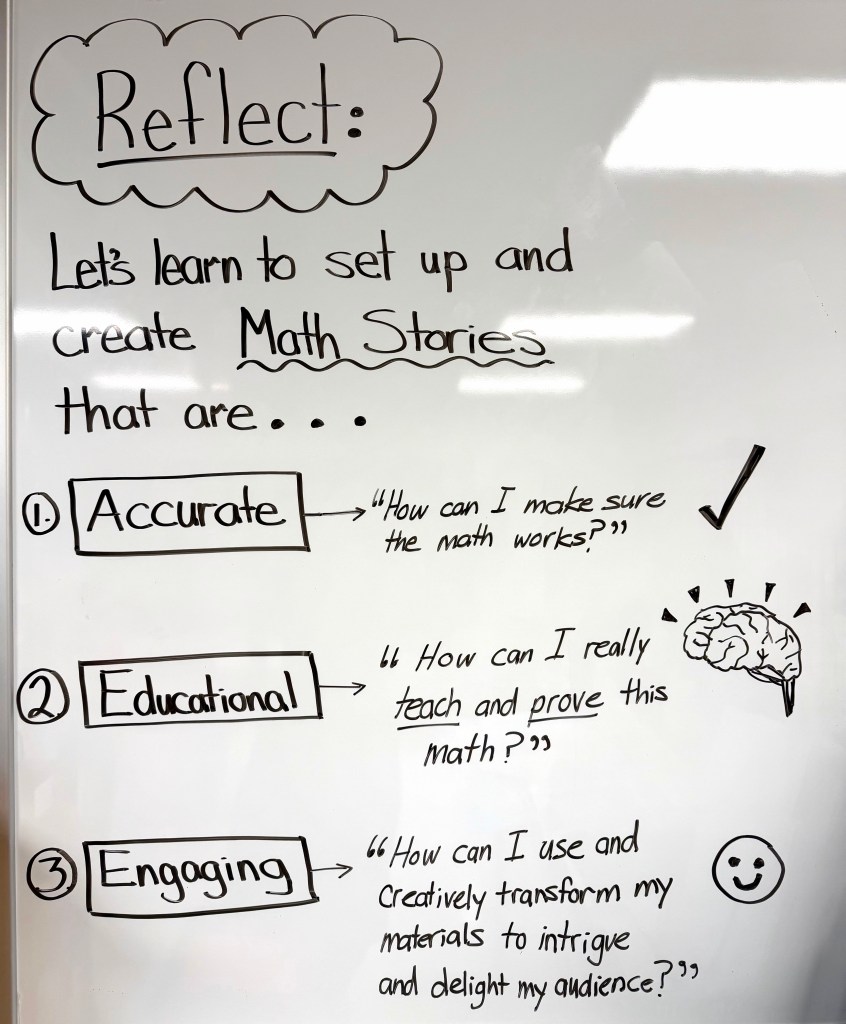
A math story is like a detailed word problem, and ideally it follows a narrative arc, with a beginning that sets the context, a middle that presents a problem or challenge, and an end that resolves it.
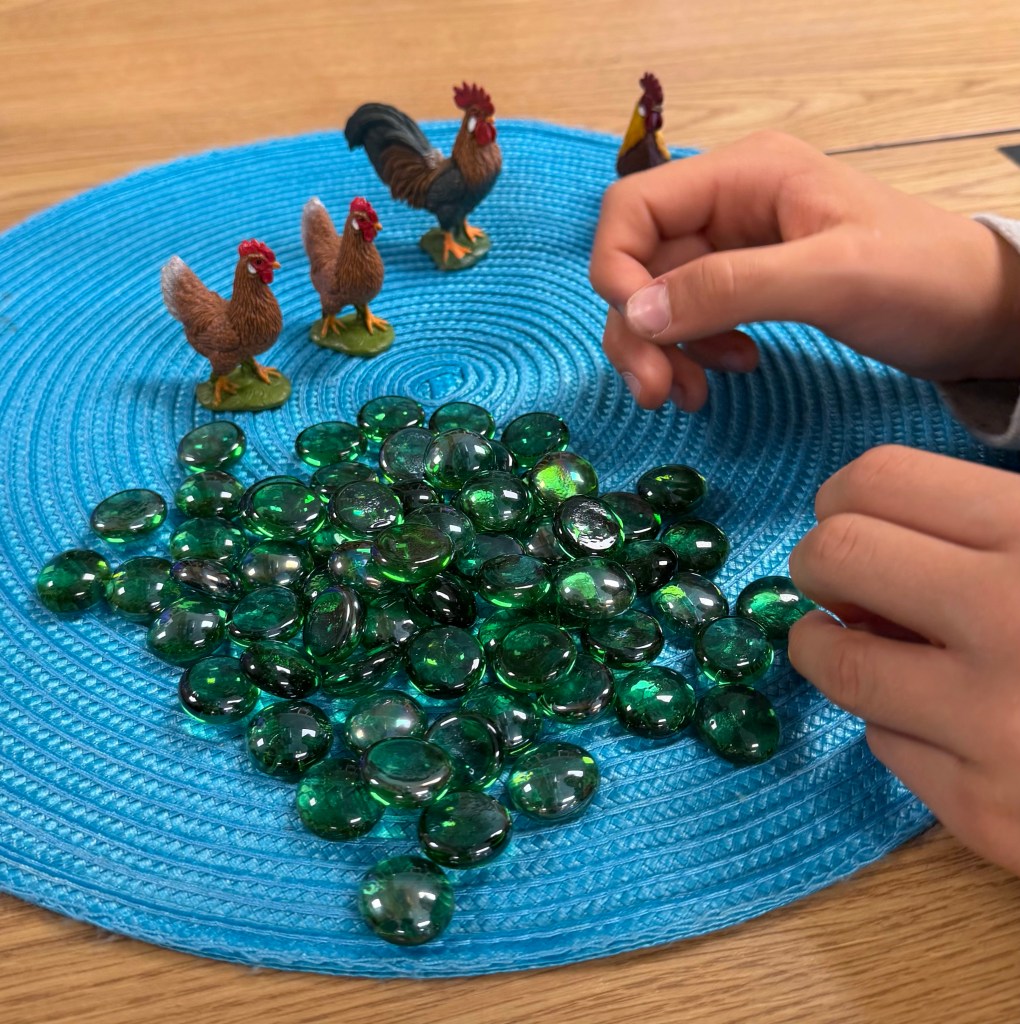
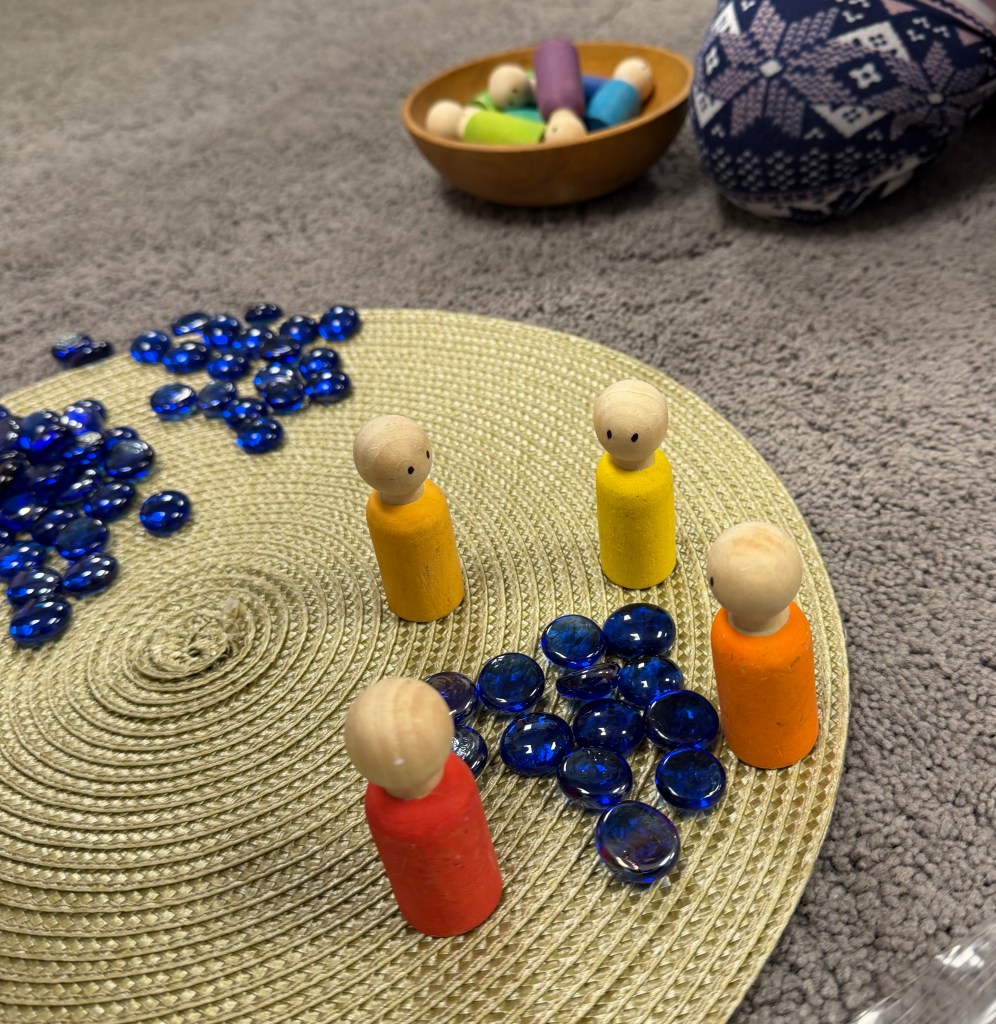
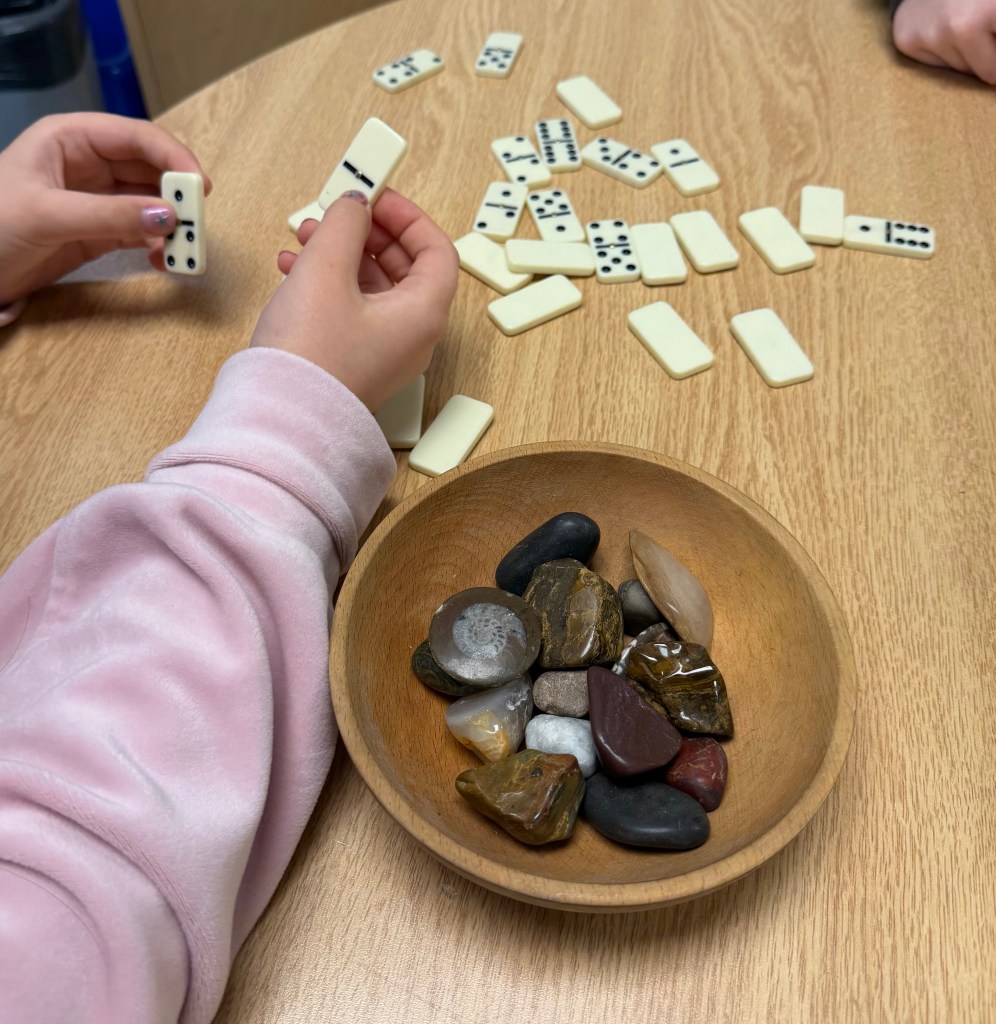
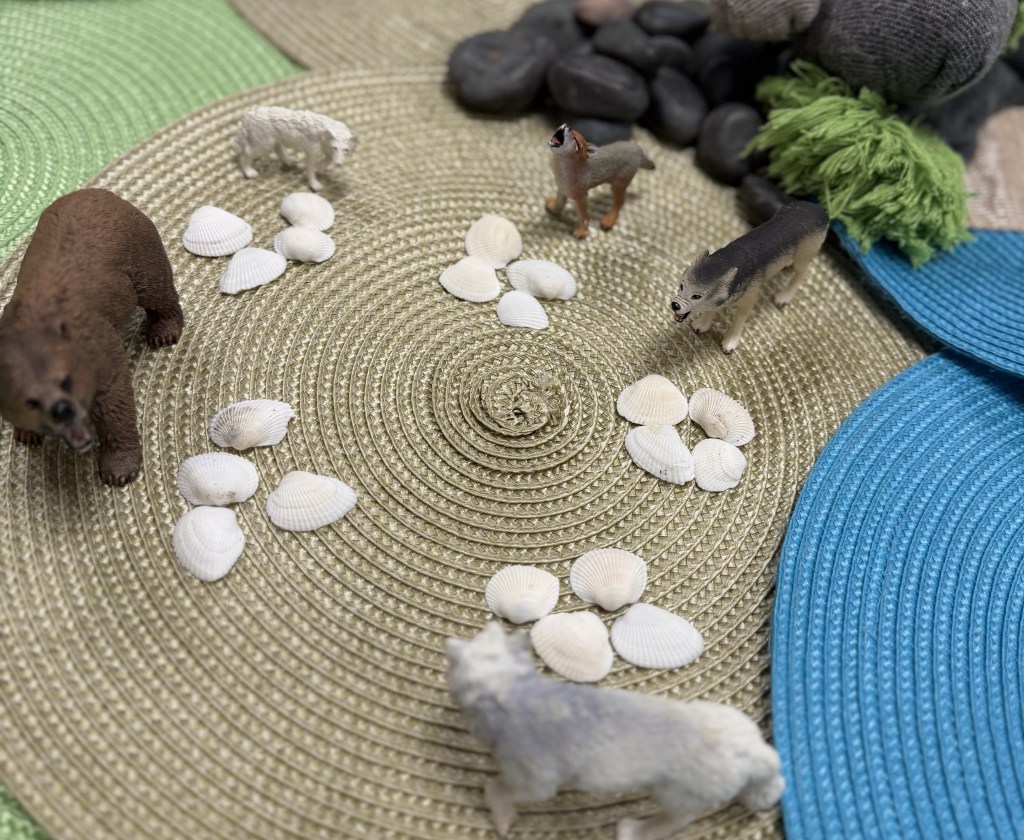
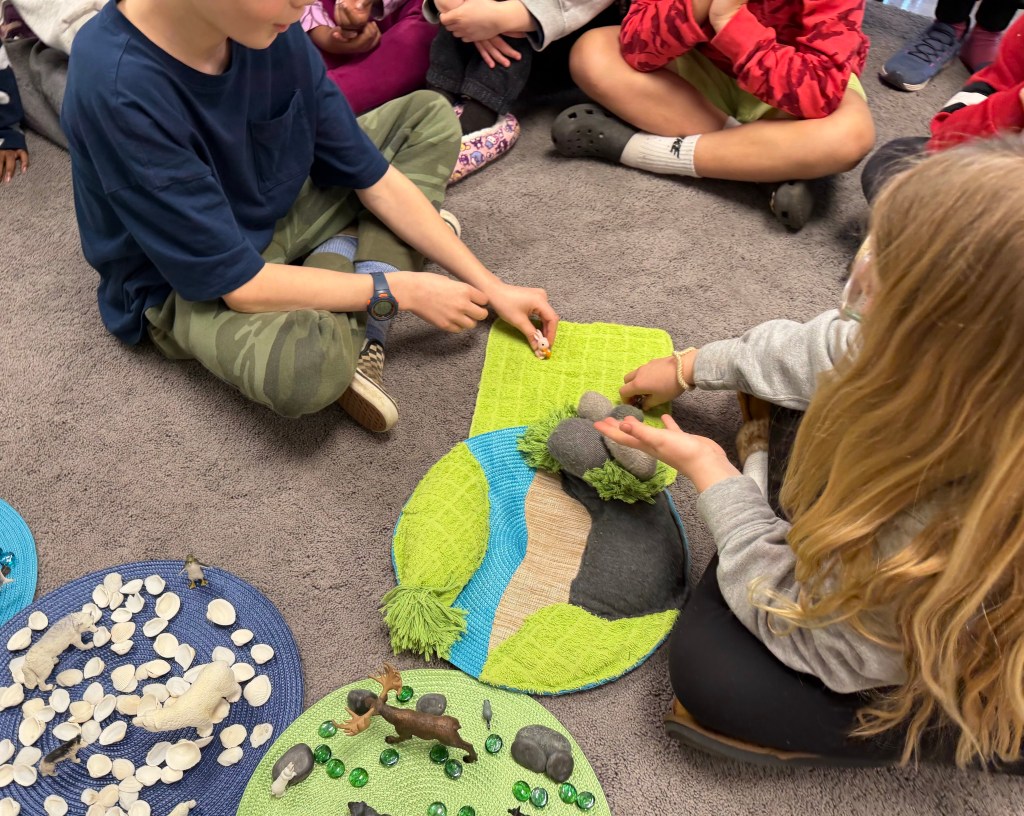
Math stories can be highly engaging and make math easier to understand for learners when packaged in fun narratives told with vivid images, puppets, and or toys and loose parts.
How does this work?
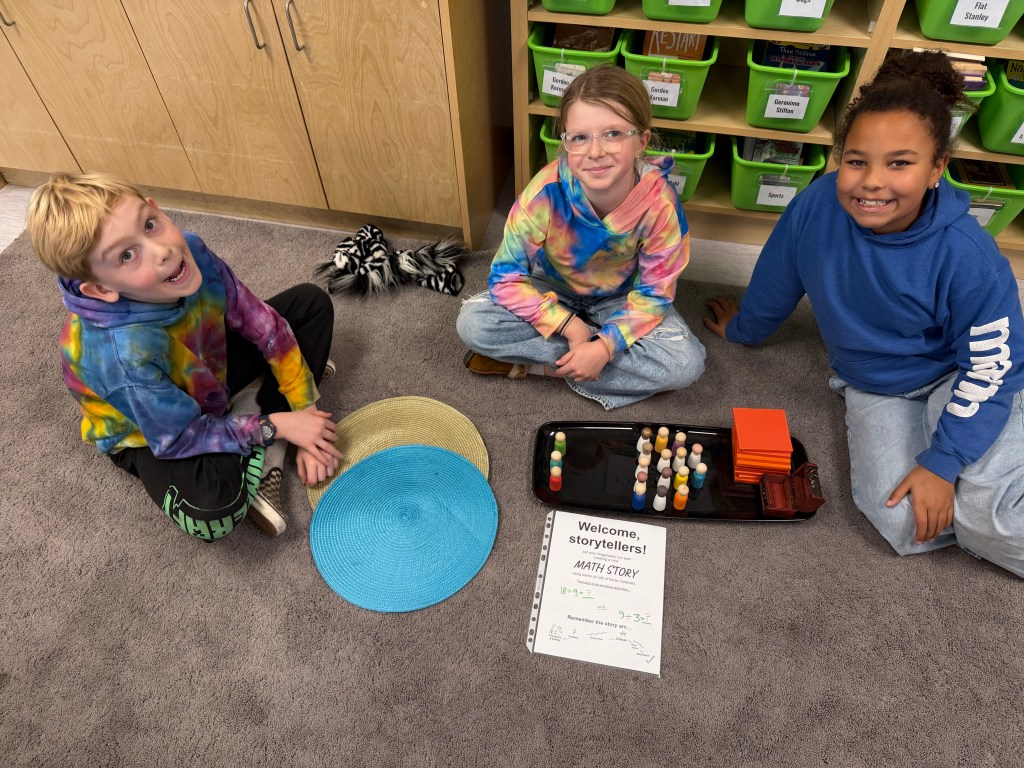
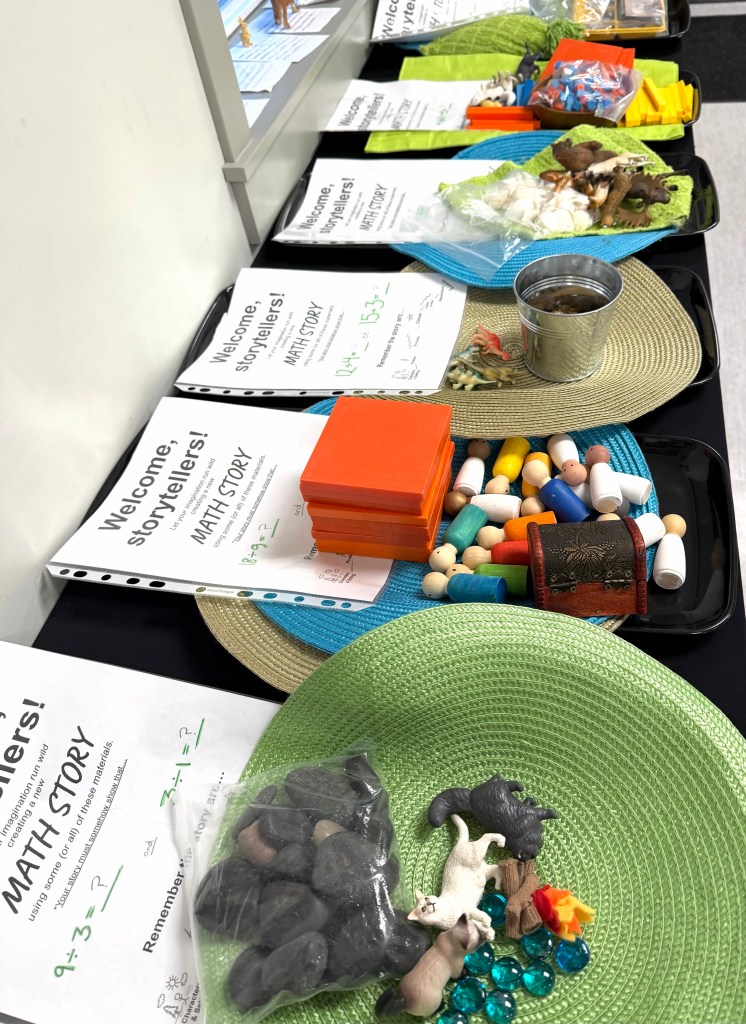
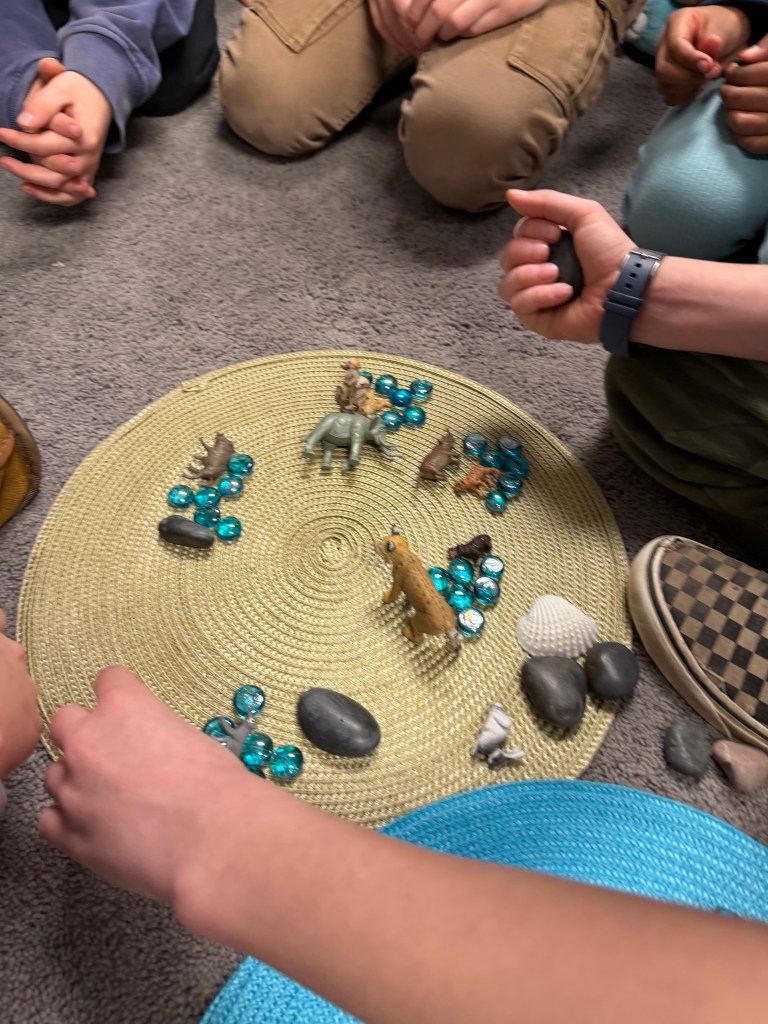
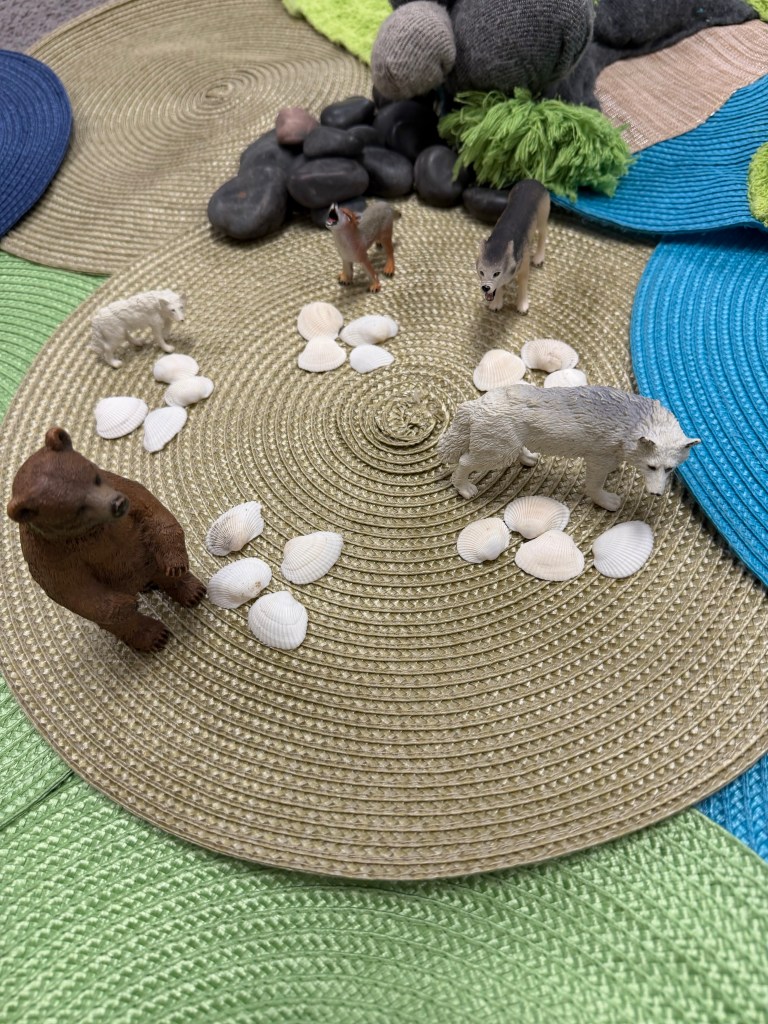
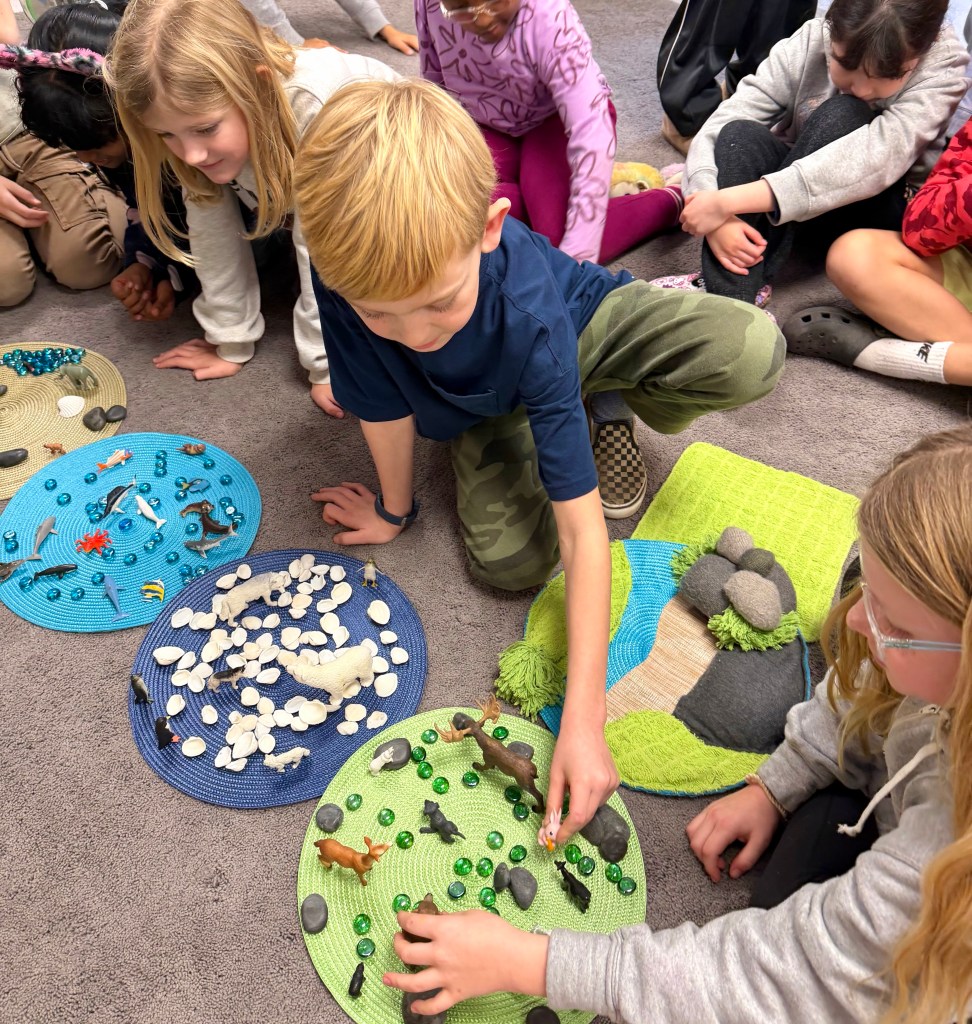
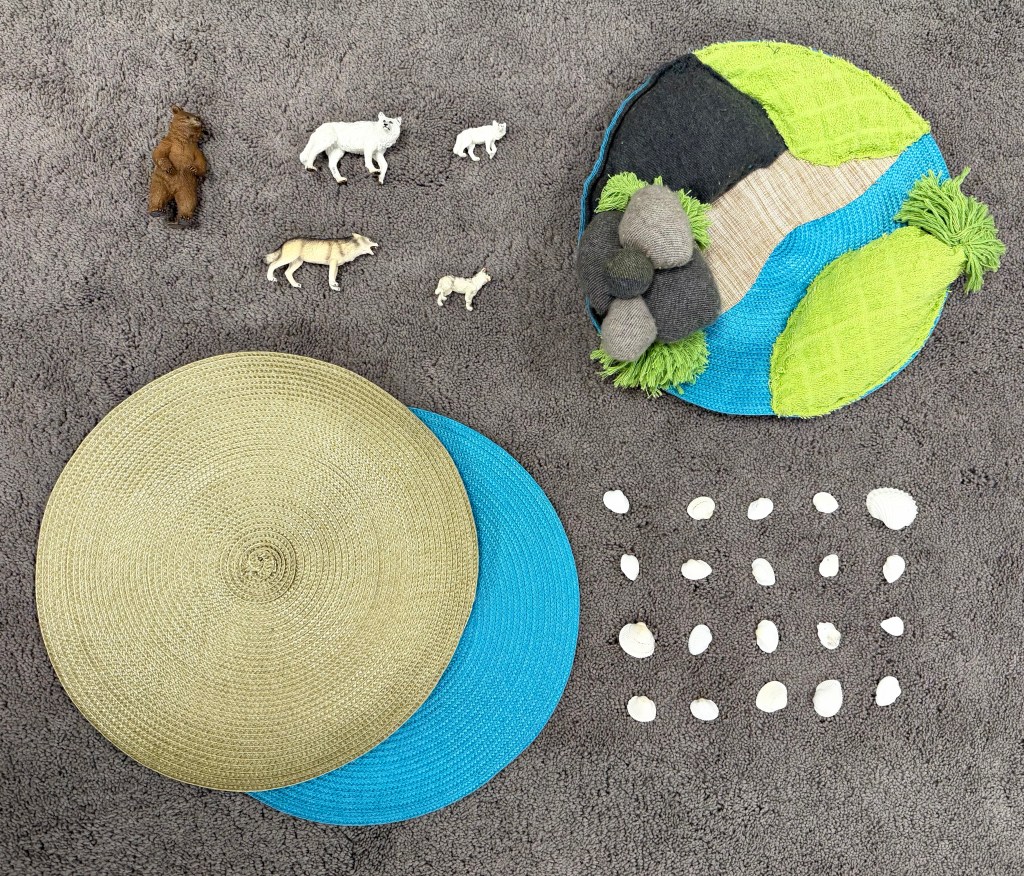
We have been using our “Story Studio” items to inspire creative new tales—with wonderful results!
Some math stories are created as a teachingtool: these are complete tales that model ways to solve problems using mathematical vocabulary.
While other math stories are “unfinished” on purpose and createdtoprovoke problem solving. They set up a problem and end on a cliffhanger that invites audiences to think of a solution for themselves.
Can you give me example?
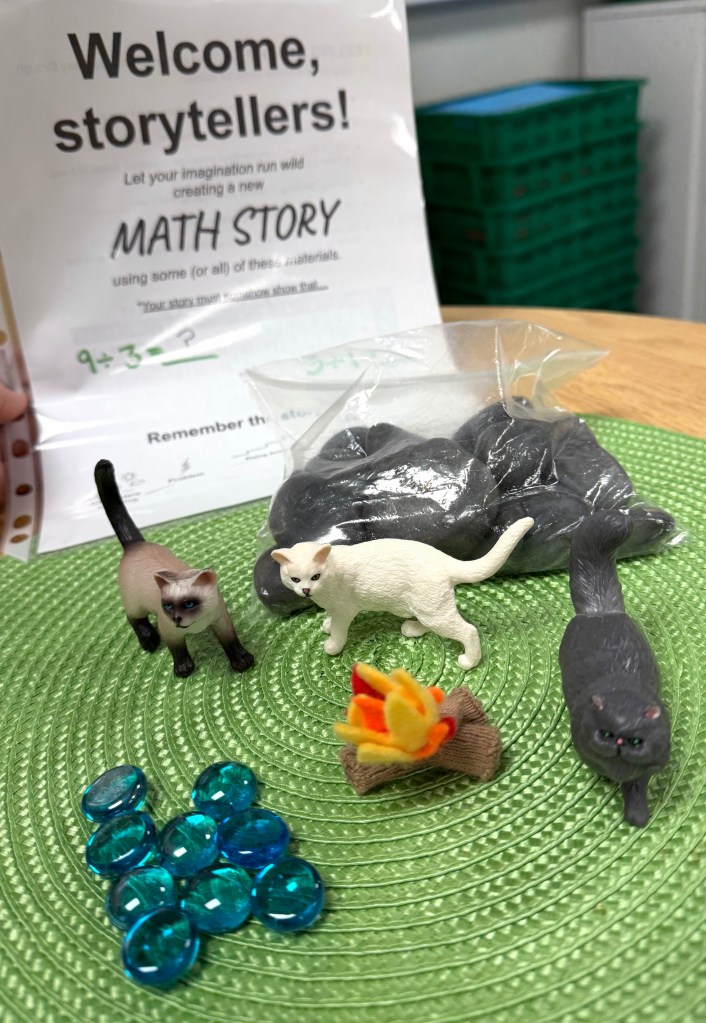
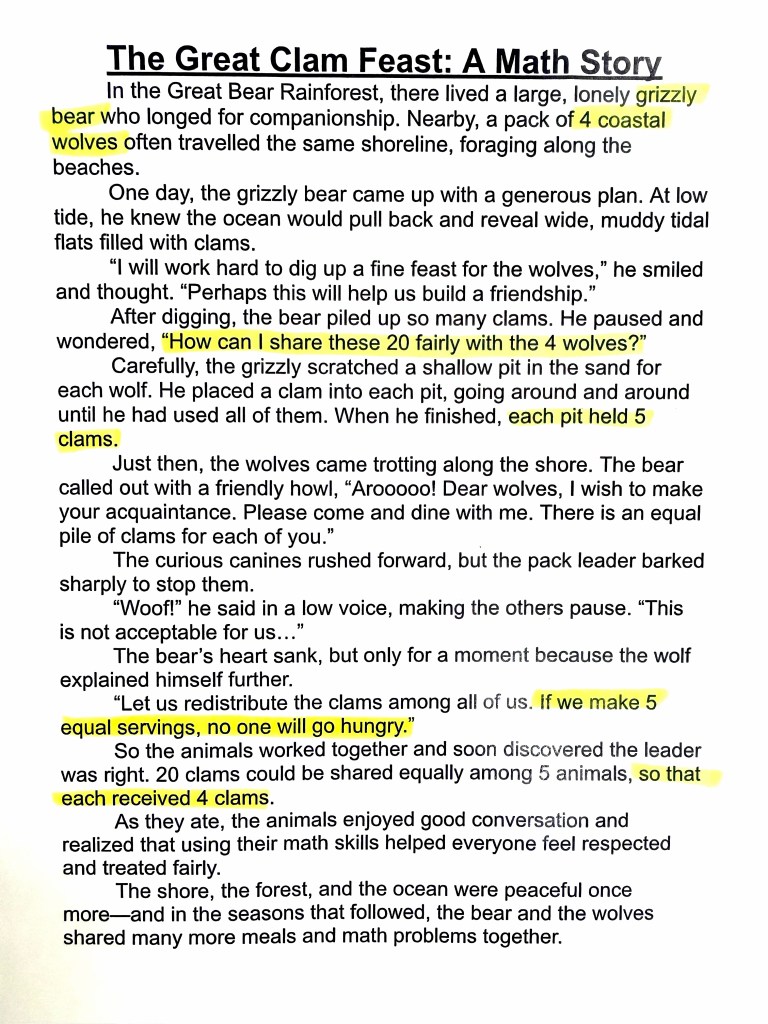
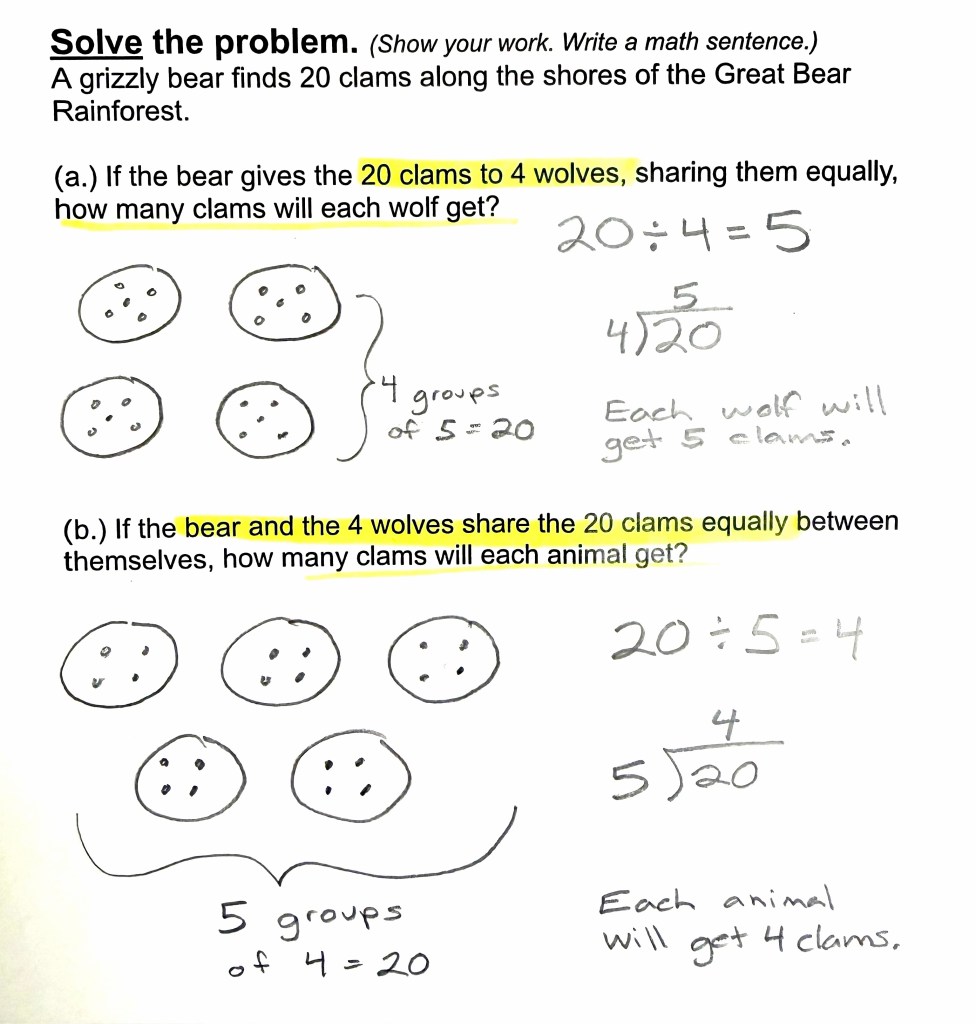
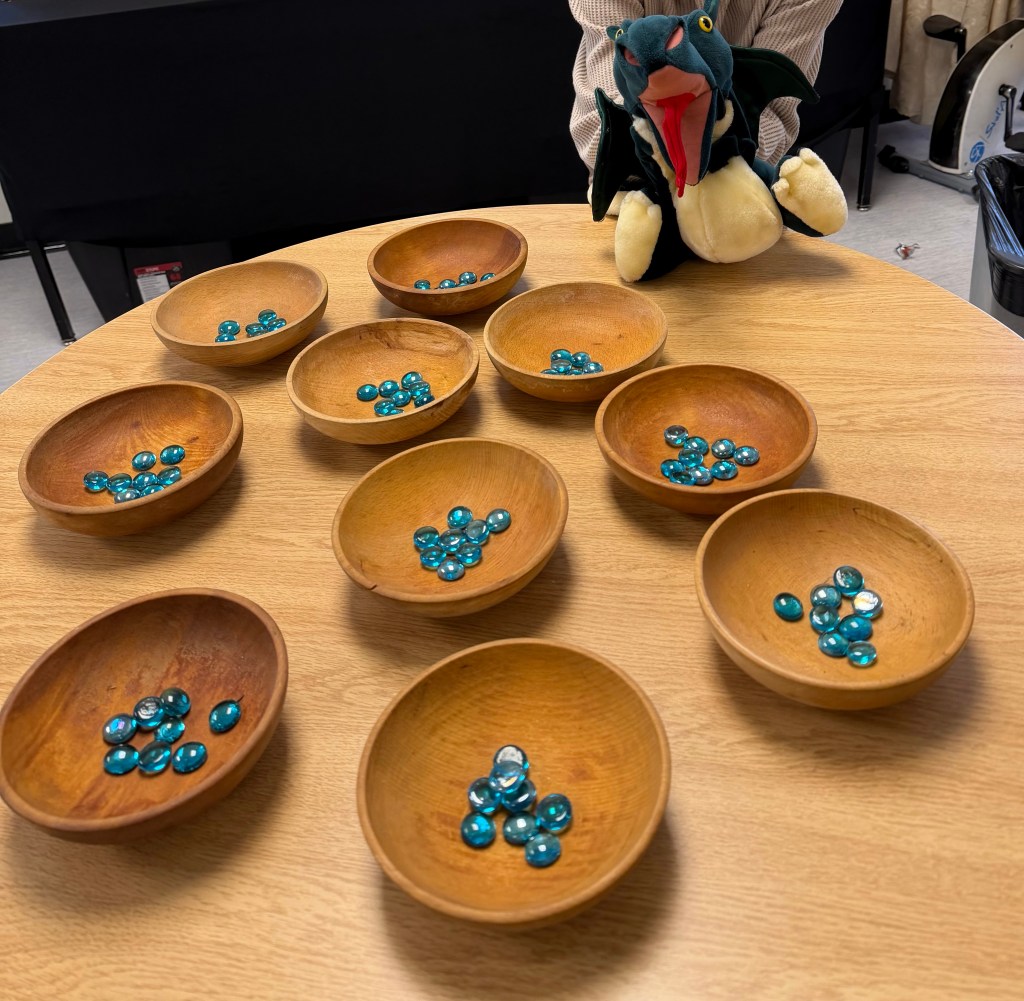
Here is an example of a math story I created this week to model…
“The Great Clam Feast: A Math Story”What “math story” do these materials inspire you to create?
What is the rationale for doing math stories?
Learning through play and storytelling is a timeless approach that offers a flexible, personalized, hands on experience of more abstract concepts. This helps so that when students get to working with symbols on a page they have a frame of reference.
Rigorous math work can happen both with toys and pencil and paper.
Hmmm, do serious mathematicians really “play” like this?
Sure! Our modern world is shaped by technology and data, and people who use mathematics in their careers and daily lives are expected now more than ever to do far more than act like human calculators.
They must also be strong communicators—able to explain their thinking, tell meaningful stories with data, and use imagination to uncover new insights. My husband Peter reminds me of this all the time. His PhD is in pure mathematics, and he works as a data scientist for a video game company. Peter speaks often of how essential communication, creativity, and narrative thinking are for math professionals as they manipulate data in innovative ways and form new understandings that they have to try to explain to others who may not have their background.
Yes! The complexity of a math story is easy to adjust, and so the learning potential when using them is very open-ended. We have already seen in our class how students with a range of math confidence levels can enjoy working side-by-side on the same story, supporting each other.
How do you grade math when it’s so open-ended?
In the formative phase, students have lots of time to play with concepts on their own, while I circulate to observe, provoke deeper thinking, and troubleshoot. This gives me a chance to see where students are in their understanding in a way that feels lower stakes.
Often I am surprised to see some students using story to successfully explore more advanced concepts than I’ve seen them want to tackle with just pencil and paper.
I can also drive the inquiry by being selective with the kinds of materials I offer when I’m looking to see certain skills.
Students are invited to present their math stories to the class or just to me if that is their comfort level, which leads to more discussion and feedback for how to enhance the stories. Students can also write down and/or draw their stories in diagrams and comics.
Creativity and language skills are assessed separately from math learning standards.
Here are some “teacher examples” I shared with the students at the start of our unit of study…
How can I help my child to learn division?
On any day that we complete pencil-and-paper work in math class, students are asked to bring their marked worksheets home and share them with their families. This happens usually about three out of five days each week. Having short conversations about this work at home is a wonderful way to reinforce learning and build confidence.
For homework this week, students have been asked to retell the math stories they have created or encountered in class. Families are also encouraged to create math stories at home.
Narrating everyday mathematical decision–making—such as while cooking or sharing food—can bring math to life. Whether the story is a simple word problem (for example, trying to divid 15 pancakes fairly among 3 family members) or a more imaginative scenario with characters and background details is entirely up to you. The more children hear adults talk through real-life mathematical thinking, the more they begin to recognize how math applies beyond the classroom.
Reviewing the blog and watching the video tutorials posted here is another helpful way to support learning. Families can also explore YouTube Kids with “division” as a key search term can help to find different teachers explaining a variety of strategies.
While many adults are most familiar with the traditional long-division method, the BC math curriculum emphasizes a need for learners to use flexible thinking and multiple strategies. Exploring different approaches helps deepen students’ understanding of numeracy rather than relying on a single algorithm.
Because of the strong relationship between multiplication and division, continued practice with skip counting and multiplication facts is especially helpful.
Thank you for the support you provide at home. This partnership is making a real difference in strengthening students’ foundational math skills.
Here is a summary of some of the big topics of learning this last week…
Language Arts: The Trumpet of the Swan, by E. B. White
The students are thoroughly enjoying our novel study of The Trumpet of the Swan by E. B. White. One of the central themes we are exploring is how all of God’s creatures are created with differences that—while sometimes surprising or even seeming limiting at first—can become sources of growth, courage, and purpose when truly understood and embraced as gifts.
In the story, a young swan who cannot speak finds his voice in an unexpected way through creativity, perseverance, and the support of his father. The novel offers opportunities to discuss inclusion and compassion.
We have read to the end of chapter 8.
Science: Biomes & Animal Adaptations
Our class has been exploring the incredible diversity of flora and fauna God created and learning how scientists group ecosystems into broad biomes. In real life, these biomes can blend into one another through rich transition zones that support high biodiversity.
Today, students became biome detectives.
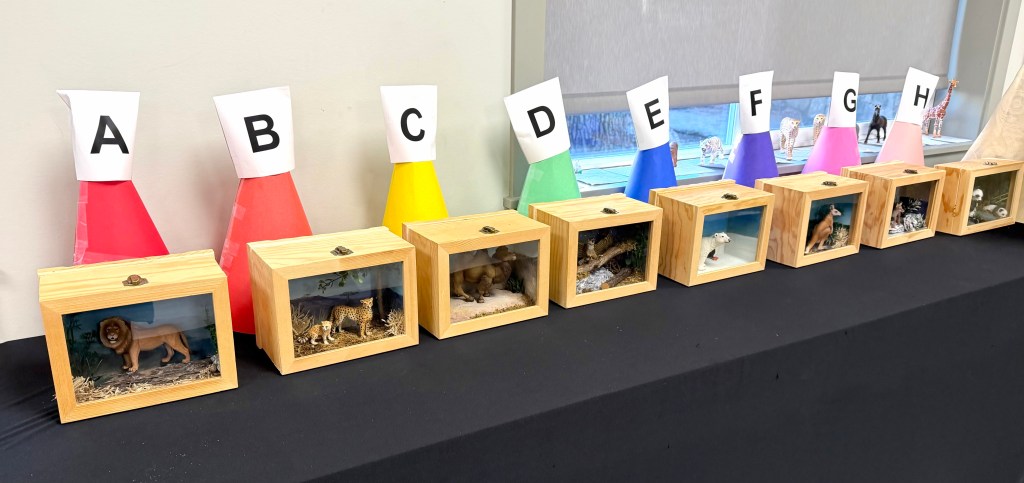
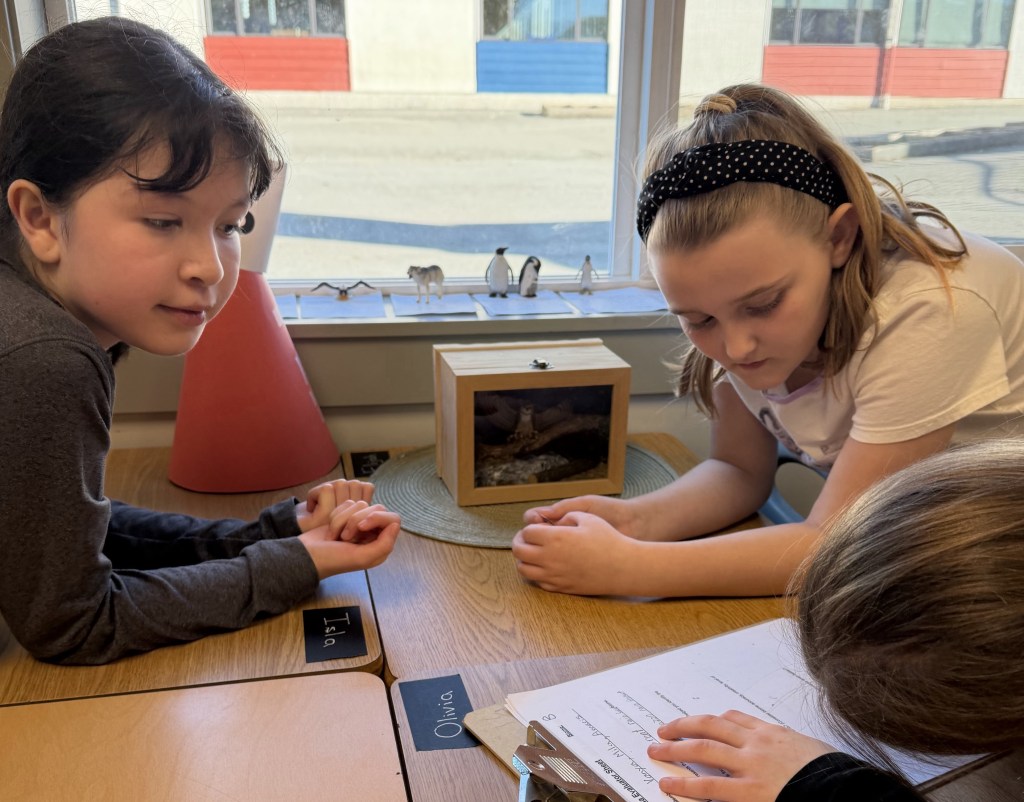
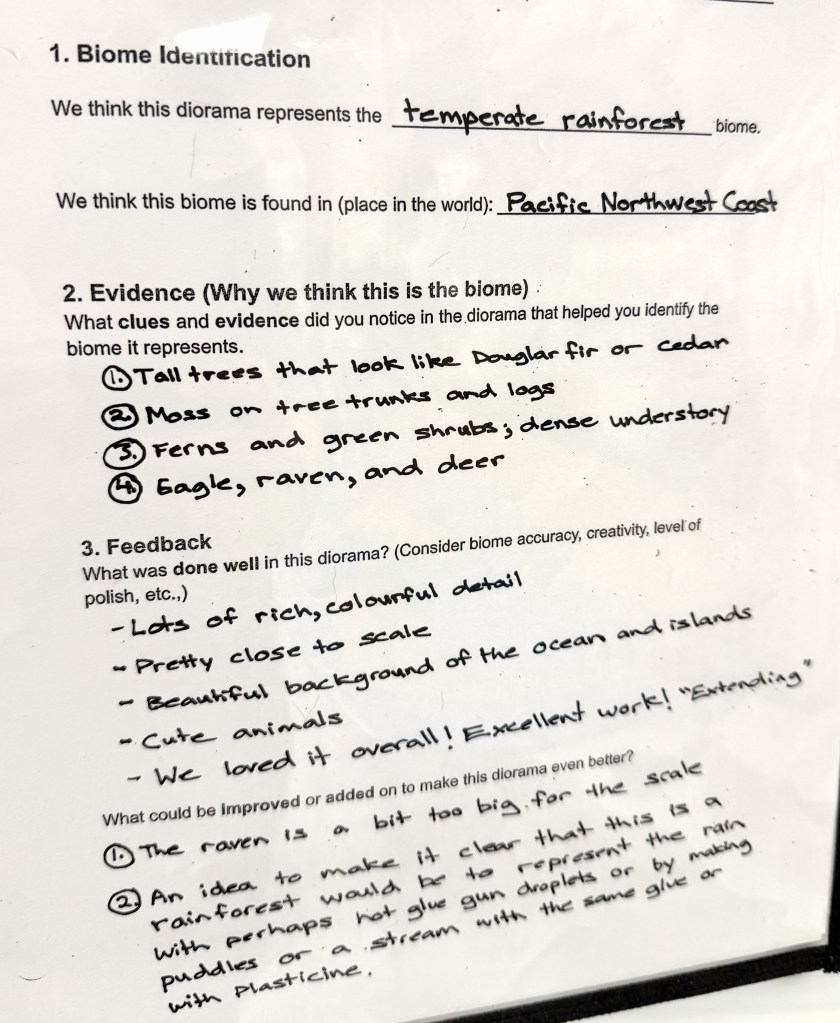
Using a collection of biome dioramas I’ve gathered over many years, students rotated through eight stations, carefully observing each model.
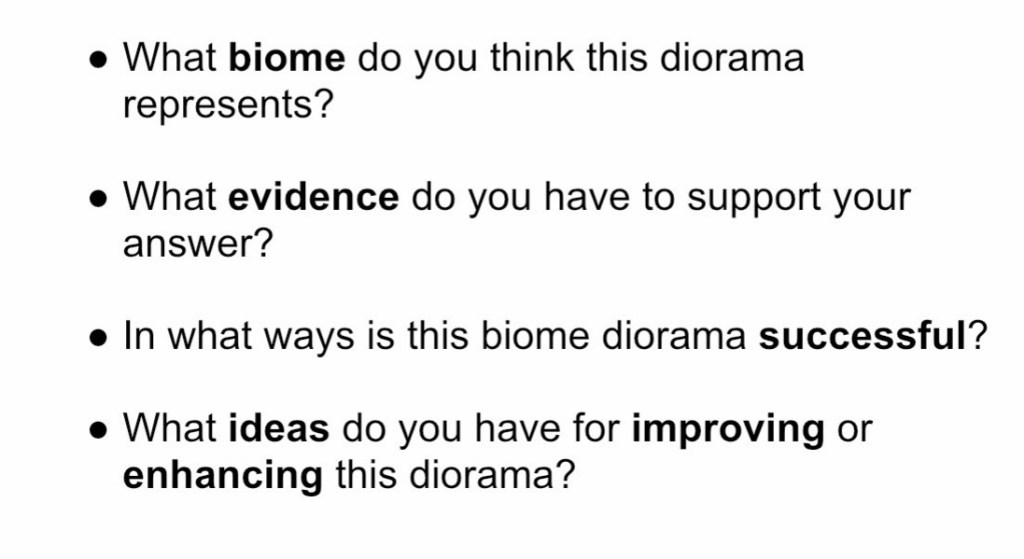
Their challenge was to identify the biome using clues within the diorama itself—plants, animals, landforms, colours, water sources, and overall design. For each decision, they were asked to provide evidence to support their reasoning.
This activity sparked thoughtful discussion and critical evaluation. Students debated details, questioned assumptions, noticed inconsistencies, and identified features that were especially effective—or unclear. Just as importantly, they reflected on how they might build up strong ideas or improve upon existing designs if they were to create their own biome dioramas.
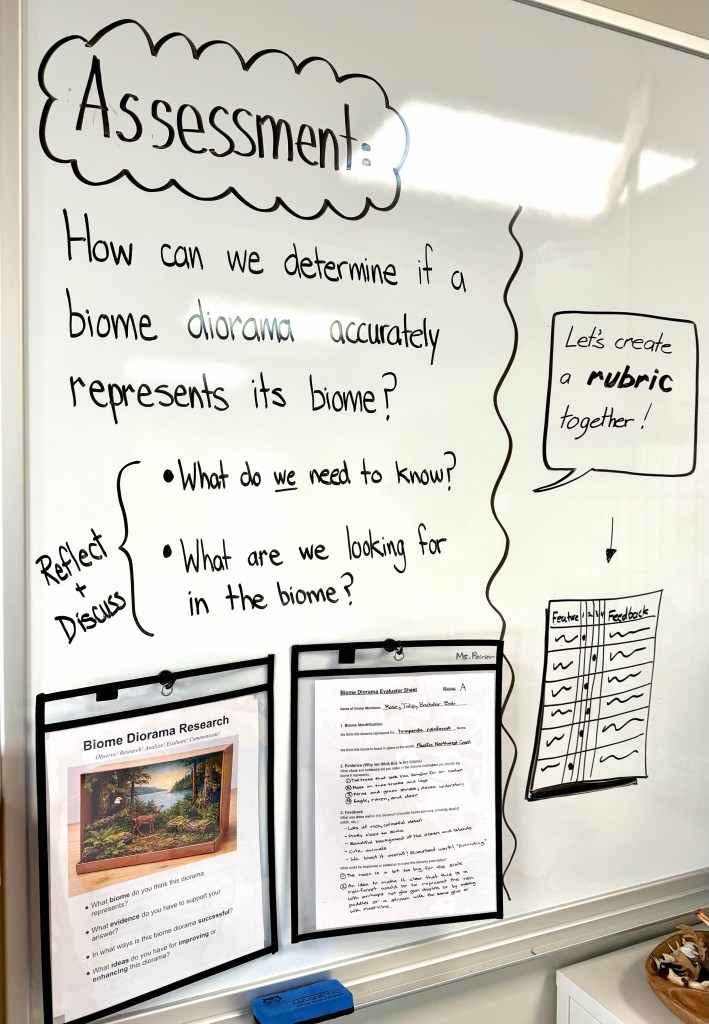
This thinking naturally led us to an important next step: beginning to co-create an assessment rubric. Students are involved in helping shape what a “good quality” biome diorama includes before any final product is ever built.
Whether this inquiry leads to students making traditional dioramas or something entirely new, the learning is already on purposeful path.
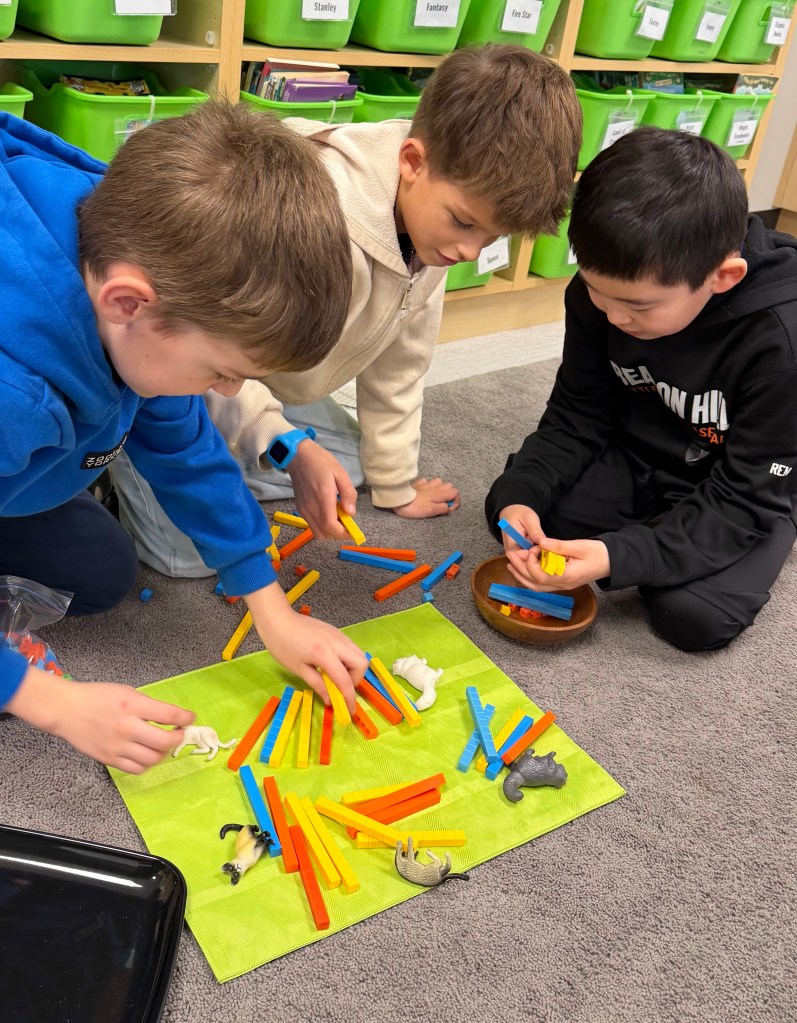
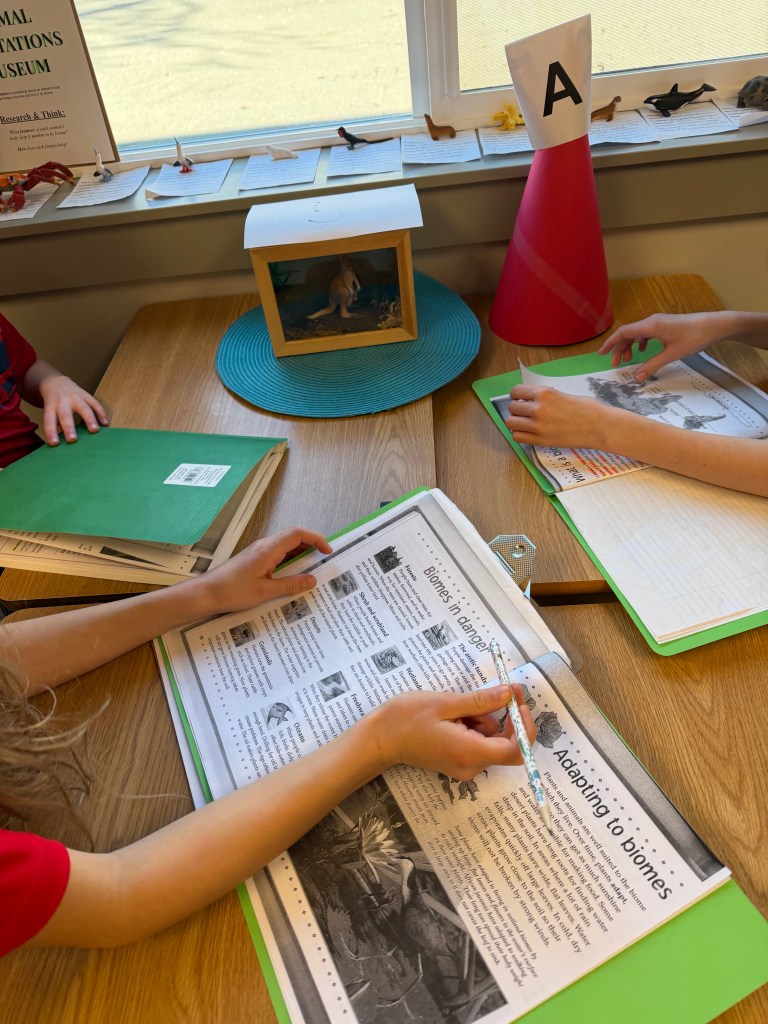
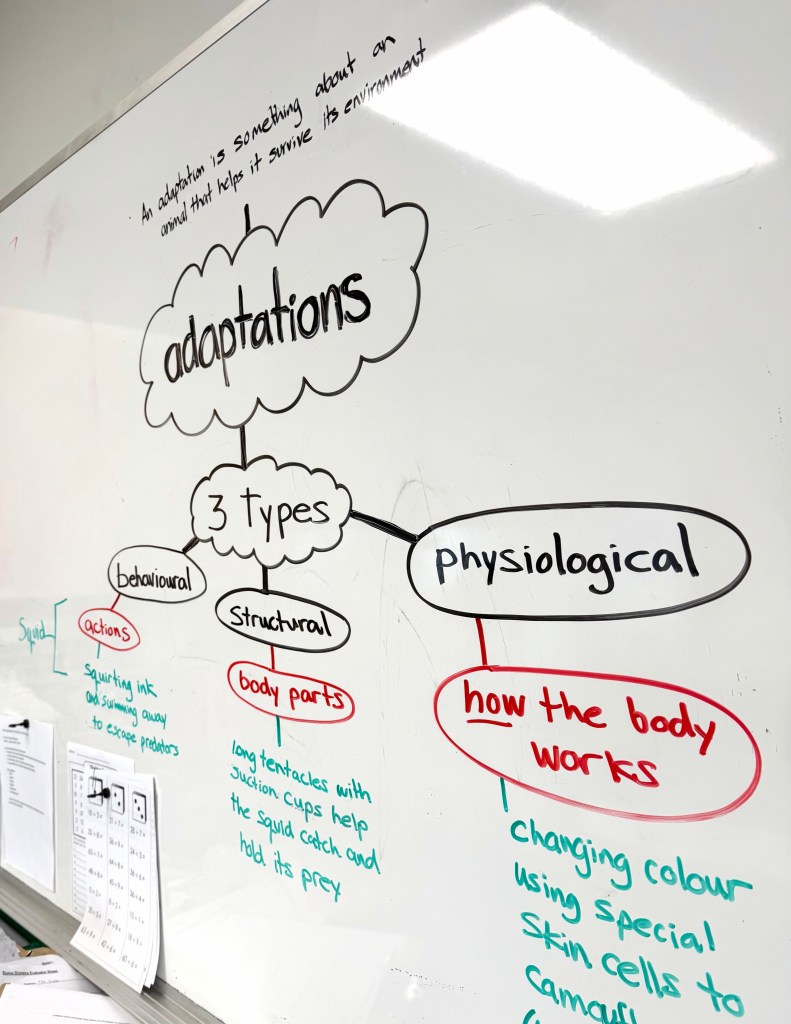
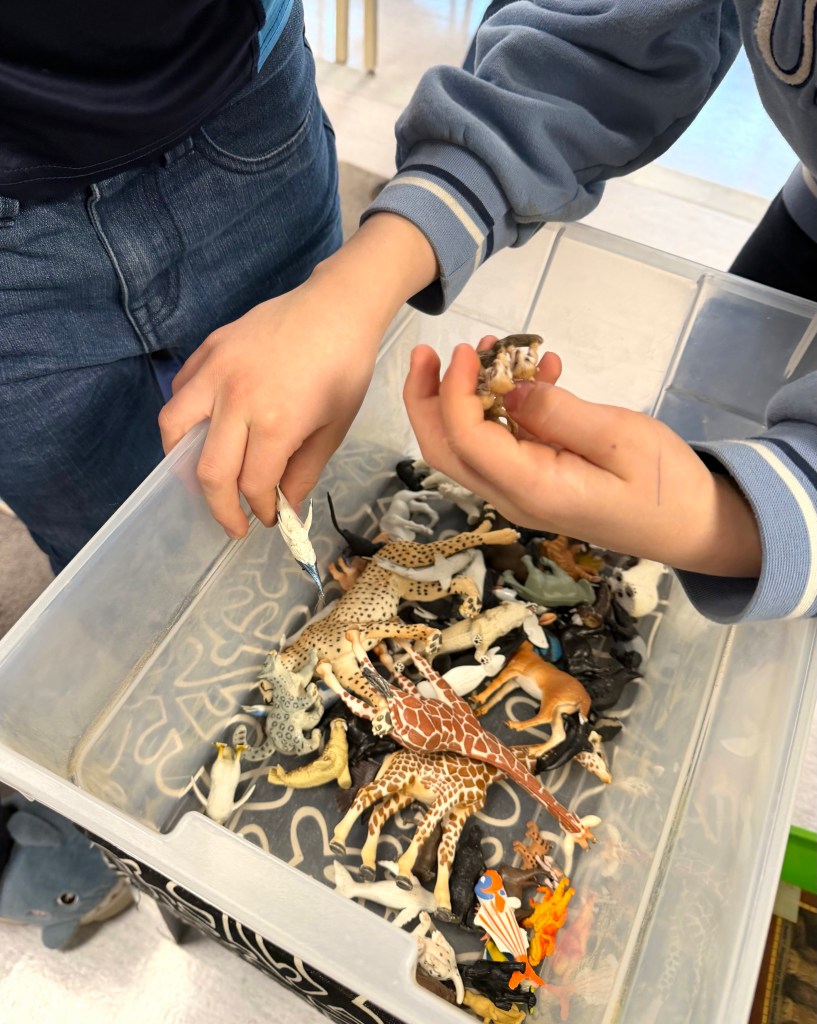
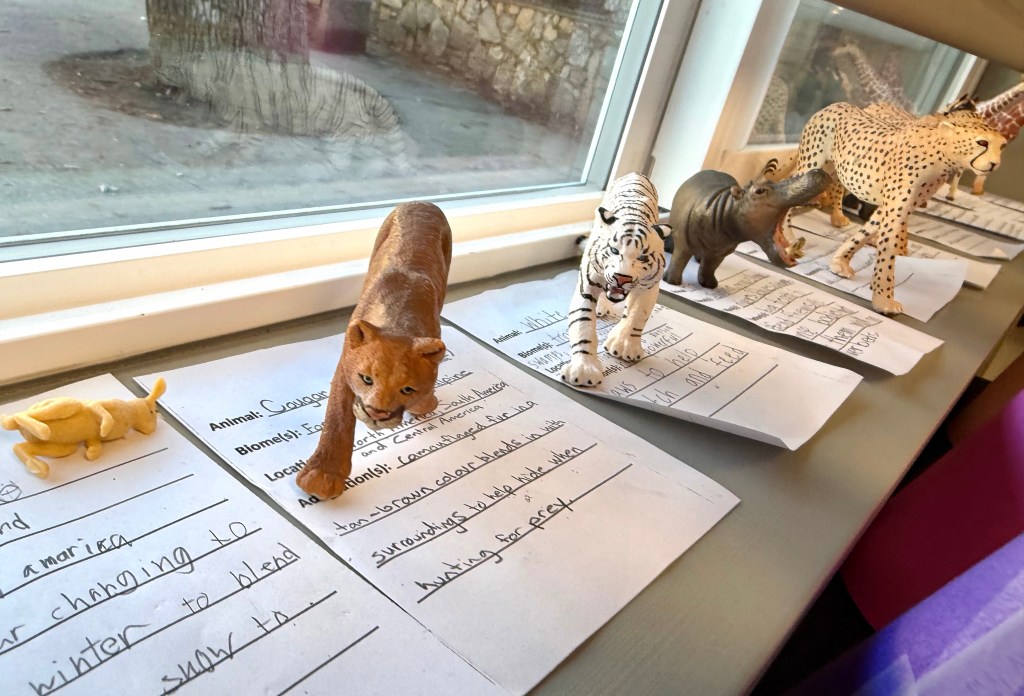
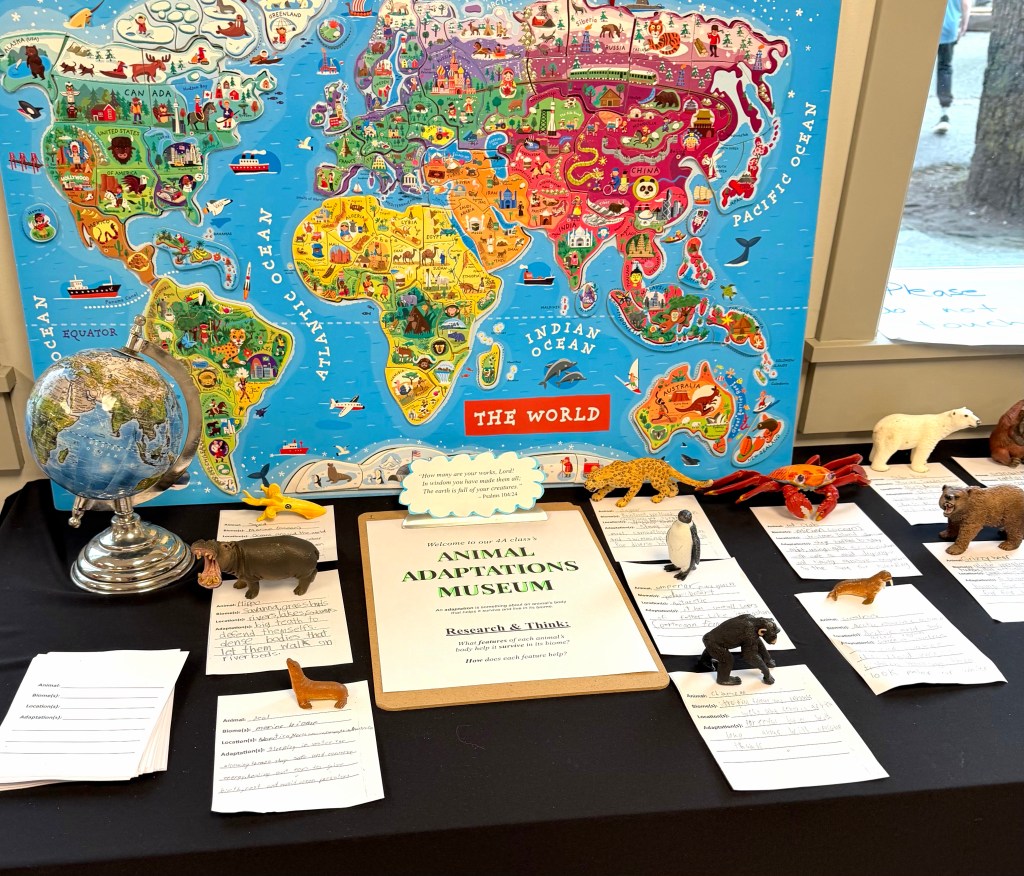
Another activity we did this week was learn about the ways animals are adapted to their specific biome(s). Students closed their eyes and choose animal figurines they had to identify and research and teach other about with respect to the specific survival skills and attributes they have. We created an “Animal Adaption Museum” to spark conversation and new connections.
Social Studies: Travel Spotlight
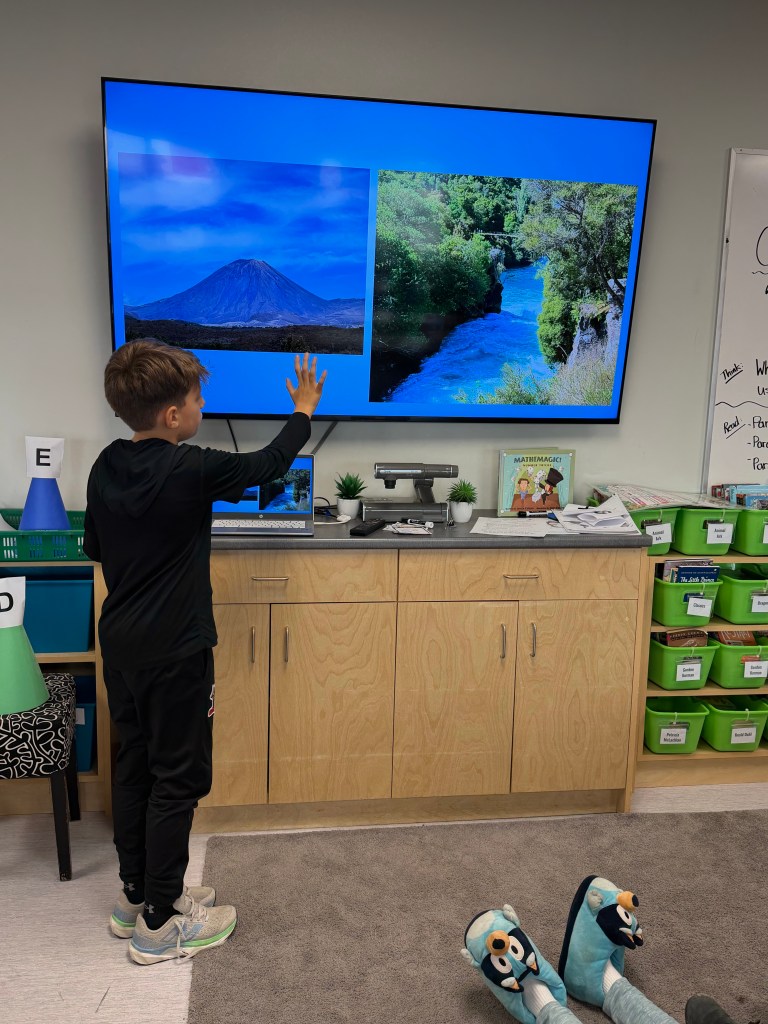
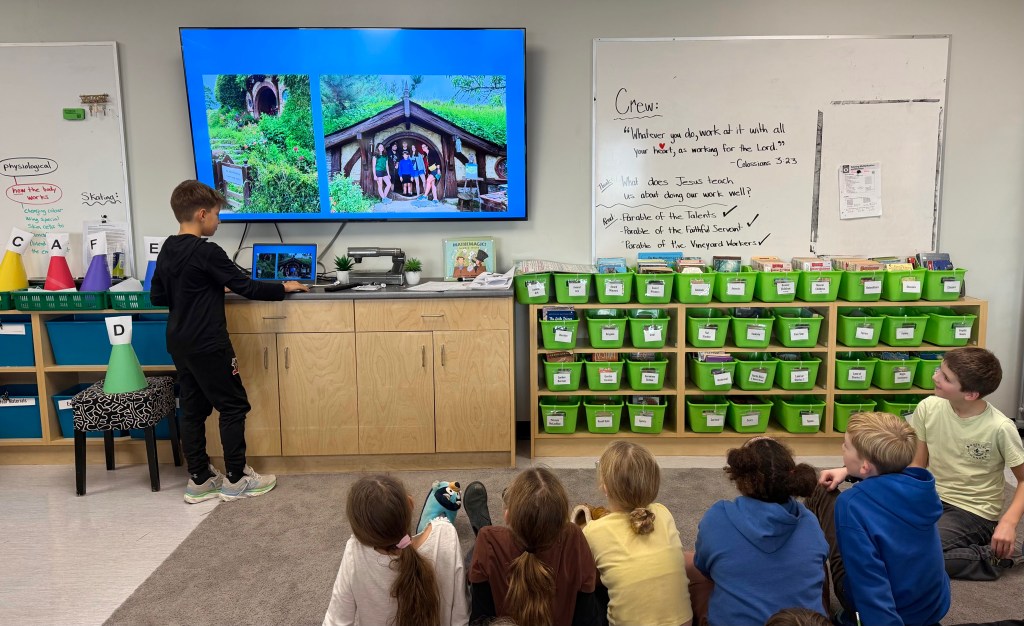
Our class was treated to a wonderful slideshow featuring a classmate’s recent adventure in New Zealand with his family. It was a marvellous showcase of biodiversity, along with fun literature connections—including some very cool “hobbit habitats”.
If any other students would like to put together a slideshow to share family adventures or special interests, please let me know. We love learning from one another.
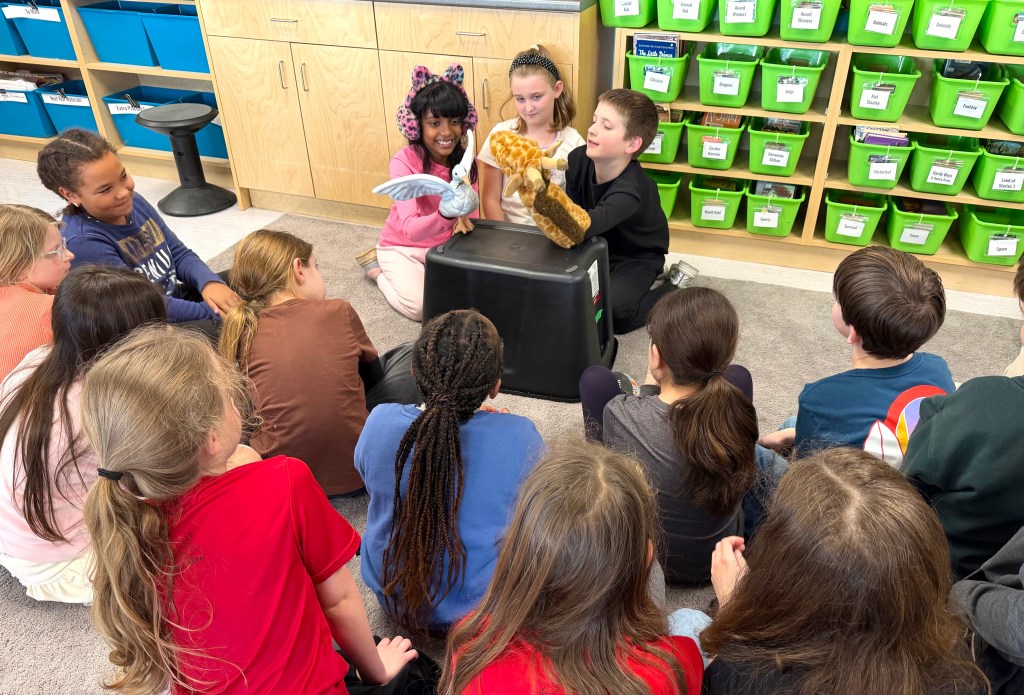
Bible & Crew: Animal Puppet Shows
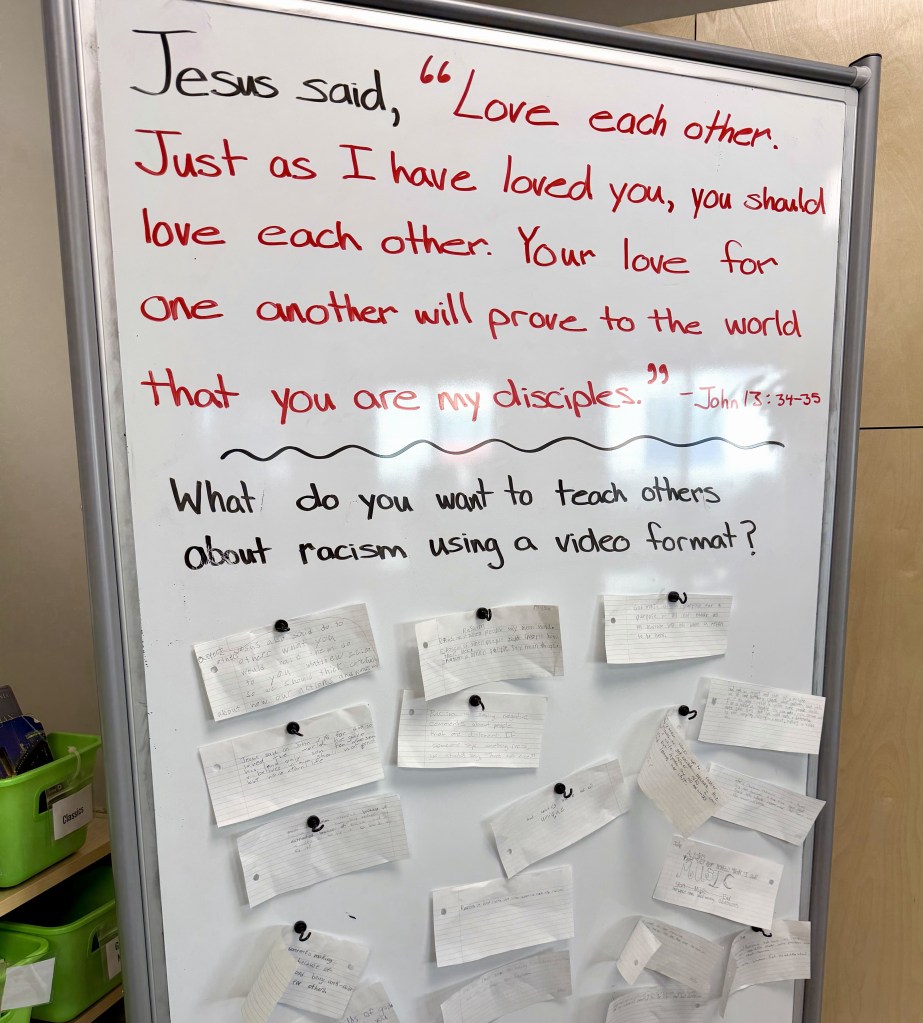
PCS is engaged in a school-wide inquiry into how we can we further foster inclusion and a true sense of belonging. A key focus of this work is helping students understand the beautiful diversity of God’s creation, as well as the impact of racism in our lives and communities.
Following powerful professional development that equipped PCS teachers with meaningful strategies to help students reflect on the impact of their words, students in our class have been engaged in thoughtful discussions about how to intentionally build a welcoming, safe community—one that brings people together rather than divides them by difference, while still honouring the beauty of our uniqueness.
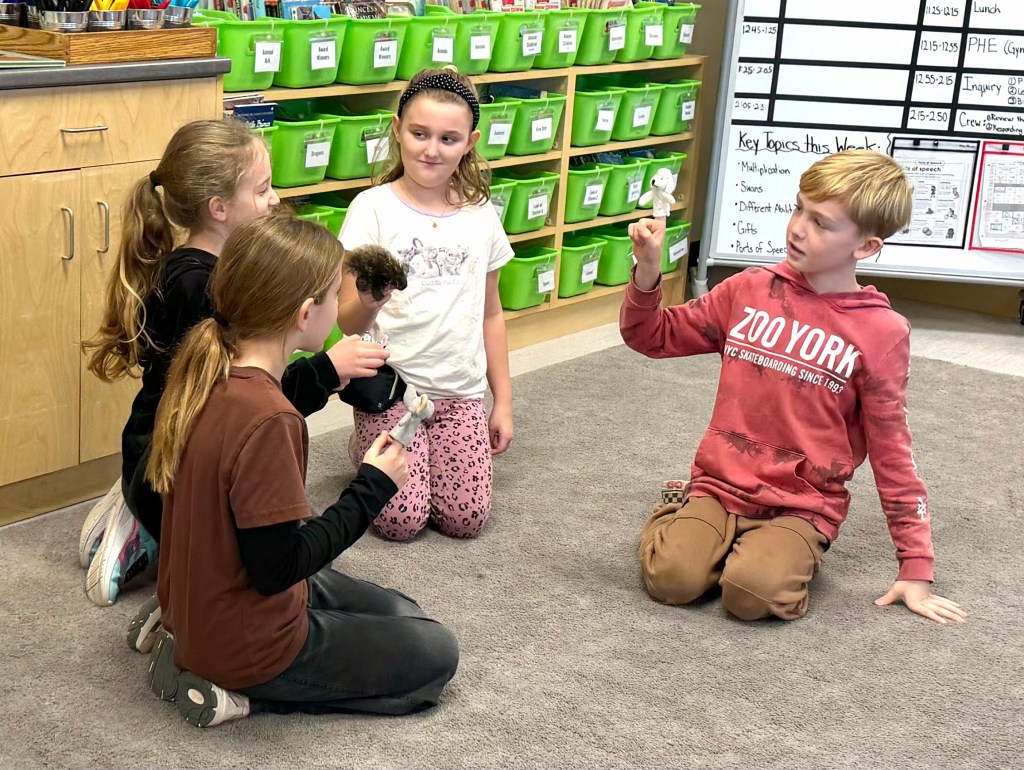
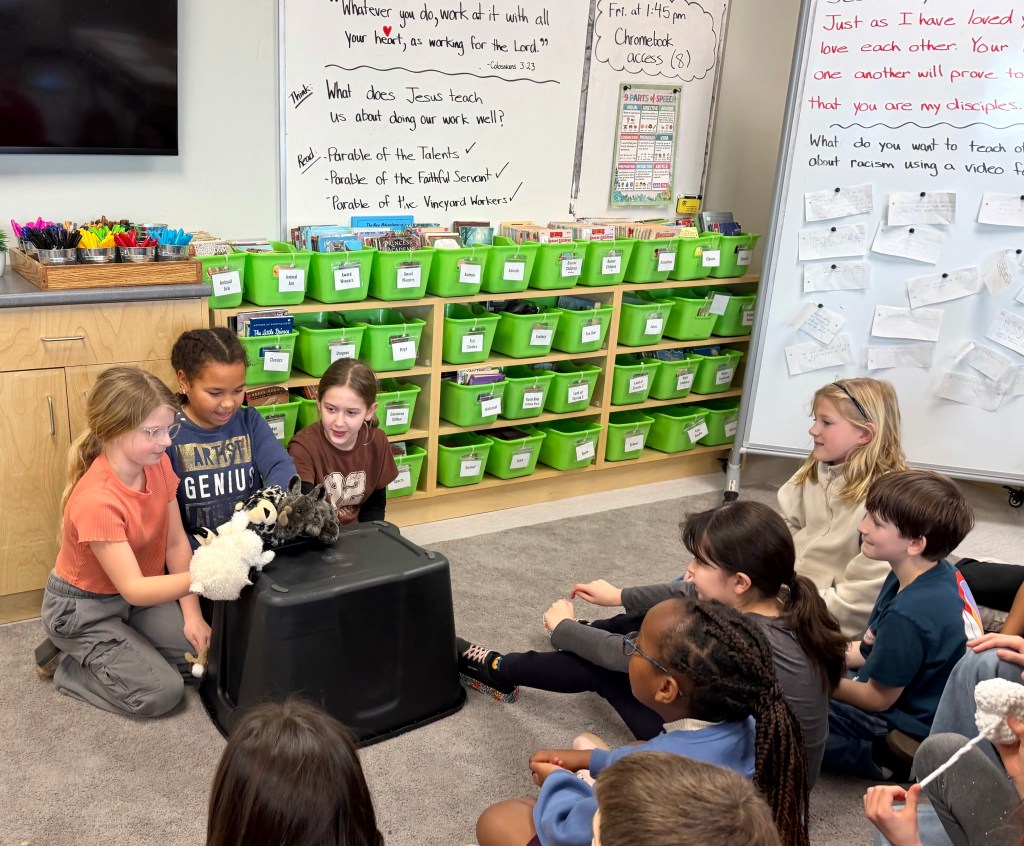
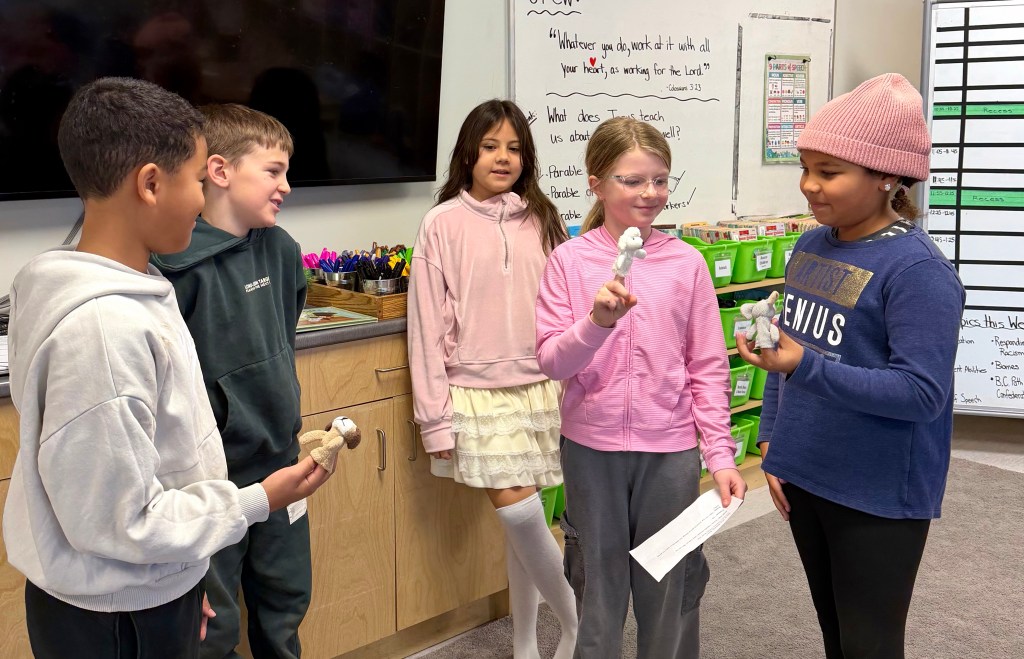
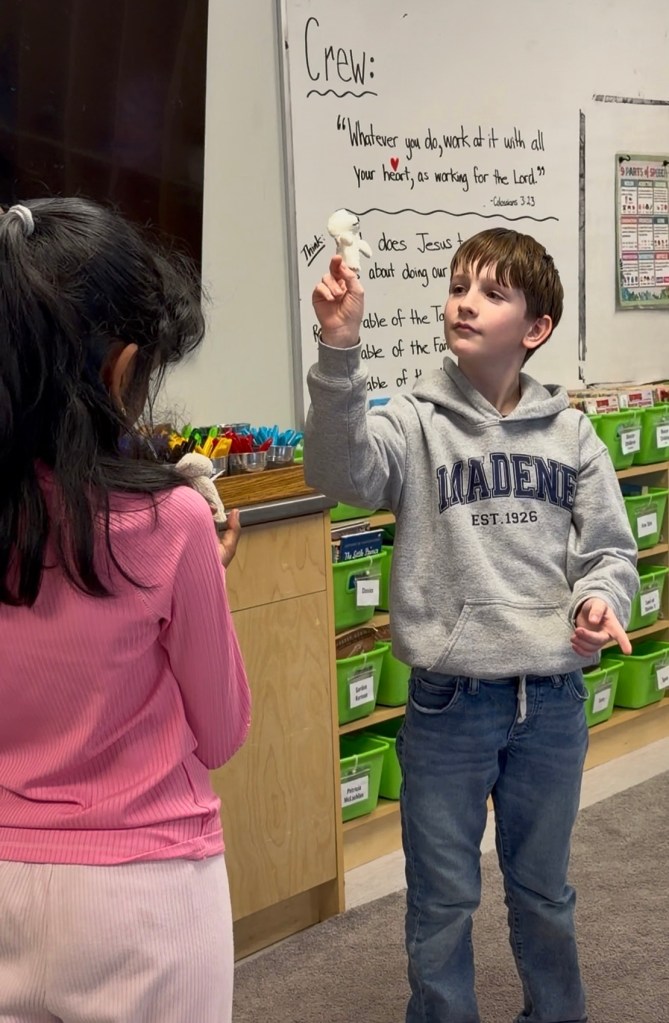
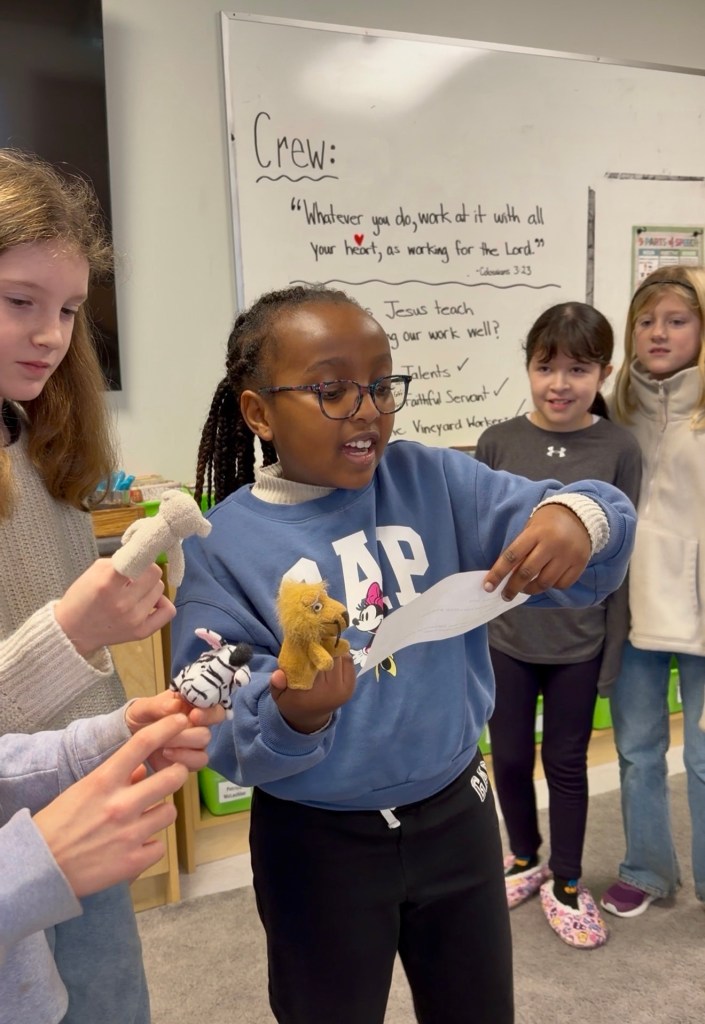
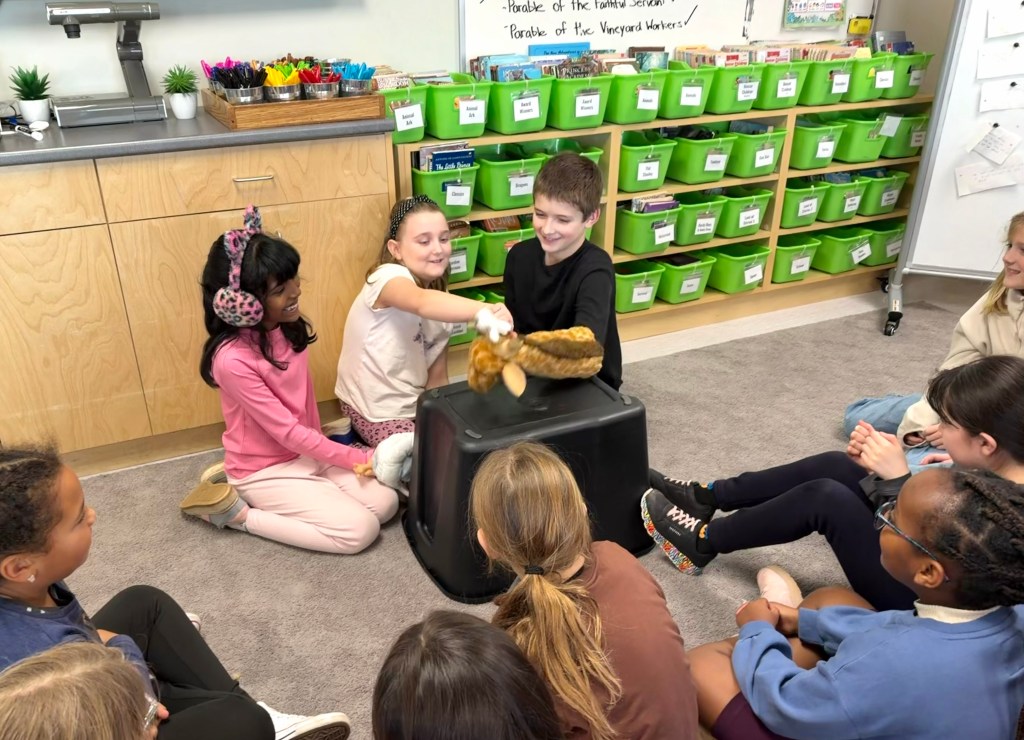
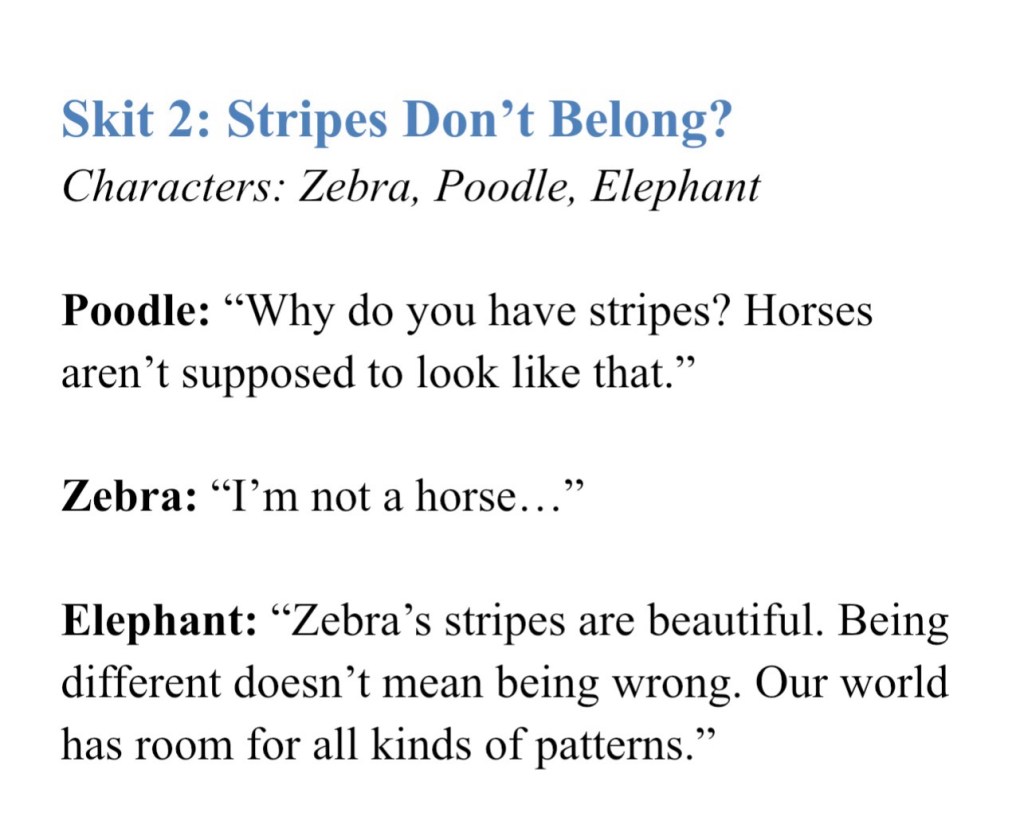
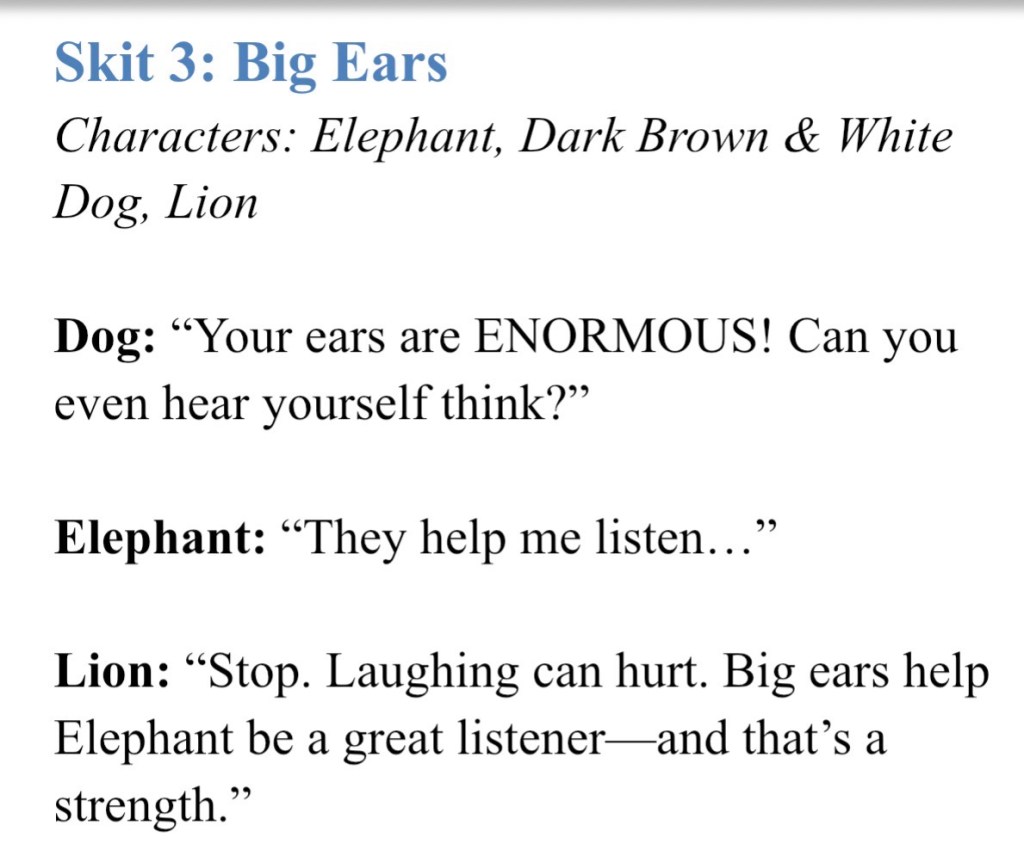
This week in Crew, our learning culminated in students using a collection of animal puppets in short skits that modelled productive ways we can respond to unkind language—whether it is unkind intentionally or unintentionally—and particularly language that can isolate or hurt others based on their differences.
While the performances sparked levity, they remained grounded in the core goal: giving students practice using respectful language to name harm, offer meaningful apologies, and move forward together in ways that restore relationship and promote belonging.
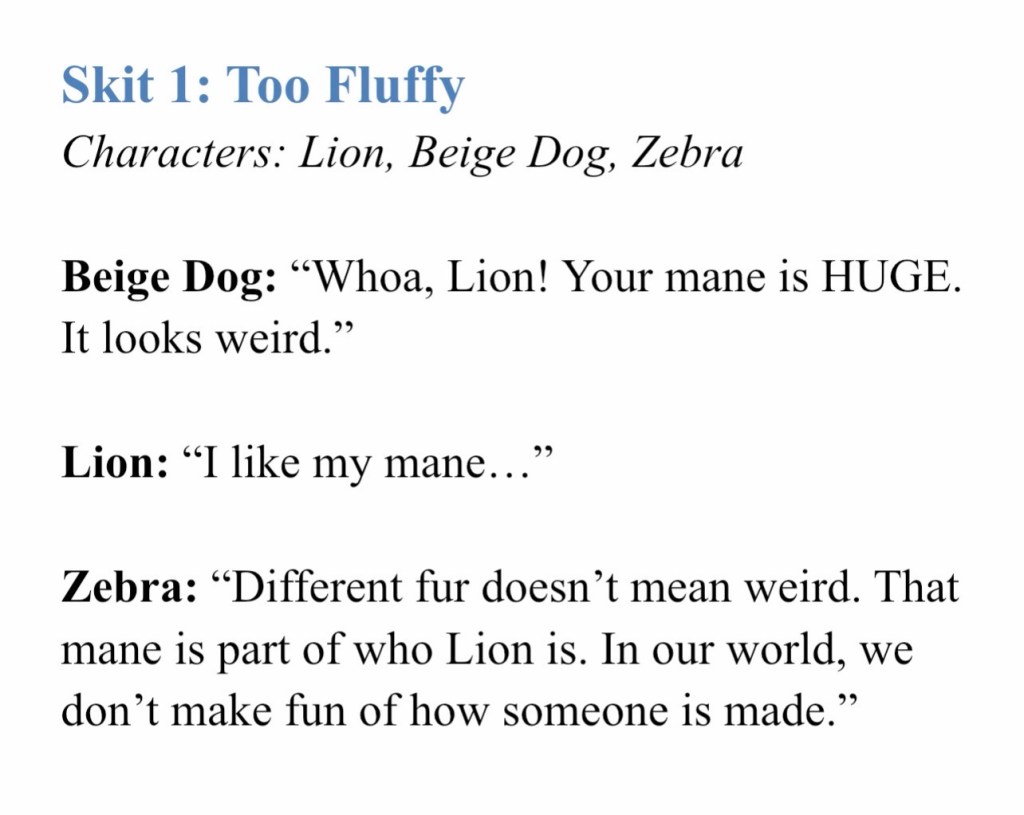
Here are some excerpts of animal play scripts that the students built upon to make their own…
The future is in caring hands: the 4A class is showing so much compassion and growth in self-awareness.
Phys. Ed.: Calisthenics & Games
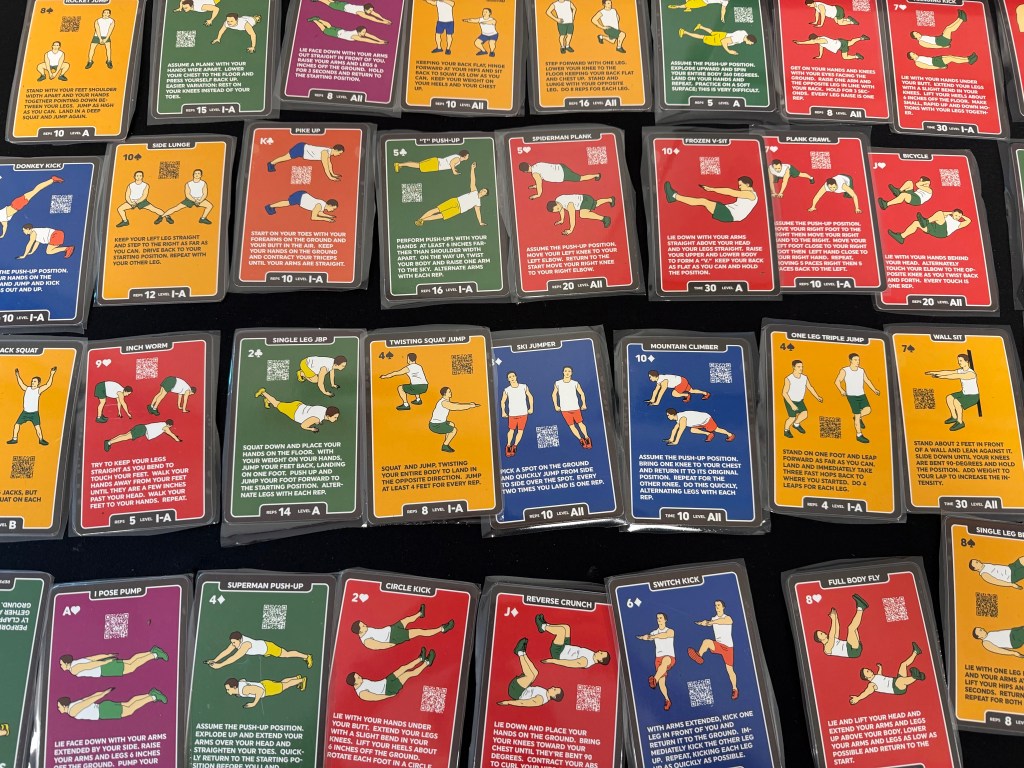
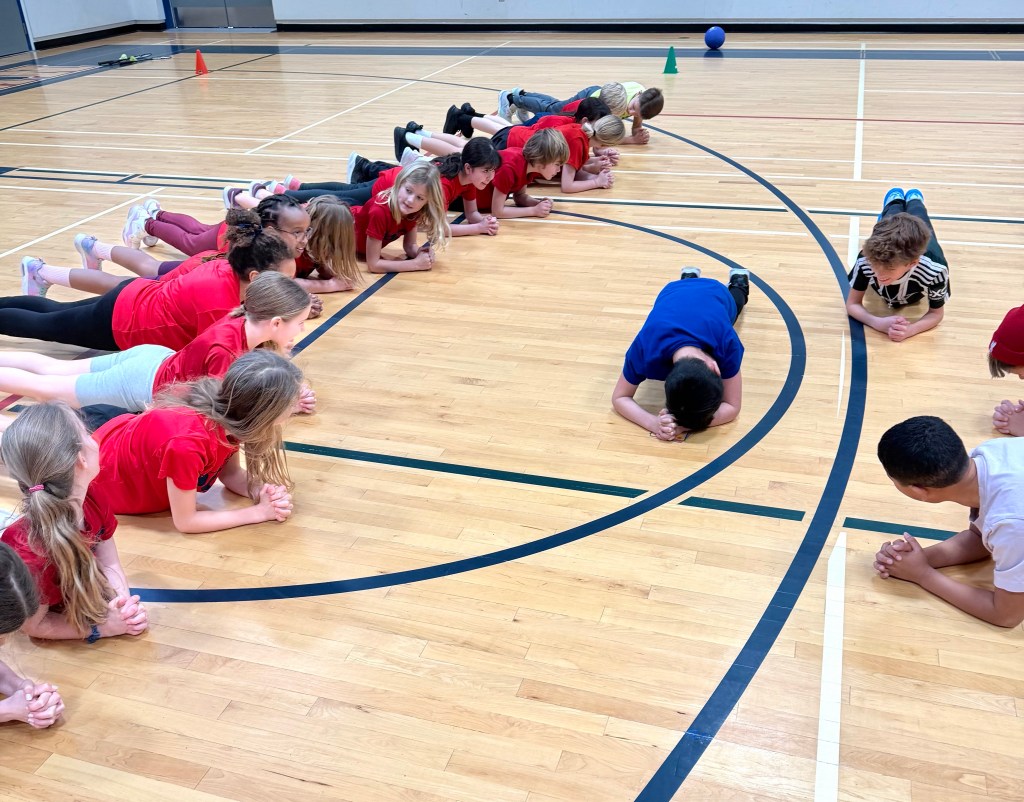
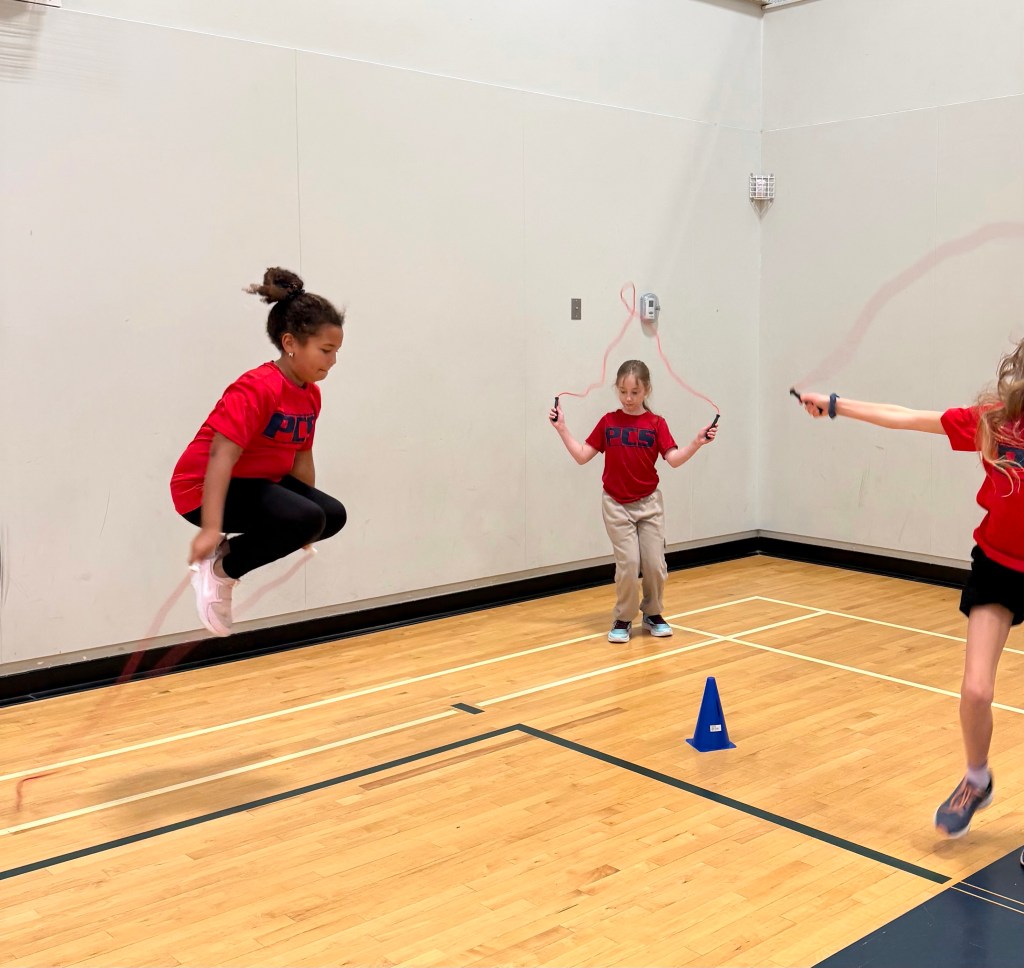
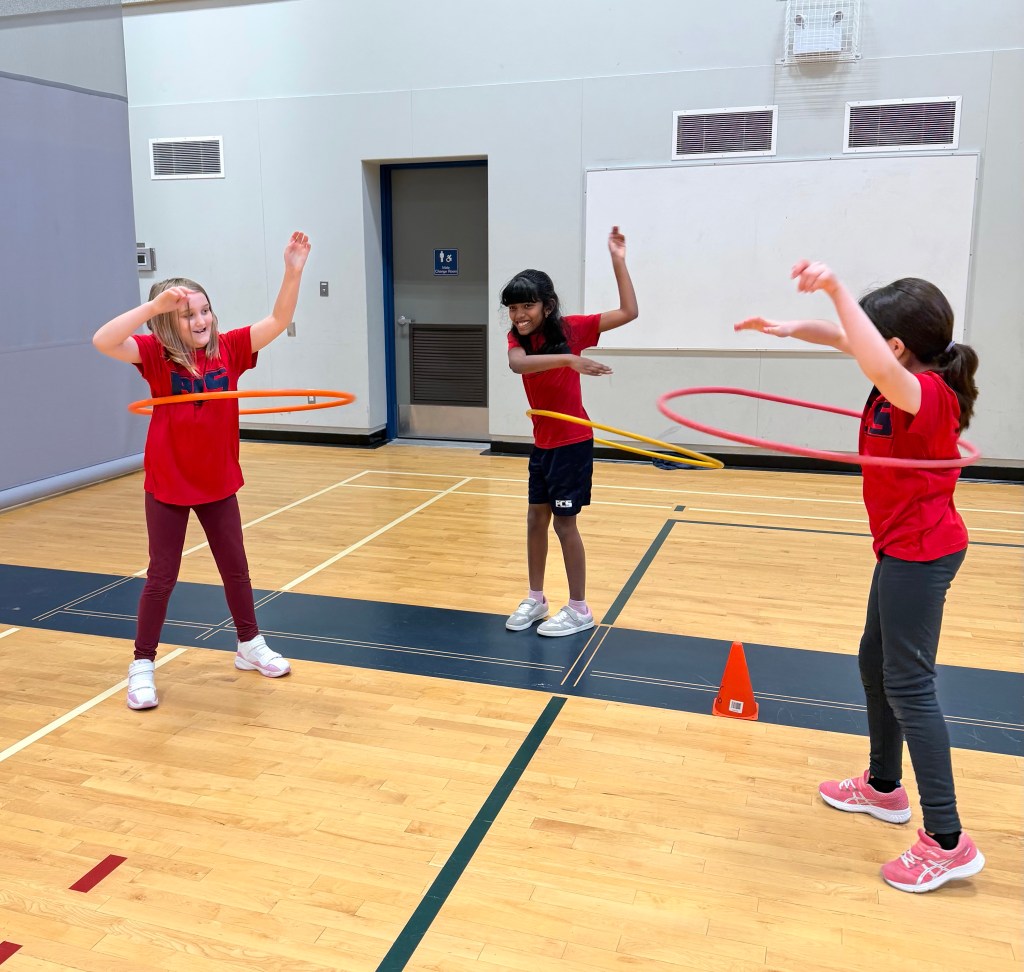
In Physical Education, we’ve expanded our calisthenics unit and students have also been designing their own game stations and fitness challenge activities. The variety and creativity on display has been a joy!
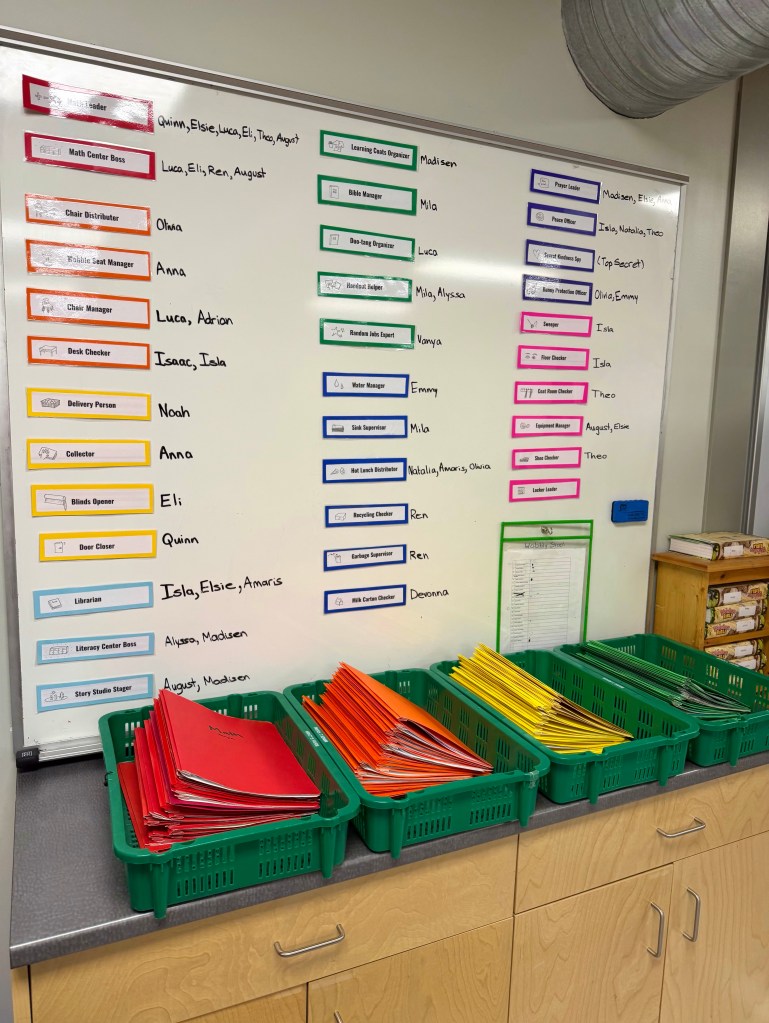
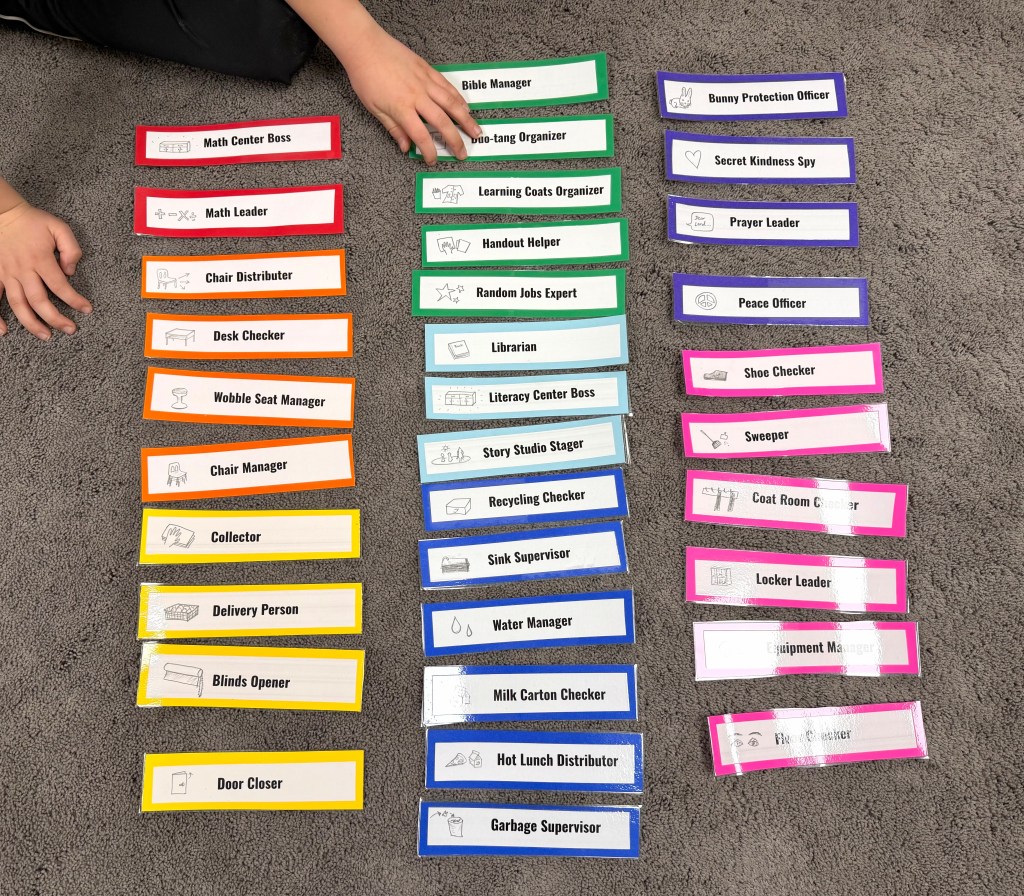
Career Education: The Jobs Board!
Your children have been doing outstanding work together to keep our class running smoothly!
The Bunnies Returned!
“Bunny World” is open again! Thank you to our “Bunny Protection Officers” and all others who showed extra care and kindness for our fluffy friends.
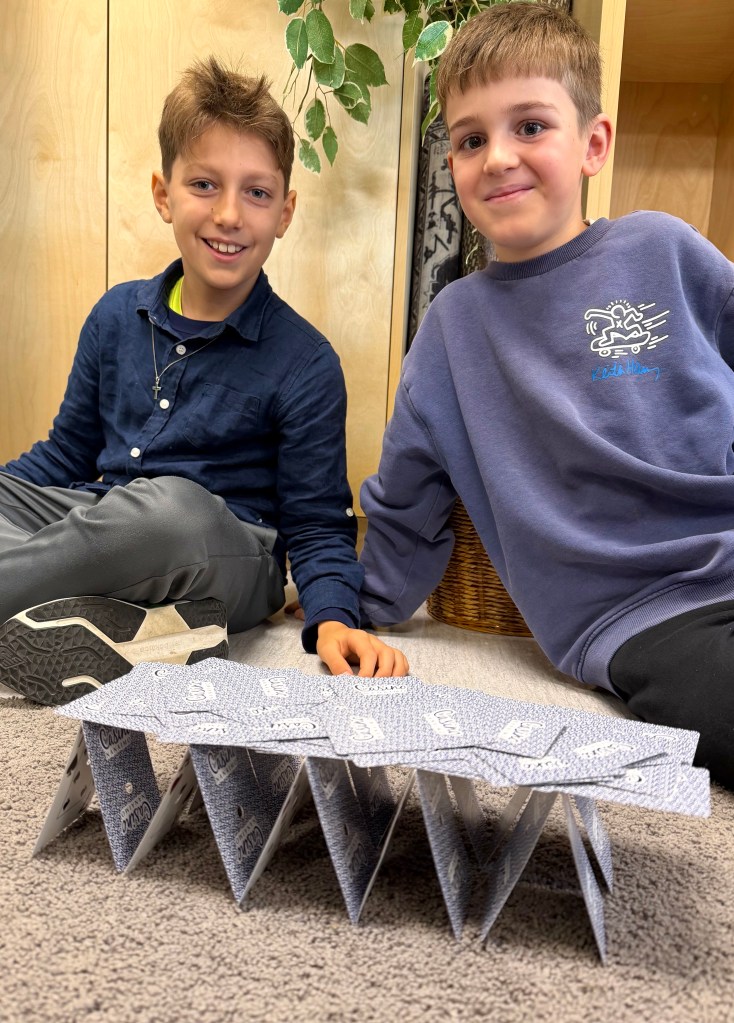
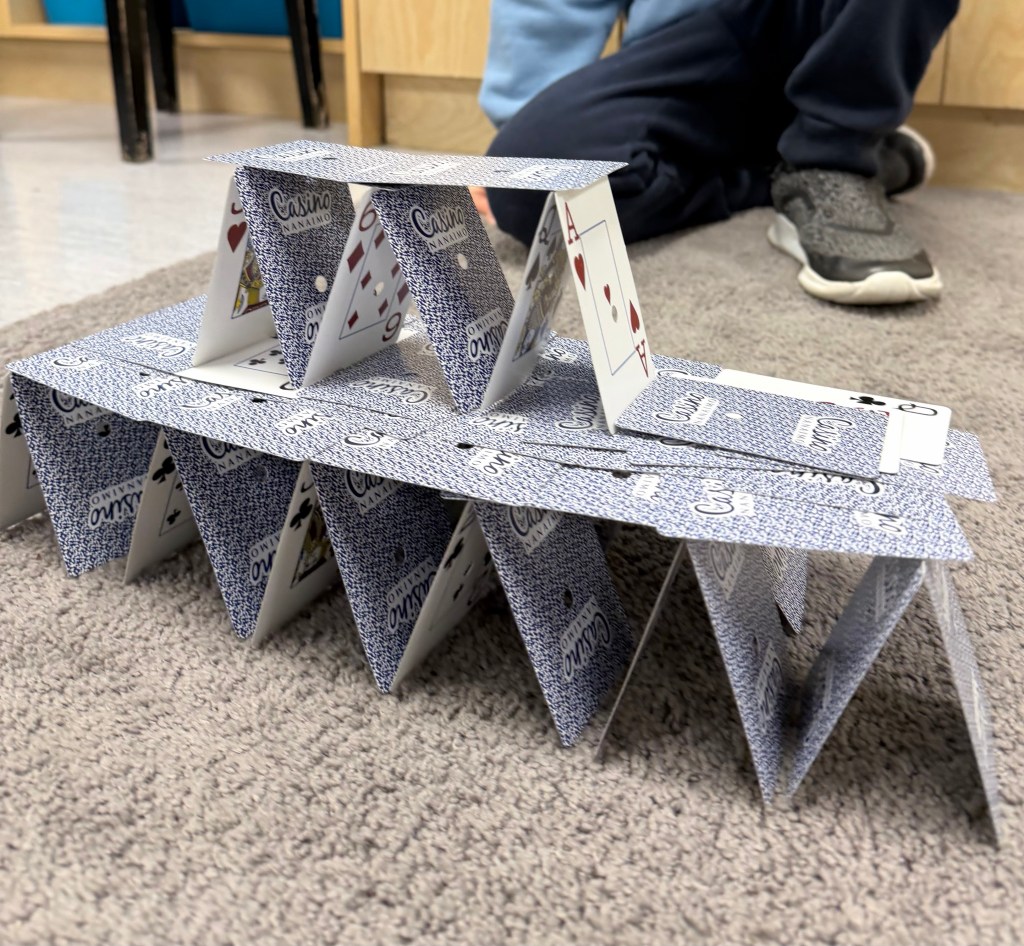
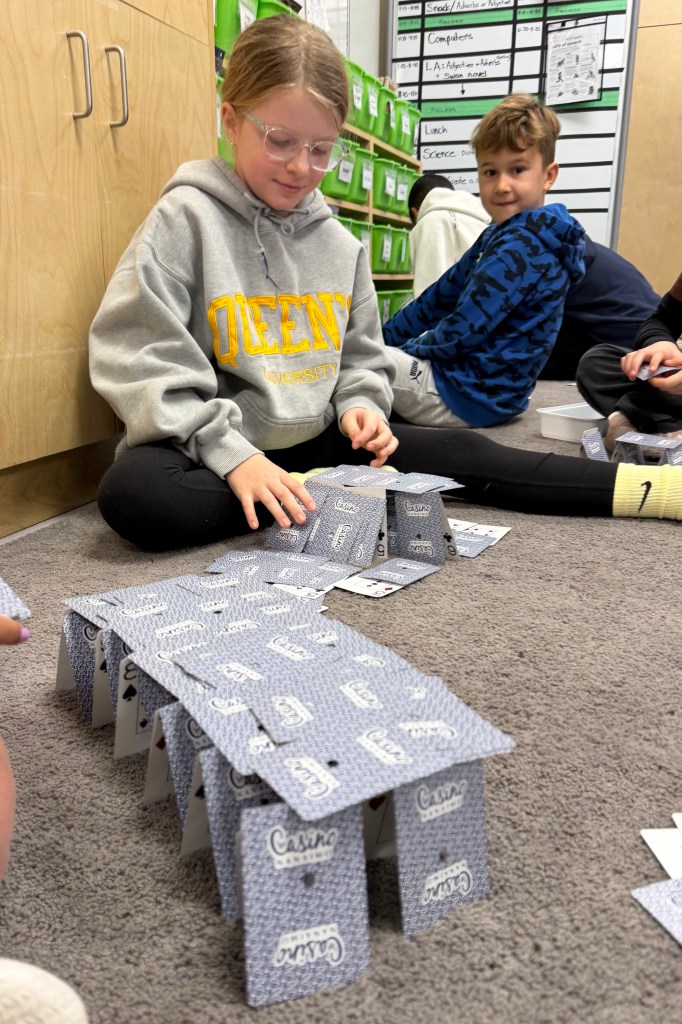
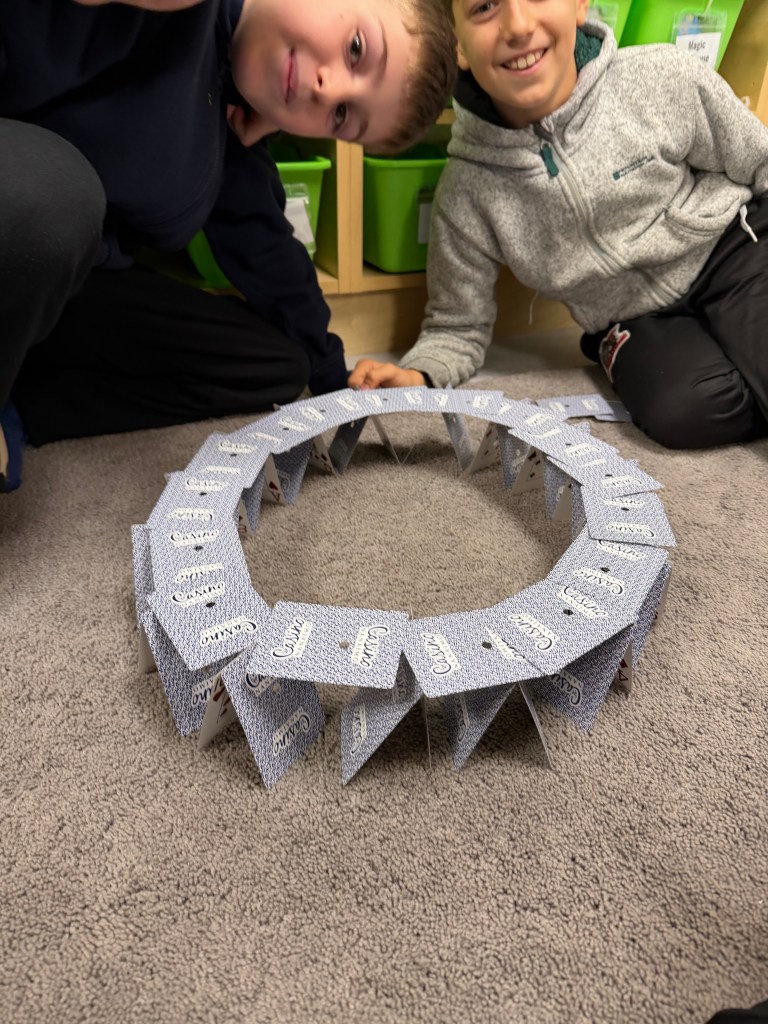
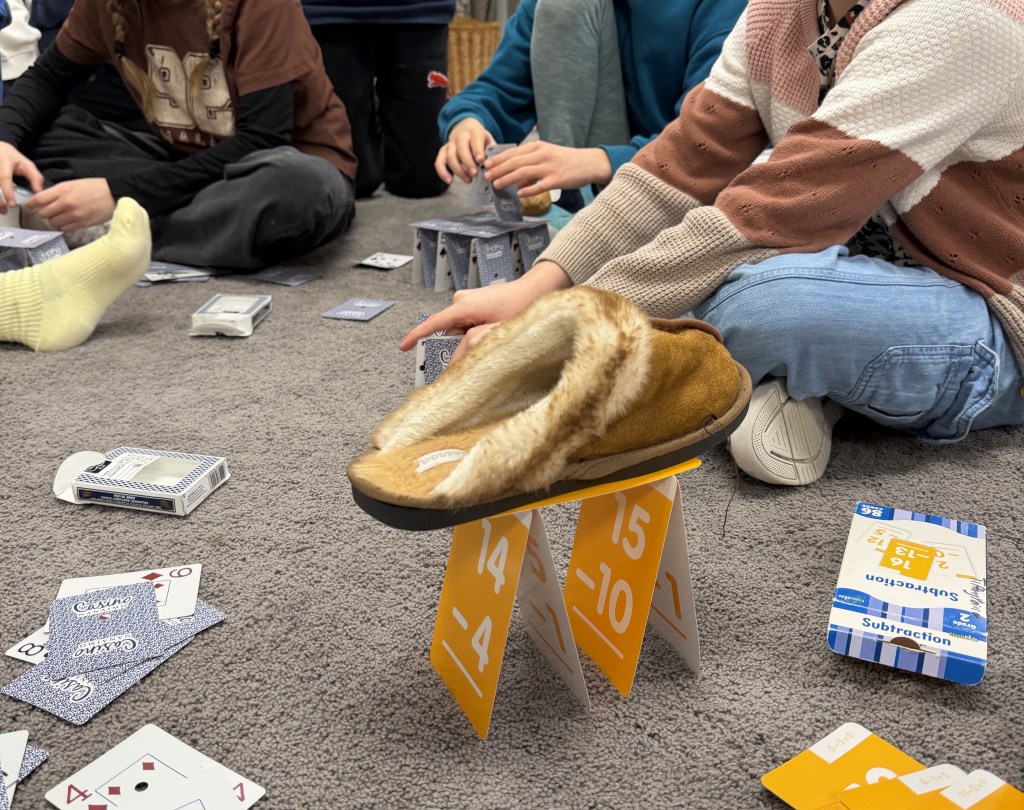
ADST: How can we build the strongest and tallest card tower?
I love how engineering experiments keep popping up in class!
Coming Up Next Week…
We will focus our Crew and Bible learning and discussions this coming week on how Jesus modelled kindness, compassion, and forgiveness.
We did it! It was an awesome first week of learning, getting motivated and becoming more organized together in 2026! Here are some highlights…
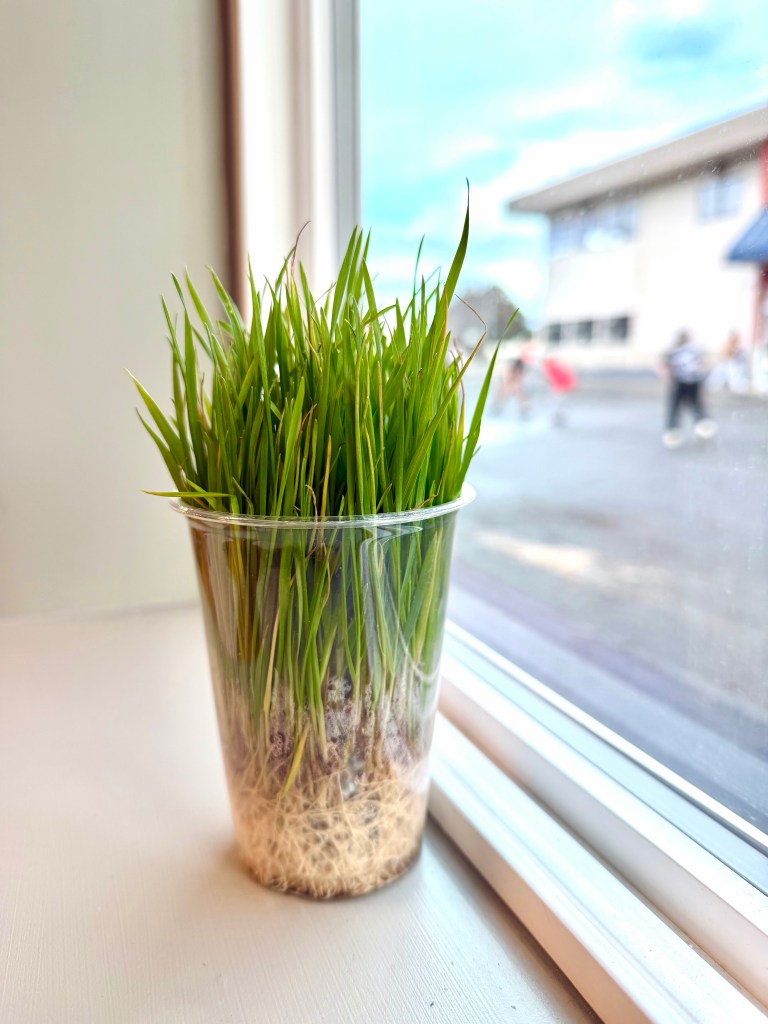
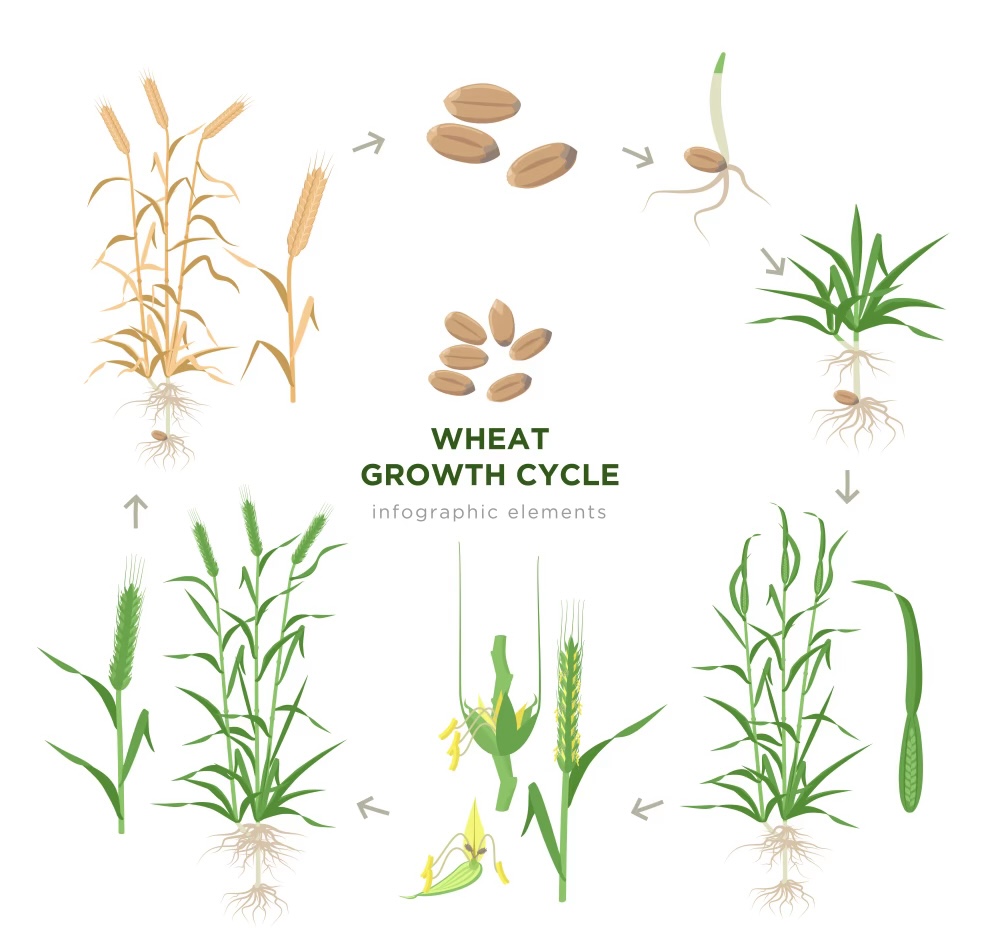
In Science class, we have been learning about the life cycle of plants through our wheatgrass growing experiments.
Congratulations to everyone for growing so much in this unit! (This is a great foundation for our upcoming studies on biomes, and as well there are many related wheat/seed/bread/yeast Bible connections.)
Some students took on the bonus challenge of trying to keep their wheatgrass alive long after the expected end of the experiment. Some pots of wheatgrass are still alive after 25 days of growth!
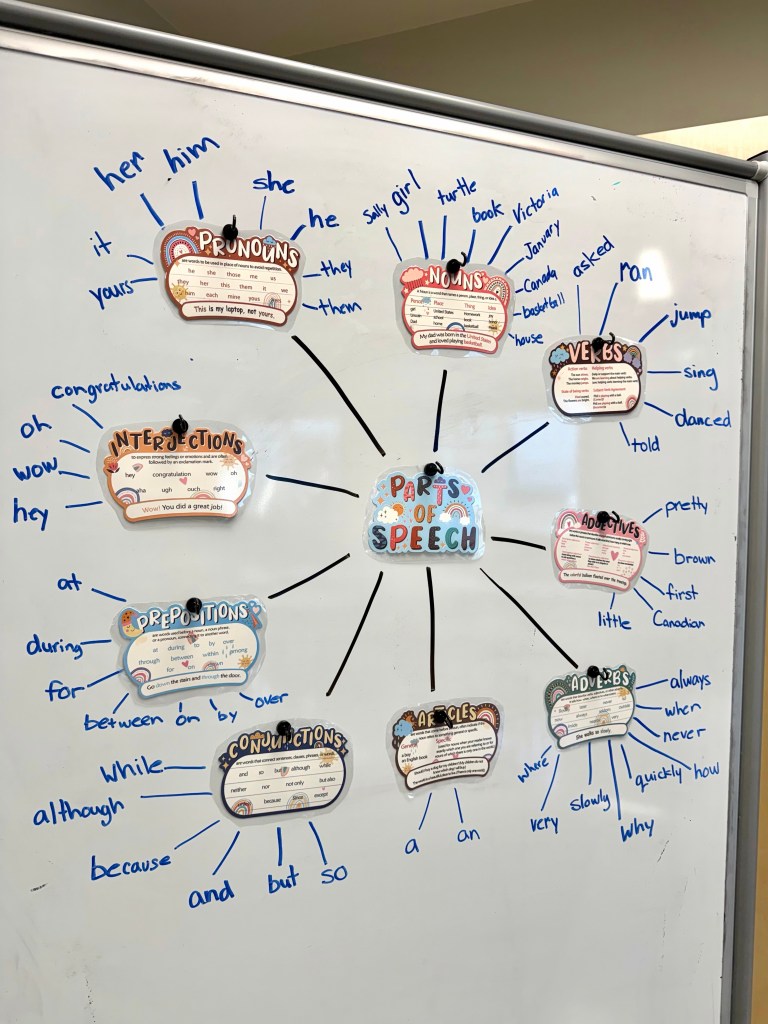
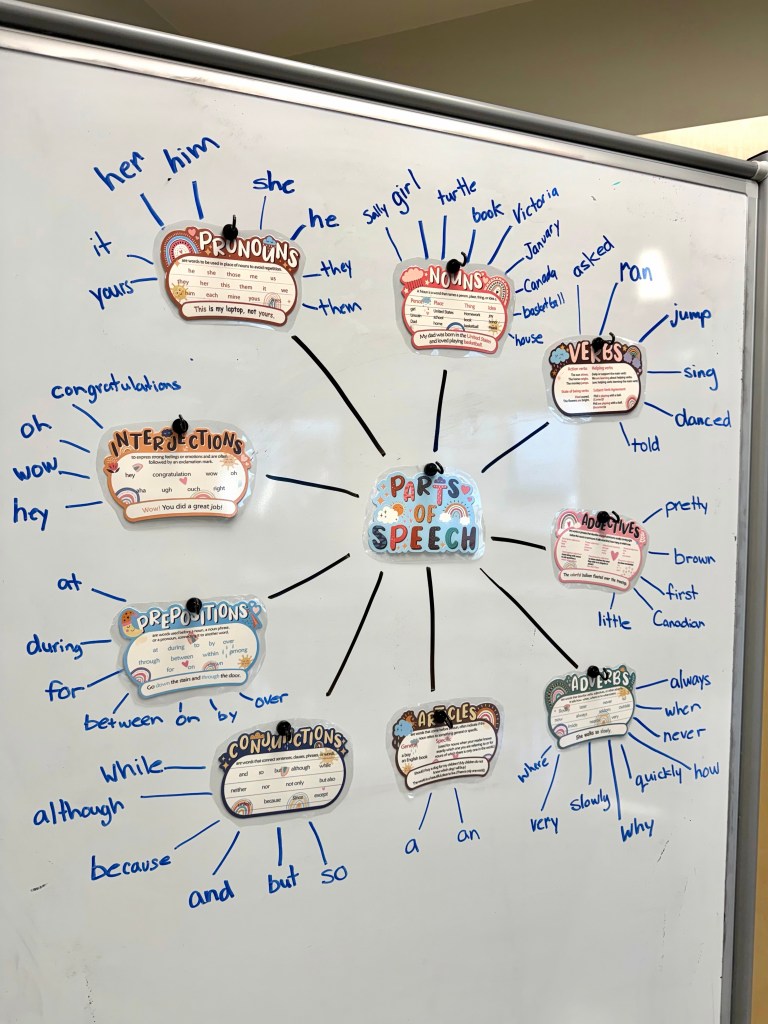
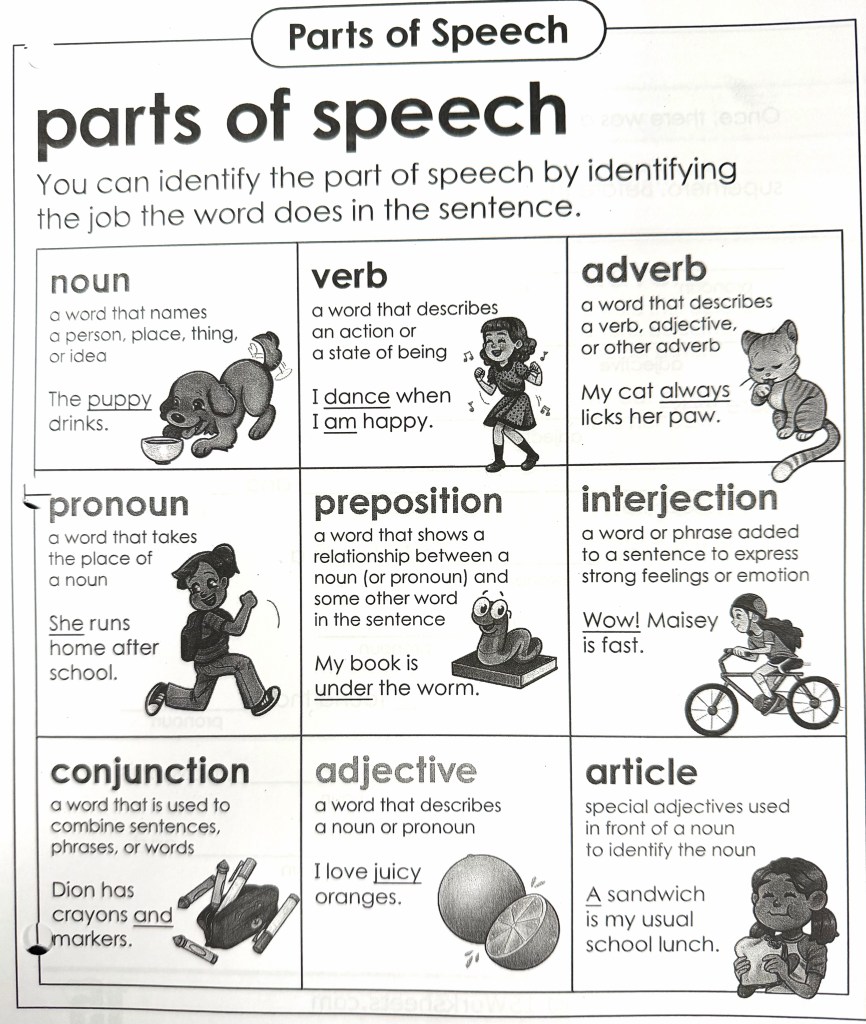
In Language Arts, we are continuing to learn about the parts of speech and have started a new novel study on the Trumpet of the Swan. We are reading the book, while listening to the audiobook read aloud, pausing after each chapter to debrief language and meaning, analyze character, and consider historical notes and science connections. Today students did preliminary swan sketches in preparation for a future “swan watercolour project.”
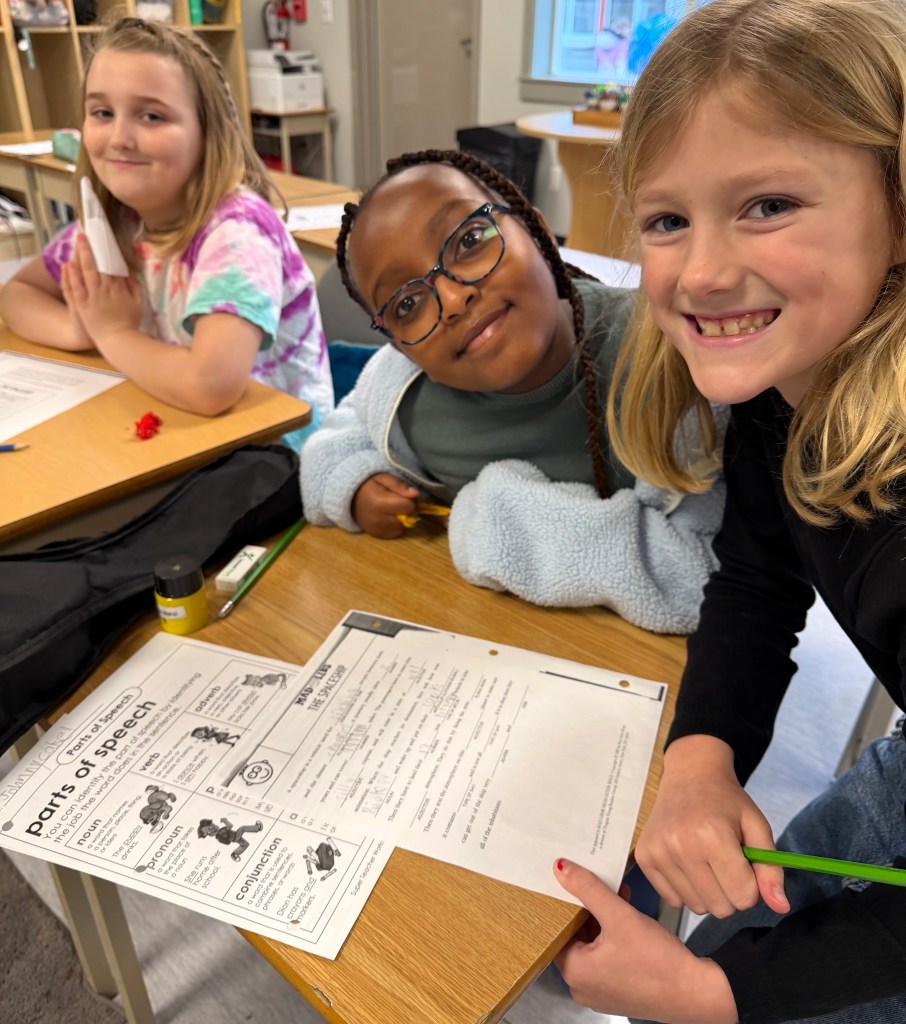
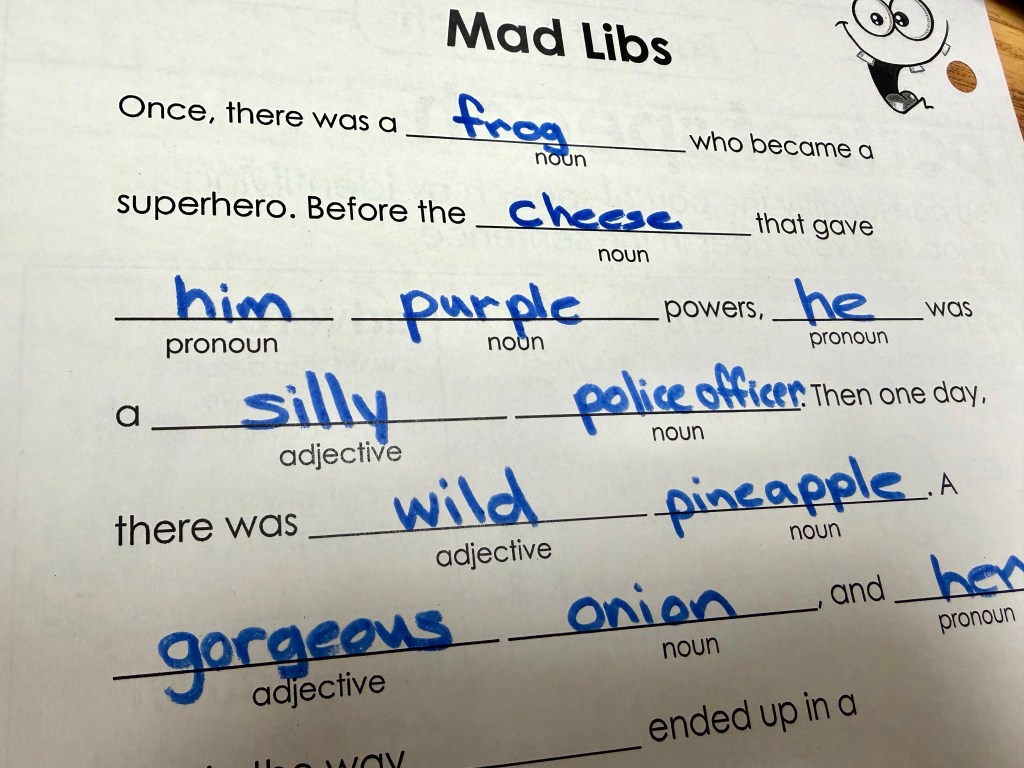
As well, students are really improving their understanding of parts of speech and having giggles along the way by doing Mad Libs.
In Social Studies, Crew, and Bible, students have been discussing human rights and moments in history where love and justice were needed most. Together, we are creating an encouraging class video that teaches Christ’s example of welcoming, honouring, and standing up for others in a context of anti-racism.
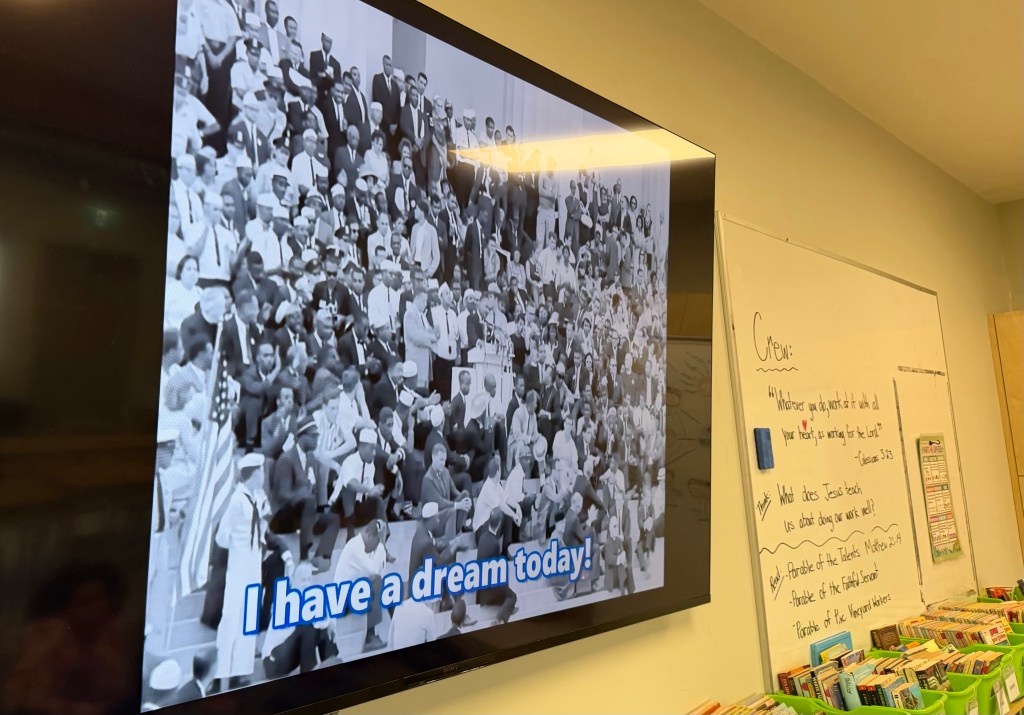
We discussed the ideas and some context for Martin Luther King Jr.’s “I have a dream” speech and learned about the story of Viola Desmond, a Canadian woman who took a stand against racial segregation in 1946.
Viola Desmond
Our next Social Studies unit dives into the story of what factors led to British Columbia joining confederation in 1871.
The Learning Coats Project continues to be a meaningful way to track and inspire dialogue about our learning. At least once a week students share and explain the new additions to their coats and the meanings behind them.
In Physical and Health Education, we have wrapped up our units on basketball and curling and are learning to practice safe calisthenics exercises and self-monitoring rates of exertion.
We’ve been keeping core skills in our rotations, but adding new bodyweight exercises and inviting students to personalize their own sequence of activities appropriate to their skills, fitness levels and goals.
Each student has been invited to show leadership in the gym by choosing an exercise to learn and lead. Coming up, we will be going skating on Feb. 2nd. Thank you for sending in those permission forms and $2 for renting skates if needed.
Discussing the lessons in the Parable of the Talents (bags of gold), Matthew 25:14.
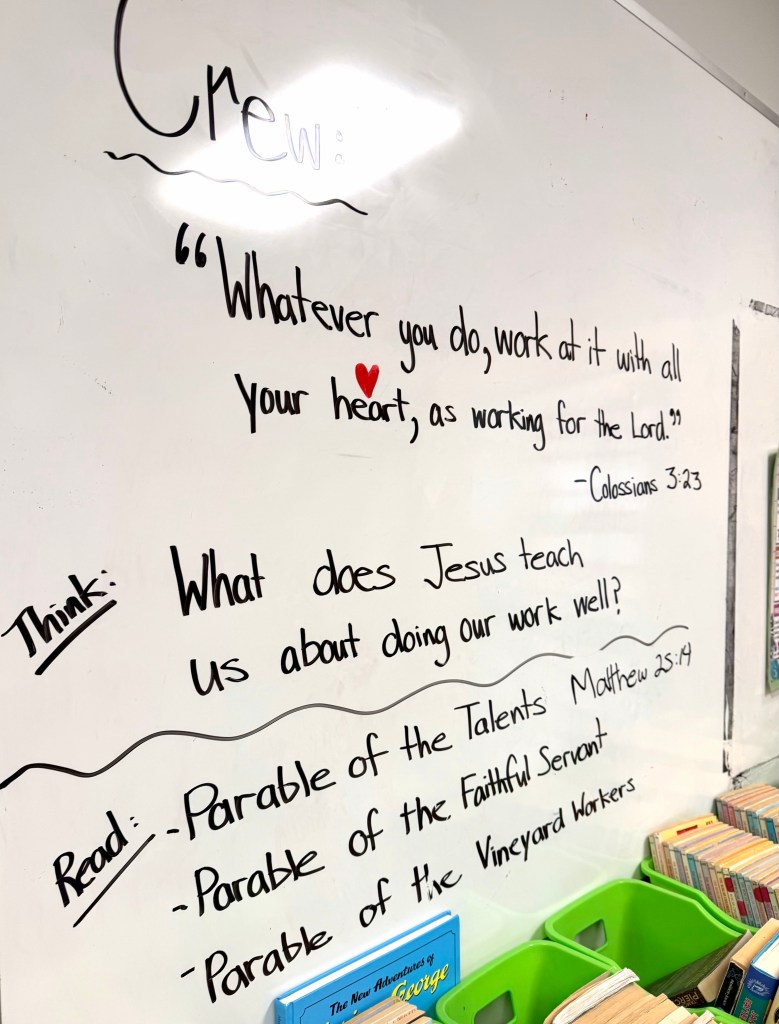
As a part of Career Ed., students were invited to apply and then informally interview for various class jobs to help our classroom run smoothly and stay beautiful. We connected to Colossians 3:23 and Jesus’ parable of the talents (bags of gold), thinking deeply about how we are invited to share our gifts purposefully and strategically—and with care.
“Whatever you do, work at it with all your heart, as working for the Lord.” – Colossians 3:23
It has been heartwarming to see everyone so excited to carry out their work—I am astonished at the generosity and care our students show!
Personal Interest Projects continue and the crochet club continues to be on a roll!
Reminder: We will have a quiz on Monday on multiplying 1-digit by up to 3-digit numbers (e.g. 4 x 654). Students will be challenged to show their ability to apply both the traditional method and box method. They will also show their understand through a math meeting with me using the play money and some other manipulatives.
*Scroll down to previous blog posts to see the multiplication tutorial videos if needed.
Students have the option to use their multiplication charts for this quiz—and doing so does not impact their score.
Try this…
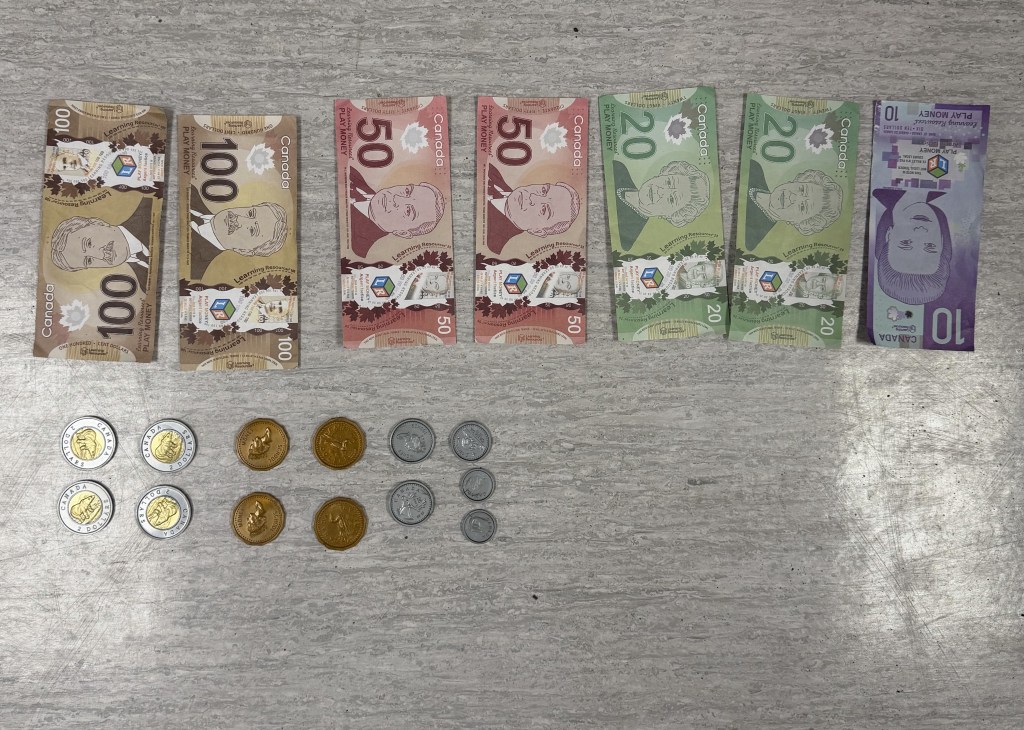
If I have the amount of money shown, how much do I have altogether, and how can I share it equally between three people?
*Booking will open on January 14th at 9:00 a.m. and close on January 20th at 3:00 p.m.
We had a great, productive first day back in class to begin the new year.
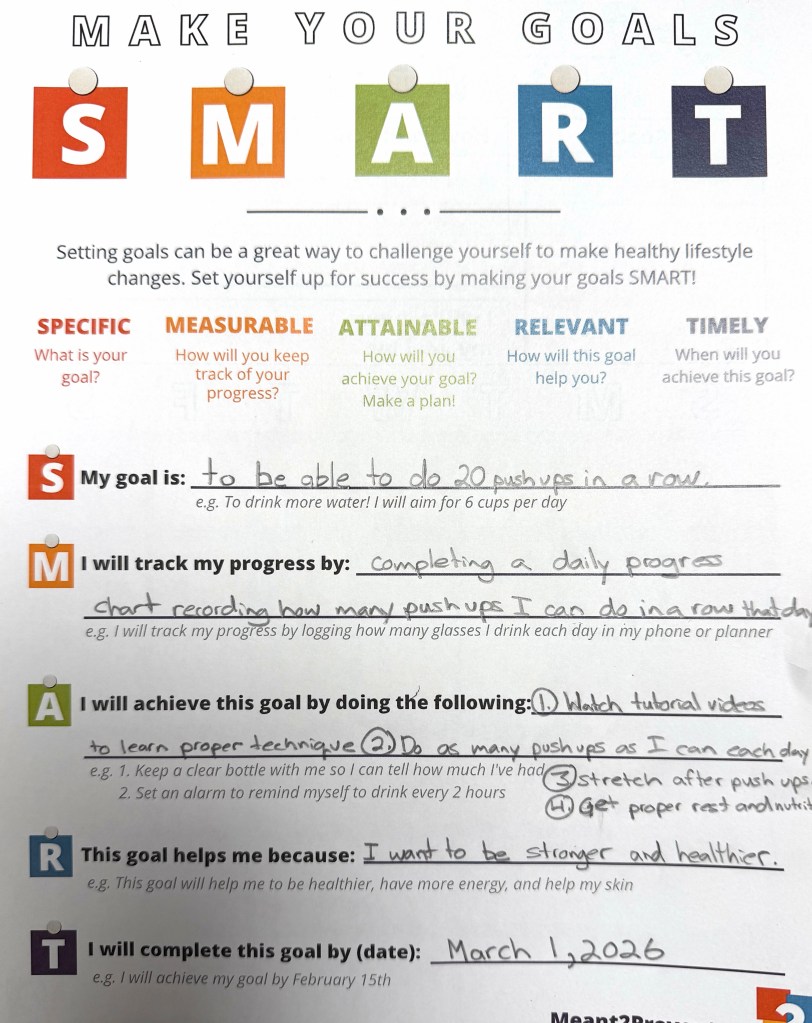
During Crew time, students shared highlights from their winter vacation and then began thinking about goal setting. We introduced the idea of students each creating a SMART goal to focus on for the next few weeks, months, or the remainder of the school year.
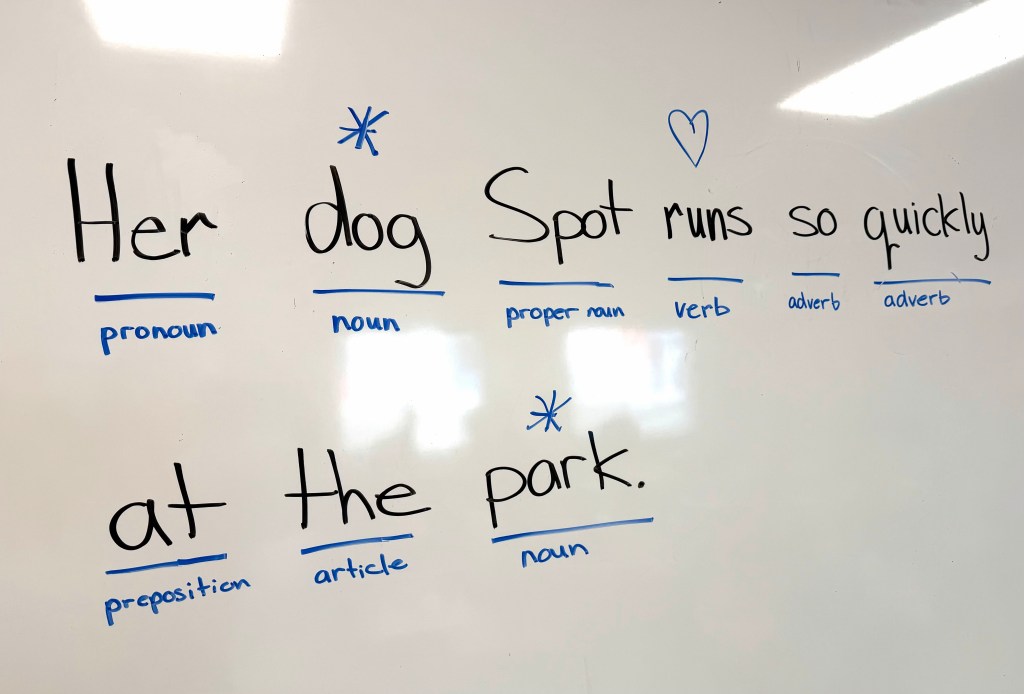
In Language Arts, we did a deep dive into parts of speech and made the learning fun and applied by working with Mad Libs. Students enjoyed using their grammatical knowledge creatively while reinforcing key concepts.
In Math, we reviewed the multiplication unit we focused on before the break. Our goal is for students to feel prepared and confident writing a quiz on 1-digit by up to 3-digit multiplication next Monday. Students have been taught both the traditional method and the box method. Tutorial videos for both methods are linked below. Please check in with your child to see how they are feeling about these strategies so they are ready to progress to our next math topics.
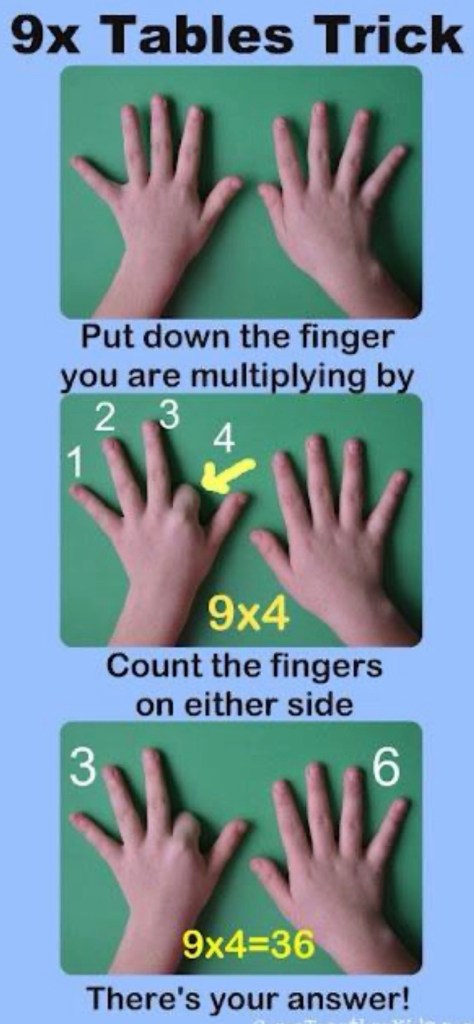
We will do a multiplication quiz next Monday on questions such at 46×4 and 789×6. (Students are able to use a multiplication chart to support their recall of math facts. Please ask your child to show you the neat 9 times table finger trick they learned!)
Students also spent time working on their Personal Interest Projects and learning codes.
I also shared some happy bunny news: Bachelor Bob has been successfully bonded with his two younger friends, Rose and Tulip! All the bunnies had a wonderful holiday and are looking forward to visiting us in the classroom again soon—possibly as early as next week.
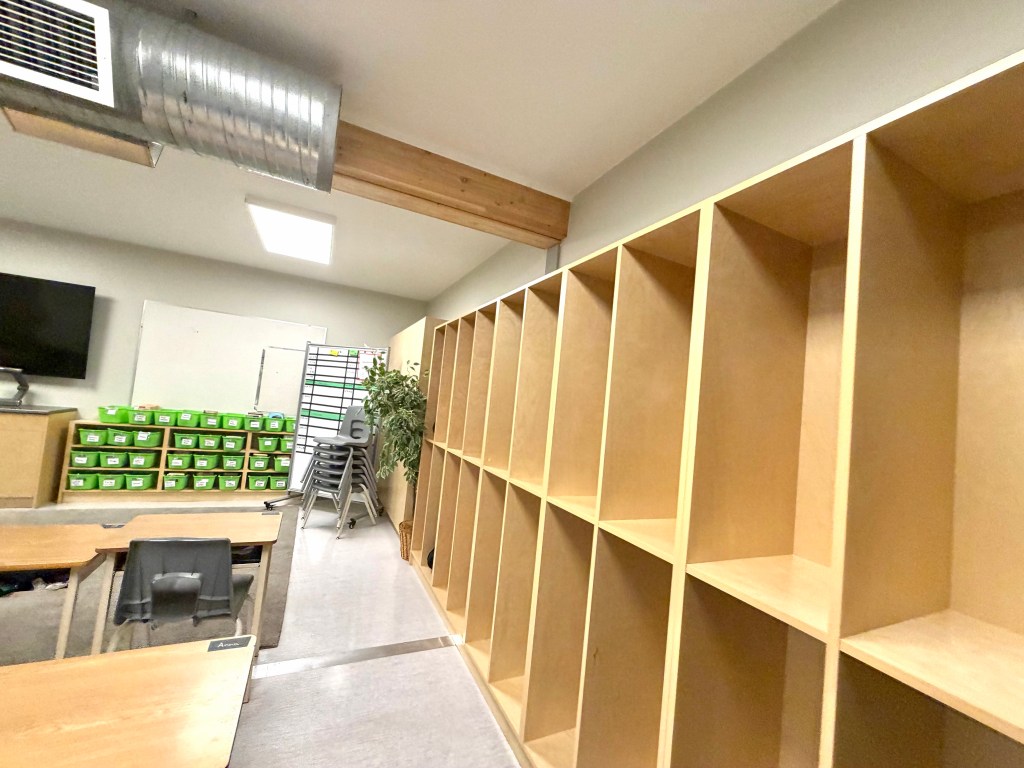
We’ve also had new lockers installed, which will help us stay organized. This is a reminder to please ensure your child brings their gym strip and indoor gym shoes so they are ready to participate in gym class tomorrow.
Finally, please check with your child to see if they still have an agenda. We no longer have extras available from the school, but you may wish to purchase one from a dollar store or Staples, or help your child create a simple alternative. Keeping an agenda is an important part of developing personal responsibility and communicating with families.
Thank you for your continued support. We’re off to a great start this year!
It has been such a joy getting to know you all in Term 1.
Today we had a special movie premiere in class with popcorn as we enjoyed watching our class Nativity production together.
This film began simply as an experiment to see if we could make some costumes and green-screen work, and characters were chosen at random, but the little screen test footage with was cobbled together with iMovie and turned into something very special—but yes, probably 11 hours of editing. Hahahah. Whew! So, we will have to aim for shorter, pre-planned productions in the future. Yet, simplicity is so wonderful too!
Looking ahead to Term 2, every student is invited to dramatize scenes from the Bible and will be supported to do so. Here is one of our lovely examples of a solo production of Mary’s Prayer…
I wish you all a wonderful, restful break, and thank you so much for your kind words, cards, and gifts. The 4A class and families have been such a blessing to me. We truly have the most wonderful students and families.
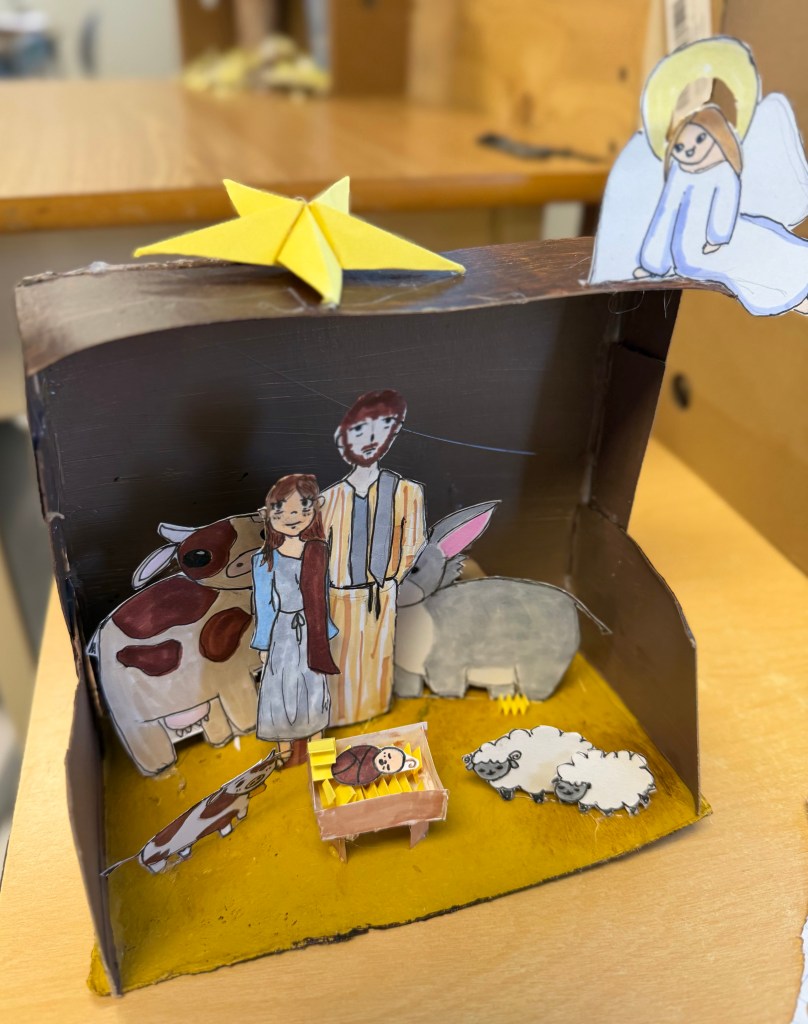
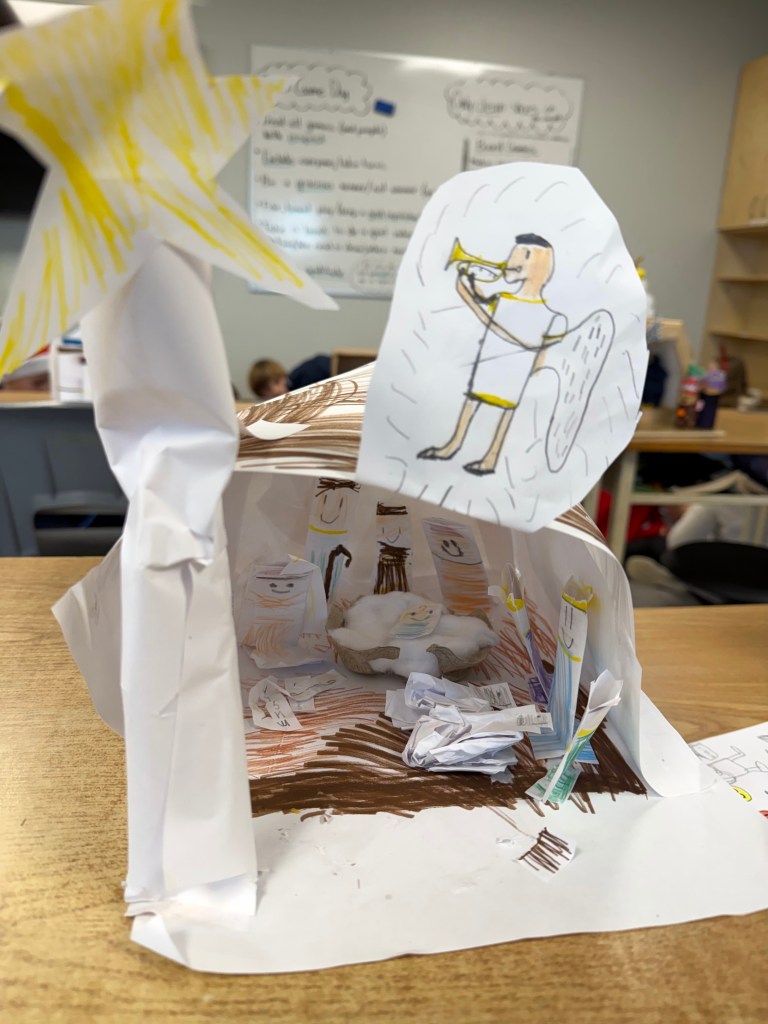
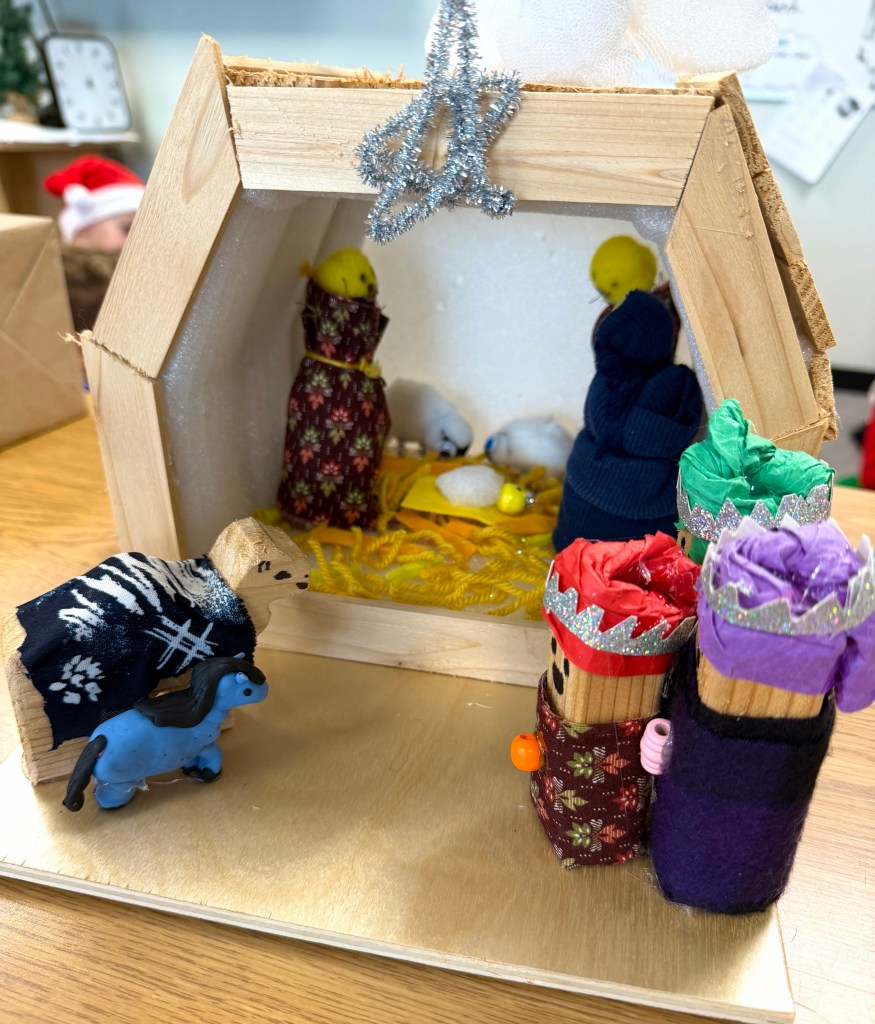
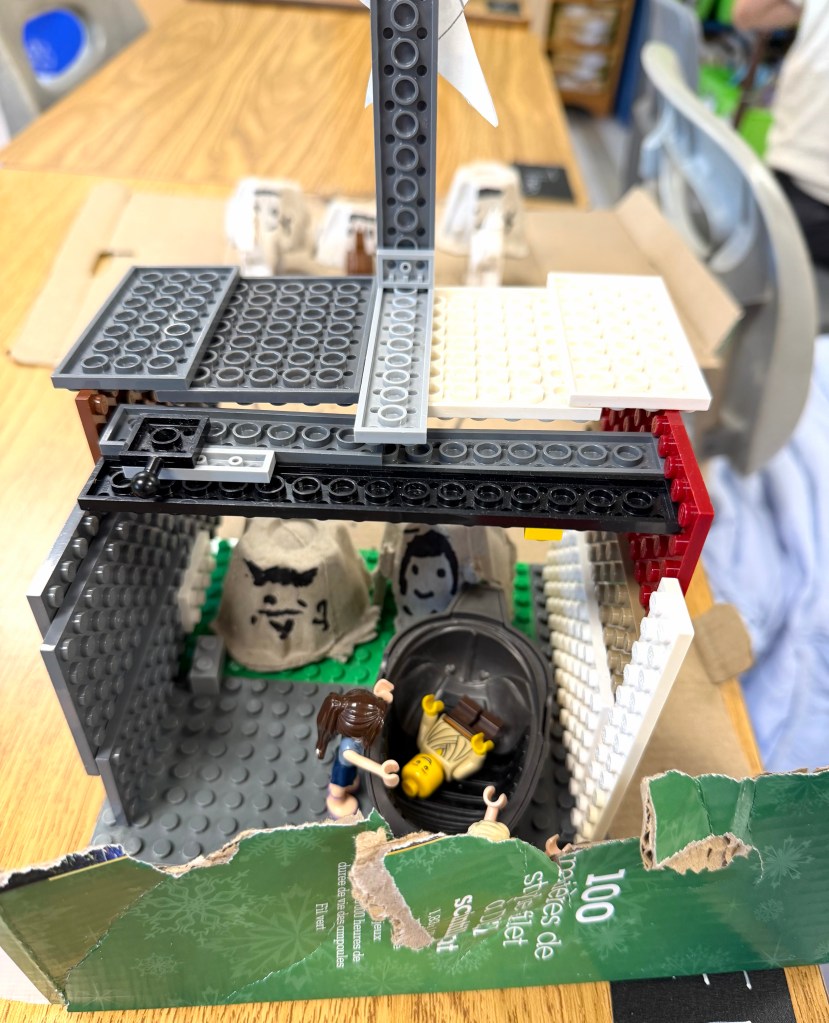
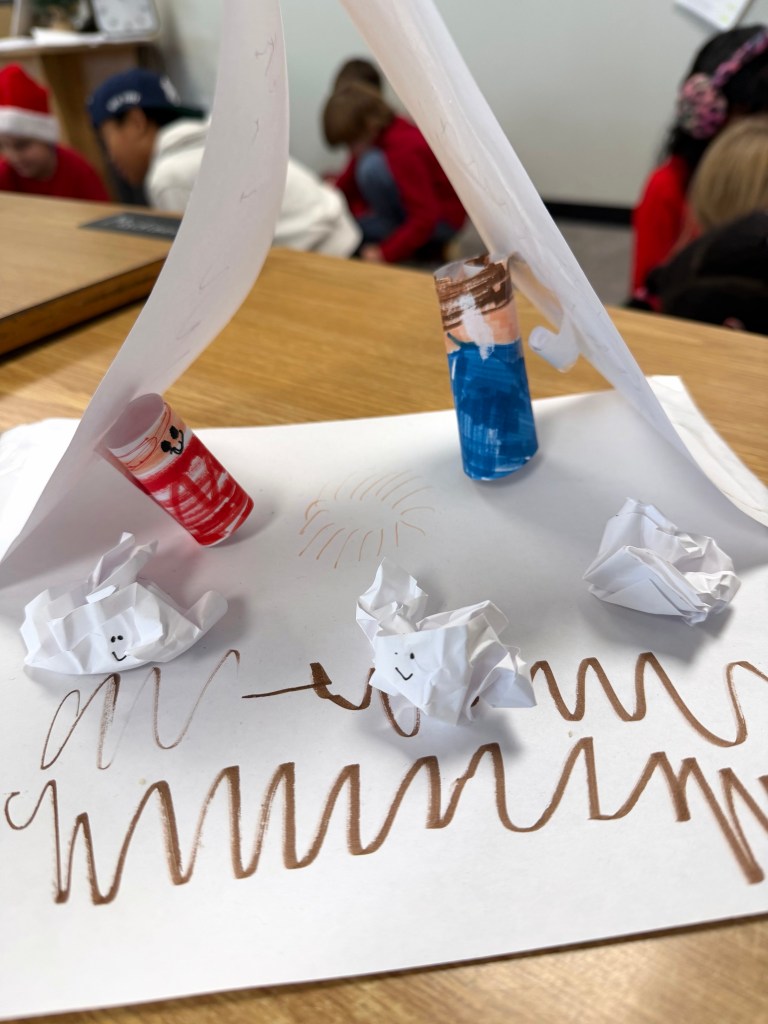
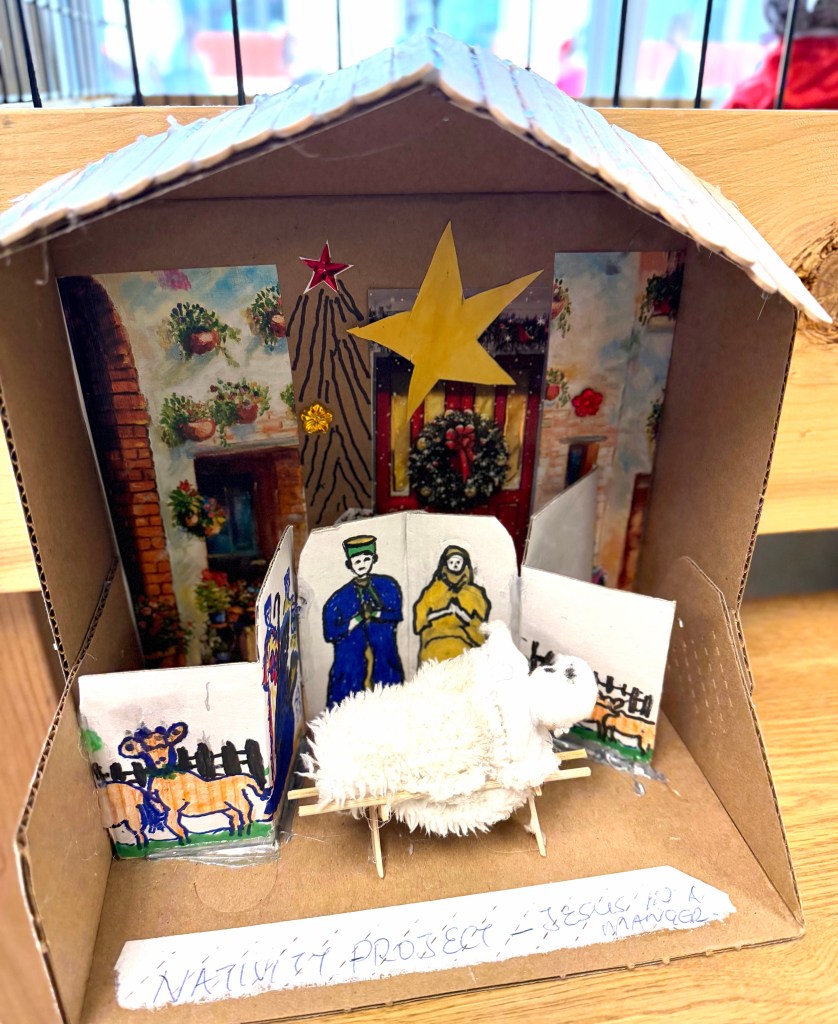
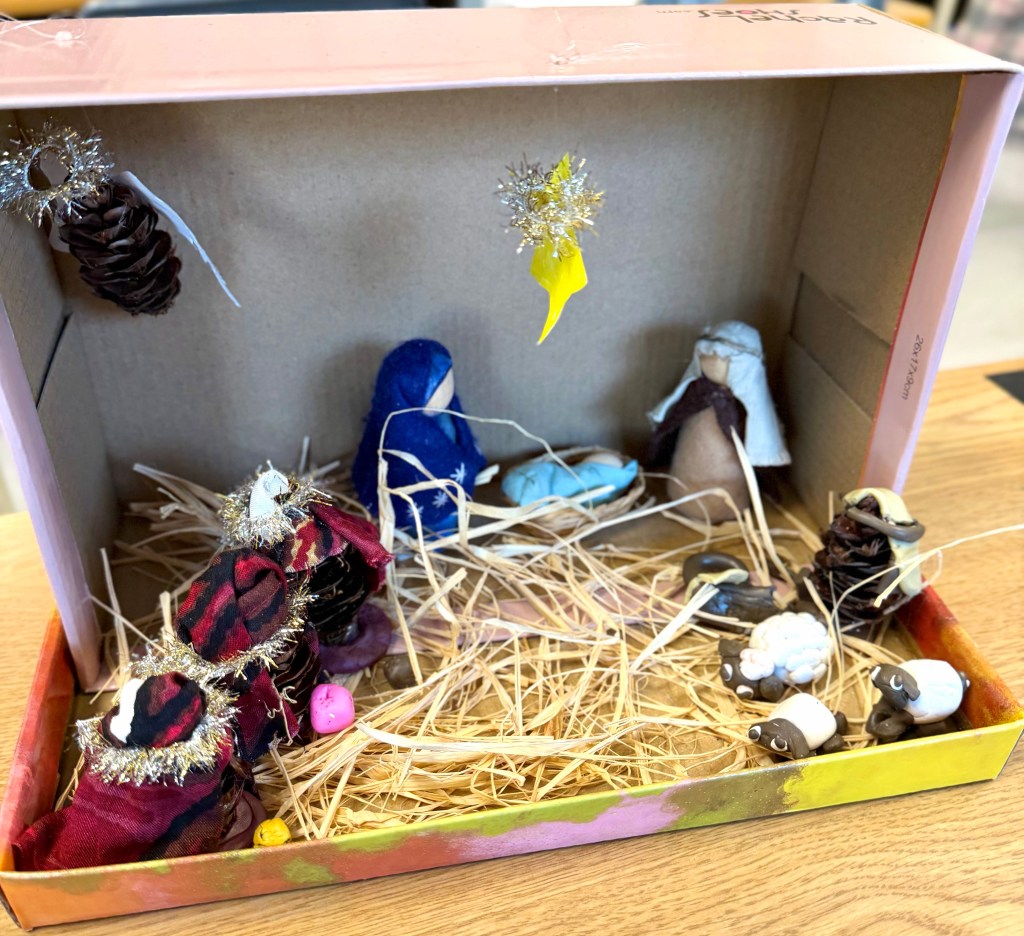
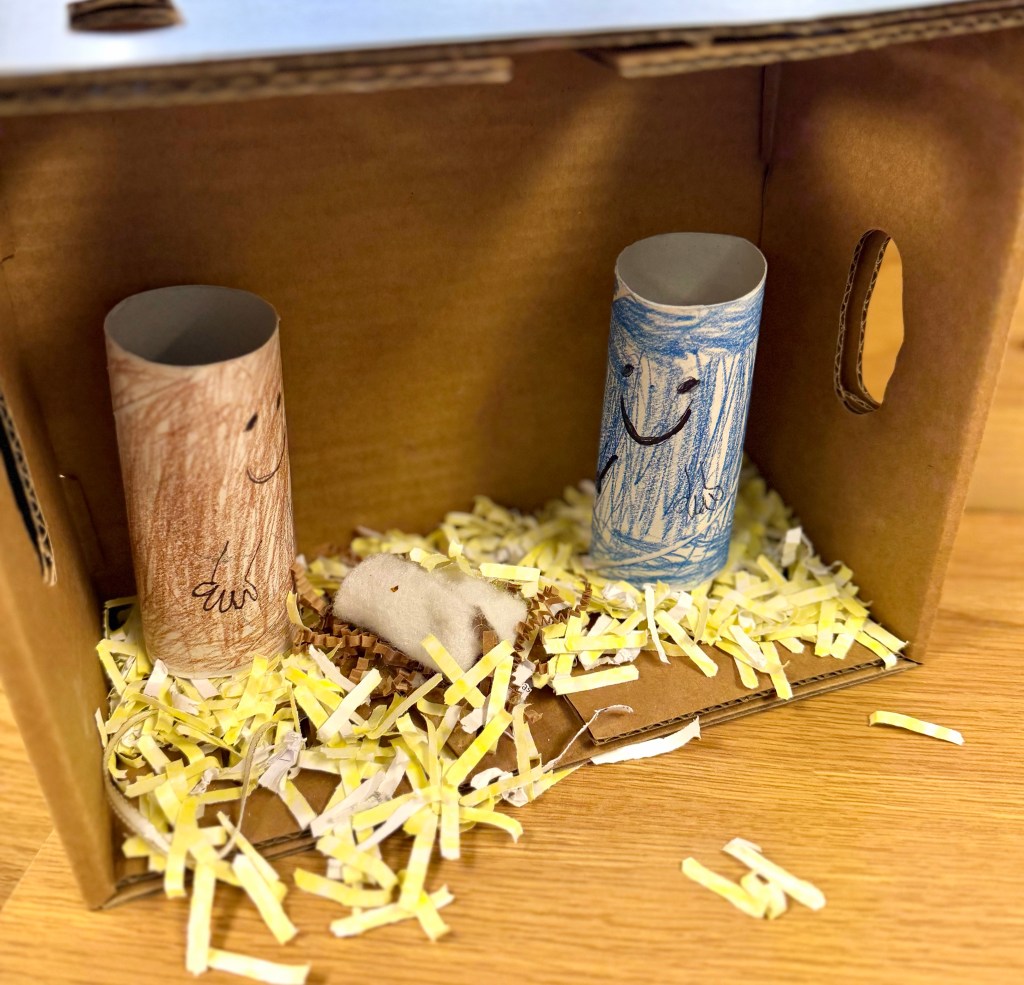
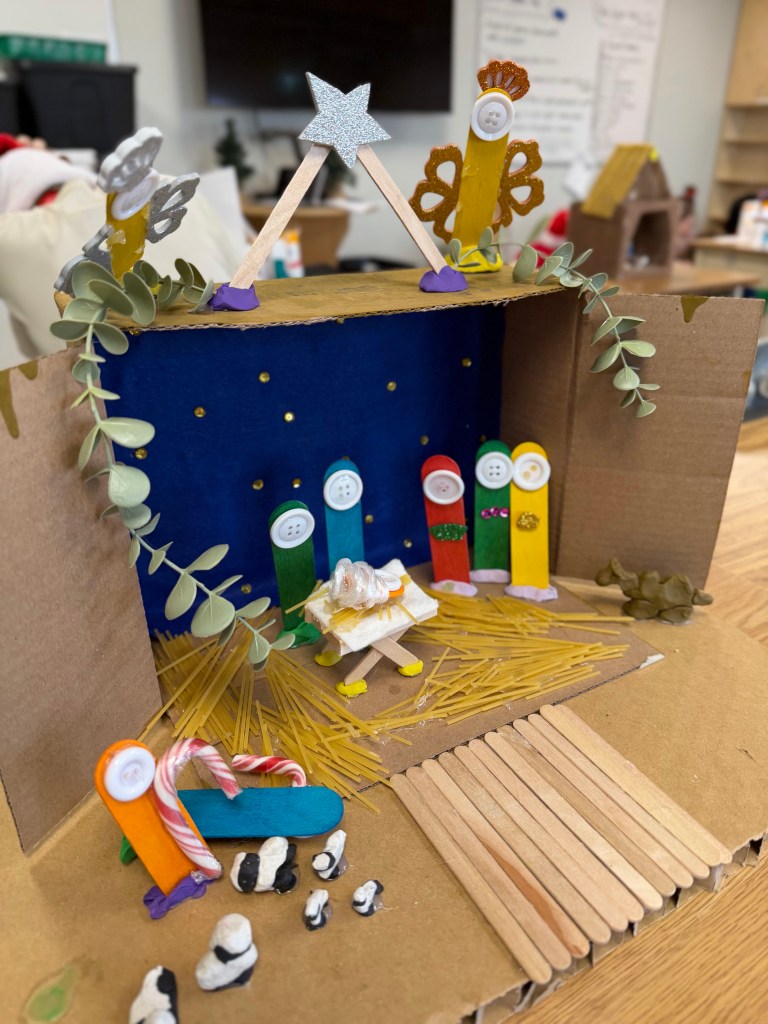
Please enjoy our gallery of an incredibly special collection of artworks. The students in our class worked with so much creativity and heart to apply their understanding of the nativity story in making their own nativity scenes.
My heart just bursts to see these—every creation is a marvel!
They are lovely to behold and show creative problem solving, while symbolizing and celebrating this sacred story of the birth of our Lord Jesus.