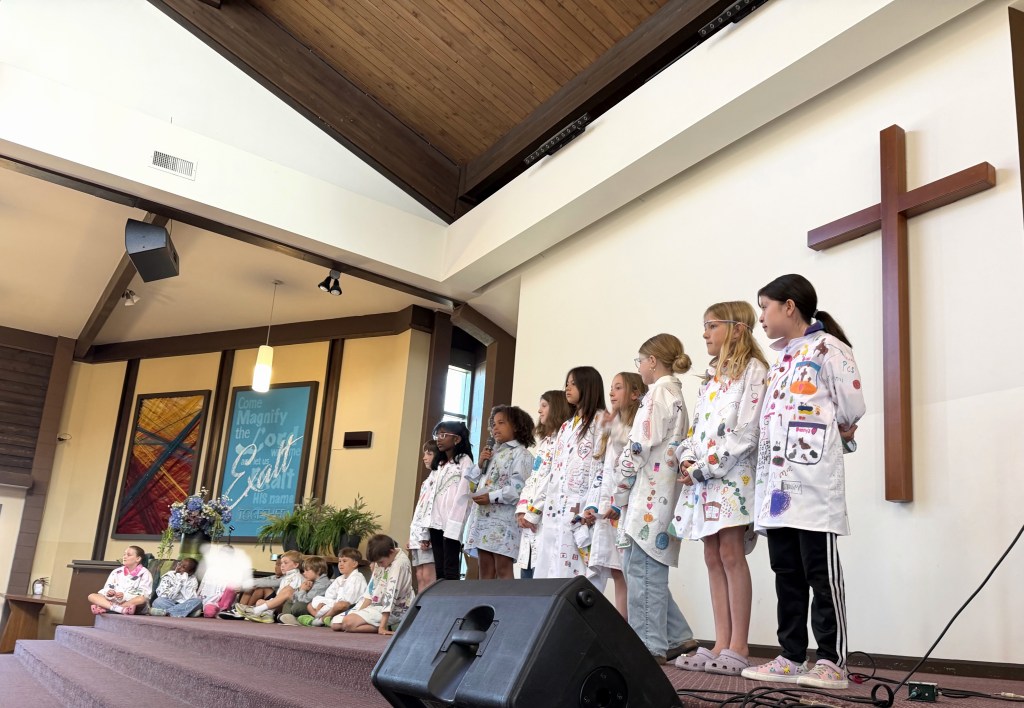
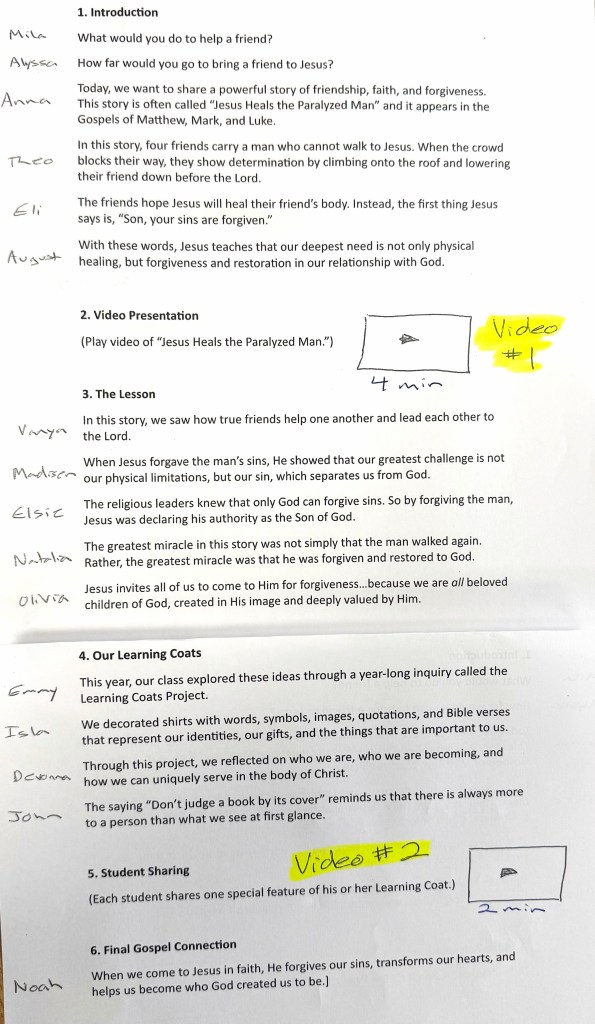
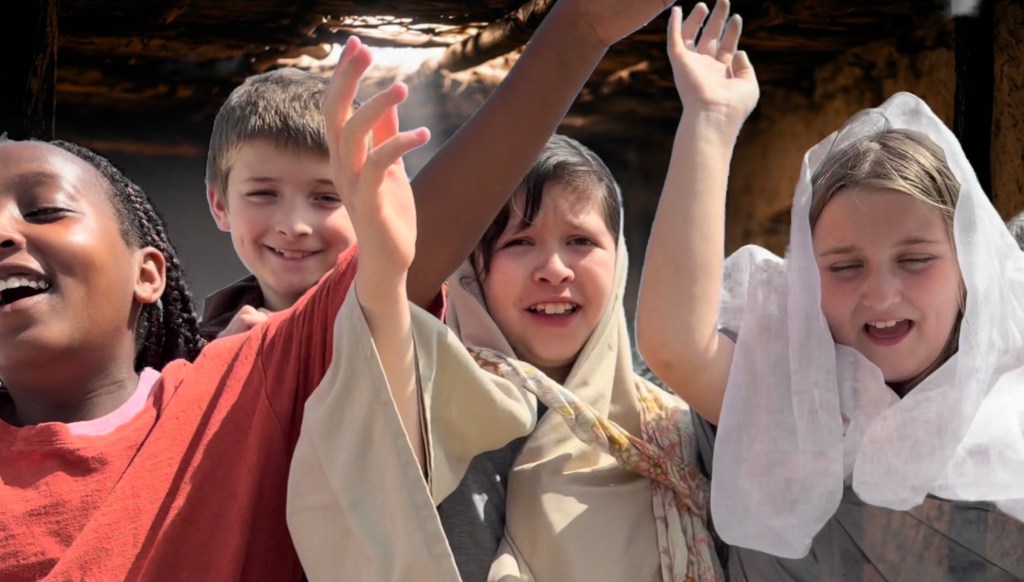
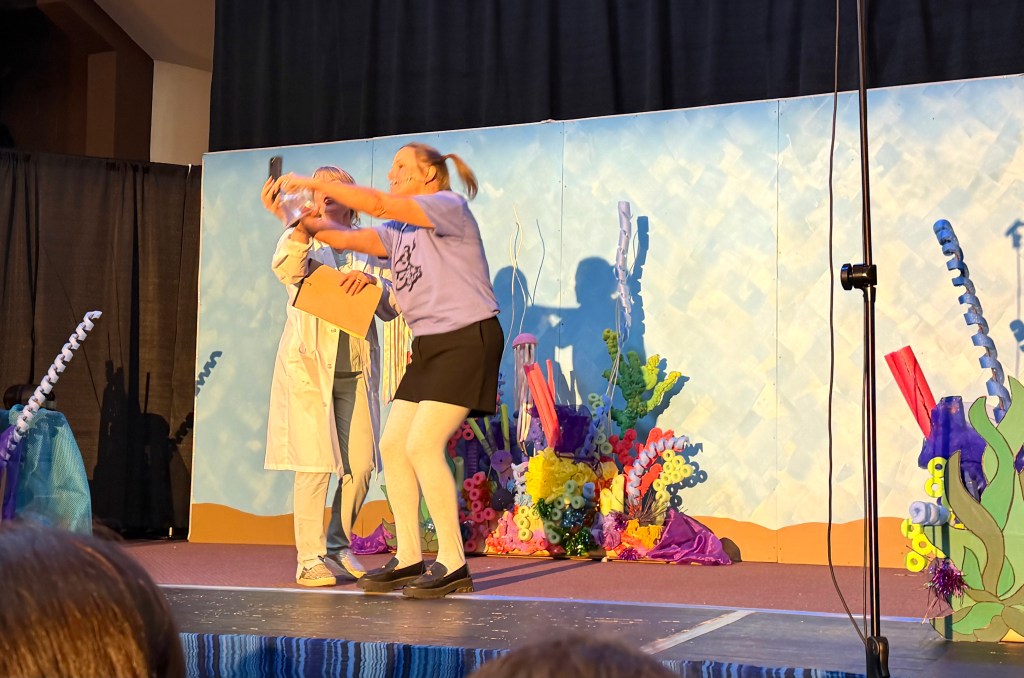
Congratulations to all of our 4A students for their wonderful, heartfelt, creative, and diverse contributions to our chapel presentation today.
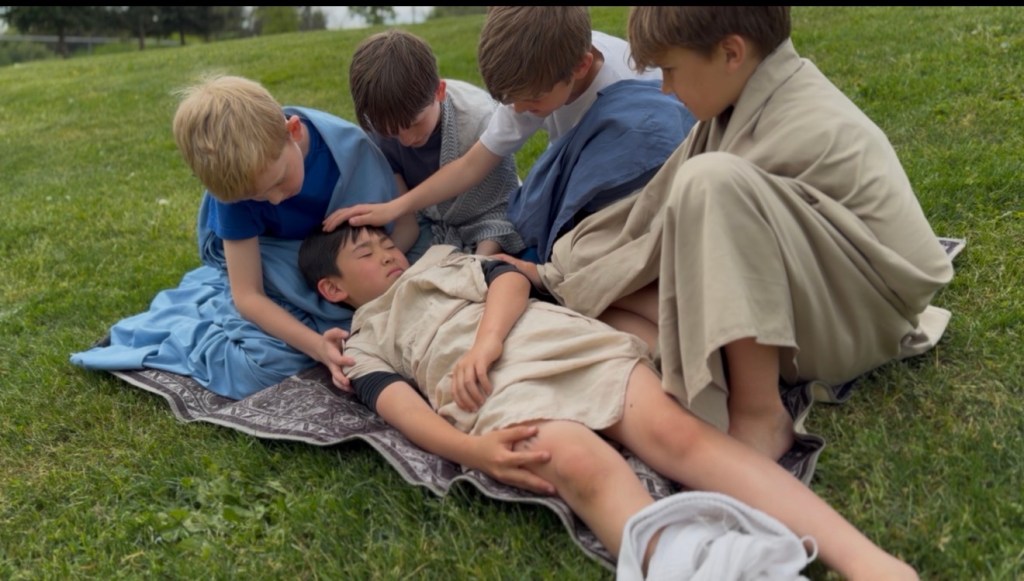
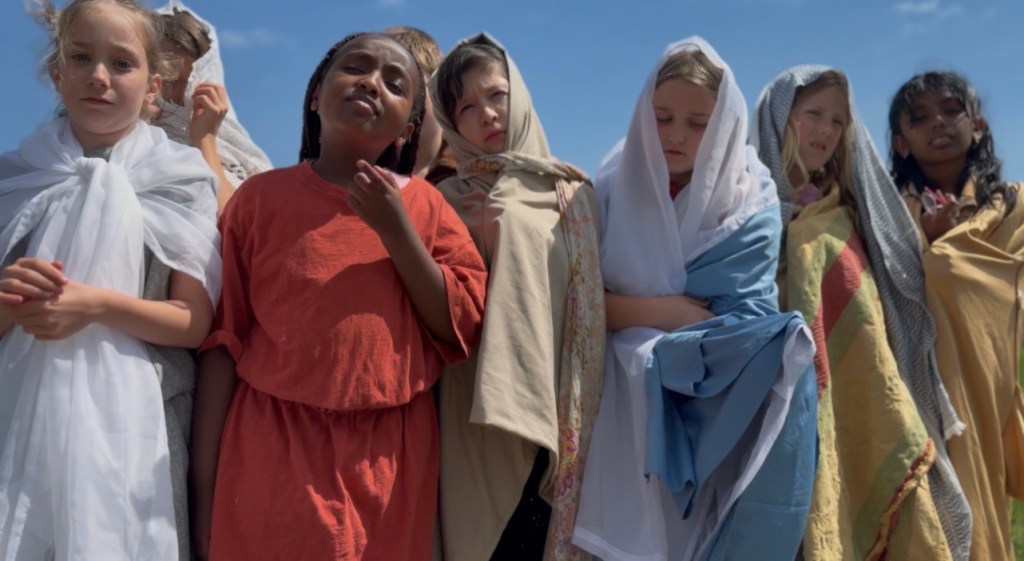
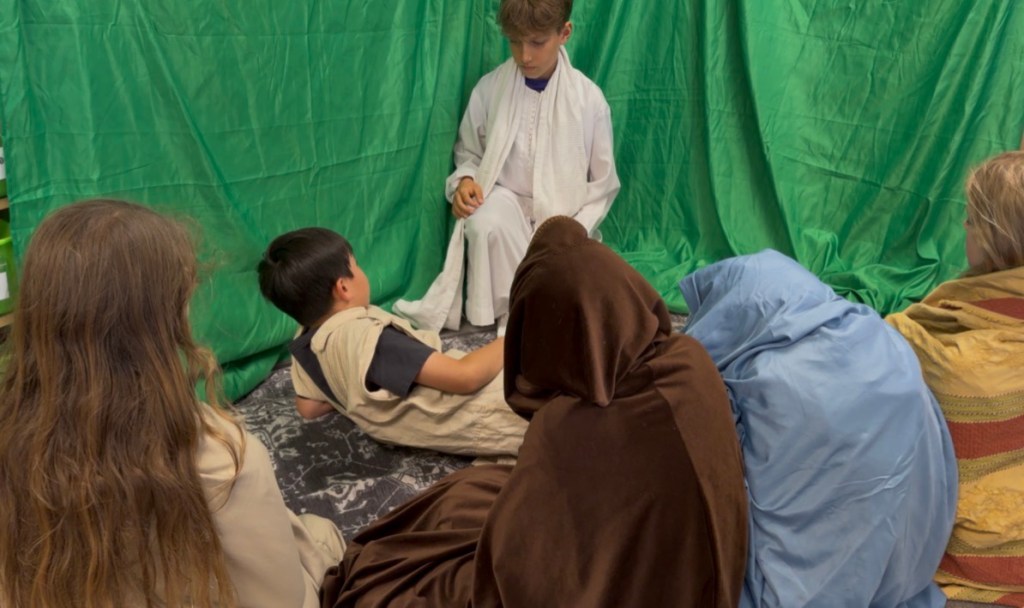
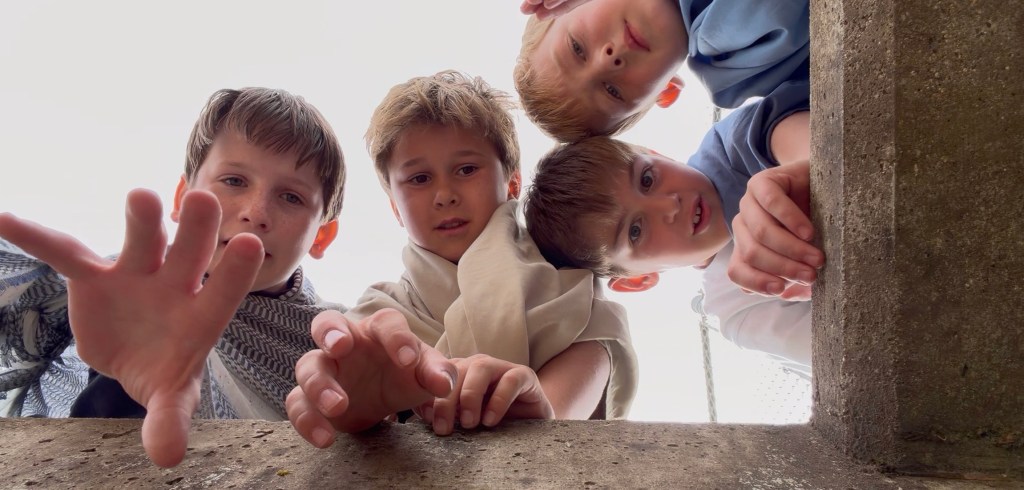
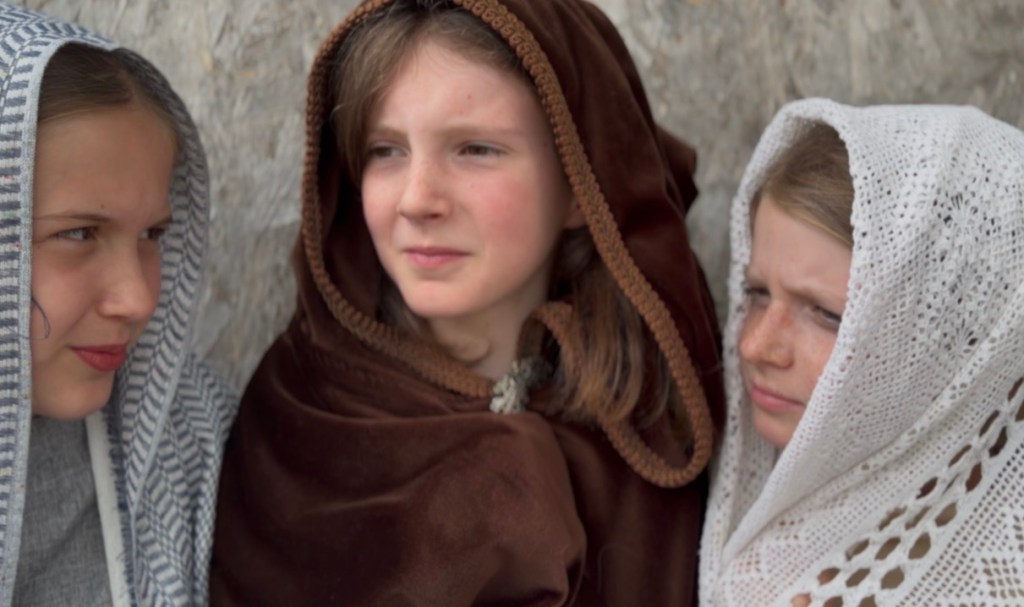
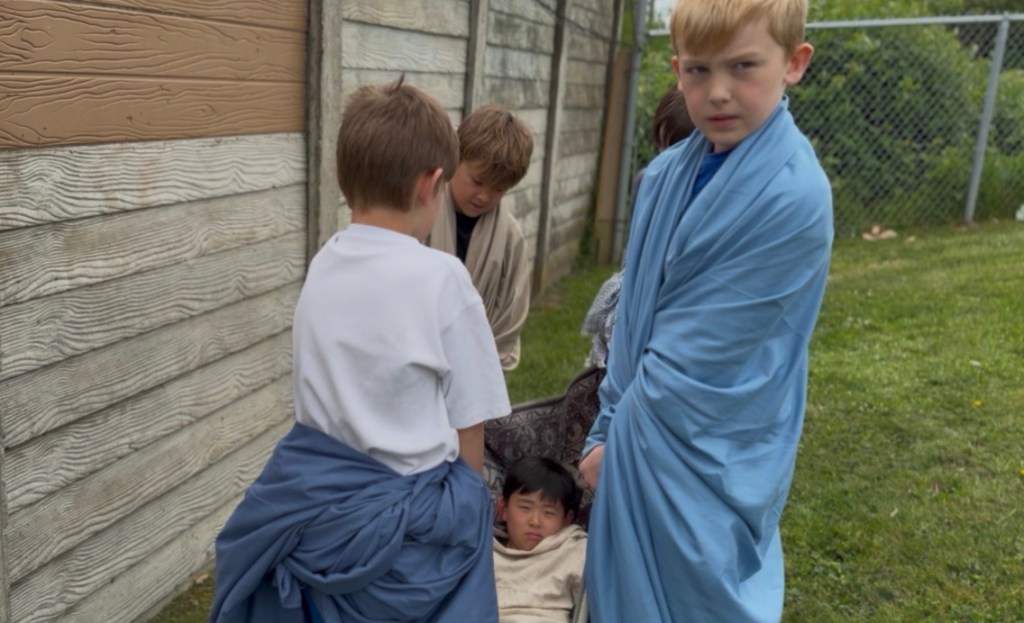
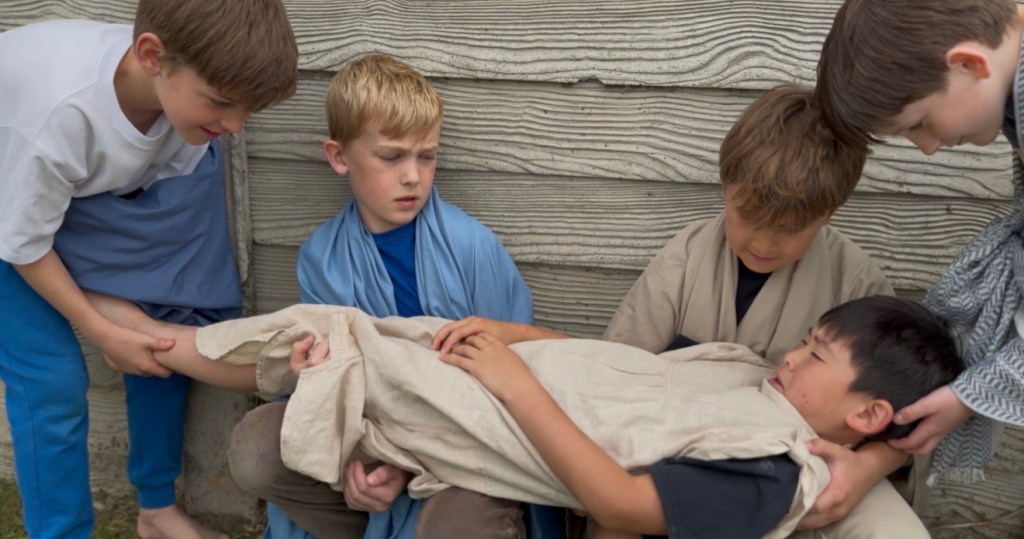
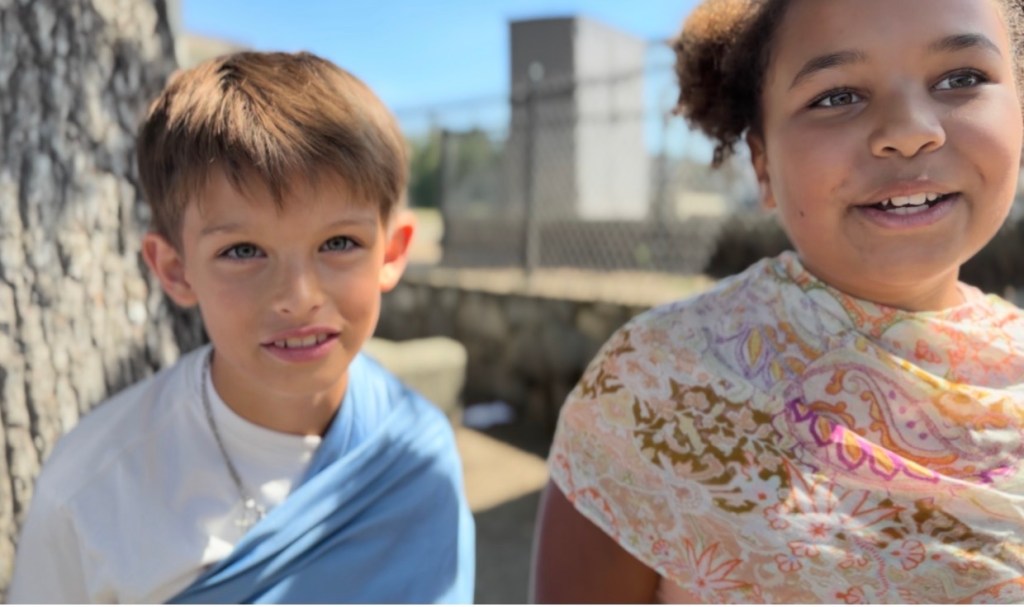
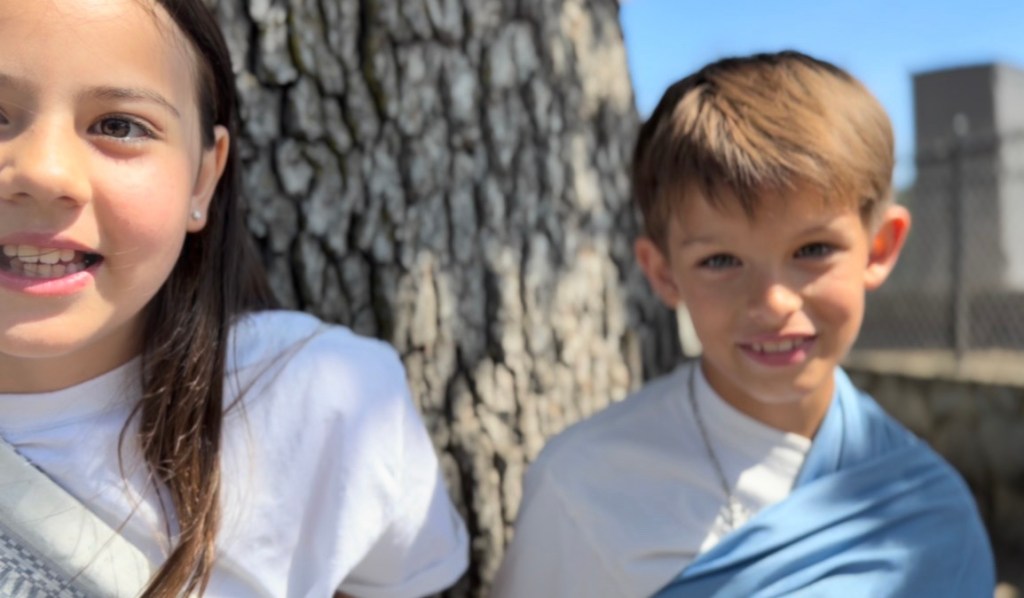
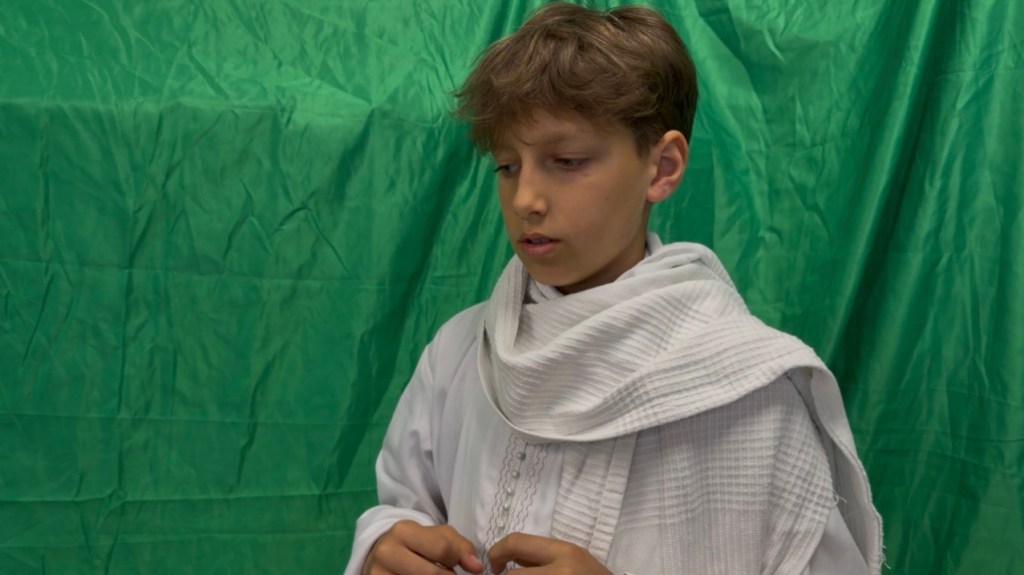
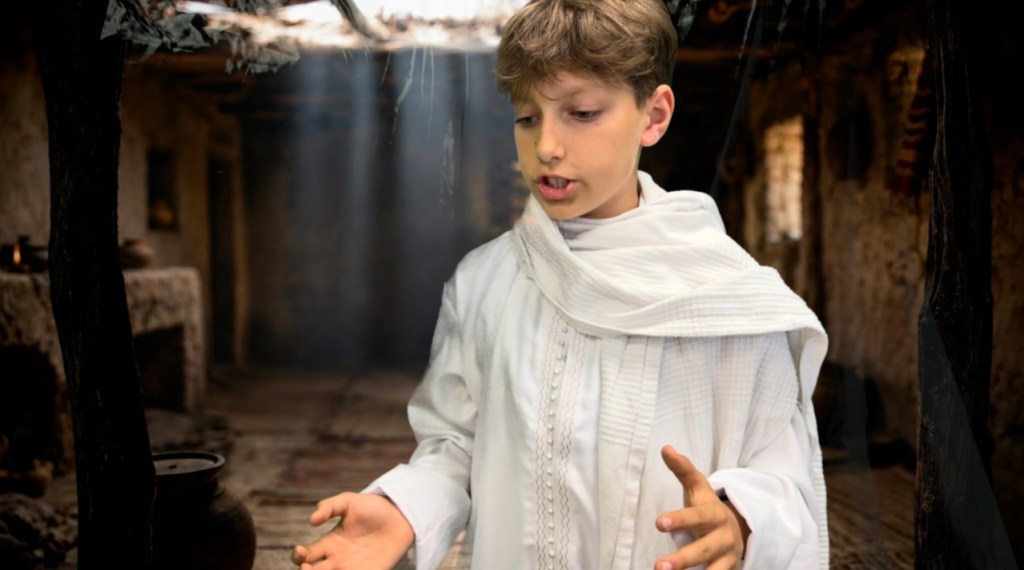
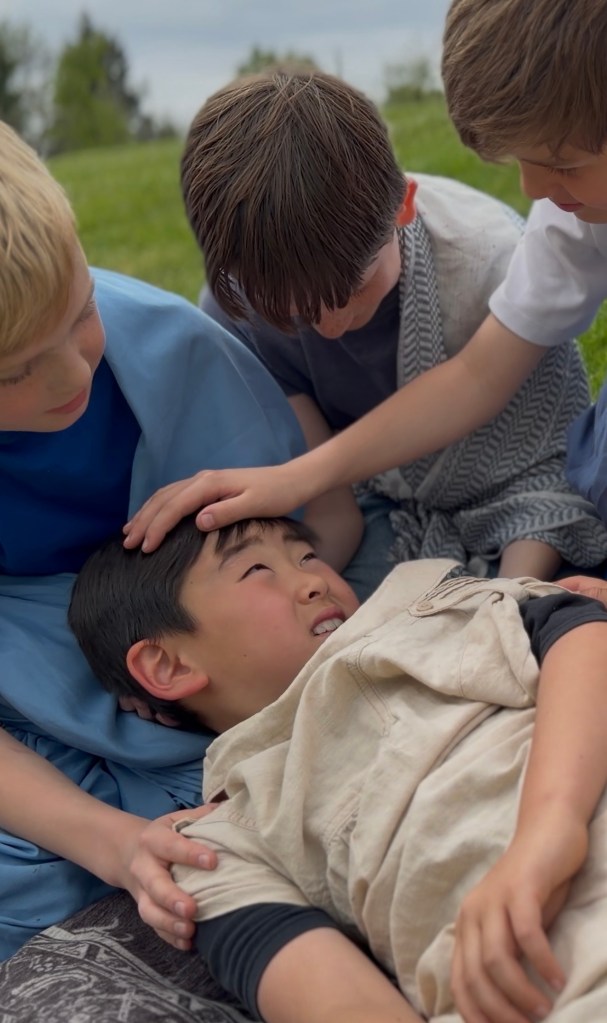
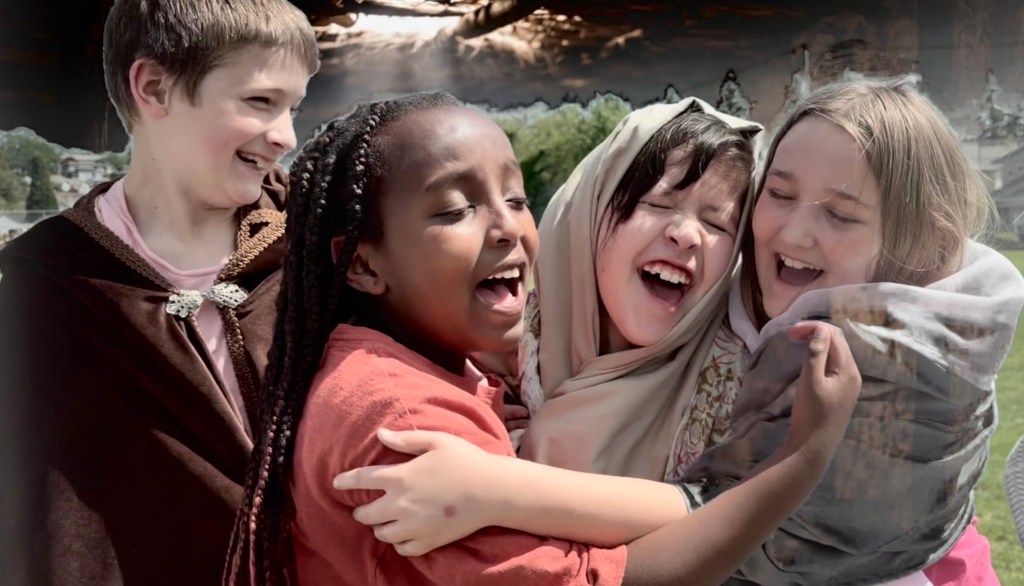
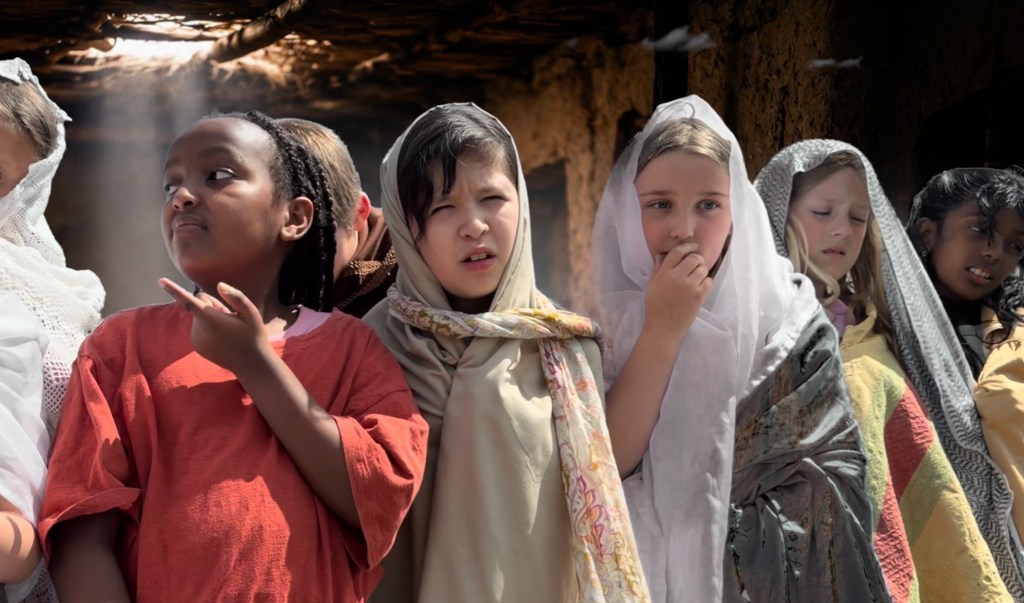
Over the last several weeks, students have worked hard on and off-screen to help dramatize the Bible story “Jesus Heals the Paralyzed Man.”
Along the way, they engaged in creative problem solving as they explored how to use simple costumes, found items as props, the natural setting of our school, and green screen technology to bring this powerful account to life.
In this production phase, there were many laughs, memorable moments, and exciting “light bulb” discoveries.
One thing that especially moved me was watching the students grow in their understanding of performance with purpose—not just for entertainment value. For young children, it can be a journey to understand how storytelling and acting can be used not simply for drawing attention to oneself, but to communicate meaning, emotion, and truth—to humbly let the story be central and work as a team. The 4A students did that!
I was deeply inspired the maturity students showed with memorable, sensitive and at times moving portrayals of the characters. Our goal was to keep the central focus on communicating God’s Word and teaching others about Jesus and His ministry through storytelling.
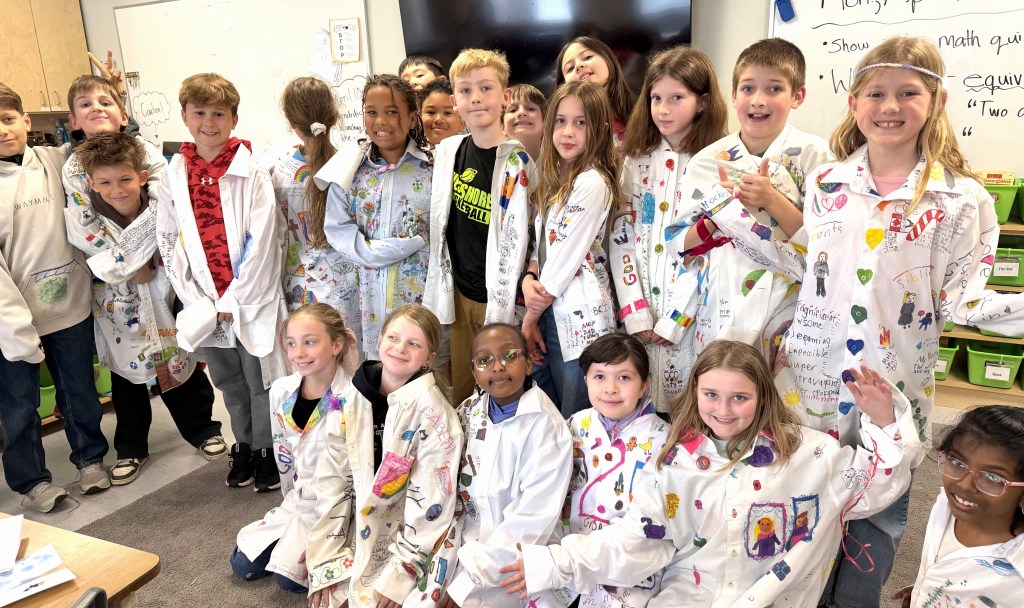
It was also incredibly special to see students share their progress in their Learning Coats and see their originality, creativity, and sweet personalities shine through in ways that encouraged and inspired others.
Thank you, 4A families, for your support throughout this special project.
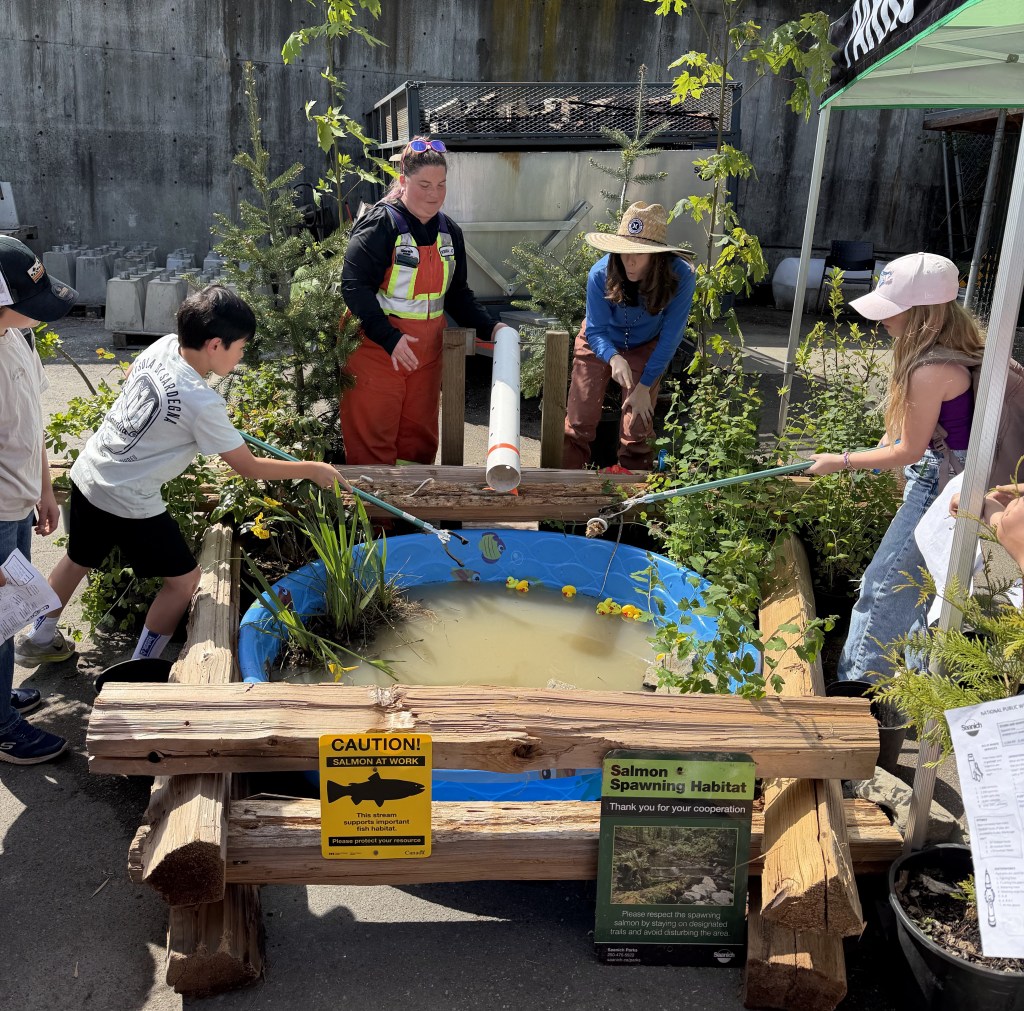
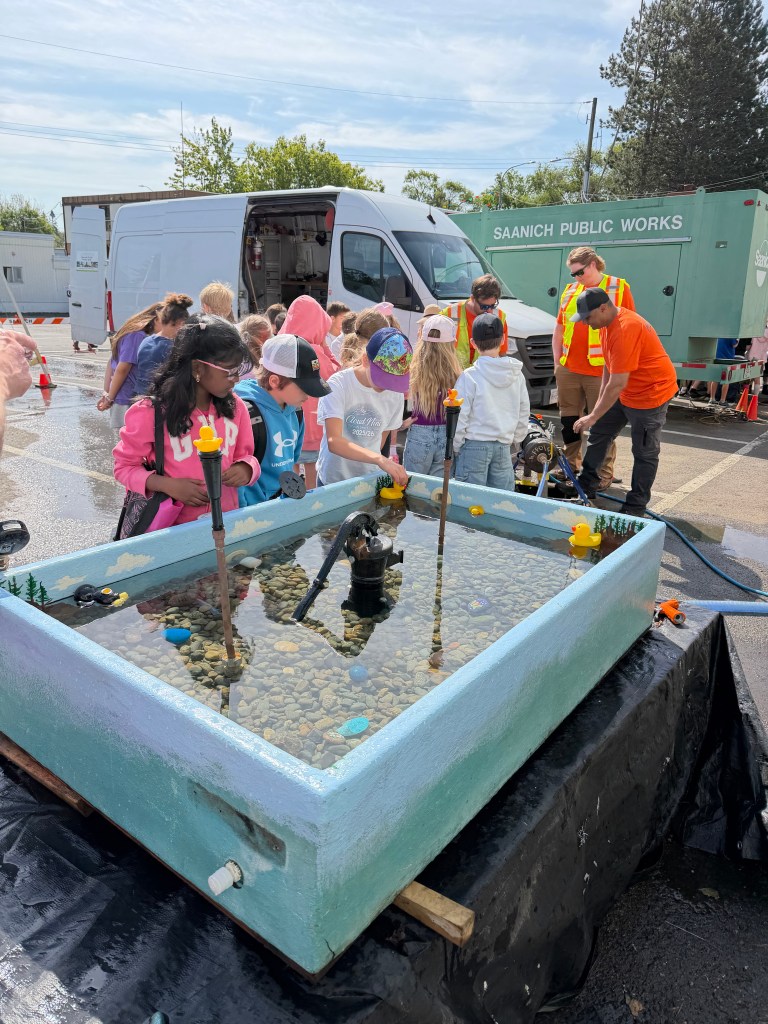
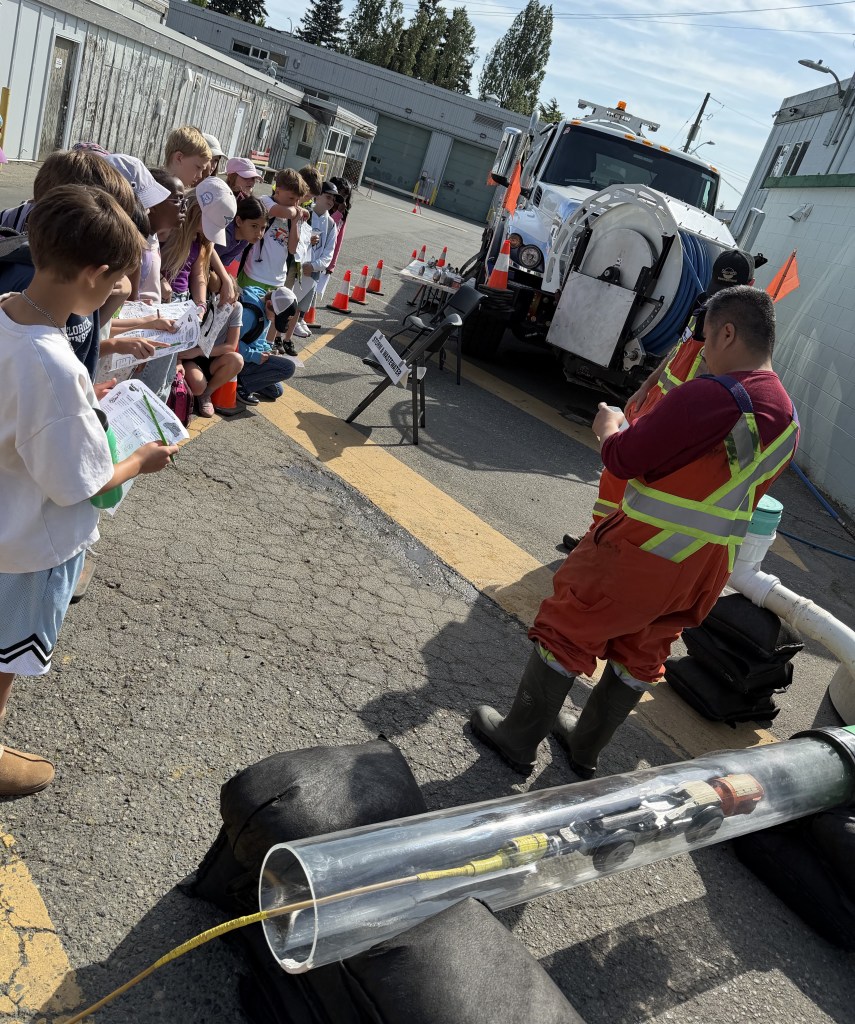
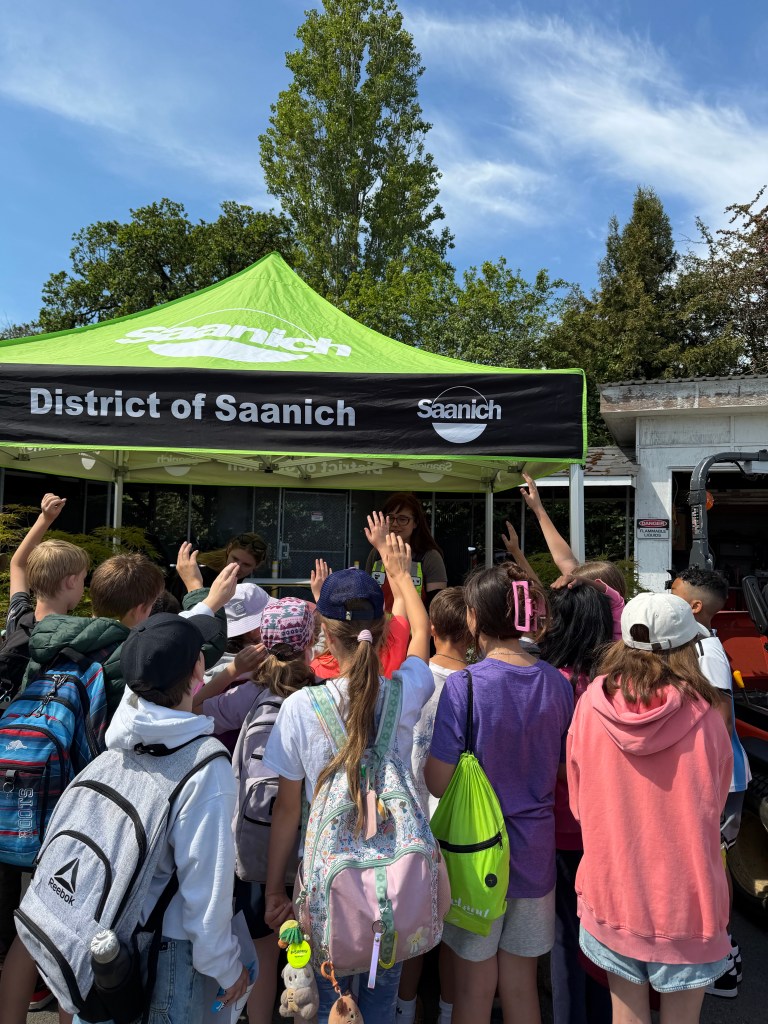
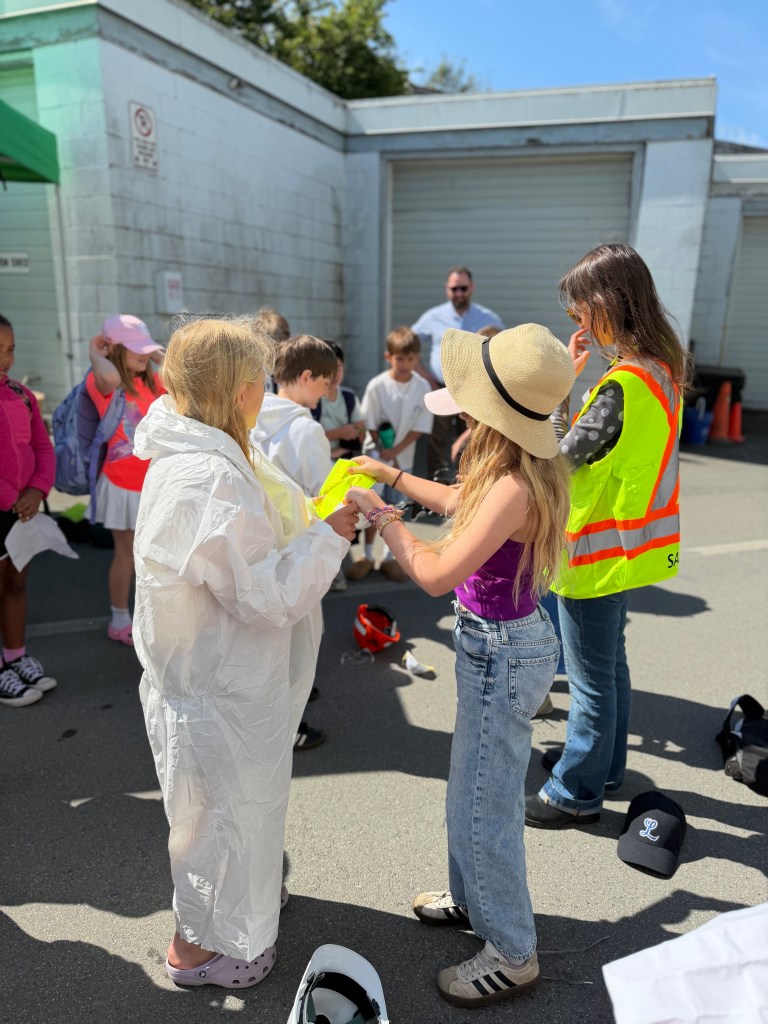
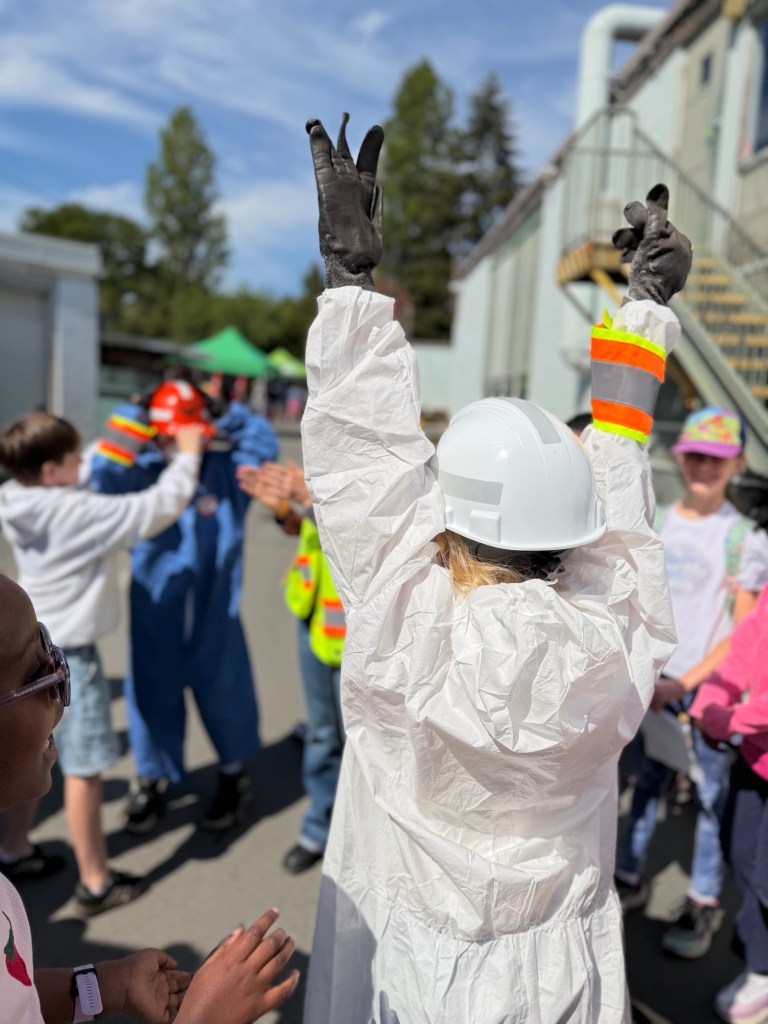
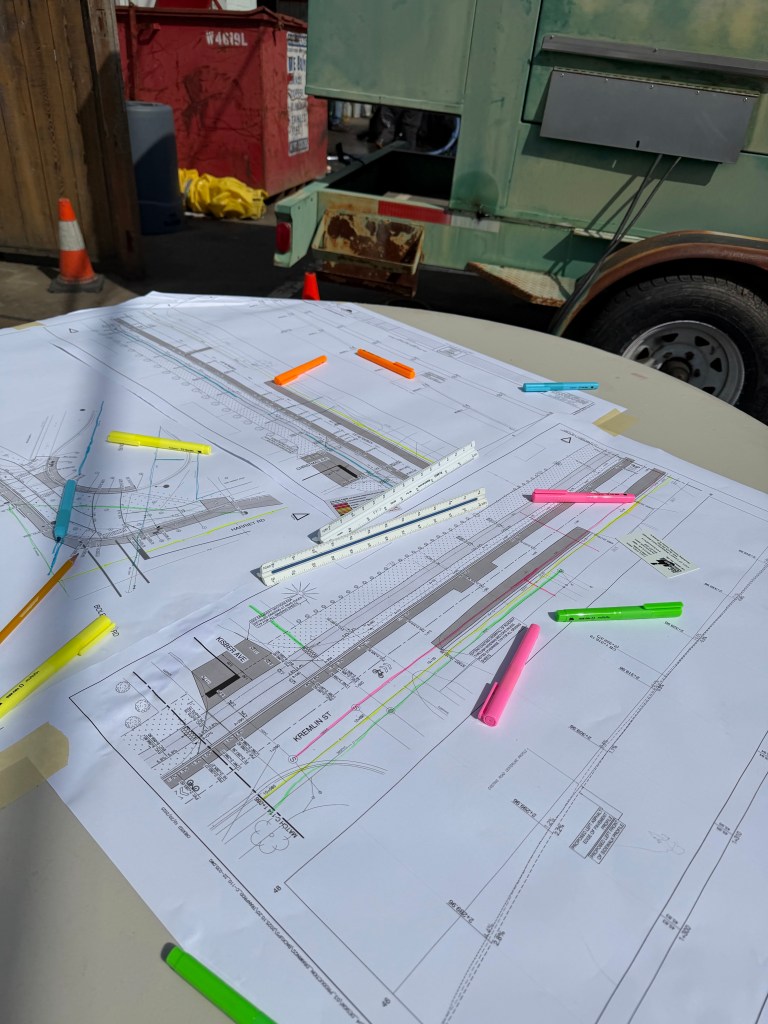
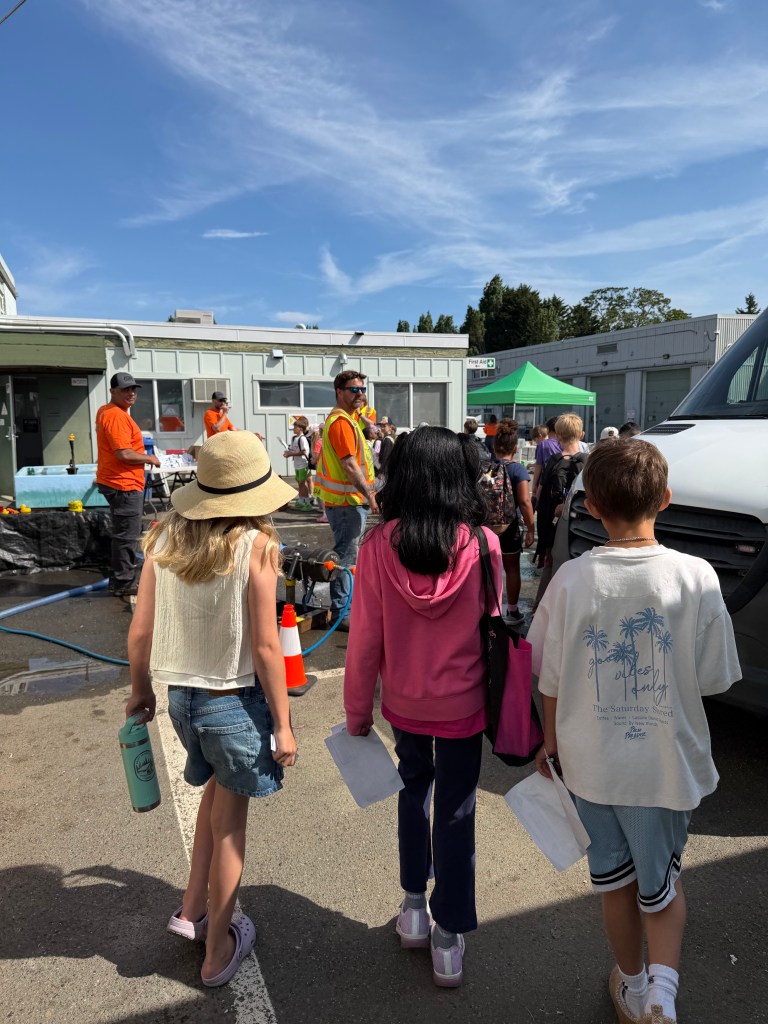
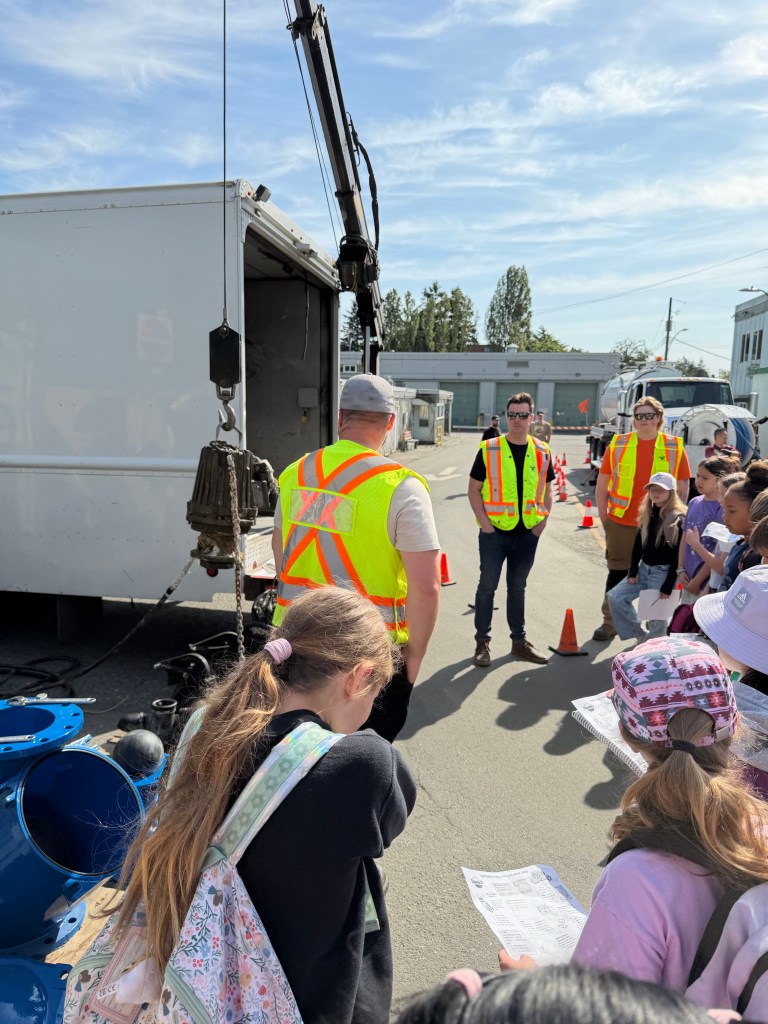
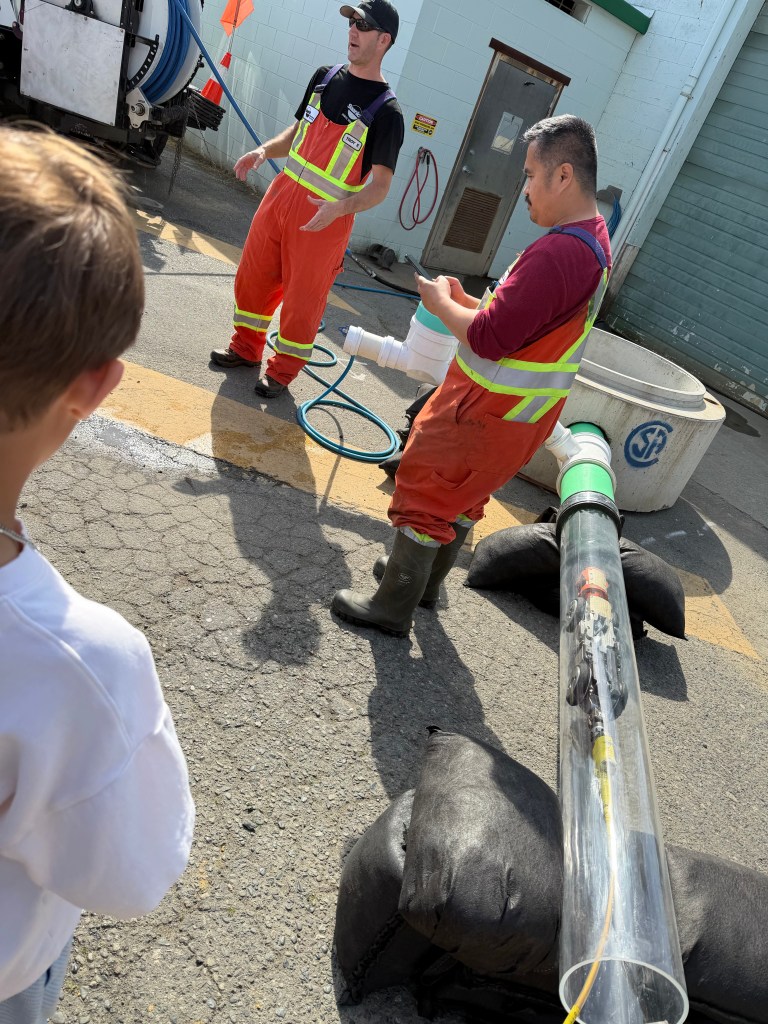
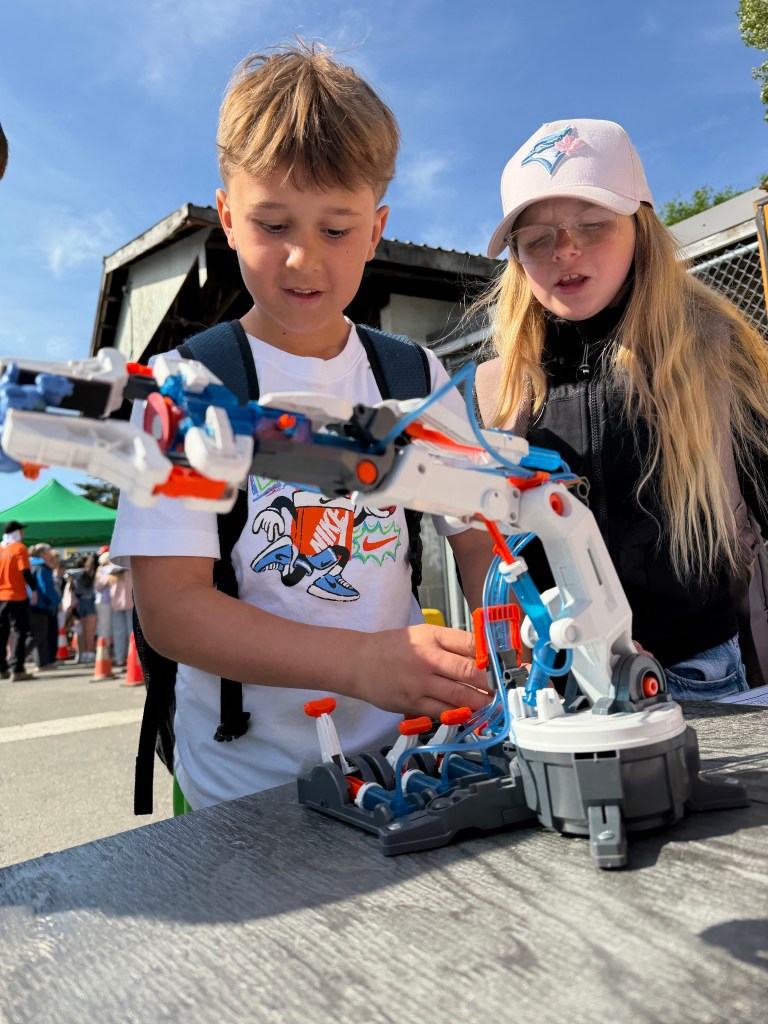
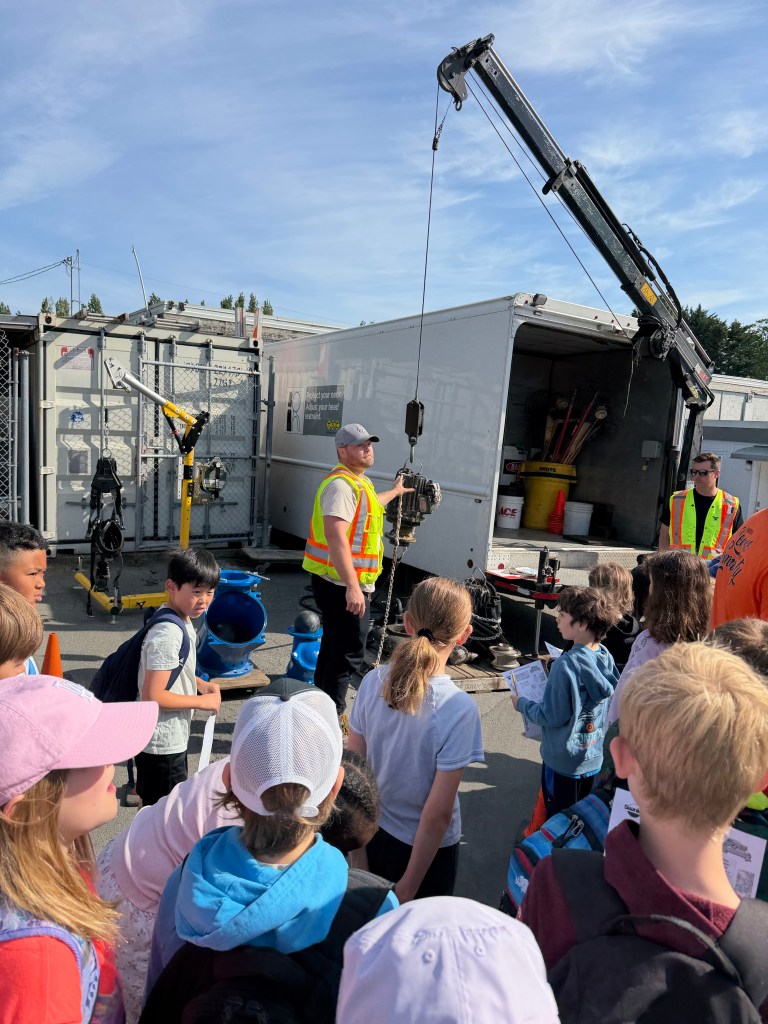
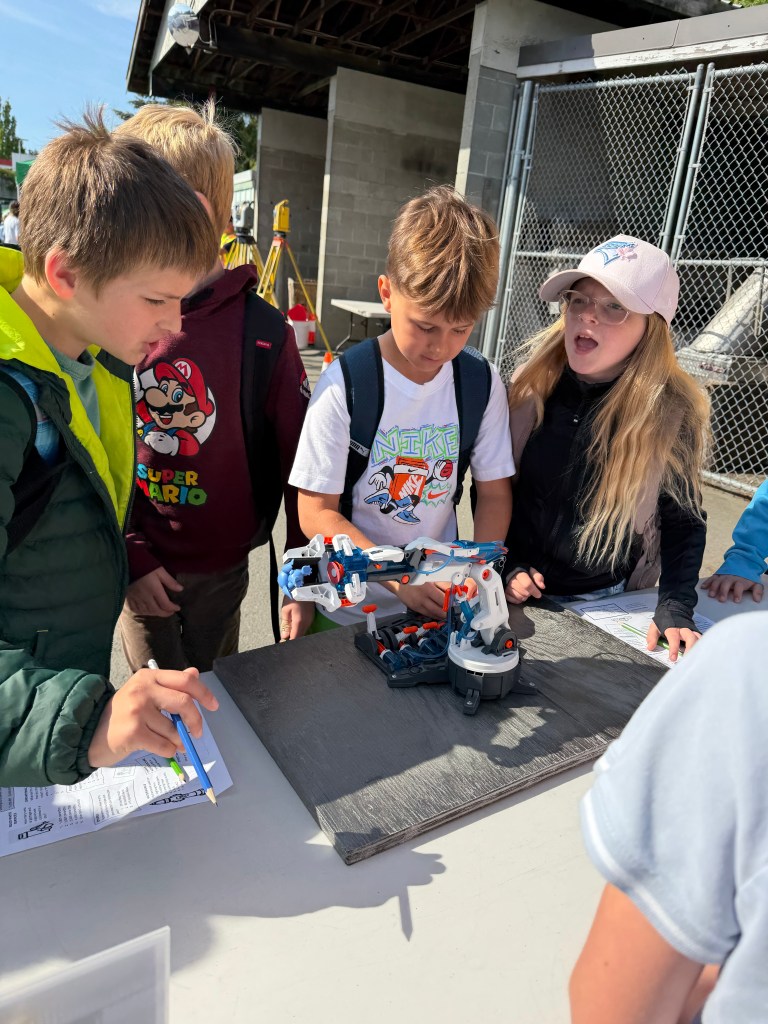
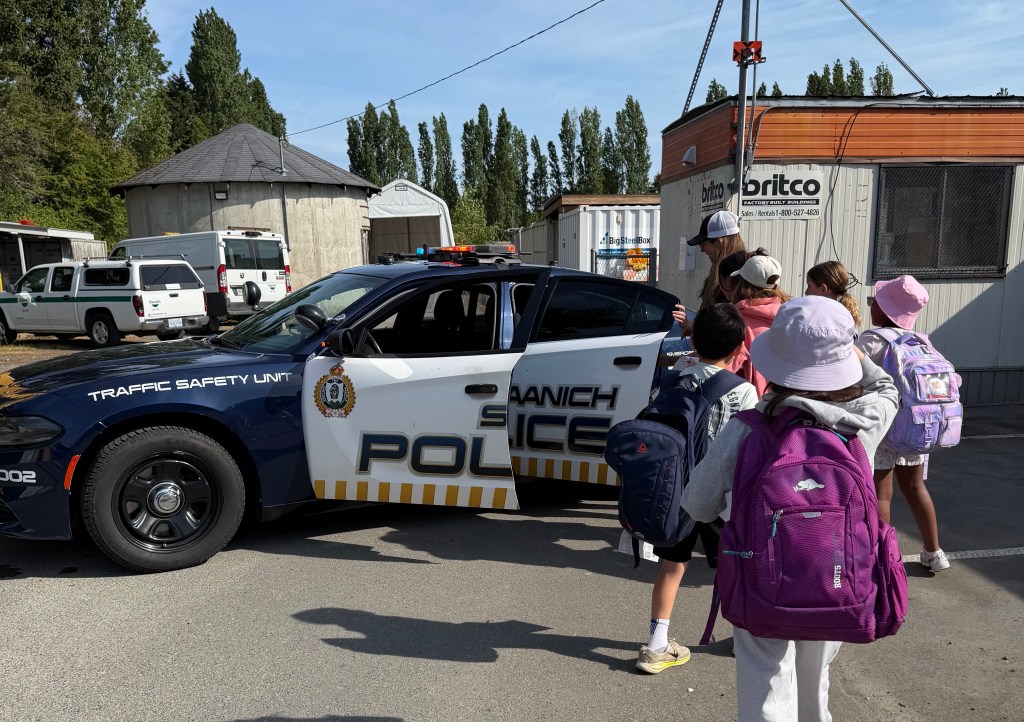
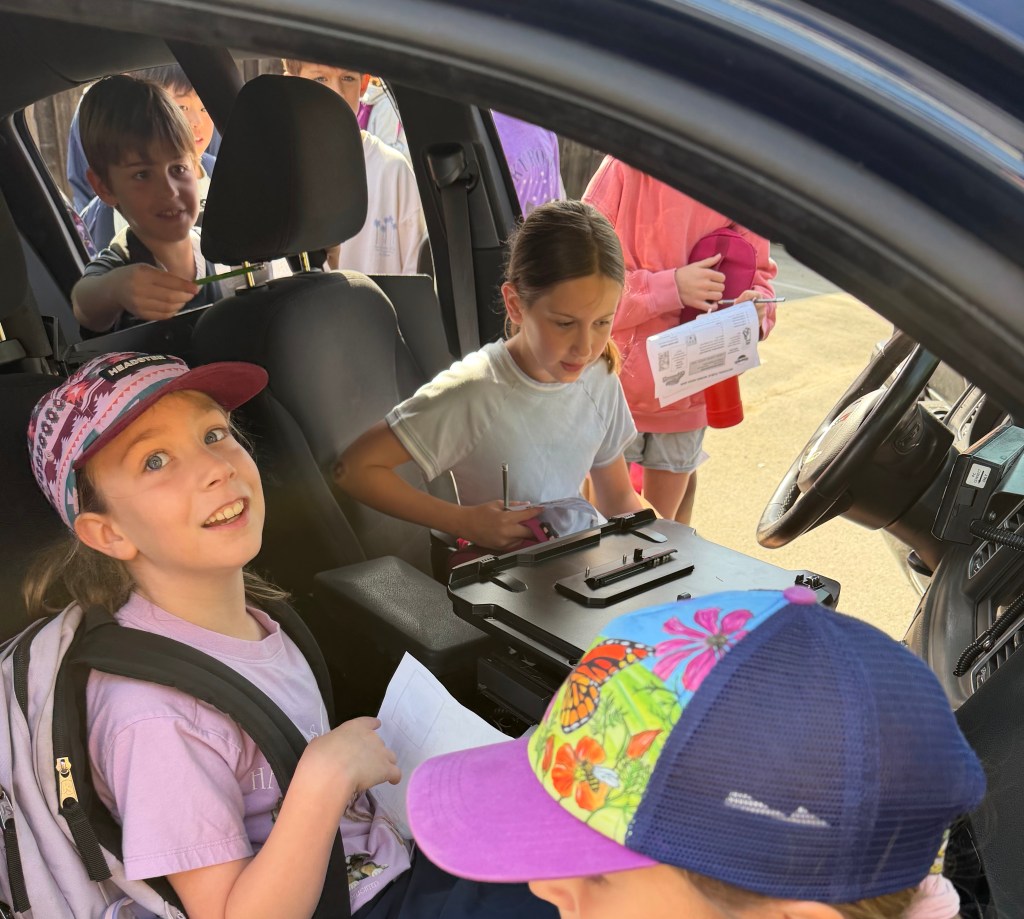
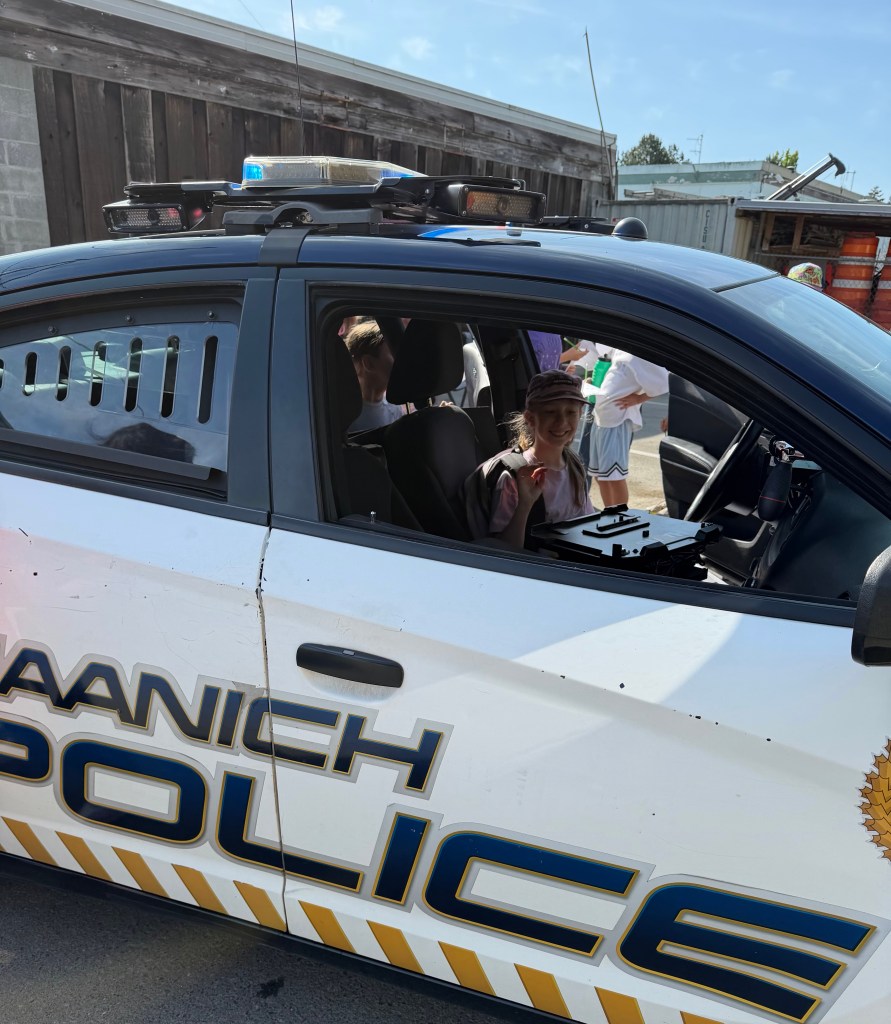
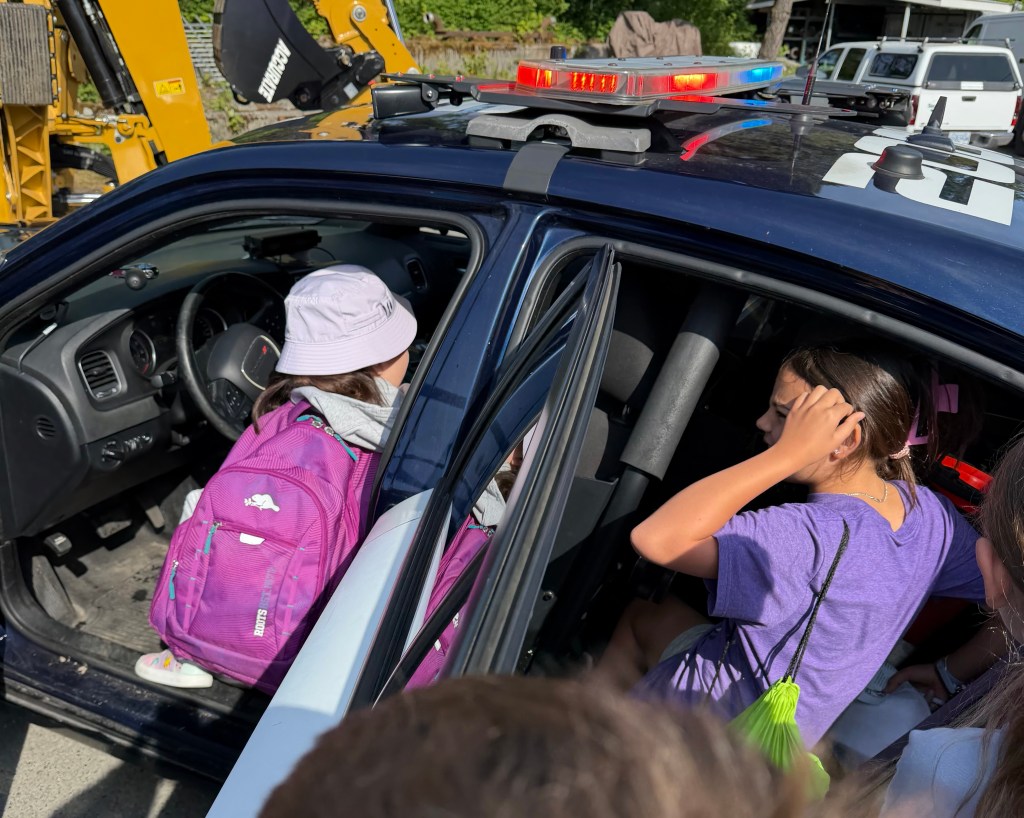
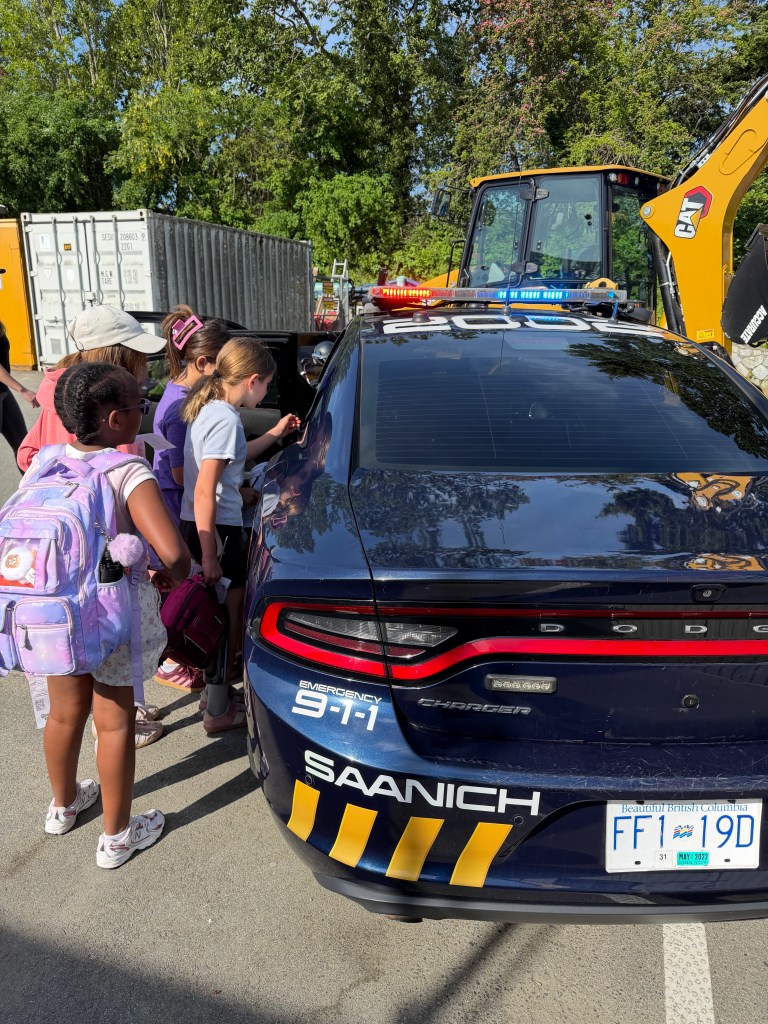
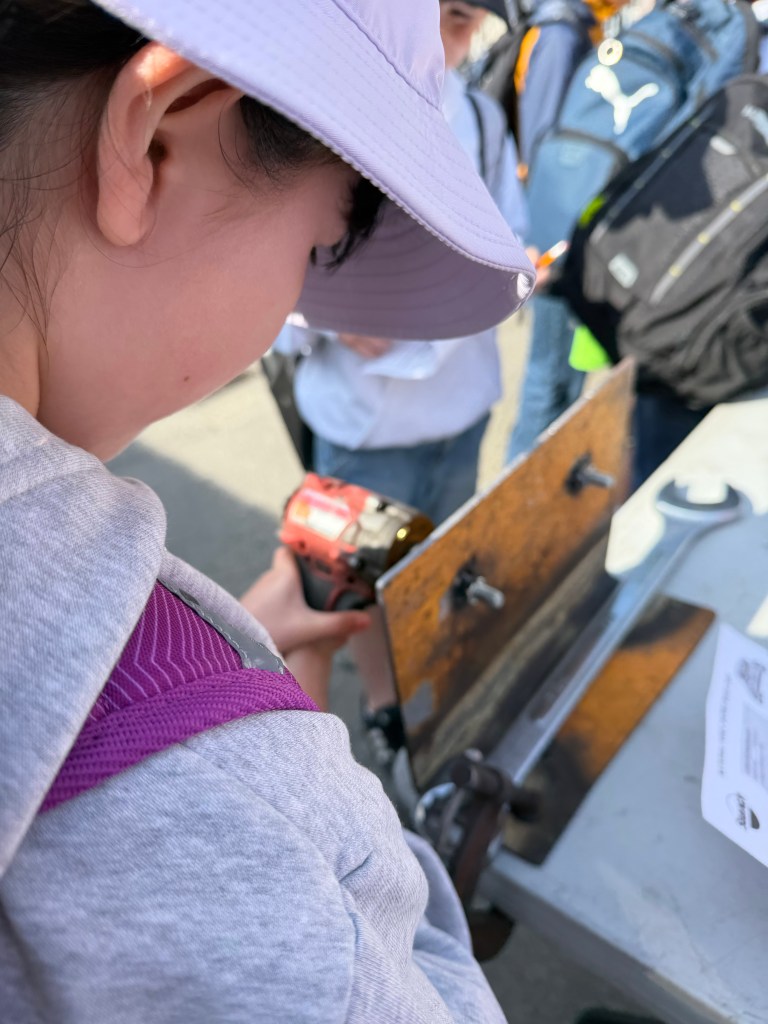
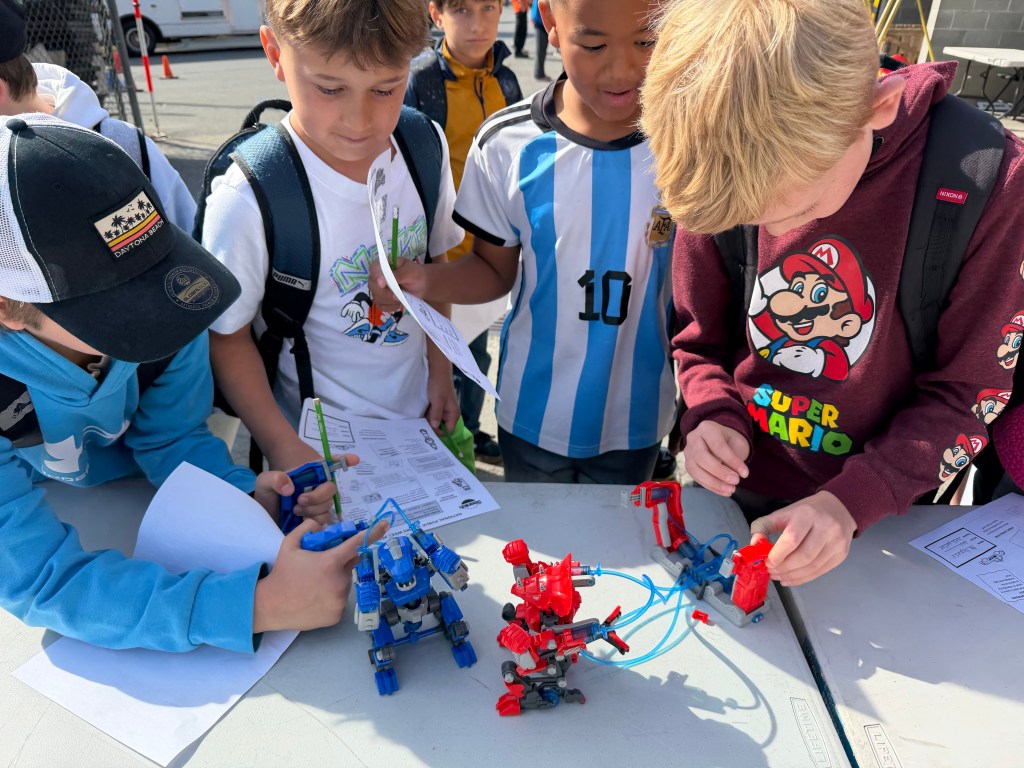
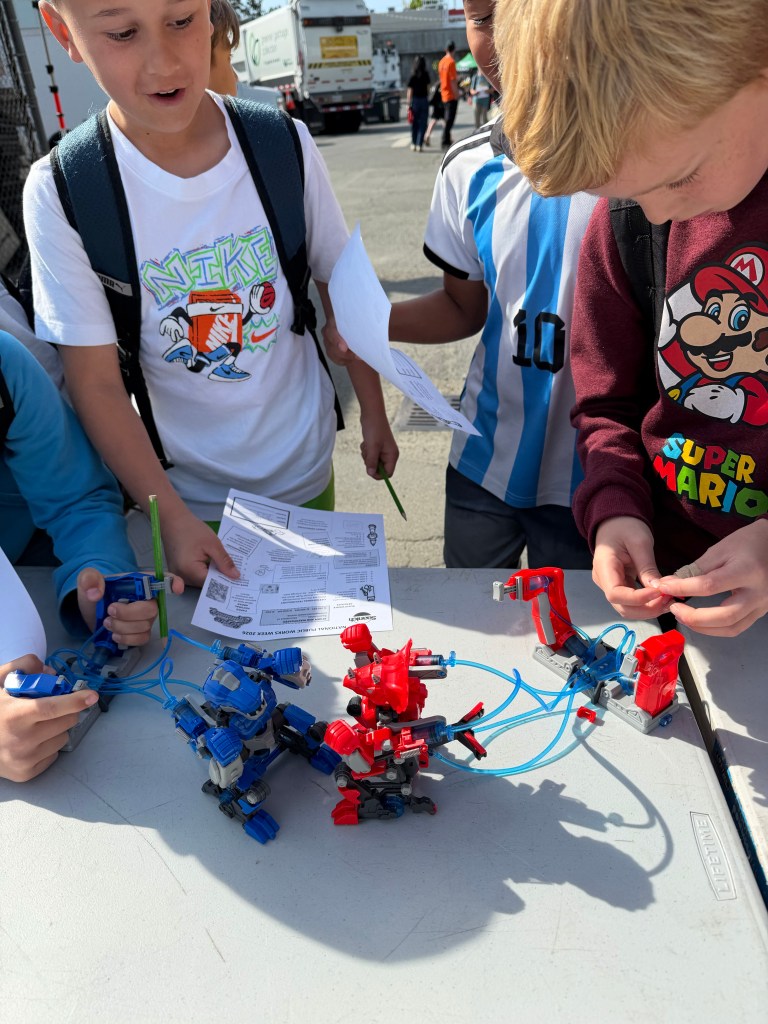
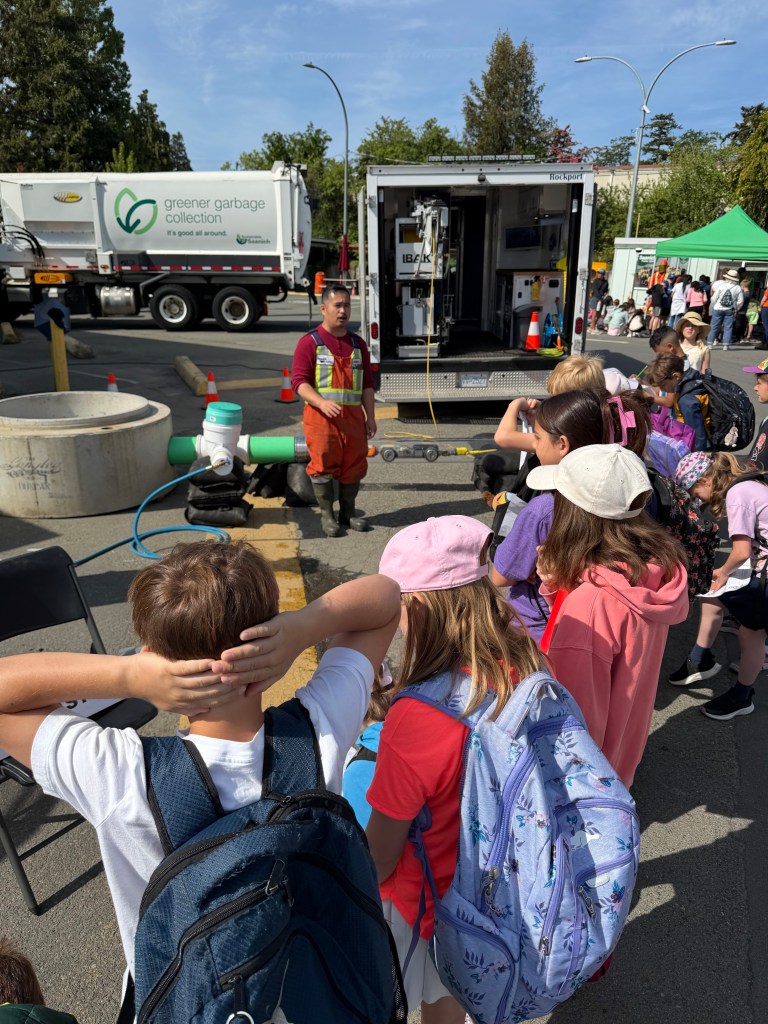
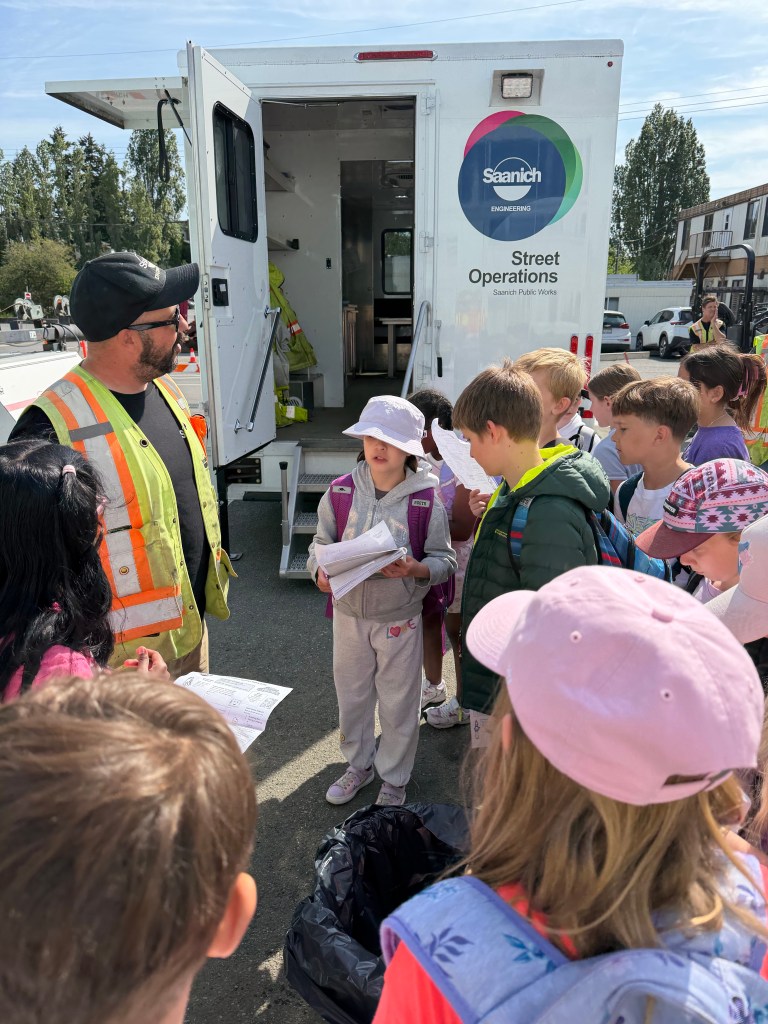
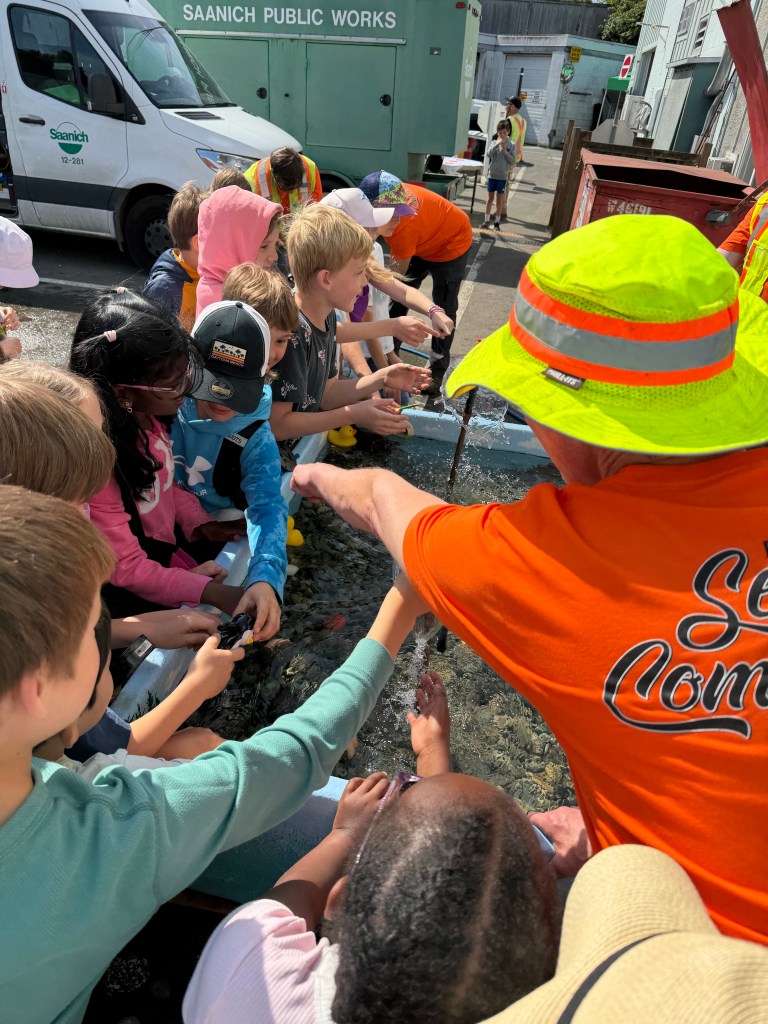
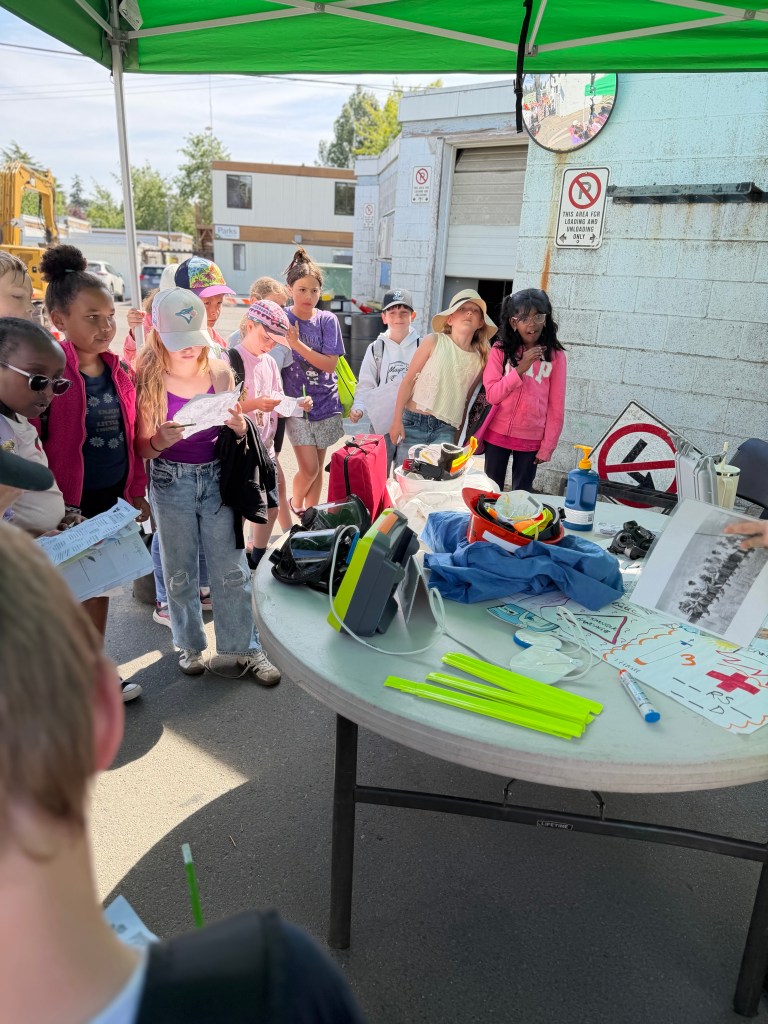
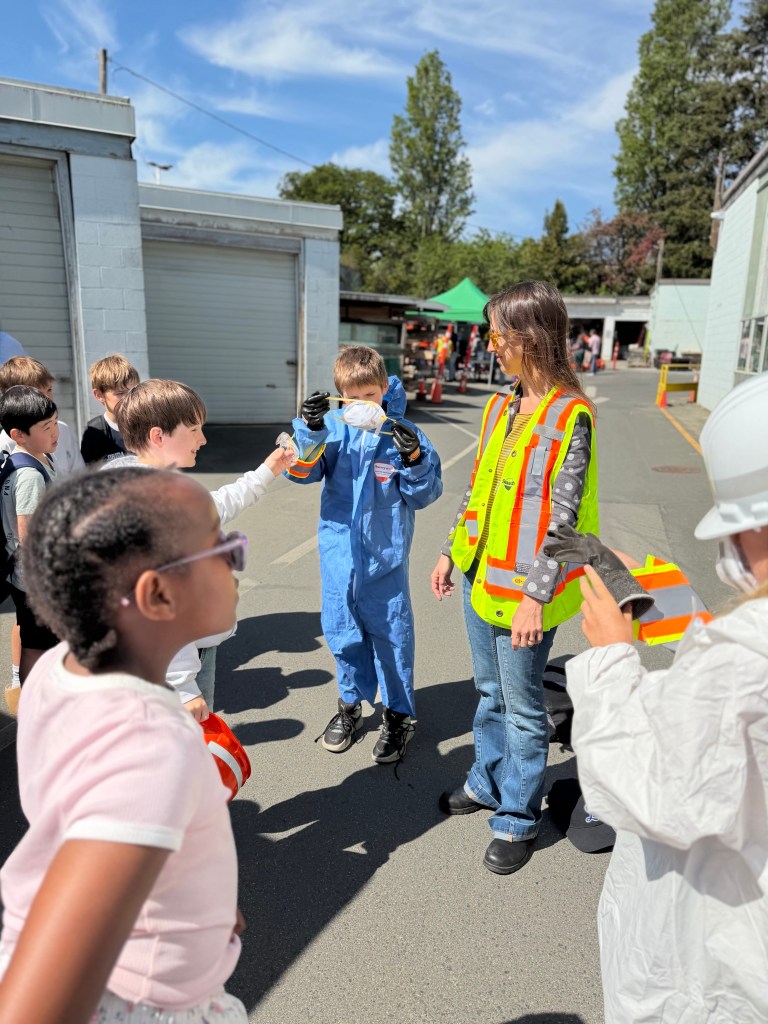
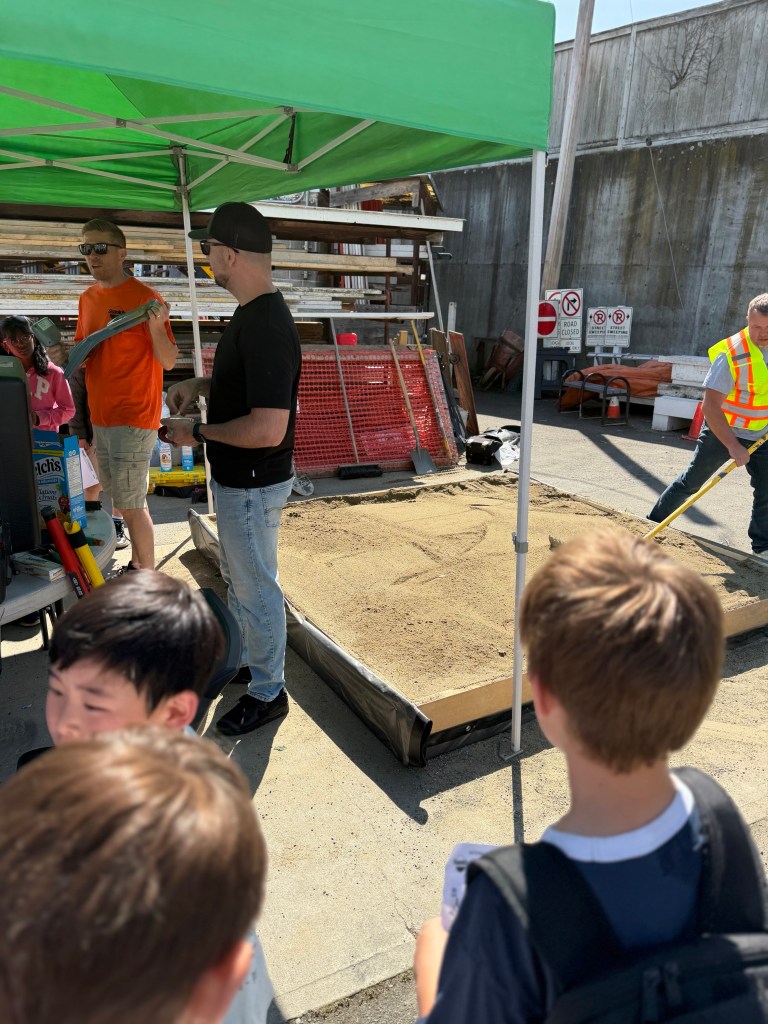
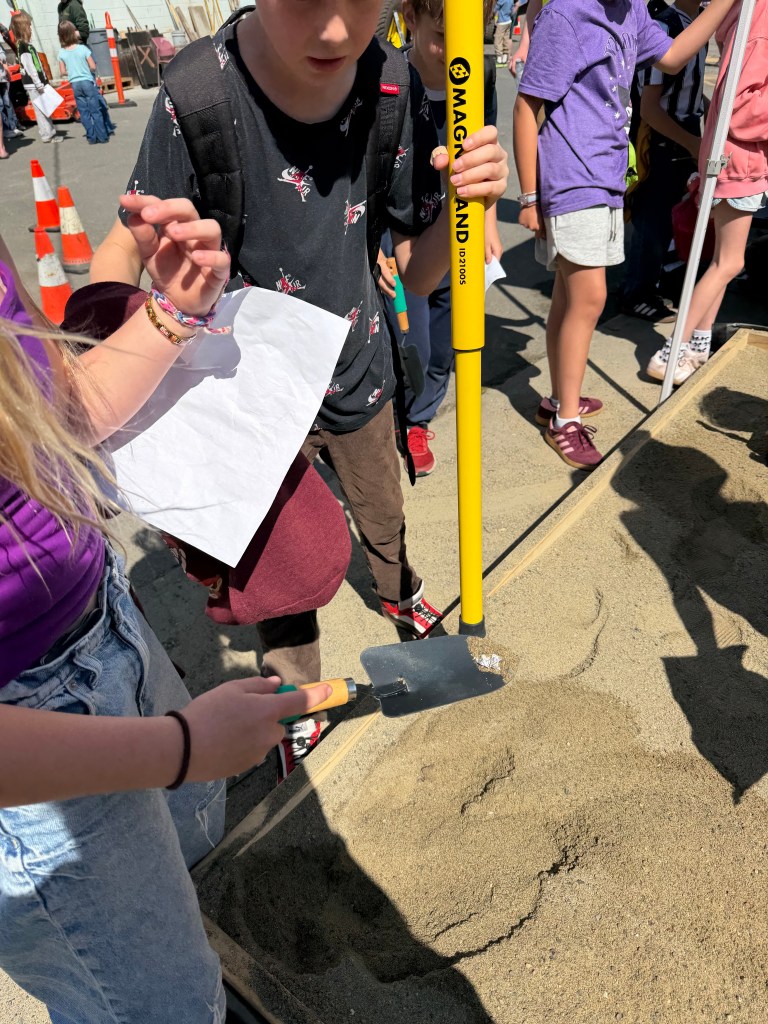
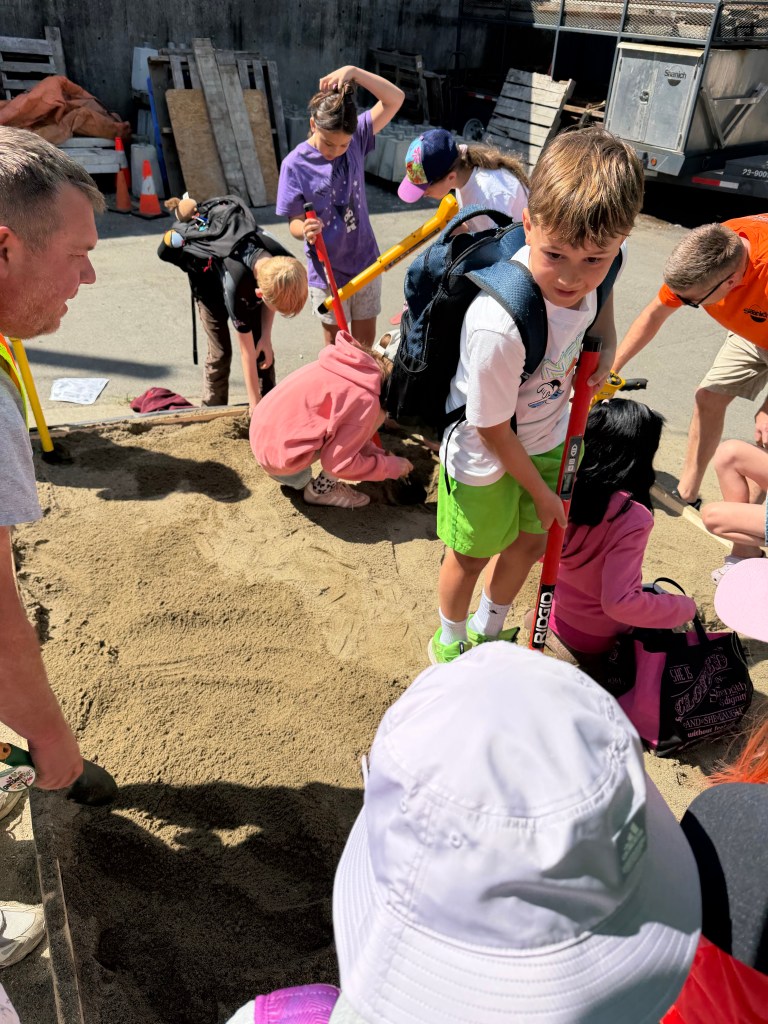
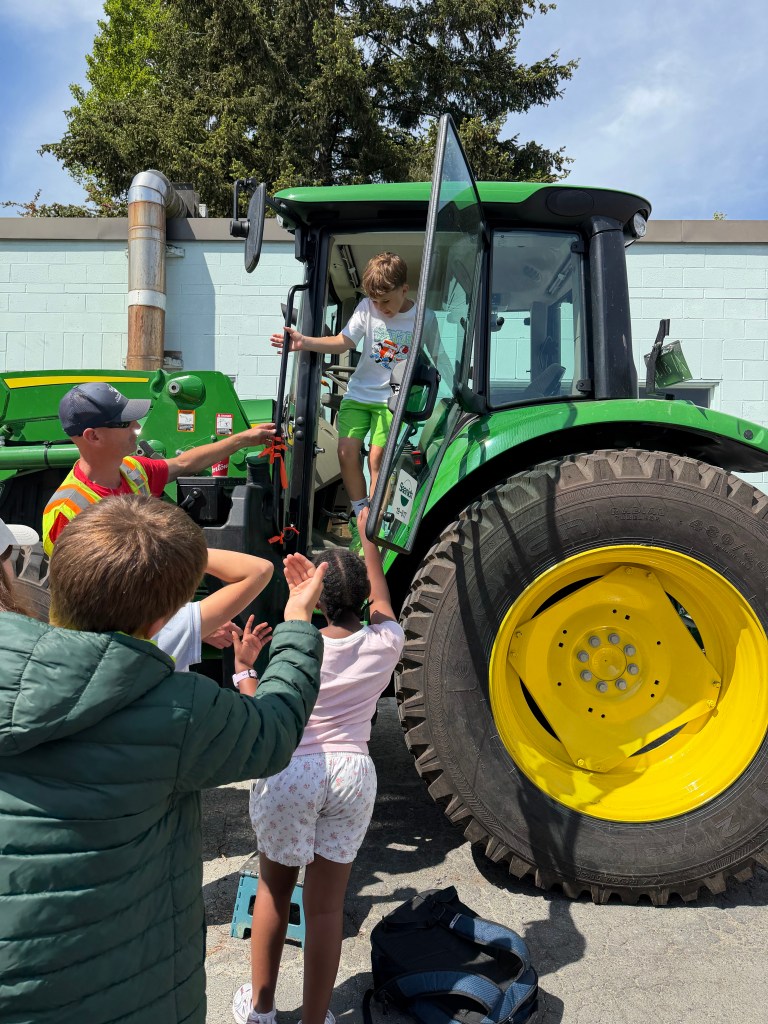
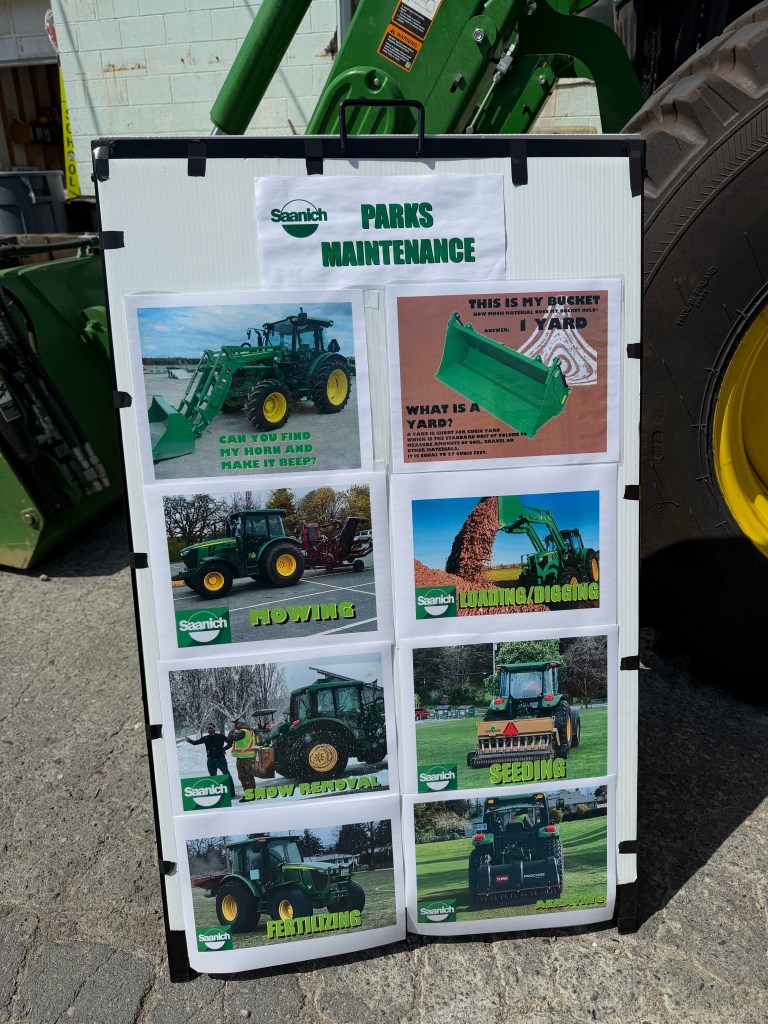
Our Grade 4 students had an exciting and hands-on learning experience during our visit to the Saanich Public Works yard!
Students explored how local infrastructure systems help communities function safely and efficiently, connecting to the BC Grade 4 Science, Social Studies and Career Ed. curriculum.
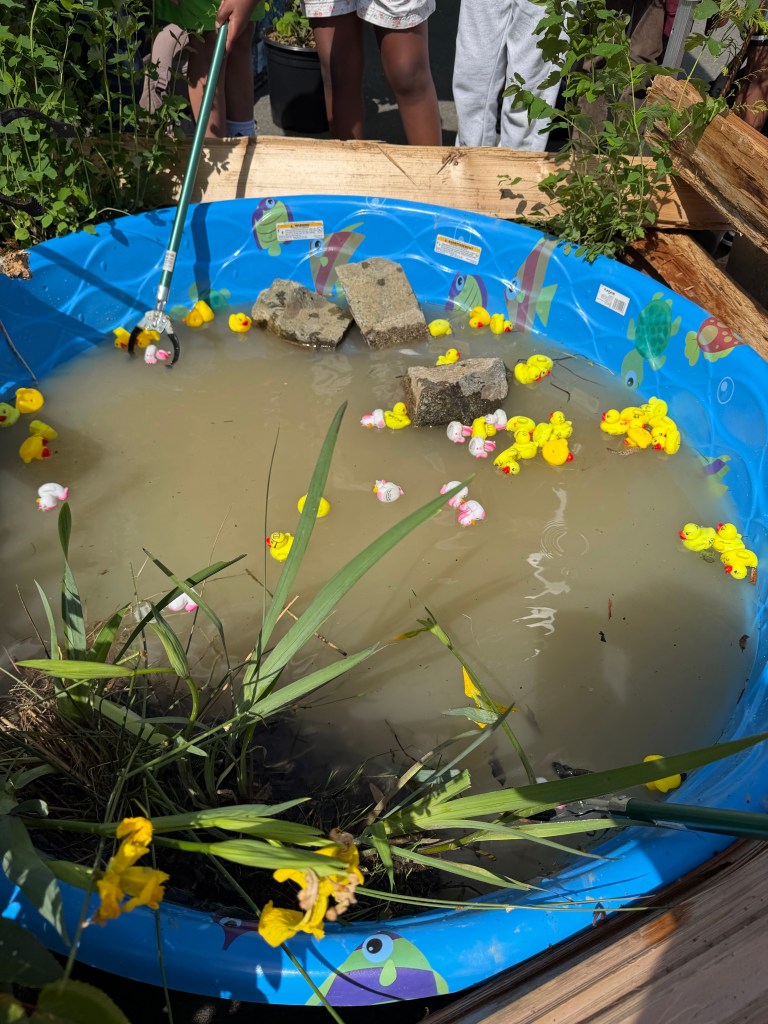
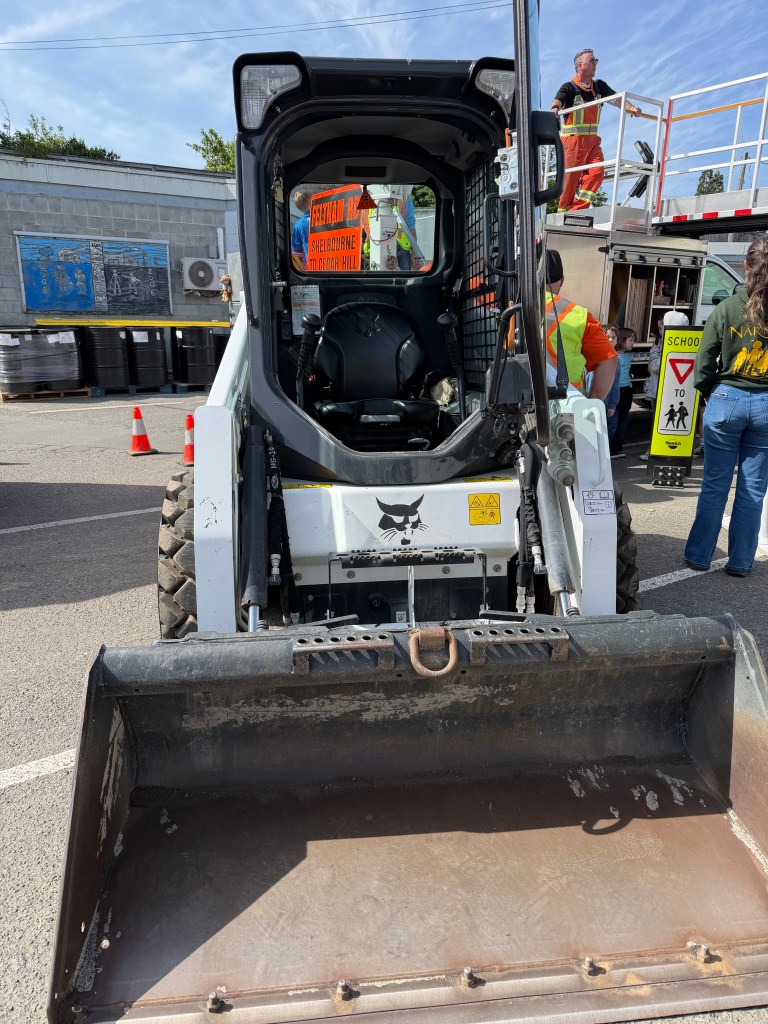
Through demonstrations and interactive booths, students learned about hydraulics and simple machines used in excavators, garbage trucks, sewer maintenance vehicles, and road construction equipment.
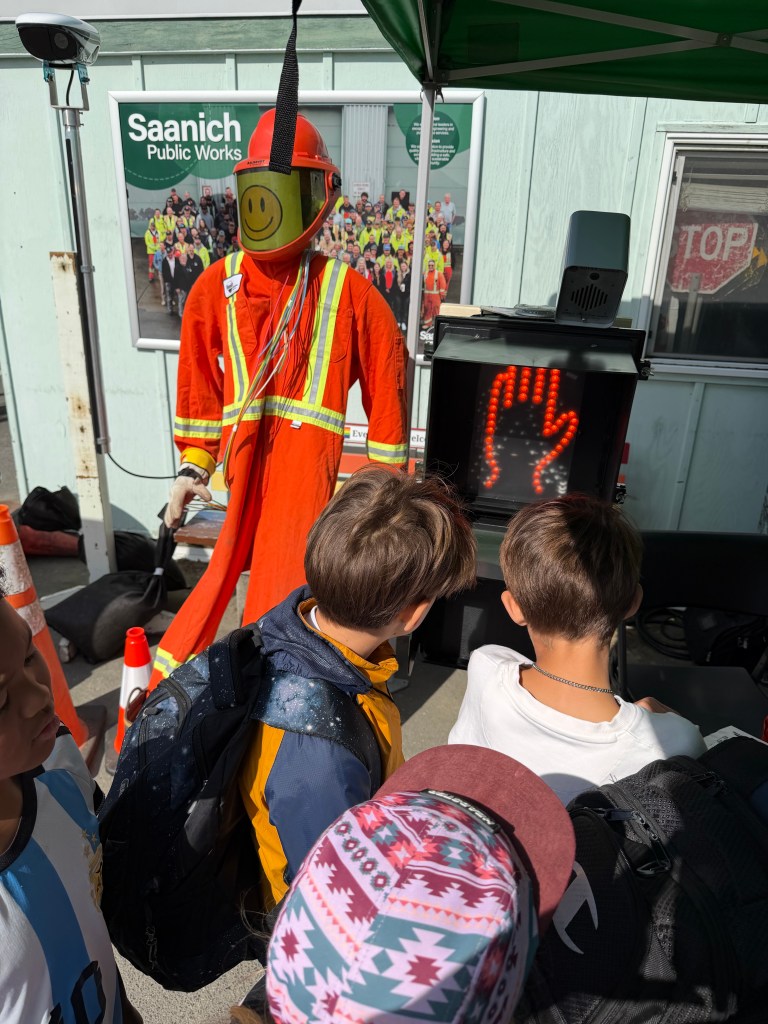
They also explored water systems, recycling, underground utilities, traffic systems, invasive and indigenous plant management, and the important role public works employees play in caring for our environment and community.
Students gained insight into workplace safety, technology used to locate underground services, and the many careers involved in maintaining roads, utilities, green spaces, and transportation systems.
This field trip helped students better understand how humans use science, technology, and cooperation to solve problems and build sustainable, connected communities.
In other news, our class continues to make strong progress in Math as students work through our units on probability and visualizing data.
In Language Arts and Bible class, students are thoughtfully developing their sermon-writing projects and learning how to communicate important ideas with clarity, structure, and purpose.
Tomorrow will be an especially exciting day, as our 4A class will help lead chapel by sharing our film production of “Jesus Heals the Paralyzed Man.”
Students will also showcase the creativity and meaning behind their personalized learning coats, which reflect their identities, interests, growth, and learning journeys throughout the year. We look forward to sharing a special blog post tomorrow featuring photos and videos from the presentation!
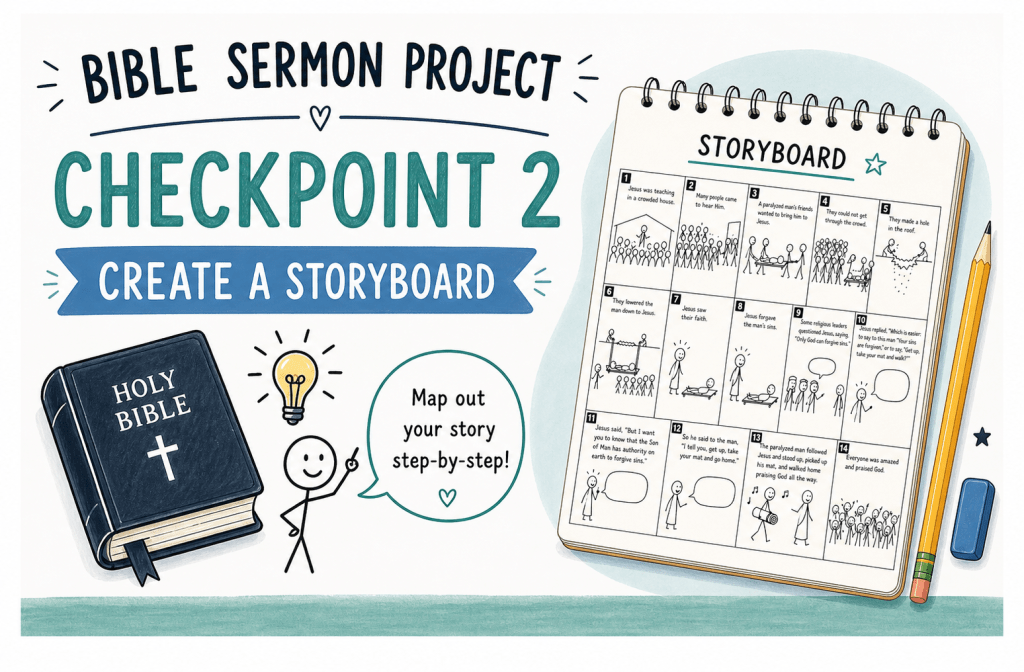
This blog post is to introduce our current phase of the sermon project Checkpoint 2: Create a Storyboard (due Thursday, May 7th)—we taught this skills in class on Monday.
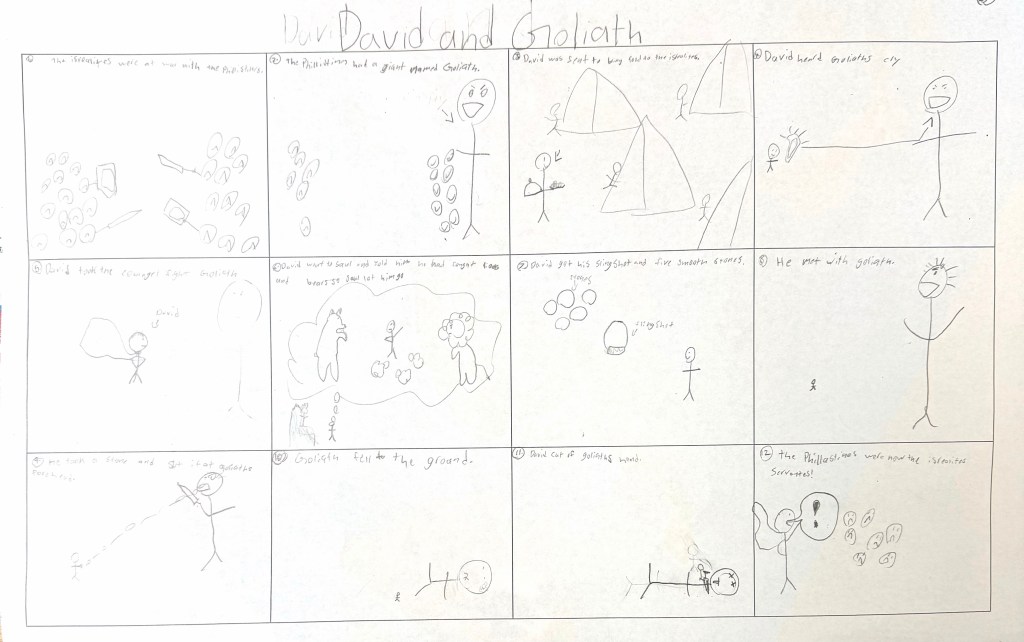
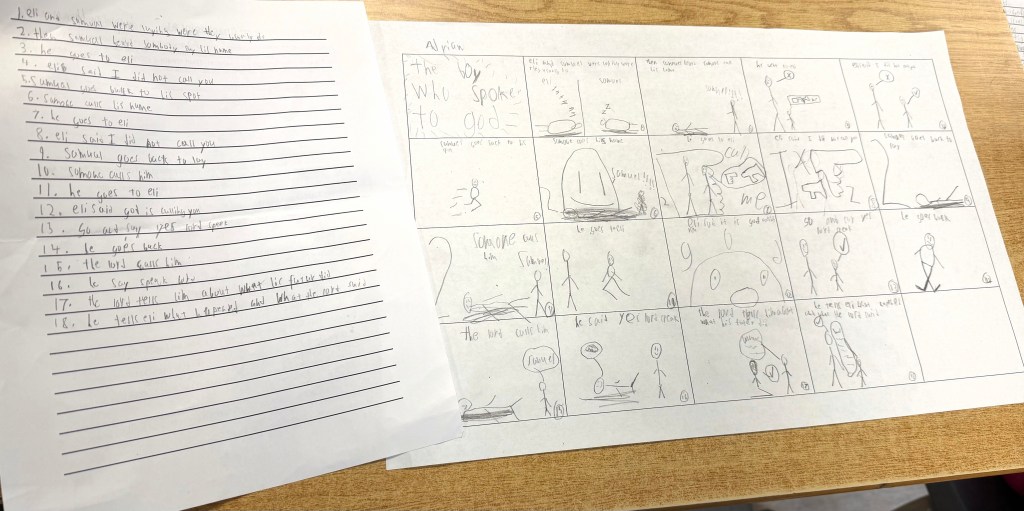
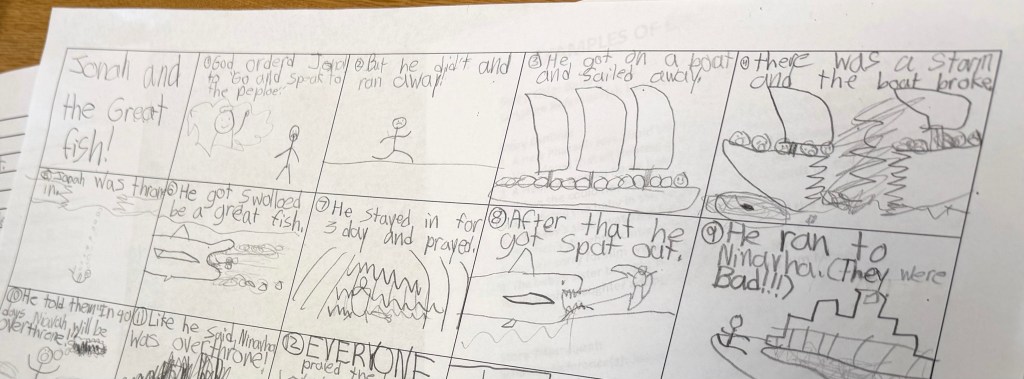
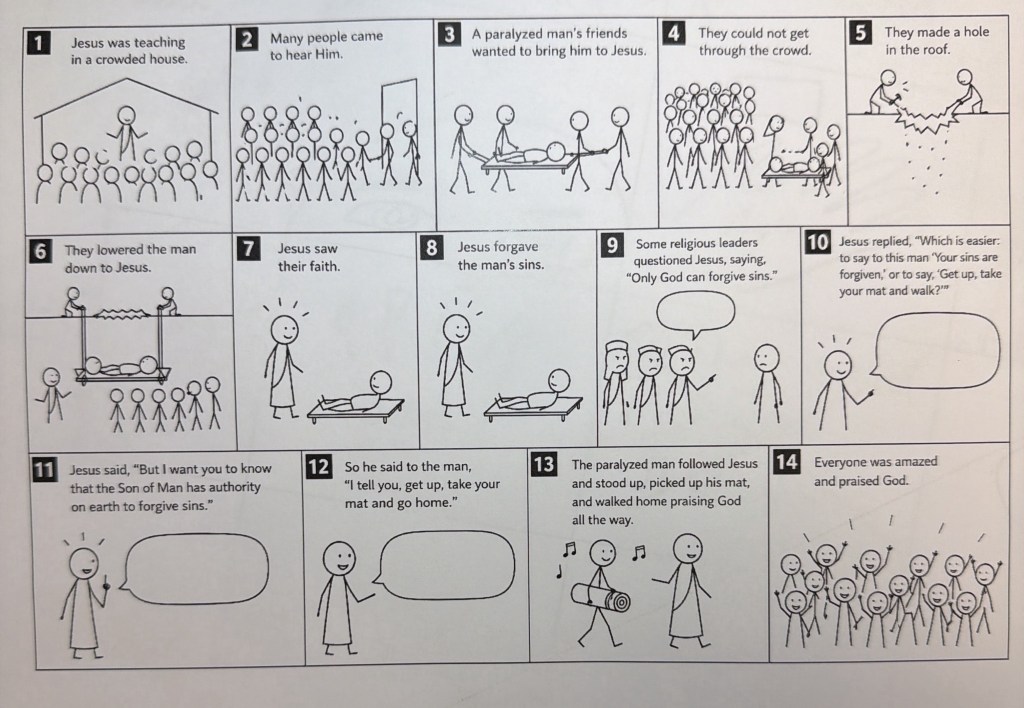
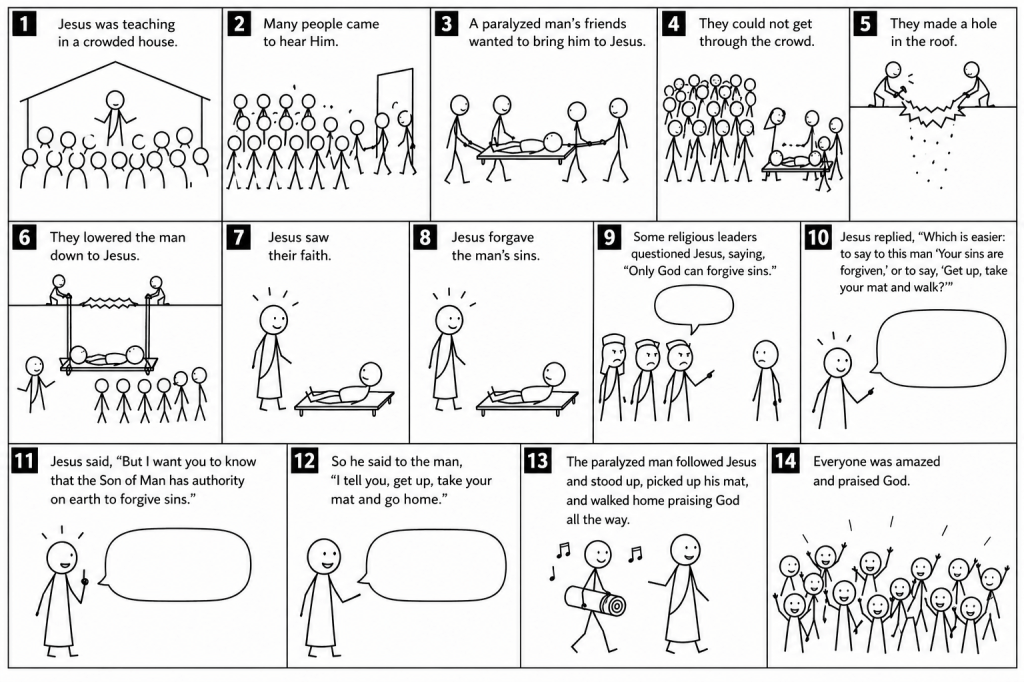
Students learned how to take the outline of a Bible story and turn each step into a simple illustration—using basic stick figures and images and/or symbols.
The goal is not to artistic detail, but rather to create a visual memory guide that helps students understand, organize, and remember their story.
This storyboard acts as a memorization tool, allowing students to “see” the sequence of events and anchor the story in their minds.
Looking Ahead…
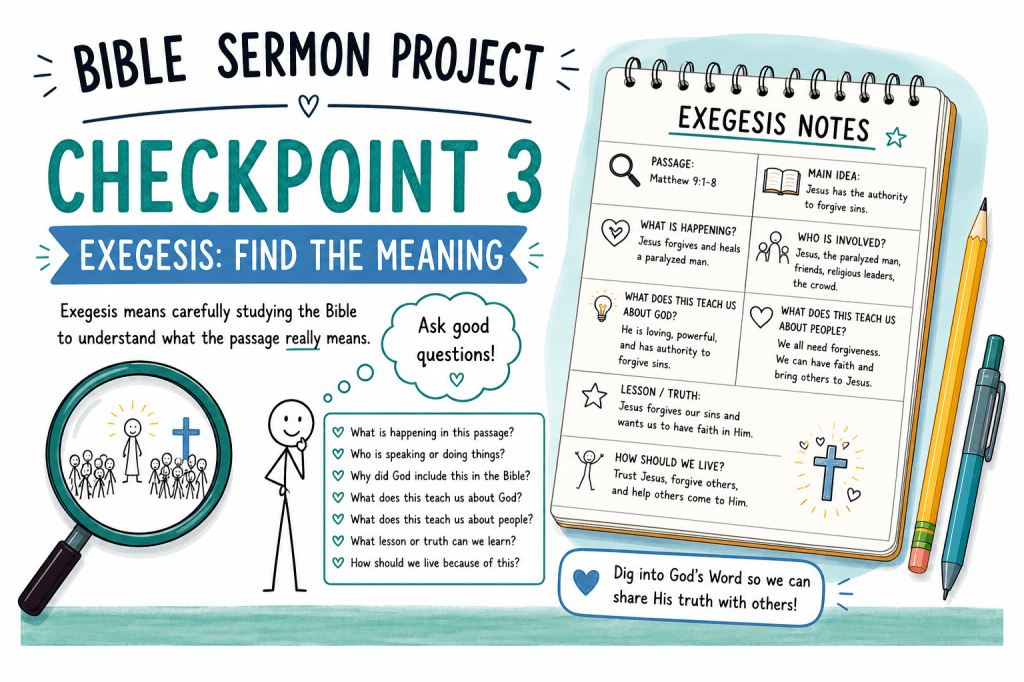
Our next step will be Checkpoint 3: Exegesis. We will work to have a draft of this done by Tuesday, May 12th.
Exegesisis the process of carefully studying and explaining the meaning of a Bible passage.
In this upcoming stage of the project, students move beyond simply retelling their Bible story and begin asking and seeking to answer deeper questions. They will identify the main lessons and truths in their story and explain them clearly in their sermon. They will write a detailed paragraph (or a few paragraphs) to teach others about the main lessons of the Bible story.
Students will be thinking about:
What are the big ideas in this story?
Why is this story in the Bible?
What is God teaching us through it?
How does this apply to our lives today?
We will spend 3 days in class working on this.
If you would like to support your child at home, you could begin having simple conversations about the Bible story—reading it together, praying for understanding and wisdom, and discussing what it might teach us.
Thank you for your continued support at home!
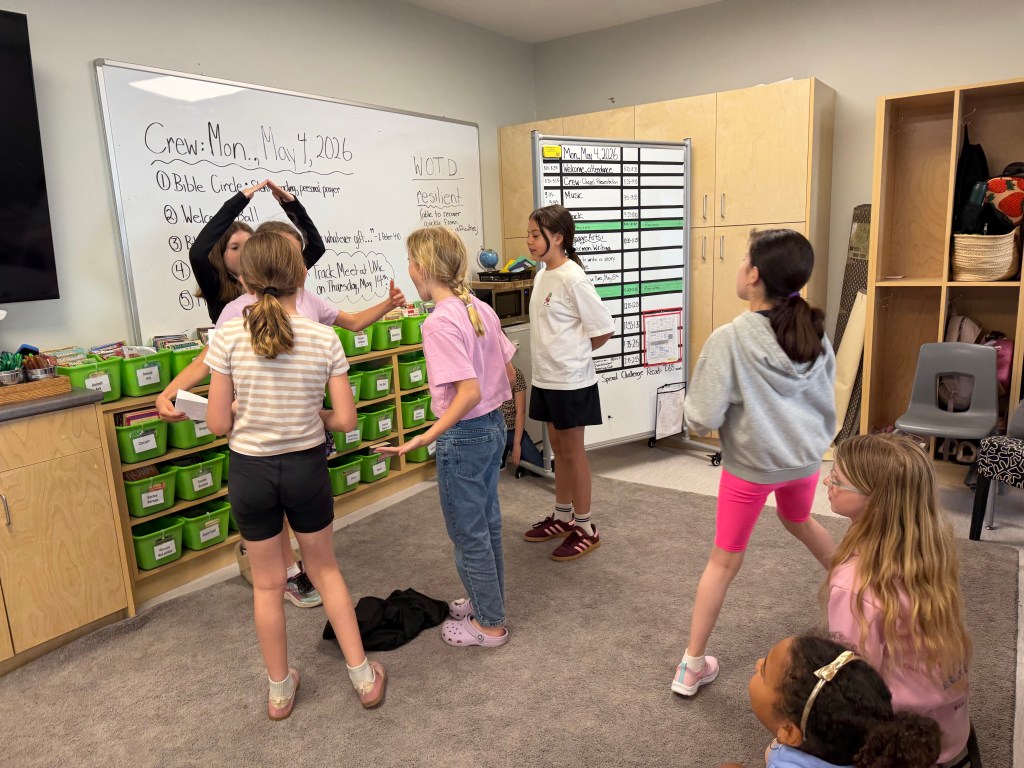
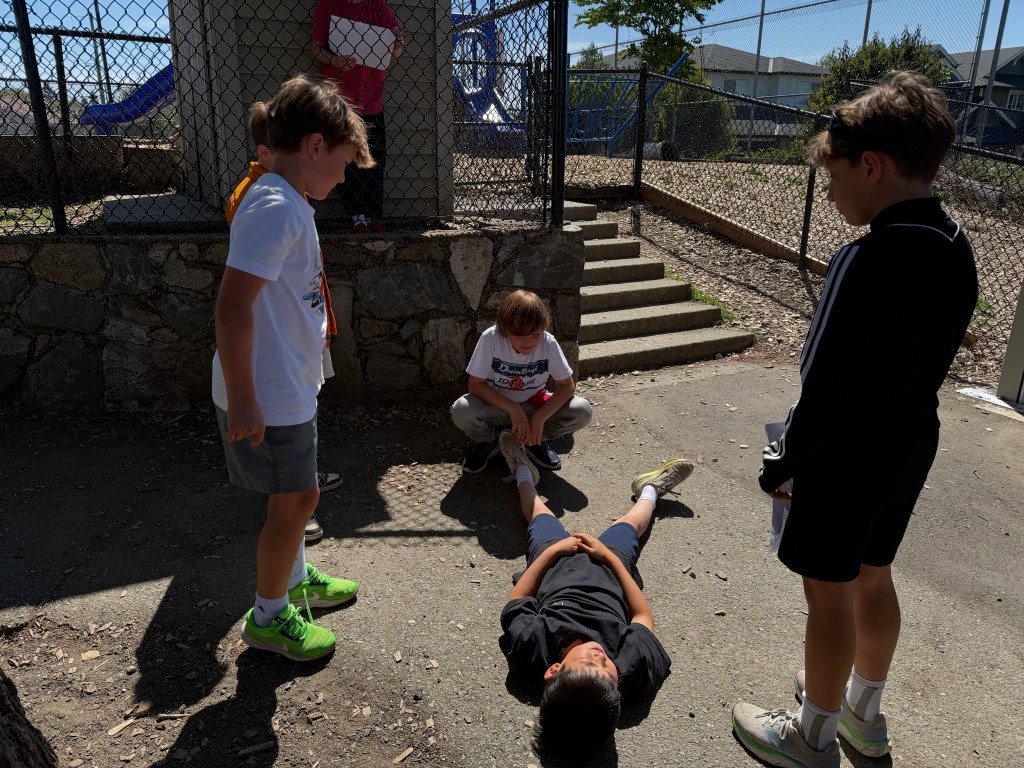
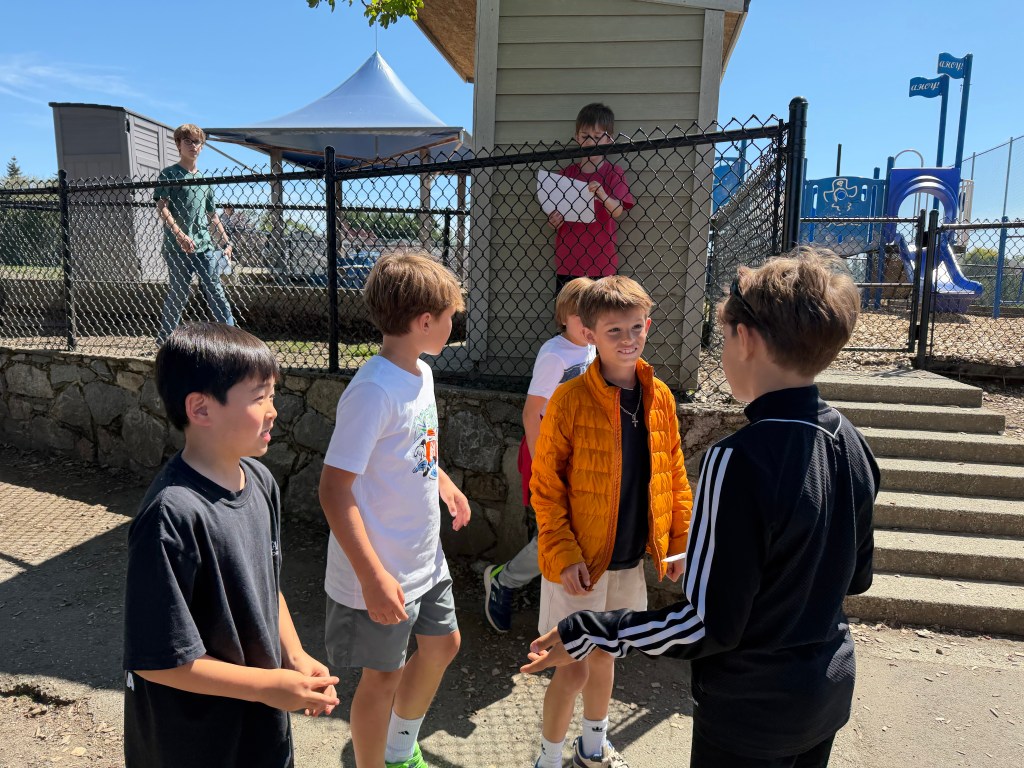
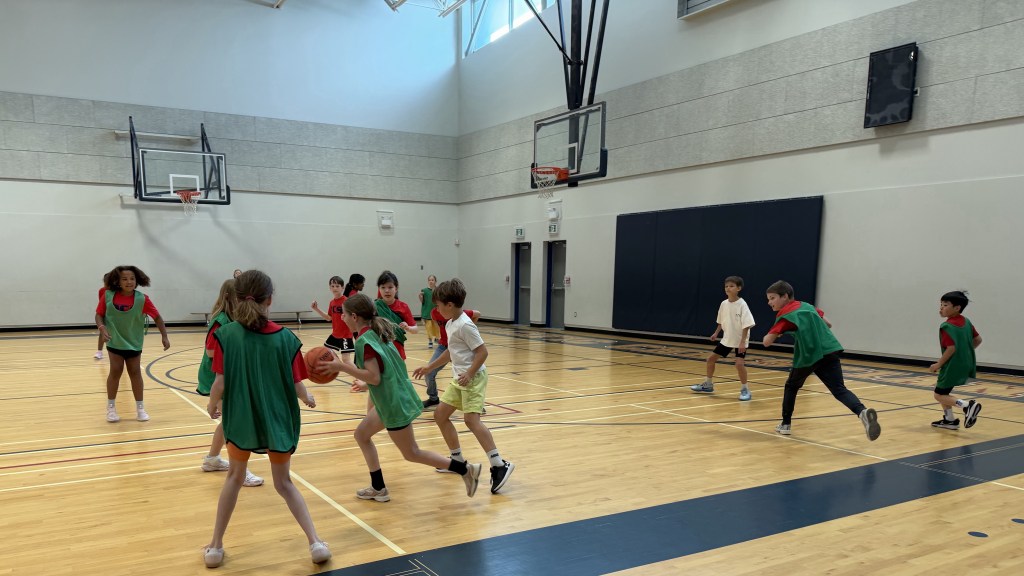
Here are some of the 4A students dramatizing the Bible story of Jesus healing the paralyzed man.An exciting basketball game today!
IMPORTANT NOTES:
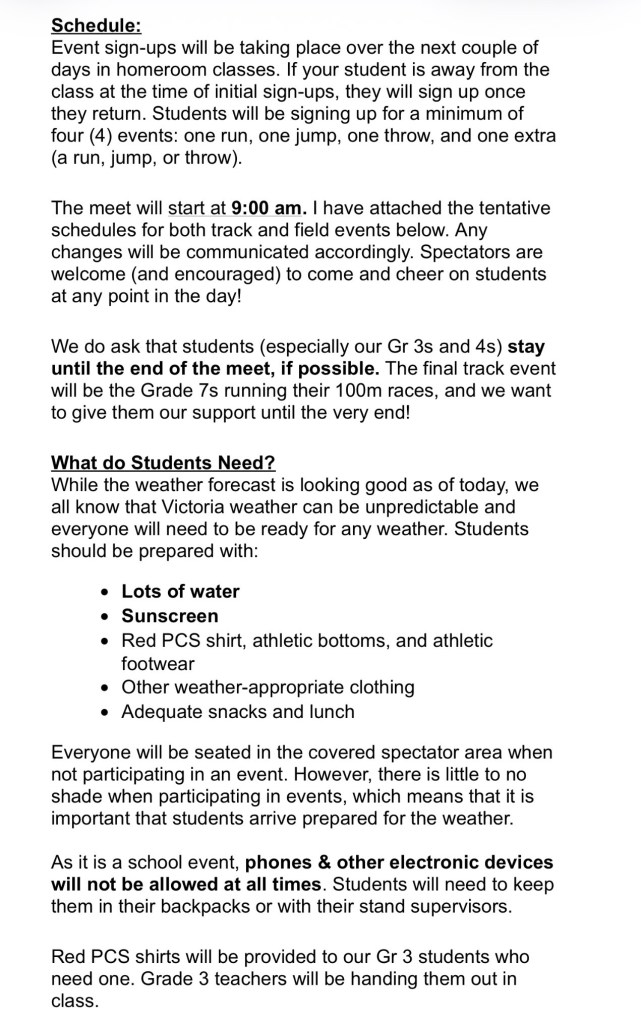
Please note we have the Grade 3–5 track meet at on Thursday, May 14th.
More information was shared by email from athletic director, Mr. Brett Low. Students will have an opportunity tomorrow in class to sign up for their preferred events, and we will spend time going over the different events and expectations together.
Please also note that the following day, Friday, May 15th, is a Pro-D Day, meaning there will be no school for students.
NOTE: Please contact Mr. Low at brett.low@pacificchristian.ca if your child has lost his/her red PCS gym shirt to arrange a replacement—this shirt is needed for the track meet.
As I shared in a previous post, your children have begun a meaningful journey of writing and sharing a Bible-based sermon.
Students are asked to choose a Bible story and focus on two key elements:
Retelling the story accurately and clearly
Discussing the meaning and lessons of the story
Some students may choose to include personal connections or experiences, but that is not required at this stage. Our primary goal is that, with structured support over the next few weeks, each student is able to faithfully and engagingly communicate a Bible story and identify its key learnings.
To support learners, I am breaking this project into a series of checkpoints with due dates, so I can guide students closely and ensure everyone is on track at a healthy pace.
📍 Checkpoint #1 — Due Tuesday, May 5
Students have been asked to:
Choose a Bible story
Identify the Scripture reference(s)
Create a story outline
This week, we discussed how some Bible stories appear in multiple books of the Bible, and why it is important for students to return to Scripture and read it for themselves. They are also welcome and encouraged to explore other supports such as children’s Bible storybooks, conversations with parents, or input from pastors and trusted adults.
Students are encouraged to choose a story that is manageable in length. For example, rather than covering the entire life of Moses, it may be best to focus on a specific part of their story (such as the story of baby Moses).
What is a “story outline”?
A story outline is:
Not the full Bible text
Not a detailed retelling
Instead, it is a simple breakdown of the key events, in order—almost like a traffic incident report of what occurred.
Students should aim for:
8–12 key points (perhaps up to 20 for longer stories)
Clear, sequential steps that capture the main events
Keeping the outline simple will help them significantly in the next phase.
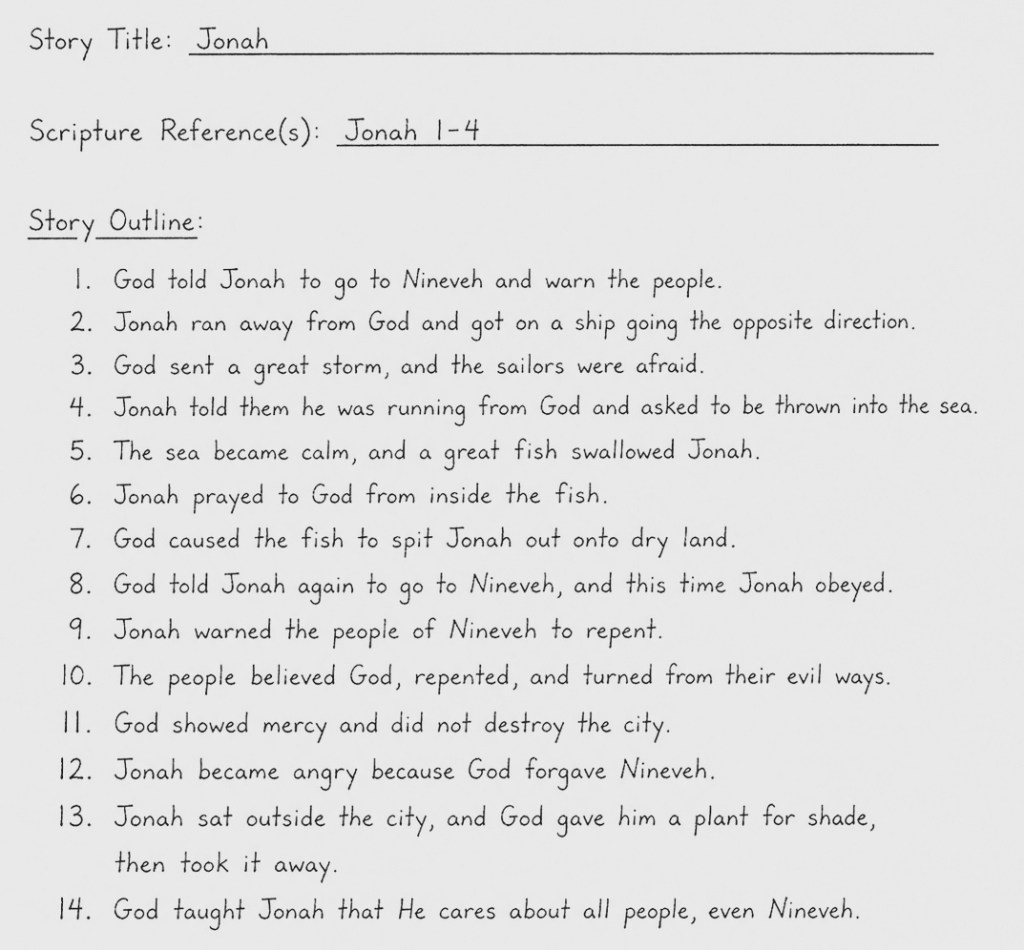
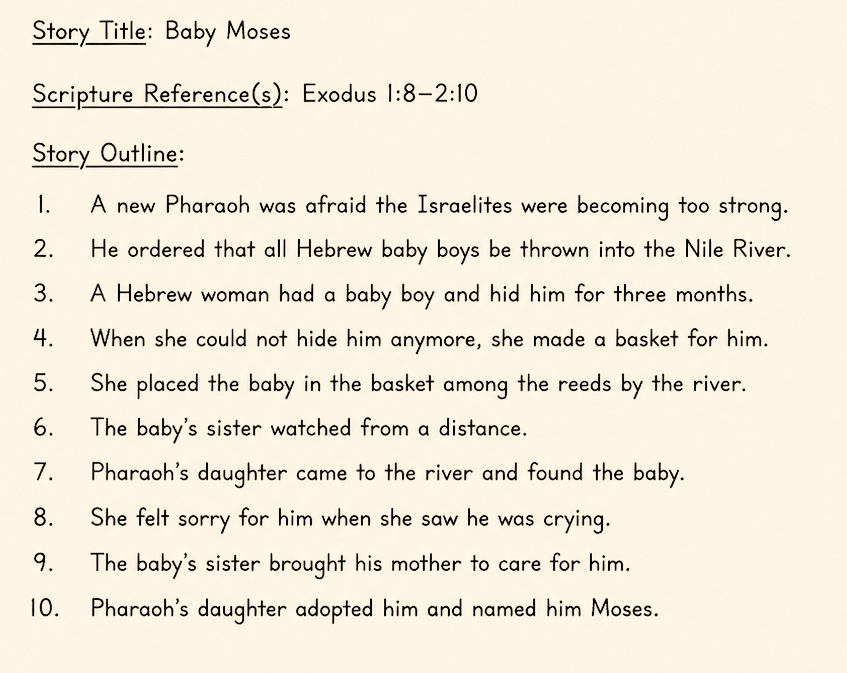
Here are two examples:
What comes next?
Once students have their story outlines, we will begin working on memorization techniques, including:
Creating simple stick figure drawings for each step (storyboard)
Acting out the story with exaggerated actions to build a kinesthetic connection
Speed retellings for automaticity
This approach to breaking down a Bible story was inspired by a Bible storytelling course I took called the Story the Bible Online Comprehensive Course (STBOCC). It had a profound impact on how I learn, remember, and communicate Scripture, and I’m excited to bring these strategies into our classroom.
A video of me telling the story of Jesus healing the paralyzed man
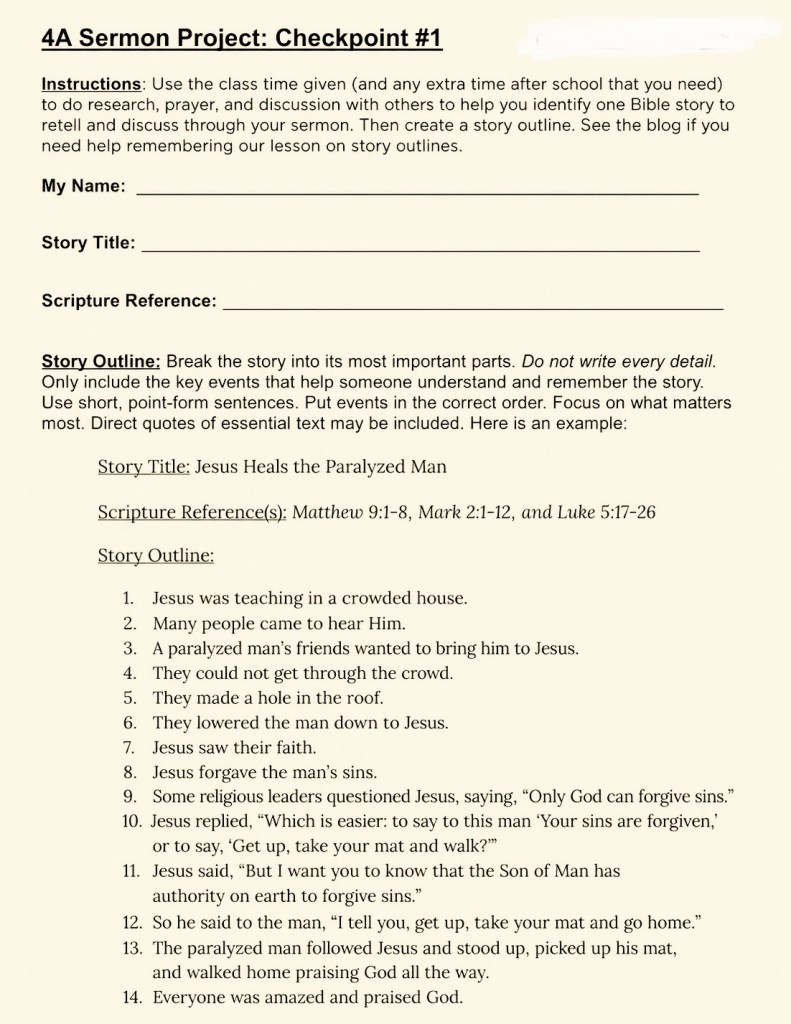
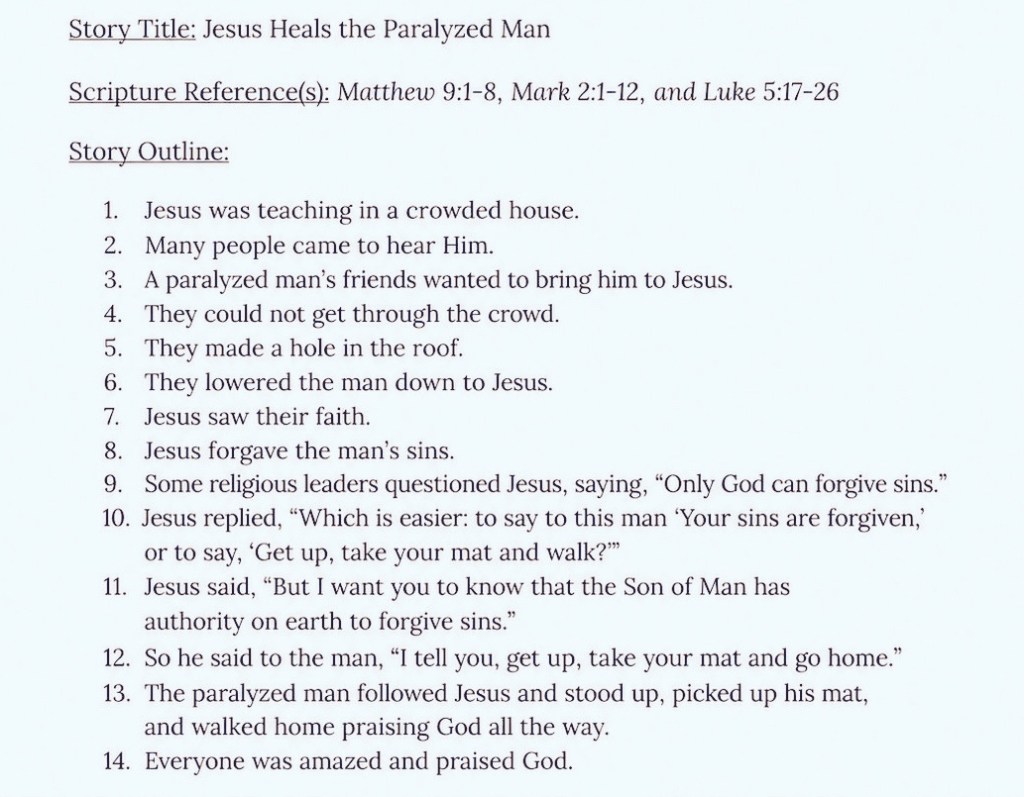
Followed by a story outline of the same passage, showing how it is simplified into key steps
Example of briefly retelling a Bible story…
Example of the Bible Story Outline…
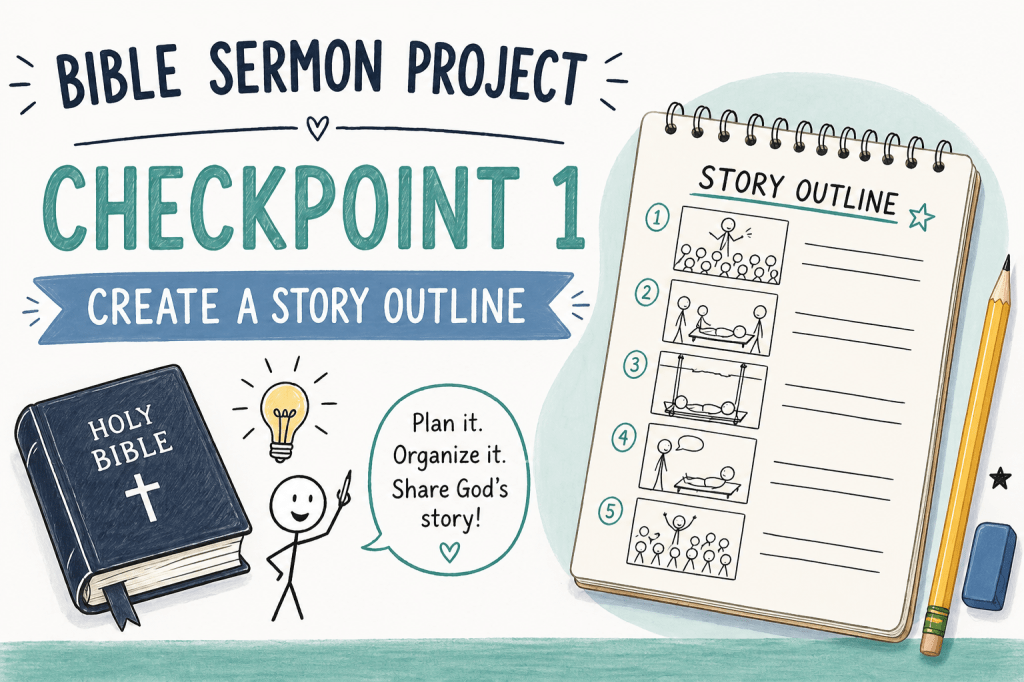
PREVIEW: Coming up next week, checkpoint #2 will teach students to make a simple stick figure storyboard for their Bible Story…
No need to start this storyboard yet—I need to teach the full lesson on this first. But I thought it could be helpful to see what the story outline will be used for next.
“Declare His glory among the nations, His marvellous deeds among all peoples.”
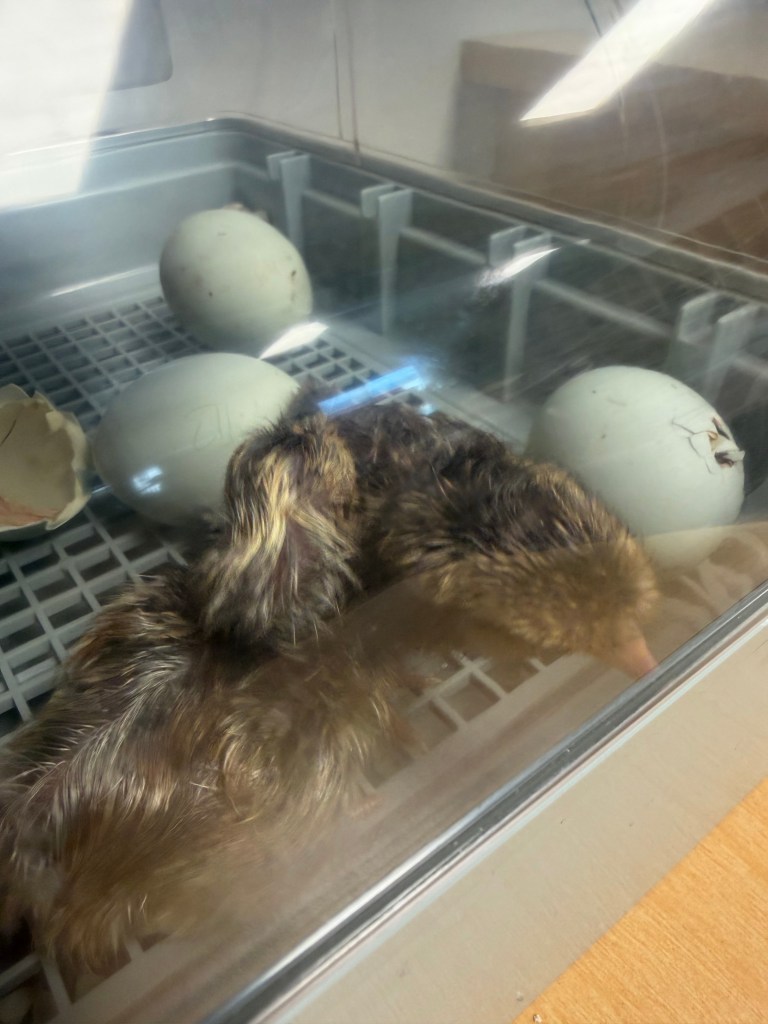
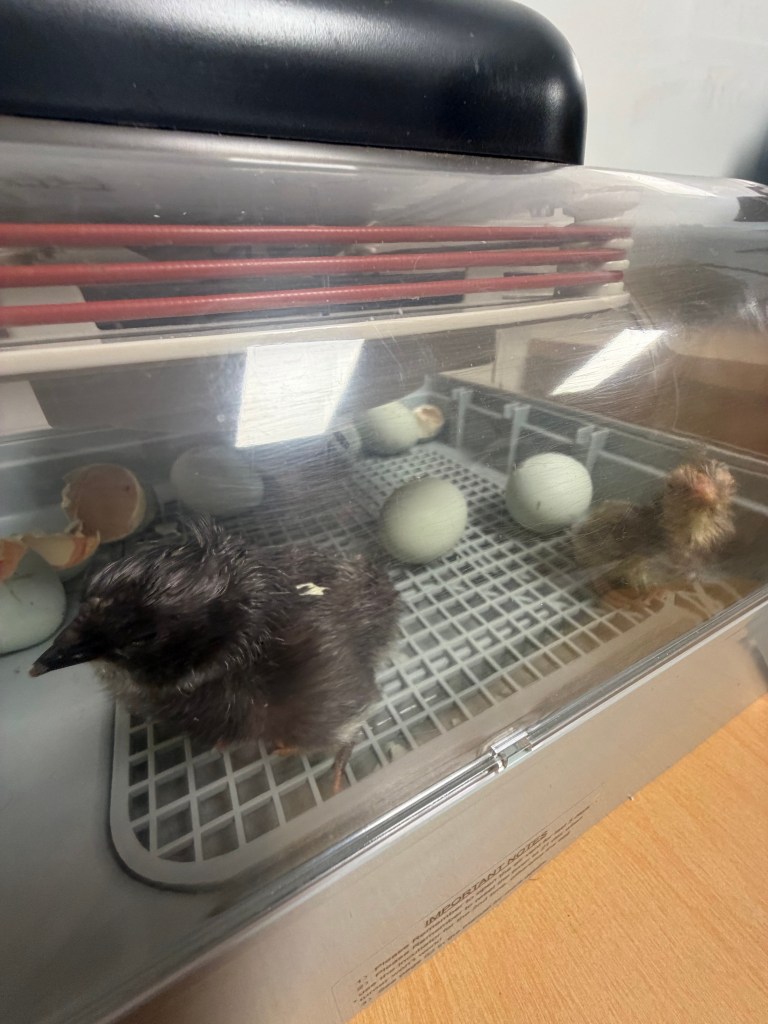
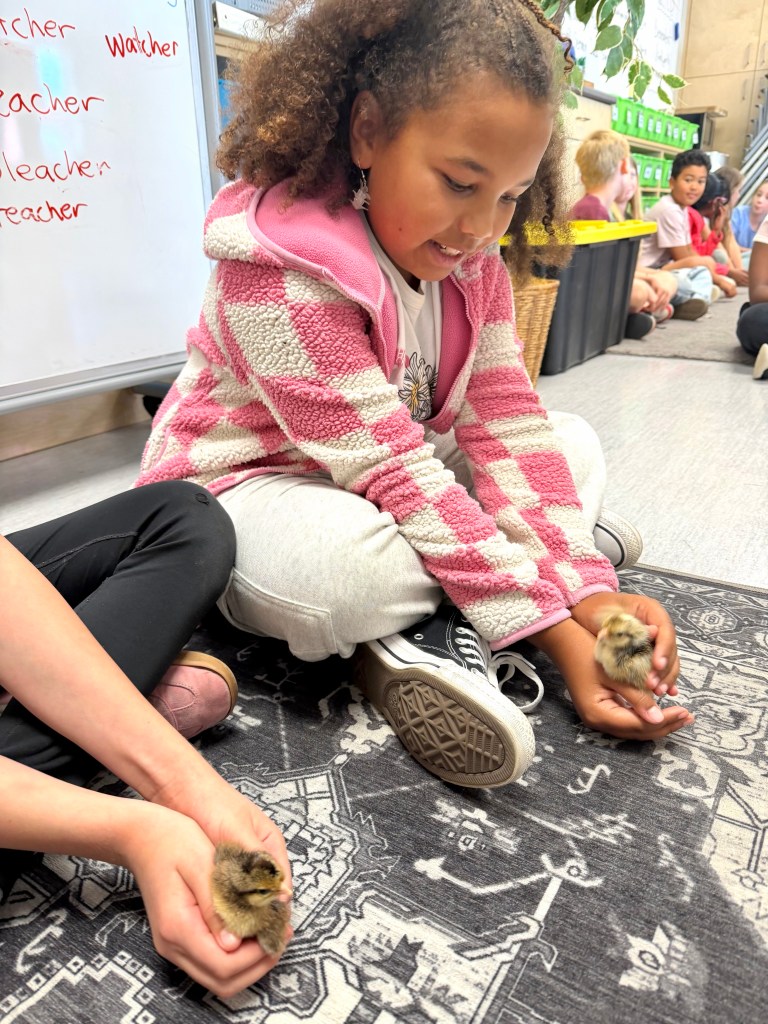
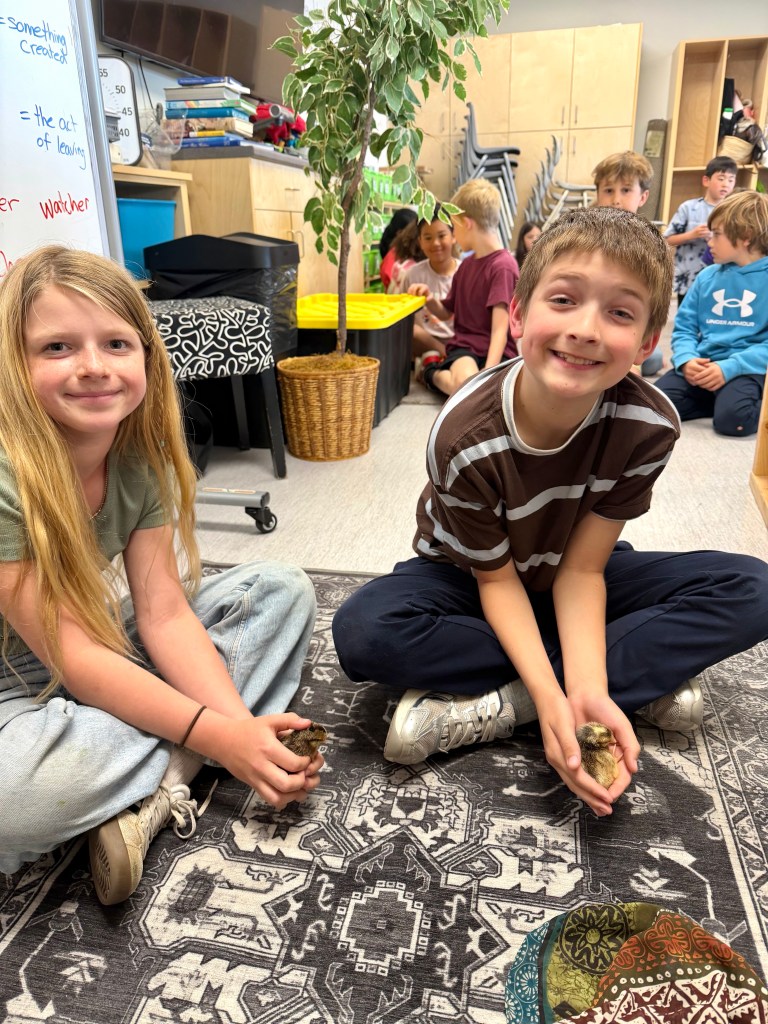
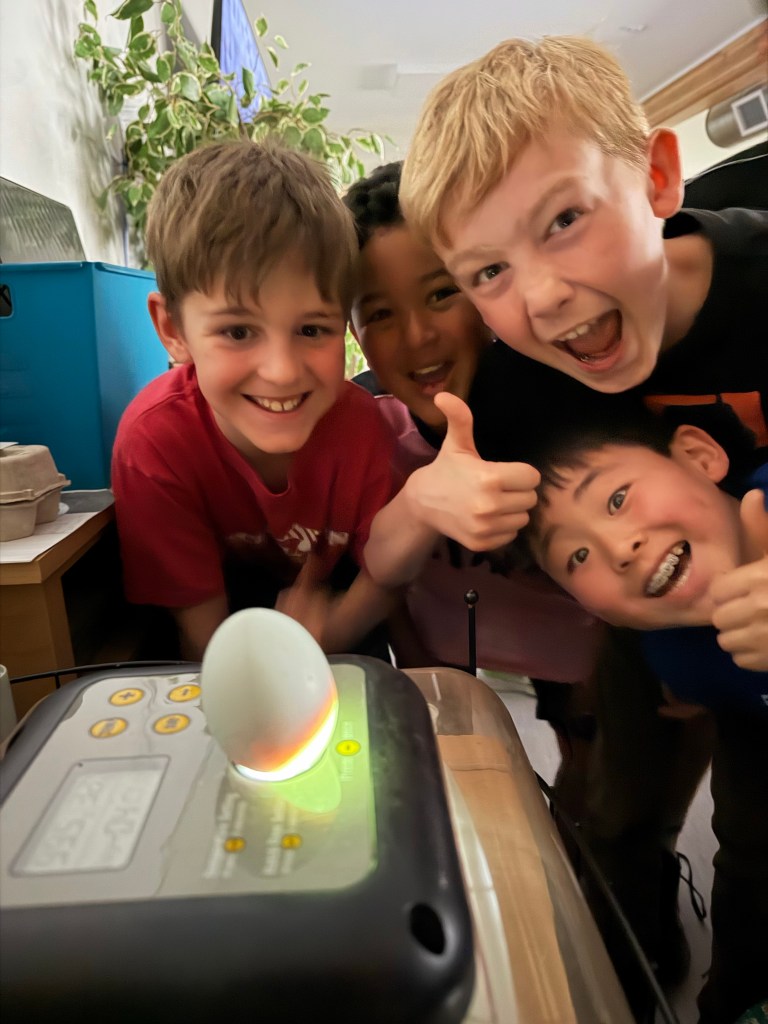
Praise be to God! Today our 4A classroom became a place of quiet wonder and celebration as new life began to emerge.
The first chick hatched about an hour before we even arrived at school, greeting th excited students. It was a tiny black one with a few white spots on her wing tips and chest (a cross between a Black Copper Maran and a Cream Legbar). If she is a hen, she will one day lay soft green eggs.
As the hours unfolded, three more chicks made their way into the world, each one a Cream Legbar. Those would be future layers of blue eggs.
But what made today so special was not just the hatching, it was how we experienced it.
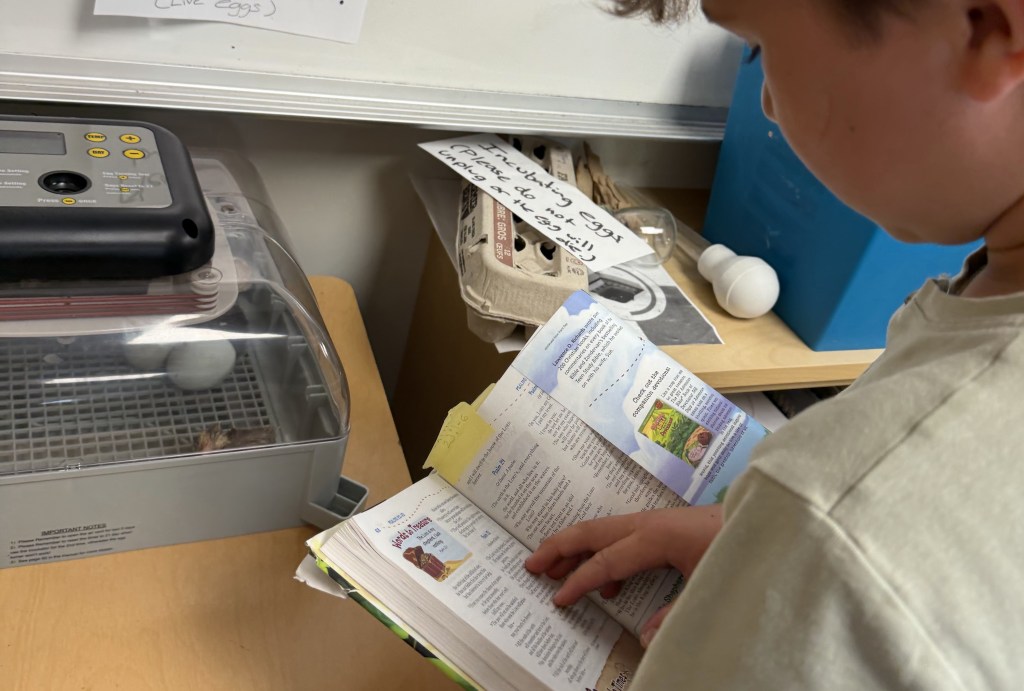
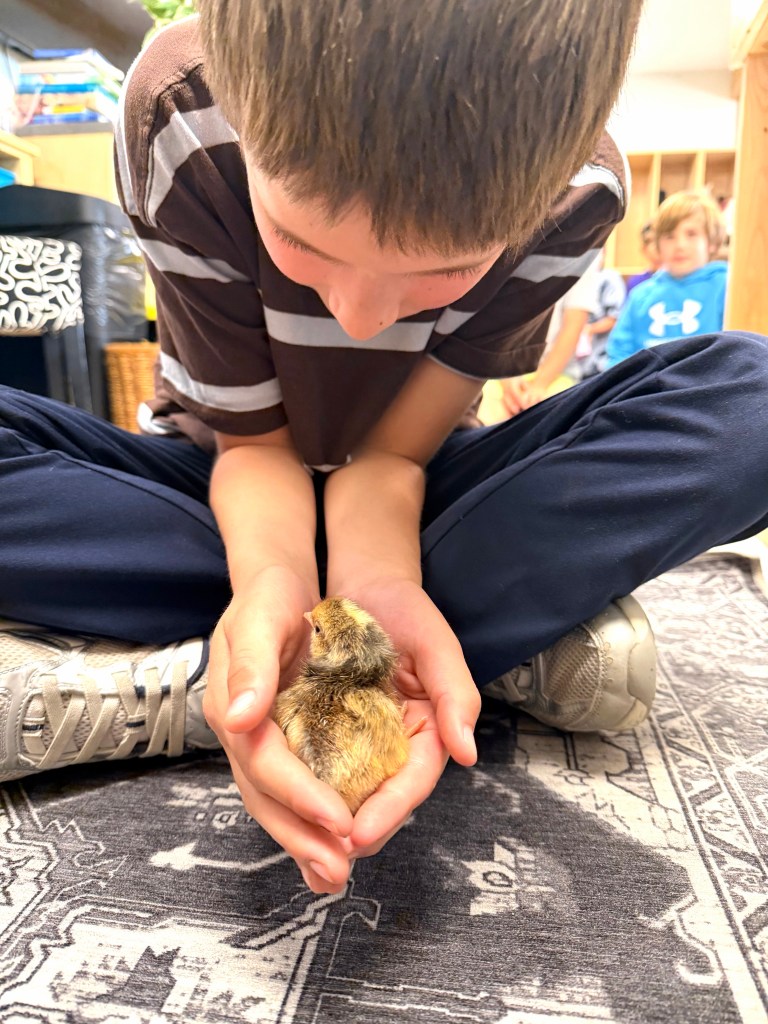
The kind-hearted students took turns drawing close with gentleness and reverence. They spoke soft, welcoming words to the chicks. They read aloud their favourite Bible verses. At times, the room filled with quiet singing—worship songs offered as these fragile lives broke into the world.
When I left this evening, four chicks were fully hatched, one was in the process of pipping, and two remained unknown. By morning, we may be greeted by as many as seven—but we are holding that possibility with open hands.
Today reminded us that life unfolds in its own time, and our role is to watch, to care, and to give thanks.
“Go into all the world and preach the gospel to all creation.” – Mark 16:15
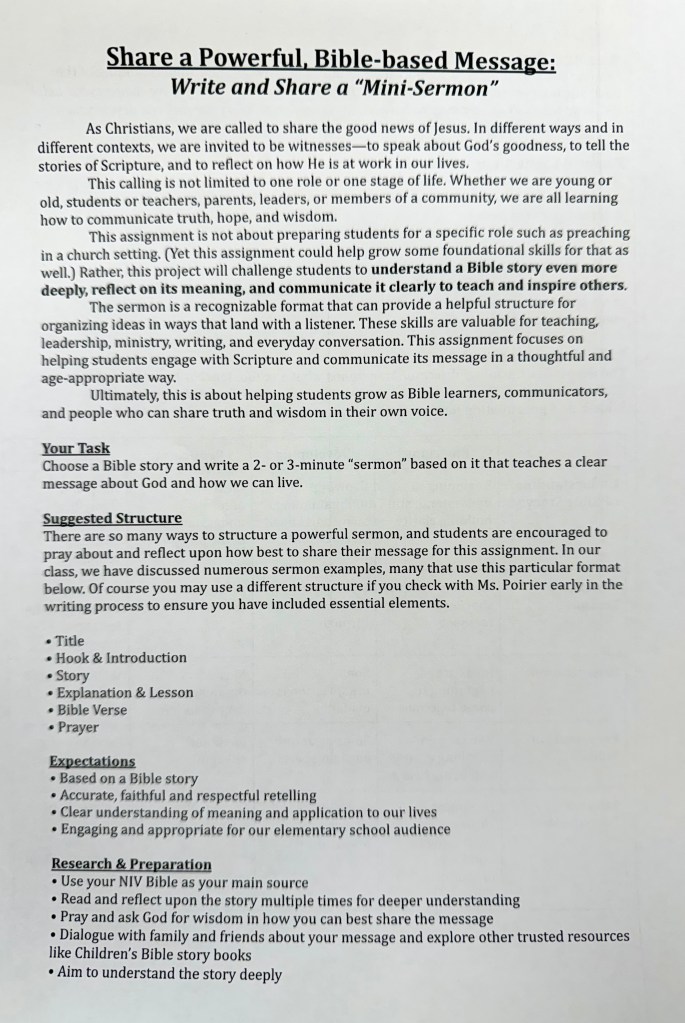
In the coming weeks, our class will be working on a special Bible project: each student will be supported in writing and sharing a short “mini-sermon” based on a Bible story of his/her choosing.
This assignment is about helping students grow in their understanding of Scripture and learn how to communicate a Bible-based message clearly and meaningfully.
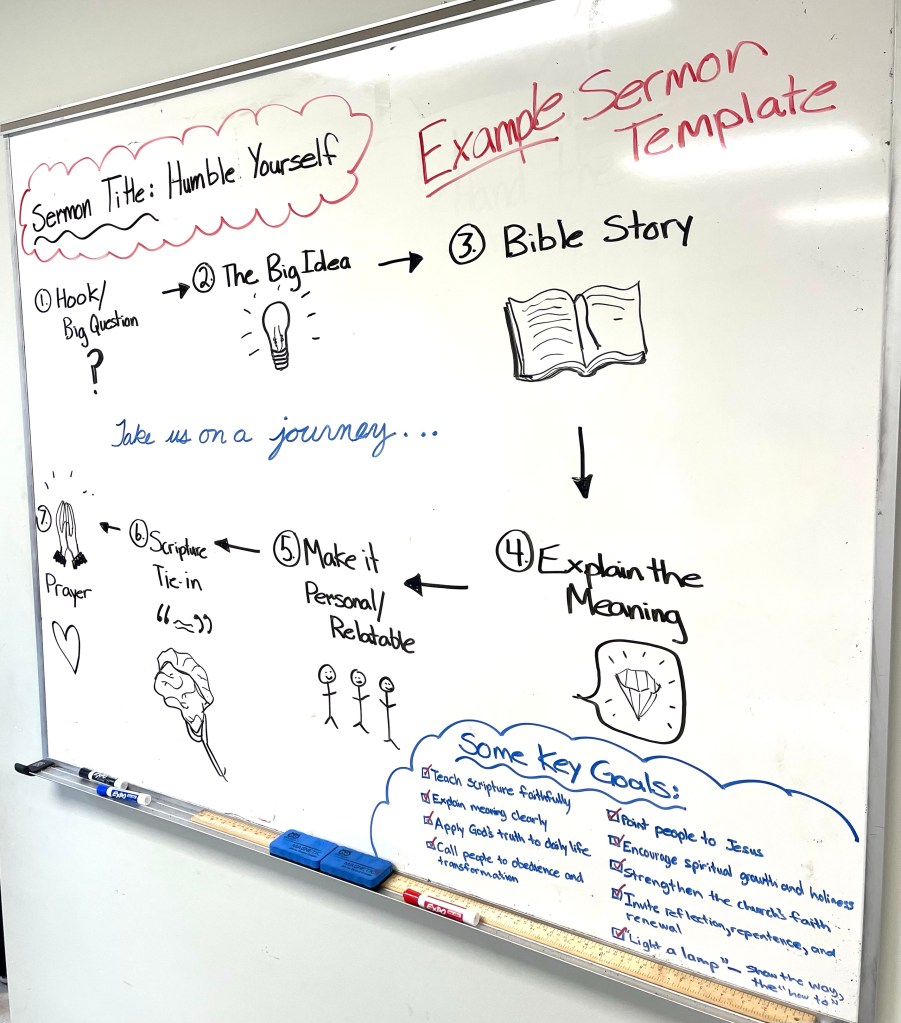
A “sermon” format we will focus on is a familiar and effective structure for organizing ideas—moving from introduction, to story, to meaning, to application.
Working through this project supports the development of important skills for faith development, writing, speaking, and thoughtful communication.
I want to acknowledge that families hold a range of perspectives on preaching and teaching roles within the church. This assignment is not intended to position students in a formal preaching role.
Rather, students will be sharing their learning in a classroom setting for their peers, practicing how to thoughtfully explain a Bible story and its message.
Sharing a Bible-based teaching and reflection using a sermon-style format will support clarity and structure. I will give students extensive step-by-step support in class as we work through this process together—brainstorming, researching, organizing ideas, and practicing presentation skills.
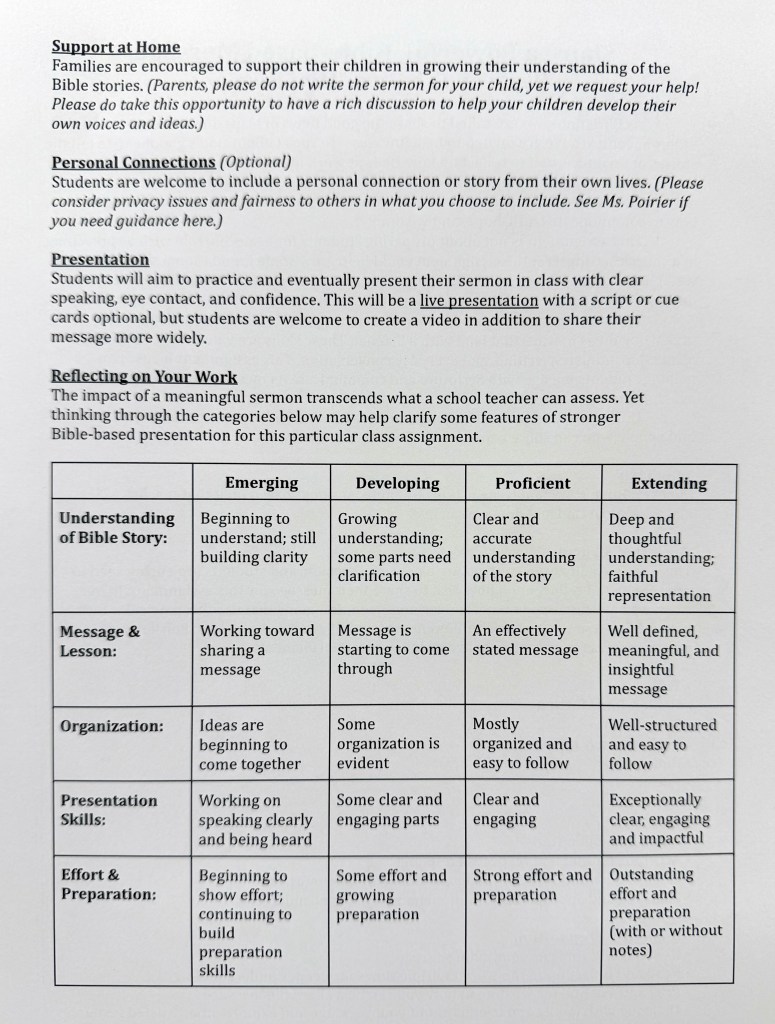
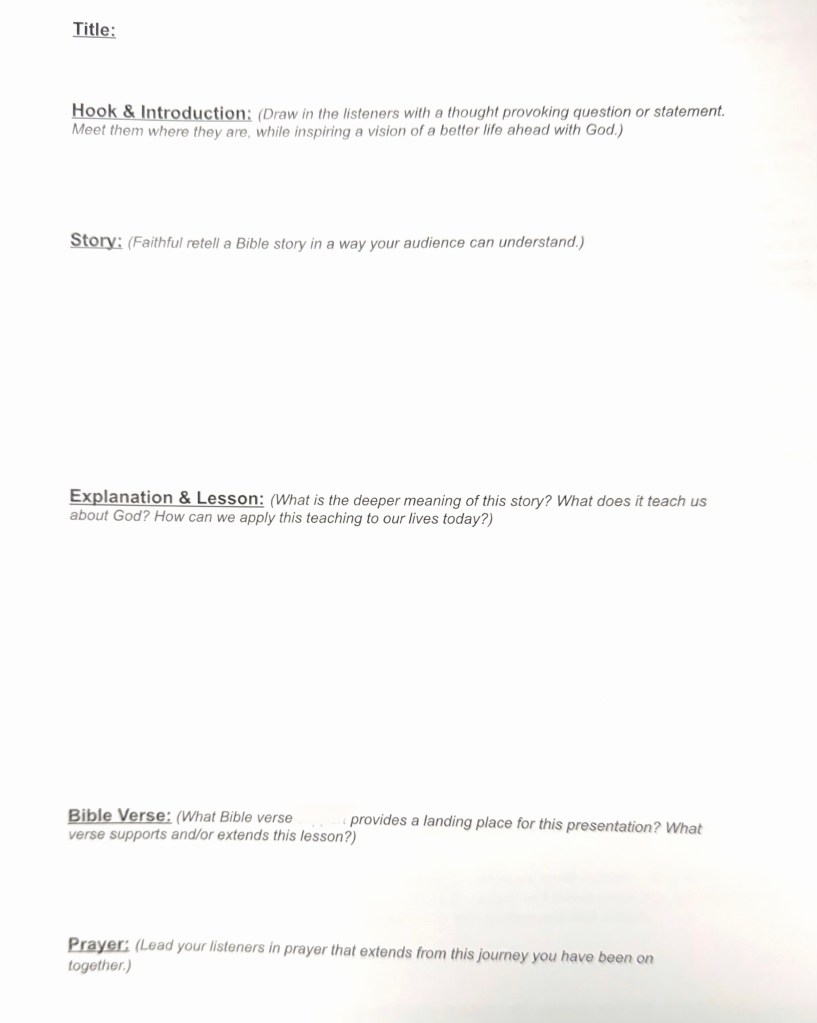
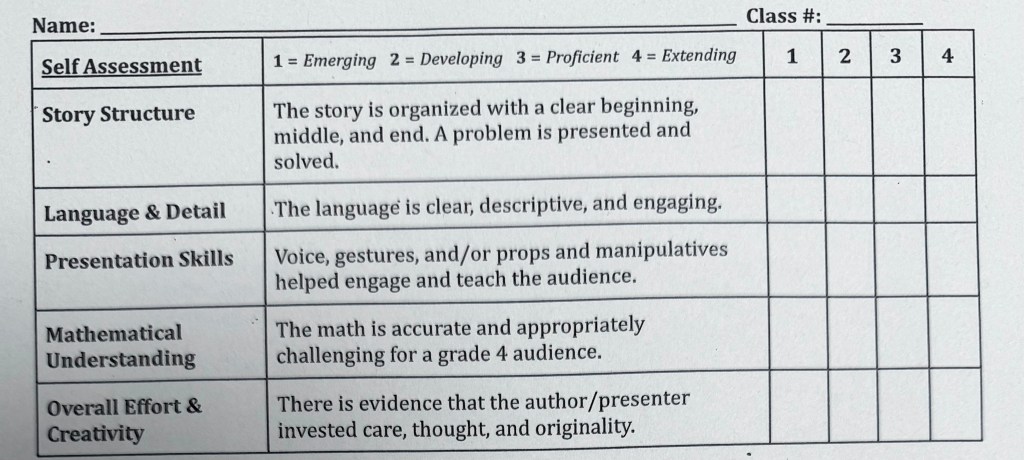
The images below show the project outline and assessment criteria that we will be using to guide our work.
That said, this learning experience becomes much richer when it is supported at home if that is your wish. I strongly encourage families to engage with your child by:
Helping them choose a Bible story
Talking together about what it means and why it matters
Asking questions that deepen their thinking
Supporting them in shaping a message they can confidently share in their own voice
Parents are their children’s first and most important teachers, and your involvement here will be incredibly valuable. Yet, if a child is ready to prepare a mini-sermon using our class format with total independence, that is great too.
Our goal is for each student to create a short presentation that reflects:
A growing understanding of Scripture
A clear and meaningful message
An authentic voice and thinking
This is a beautiful opportunity for students to learn God’s Word and practice how to share it with others in thoughtful and age-appropriate ways.
“Always be prepared to give an answer to everyone who asks you to give the reason for the hope that you have.” – 1 Peter 3:15
Feel free to take a look at the attached materials below for more details about the assignment and how it will be assessed.
Thank you for your continued partnership and support.
Assignment Overview
“Mini Sermon” Structure
There are endless ways to share the Word and craft a sermon.
As preparation for teaching this unit, I took this online course on “The Art of Teaching” (Link: https://www.artofteaching.co) and was inspired by the diverse ways powerful speakers prepare and structure their Bible-based messages. This course and all of the great pastors I have learned from have helped me to refine how I share Bible lessons in our 4A class and when I teach in the children’s ministry at my church; yet I acknowledge that I am just a co-learner in this journey of sermon-writing. I will keep pointing to those who have done deeper work in creating powerful Bible teaching presentations.
For simplicity sake, as a first step for our grade 4 project, I am asking students to follow the format below. Yet students are welcome to consult with me if they wish to shake things up. My answer will be: “Yes—AND let’s work together to make sure you still have the core elements that will help your grade 4 listeners and that you are still demonstrating the skills you have been taught in class.”
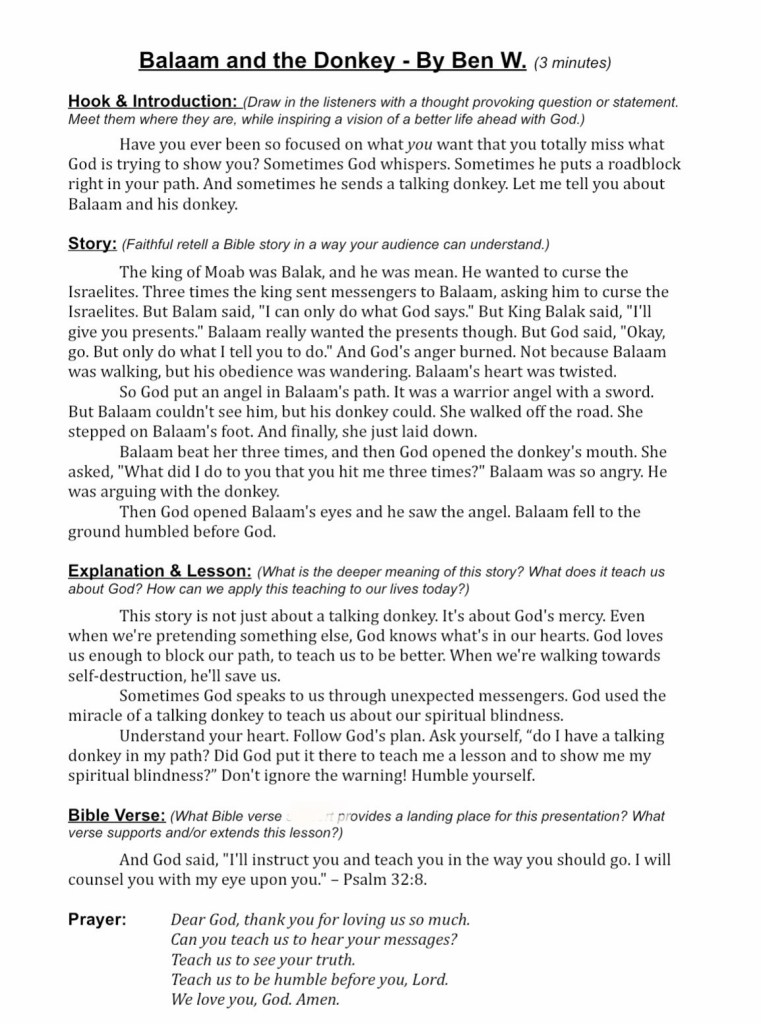
“Mini Sermon” Examples
The video below shows an example of what a 3-minute “mini-sermon” could sound like…
Here is a transcript:
Q. & A.
Q: How long does it need to be? About 2–3 minutes. We are not strictly timing, but if it goes much longer, the audience may start to lose focus. If a student has done excellent work and runs a bit longer while also speaking in an engaging way, we can certainly be flexible—but the goal is a short, clear, well-crafted message.
Q: Should it be memorized to get full marks? No. However, the kind of practice and preparation it takes to memorize something will often help students feel more confident, more present, and more engaging—and ultimately more effective as a teacher for their audience.
Students will work toward writing a good copy of a sermon script, which they may read from. They will be encouraged, if possible, to turn that into shorter notes on a cue card to support a more natural, dynamic presentation.
Q: Can we use ChatGPT or other AI tools? Students ask me this in class, and my answer is this: it is fair for you to have available to you the same kinds of resources that many great Bible teachers and pastors use with good judgment.
First and foremost, the Bible is your source.
Pray for guidance and wisdom in understanding your chosen Bible story, and then get to work listening to God and studying.
I do encourage students to listen to and read strong examples of sermons on their chosen Bible story and topic. They can build their understanding from those sources, but ultimately should work toward sharing an inspired message in an authentic voice. When borrowing ideas, give credit where it is due.
Many people today are able to intelligently and fairly use AI and online tools to help with research, organizing ideas, and proofreading—and that may be appropriate here with a parent’s guidance. I encourage students and families to think and pray about what will most help the student deeply understand the story, organize their thinking, and present a meaningful message.
This is a great opportunity to learn about authentic voice, good judgment, copyright, etc.
What would you rather listen to—someone reading something by generated by a robot five minutes ago, or someone sharing an inspired and well-researched message they have spent time thinking about, discussing, and praying over?
What do you hear God calling you to share?
In short, let’s keep it real, but use the tools you need that help you both learn and grow while sharing a Bible-based message with your own voice.
“If anyone speaks, they should do so as one who speaks the very words of God…” – 1 Peter 4:11
Q: Will this be marked for the report card? This sermon project gives students opportunities to develop skills connected to our Bible course, Language Arts, and Performing Arts, and aspects of this work will be assessed accordingly.
At the same time, the larger goal is for our kids to meaningfully engage with the Bible and learn how to communicate its message in a clear, authentic, and impactful way to share the Good News.
So yes, as part of classroom learning, there will be assessment and communication about student progress. However, I’ve also been very clear with students that the ultimate measure of a sermon is not something I can fully capture on a rubric.
The deeper question is: Was it faithful to God’s Word, and did it move hearts toward truth and action?
I love how this sermon project, which I’ve had the joy to work through with students in a previous school, invites deep learning and the invitation to transformation.
It consistently sparks rich conversations and meaningful questions that lead us back to Scripture and deeper reflection.
Thank you for joining us in praying that we would grow in using our gifts to share the good news of God’s love—His sacrifice and resurrection, the redemption He offers us, and His invitation to live and serve in His Kingdom.
Please feel free to reach out if you have any further questions.
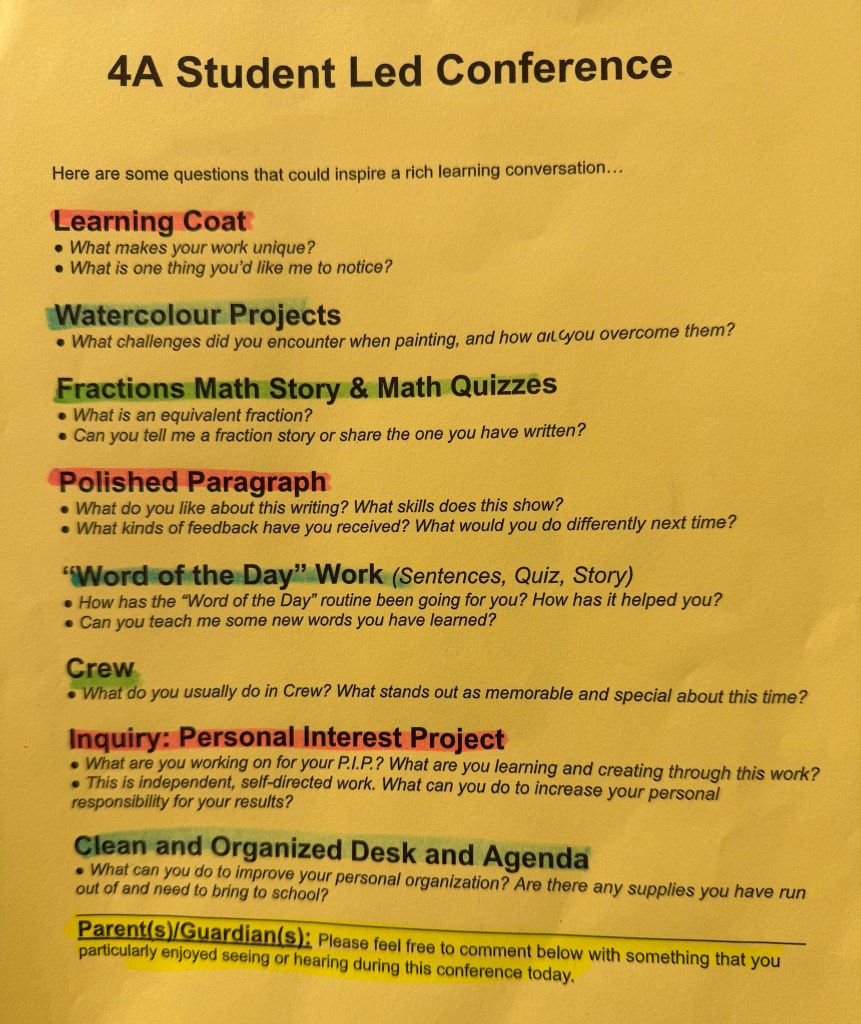
It was wonderful to see so many of you awesome folks at the Student Led Conferences! Here is the menu of discussion items from that night:
In Science…
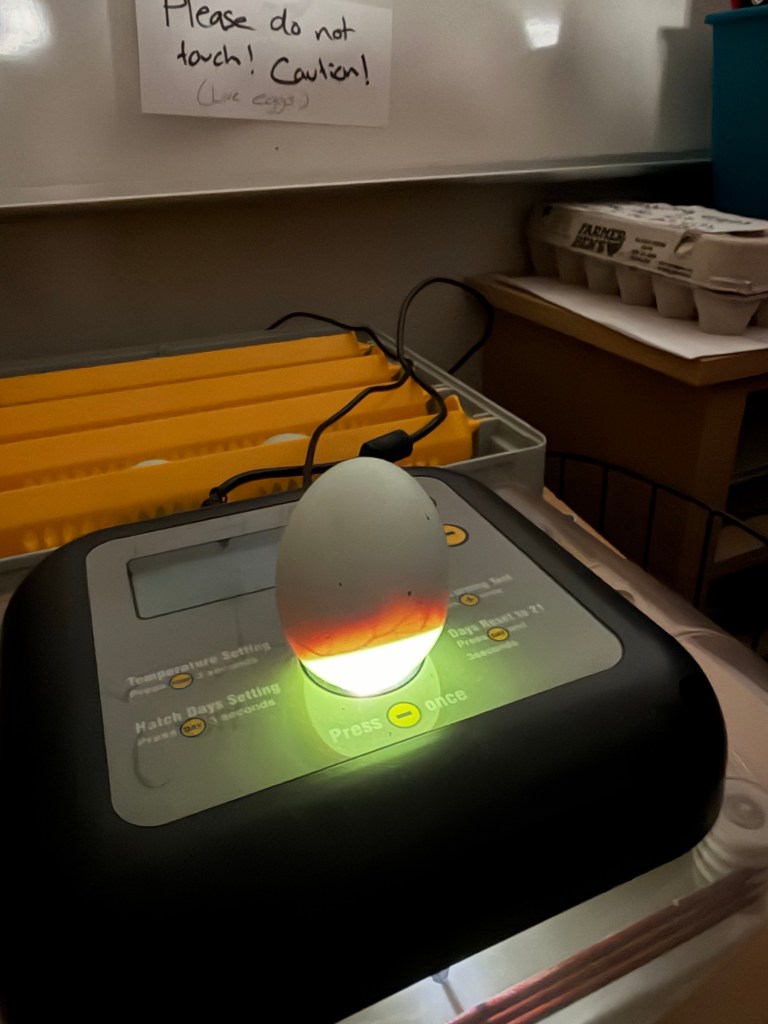
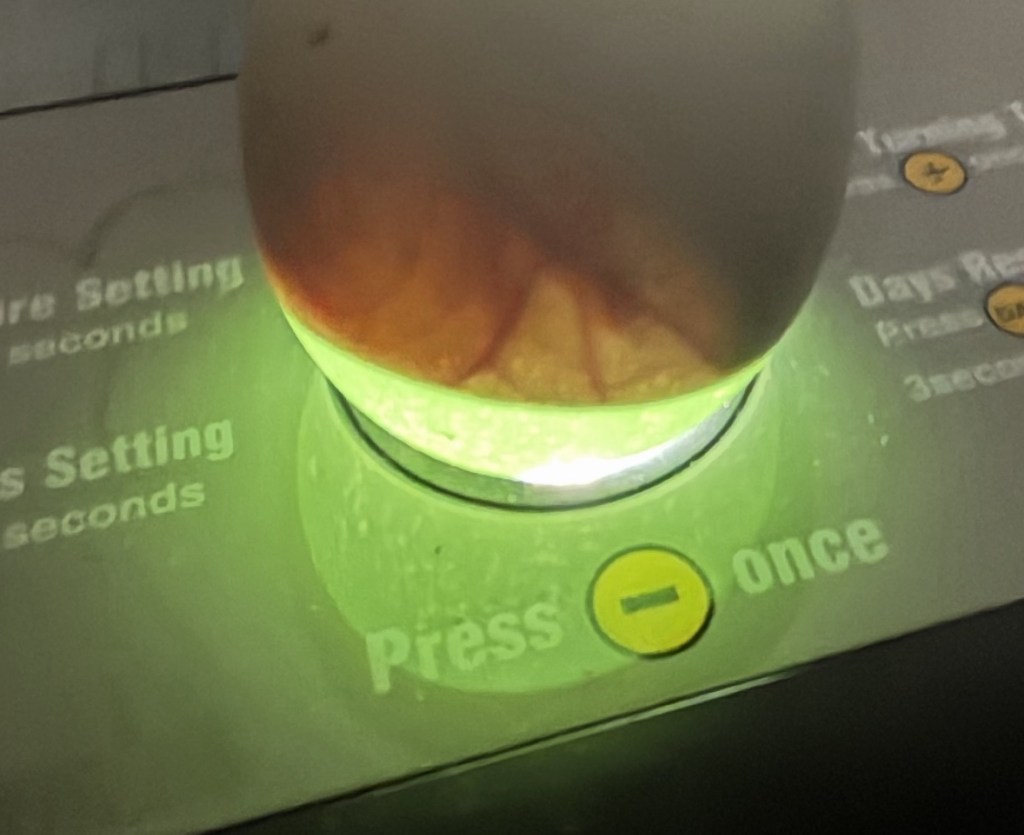
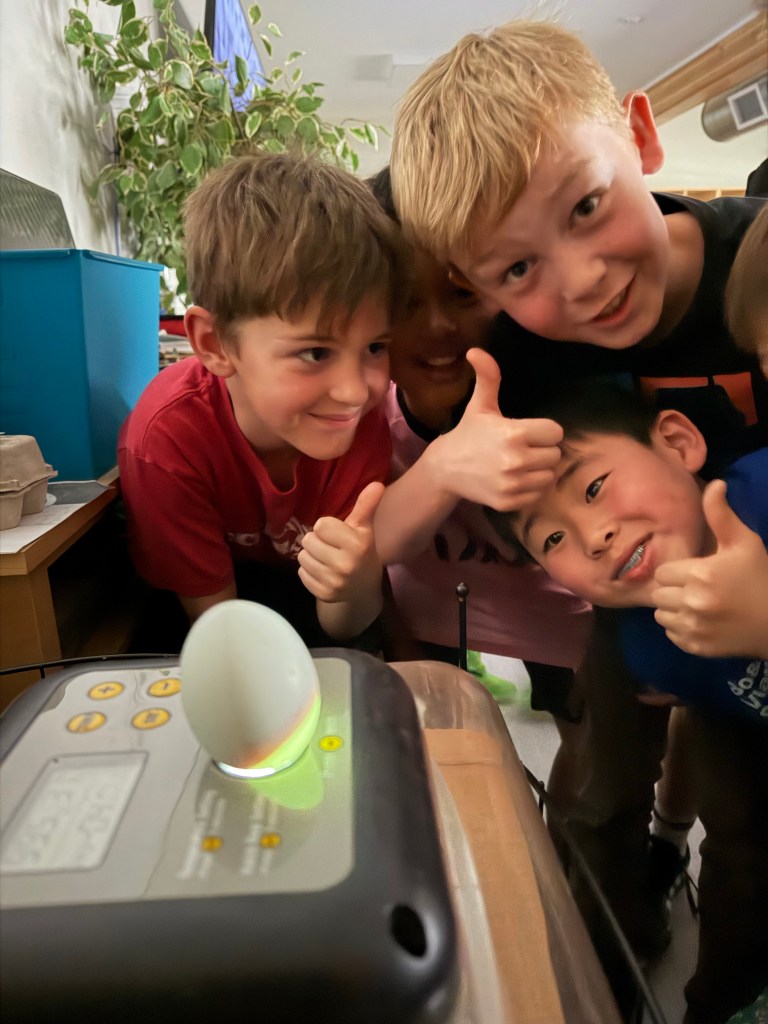
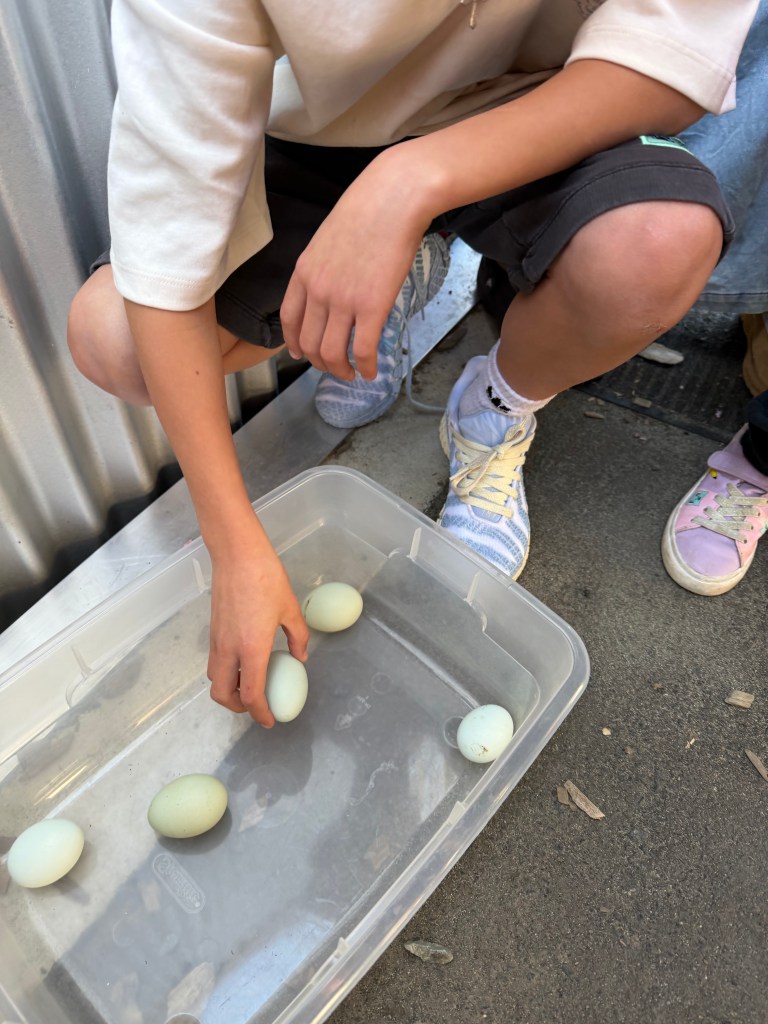
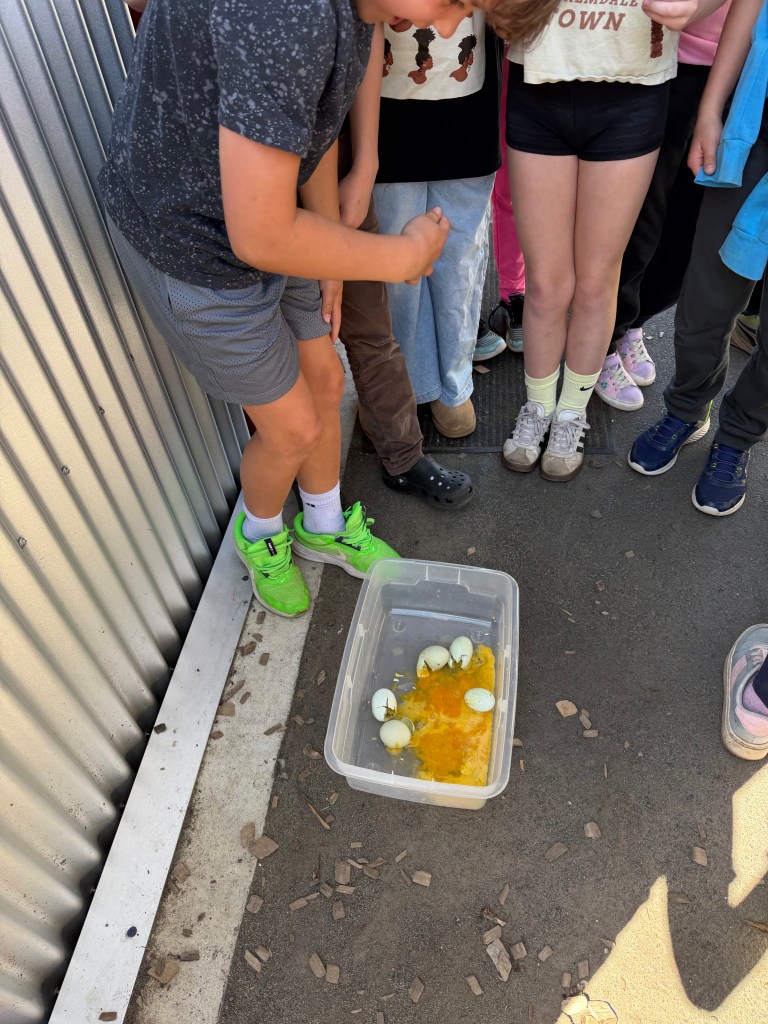
Tomorrow our eggs enter the lockdown phase of incubation. Candling brought exciting learning as we identified viable eggs and explored chicken biology. There were 5 eggs that were translucent and not developing—likely not fertilized. Chicks may begin hatching as early as Sunday, with Monday as our expected hatch day—an exciting time!
We’ve been praying in our journey with the eggs and trusting God’s will, knowing we are guaranteed a rich learning experience (no matter the outcome). It’s powerful to reflect on the wonder of creation and the cycle of life.
In Crew…
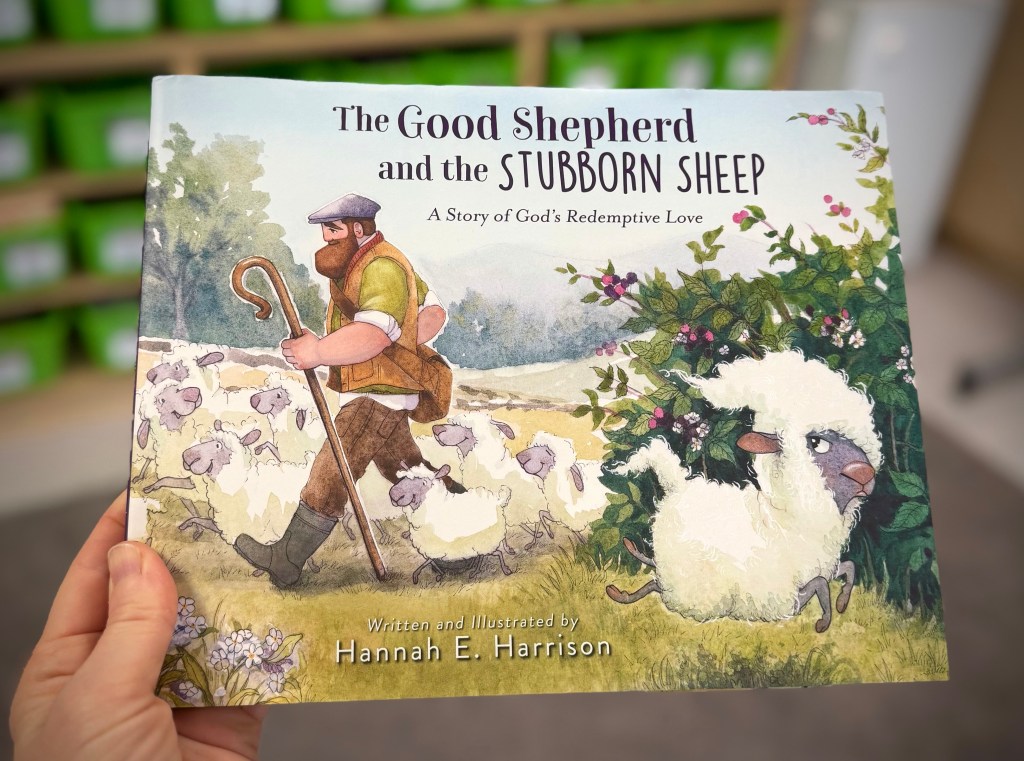
In Crew, we discussed the picture book The Good Shepherd and the Stubborn Sheep by Hannah E. Harrison, a story about God’s redemptive love.
We focused on the themes of listening, gratitude, and obedience, and returned to Psalm 23 in our prayer time.
In Music…
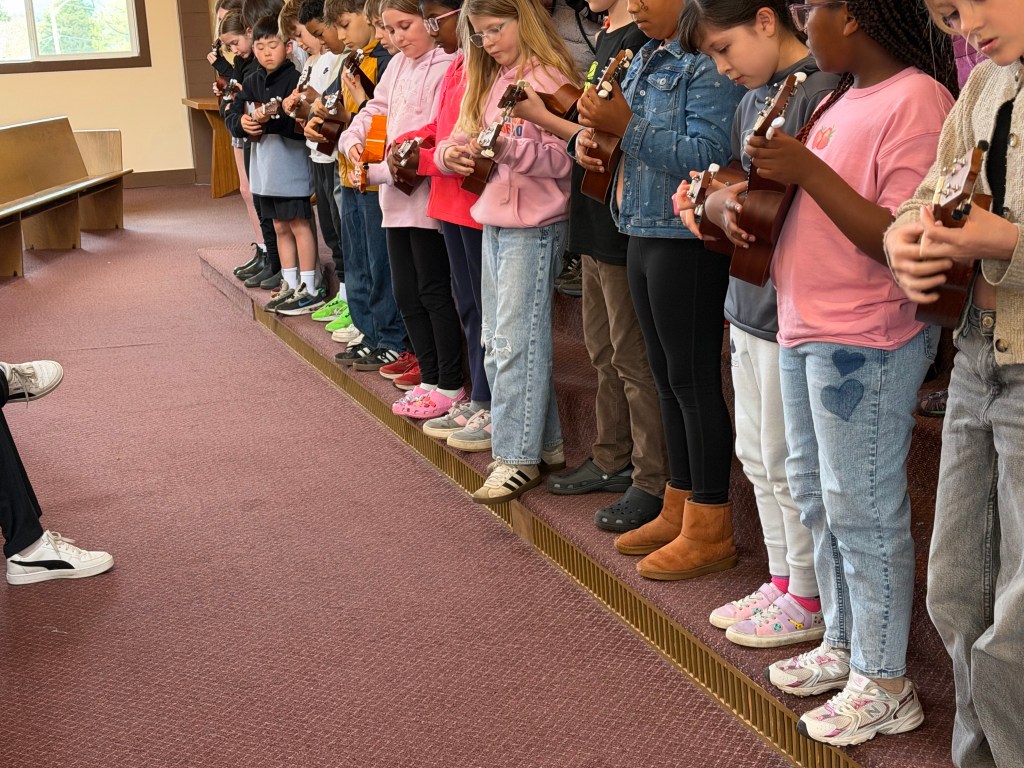
In Music, all grade 4 students have been working hard on their ukulele skills in rehearsal together for the chapel presentation on Friday. Here is a little preview..
In Language Arts…
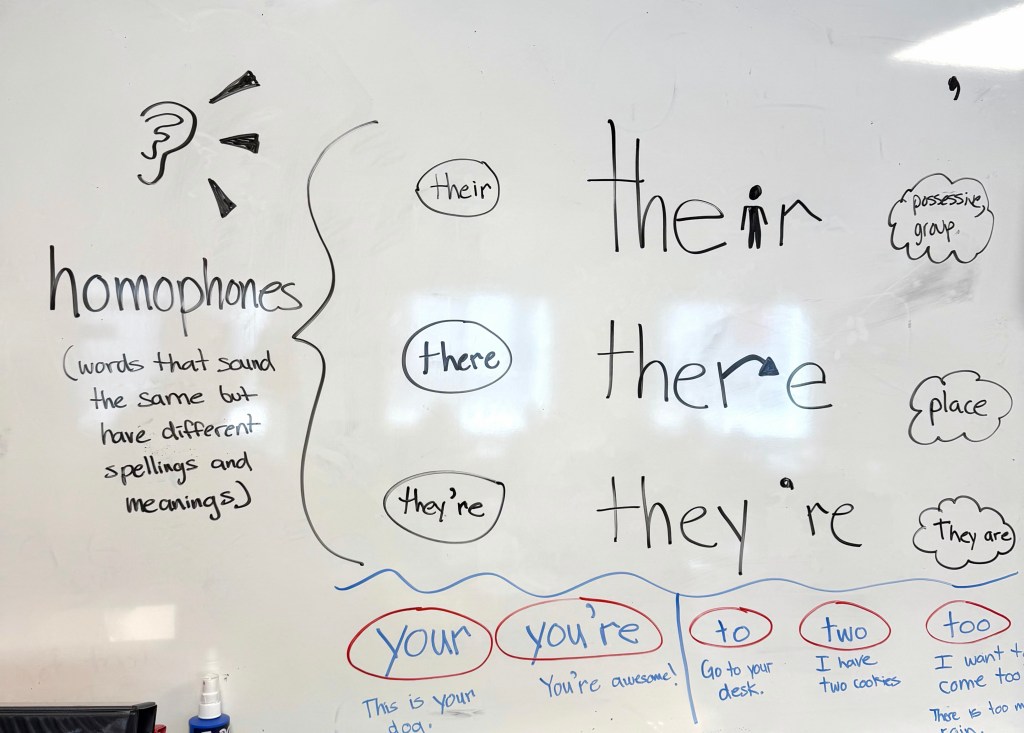
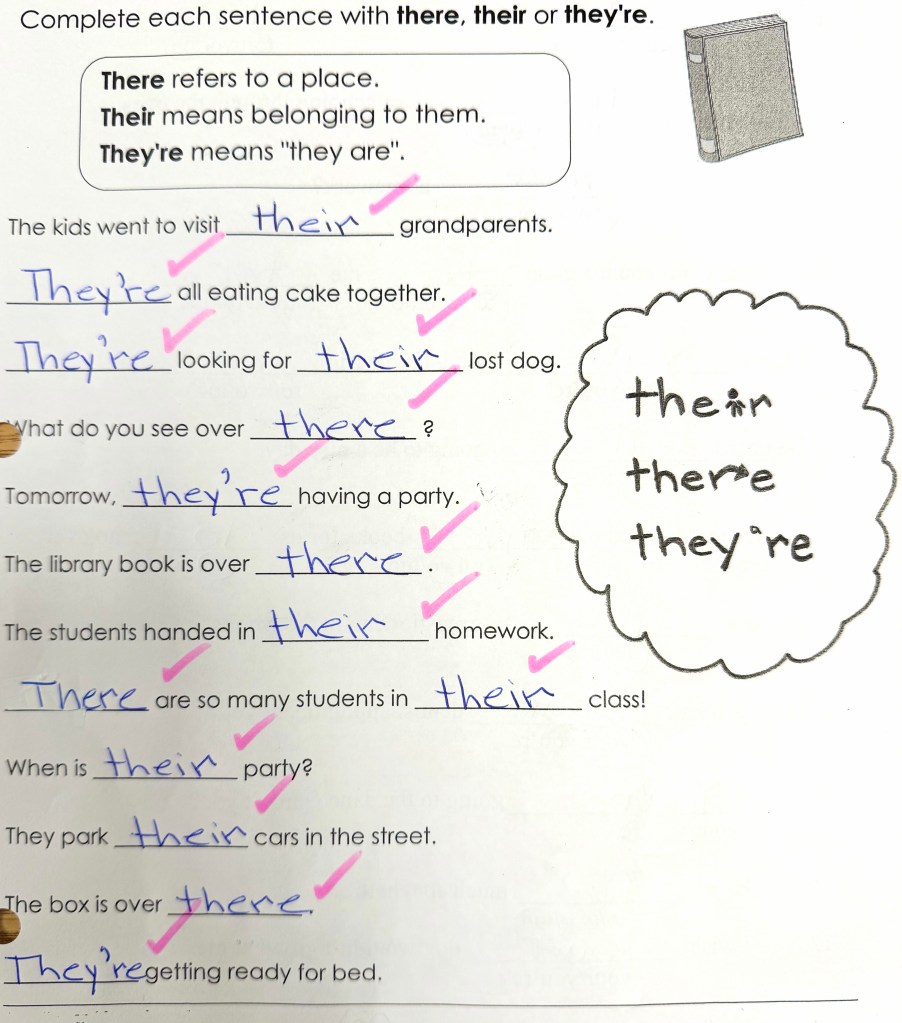
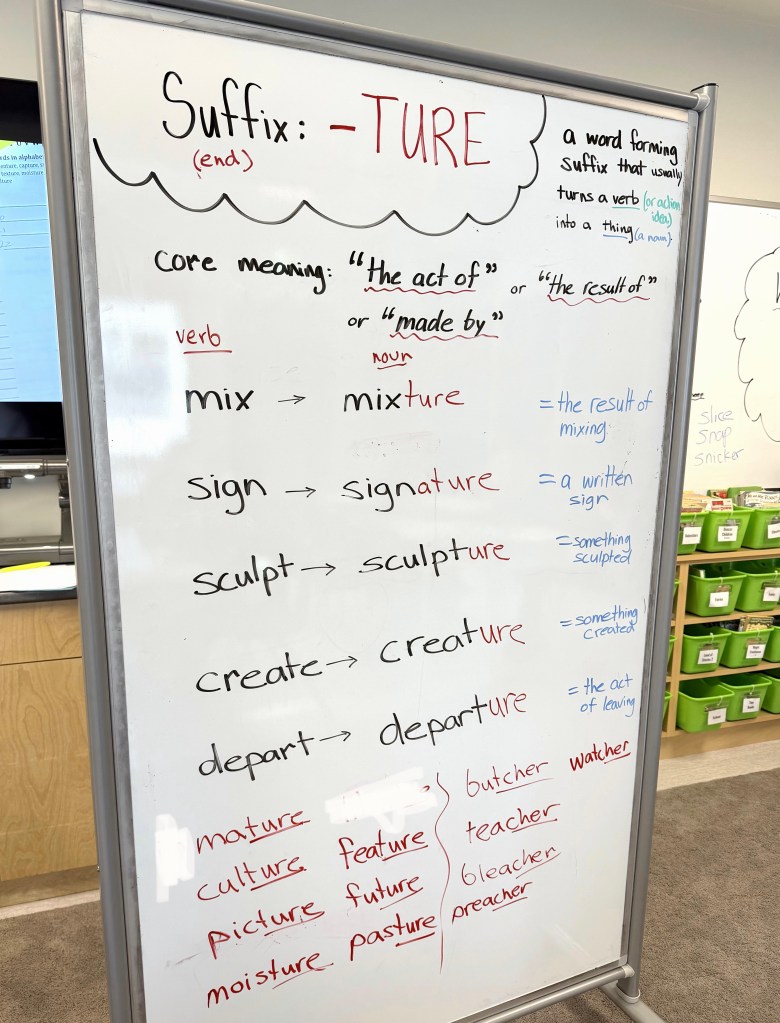
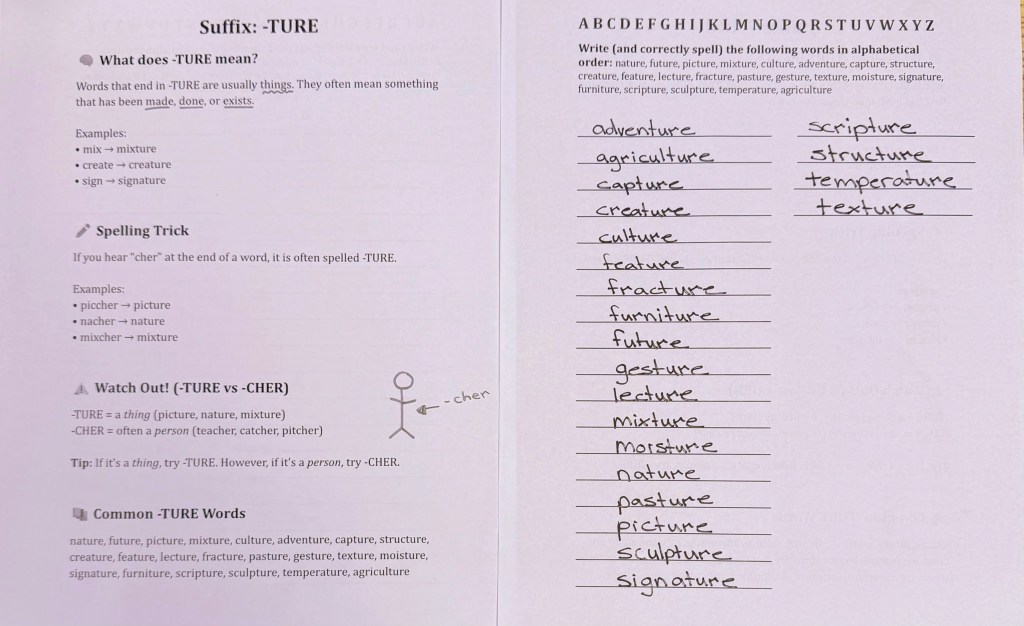
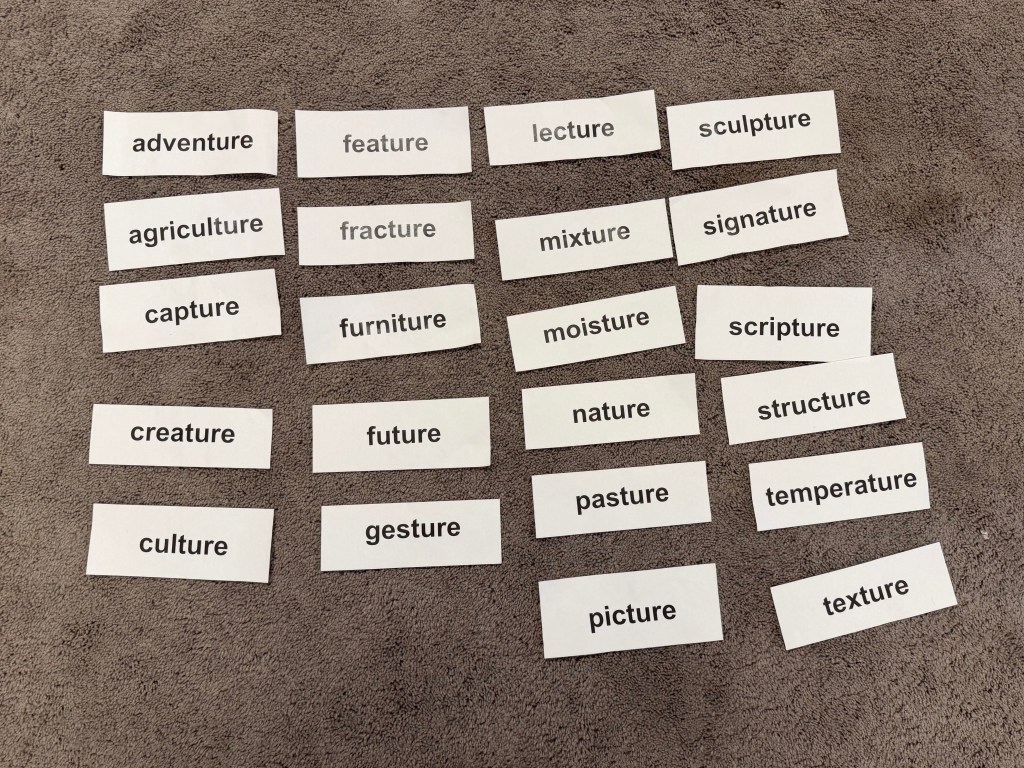
In our word study program in Language Arts, we reviewed homophones (there/their/they’re, to/two/too, your/you’re) and then studied words with the suffix –TURE. We have also being learning how to alphabetize lists of words.
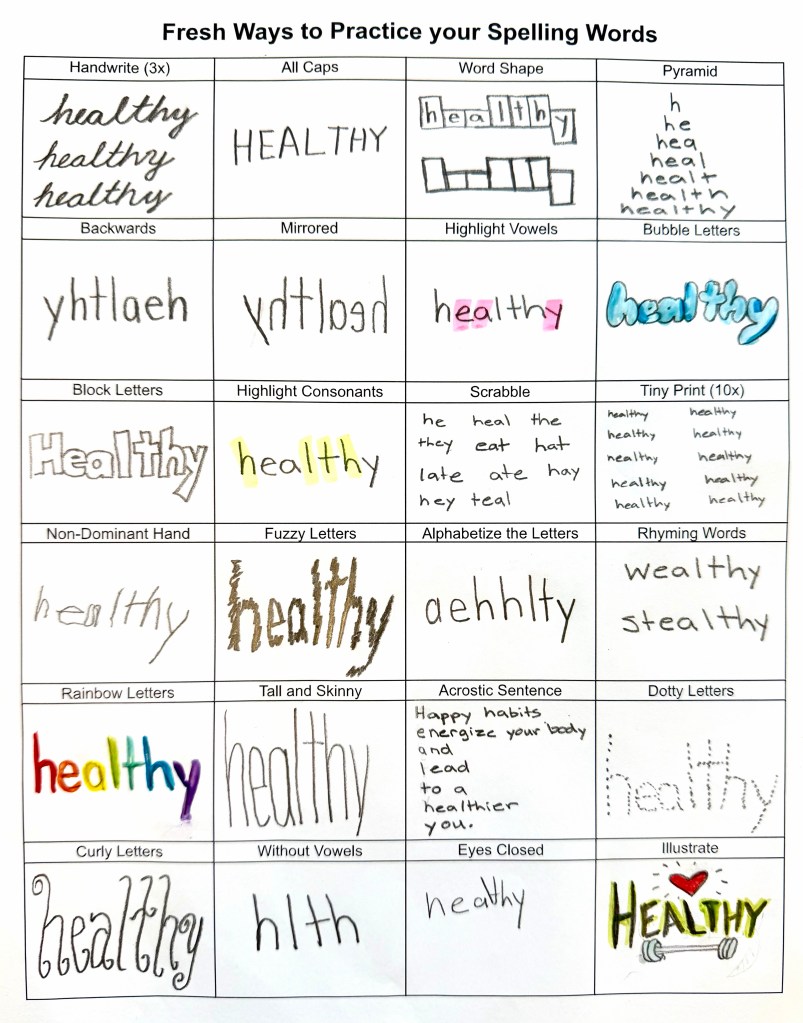
With guidance, students are now taking increased responsibility for their individual spelling learning by going a step beyond copying their spelling corrections into their personal spelling dictionaries and also playing with the words in interesting visual ways to understand and encode them deeper into memory.
Today students chose 8 words they recently needed help spelling to explore through our “Artsy Spelling” sheets.
In Math…
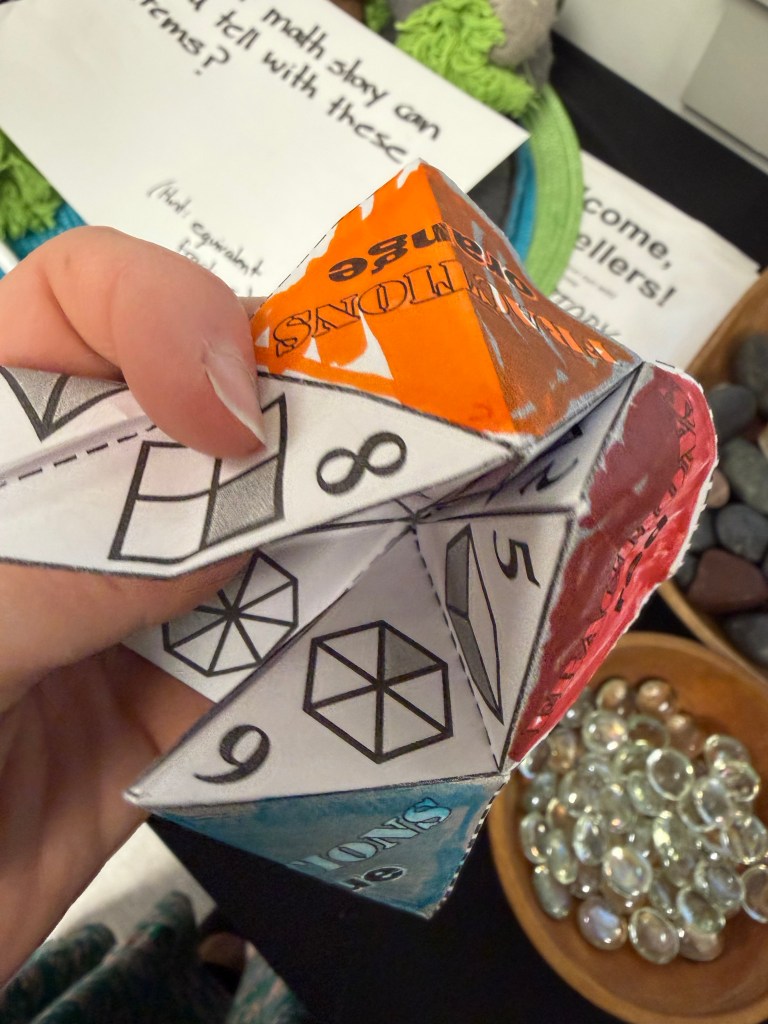
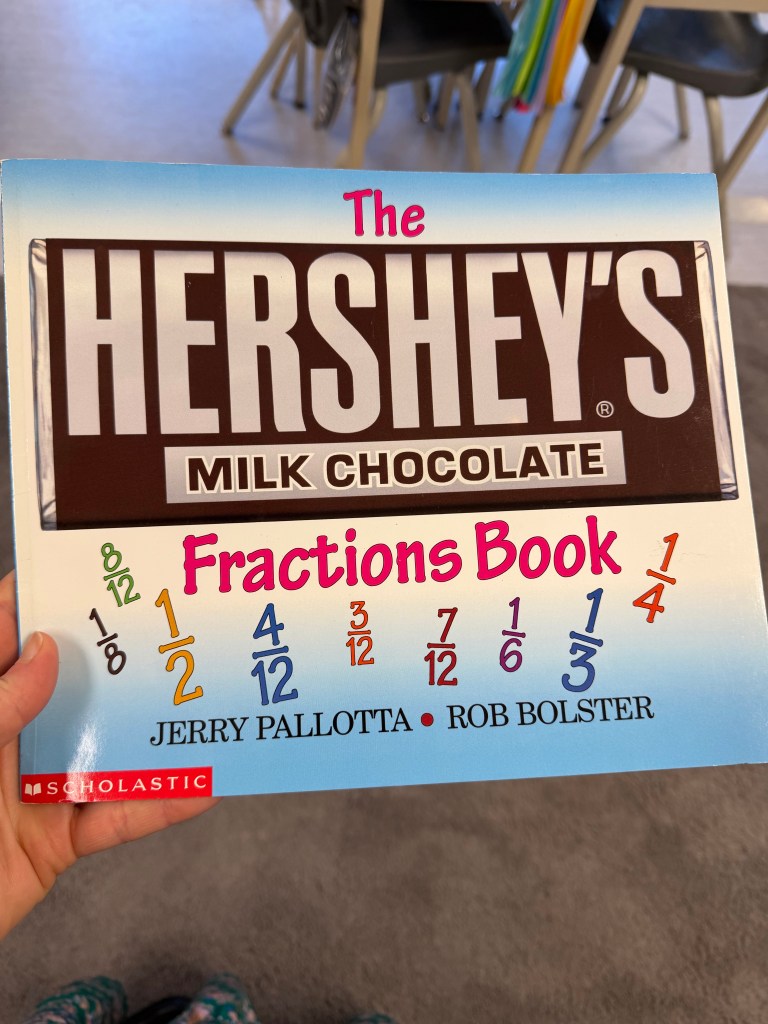
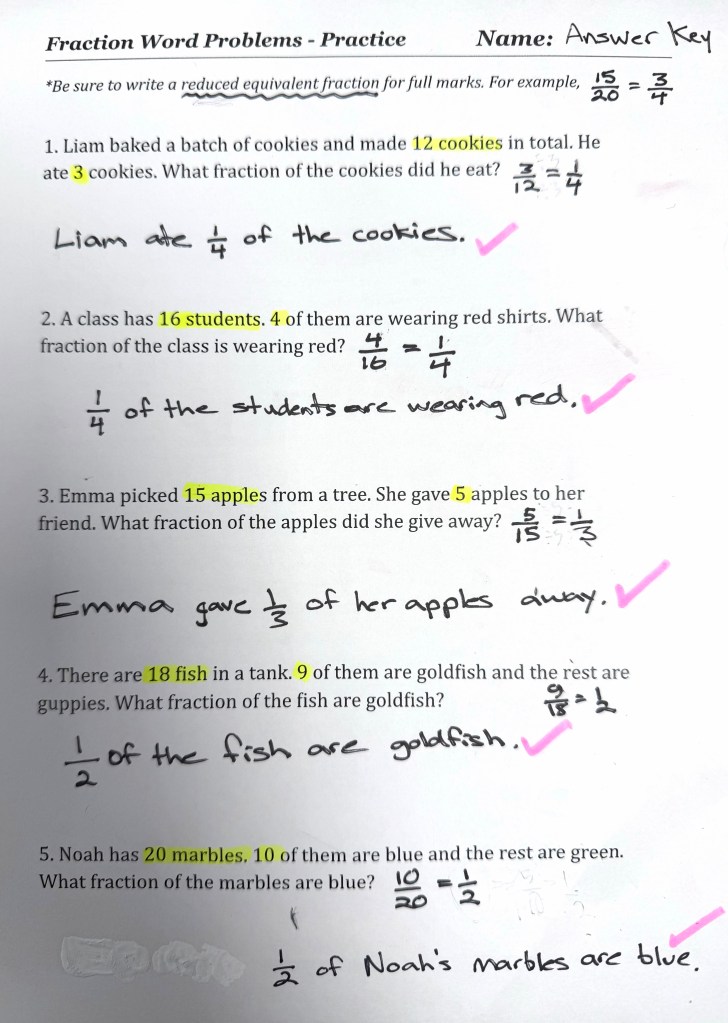
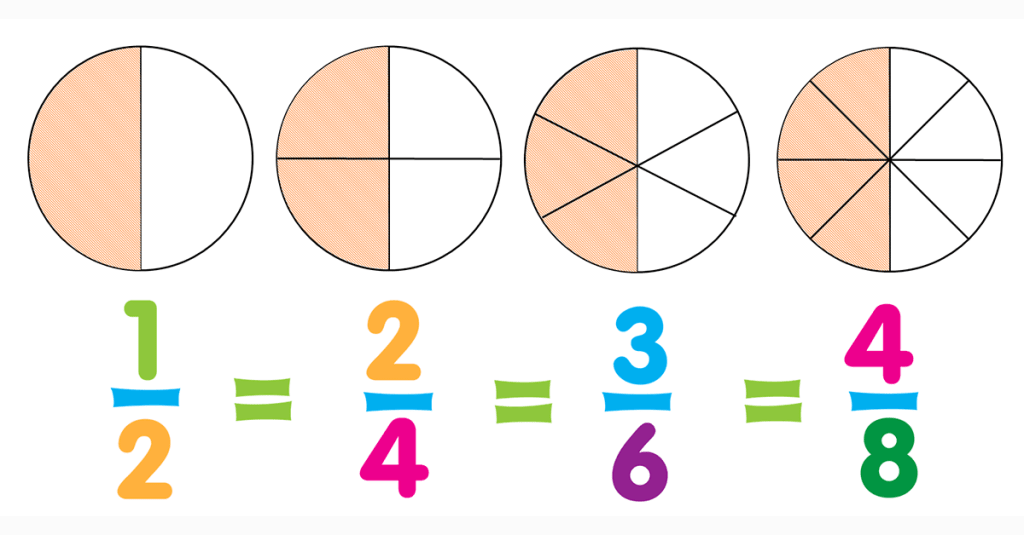
In Math, we continue to build our understanding of fractions, including how to create equivalent fractions for enrichment.
Students have also been developing their mathematical vocabulary through word problems and writing more elaborate math stories.
In Arts…
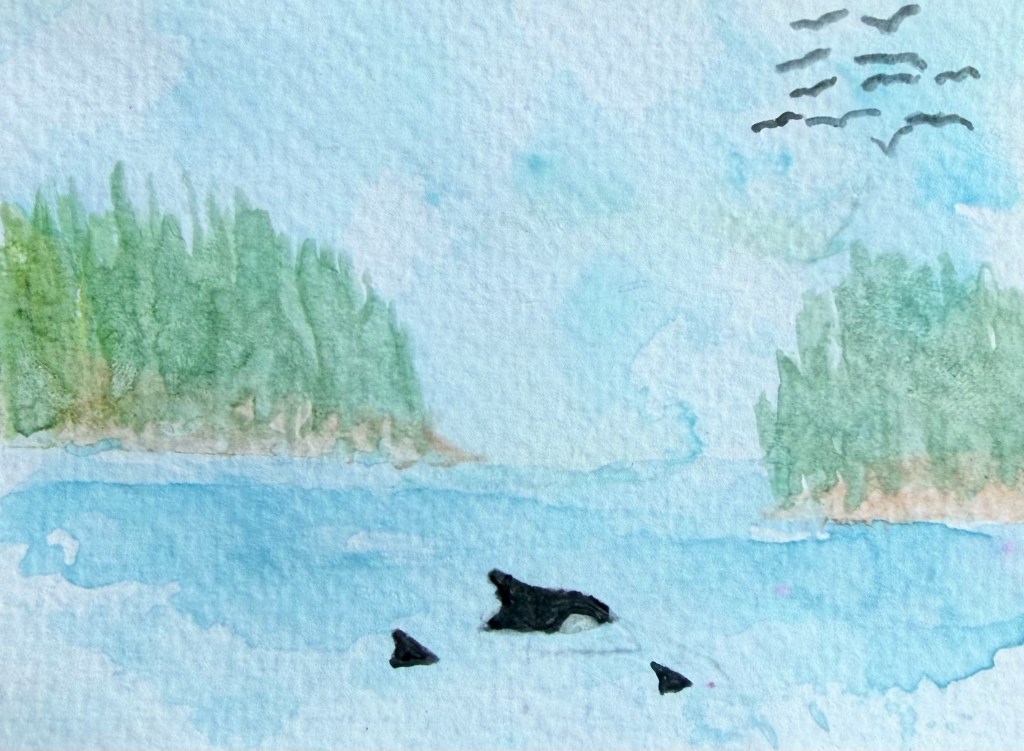
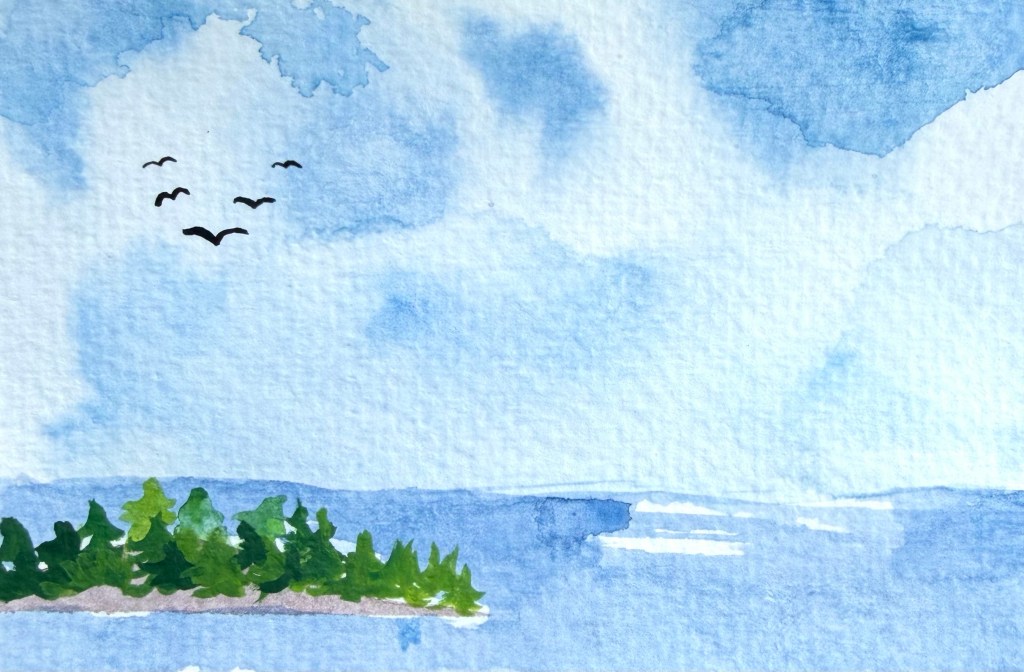
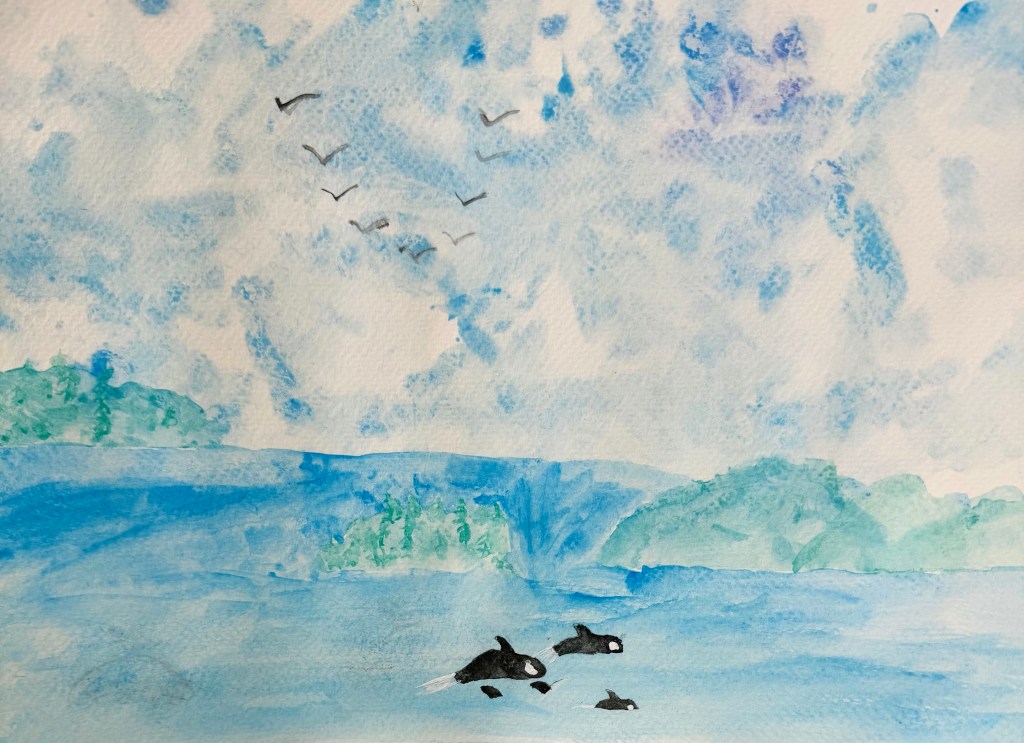
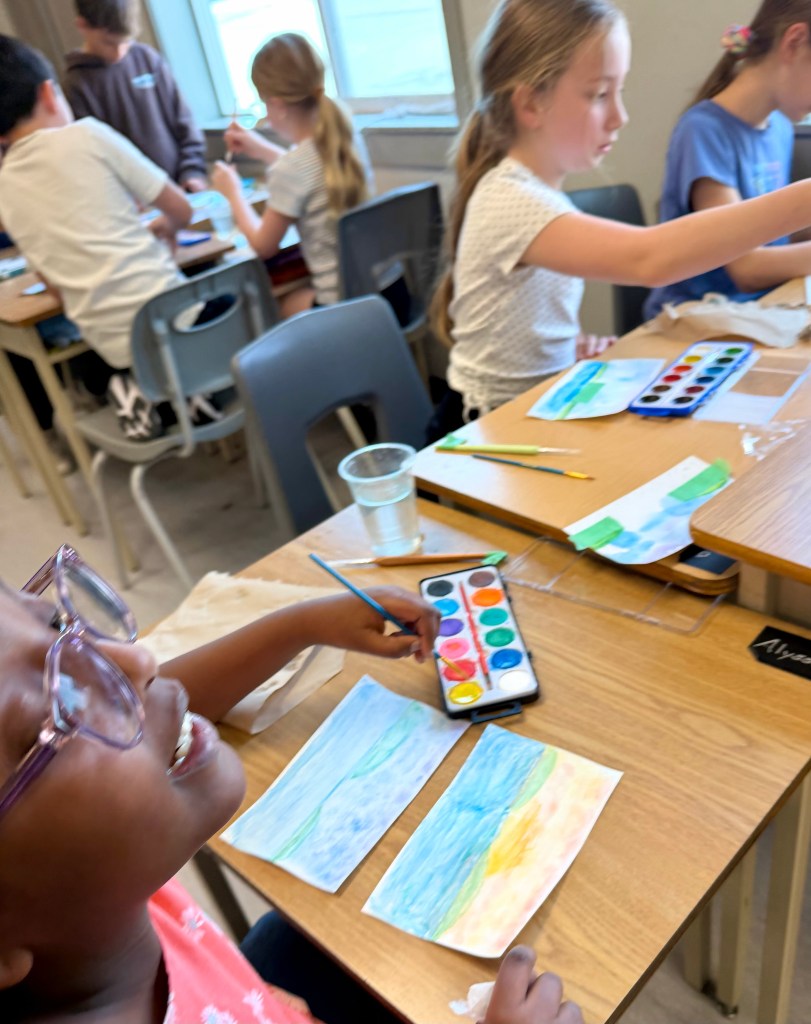
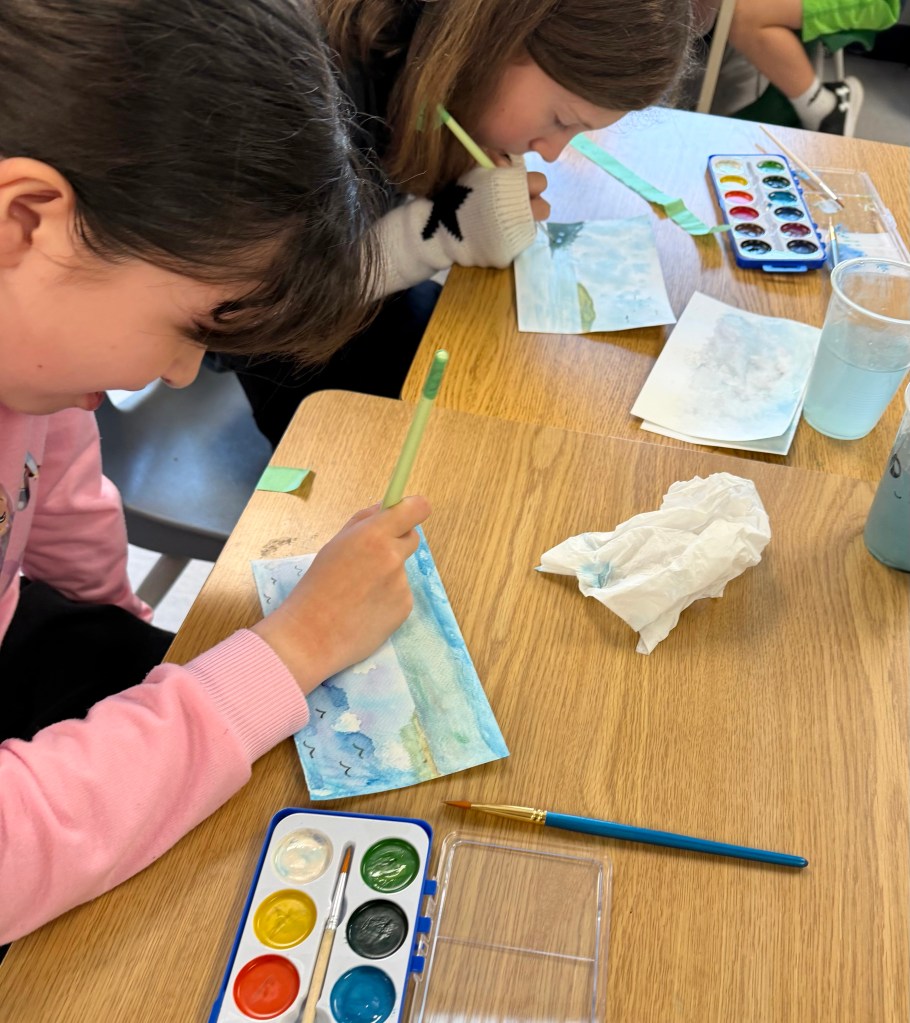
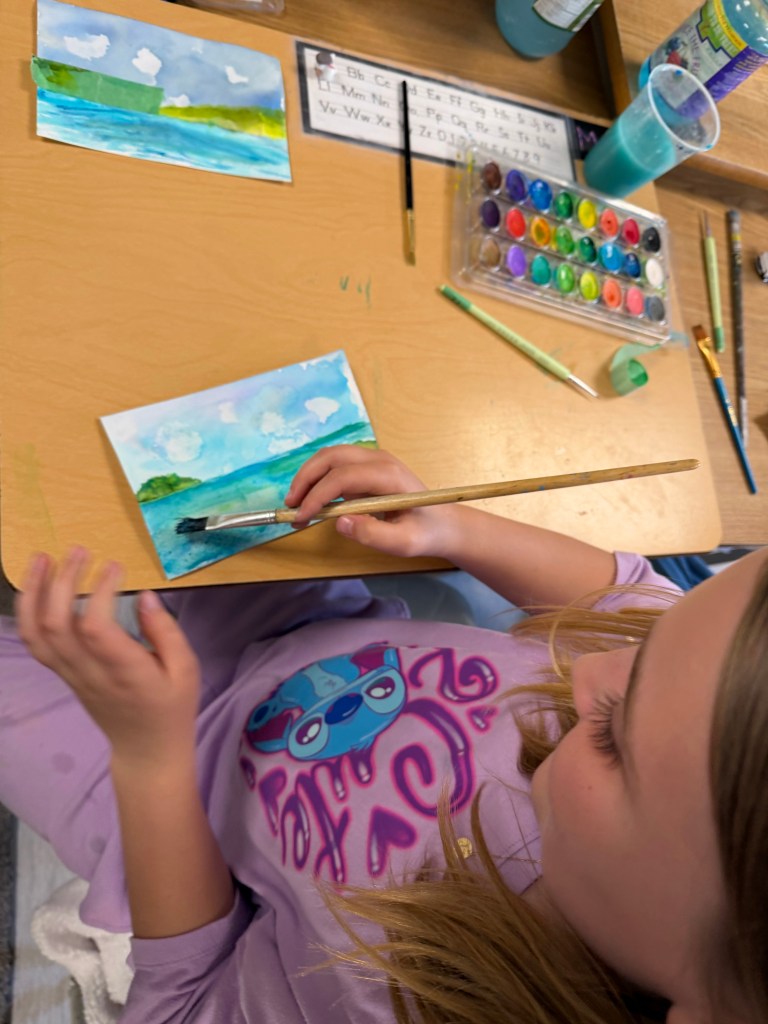
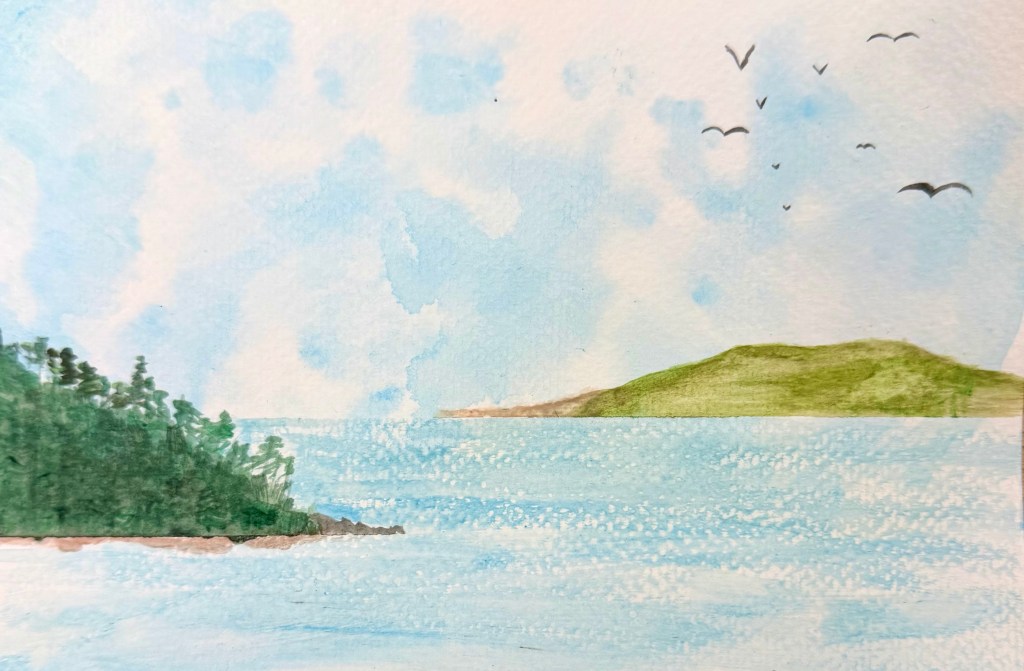
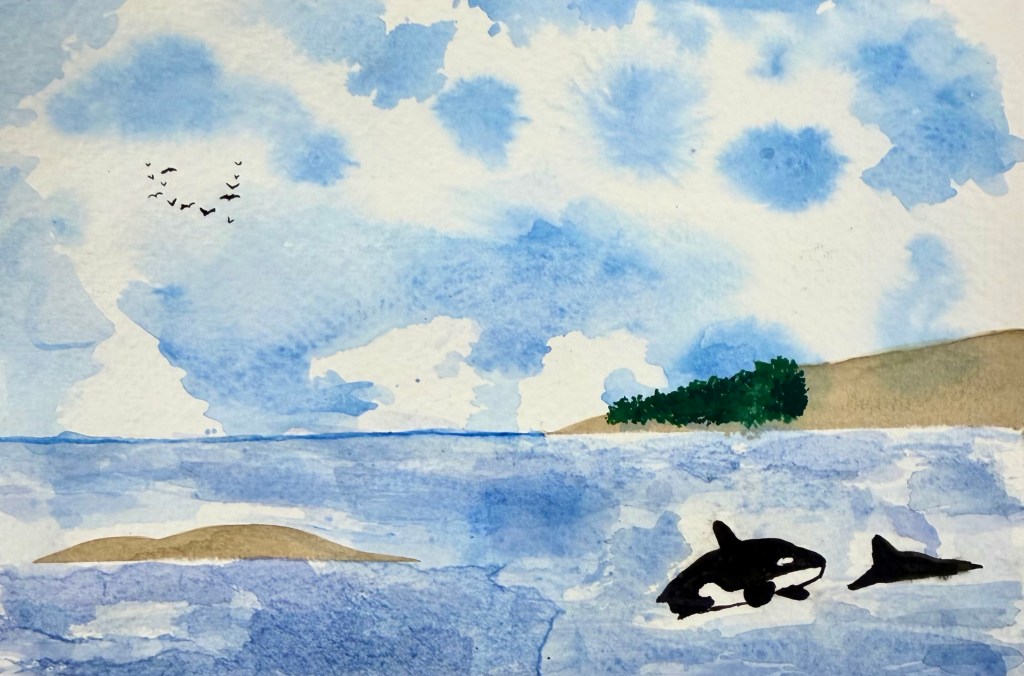
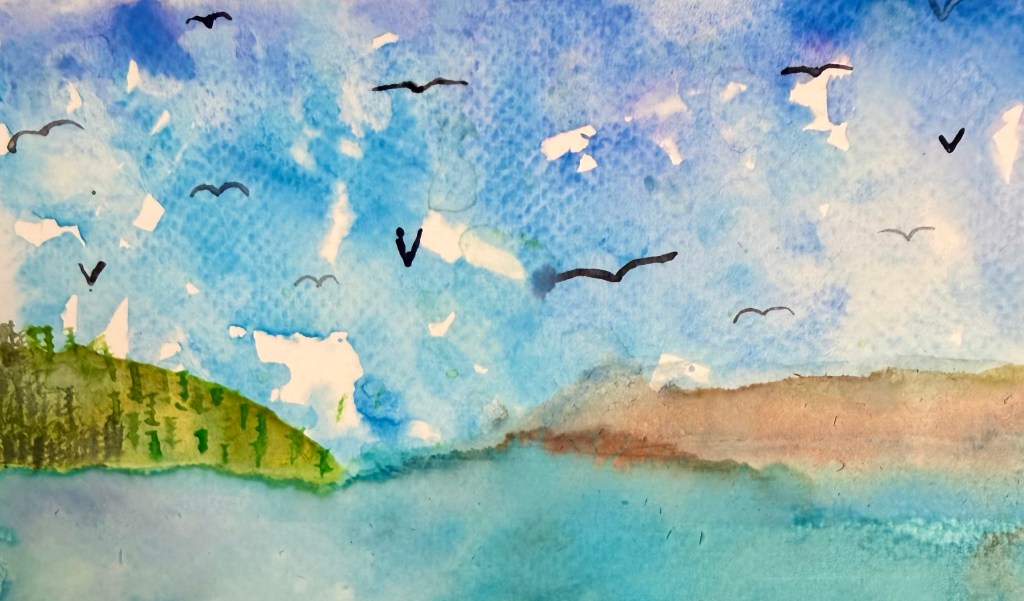
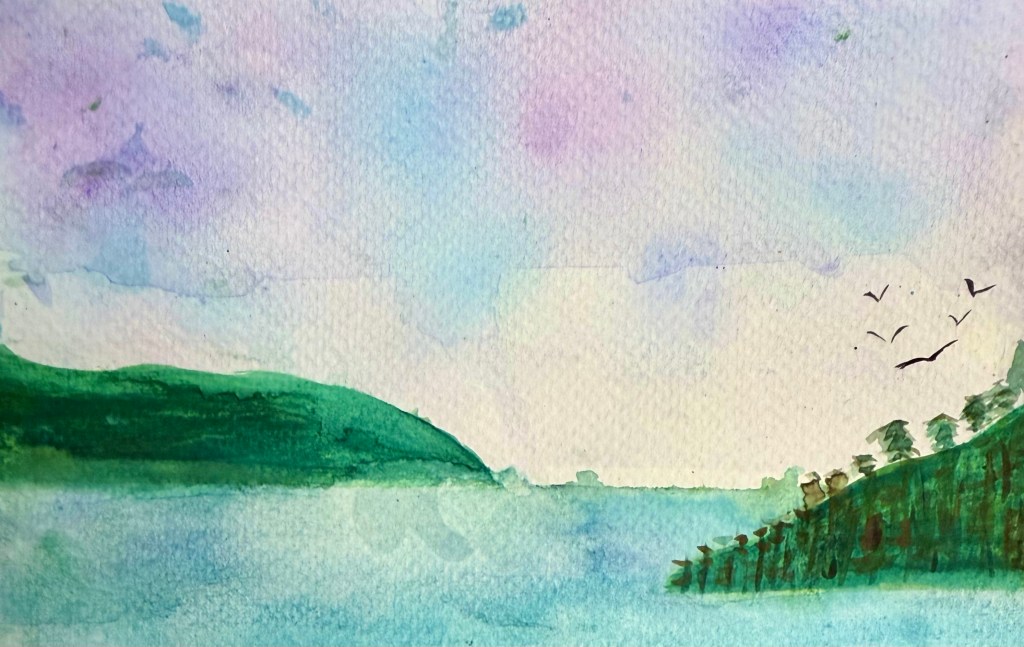
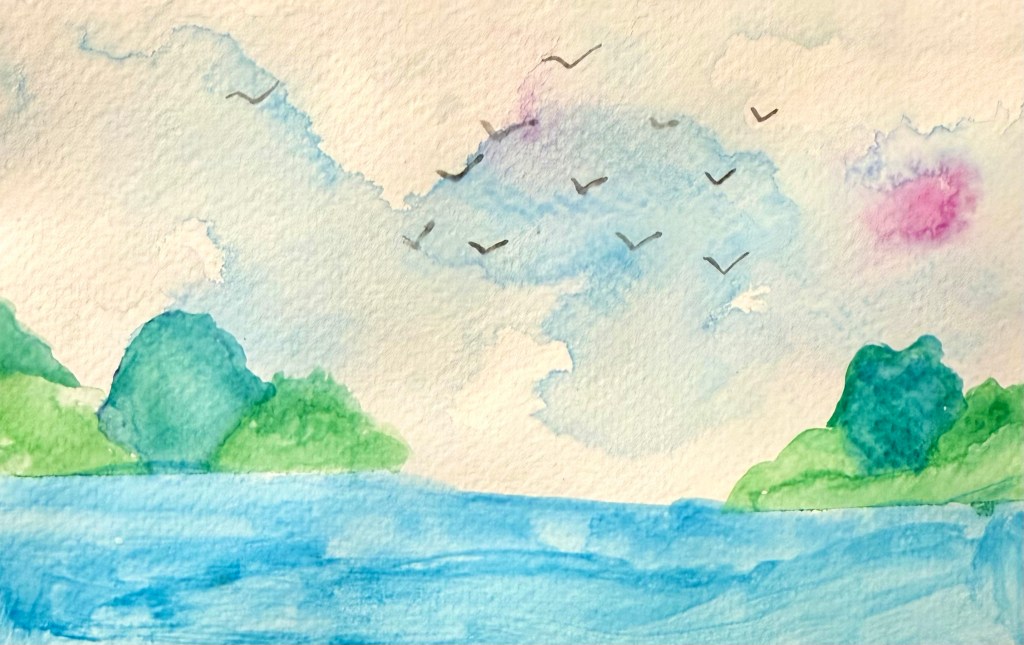
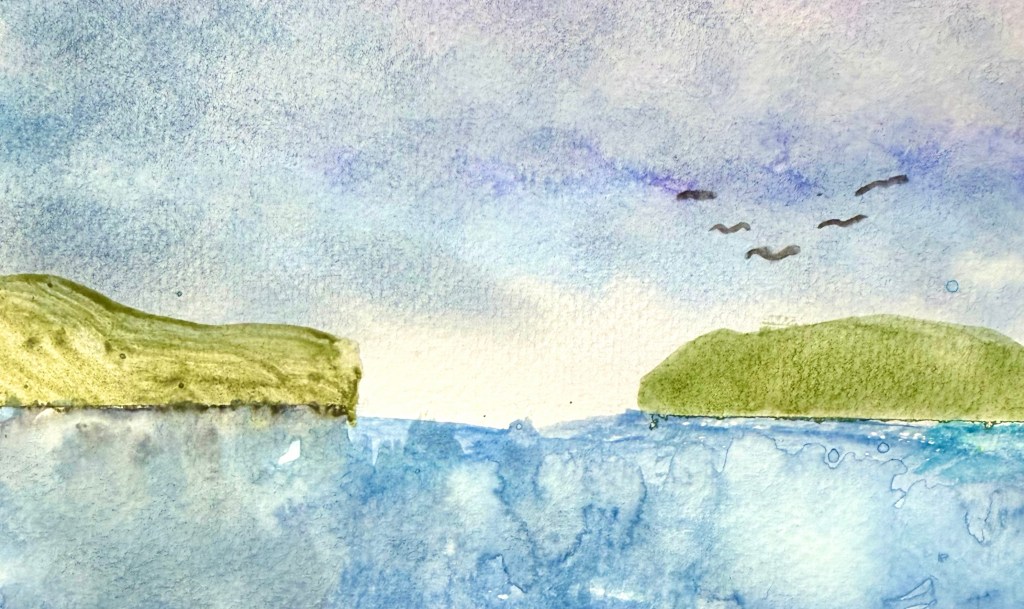
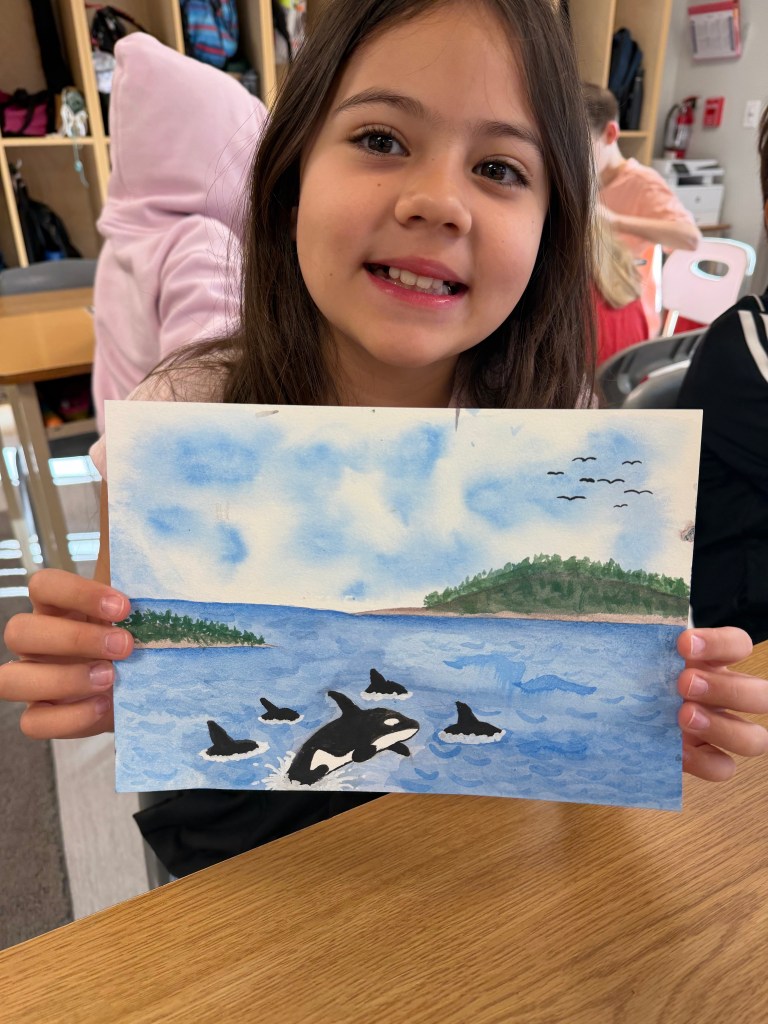
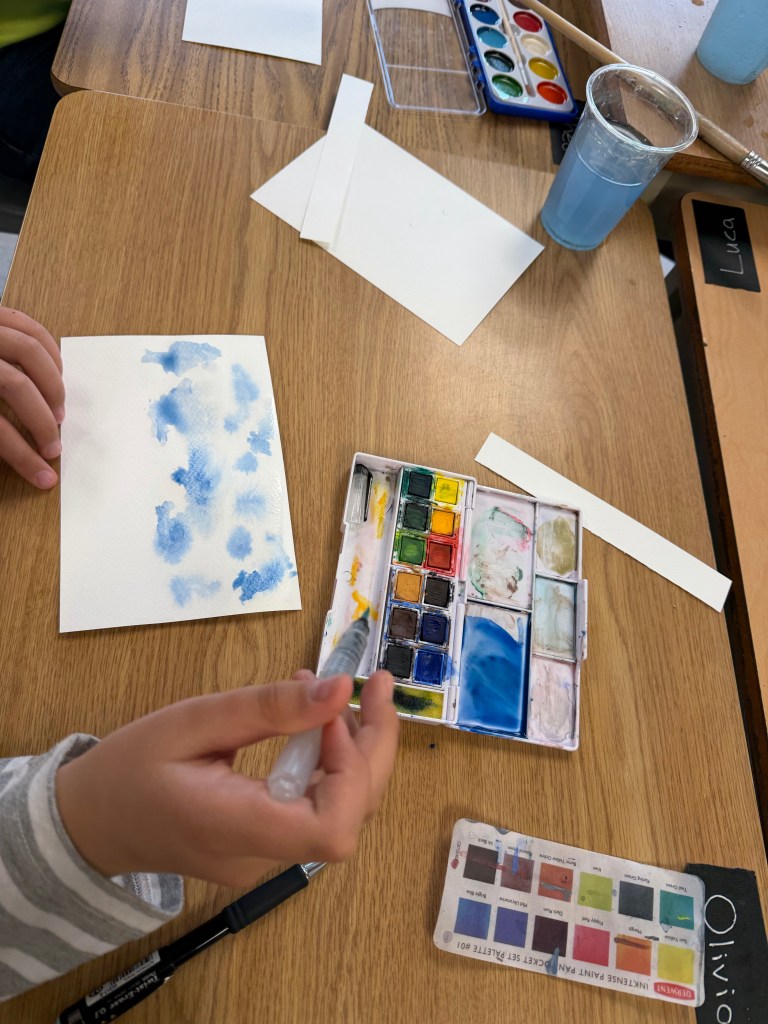
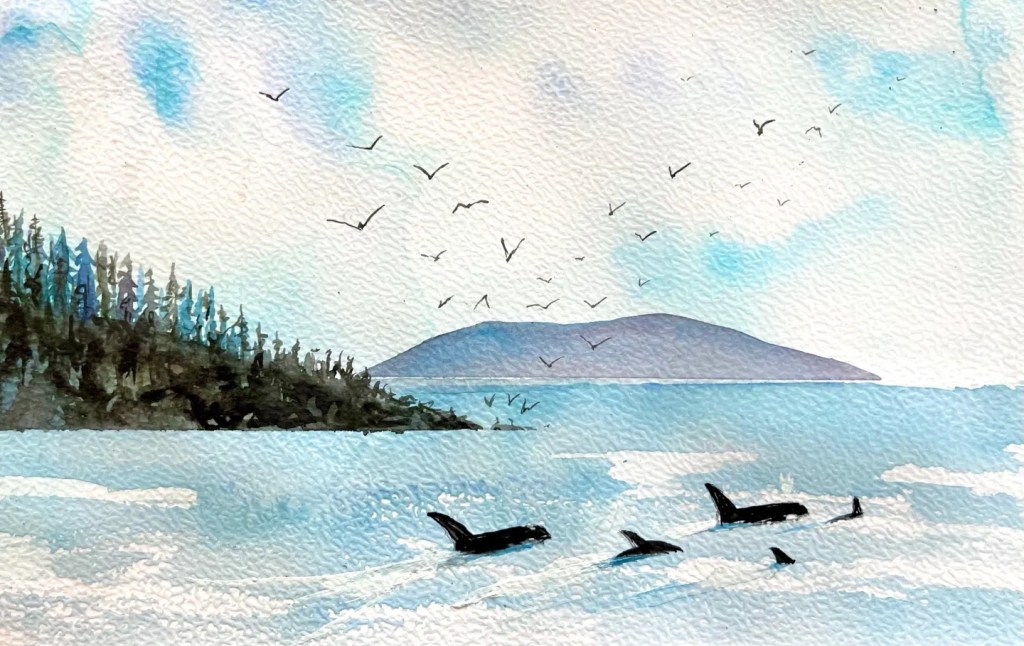
Here are some more wonderful Salish Sea watercolour paintings—some of them are MINIATURE (not more than the size of a baseball card).
In PHE…
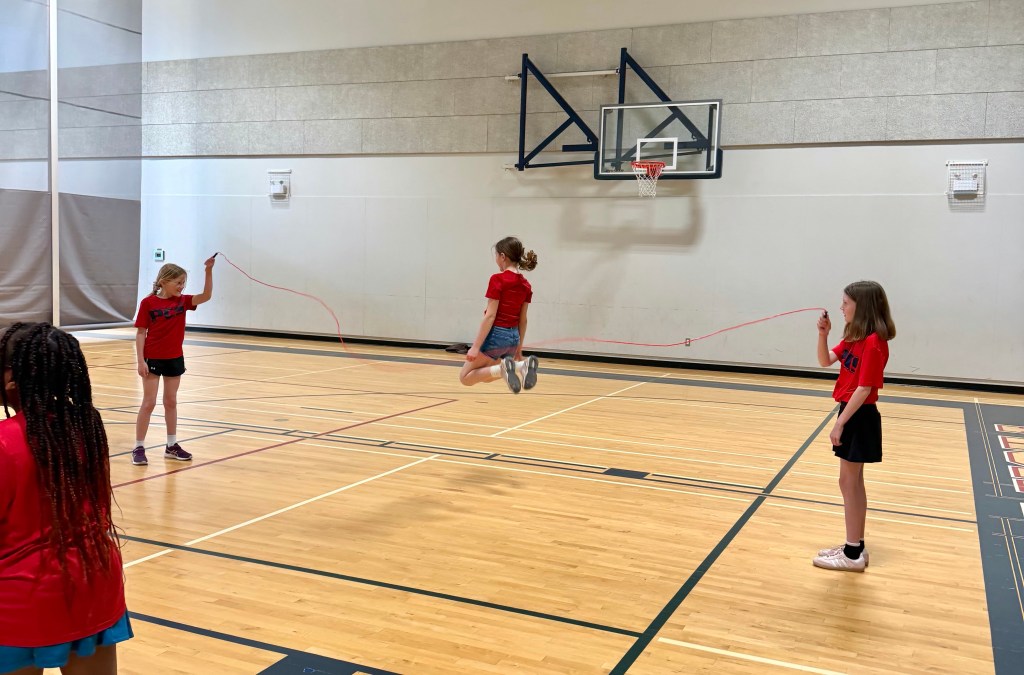
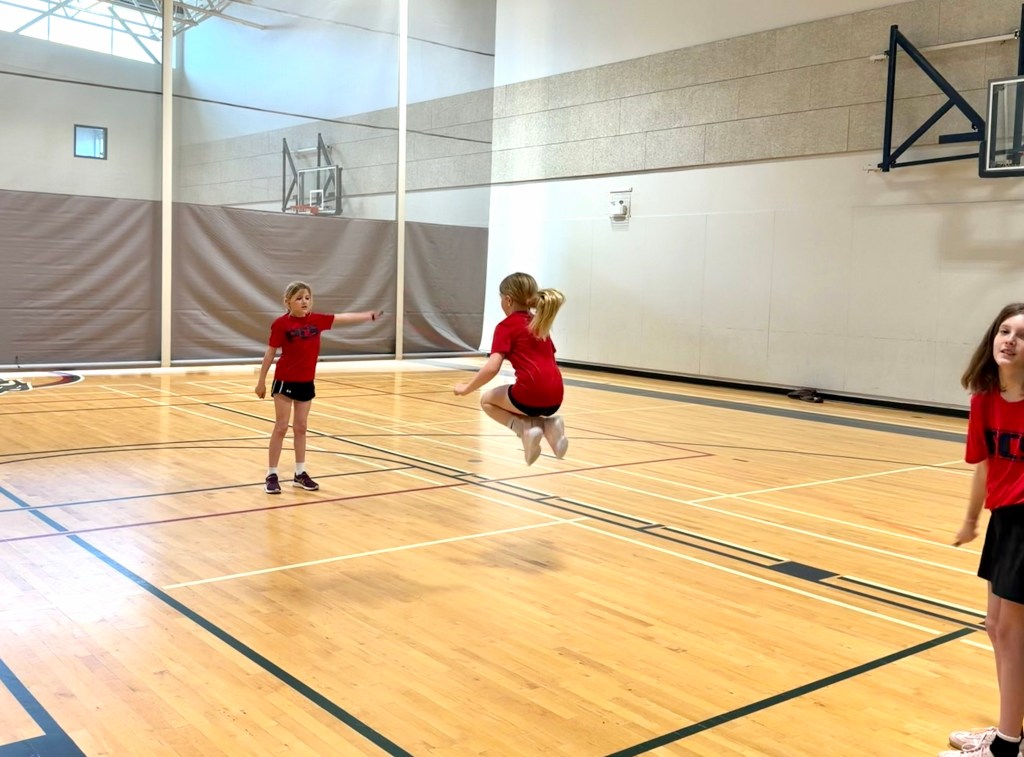
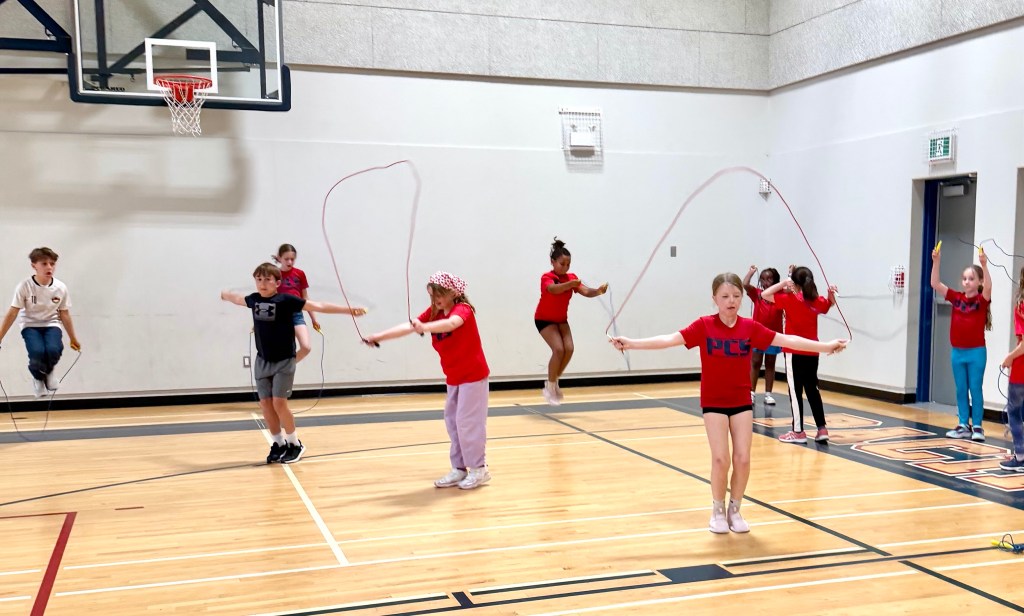
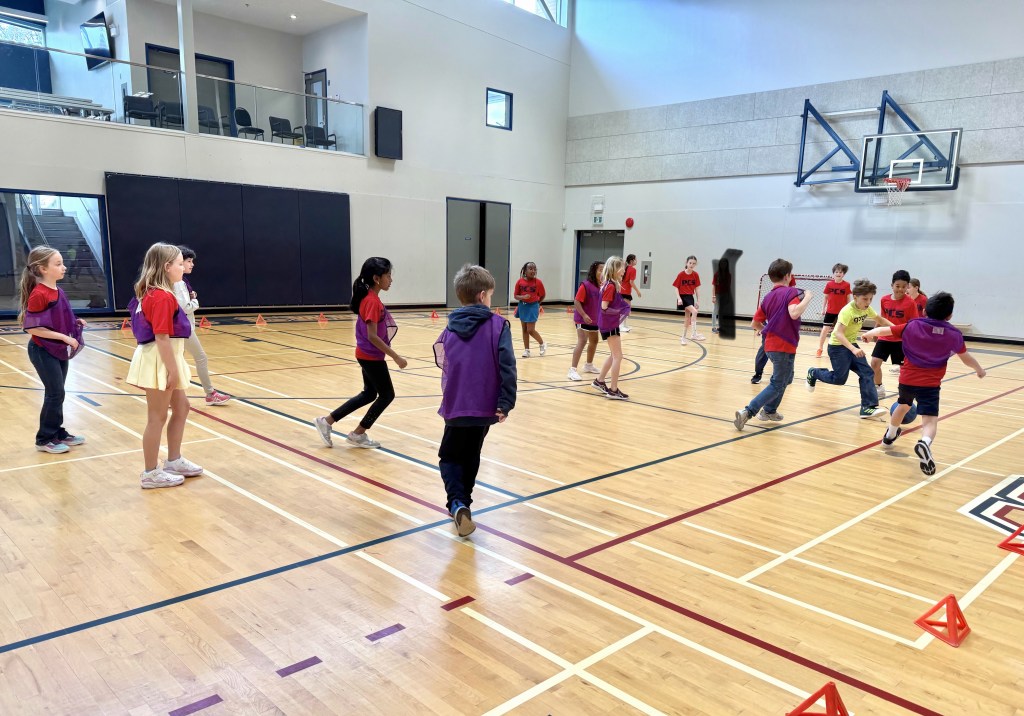
In PHE, this week we played a lively soccer game and began a unit in skipping—students marvelled at how exhausting it can be in a short time!
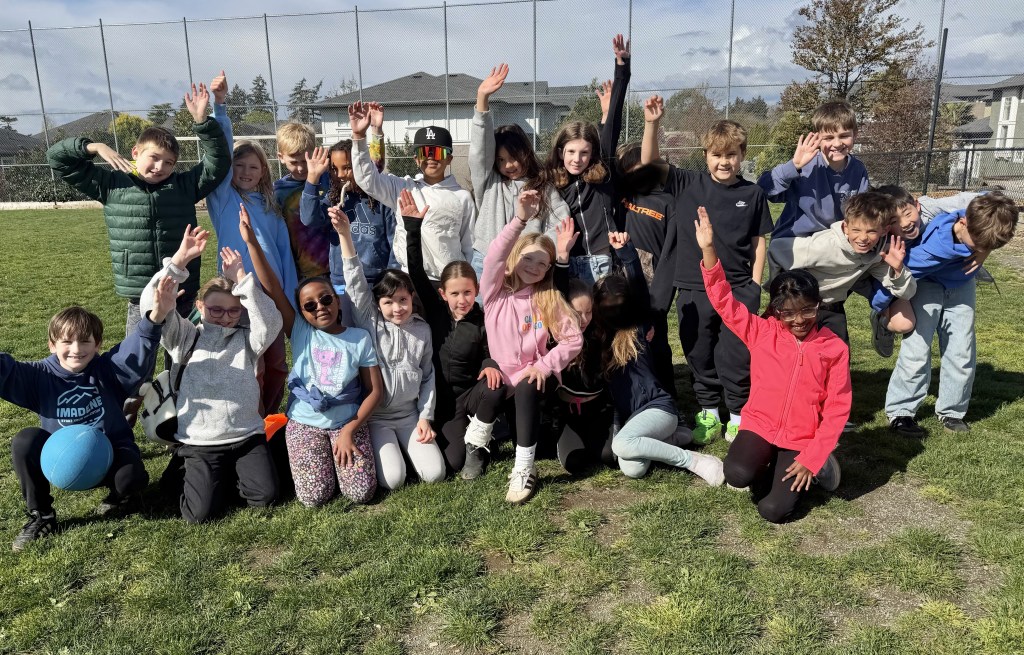
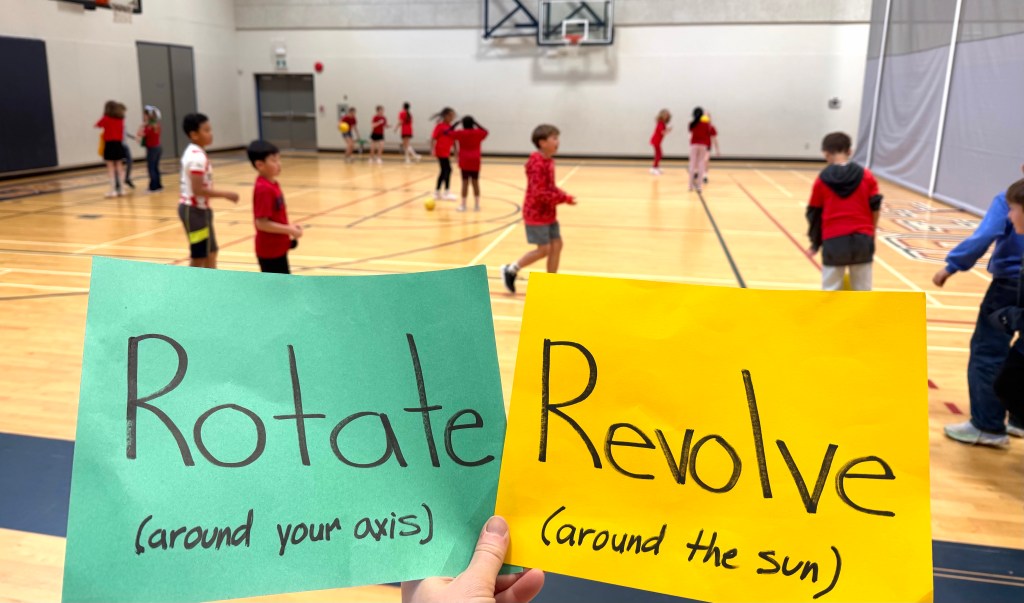
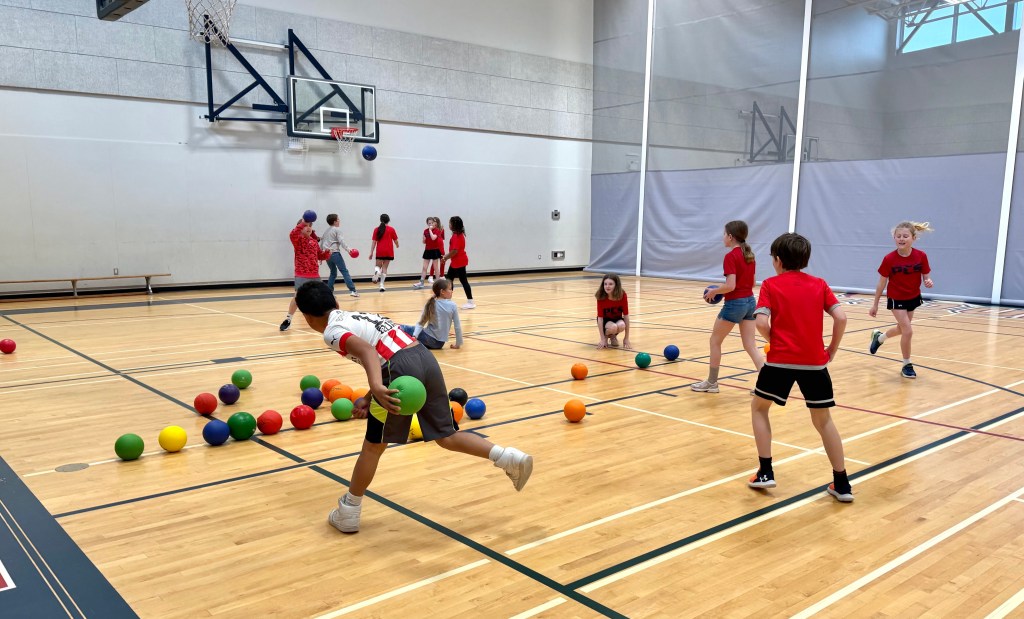
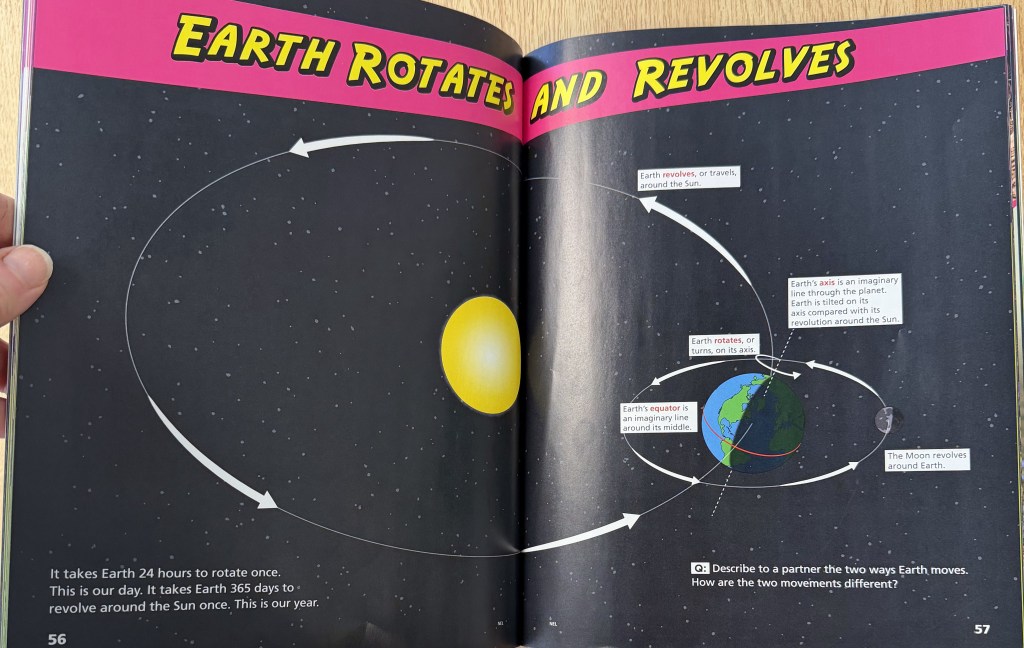
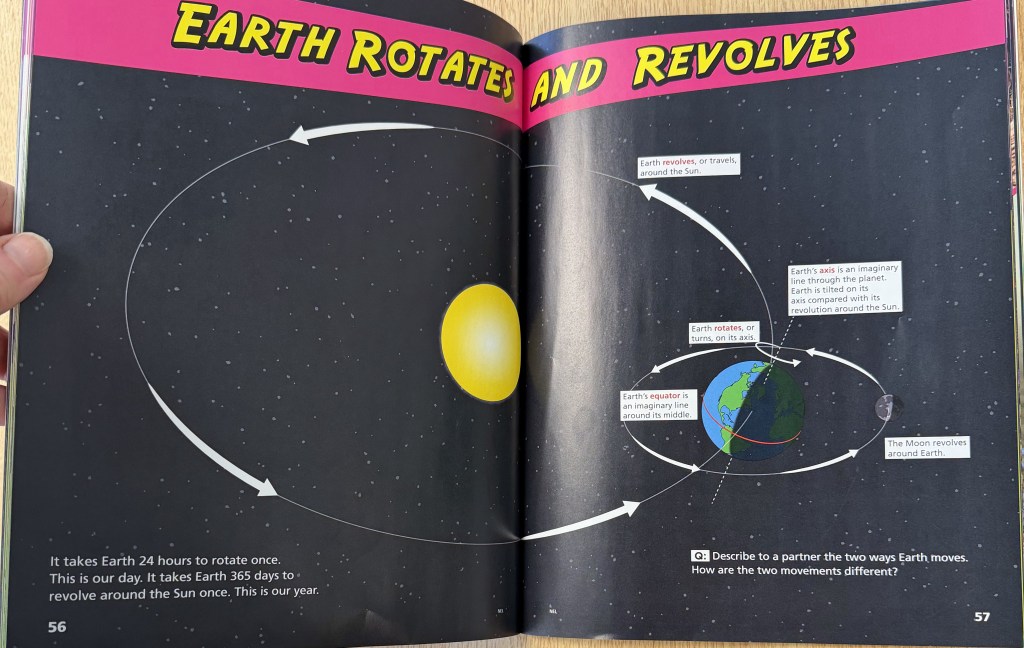
We had another great week! In Science we have been learning about the Earth, Moon, and Sun—and playing games like “Meteor Shower” and practicing the difference between rotation vs. revolution in the gym to reinforce concepts.
The PCS production of FINDING NEMO was a joyful, colourful event—our grade 4s were inspired by the students’ wonderful singing, acting and dancing.
In Math, students brought home another quiz in equivalent fractions this week, and they are working to write and dramatize their our Fractions Math Stories. They will have these ready to read/perform at the Student Led Conferences this Wednesday, April 22nd from 3:30-5:30 in our class.
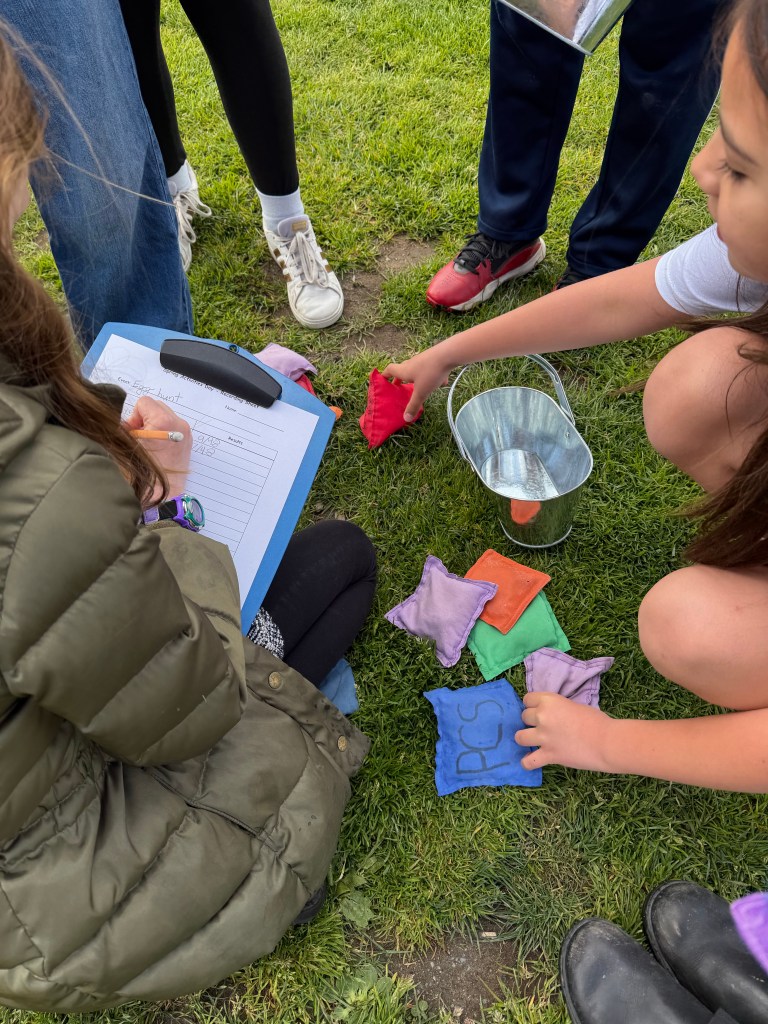
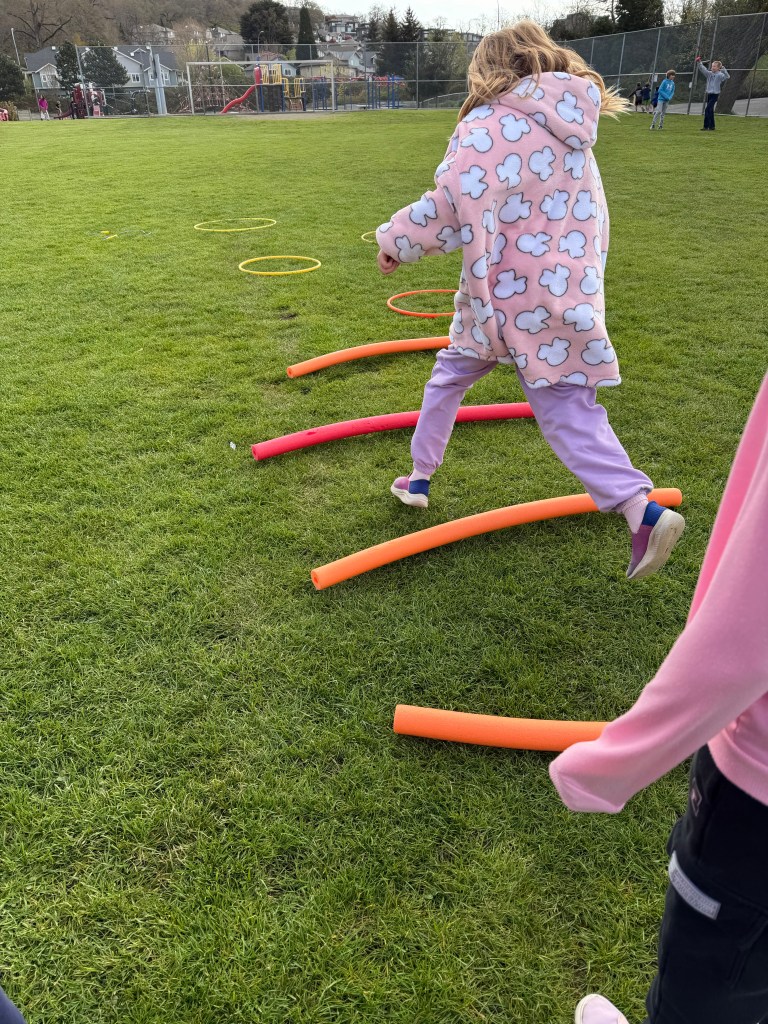
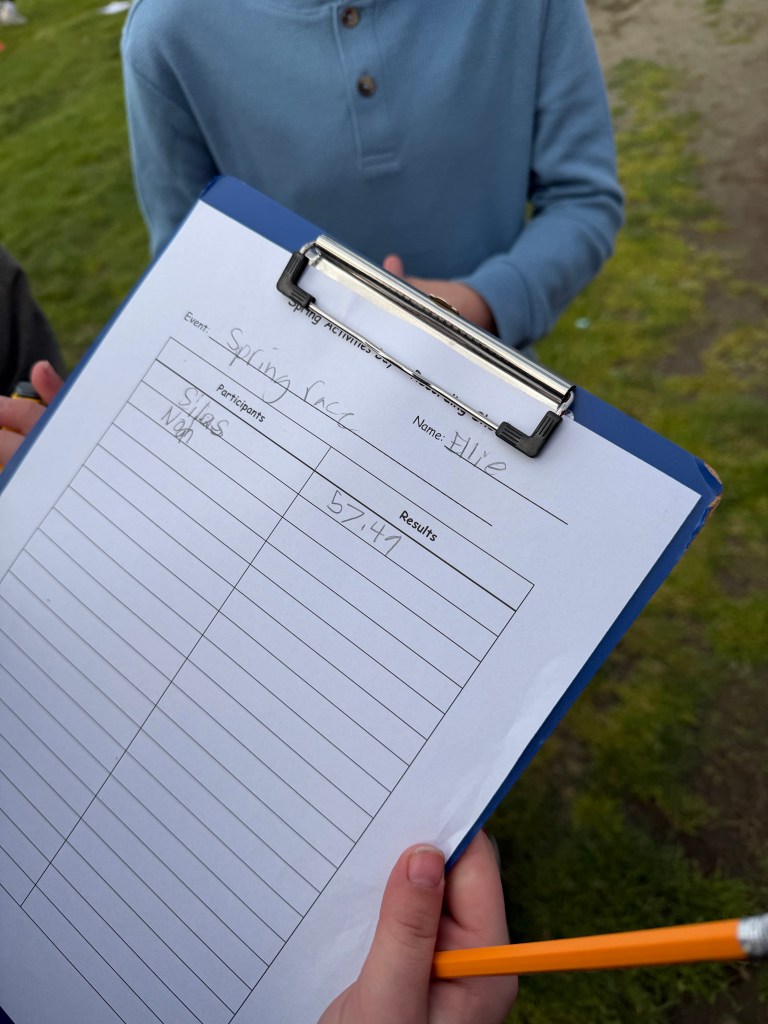
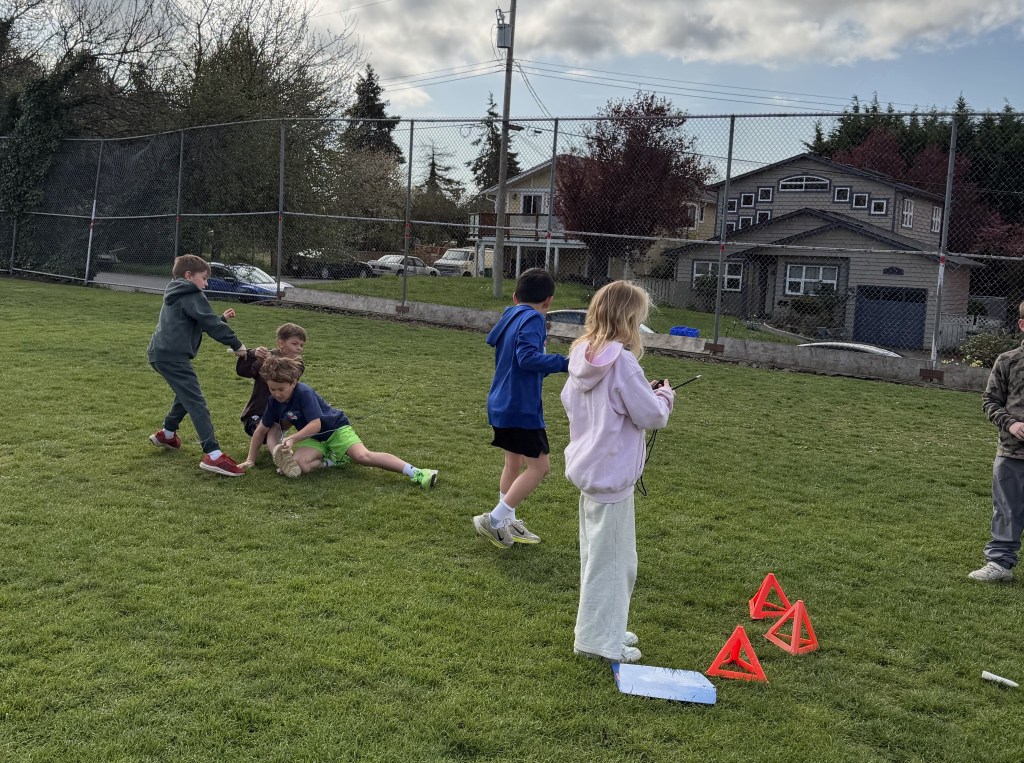
Decimals! We enjoyed getting outside with the 4B students for some “mathy” fitness doing creative stations that were timed down to the hundredth decimal place.
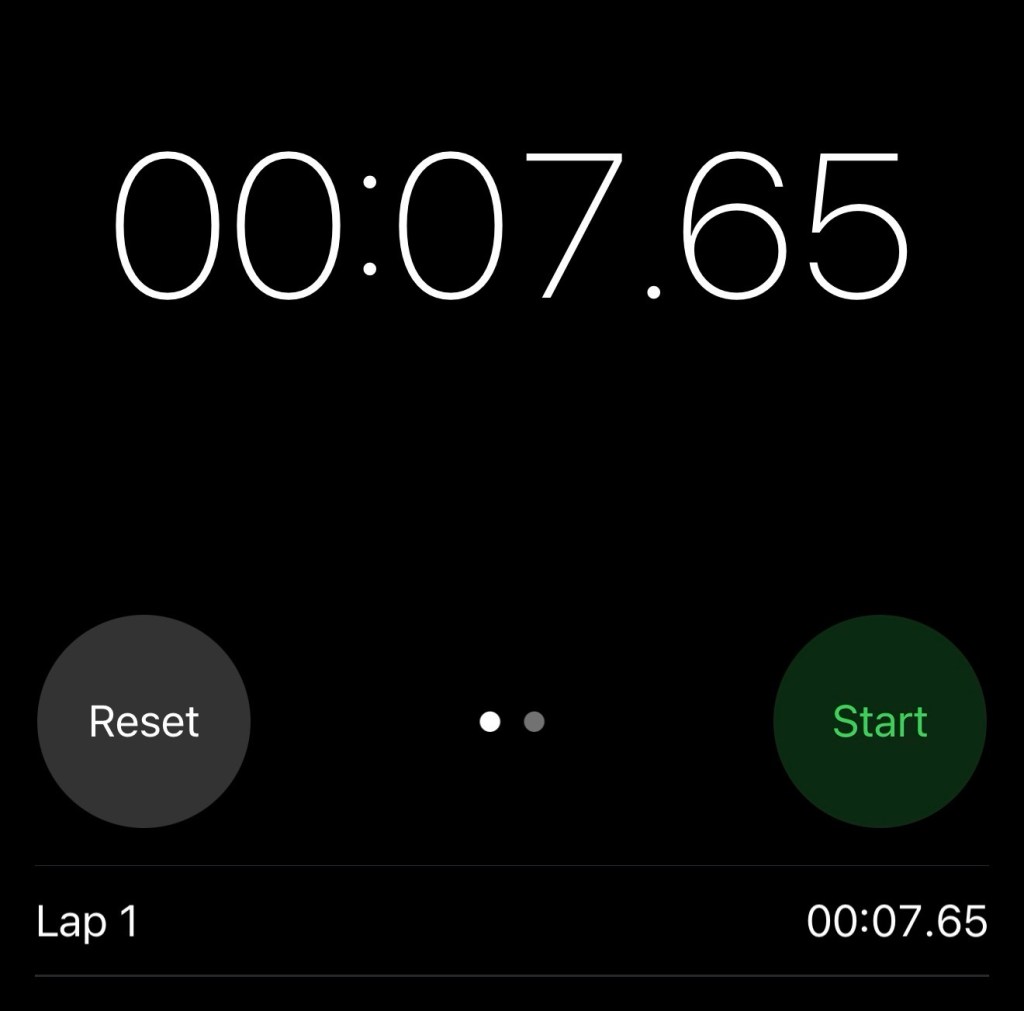
A new record! We have been practicing our skill as a class in doing our “attendance countdown” — each student has a class number between 1-22, and we have succeeded in smashing a new record of taking attendance this way in 7.65 seconds! Everyone was so excited. This learning connects to our listening skill, teamwork, understanding of decimals and fractions. 7.65 seconds divided by 22 students is 0.35. That means on average it takes each student just about 1/3 of a second to contribute his or her number to the attendance! Amazing!
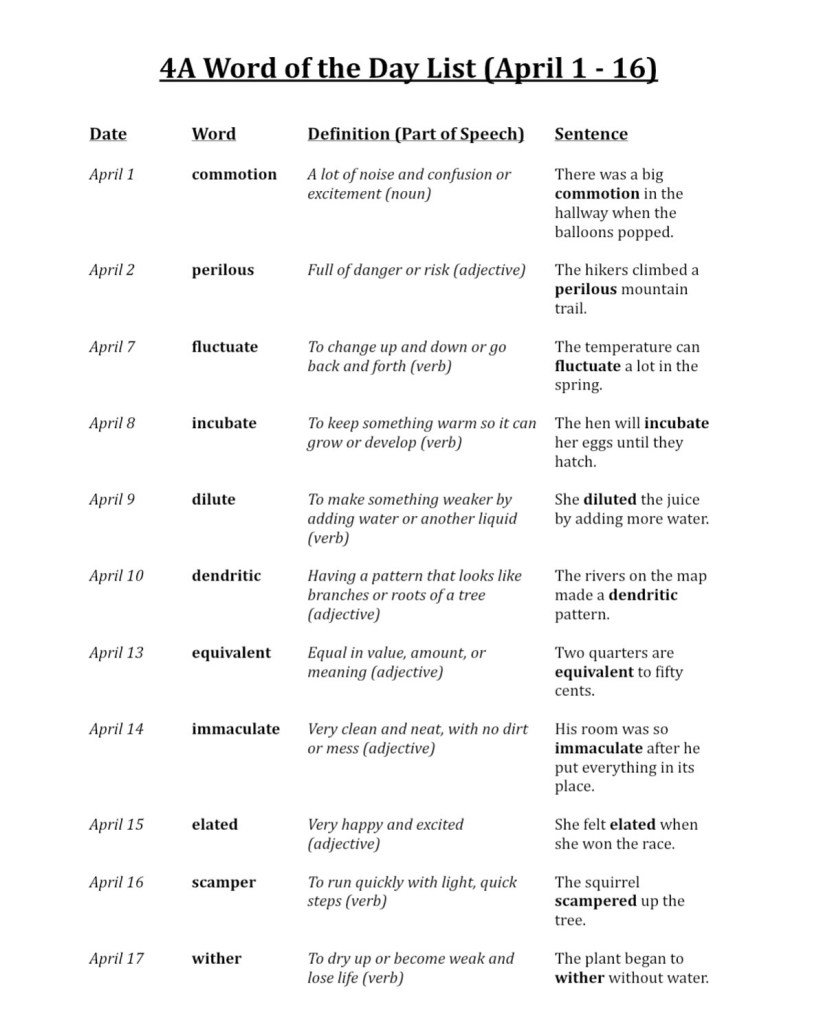
A new Language Arts routine for Term 3 is “Word of the Day”—and it’s resulting in some pretty erudite, sophisticated-sounding 9- and 10-year-olds around here!
Each day, we explore a new, challenging word (its meaning, spelling, part of speech, and origin). It’s been so fun to see these words start to appear naturally in student writing and to hear them pop up in everyday conversation. You can keep track of these daily words too as they are written in the agendas each day.
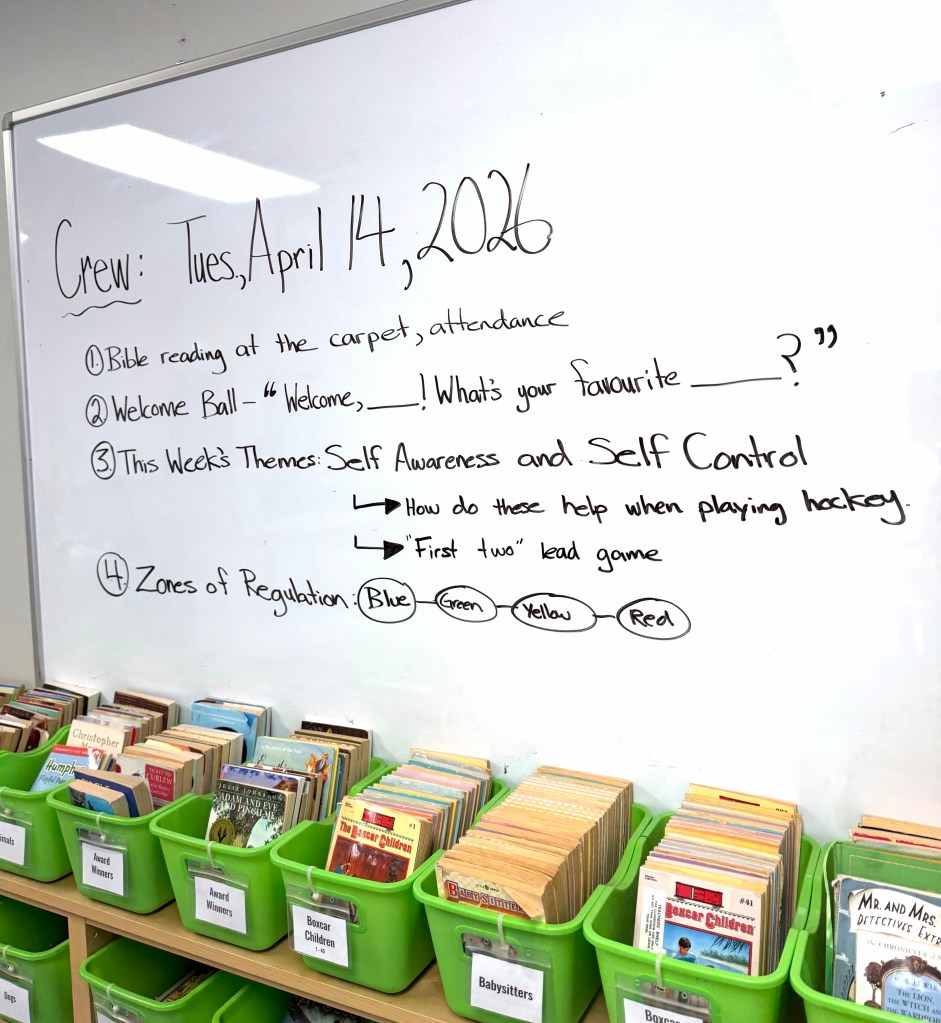
In morning Crew we often start with 5 minutes or silent Bible reading and reflection as all classmates arrive and join the circle.
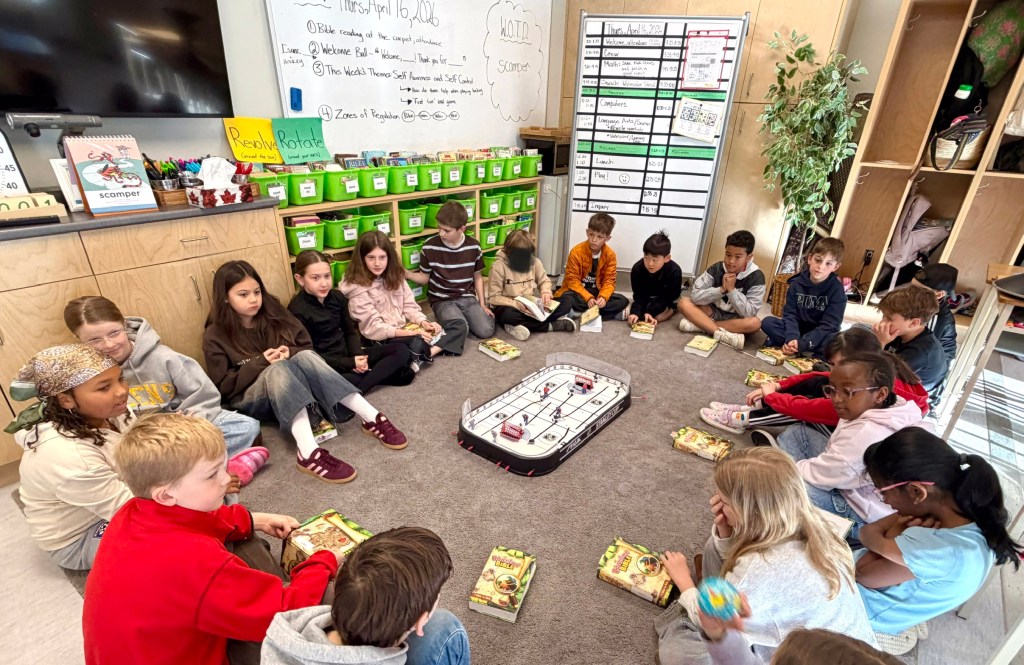
Then students go around sharing either a verse or insight from that reading time. We pray, share intentions, play “Welcome Ball”, unpack the theme(s) of the week (this week’s was self awareness and self control) and either have a related story or creative/cooperative activity to help get our team working together.
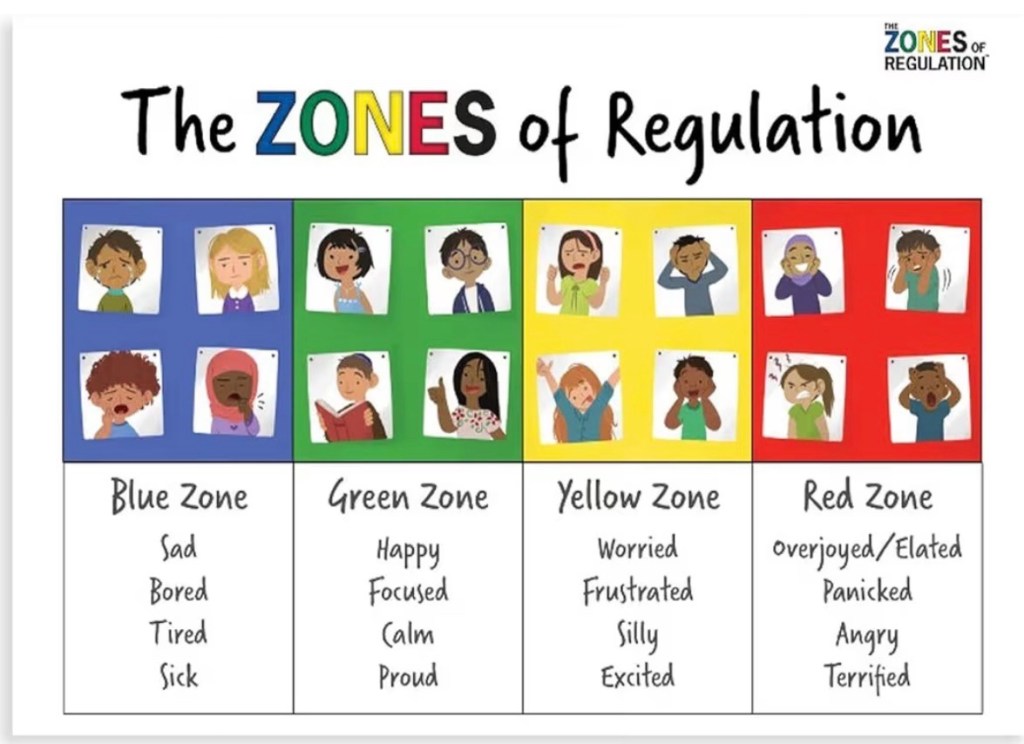
We explored the “Zones of Regulation” framework to help us have a shorthand for expressing what we are feeling.
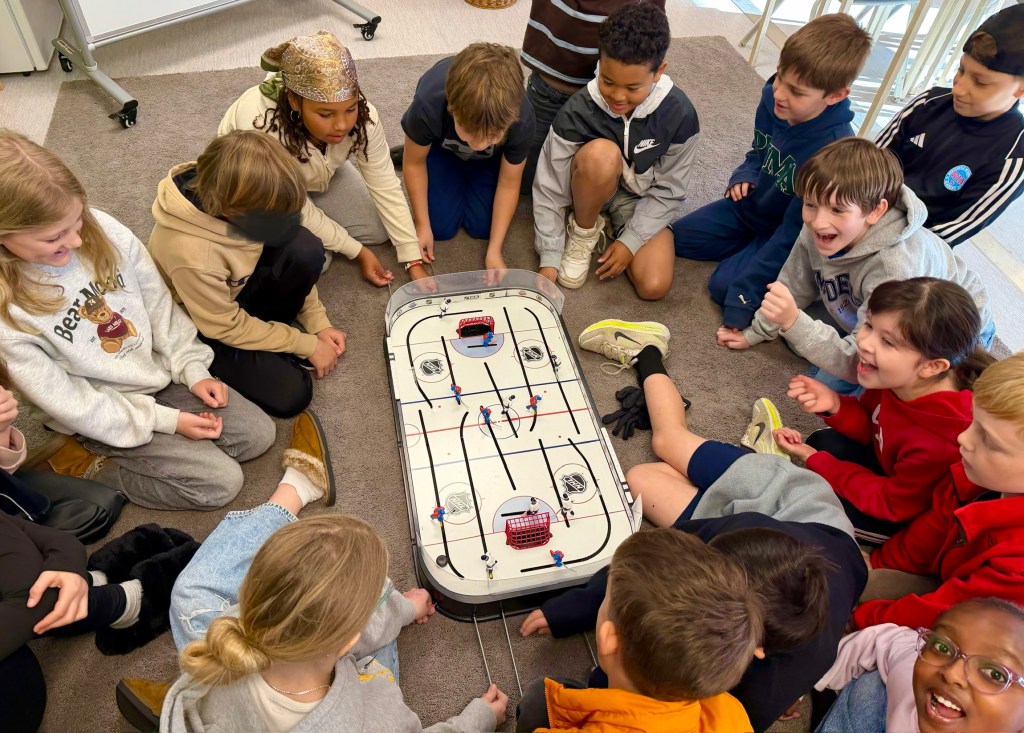
Table hockey continues to be a favourite game in our class!
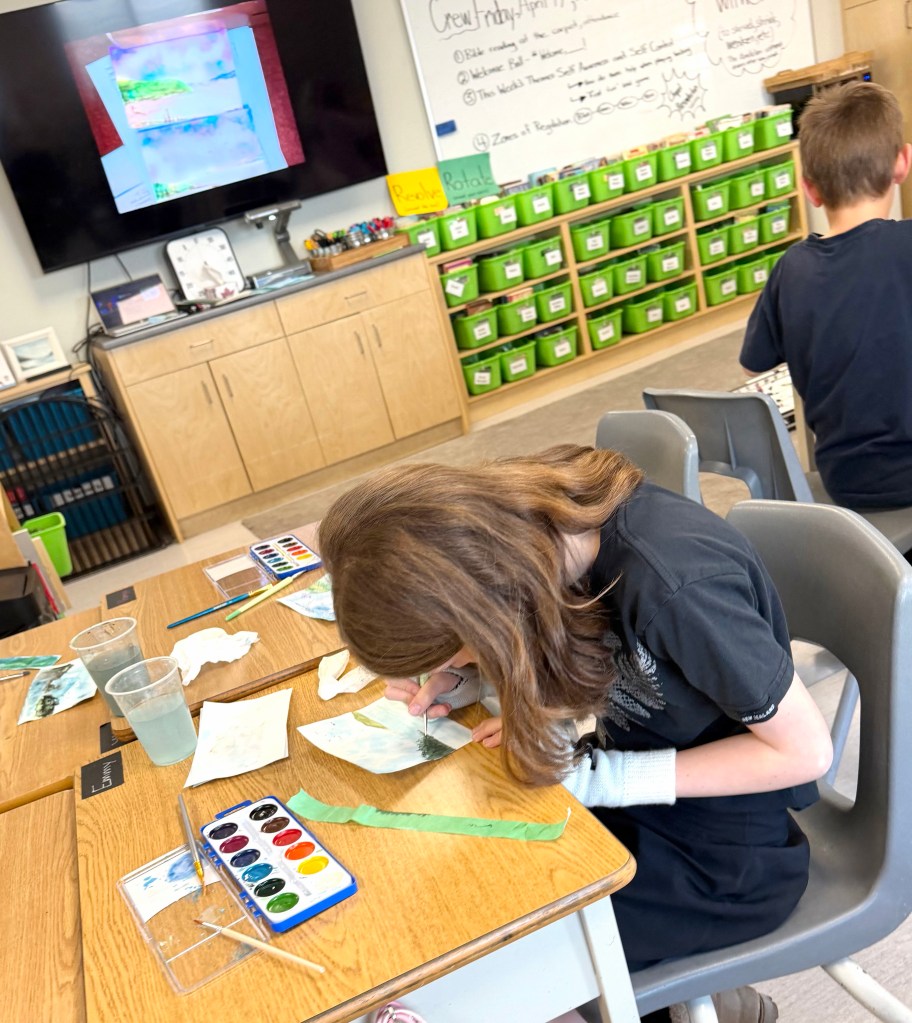
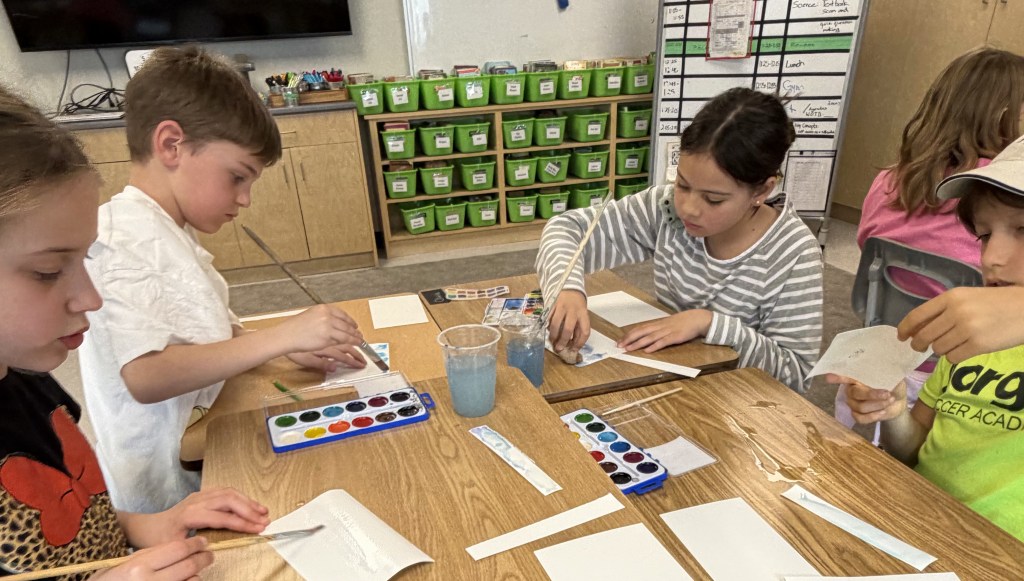
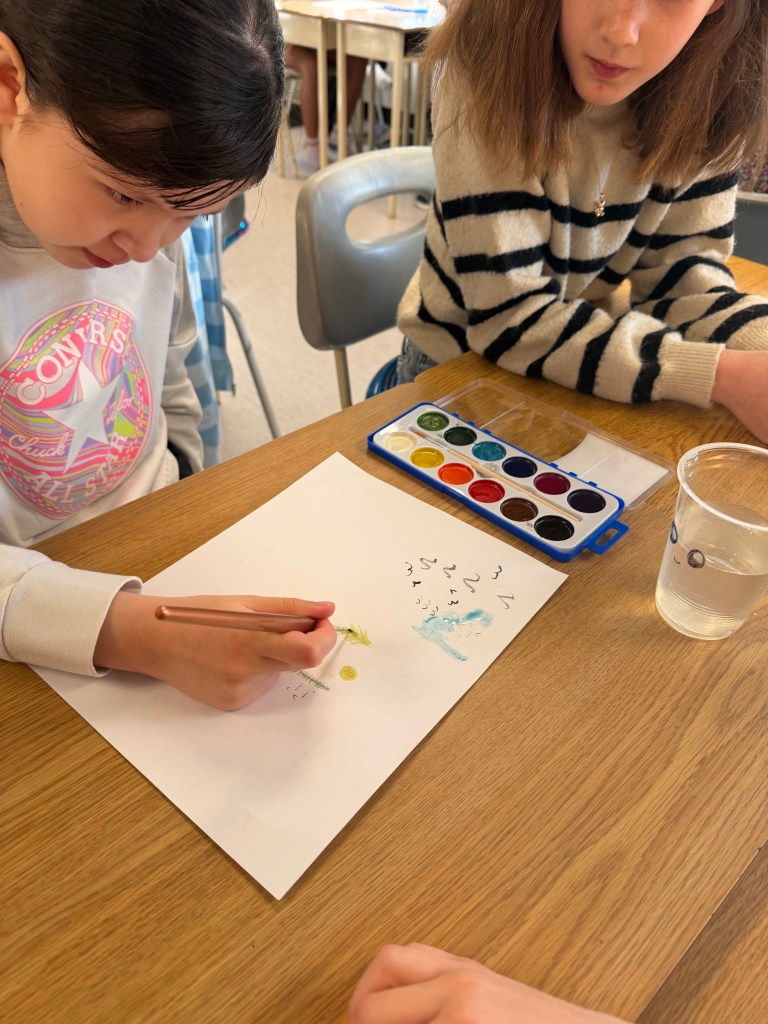
In Art, we continue to work on the Learning Coats project, and we are also now deep into our Salish Sea Watercolour unit—the pieces are looking so beautiful! Here are some paintings still in progress…
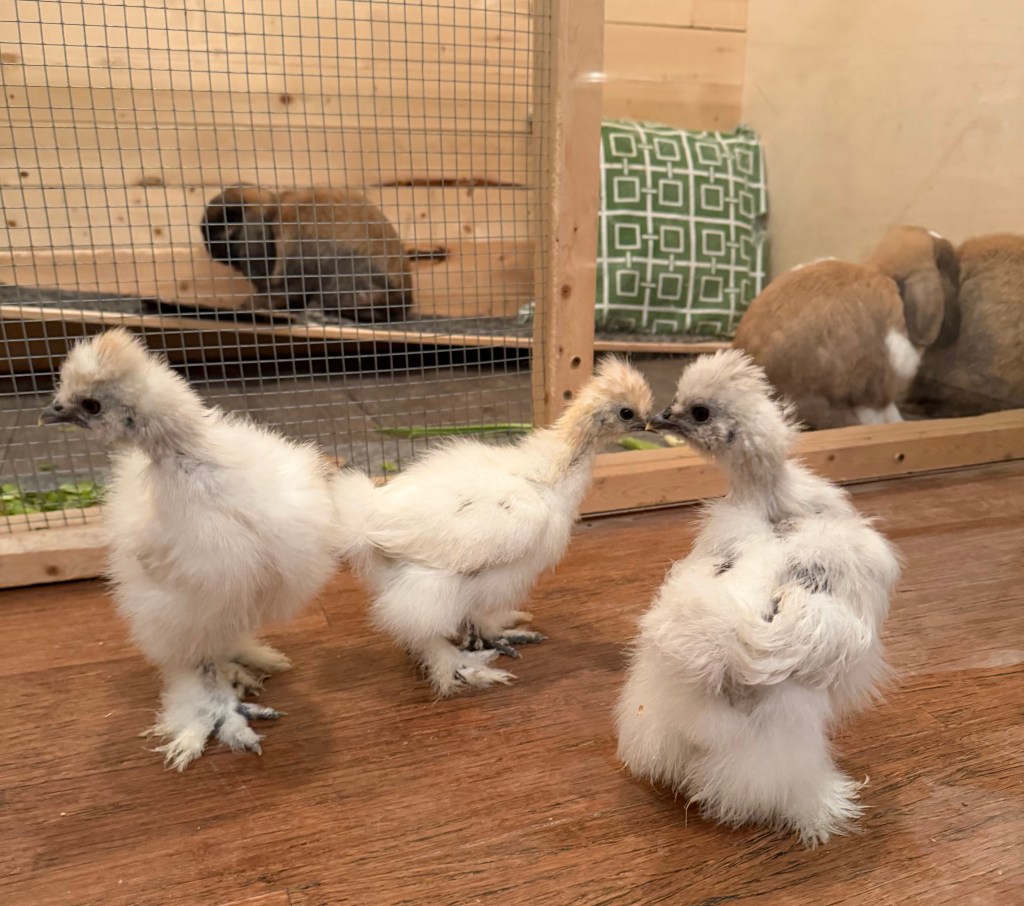
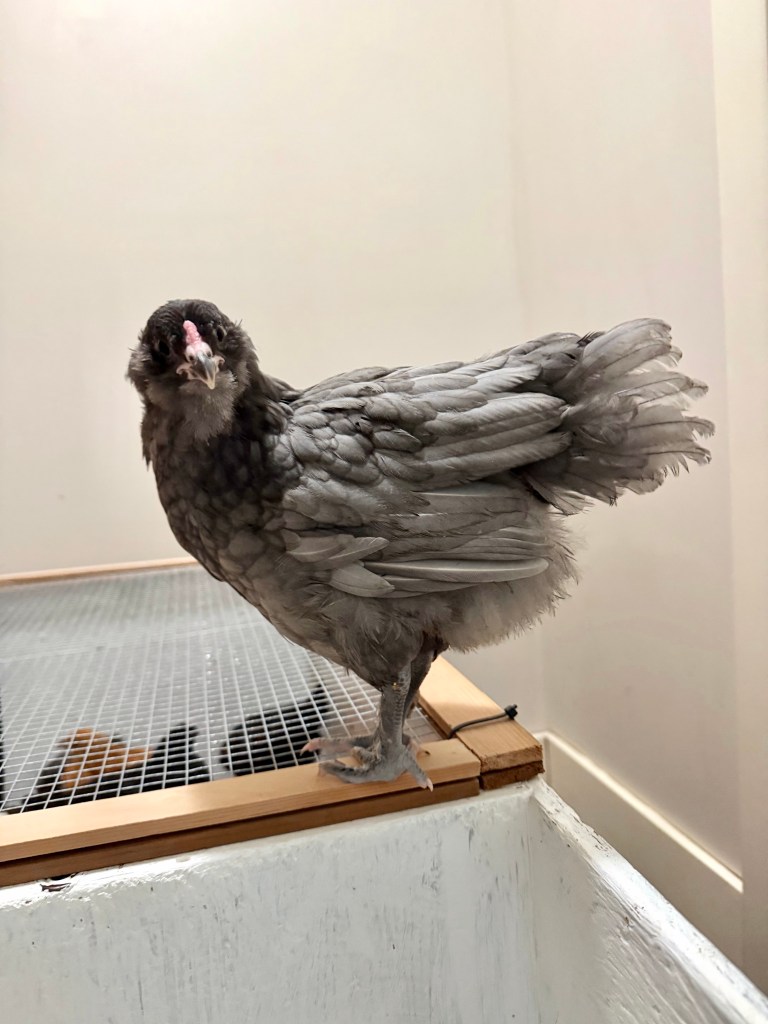
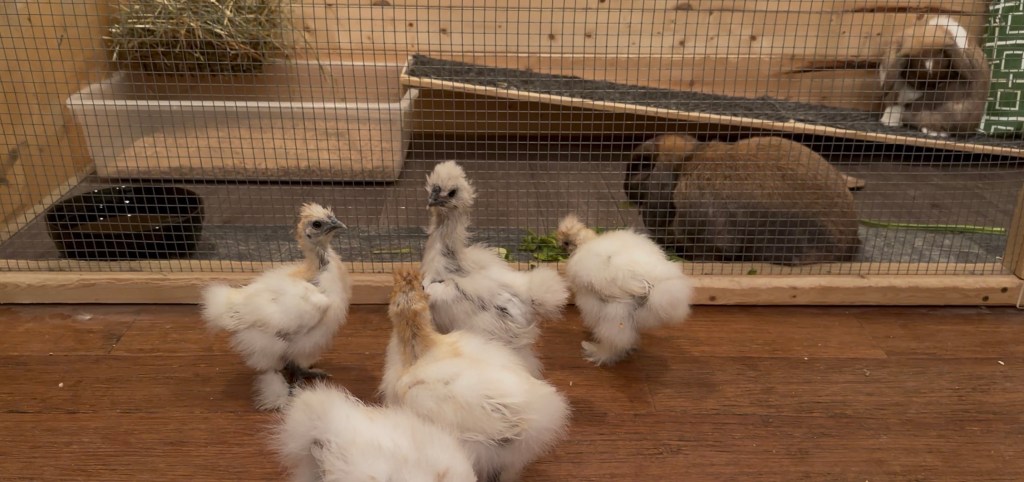
The rumours are true! 😂 The 20 chicks I got for my family (Silkies, Ameraucanas, Barred Rock and other mixed breeds) are now in that awkward, noisy, teen phase. They are not fully feathered yet and it’s not warm enough for them to live outside in their new coop yet, so they are indoors in a giant brooder box in our mudroom. They get a little “free range” visiting the in the bunny area each day. The bunnies are pleasantly neutral about the chicks. This strange adventure in indoor poultry farming 🥴 for our family has added “exciting” new cleaning opportunities and extended the morning and evening routines. It’s a lot—but it makes for great stories for grade 4 students.
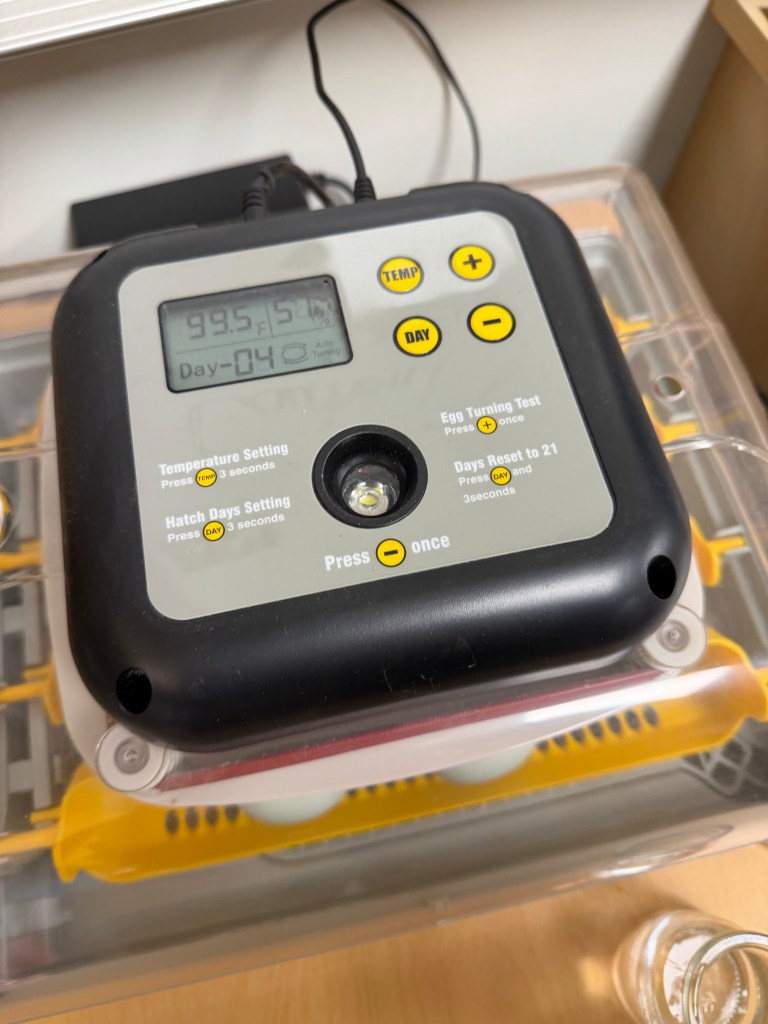
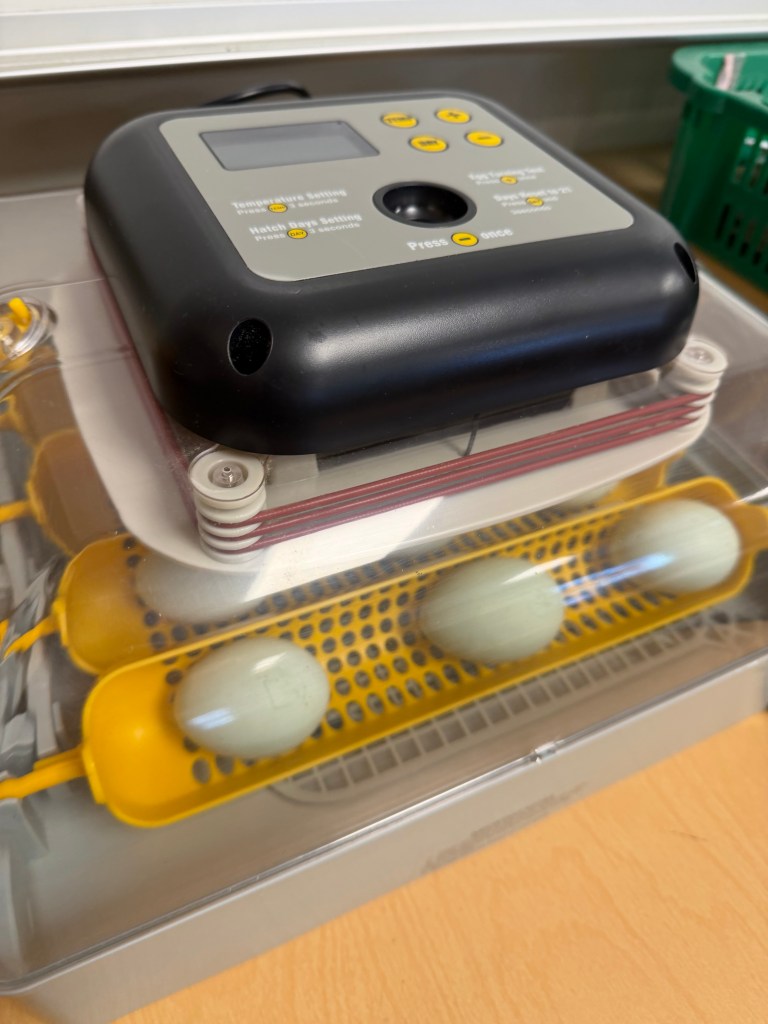
Our class incubation project is underway and we are set to hatch on April 28th. We will candle the eggs next Tuesday in class.
Thank you so much for taking the time to explore our class updates and staying connected with us!
Reminder:Student-led conferences will happen on April 22, 3:30pm – 5:45pm—more details coming next week. As well, a Young Entrepreneurs market will run durng that time in the main school.
In Math, we are continuing to learn about equivalent fractions. Here is a video to help explain this concept and prepare for our quiz on Monday.
In Art, we have begun our watercolour painting unit. Families are warmly invited to follow along at home by using the link below to access ALL of the tutorial videos I’ve created for you. CLICK HERE: https://inquiryninja.com/salish-sea-watercolour-mini-course/
We have two exciting Science units on the go right now.
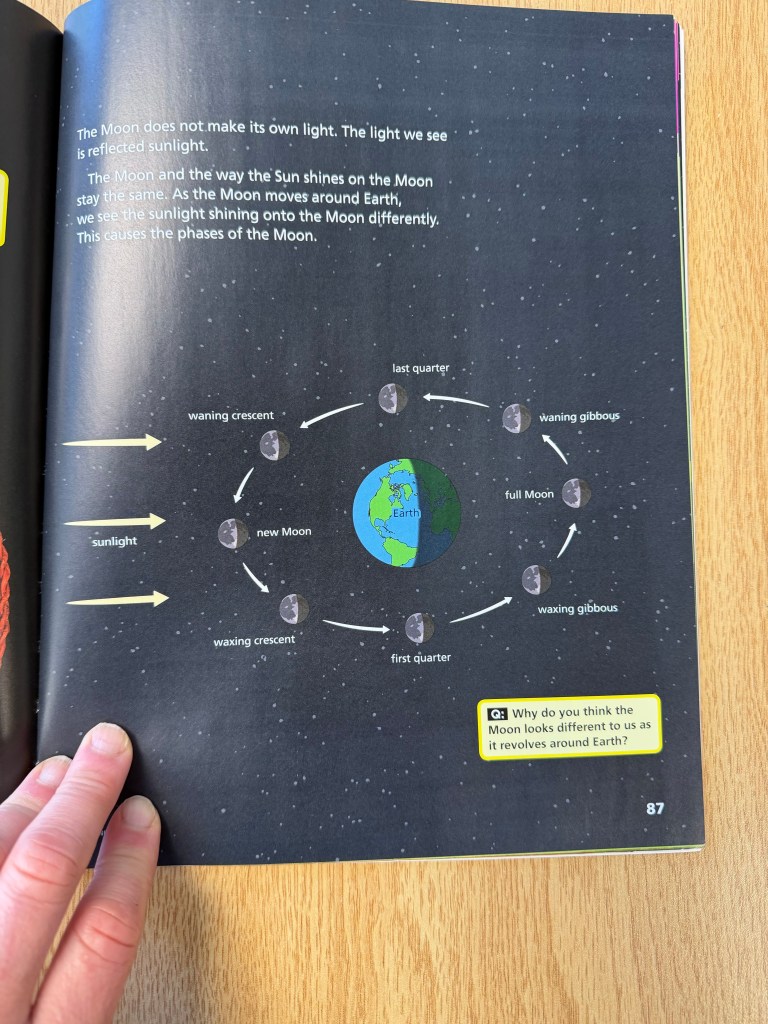
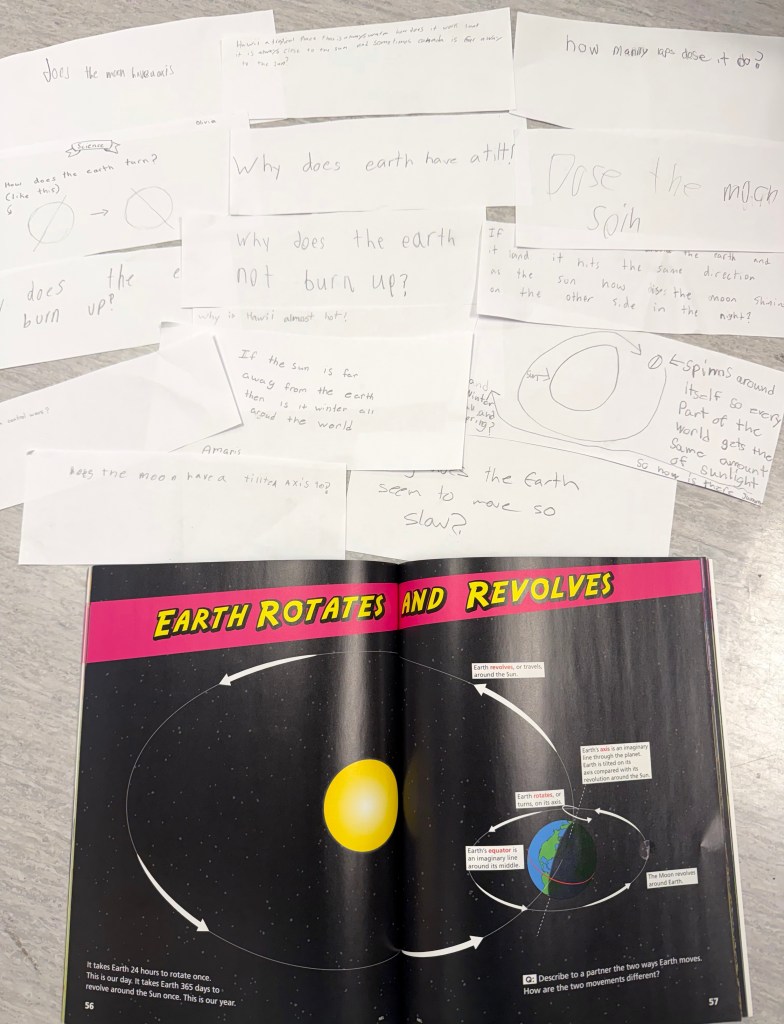
We’re learning about Earth’s rotation, orbit, and the phases of the moon, and students have been building their thinking and study skills by creating their own quizzes on the content.
At the same time, we’re working on observation in science through our chick incubation project. Students are tracking changes over time, making connections to light, temperature, humidity, and seasons, and will be doing lots of graphing and measuring along the way. More to come! 🐣
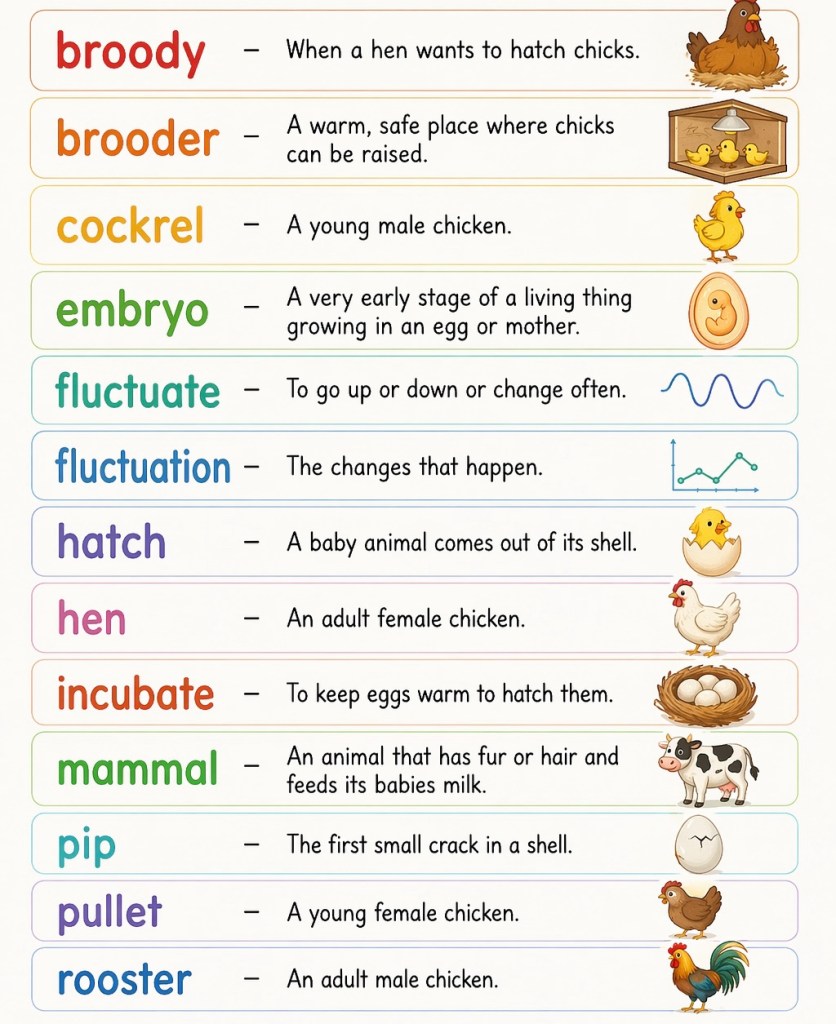
Here are some new Science vocabulary words we learned this week…
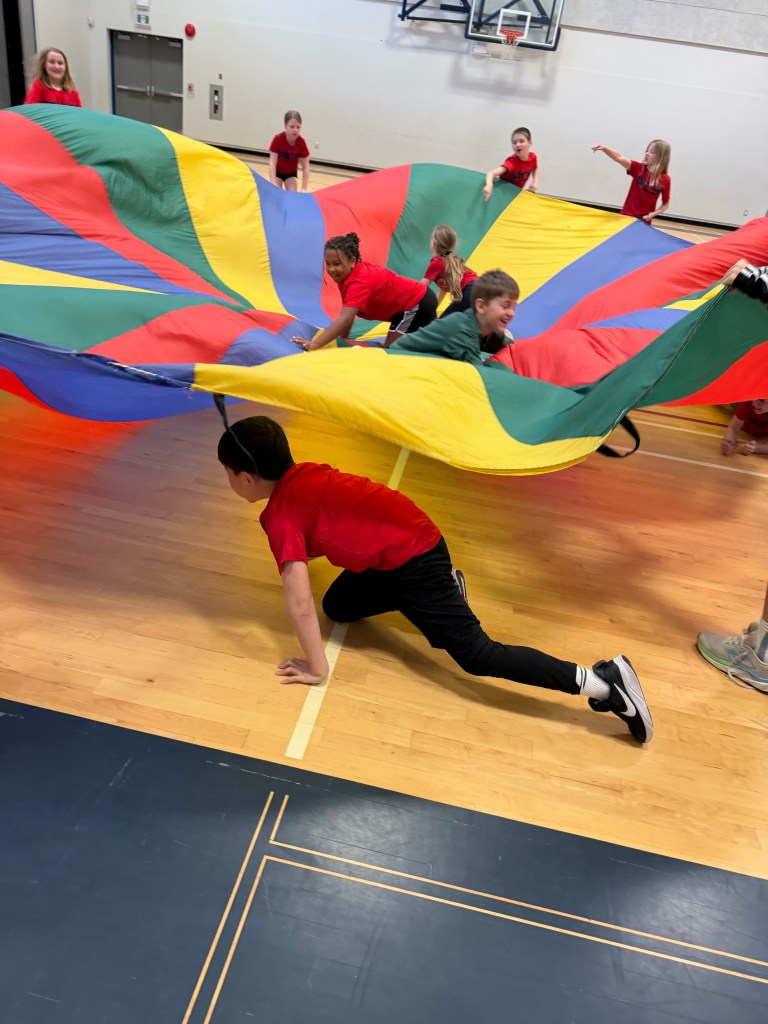
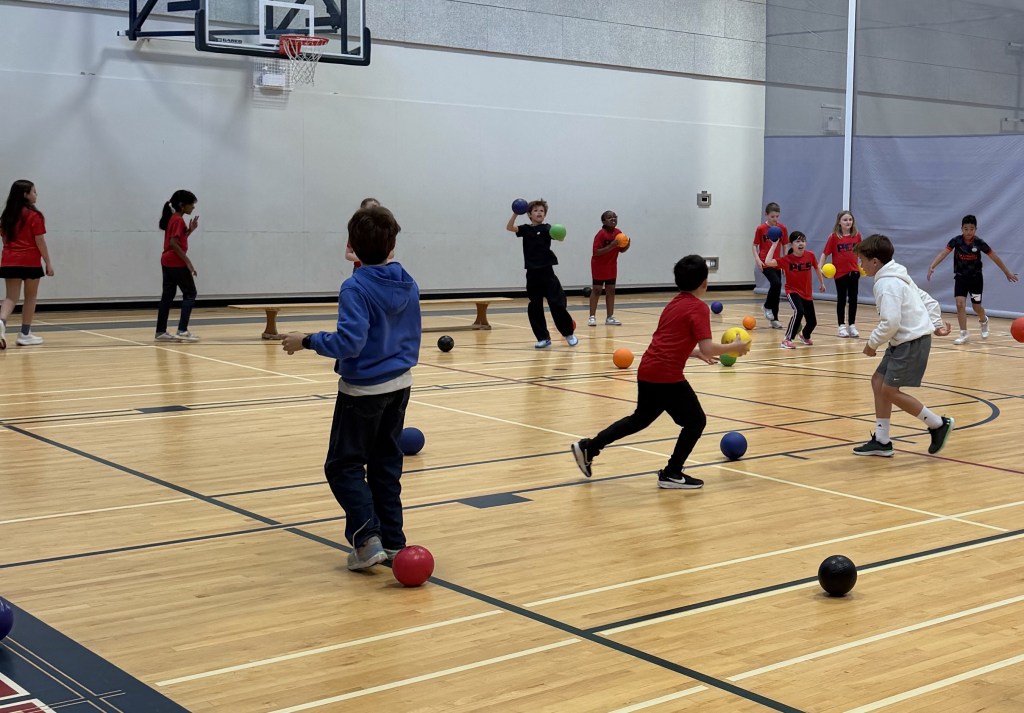
In the gym, we have continued to enjoy a variety of games to strengthen our physical literacy, and students are invited to teach and lead games and activities after making a successful proposal.
“The fruit of the Spirit is love, joy, peace, patience, kindness, goodness, faithfulness, gentleness, and self-control.” — Galatians 5:22–23
Two key themes we’ve been working on this week (and will continue with next week) are self-awareness and self-control. We’ve been exploring these through our games in PE, as well as through our art lessons and stories.
In Bible, we have now wrapped up our study of the Easter story, and we’re now shifting back to focus again more closely on Jesus’ parables. Over the next little while, we’ll be zooming in on a few key parables as we prepare for our chapel presentation that will involve students in dramatizing them.
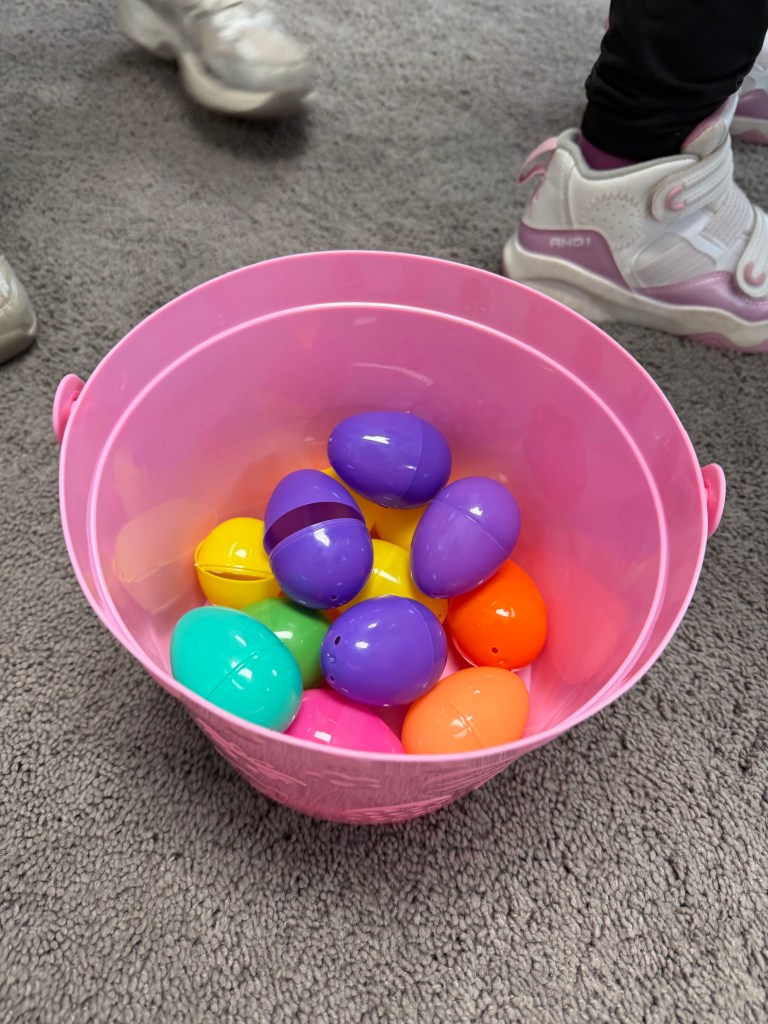
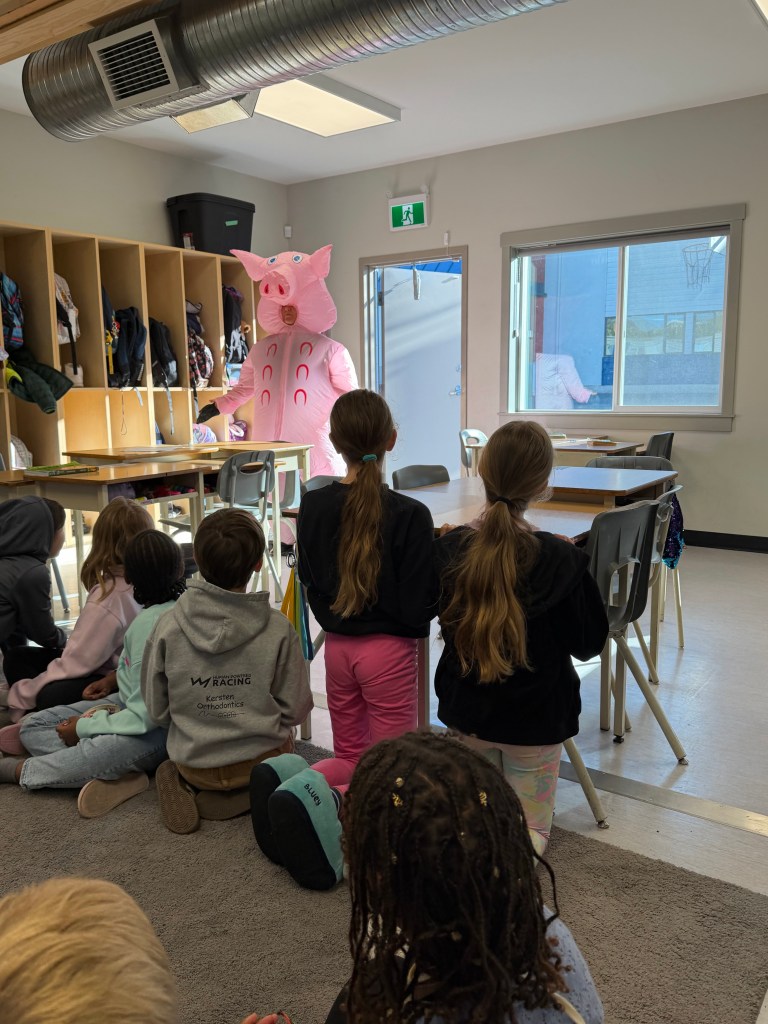
We had a very special CREW on Tuesday! The cutest piggies visited and celebrated the students’ success in our classroom “Ducky Hunt” for fun!
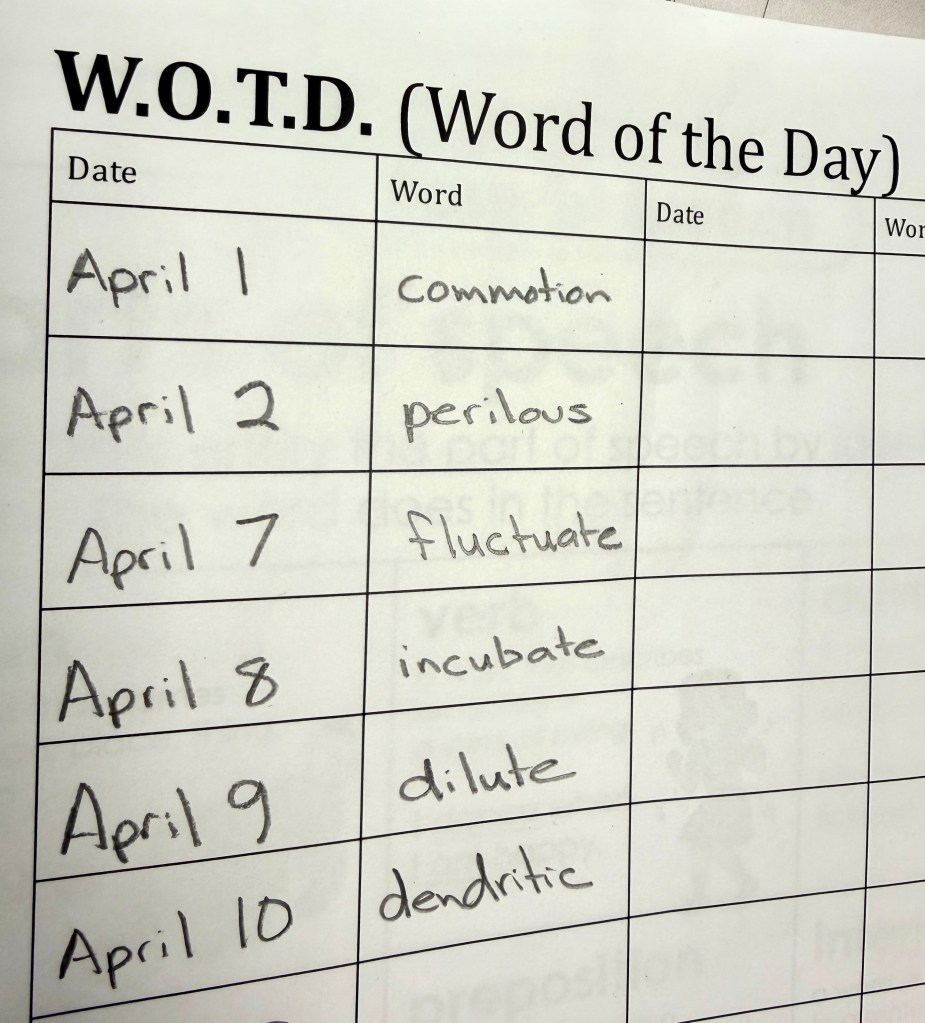
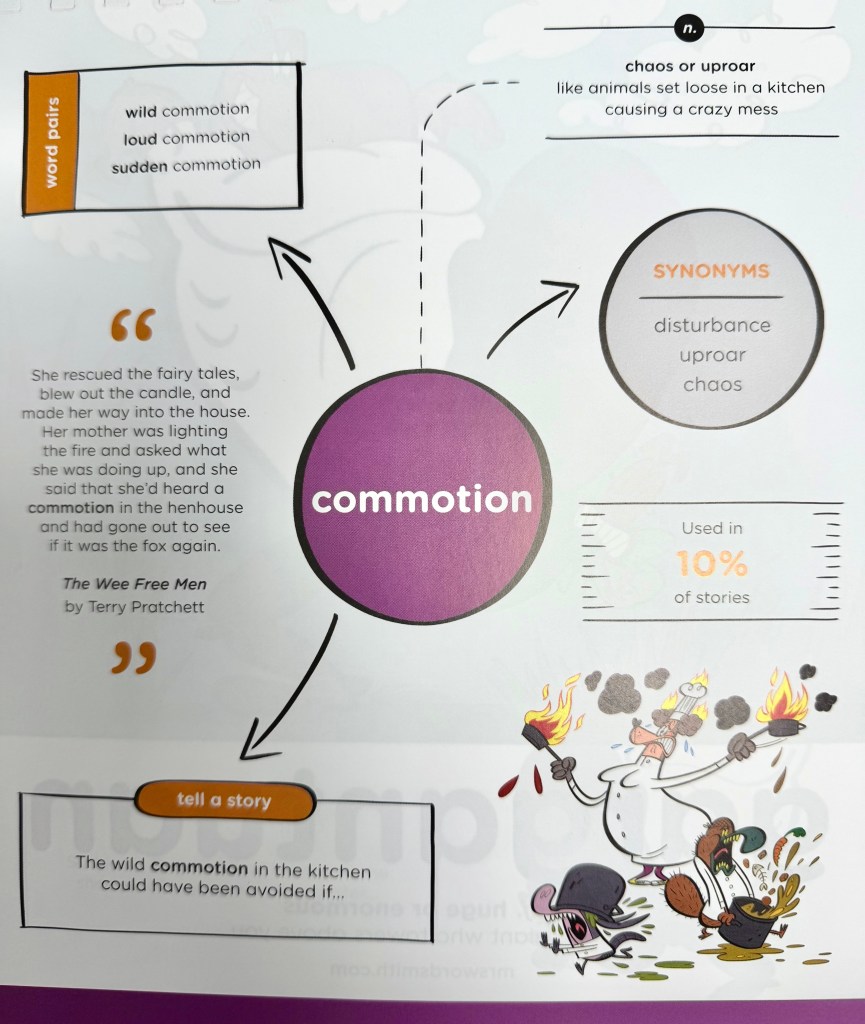
W.O.T.D (Word of the Day): Each day in our class we focus on learning a challenging new vocabulary word—we choose a word that naturally emerges in our learning. For example, on April 1st there was quite a commotion in the school after an April Fool’s prank was played. On April 7th we talked about how the egg incubator’s humidity can fluctuate. On April 9th we learned about how to dilute paint with water to create more subtle tones. On April 10th, we focussed our attention on the dendritic way watercolour paint can spread out through the page—looking like the dendritic roots or branches of a tree or veins. Ask you child to explain and use any of the above words meaningfully in a sentence.
“Hosanna to the Son of David! Blessed is he who comes in the name of the Lord! Hosanna in the highest heaven!” – Matthew 21:9
In Math this week we have been making strong progress in understanding fractions and their equivalents. Tomorrow we will have a short check-in quiz.
Students have been asked to bring home their daily math practice sheets to receive and show to a parent.
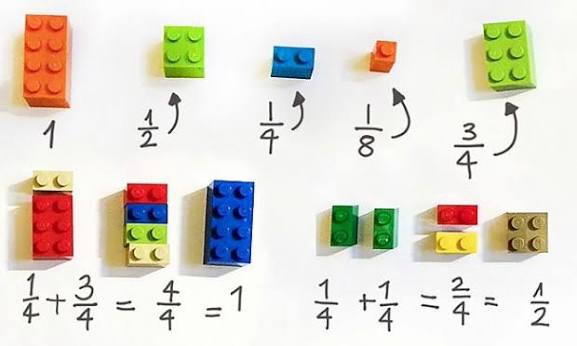
We have been doing fractions with food, toys, Lego, number lines, math stories, and more. Here are two tutorial videos.
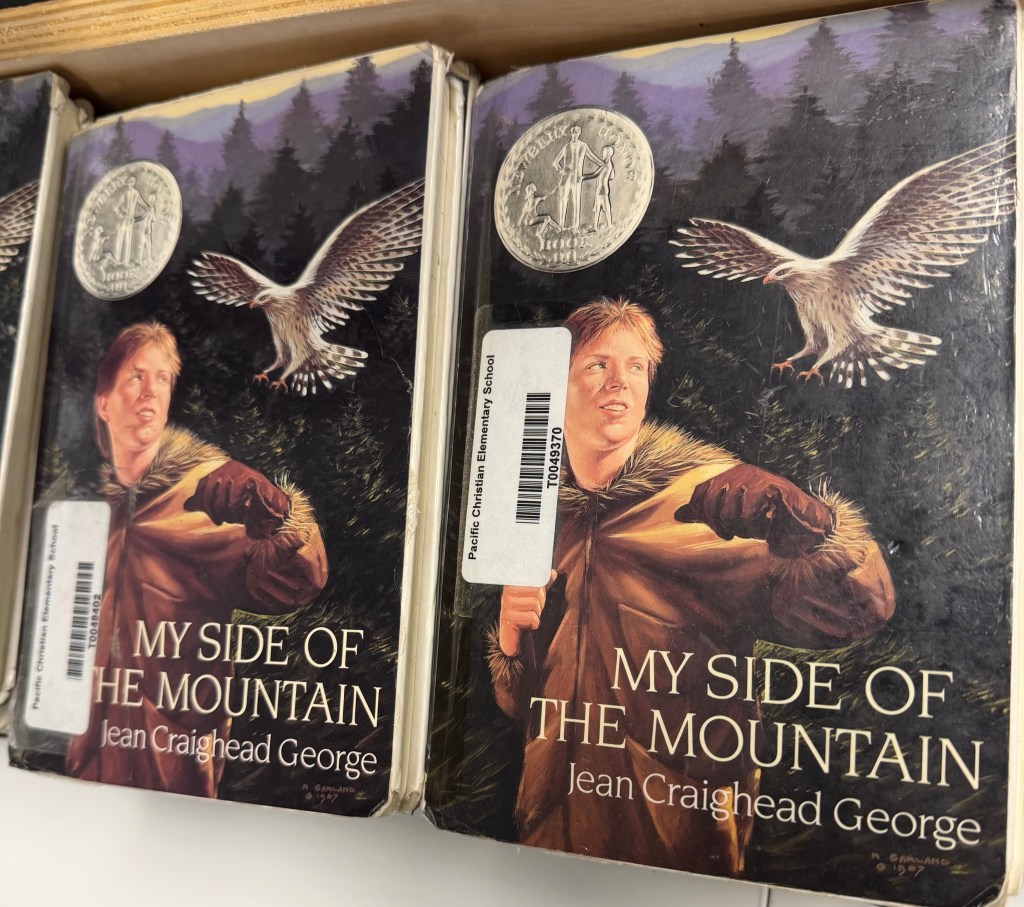
In Language Arts, we have started a new class novel study on Jean Craighead George’s award winning book, My Side of the Mountain.
As well, we’ve launched a new “Word of the Day” routine…
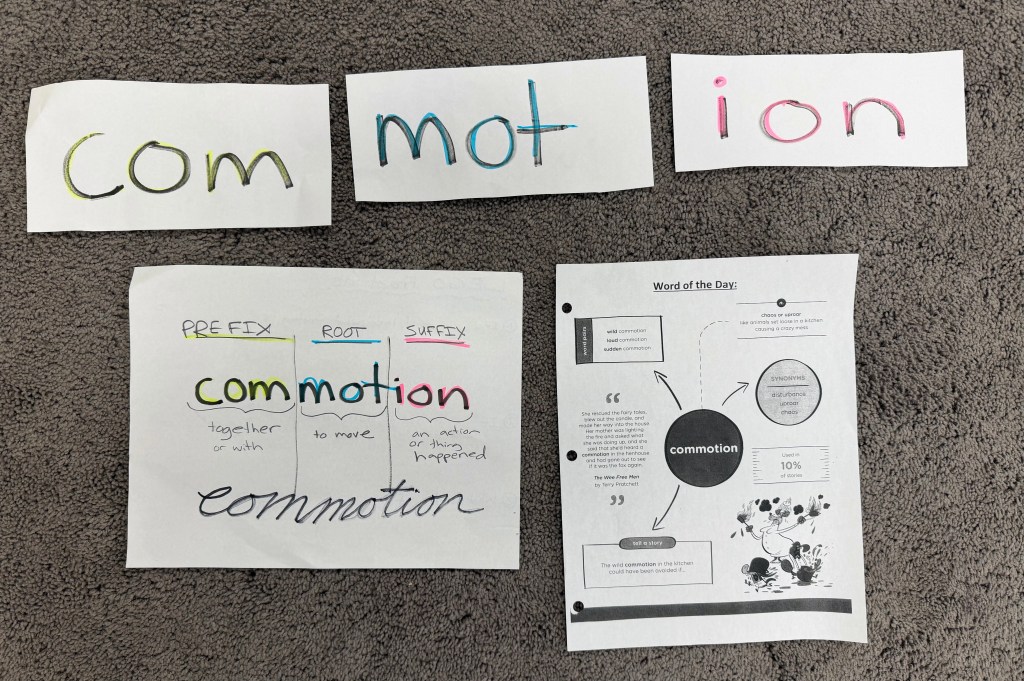
Each day, we will explore a new word by examining its spelling and meaning, analyzing its prefixes and root words, exploring its origins, and applying it in engaging activities such as our “Story Chain” game.
As part of this routine, each student will be asked to:
1. Record the word in his/her agenda.
2. Sharethe meaning of the words and use it in an example sentence with a family member at home.
3. Challenged to use it a few times throughout the day.
The ongoing record of our “word of the day” work will be kept in your child’s agenda. (This makes it important that agendas travel to and from school each day. This simple home connection reinforces learning while helping students build responsibility and organization.)
This routine is intended to expand vocabulary and deepen word knowledge in a consistent, manageable way, while perhaps inspiring a fun, lifelong healthy habit.
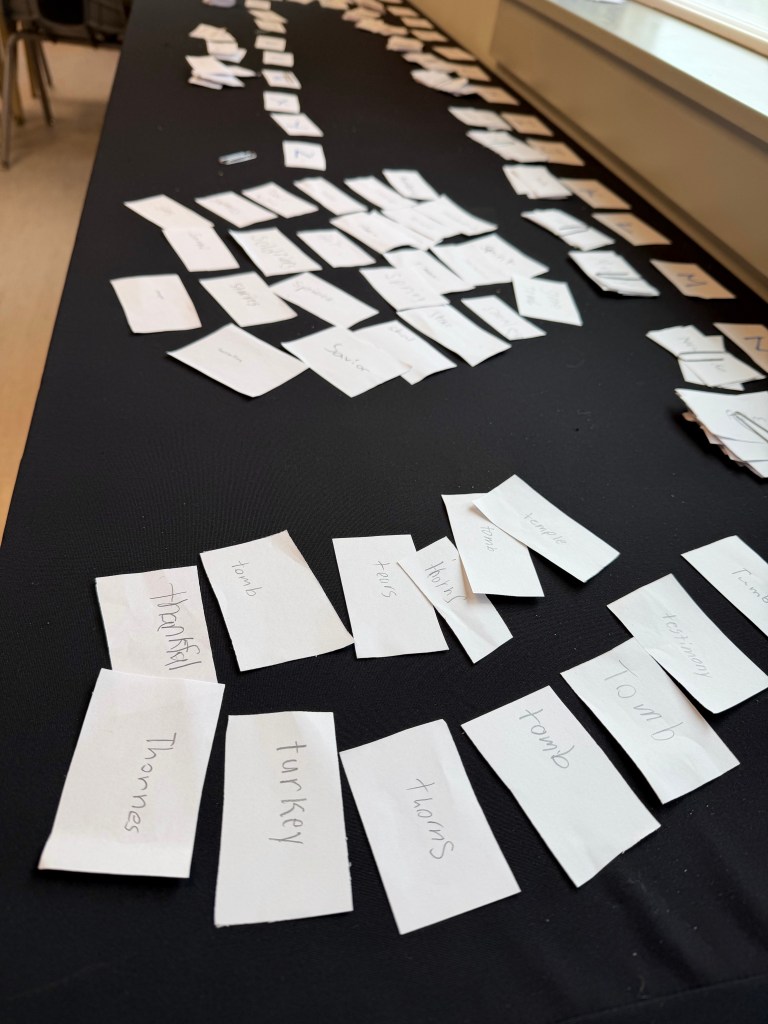
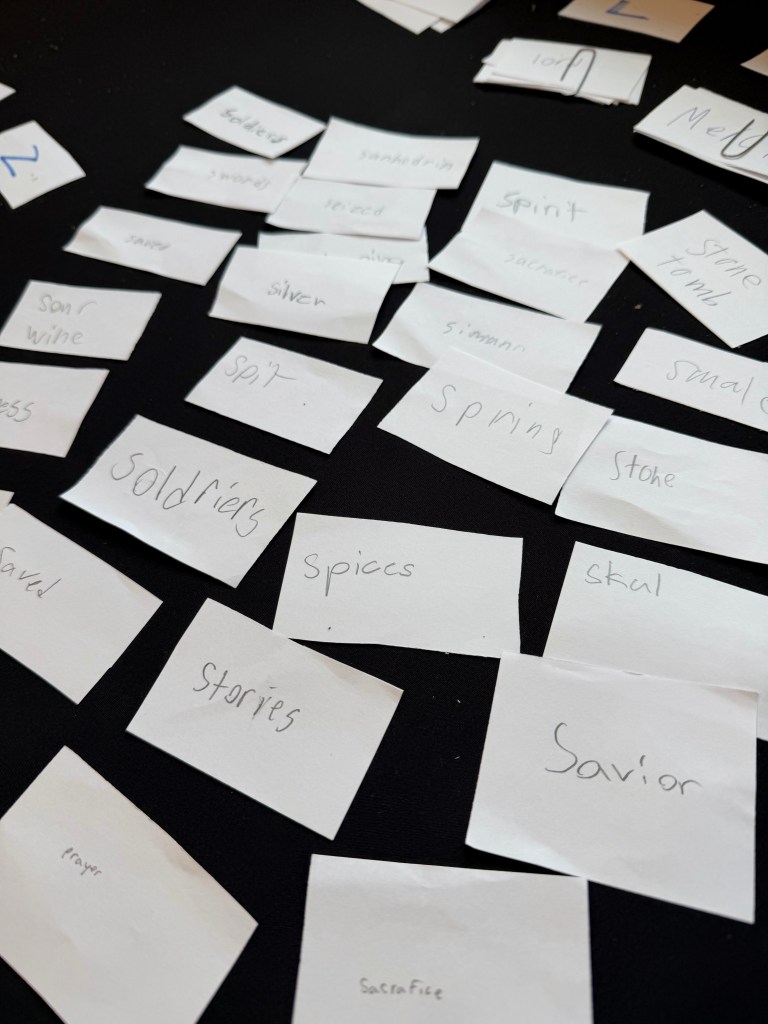
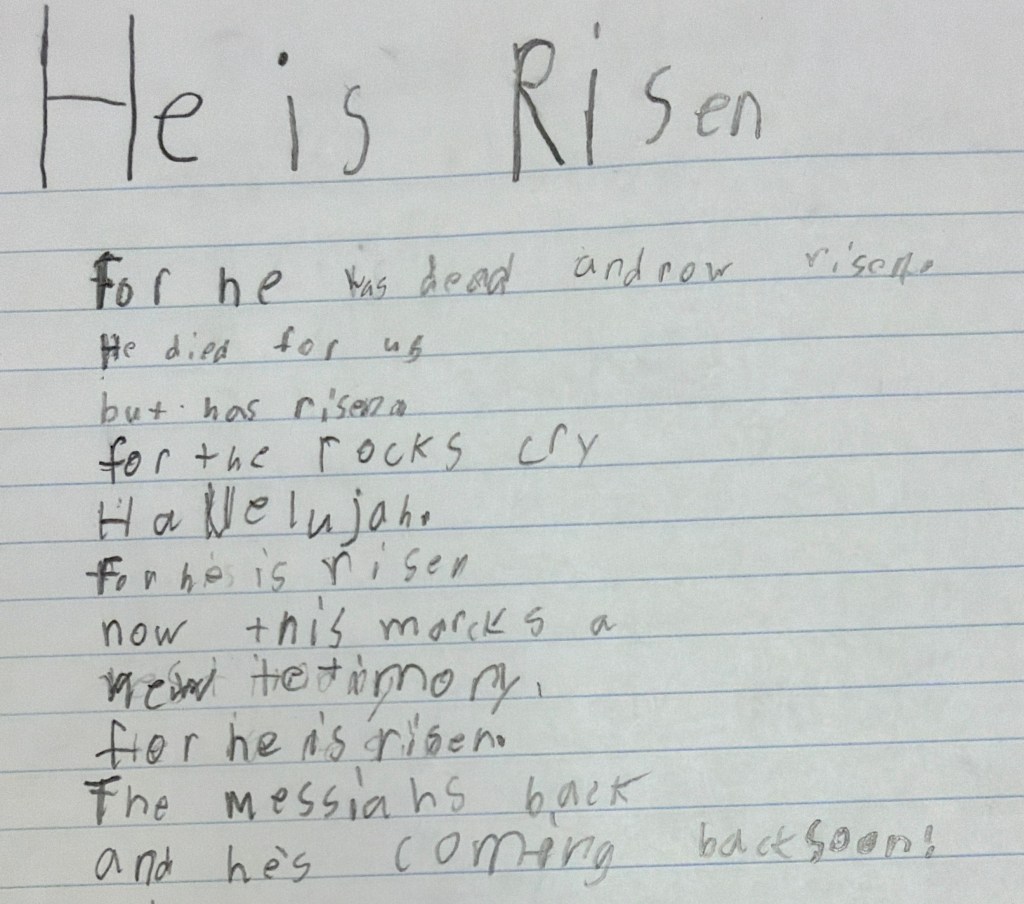
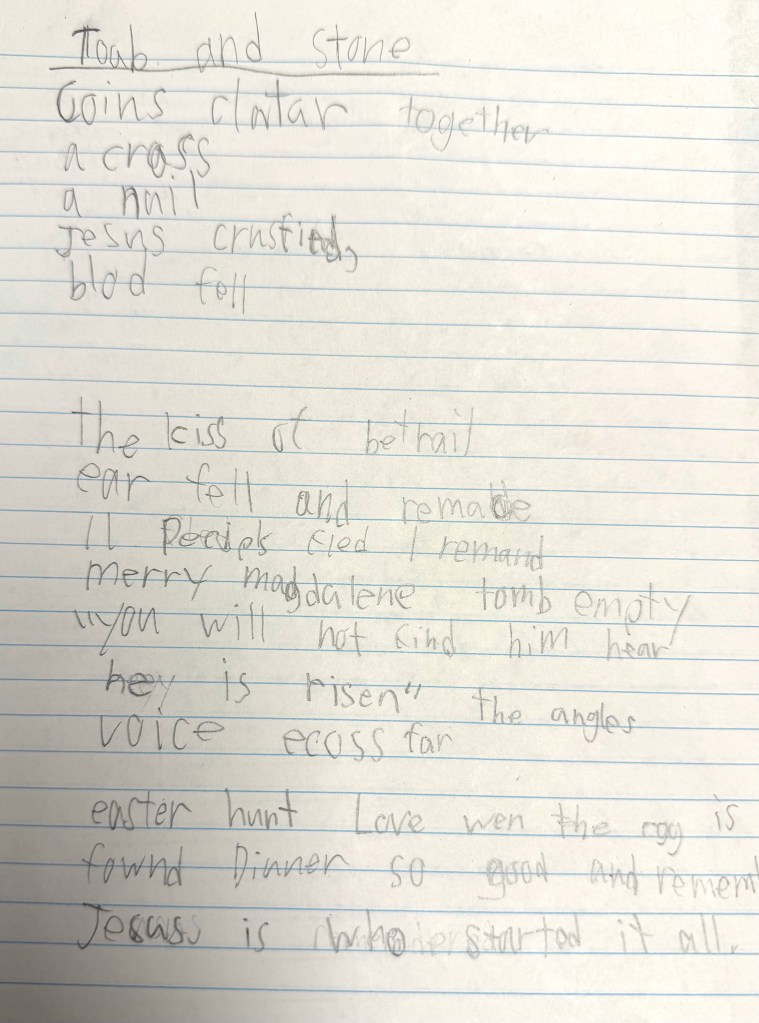
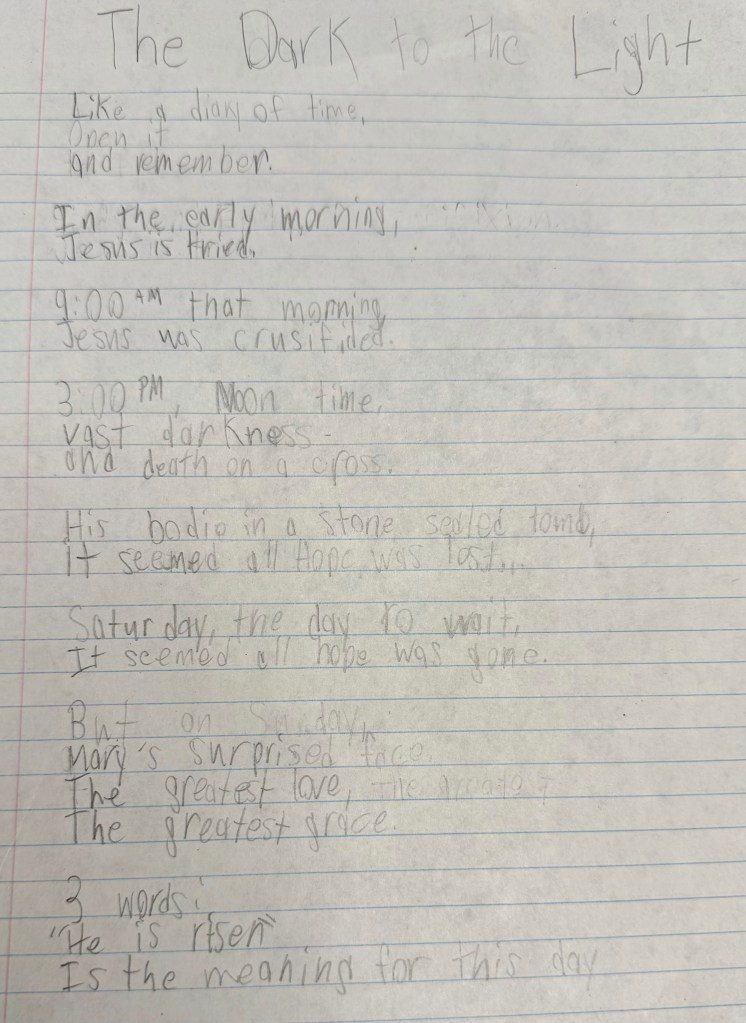
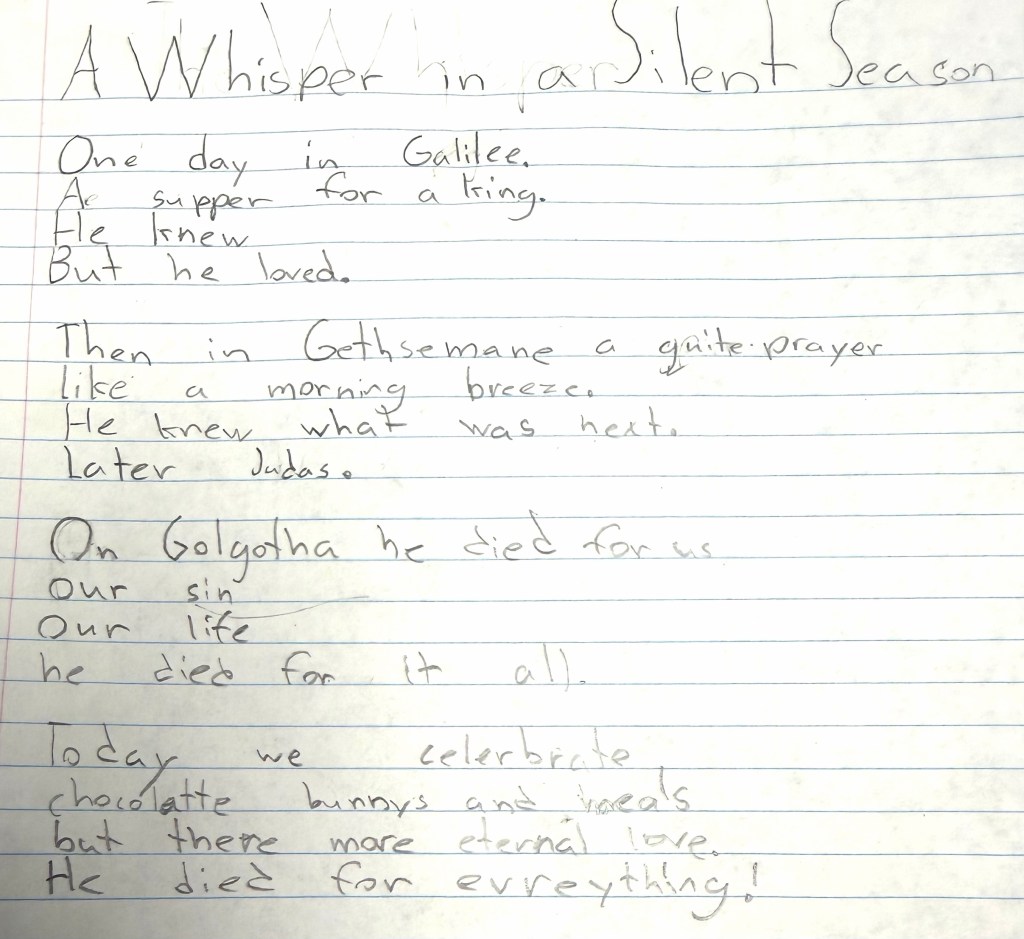
Students have also worked together to compile a giant “Easter Vocabulary” list, which they then used as inspiration for Easter free verse poems tomorrow.
Our Bible lessons have been preparing students to reflect deeply on the meaning of Easter. This week, we explored key moments in the Easter story, including Jesus’ entry into Jerusalem on a donkey, the cleansing of the temple, the Last Supper, and tomorrow we have a special Easter Chapel experience and then focus our Bible learning on the discovery of the empty tomb.
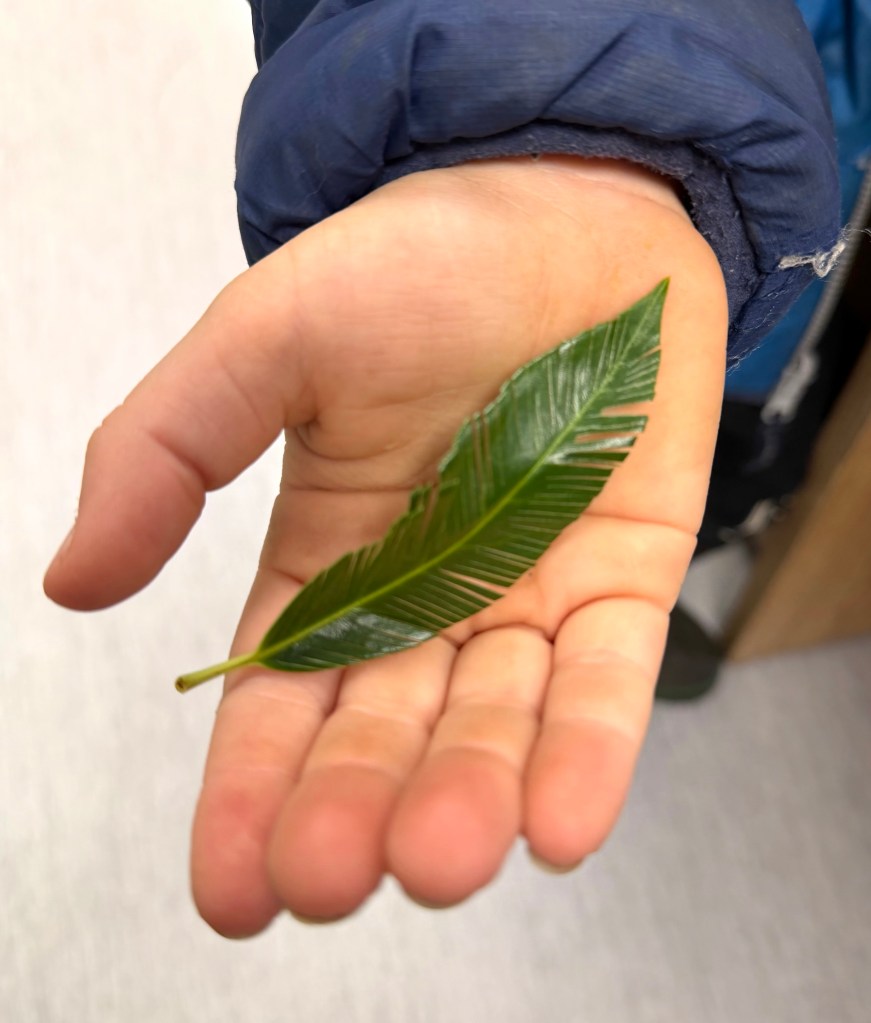
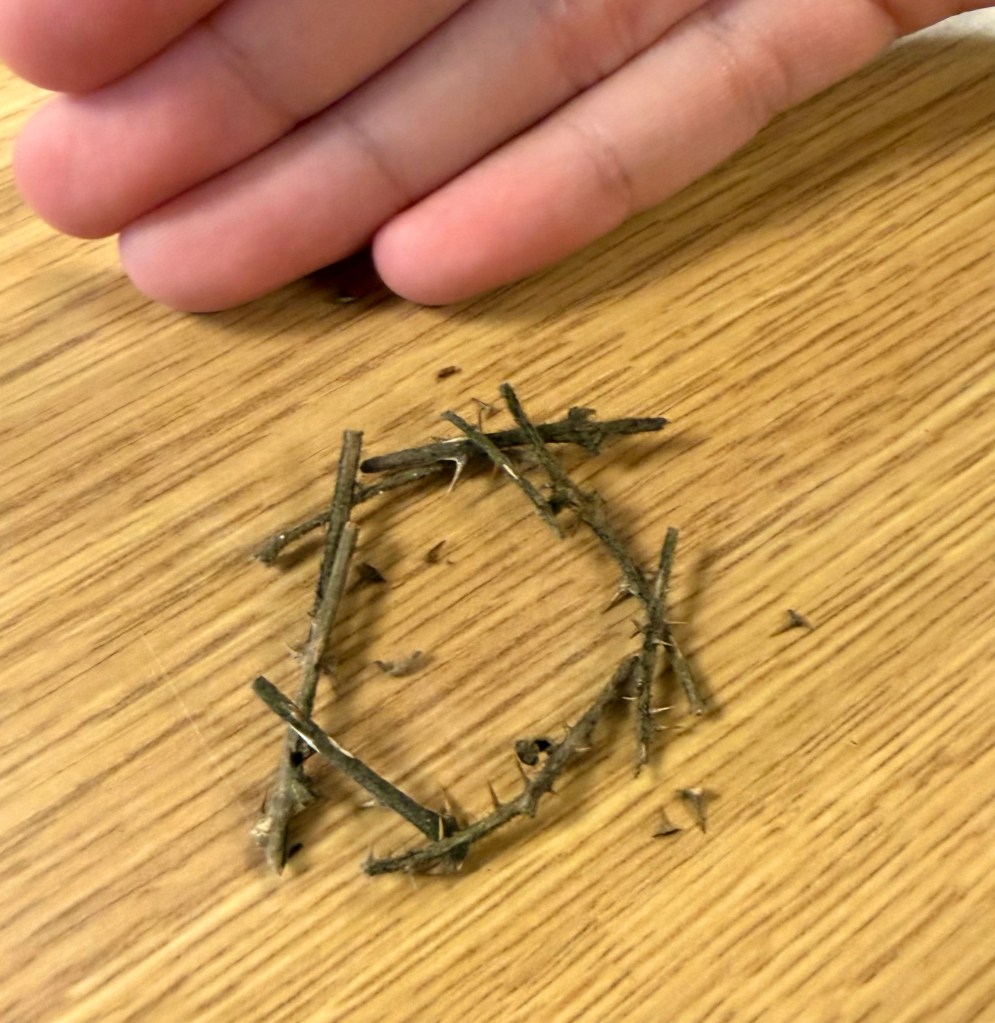
Along the way, we also discussed some of the rich symbolism woven throughout these events and what they reveal about Jesus’ mission and God’s kingdom.
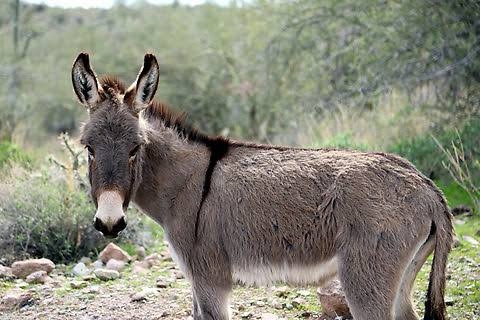
Palm Branches Crown of ThornsDonkey
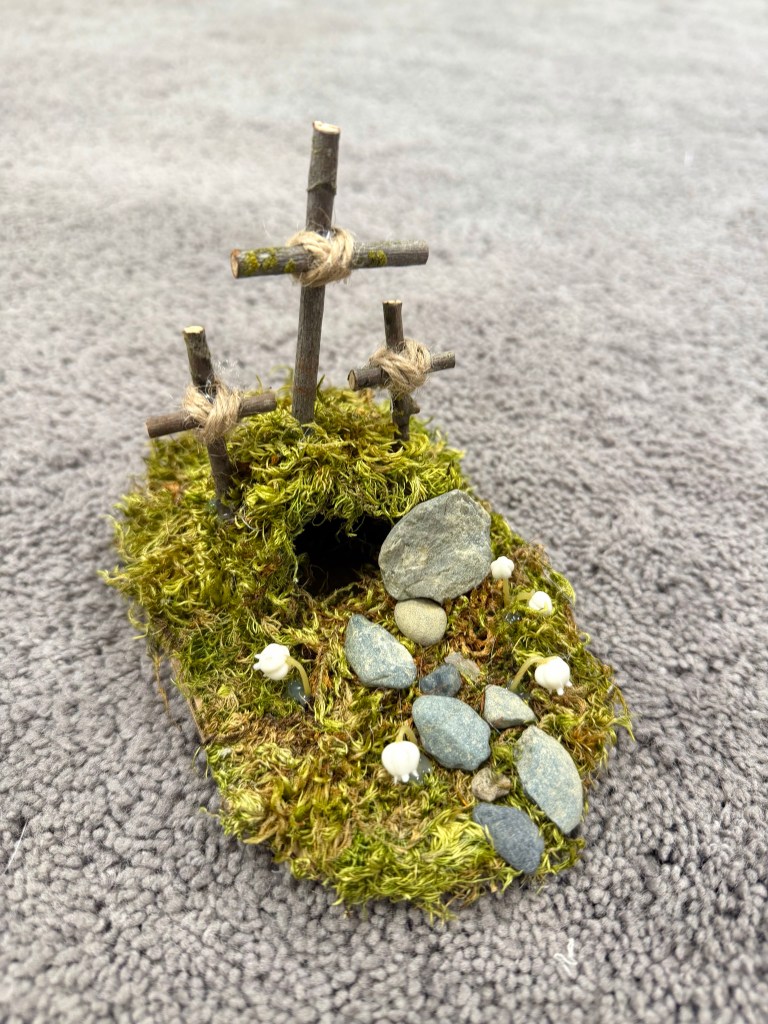
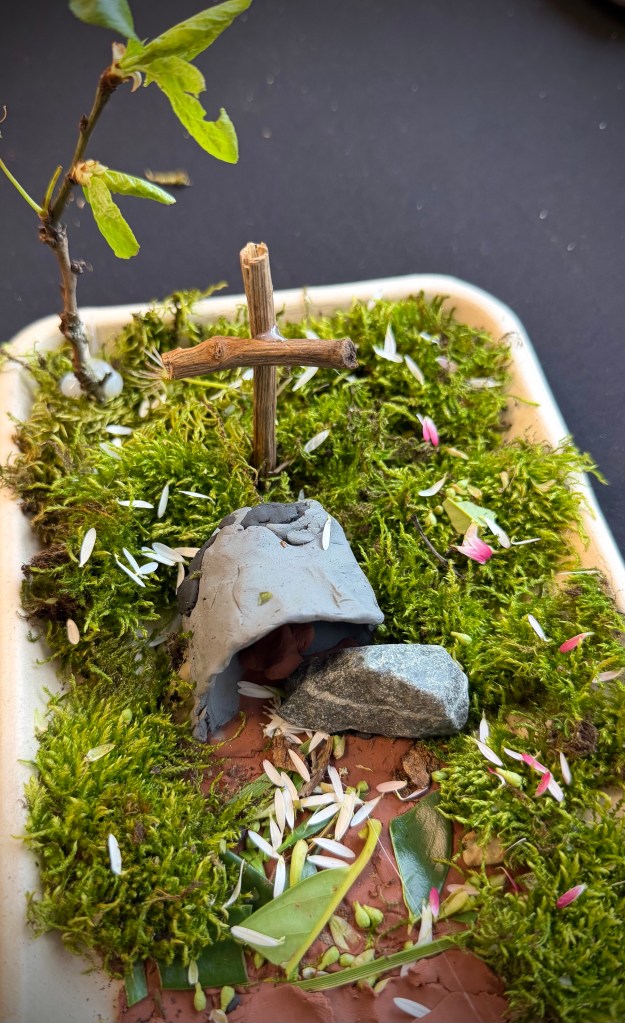
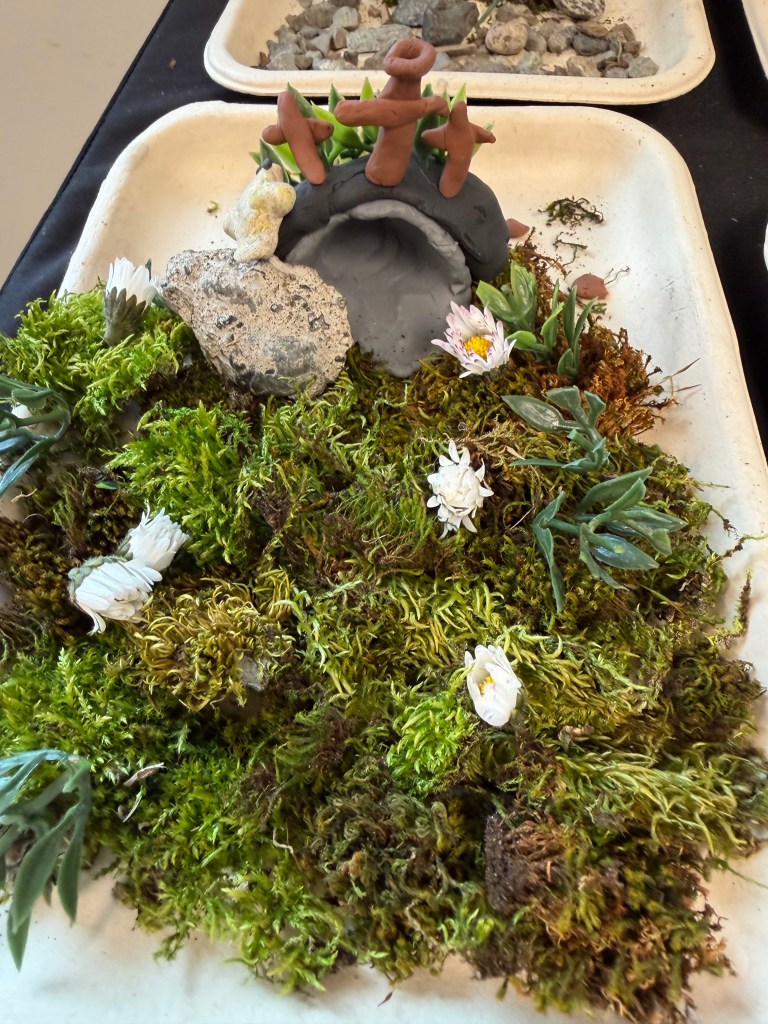
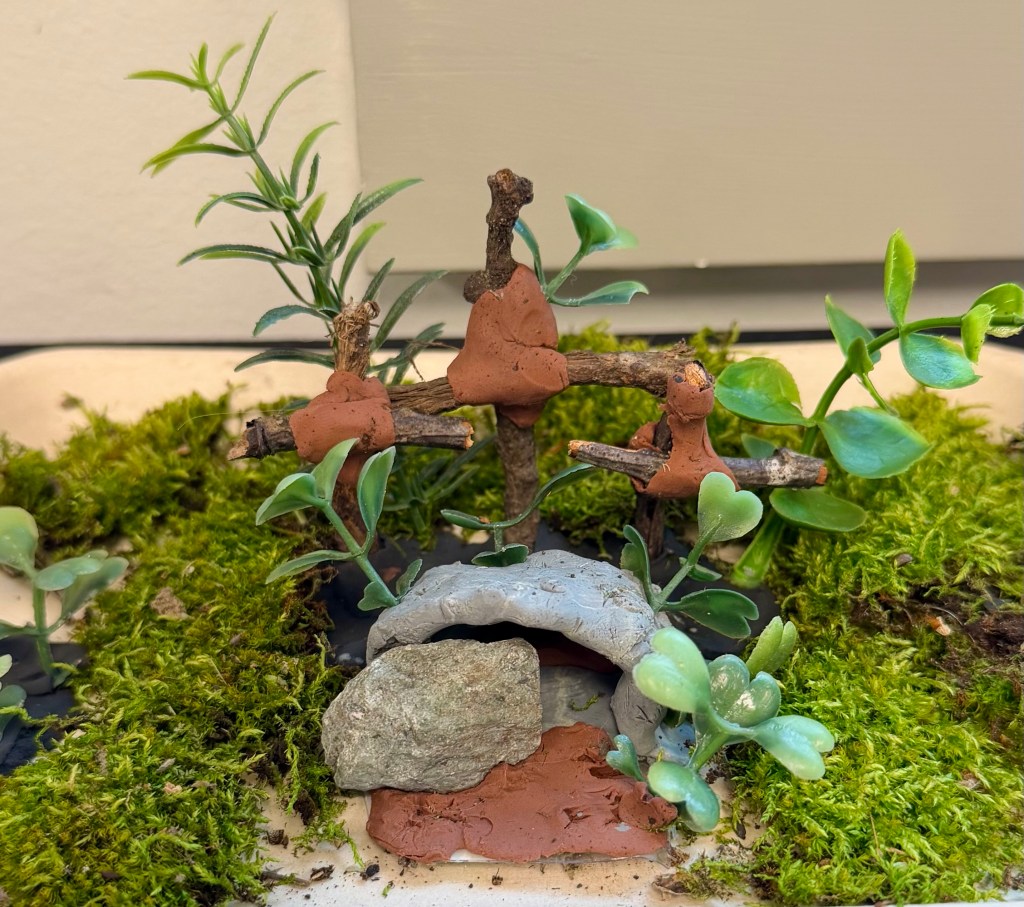
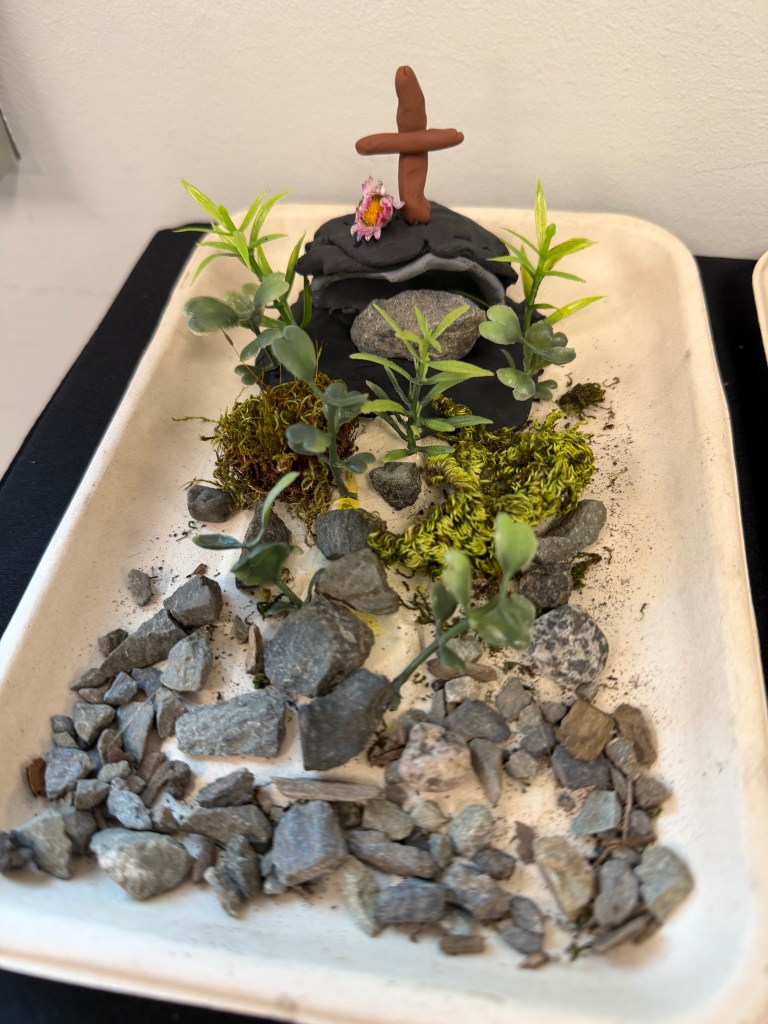
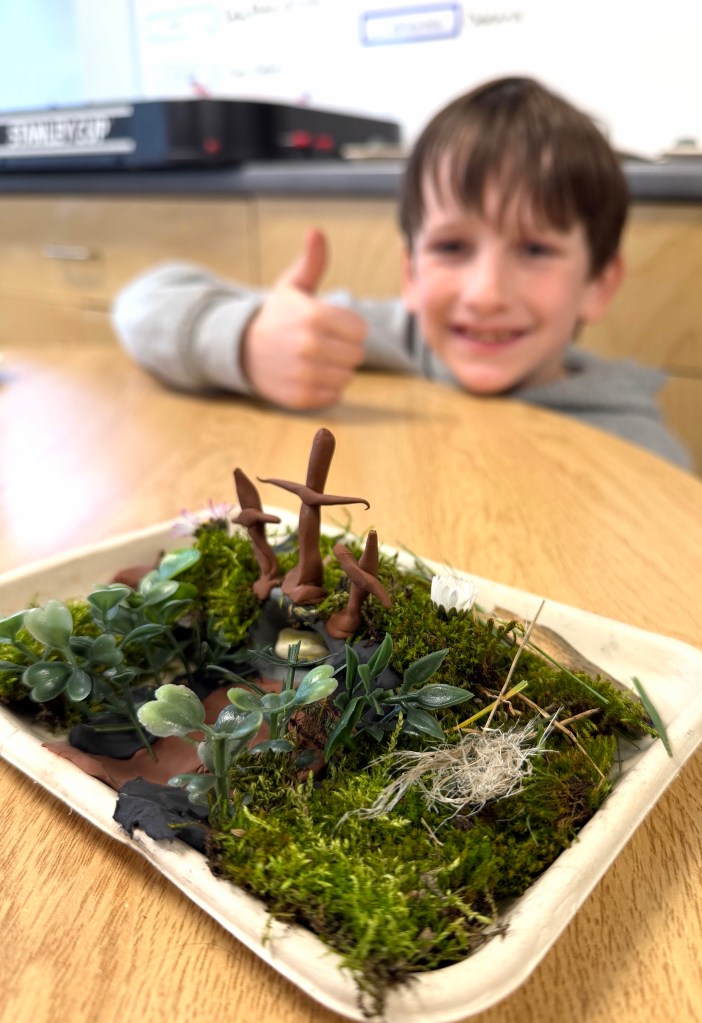
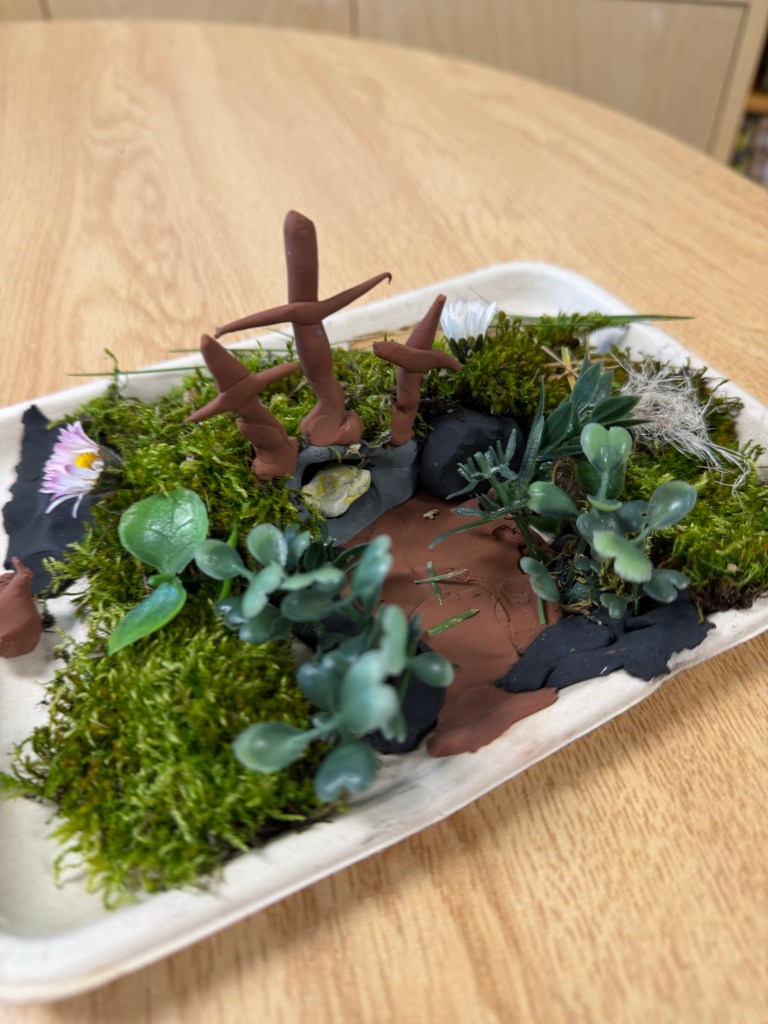
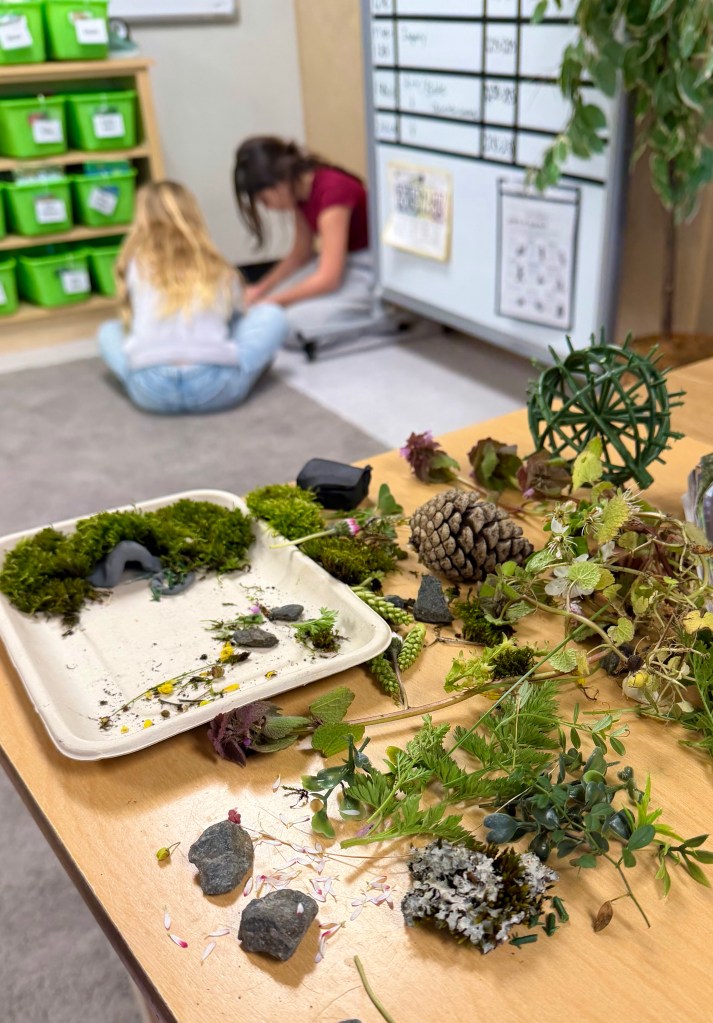
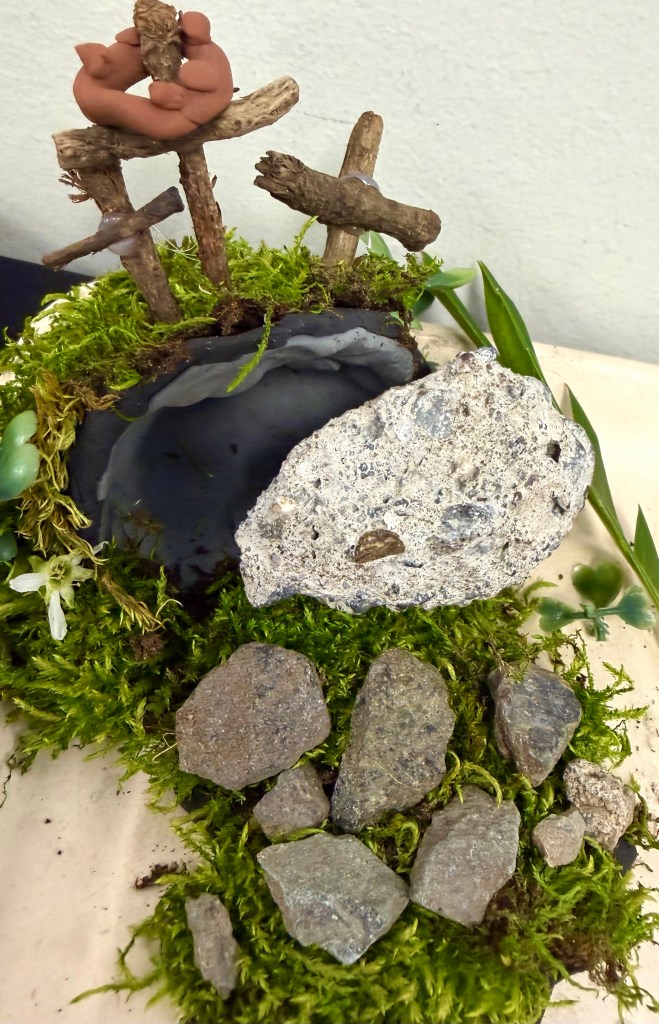
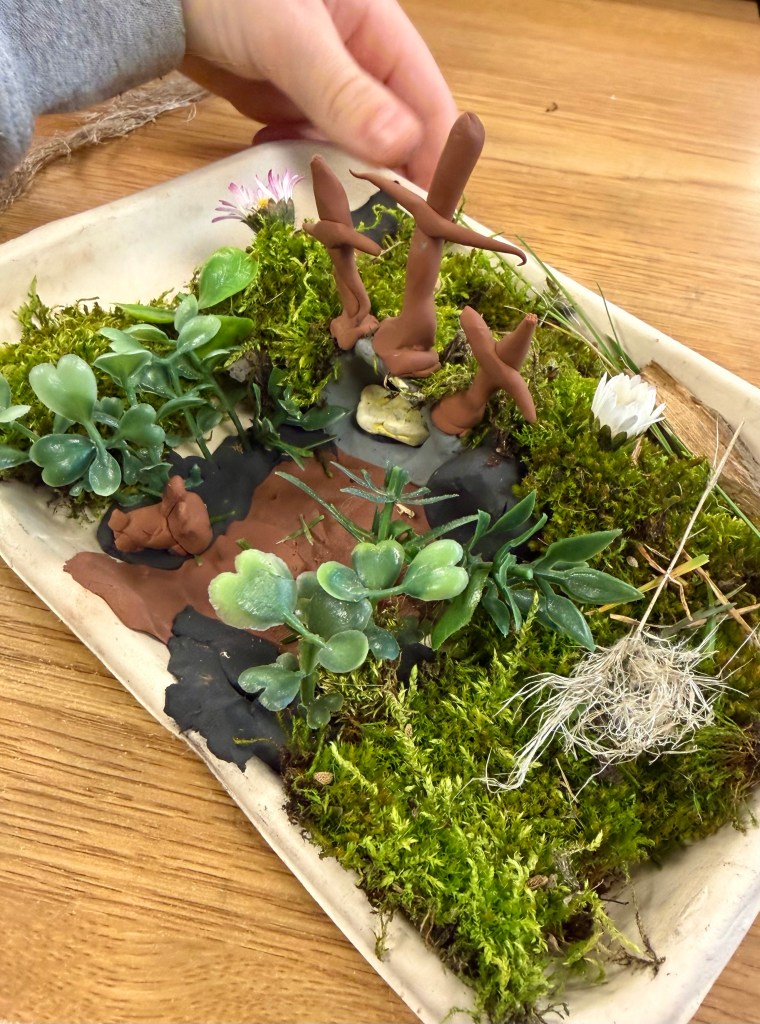
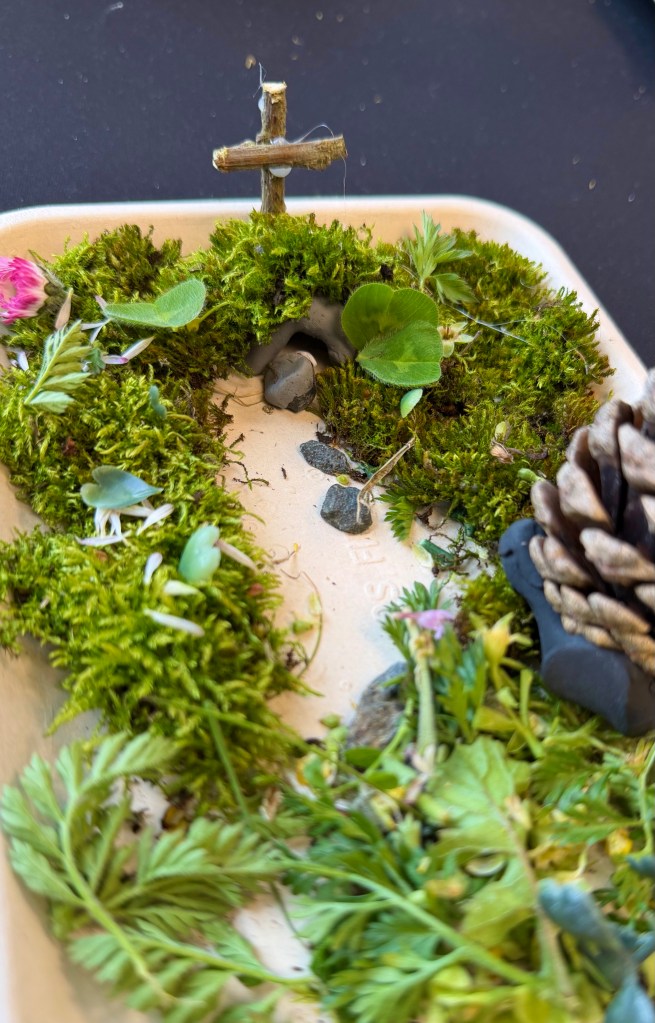
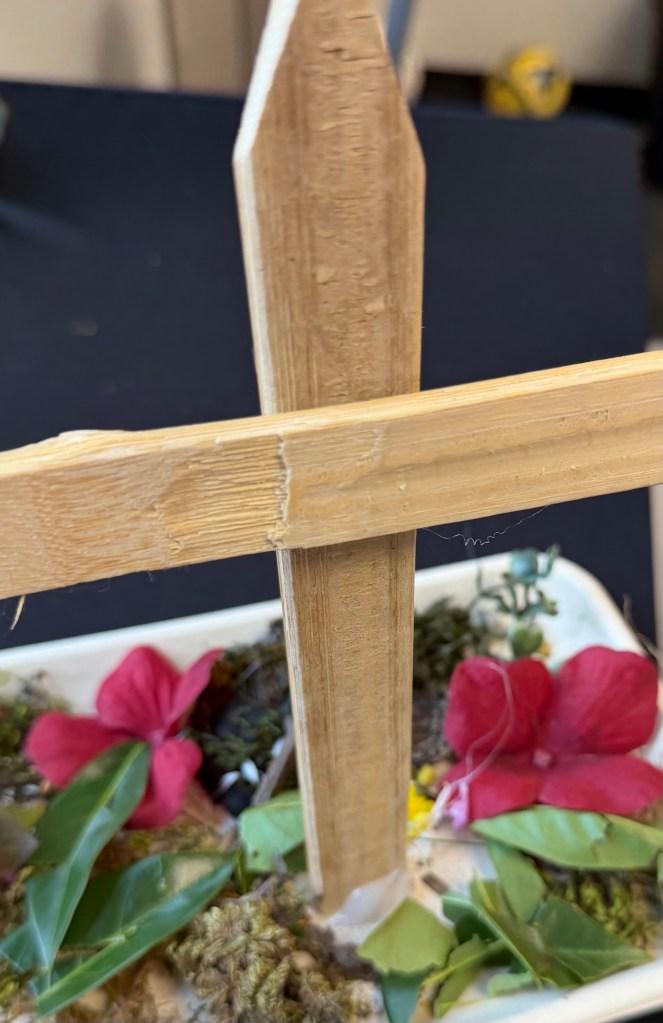
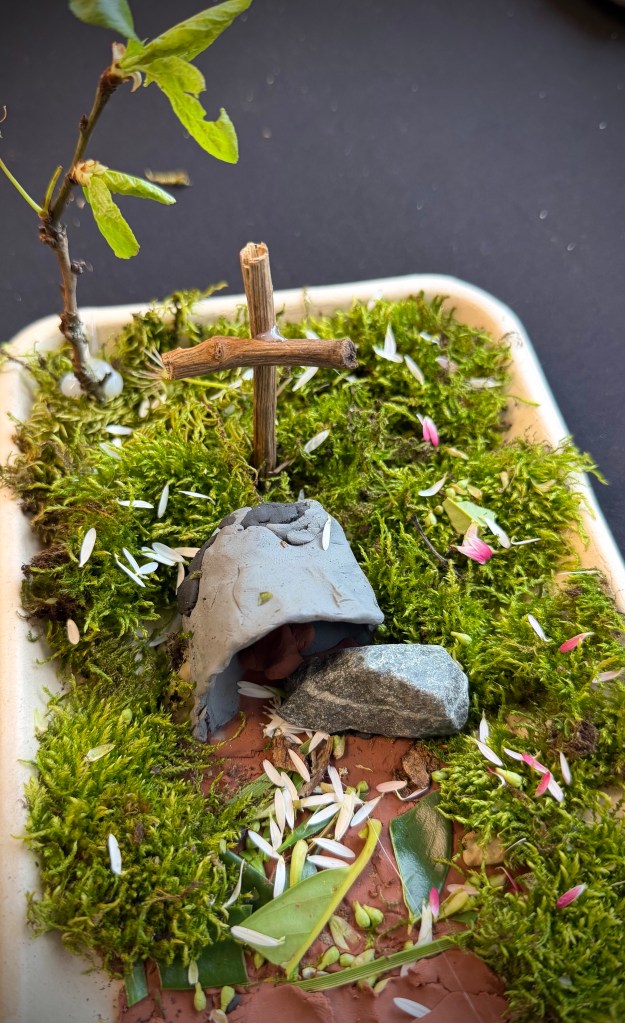
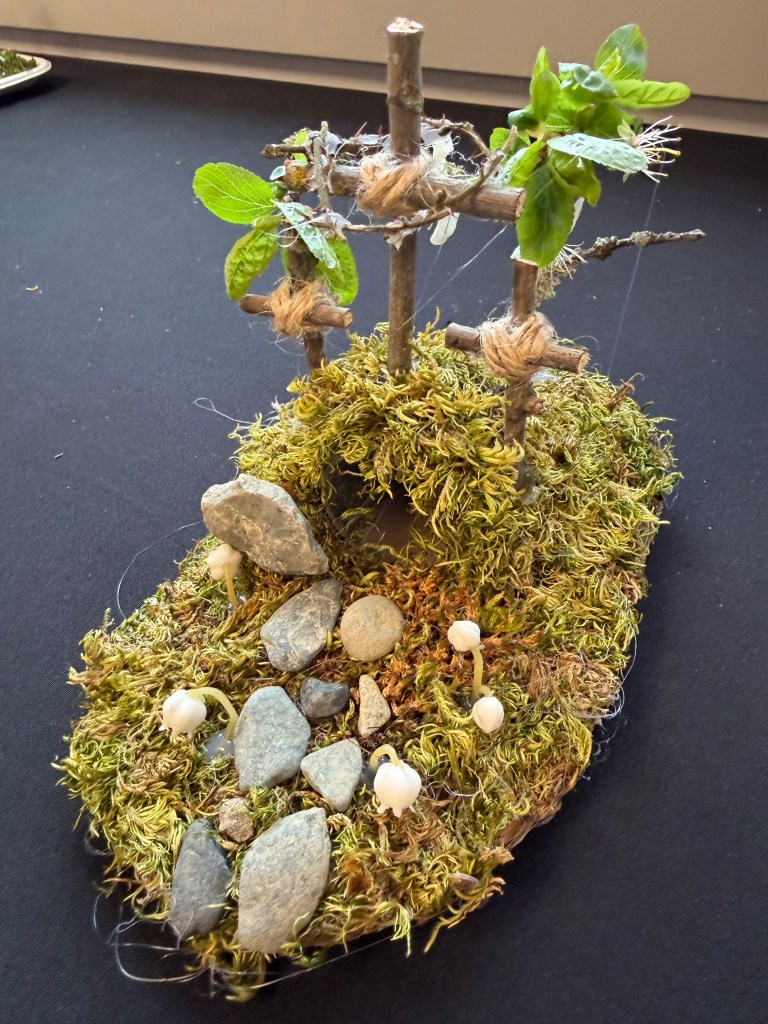
To help bring this learning to life, students are creating resurrection gardens in Art class as a hands-on way to celebrate that He is risen.
Through this activity, we are reflecting on how God’s kingdom continues to grow and how we are called to be good stewards—tending to what God has entrusted to us and nurturing love, faith, and life in the world around us.
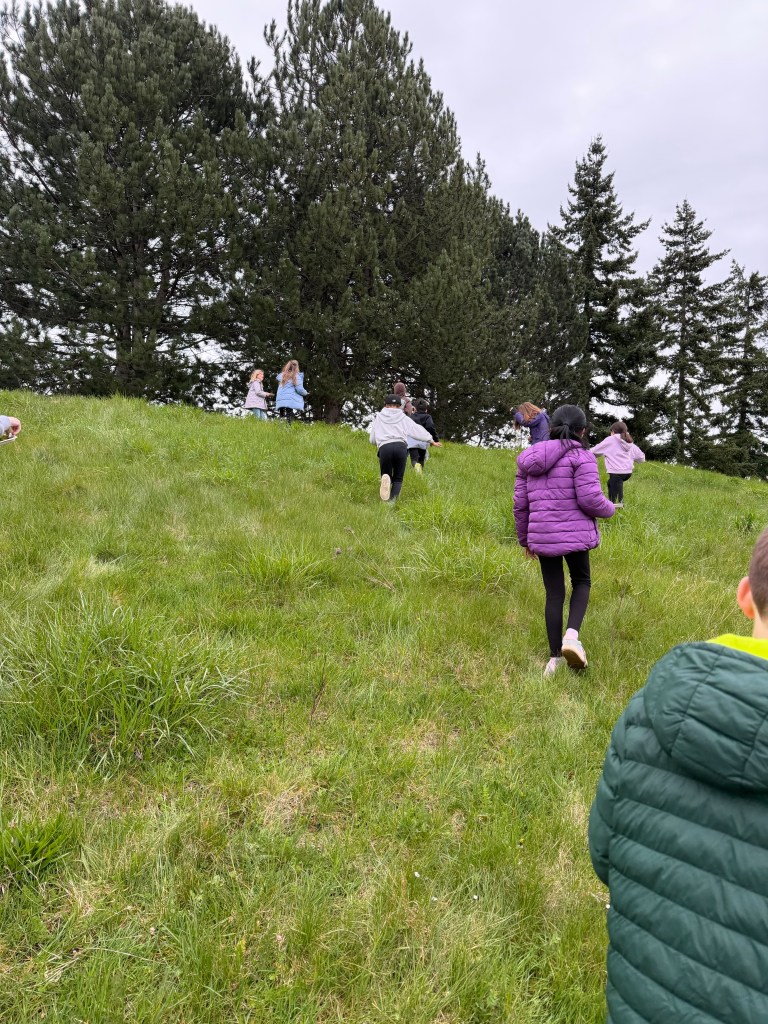
For this project, students were provided with a base, plastic greenery, and plasticine, and then we went outdoors to forage for additional natural materials on and beside the school property.
Before heading outside, we had a safety discussion and chat about ethical foraging. Students were coached to carefully identify plants with teacher help before picking to make sure they are safe (e.g. some natural things in our area are poisonous, like poison hemlock, mushrooms, or spurge laurel).
We emphasized respect for living things and “honourable harvest” by not damaging plants, and instead focused on gathering fallen nature bits and taking only very small amounts of materials in ways that would not harm the environment or the school’s landscaping.
In Science, we have been learning about how the Earth’s rotation, axis, and orbit create predictable patterns we observe in our world that affect living and non-living systems.
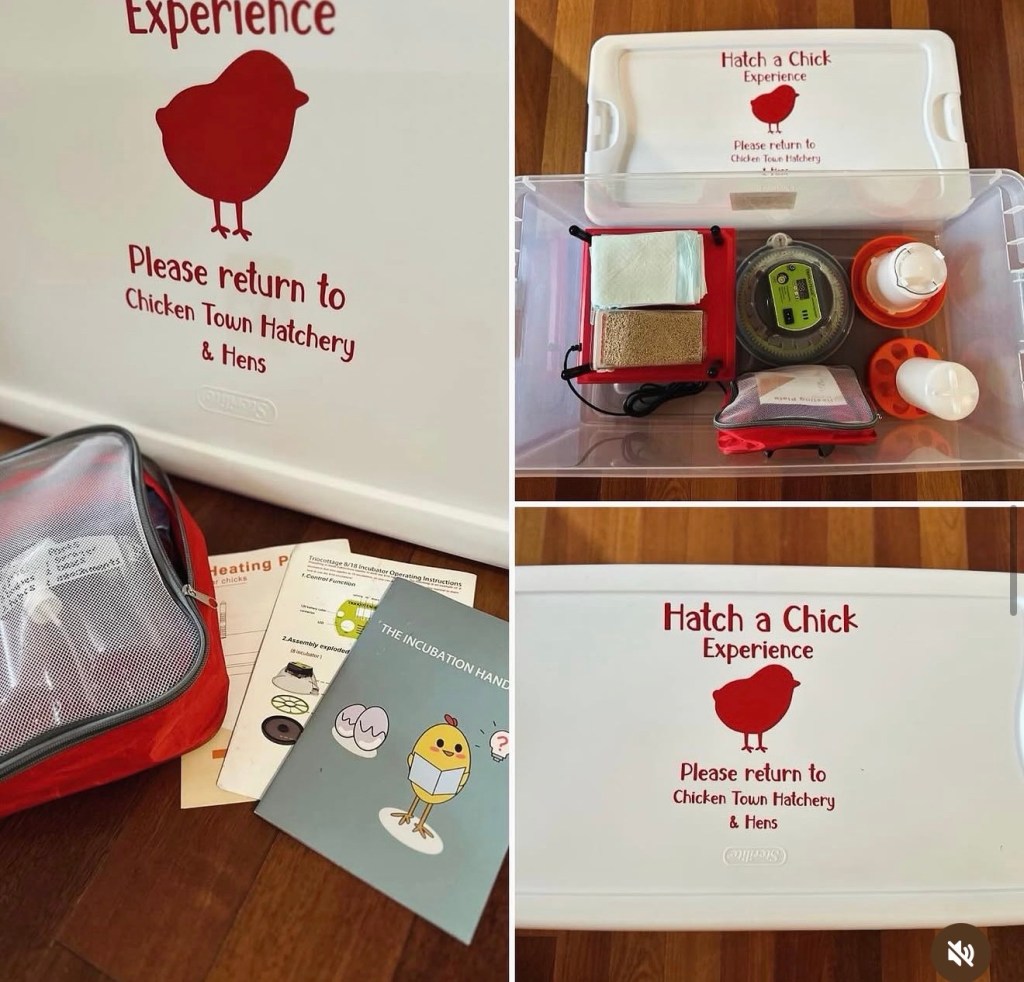
Another focus this term will be practicing our observation, data collection and analysis skills as we do the “Hatch a Chick” program!
I am planning to pick up a classroom kit and a dozen hatching eggs so we can get started incubating next Tuesday. The students have also been very creative in brainstorming cute and fun chicken names.
SNEAK PEEK! Next week will start an in-depth watercolour painting unit, focusing on skills for painting “Salish Sea” landscapes. This course is one I developed during the COVID era to also reach some students who were home sick, so the video versions of the lessons are online. You can find them at the link below in case you’d like to follow along at home or get ahead in practicing skills.