Hello, 4A families!
Happy Thanksgiving weekend! This week has been jam-packed…
NOTE: No school for students this Friday, October 9th (Parent Conferences/Pro-D) and Monday, October 12th (Thanksgiving).
In Math, we continued our work on place value concepts and a marked quiz came home Wednesday. As well, students are showing their numeracy skills in a variety ways to meet all of our skills in interests—including with sorting activities, making math stories, using manipulatives, and practicing math vocabulary in conversation.
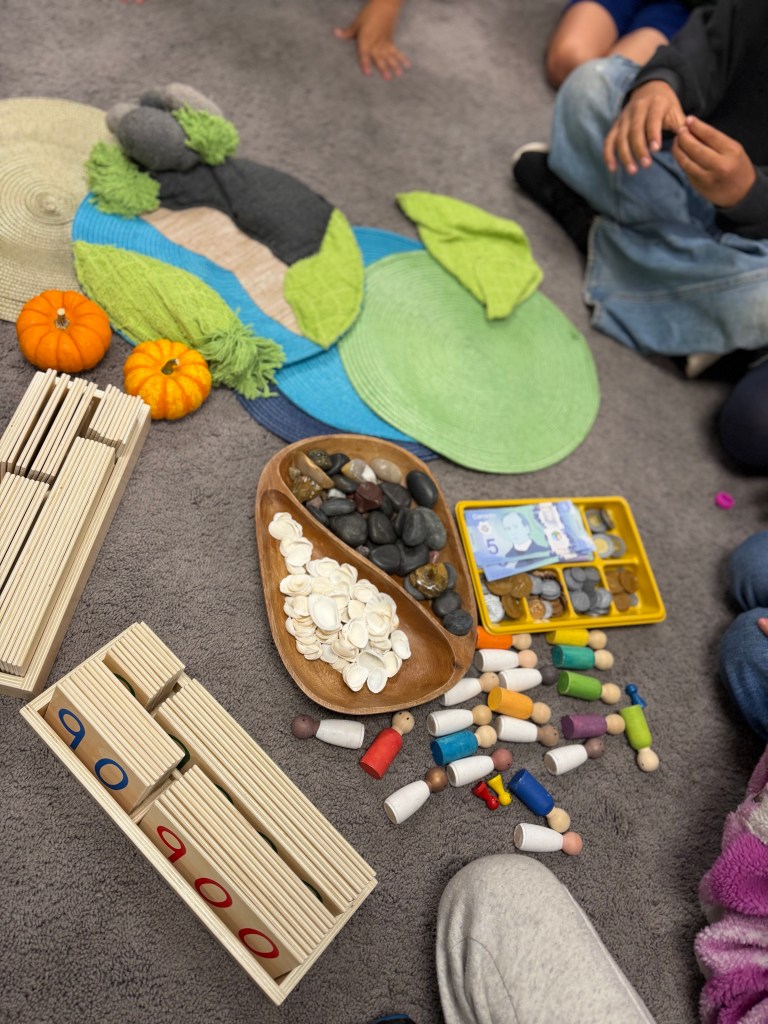
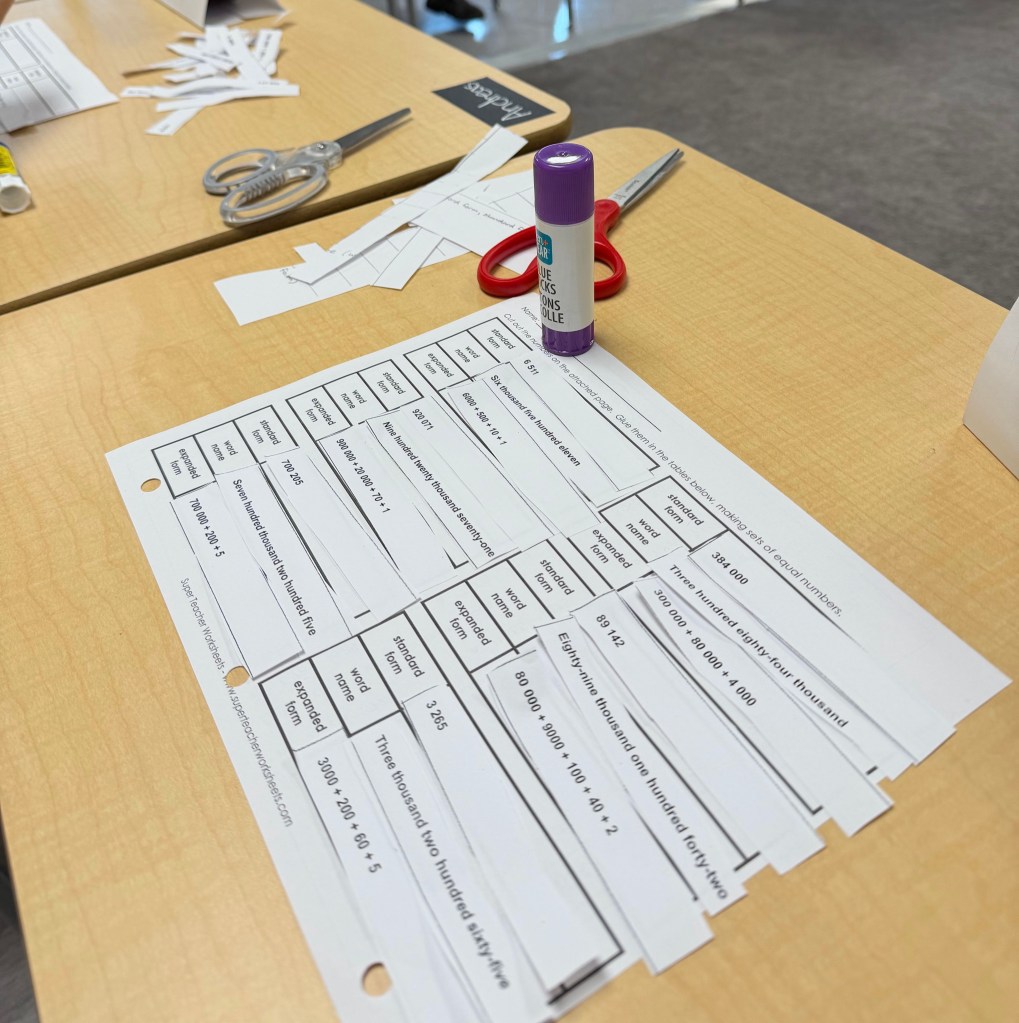
Addtionally, we have been working through the interesting and complex FSA numeracy booklets (practice versions), and it has been so rich to see students working hard together and finding ways to show their thinking on questions with more than one correct answer. We specifically added skills for making bar graphs today—as this is one area I have seen previous years of grade 4s need more practice with before FSAs.
Skills to keep practicing at home: math facts (adding and subtracting to 20 and multiplication and division facts—especially the memorization of the 1, 2, 3, 5, and 10 times tables) and multi-digit addition with regrouping (457+269=726?)
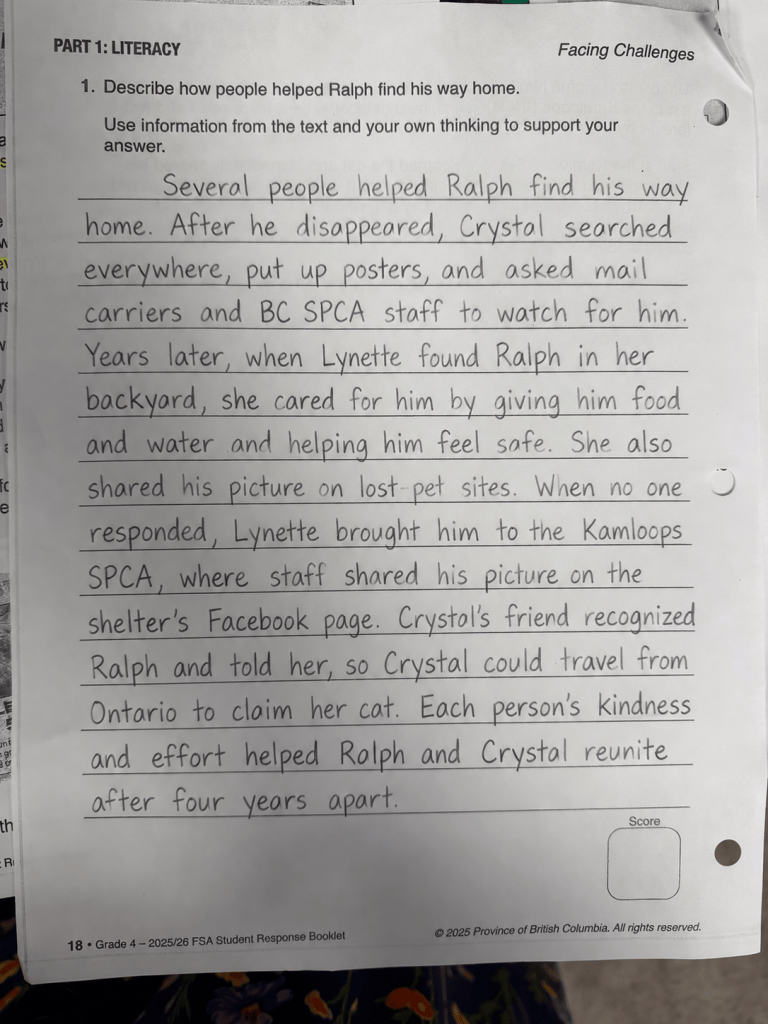
In Language Arts, we continued our Babe novel study and honed in on reading comprehension and writing strategies to support students in the upcoming FSAs. Students have been practicing in class both with sample FSA literacy booklets and the online practice site.
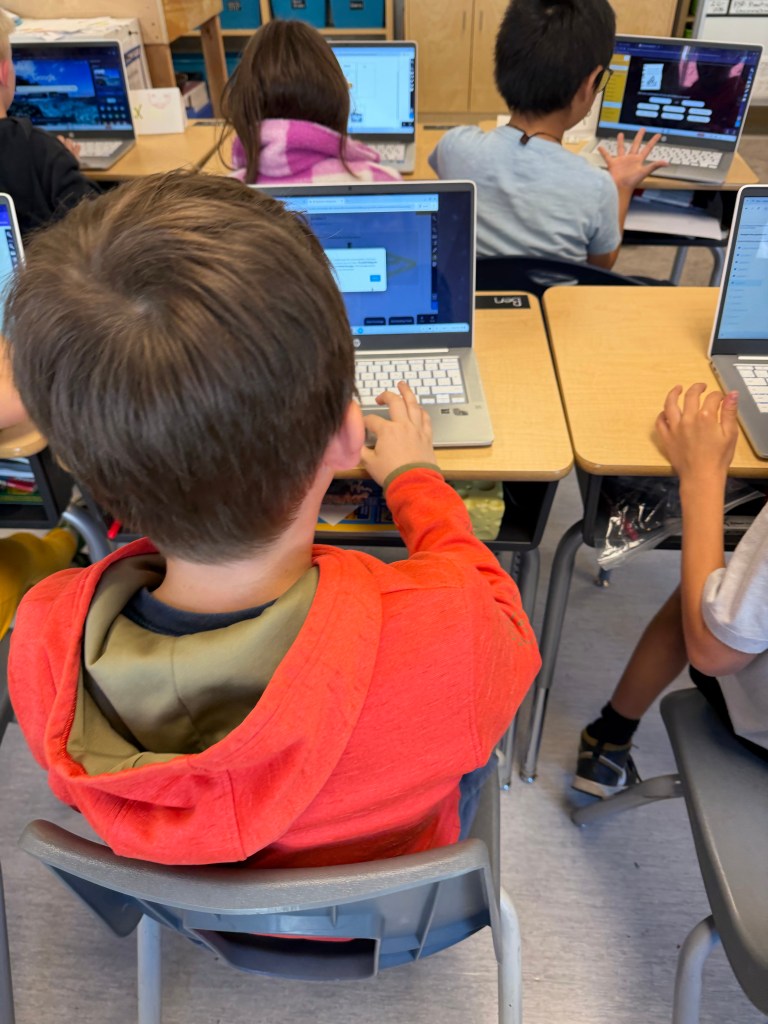
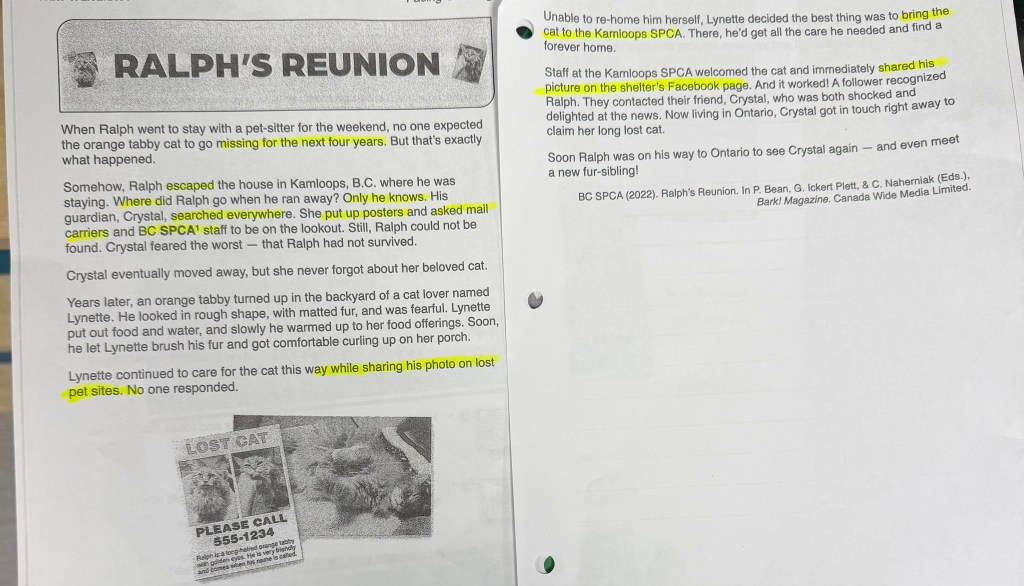
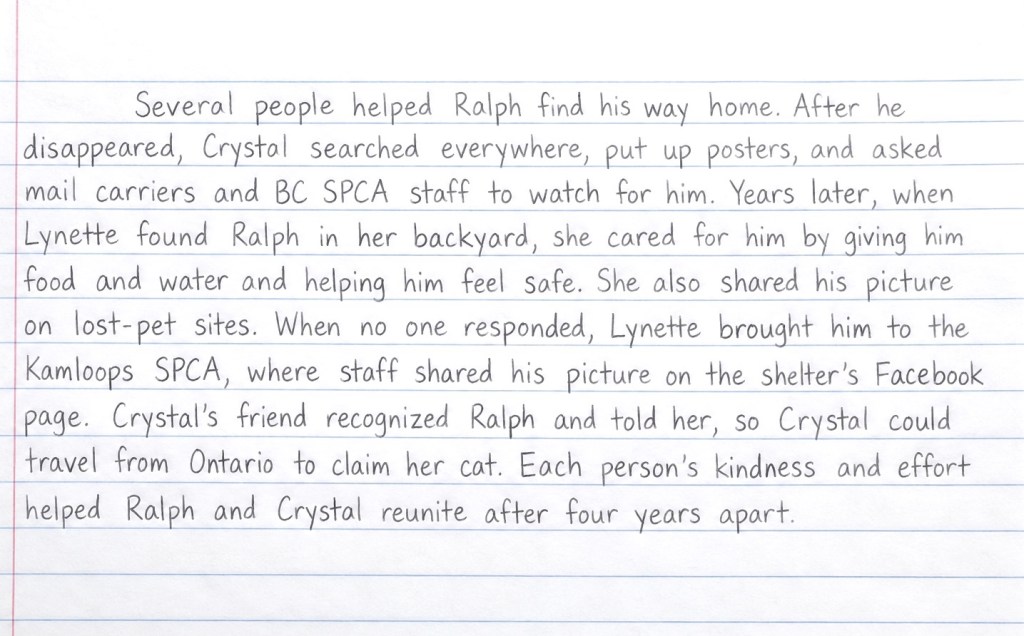
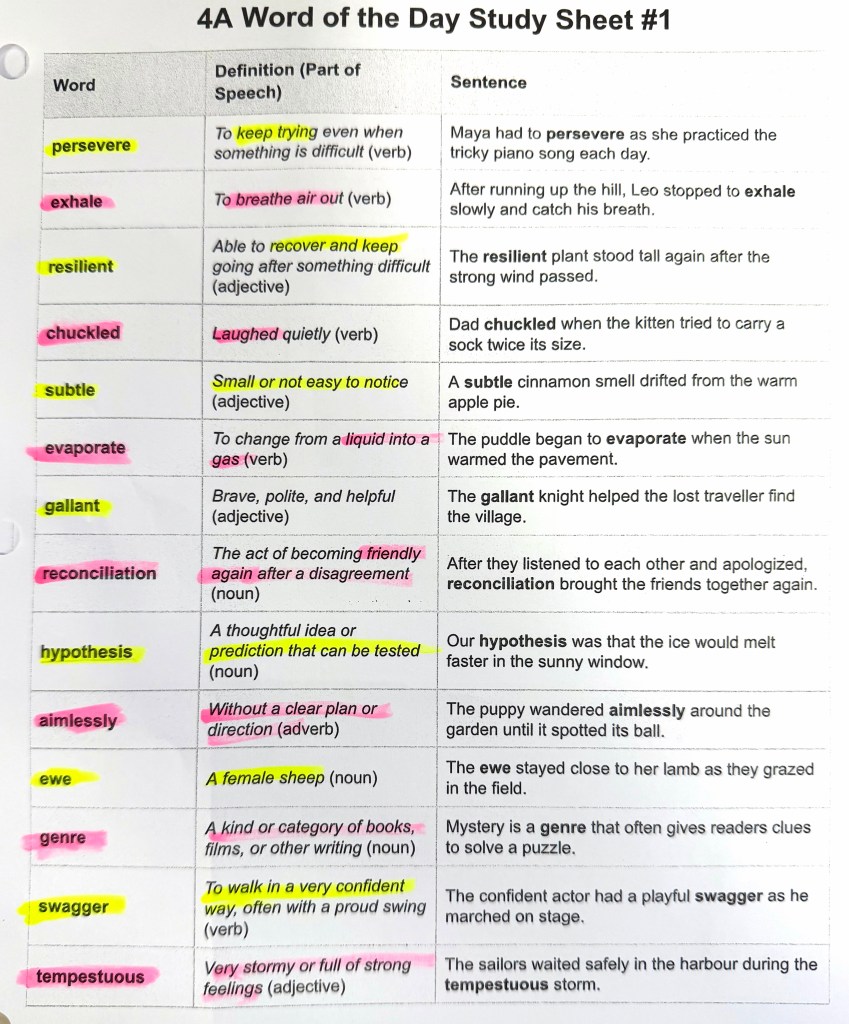
Our individual spelling programs are underway with students working through their school-wide write spelling corrections and “mindful spelling” routine.
As well, our compound word unit has wrapped up, and we were reviewing vowel teams this week—noting, for example, that the long a vowel sound made by the “ai” vowel team tends to occur in the middle of words (train, complaint, paid, sail), whereas the “ay” tends to land at the end of words (play, day, stray).
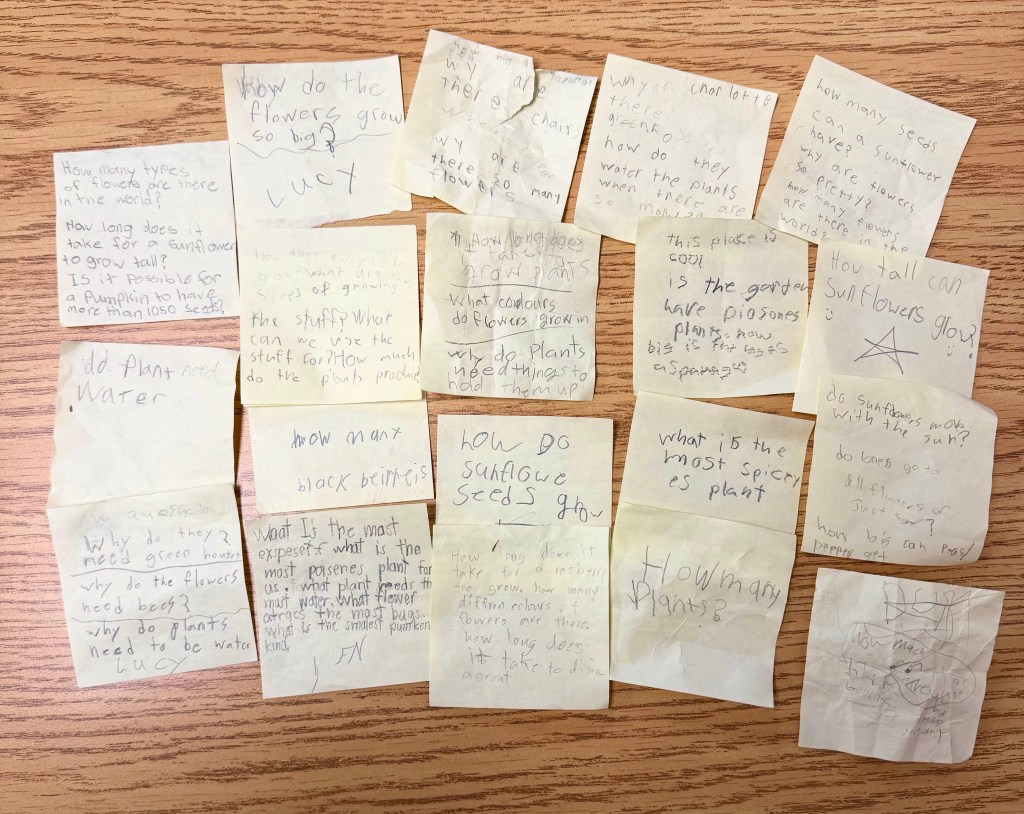
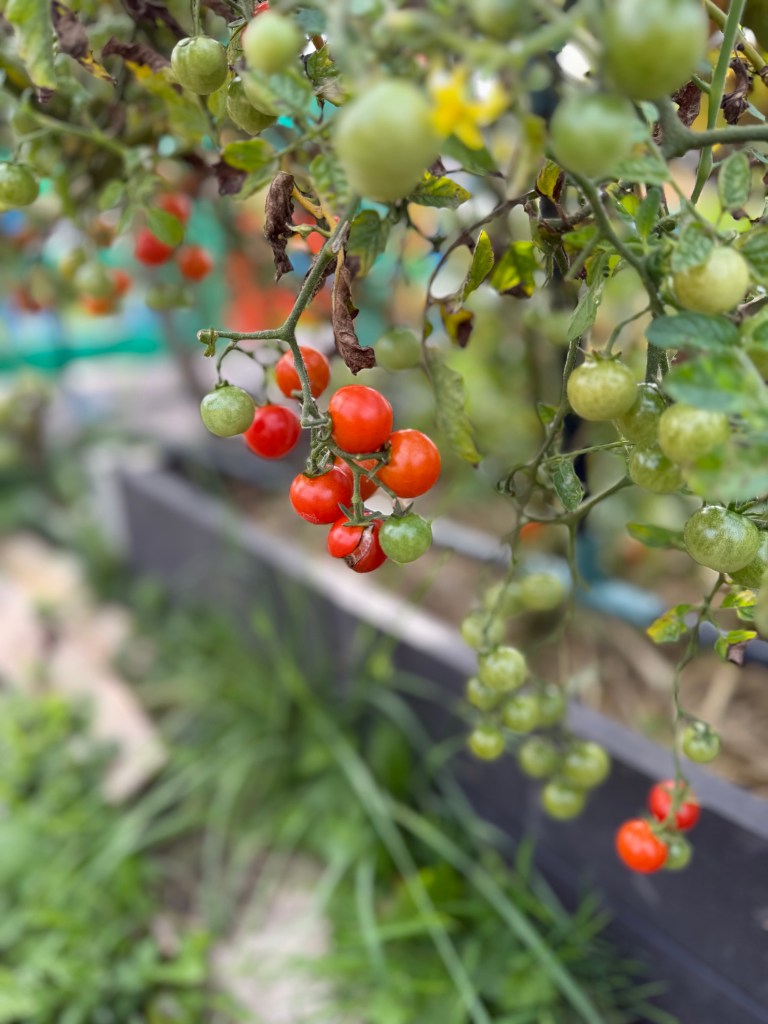
In Science, we enjoyed practicing our observation and scientific questioning skills in connection with a walking tour of Agnes Community Gardens.
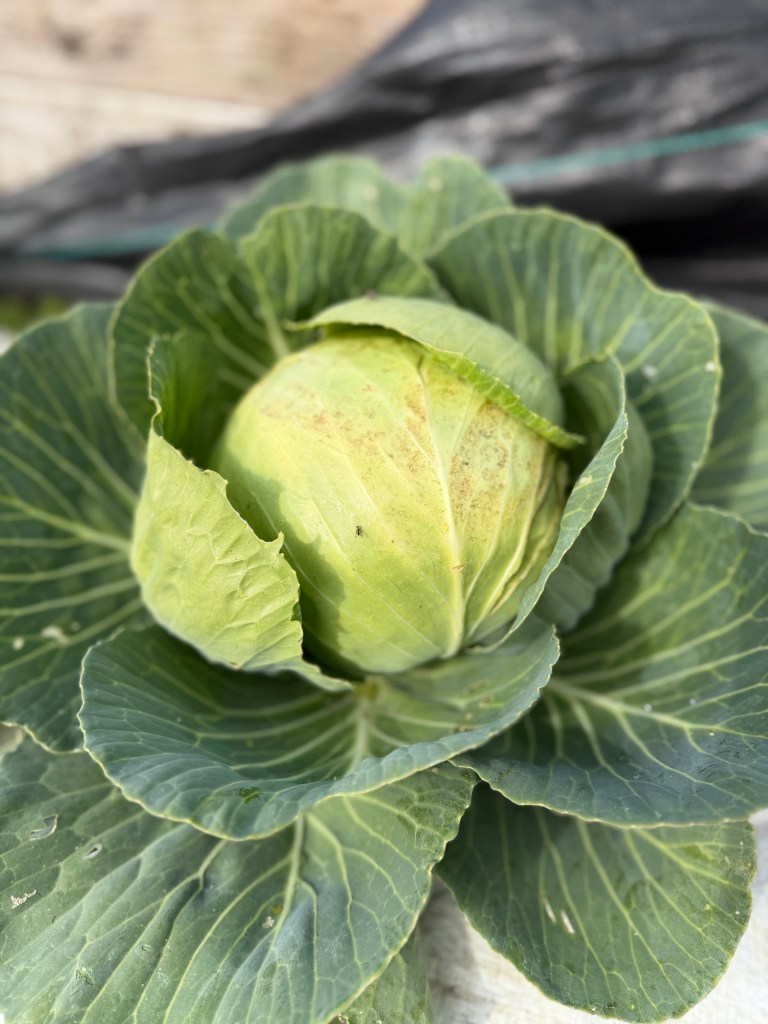
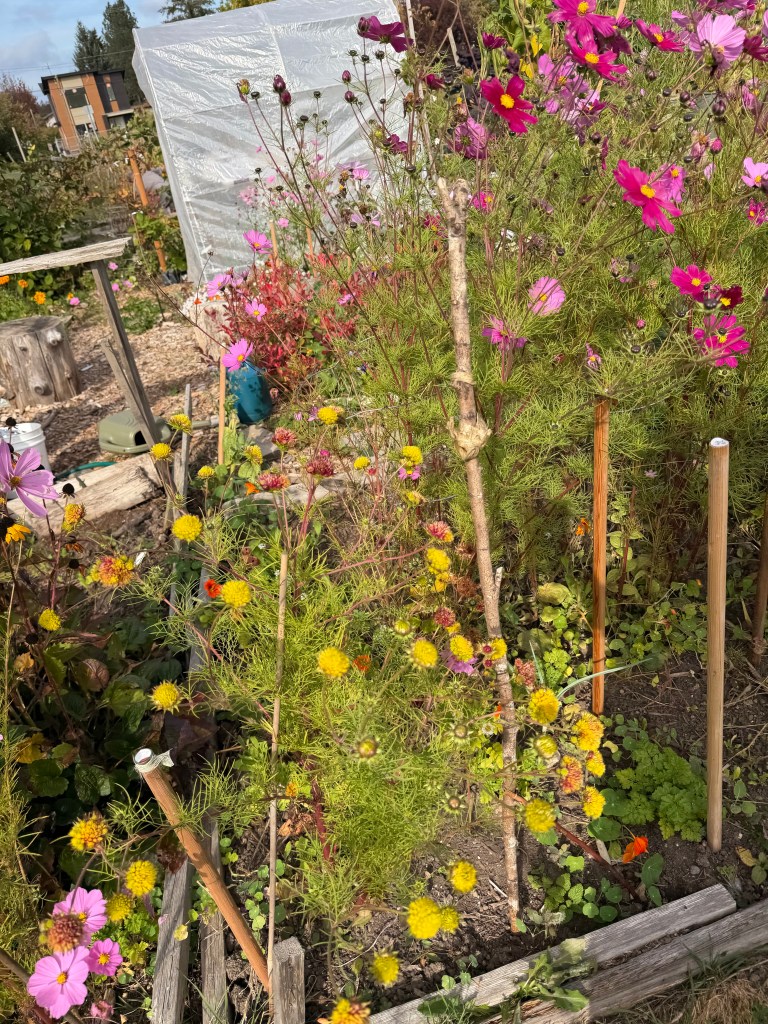
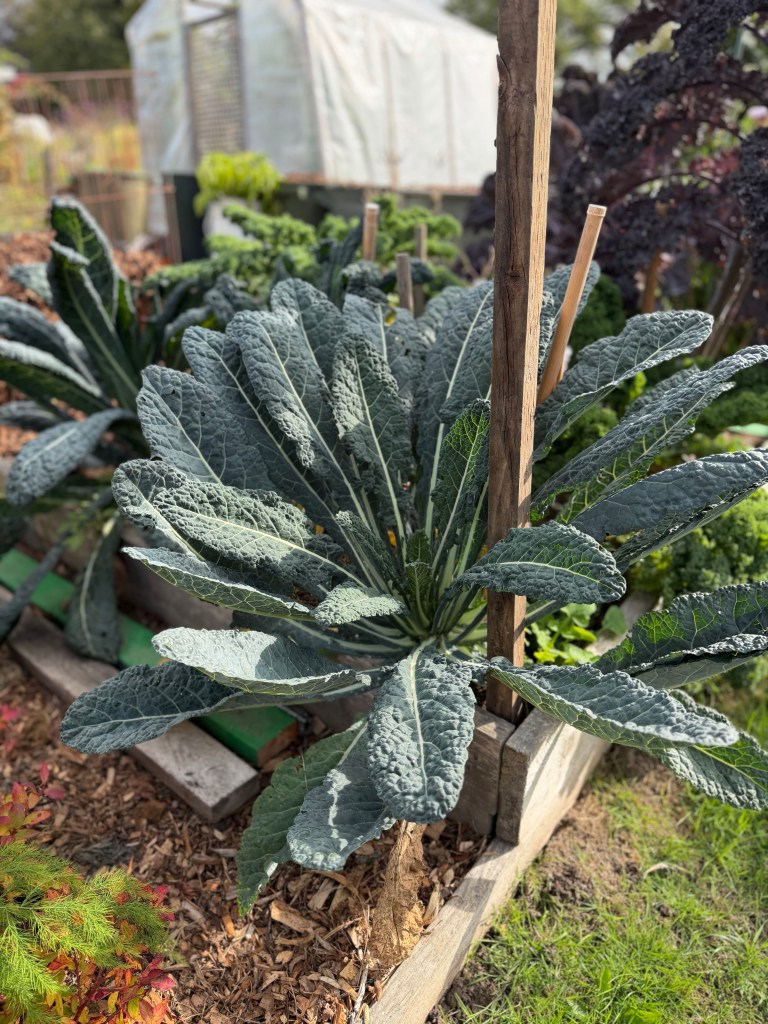
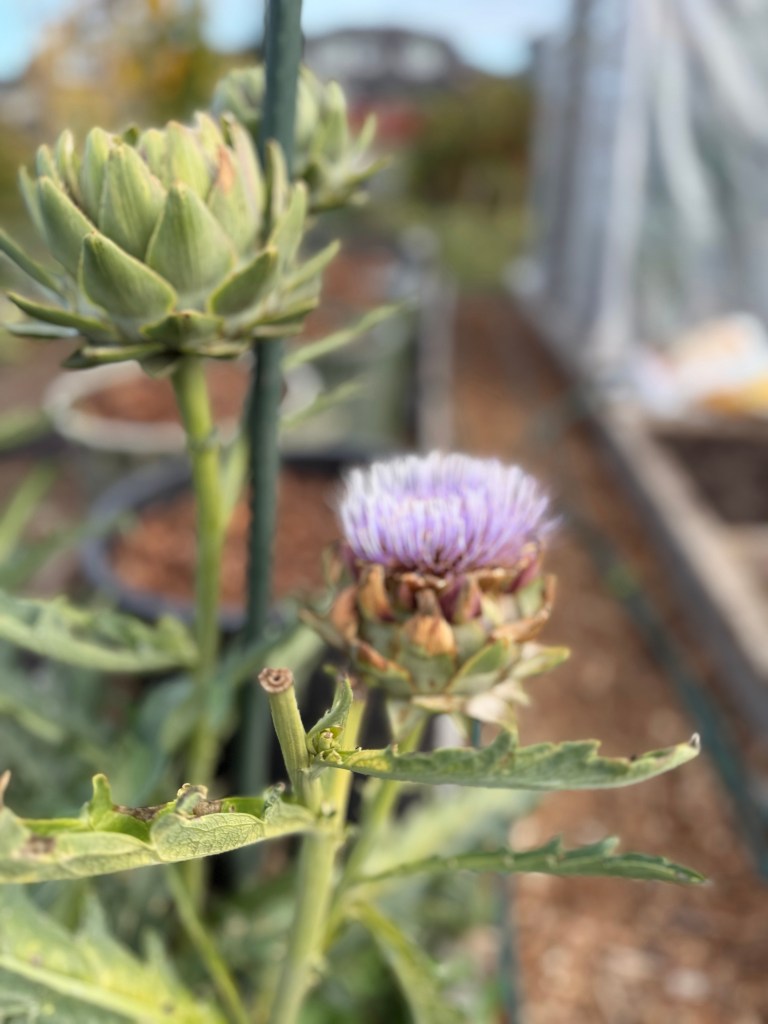
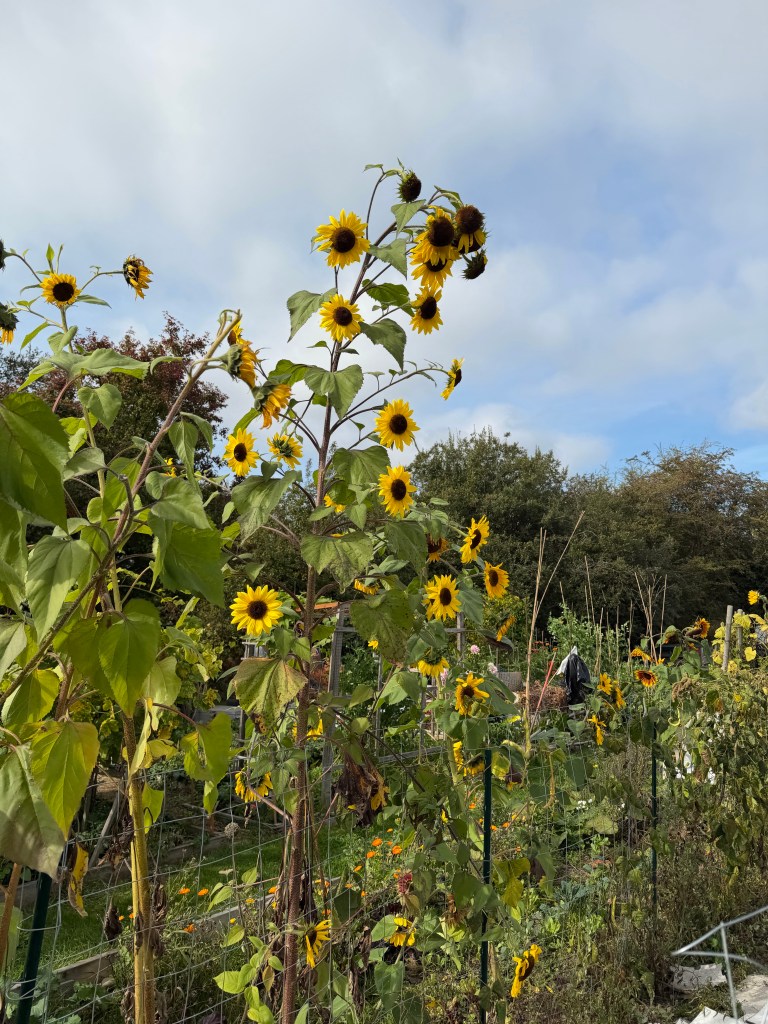
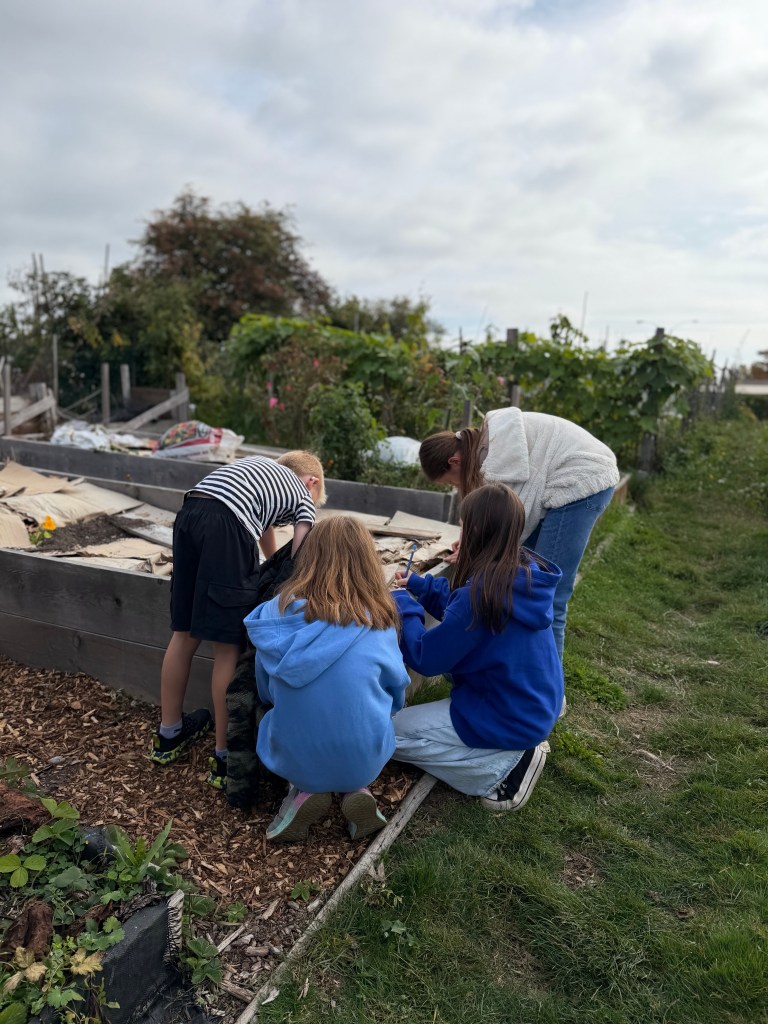
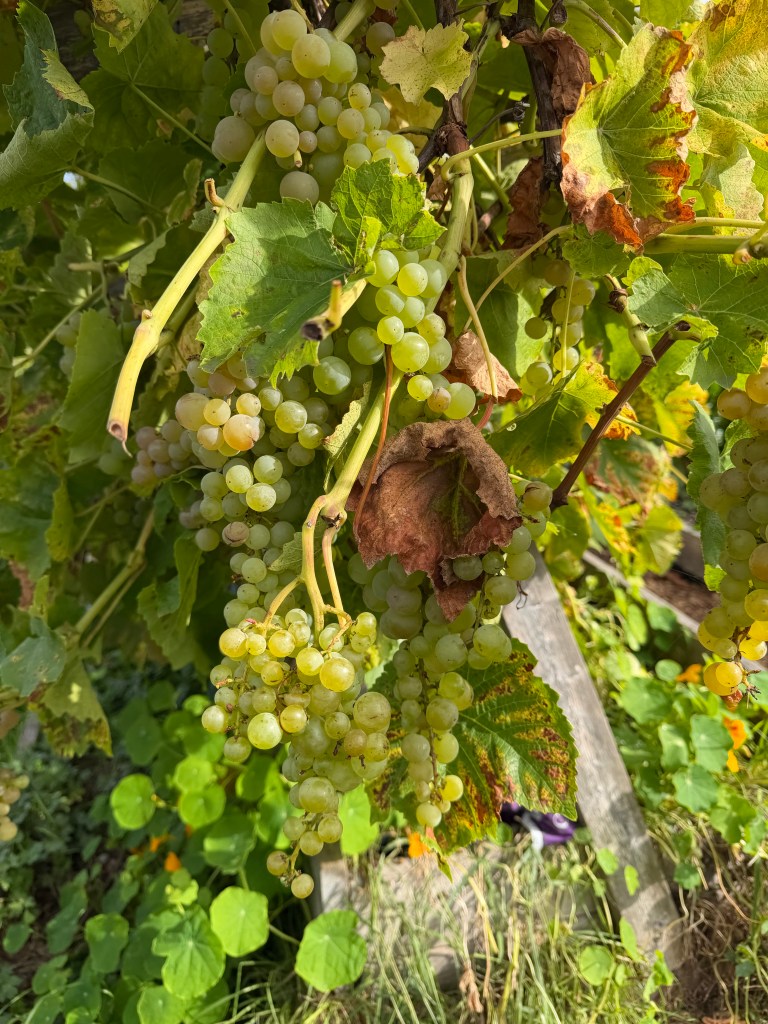
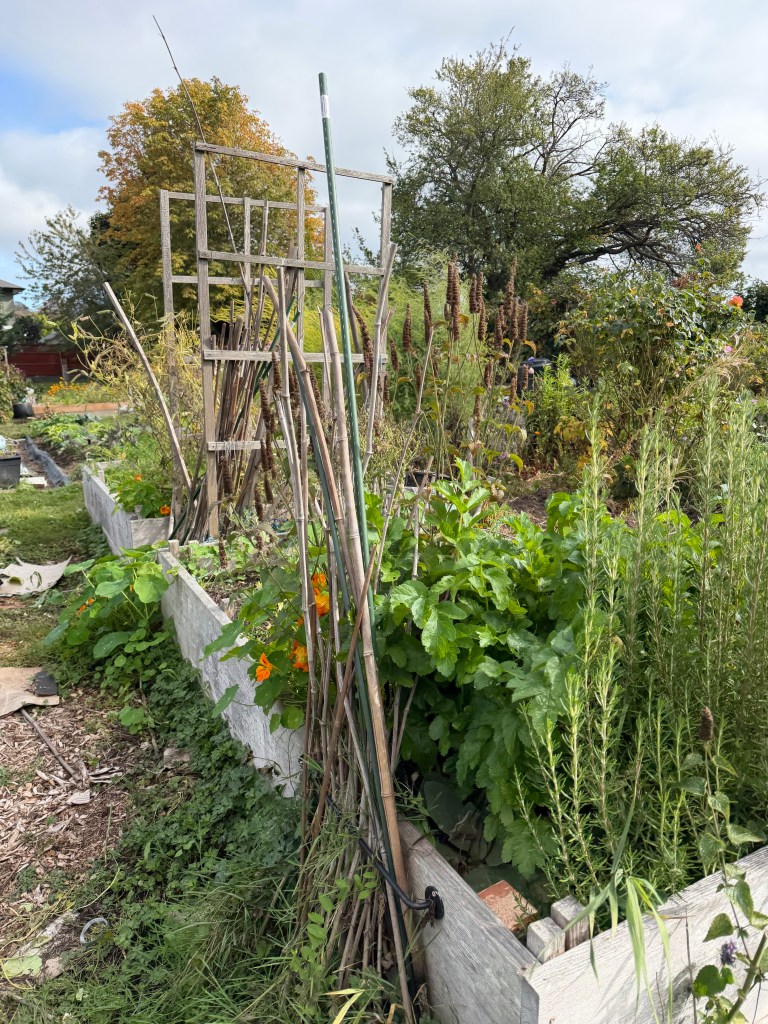
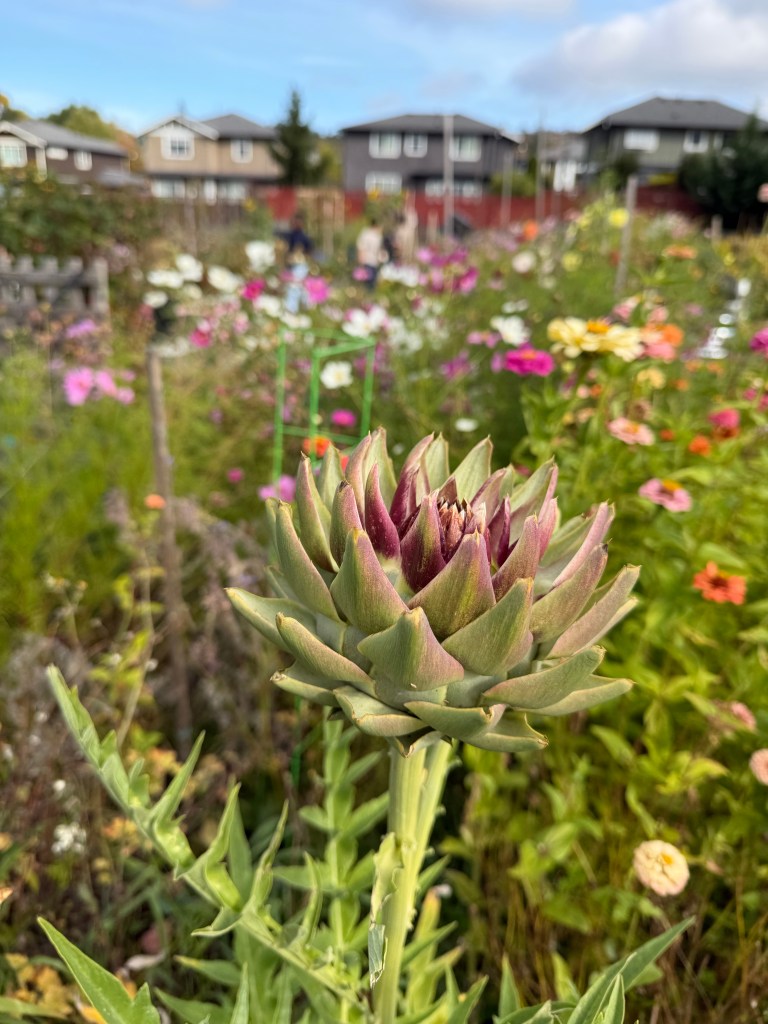
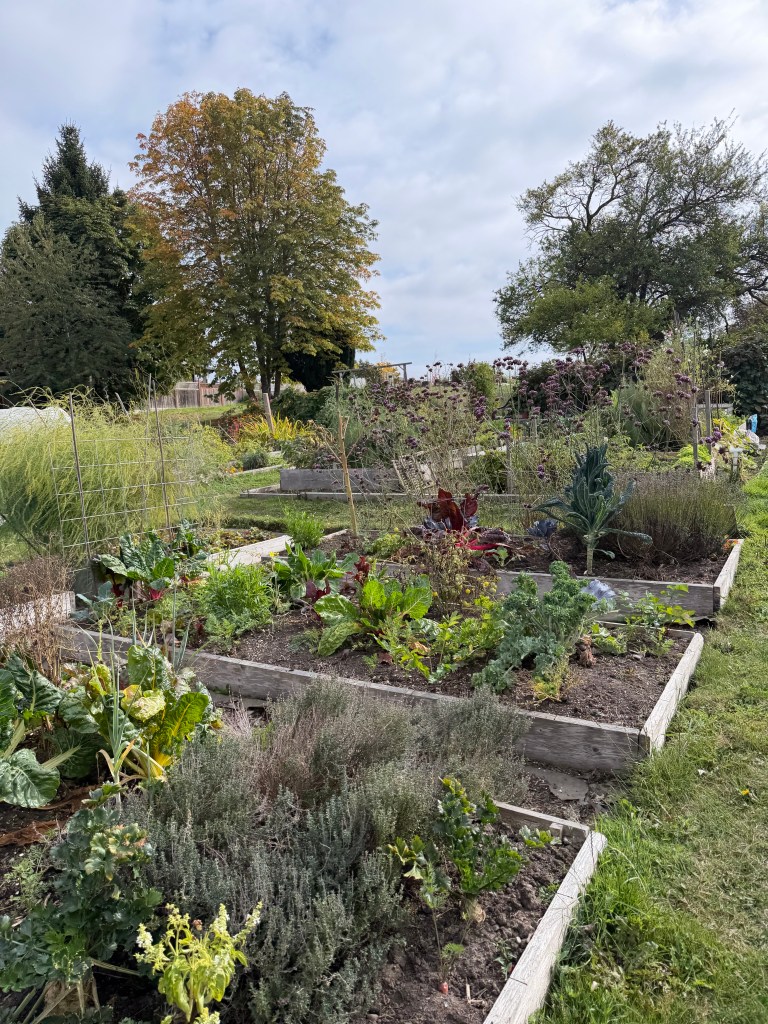
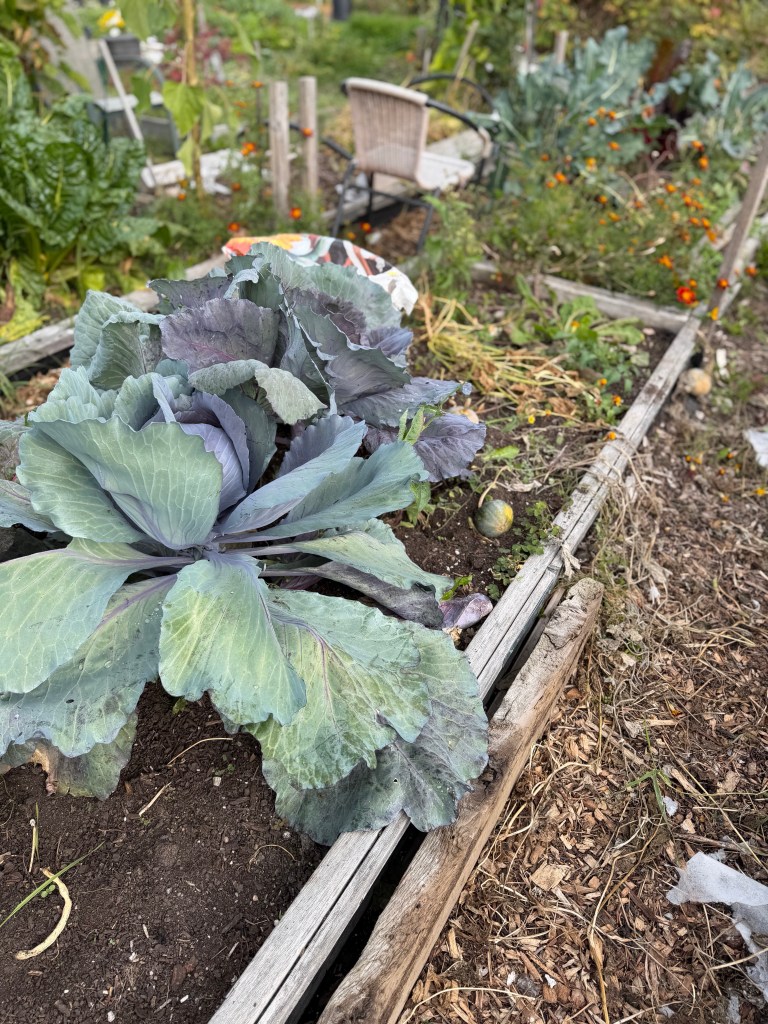
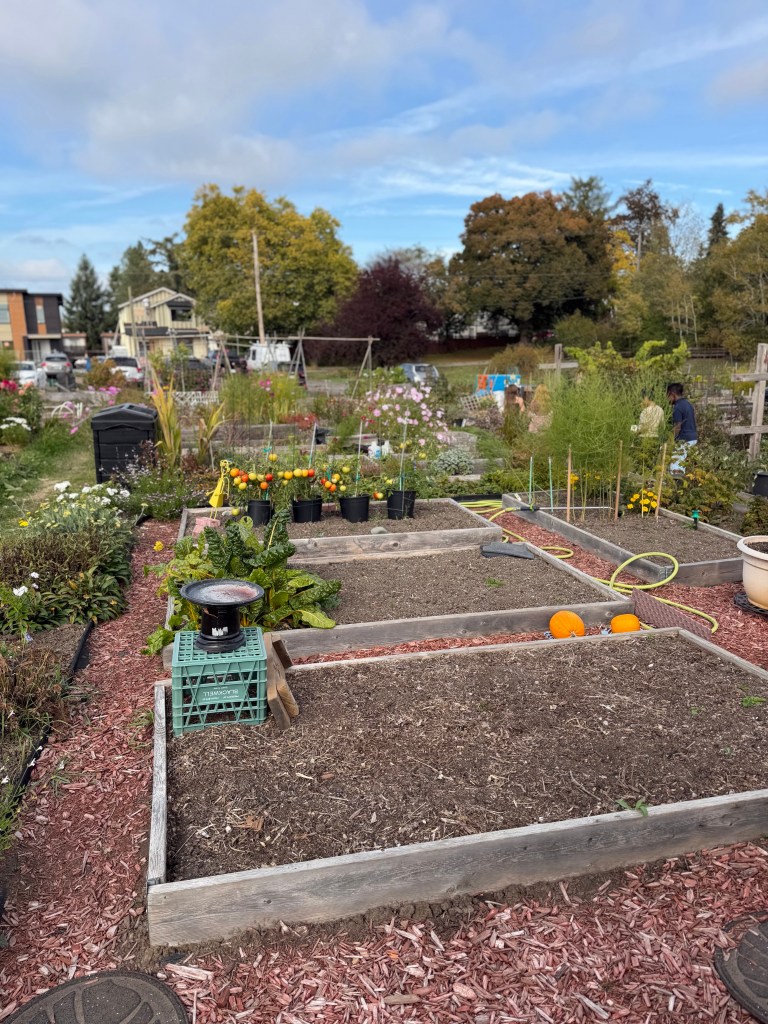
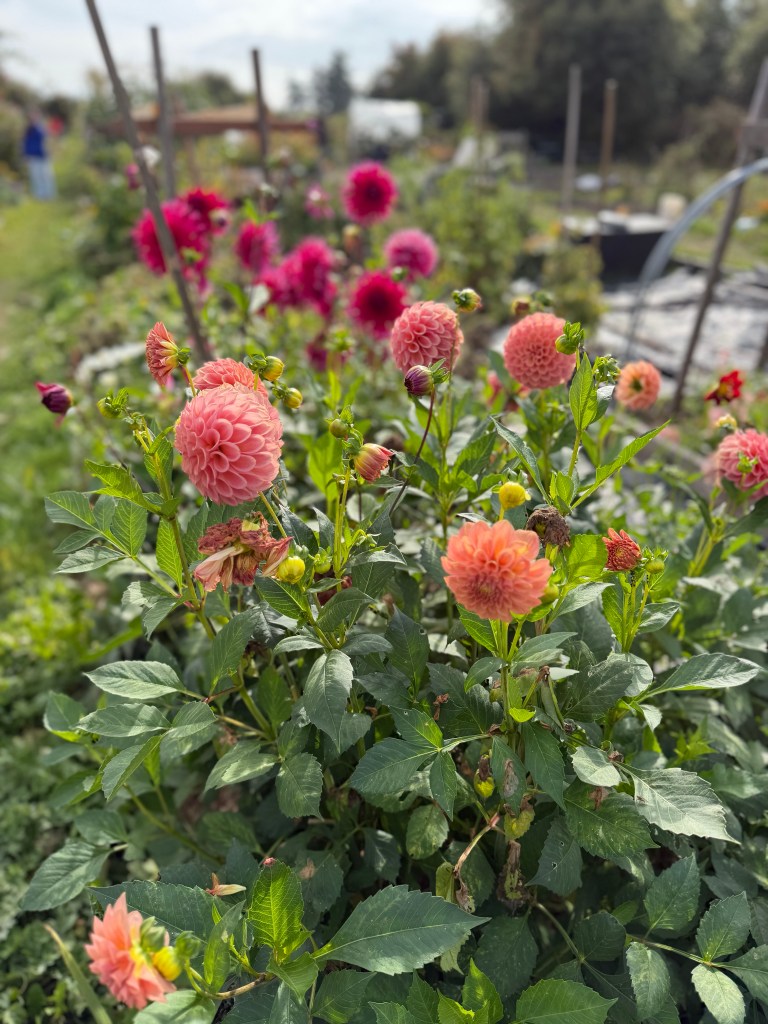
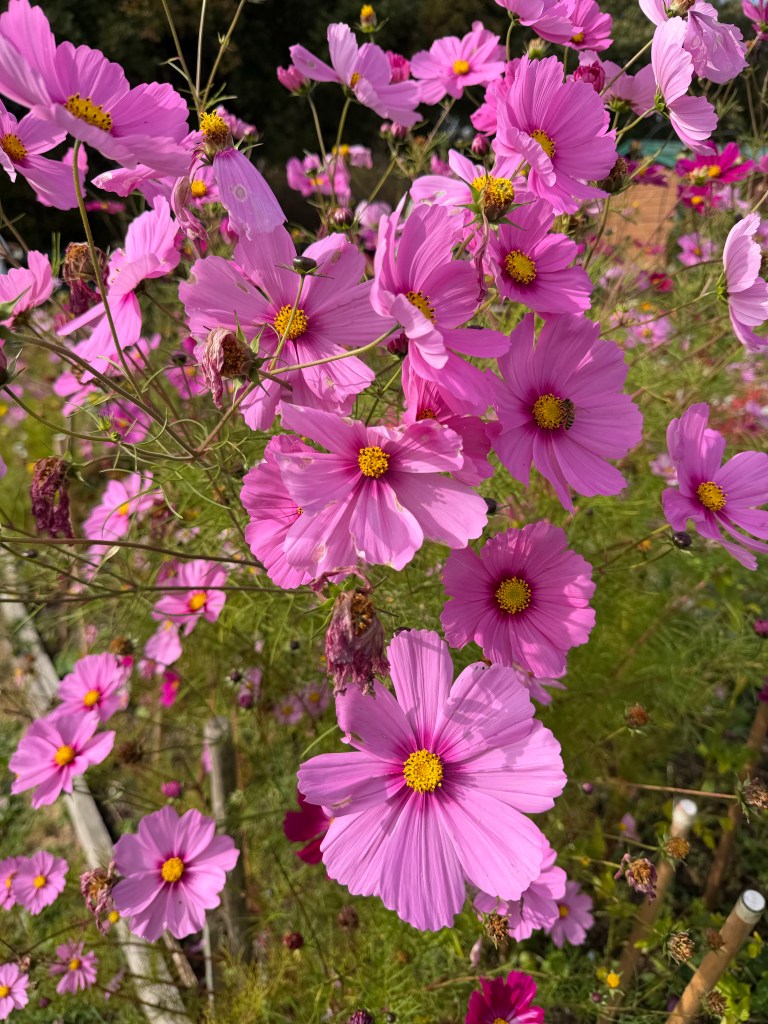
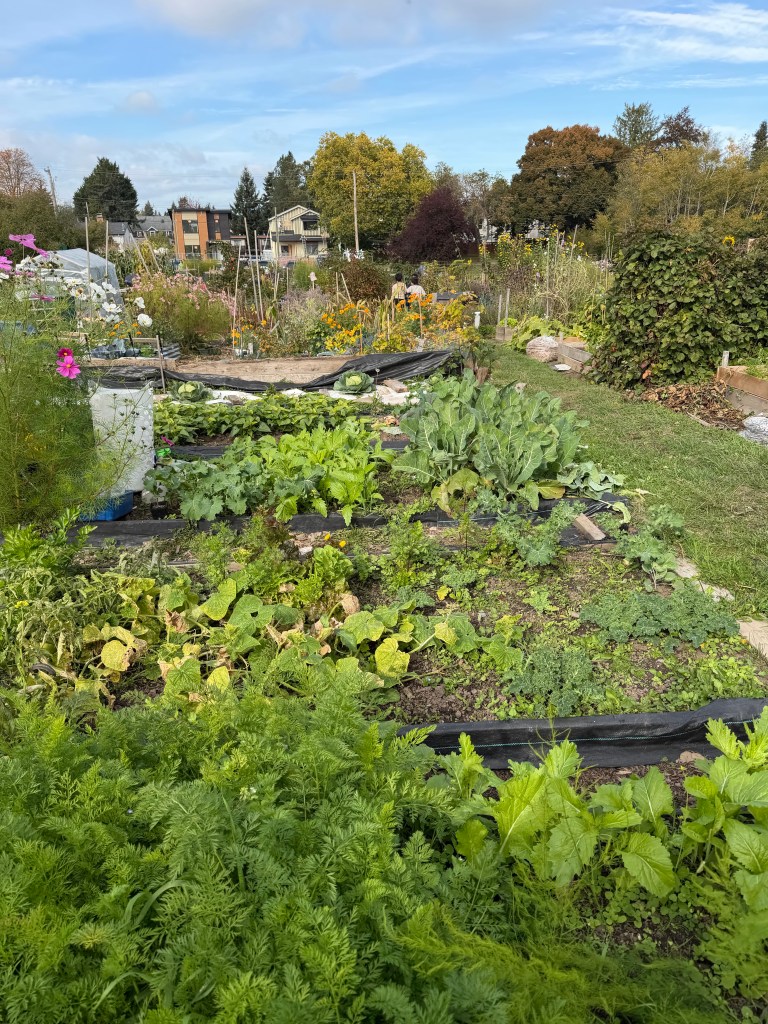
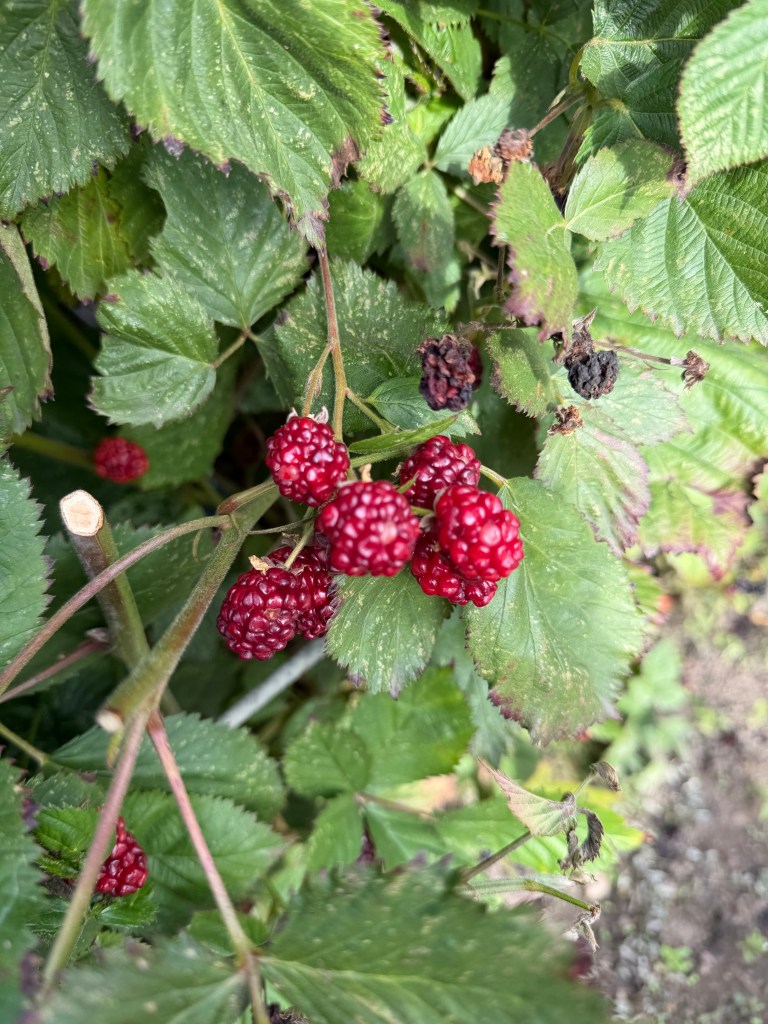
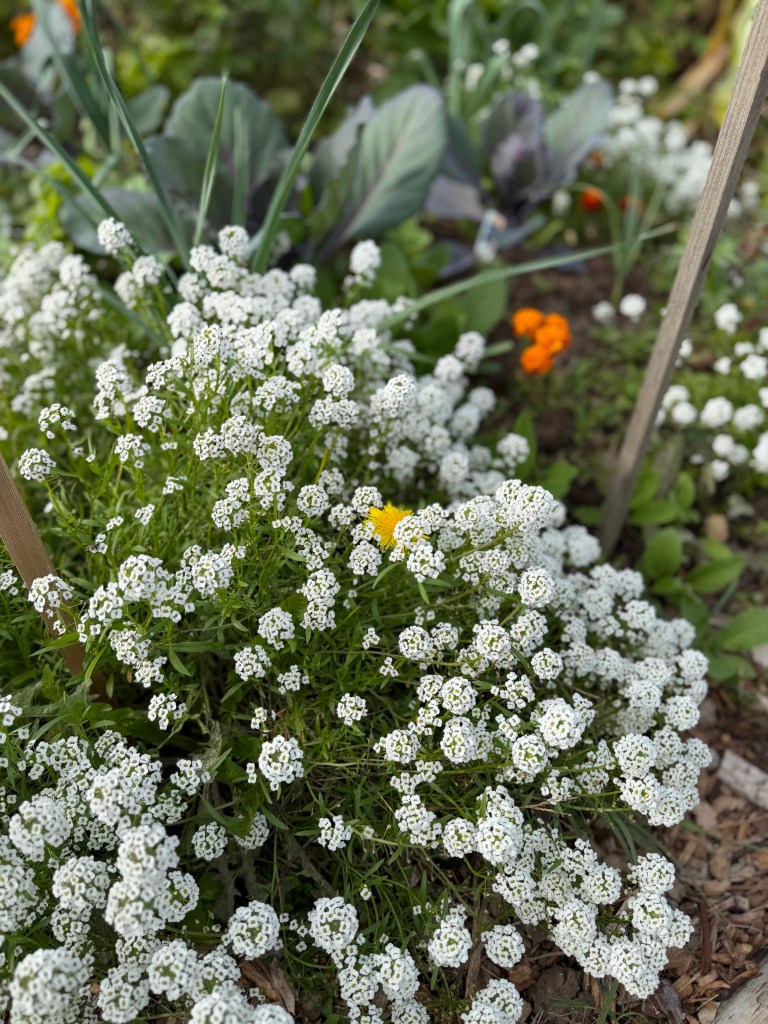
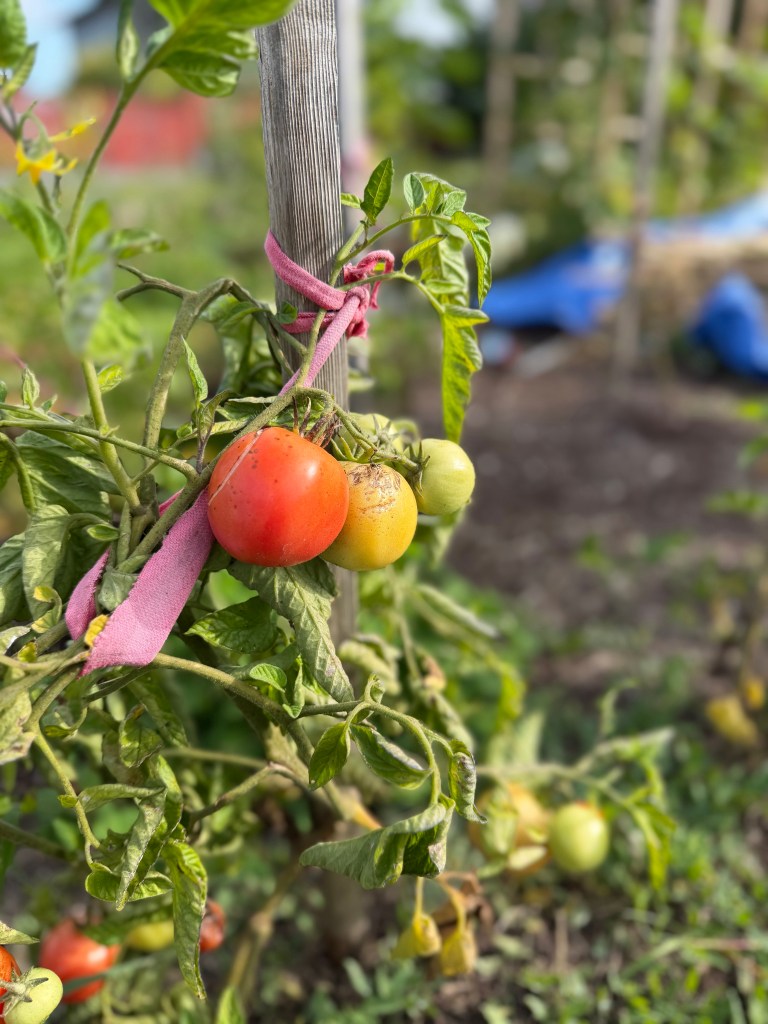
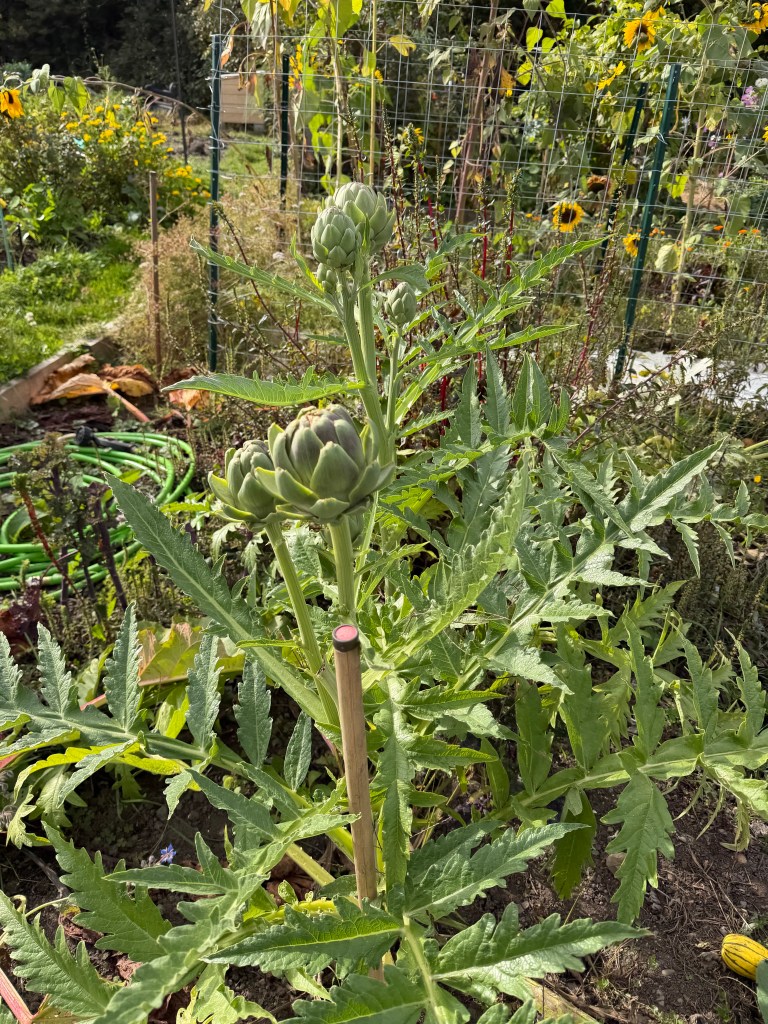
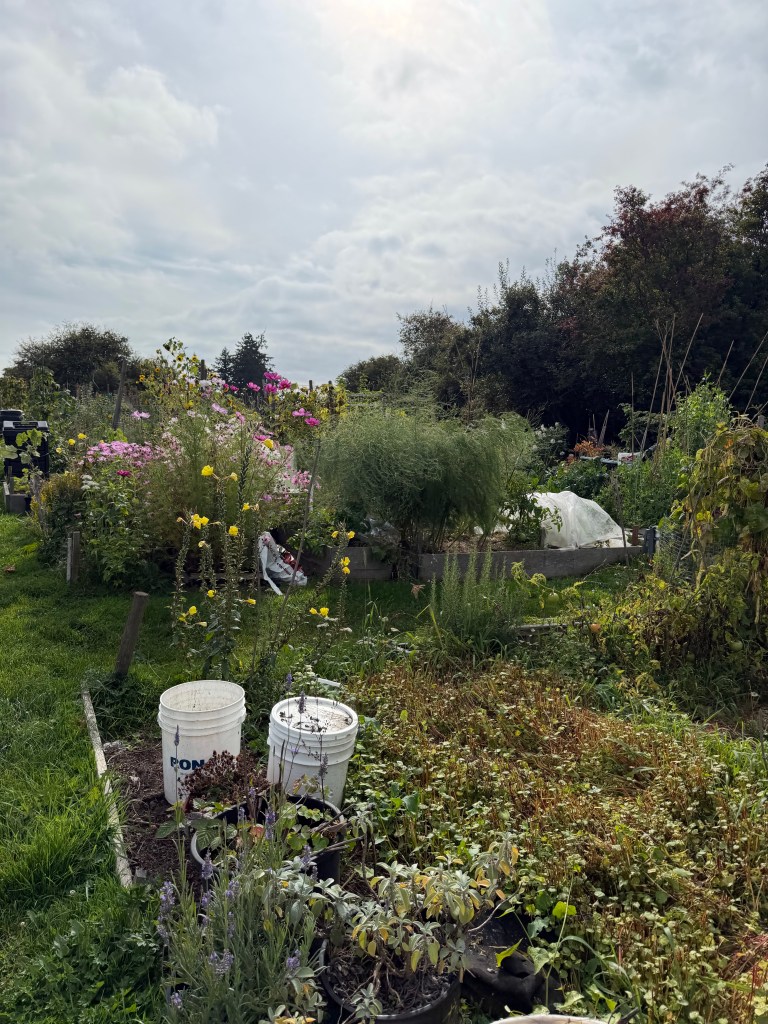
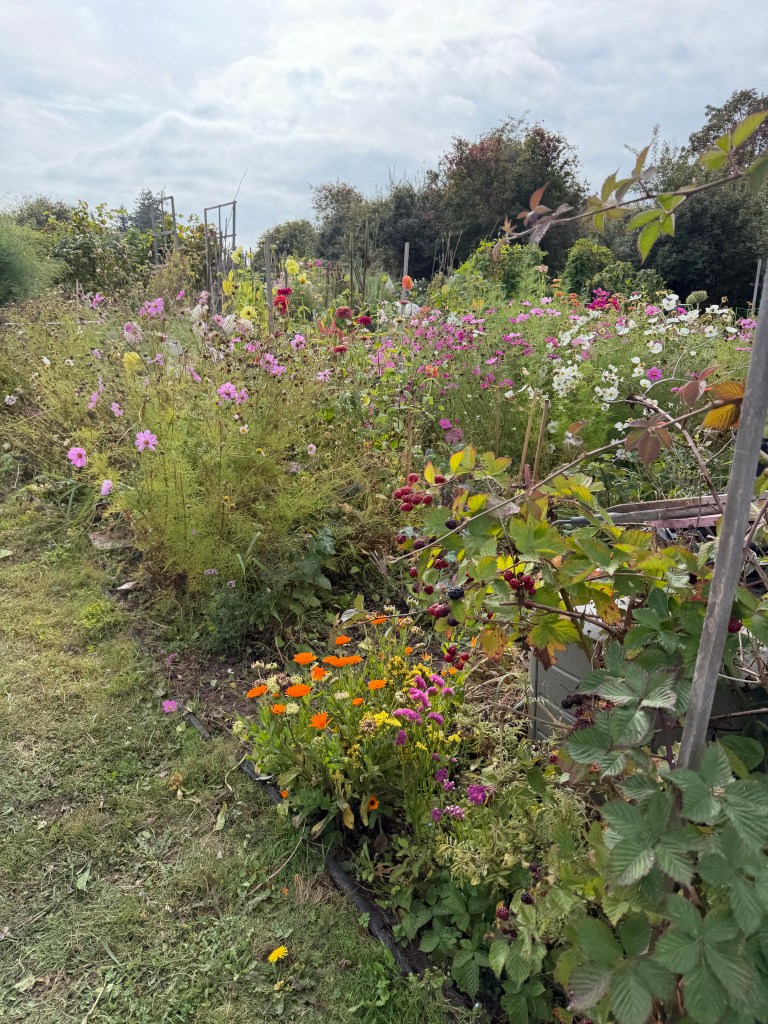
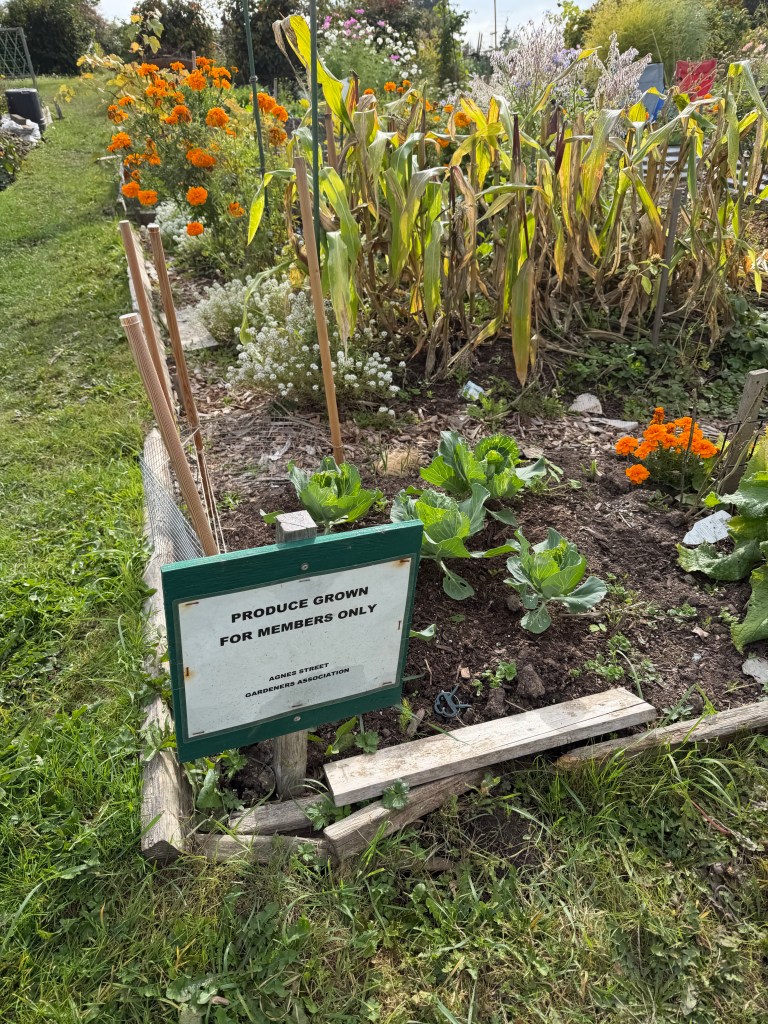
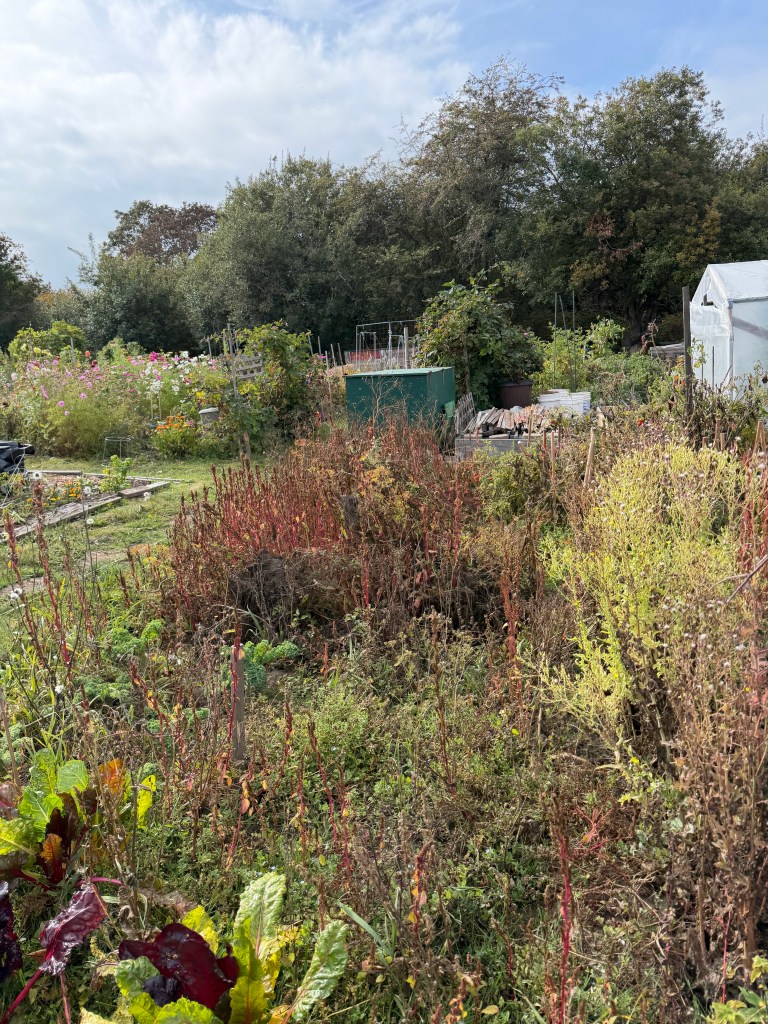
We also made “5 Senses Mind Maps” to organize our data and prepare for a future poetry writing activity.
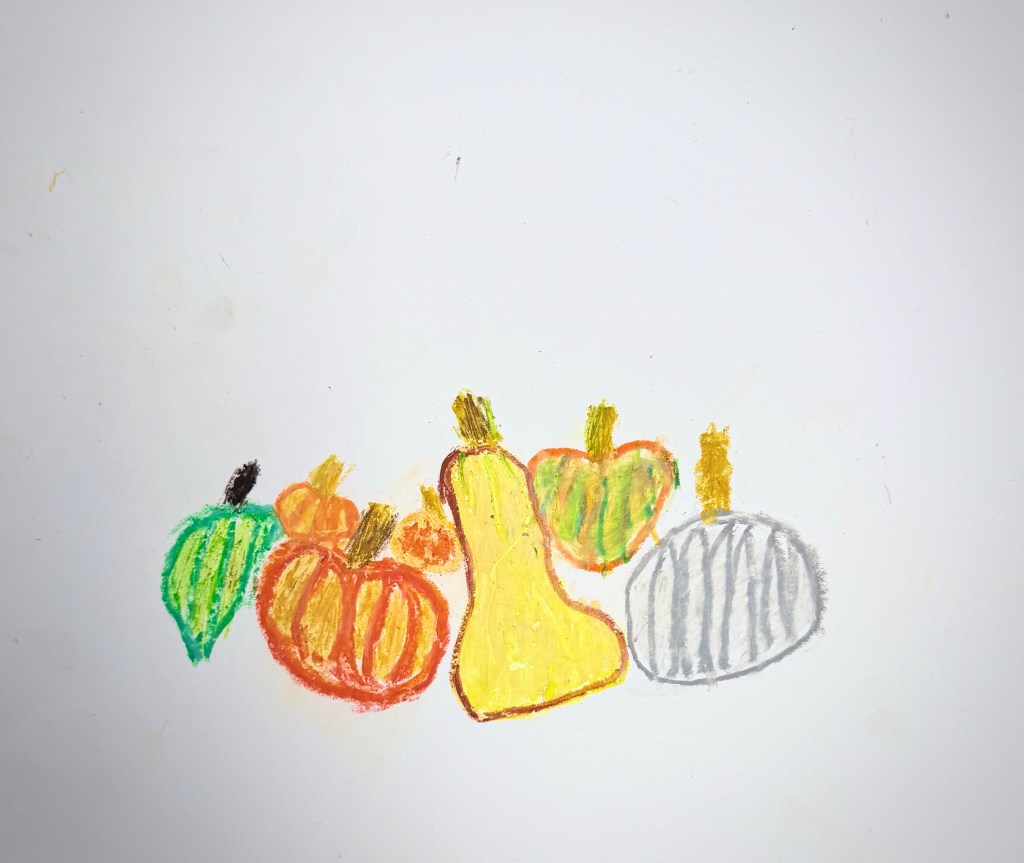
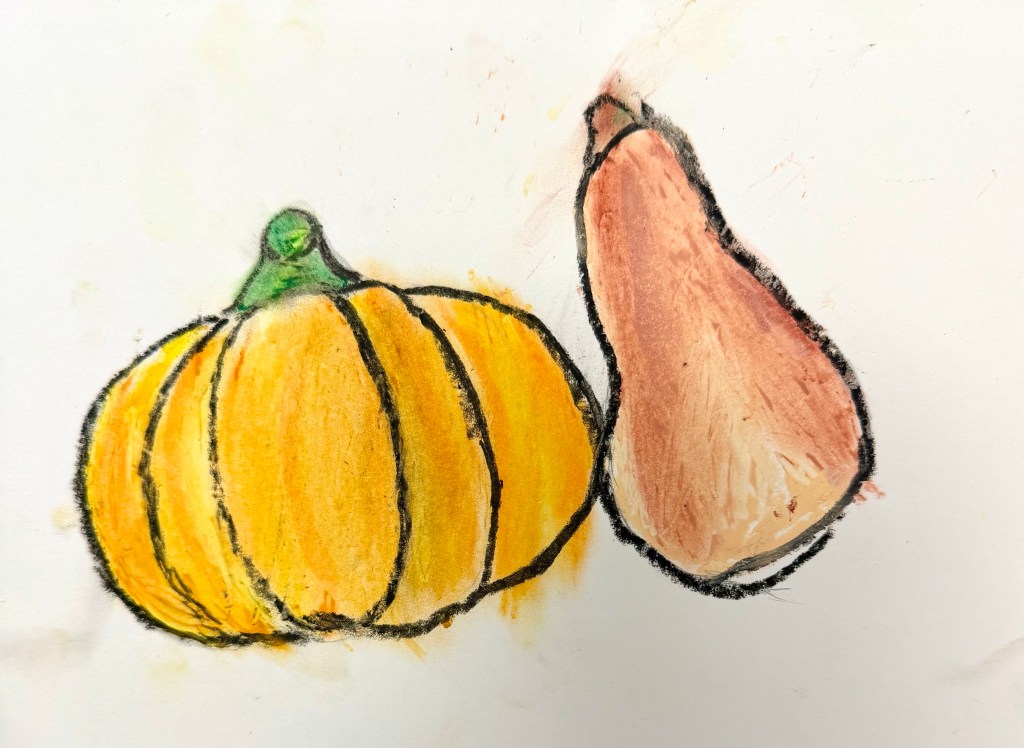
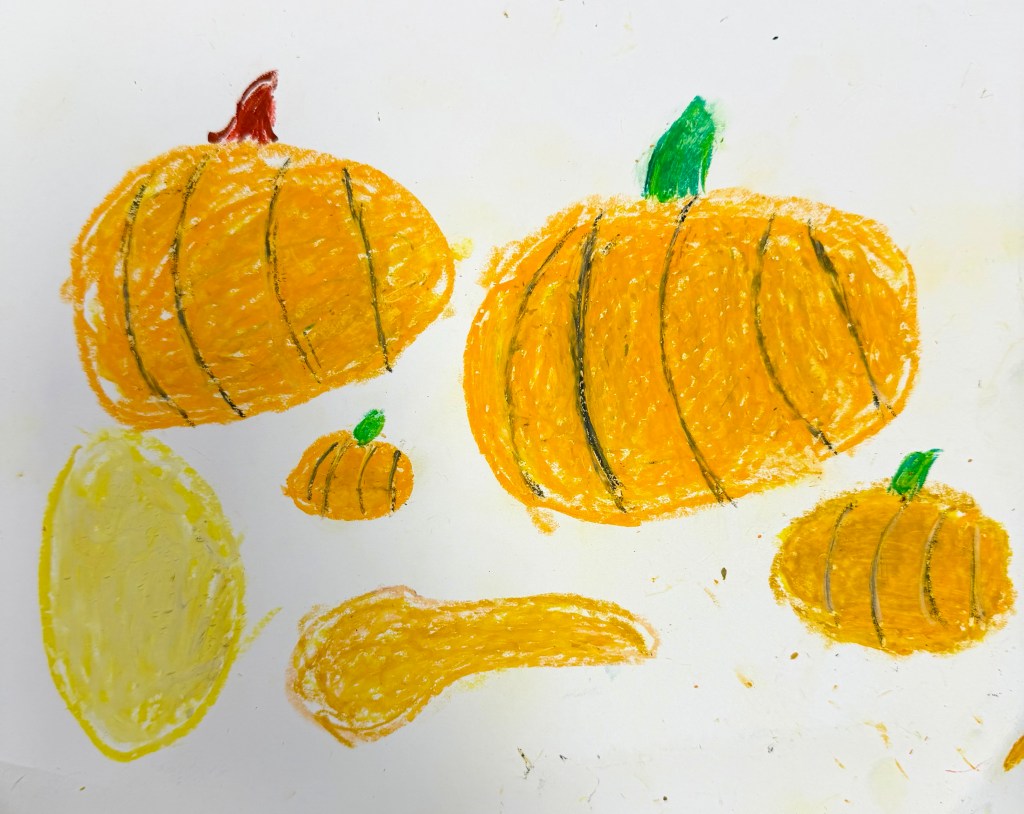
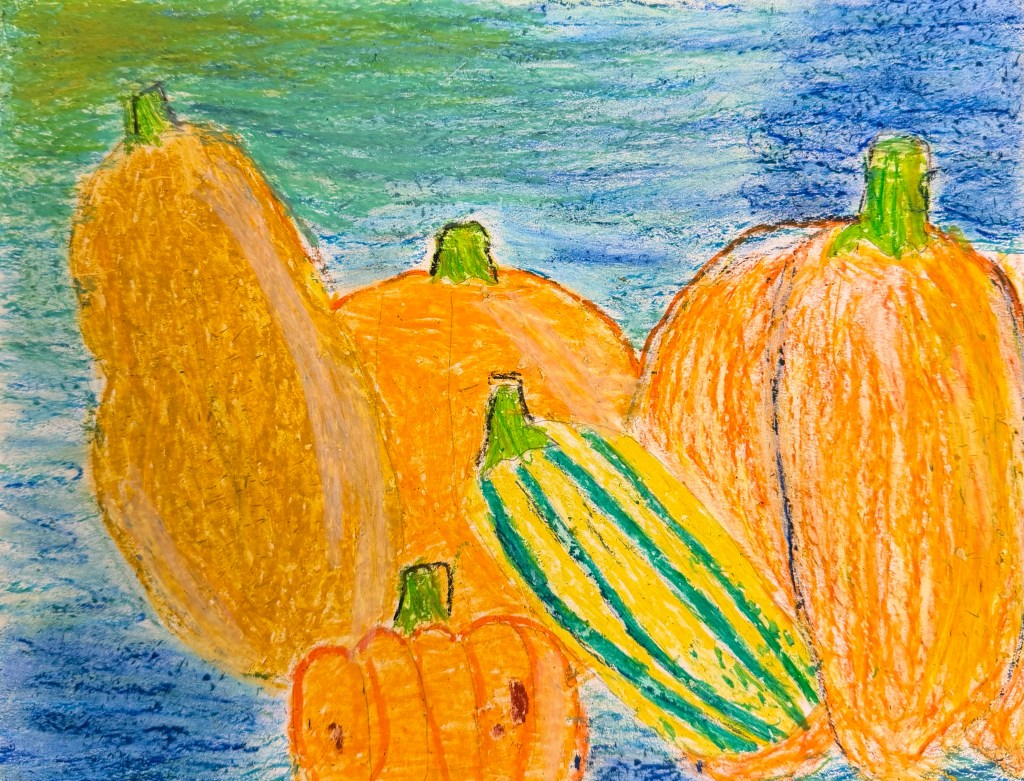
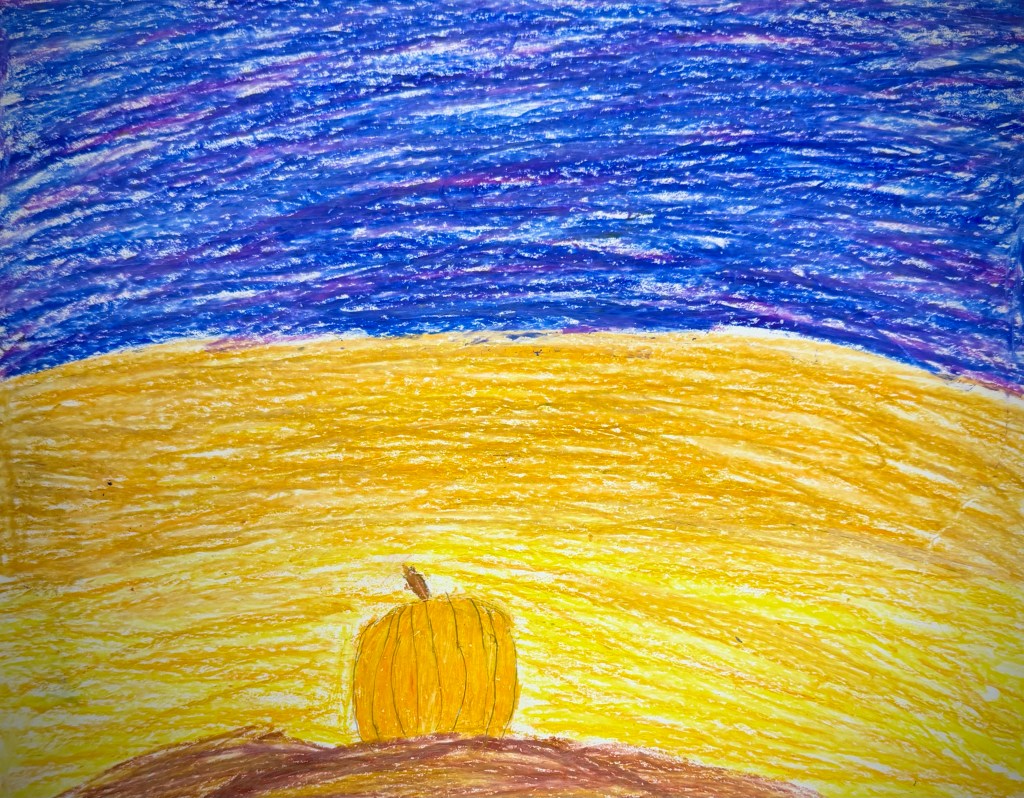
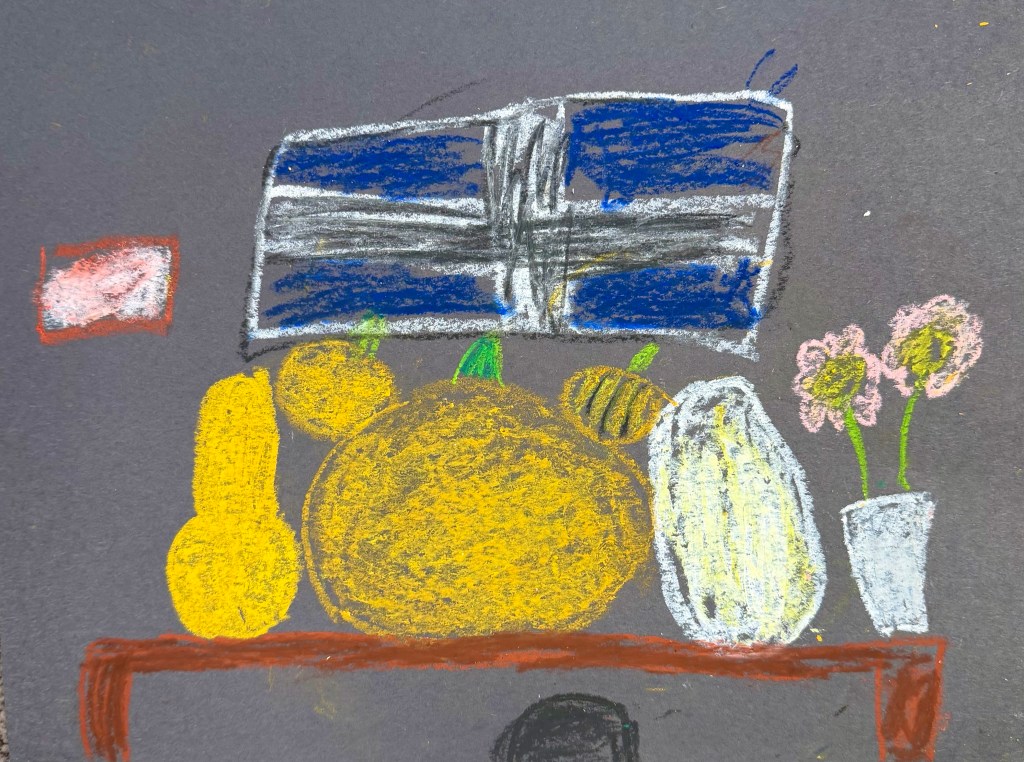
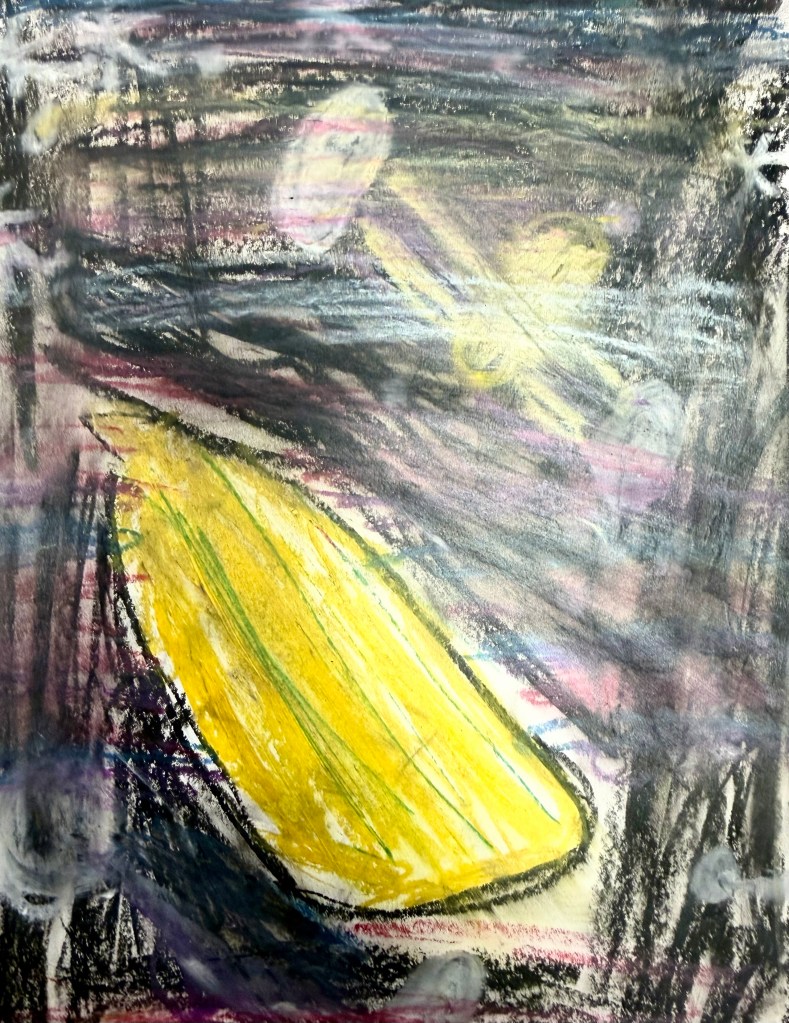
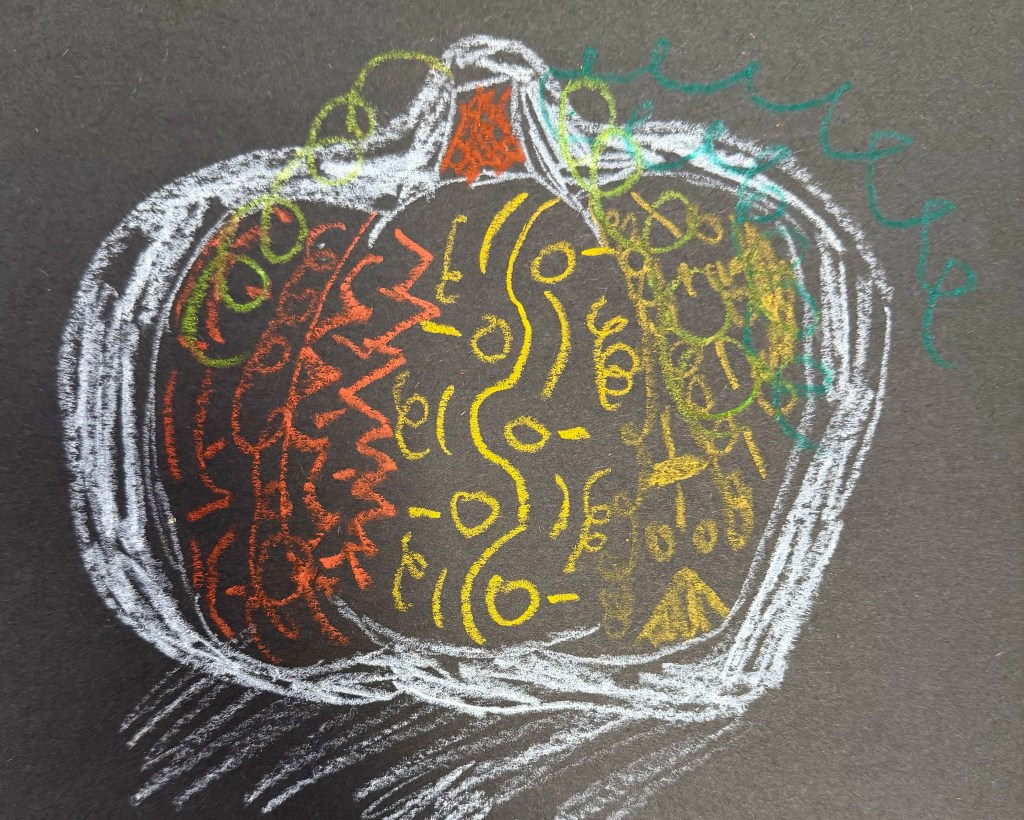
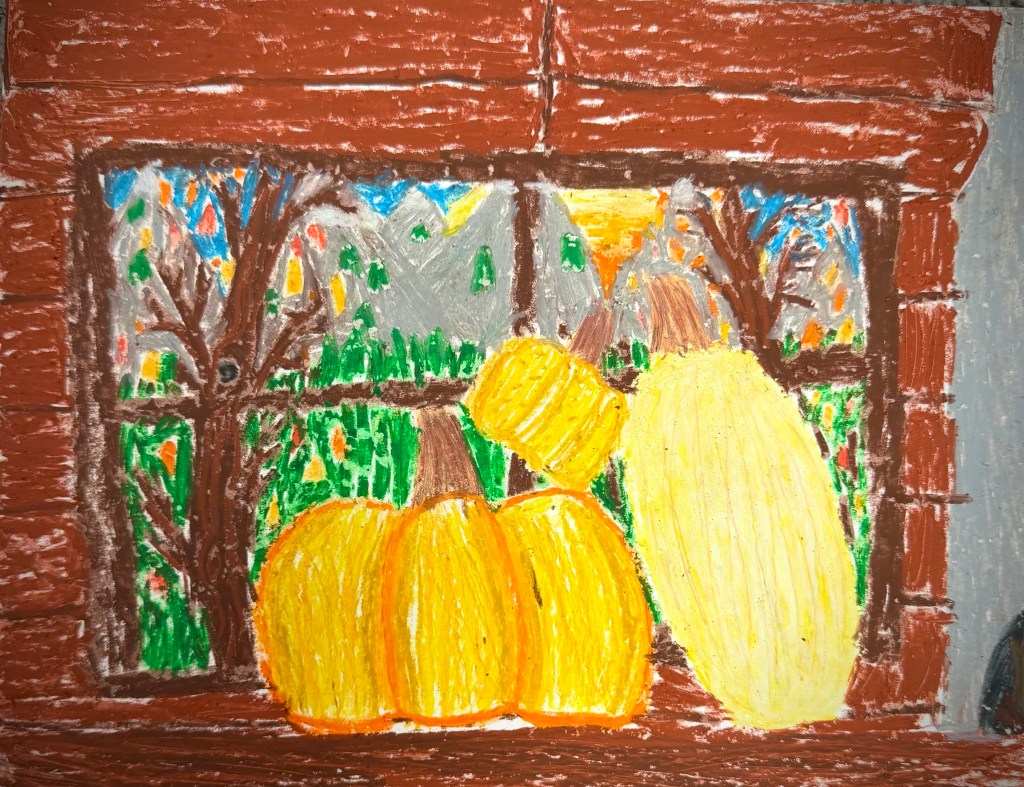
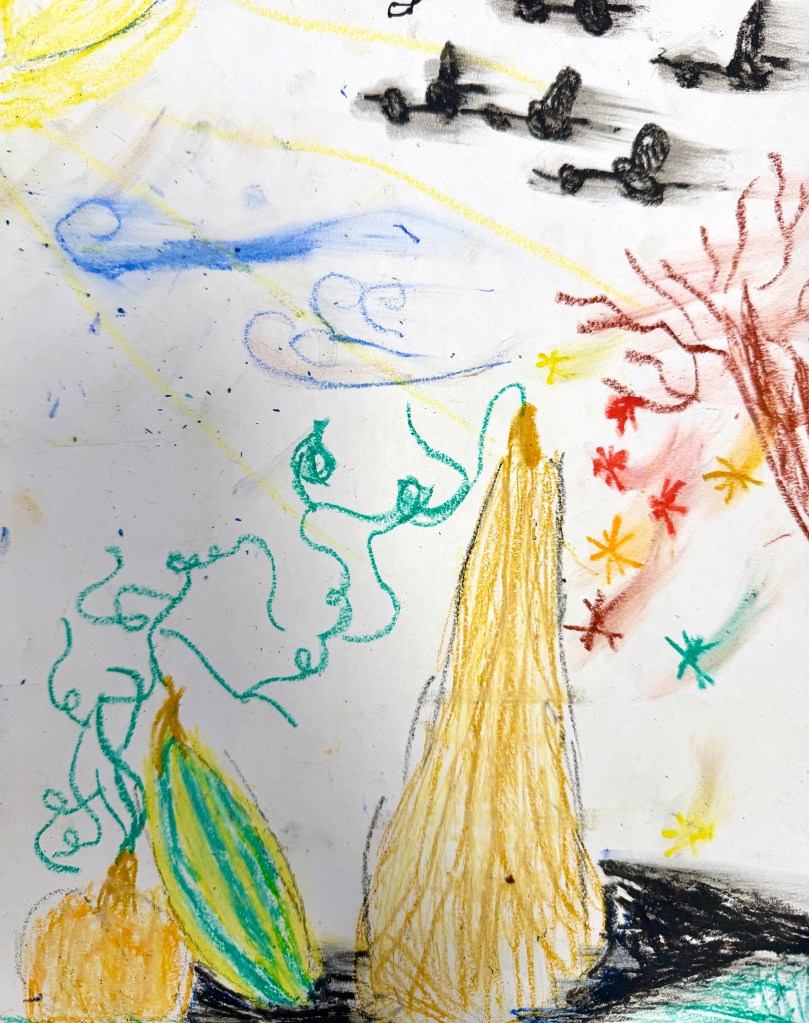
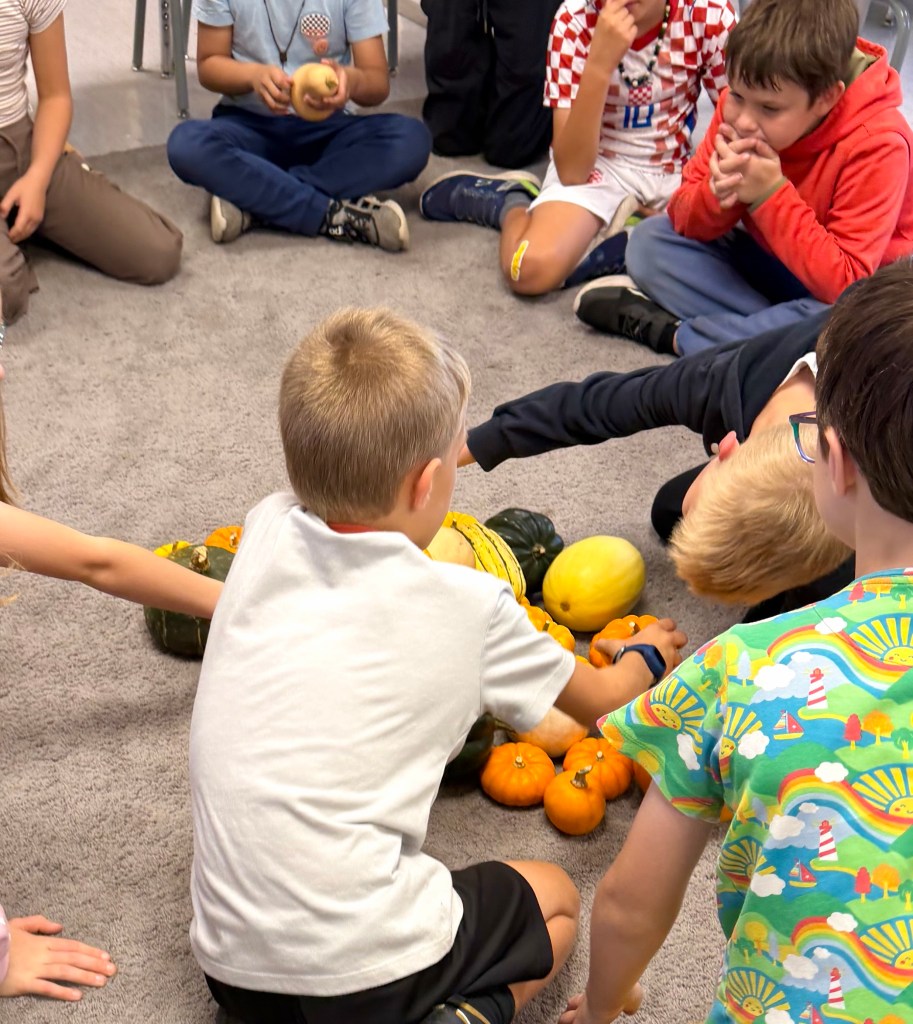
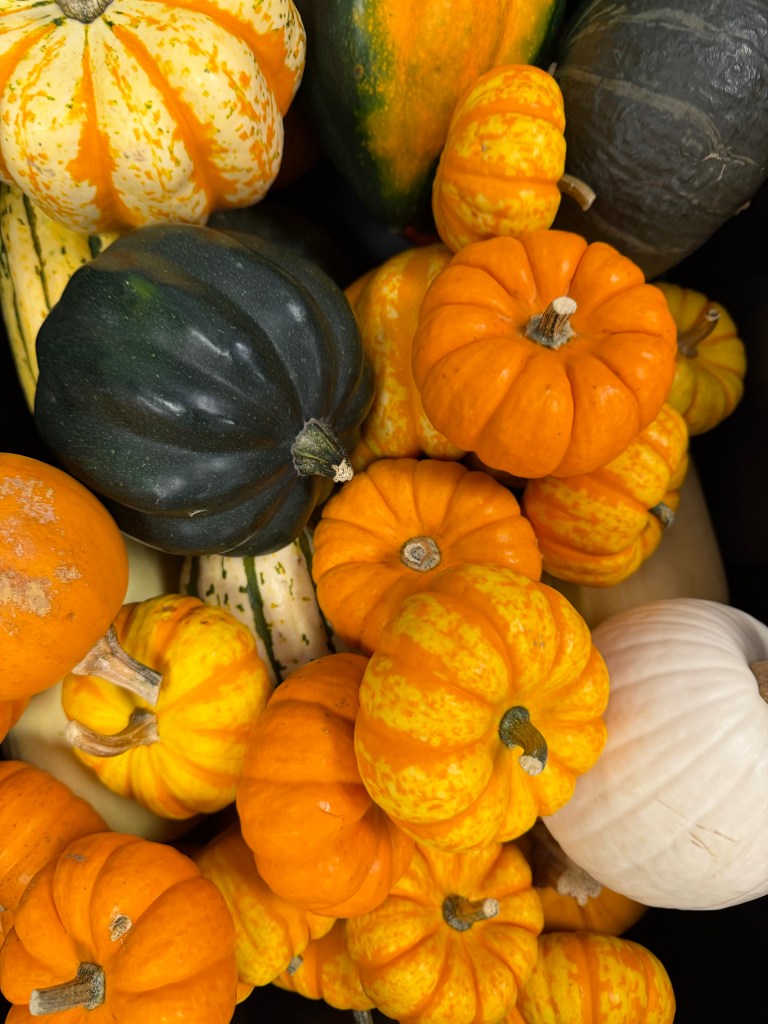
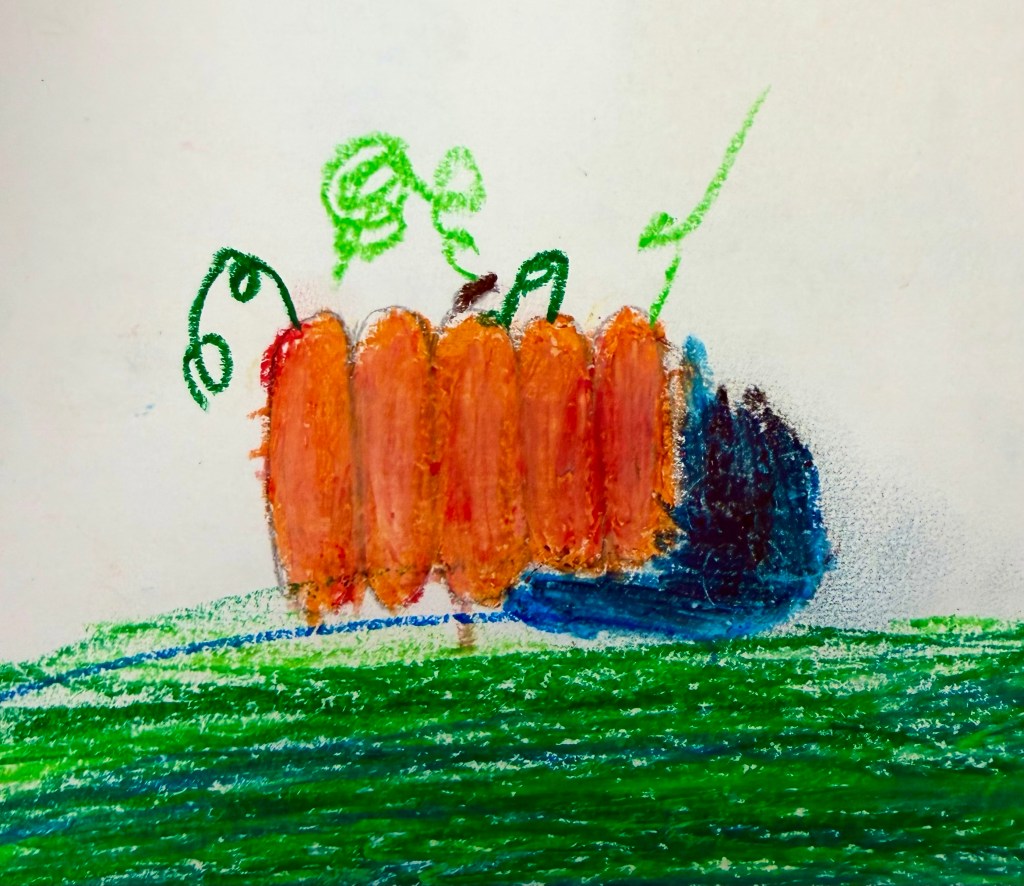
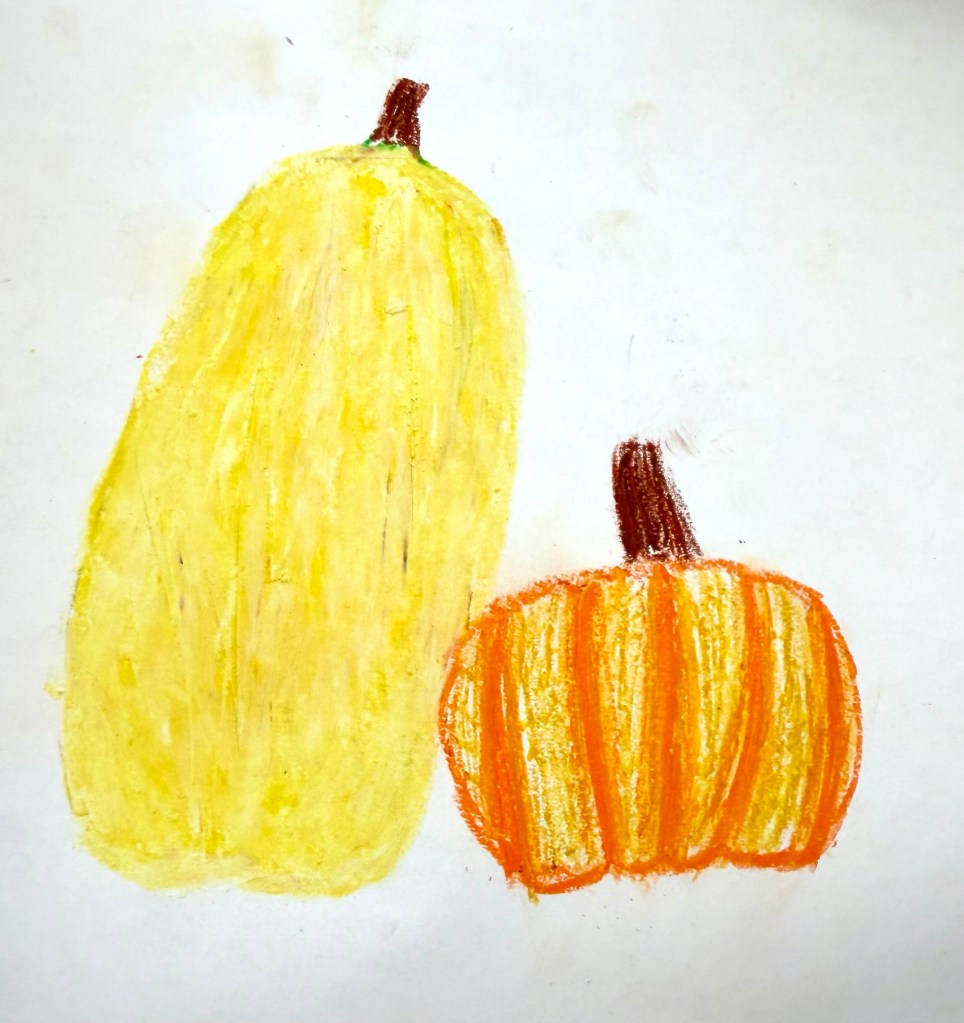
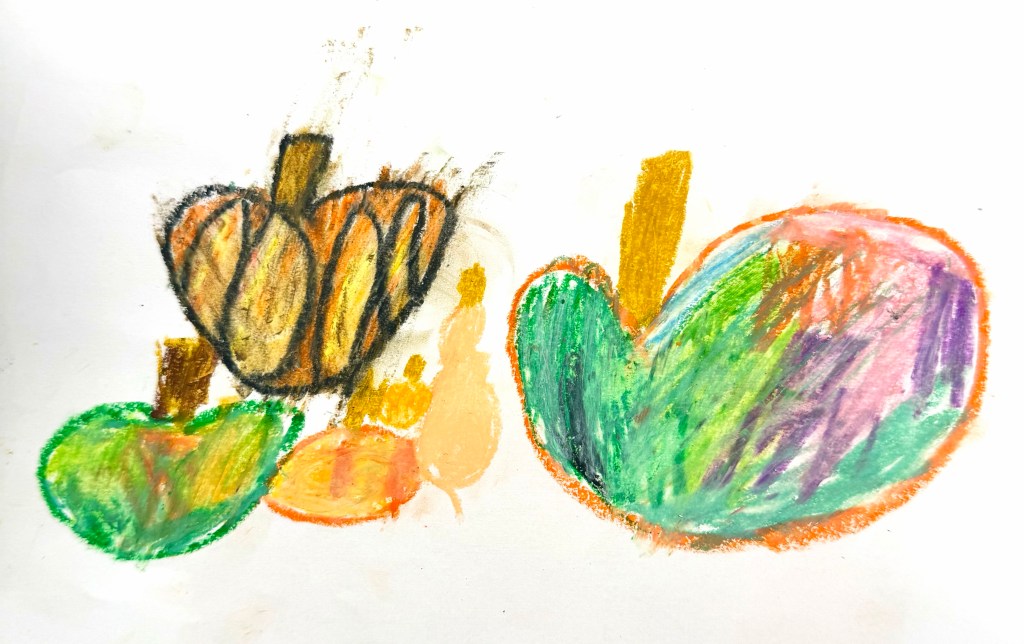
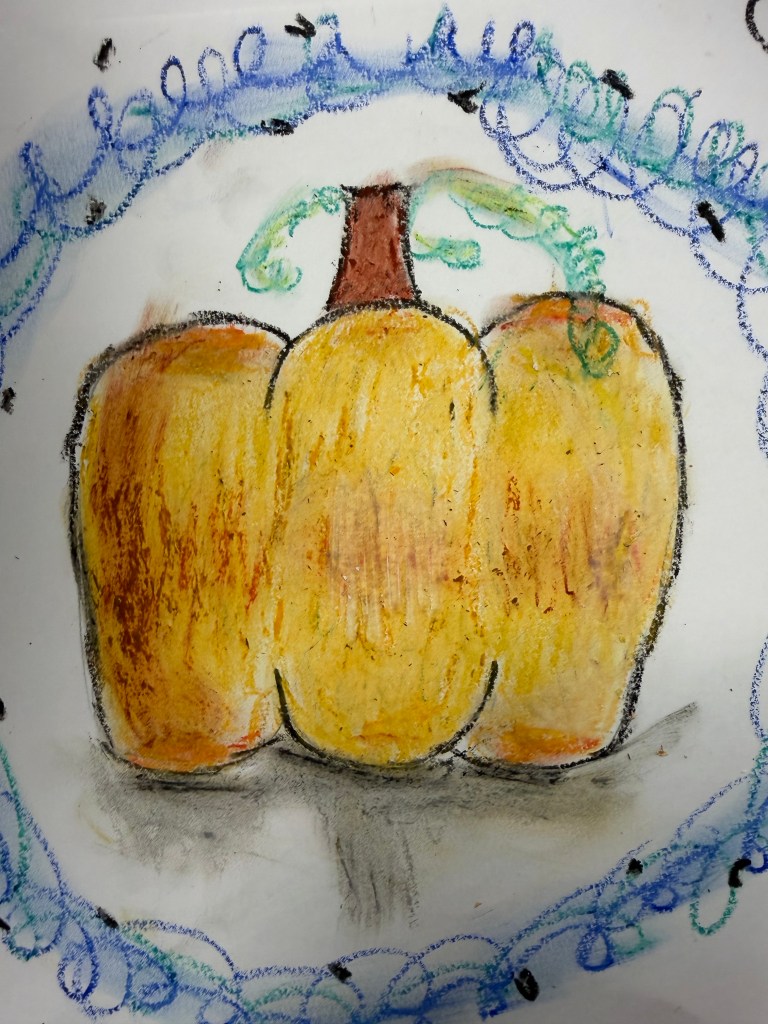
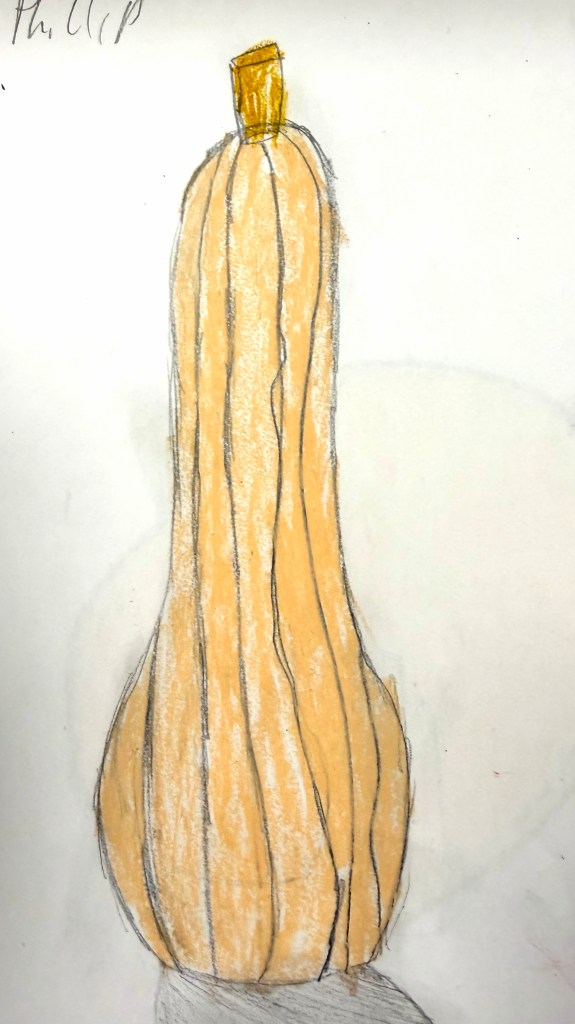
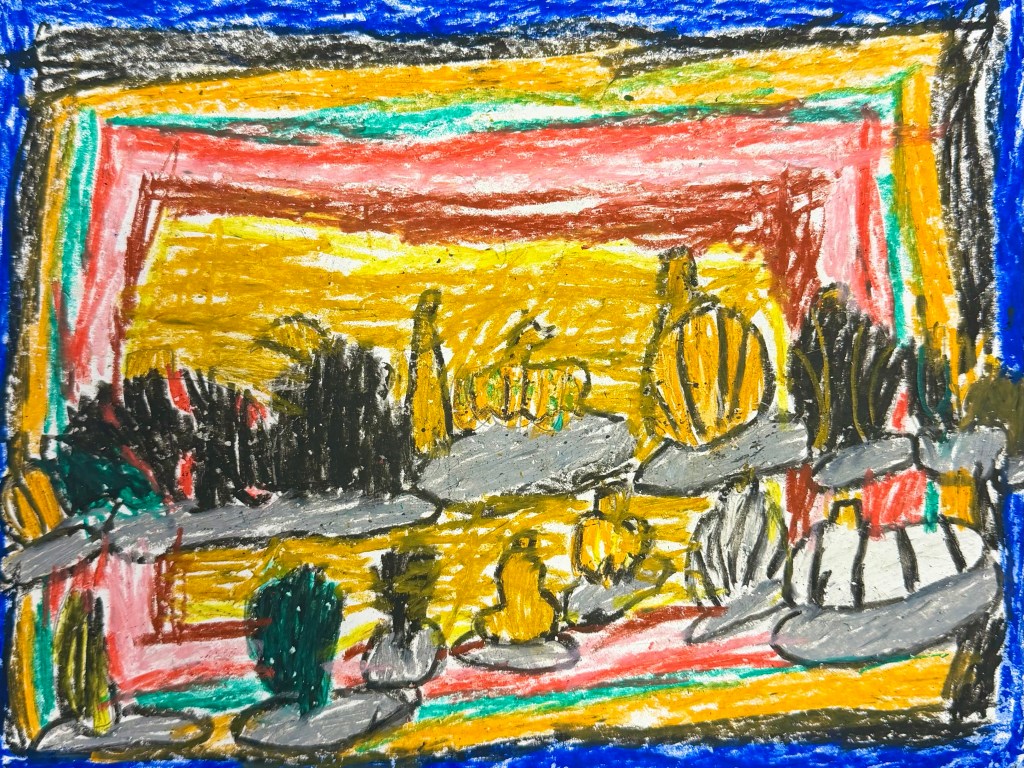
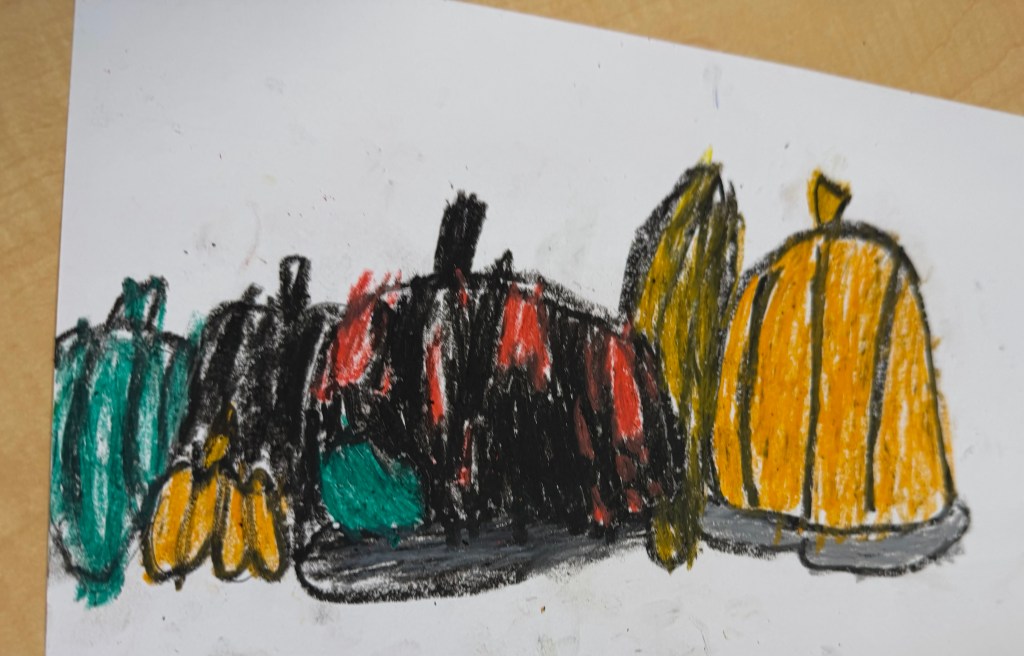
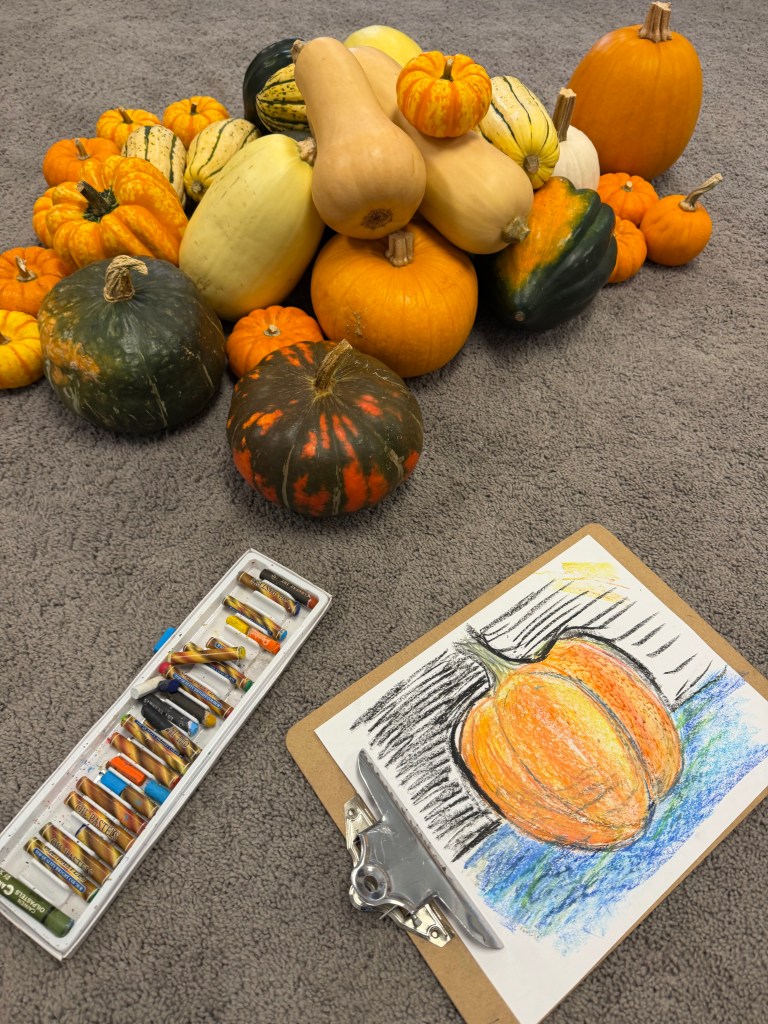
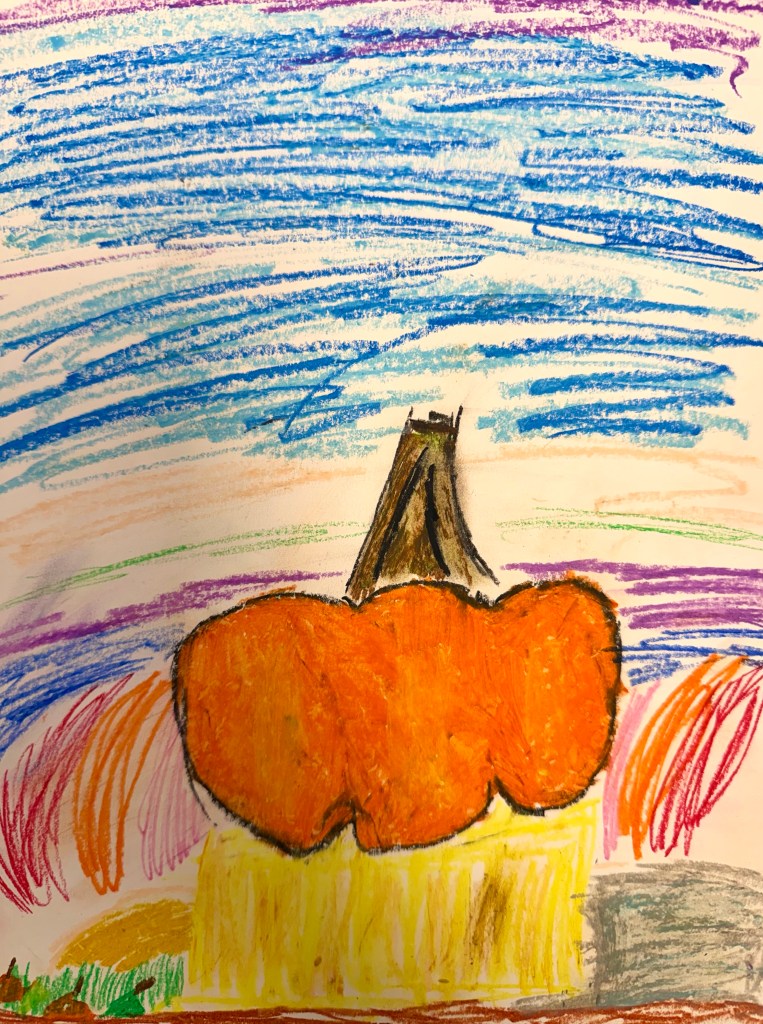
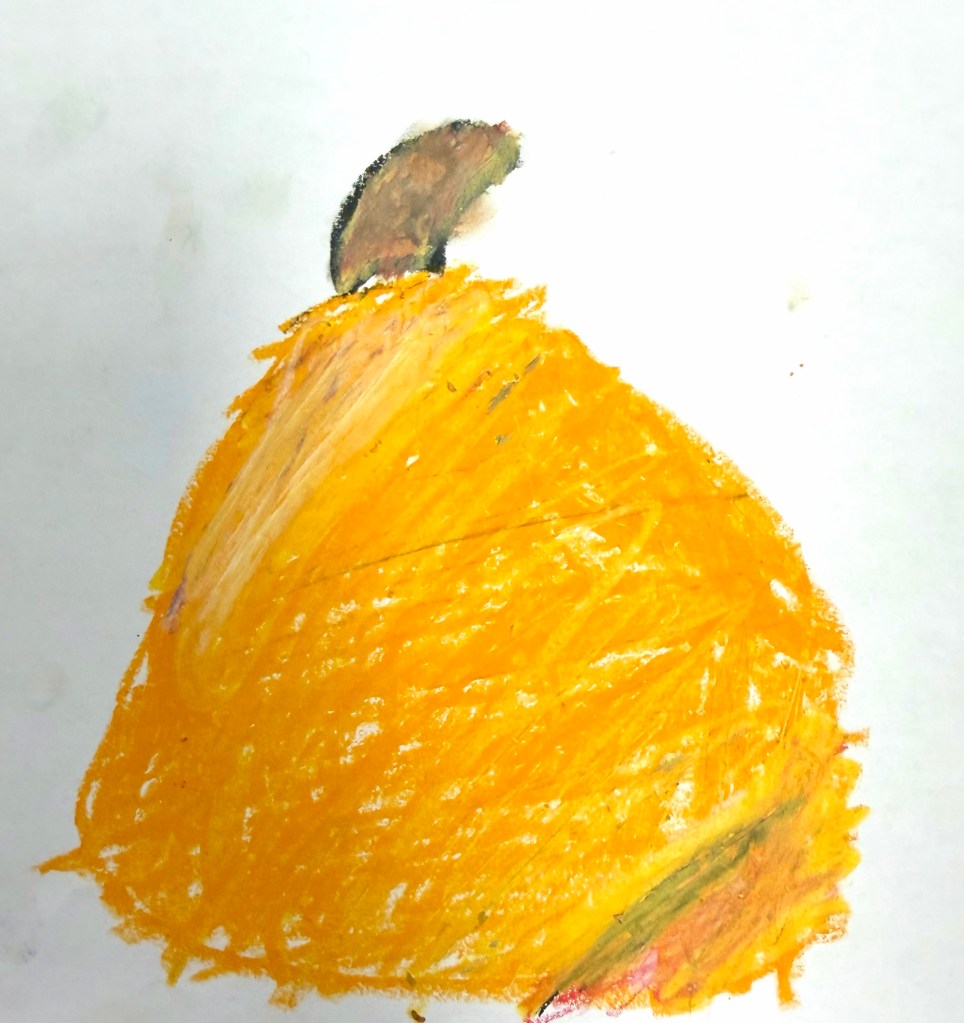
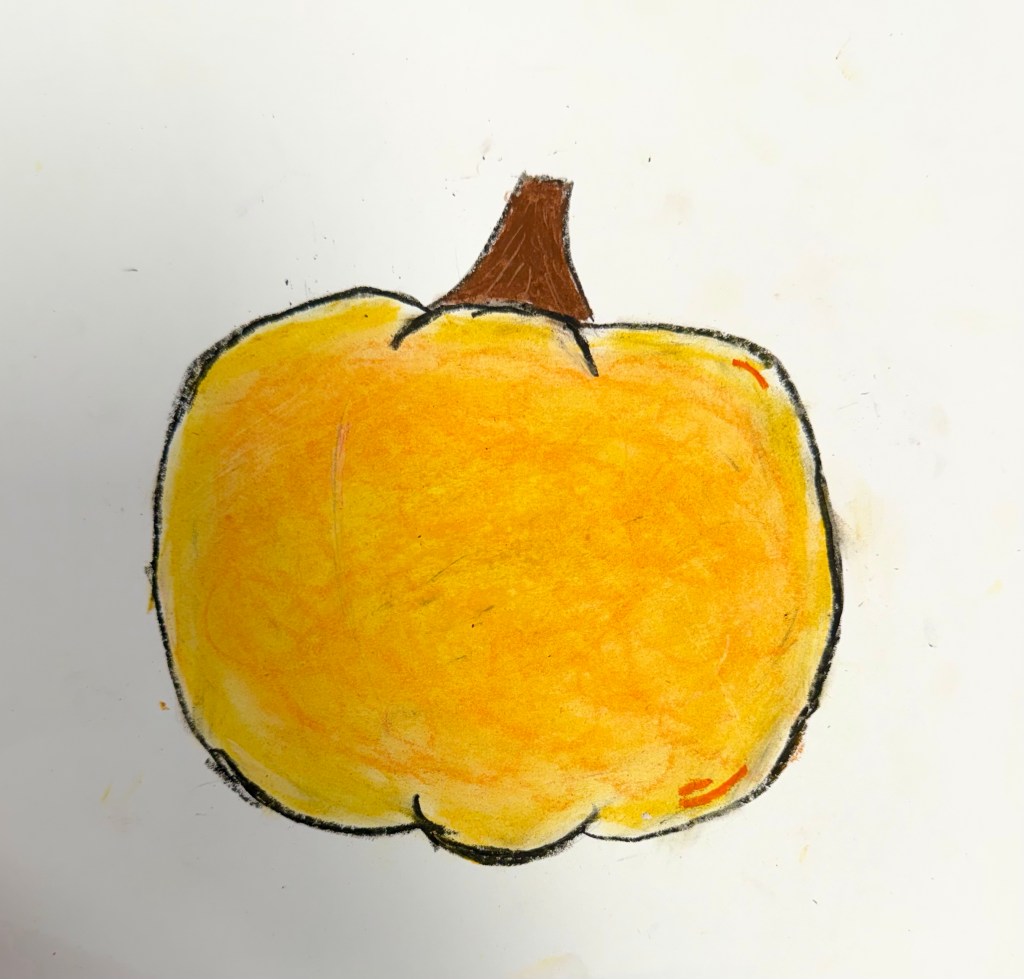
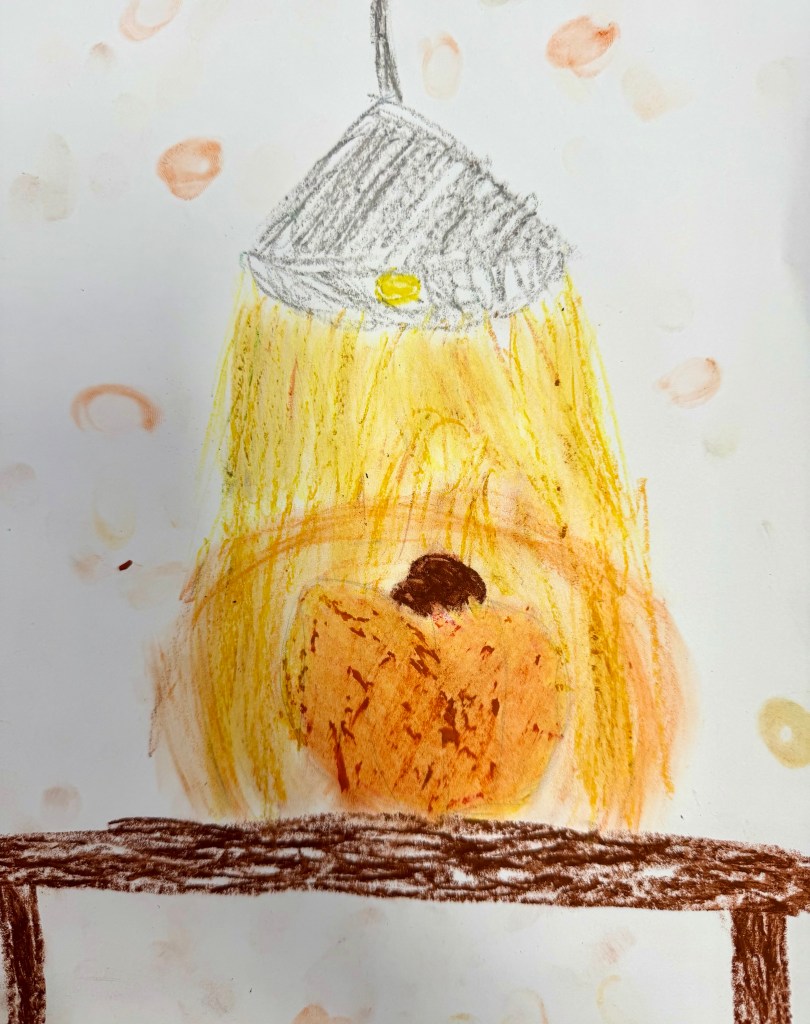
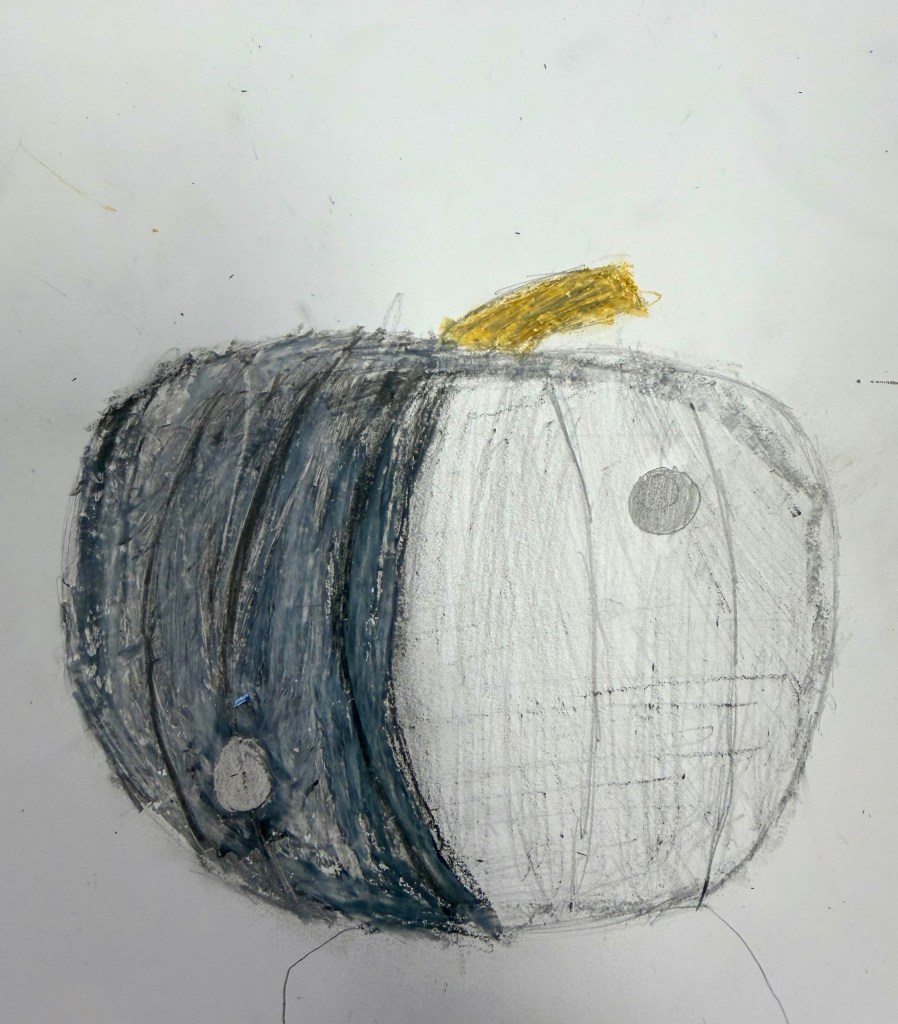
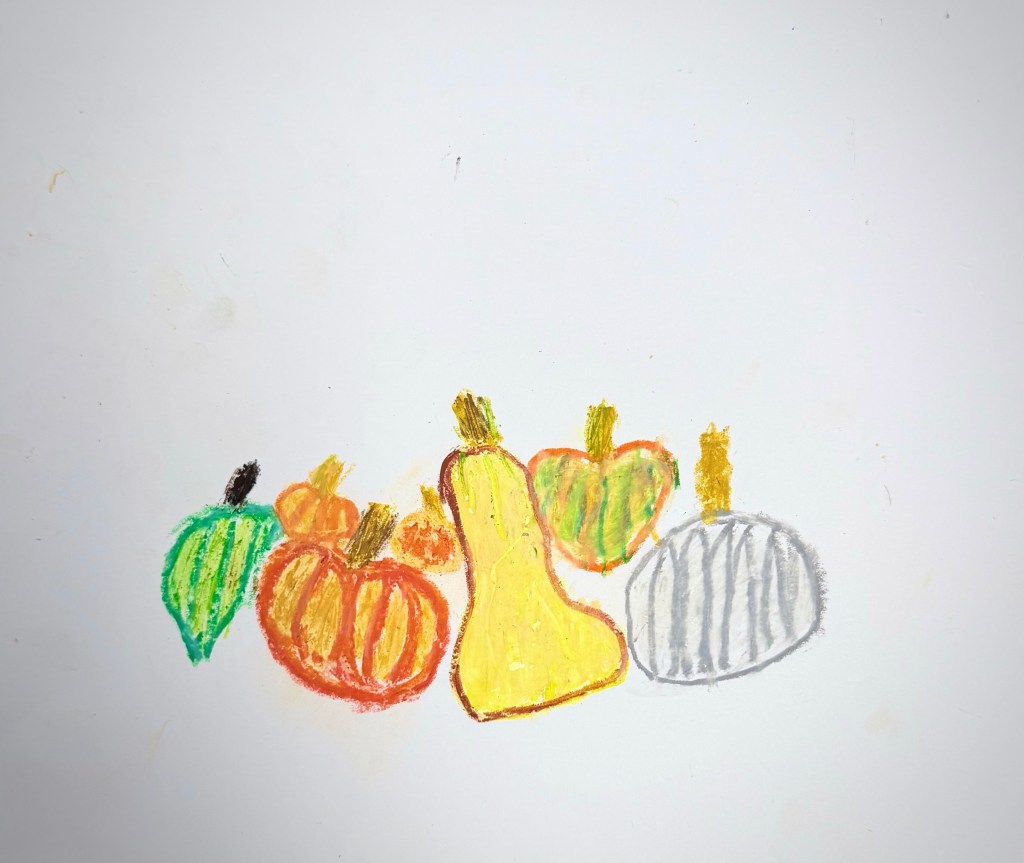
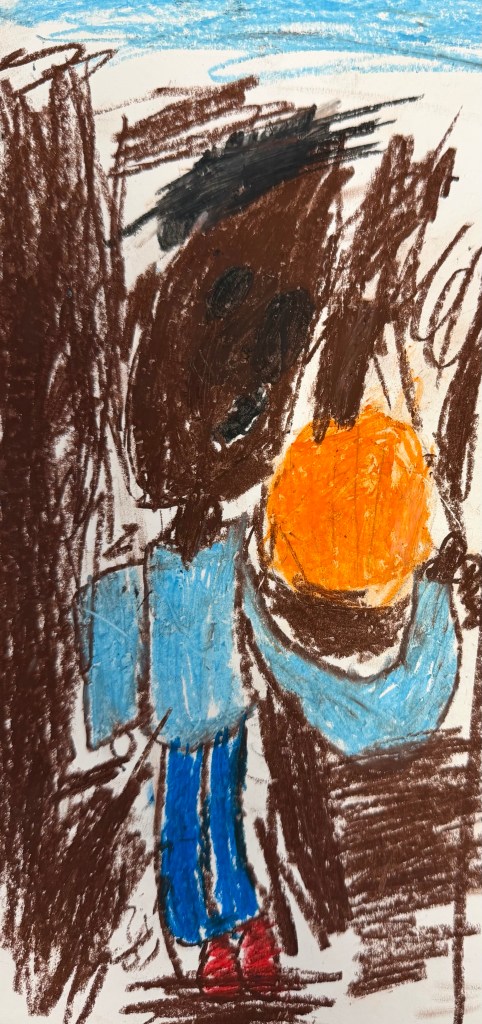
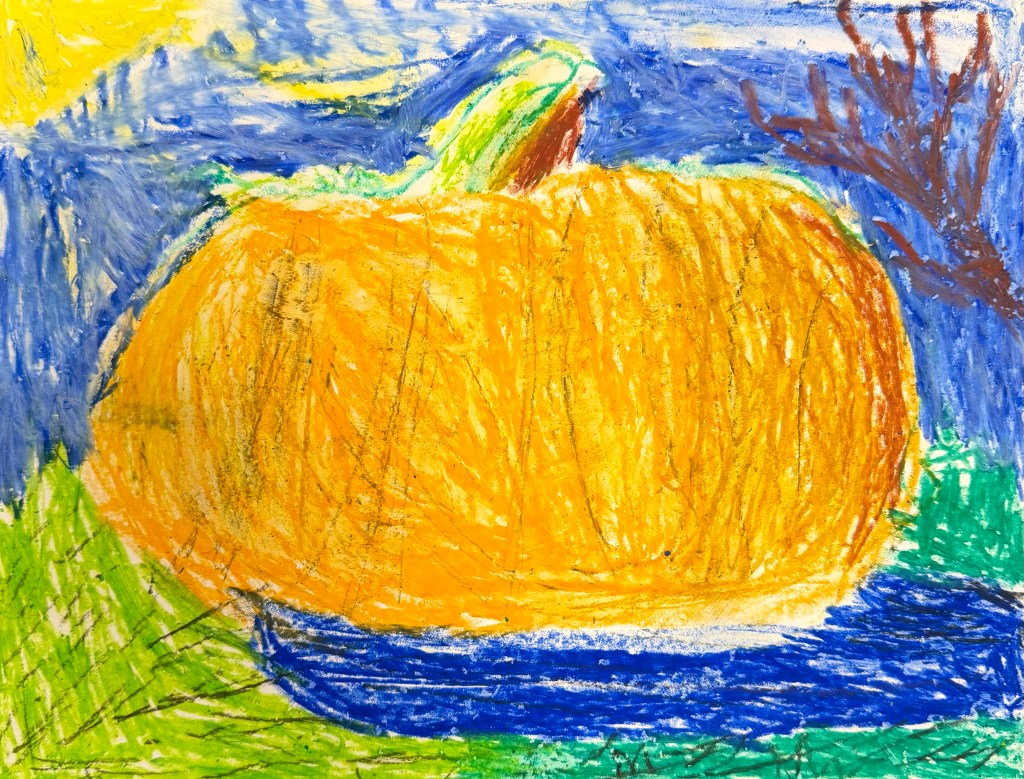
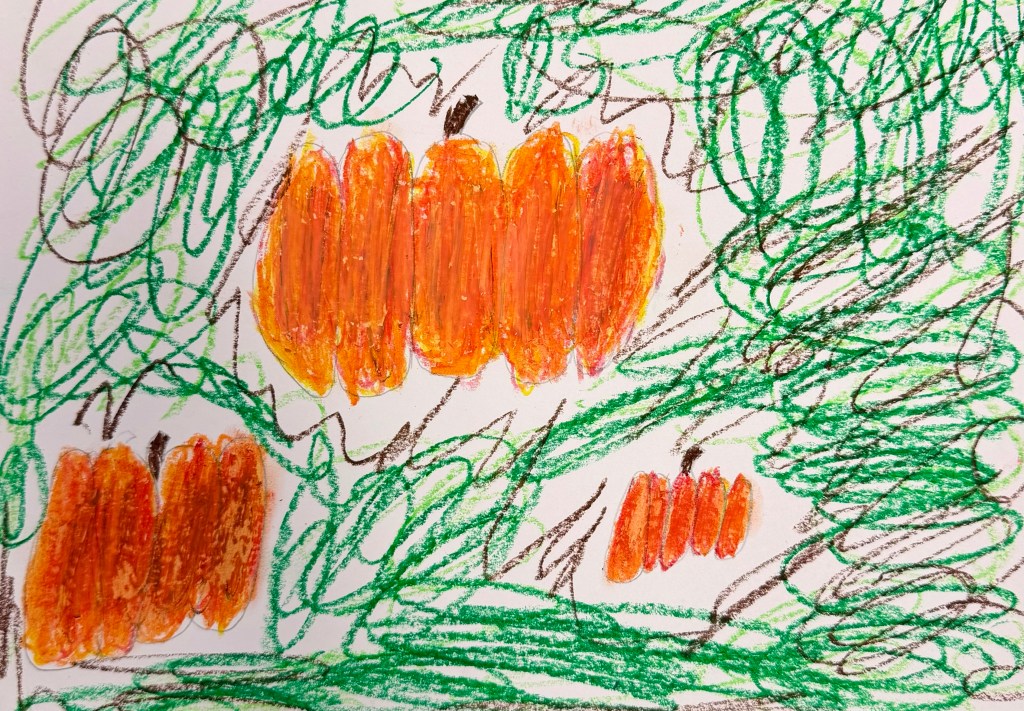
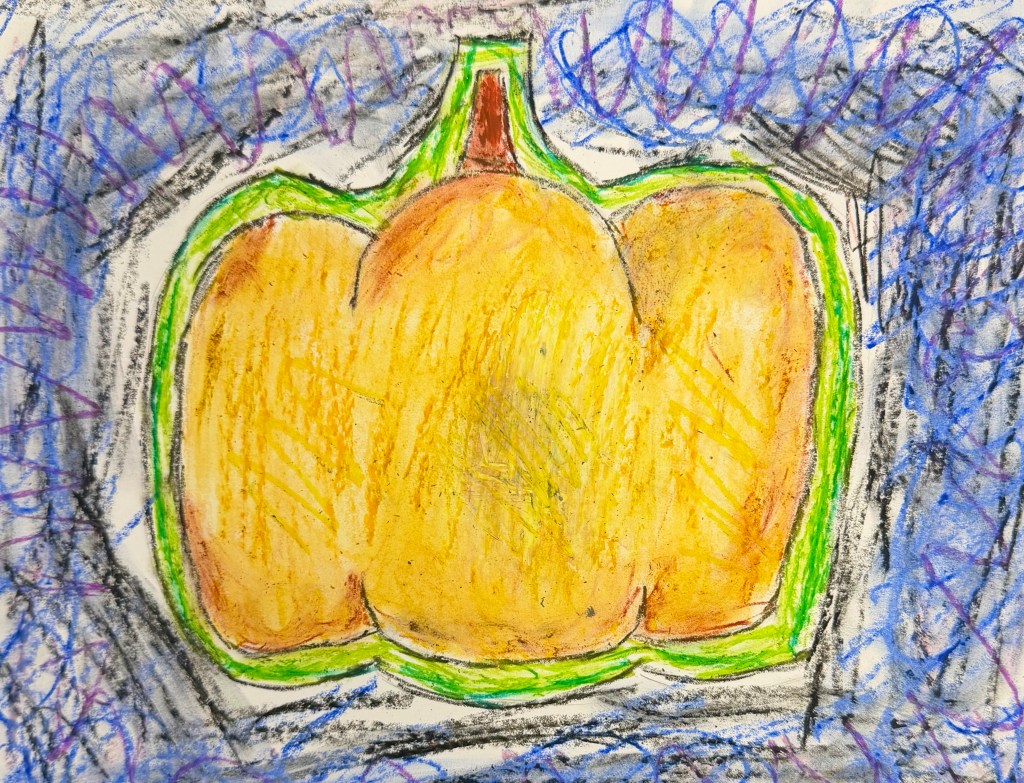
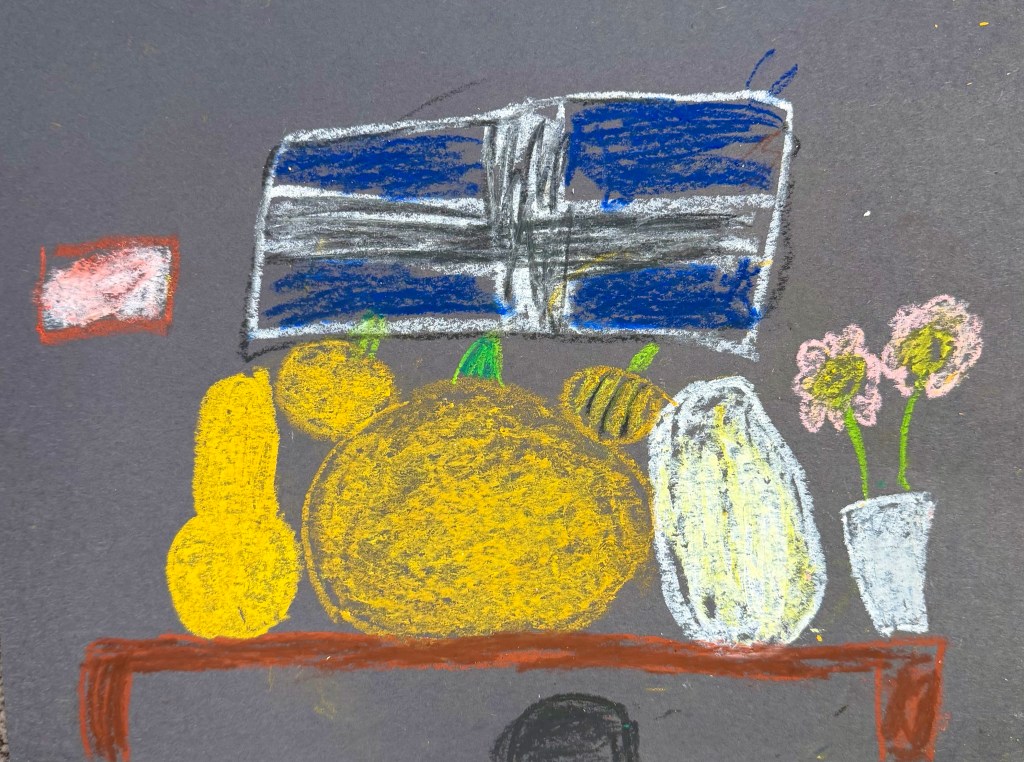
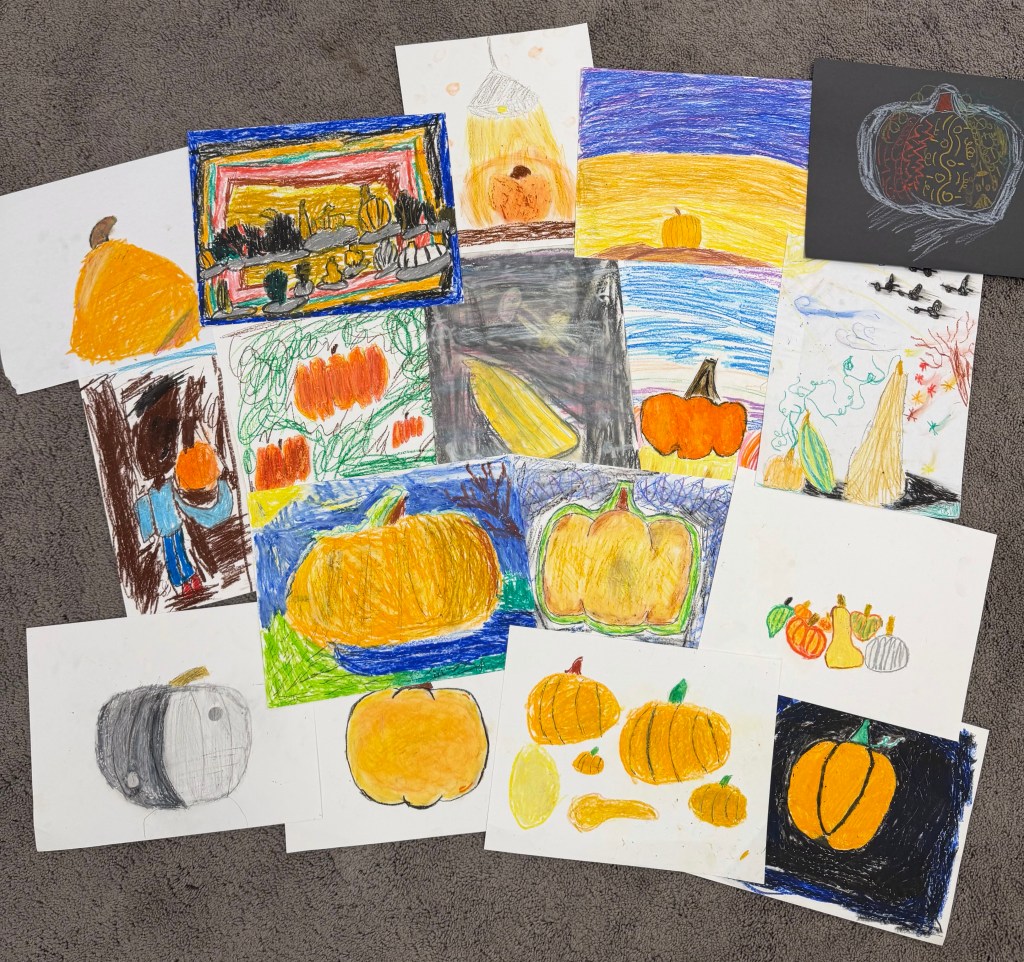
Then, for our still life Art lesson in shape and texture with oil pastels, we zoomed in on a particular harvest season treasure that we saw in the garden: fruits of the cucurbitaceae family! Pumpkins, squash and gourds!
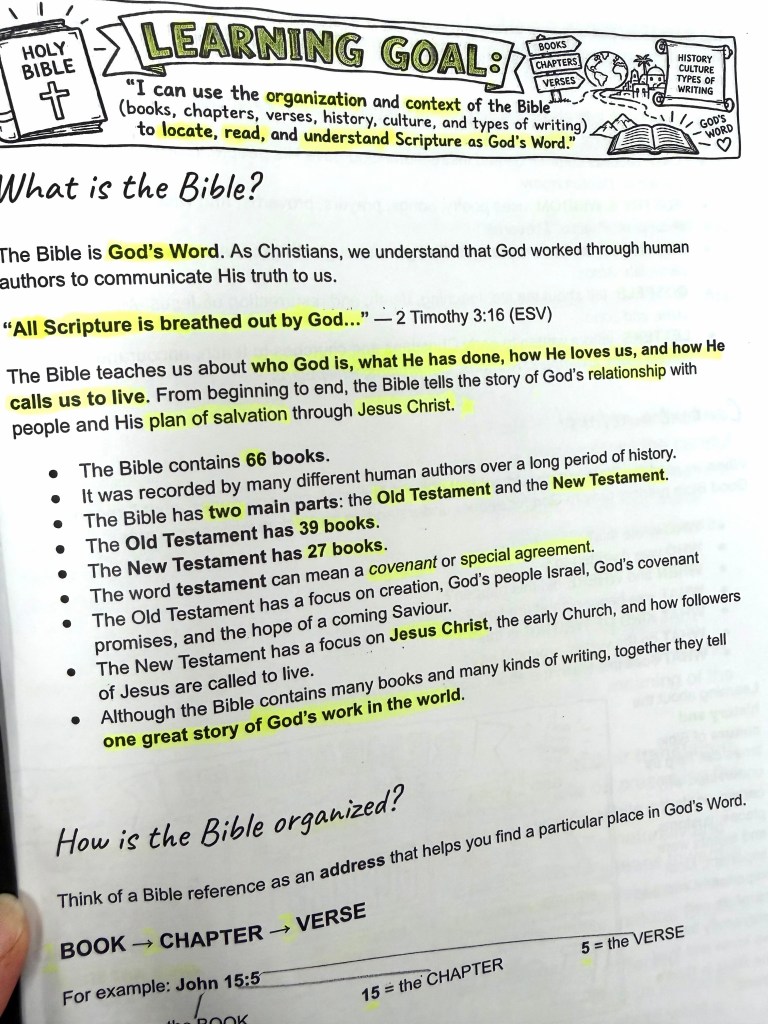
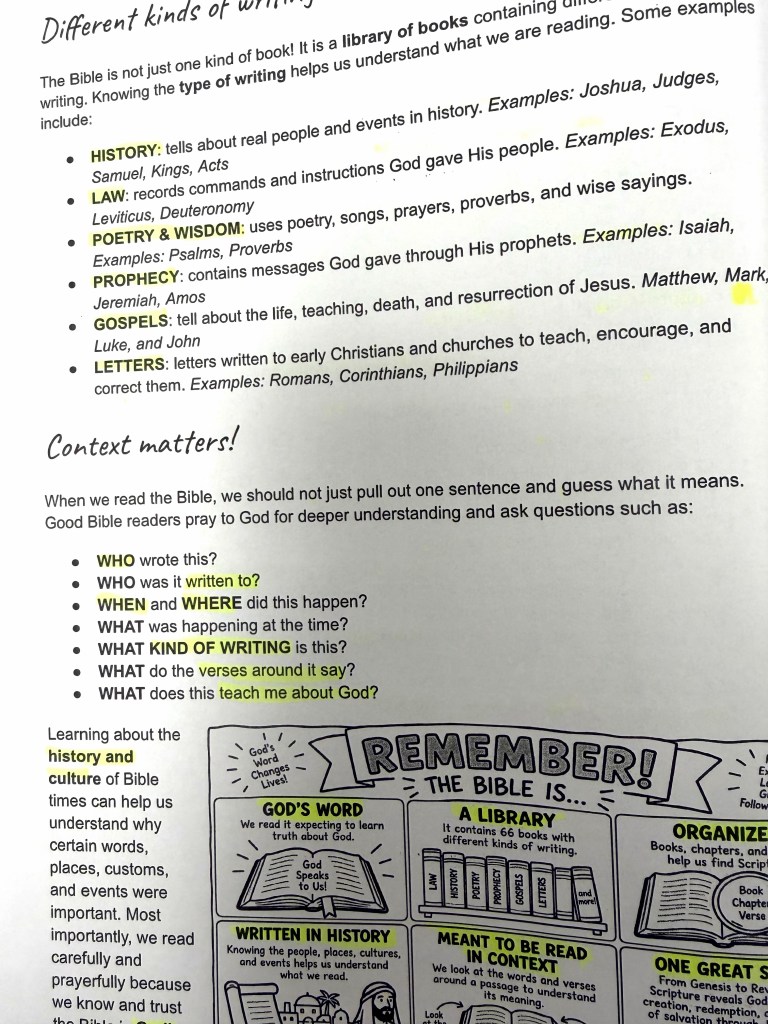
In Bible class, we have been learning that the Bible is a library books with a variety of genres of writing.
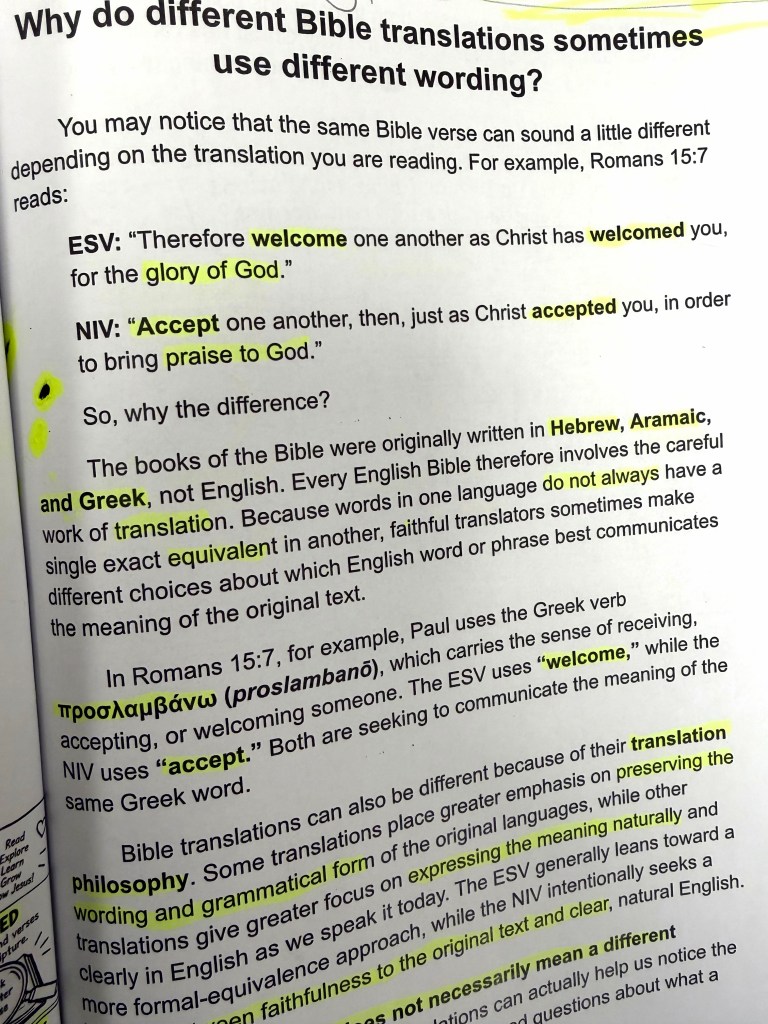
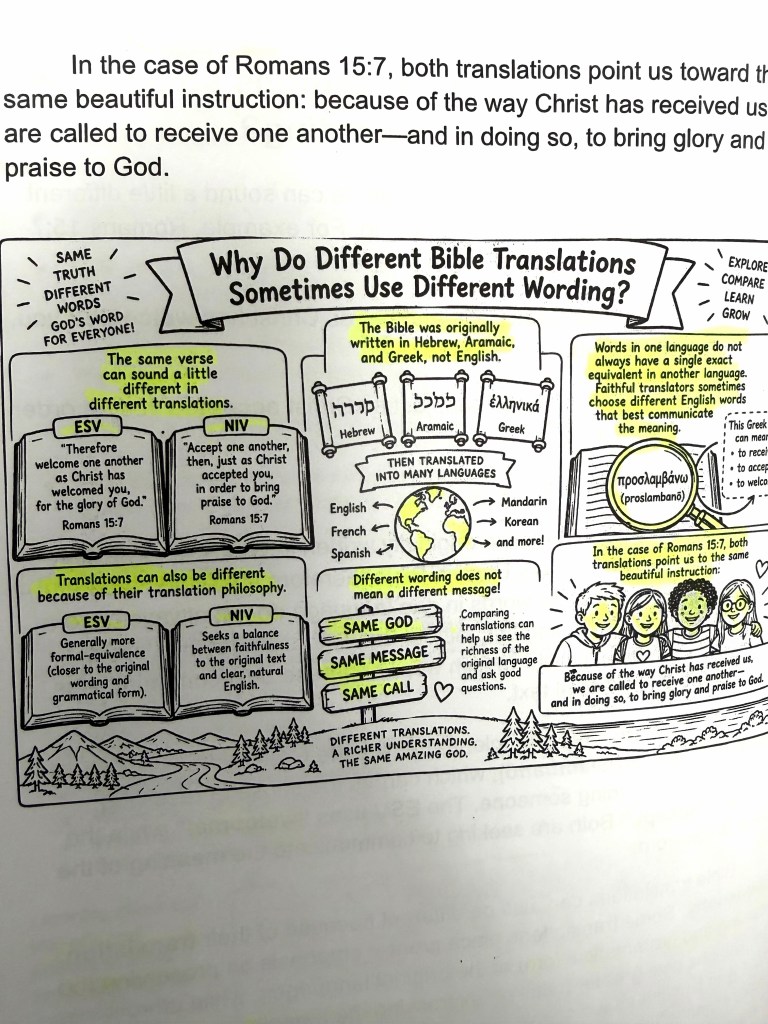
We have also been discussing Bible translations (NIV, ESV, etc). Exploring passages across different translations can help us increase our depth of understanding.
Our first memory verse for the year, Romans 15:7, says in the ESV, “Welcome one another as Christ has welcomed you.” In the NIV, it says, “Accept one another, then, just as Christ accepted you.” So we had rich discussion about welcome/accept.
We have also been reading in Genesis about creation and the temptation in the garden, and we made connections the story to our visit to Agnes Community Gardens where we practiced respecting the gardeners’ work by leaving their produce where it was growing and not taking the fruit or vegetables, even though they were really appealing. An object lesson!
This gave us a chance to think about what we can do when we feel tempted to make a choice we know is not right. Our choices affect other people and how we feel afterward. We can pray and ask God for strength and guidance. In the Lord’s Prayer, Jesus teaches us to pray, “Lead us not into temptation, but deliver us from evil.”
Going further in Genesis, as we learned about Noah, we compared the different ways/formats we have seen his story shared.
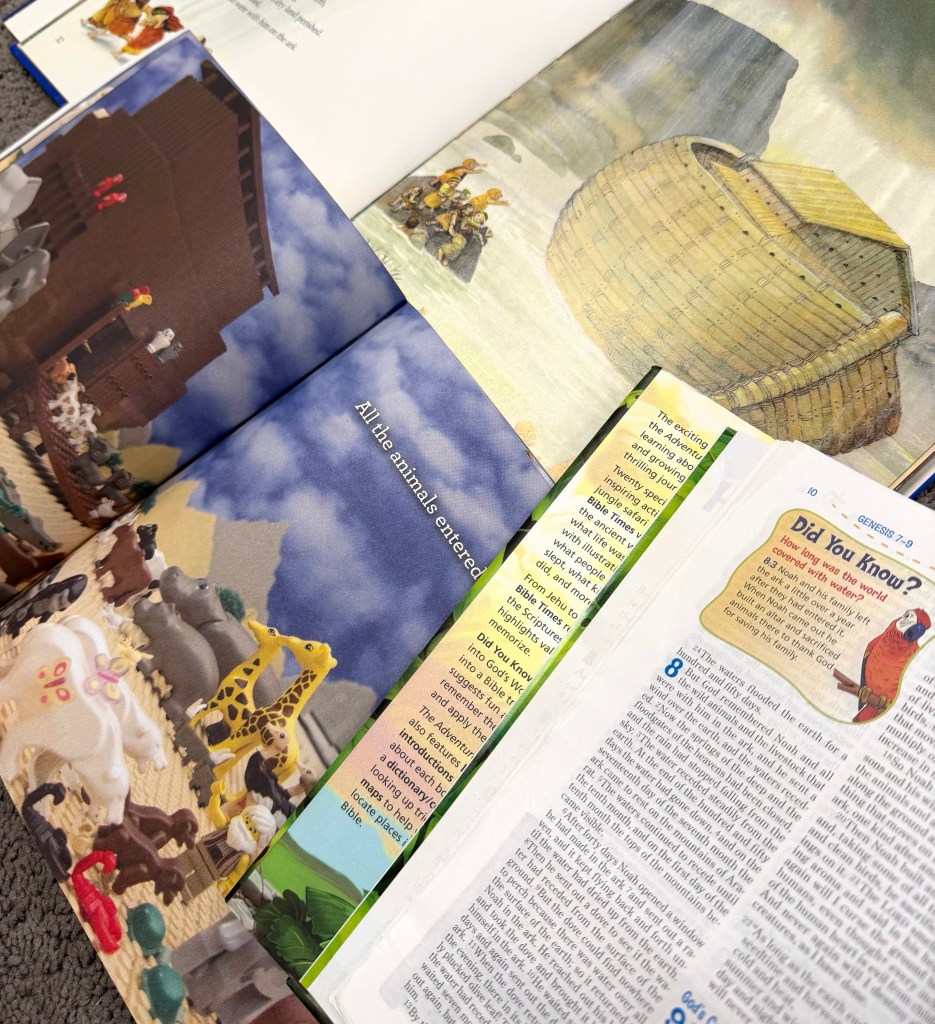
We read aloud a LEGO-inspired retelling of Noah’s Ark and compared how much was left out and different from the NIV Bible text. We acknowledged how children’s Bibles and creative retellings can help us picture a Bible story and begin to understand it, but they may simplify parts or add extra non-Biblical details, so it is helpful to return to the Biblical text ourselves and pray to clarify understanding. Comparing versions can inspire us to keep reading and learning and deepen our understanding of Scripture.
We are learning to ask thoughtful questions, listen to one another, and pray for the Holy Spirit to guide us as we seek to follow God’s truth and learn through His Word.
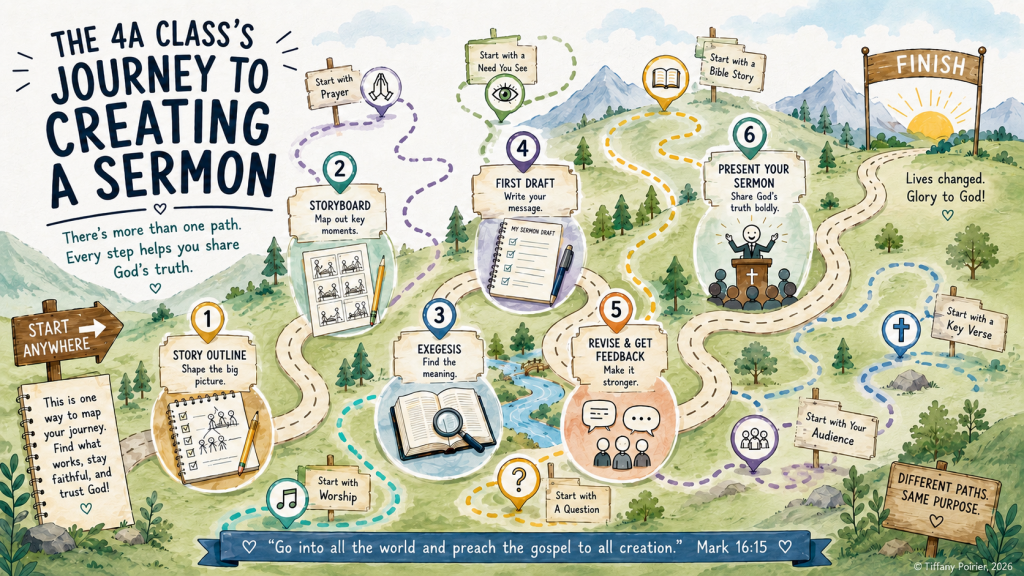
This is groundwork that will prepare students for their sermon writing asssingment in term 2.
4A FSA Schedule
We encourage all students who are well to attend school on each scheduled FSA day. In-class warm-up, review, and support before each section help students feel prepared and give them the best opportunity to show what they know.
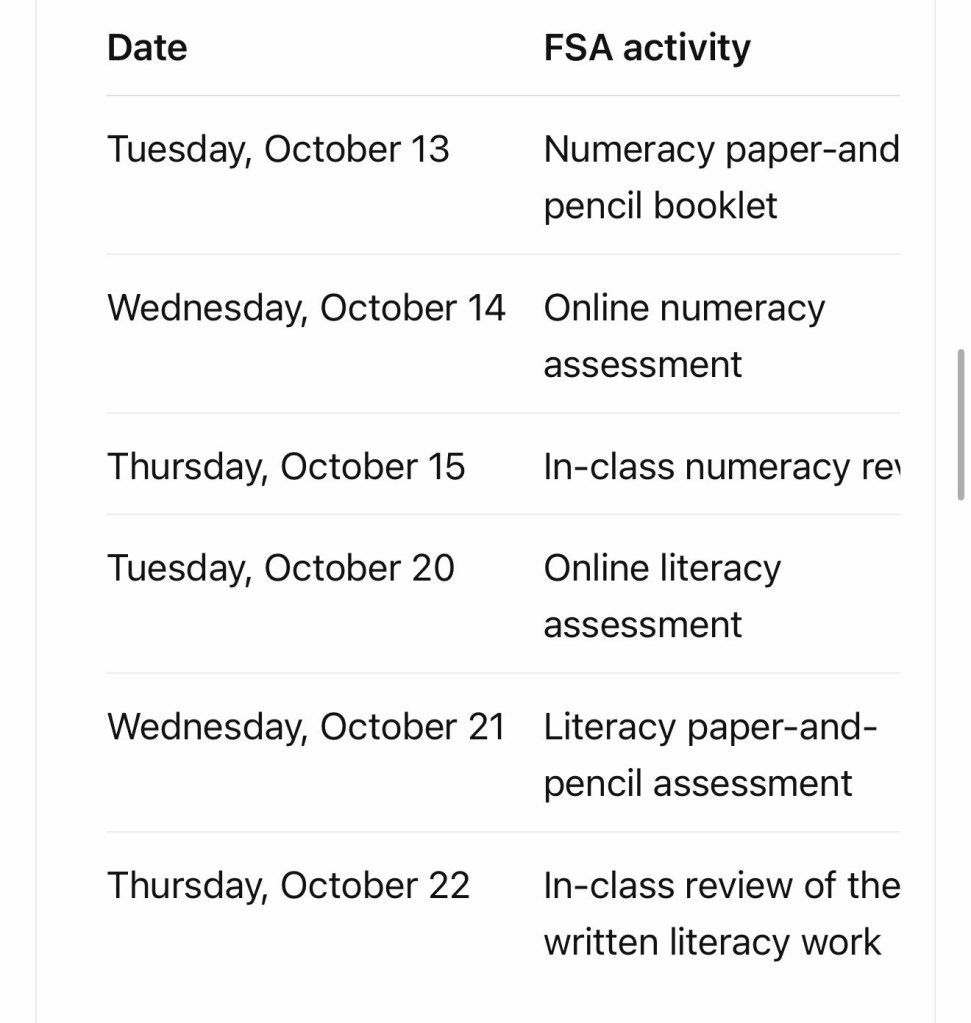
The assessment blocks include time for warm-up and review, instructions, settling in, and logging into accounts. Students will not be writing for the entire block.
If illness or another appointment means a student misses a section, they will have an opportunity to complete it the following week under the supervision of our vice-principal, Mrs. Laura Langley.
CLICK HERE TO LINK TO THE GRADE 4 ONLINE FSA SAMPLES: https://bced.vretta.com/#/en/bced-landing/fsa/sample/grade-4

