Hello, 4A families!
Here is a window in our learning this past week…
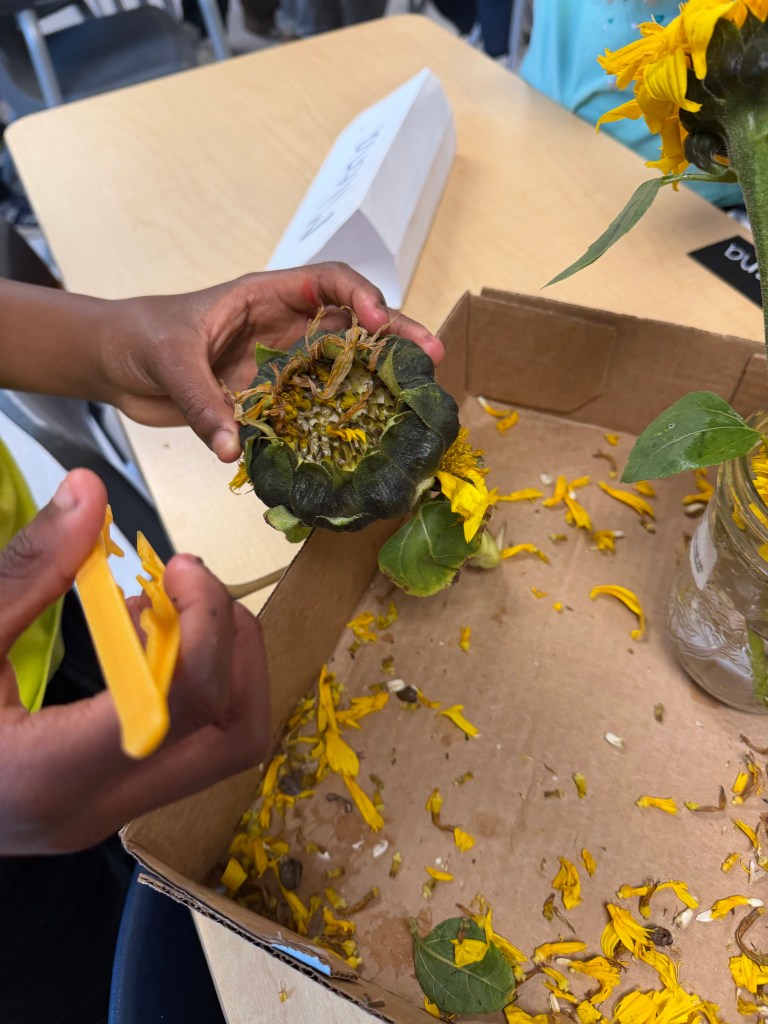
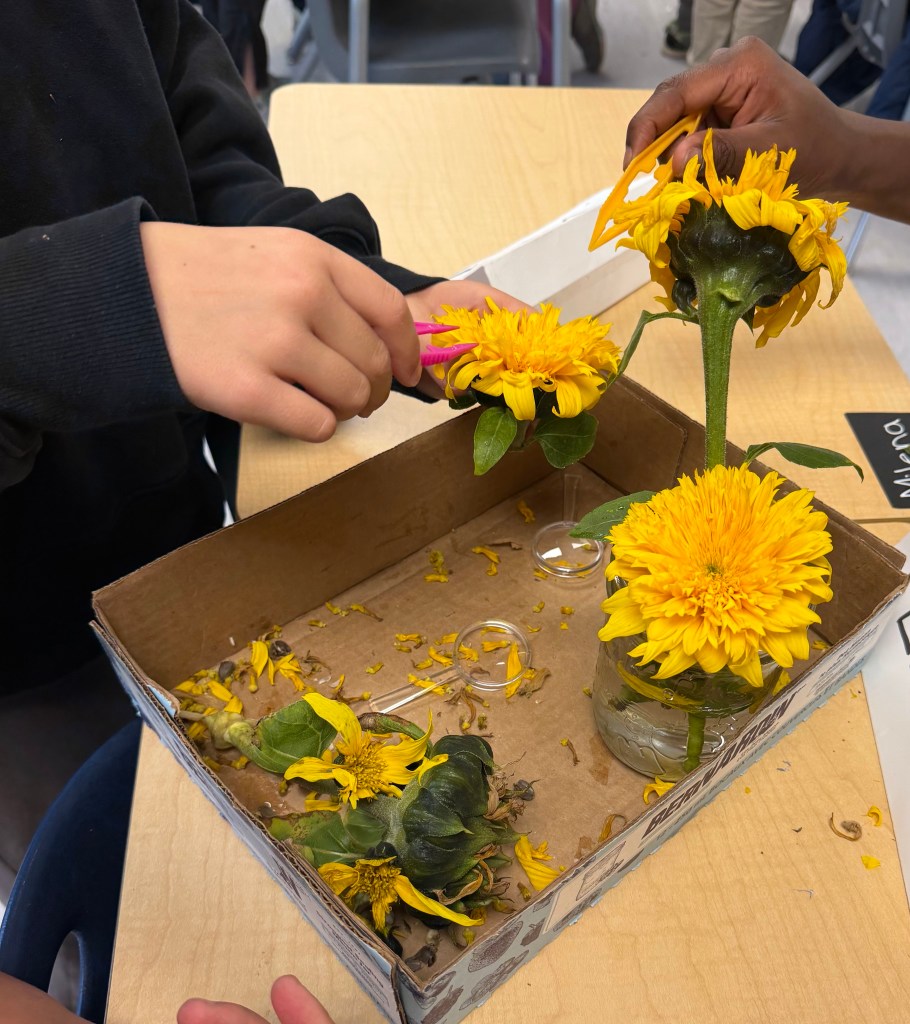
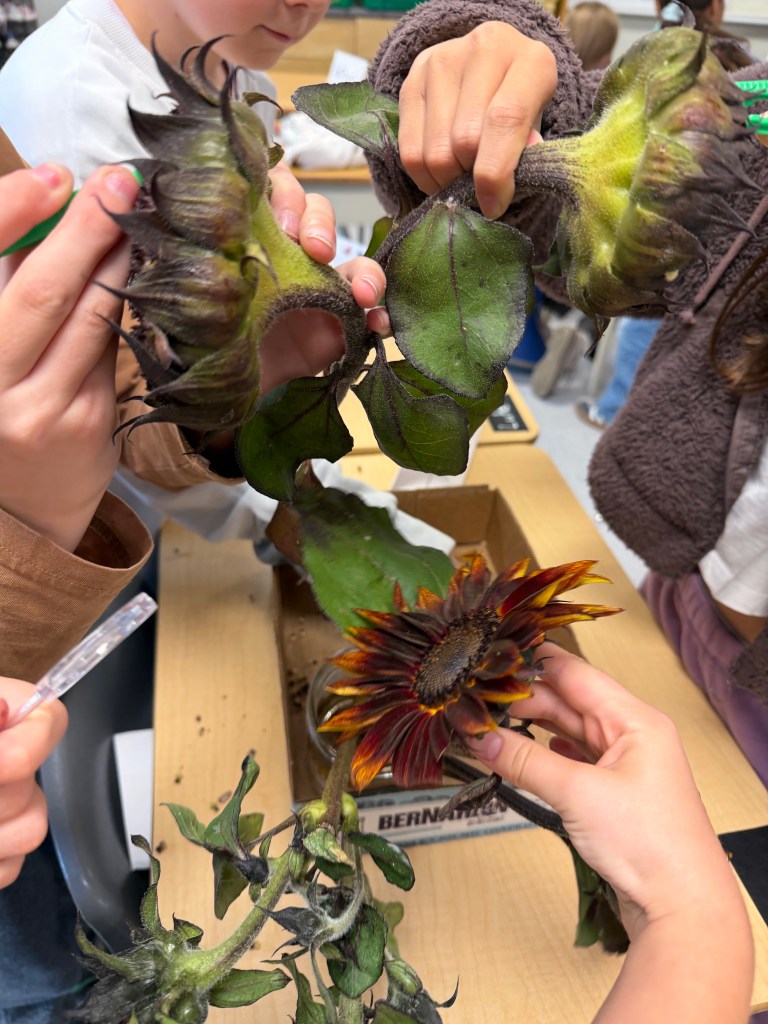
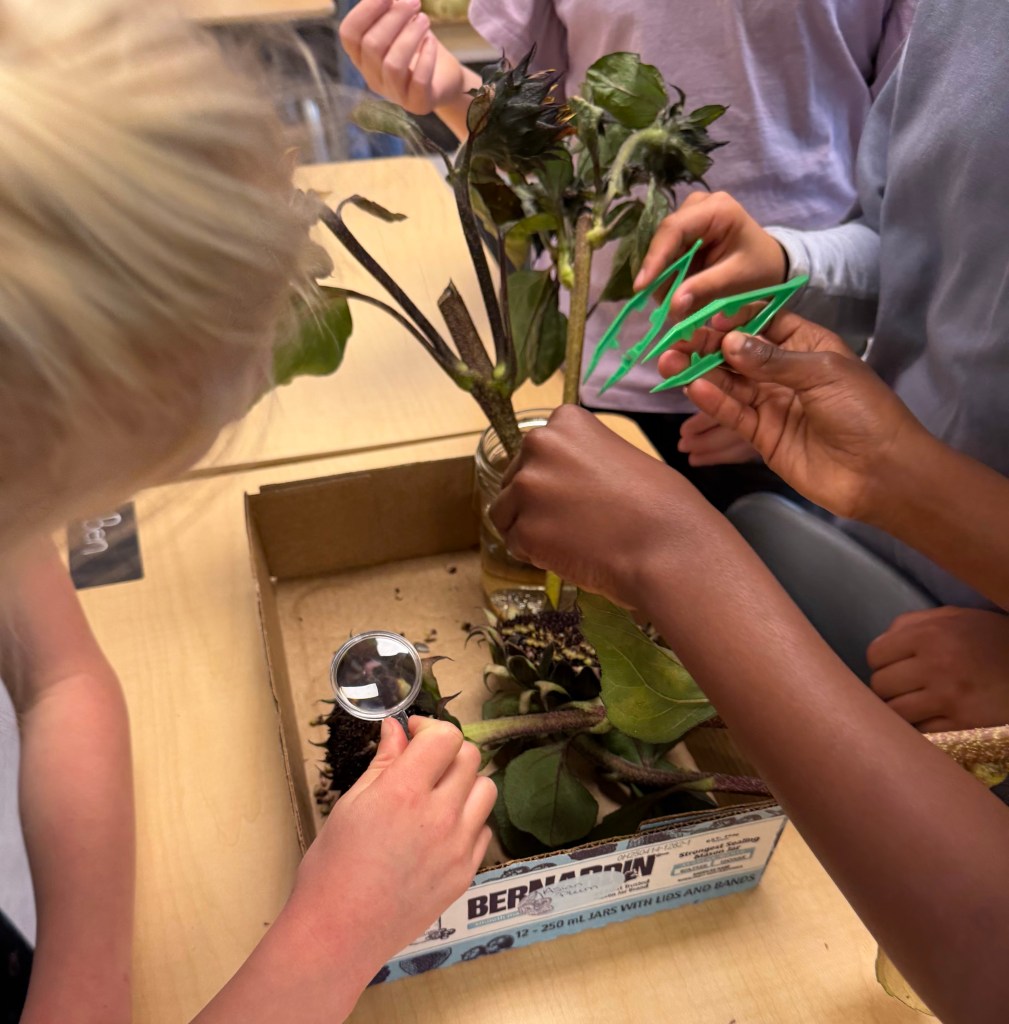
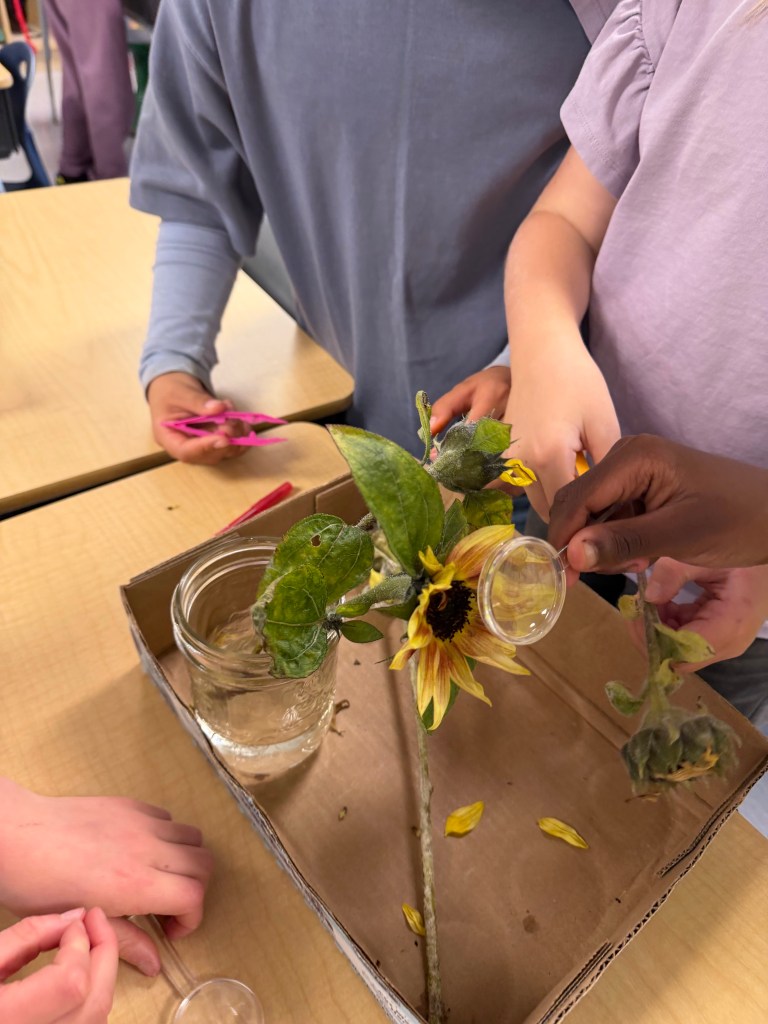
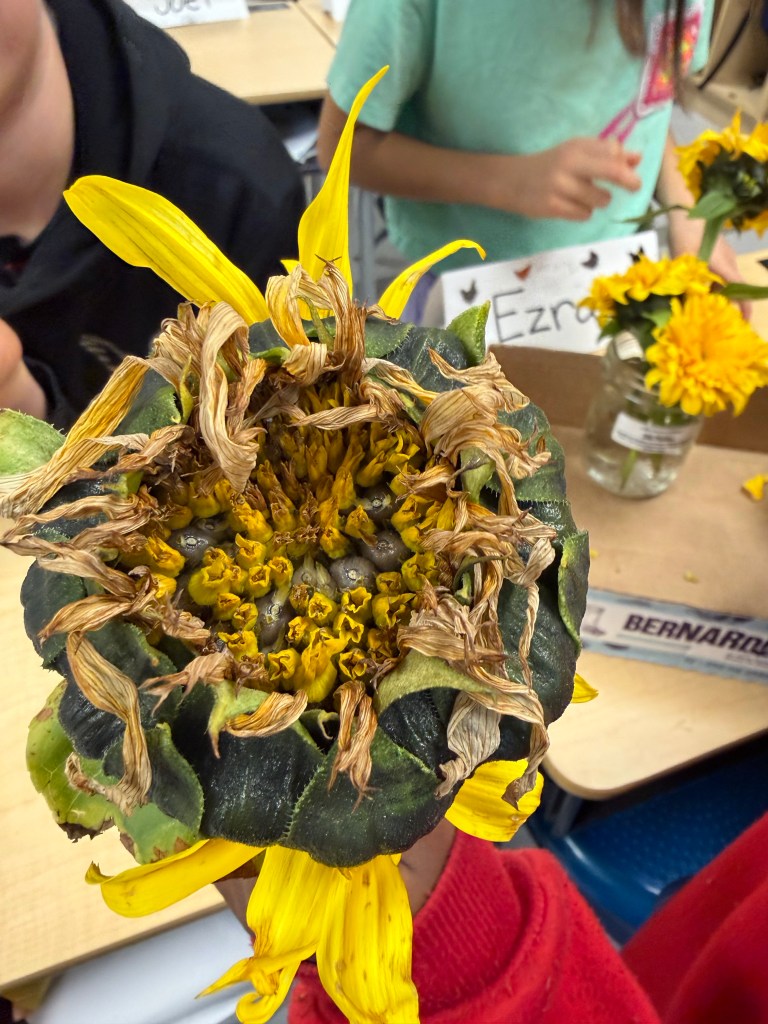
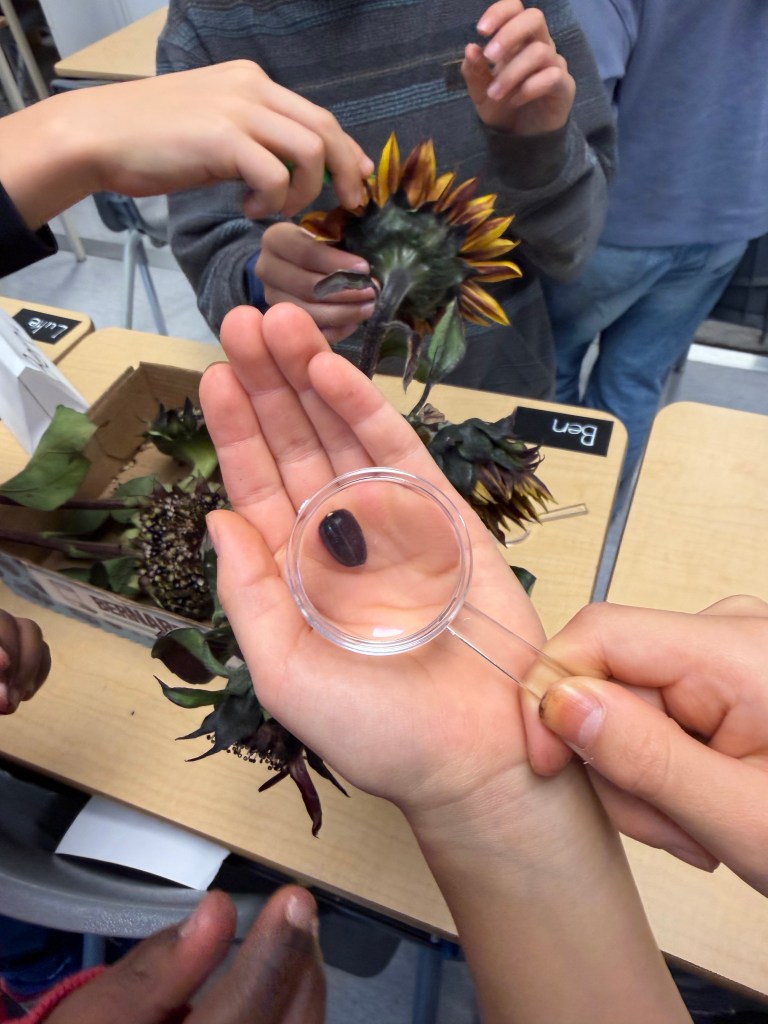
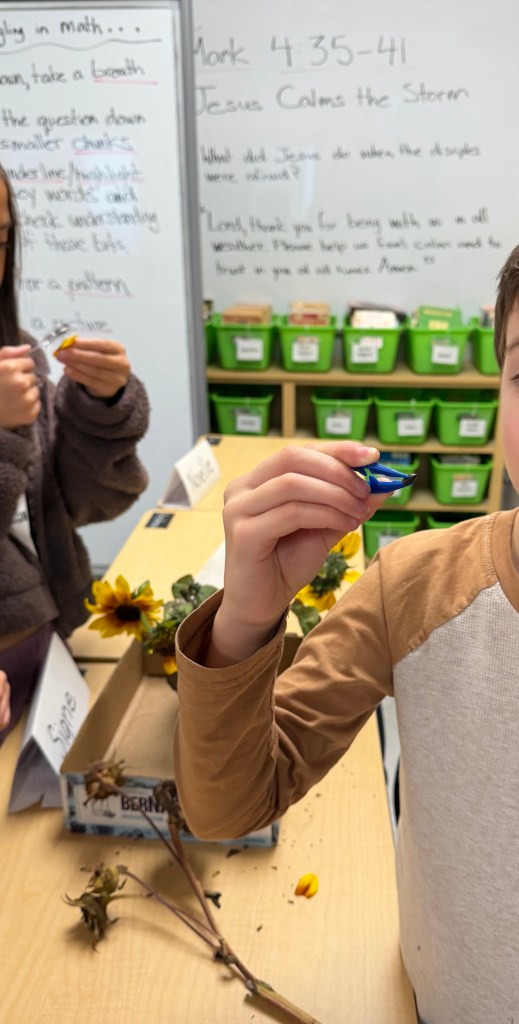
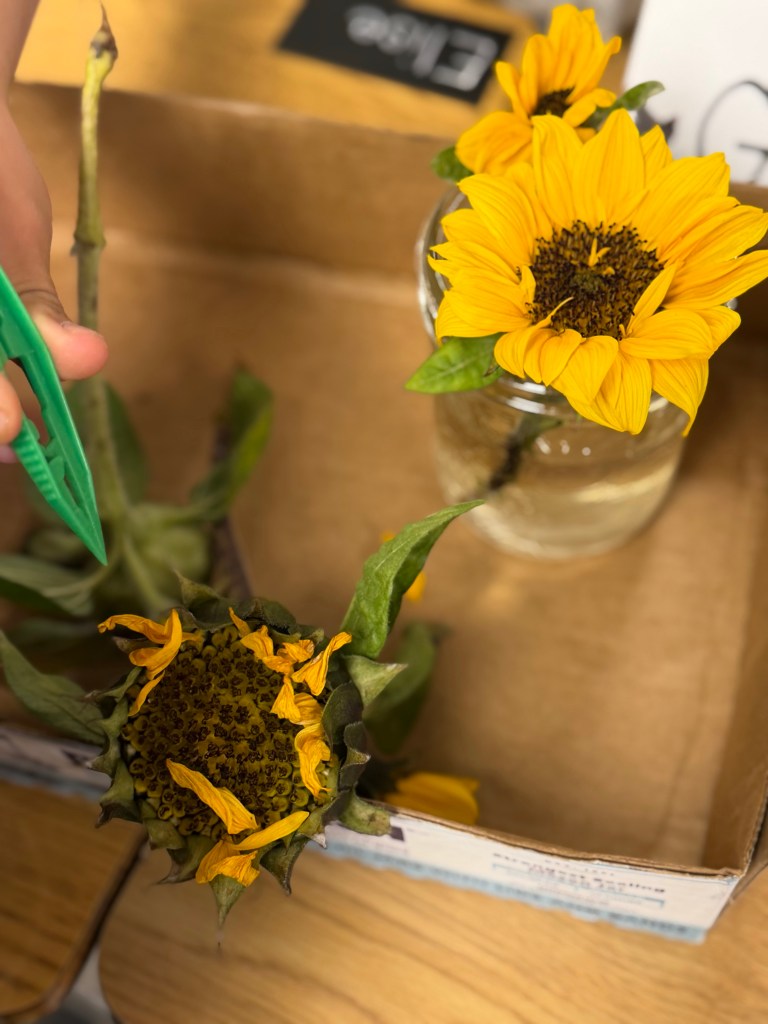
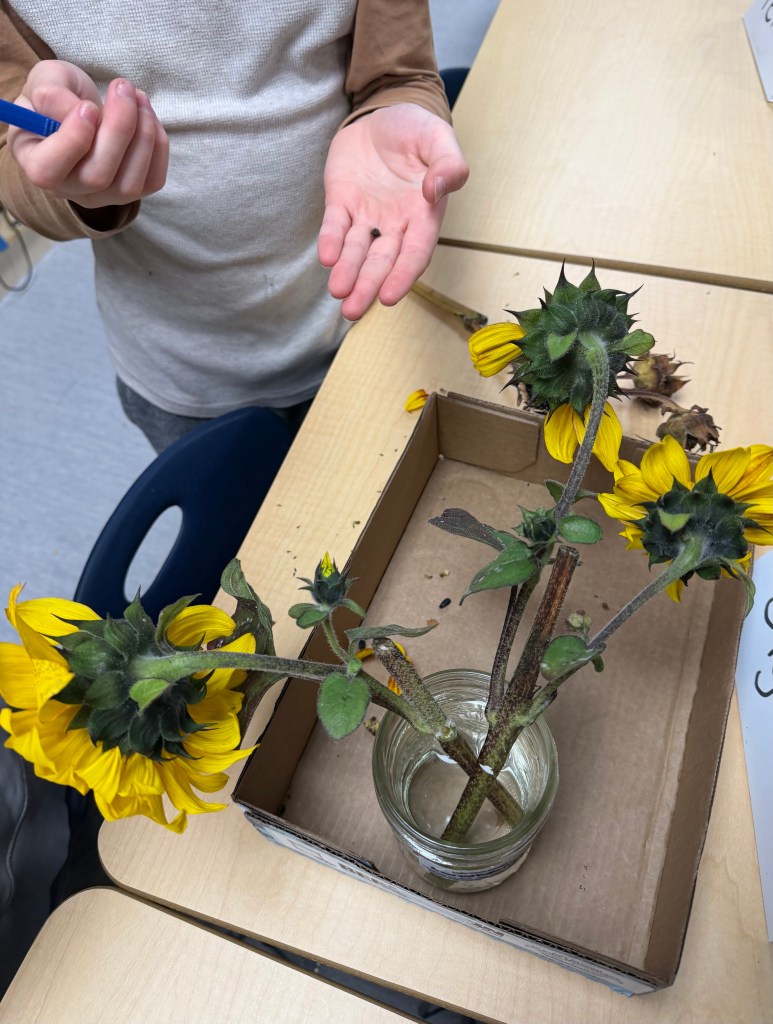
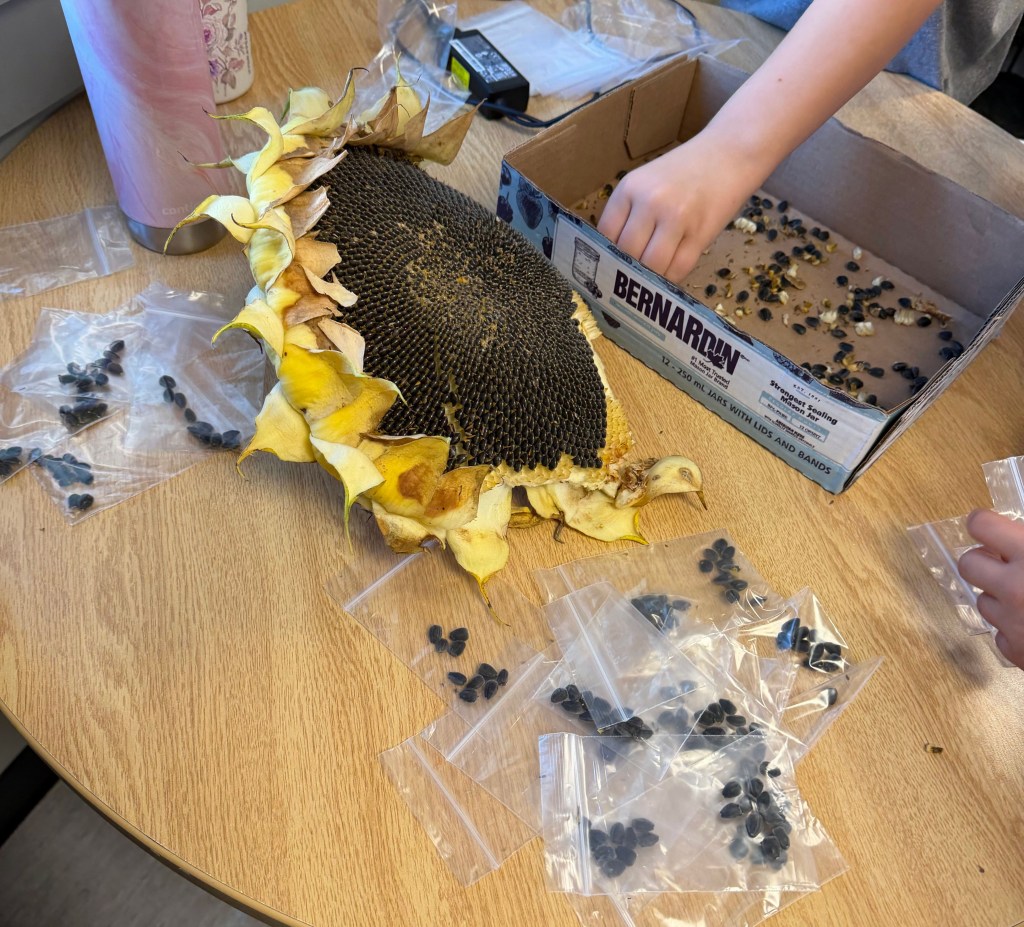
In Science, we were blessed this week to have our wonderful EA, Ms. Littler, bring more than six varieties of sunflowers to class, including examples from different stages of development!
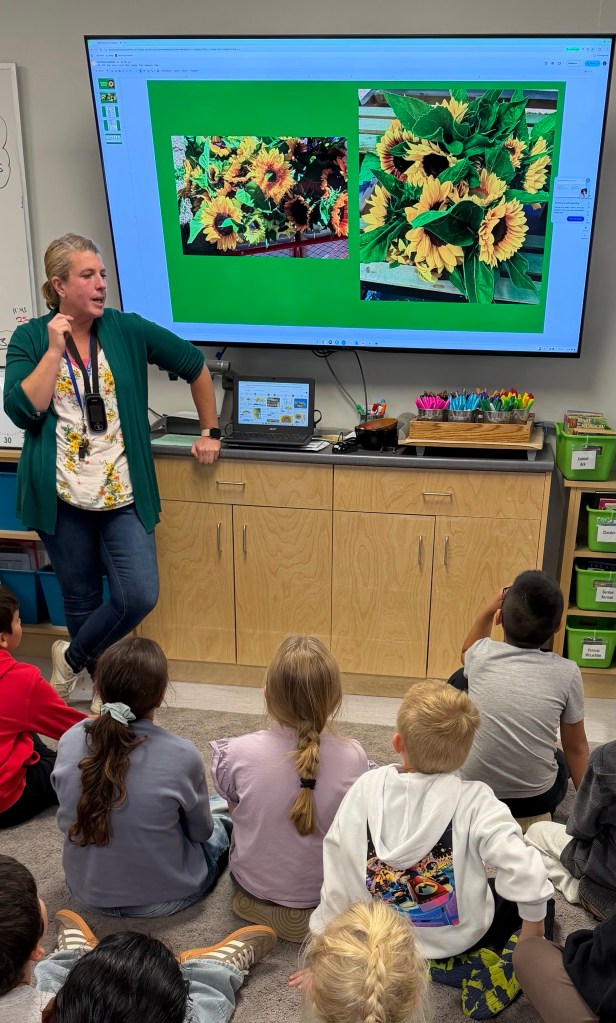
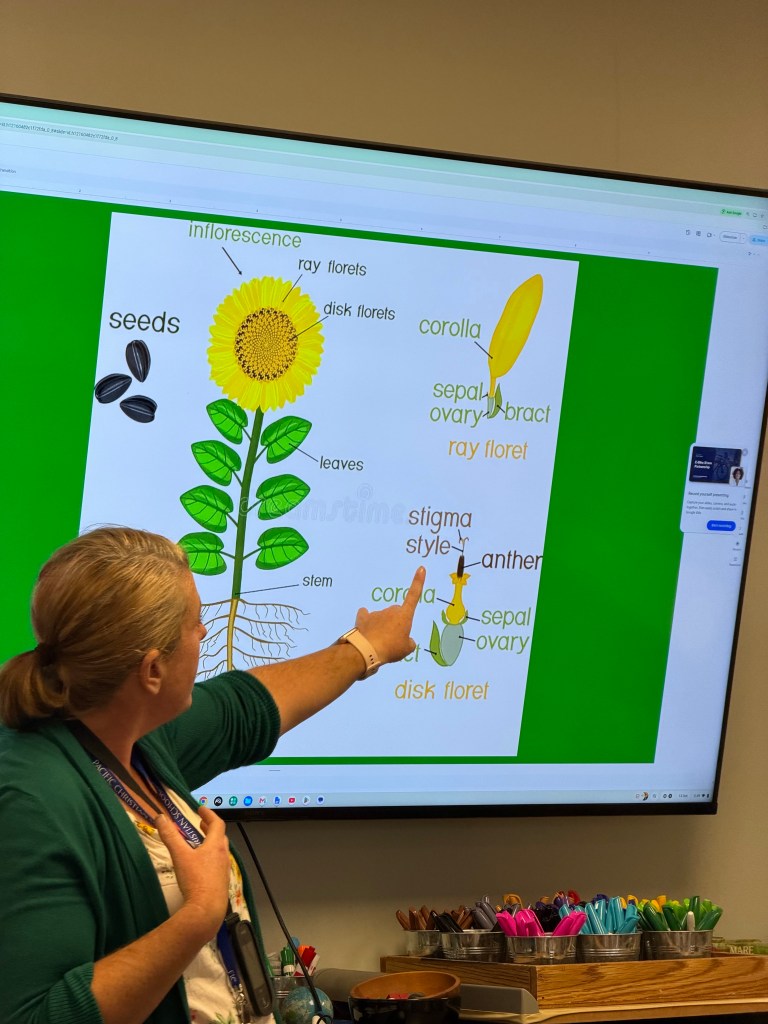
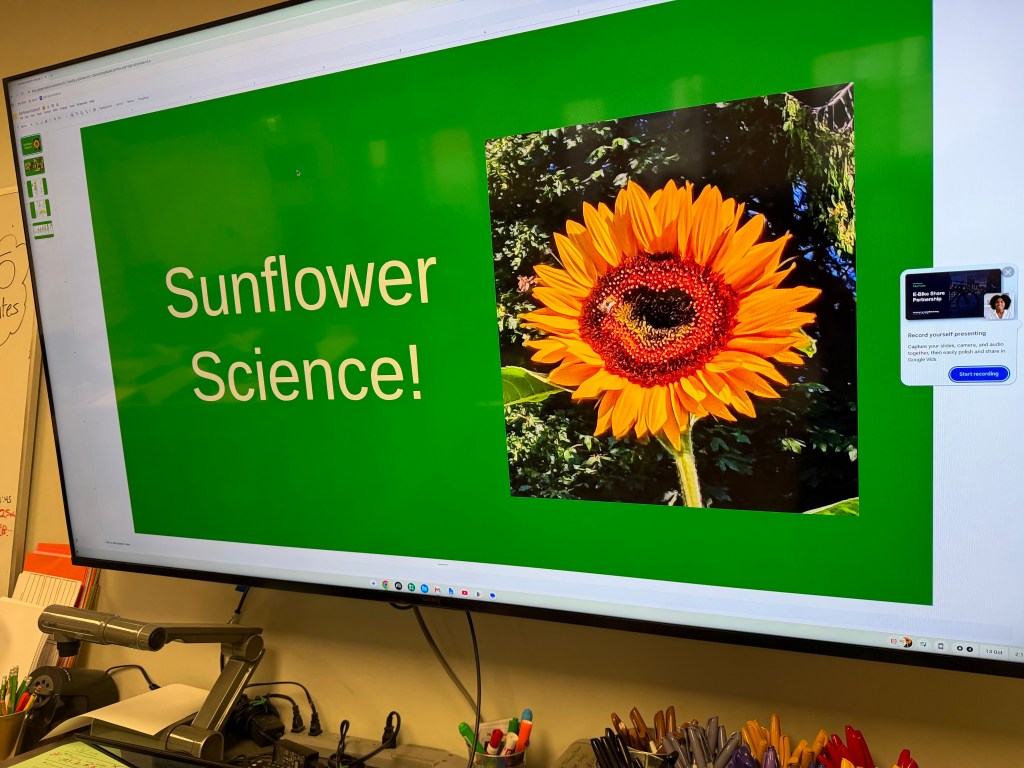
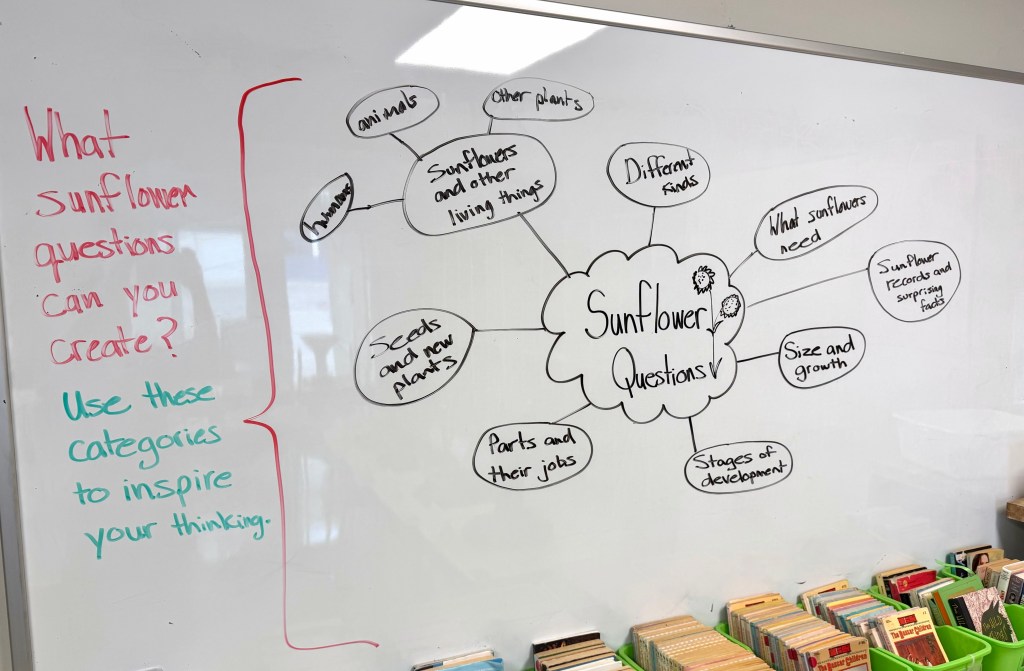
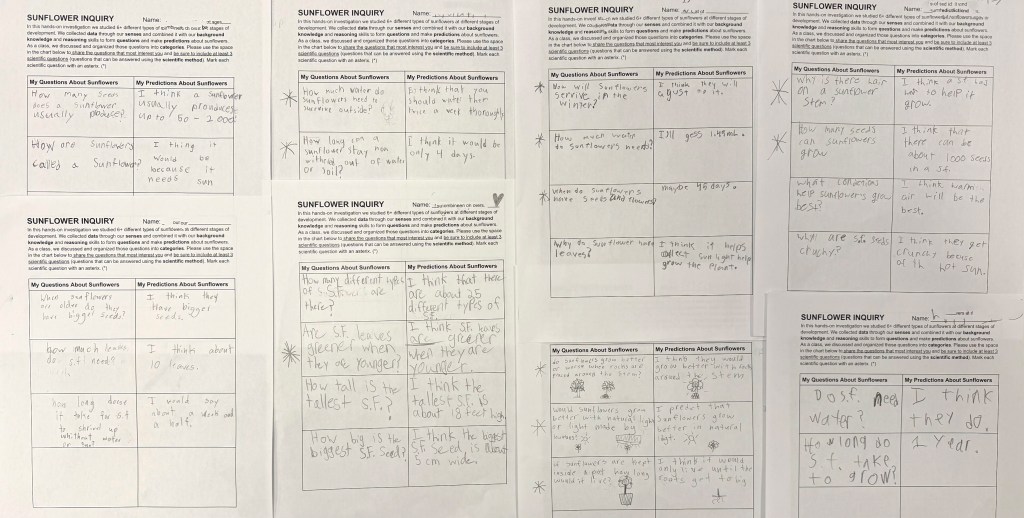
Students took part in a hands-on inquiry, observing the sunflowers with their senses and drawing on their background knowledge and reasoning skills to ask questions and make predictions. We then organized their questions into categories and practiced how to formulate scientific questions and make thoughtful predictions.
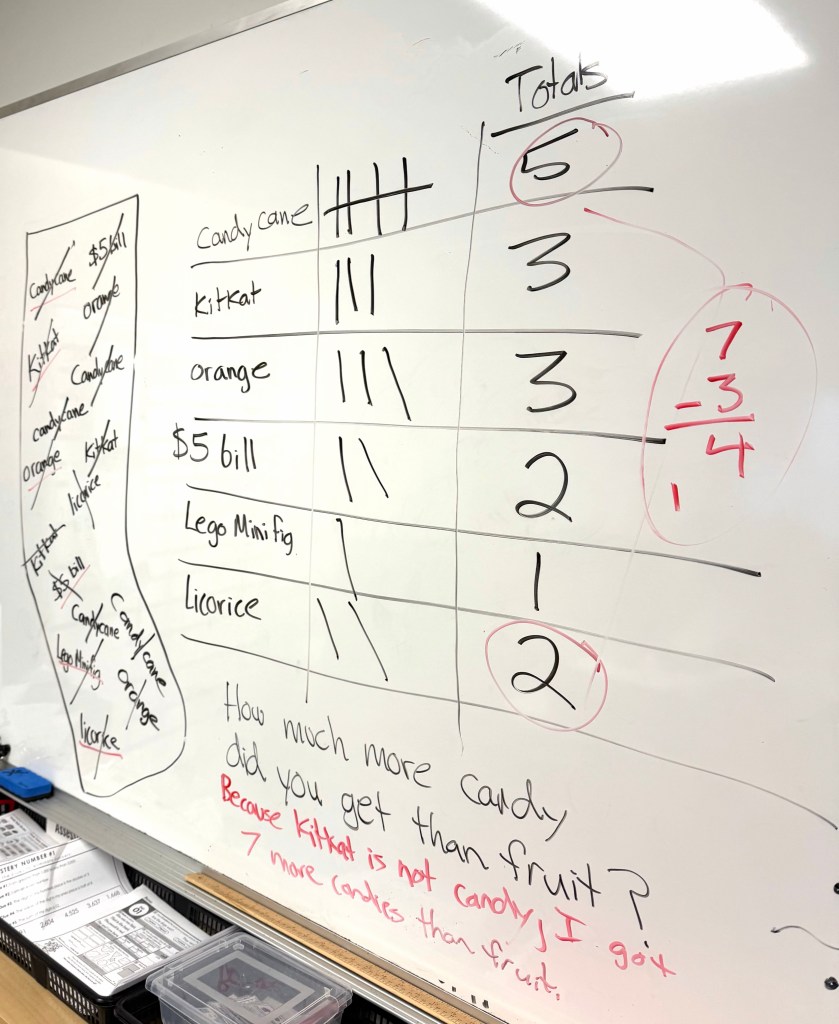
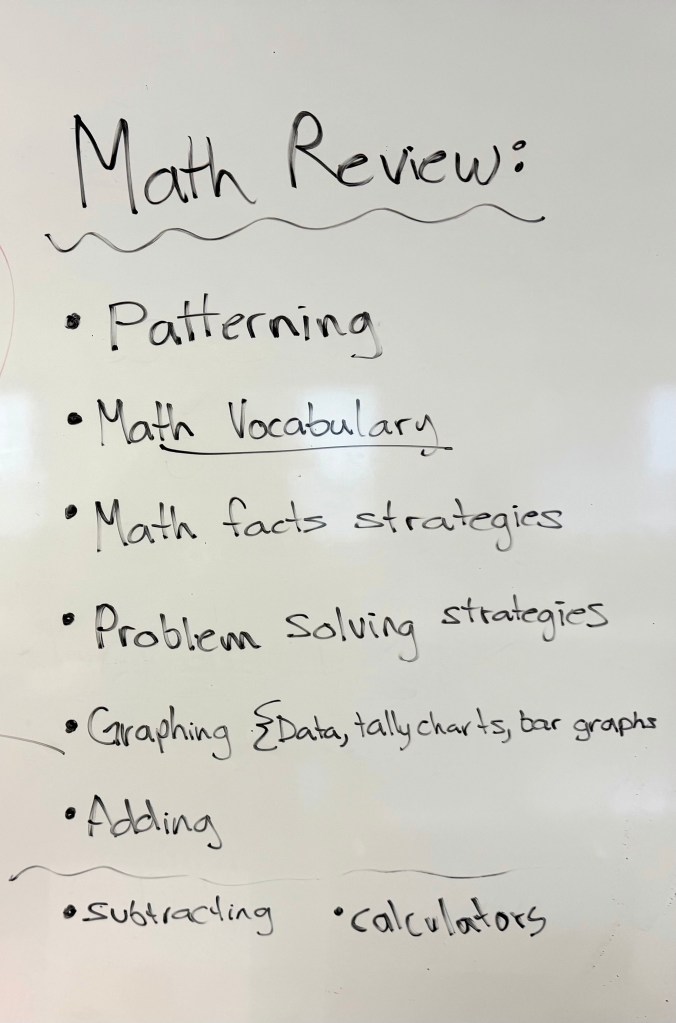
In Math this week, the key goal was to do deep review of the topics and concepts we’ve already covered so this year (pattern rules, place value, math facts, mental math strategies, math vocabulary, problem solving strategies, working with data and graphing); this process helped prepare students to do their best during the online and paper-and-pencil portions of the FSA numeracy sections.
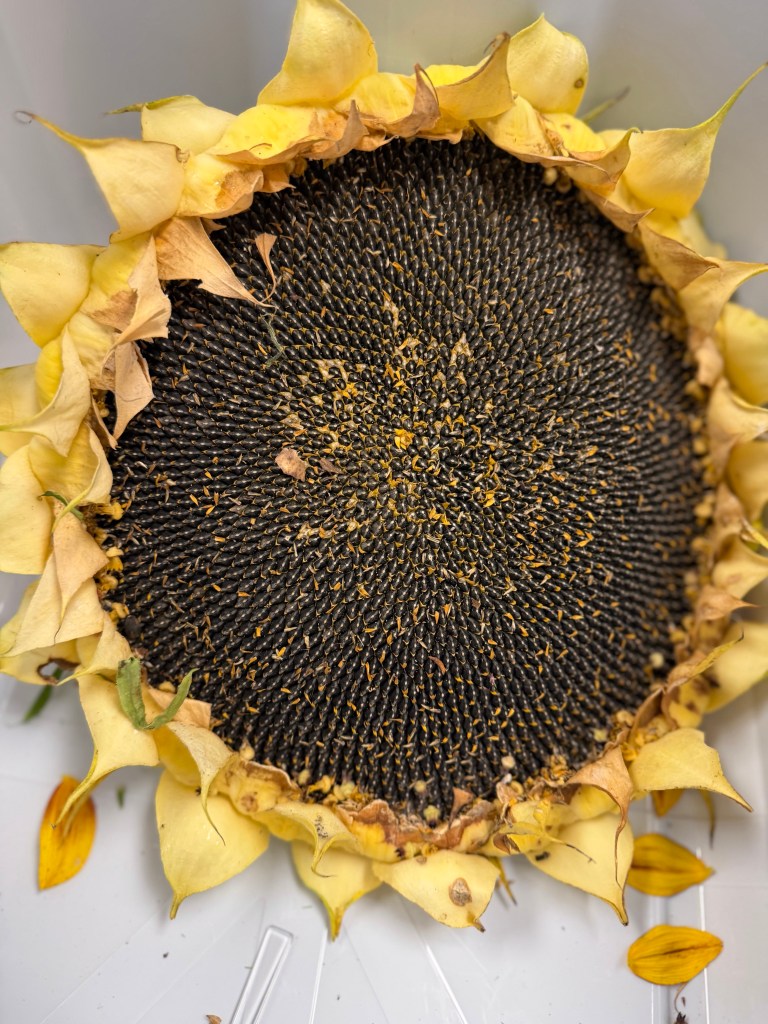
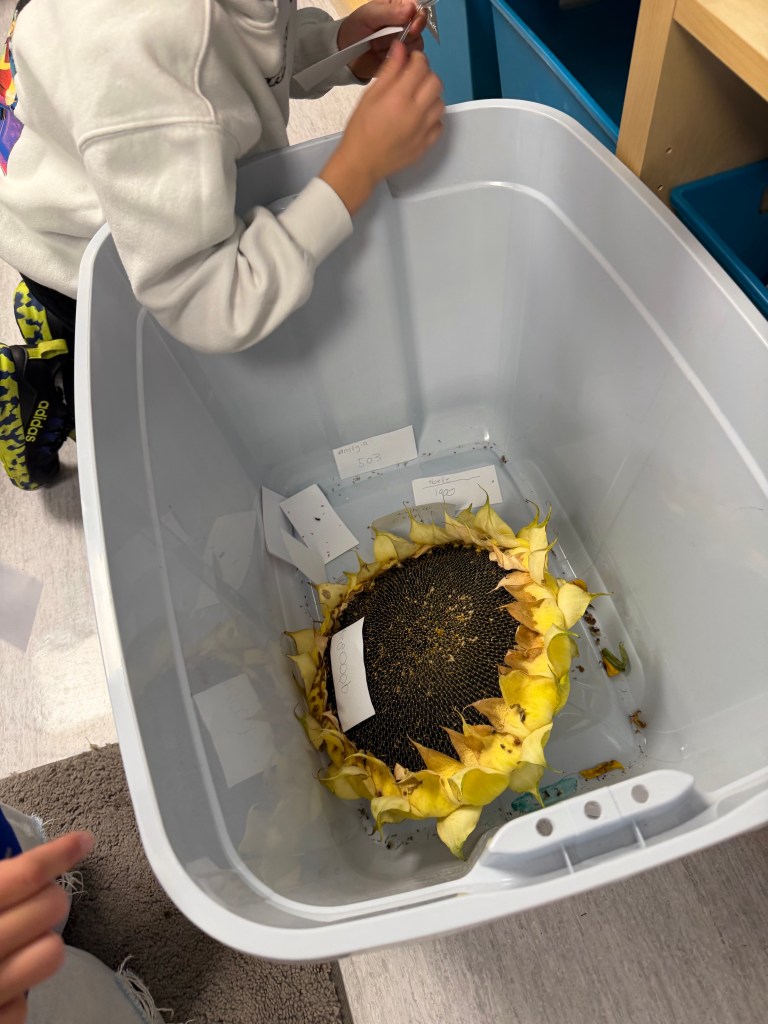
We also had fun estimating how many seeds might be in a giant sunflower head. Students recorded their first estimates, then worked together to develop an organized strategy for counting the seeds and managing their data.
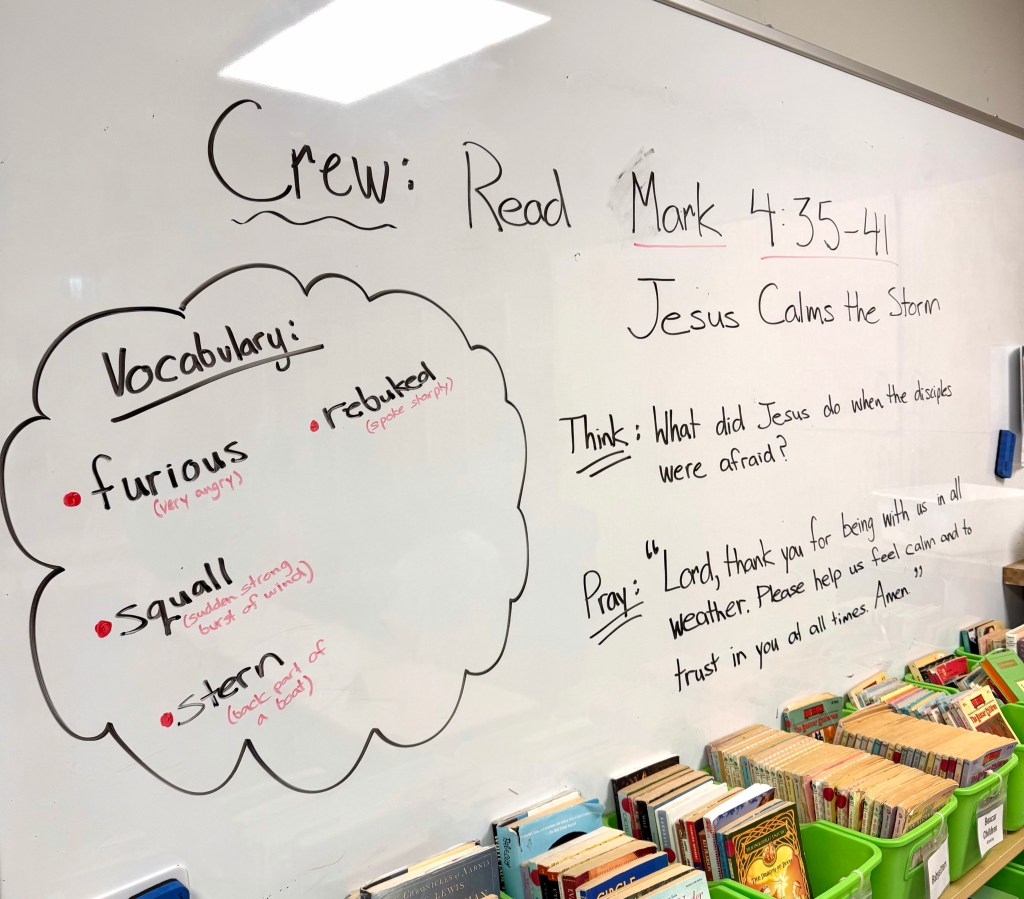
In Crew this week, we studied the Mark 4:35-41 account of “Jesus Calms the Storm”—connecting and reflecting upon how Jesus is always with us through all weather, and we are called to call upon and trust in Him to lead us to peace.
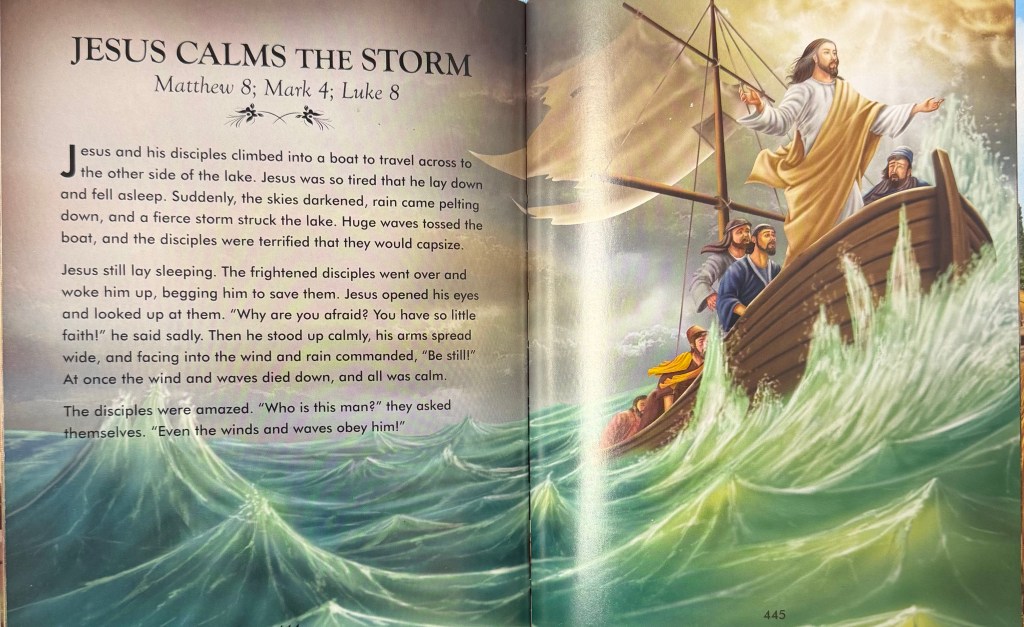
In exploring Bible stories we approach reading the students’ NIV Bible text first, discuss and define new vocabulary, consider historical/context notes, explore children’s Bible story versions in text and occasionally preapproved video, pray for wisdom, and encourage students to continue exploring with family and friends.
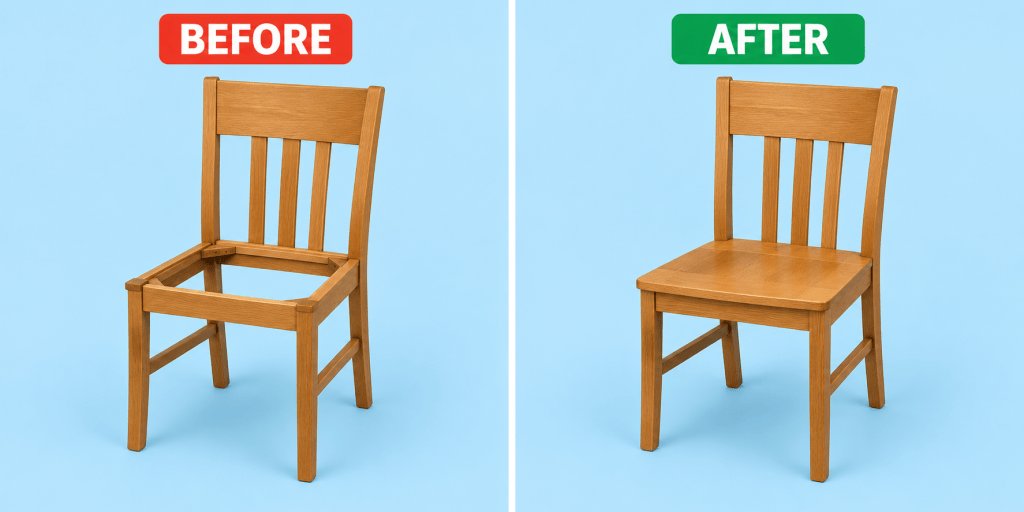
In Crew this week we also challenged our critical thinking by sorting the parts of different items into three categories: essentials, upgrades, and distractions.
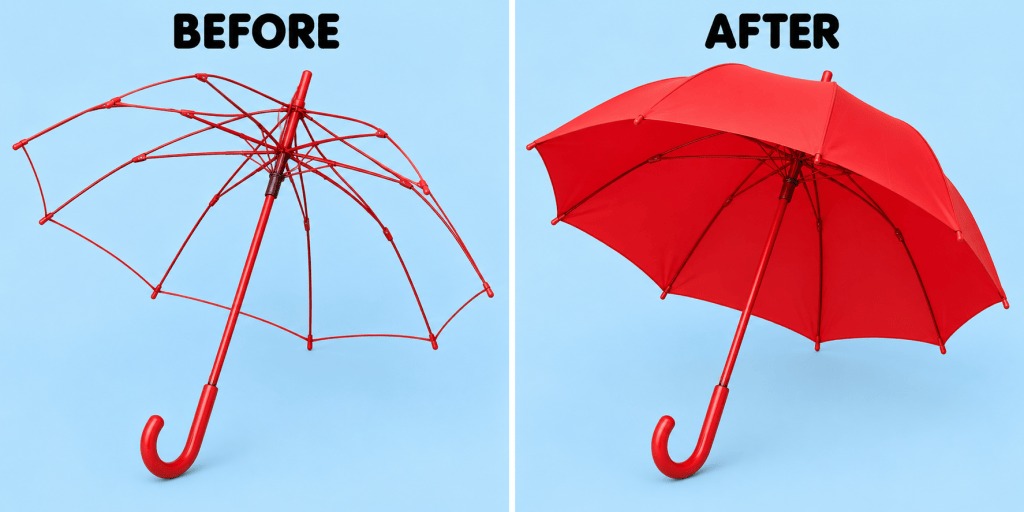

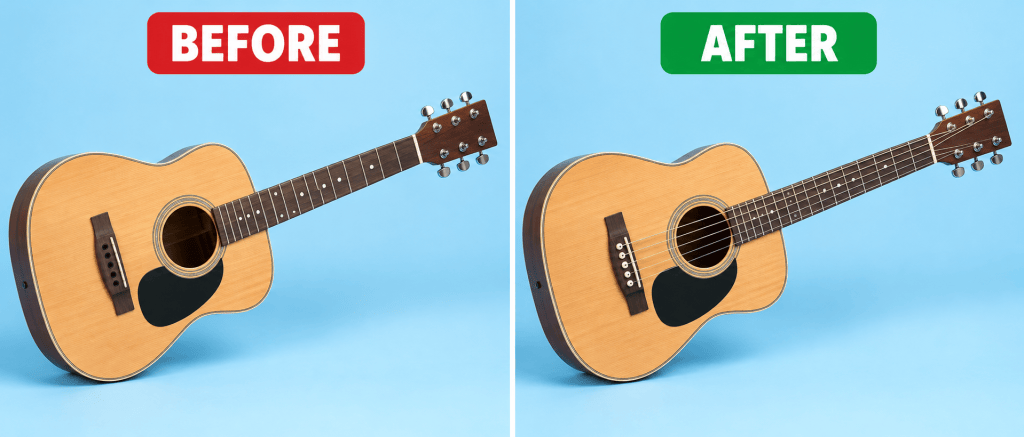
guitar?
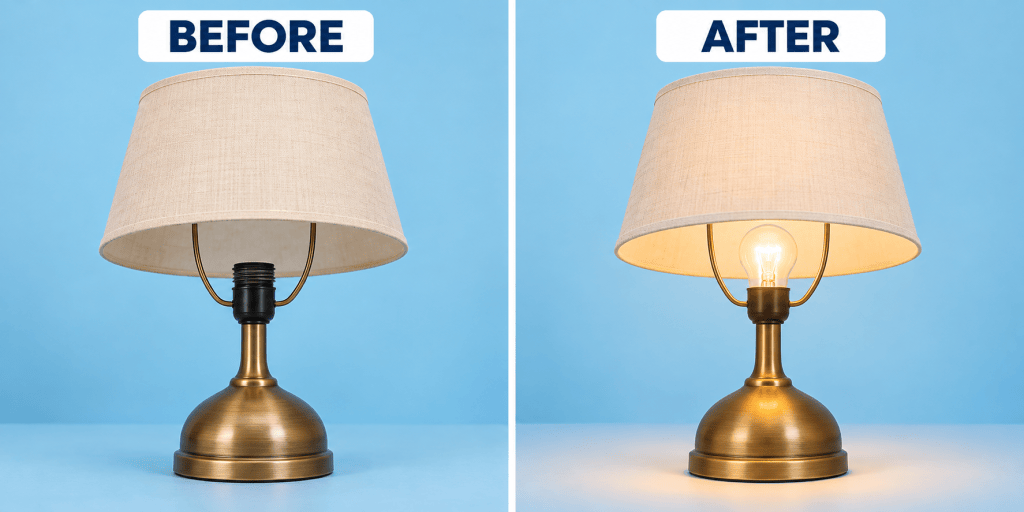

We learned that we need to understand an item’s purpose before we can to what extent all of its parts and features help satisfy or distract from that purpose.
An essential part helps the item do what it is meant to do, an upgrade improves it, and a distraction pulls attention away from its purpose.
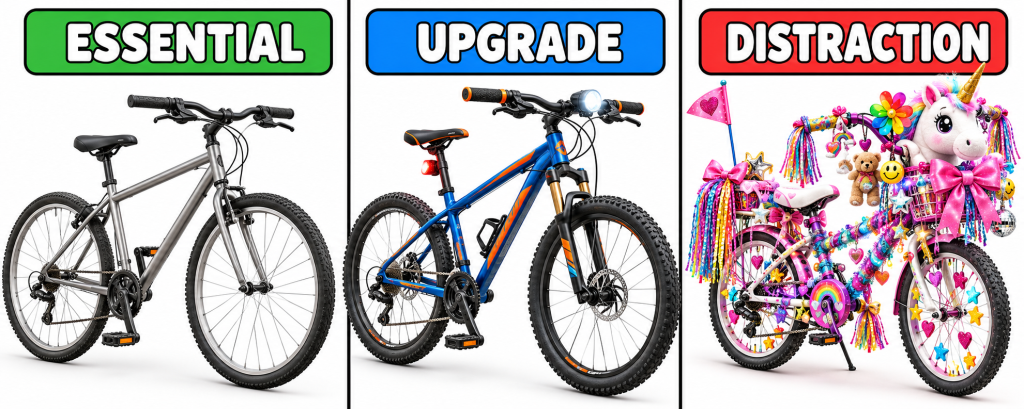
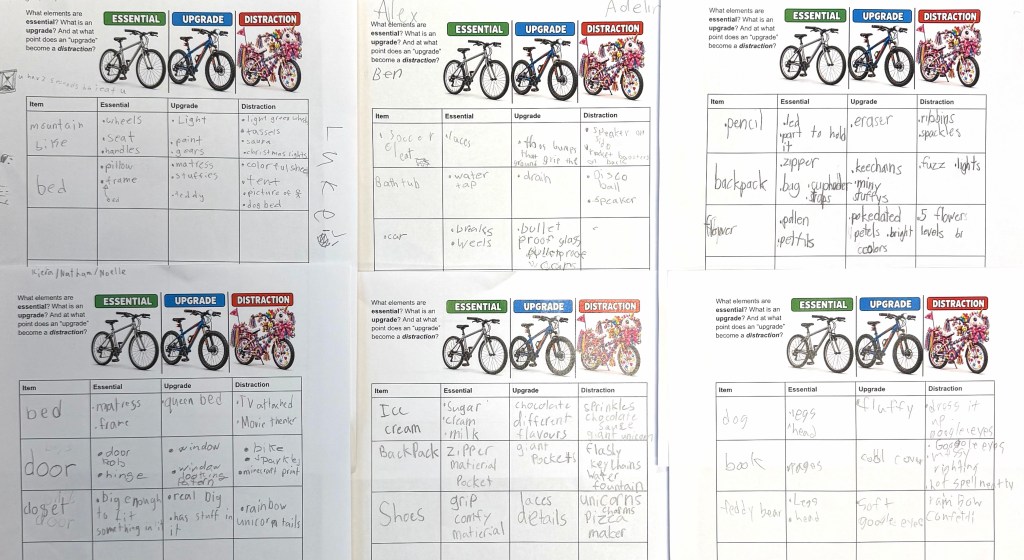
We also connected this idea to writing: adding more words, like adding bells and whistles to an object, does not make a paragraph stronger if those words do not serve its purpose.
This led to a faith dialogue and discussion about the difference between appearances and what is truly important beyond any razzle dazzle. Decorating our lives to “look the part” of Christians is not fulfilling our purpose —rather, how we work in the world should grow from our genuine faith in Jesus and reflect our increasing understanding of and commitment to God’s purpose for our lives.
In Language Arts, we continued using the ideas of essentials, upgrades, and distractions to think about our writing. Students examined examples and practices creating strong titles, hooks, and topic sentences.
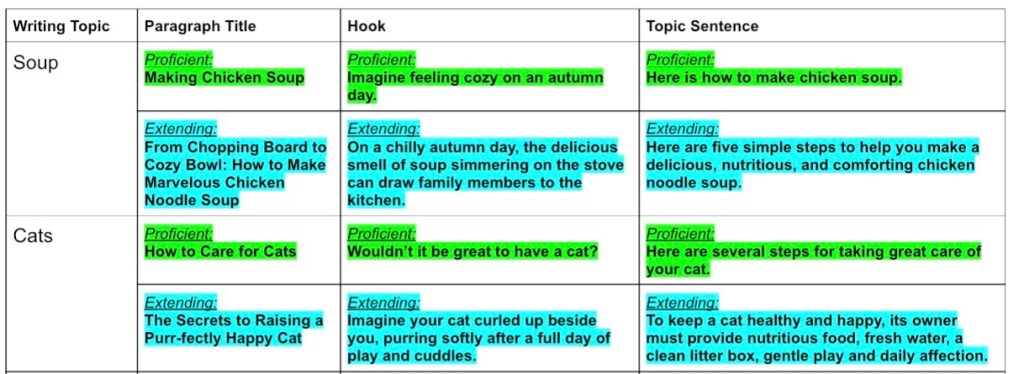
They also played a creative game called “Upgrade My Sentence,” where they took turns trying out ways to make a sentence more engaging while keeping it focused on its purpose.
We also looked at the CUPS approach to proofreading.
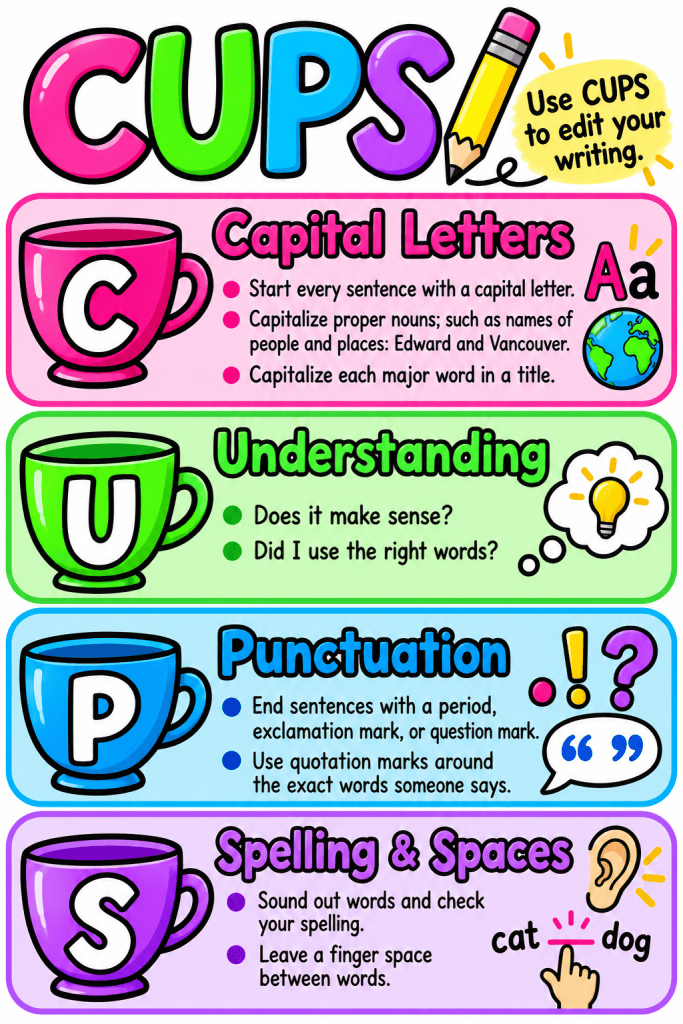
Starting today, we are setting a clear standard for written work (an essential): sentences should begin with capital letters and end with appropriate punctuation. We will continue to offer gentle reminders, and if students miss these conventions, we will return their work so they can make the corrections before it is marked.
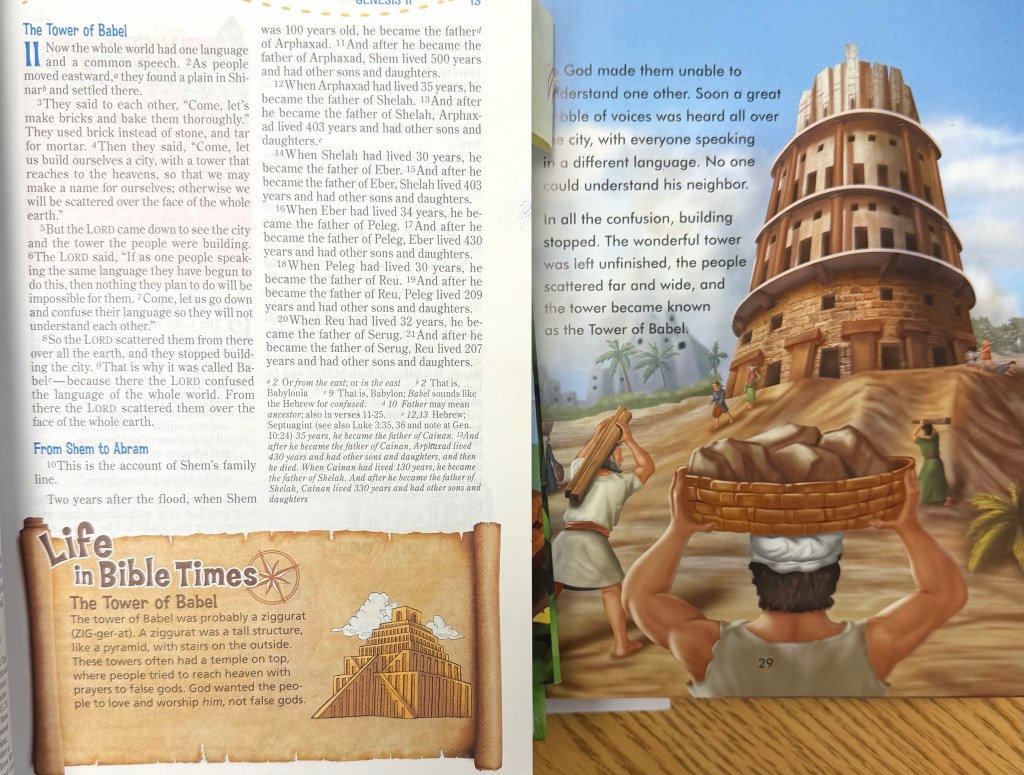
In Bible, we continued through Genesis to the study the story of the Tower of Babel.
Personal Reflection Questions:
- What might be a “Tower of Babel” we build in our own lives (not out of bricks, but through our choices)?
- Have you ever wanted to do something mostly so other people would think you were impressive?
- How can we use our talents to help others instead of just getting attention for ourselves?

