Hello, 4A families
In Language Arts, as part of our preparation for writing the FSA, we have been learning how to use information from a text to support our ideas and writing.
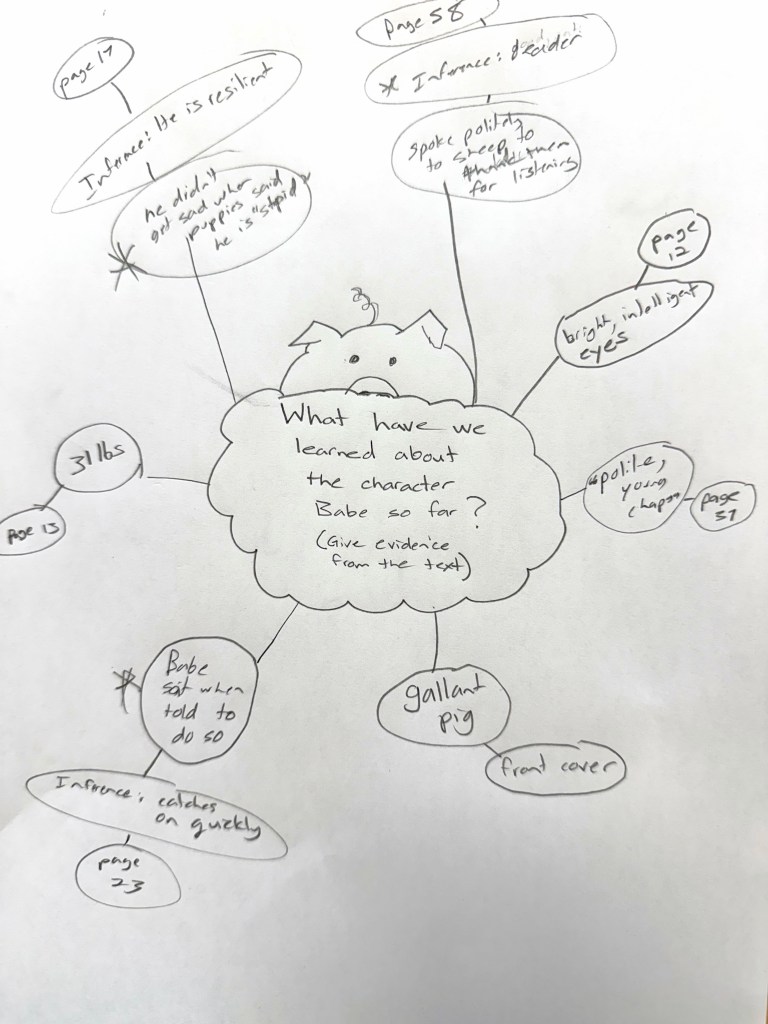
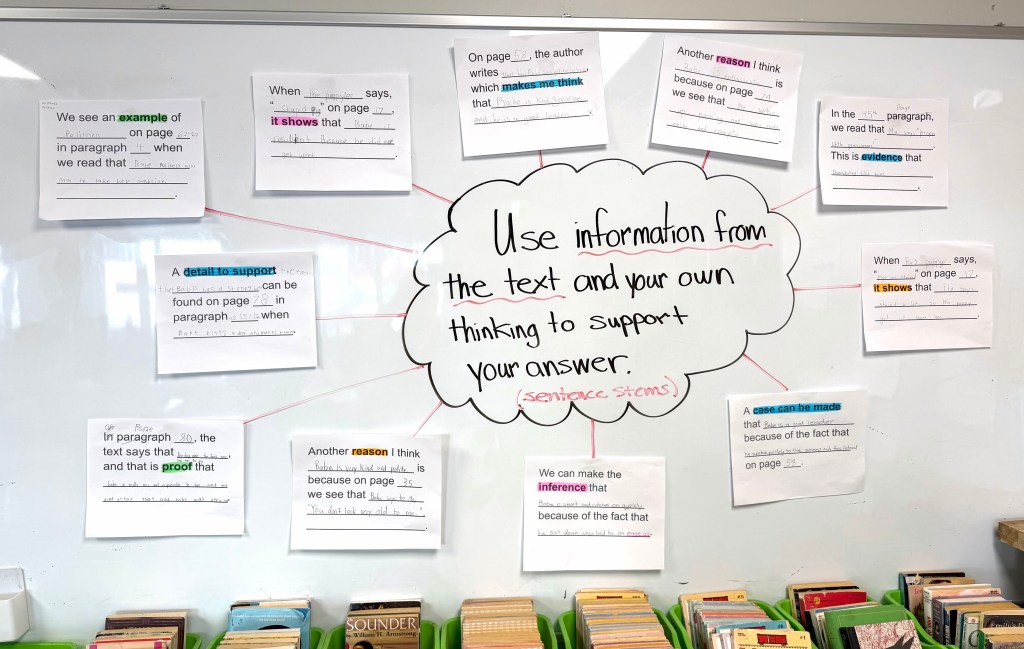
We practiced by gathering quotations and making inferences about Babe, the main character in our novel study. We recorded page numbers, then brought our ideas together to create an exemplary character-study paragraph.
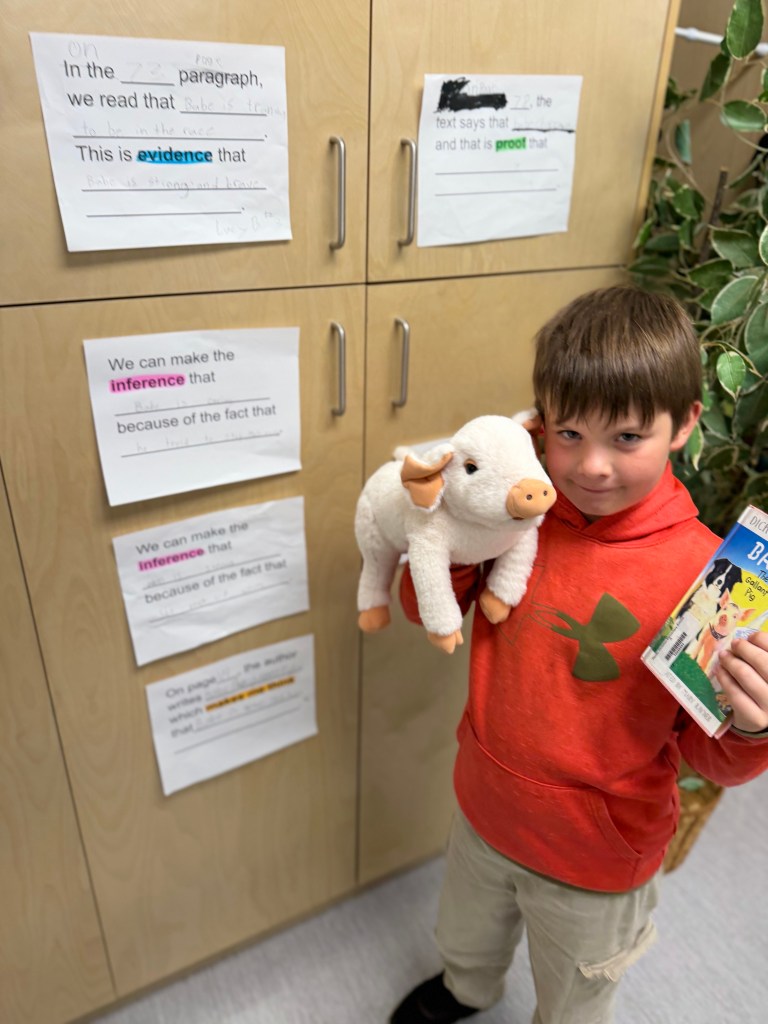
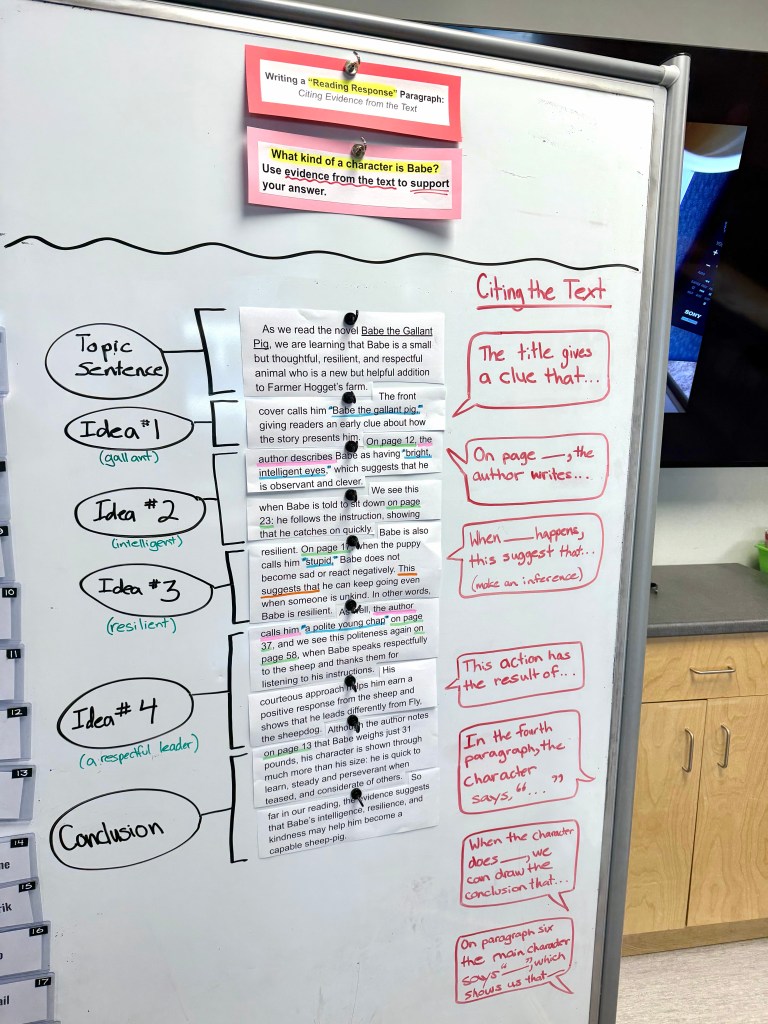
We also looked closely at the language and sentence stems students can use to cite evidence from a text and explain how it supports their thinking.
Yet, this is one of the skills assessed on the FSA, so we’re doing what we can to help introduce students to this and give them practice.
Good news: you would be amazed by what these awesome thinkers have been able to do already! Yay!
We’ve also been talking about why this skill matters beyond Language Arts. In Bible class, we are learning that a key way we come to understand God’s character is by studying what the Bible says and shows. We need our ideas to be grounded in the biblical text. (This will also matter when students prepare to write their first sermons in Term Three: a Bible-based sermon draws on Scripture, with its ideas and arguments connected to specific passages, rather than relying only on personal experience.)
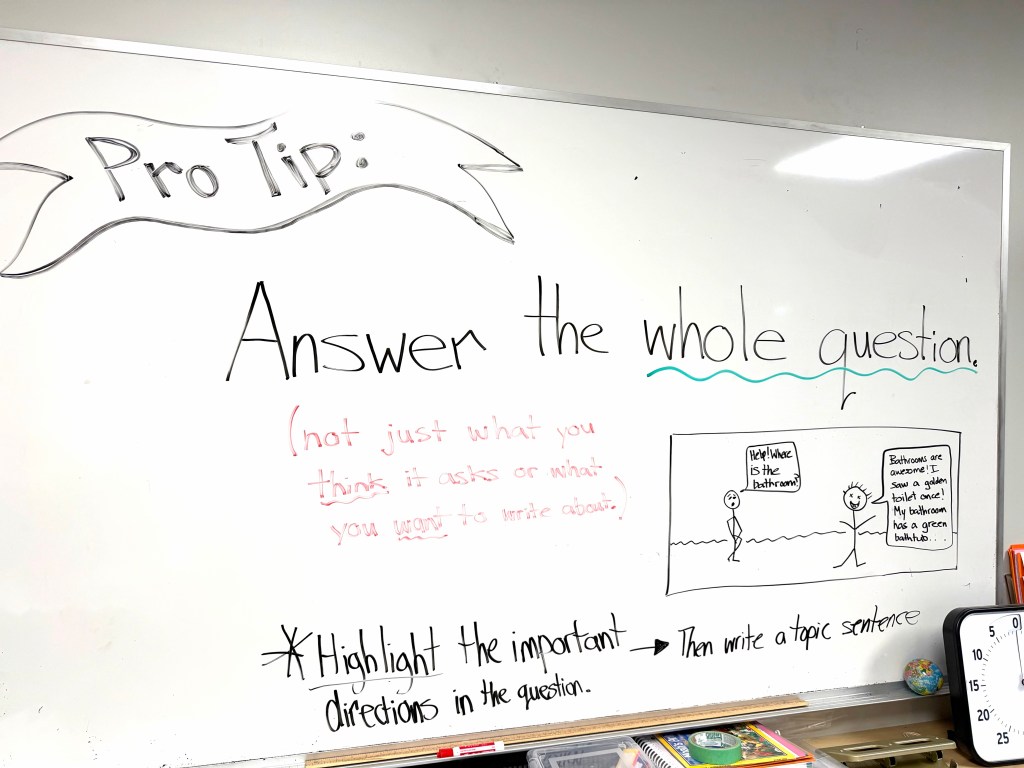
Another important part of this FSA prep work is learning to answer the whole question. Young writers can sometimes see a familiar word in a writing prompt and begin writing right away, before reading all the directions or noticing exactly the question asks. So we are practicing slowing down, reading carefully, and making sure our written responses addresses every part of the prompt.
These are big skills, and the students have made a strong start. We’ll keep practicing how to read closely, support our ideas with evidence, and explain our thinking clearly.
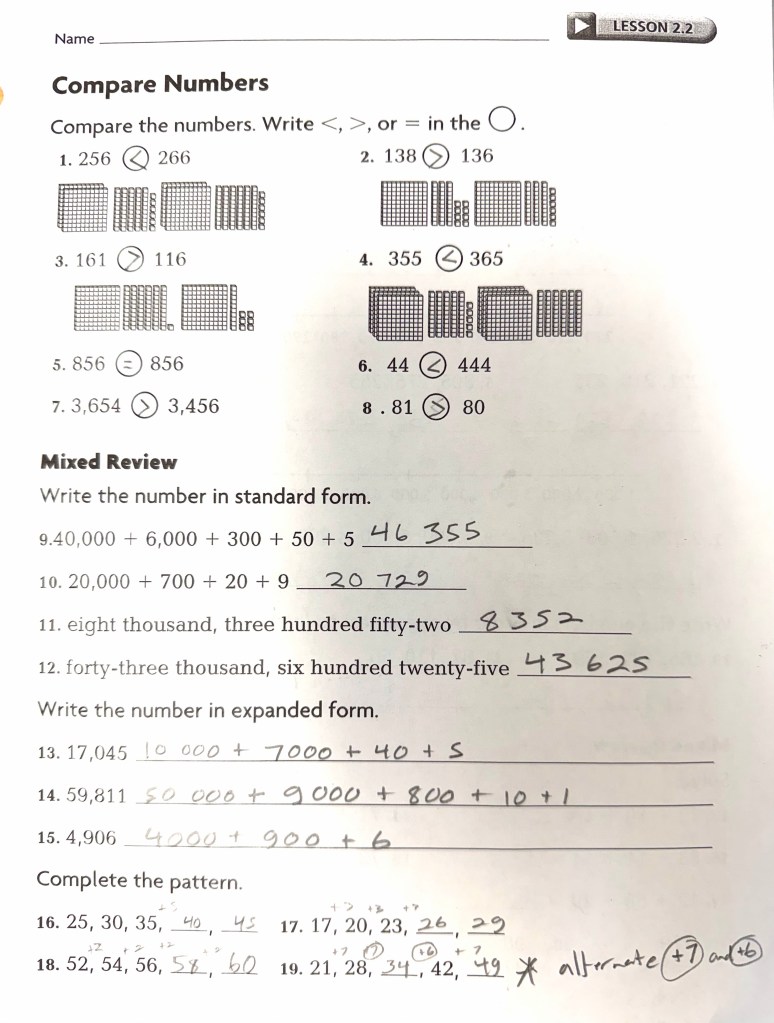
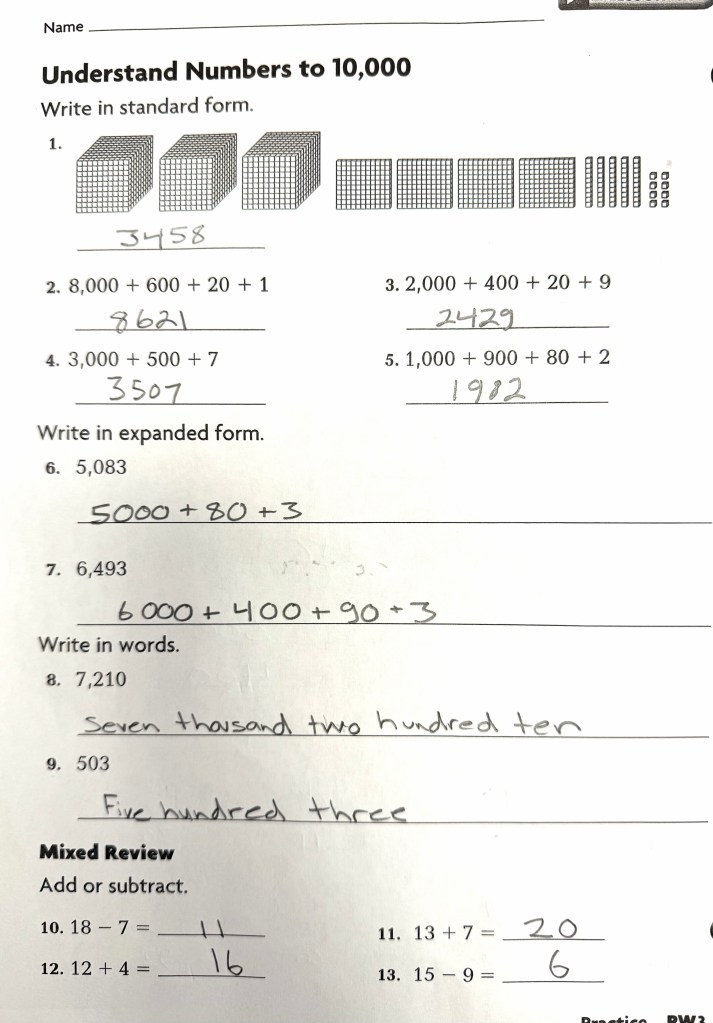
In Math, we will have another check-in quiz on place value this Thursday.
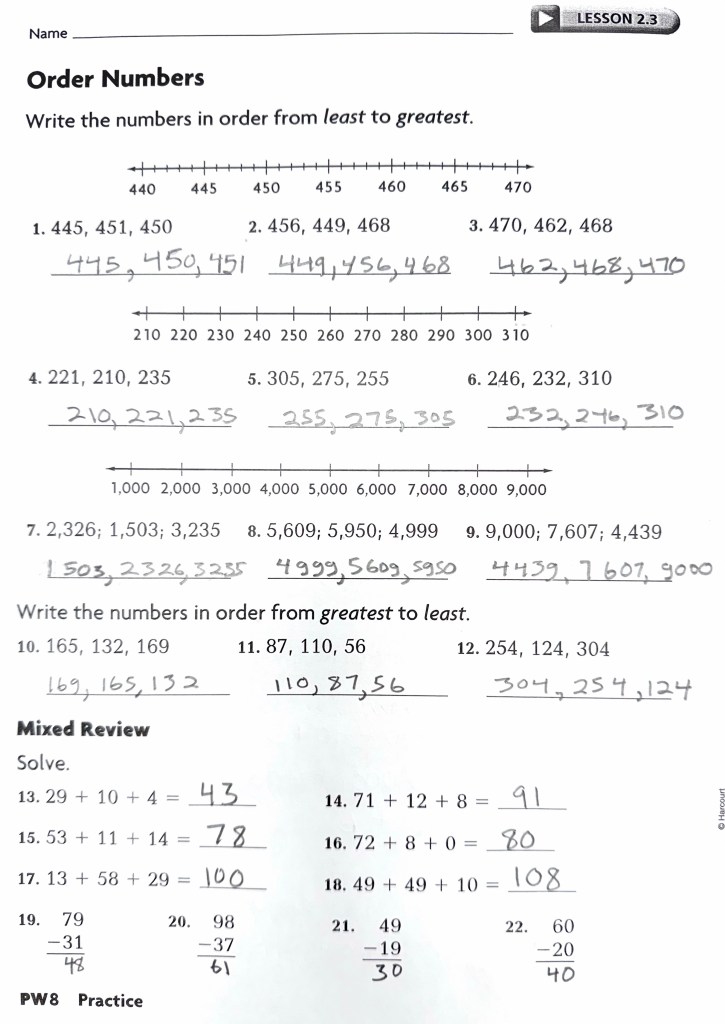
A key focus in Term 1 math is building a strong understanding of place value. Learning takes time; if a concept doesn’t click right away, students should keep practicing, since place value supports future math learning, including addition and subtraction.
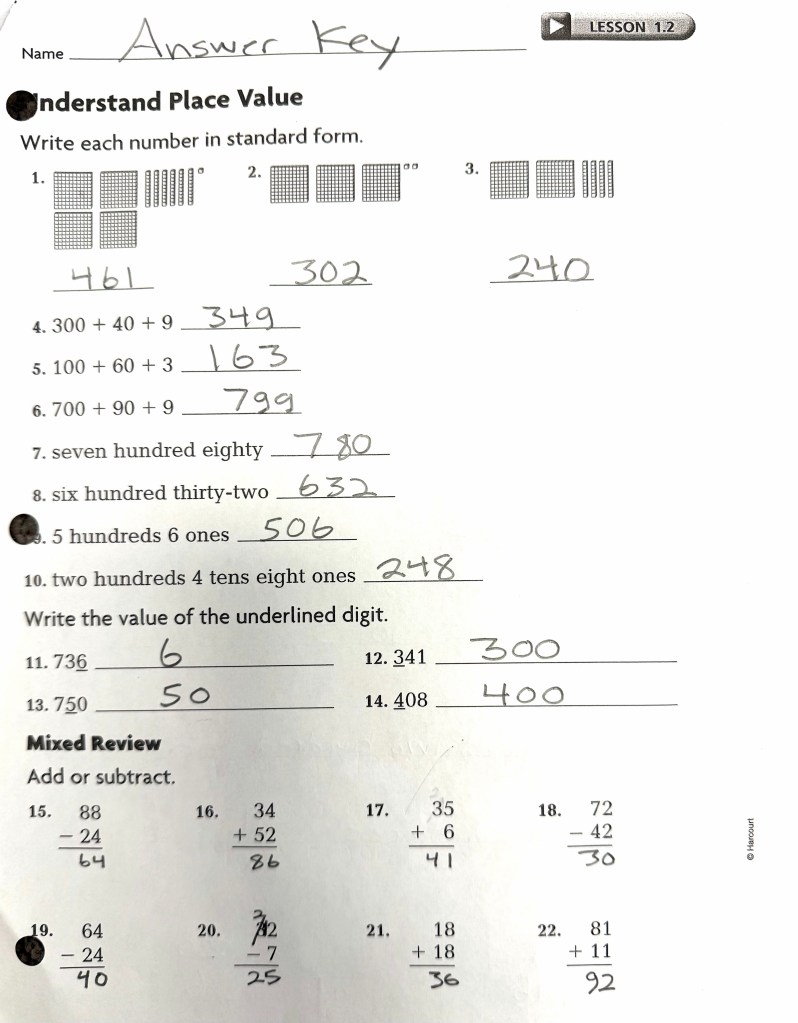
Tonight I’ve sent home optional practice pages for students to use during extra time at school or at home. They won’t be marked. The answer key and videos are available to help families support practice at home as they see fit. Our goal is for students to develop number sense, compare and order numbers, and represent them concretely, pictorially and symbolically.
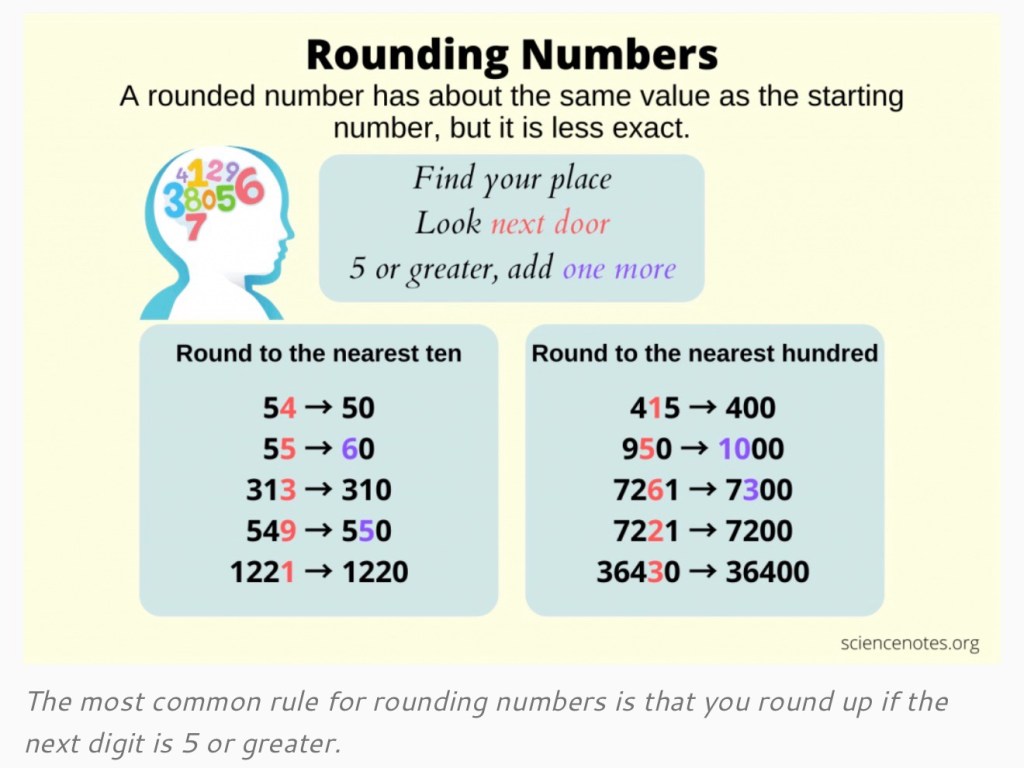
*The next math topic we will study is ROUNDING! For example, when rounding to the nearest ten, 73 becomes 70 and 56 becomes 60. 489 rounded to the nearest hundred becomes 500. Interestingly, 981 rounded to the nearest hundred is 1 000 and 32 rounded to the nearest hundred is zero.