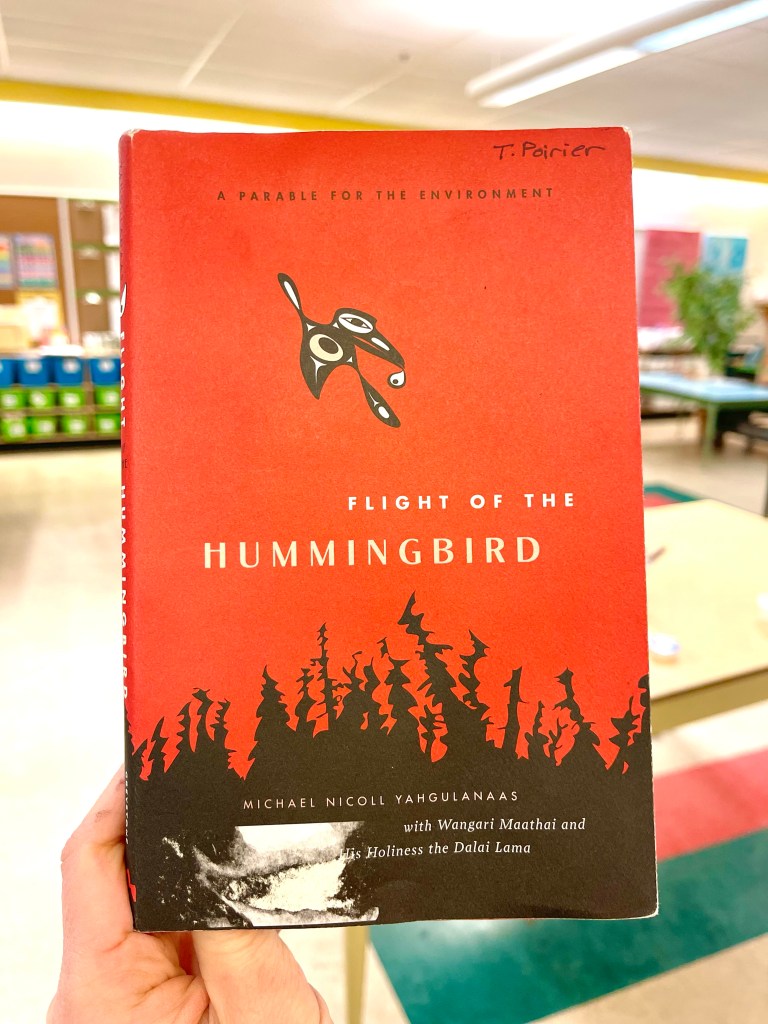
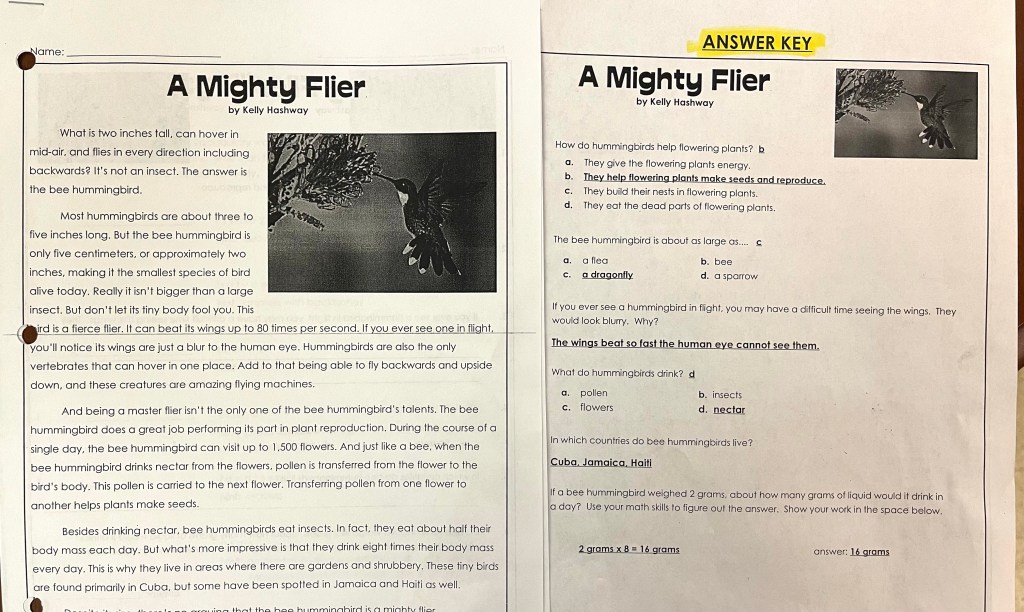
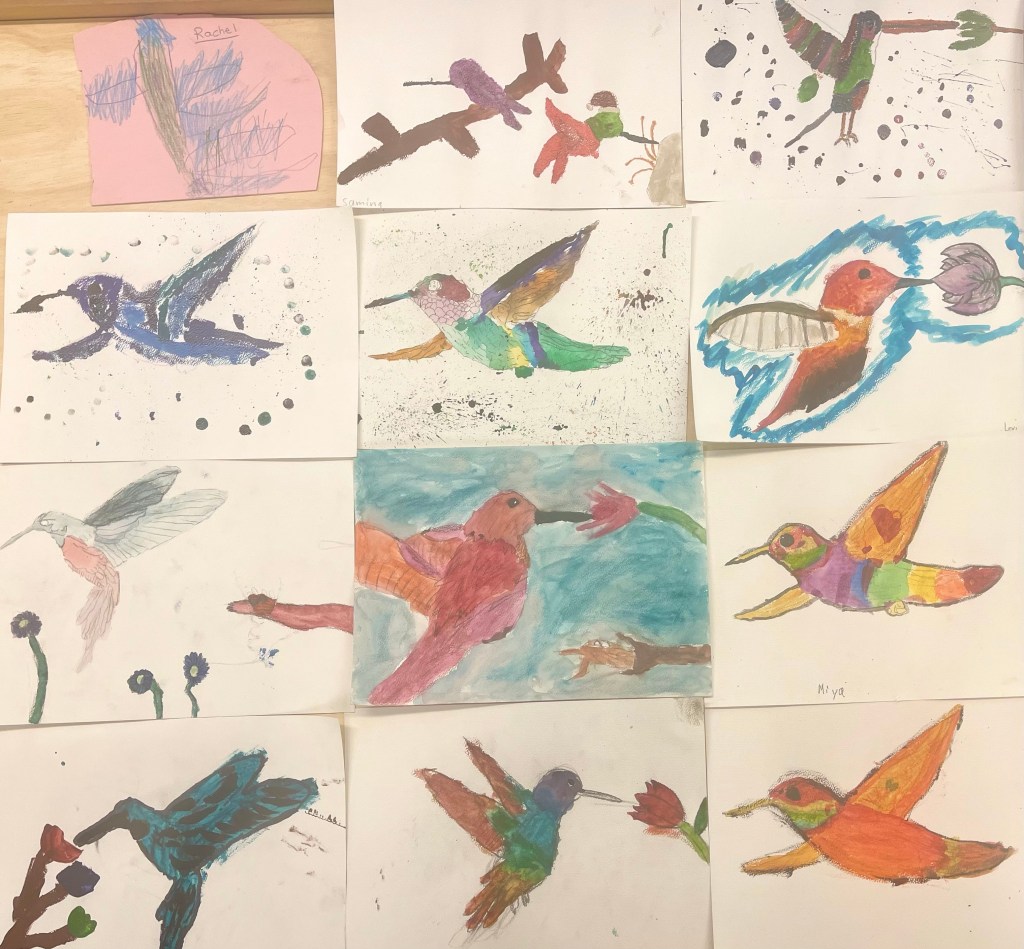
Last week, students enjoyed a read-aloud of the story “Flight of the Hummingbird” that features illustrations by Haida artist Michael Nicoll Yahgulanaas. Then we watched this video illustrating the story. https://youtu.be/naj6zZakgEg They also explored the science of hummingbirds and made beautiful hummingbird watercolour paintings.
In French, we have also begun learning basic French greetings and learning to count to 20. Here is a video that can help with pronunciation. https://youtu.be/H2-REbL2OU0. Students have also been taught to use Google Translate.
Today each student wrote and brought home a “Subtraction Unit Quiz”—I am so proud of how hard everyone has worked to achieve so much growth in this area! Great job!
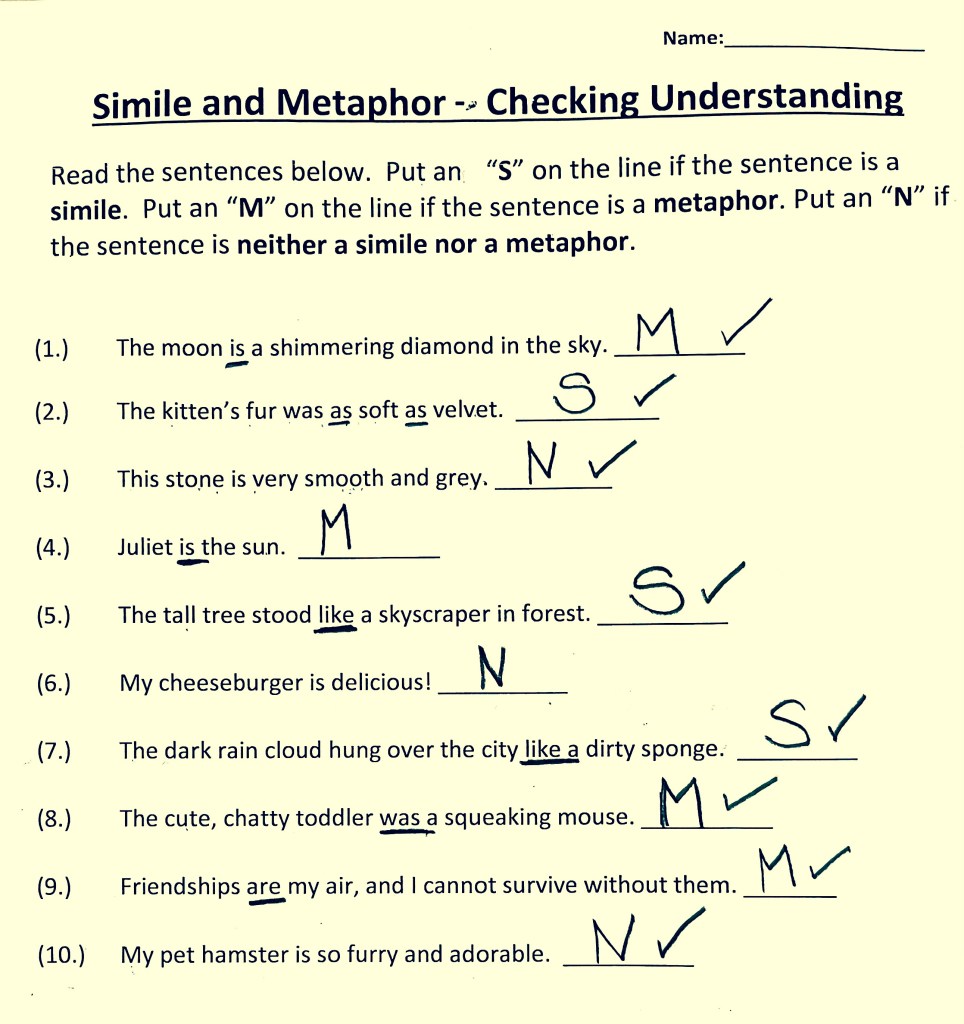
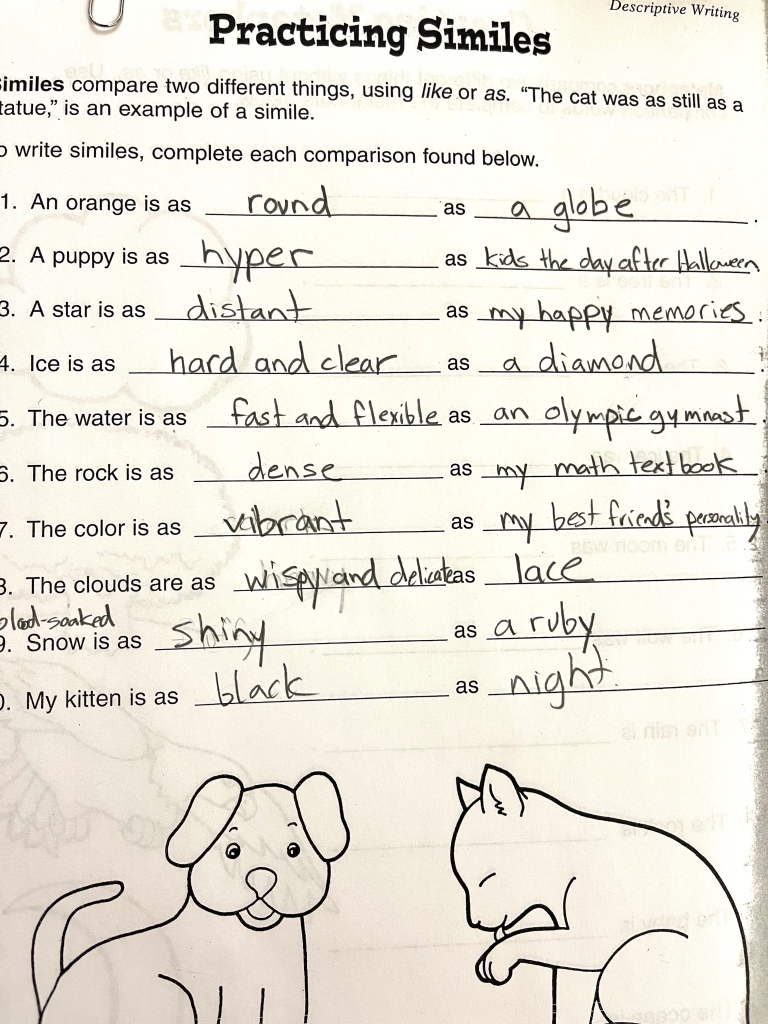
We also continued our rich learning in the area of figurative language today. We reviewed some more examples of simile and metaphor, and then students gave themselves a self-quiz to check their own understanding.
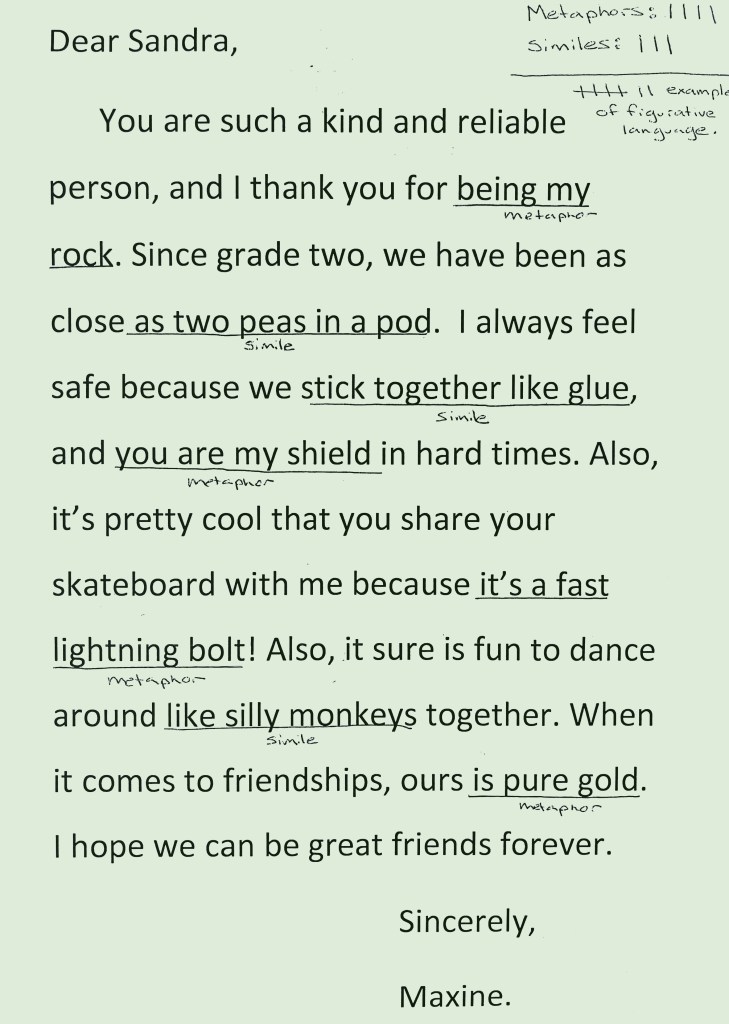
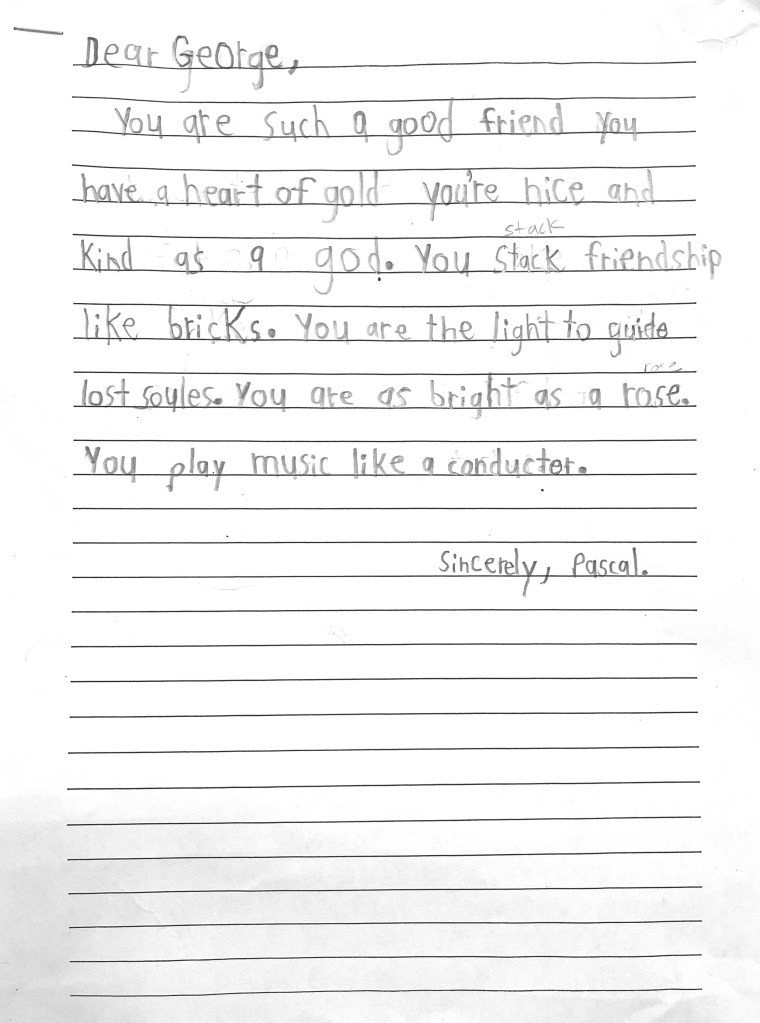
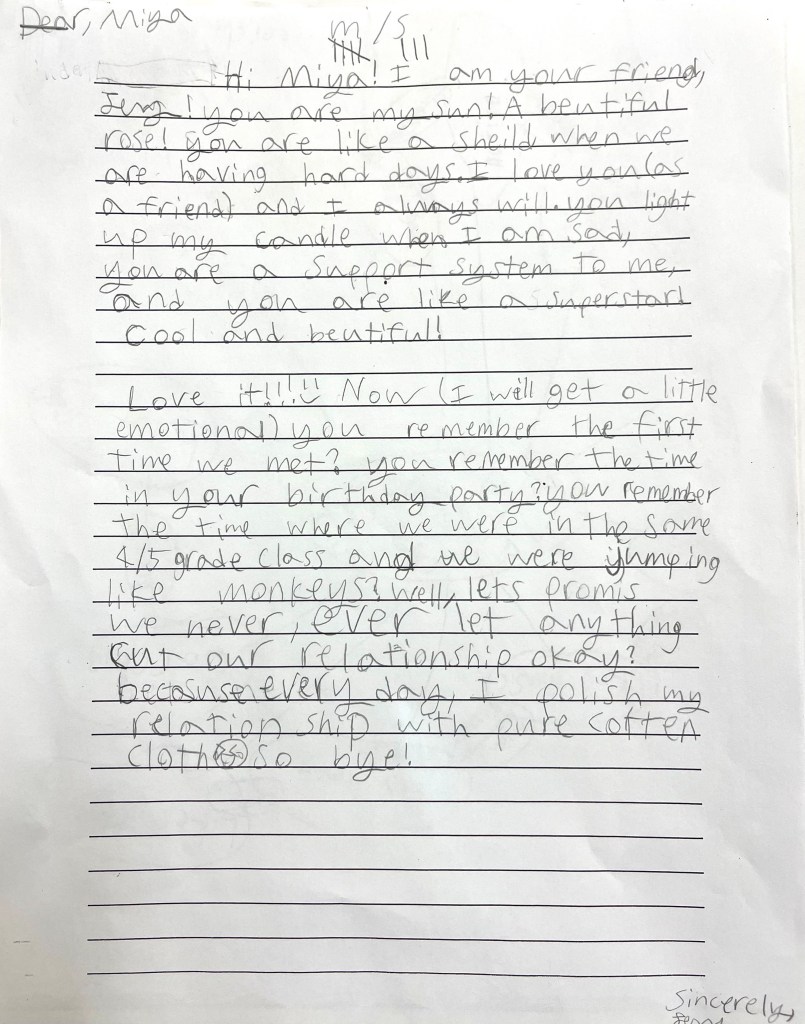
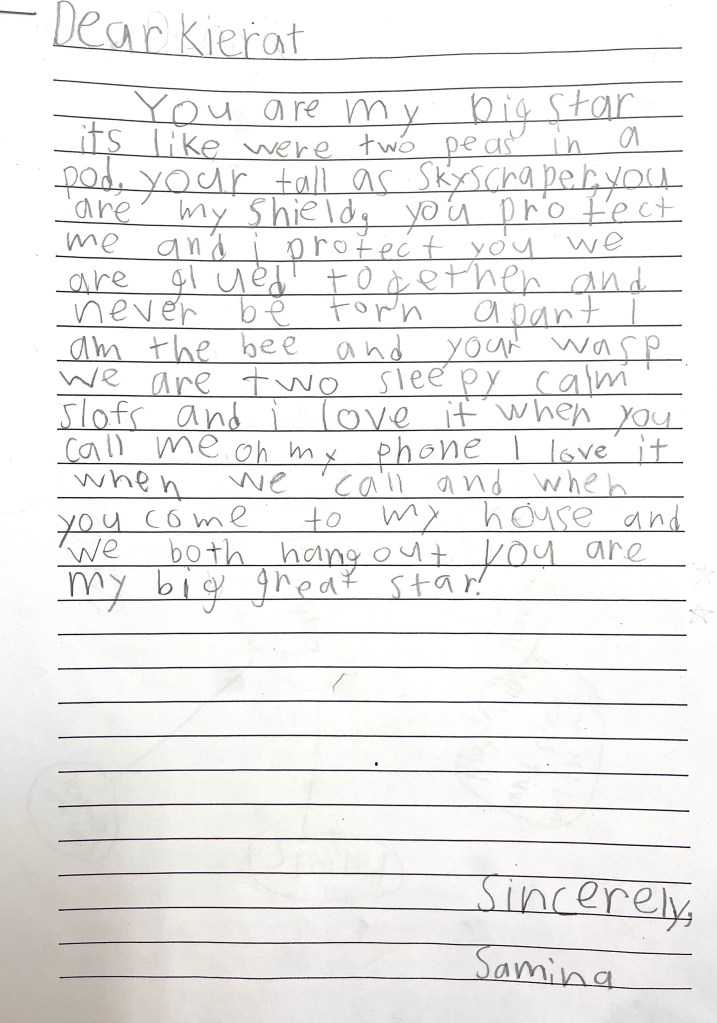
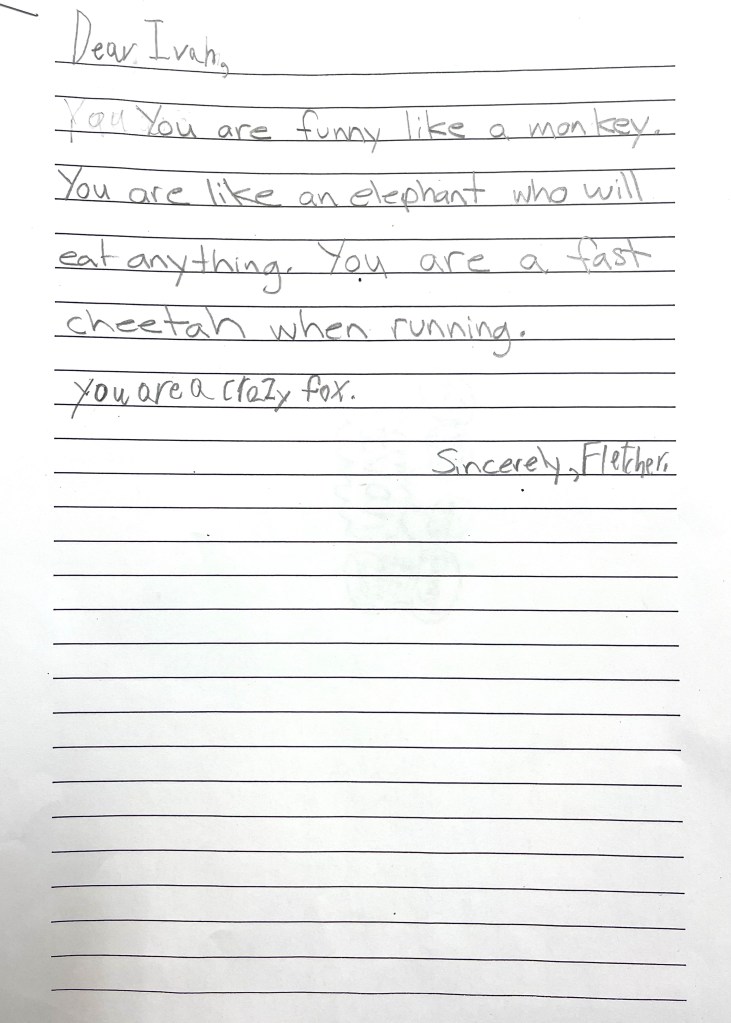
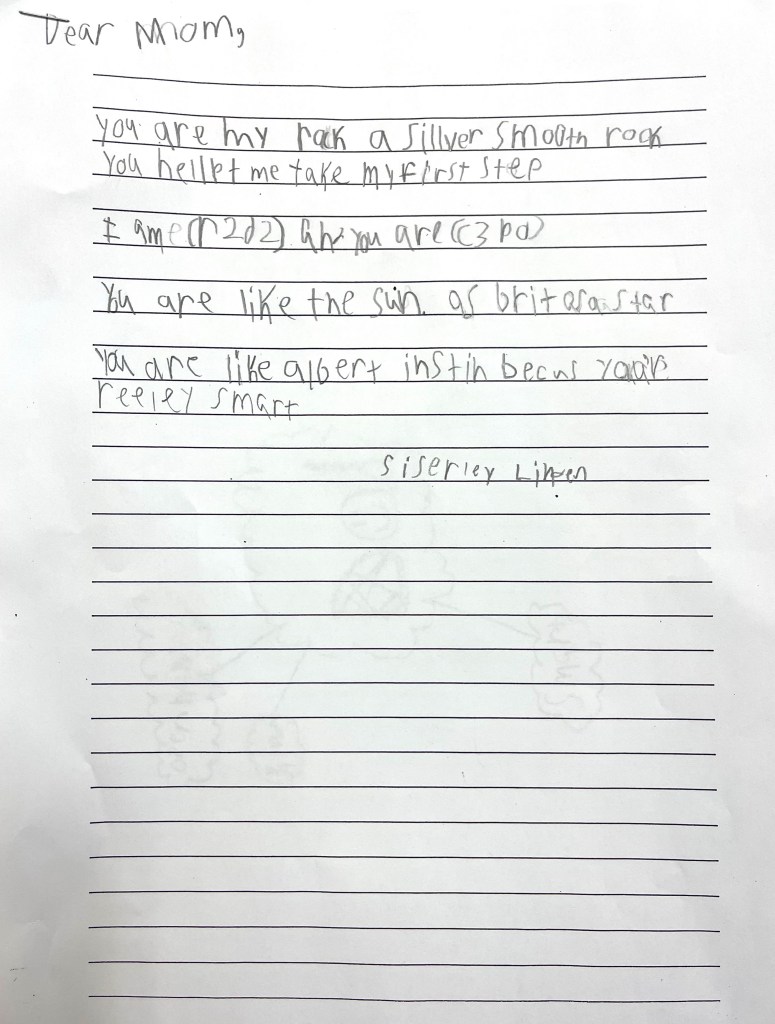
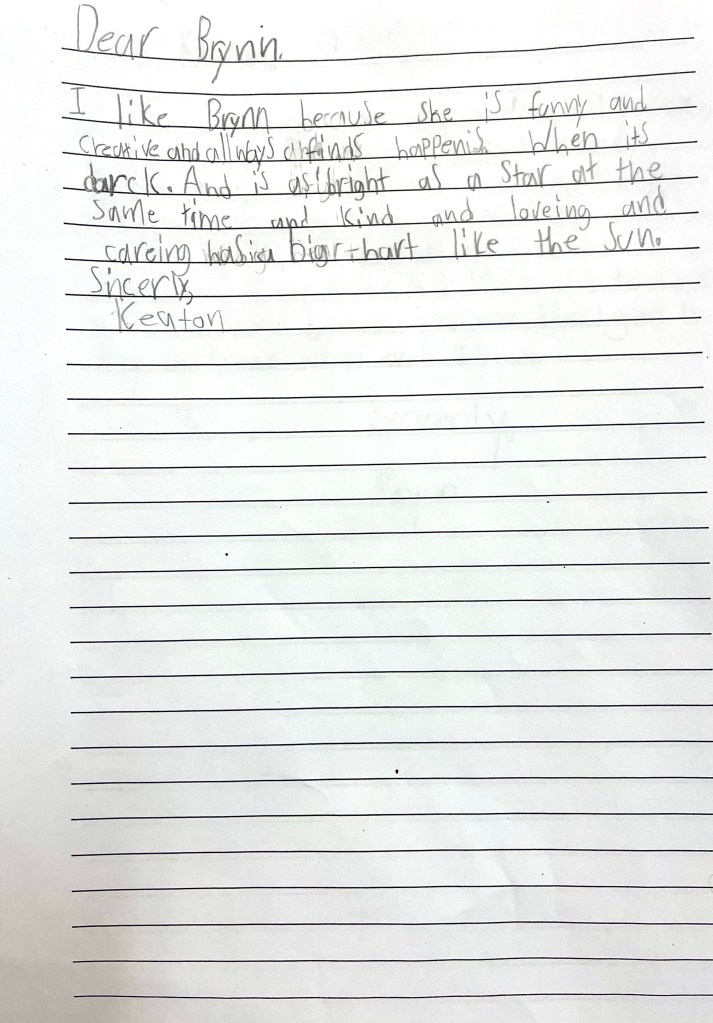
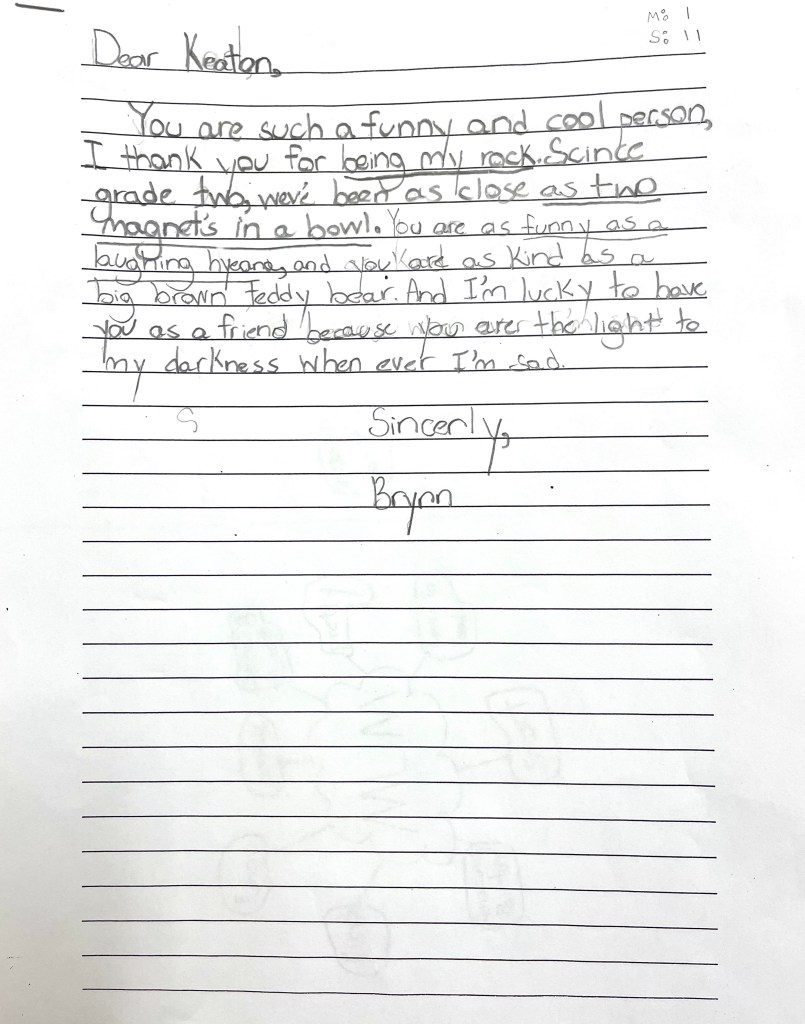
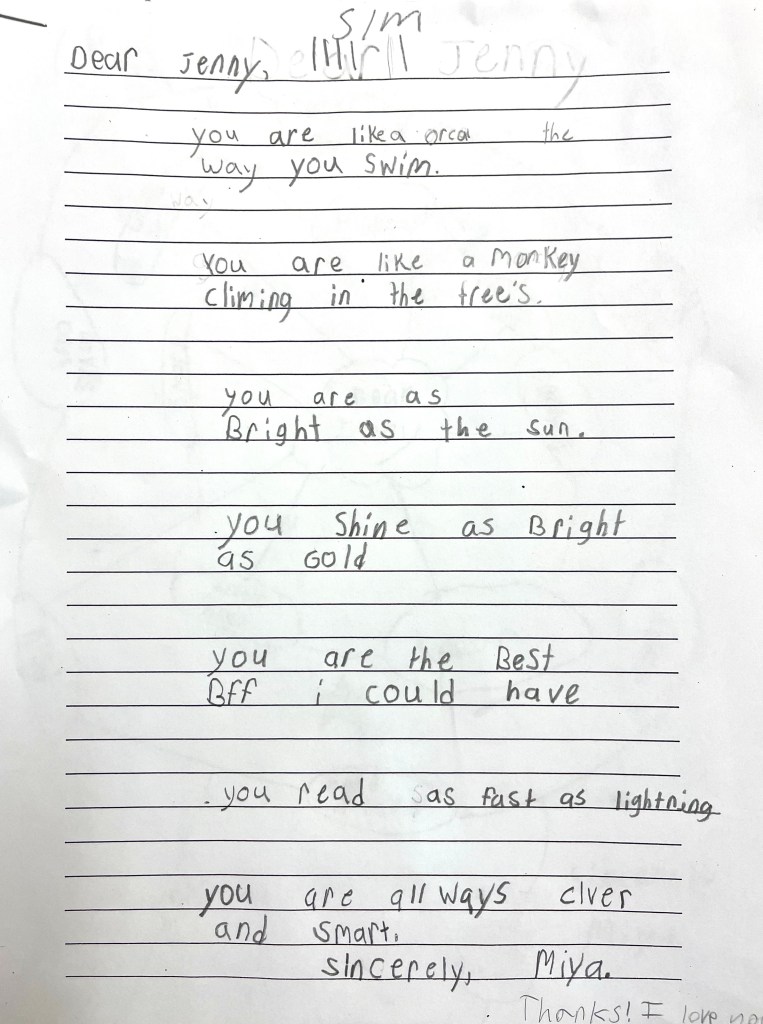
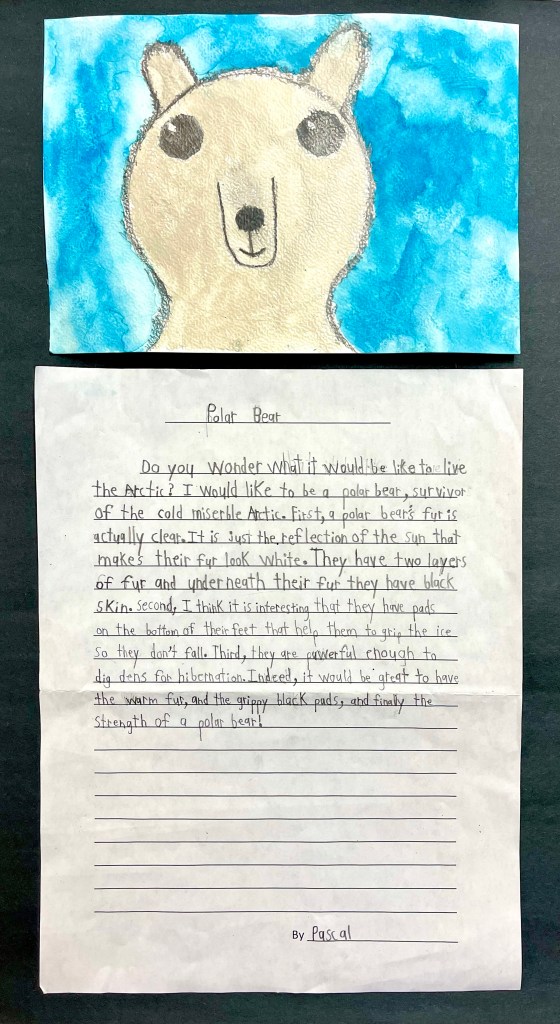
Next, I shared with students this example of a letter written to include examples of simile and metaphor.
Then, I modelled how I would personally prepare to write an appreciative “figurative language” letter to my own mother by starting with a brainstorm of her qualities and traits.
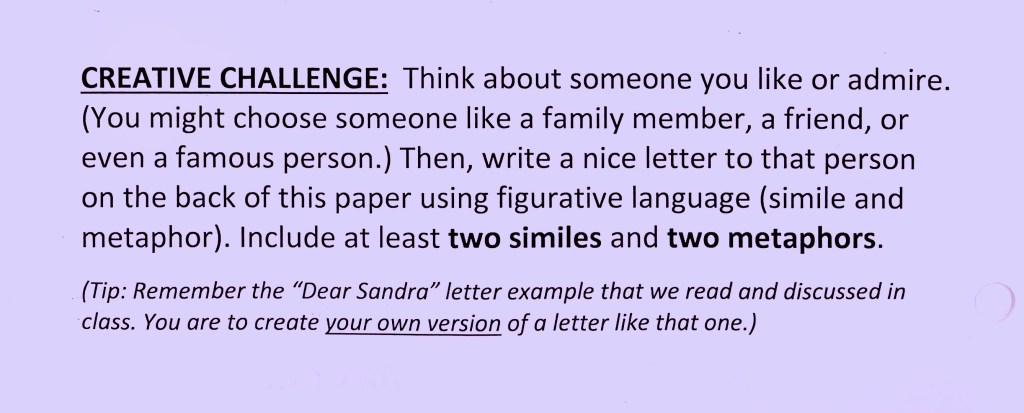
In the next step, I talked through and modelled my own creative process of how I would turn each of those qualities and traits into similes and metaphors. After that, I presented this challenge to students…
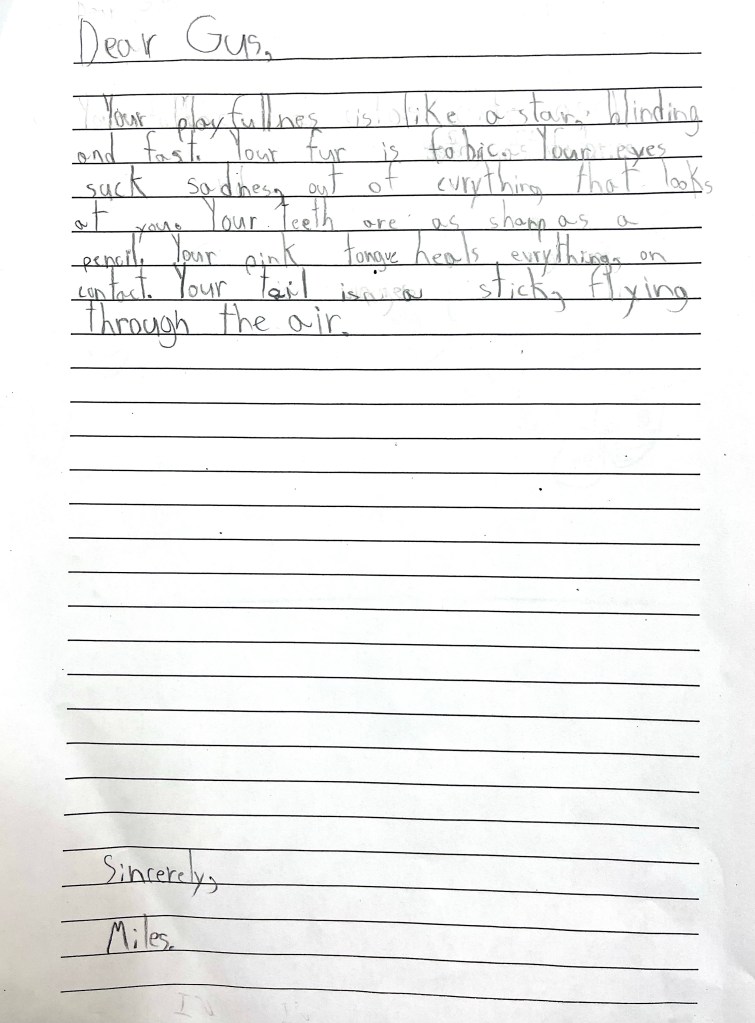
Get ready to feel charmed and moved by the poetic and personal letters students wrote and shared. (Before posting, I asked each student if they wanted to consent to sharing their letter. Some other letters are still being finished.)
In the afternoon in Social Studies, we began our unit of study on the history of Japanese internment in British Columbia. The students connected to their prior knowledge around WW2 and the events at Pearl Harbour through dialogue. Then we viewed and discussed the following videos. Key themes we discussed included discrimination and human rights violations, which we connected back to recent unit on residential schools.
We also made local connections, discussing the history and then the wartime vandalism of the Japanese Tea House in Esquimalt. We watched and discussed this video…
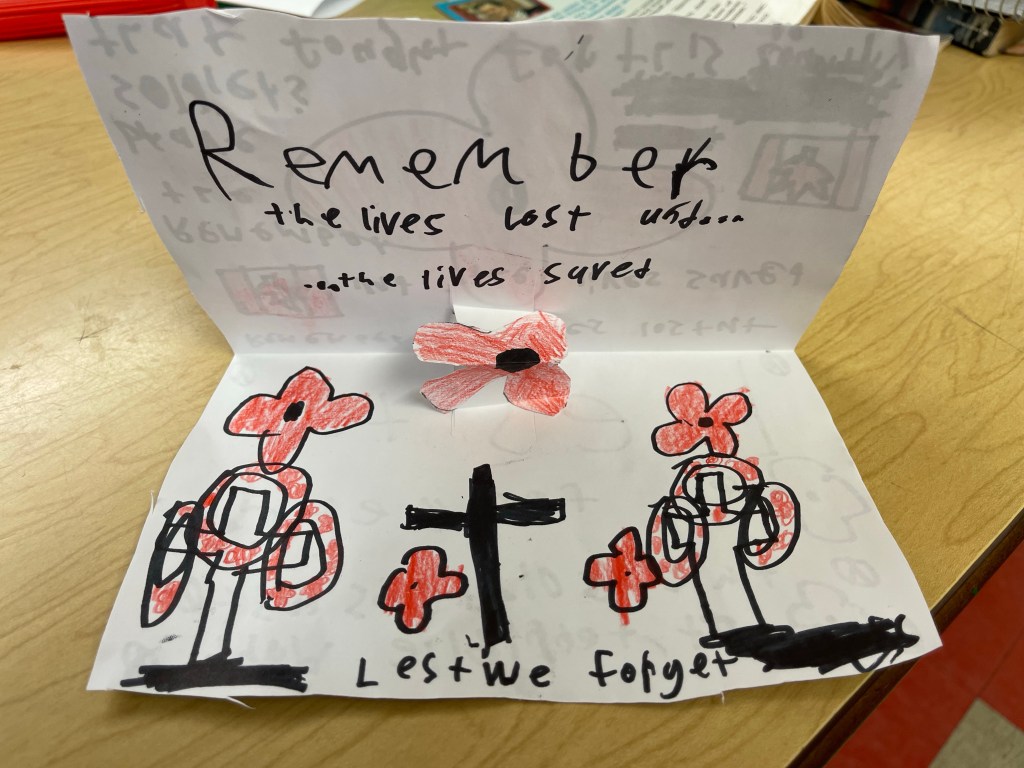
Thank you to our Division 4 wreath leaders (Leo and Abby) and assembly speakers (Levi and Ahmed). We appreciate your leadership at our Remembrance Day event.
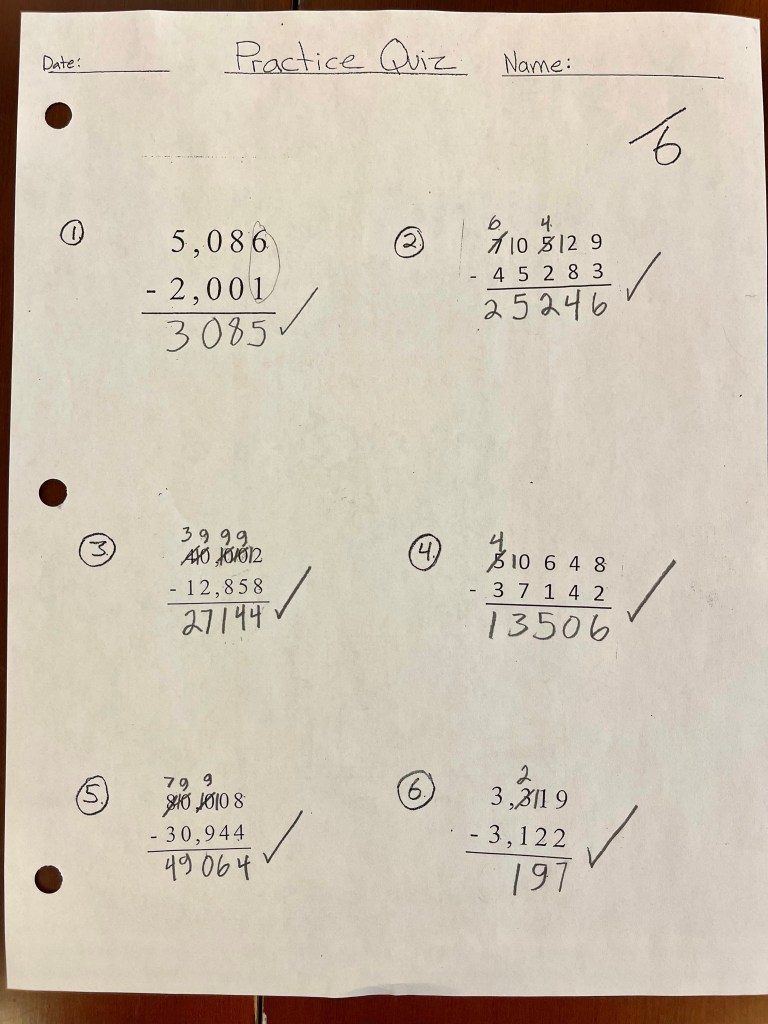
Today we did a “practice quiz” on subtraction. Students marked their own quizzes, and I demonstrated how to find each answer. Students brought home their quizzes to share with family today.
Please remind your child to keep practicing subtraction at home. Thank you for observing your child solve a few subtraction questions before Thursday if possible. For example, ask your grade 4 child to solve 8934 – 1831 and 1900 – 7496. For grade 5s, ask your child to solve 67 291 – 39 282 and 22 021 – 4872.
NOTE: Many students have been using the “traditional algorithm/method” for efficiency since this is what they have been taught previously and the method they are most comfortable with for multi-digit numbers. However, there are other subtraction strategies we’ve touched on and which we will explore further. This video gives an overview of other subtraction strategies, including compensating, give & take, and decomposing numbers. LINK: https://youtu.be/QTGOQZp9ftY Here is yet another subtraction strategies video showing the add-up method and using an open number line. LINK: https://youtu.be/sCisM1e6NOsIt’s not necessary to review these alternative methods now, but I link to them so you can see options and preview alternative pathways we will be exploring more in the future.
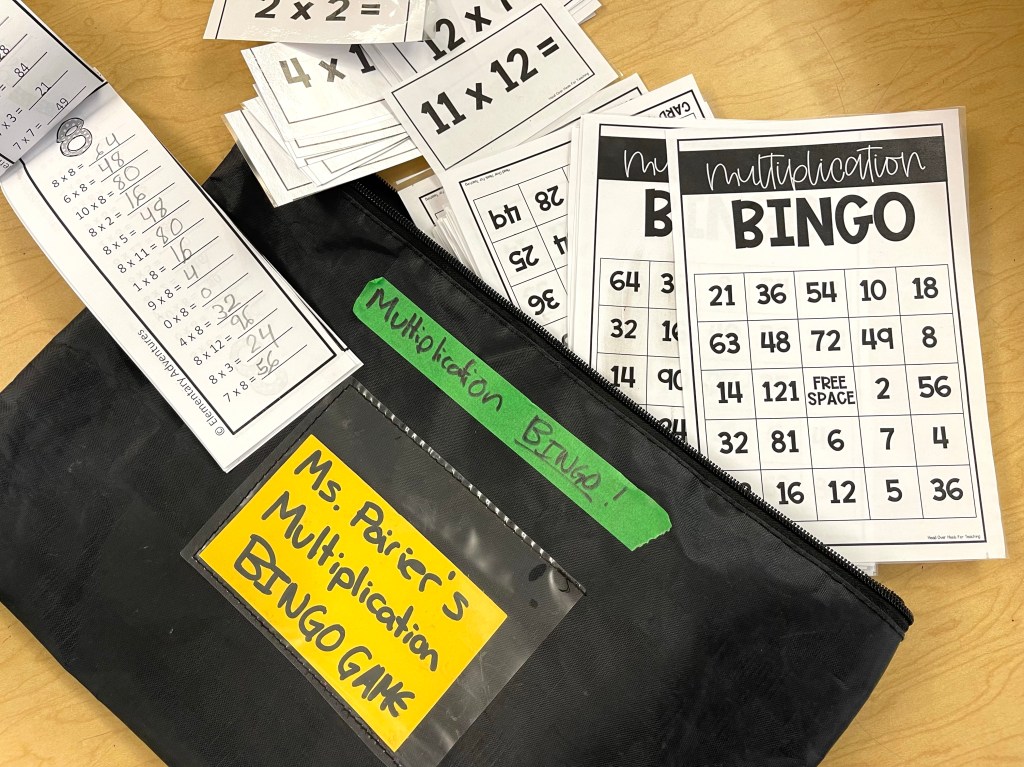
Today we also played another fun game of Multiplication Bingo to keep sharp.
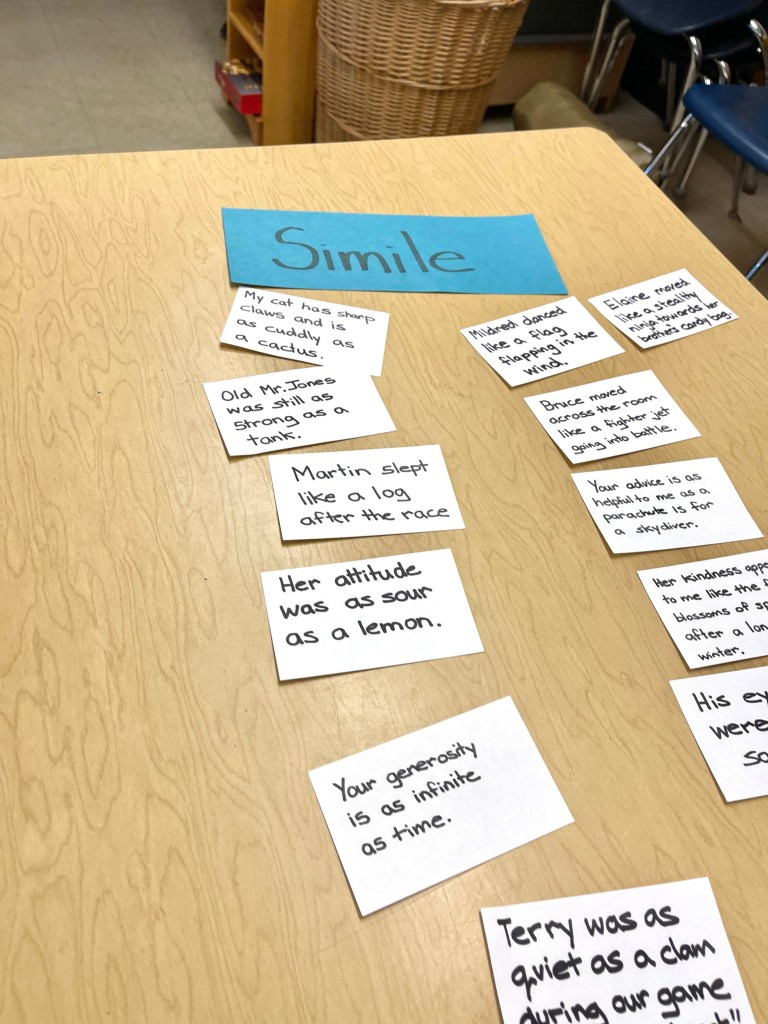
In Language Arts, we reviewed figurative language again: simile and metaphor. Students sorted a stack of mixed examples of simile, metaphor, and non-figurative language. Then they had the chance to create and share their own similes and metaphors. *Ask you child to give you an example of each.
We spent the last hour of the day reviewing sketching and watercolour painting techniques as each student worked on a painted portrait of the animal they have been researching. There will be more lovely examples of student work posted on Monday!
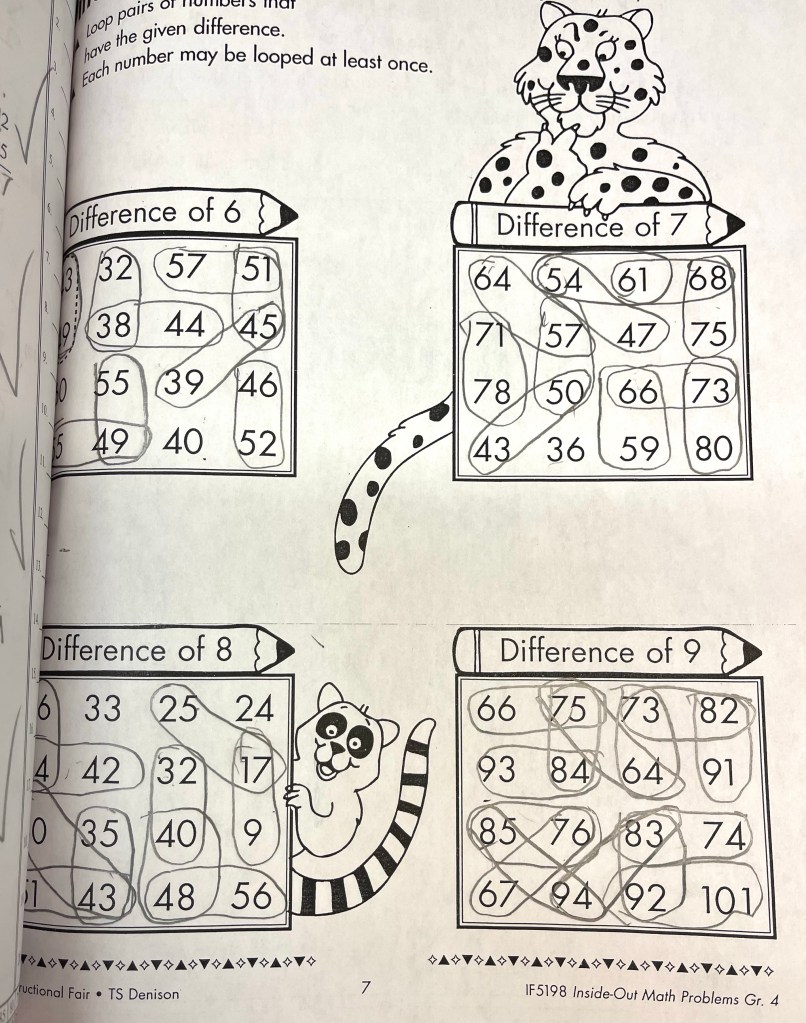
Today in math we got playful in reviewing multi-digit subtraction and mental math skills. Students shared and discussed their solutions to various challenges (see below). We will have a subtraction practice quiz tomorrow and do a subtraction unit quiz on Thursday.
In Language Arts, I told students about how my three-year-old son loves to make up and tell very simplistic stories—and then he giggles. For example, he recently said, “Once upon a time there was a knock at the door. It was a sausage! The end!”
The class discussed how my son’s sausage story could grow to become more interesting with more sophisticated story structure. Specifically, the story would benefit from more information about setting, characters, a sequence of events, a problem, a solution, and an ending.
Then I invited students to get into groups to make up and tell their own stories that built upon my son’s sausage story. There were wonderfully whimsical stories and lots of laughs! We will continue to build our oral storytelling skills throughout the year with free form exercises such as these.
Next, I read aloud “Little Beaver and The Echo” and we discussed the story’s message about the power of friendship. Then, we mapped the story with the story map framework shown on the worksheet below. I then invited students to use the same framework to map out their own original story to tell. *A fun homework challenge to practice storytelling would be for students to retell the story of “Little Beaver and The Echo” or to share their own made up stories.
In the afternoon, students further refined their “animal paragraph” rough copies, had a writing/editing meeting with me one-to-one, and then wrote good copies.
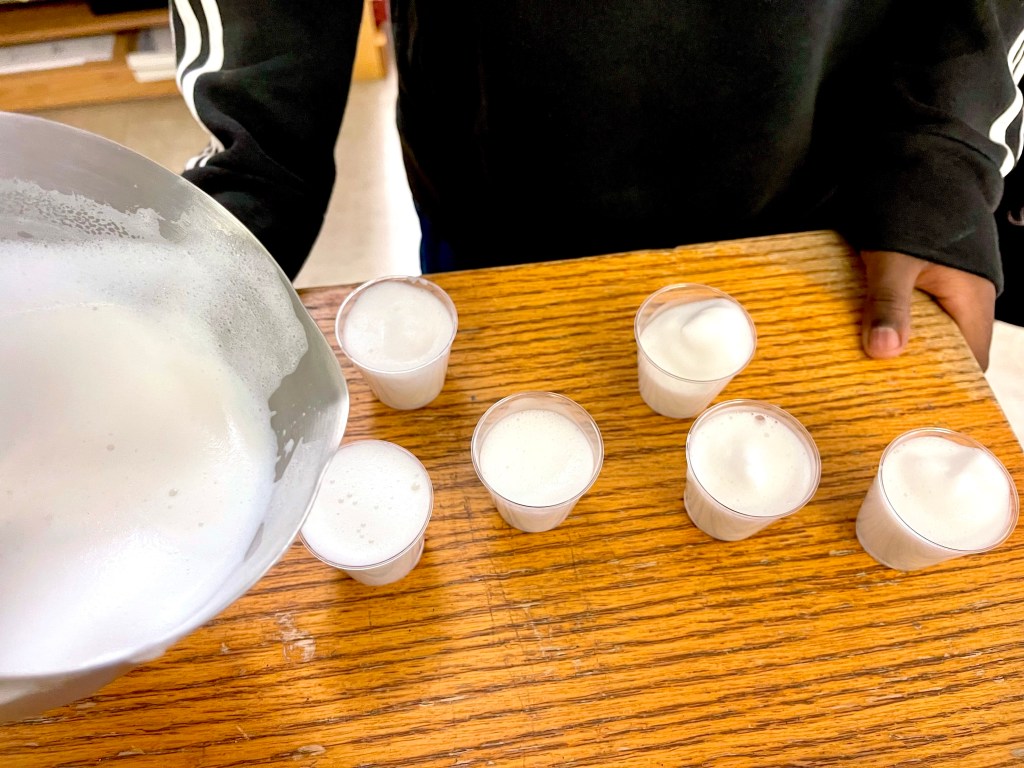
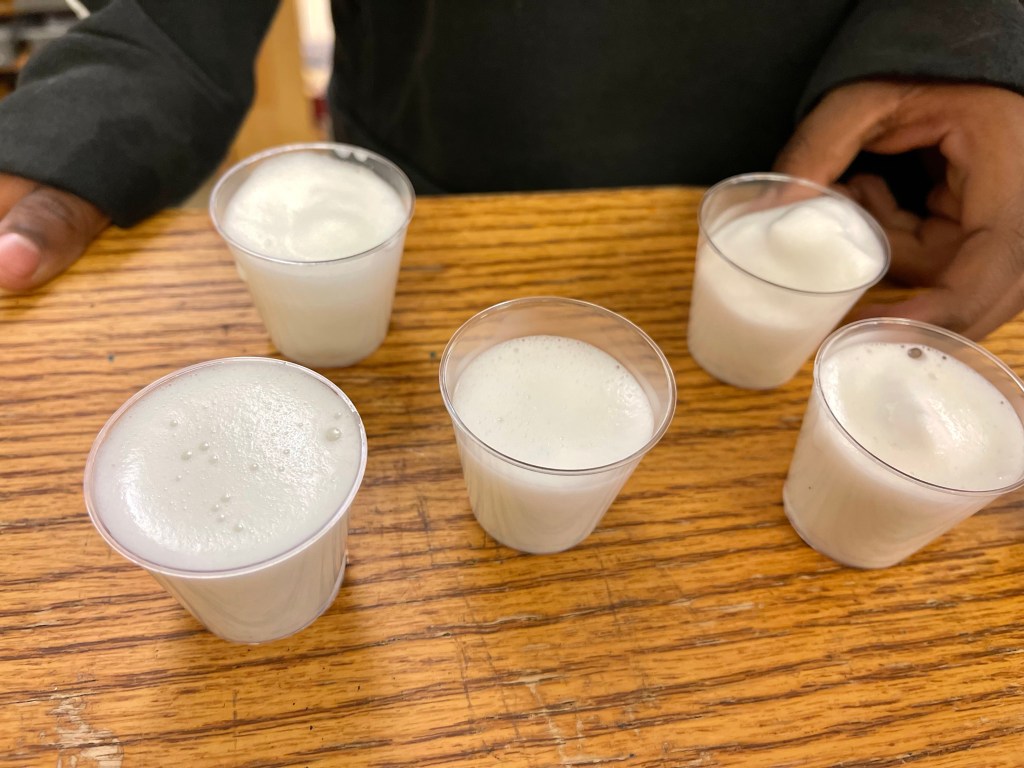
This morning we had a delivery of pears and milk as a part of the healthy food program. So, we spontaneously extended our “Bubble Science” learning and enjoyed the process of making caffeine-free, cinnamon lattes (apple cinnamon tea bag plus 2% milk)! We observed the aerating/stretching of the milk to form silky bubbles and remembered the role of fat and protein globules in maintaining the surface tension that forms bubbles.
We spent 50 minutes in math today with more direct instruction and role modelling of how to subtract multi-digit numbers, both with and without regrouping…and across zeros. (For example, what is 5000 – 3471?)
In the afternoon, we continued working on our “animal paragraphs” in class. The draft copy is due tomorrow morning. Please see the last blog post for examples and criteria. We will work on good copies of these paragraphs tomorrow.
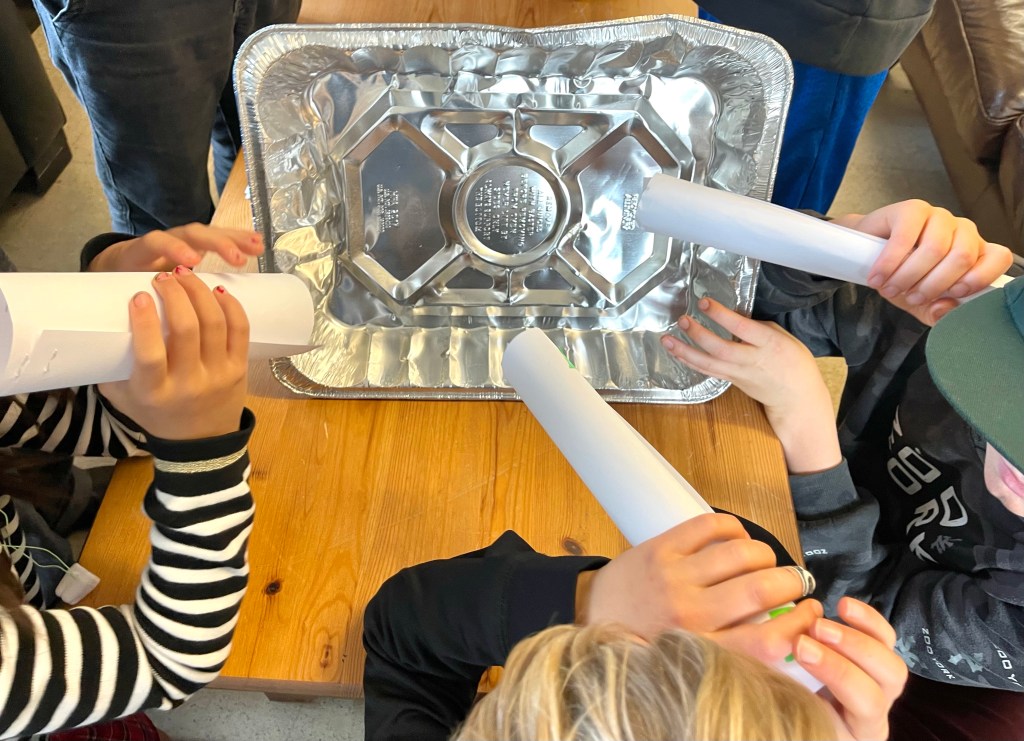
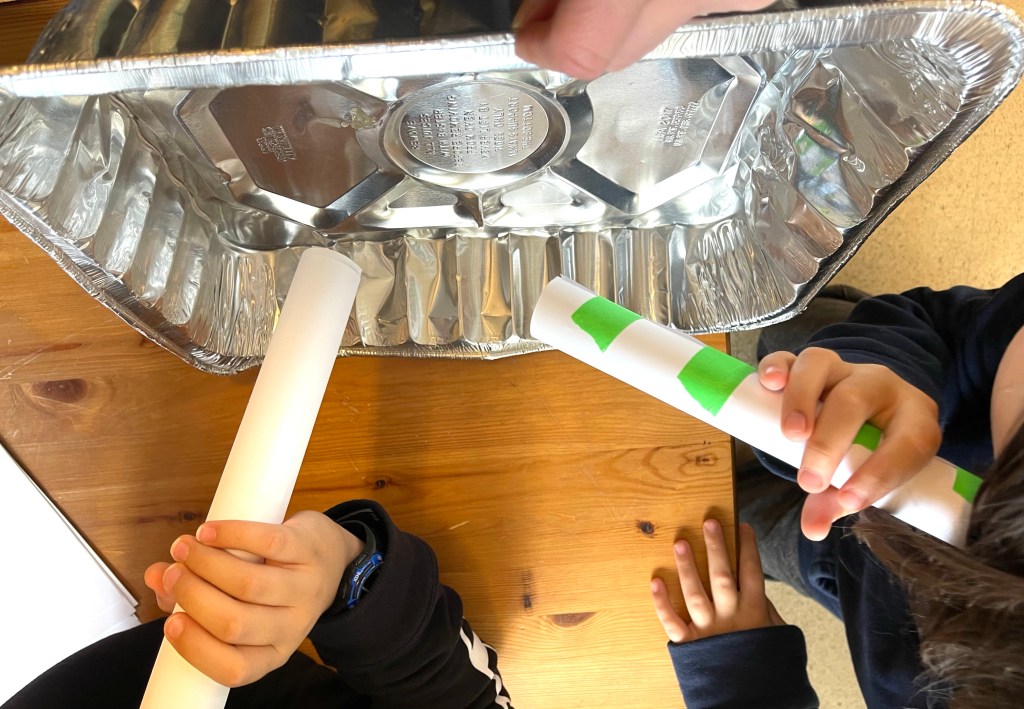
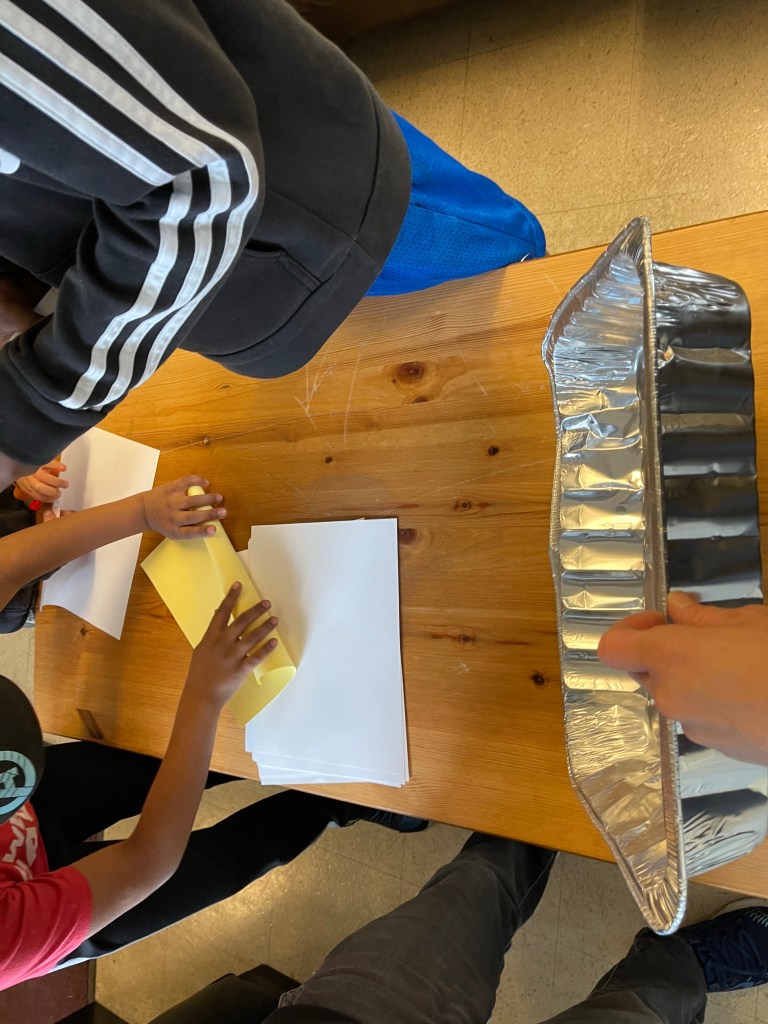
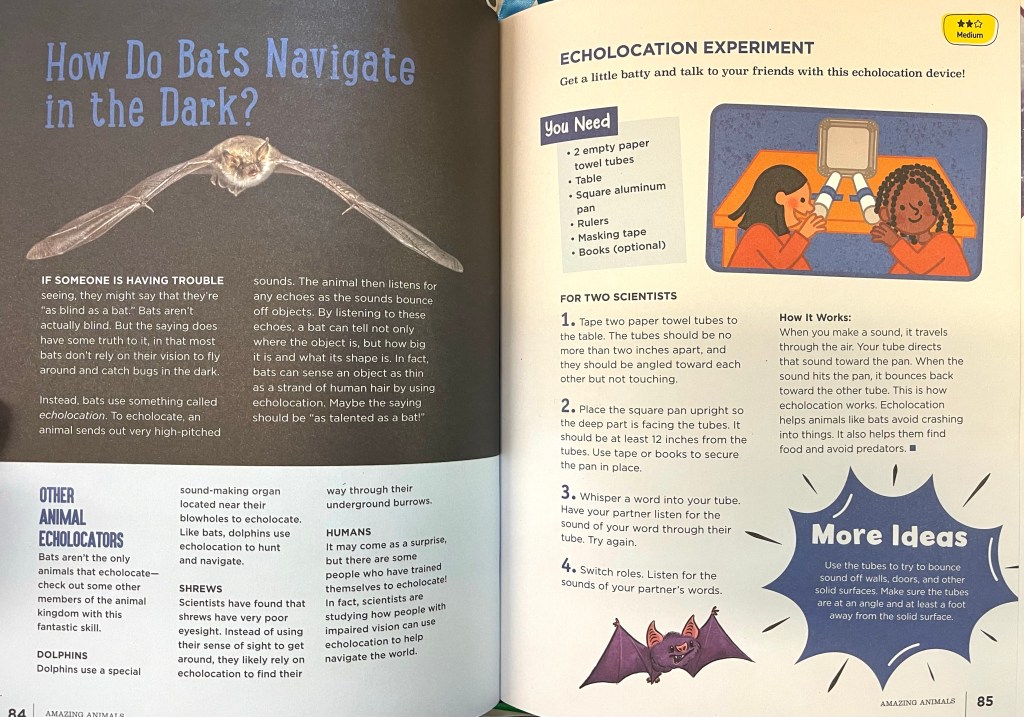
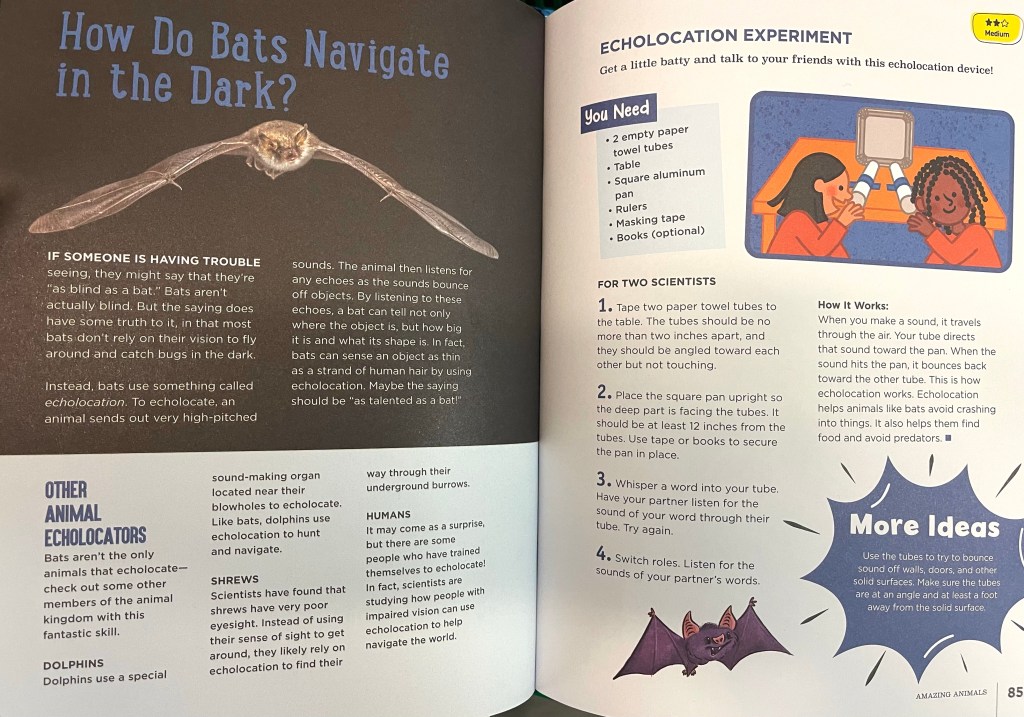
We also did an echolocation experiment to get a sense of how bats can use this ability to gain information about their environments, find prey, avoid predators, and communicate. We reviewed the unit content again and then students wrote a quiz that they brought home today.
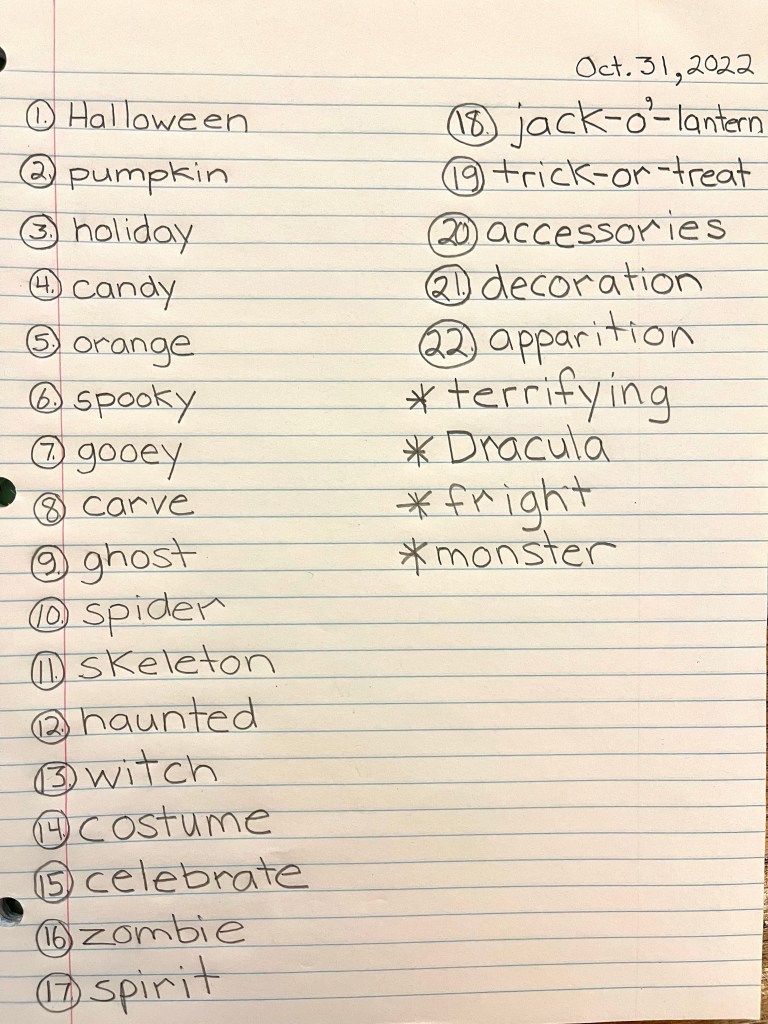
Reminder: We have a spelling test on Friday. To practice, students can bring home their spelling workbooks (but must bring them back to class every day). Or, find the word list in the previous blog posts.
In division 4 in Math class, we are now exploring multi-digit subtraction both with and without regrouping (or “borrowing”). You can see the video below for a review of the process.
HOMEWORK: I asked students to bring their Math duo-tangs home over the next few days to complete any unfinished work, and review subtraction with a family member as homework.
In Language Arts today, we reviewed the list of Halloween spelling words that the students had brainstormed together last week. Students have been using these words when writing Halloween-themed paragraphs and poems. We will have a Spelling quiz on Friday.
In our writing lesson for the day, we continued learning about how to form well-organized paragraphs. To warm up our minds for the lesson, I began by sharing the video below about bald eagles, and we discussed our background knowledge and personal connections.
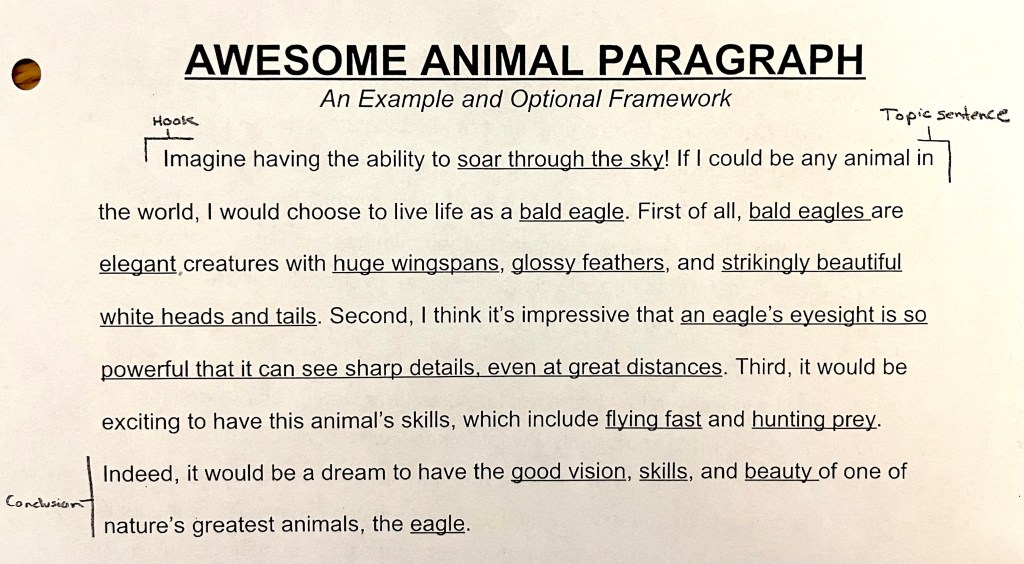
Then, we read an example of a paragraph I created about eagles. I pointed out the paragraph’s hook, topic sentence, use of transition words, development of three ideas, and conclusion. I showed how the conclusion summarizes the three ideas of the paragraph.
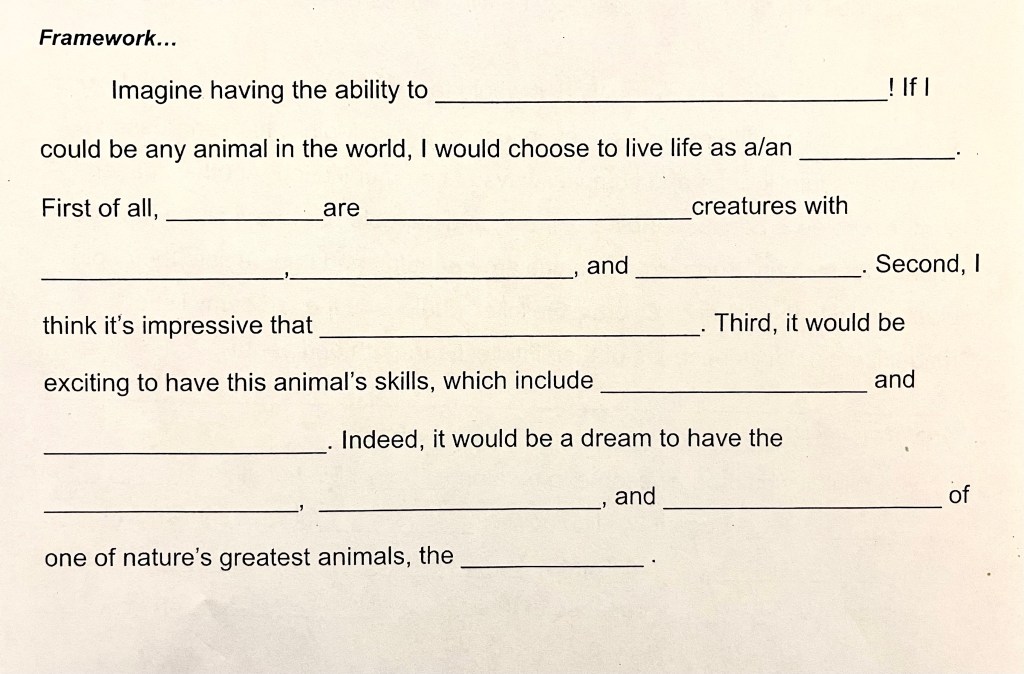
Next, I gave students the framework that the above paragraph was built upon. We discussed how this paragraph framework can be used to communicate about other types of animals.
We then read and discussed three more examples of well-structured animal paragraphs, and I shared another fill-in-the-blank paragraph framework. See below.
Over the next week, I will ask students to (1.) choose an inspiring animal, (2.) use library books to find facts about this animal, and (3.) write a well-structured paragraph about the animal that includes all of the features described above (hook, topic sentence, transition words, three big ideas described in detail, and a meaningful conclusion).
Students are welcome to use either of the two frameworks above to build their paragraphs.
The expectation is that students will use interesting vocabulary and correct spelling and conventions (proper capitalization, grammar, and punctuation).
Students will have had several hours of class time to complete this assignment in class by the end of day on Wednesday. They will have ongoing support from myself and two other educators. Students who do not complete a good copy of the paragraph will be asked to bring the paragraph home to complete; the good copy due date is the morning of Thursday, Nov. 3.
In our Science unit about the senses, we have turned focus to bats and their echolocation ability. Students will have a quiz on this tomorrow, and we did a review in class today in preparation.
And lastly, here are some photos from our ADST block today….
I hope you are enjoying a lovely weekend! Here are some highlights from our fun time together on Thursday.
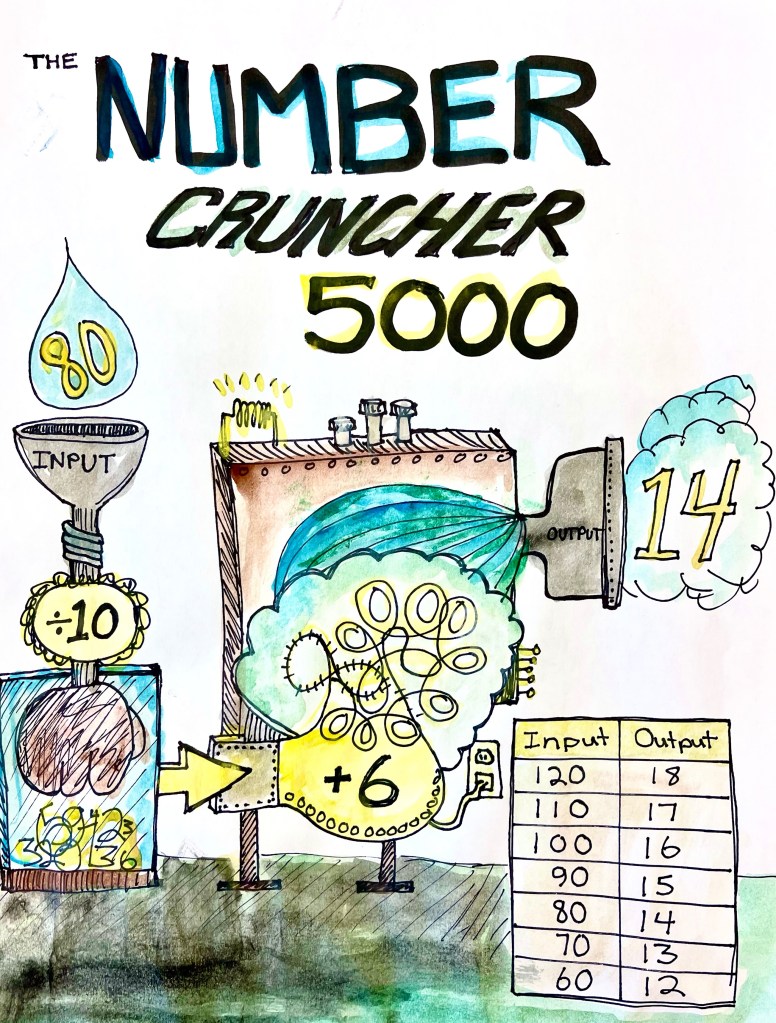
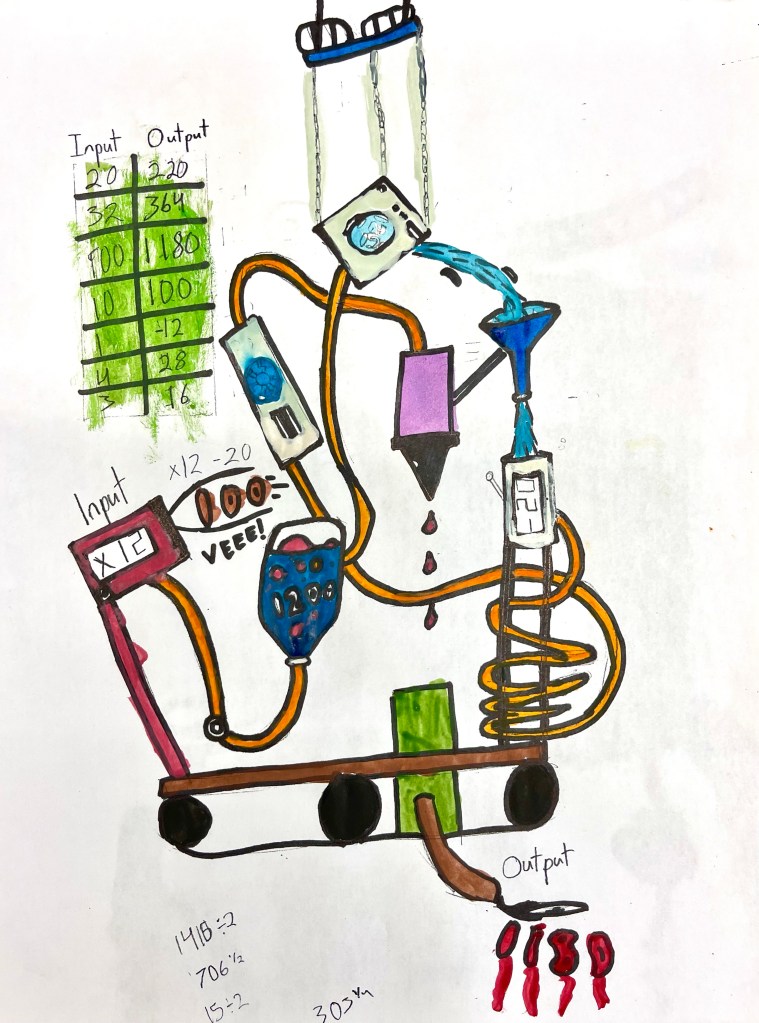
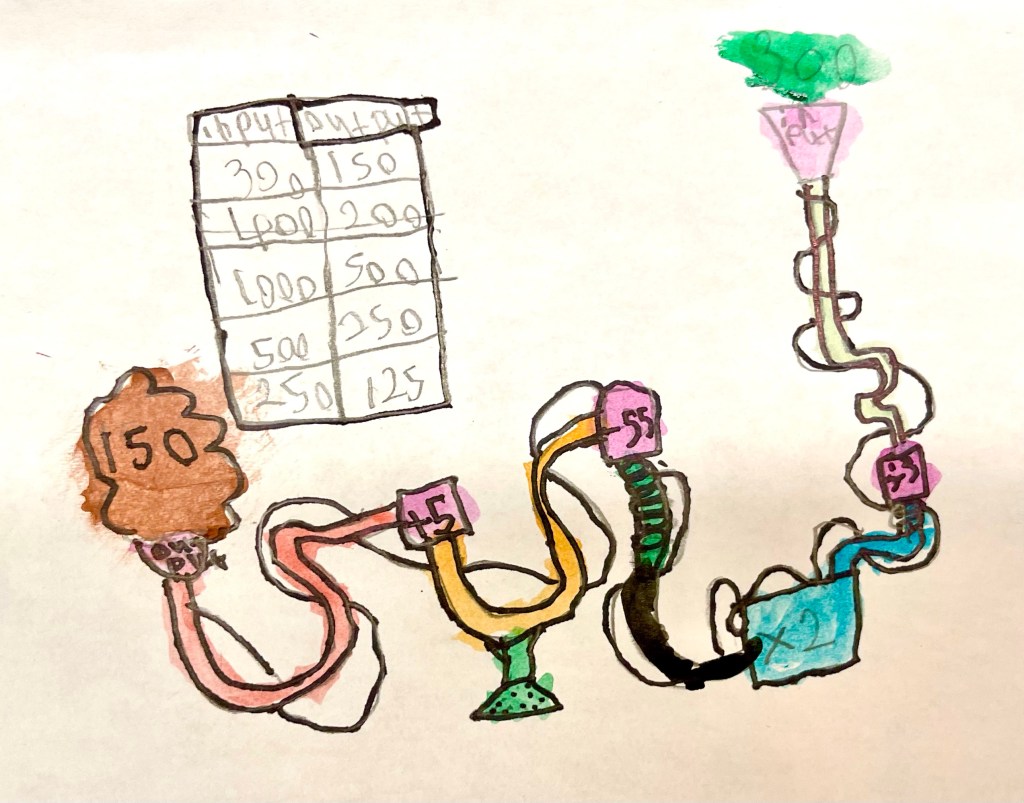
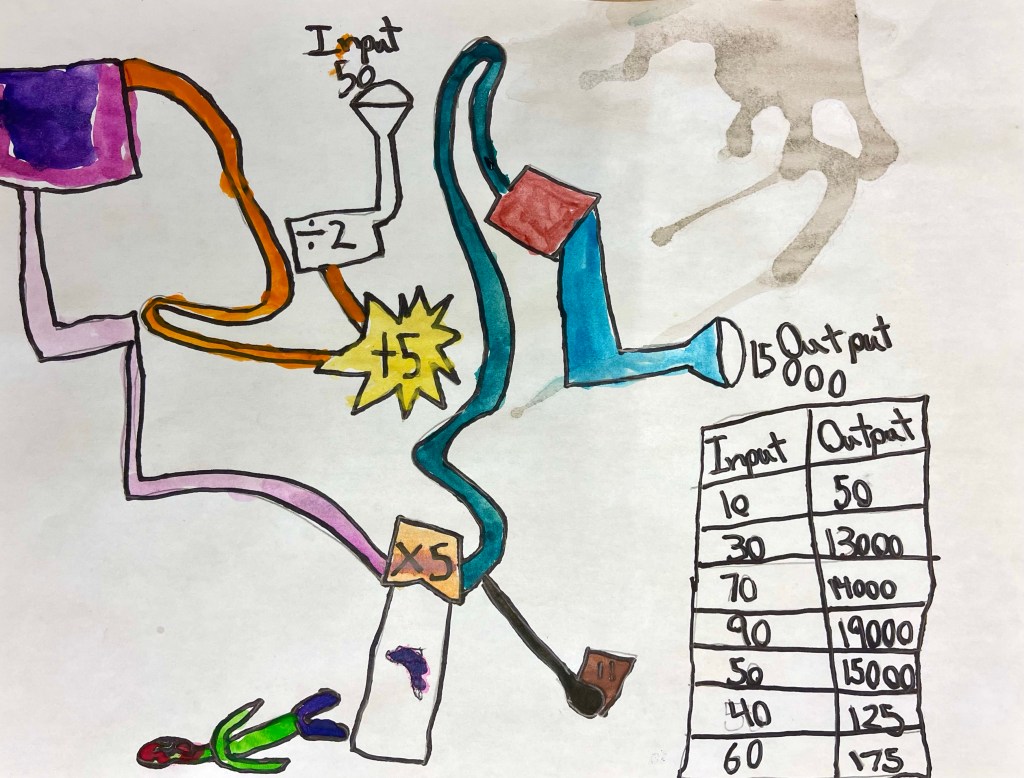
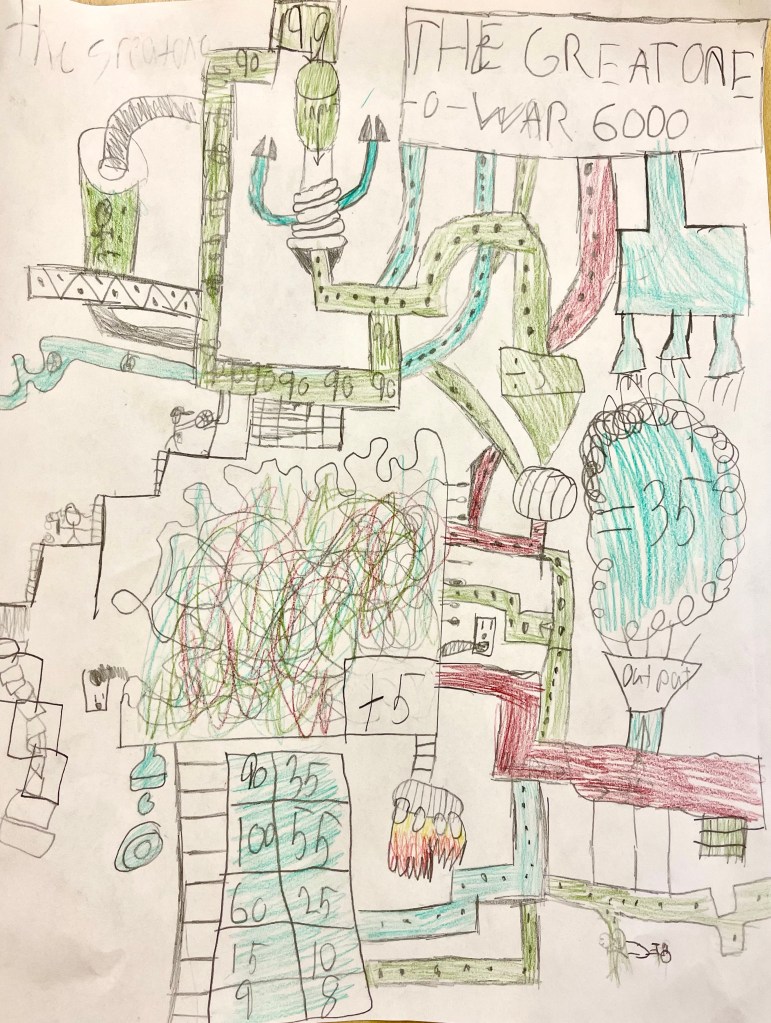
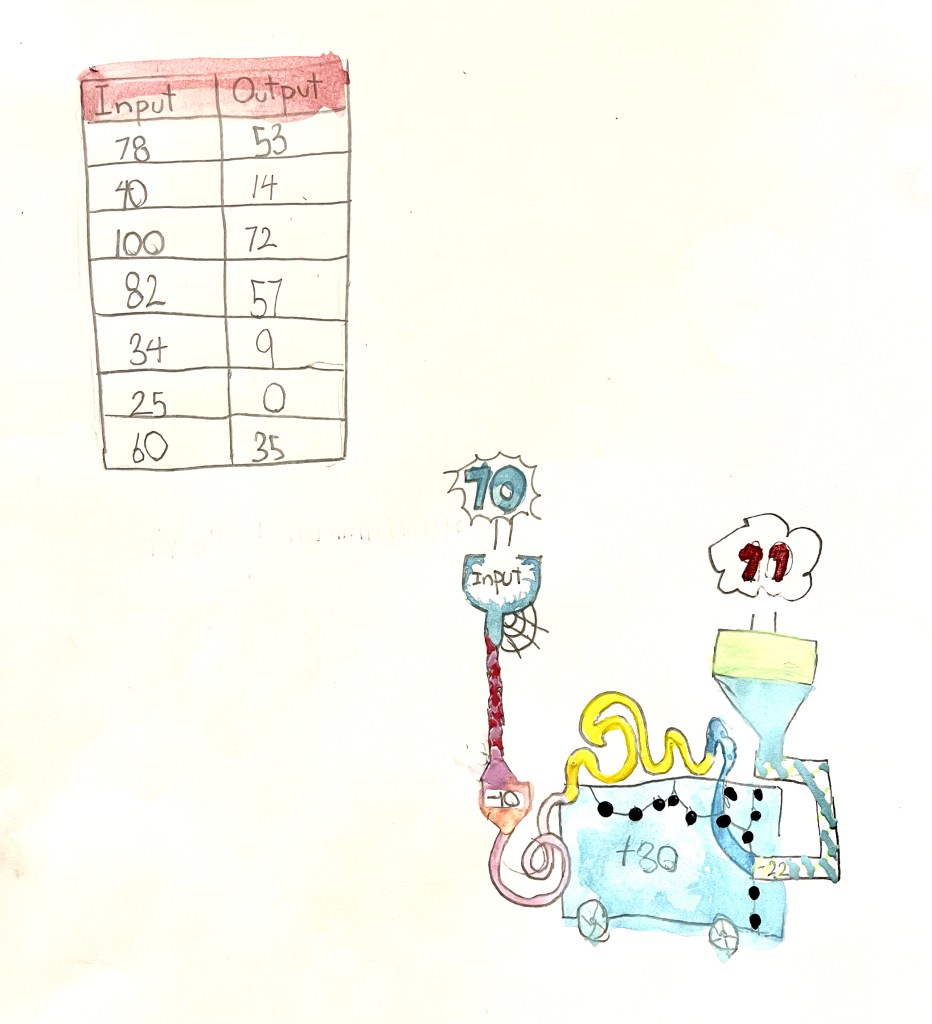
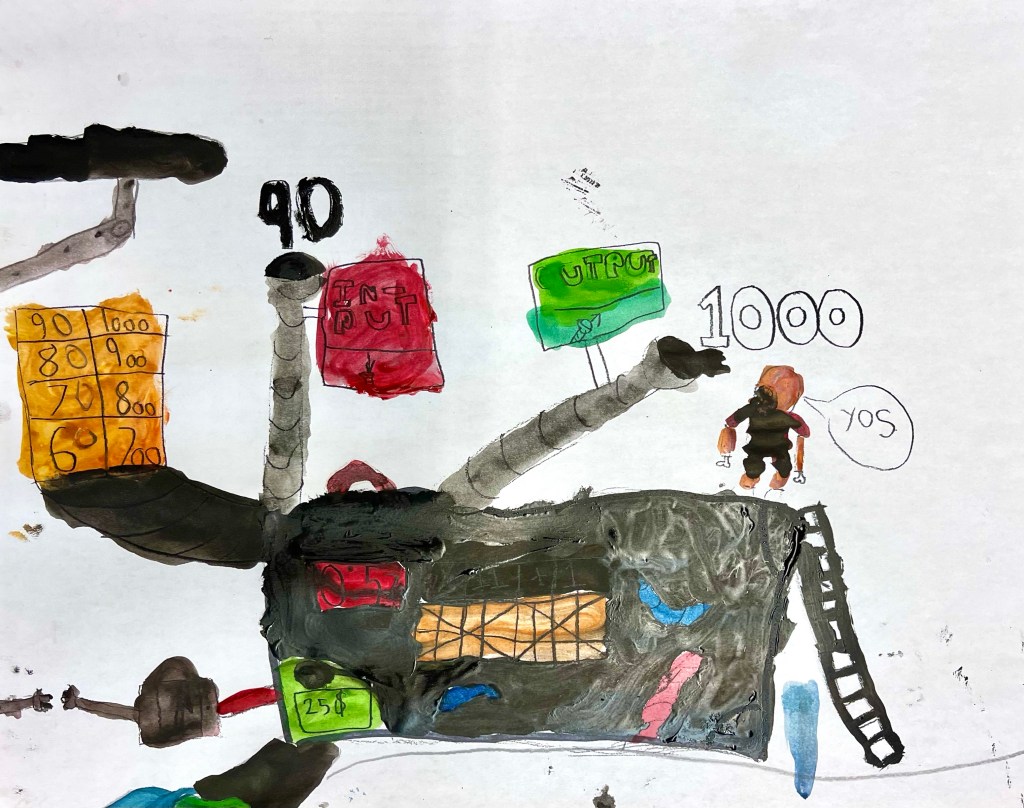
The students finished their Math-Art challenge of designing a “Function Machine”. The creative invitation was for each student to design a one-step, two-step, three-step or four-step “input-output” table and then illustrate a silly machine that would perform the function rule. For example, in “The Number Cruncher 5000” above, when a number 80 is inputted, it gets divided by 10 to make 8. Then that 8 is added with 6 to output 14.
Students had fun noticing the patterns created in some of their tables too. Here are some wonderful examples of student work:
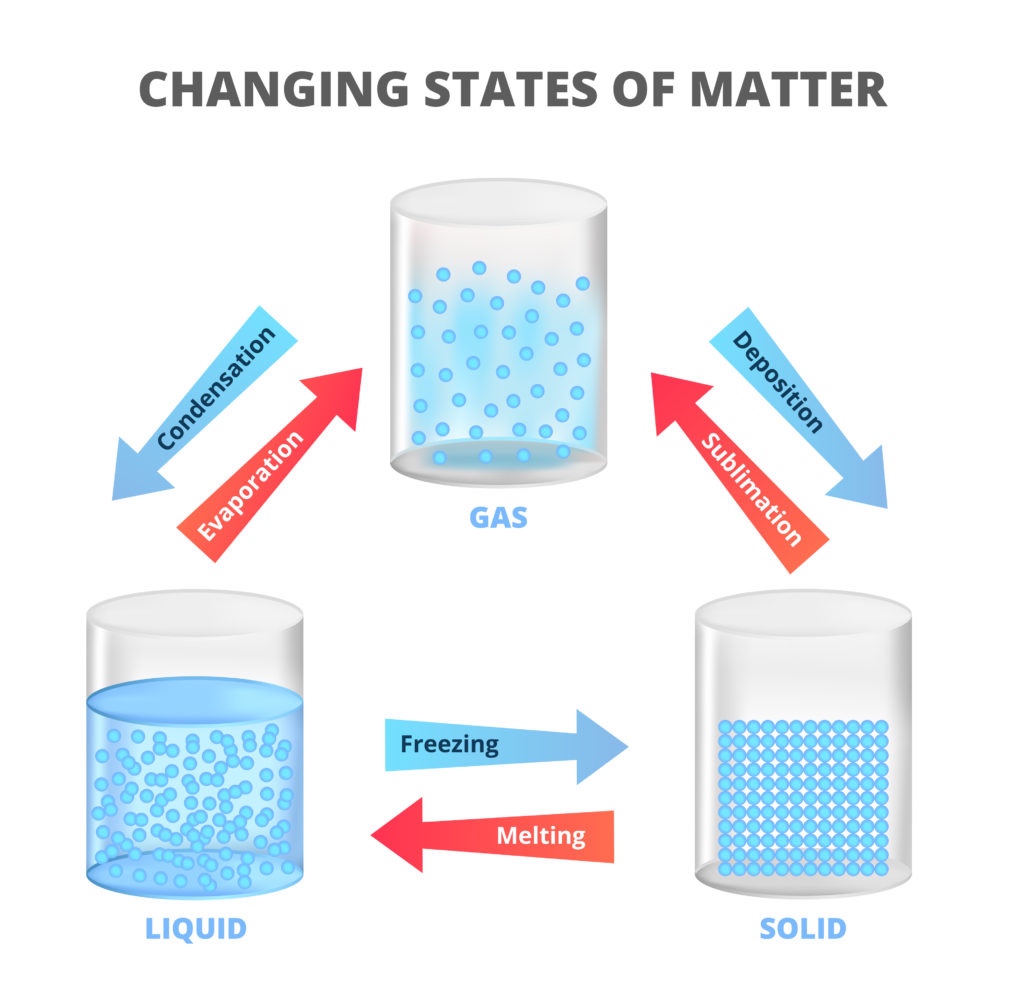
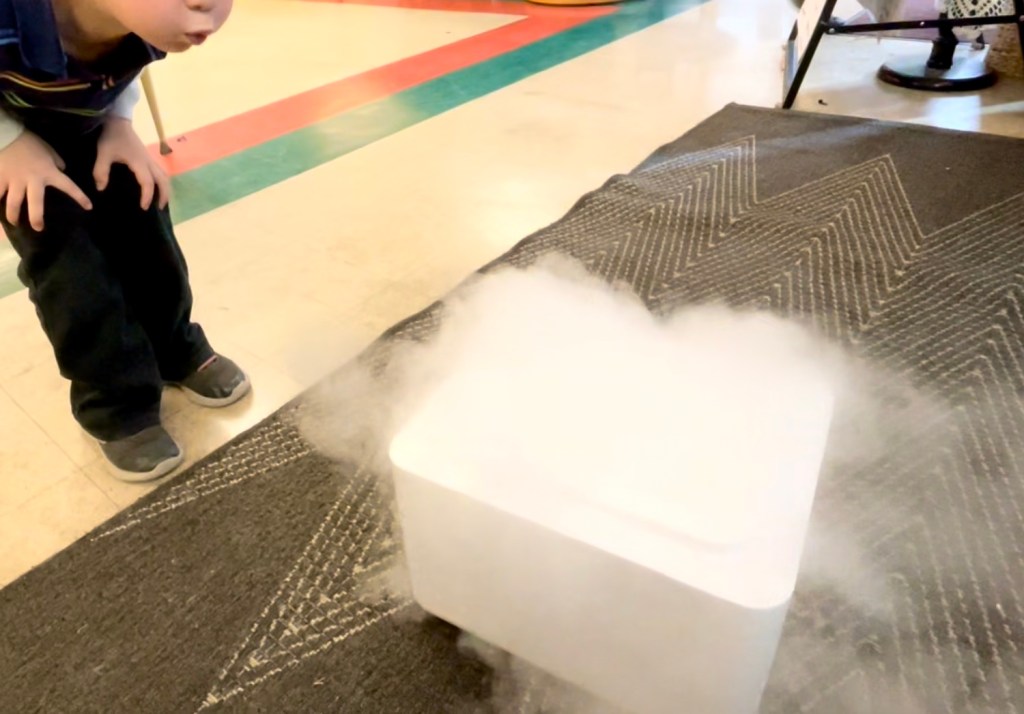
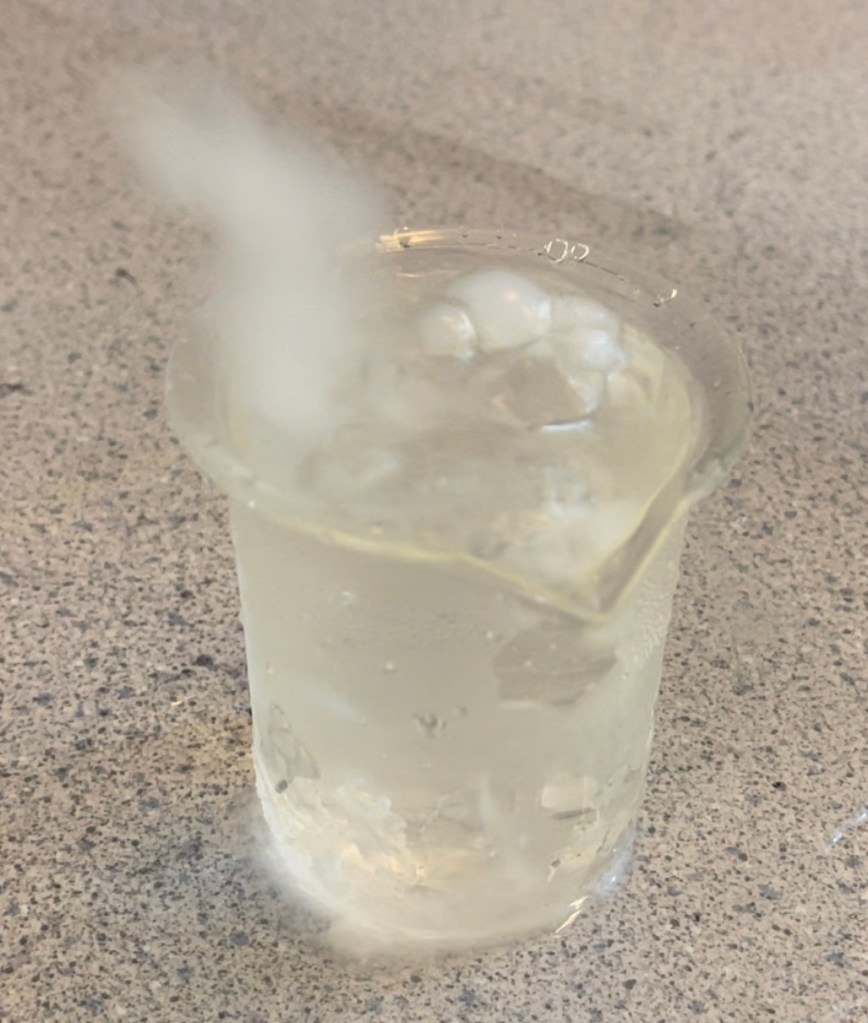
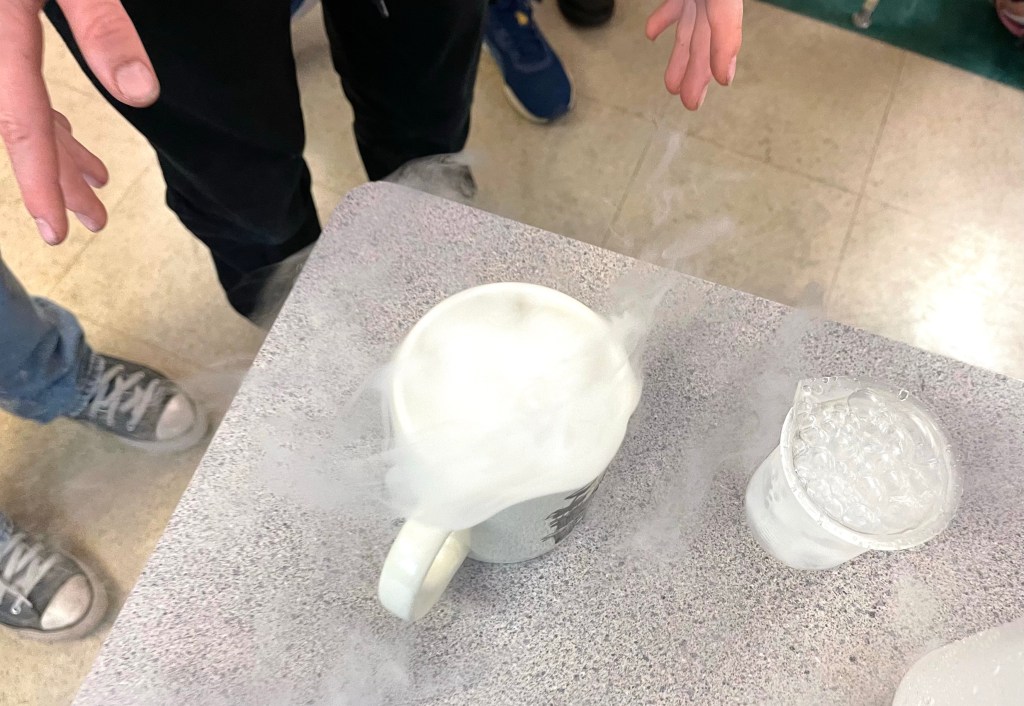
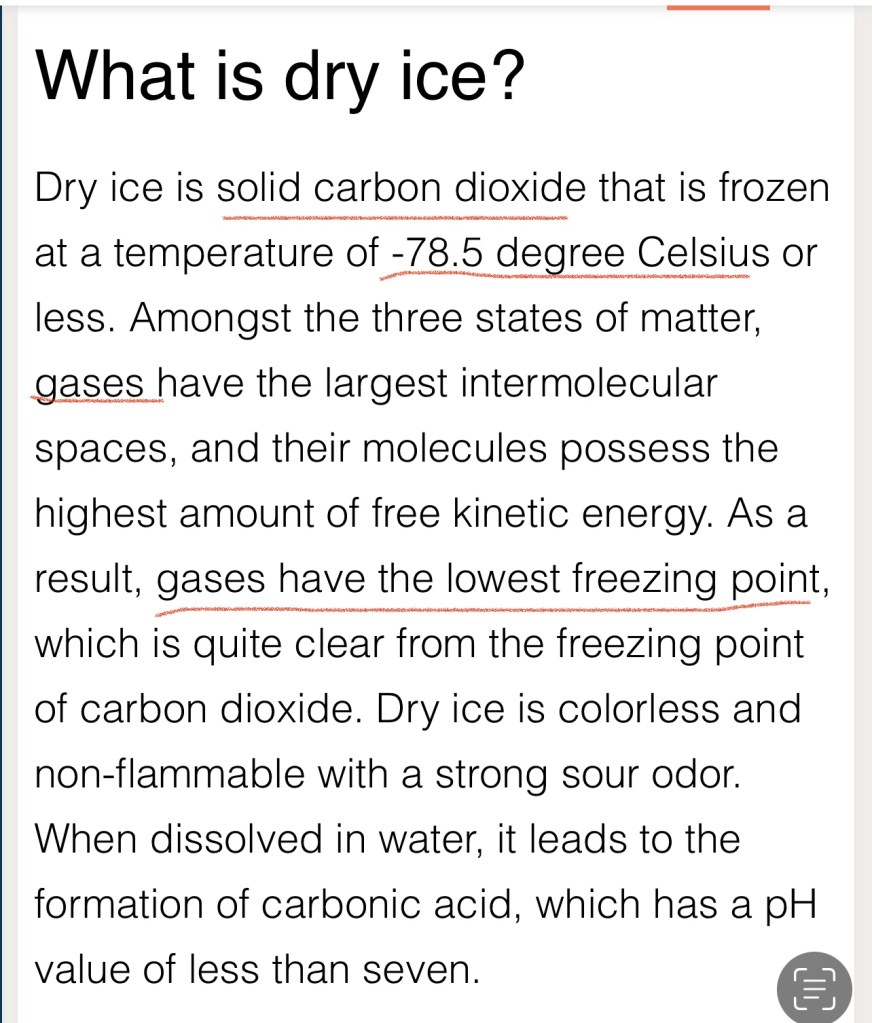
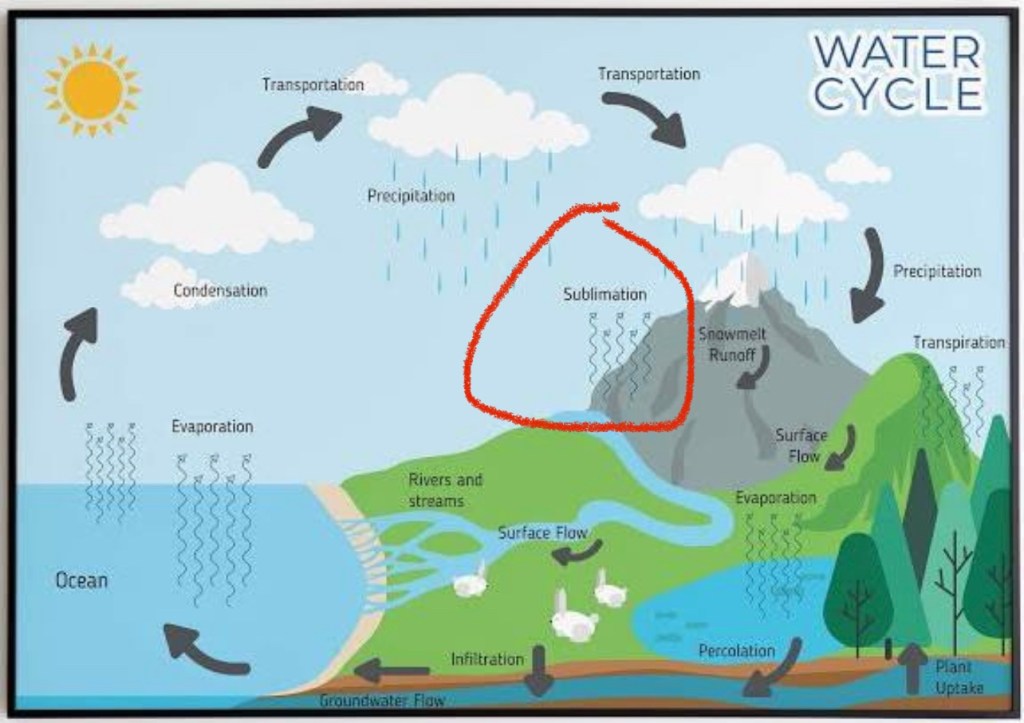
In Science, we are exploring states of matter (solid, liquid, gas). So it was a special treat for us to make predictions and ask question about dry ice, and then observe some live in class as an example of sublimation, which is when a solid turns directly into a gas (without becoming a liquid first).
Reviewing science lab safety rules, students understood that dry ice (a frozen, solid form of carbon dioxide) should only be used in a well-ventilated area because it sublimates into a gas our body expels when we breath out. Too much carbon dioxide in the air can cause humans to asphyxiate. How fortunate then for humans that carbon dioxide (or CO₂) is the main source of food for plants—plants turn carbon dioxide into sugars (carbohydrates) through the process of photosynthesis.
“Gas! Gas! Gas!”
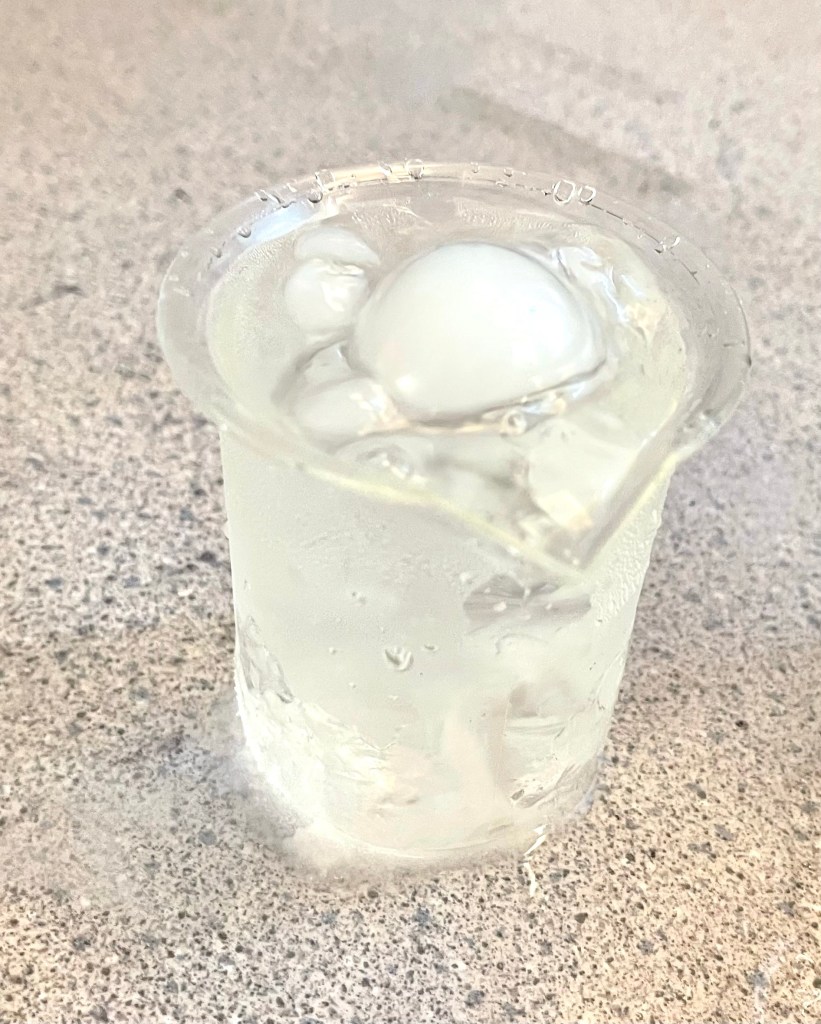
As well, students learned they should not directly touch the dry ice because at -78.5 degrees Celsius, it could cause frostbite (or a cold “burn”). However, as students experienced for themselves, the “smoky”, “steamy” puffs of gas that came off of the dry ice when it was covered in warm water were fine to touch. The gas felt slightly cooler than room temperature. In fact, this was a great example of what fog! (See the photo and graphic below to extend learning…)
Thanks to the handful of science-loving Div. 4 students who stayed after school to help me melt the rest of the dry ice! It took longer than we predicted—but it was worth the time! My son (above) joined in too, and felt lucky to be doing something so fun surrounded by the cool, big kids.
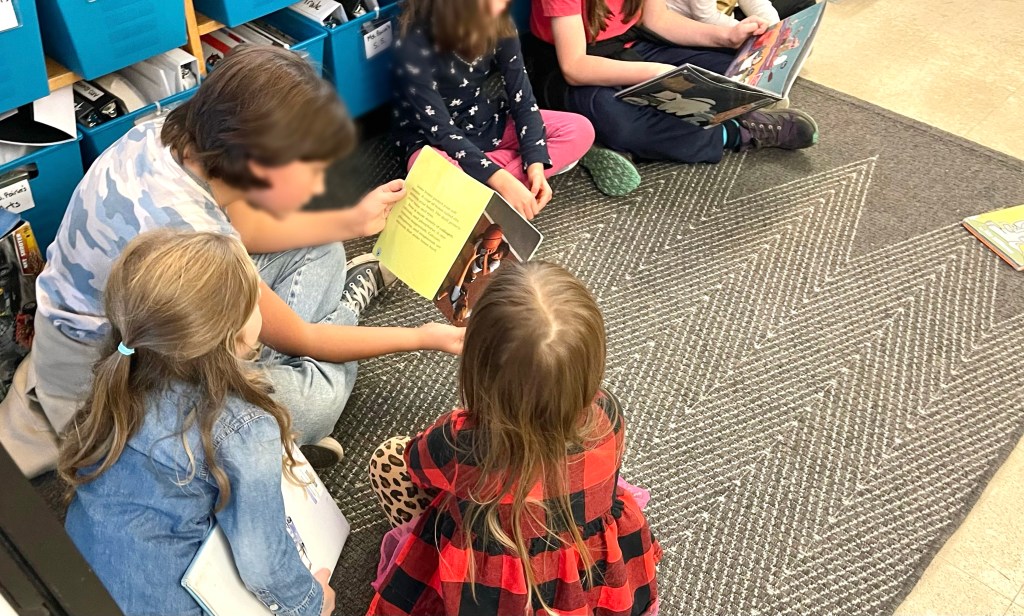
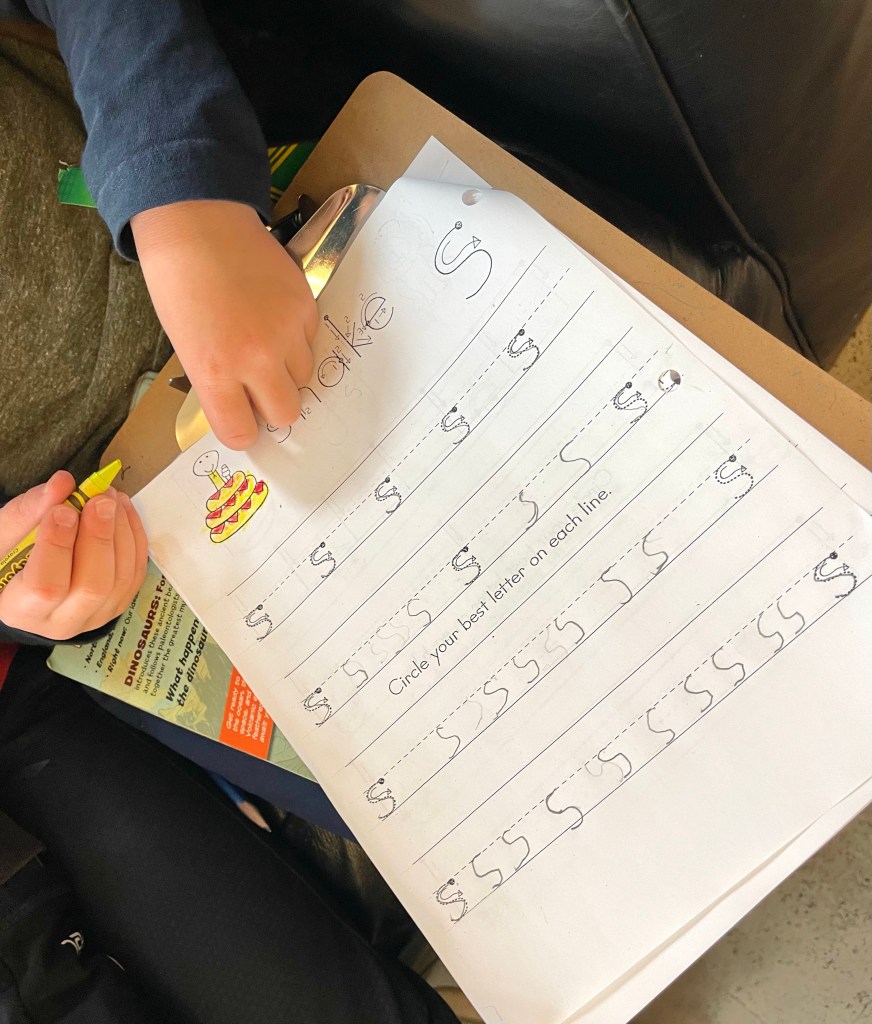
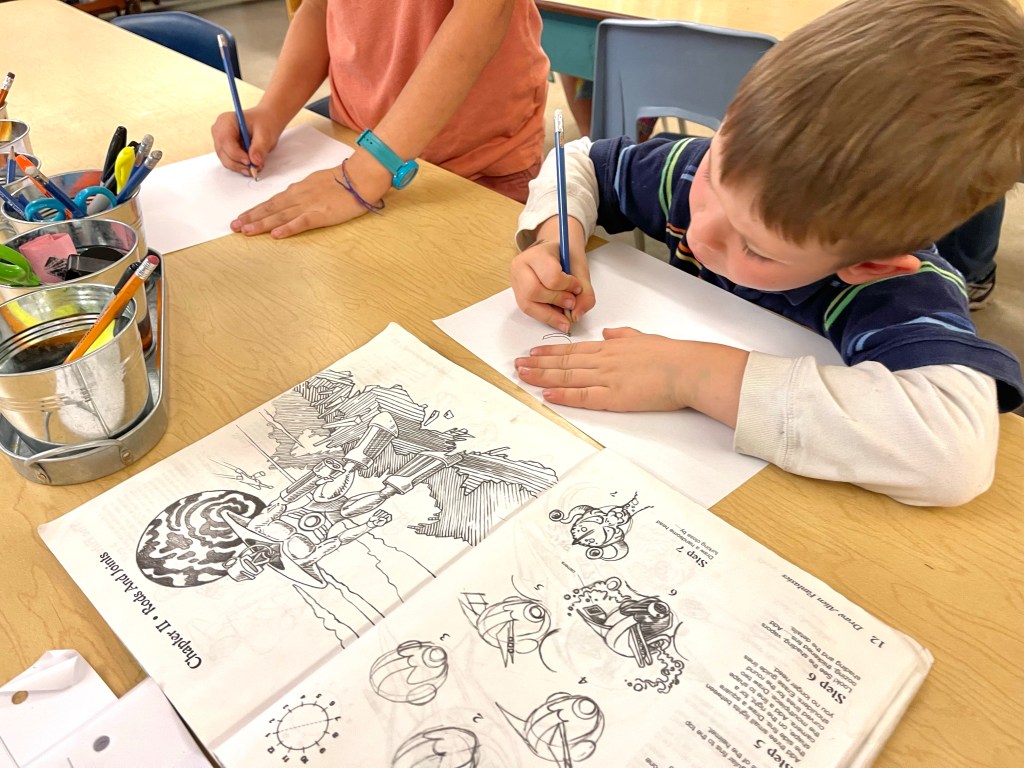
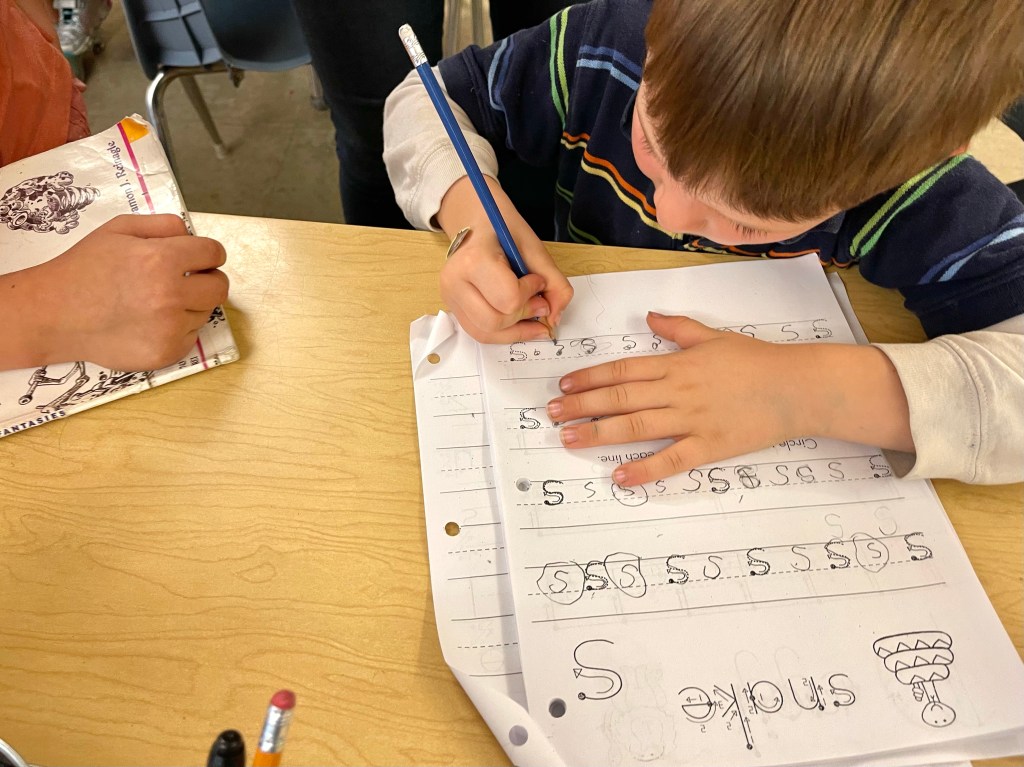
Division 4 students also enjoyed more time with their kindergarten buddies on Thursday. They read stories aloud, drew pictures with them, and helped them learn to follow correct printing procedures. This printing skills review was important for the older students to reinforce proper technique to form beautifully legible letters.
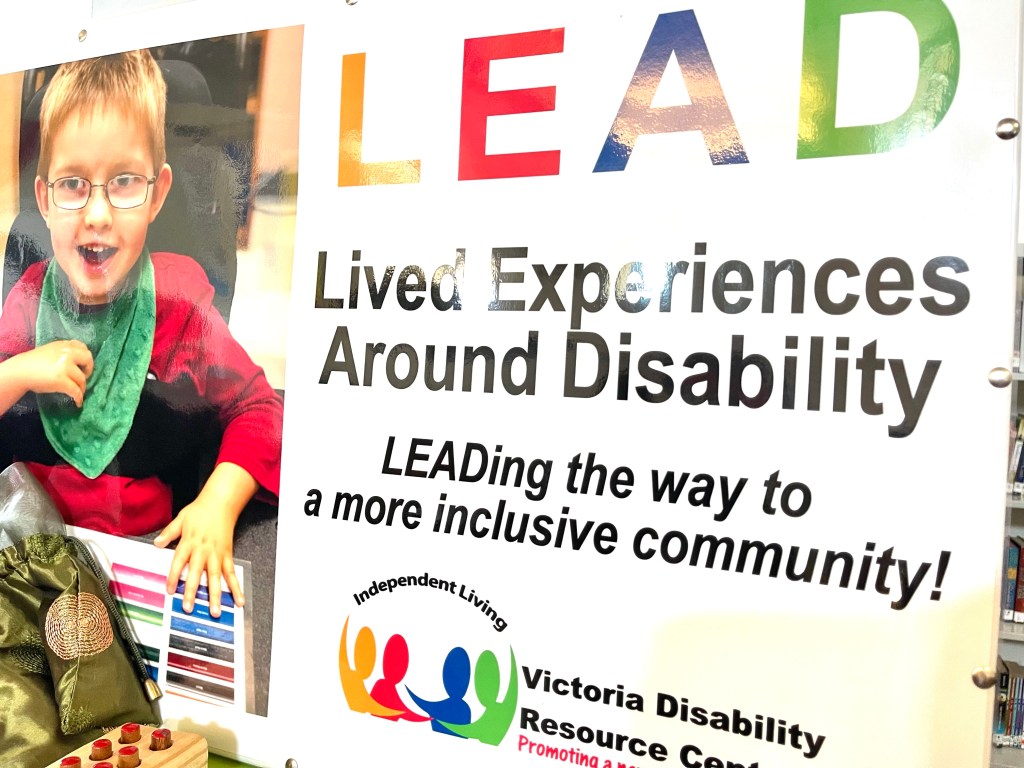
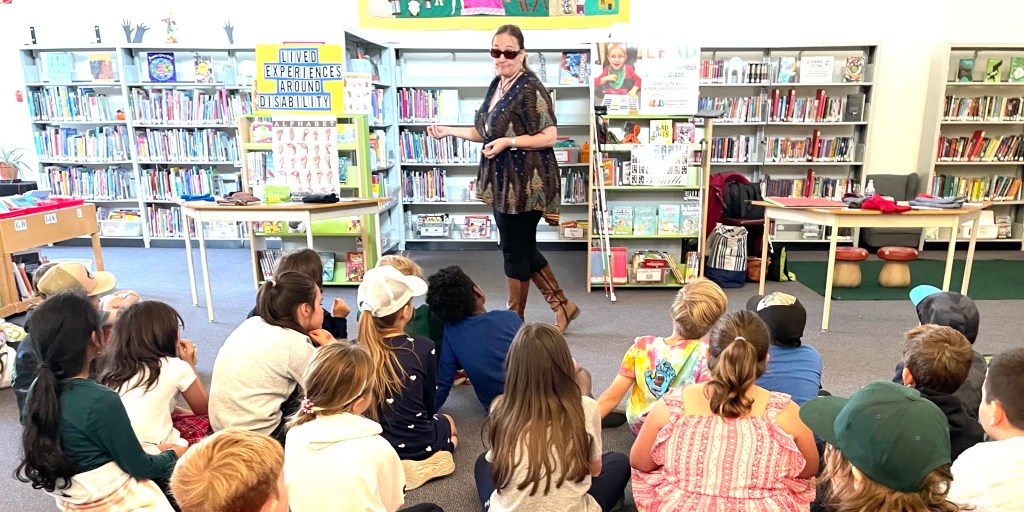
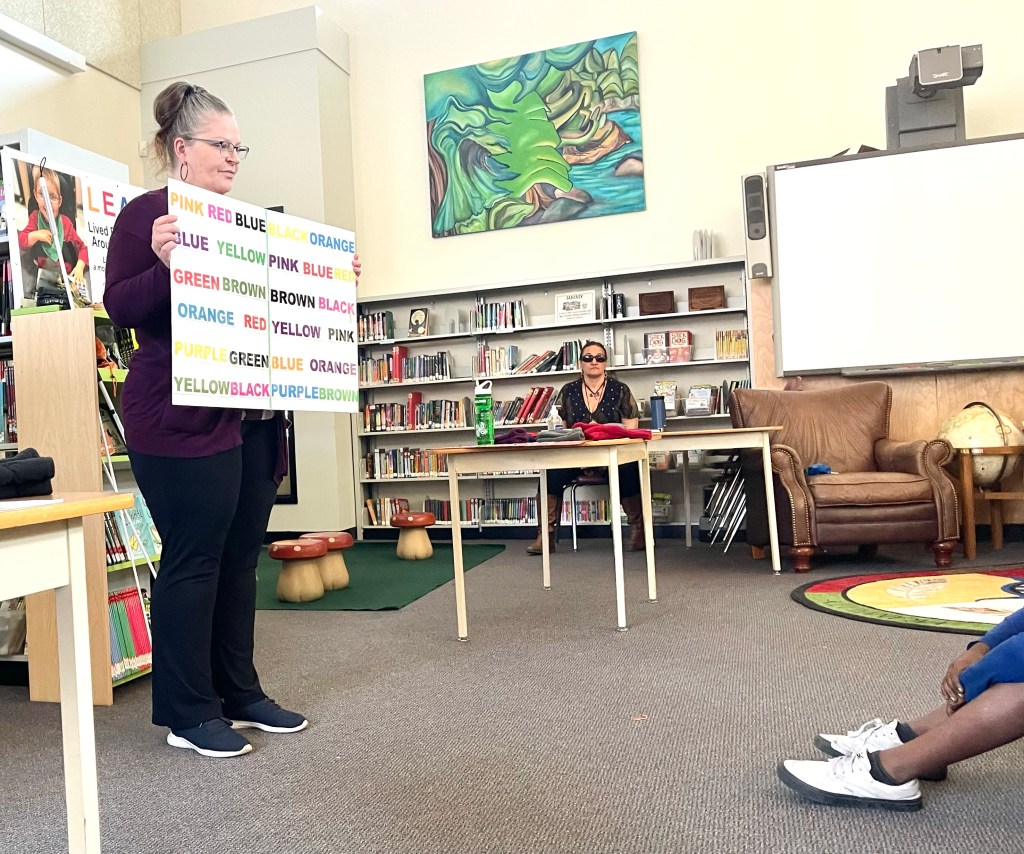
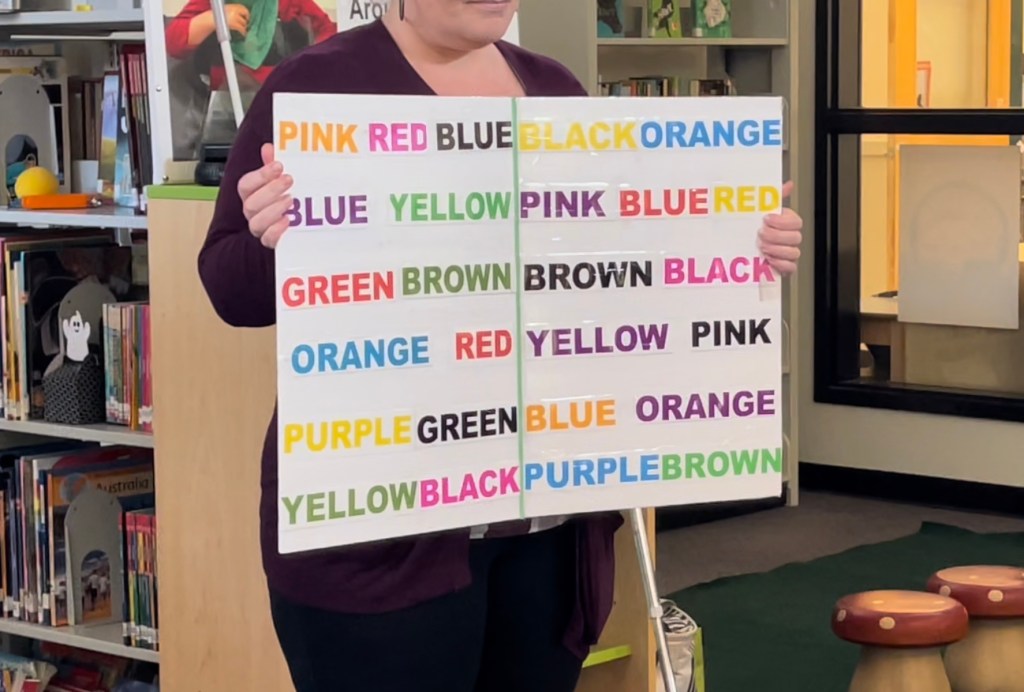
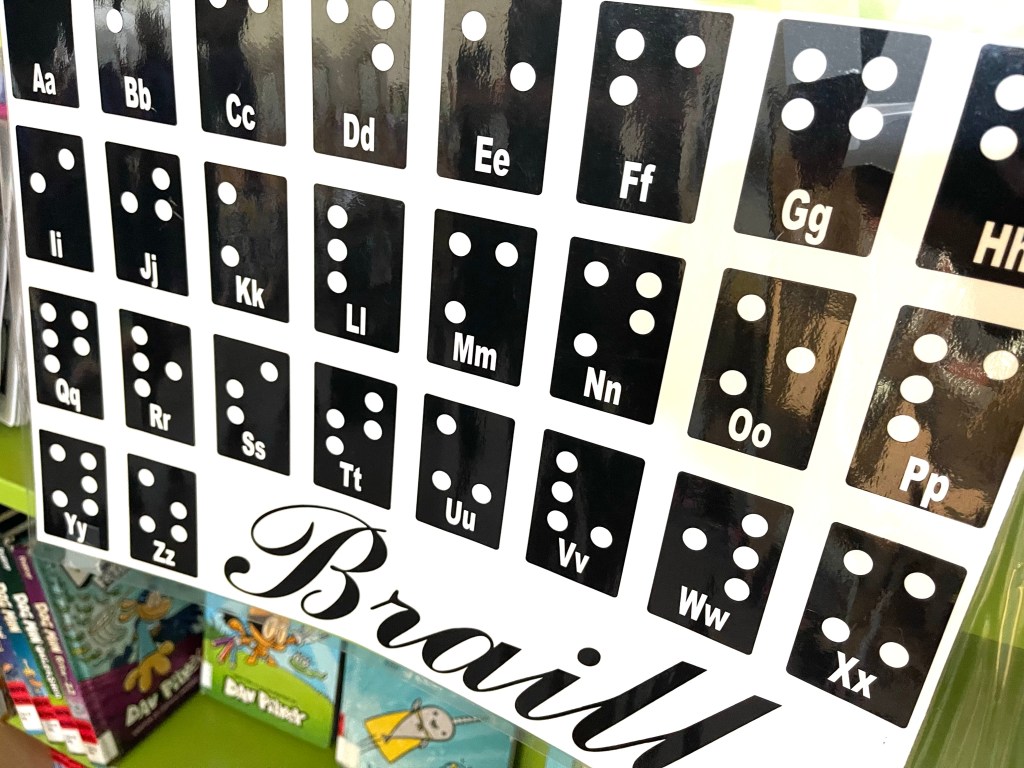
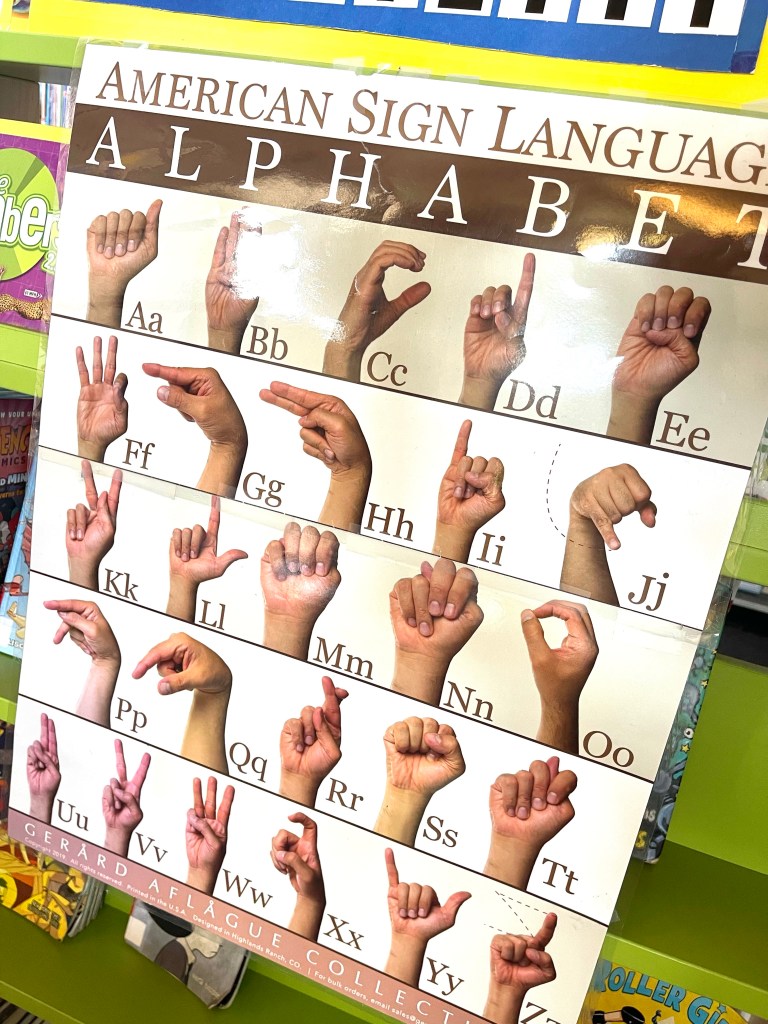
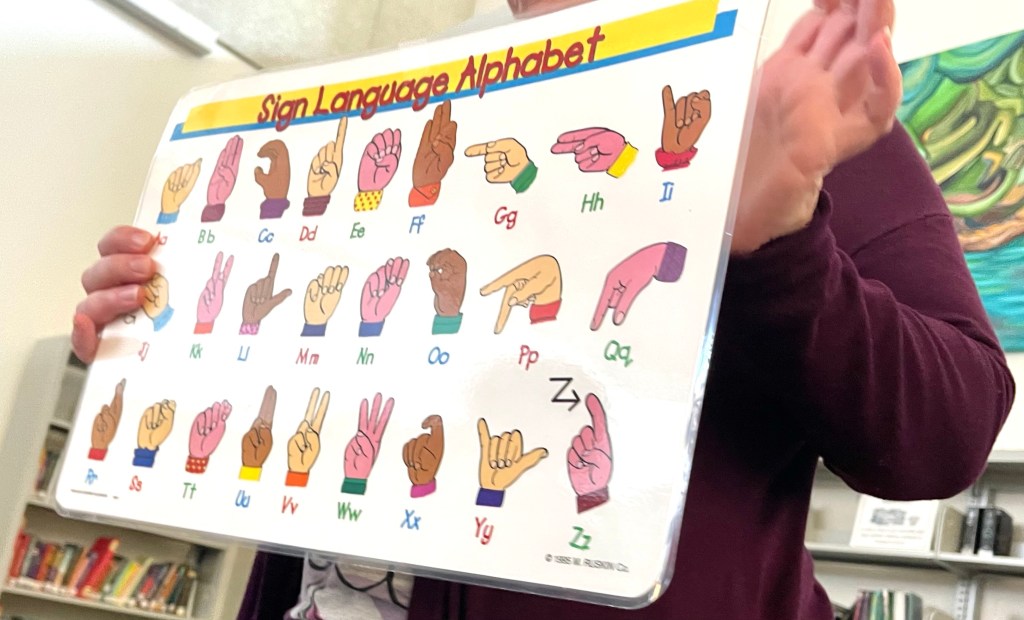
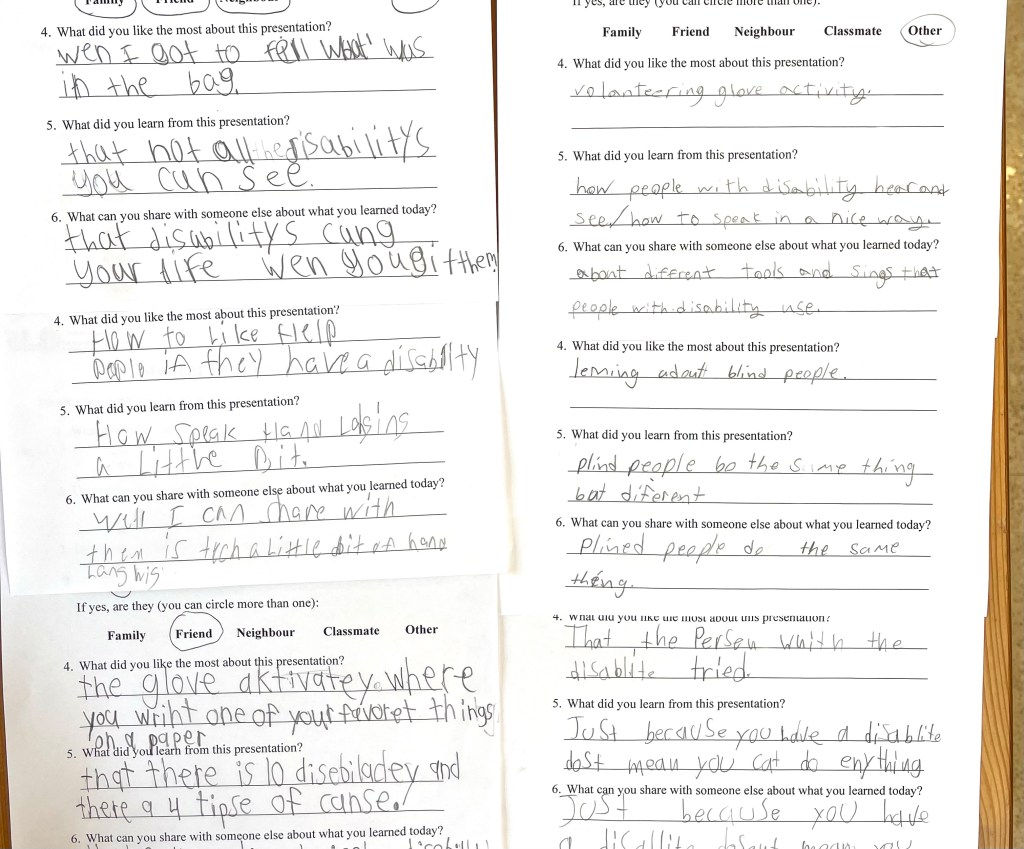
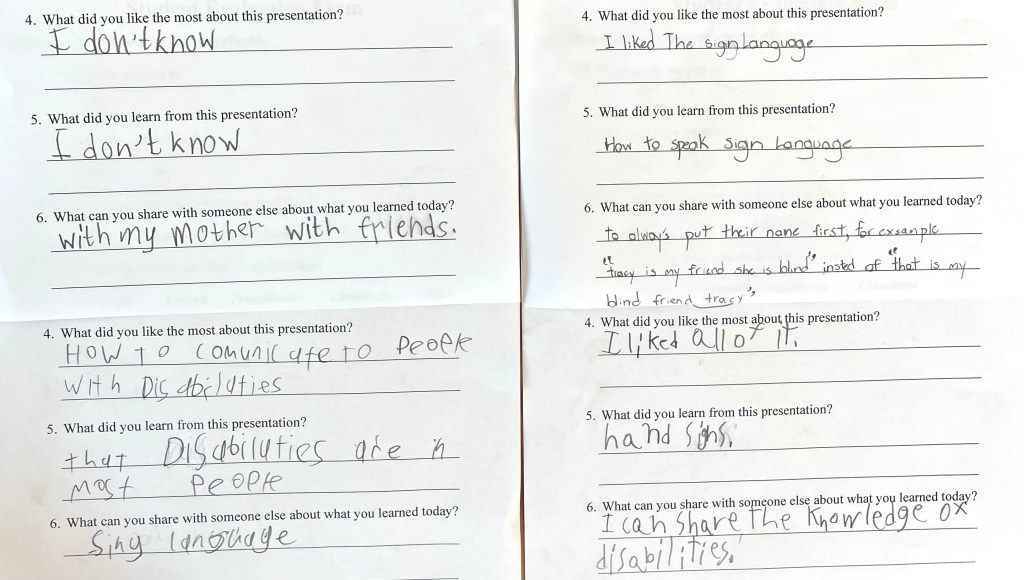
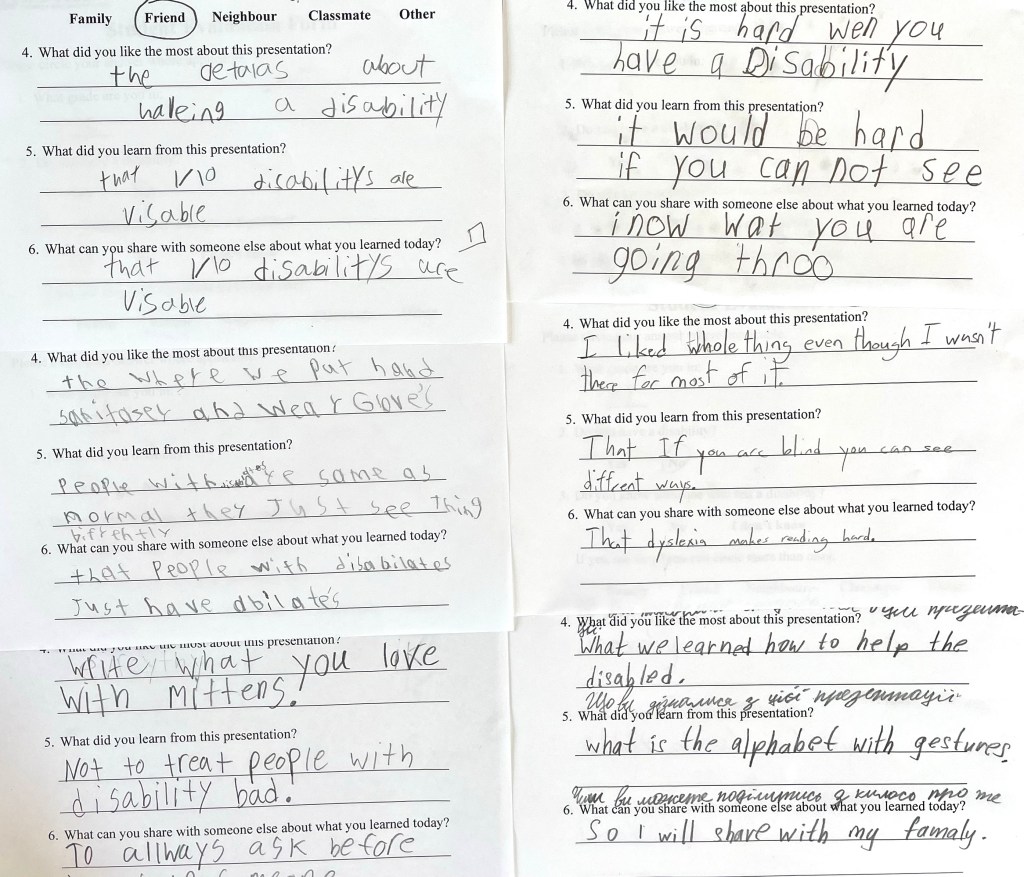
Today we enjoyed a powerful and engaging presentation by representatives from LEAD (Lived Experiences Around Disability).
Students learned about the importance of people-first language and heard about strategies and technologies used by people with disabilities, such as blindness, hearing loss, and mobility issues.
Through stories, modelling and hands-on participation, our presenters opened up a window into challenging aspects of life that some people with disabilities encounter.
For example, some student volunteers were tasked with a sequence of steps like tearing a piece of paper and writing a word with a pencil—but they had to do the tasks while wearing mittens.
Debriefing the activity, our students reflected on how frustrating it can be to not have the accessibility tools you need to get a job done. It was a powerful exercise that fostered empathy.
A key takeaway was that most disabilities are not visible. Instead of making assumptions or applying labels to people who may have disabilities, it is better to be caring and curious. For example, it can be rude or hurtful to ask, “What happened to you? Do you have (condition XYZ)?” These kinds of questions are especially harmful in cases when they force someone to explain or relive a trauma they encountered. By contrast, our presenters explained that it is preferable to ask questions like, “How has it been navigating accessibility issues?” and “What could I do to support you right now?”
We reflected on the fact that all of us face challenges of some type at some point. We all know people who benefit from our kind and patient support. The students discussed how our society is better and stronger as a whole when we make an effort to be sensitive to peoples’ feelings and be alert to ways we can be allies to people who have disabilities.
This experience also meaningfully extended the learning we have been doing in Science around the five senses—building appreciation for the nuanced work our other senses can do to compensate when one sense is impacted.
It was inspiring today to see and hear of examples of people with courage and creativity who are adapting to their challenges and complex surroundings.
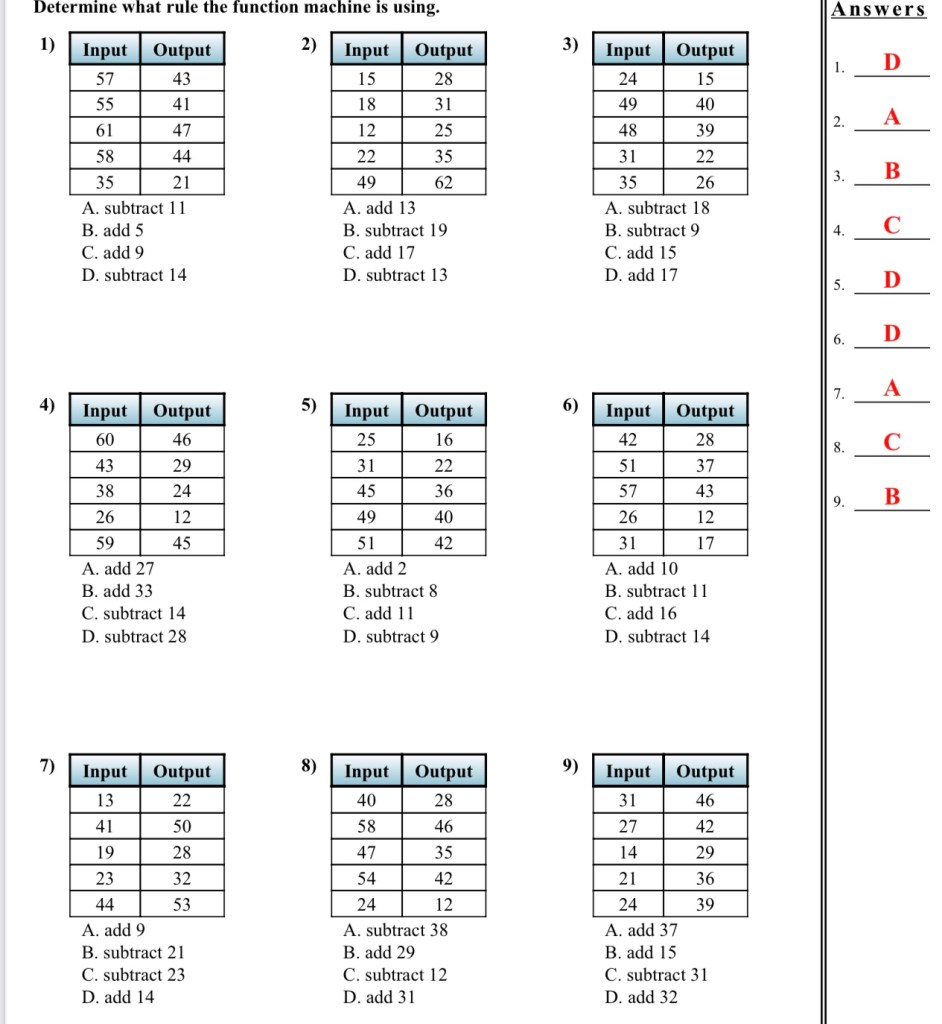
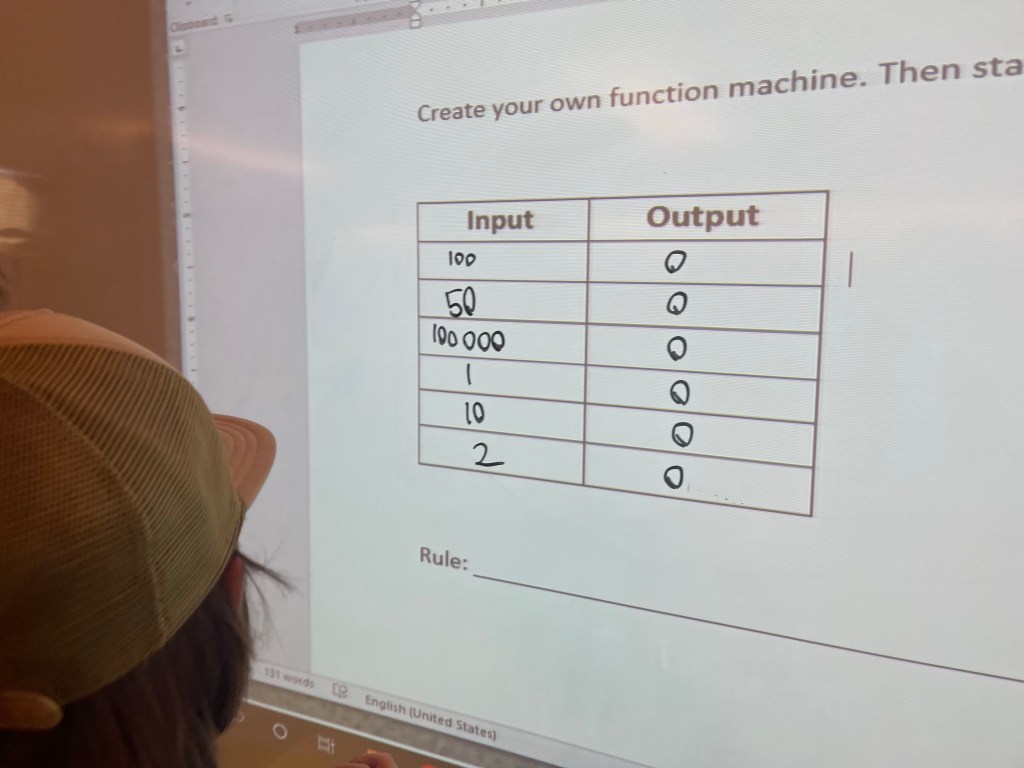
In Math today, we practiced determining and creating function rulesfor “input-output” tables (using adding, subtracting, multiplying, and dividing). Please note that we will have a quiz on this content and other patterning concepts on Thursday, October 20th. We are doing lots of review in class, and students are encouraged to take their Math duo-tangs home to practice questions and share their learning with their families.
QUESTION: Can you create a function table that reflects the rule “multiply by 3”?
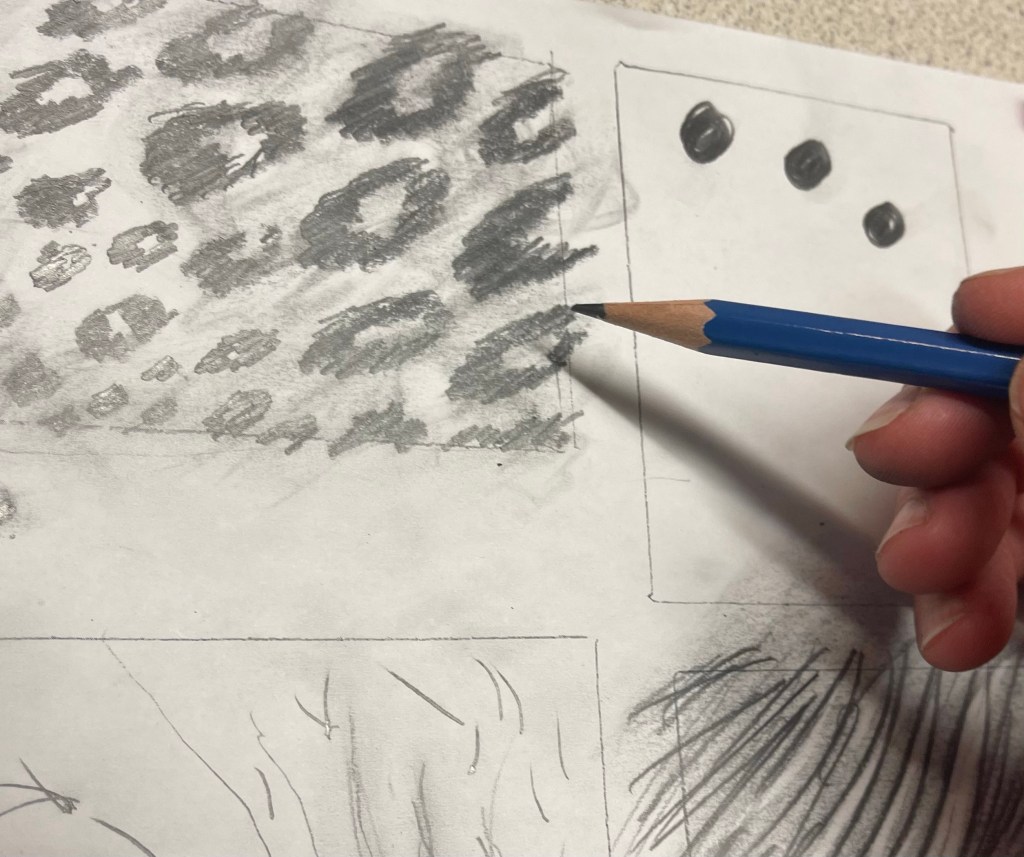
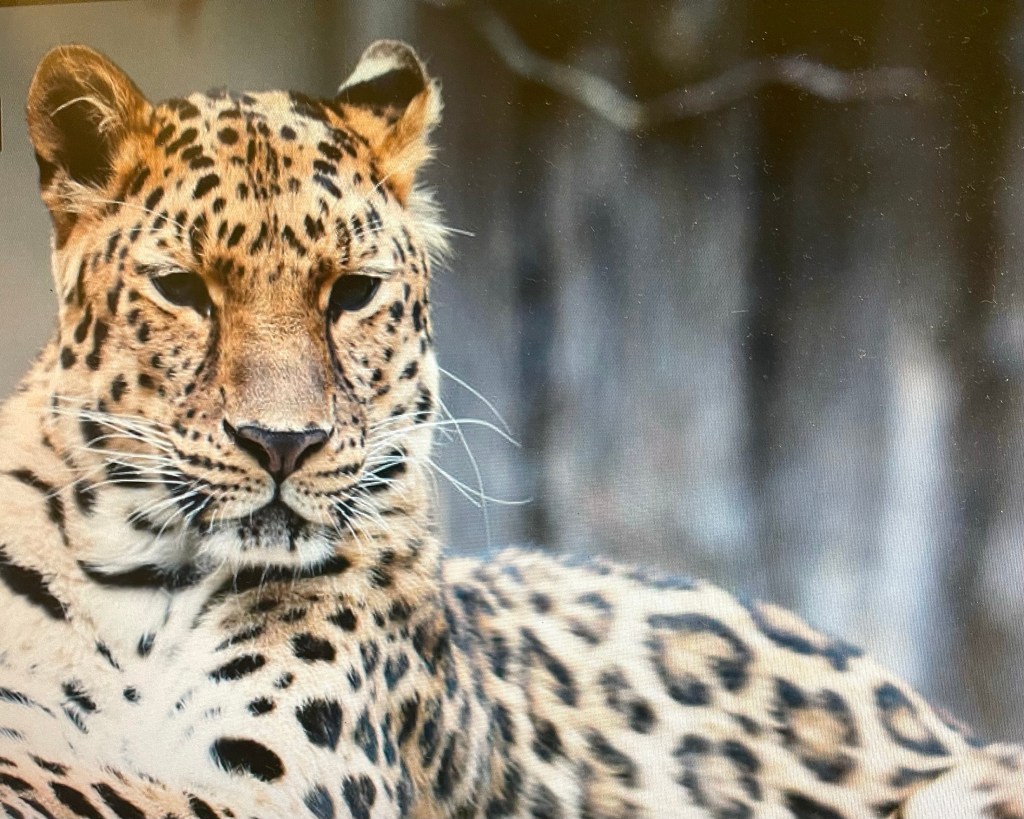
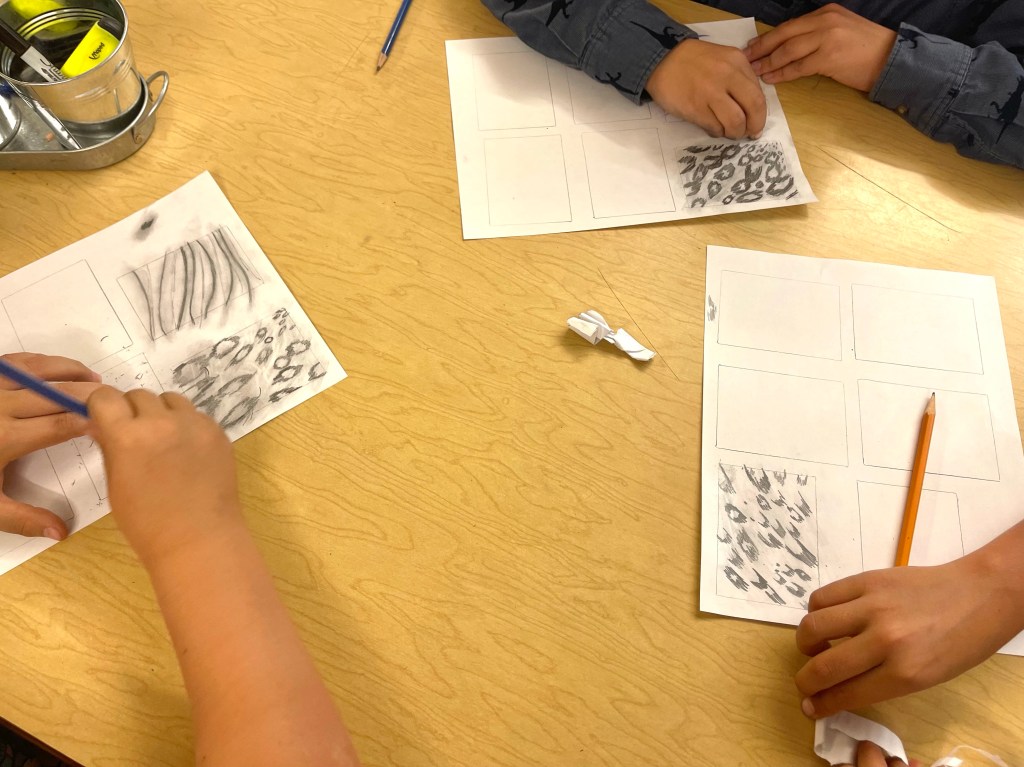
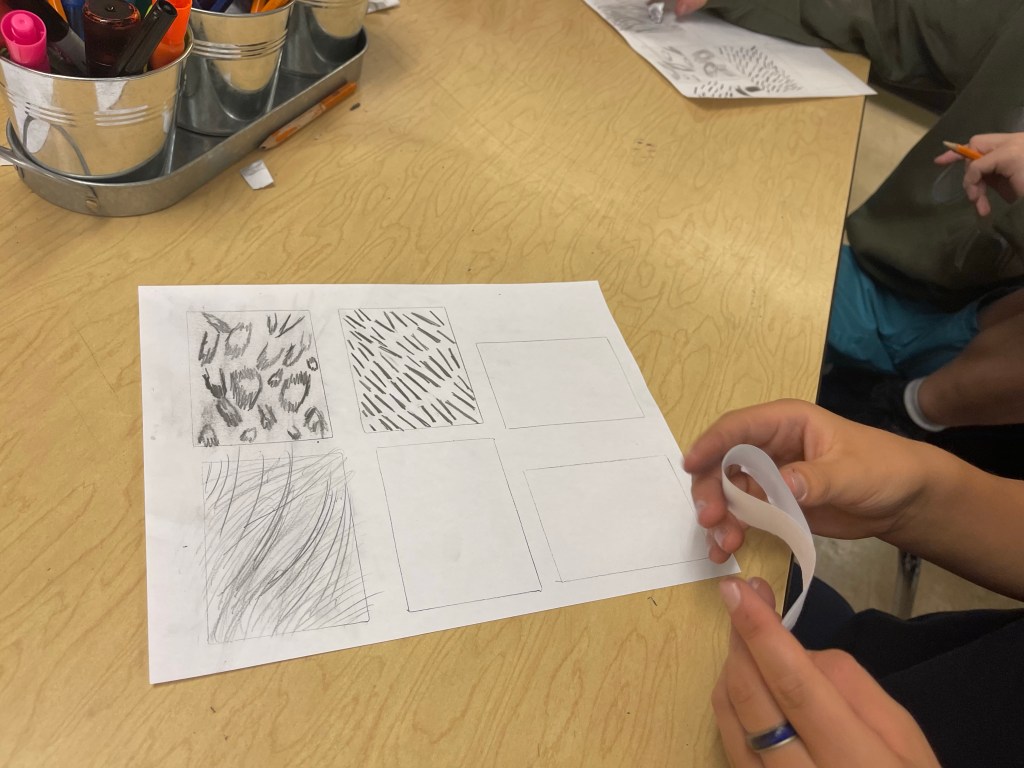
Today in Art, we continued yesterday’s lesson on pencil drawing techniques—this time with the goal to create realistic animal fur, feathers, scales, and skin (specifically leopard fur).
QUESTION: Can you teach someone how to make a cheap smudger with torn paper?
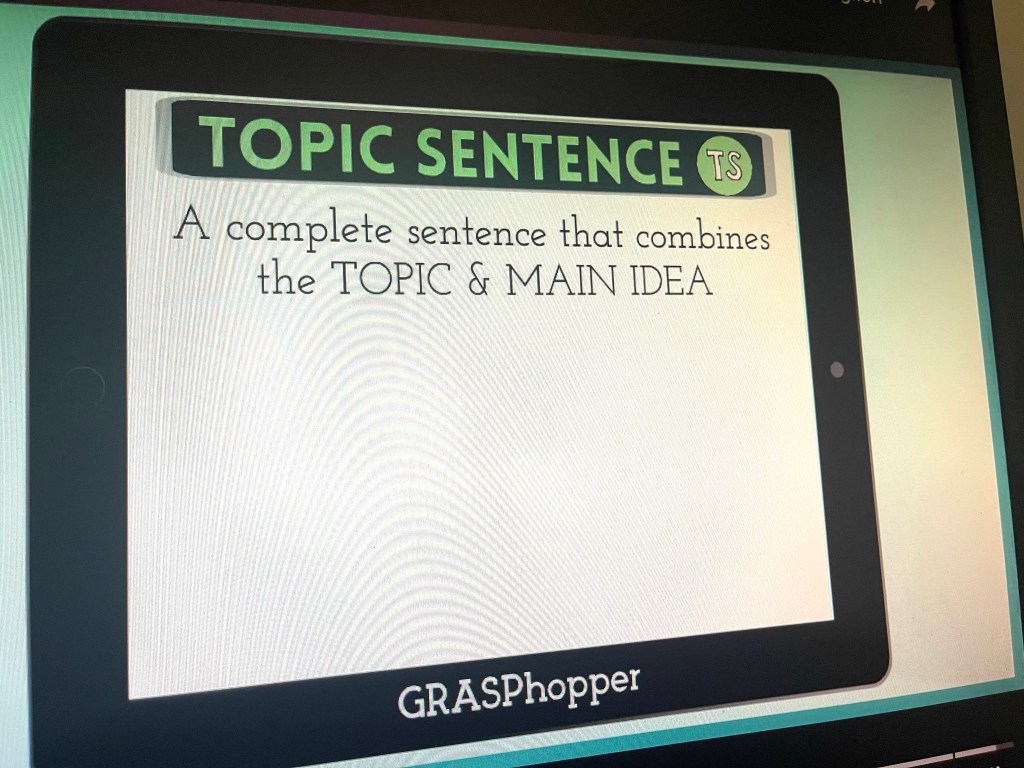
In Language Arts, we went deeper into how to identify and create a topic sentence. We watched a few demonstration videos about this as well.
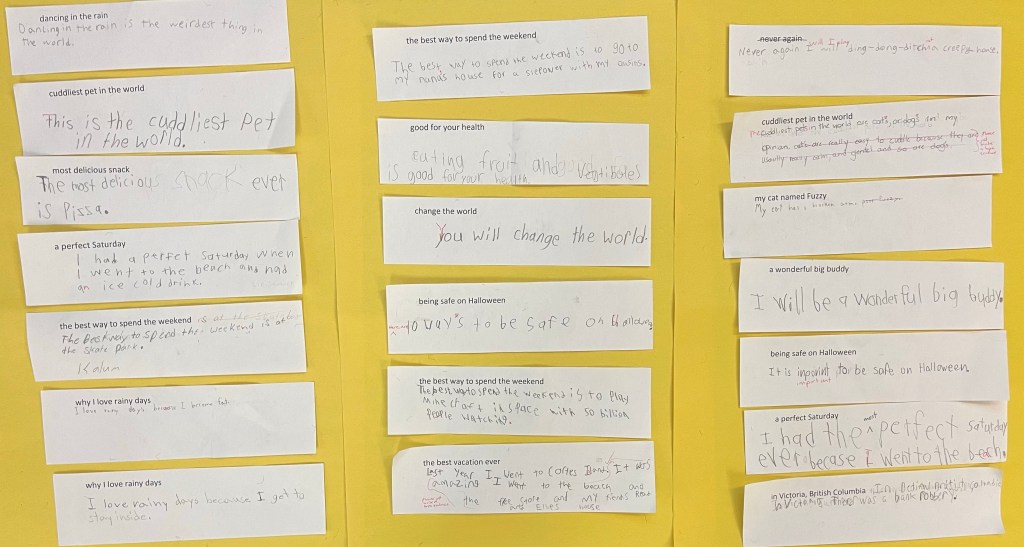
The students were challenged to transform examples of sentence fragments into creative topic sentences that had proper capitalization, grammar and punctuation.
QUESTION: How would you turn the sentence fragment “the best Saturday ever” into a good topic sentence for a paragraph?
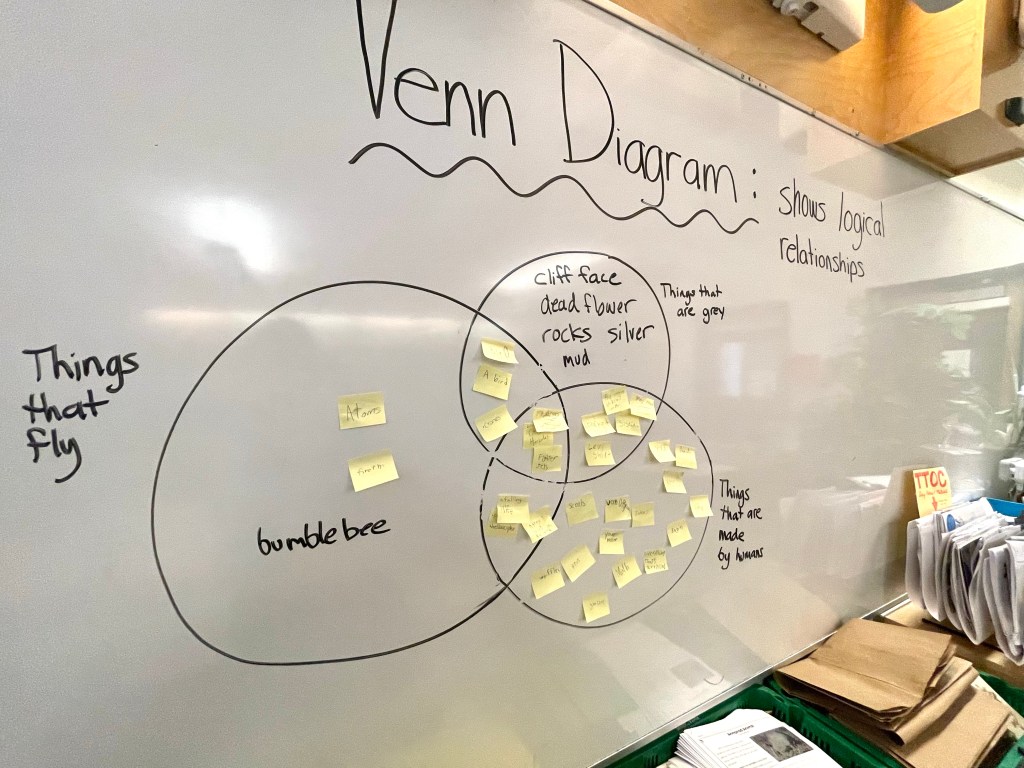
We also learned about Venn Diagrams, which are helping in showing logical relationships. We worked with multiple examples of both two-ringed and three-ringed diagrams.
QUESTION: How would you create a Venn diagram with these two categories: “red things” and “delicious food”?

































 Tiffany Poirier