Blog

Black History & Black Futures

Hello, division 4!

What do you know about Black History Month and what connections can you make? In today’s blog post you can see some of the videos and resources we have been exploring…

Black History Month is a time to reflect on the stories, experiences, and accomplishments of Canada’s black community. This is also a time to think about contemporary black experiences and also focus on supporting black futures. Please see this link for a STATSCAN article and also watch the video below…

There are so many inspiring stories of black Canadians who demonstrated courage and excellence and made important contributions that shaped our country and world.

Click here for an interactive map of 23 black Canadians who made major contributions to Canada’s culture and legacy: https://www.cbc.ca/news2/interactives/black-history-month/

Keep researching and being inspired!

THINK & SHARE: What information would you like to see added to this blog post’s list of videos and resources for Black History Month?

Today we watched Martin Luther King Jr.’s entire “ I have a dream speech”, pausing along the way to discuss and explain some historical references and rhetorical devices he used to communicate his moving message. Students were invited to reflect together afterwards.

Long Division

Hello, division 4 families!

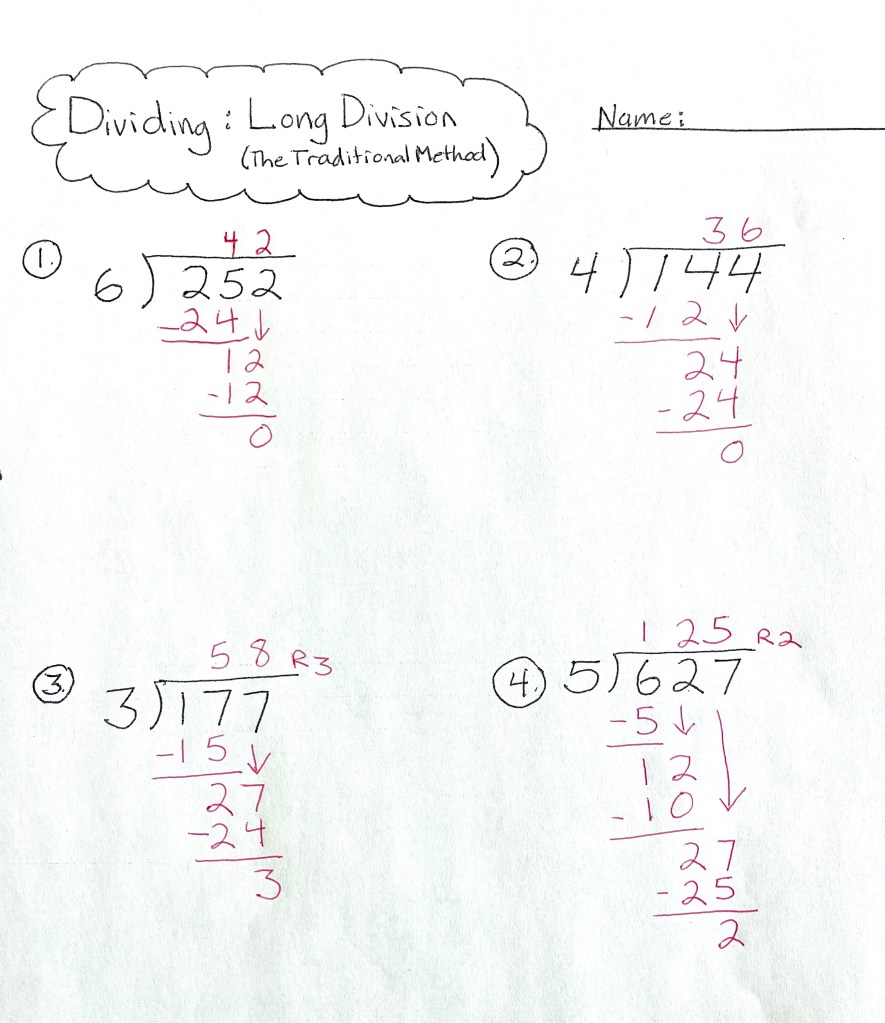
Today in Math class we reviewed the concept of division, including the method we have been using called “Easy Multiples of the Divisor”. Then, I introduced the traditional “long division” method and we practiced using it to solve questions together. Long division will be our focus for the next two weeks.

HOMEWORK: Please ask your children how they are feeling about the traditional long division method. For students who are not feeling confident with it yet, I recommend they watch this Long Division Tutorial at home this evening if possible.

Is math homework necessary? Shouldn’t my child be able to learn this stuff at school? Ample time is provided for students to learn and practice each new math concept. However, there can be many factors pulling children’s focus and preventing them from learning more complex concepts in a classroom setting in a timely manner. And every child has a different level of ability to self-regulate at school. Thank you for understanding that your child may not be feeling able to focus at school, and so review and re-teaching at home may be necessary if they are to learn the concepts. Making these math tutorials is my way to help send the teaching home because I know parents’/guardians’ time may be limited and getting outside tutoring is not an option for all families. Certainly, students who practice their math at home regularly are the students who see the most growth and success in math. When I was a child, I remember I did not grasp long division as it was taught at school, and it all finally made sense to me when my mom helped me through it. Thank you so much for encouraging your child to practice division skills at home.

Project: Biome Dioramas & Presentations

Hello, division 4 families!

This week, our students began their in-depth research on biomes. What is a biome? Please watch the video below…

Biomes are regions of the world with similar climate (weather, temperature) animals and plants. There are terrestrial biomes (land) and aquatic biomes, both freshwater and marine. Watch the video to learn more specifics…
As a class, we have been learning about the plants, animal life, geographical features, and climate of the Salish Sea region. This instruction modelled for students skills and resources they can use for their own investigations into other regions.
Over the next 8 weeks, students will be supported in class to do the following:

(1.) Choose a biome of interest to research independently or in partners or small groups. (Students should choose partnerships with balanced skill sets. For example, a student who loves to research but isn’t keen on writing, should pair up with someone who is fine to be the recorder, and together they can decide how best to fairly divide up the workload.)

(2.) Synthesize learning in a Biome Booklet. These booklets contain headings and prompts to outline the categories of information that students should learn to empower themselves to be “biome experts” able to teach others and also make their own theories and draw their own scientific conclusions.

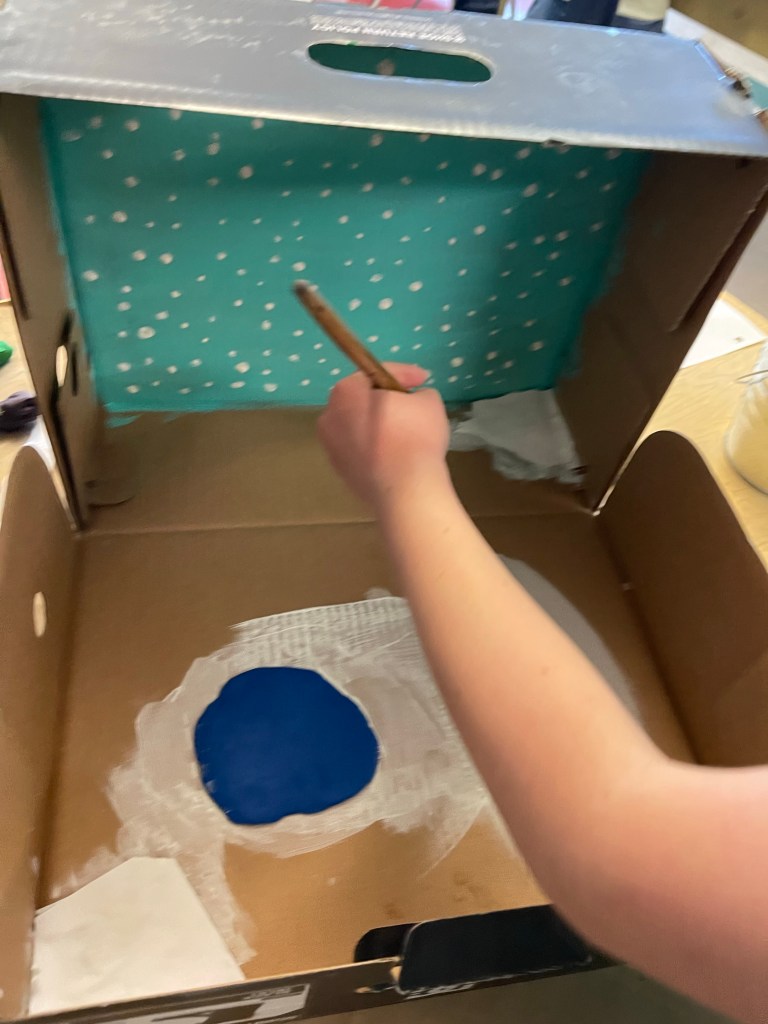
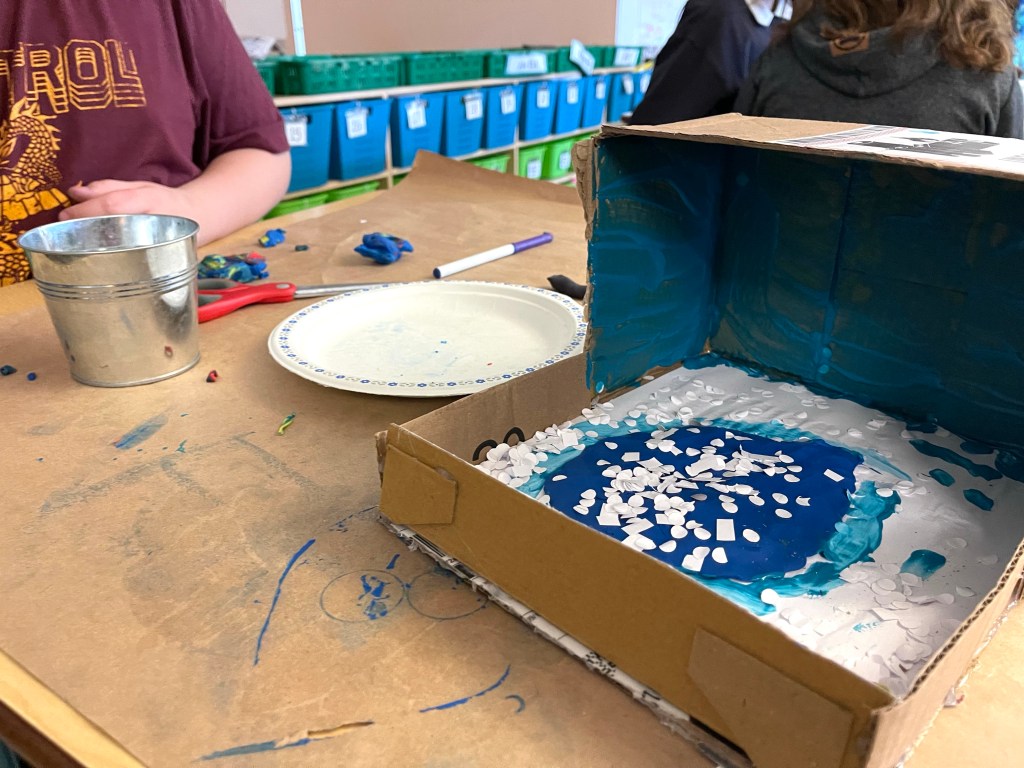
(3.) Design and build a small Biome Diorama (3D display) to use when teaching others about their region. Scroll lower in this post to see diorama examples. (Note that the scientific understanding communicated through the diorama is assessed separately from the aesthetic elements. In other words, an exceptionally beautiful display of polar bears in a hot dry desert biome could earn high marks in art, but it would not meet the criteria for scientific accuracy because polar bears don’t live in the desert.)

(4.) Use the Biome Booklet information to write a Biome Presentation Script in preparation to share learning with others. (See the template below. Each student will be given a fill-in-the-blank template like this to help ensure they cover all the required content; but, of course, students are welcome to adapt this template using their own creativity.)


What could a biome diorama look like?


What is the assignment criteria?

Below you can see photos of the project sheets I handed out to students. These sheets are in students’ Science duo-tangs. Students should continually refer to the assignment sheets throughout the project to ensure they are on track with their work. As you can see in the rubrics below, students will be earning credit in different subject areas for the different components of their project work (Science, Language Arts, and Art).


Biome Project Q. & A.

Q. Do parents/guardians need to buy anything for this project?

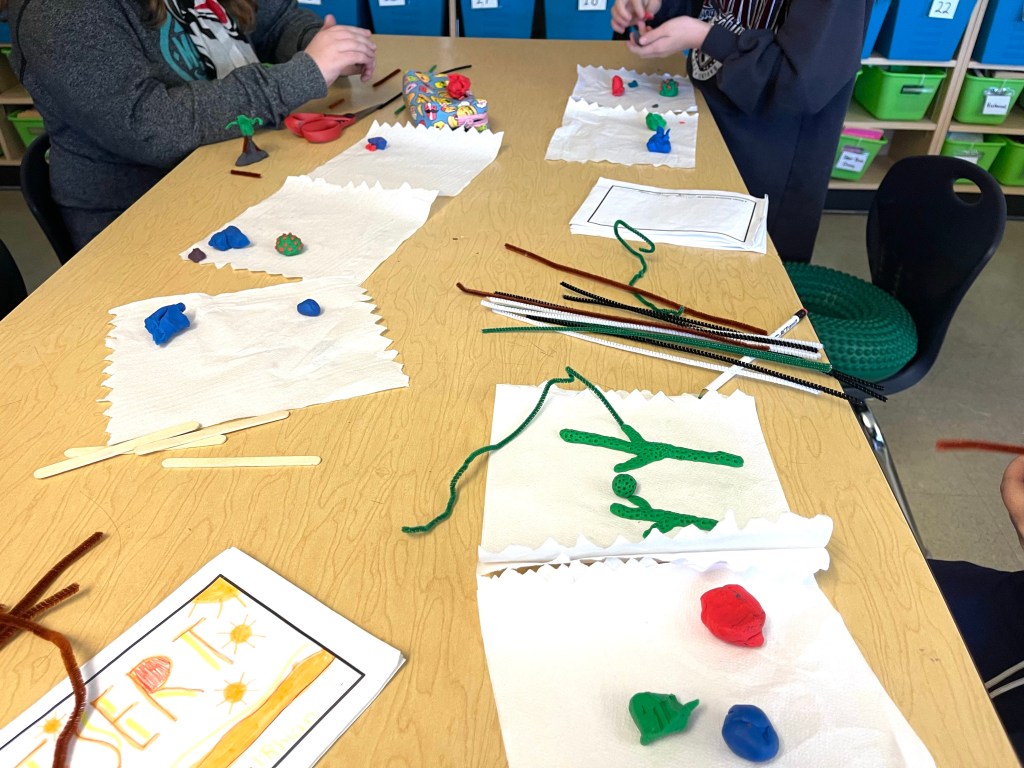
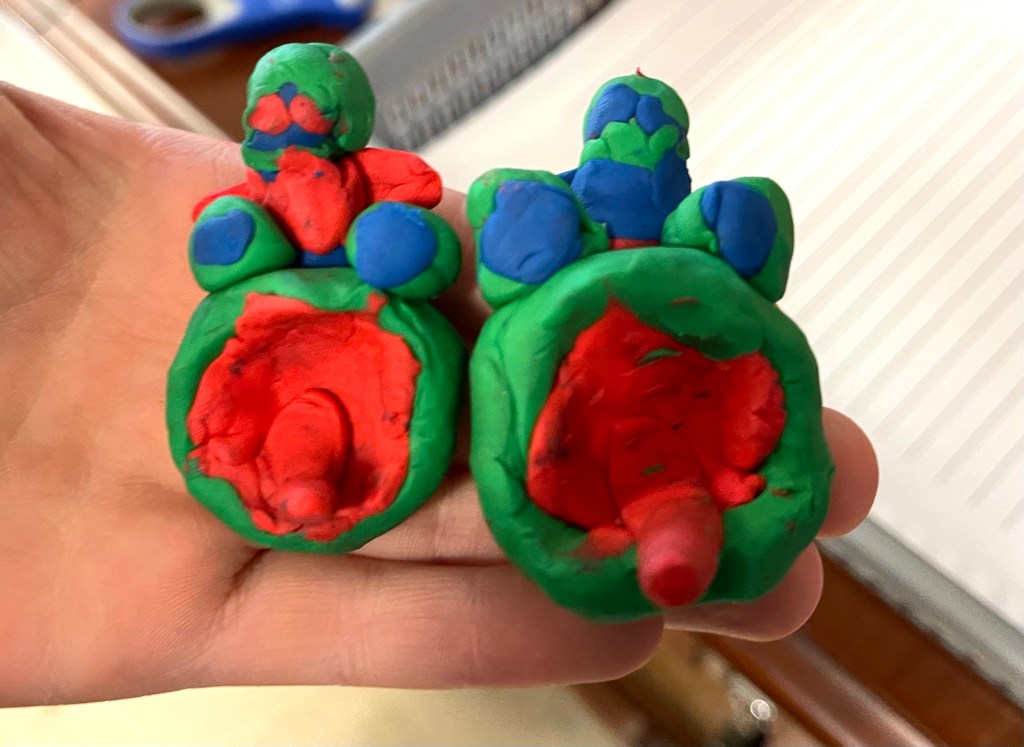
A. No. Dioramas can be made with recyclables and materials found outside and craft supplies at school. Animal and plant figures could be illustrations mounted on cardboard or formed from plasticine. Certainly some students will be motivated to acquire specialty items like animal figurines to realize their visions and they are welcome to do so. However, we are emphasizing the use of ingenuity and a “reduce/reuse/recycle” ethos as a part of the fun.
Q. Do parents/guardians need to do any research (or any work at all) for this project?

A. No. Life is busy! I get it! The goal is that the students are practicing their independence as researchers and creators. That said, the interest/questioning/support from a family member can act like rocket fuel to empower a child’s further learning. If your child is learning about, for example, the Arctic Tundra, and you were to join in to watch and discuss a documentary video about the region, then certainly that could be a special way to keep research continuing outside of school. Thank you for being partners in our learning. Another way family members could help is by reviewing a child’s quality of writing, especially with regards to spelling, grammar, clarity, etc. You don’t HAVE to do this—but it may be interesting to see your child’s progress in writing. I will make effort to proofread students’ projects with them eventually, but I may to get to them as quickly as they’d like and they will appreciate learning with their family members too. This project is a big and time-consuming one to support and assess for 23 students. And it does help me and your child to have your eyes on the work as well! Thank you!)

Q. When is this project due?

A. Many students will have met the project requirements and be ready to present their dioramas and biome booklets in the week of March 13-17. However, for students who need more time, it is fine for them to complete their work over spring break, aiming to present finished work April 3-6. The primary goal of this project is for students to enjoy a rich learning process—not to rush to a finish line feeling stress.

Q. If my child is nervous about some aspect of this project, is there flexibility in how learning is demonstrated?

A. Yes! Always! Please communicate with me specific concerns or questions, and we will make appropriate adaptations for students’ specific needs—while still keeping them in a comfortable zone of “just right challenge”. For example, some students who are shy about presenting in front of the class “live” may choose to create a video to play instead. Or perhaps they would like to present to just me and their trusted friends instead. Communicating learning is a key part of this process, so we will find a way for all students to share their voices.


Do you still have questions about this project?

First of all, thank you for reading all this and for engaging with your child’s learning. You are a wonderful support system for caring this much! Please check over the above assignment sheets to see if they answer your questions. If not, I invite you to post your questions below this blog post. If you’re wondering something, someone else might also benefit from hearing my response. Thank you for being a part of our journey!

Career Ed: Paramedic Visit!

Hello, division 4!

Why do we have first responders? What is it like to have a career as a paramedic? What can you see inside of an ambulance? What do all of those interesting medical gadgets do?

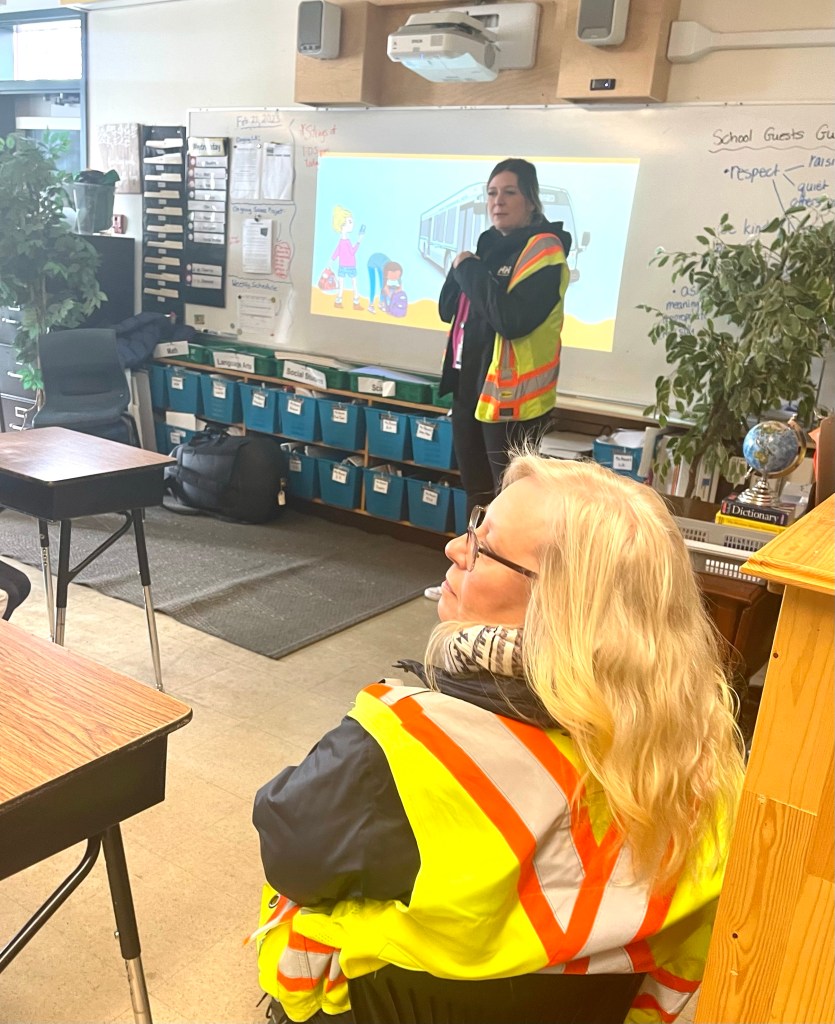
Today our grade 4/5 students joined up with our kindergarten buddies to enjoy a very special presentation by our classmate Leo’s dad, Eric. Eric is a paramedic and he drove over an ambulance to help us bring our career education and health and safety learning to life.

The students enjoyed asking questions, sharing their own personal connections and knowledge, and learning more about this exciting and important work. We got to get up close to the gear and hear first hand perspective on what it’s like to use the specialized equipment to help people—and even save lives.

We enjoyed the ambulance light show, but we weren’t sure if we’d be lucky enough to hear a siren sample too—but when the students spontaneously started chanting in unison, we got the big finale we had been hoping for! There were some really happy kids today!

Now, the next time you see or hear an ambulance going by, you will know a little bit more about the kind of special support that is on the way!

There are many ways people contribute to society. Students, keep discussing this question: “What are some ways you might like to share your knowledge, time, and skills to benefit this world?”

We extend a huge THANK YOU to Eric and all of his colleagues for their community outreach and education…and for doing this brave, important work to keep us all safe in our community!

*Please note: the students who are identifiable in these photos have given personal and parental permission to be featured.

Ready for the Salish Sea? (Important Details!)

Hello, families of division 4!

We are so excited that this coming Tuesday, February 7th is our Salish Sea adventure! This week we had Tom, Meaghan, and Crystelle from “Eagle Wing Tours” visit us to get us ready and get us even more excited for our trip! They shared lots of background and connections between scientific discoveries and local Indigenous knowledge.

The “Wild 4 Whales” boat we will be on!

As well, here is a summary of what guests aboard the “Wild 4 Whales” boat should know and try to do to prepare for a safe, comfortable trip:

-Dress in many, many warm layers (as if you were going on a ski trip). For example, wear a base layer or “long underwear” type garment underneath your pants.

It will be VERY COLD, WINDY AND WET!

-Wear waterproof or water resistant rain jackets and rain pants if you can. Ski pants and ski jackets work well!

-Wear winter boots or rain boots—or any footwear that will keep your feet dry and warm.

-Wear warm headwear that is not likely to blow away (no ball caps). A toque and a scarf or neck warmer would be good. Your face will be cold from the water and wind!

Gloves are a good idea.

-Bring your backpack with extra dry layers and your snack/lunch and water bottle. We will have two designated snack times aboard the vessel.

Warm layers are a must! Cover your head and face—it will be windy, cold and wet!

***Students should NOT BRING PHONES, CAMERAS, TECHNOLOGY or other valuables that could be lost or damaged at sea. We will have professional photographers snapping photos the whole trip, and these will be shared with us. So it is unnecessary for students to have anything else. (Adult volunteers can be in charge of their own devices. However, my caution is that I almost lost my iPhone in the ocean on my Salish Sea trip that I did in September due to cold, slippery fingers, and it’s going to colder than that in February! I will bring my own phone again this time, but in a “wet bag” on a string around my neck.)

There is one bathroom aboard the boat.

There are enough life jackets available for everyone, but they will be stored unless needed (just on a ferry).

There is strict safety protocol and guests must show they can be listening closely to follow safety instructions.

If you are concerned about the possibility of sea sickness, of course it is a family decision whether or not to take preventative measures. The staff of Eagle Wing tours are experienced in supporting anyone who may feel unwell when on board the boat.

*Here is an article Eagle Wing tours published to give more specific information: https://www.eaglewingtours.com/articles/what-to-wear-whale-watching/


Travel Details:

This is a reminder that our class is divided into TWO GROUPS with two different travel times and plans!

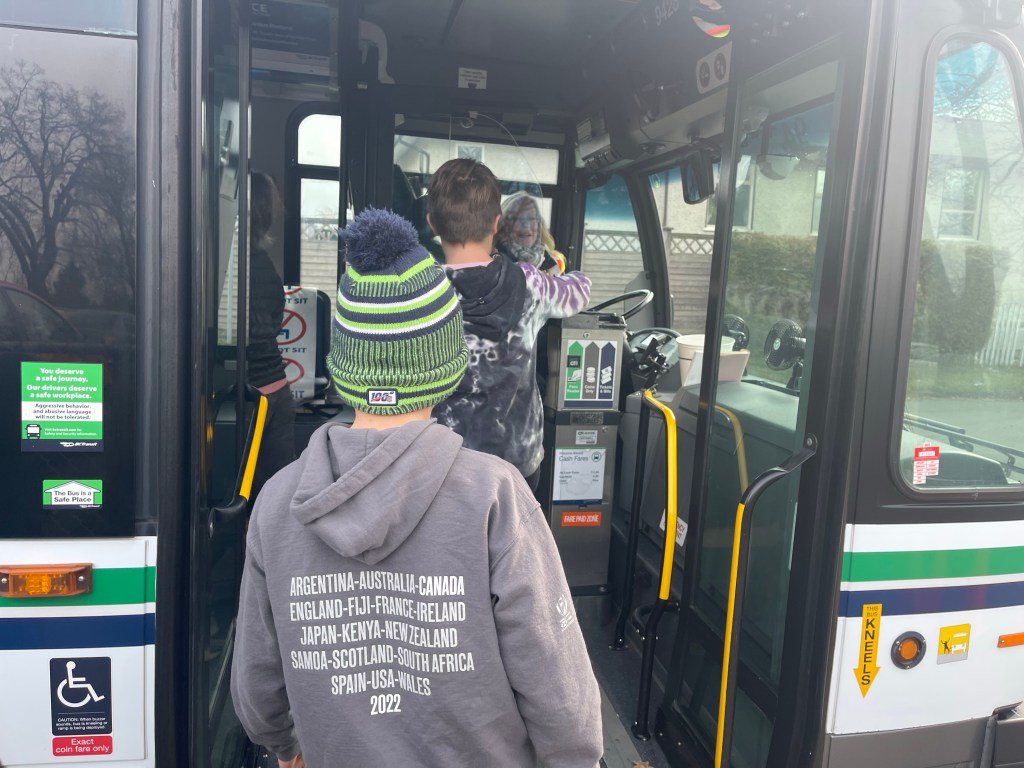
Grade 4 students of Div. 4 will travel with Ms. Poirier and Ms. Tebo and her grade 4 class via bus to Fisherman’s Wharf leaving Oaklands at 9:00am; they will return to Oaklands at 12:30pm. We will have two parent volunteers: Ruan and Tom.

Grade 5 students of Div. 4 will travel to Fisherman’s Wharf with Tracy (EA) and Ms. Karen Mills-McNicol via bus leaving the school at 11:30am. There will be three parent volunteers joining (Melissa, Jenica, and Mathieu) who will be driving students back to school for 2:30pm.

We dearly appreciate parents for their time driving, paying for parking, and supervising! We couldn’t do it without you!

***Note for Melissa, Jenica and Mathieu: please meet us at Fisherman’s Wharf by the Eagle Wing Tours building for our expected bus arrival at 12:00pm. You would need to arrange parking until at least a few minutes after 2:00pm, which is the expected time the boat returns to the wharf. Again, thank you endlessly for your generous help!!

Thank you to all parents/guardians for how you have supported this trip! There were many forms to fill in, back and forth communications, and money to pay—and we couldn’t do this without you!

Division, Spelling & Salish Sea Art/Poetry

Hello, division 4 families!

Please see below for updates about our learning in Math, Spelling, and our Salish Sea inquiry.

In Math, we have been working on word problems and a new method of multi-digit division. This division method involves using easy multiples of the divisor. My former colleague, Mr. Pite, made this helpful instructional video that teaches students and families how to use this method, while explaining the difference between it and traditional long division. (I have added the video to our Math Tutorials page as well.)

For math homework this week, you could ask your children to solve these two questions for you by using the above method: What is 126 divided by 7? What is 311 divided by 4?

Once students have had more practice with this method, I will introduce the traditional method of long division.


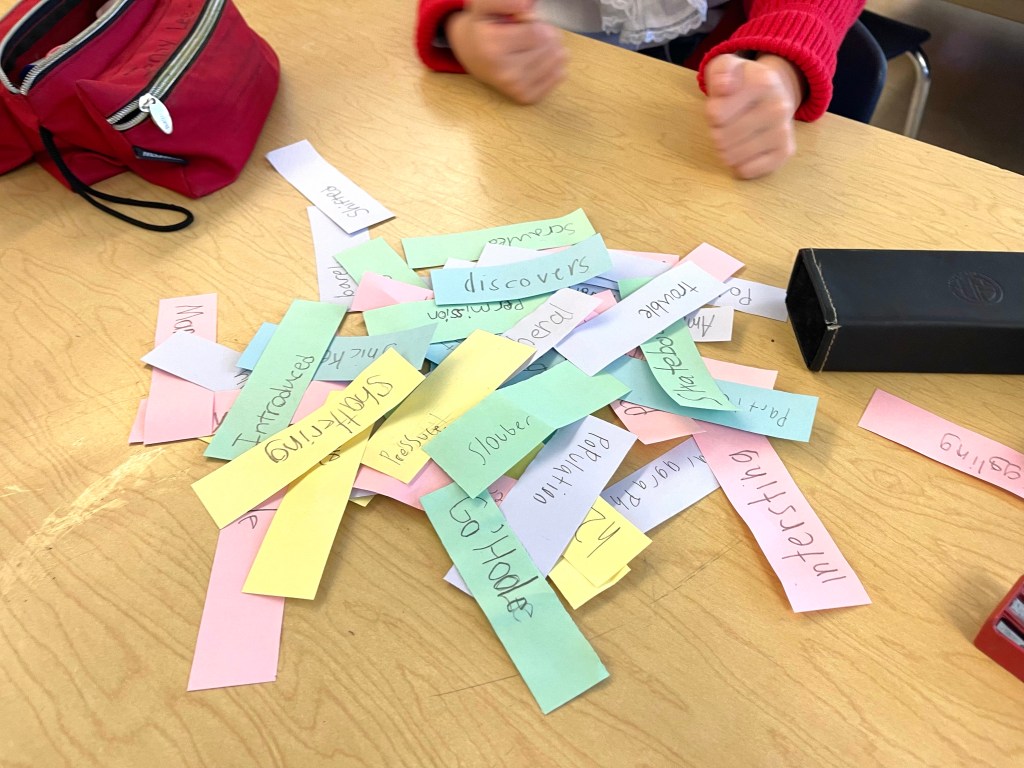
If possible, please review the spelling and meaning of these words as homework over the next week. We will continue to work with these words in context in our writing in class.

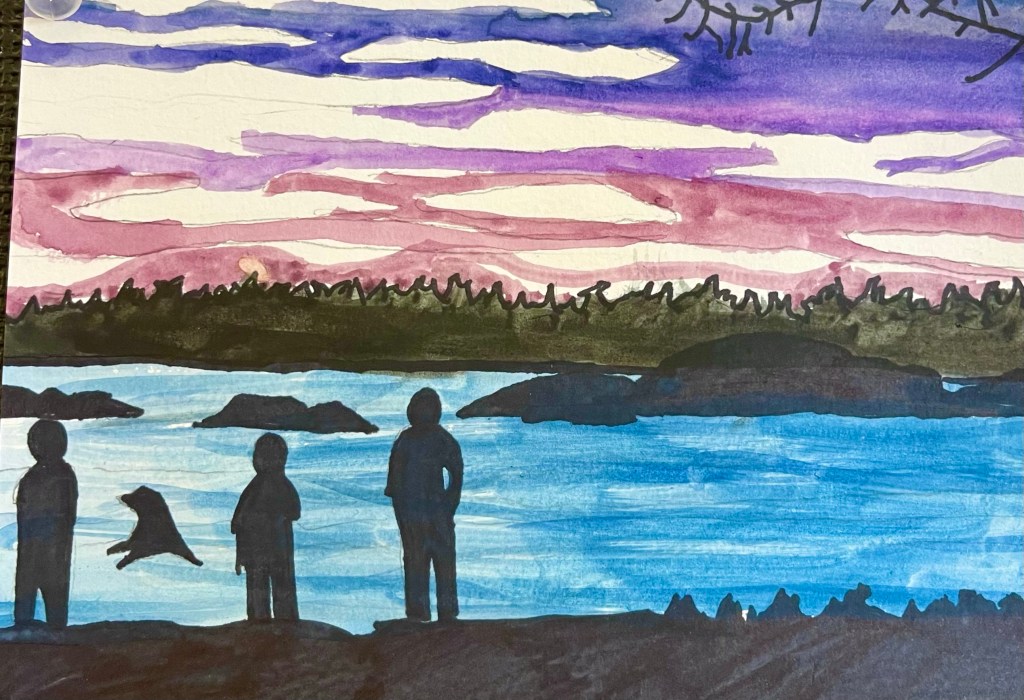
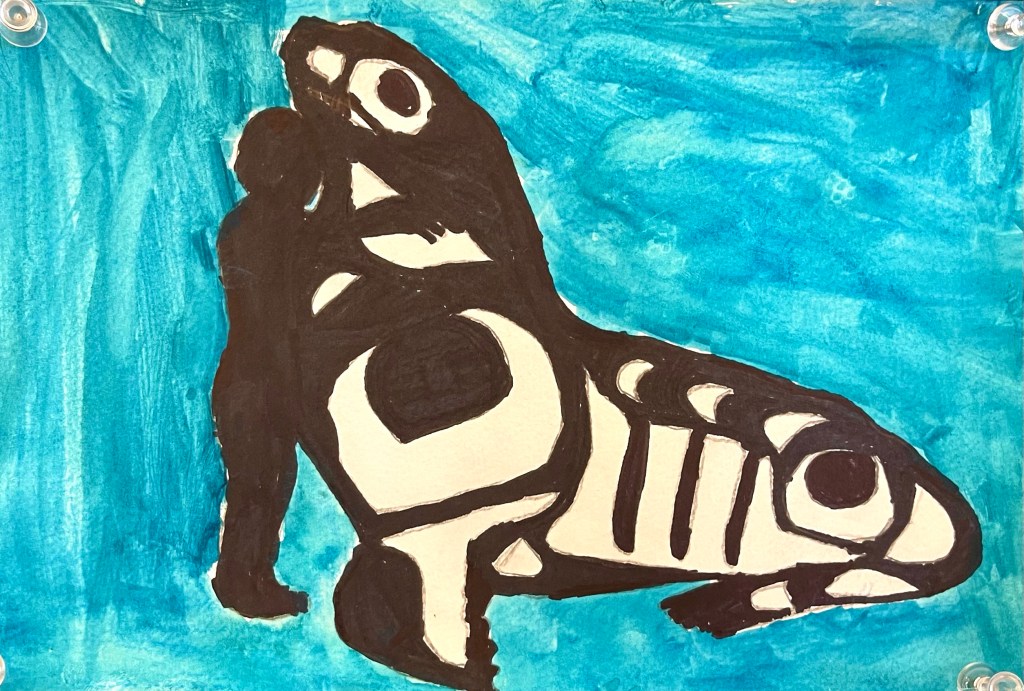
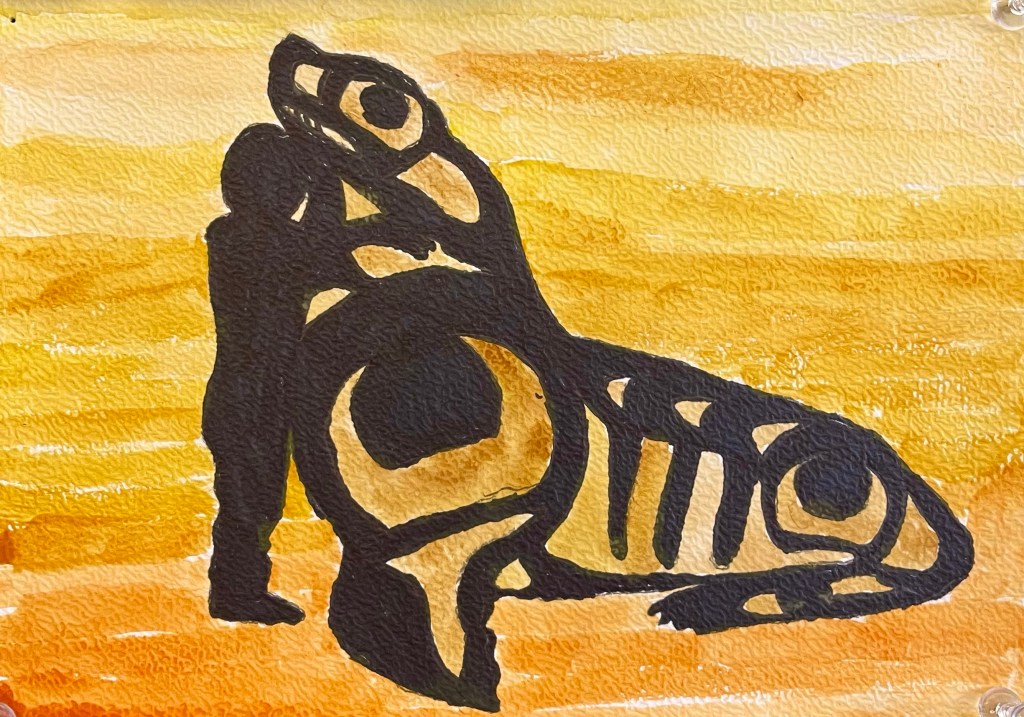
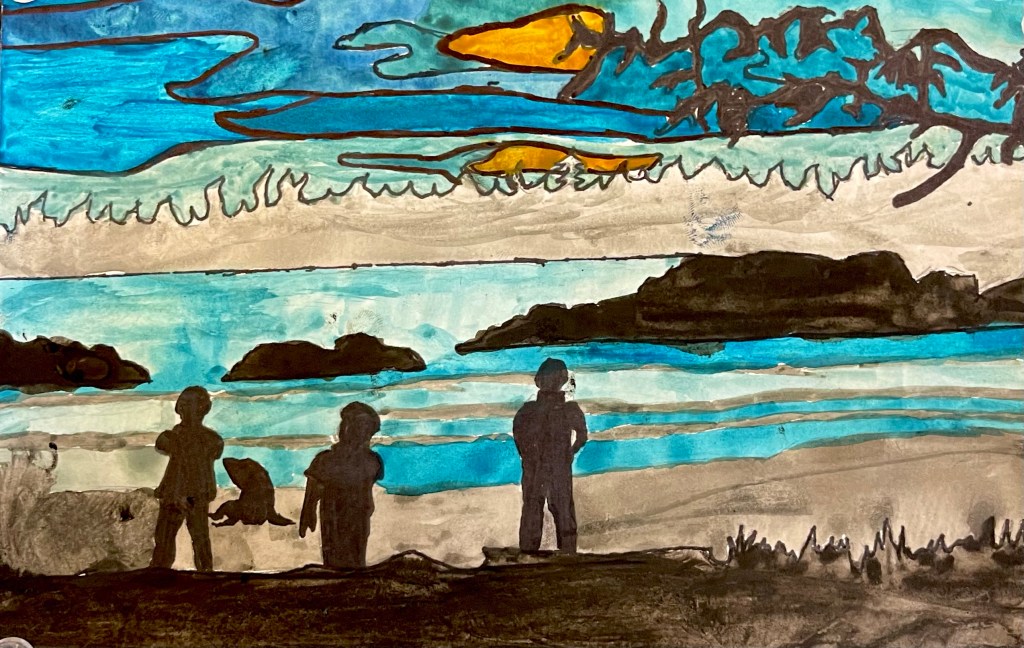
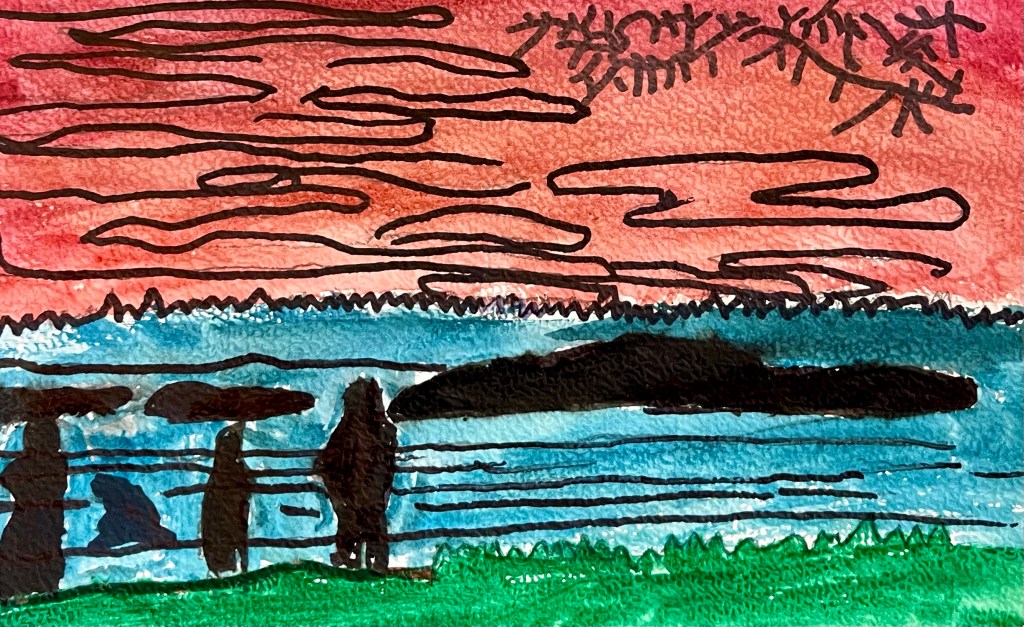
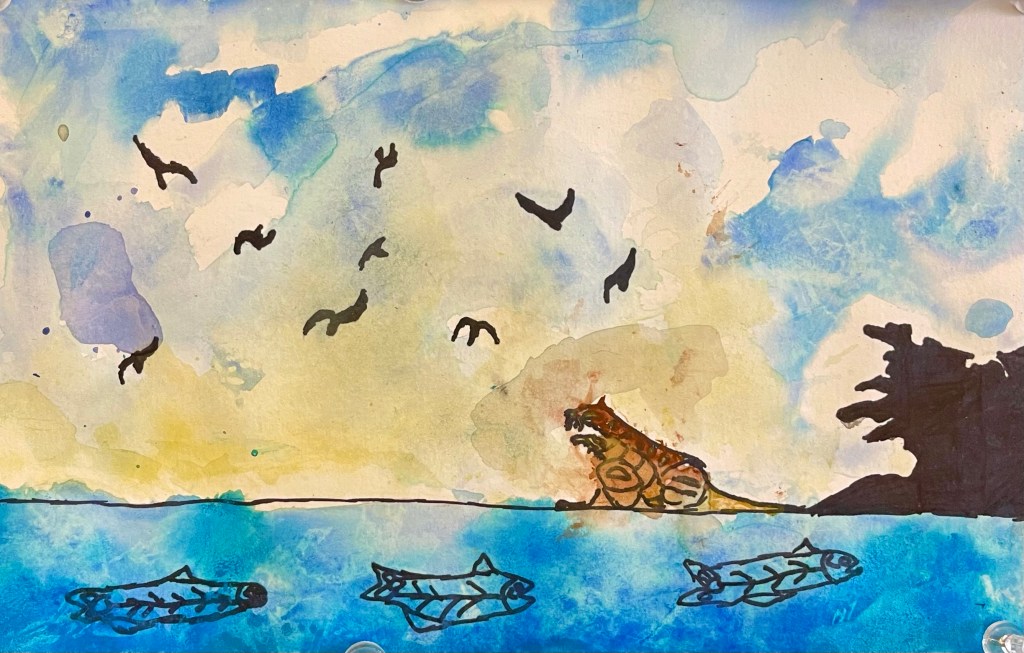
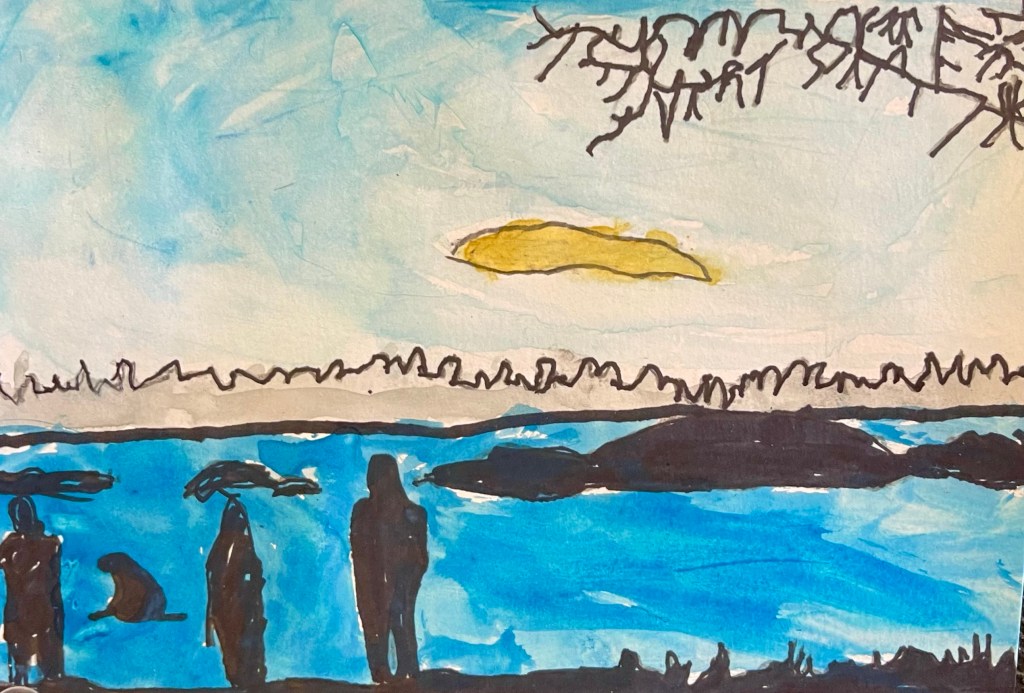
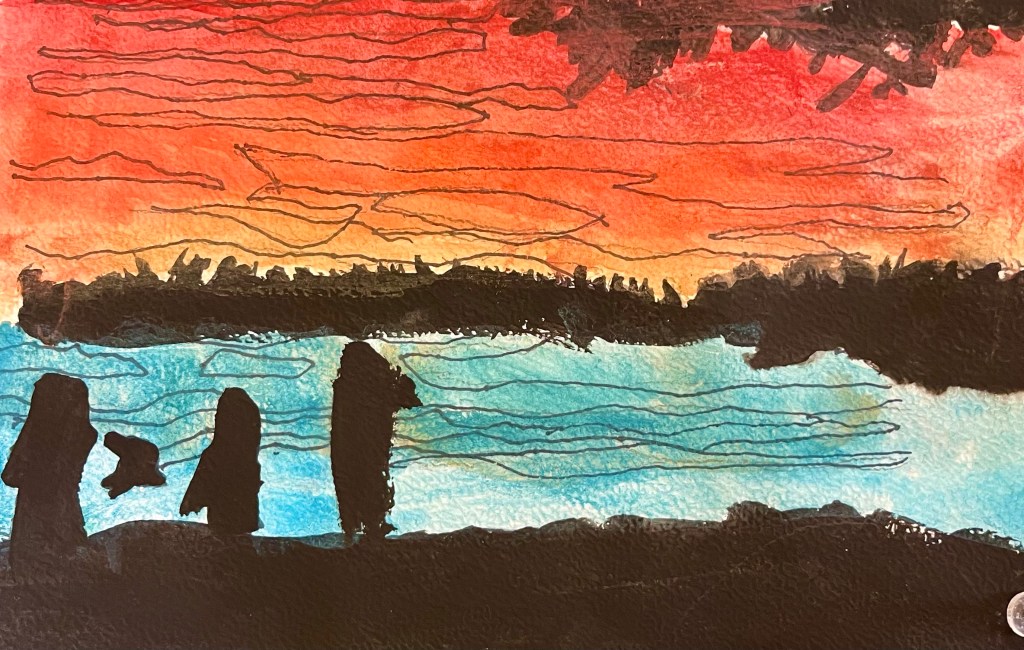
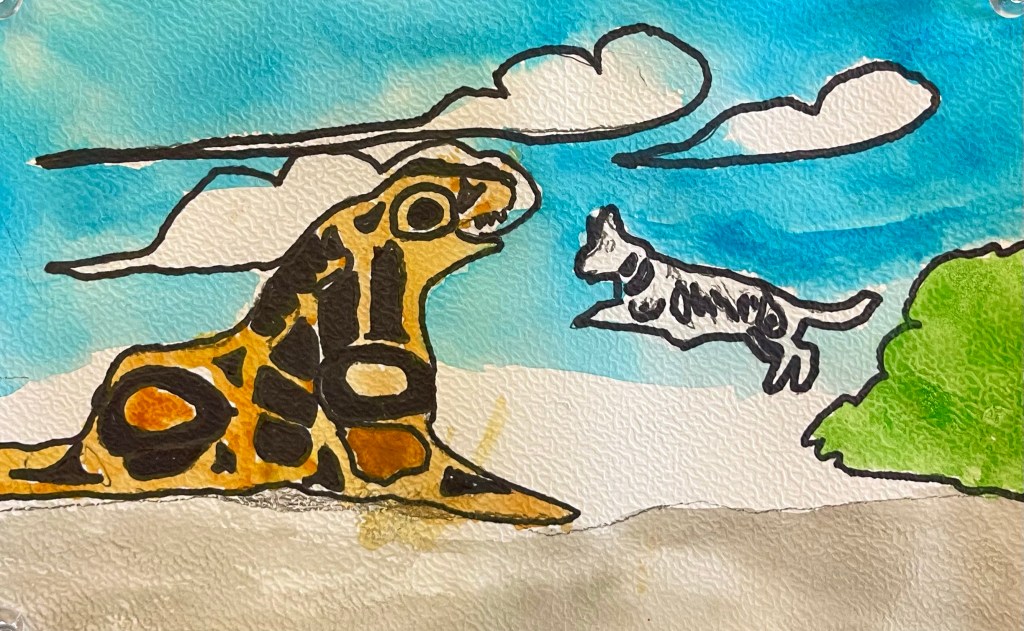
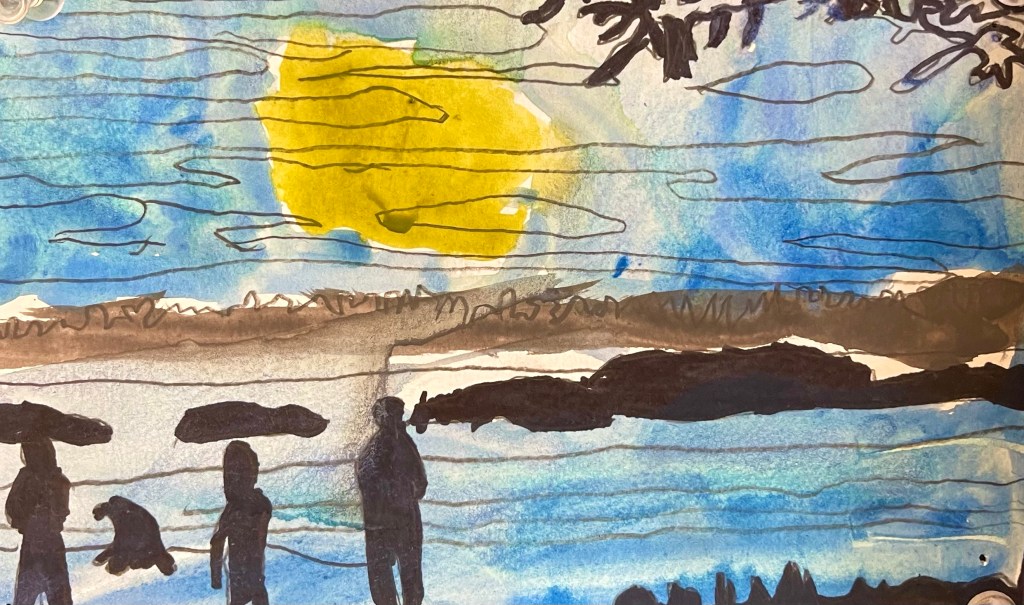
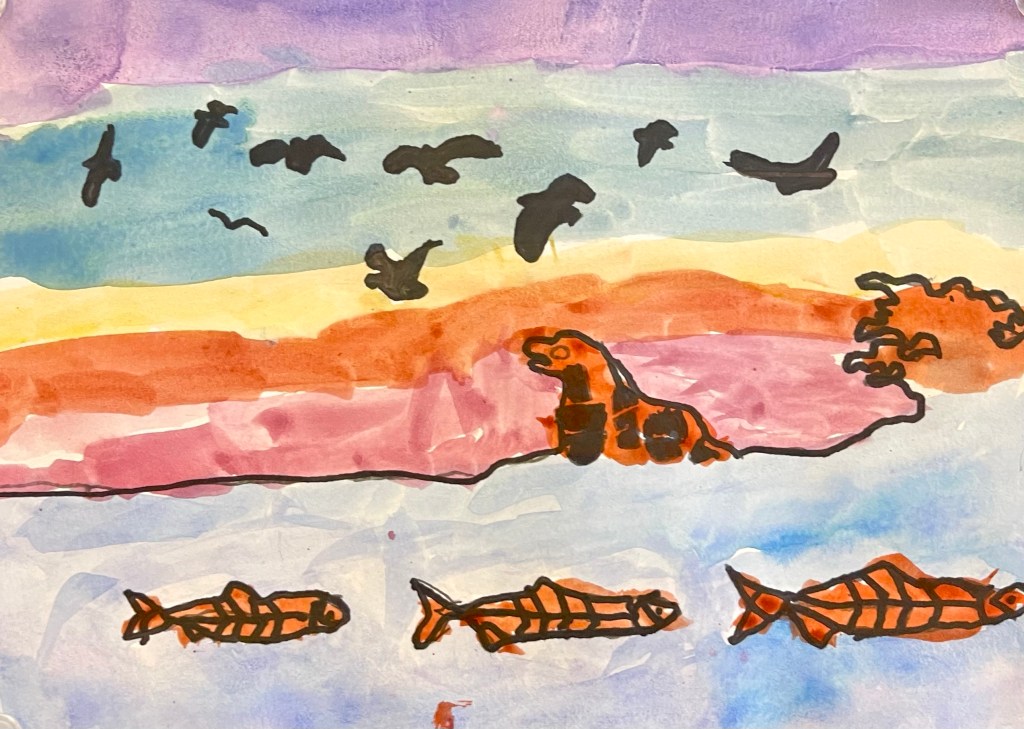
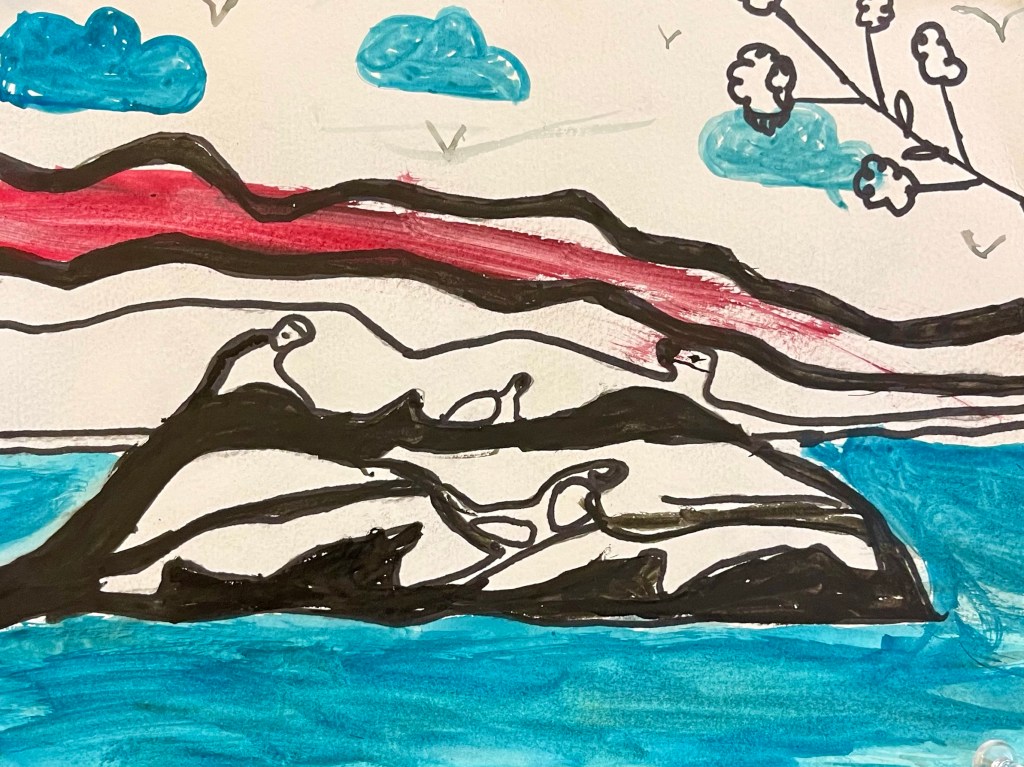
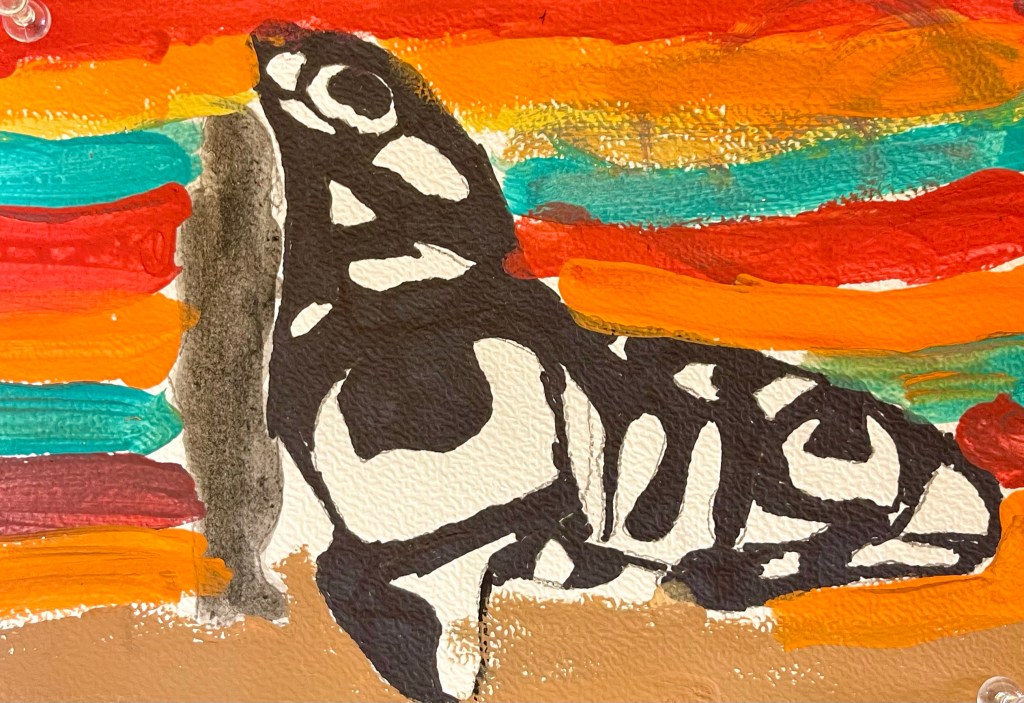
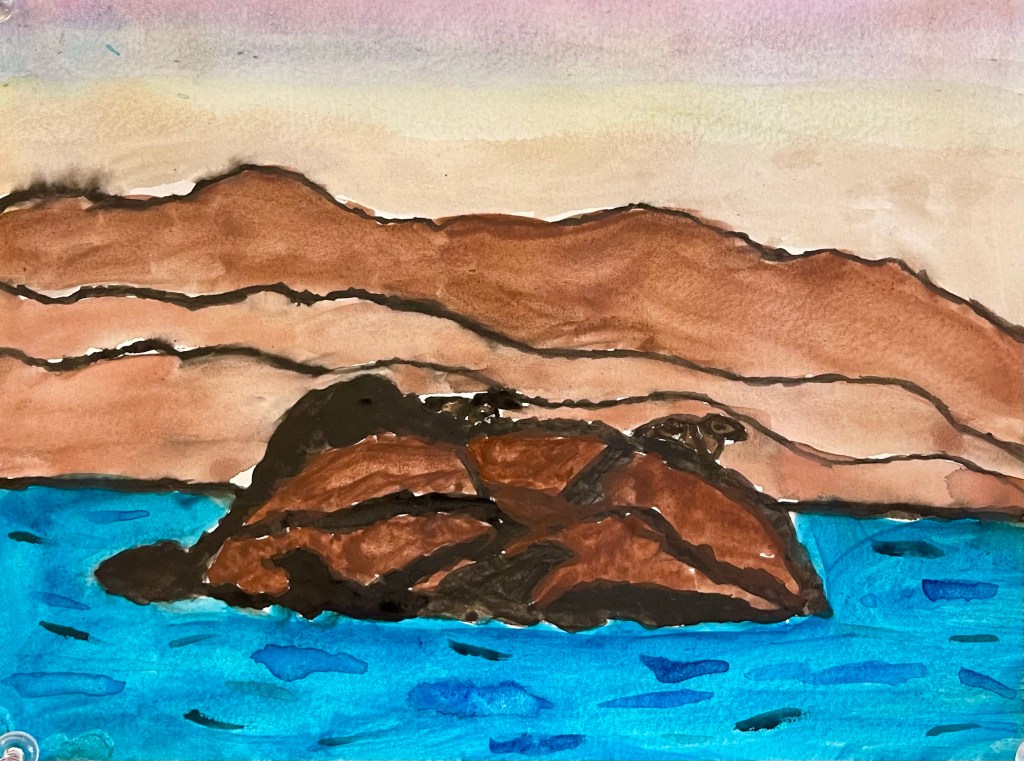
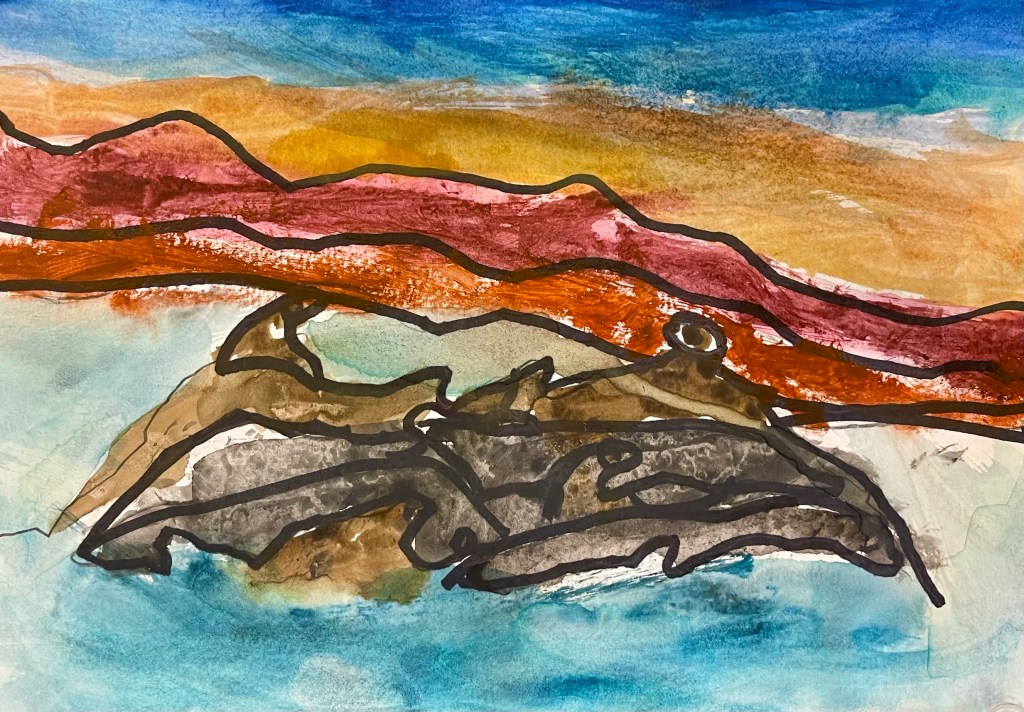
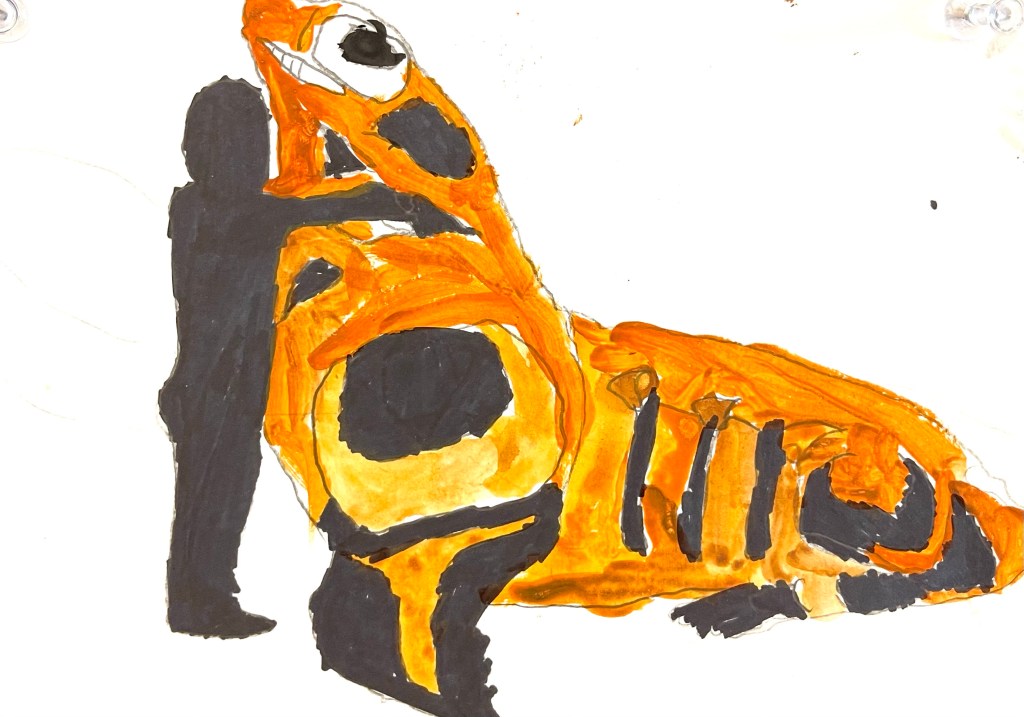
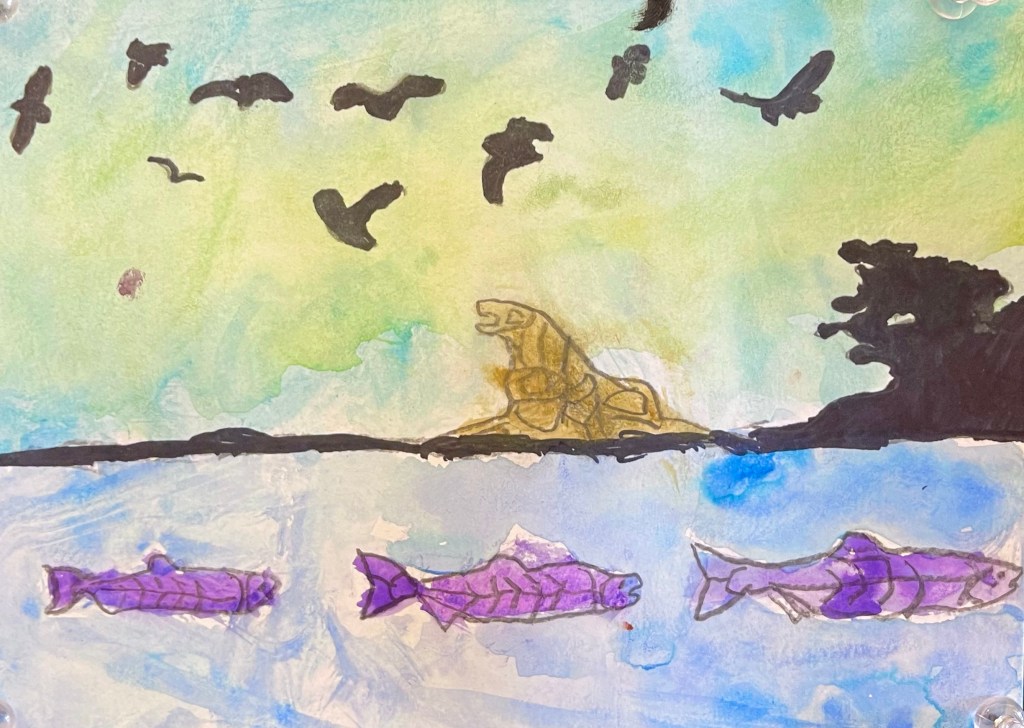
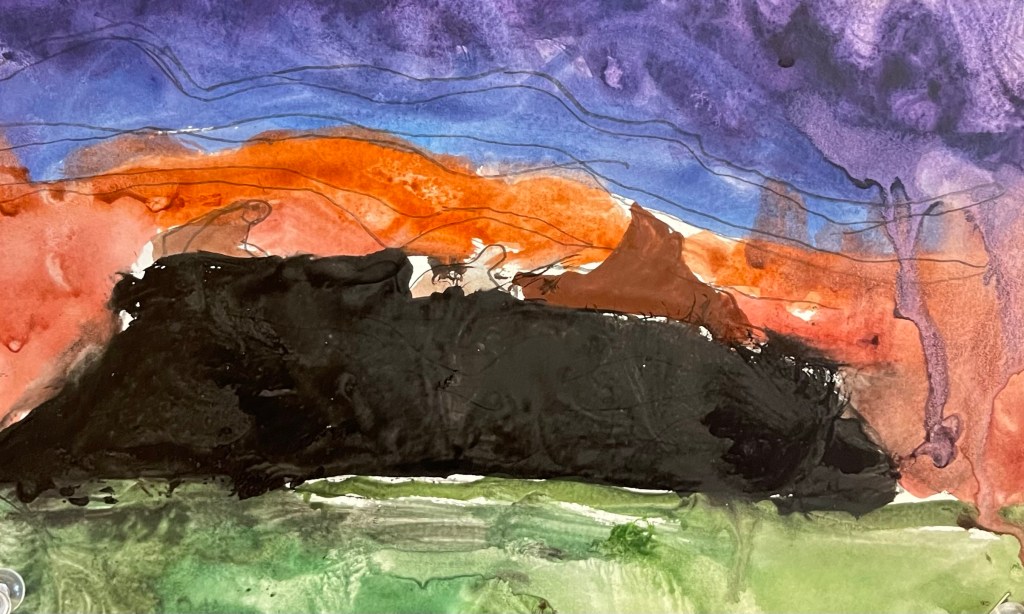
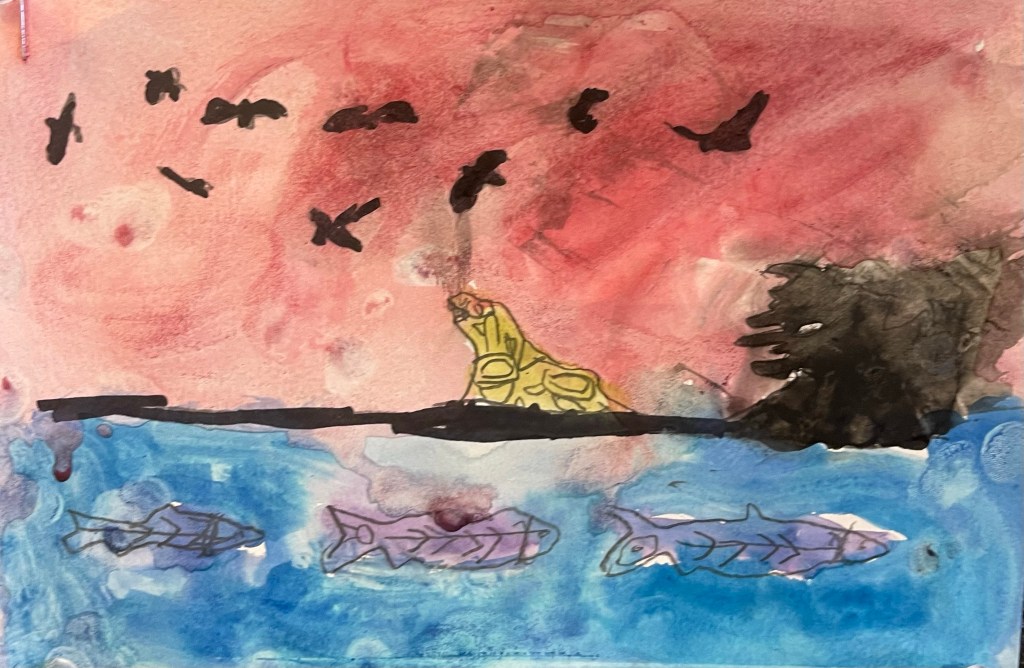
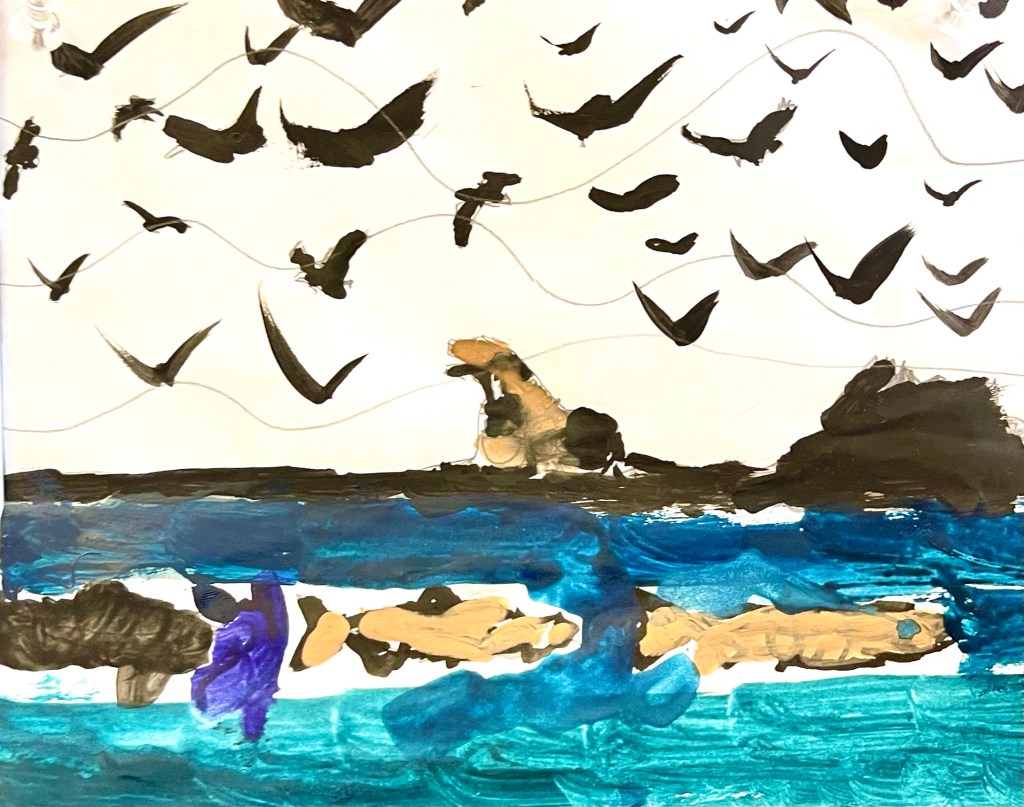
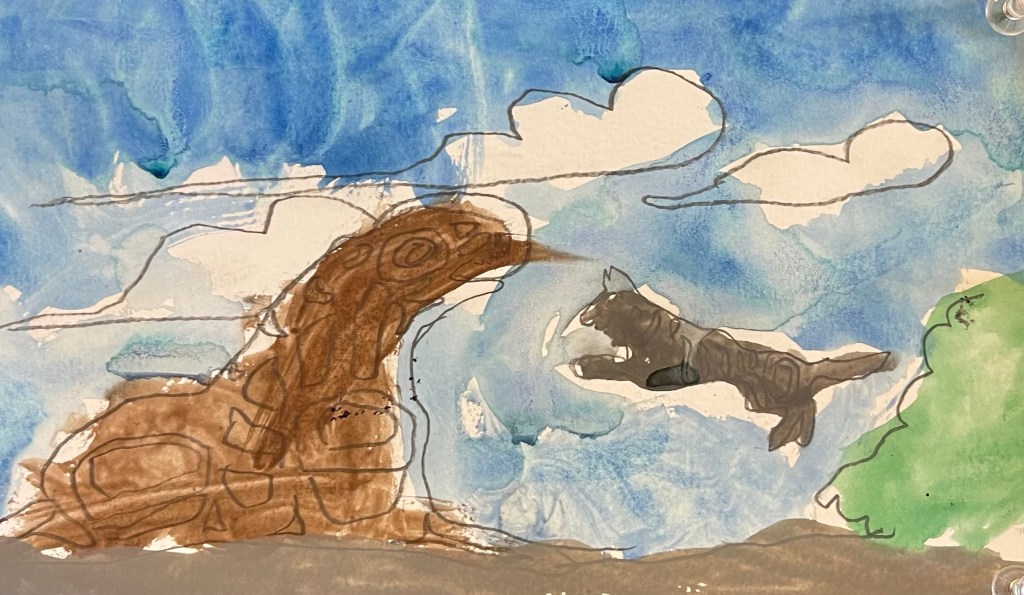
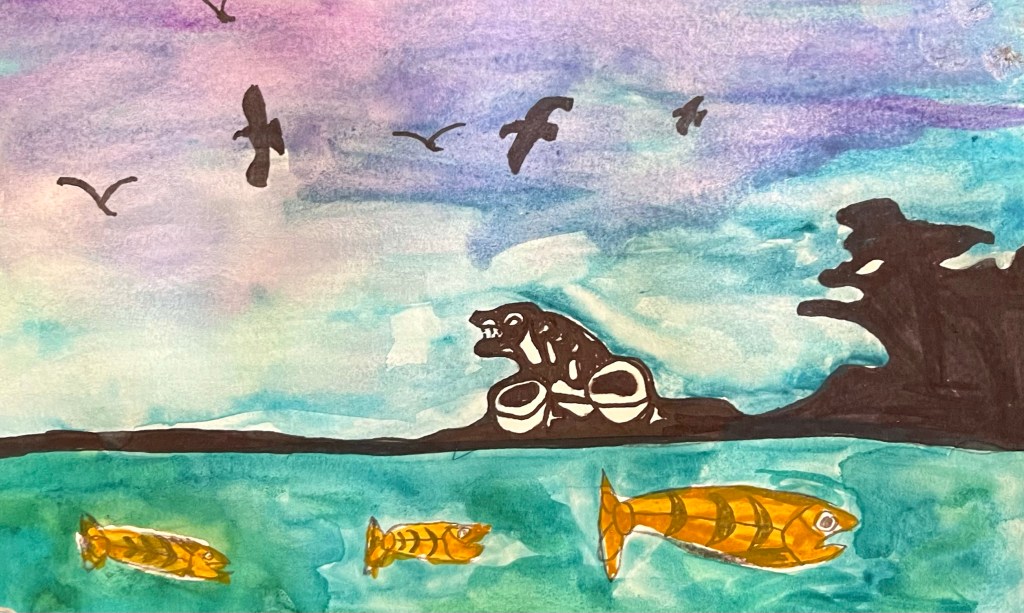
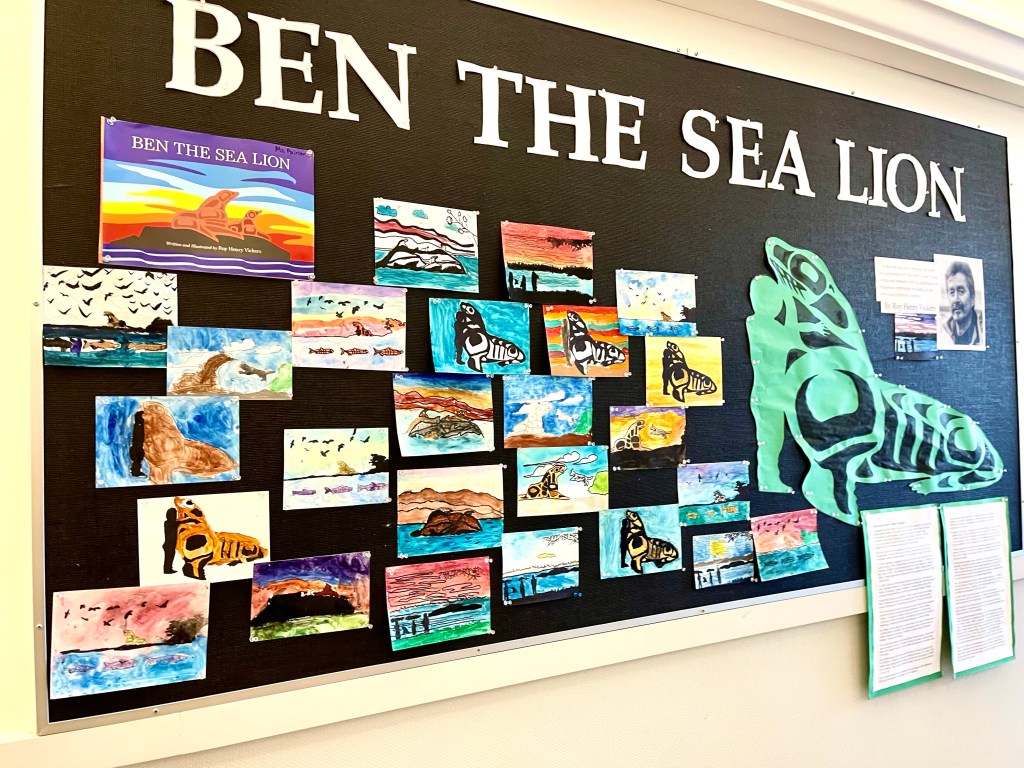
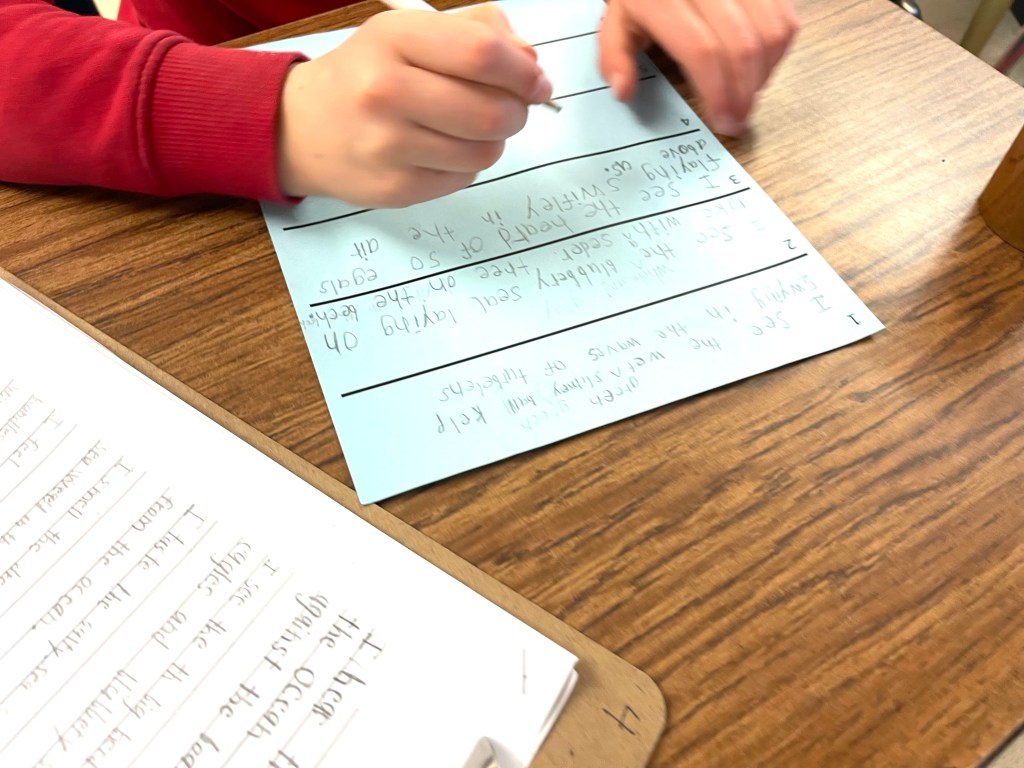
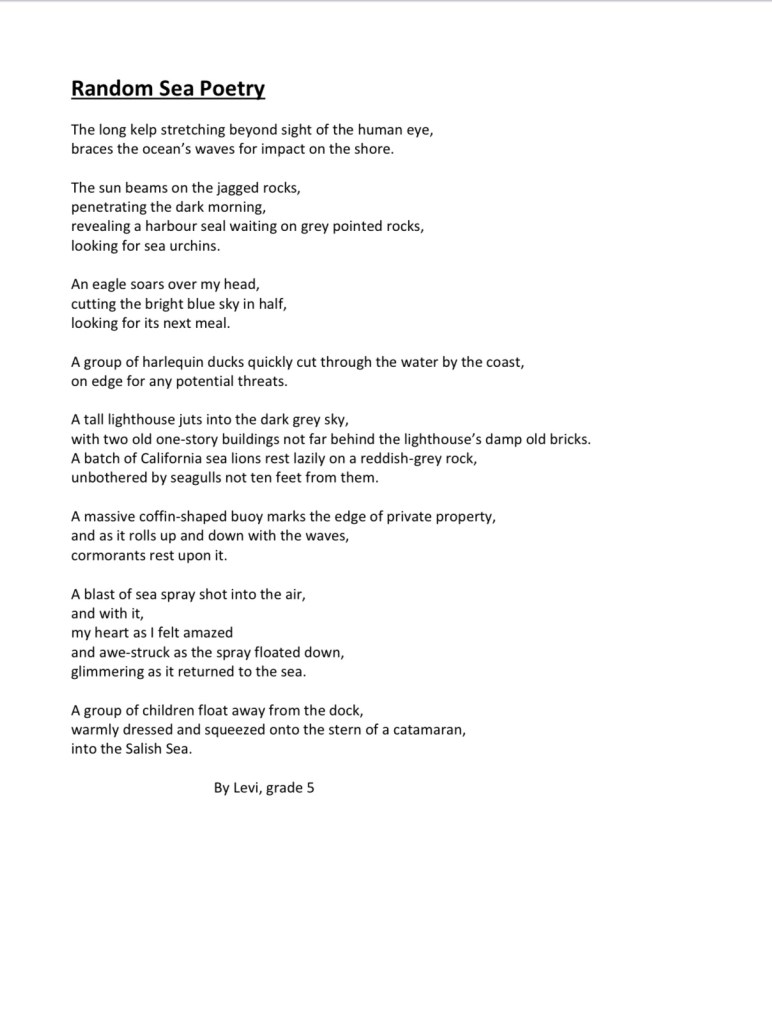
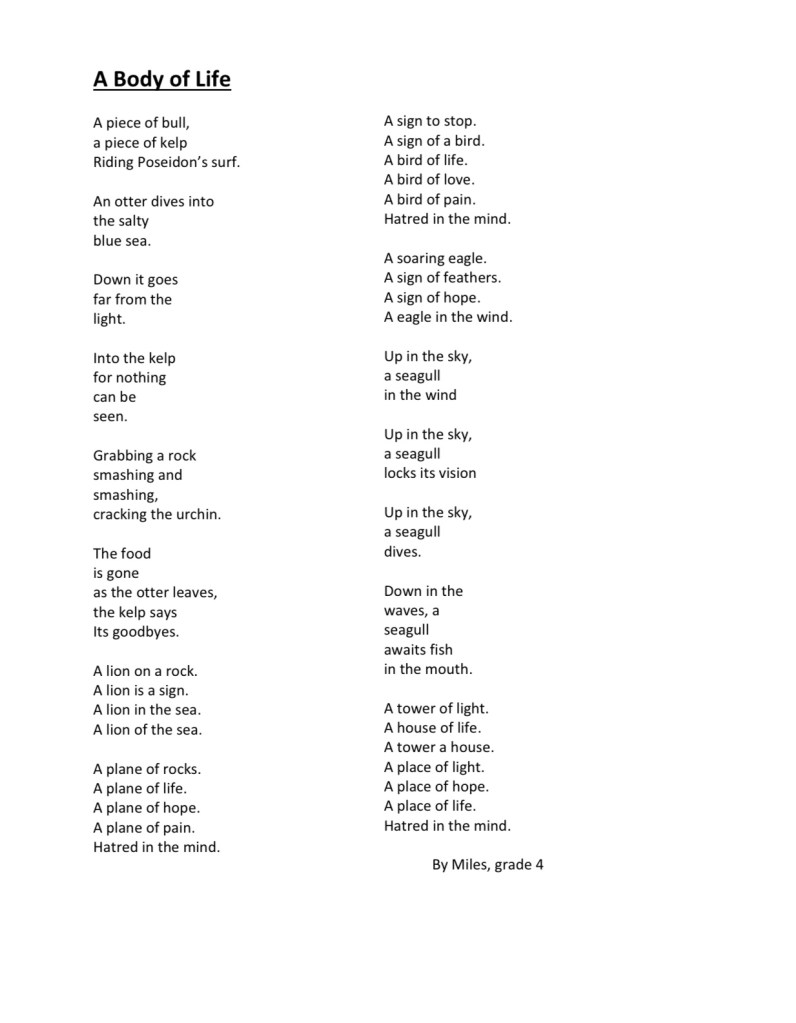
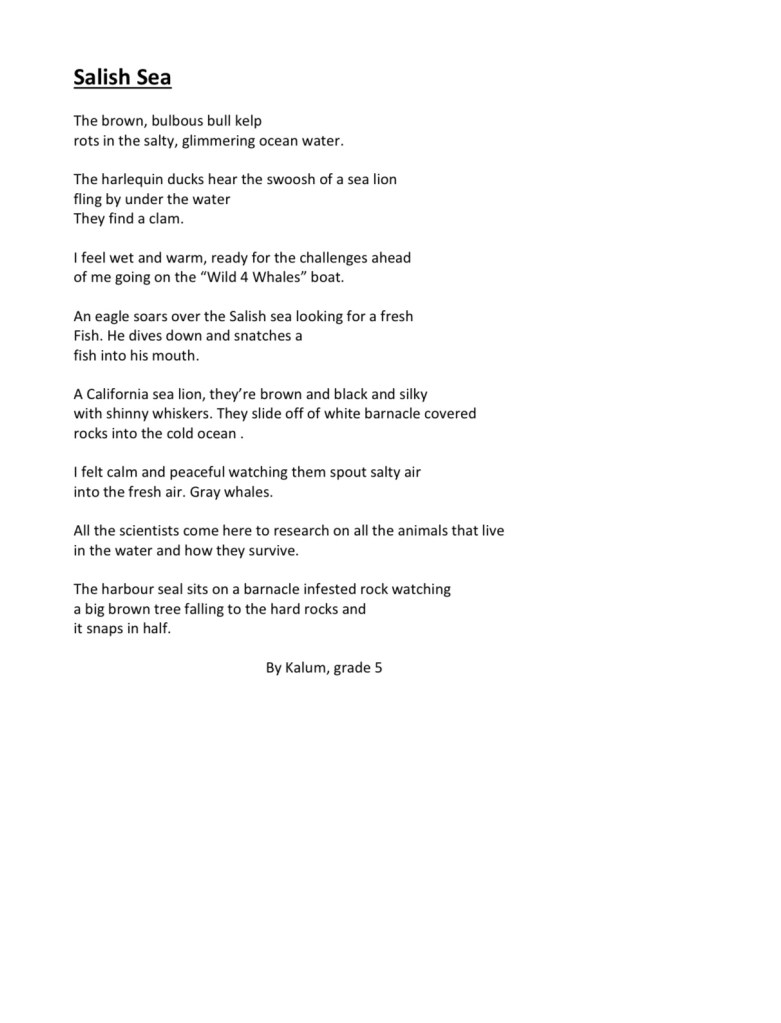
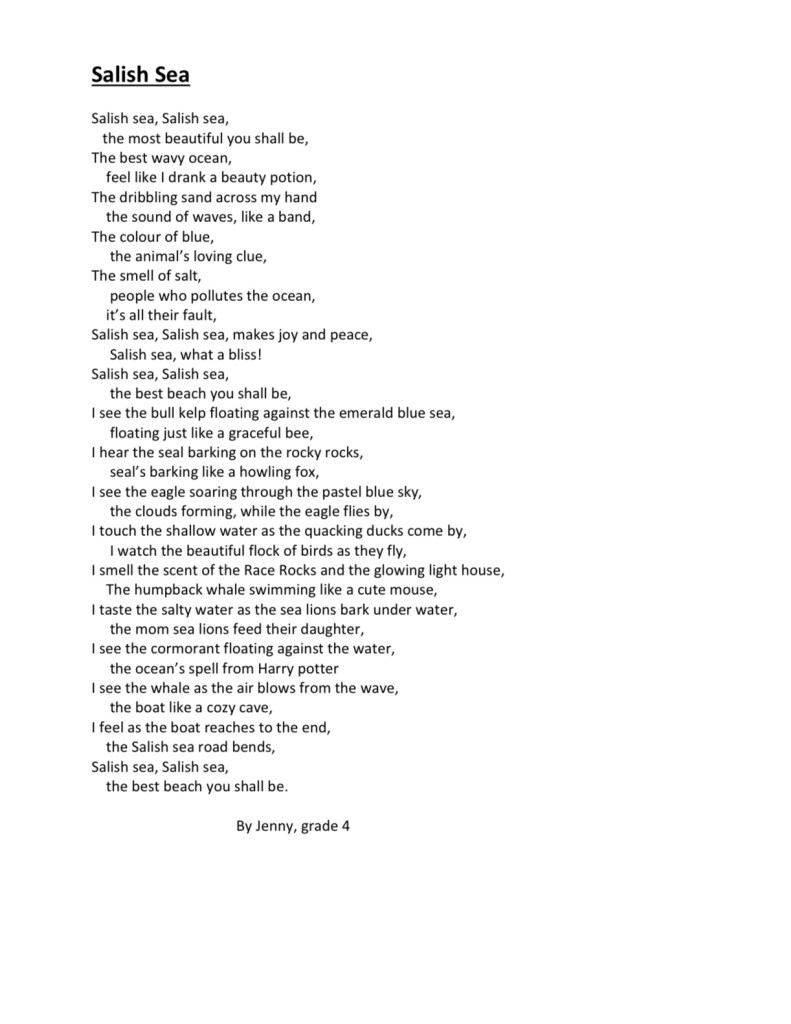
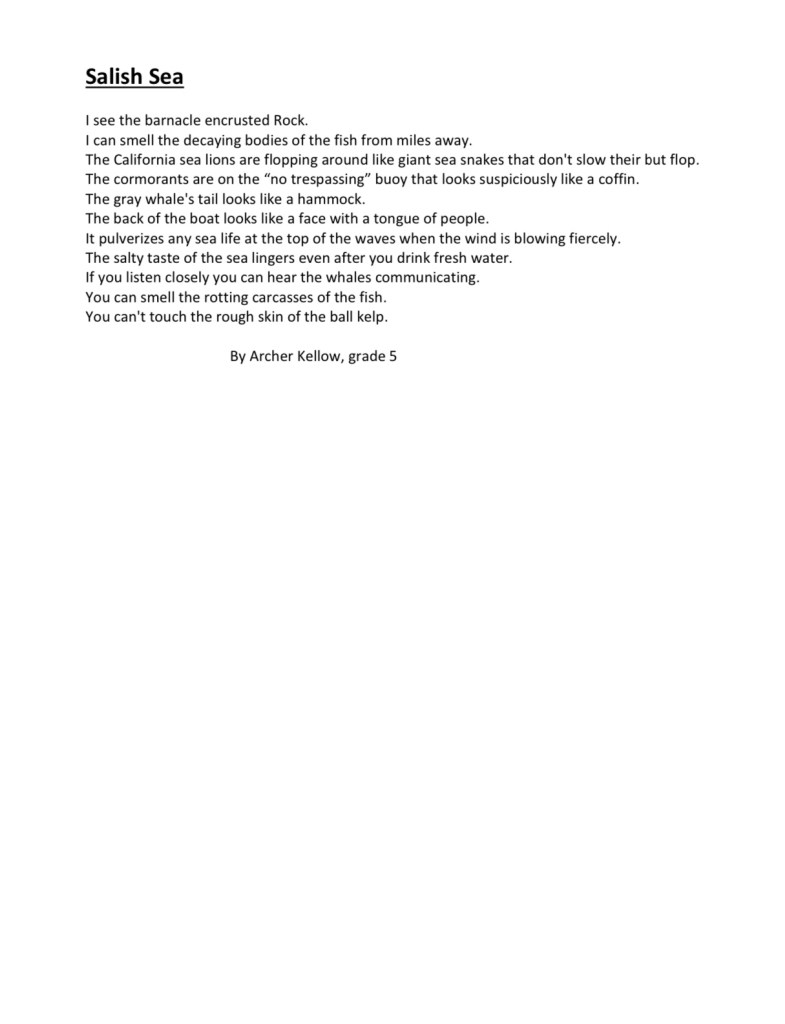
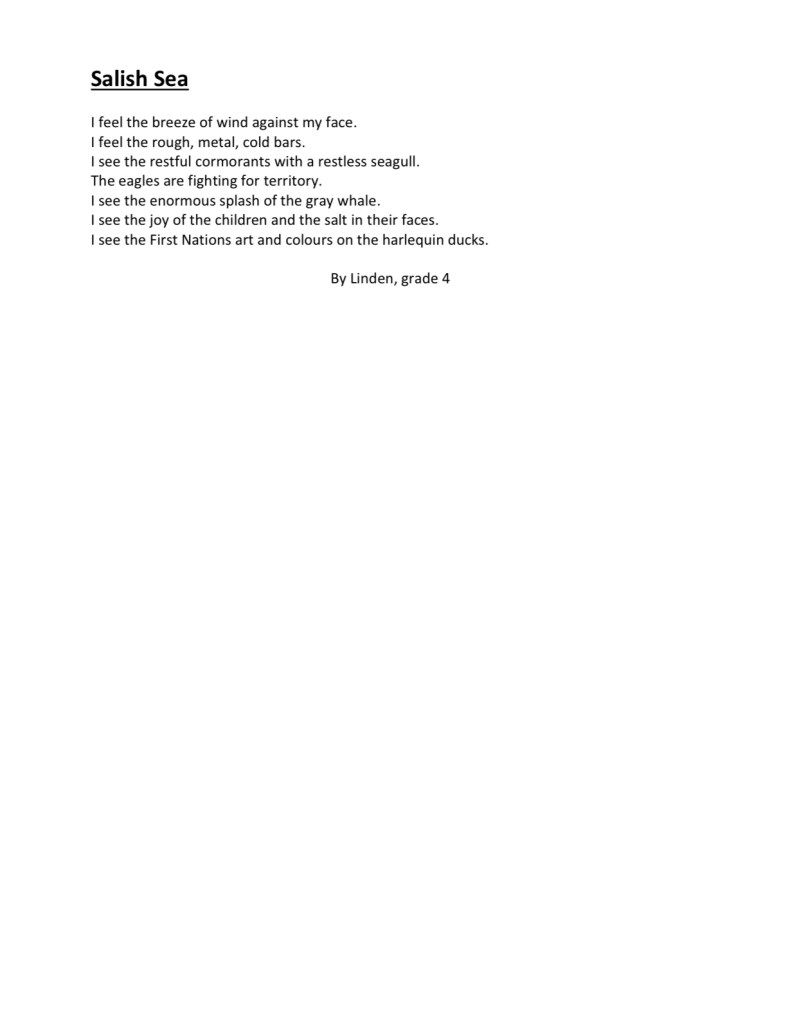
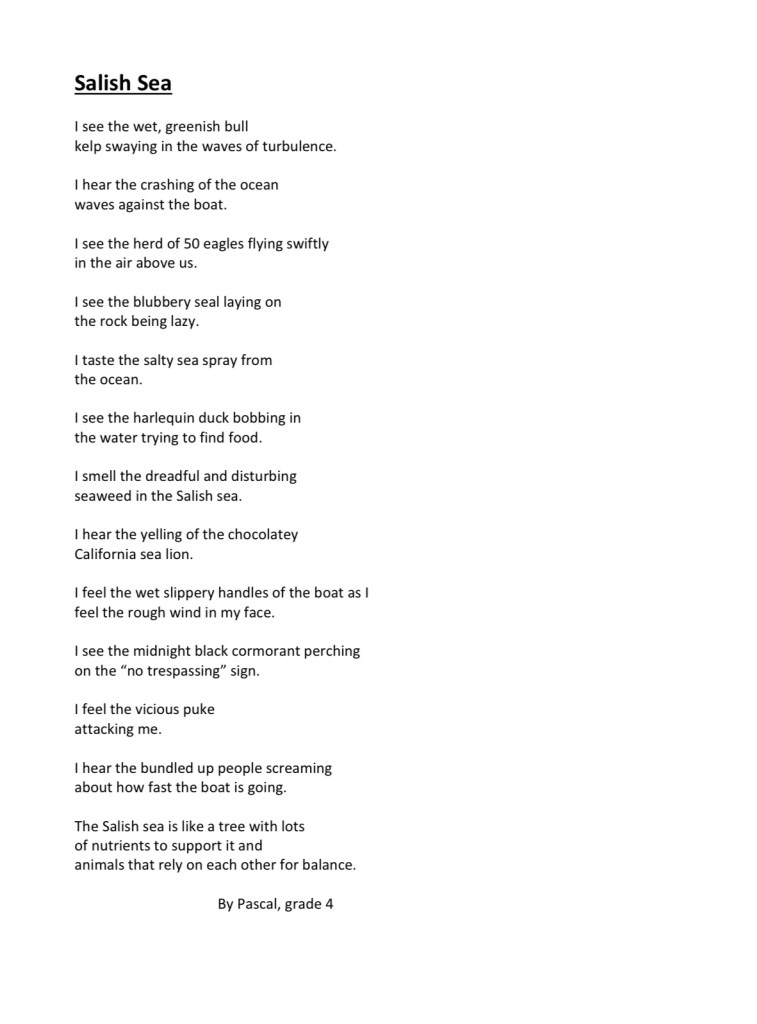
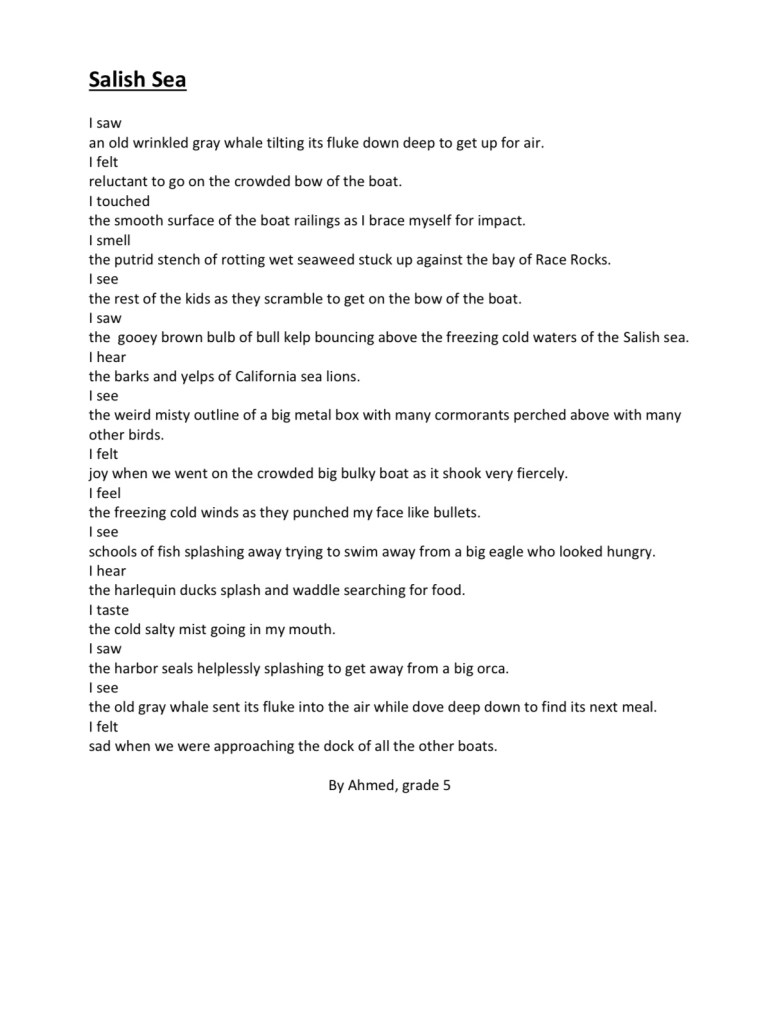
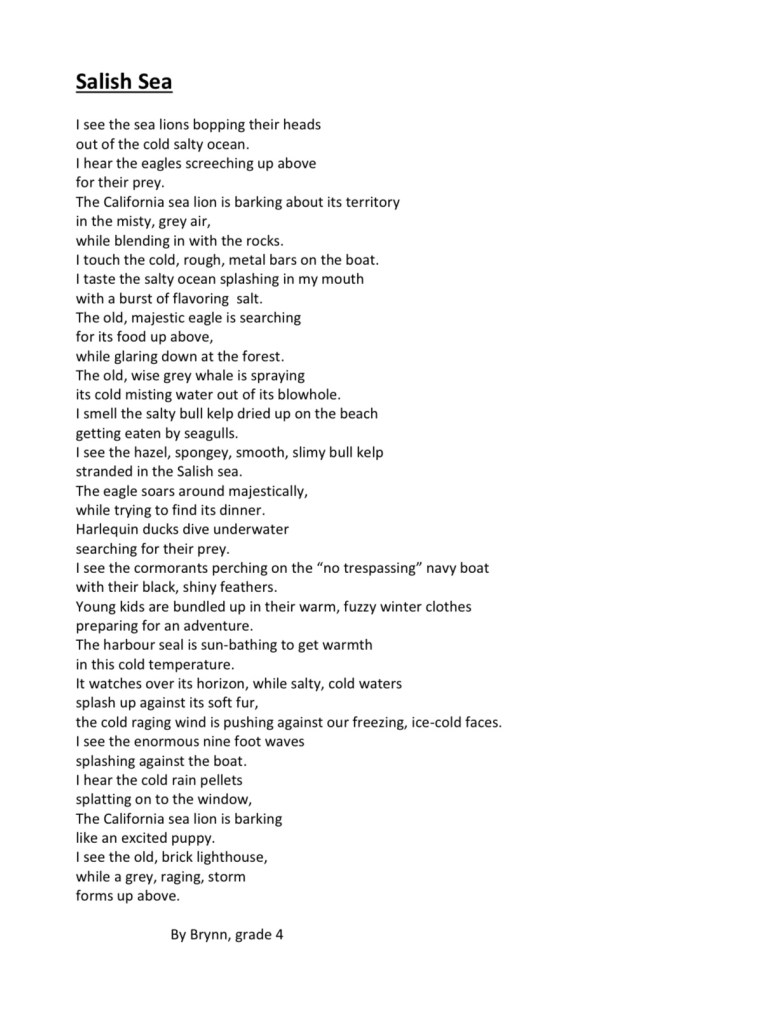
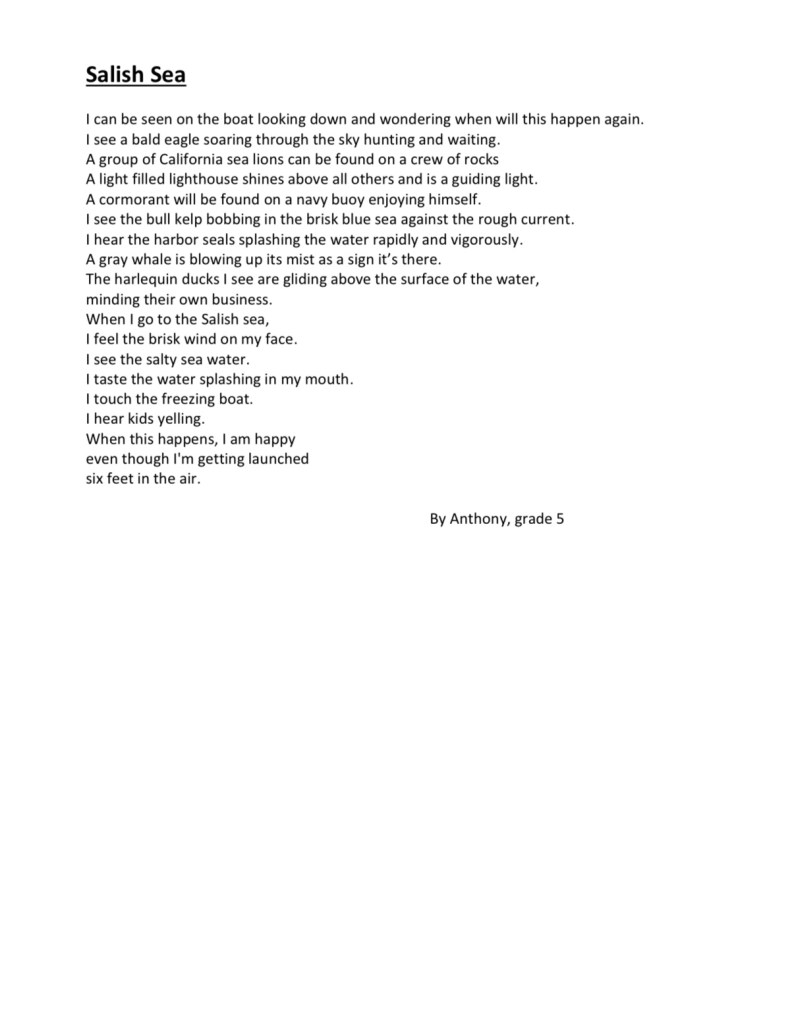
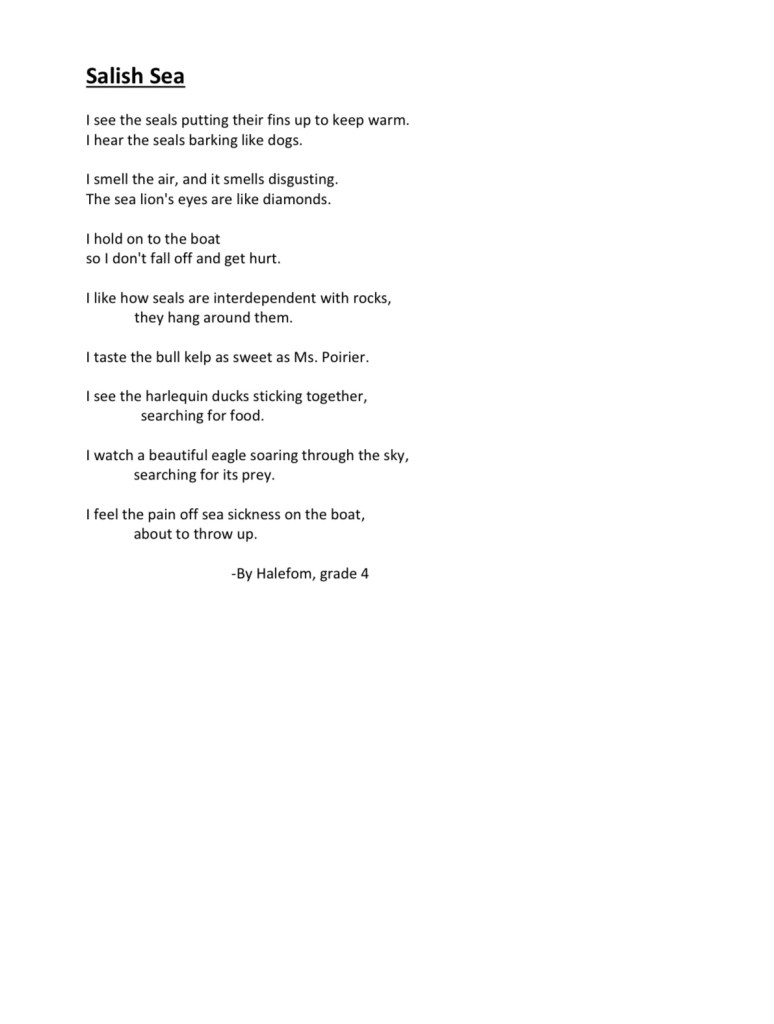
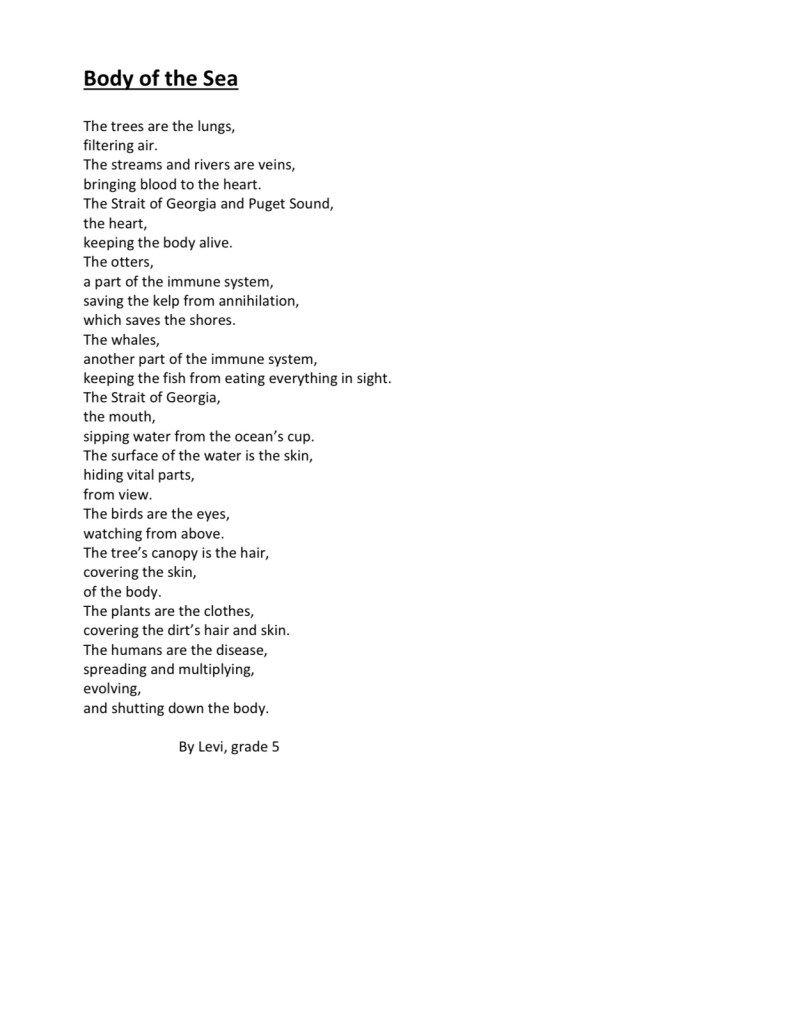
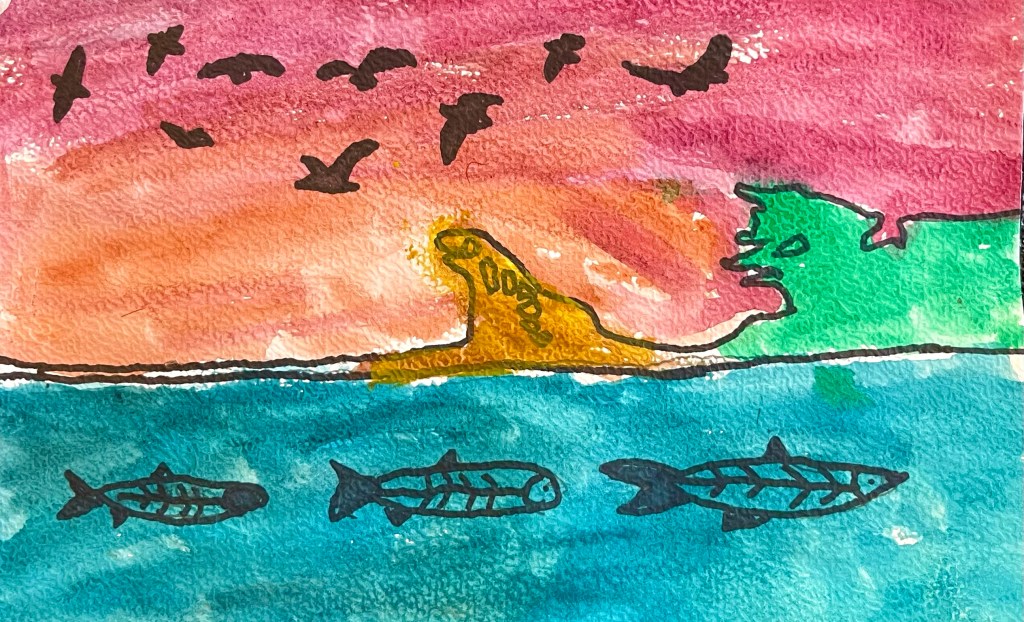
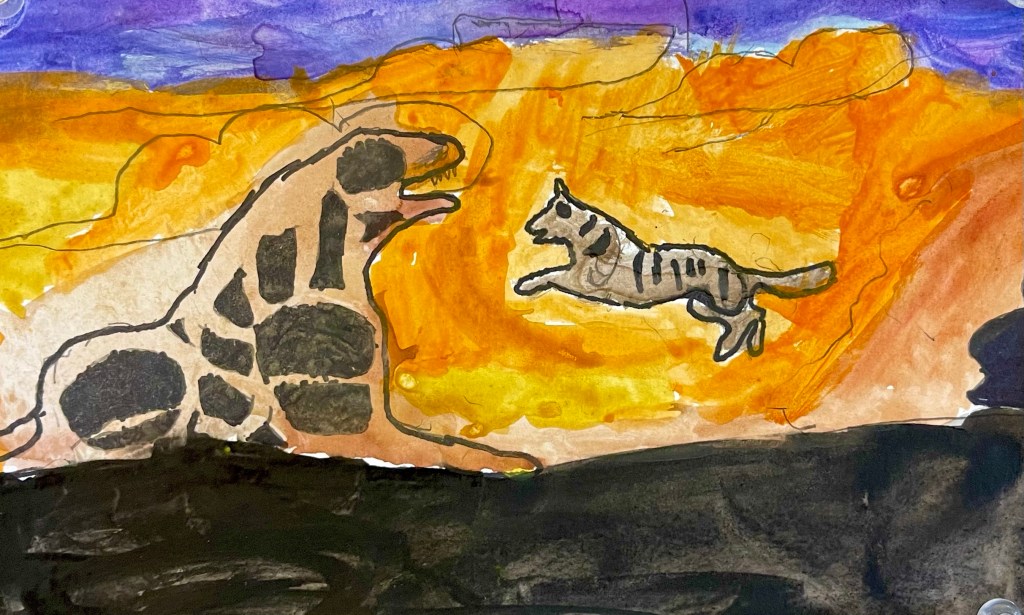
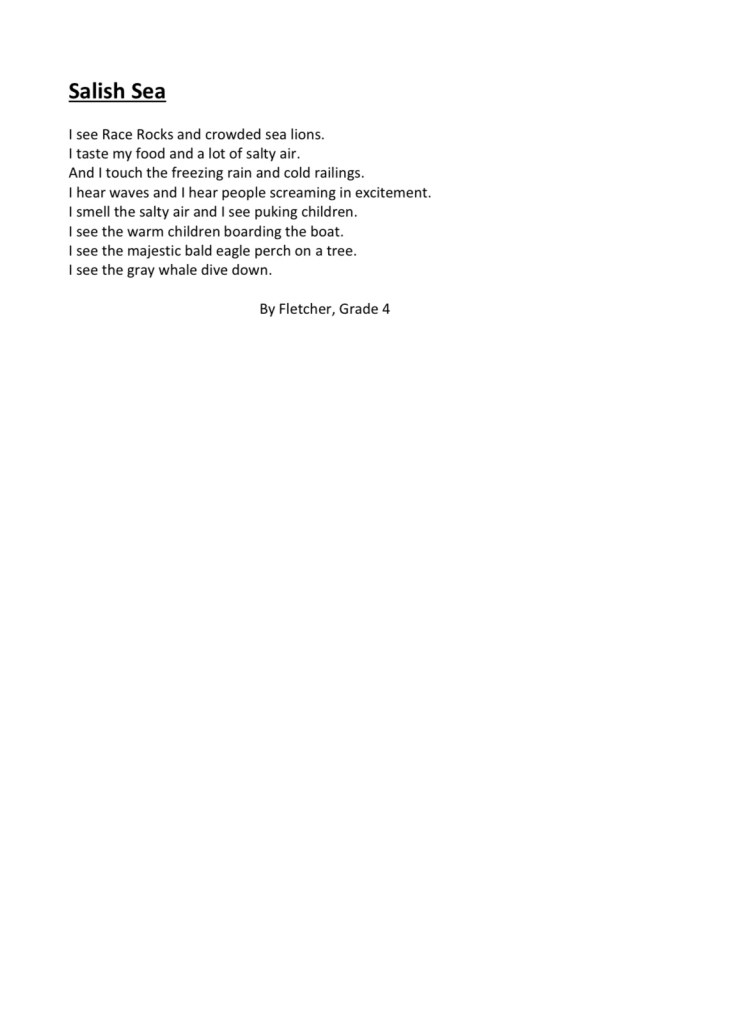
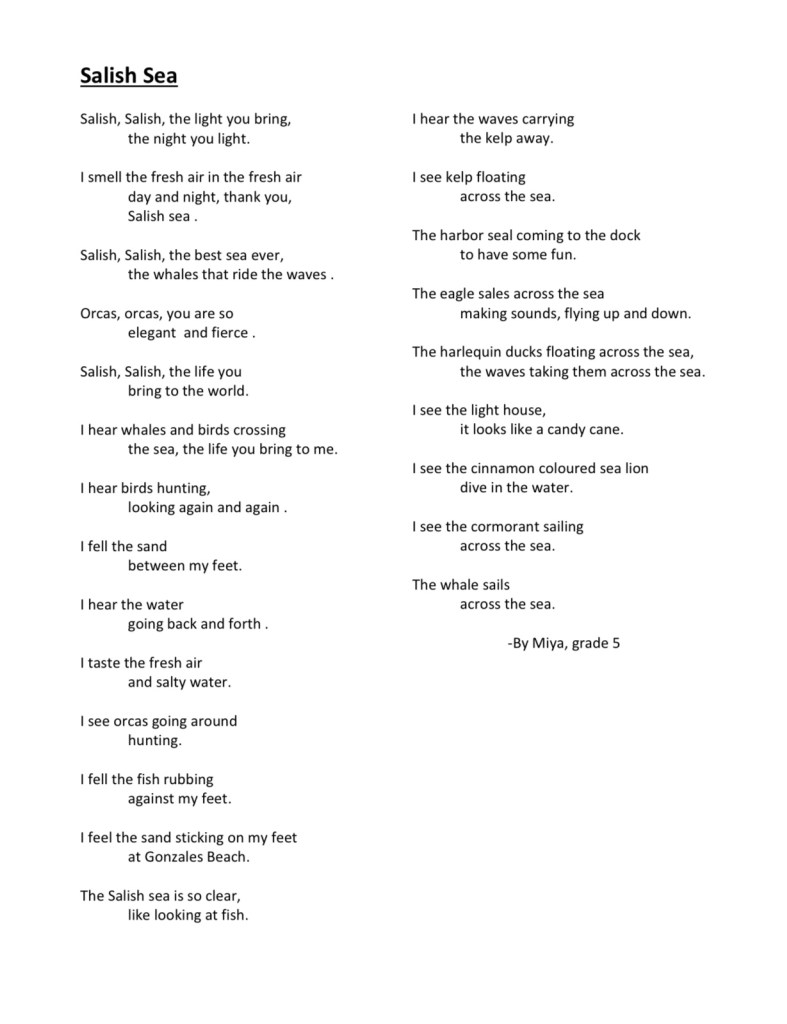
In our multi-disciplinary Salish Sea inquiry, we have reached lovely milestone! The students have created beautiful poems and watercolour paintings. Please see the project description and student work samples below…


Big Math Review today

Hello, division 4 families!

In Math, are full steam ahead on our new division unit. However, today we took some time to do a big math review of addition, subtraction, expanded form, and multi-digit multiplication using both the traditional method and box method.

We reviewed because we want to keep sharp, but also there are students who are studying for a math “re-test”, and this review was a check point to see if students were feeling ready for that.

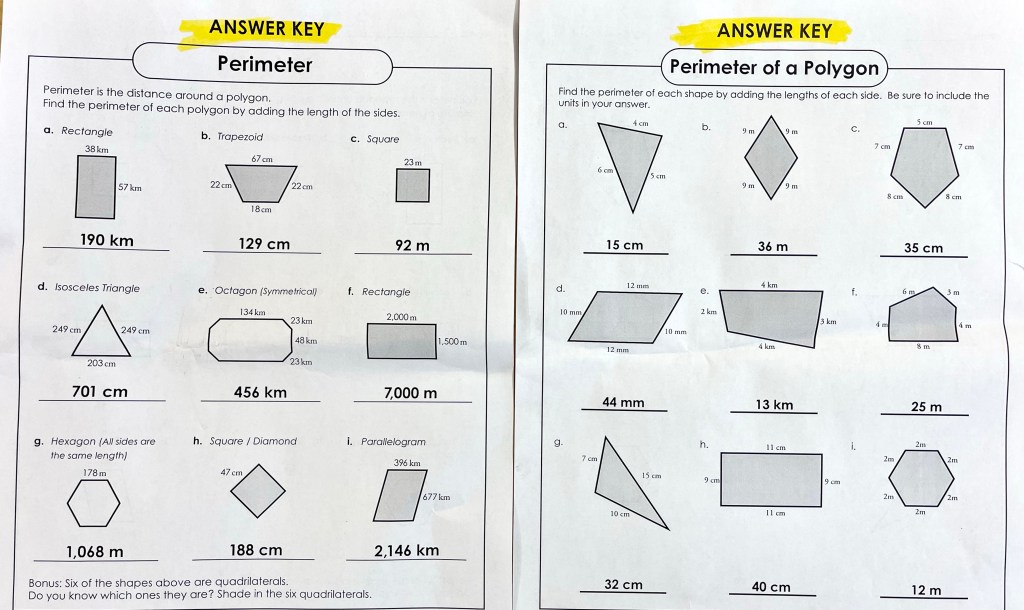
*Parents/Guardians: Please ask your children, “How did you feel about the math review today? What types of questions do you still need help with?” Students will bring home the review sheet today. If they are struggling, please ask them to watch the tutorial video below. If you have time, please look at your child’s answers and compare with the answer key posted below.

*If a student forgot to bring home the review sheet, they could copy out these questions above themselves.

Does your child need more practice with their multiplication facts? (Most of us do!) I recommend getting some “math bands” if you can. These are silicon bracelets with math facts. I have a set I bought for the class to use, and many of the students love them and wish they could take them home (but I’m having a hard time getting them returned to me, so I cannot let them go home…and it’s a fair bit of work to keep washing them). So here is a link to Amazon to purchase or you might find them at the School House Teaching store on Douglas St. downtown, which is where I bought my set two years ago. *What other strategies do you like to use to reinforce math facts? Reply below or send me an email!

Another great product is this multiplication chart in pop-it form—so it doubles as a fidget! I’m ordering one for my son right now! Here’s a link:

Orff music today again!

Hatchet, Division & Salish Sea Watercolour Paintings

Hello, division 4!

Today in math we continued reviewing the meaning of division by exploring repeated subtraction and playing with fact families. You might ask your child, “How would you use a number line to find an answer to a division question like 15 divided by 5?”

In Language Arts, we read another chapter of Hatchet and students added to their novel illustration pages and responded to some more comprehension and analysis questions for chapter 9.

As well, many students have finished their wonderful “Five Senses Salish Sea Poems” incorporating their learning about the local environment and new vocabulary words.

I also presented some techniques for creating natural, dramatic skies and for how layer islands in a watercolour seascape. The videos below show the tutorials I did in class. We will continue painting tomorrow—the students’ artworks are looking wonderful!

Giant Map & Division

Hello, division 4 families!

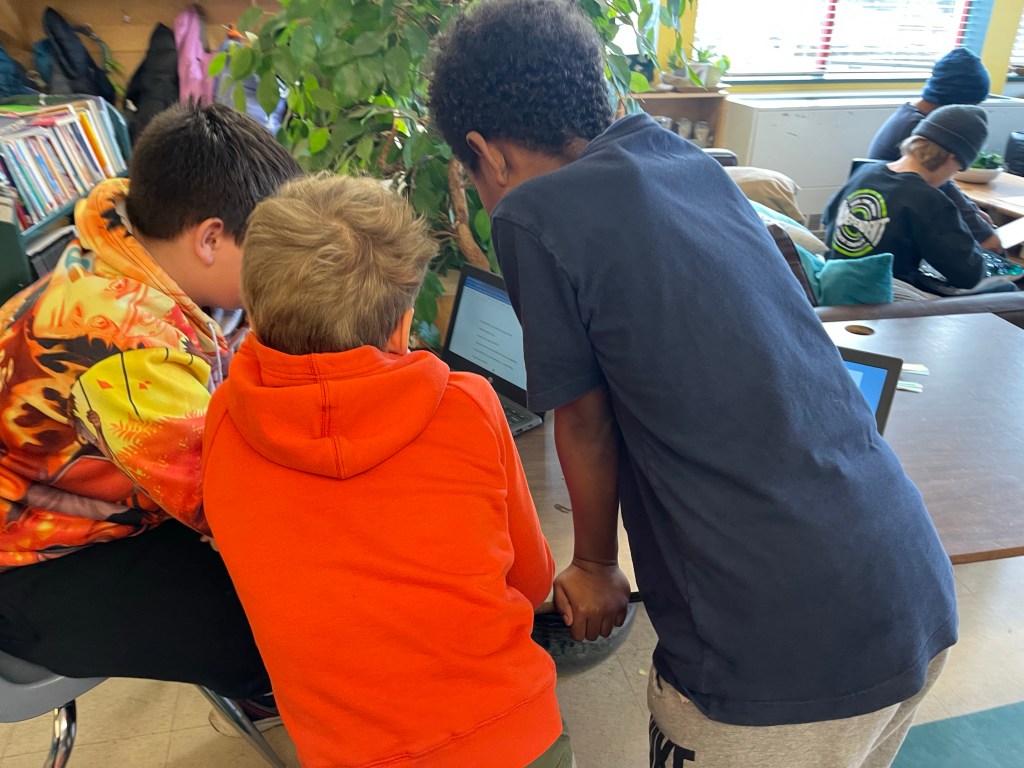
On Friday, we had a special Social Studies lesson to grow our knowledge of oceans and how to use maps. The giant map shown below was on loan from the Royal BC Museum. Students had the chance to explore it on their own and formulate their own questions. We had tape measures and ropes for students to practice making good estimates of distance. For example, the ropes were helpful in estimating the the length of meandering rivers and the perimeter of irregularly shaped islands and coastlines. Students practiced their research skills using the Chromebooks to find trustworthy sources of information to help them answer their own questions. Ask your children what they noticed and wondered about our big map!

Here are the spelling/vocabulary challenge words we are exploring. Students are incorporating the words into their current poetry assignment about the Salish Sea

We have started our new math unit in division now. We started with review of grade 2/3/4 concepts today, and students used math manipulatives to create their own division questions. As well; I peppered in division enrichment questions for those who were ready for a challenge. We discussed and demonstrated the difference between division as equal sharing and division as equal grouping. For more explanation of this, you can see the video below and/or click this link: https://mathsnoproblem.com/blog/teaching-tips/exploring-difference-equal-sharing-equal-grouping-division/

Division: Equal Sharing & Equal Grouping
Math Enrichment: Answers will vary depending on how many hours you think it is reasonable to walk per day and per week.

Salish Sea Trip: Payment & Details

Hello, division 4 families!

Our Salish Sea trip is coming up, and we are so excited! THANK YOU for returning the permission forms! We are now ready to have parents/guardians submit the $36 payment for each child using the school’s “Cashonline” system. Please visit this link to complete payment: https://identity.schoolcashonline.com/Account/Login

No child will be denied the opportunity to participate based on finances. Please email our principal Ms. Eggert with any concerns about the cost of the trip, and your family will be supported and your privacy will be respected.

THANK YOU SO MUCH to all parents/guardians who expressed interest in being volunteers. We had many more parents eager to join our trip than we have spaces to offer; so we had to do a random draw. The following parents/guardians are invited to join as supervisors. (And we may learn we have room for MORE parent/guardian supervisors , but I won’t know for another week until the teacher team meets to do a recount of our numbers after all permission forms come in.)

The parents/guardians confirmed to join us so far include… 

Grade 4 Trip in the Morning of Tuesday, February 7th

  • Onni’s dad (Ruan)*
  • Miles’ dad (Tom)*

Grade 5 Trip in the Afternoon of Tuesday, February 7:

  • Levi’s mom (Melissa)**
  • Leo’s mom (Jenica)**
  • Remi’s dad (Mathieu)**
  • Miya’s grandmother (Robyn)*

*All six of the parent/guardian supervisors listed above are requested to also pay $36 online for their own fareand/or send in cash to the office. Please contact the school office at 250-595-2444 if you have questions about this.

**Note to just Melissa, Jenica and Mathieu: We need you as the afternoon trip supervisors, both to join us on the boat AND to drive students home after the trip—thank you so much for this extra helpful contribution! More specific details to come, but here’s an overview for you three: being driving supervisors requires (a.) meeting us at the dock at approximately 11:45am with your vehicle, (b.) paying for parking for the 3-4 hour duration, (c.) joining on the boat, (d.) driving students back to the school for 2:30pm, and (e.) completing the required documentation, which some of you have already done, including (i.) providing a Driver’s Abstract, (ii.) the “Oaklands Volunteer Driver Information and Authorization Form”, and (iii.) the Criminal Record Check available for free online (using our school code of XSPYUADCCW) here: https://justice.gov.bc.ca/eCRC/home.htm  — Melissa, Jenica, and Mathieu, if you are not sure if you have completed all forms, please check with the office. I have requested that parents be reimbursed for the “pay parking” at Fisherman’s Wharf, but this expense was not accounted for in the trip’s budget, and the school is asking parent volunteers to pay for their own parking if possible–even when they acting as student drivers. (I’m so sorry!) Between all the extra forms, driving, and paying for parking, I know this is a hassle, and we so dearly appreciate your extra contribution! Your kindness makes this trip possible for us! Please contact our principal if you have any questions about parking payment and your family will be supported and your confidentiality respected.

I extend my huge thanks to all families for all the ways you are supporting this special learning adventure! We know the memories will last a lifetime! 

Sincerely,

Tiffany Poirier