Time Travel, Perimeter & Area

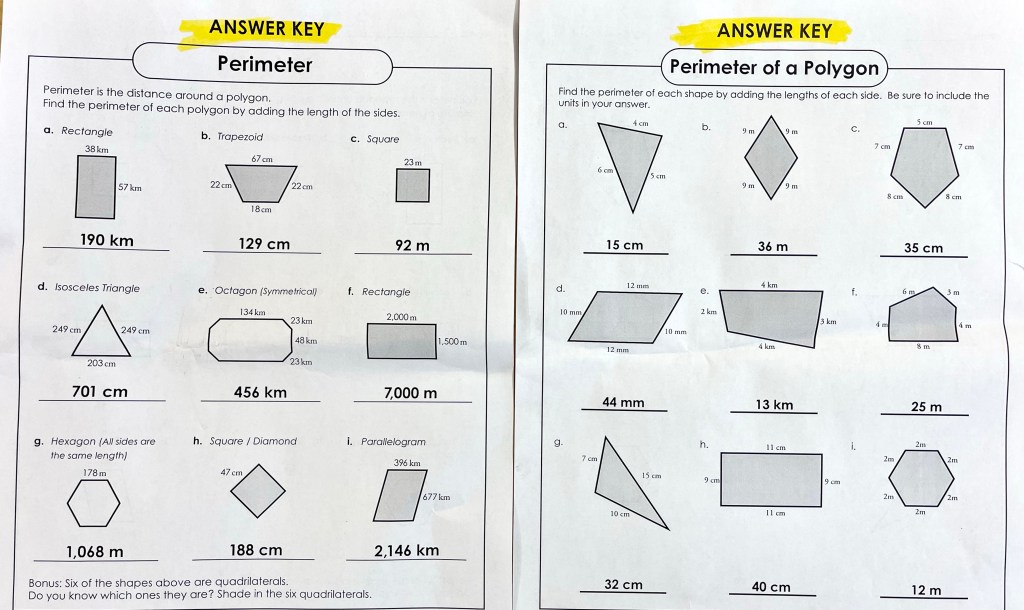
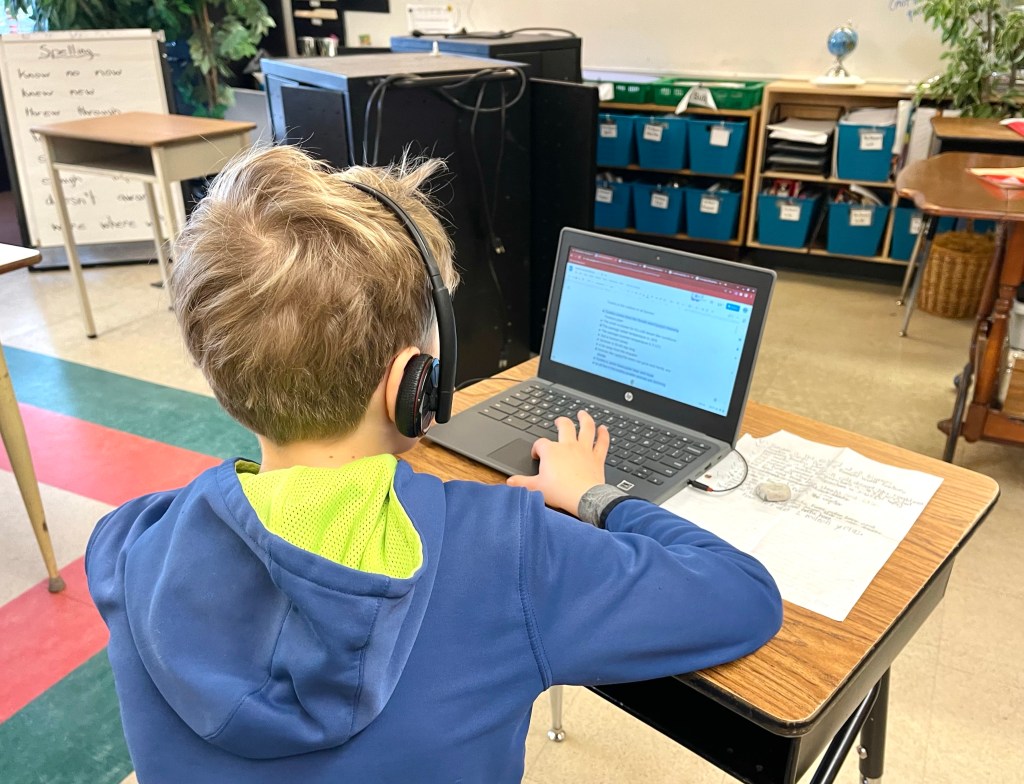
Welcome back! Our division 4 students enjoyed a “soft start” with 35 minutes of reading to get into a new novel. Then we reviewed how to find perimeter and area. Please see our video below to help students practice their own questions at home.
Great news! We are starting a fun, new fantastical interdisciplinary unit on one of our favourite topics: TIME TRAVEL! We began with small table group brainstorm discussion of what we already know about the concept and our own connections.
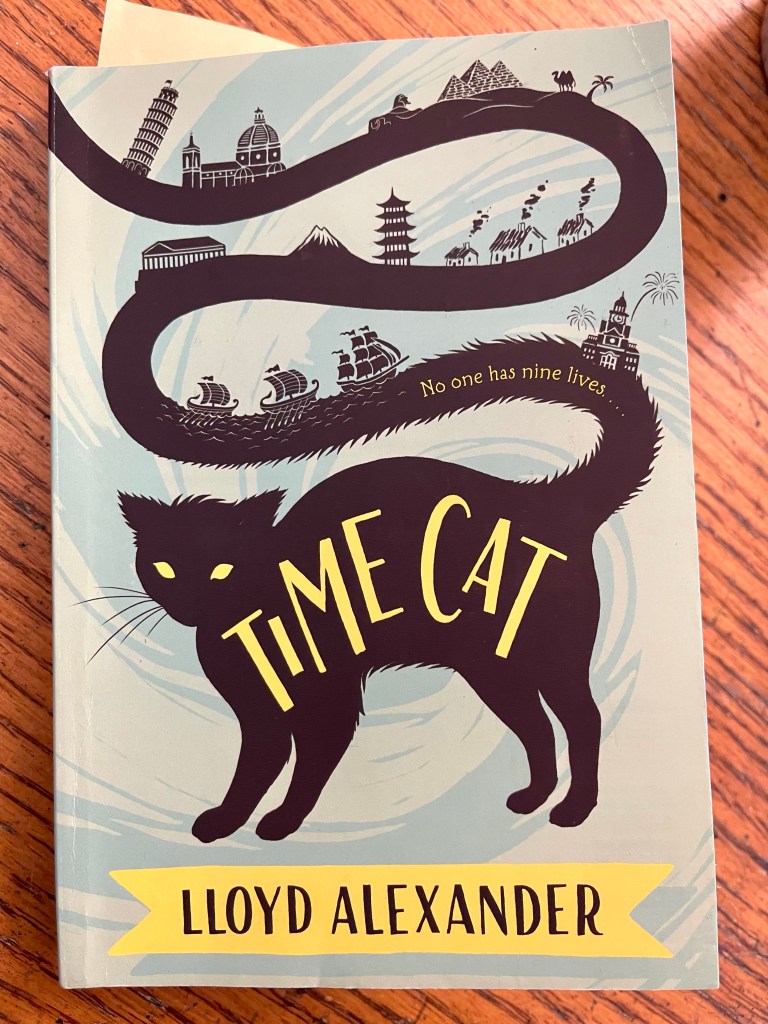
Next, I began reading aloud the first two chapters of a fun time travelling-themed novel, “Time Cat” by Lloyd Alexander.

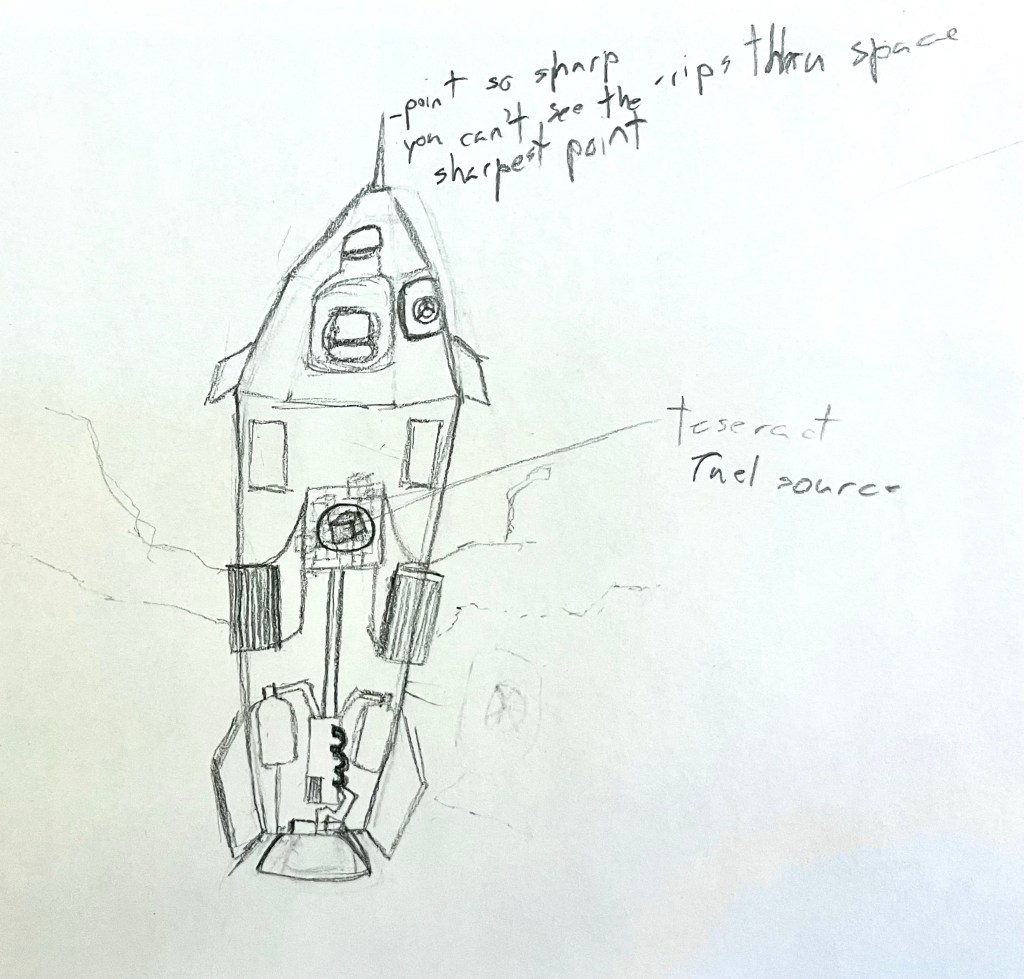
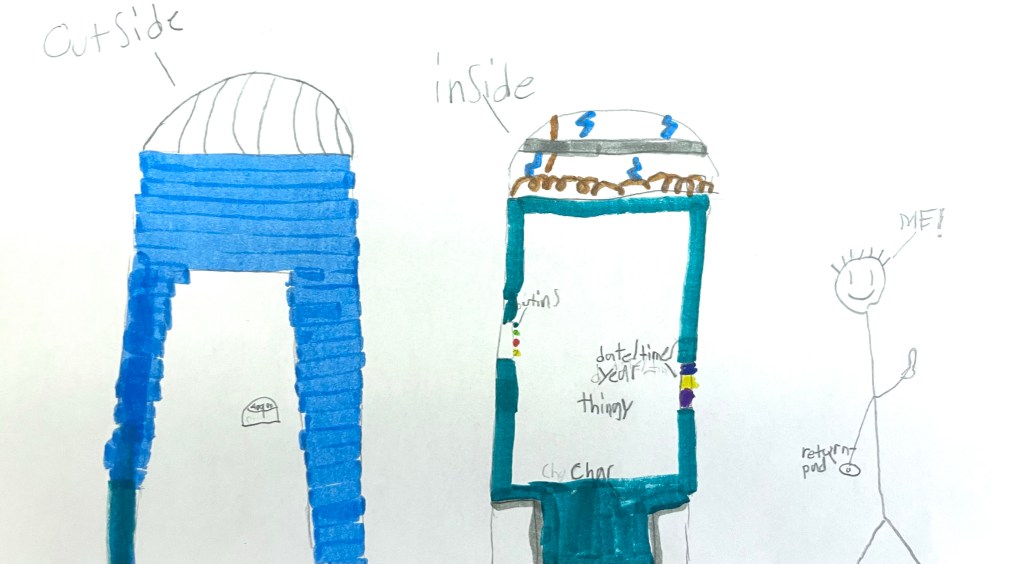
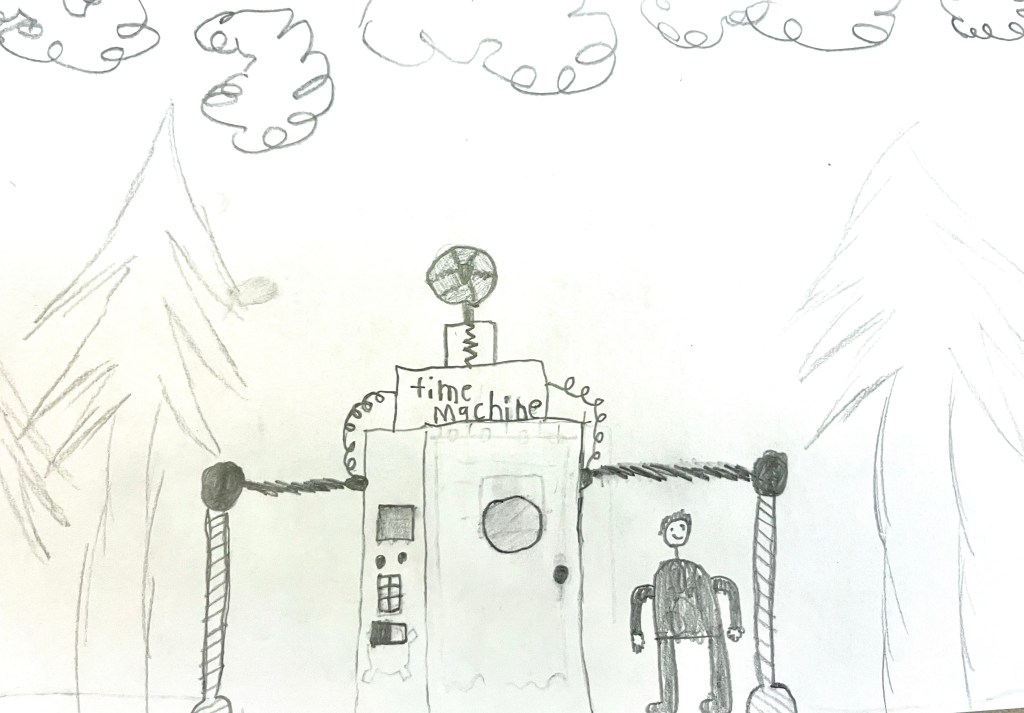
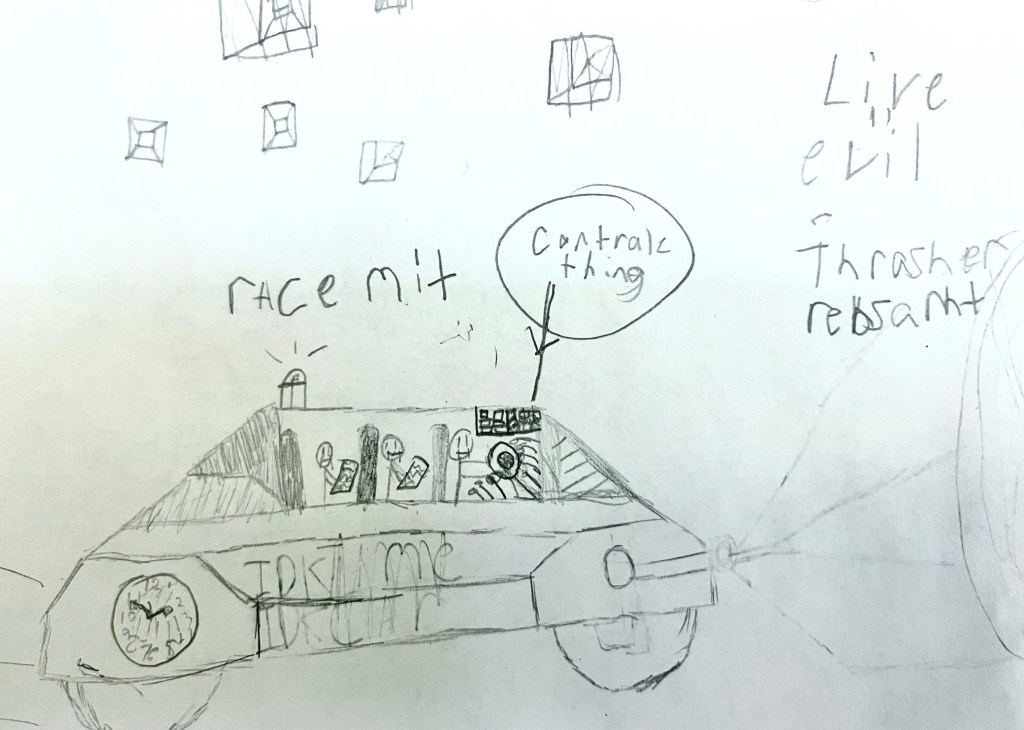
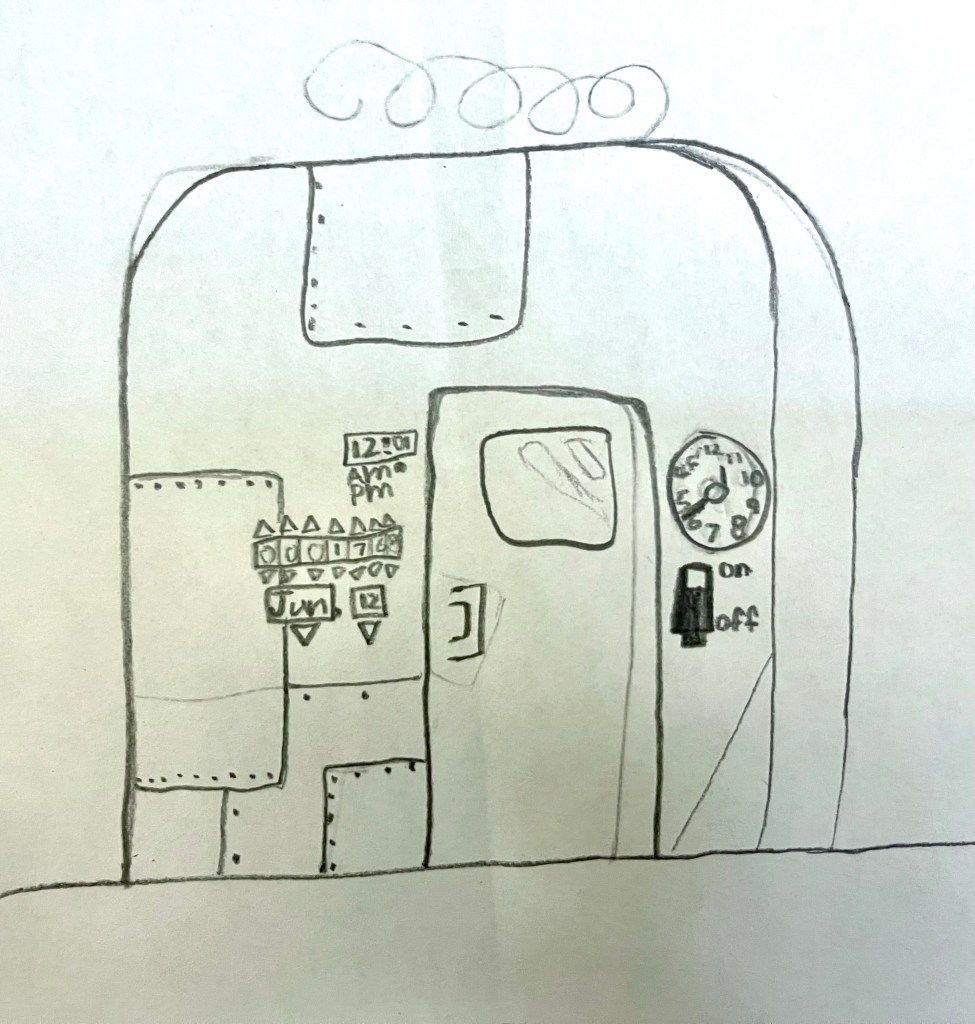
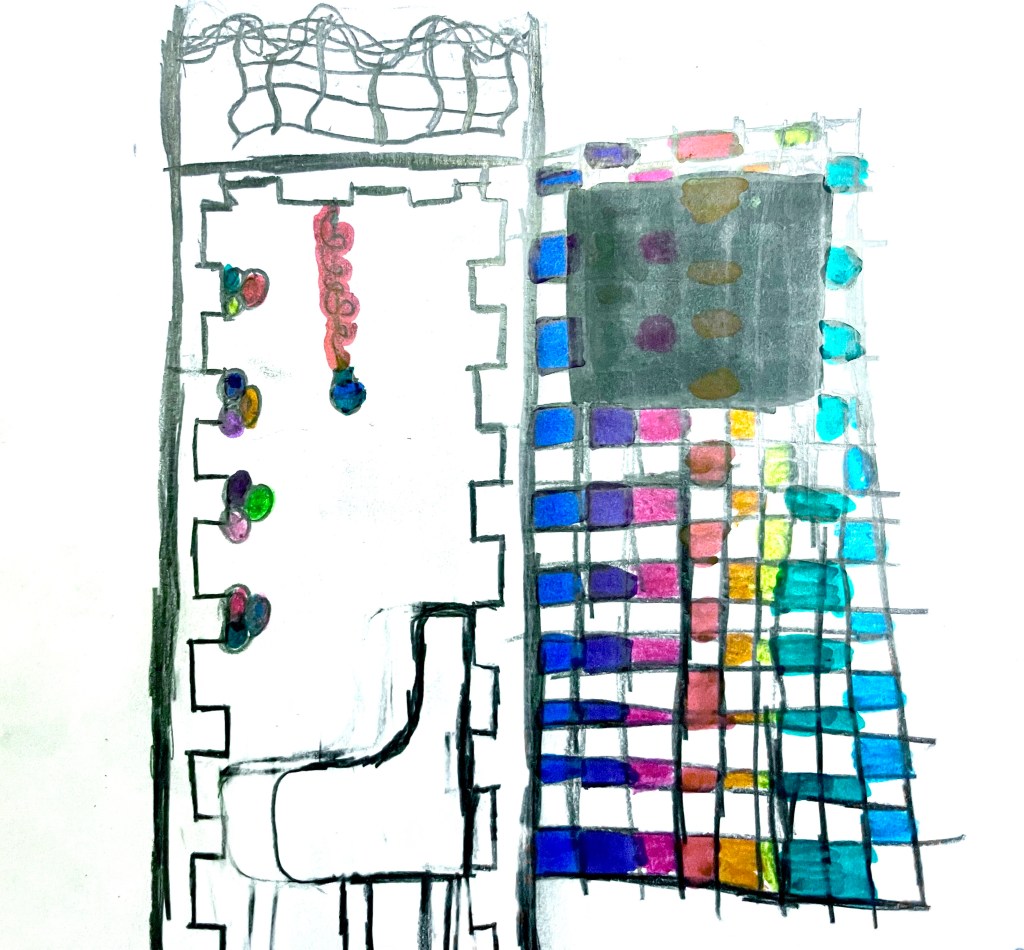
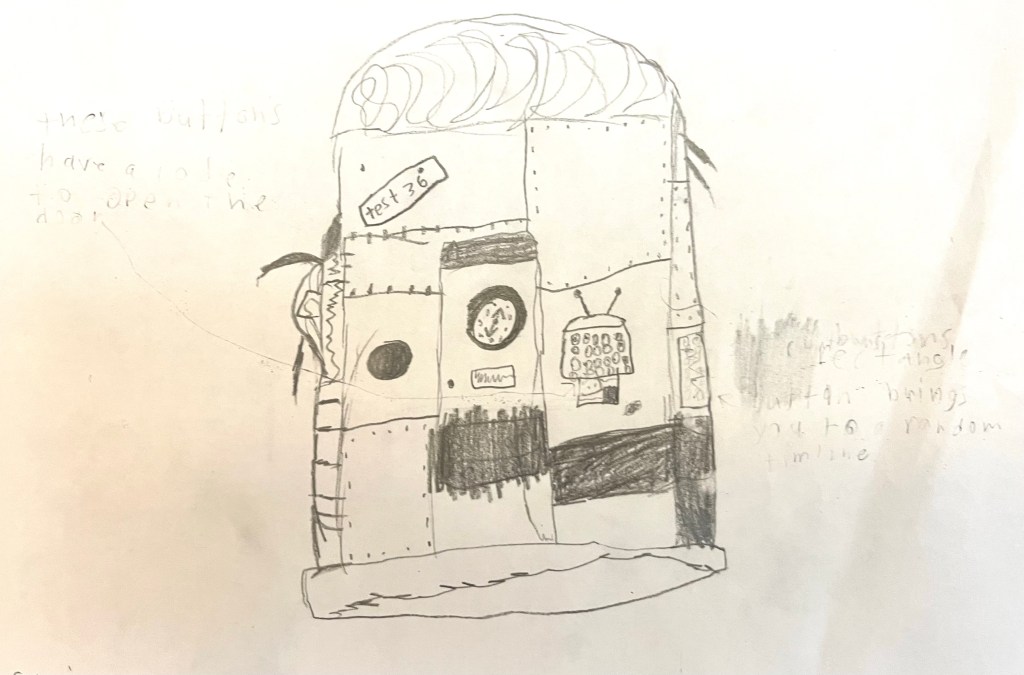
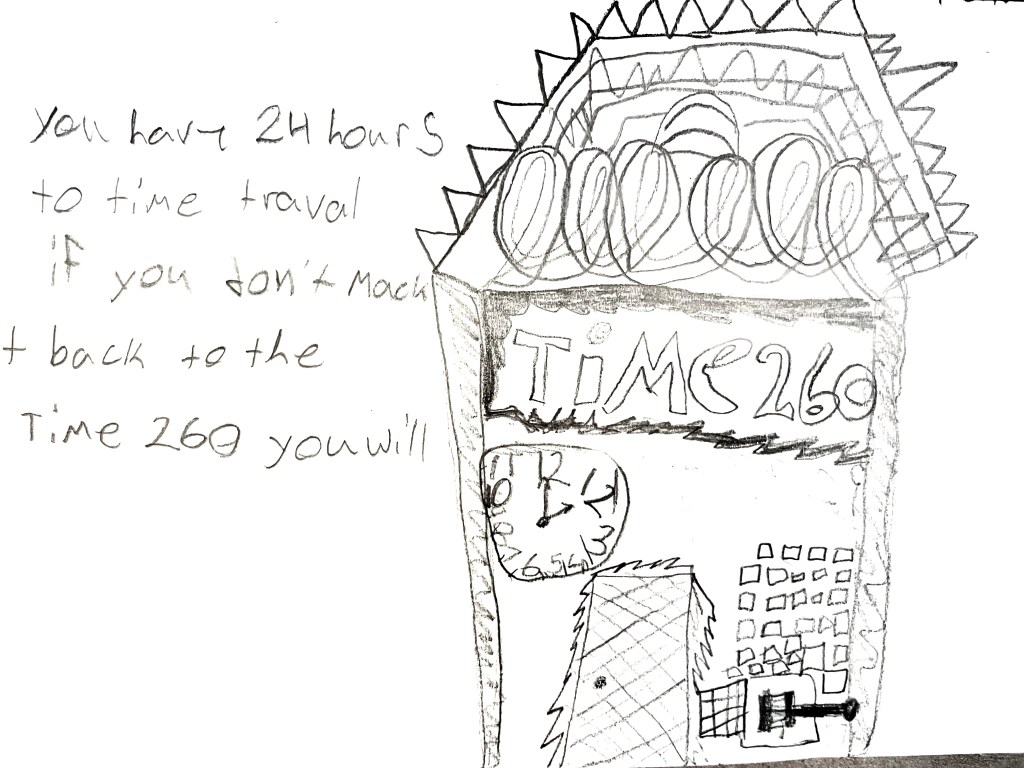
Students were invited to doodle their ideas for time machines while they listened to the novel.

As well, we enjoyed seeing some wonderful biome presentations! We invite you to check out the project work done by these hardworking, creative students seen below. We have finish all biome presentations this week.

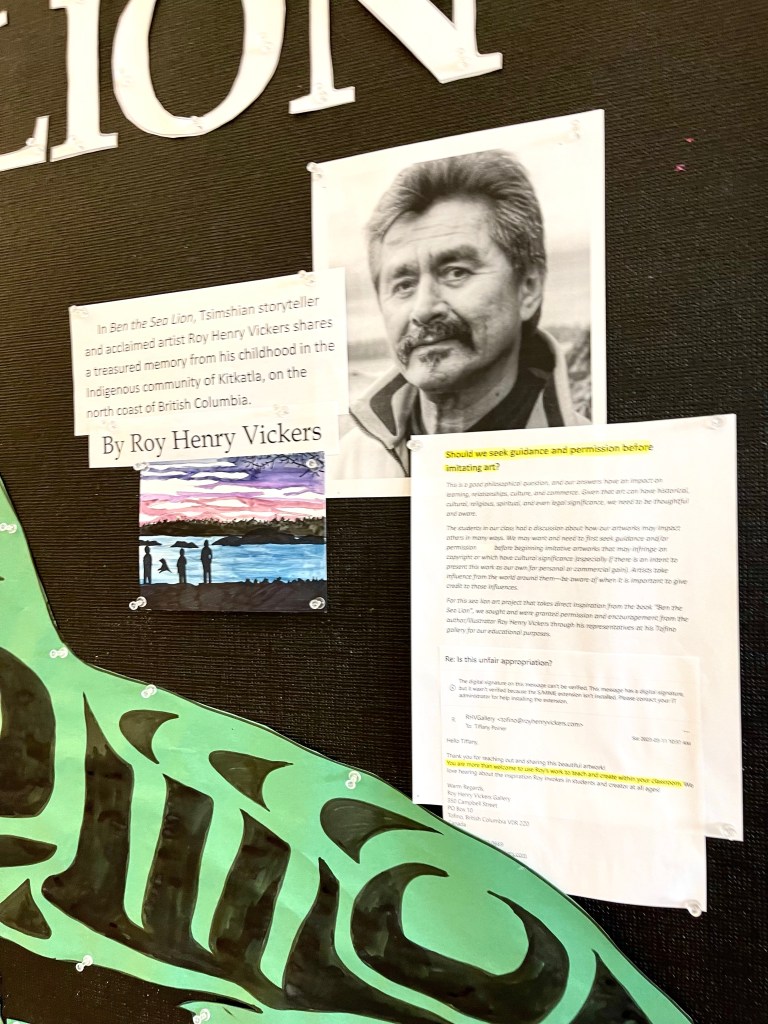
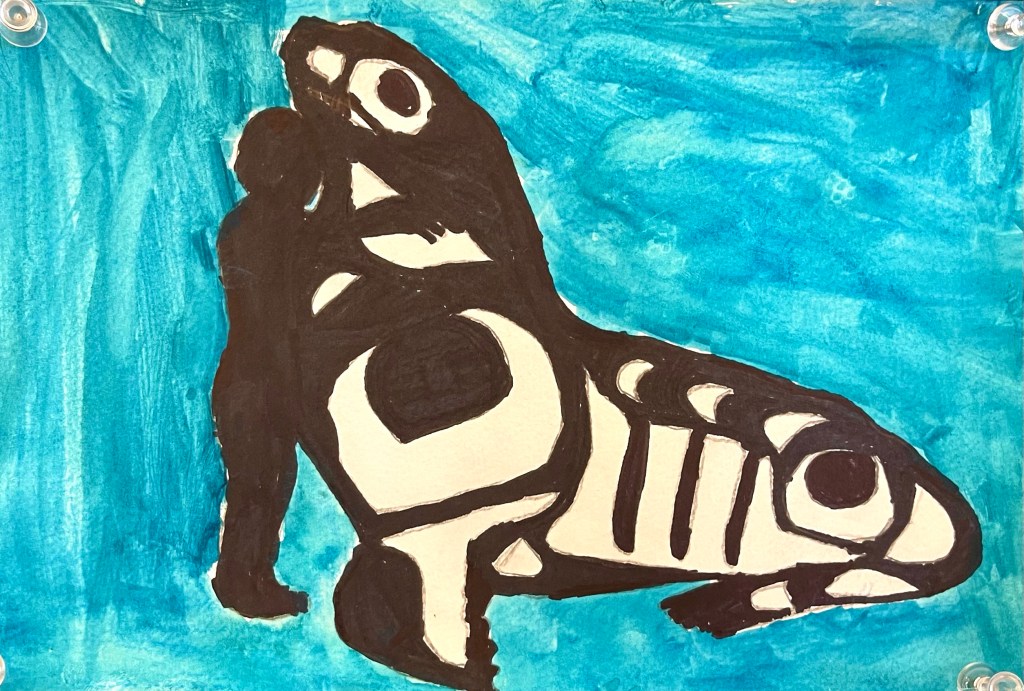
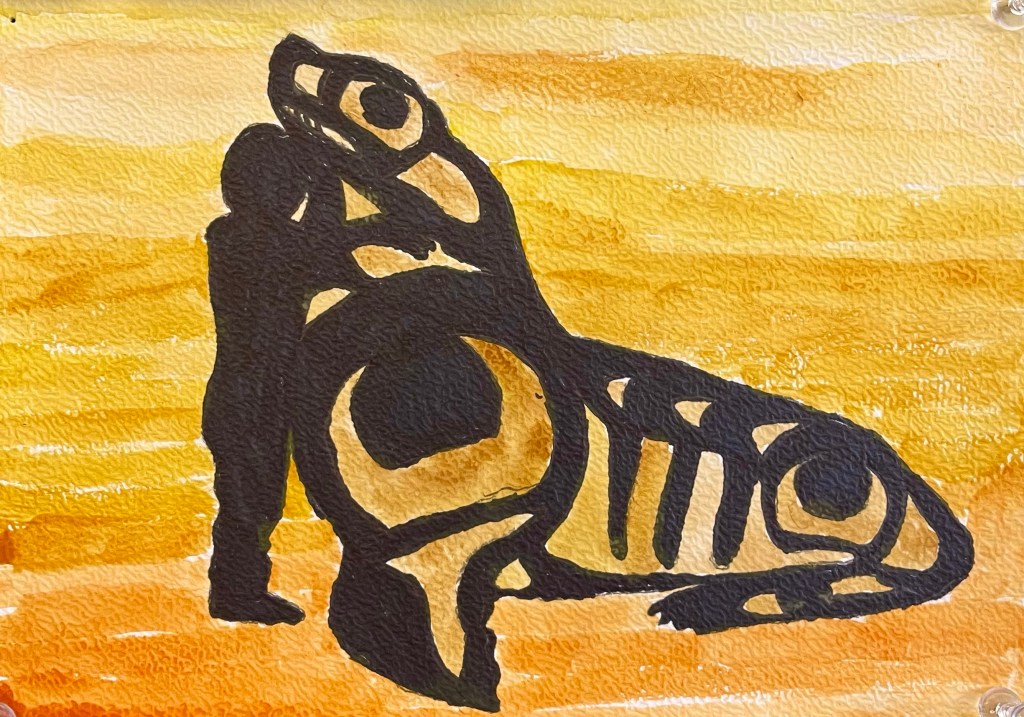
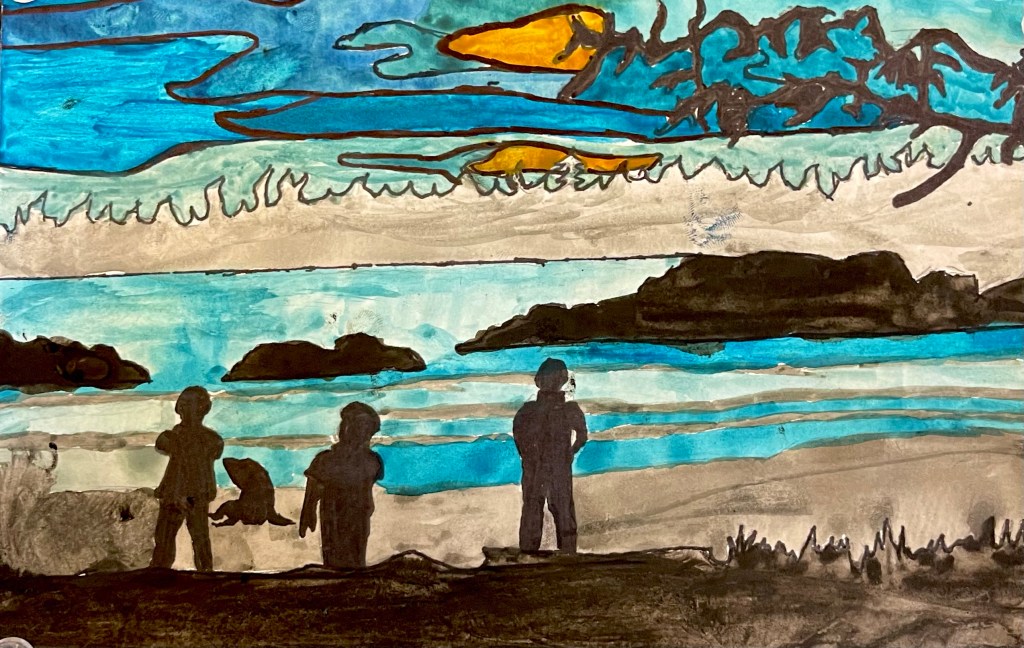
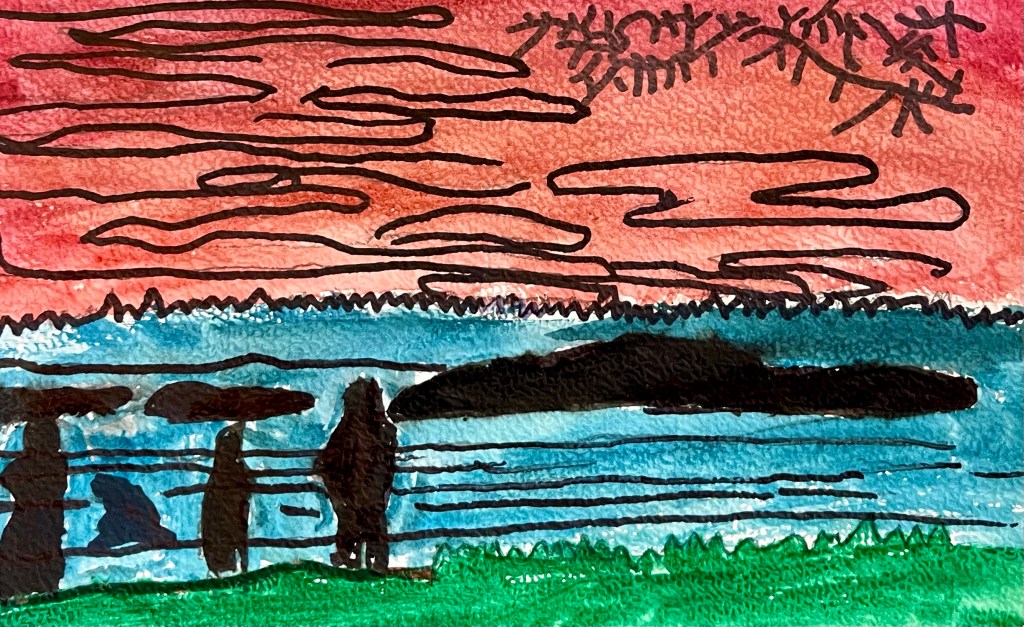
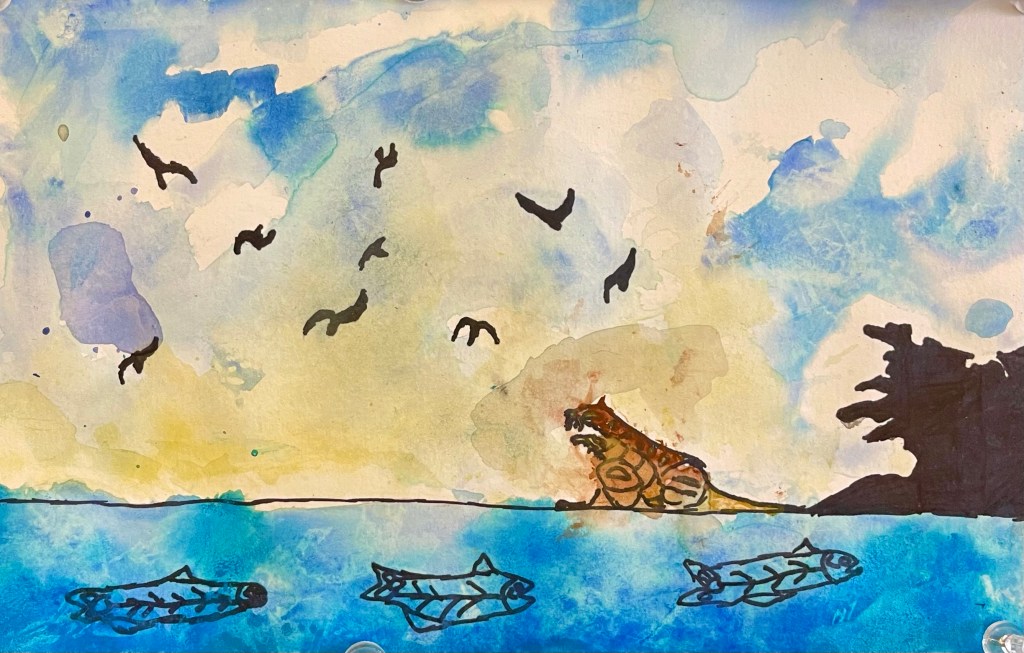
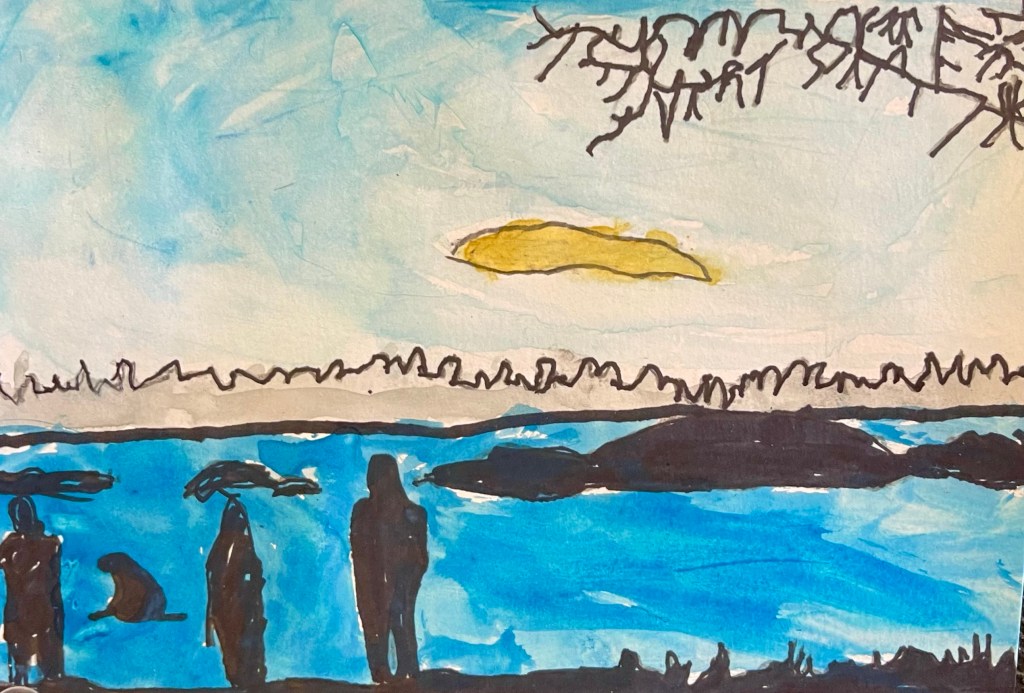
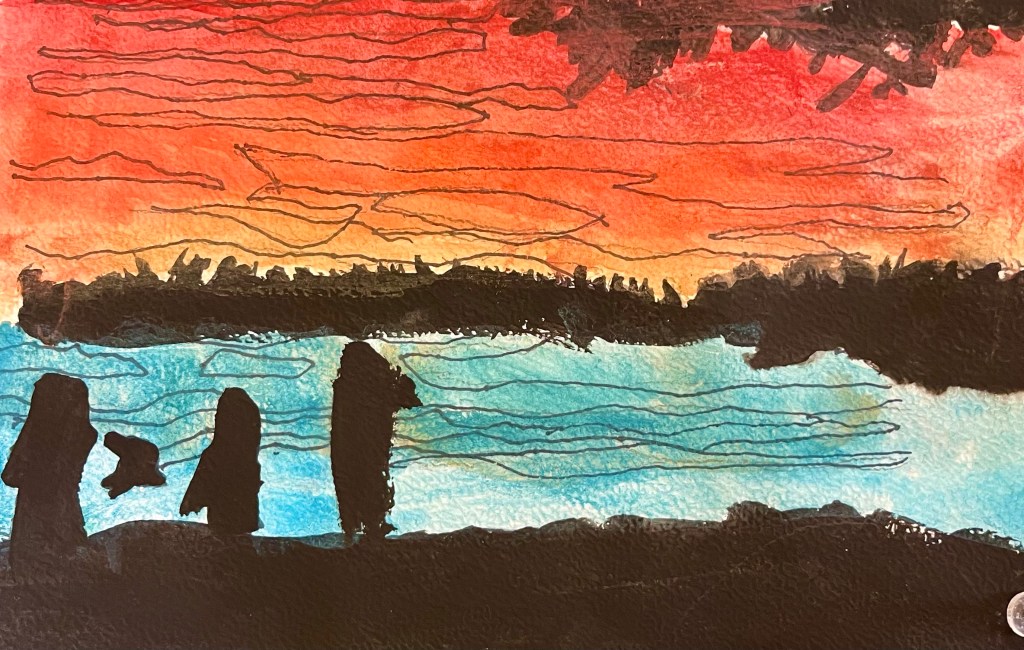
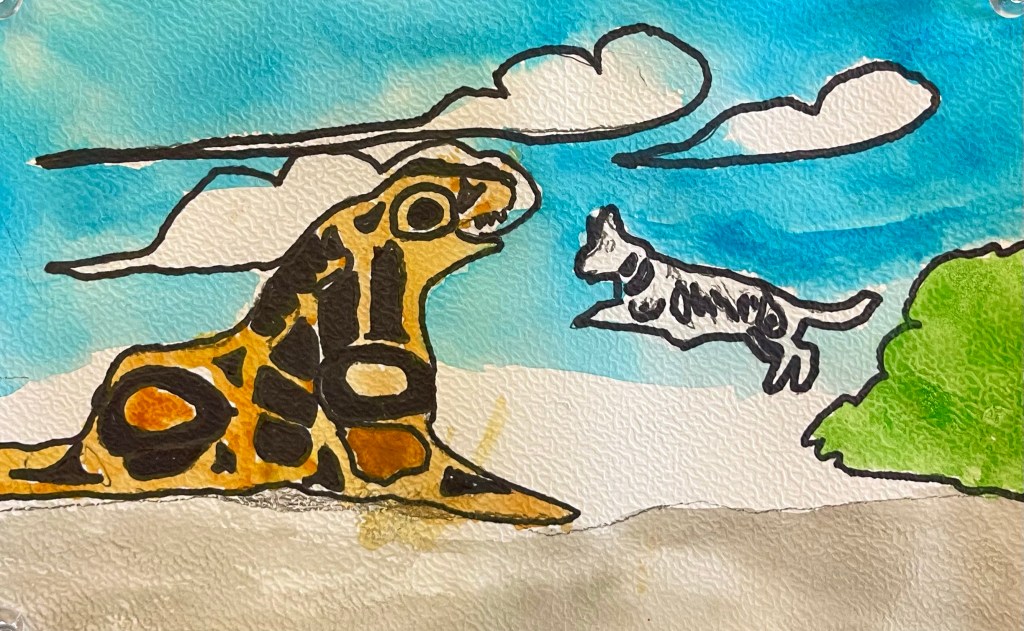
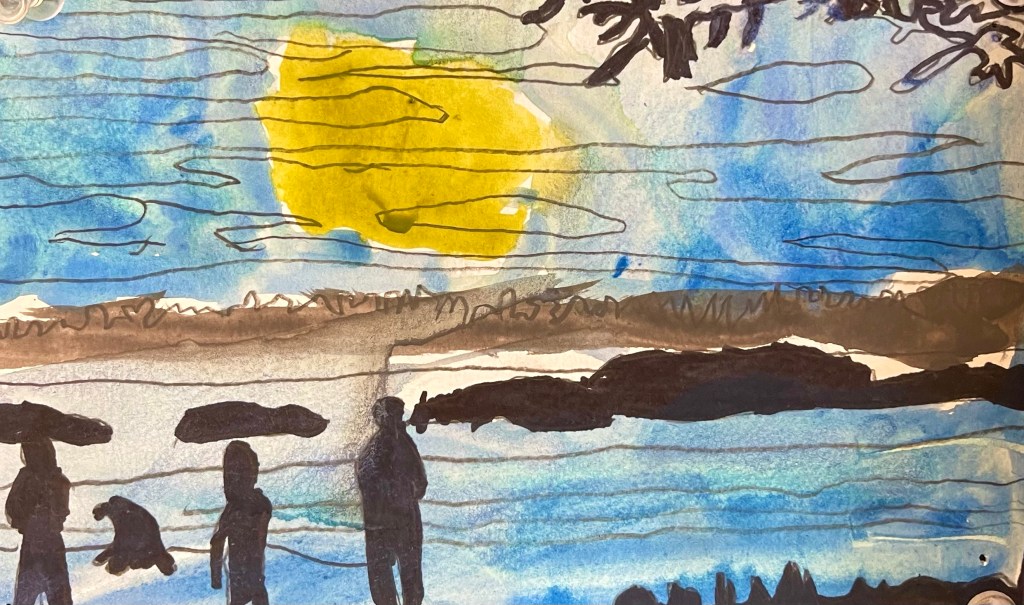
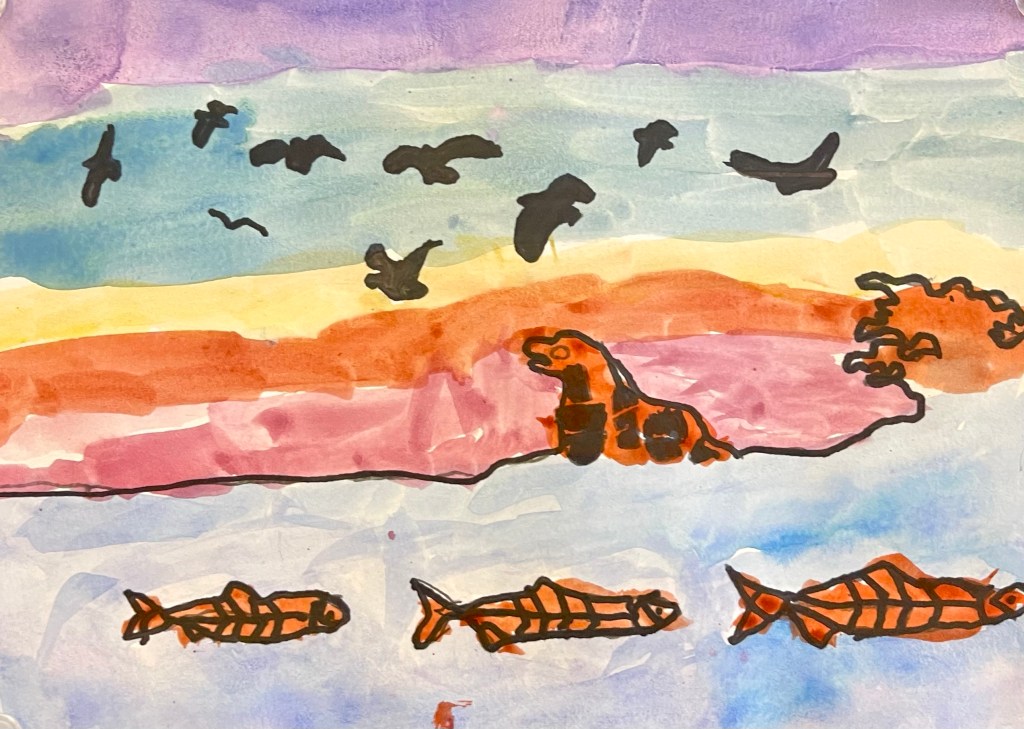
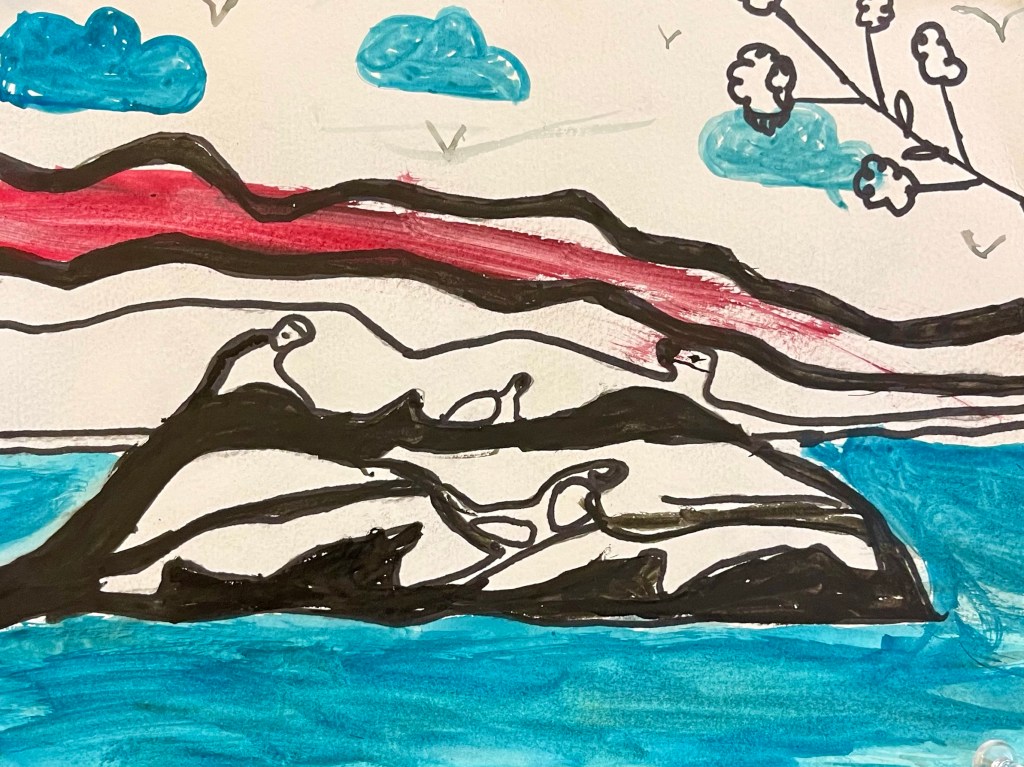
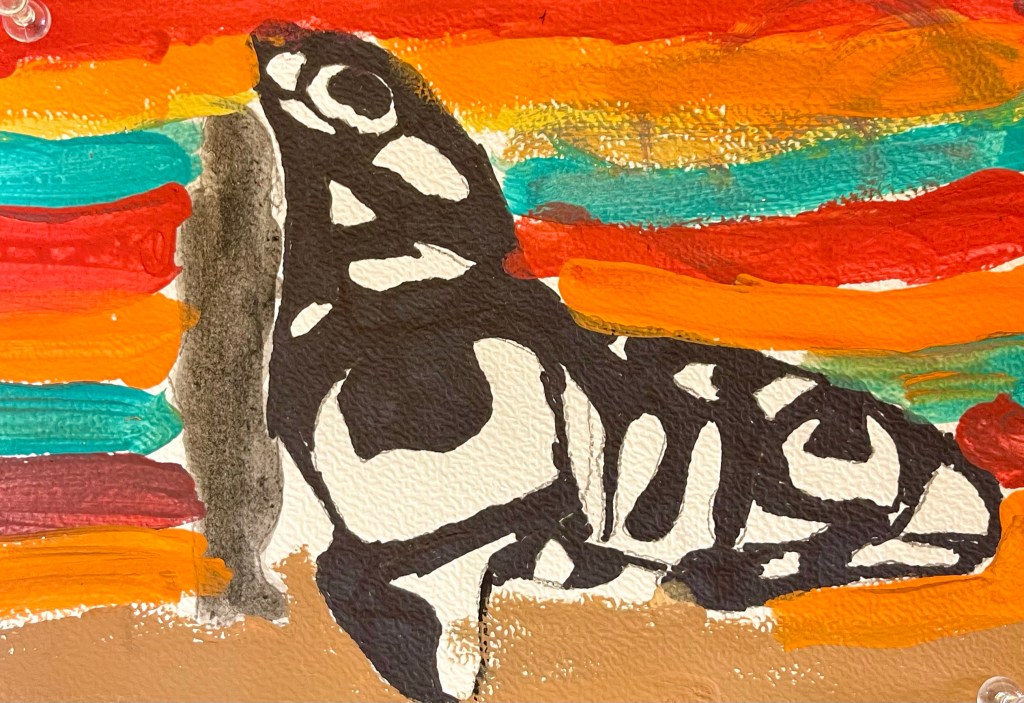
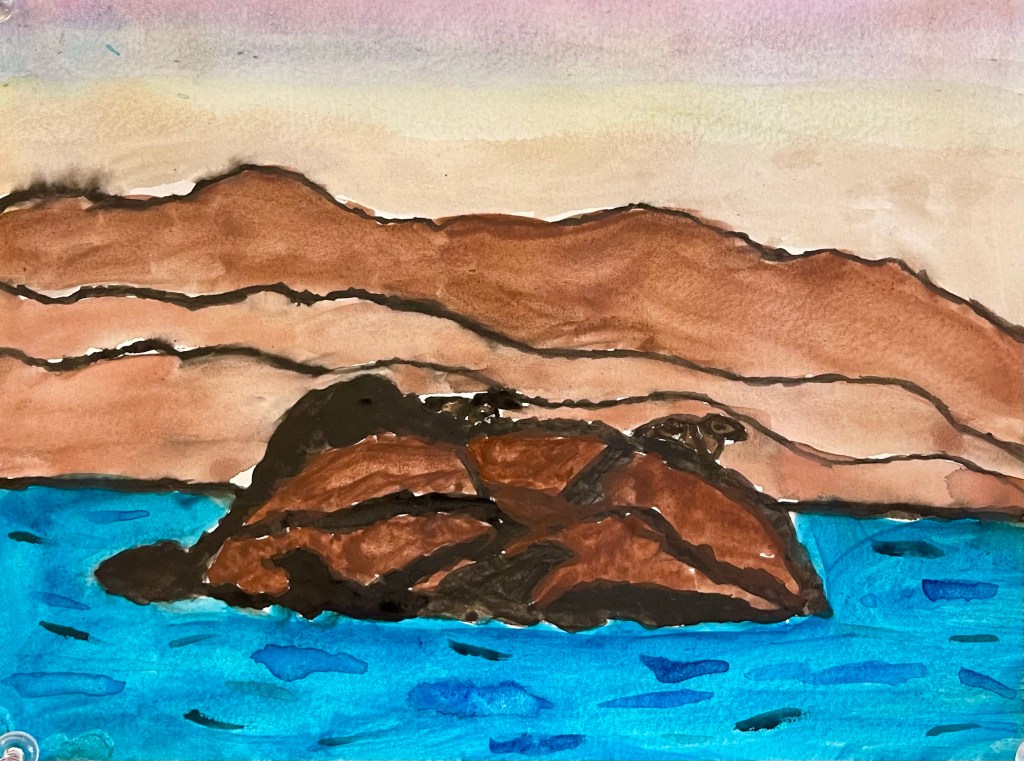
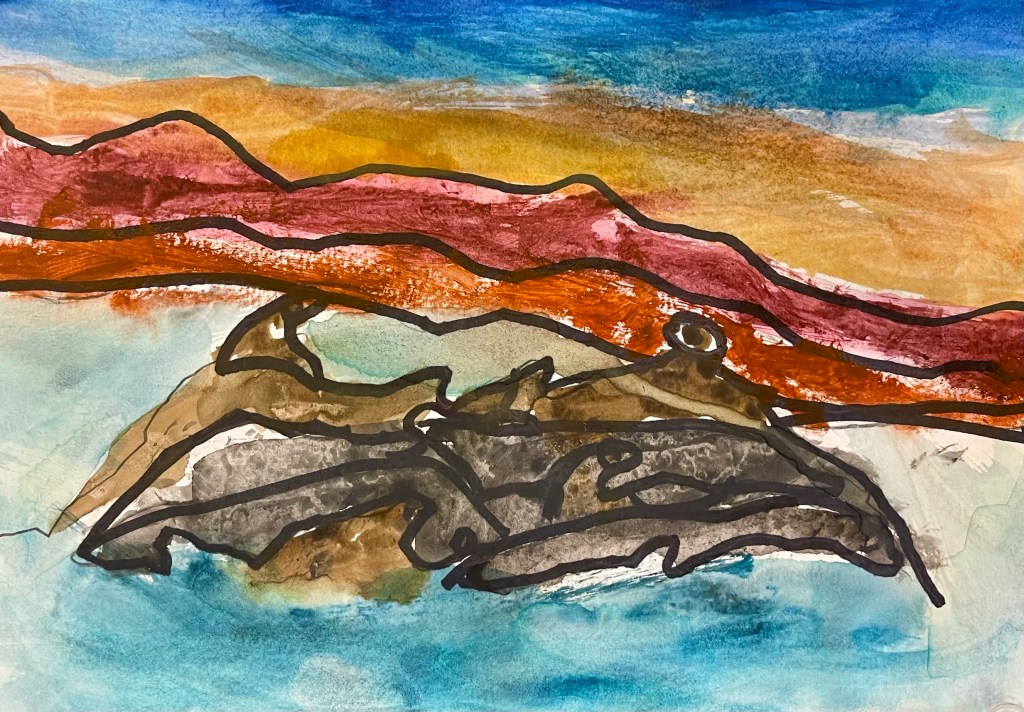
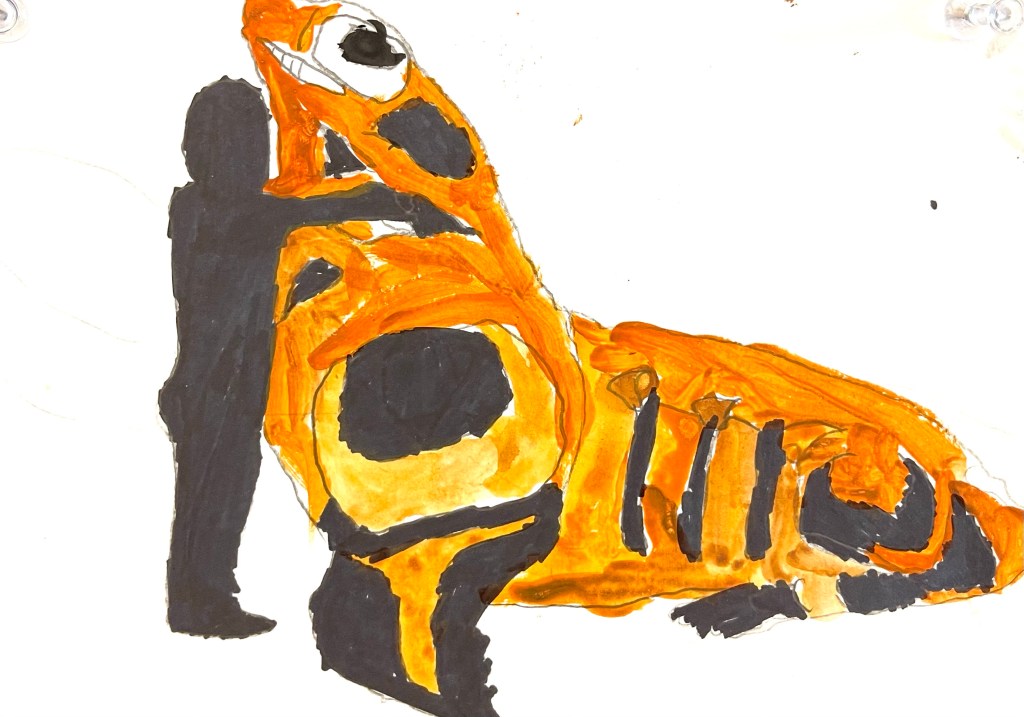
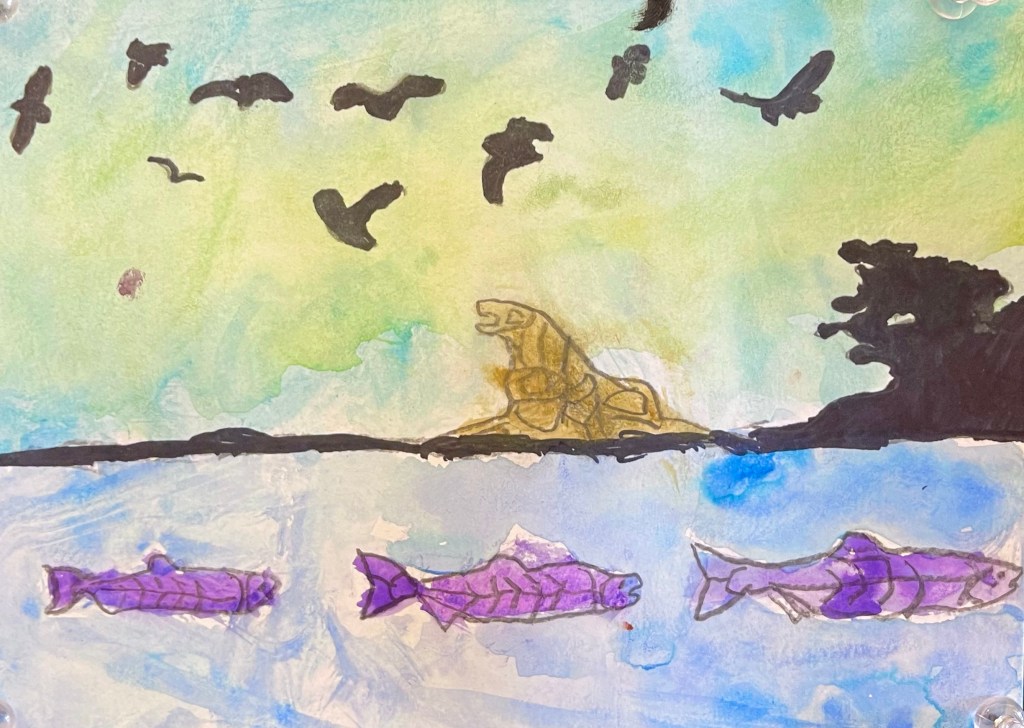
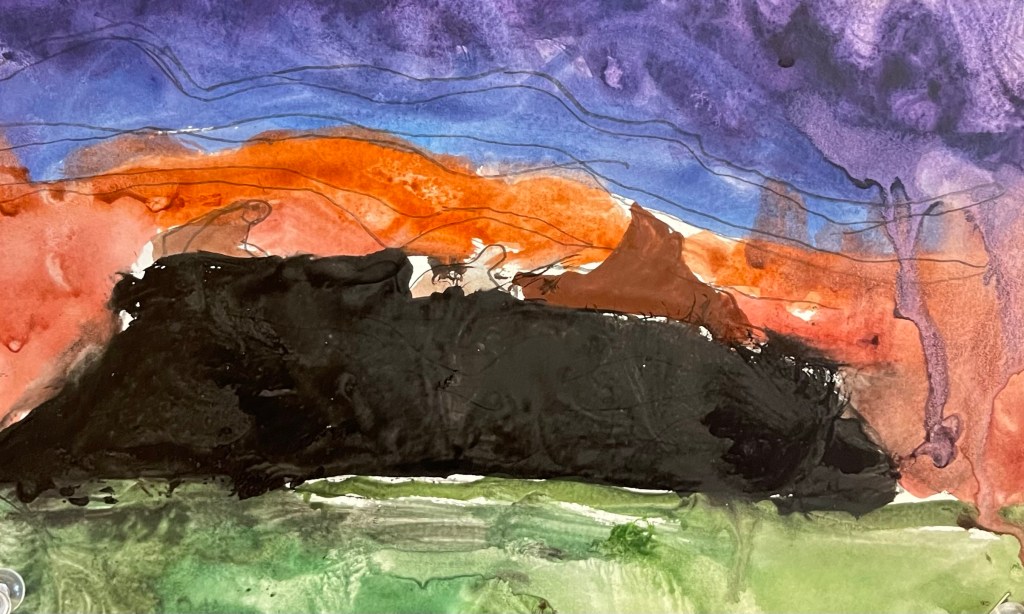
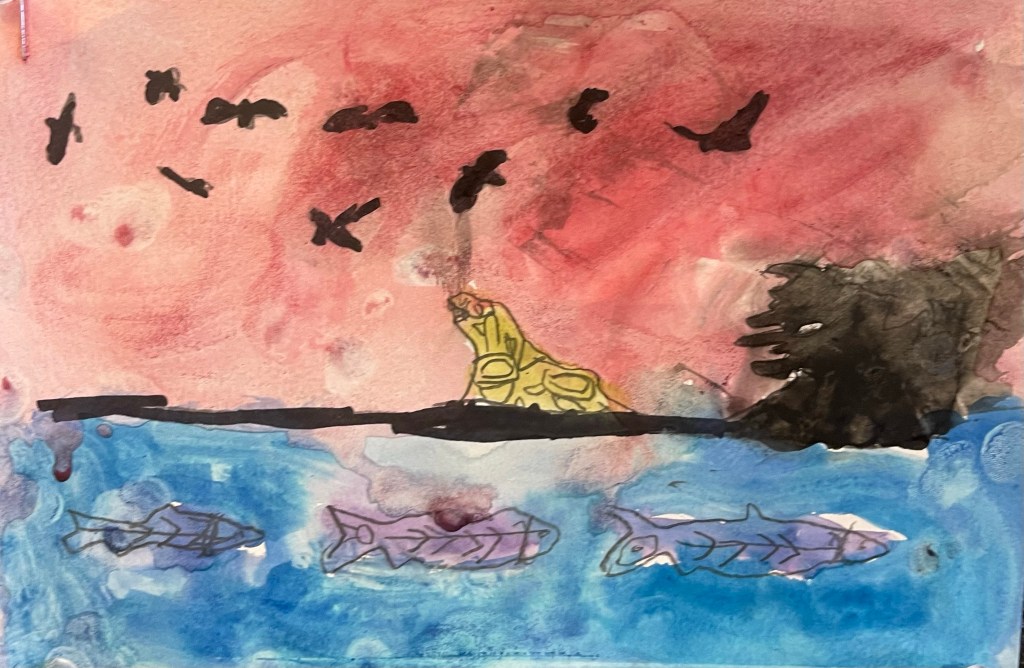
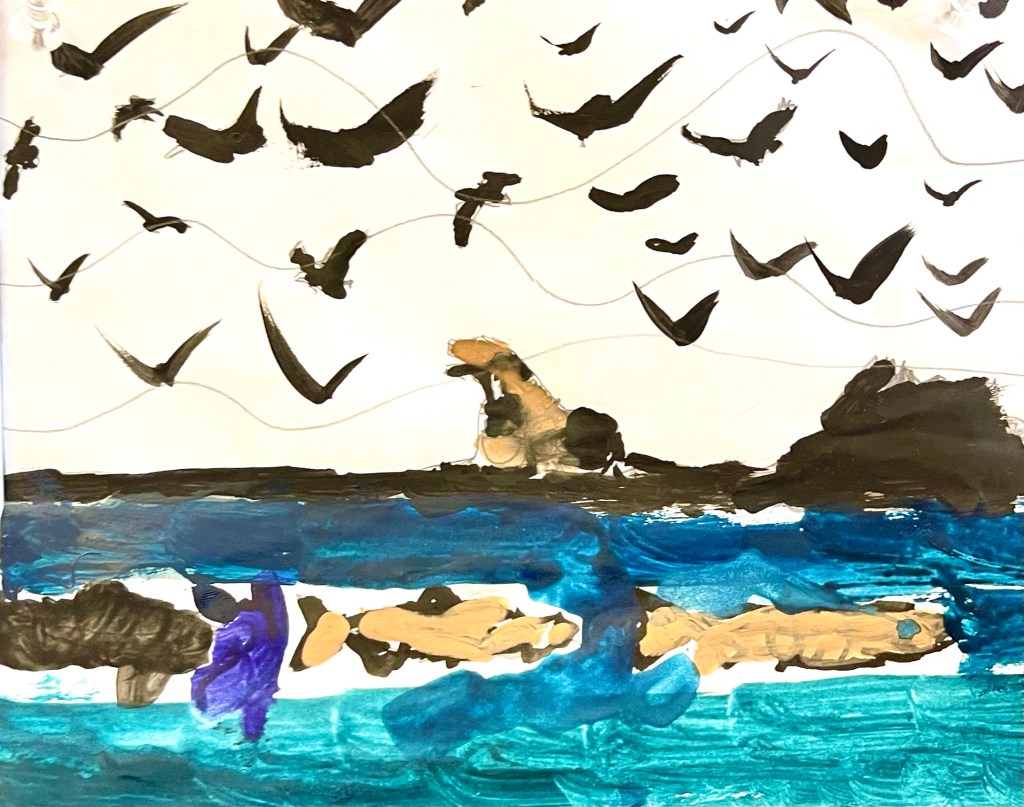
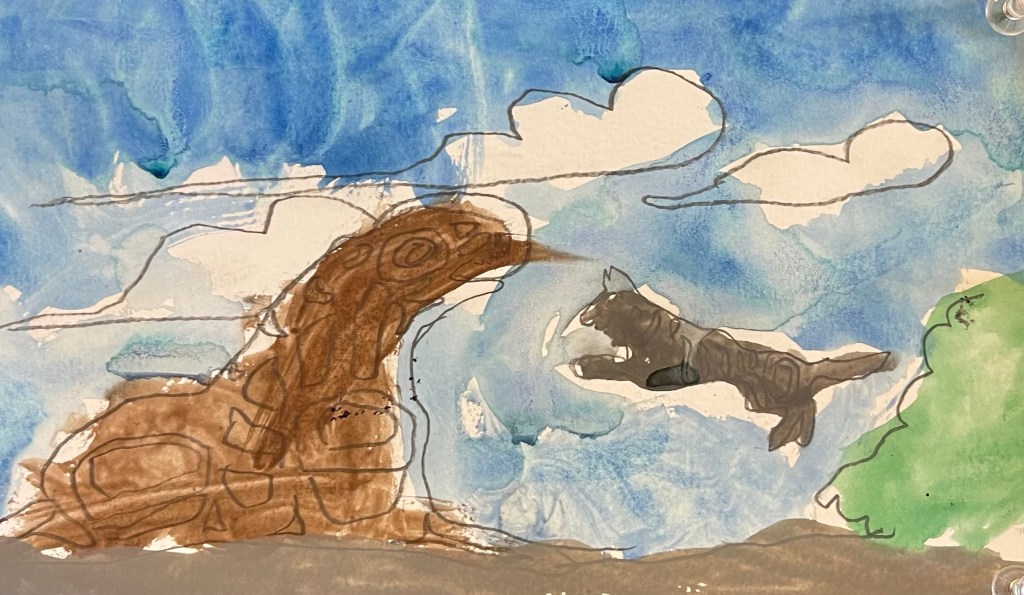
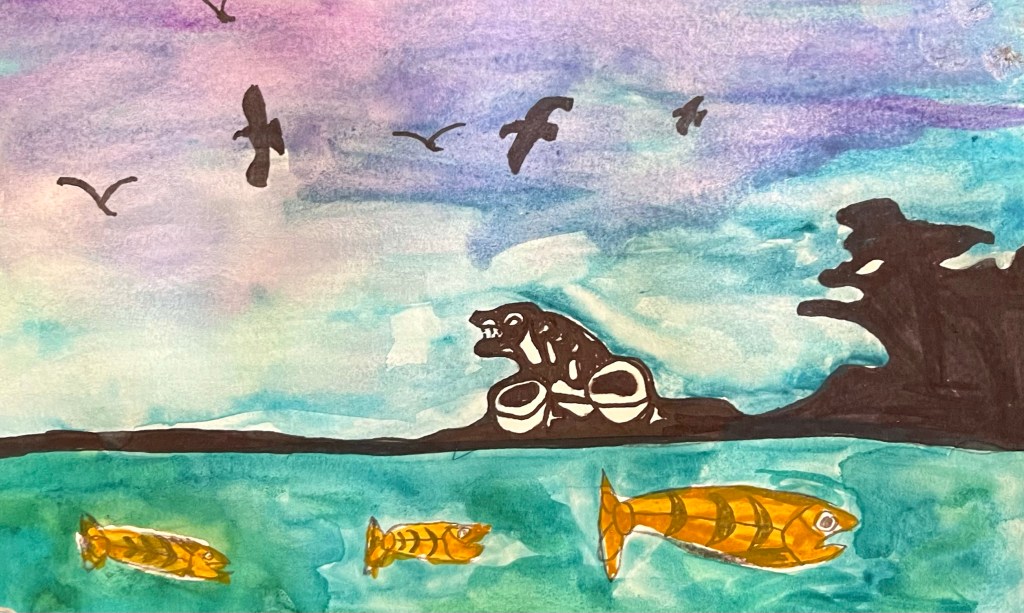
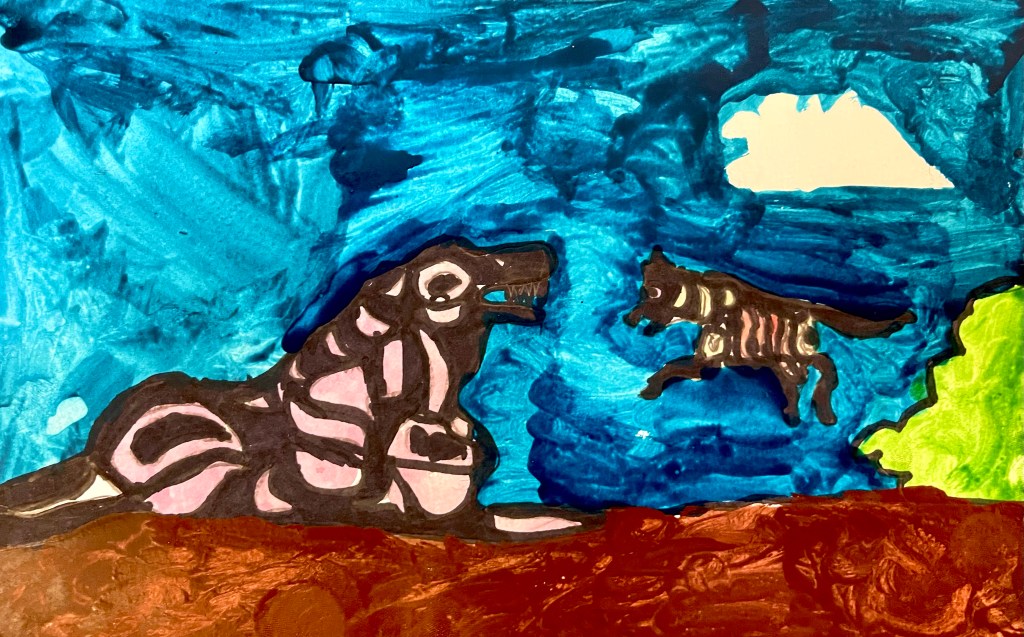
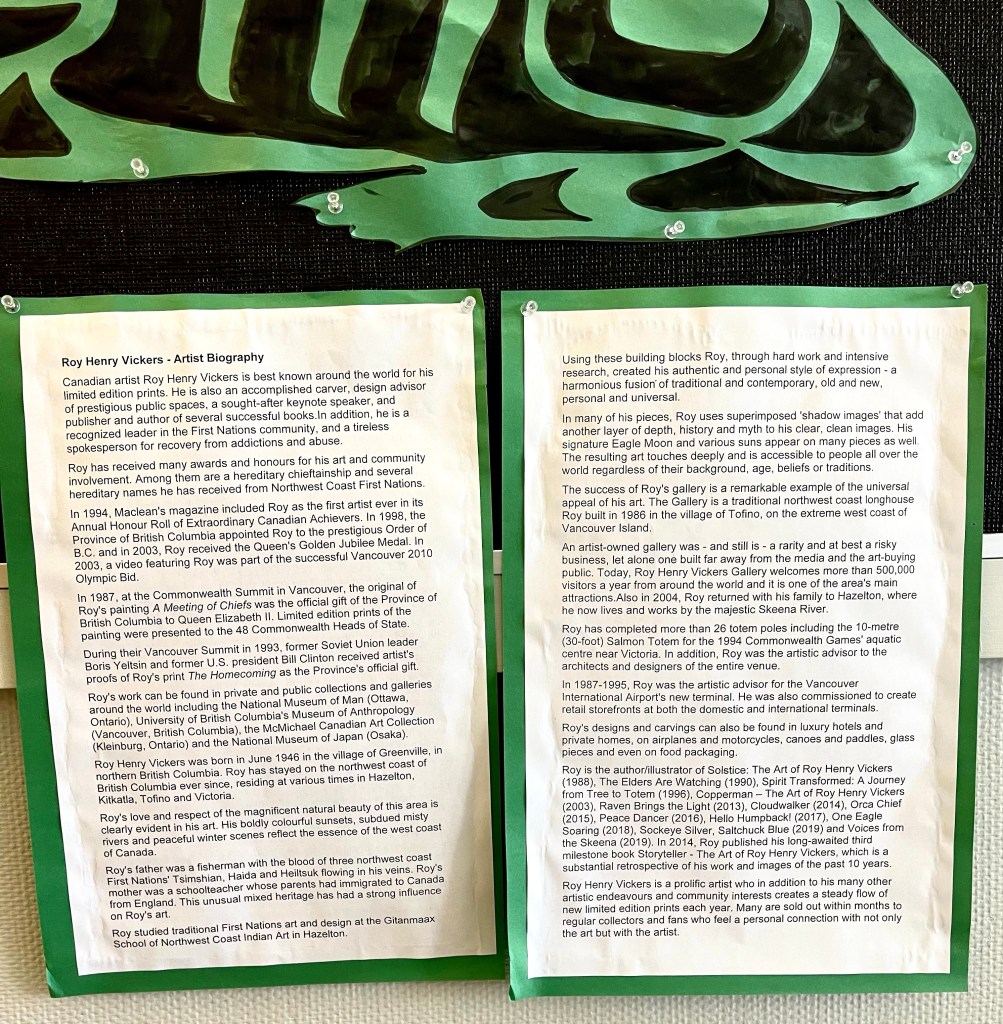
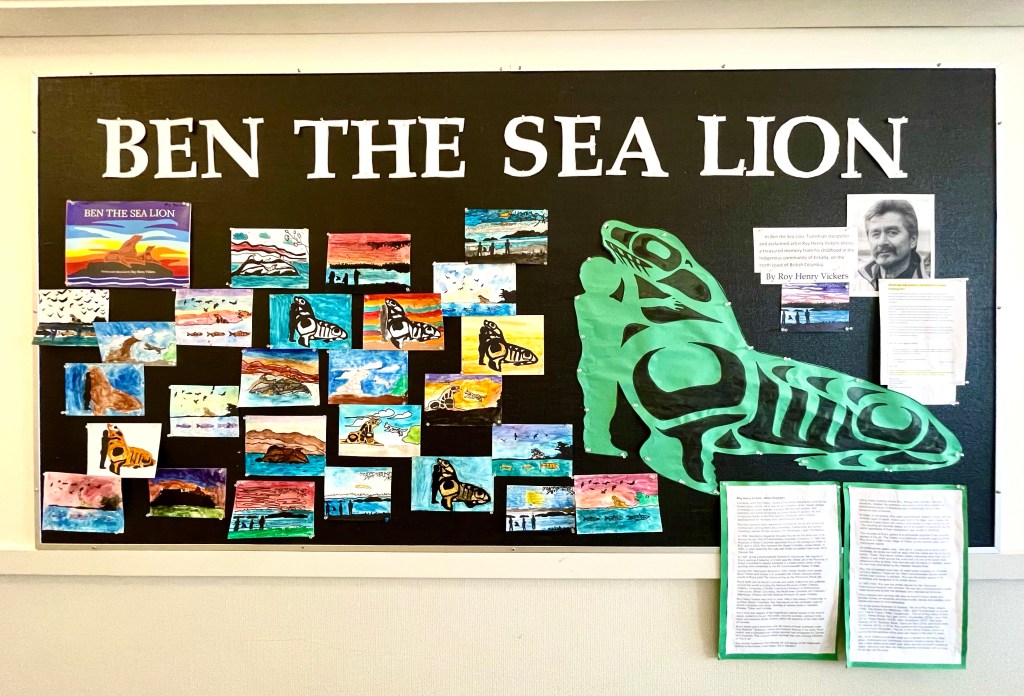
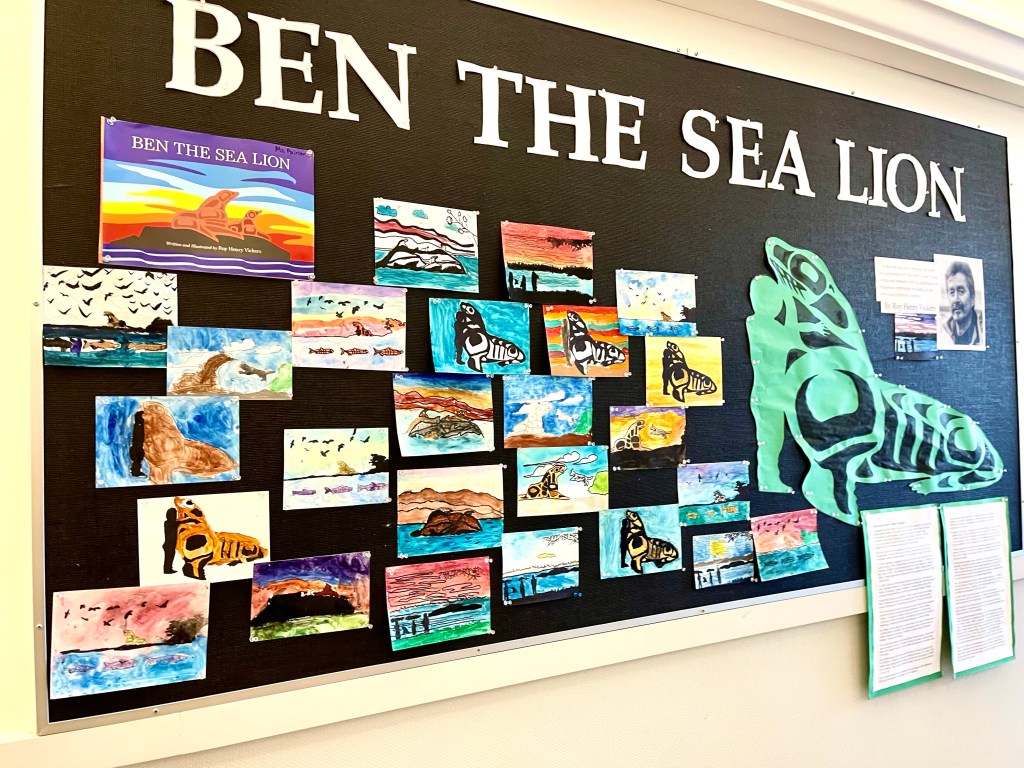
Inspired by Roy Henry Vickers

Hello, division 4 families!

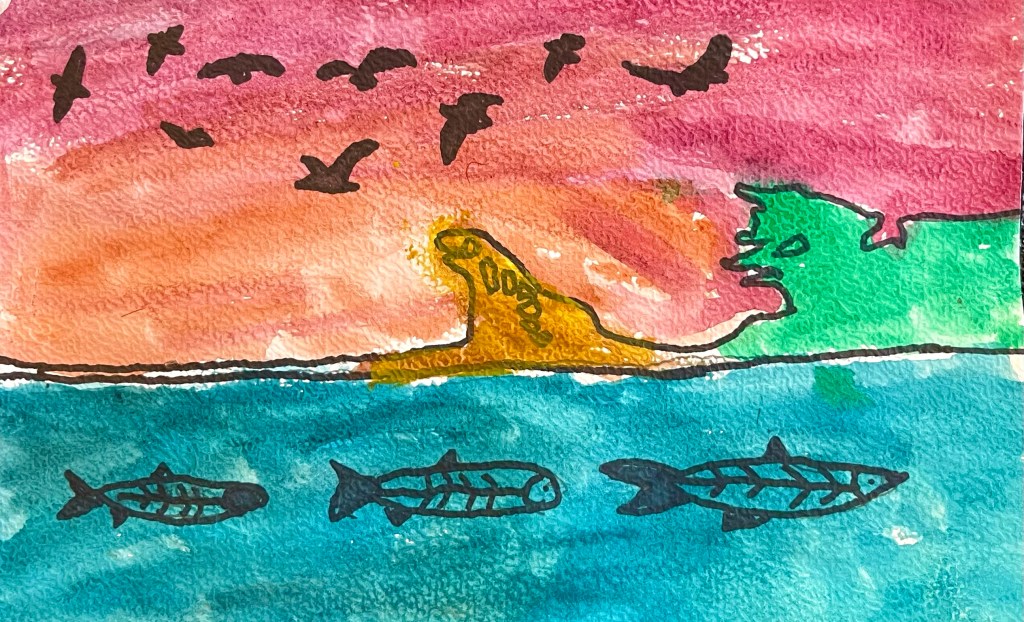
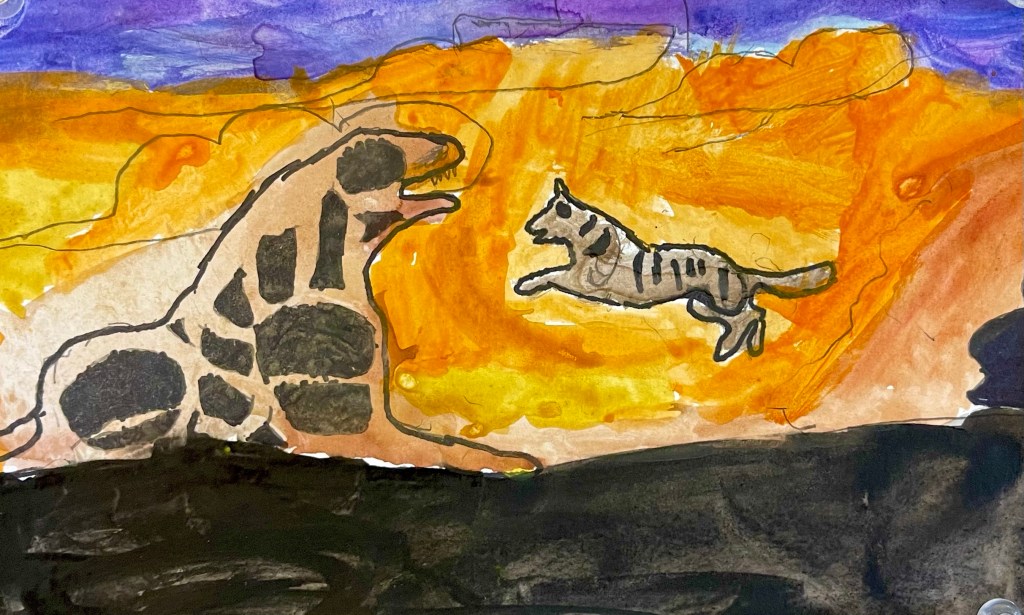
This blog post is to share and celebrate the lovely artwork and deep reflection that has come from our class exploring the work of acclaimed artist, Roy Henry Vickers.

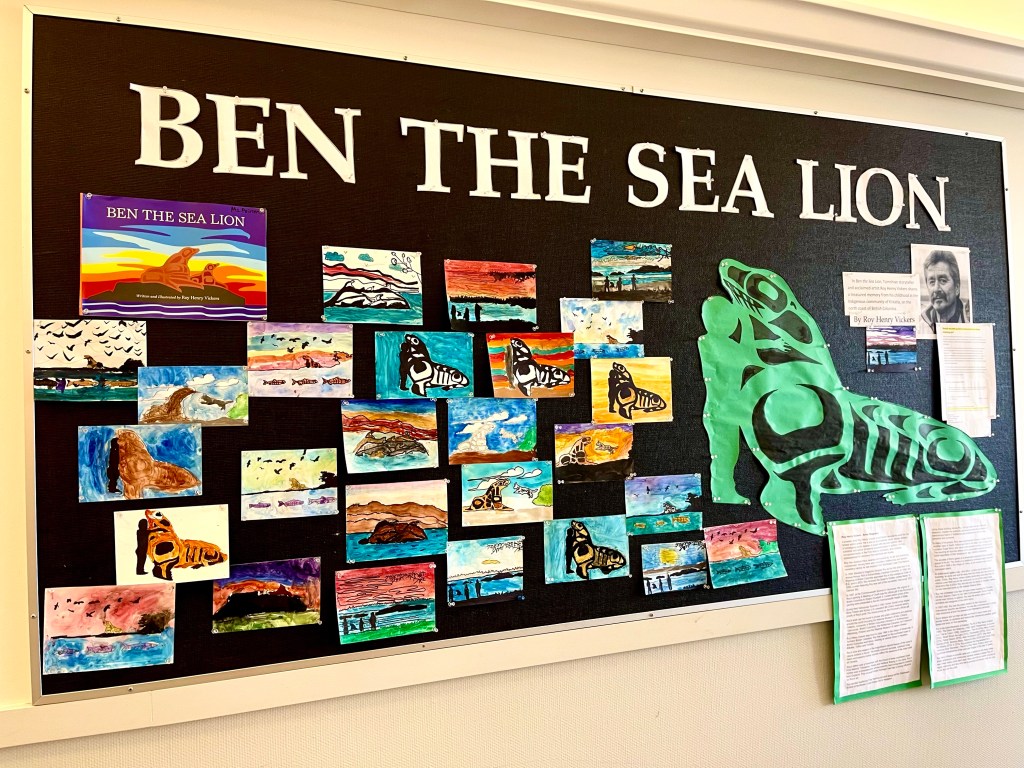
Connecting to our learning about the Salish sea, we enjoyed reading Mr. Vickers’ new book, “Ben the Sea Lion”. We learned more about the award-winning author-illustrator’s background and contributions as an artist from the Tsimshian Nation.

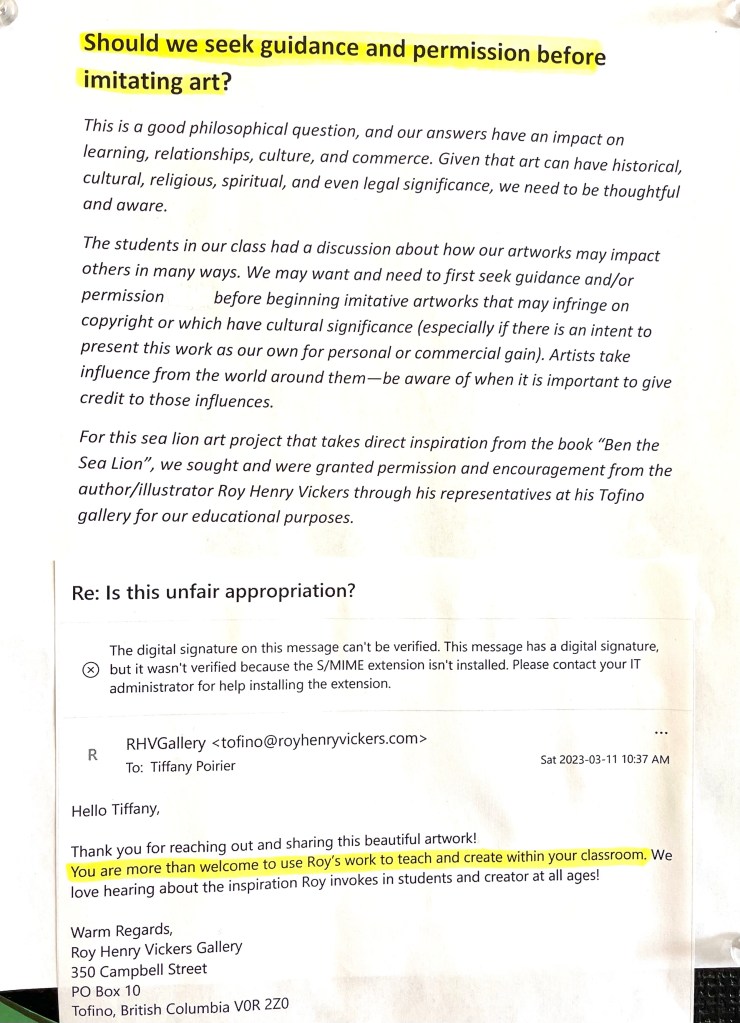
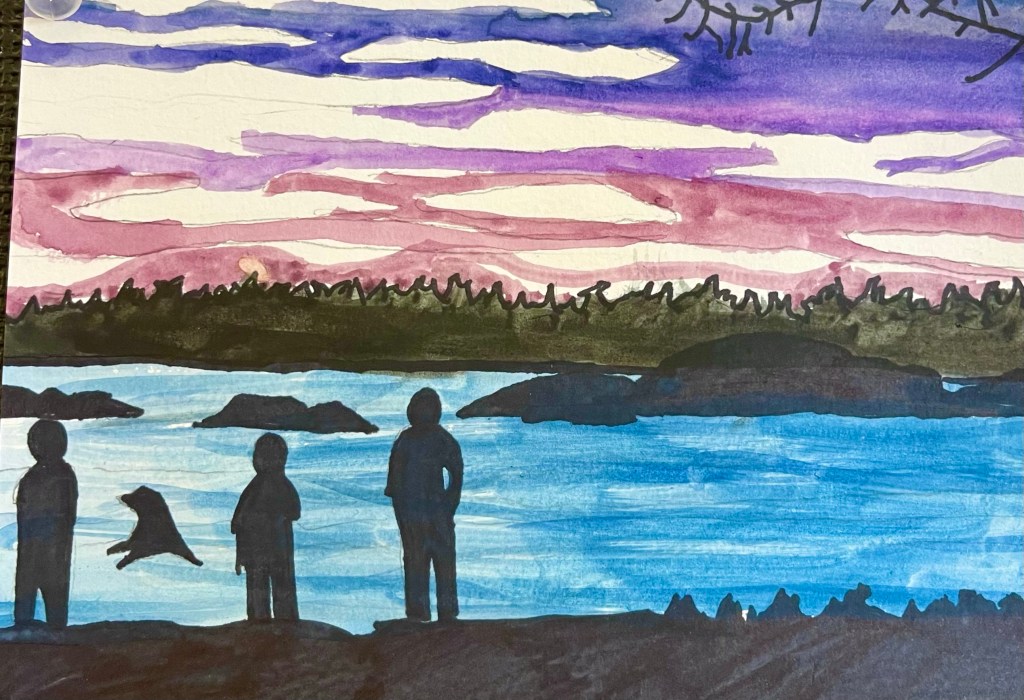
We sought permission from Mr. Vickers through his representatives at his gallery in Tofino to use his artwork as the inspiration for our own artworks for educational purposes—our goals being to (a.) appreciate the cultural meanings and connections of this artwork created by a celebrated Indigenous artist, (b.) study the beauty of the shapes, lines and colour in Vickers’ work, and (c.) explore techniques using paint and pen.

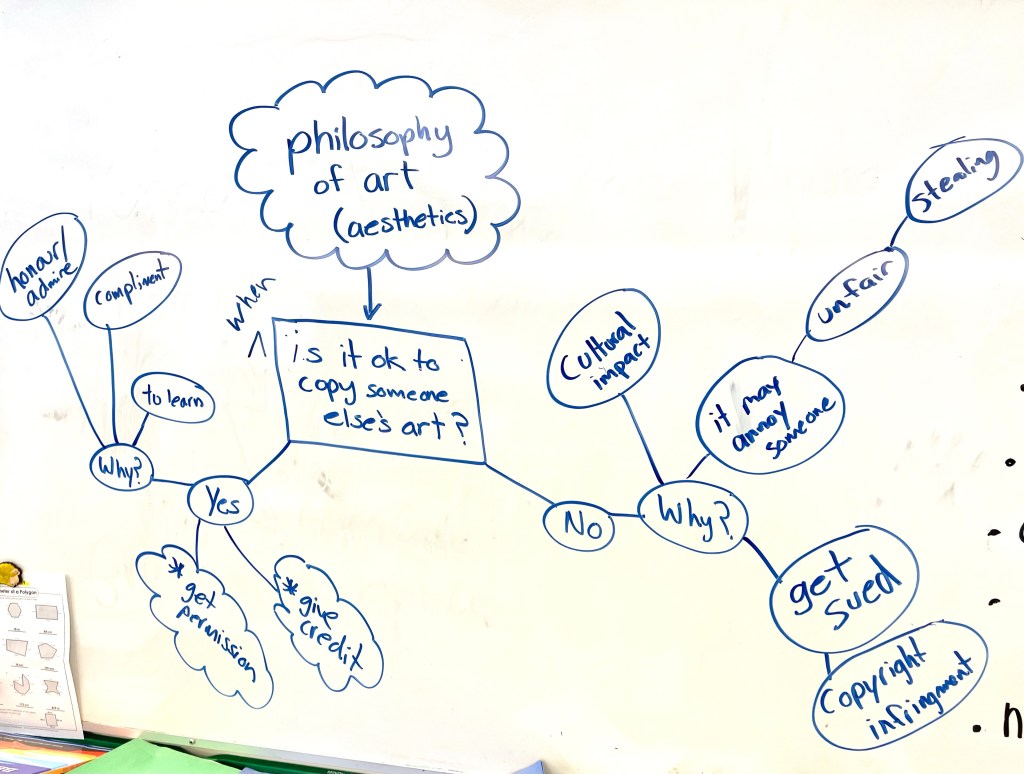
We discussed many philosophical questions in art and ethics, including this: “What is the difference between unfair cultural appropriation and taking inspiration from another artist’s work?”

Thank you for inspiring us, Roy Henry Vickers!

Setting Healthy Boundaries

Hello, division 4 families!

In Career Education we have been exploring goal-setting and skills for successful interpersonal relationships. In Physical & Health Education students have learning been to research and define “healthy living” for themselves.

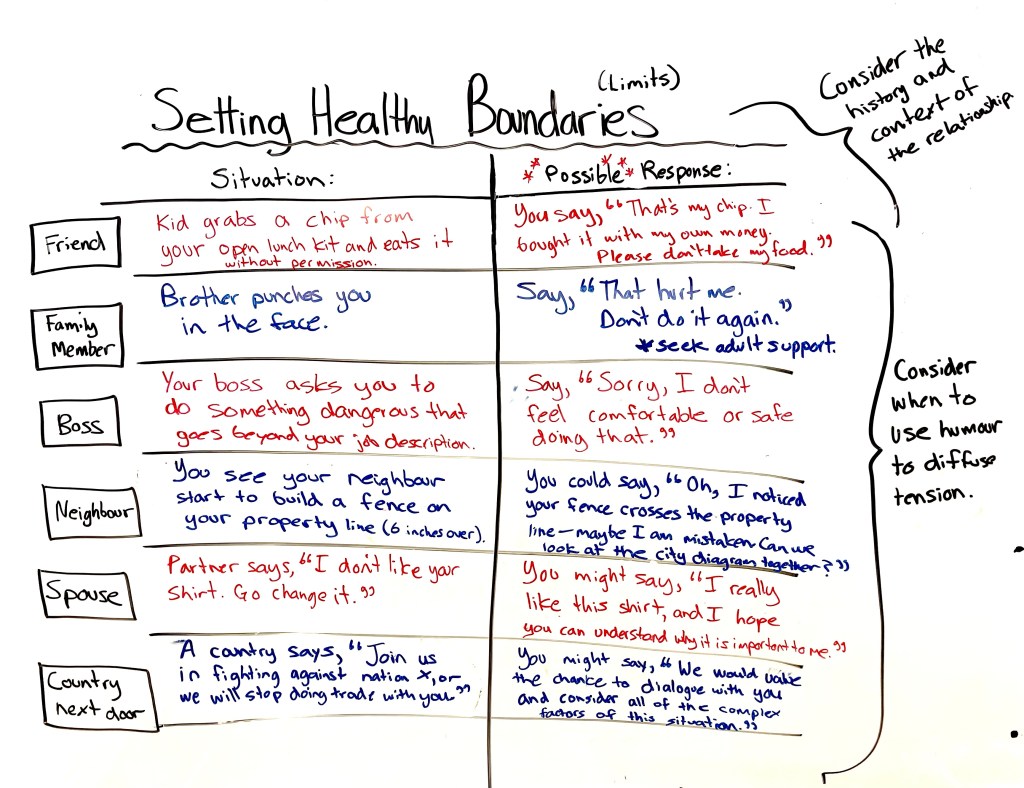
Today we combined these two areas and considered these questions: What does it mean to have healthy boundaries in relationships? What does it look like/sound like/feel like to have healthy boundaries in relationships? What can we say and do to establish and maintain healthy boundaries in a variety of types of relationships?

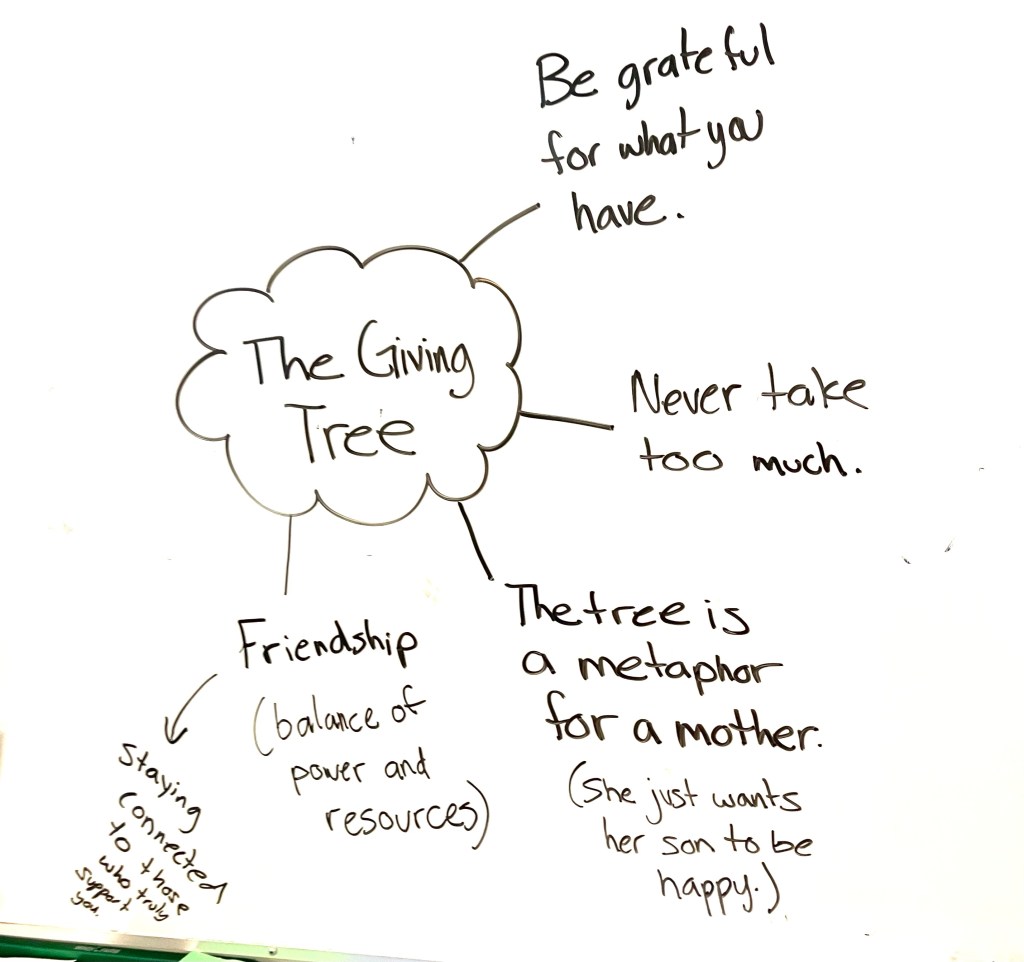
We read and discussed the message of the classic book “The Giving Tree”, by Shel Silverstein.

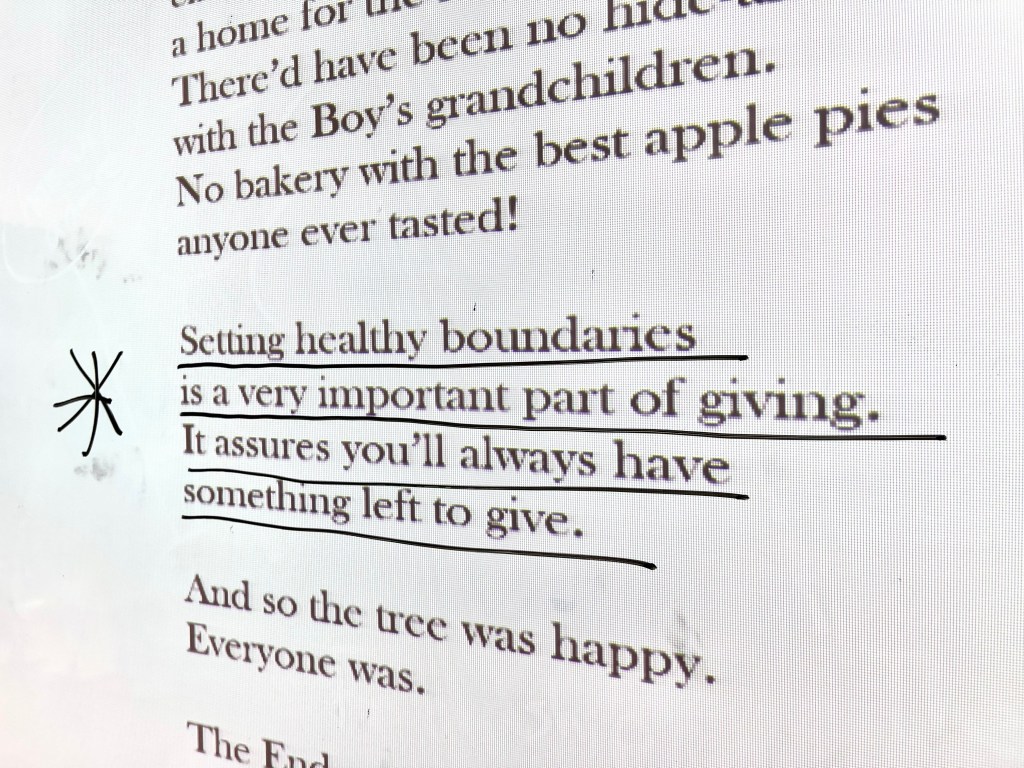
Then we compared the story with this retelling of the book by Topher Payne, called “The Tree Who Set Healthy Boundaries”. The students had rich discussion in small groups to analyze the related (but different) messages of the two books.

The students brainstormed their own examples of situations where healthy boundaries might need to be re-enforced. For each situation, they were challenged to think of various possible responses that might reinstate a healthy boundary. We discussed how it is important to consider the history and context of the relationship. We discussed examples of how sometimes humour may be used to effectively diffuse tension when re-asserting a healthy boundary. We also discussed how sometimes you may need to seek help from a trusted adult or friend when your boundaries have been crossed. The goal of this learning activity was to encourage students to think more clearly about how to define and maintain appropriate boundaries for themselves and others.

HOMEWORK: Perhaps ask your child, “What does it means to set heathy boundaries in a friendship? Can you give an example of something a friend might to that would cross a healthy boundary for you? What could you do to re-establish a healthy boundary with that friend to feel better in the friendship?” *It could be fun and meaningful to watch the above story videos together and discuss!

Engineering, Art, Dancing & “Wave”!

Hello, division 4 families!

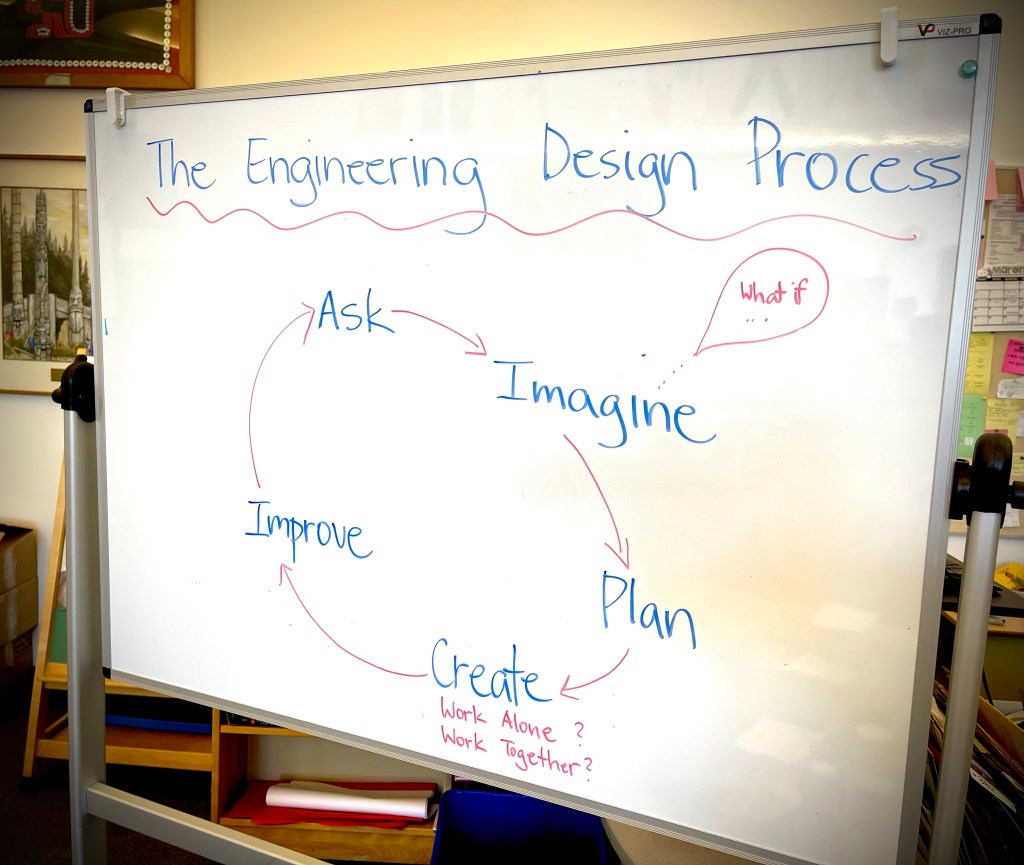
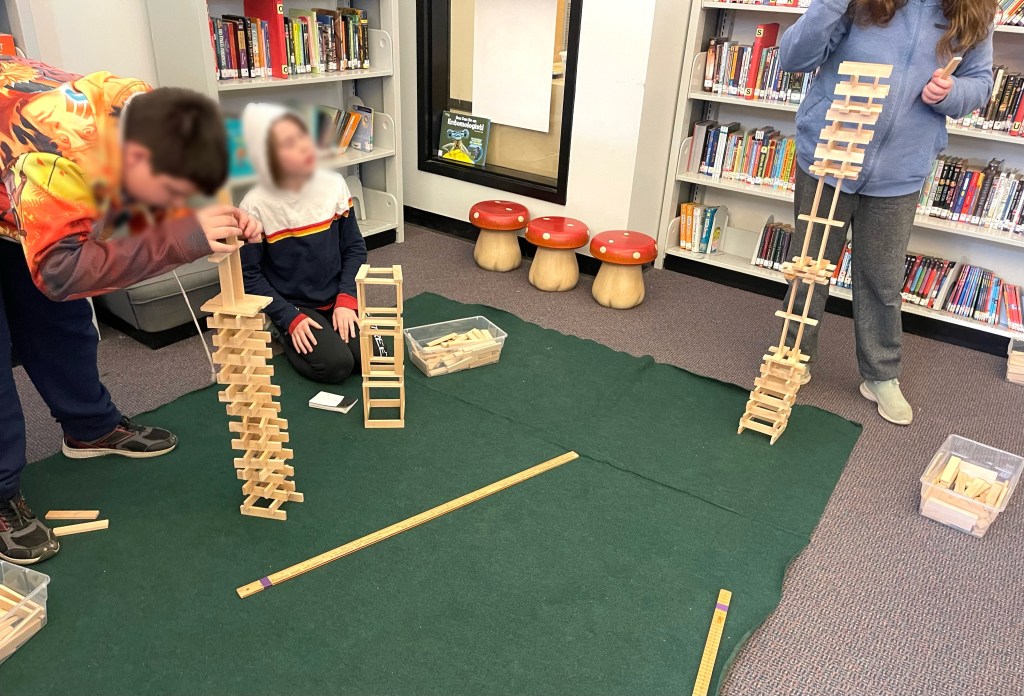
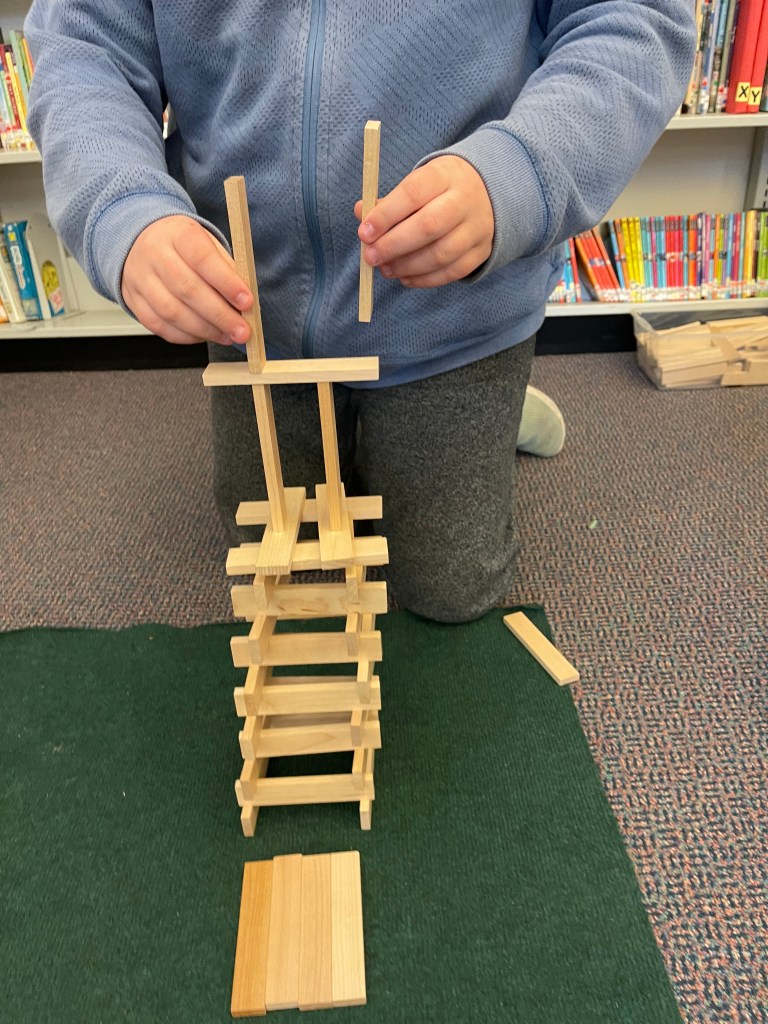
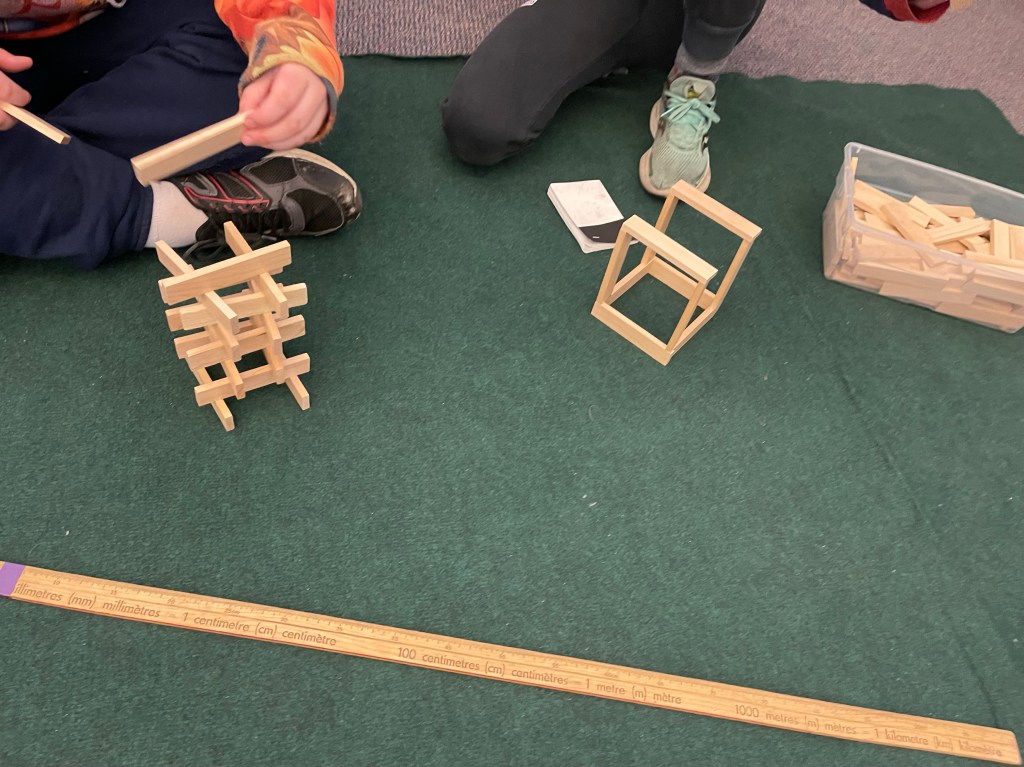
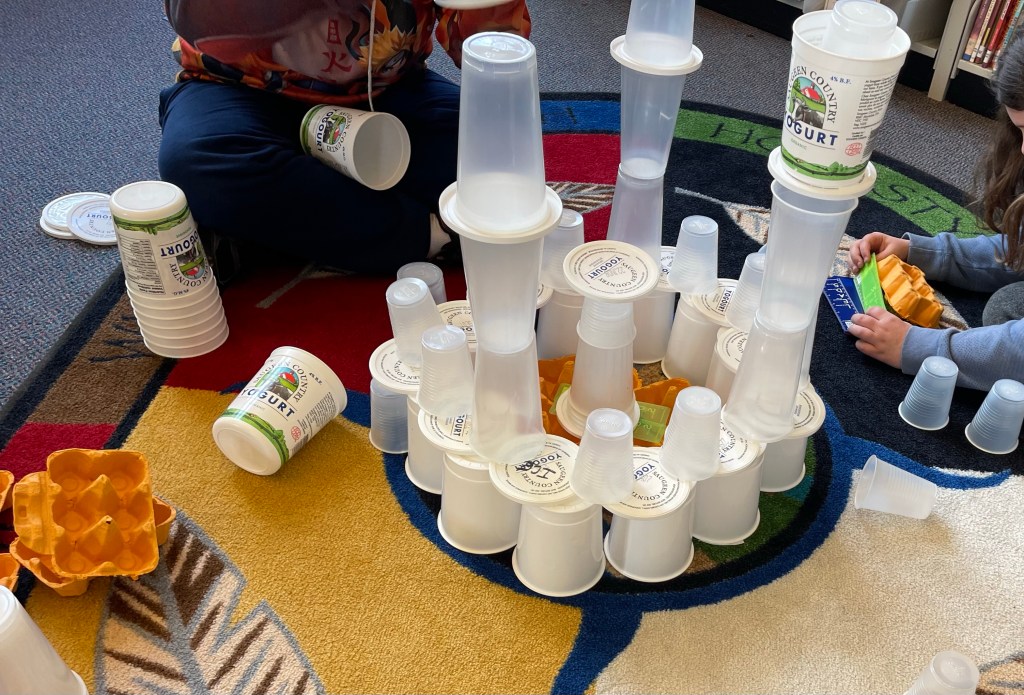
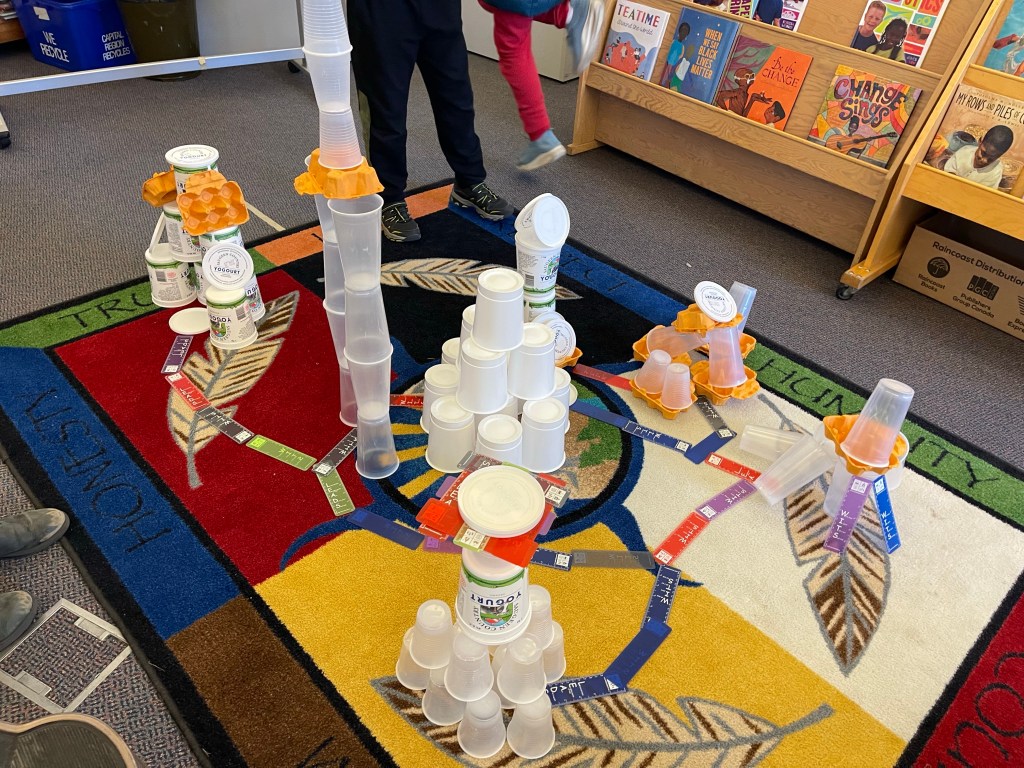
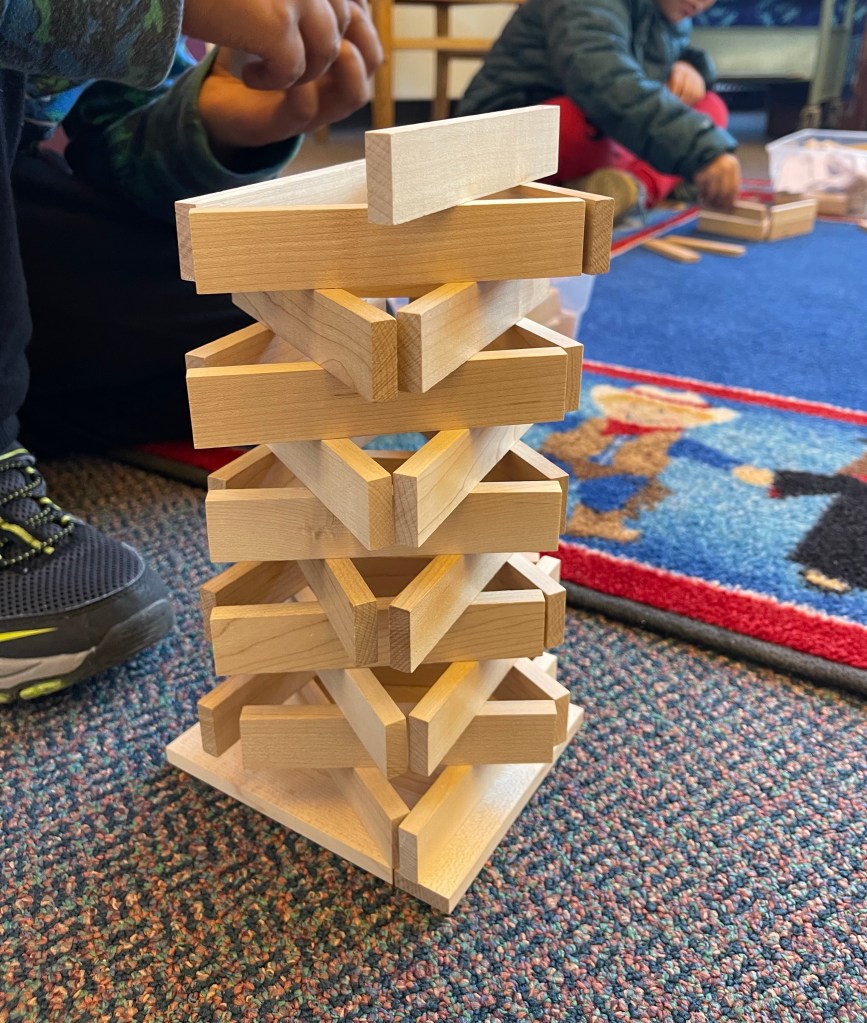
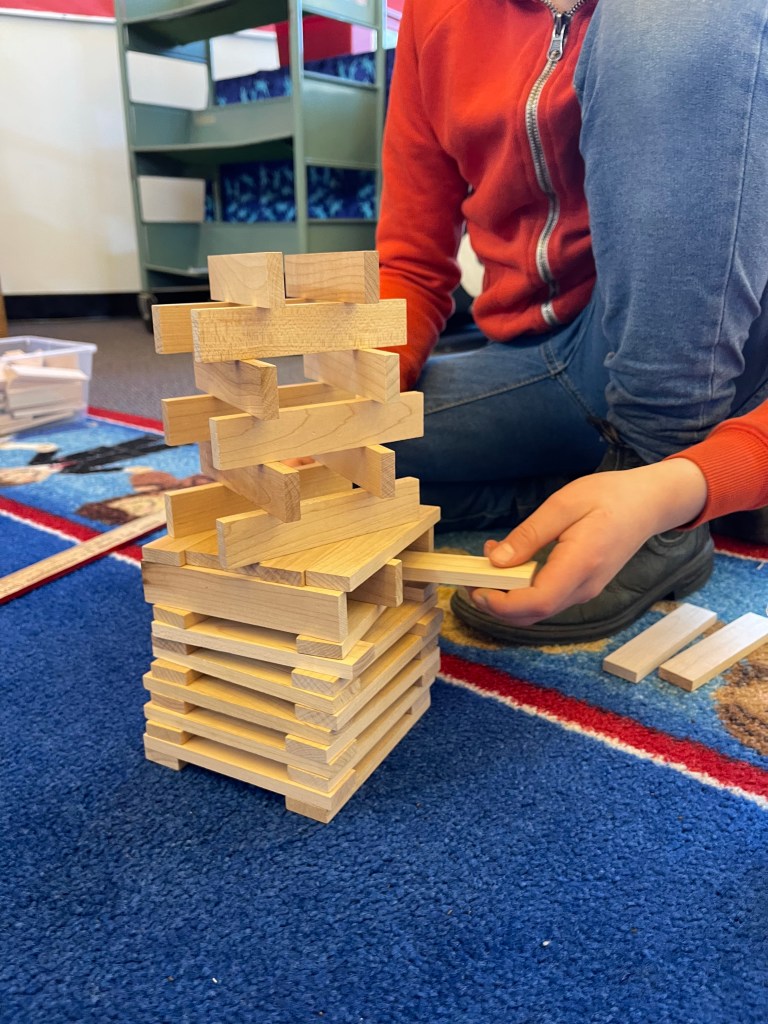
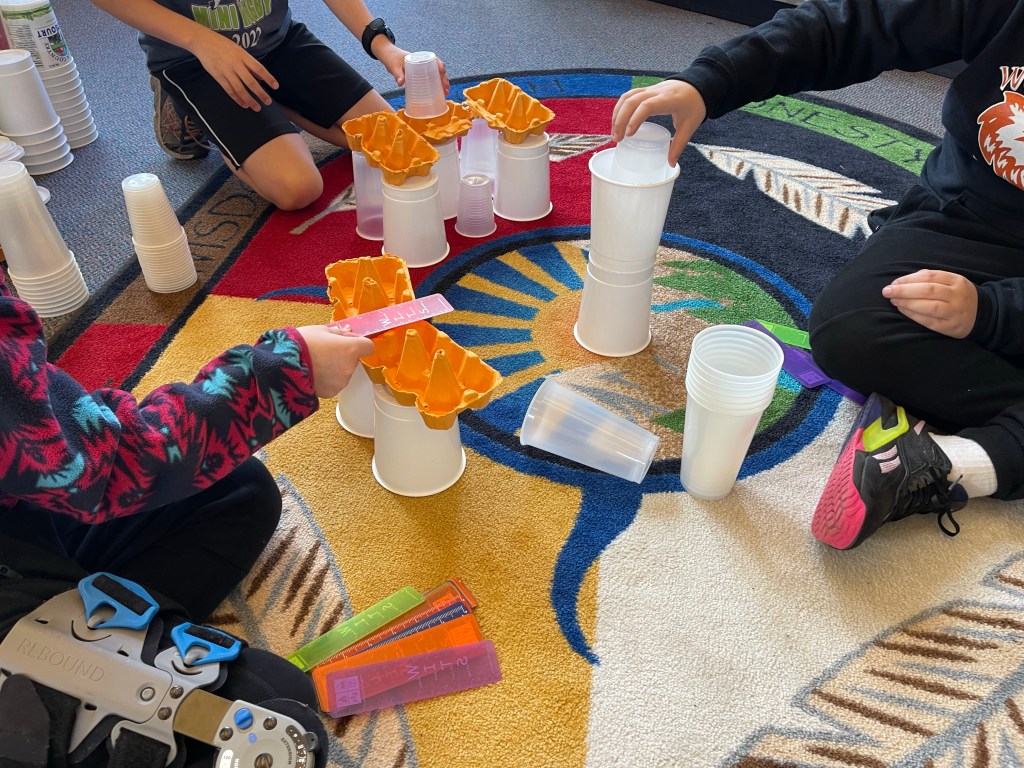
This has been an exciting wrap up to another creative week! On Wednesday, we shared our biome diorama progress with five other classes in the library—students got lots of new ideas and celebrated the learning by sharing their Salish Sea poems. That afternoon, students enjoyed learning more about the design process with some engineering challenges set up by Ms. Mueller in the library.

Division 4 students have had a lot going on in Arts Education this week, including writing and practicing the plays they wrote to perform next Monday.

More close-up photos coming next week!

As well, we enjoyed creating art inspired by the book “Ben the Sea Lion”, by Roy Henry Vickers—more to come on that next week. (I will post individual artwork photos when everyone’s is complete.)

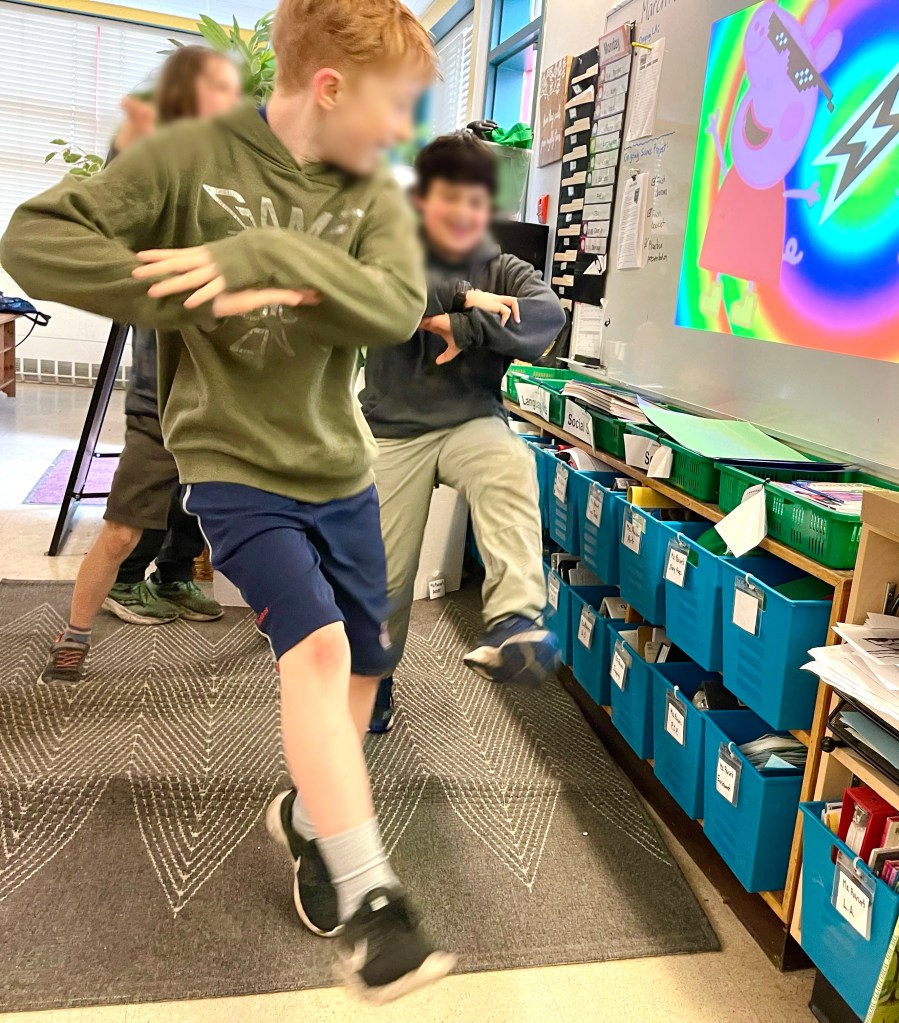
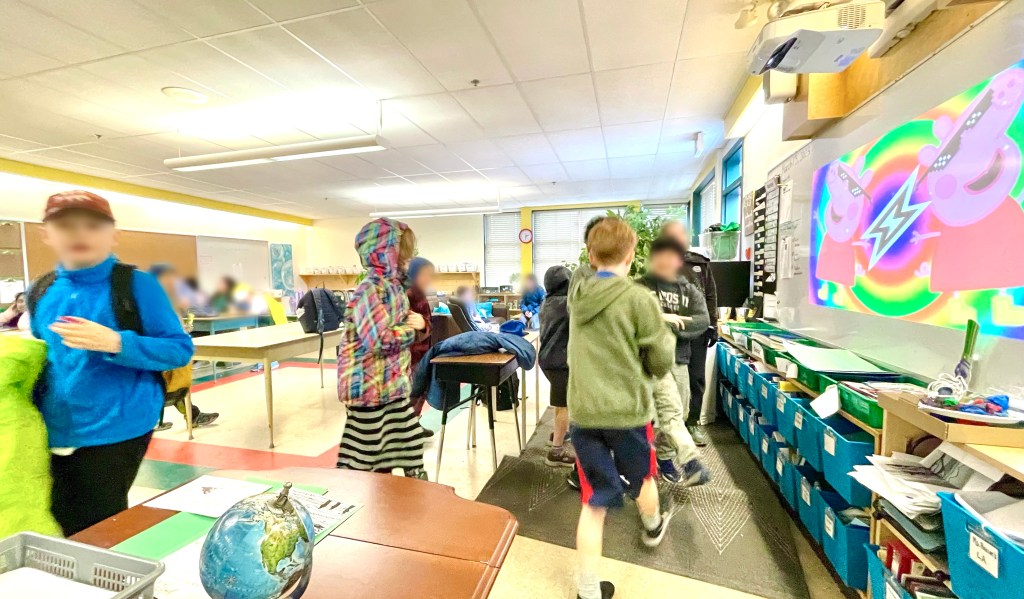
We wrapped up this fun Friday afternoon with a 1-hour bonus “Choice Block” that the students earned for their hard work polishing their work on the Salish Sea poetry unit. They unanimously voted to spend this time on a game of “Wave” outside. When it got too rainy for the last ten minutes, we came in and kept moving with a silly dance party! It was a fun Friday!
A sneak peek at progress on the biome dioramas…

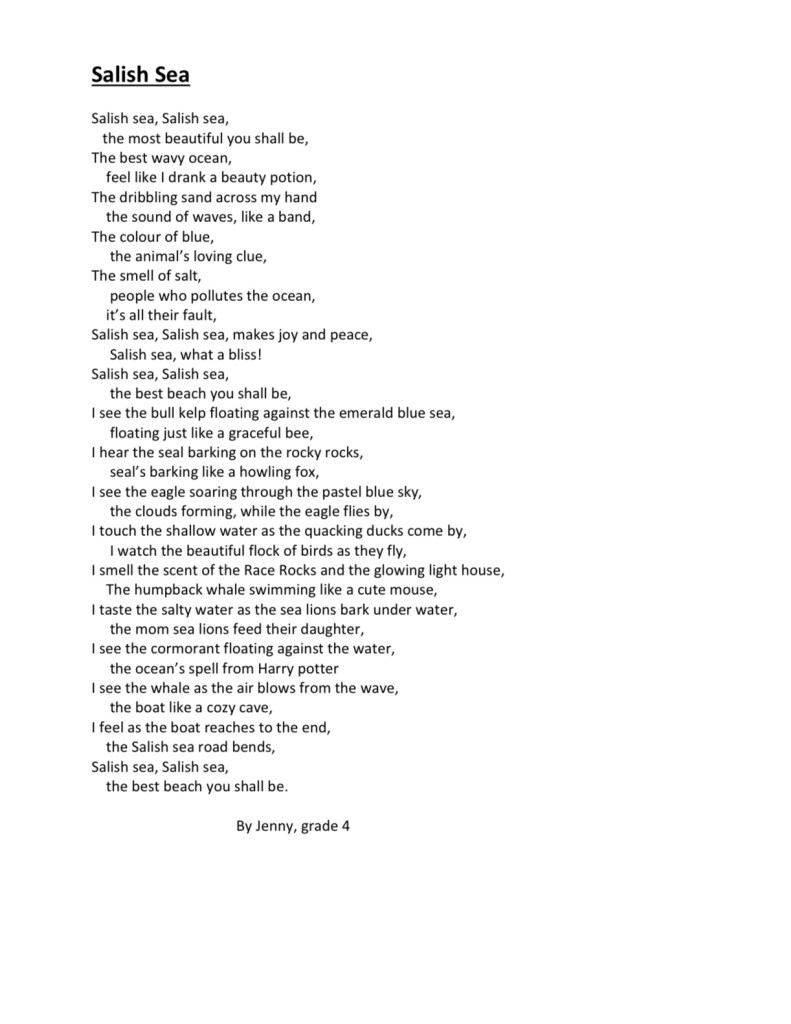
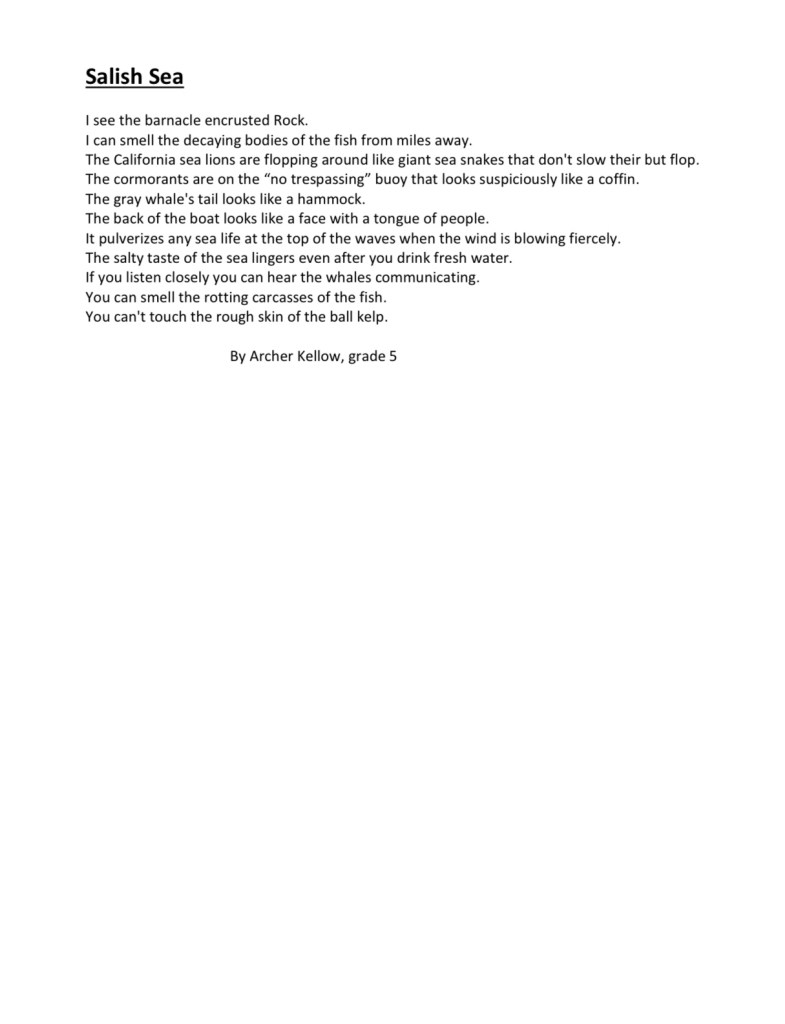
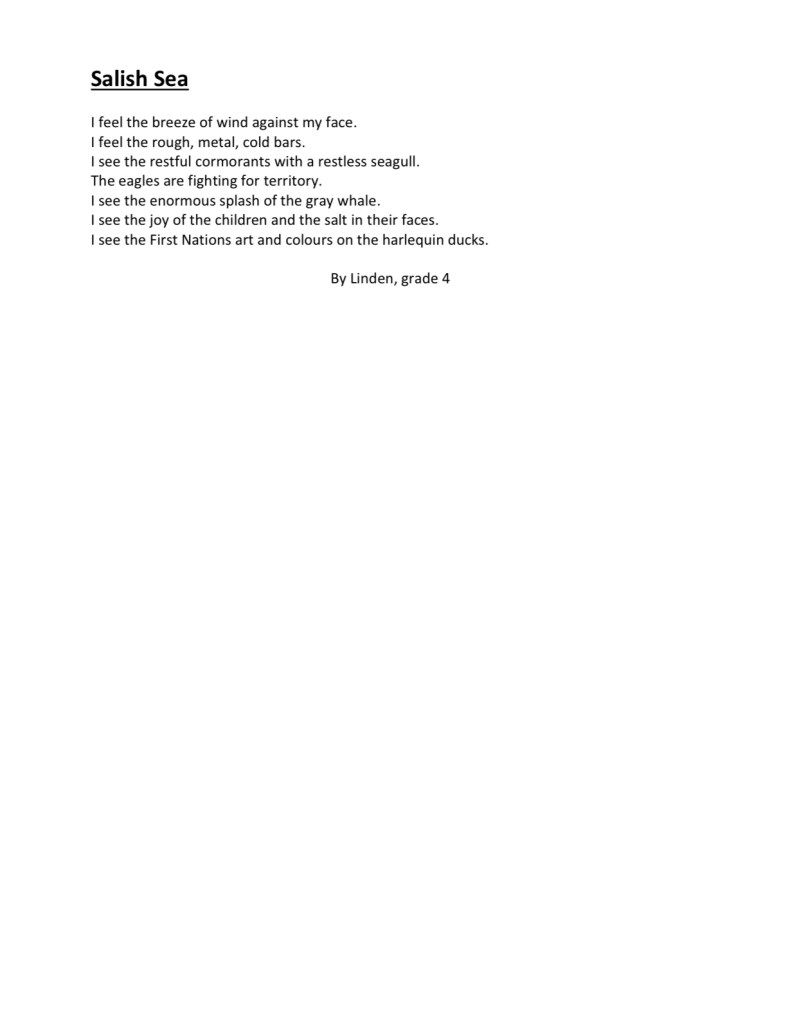
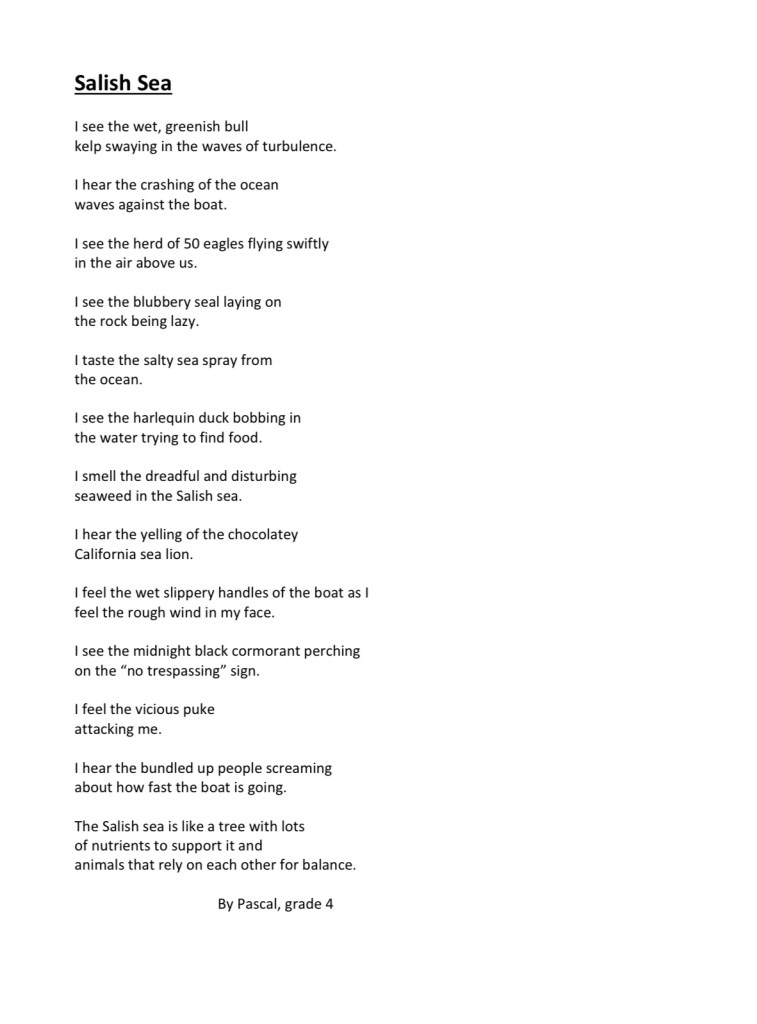
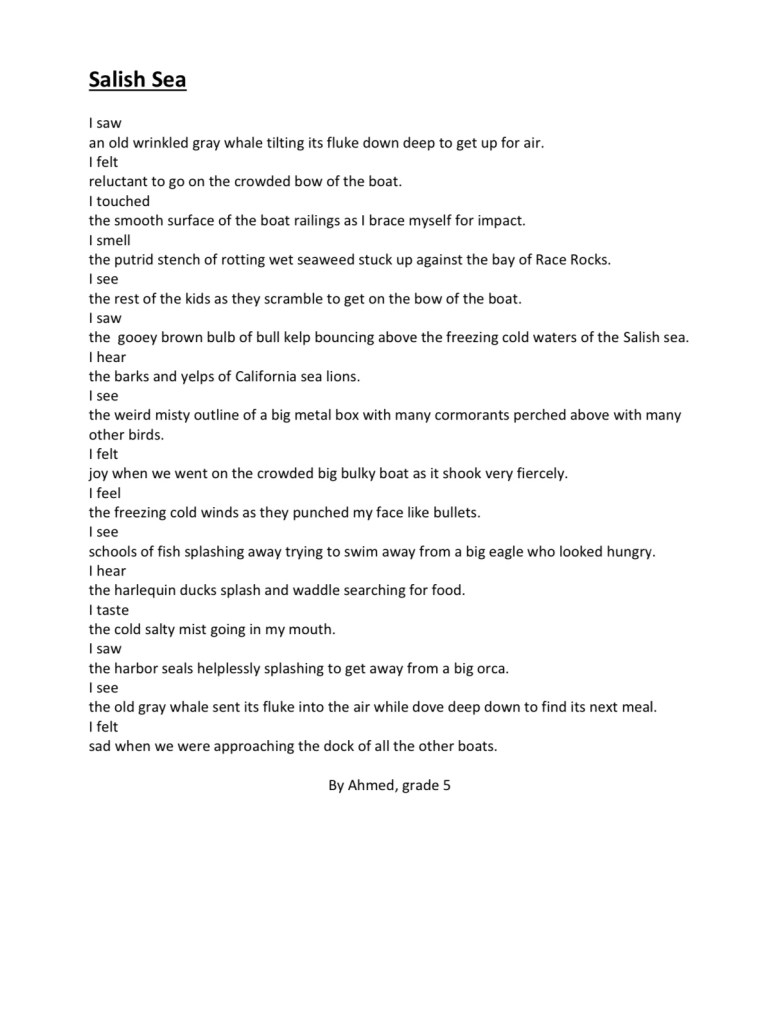
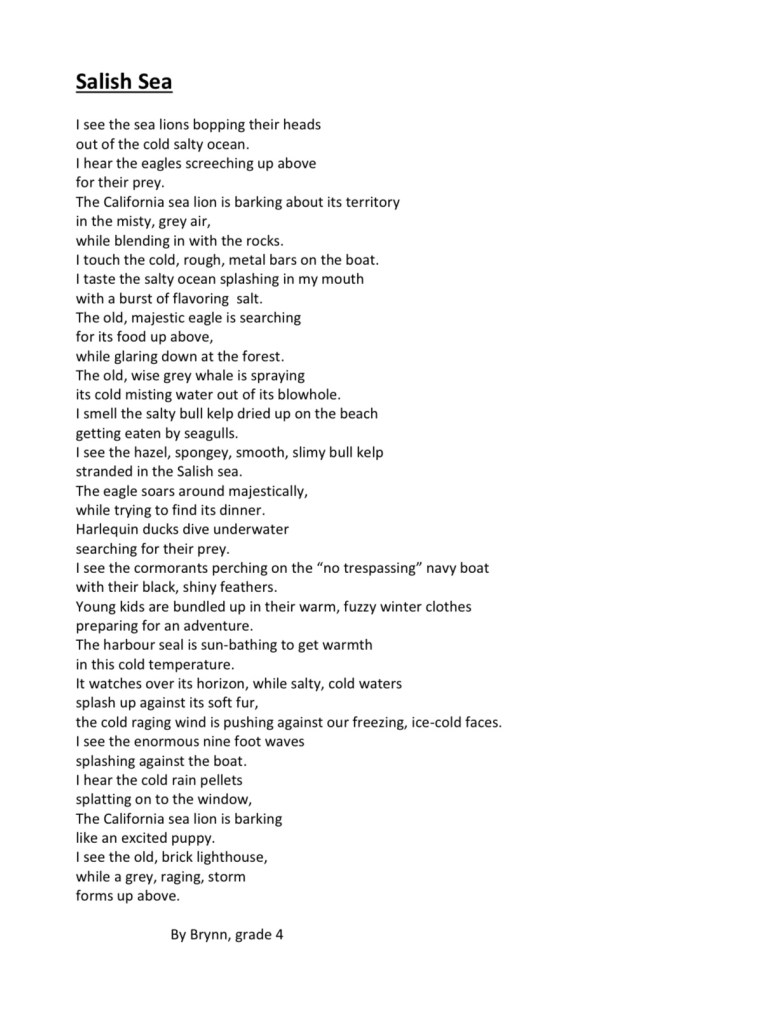
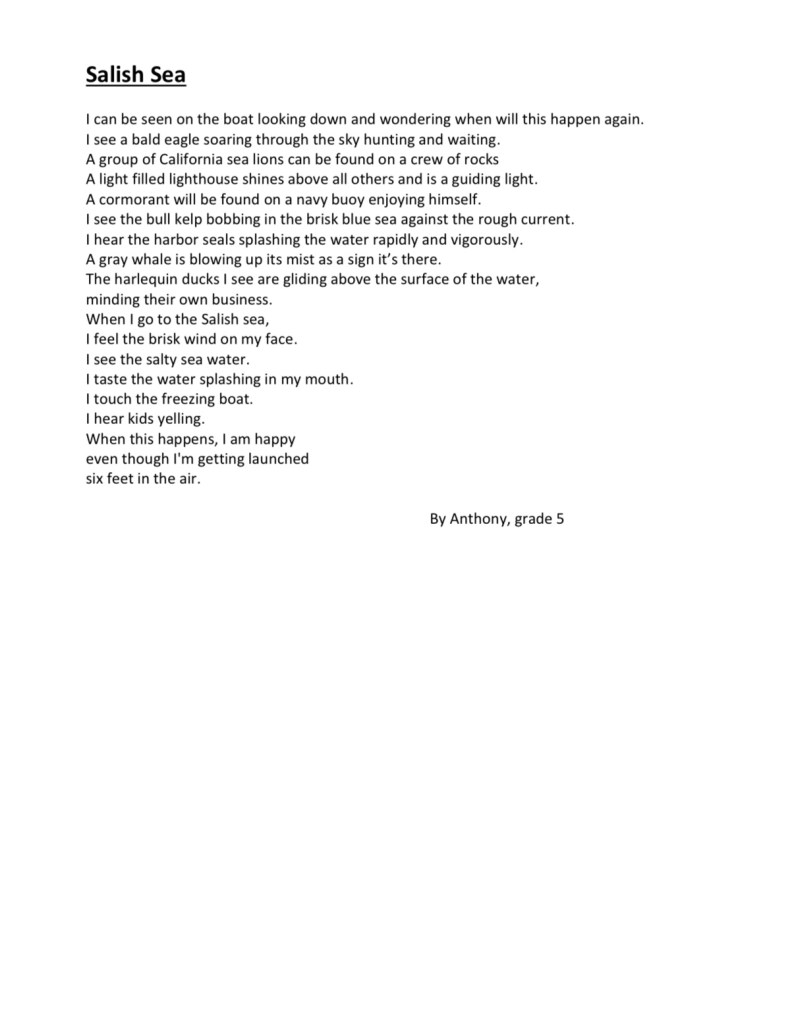
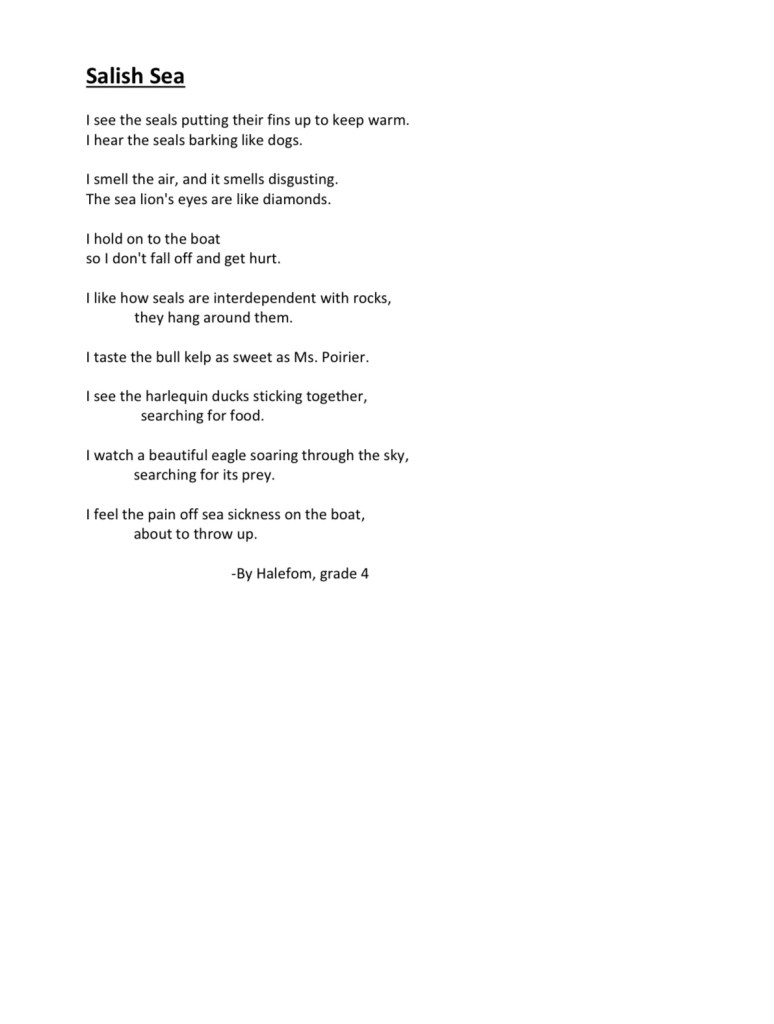
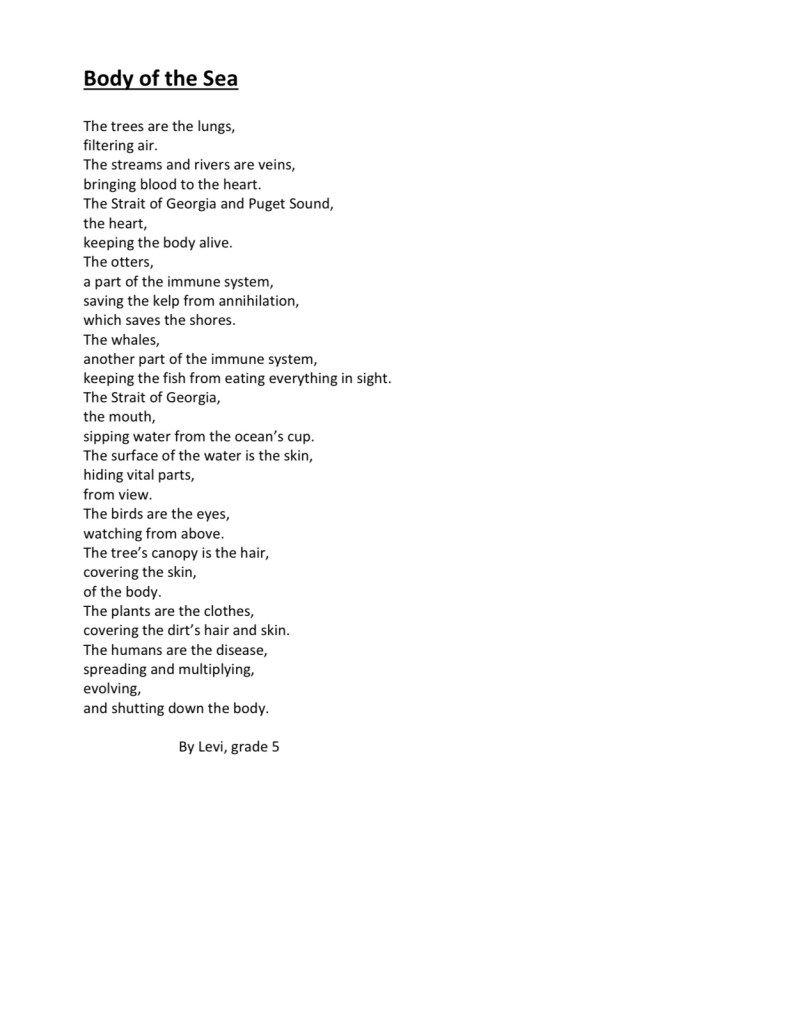
Powerful, New Salish Sea Poetry!

Hello, division 4 families!

We are all so proud to present to you this Salish Sea COLLABORATIVE POEM, created by all of the students in our class.
Our Collaborative Poem

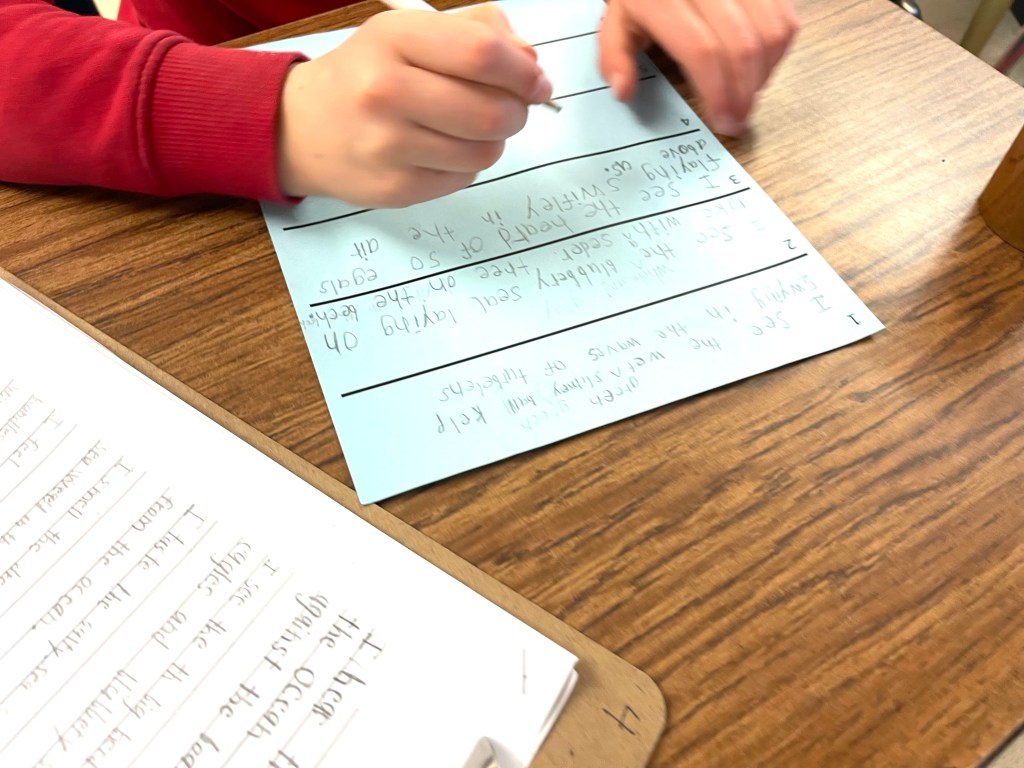
Our process was this: (1.) We reflected on photos taken during our Salish Sea field trip, each student writing a line of poetry for each photo, (2.) we gathered up all lines of poetry and silently “voted up” lines that stood out as especially powerful, (3.) Ms. Poirier did some final rearranging behind the scenes to ensure every child had a poetry line included, and then (4.) we audio-recorded a performance of the poem and set it to a slide show.

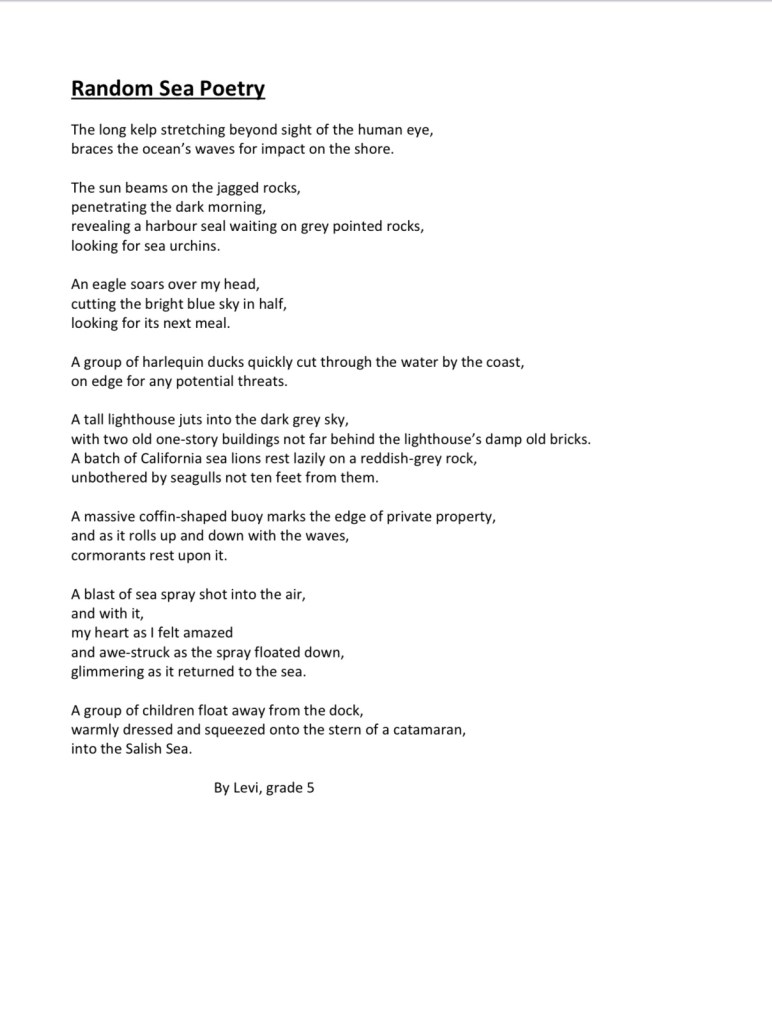
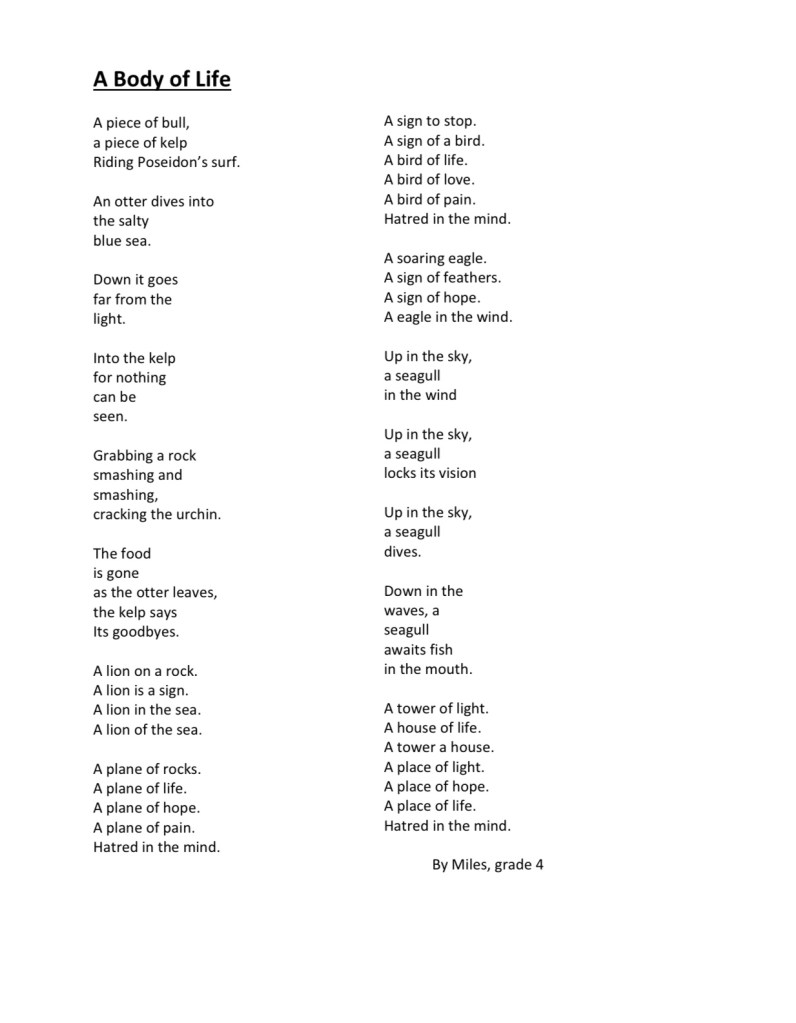
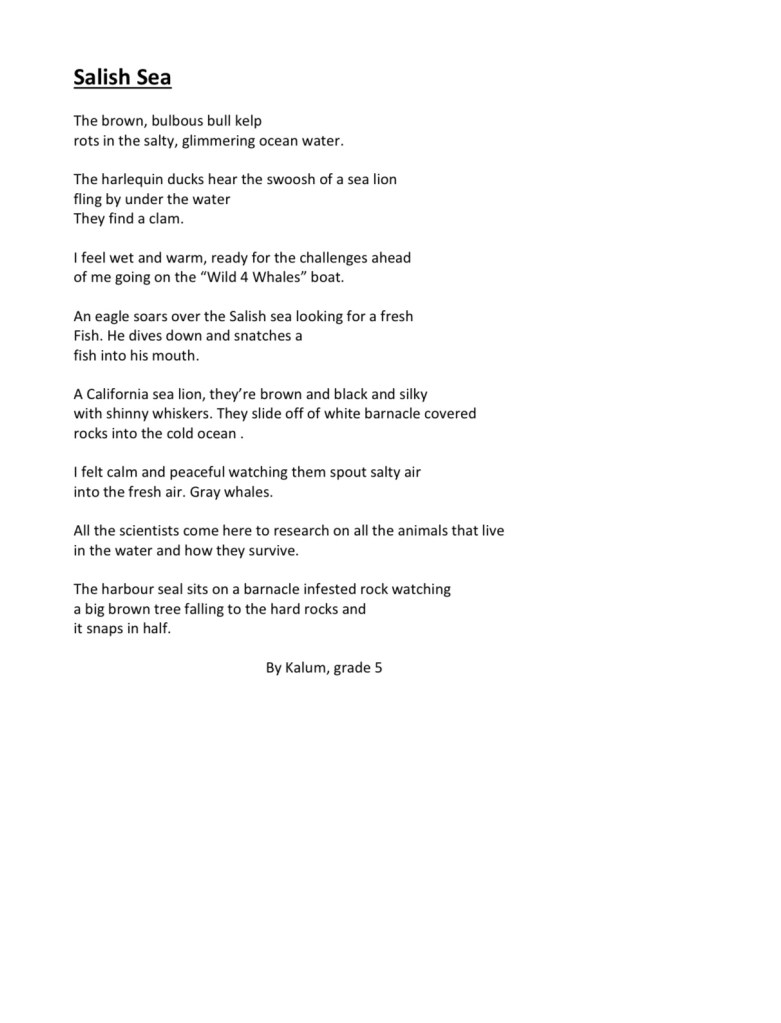
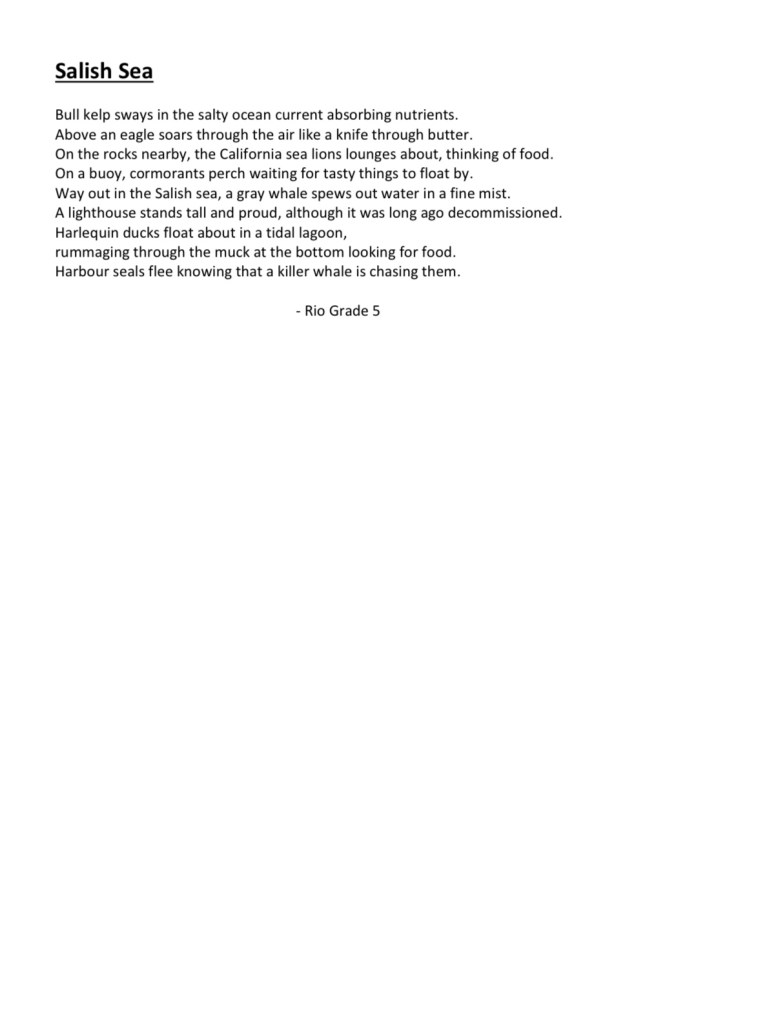
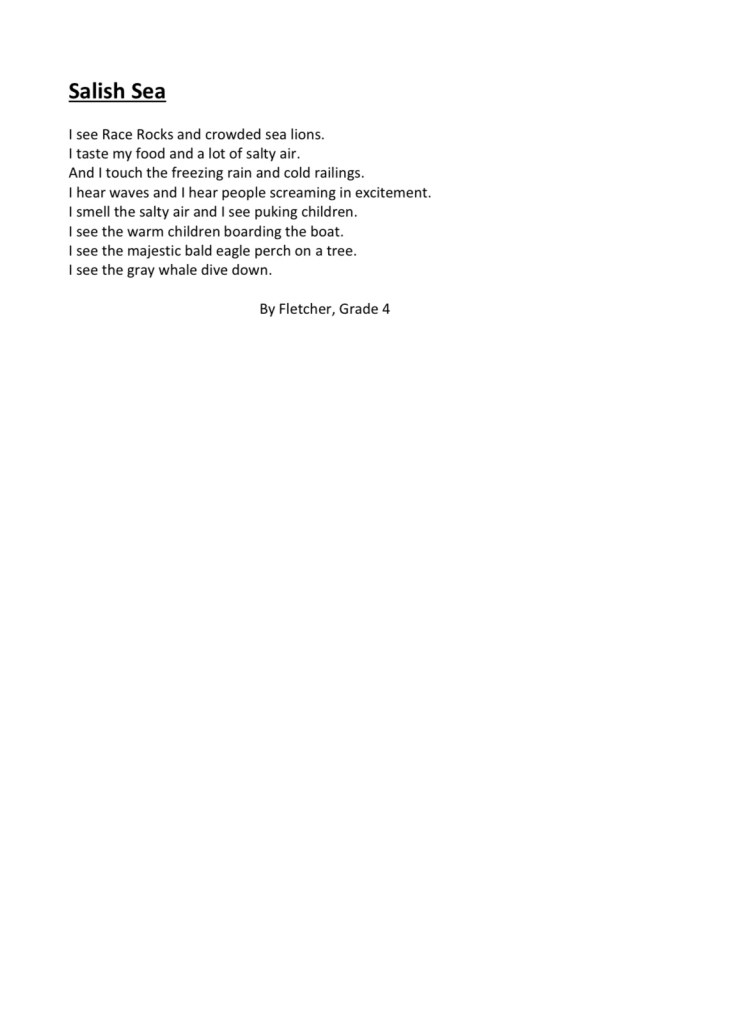
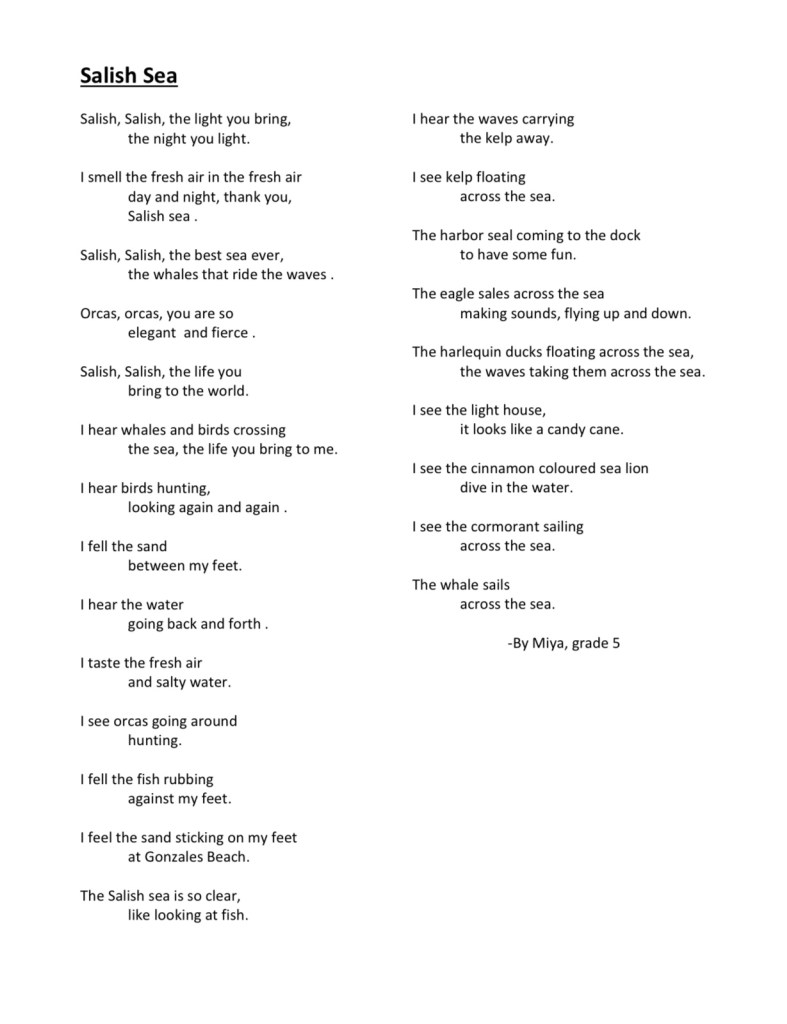
After writing this collaborative poem, each student still had a pile of beautiful, unused lines of poetry left over! So each student then combined their leftover lines and did some final finessing to create their own individual final “best Salish Sea poem” of the term. Please enjoy these wonderful poetic works…

Perimeter, Word Collecting & Playwriting

Hello, division 4 families!

Today we began a new Math unit using perimeter. Here are two videos that introduces the concept.

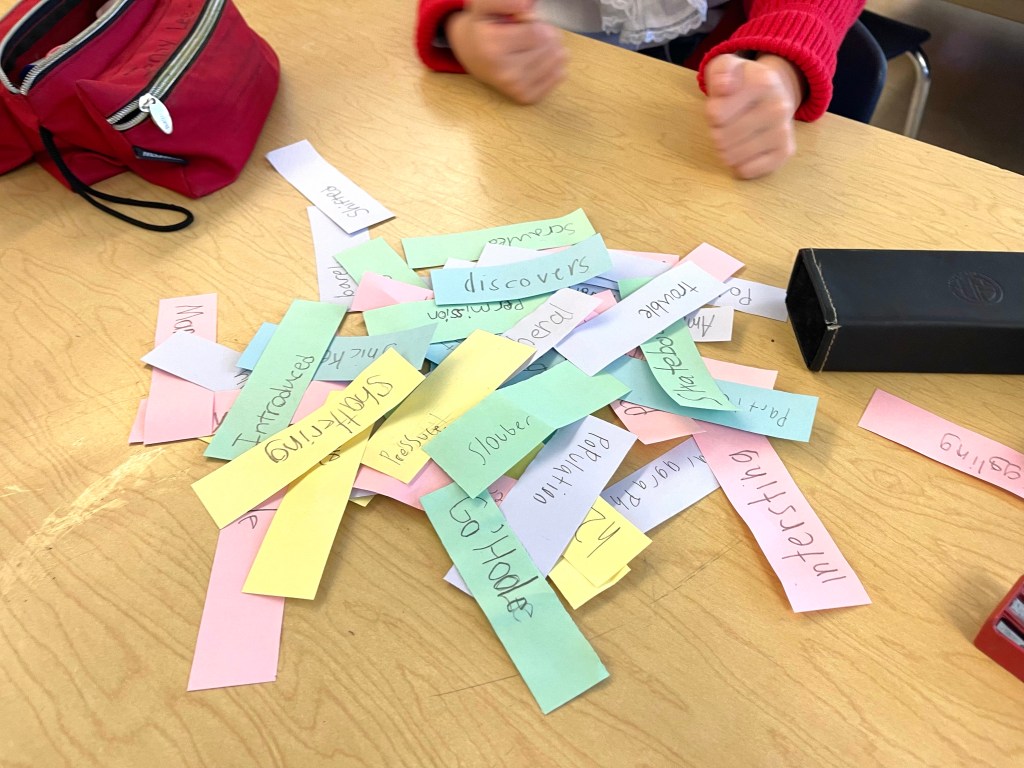
In Language Arts, we enjoyed reading aloud the book, “The Boy Who Loved Words”, by Roni Schotter and Giselle Potter. Then students went on a hunt for their own delicious words to use in their own creative writing. Then students sorted the words according to their own categories. Today’s challenge was to work as a small group and incorporate the new vocabulary work into a script for a play to perform for the class.

Dioramas!

Happy Friday, division 4 families!

We had another big week of learning and creating! Students have been working hard in math to learn long division—and we have our final division unit quiz next Thursday, March 2nd. There were new light bulbs going on for so many students today—practice is making a difference! Thank you for your support, parents/guardians!

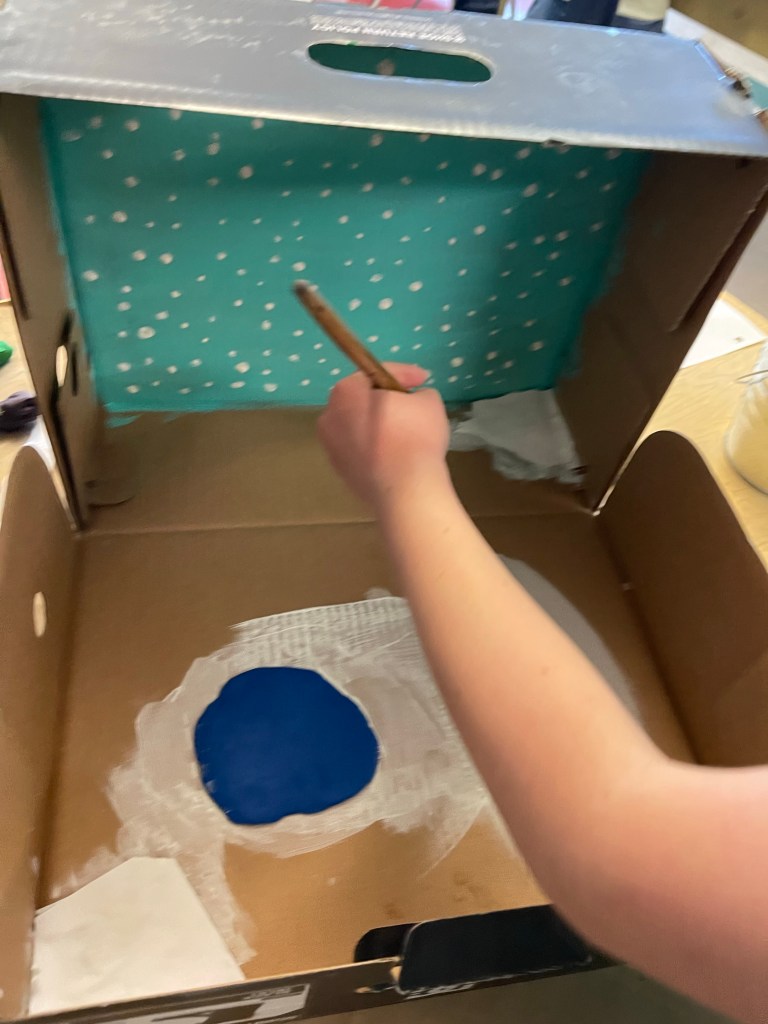
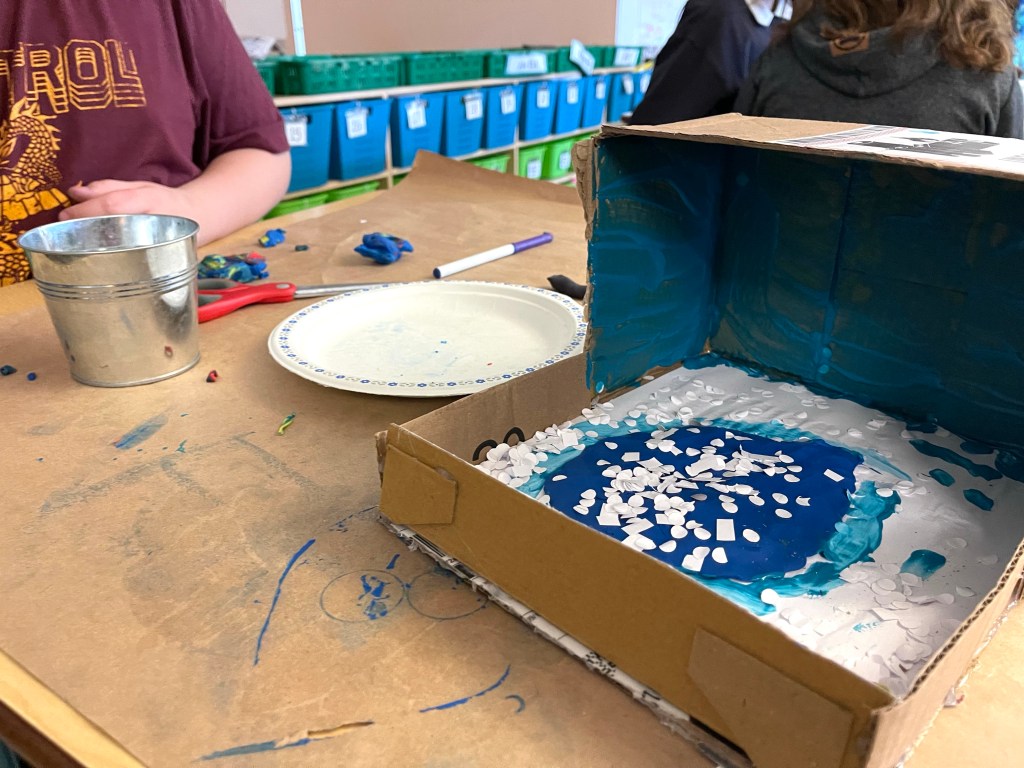
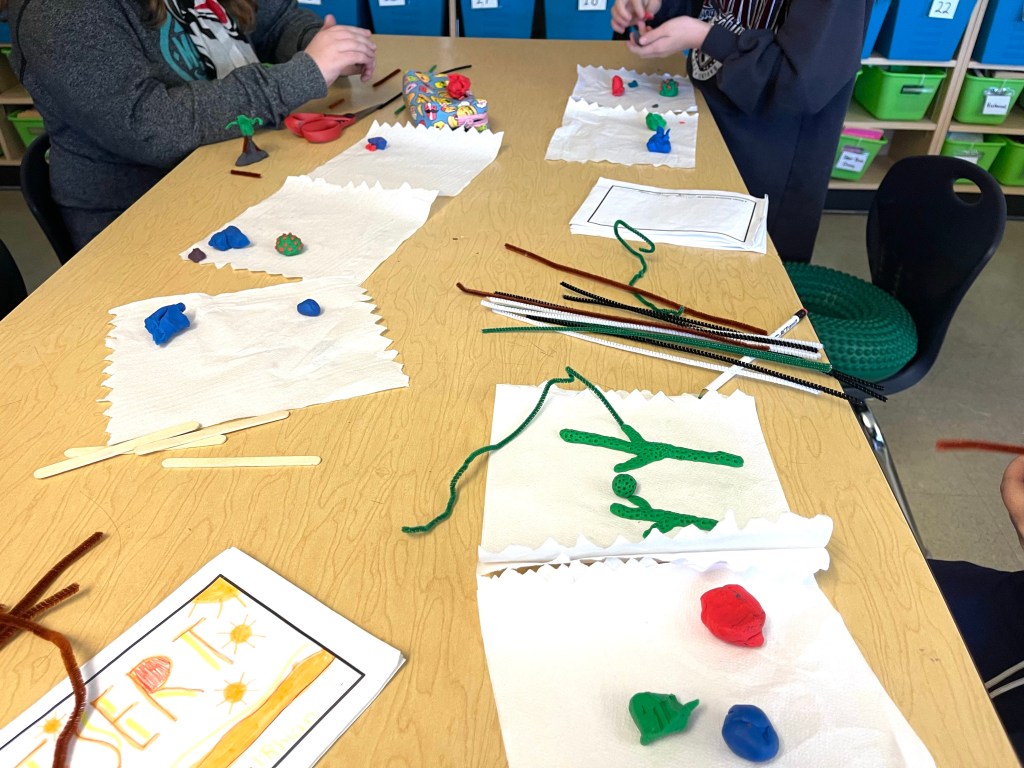
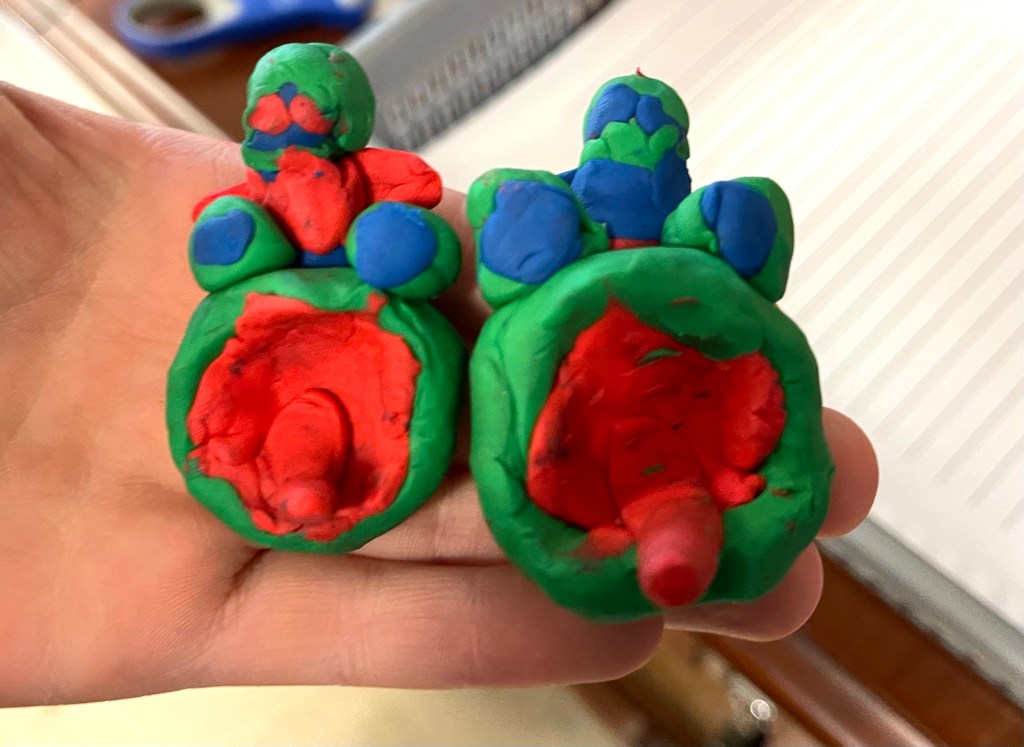
Seeing the students so excited to research their chosen biomes is a joy—and the cross pollination of diorama-making ideas and strategies is magic! Today we brought out plasticine, paints, cardboard, nature bits, and other found objects to experiment with.

Tiny little beautiful little worlds are popping up everywhere in class now…along with a few fun bonus side sculptural projects.

More Long Division & Bus Stuff!

Hello, division 4 families!

We continued with long division today, and I want to offer acknowledgement and congratulations because I could see a good number of students who made a huge transformation in their understanding—a lot of that success is due to the extra practice they did at home last night! I’m so proud of you!

Here are two more videos that may be helpful in practice—it’s useful to hear different educators ways of explaining a concept!

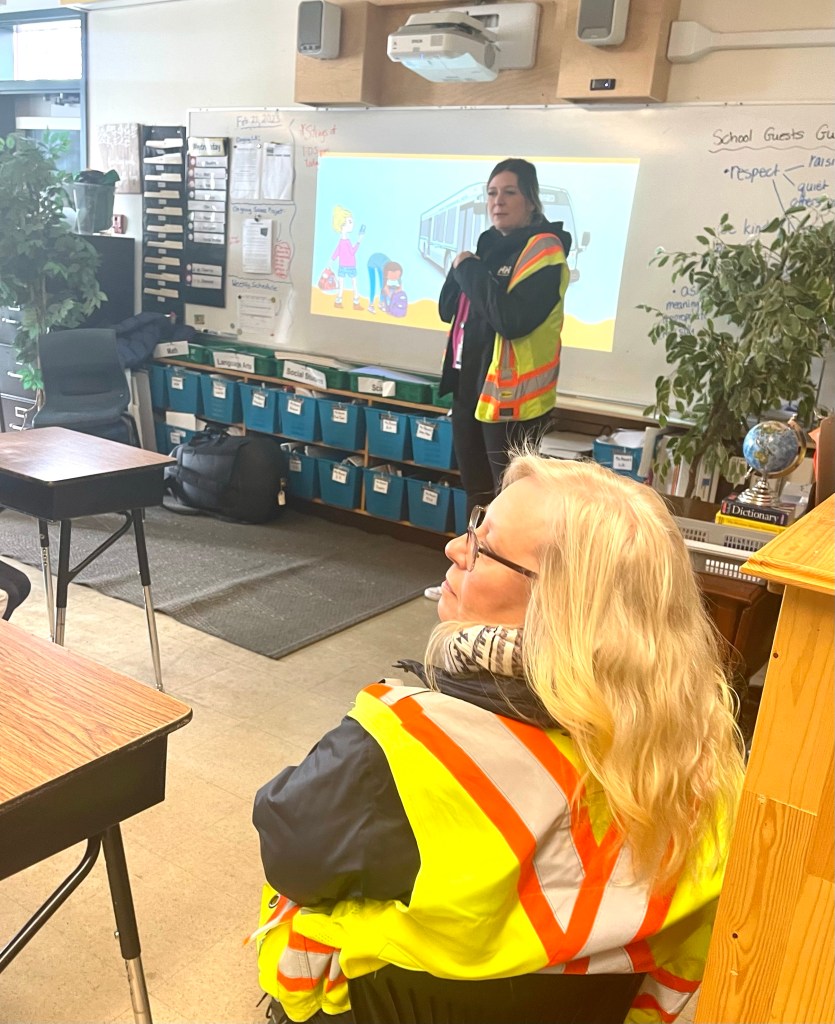
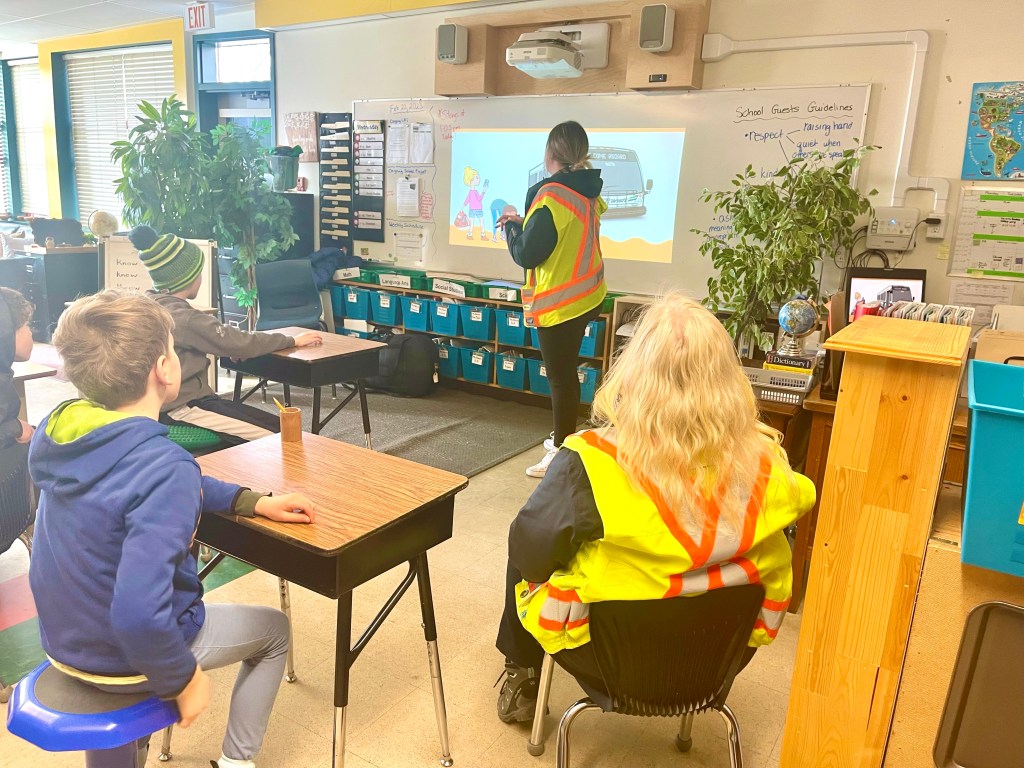
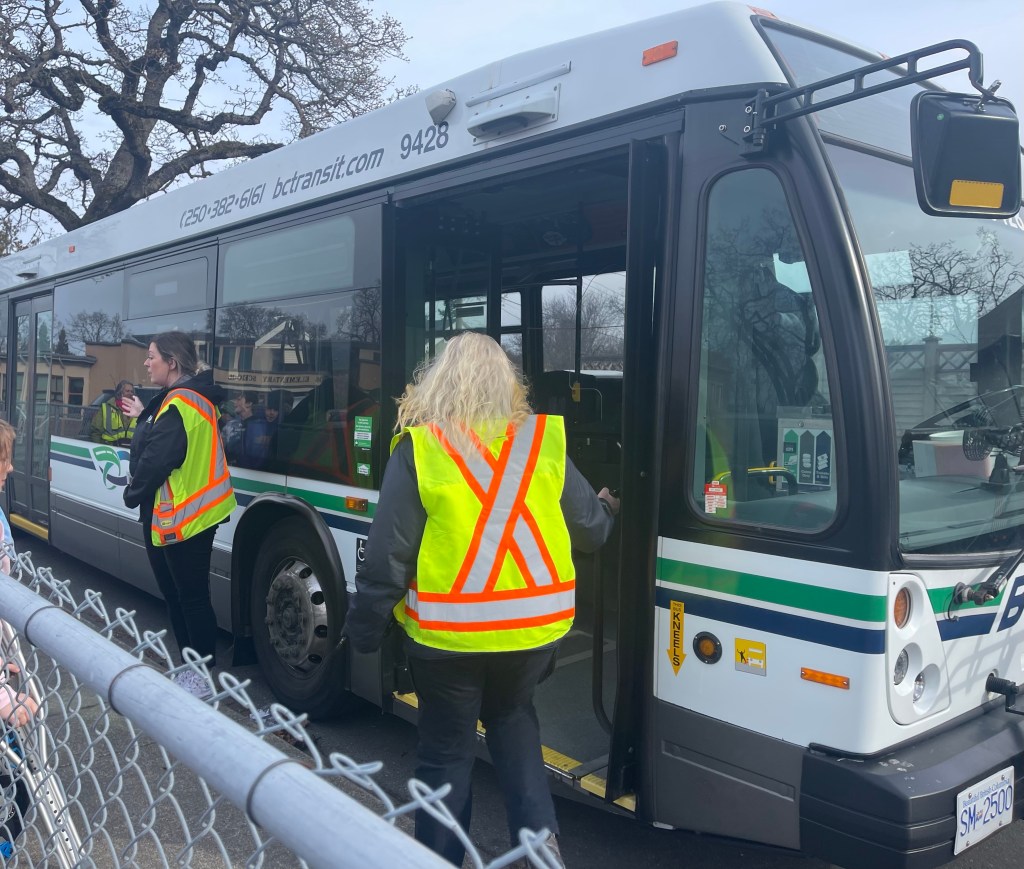
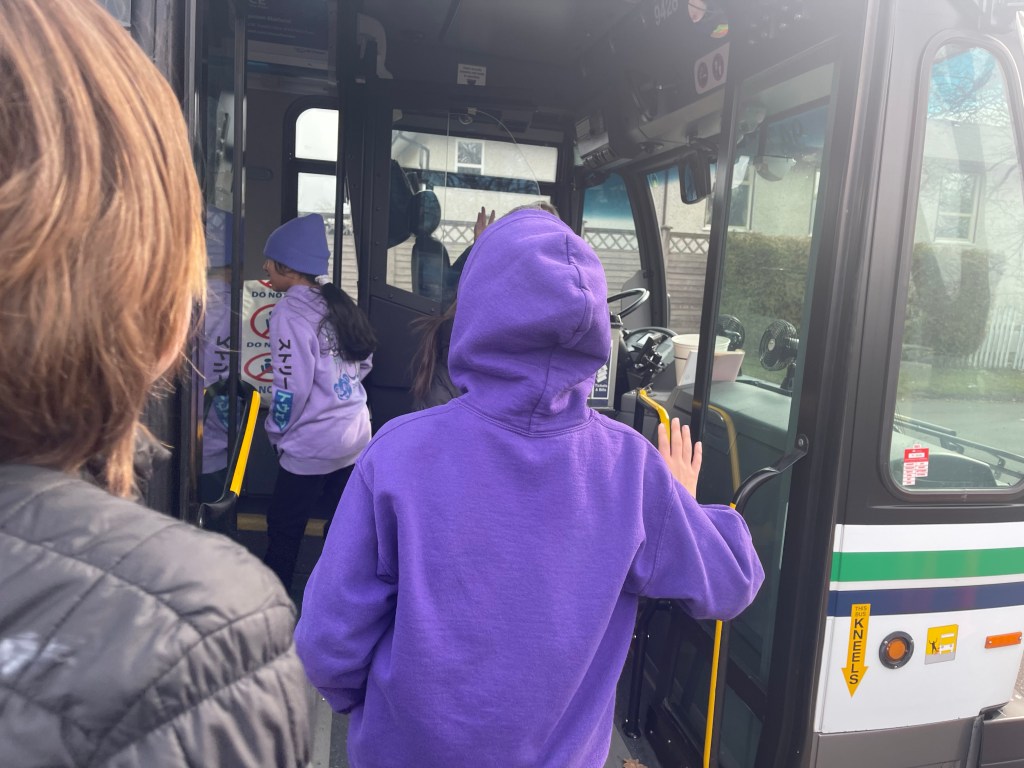
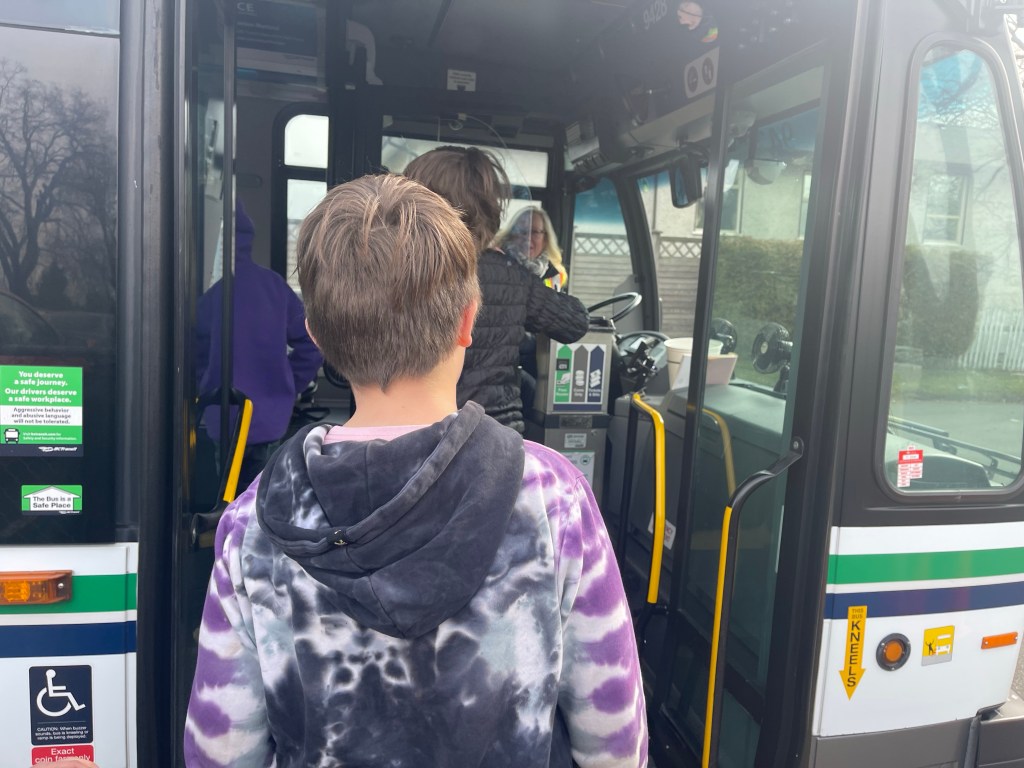
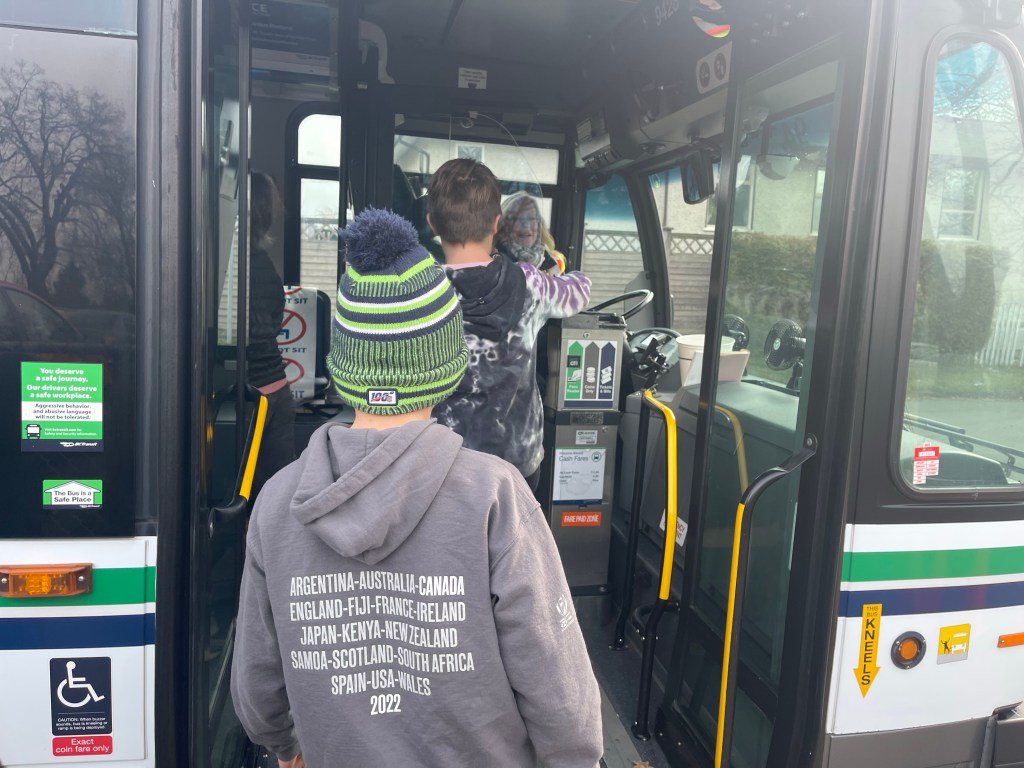
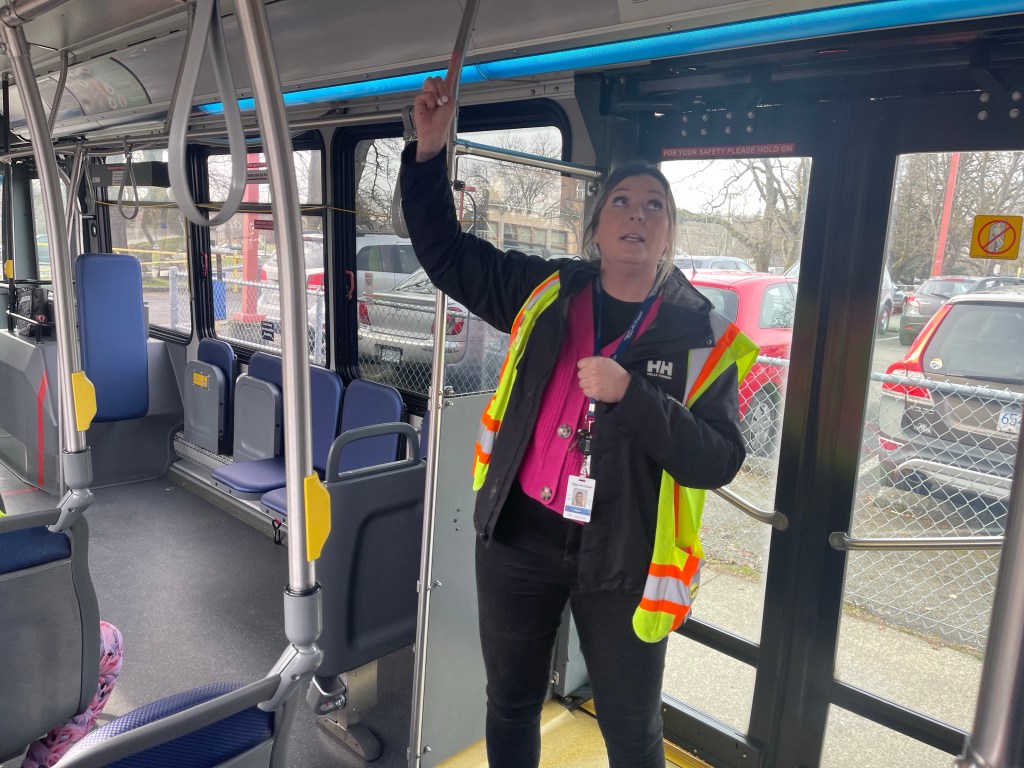
Today we also enjoyed a special presentation by BC Transit to learn about bus riding etiquette and safety. Children ages 12 and under ride the bus system FREE! Ask your children what else they learned today!

Black History & Black Futures

Hello, division 4!

What do you know about Black History Month and what connections can you make? In today’s blog post you can see some of the videos and resources we have been exploring…

Black History Month is a time to reflect on the stories, experiences, and accomplishments of Canada’s black community. This is also a time to think about contemporary black experiences and also focus on supporting black futures. Please see this link for a STATSCAN article and also watch the video below…

There are so many inspiring stories of black Canadians who demonstrated courage and excellence and made important contributions that shaped our country and world.

Click here for an interactive map of 23 black Canadians who made major contributions to Canada’s culture and legacy: https://www.cbc.ca/news2/interactives/black-history-month/

Keep researching and being inspired!

THINK & SHARE: What information would you like to see added to this blog post’s list of videos and resources for Black History Month?

Today we watched Martin Luther King Jr.’s entire “ I have a dream speech”, pausing along the way to discuss and explain some historical references and rhetorical devices he used to communicate his moving message. Students were invited to reflect together afterwards.

Long Division

Hello, division 4 families!

Today in Math class we reviewed the concept of division, including the method we have been using called “Easy Multiples of the Divisor”. Then, I introduced the traditional “long division” method and we practiced using it to solve questions together. Long division will be our focus for the next two weeks.

HOMEWORK: Please ask your children how they are feeling about the traditional long division method. For students who are not feeling confident with it yet, I recommend they watch this Long Division Tutorial at home this evening if possible.

Is math homework necessary? Shouldn’t my child be able to learn this stuff at school? Ample time is provided for students to learn and practice each new math concept. However, there can be many factors pulling children’s focus and preventing them from learning more complex concepts in a classroom setting in a timely manner. And every child has a different level of ability to self-regulate at school. Thank you for understanding that your child may not be feeling able to focus at school, and so review and re-teaching at home may be necessary if they are to learn the concepts. Making these math tutorials is my way to help send the teaching home because I know parents’/guardians’ time may be limited and getting outside tutoring is not an option for all families. Certainly, students who practice their math at home regularly are the students who see the most growth and success in math. When I was a child, I remember I did not grasp long division as it was taught at school, and it all finally made sense to me when my mom helped me through it. Thank you so much for encouraging your child to practice division skills at home.