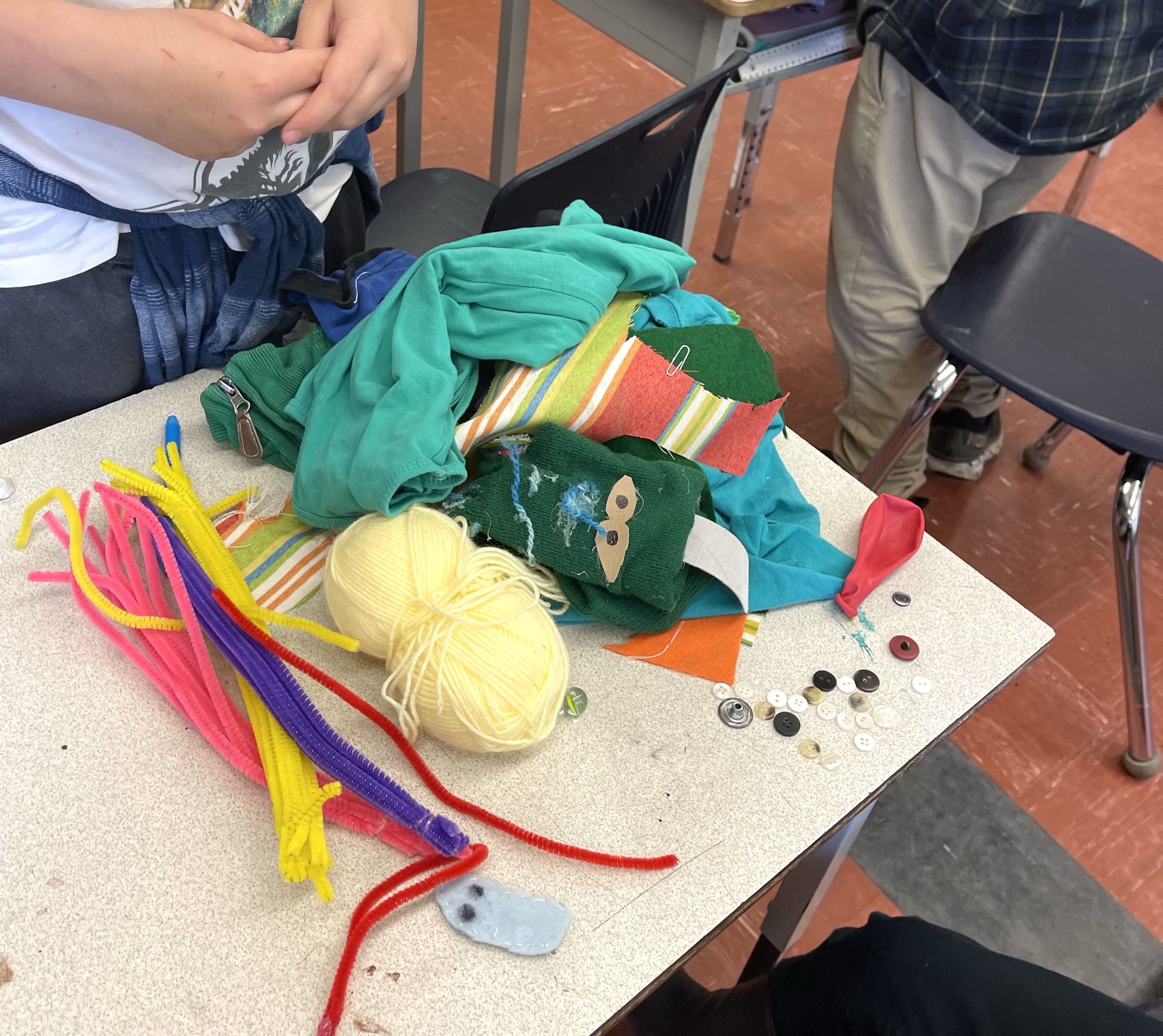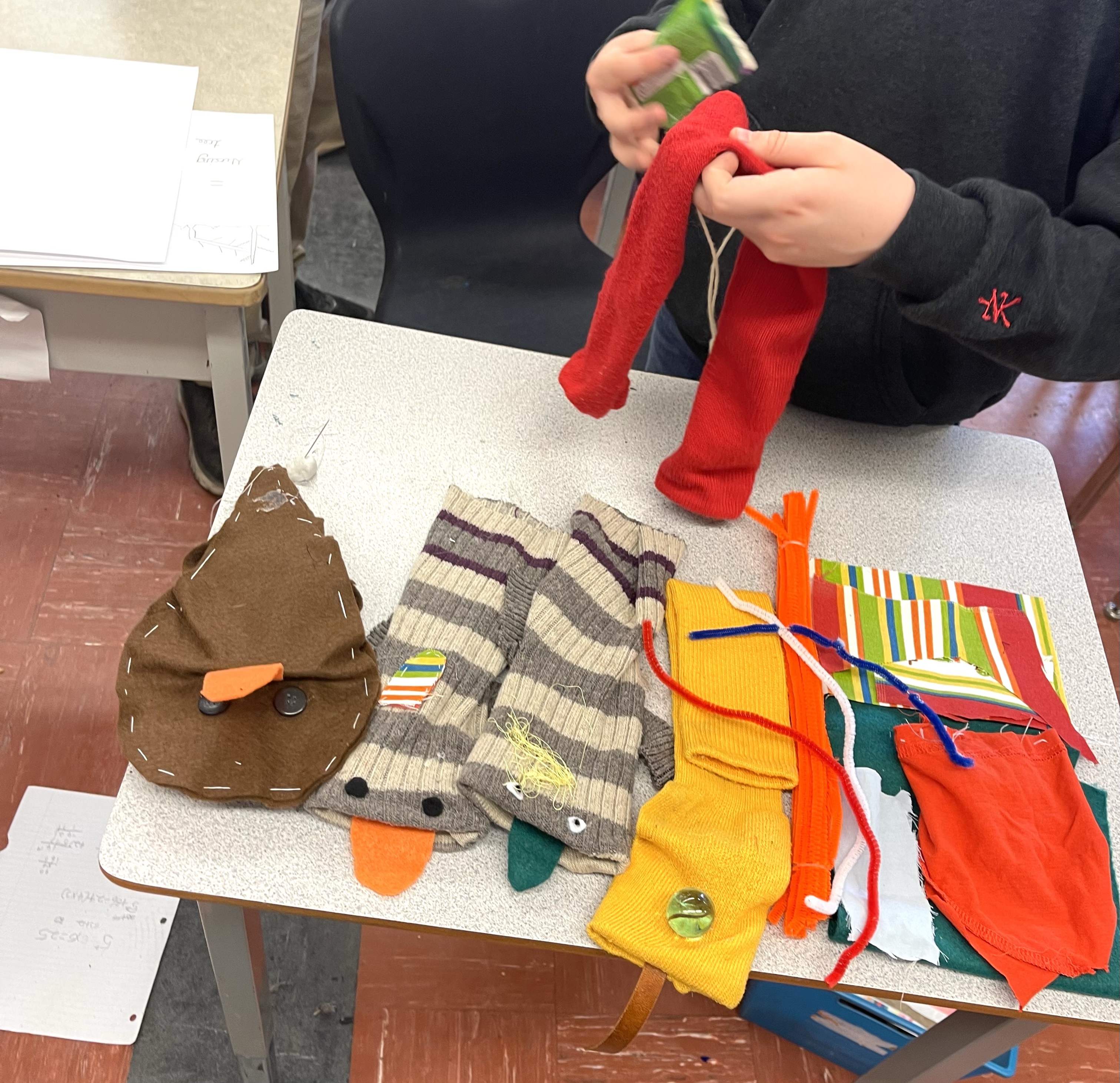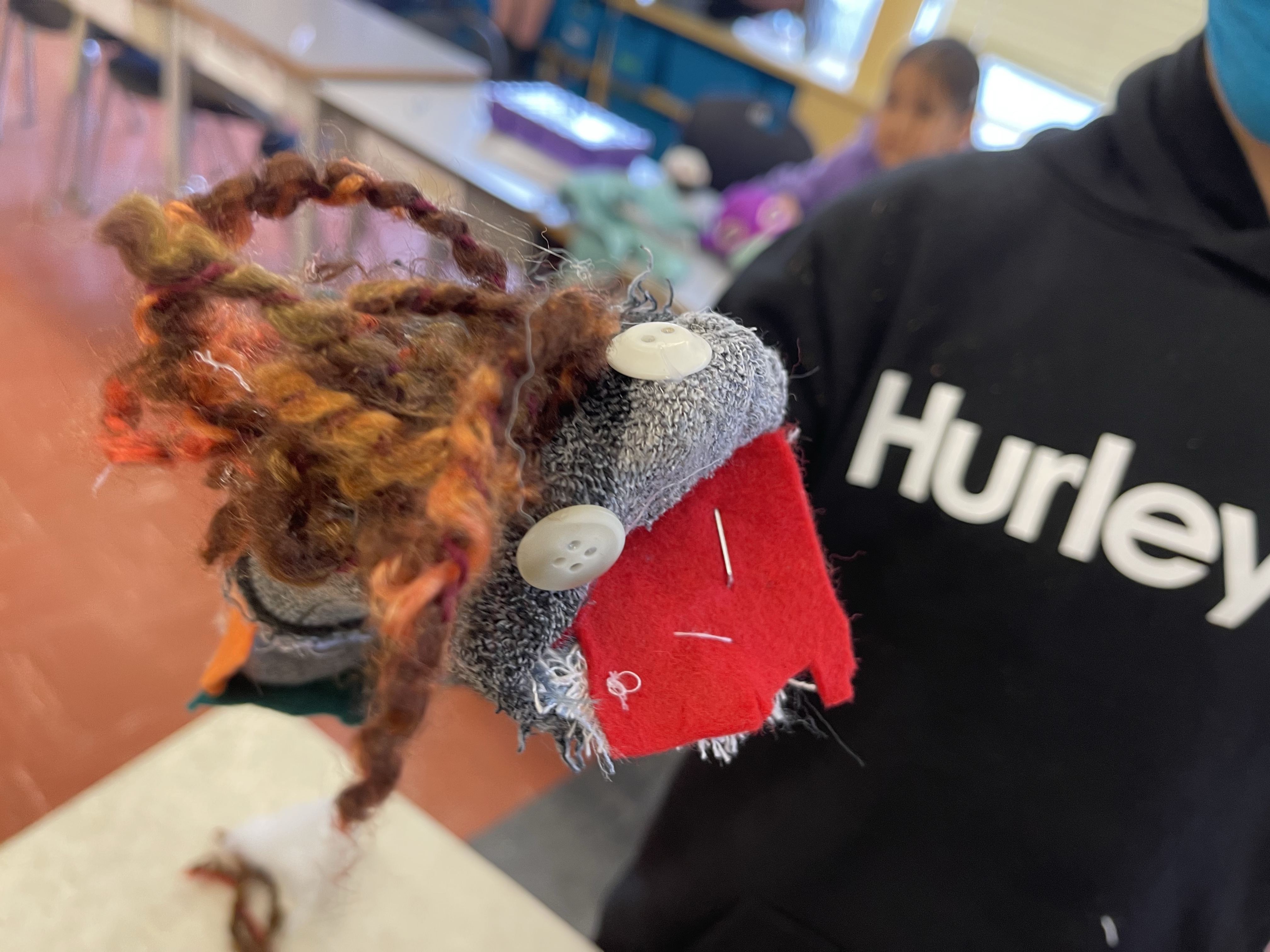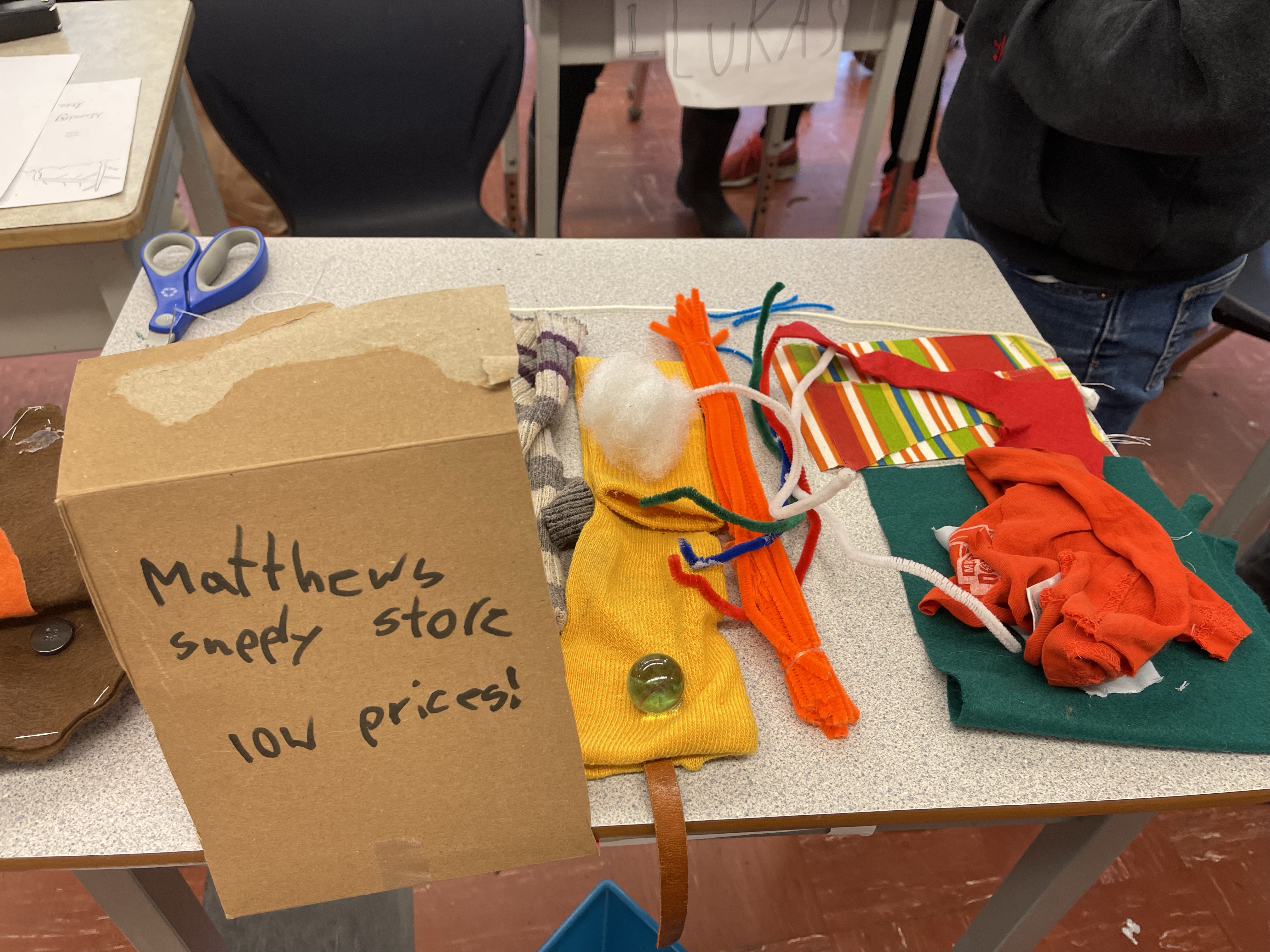
The Tortoise and the Hare, Puppetry & Book Talks

Happy Family Day weekend! I hope you enjoy some special time together. Today students are bringing home a permission form for our puppet making and sewing unit. As well, they have completed a “figurative language” quiz and letter assignment to share with you.

Now, here is a recap our action-packed day, along with the details of the fun storytelling homework and an upcoming “Book Talk” assignment.

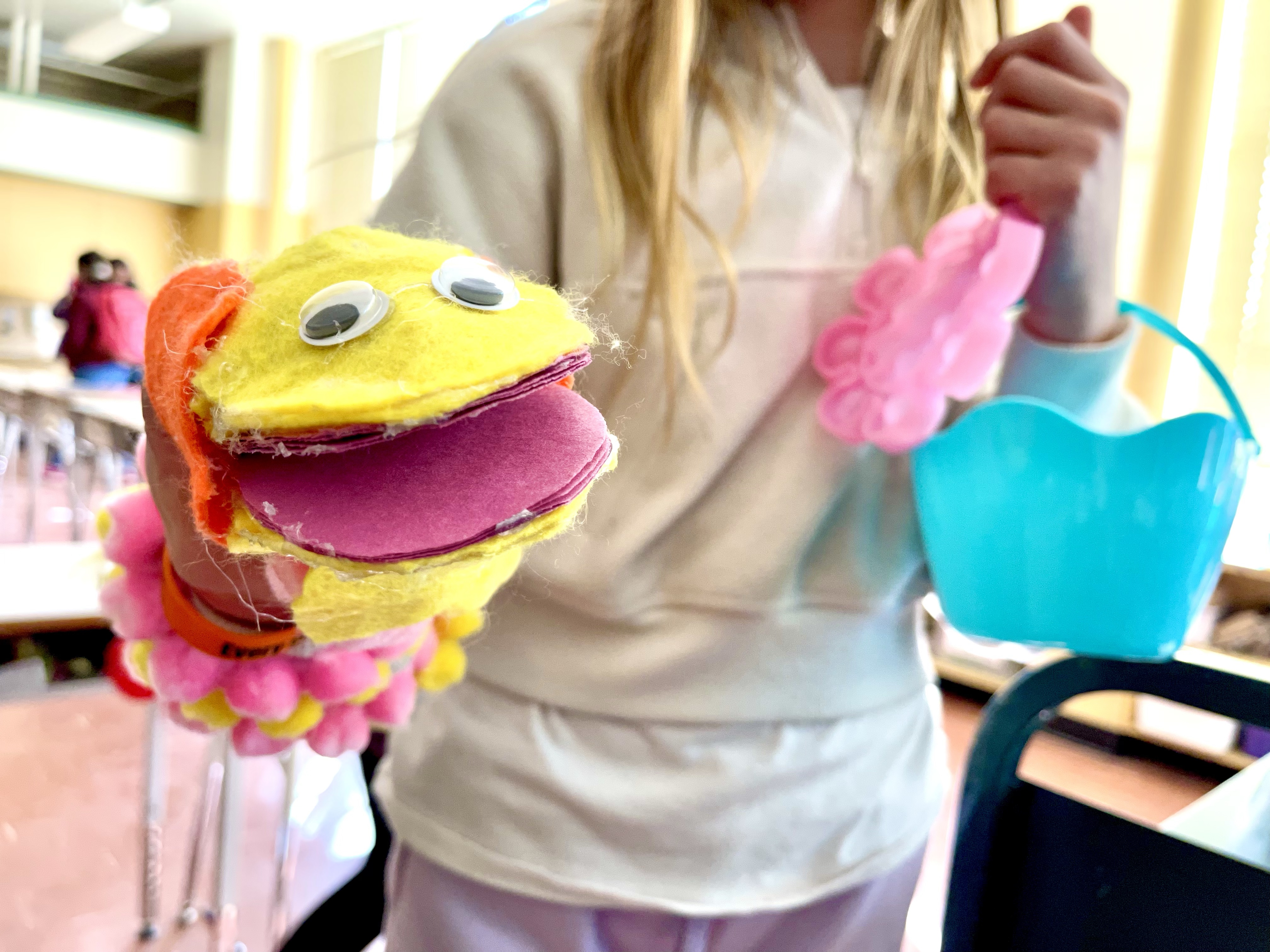
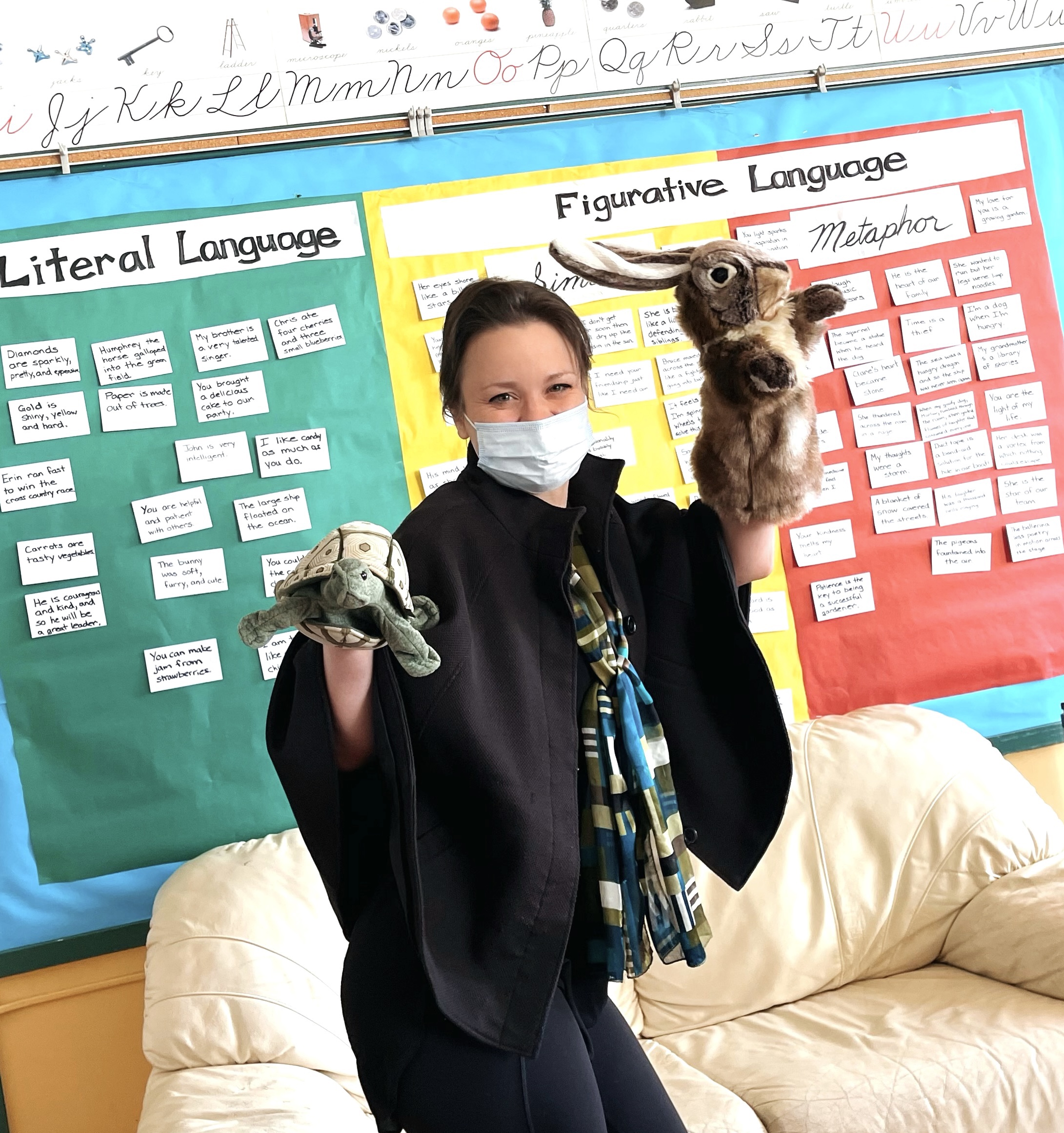
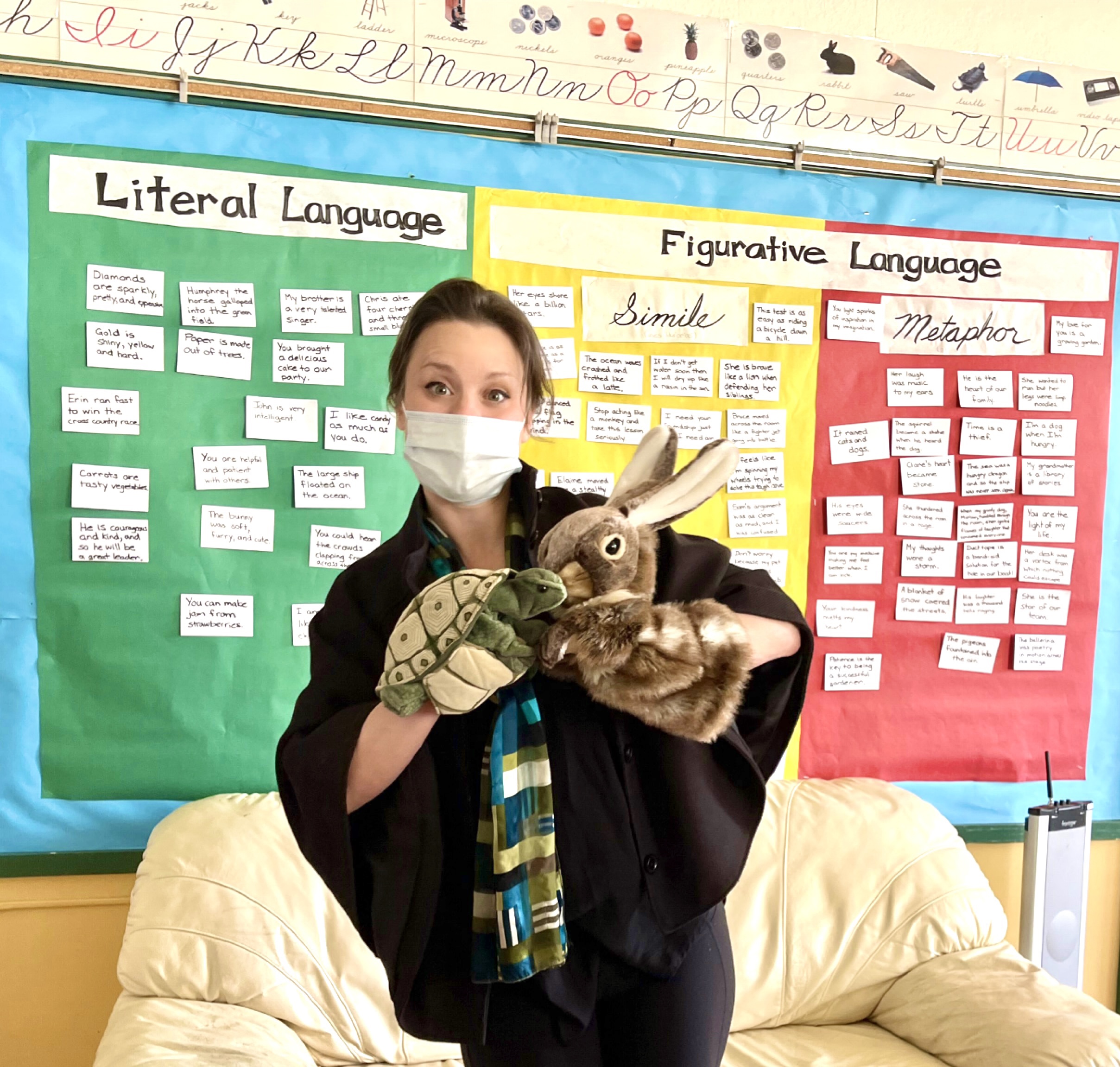
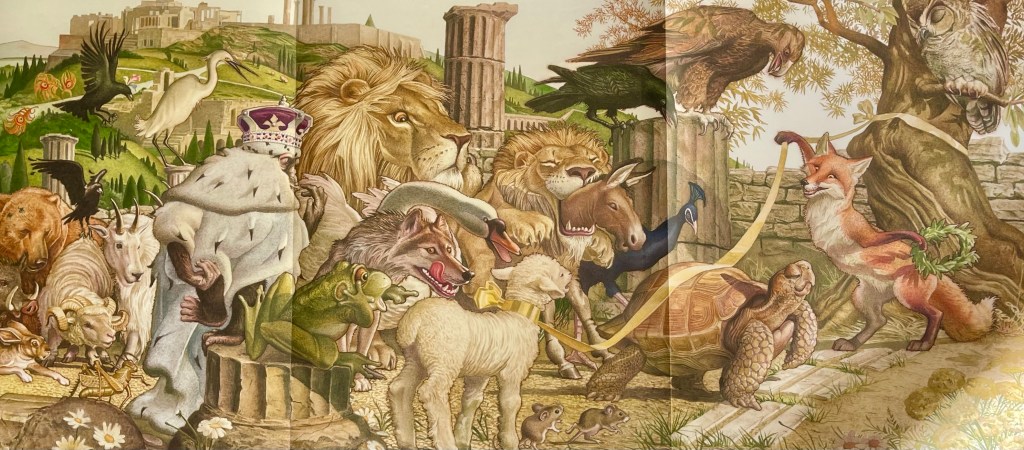
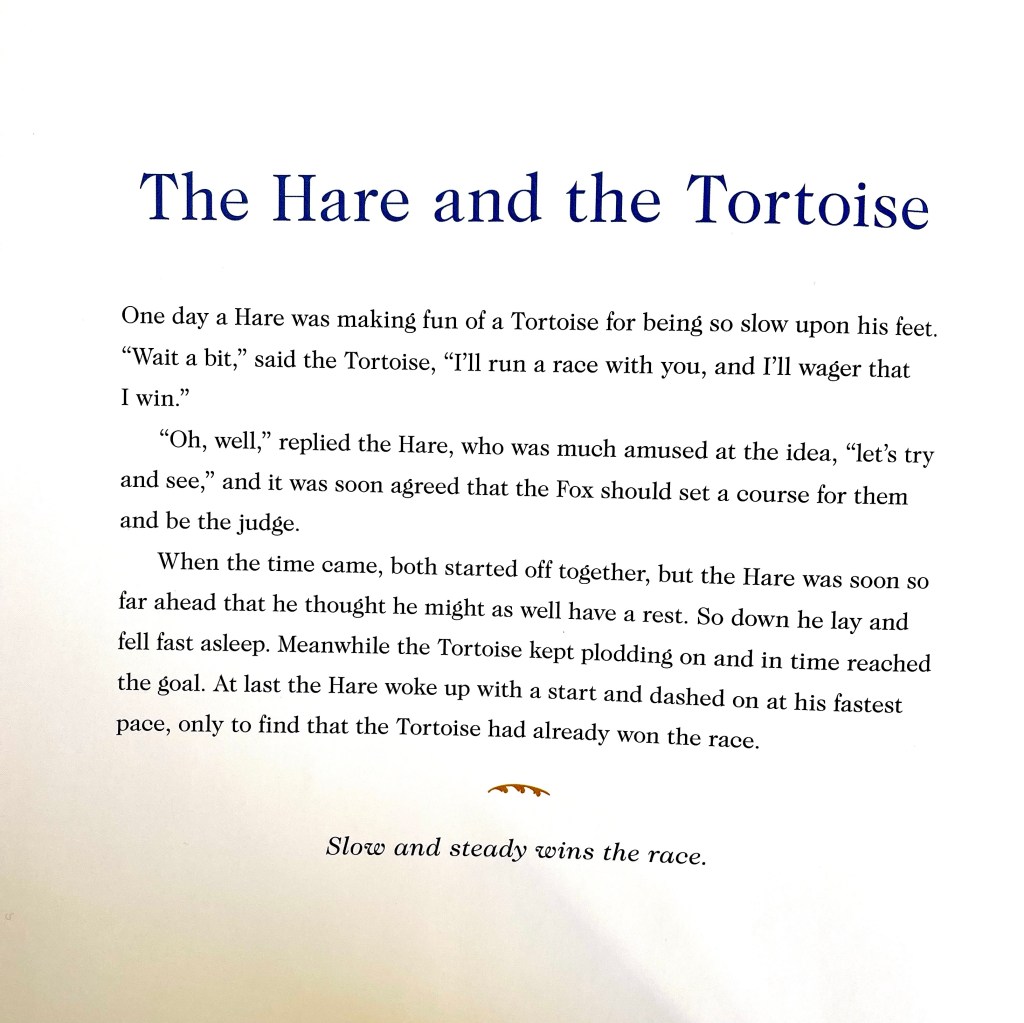
Today we had dramatic fun as I modelled some storytelling skills using puppets. I read Aesop’s fable, “The Tortoise and the Hare” aloud and then retold it in my own words in a theatrical way. I emphasized for students skills for vocal projection and dynamic expression, and showed how to create unique voices for characters. My goal was to infuse humour and playfulness when animating the puppets so as to underscore the message of the tale. Storytelling is most effective when it is engaging for the audience!

HOMEWORK: I have asked students to each retell the “Tortoise and the Hare” in their own fun way to someone in their family this weekend. They can change story elements or even alter characters (like maybe it’s about a slug and a cheetah); however, students should still follow the narrative arc: (1.) a slow character and a fast character compete in a race; (2.) the slow character beats the the fast one because the latter is prideful and thinks he’s so fast that he can afford to take nap during the race; and finally, (3.) the slow character wins because “slow and steady wins the race.”

Today students also practiced the R.A.C.E. strategy as a way to add structure and support to their reading responses—but more on that in next week’s posts as it deserves some time to explain.

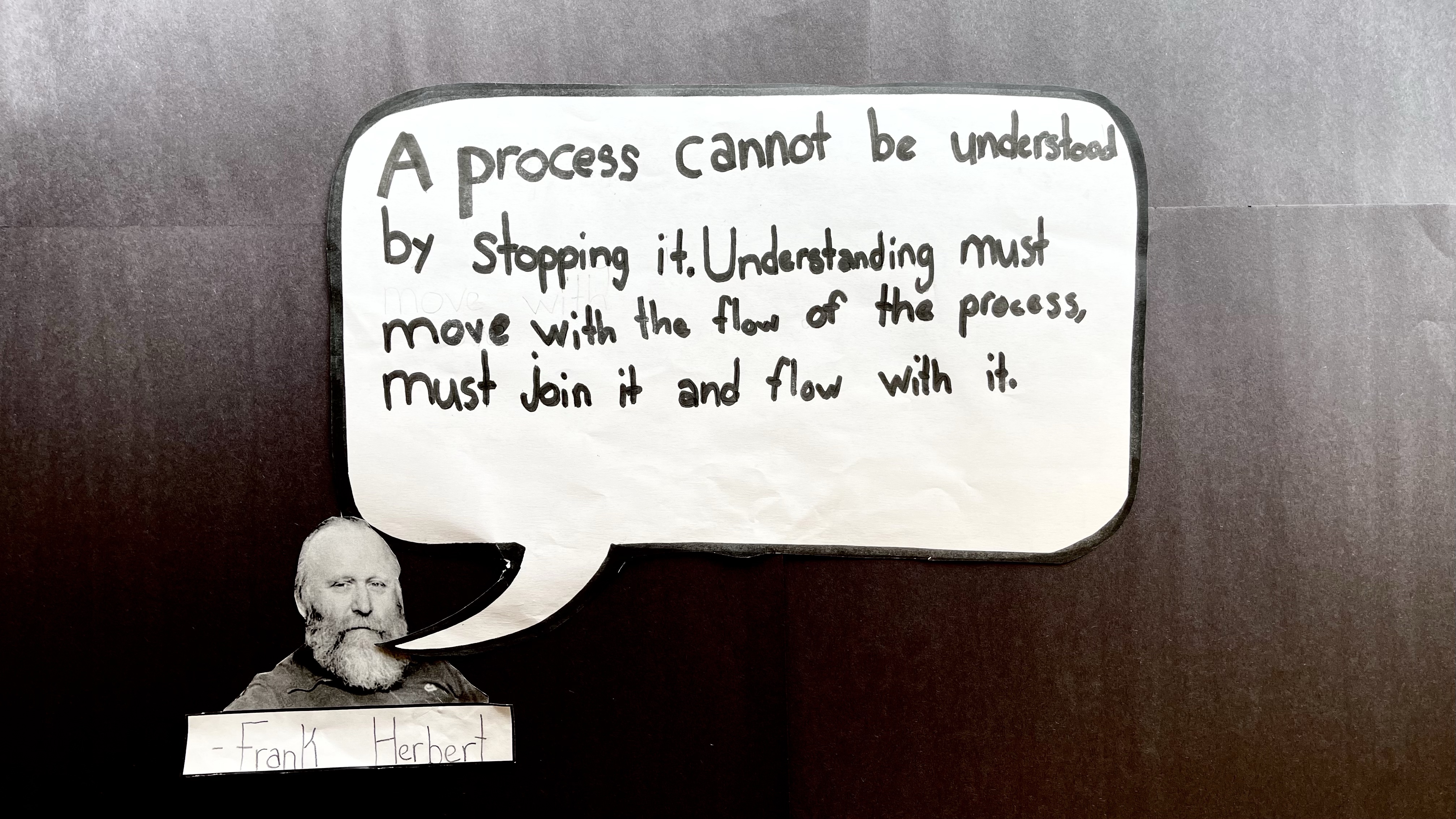
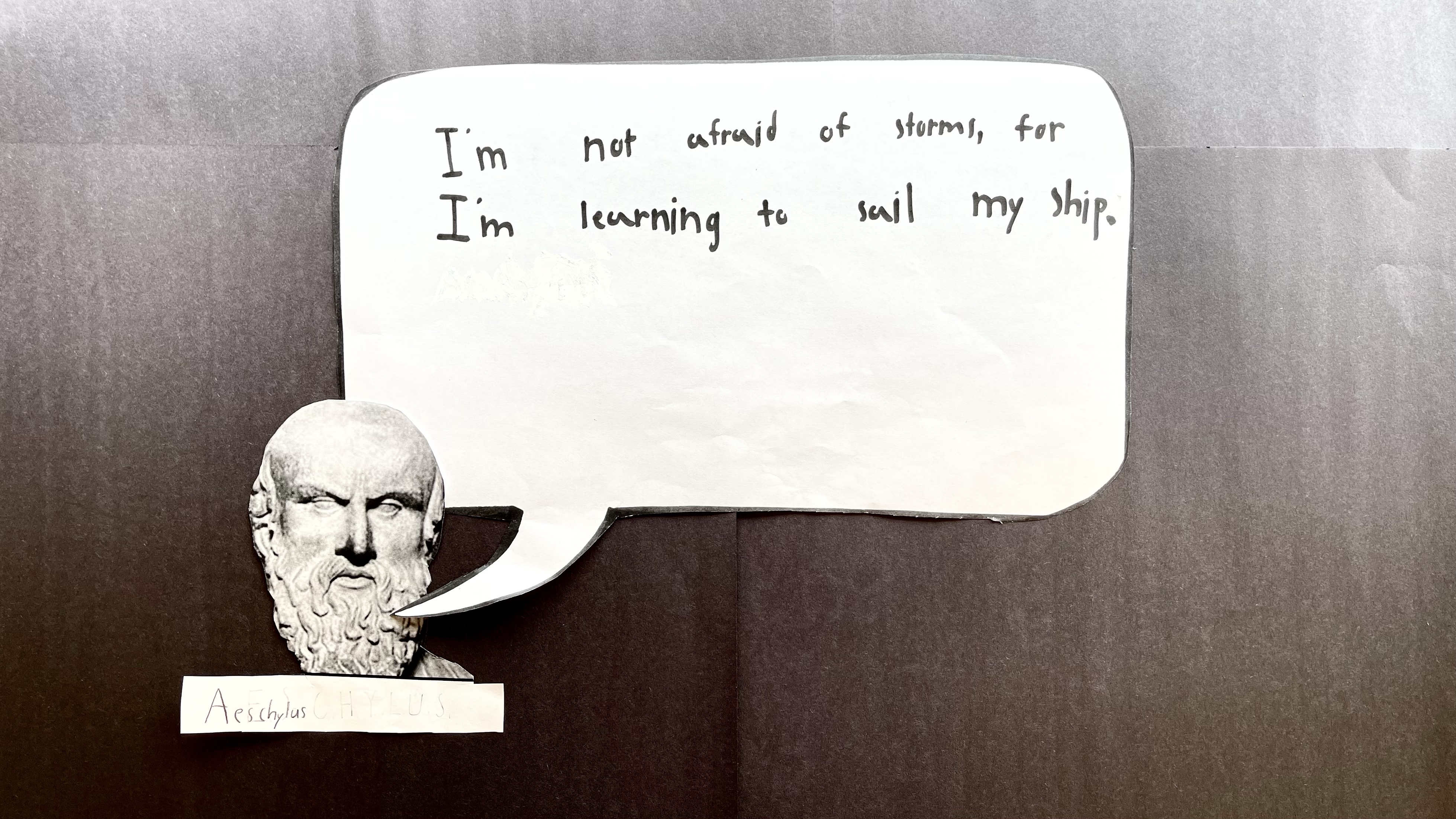
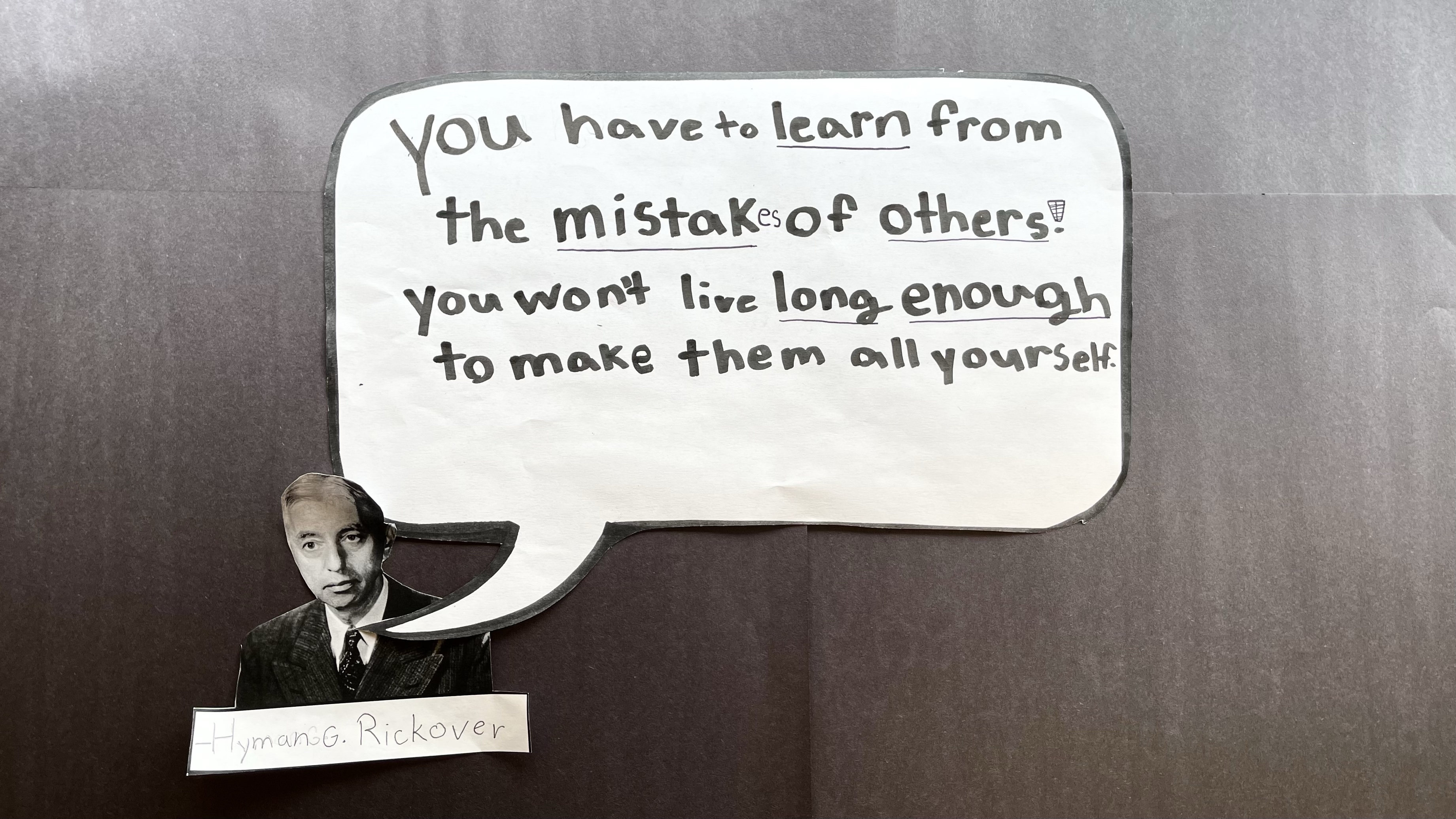
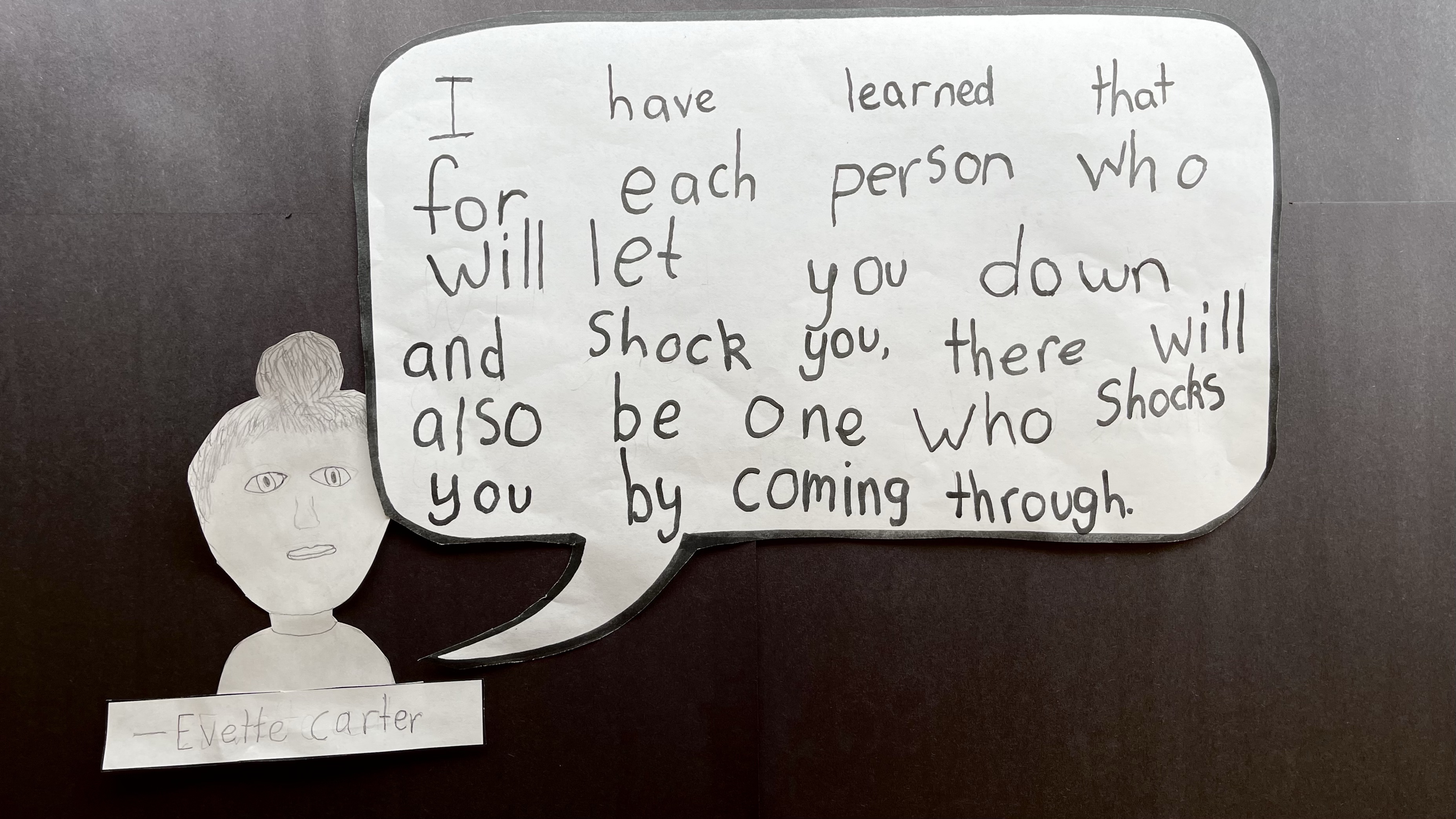
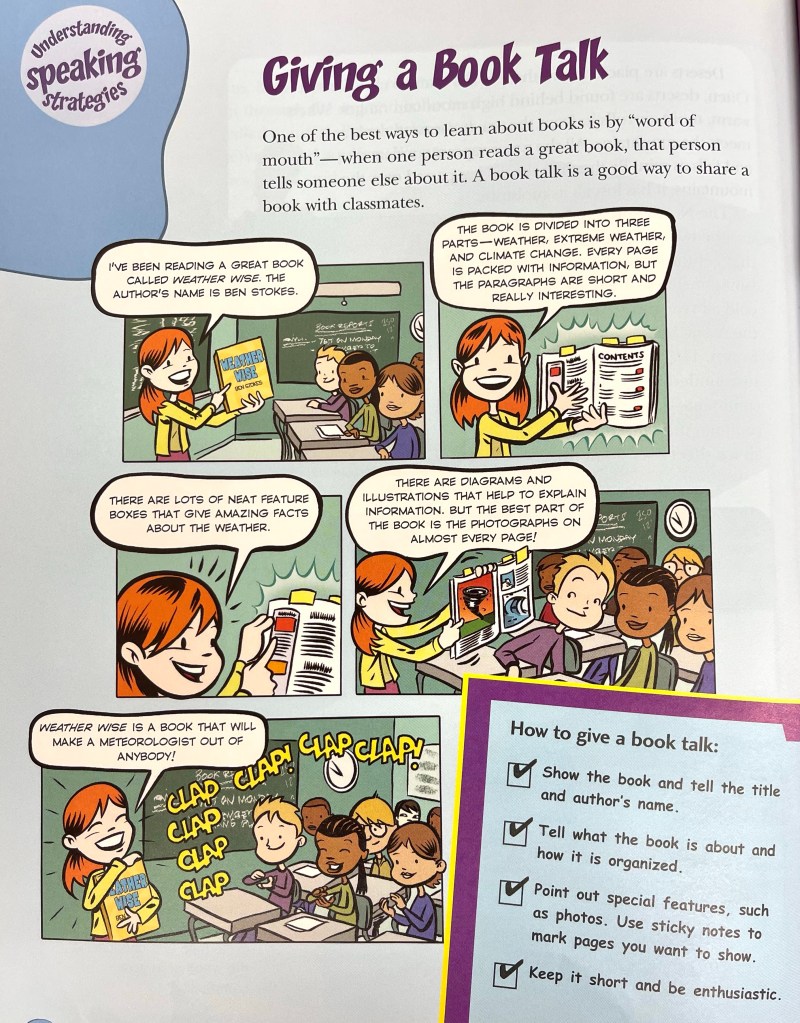
A big focus of the day for students was preparing to present a “Book Talk”. I first presented on purpose a few TERRIBLE examples of Book Talks on the books “James and the Giant Peach” and “White Fang”. I invited students to identify my mistakes and areas for improvement. From their observations, we brainstormed some criteria for an EXCELLENT Book Talk and read a comic about the same topic.

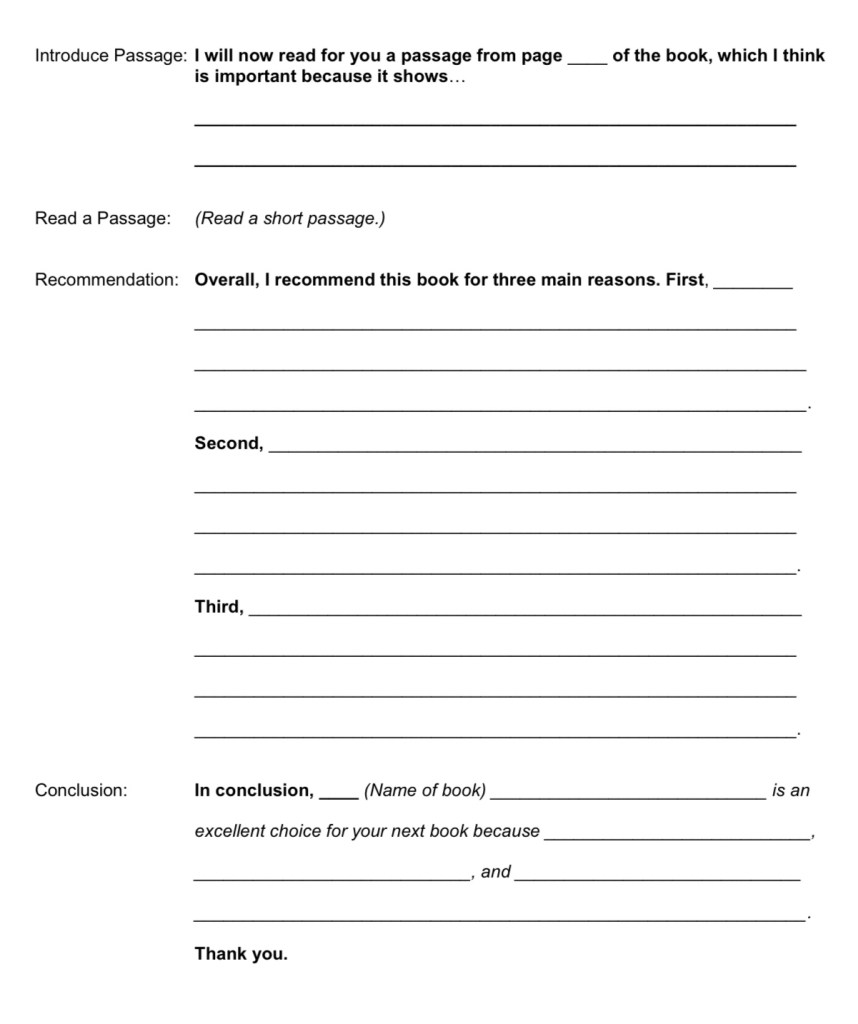
In the afternoon, I gave students a Book Talk Assessment description and sample template they could use to organize their presentations. We will be working with the template again next Tuesday to make sure students are clear on what is expected. Then we had library time, and I urged students to choose a great novel that they are happy to recommend and that they have read within the last two months (or will have finished reading by next week).

The purpose of this assignment is to challenge students to (a.) strengthen their public speaking skills, (b.) practice writing an interesting and logically organized presentation, (c.) showcase their skills of summarizing and reflecting upon their reading, (d.) inspire others to want to read their books, and (e.) promote literacy to contribute to our culture of learning.

Students will sign up for presentation slots that start next Thursday, Feb. 24 and run through until March 6th. Alternatively, students may create a video of their Book Talk and email a link or file of it to me before March 6th.

Figurative Language!

Hello! Congratulations to all division 2 students for their efforts in our division unit. We had our unit quiz today, and I can see the wonderful growth in learning. I am proud of you!

A reminder that we will offer a division unit quiz rewrite (or Math Meeting) next week for students who request that opportunity. *I ask that students spend time at home reviewing their class worksheets and our blog tutorials and get help from family and/or myself after school before attempting a rewrite. We want to make sure we have done the work to be able to achieve and celebrate growth.

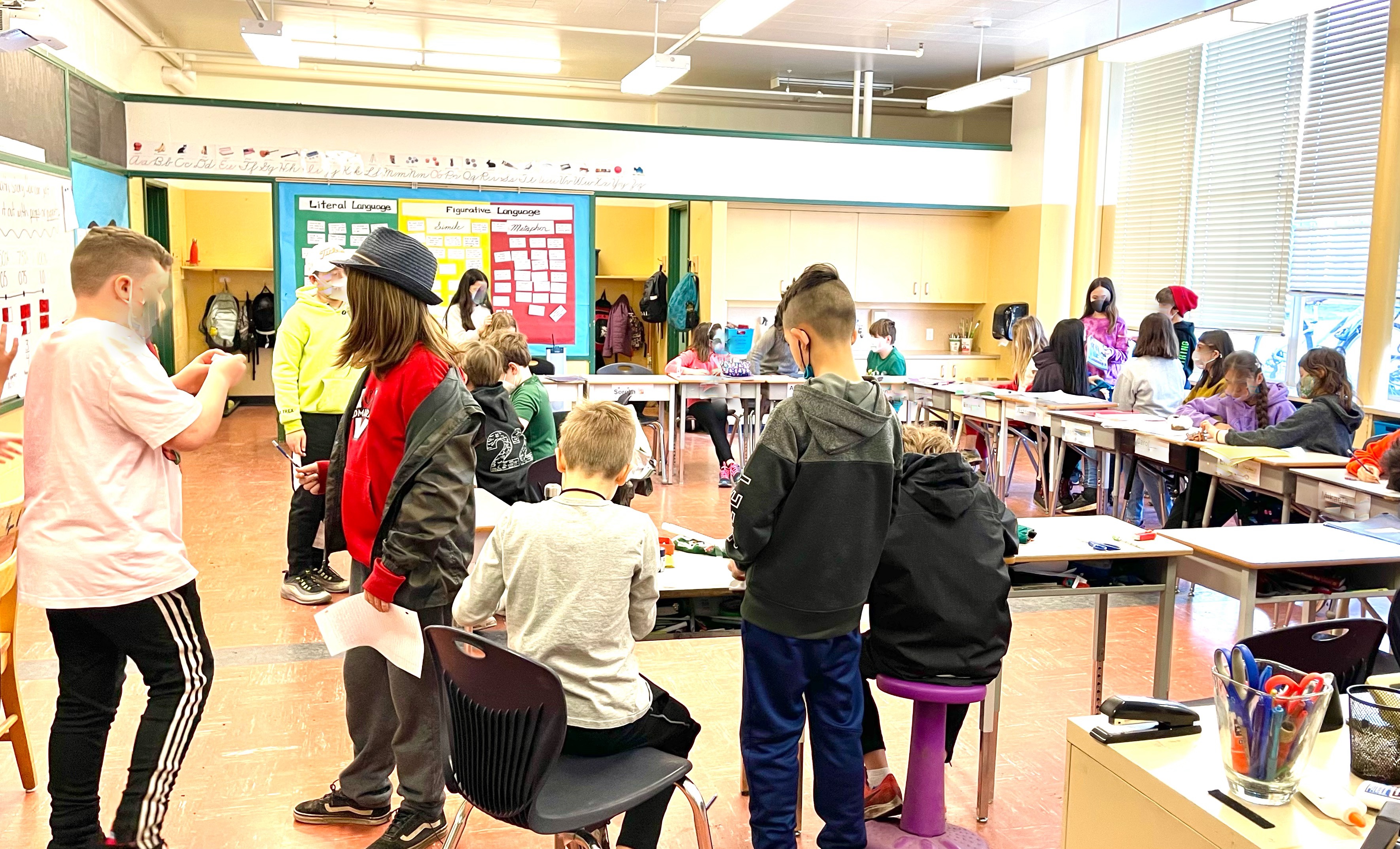
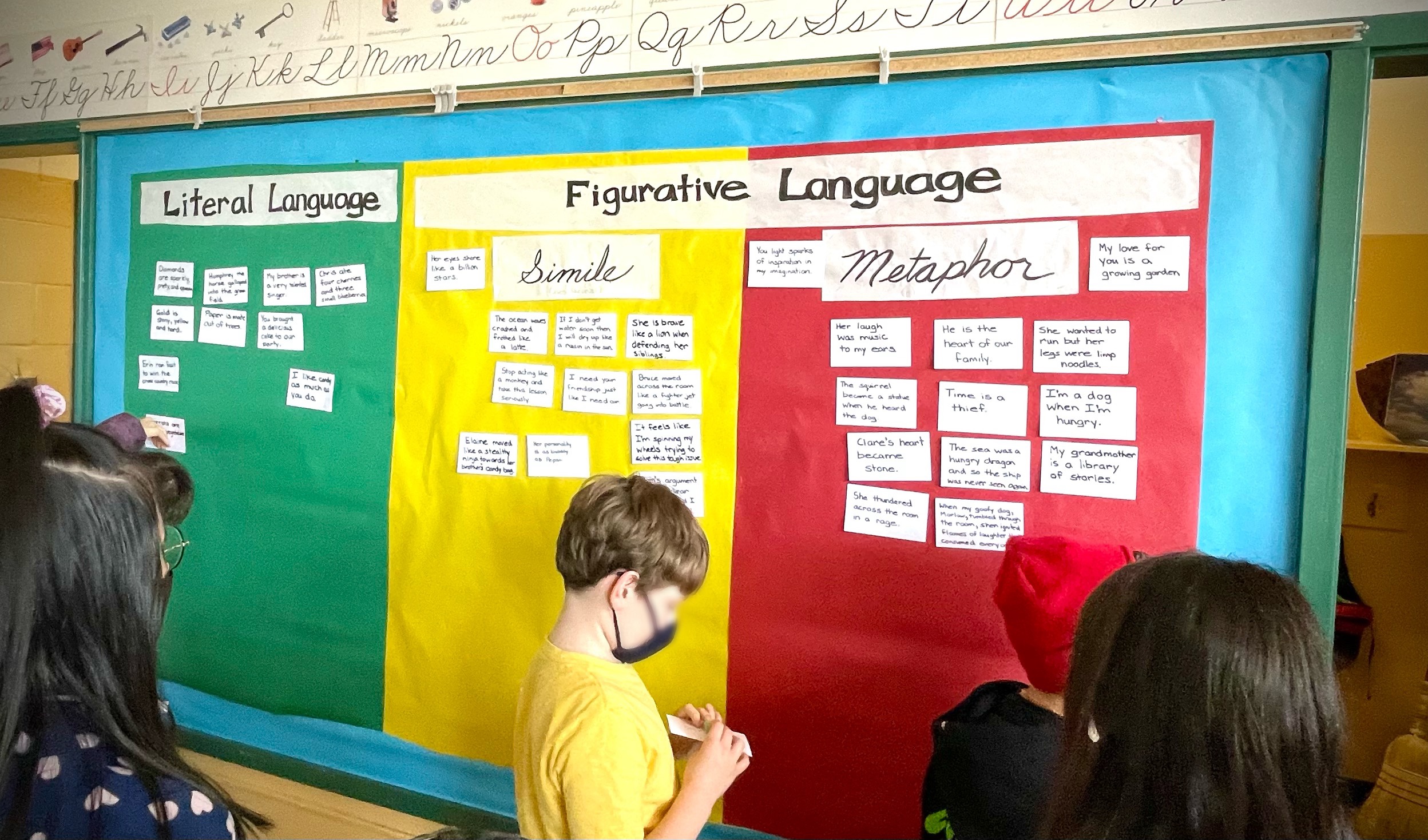
Today we had fun exploring figurative language! Students worked together to reflect upon, compare and sort various examples of metaphors, similes and literal statements. Midway we did some “formative assessment” to check our understanding through a call-out activity and review quiz, and then students began to apply their learning by using figurative language when writing letters to people they care about and admire.

We discussed the assignment’s basic criteria and reviewed an example letter, and then I invited students to apply their creativity to express themselves in the ways they saw fit.

This lesson was another effort towards empowering students to access a broader palette of literary tools in their fiction and non-fiction writing. I am excited to see how they translate this new knowledge when writing metaphorical “I Am” poems next week! Our division 2 writers are so thoughtful and imaginative!

Historical Inquiry, Division & Figurative Language

Happy Valentine’s Day!

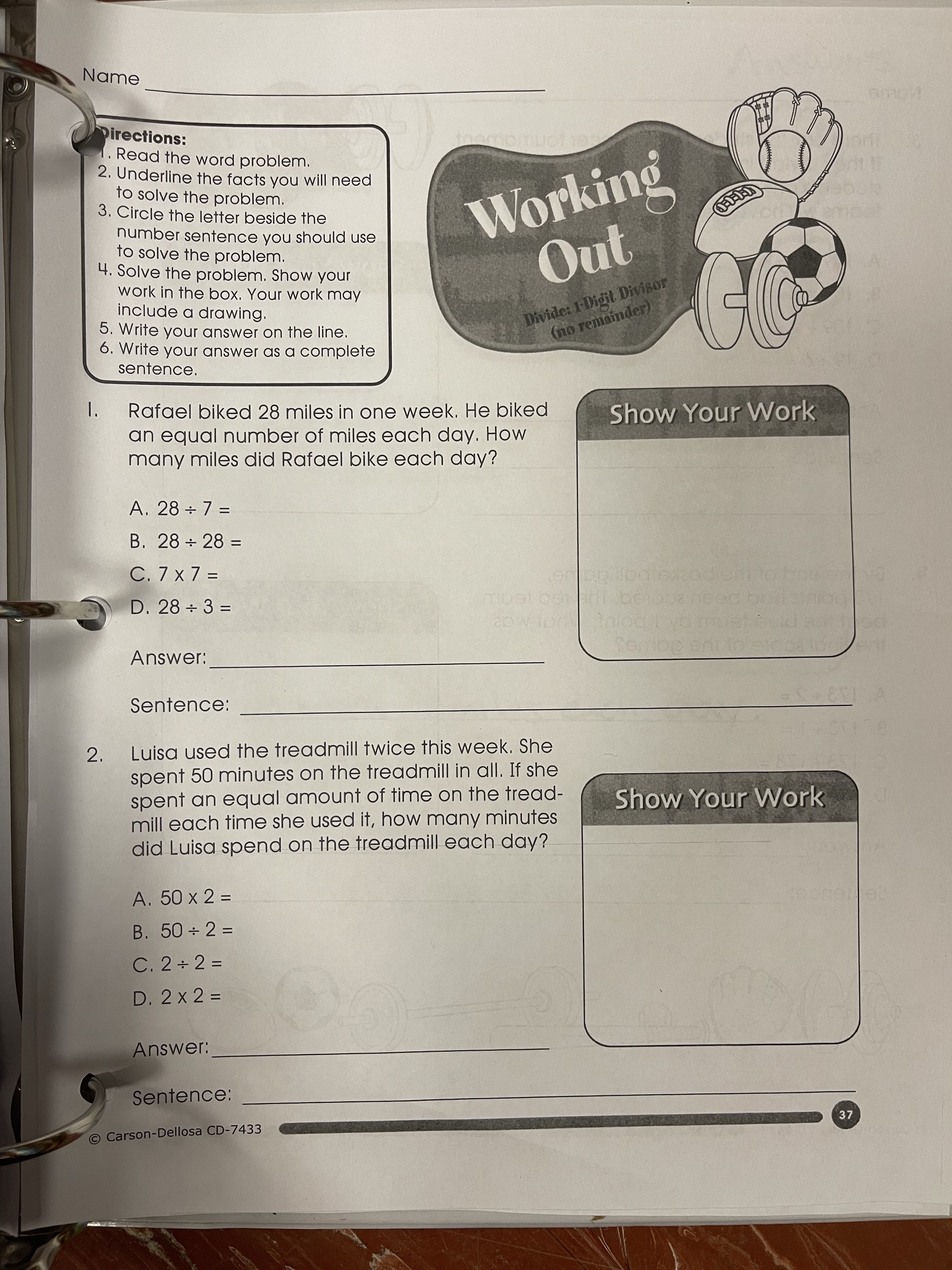
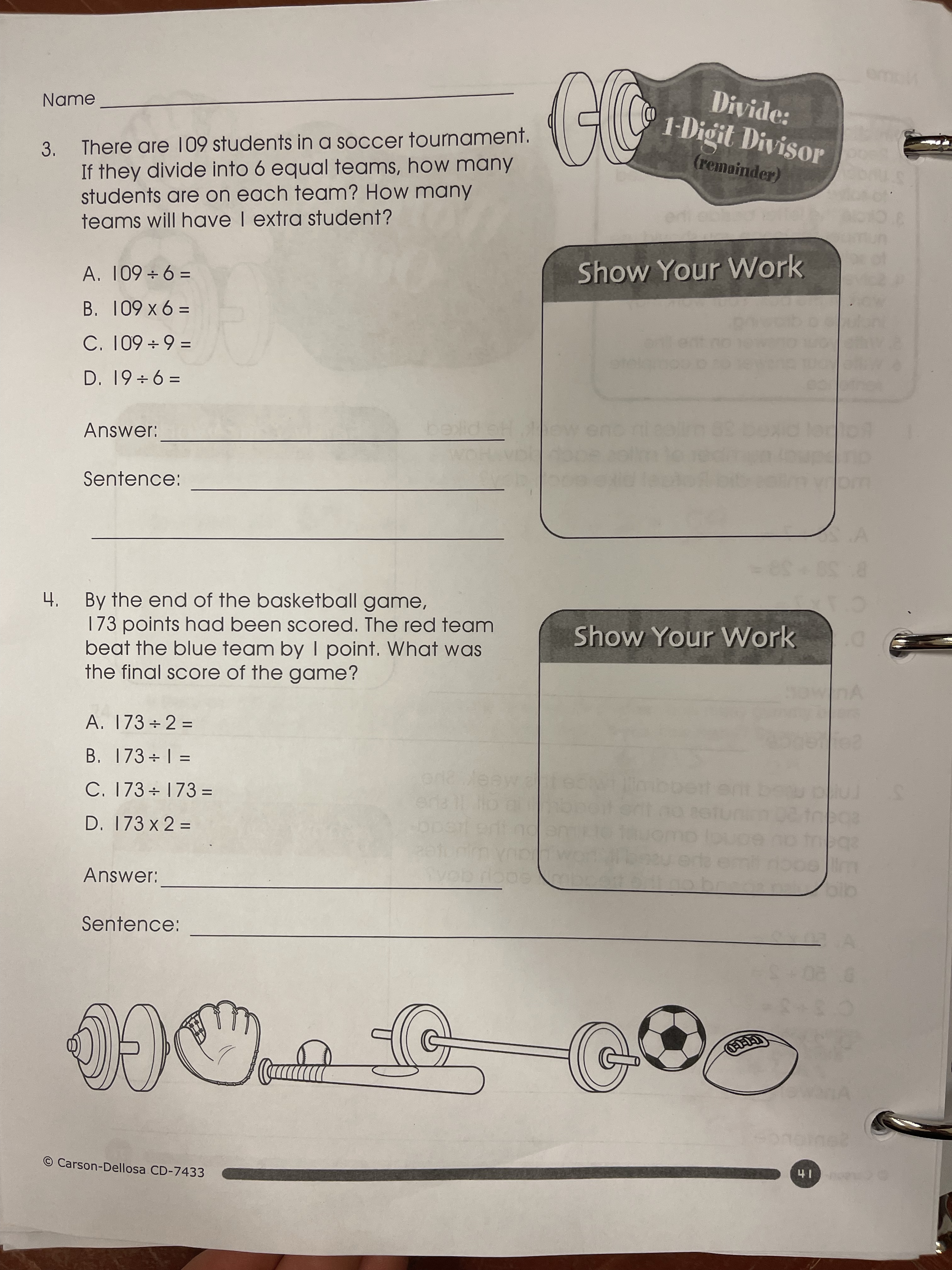
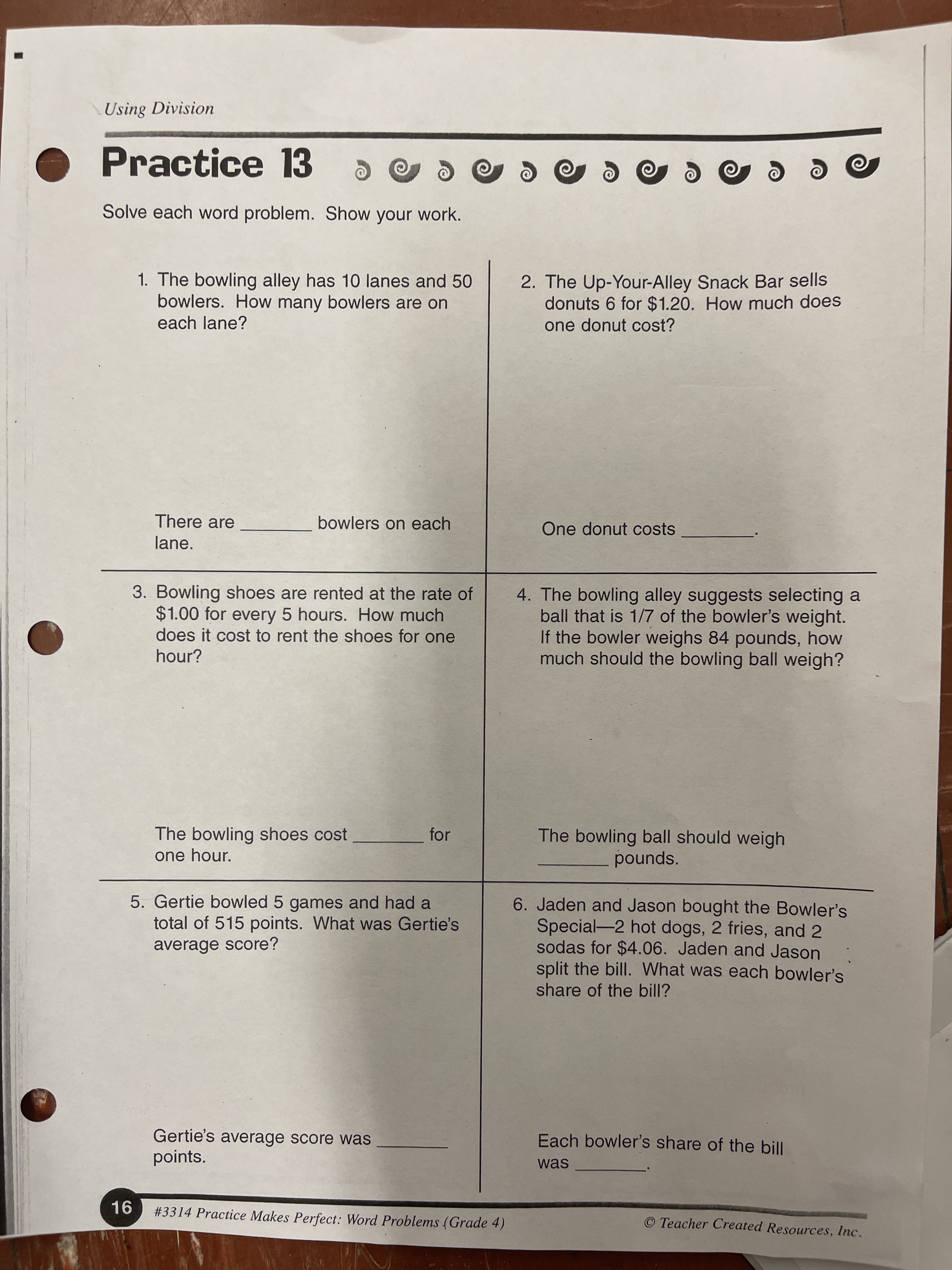
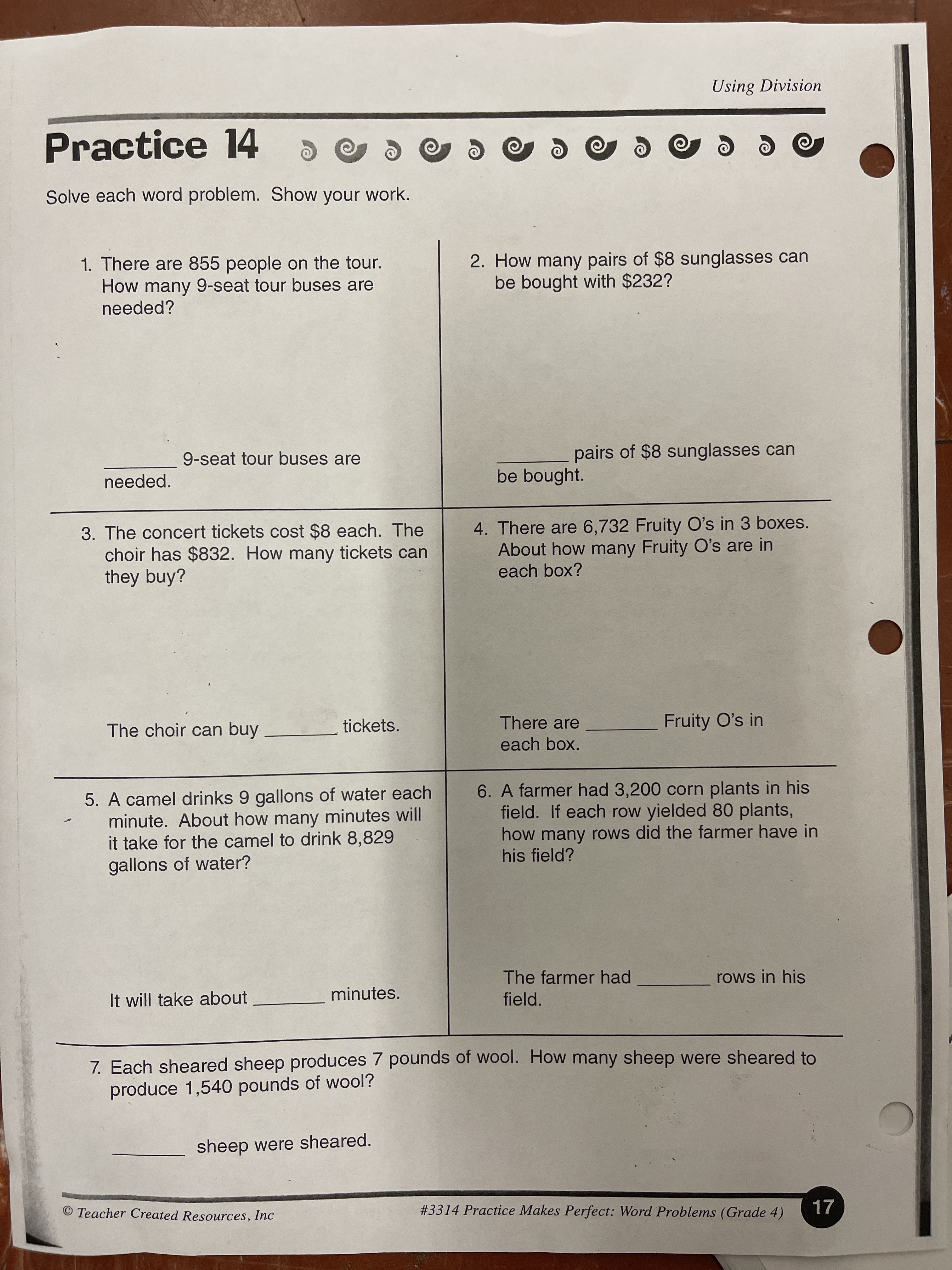
Today in math we reviewed division and applied our understanding in various real world contexts.

We reviewed the steps for solving a word problem: (1.) Read the word problem; (2.) Underline key words; (3.) Create a number sentence; (4.) Solve the problem and show your work; (5.) Write your answer as a complete sentence; (6.) Check that your answer and your sentence make sense and actually answer the question being asked. We practiced talking through how to solve 12 different division word problems together as a class and then students did some independent practice and created more of their own questions.

After recess and some review of our Social Studies learning on the fur trade, we turned to Language Arts and went deeper into the topic of “figurative language”. We checked our understanding of similes and metaphors by creating and discussing the merits of some new examples together.

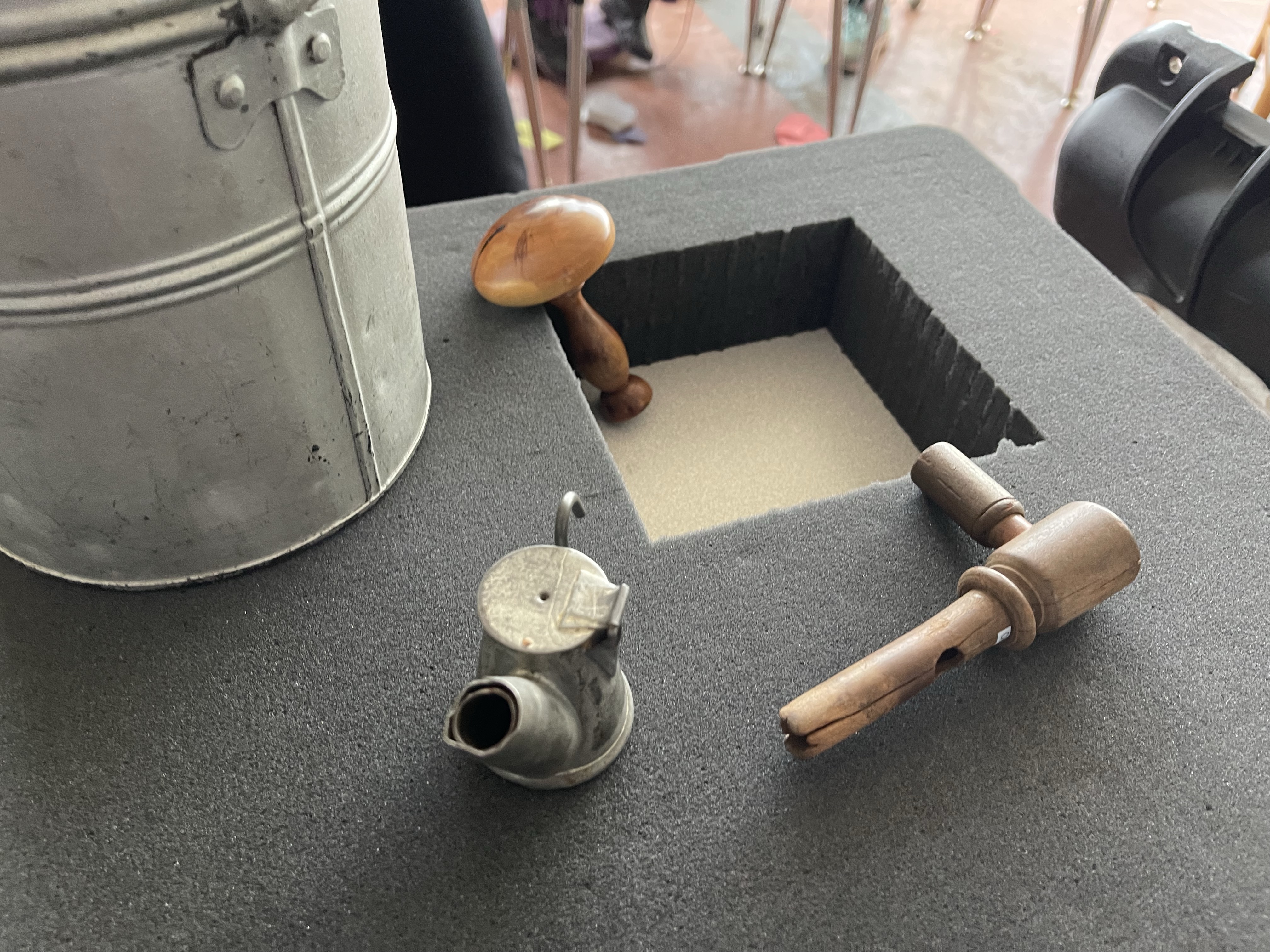
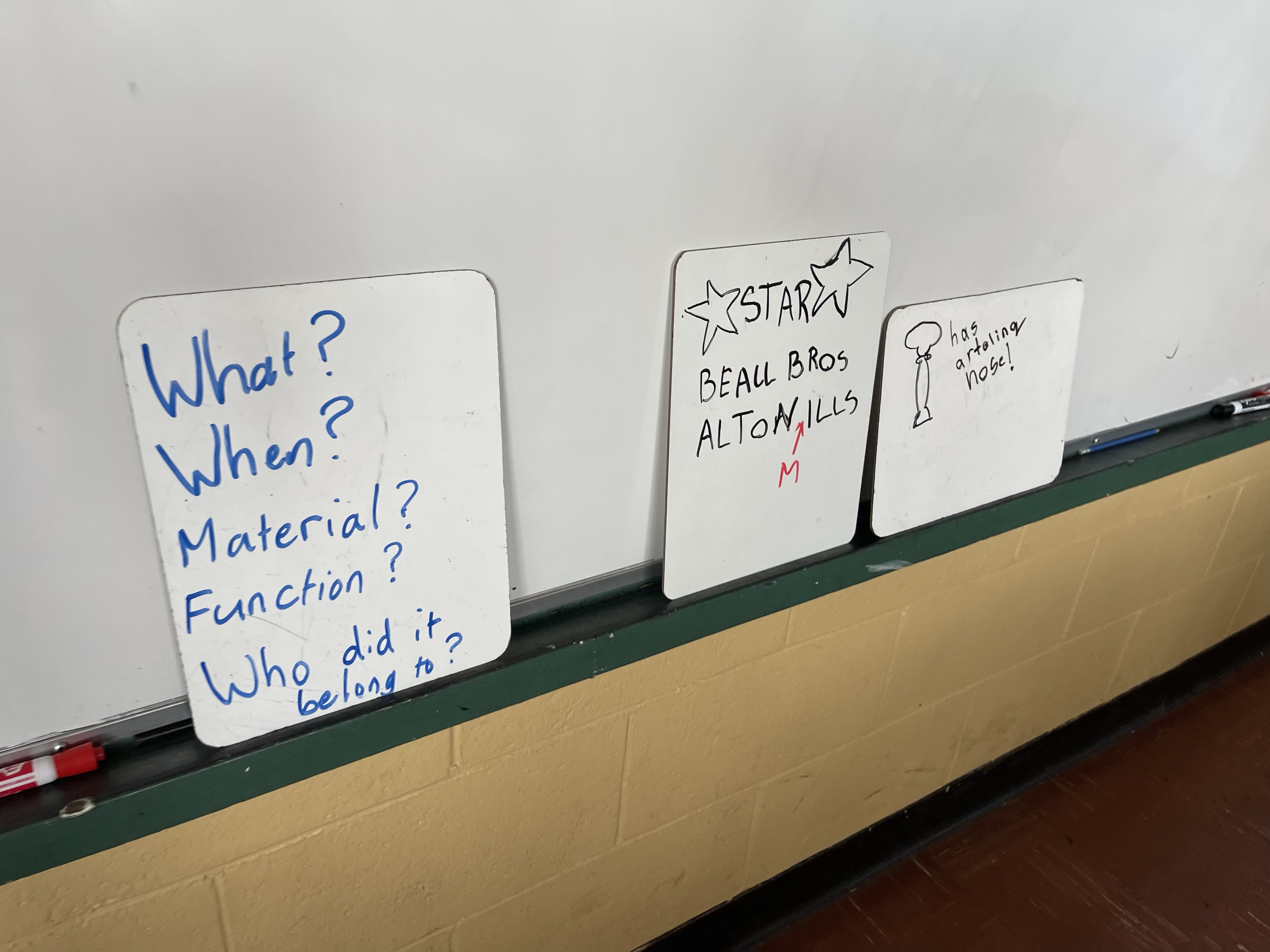
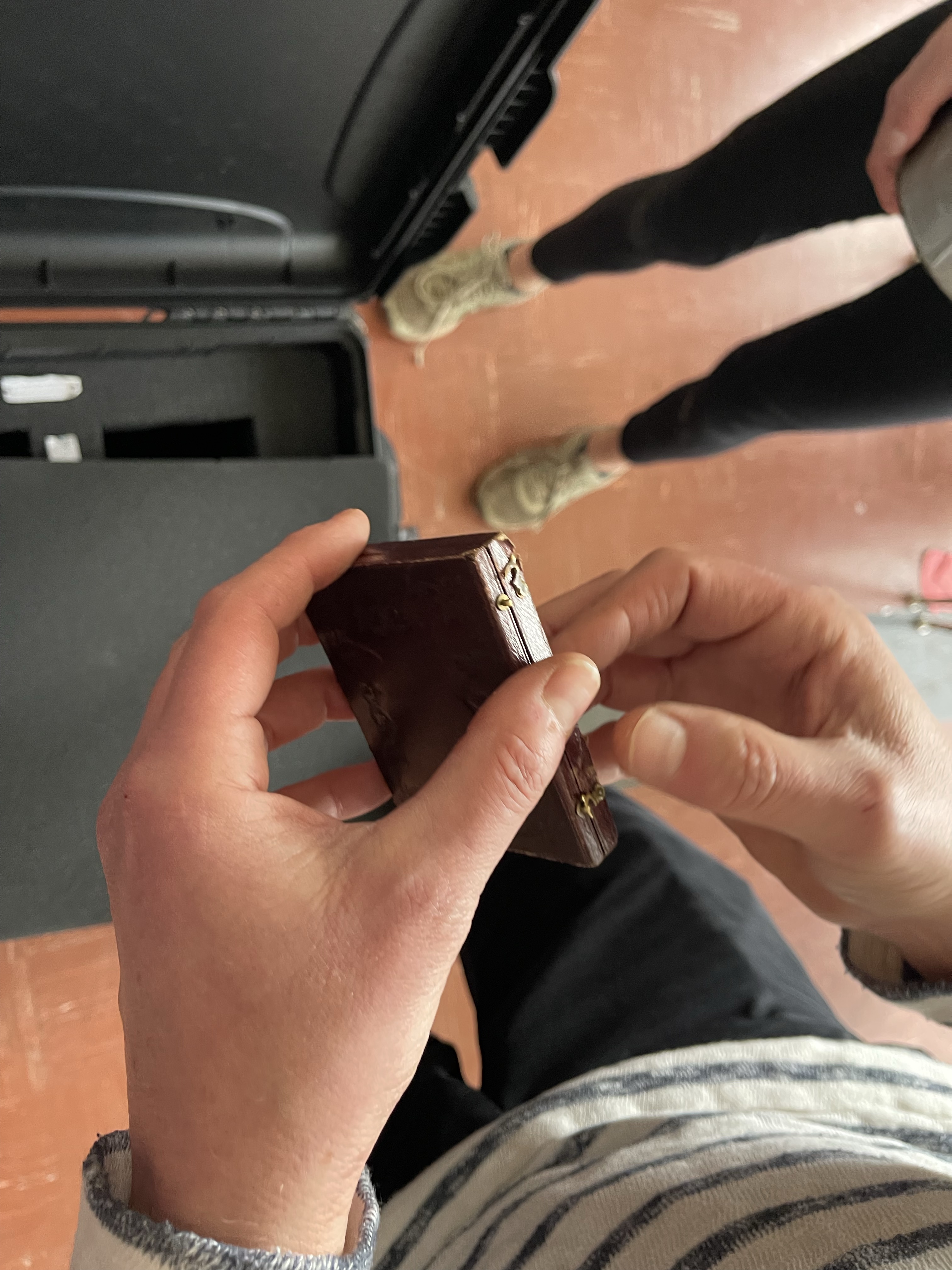
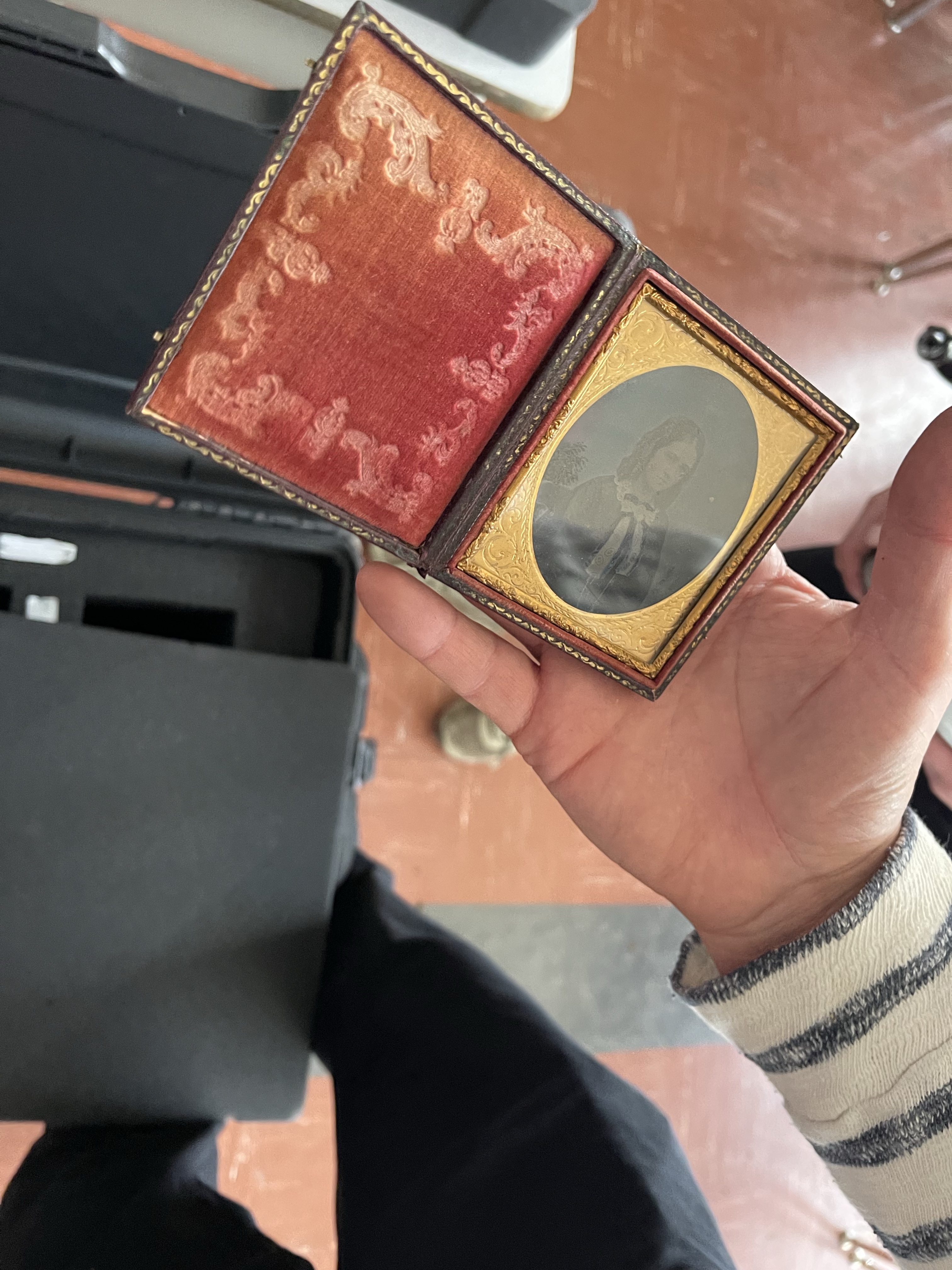
After lunch, students were treated to an exciting Social Studies lesson by Mr. Cairns who brought in a chest of special historical items for students to explore and analyze. Students discussed what they believe the purpose and significance of the objects was. This was a fascinating “object-based inquiry” made possible by a lovely educational kit provided on loan from the Royal BC Museum.

Wolves continued!

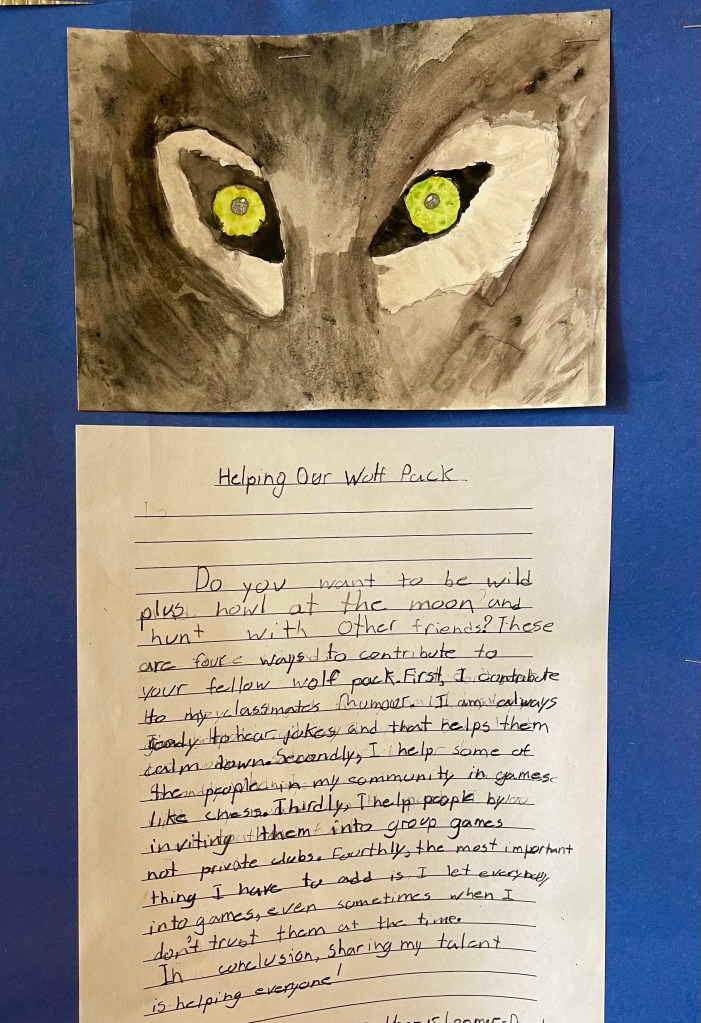
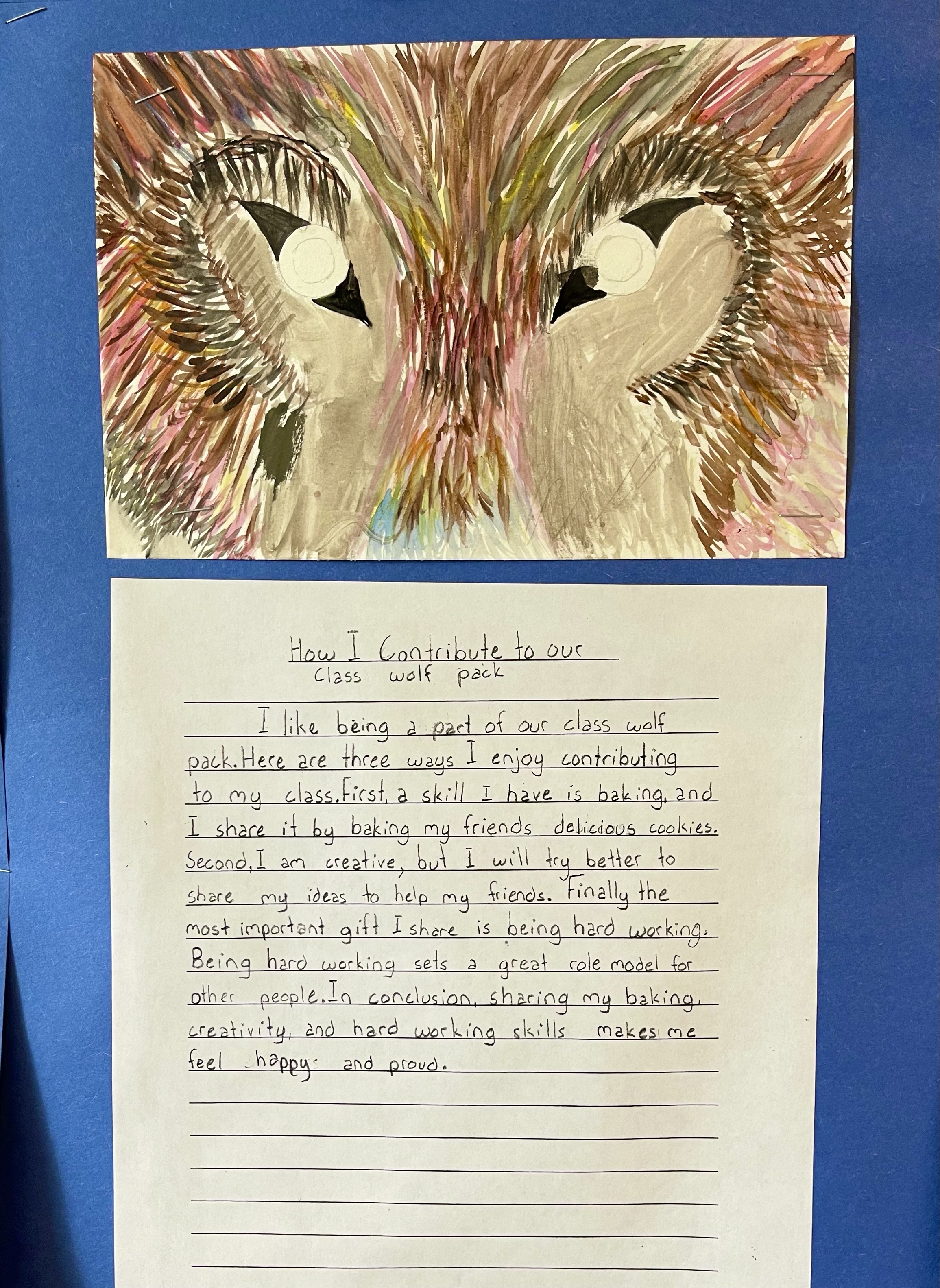
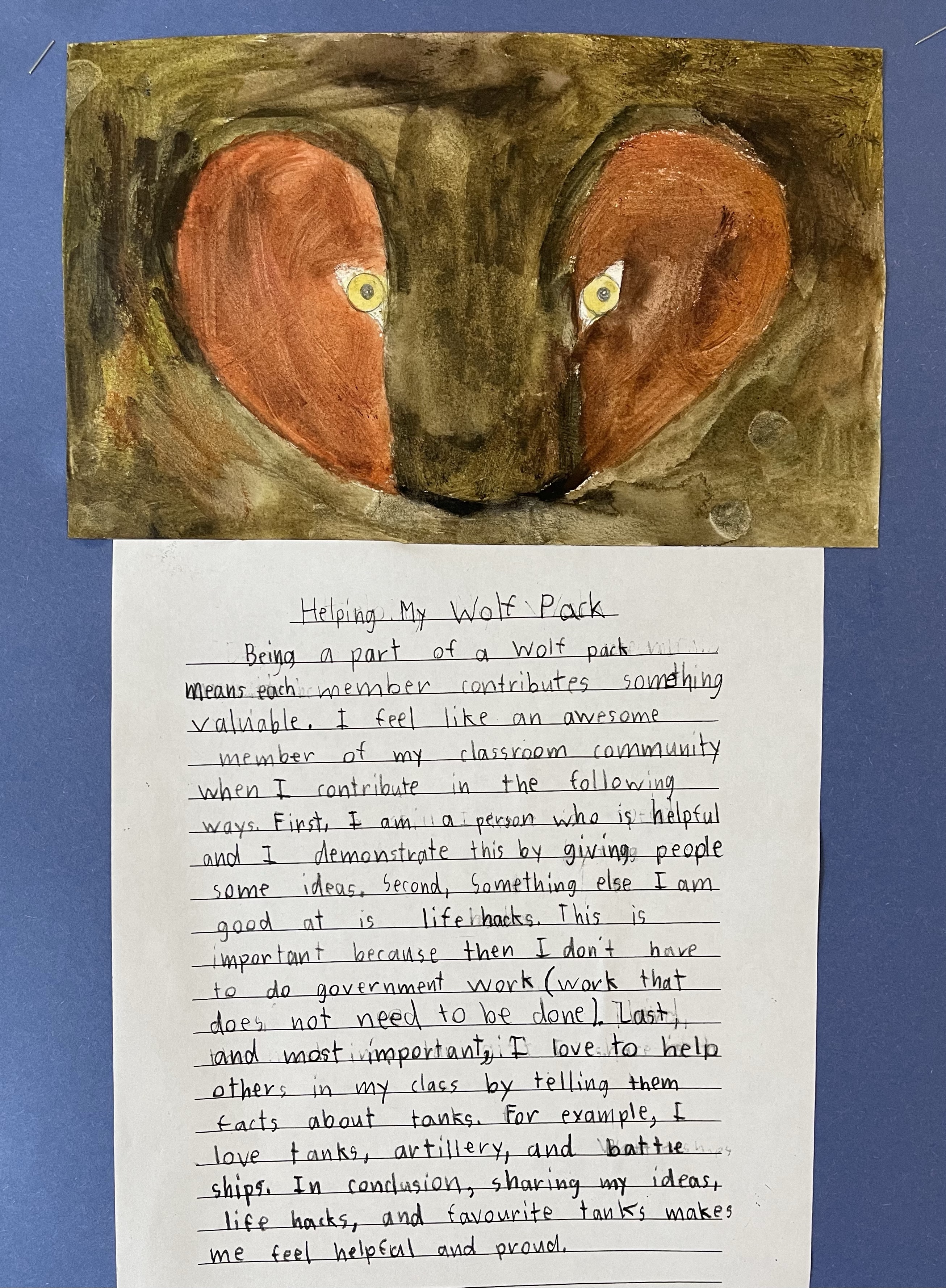
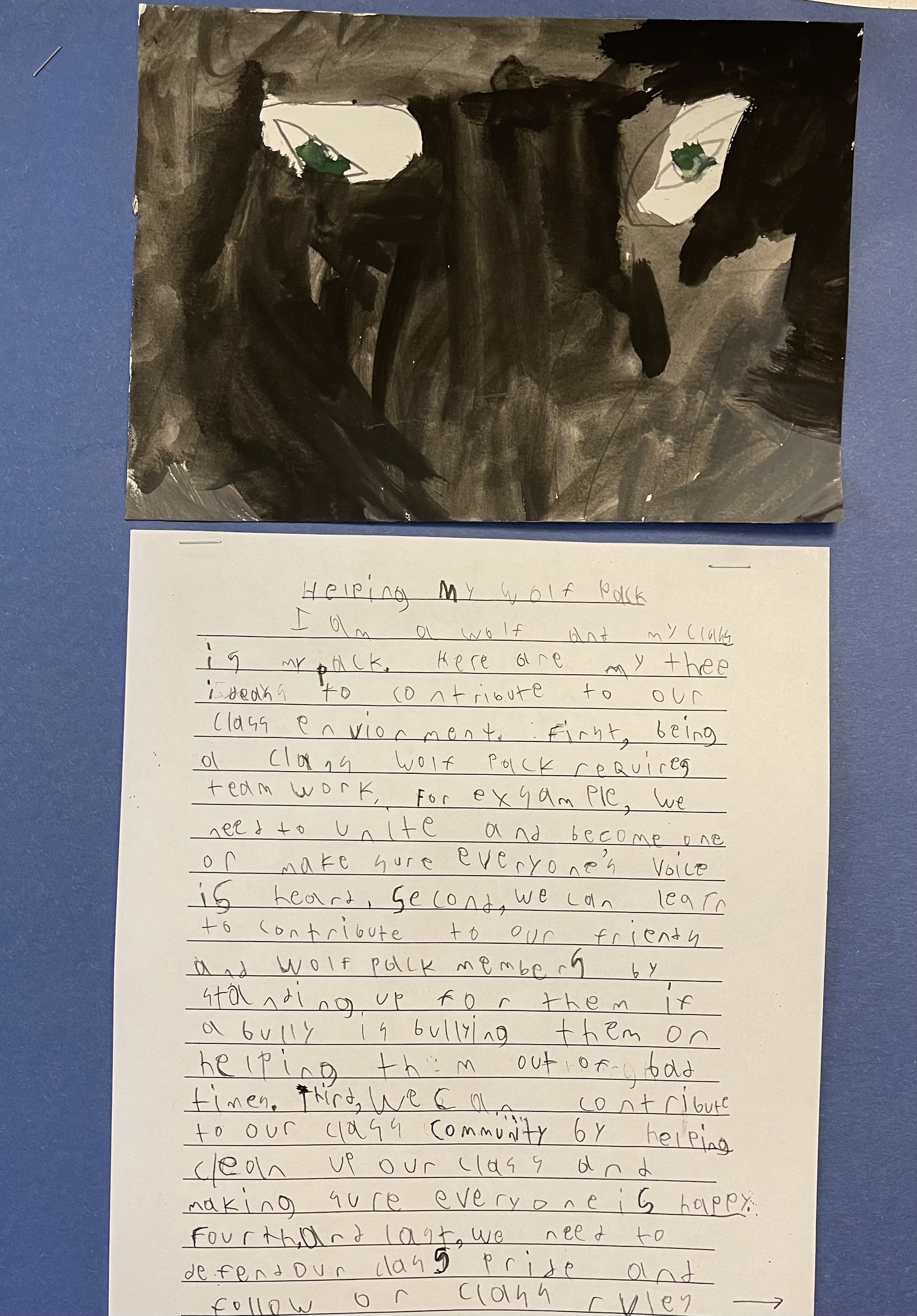
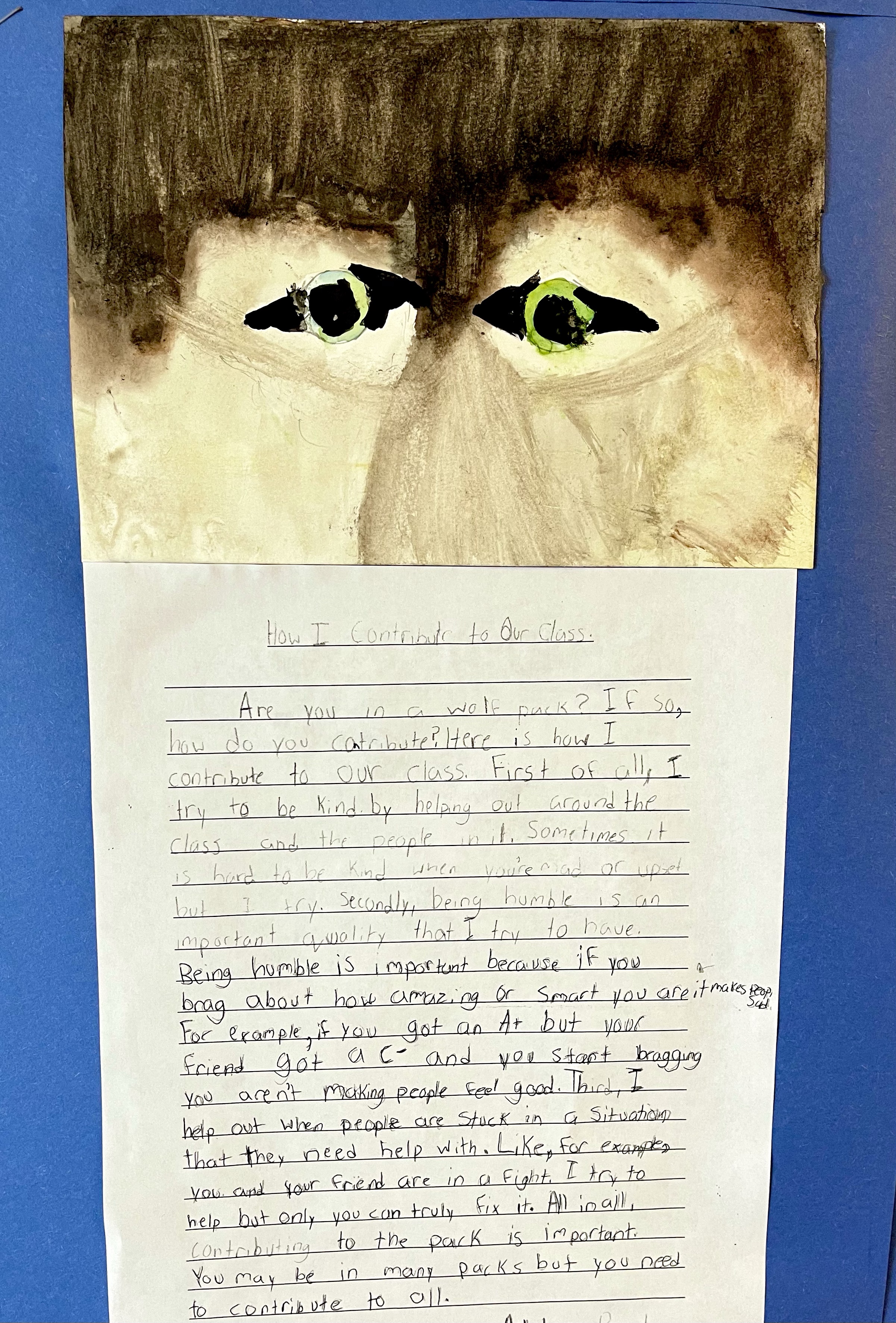
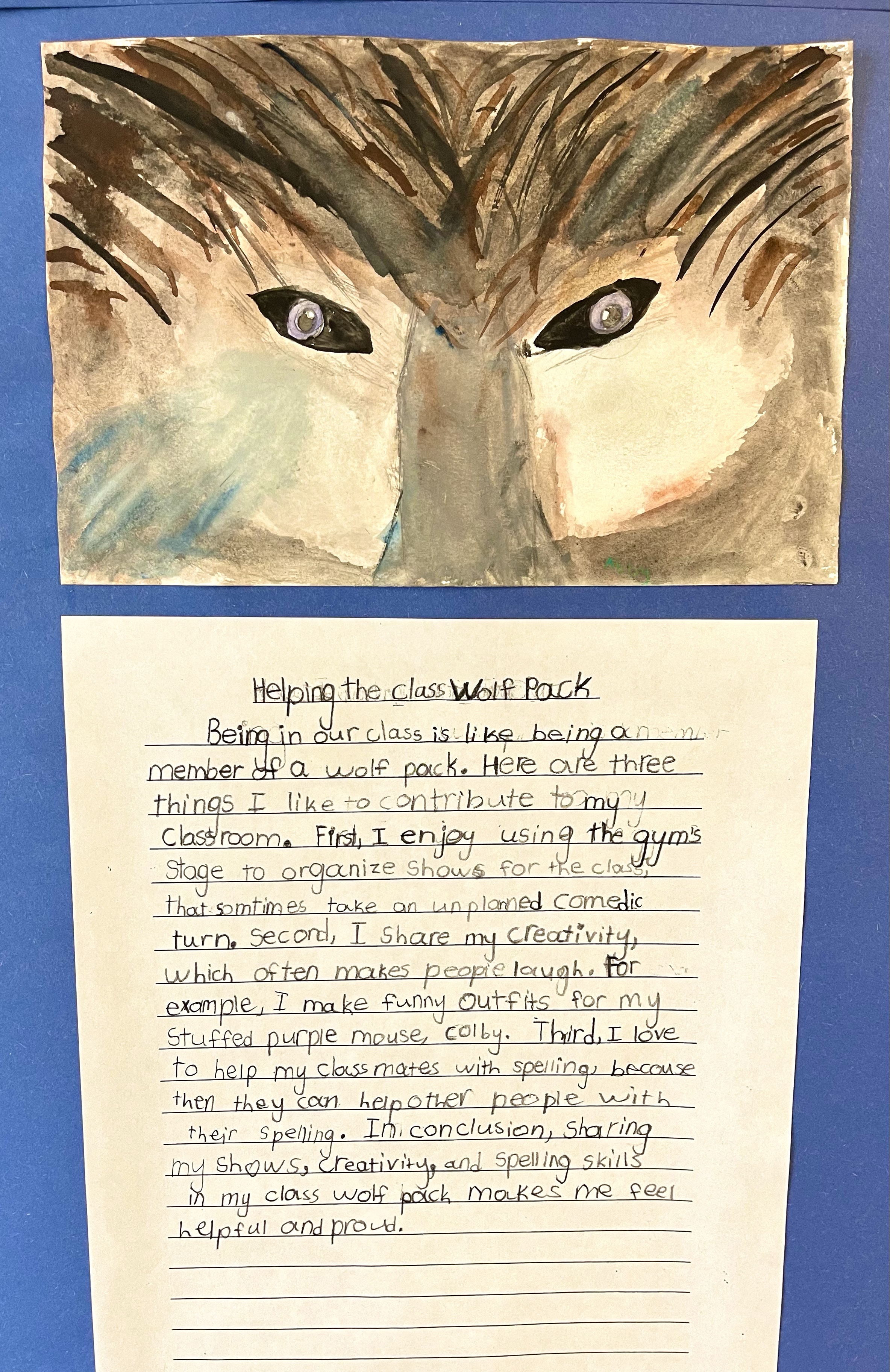
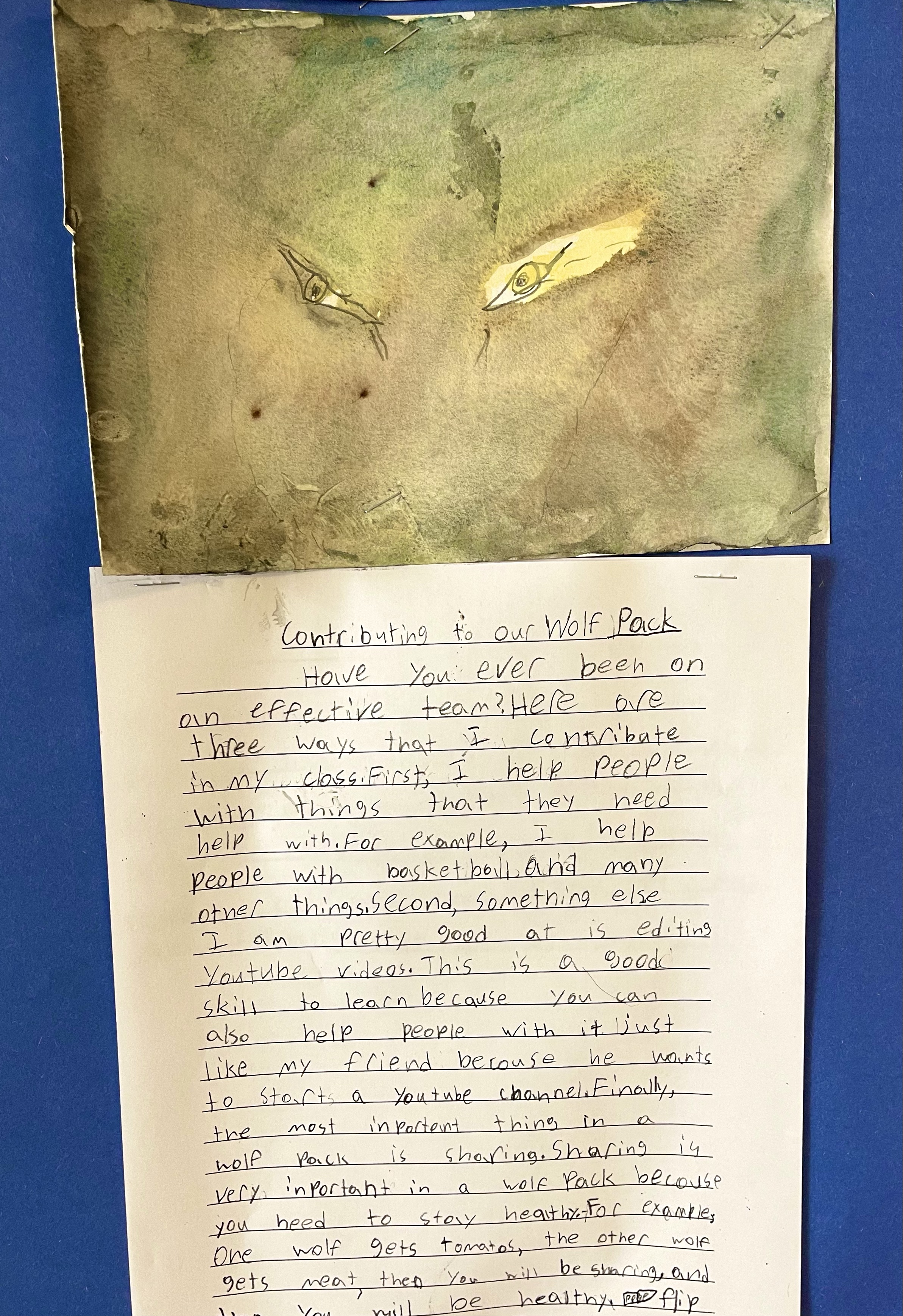
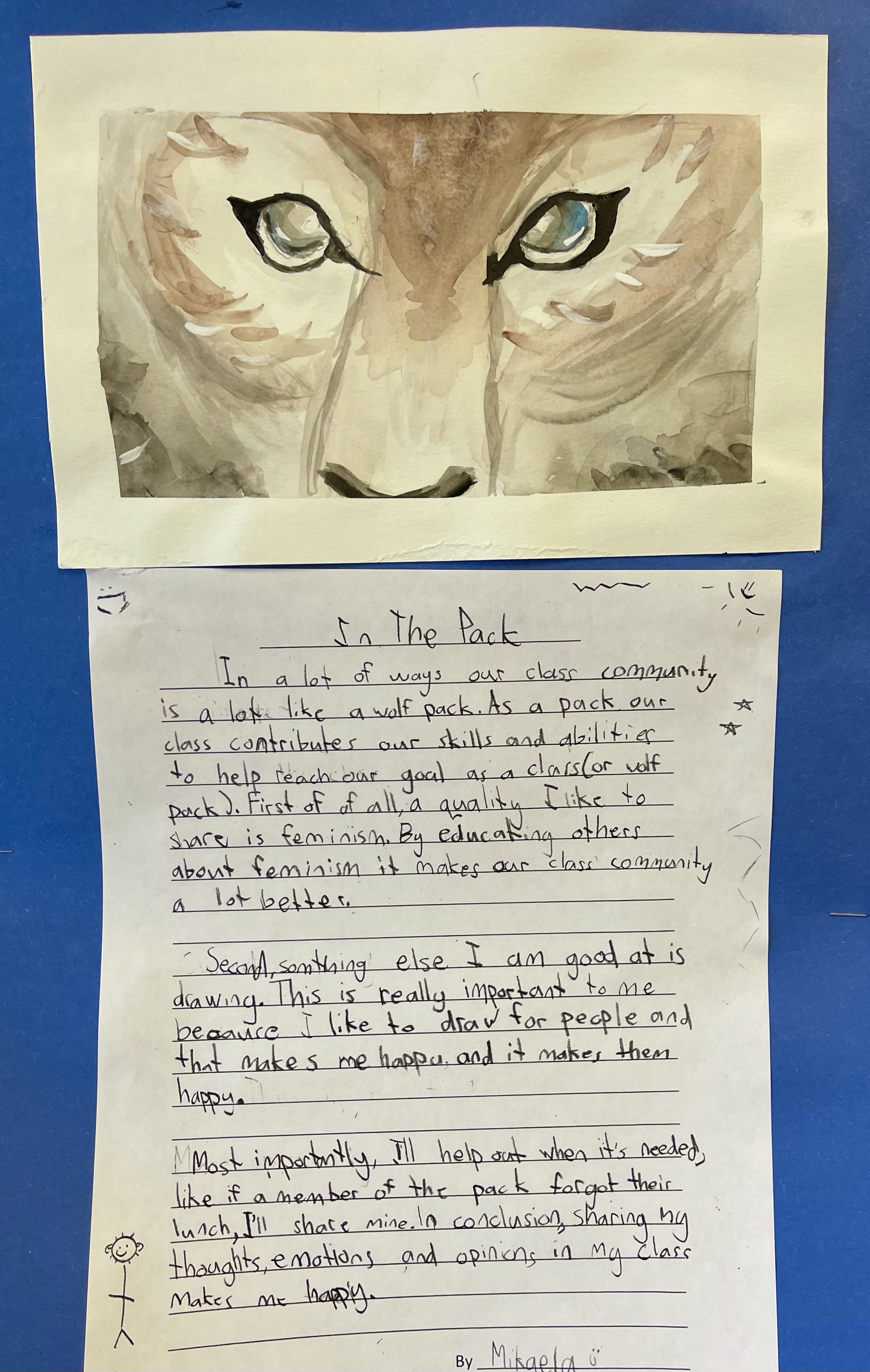
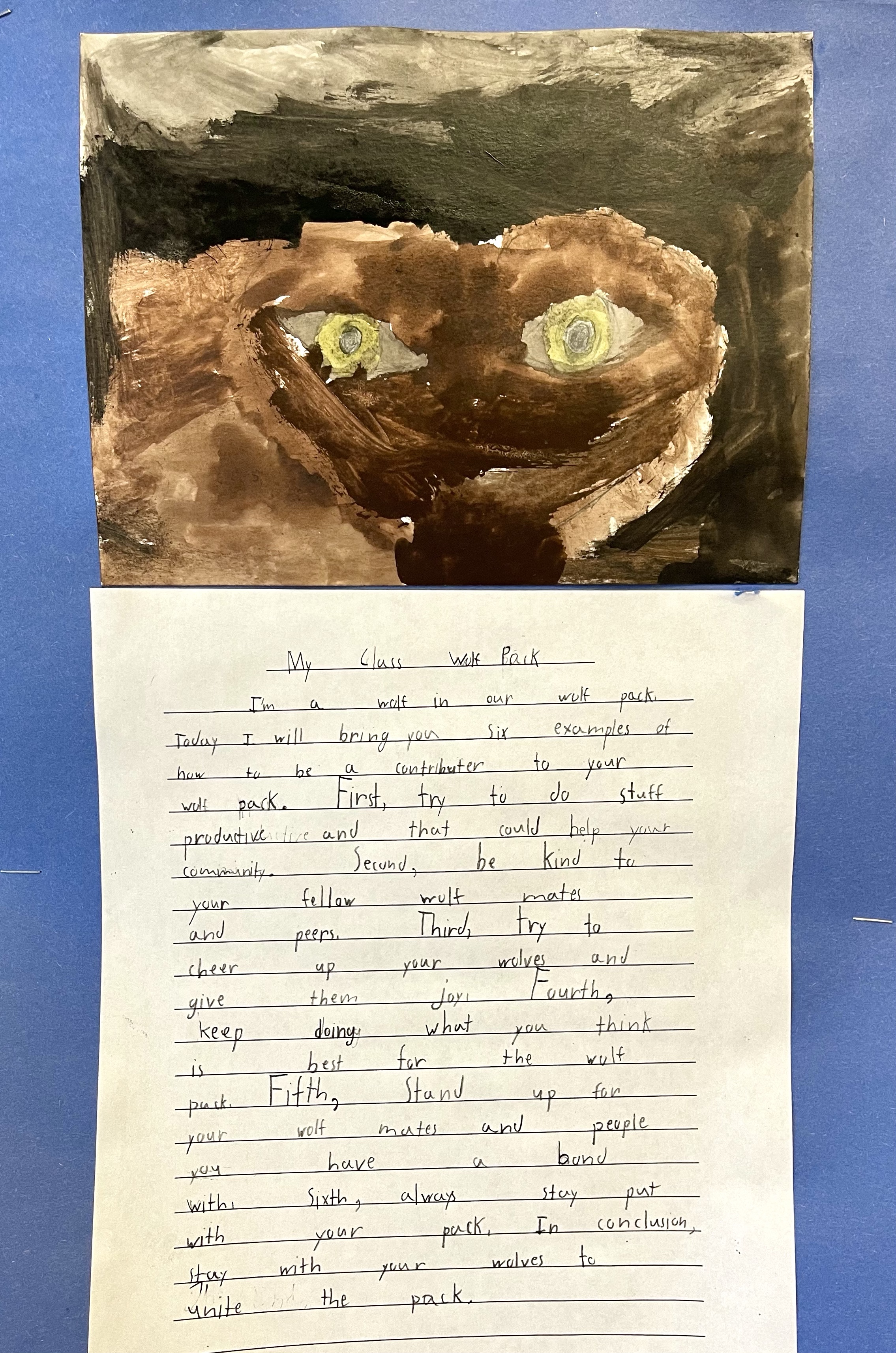
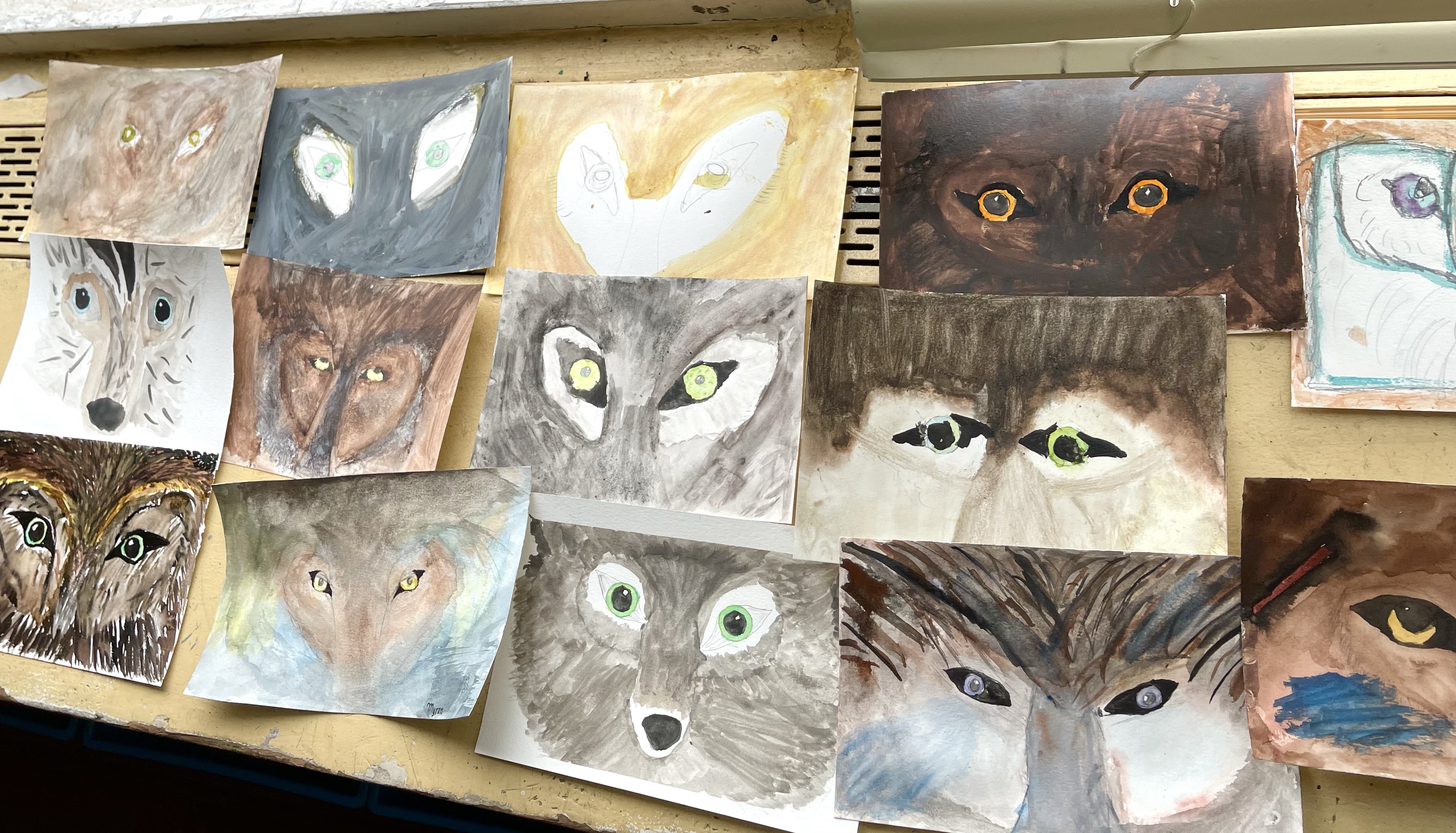
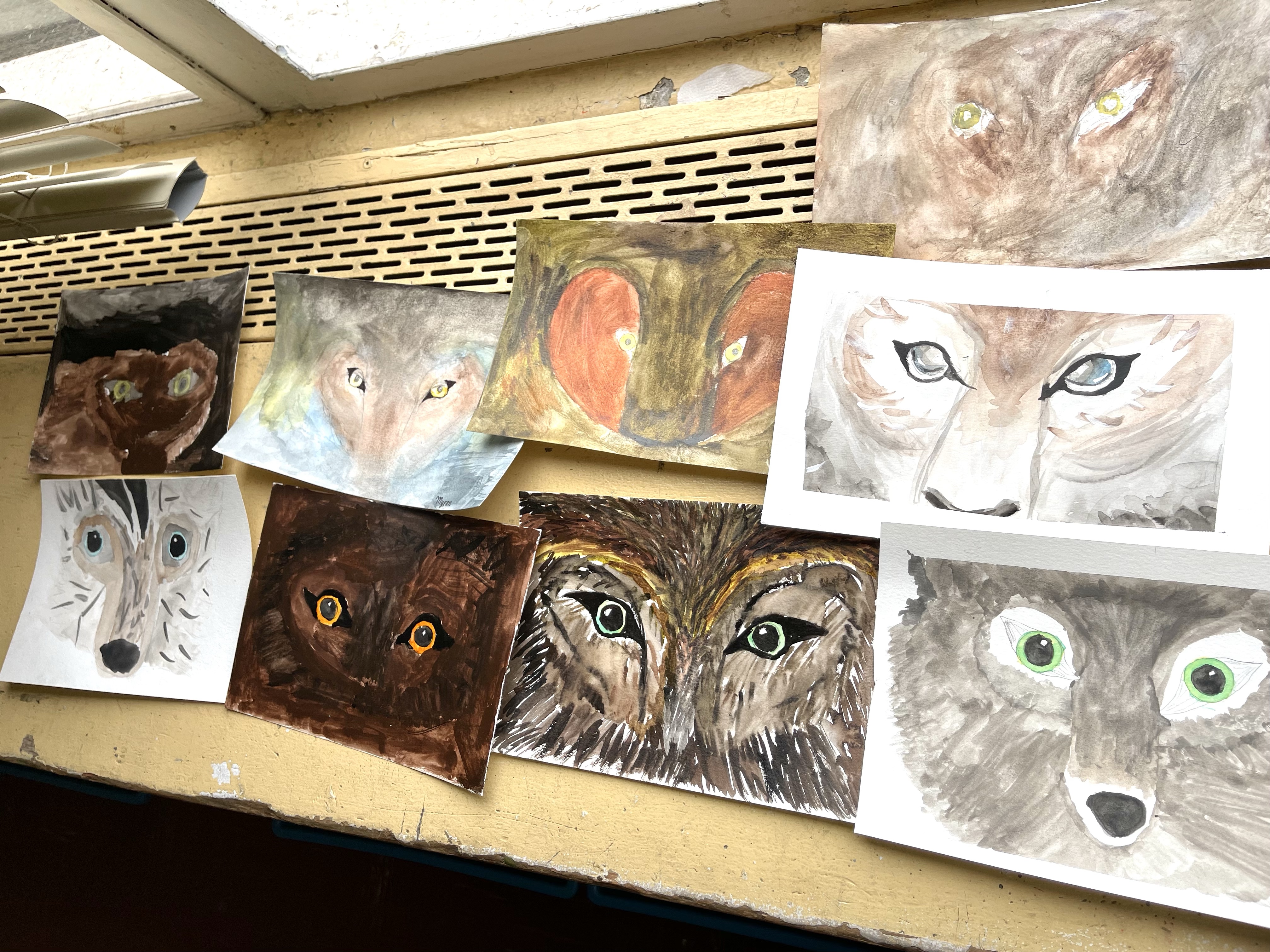
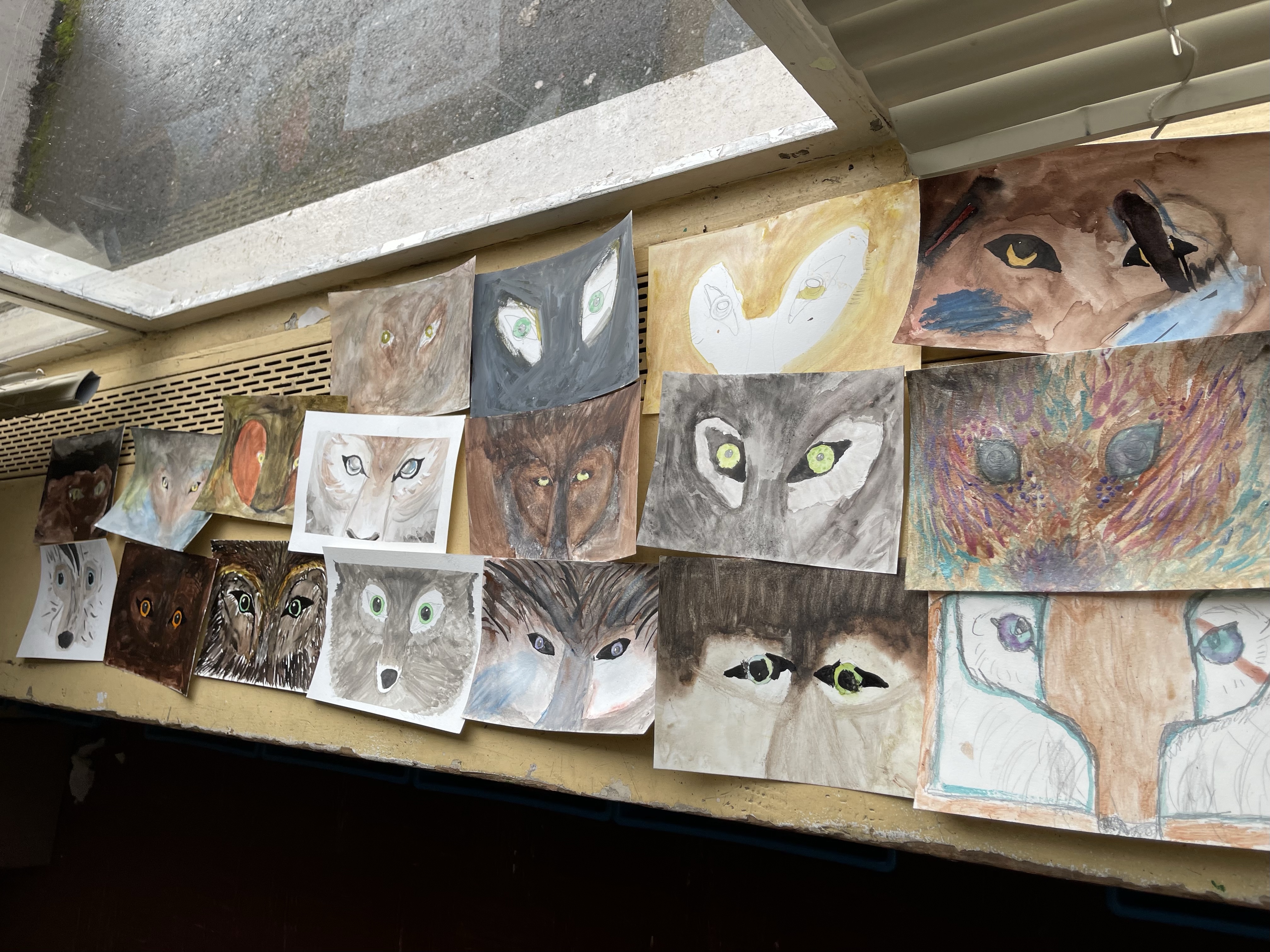
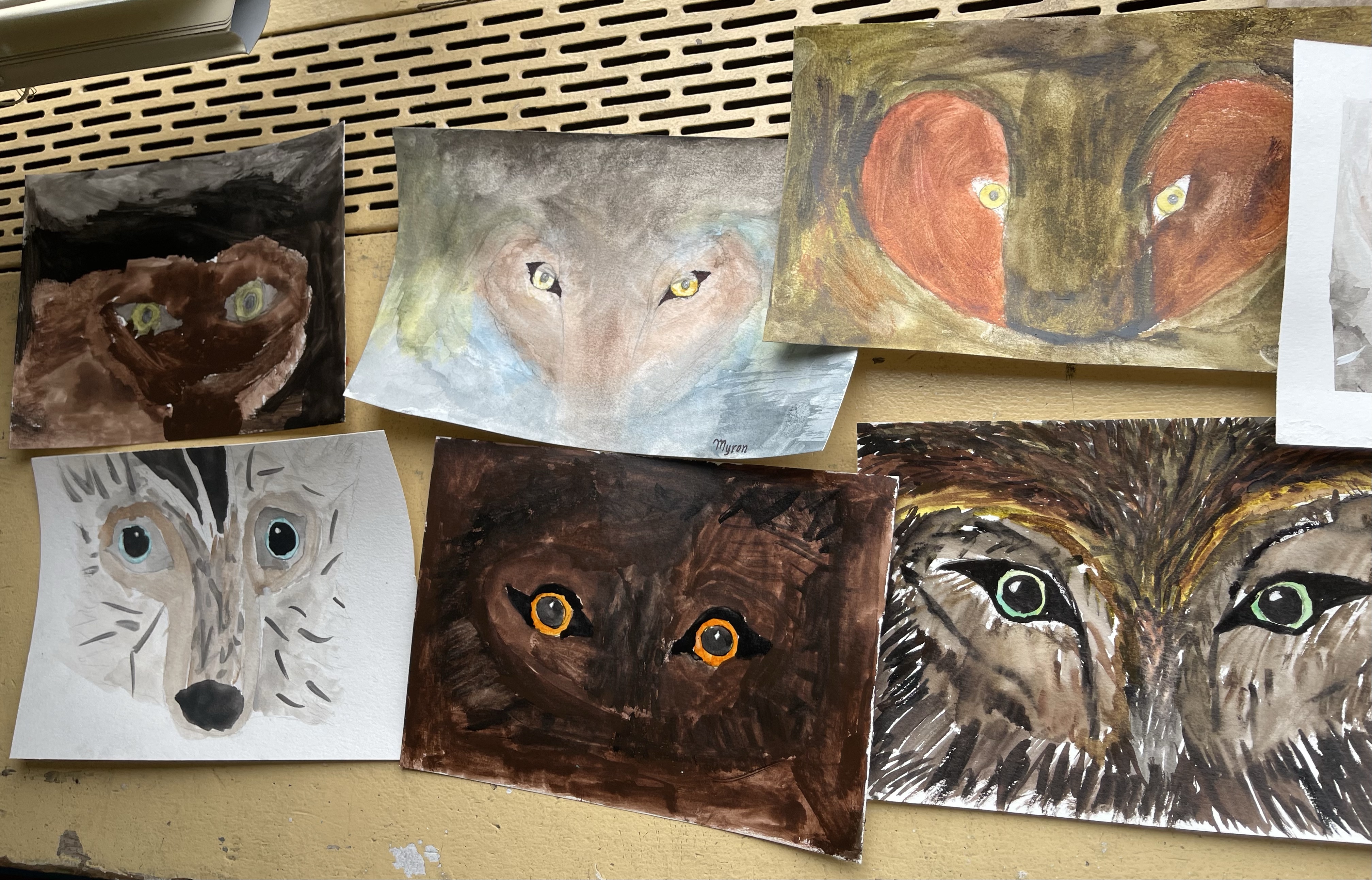
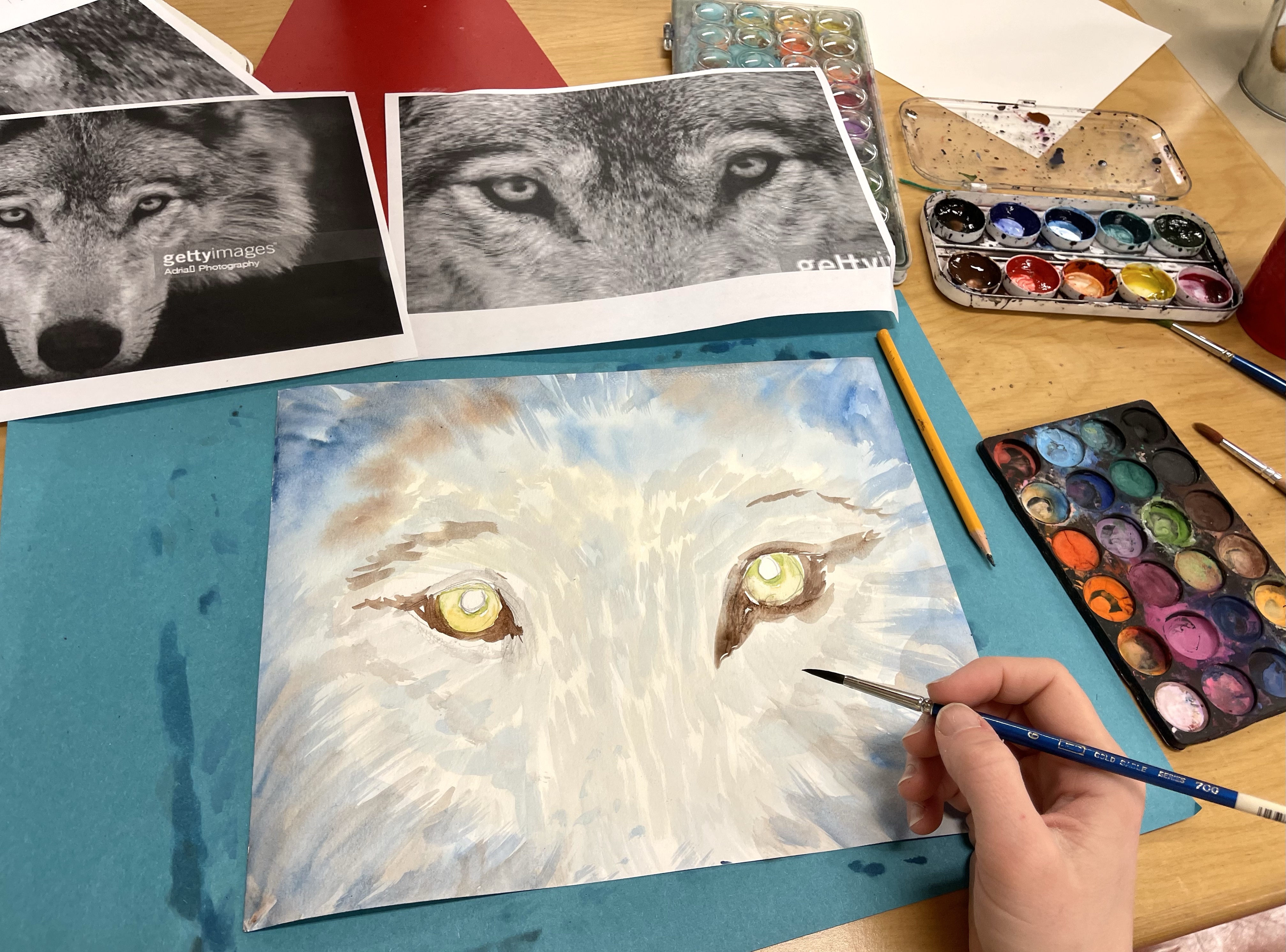
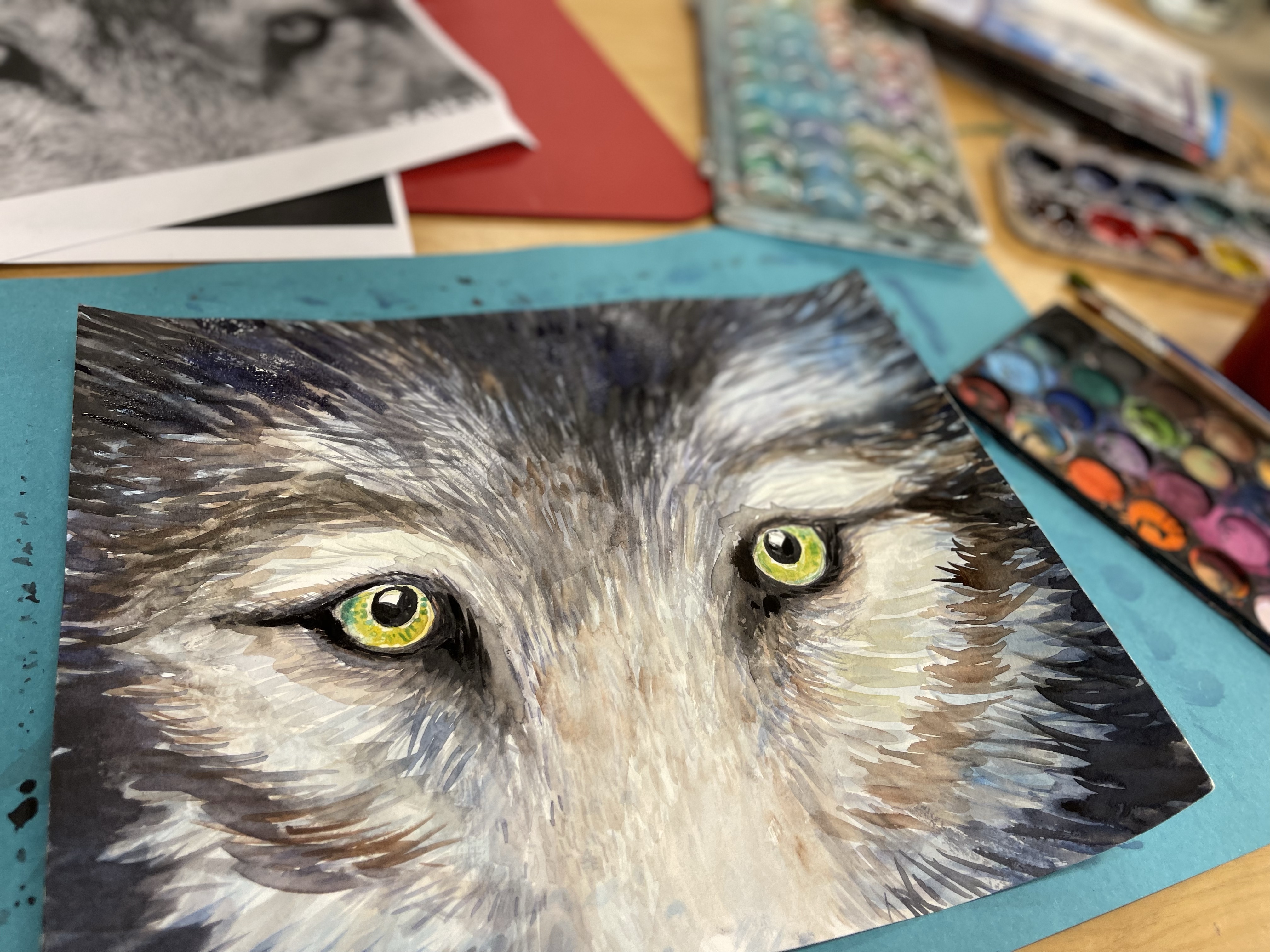
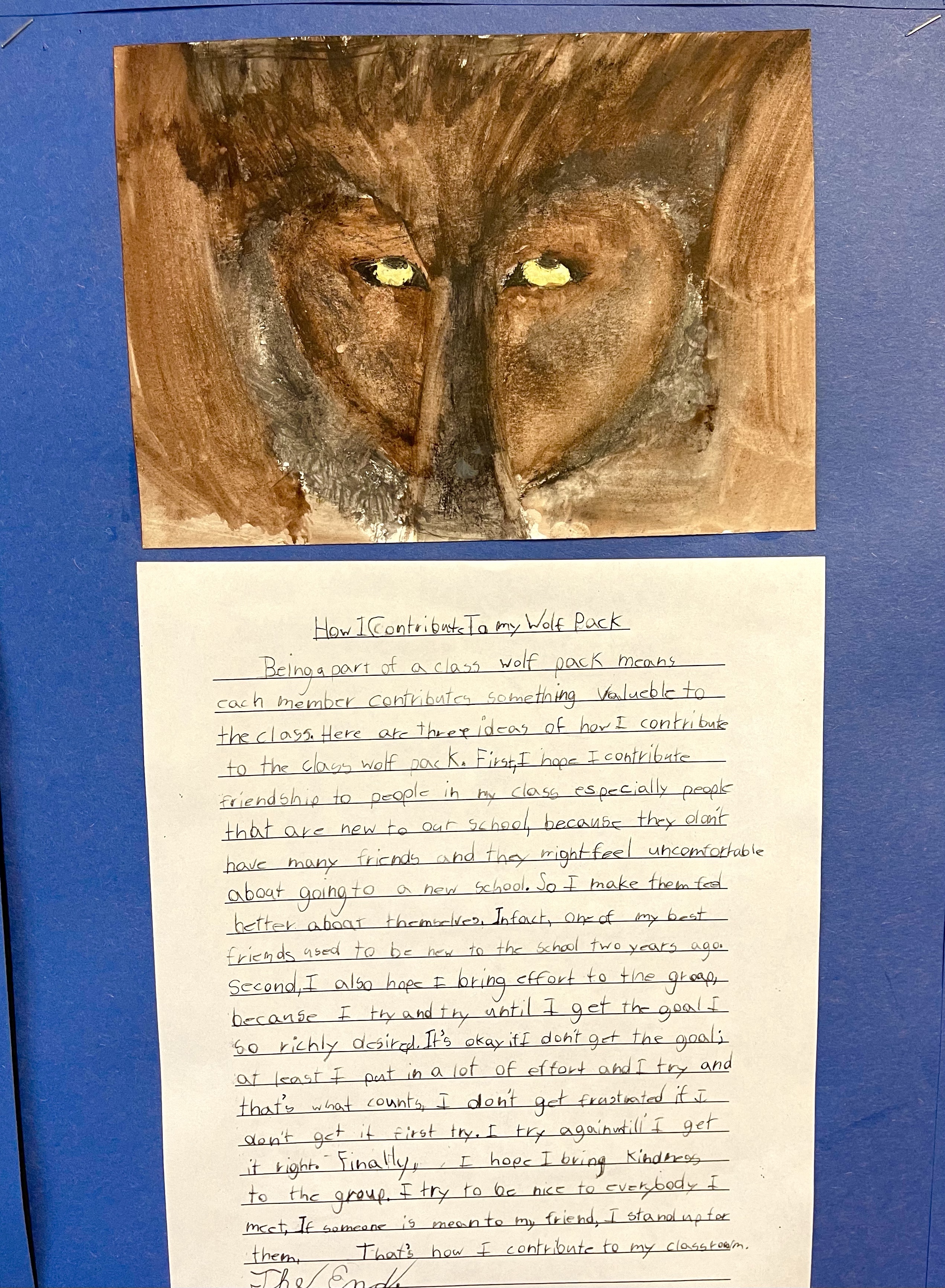
Today in division 2 we continued exploring wolves and what we can learn from them. Students had a rich dialogue about this question: If our class is like a wolf pack, then how can we each contribute to help our wolf pack be happy, healthy and successful? (NOTE: See yesterday’s post for a tutorial on how we painted the wolves.)

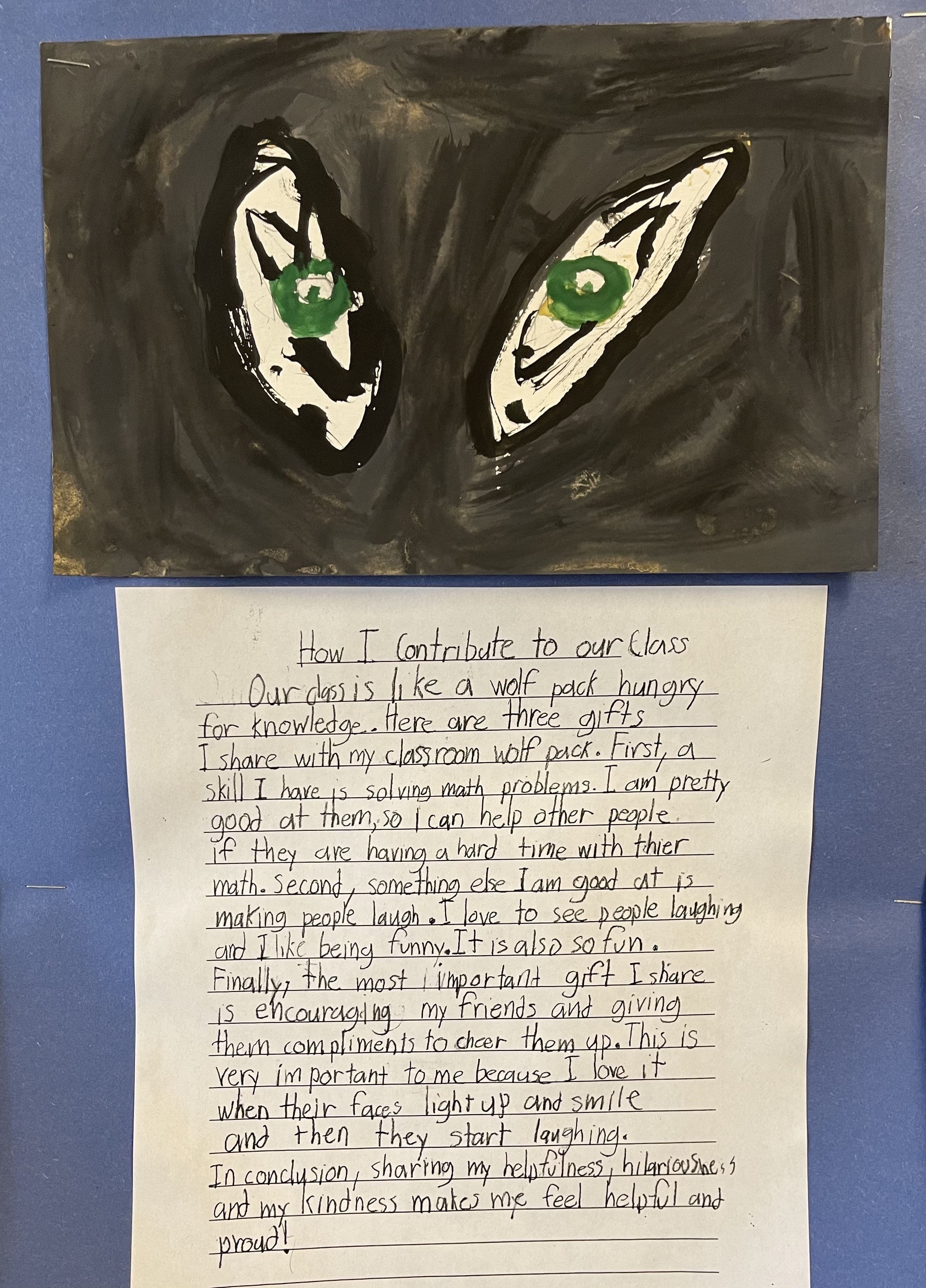
Then each student reflected upon his/her own unique contributions to our positive class culture. I introduced the supporting framework and ideas below and we discussed them. I encouraged students to feel free to borrow and build upon the ideas and frameworks as needed but to personalize their writing. I provide this step-by-step instruction to teach students a writing process they can emulate in time with independence. I believe that scaffolding learning with clear examples and strategies is an important the way we can see the greatest growth in young writers.

After they wrote their drafts, I met with students one-to-one in writing conferences to discuss ideas and provide feedback and suggestions for editing.

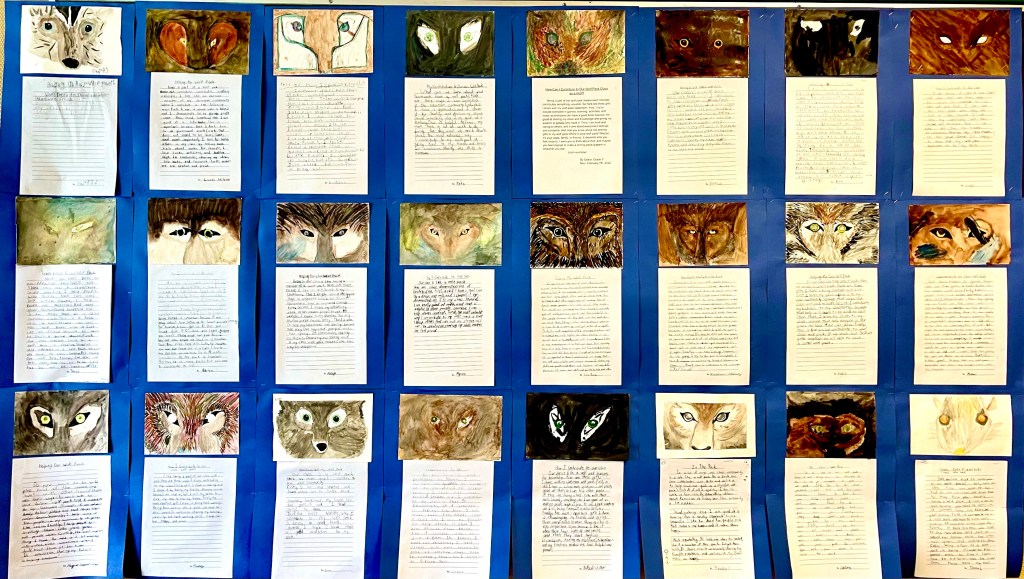
The result was a wall full of thoughtful, well-structured paragraphs about so many ways our wonderful students share their great skills, qualities, and ongoing care and effort to keep our class “wolf pack” strong. Wow! This was a fabulous effort by all! See below.

Wolves!

Happy Friday, division 2! Today was all about wolves! But before we go any further, here is the DIVISION tutorial I tried to upload yesterday:

Here is a review of basic to more advanced division using the traditional method. We have the option to learn to additional division methods, and you can see instructional videos for these linked in the blog post on Feb. 3.

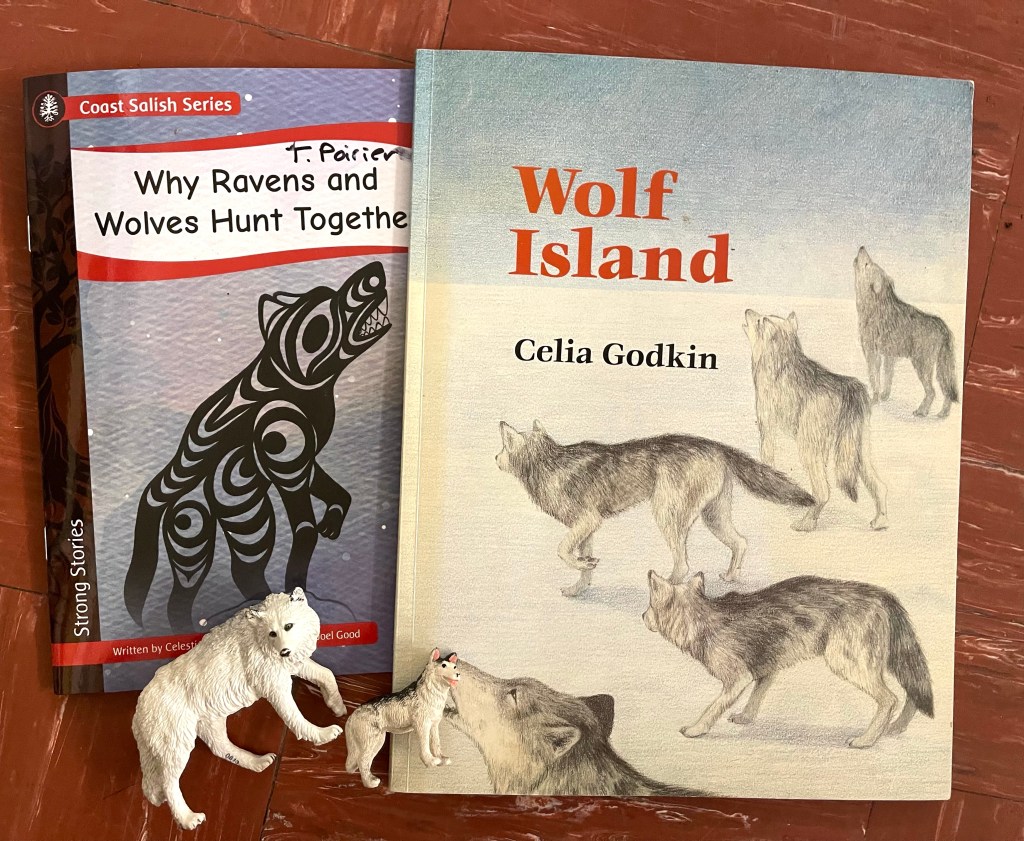
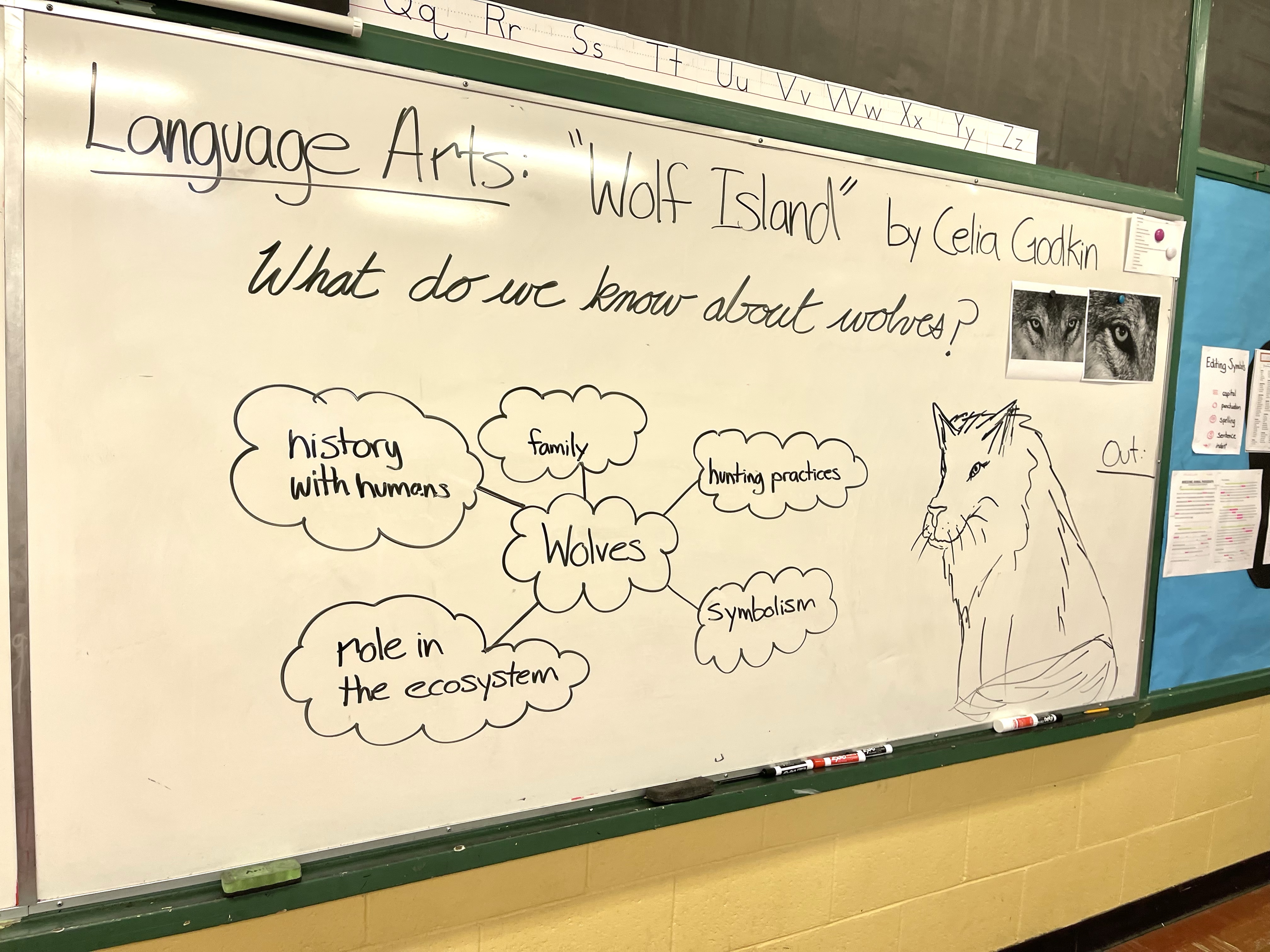
We started our day activating prior knowledge and making connections to wolves. Then I read to the students “Wolf Island”, by Celia Godkin. This story illustrates the ecological impact of removing a keystone species in a region, and we discussed the connection to our learning about the fur trade. We also reread the Coast Salish story, “Why Ravens and Wolves Hunt Together” by Celestine Aleck and discussed the symbolism of the wolf in various indigenous stories. This led to discussion of what it means to be a part of a wolf pack. We spoke about trust, loyalty, and teamwork—and about how we are all needed and play a role in ecosystem.

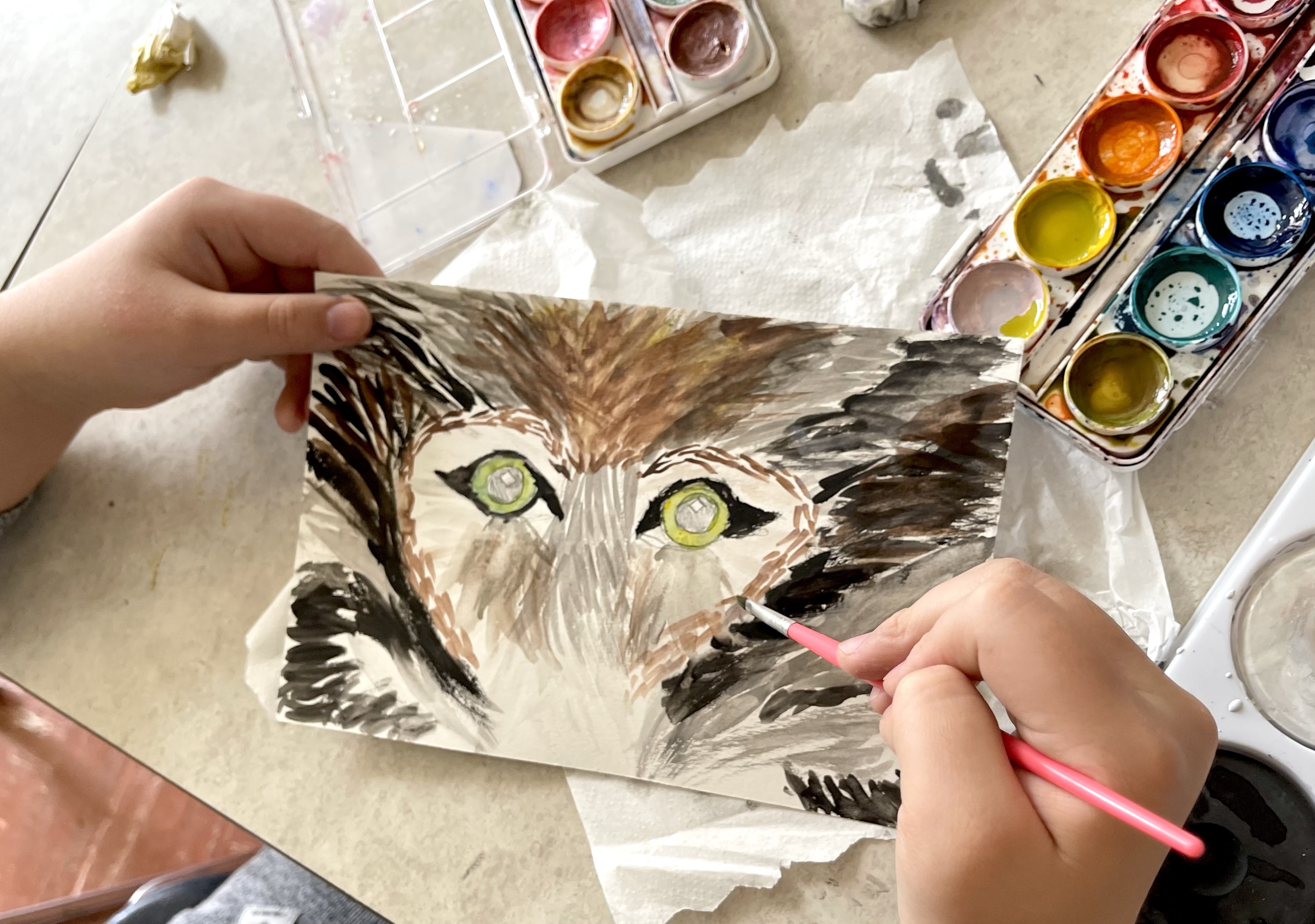
Then I painted a demo of a watercolour wolf face and students made their own artworks, painting themselves into our “wolf pack”. We will put up our display our “Wolf Pack” on the bulletin board on Tuesday when we’ve added our related writing pieces!

As well, students had the opportunity to see 20 minutes of episode one of the ten-part CBC documentary series, “Canada: The Story of Us”, which is a beautifully produced multi-perspective mini-series highlighting events from European contact with Indigenous peoples of North America to end of the World Wars. (PLEASE NOTE: The version of the episode we watched was censored for elementary students. This version had edited out two graphic war-like scenes. I discussed with students that they should talk with their parents/guardians about the show and decide whether watching the rest of the episode right for them. The link to that censored version is here: https://youtu.be/Fa5UZNNXebs

NOTE: This is the “Elementary School Friendly” version.

Aesop’s Fables, the Fur Trade & more!

Happy Thursday!

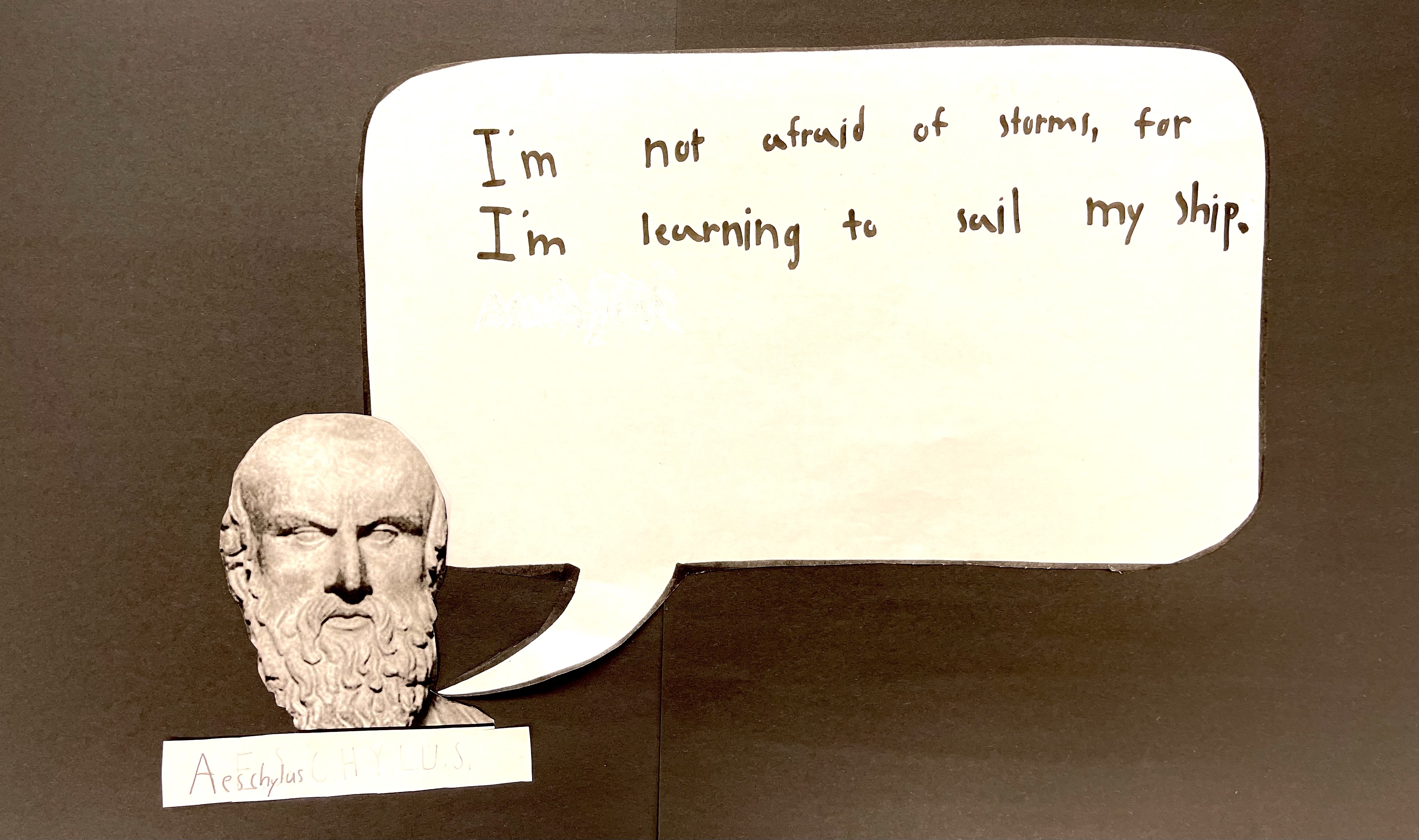
We learned about Aesop’s fables today, exploring some of the history of this storyteller in Ancient Greece. Aesop was said to have been a slave who earned his freedom sharing his skills telling morality tales staring animals.

Students listened to and discussed the messages of some famous fables, including “The Tortoise and the Hare”, “The Fox and the Grapes” and “The Boy Who Cried Wolf”. Then they took turns practicing their storytelling skills by retelling them in their own words.

We also reviewed our division skills today, and then students had the option to join our math enrichment lesson on BEDMAS (order of operations).

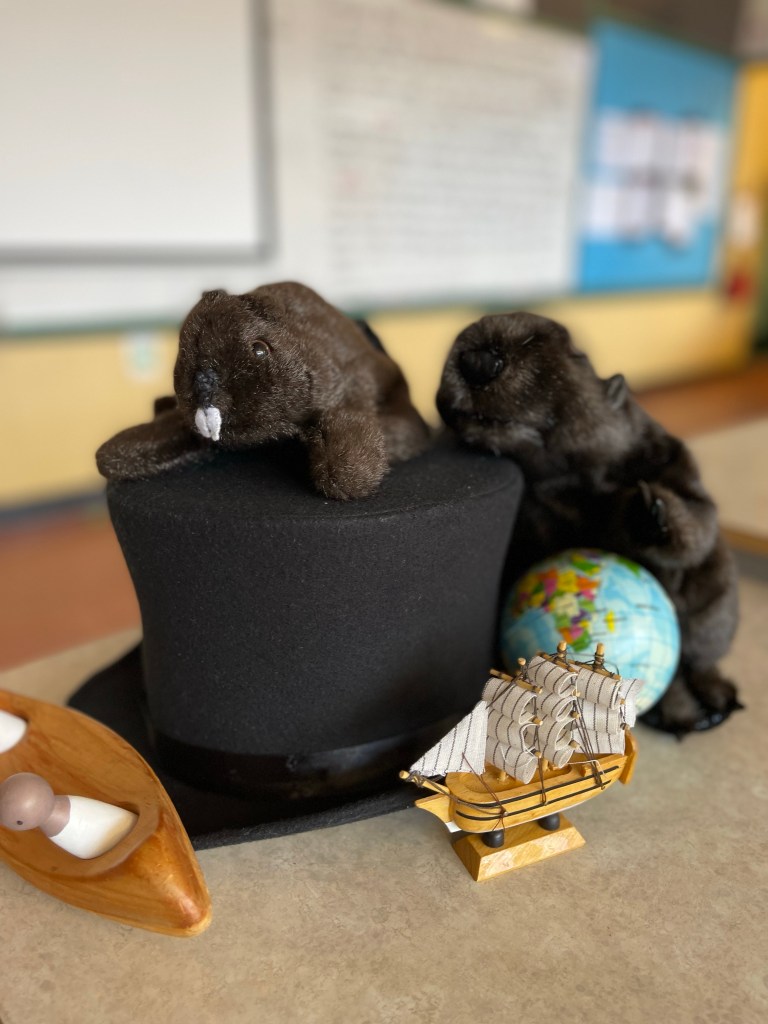
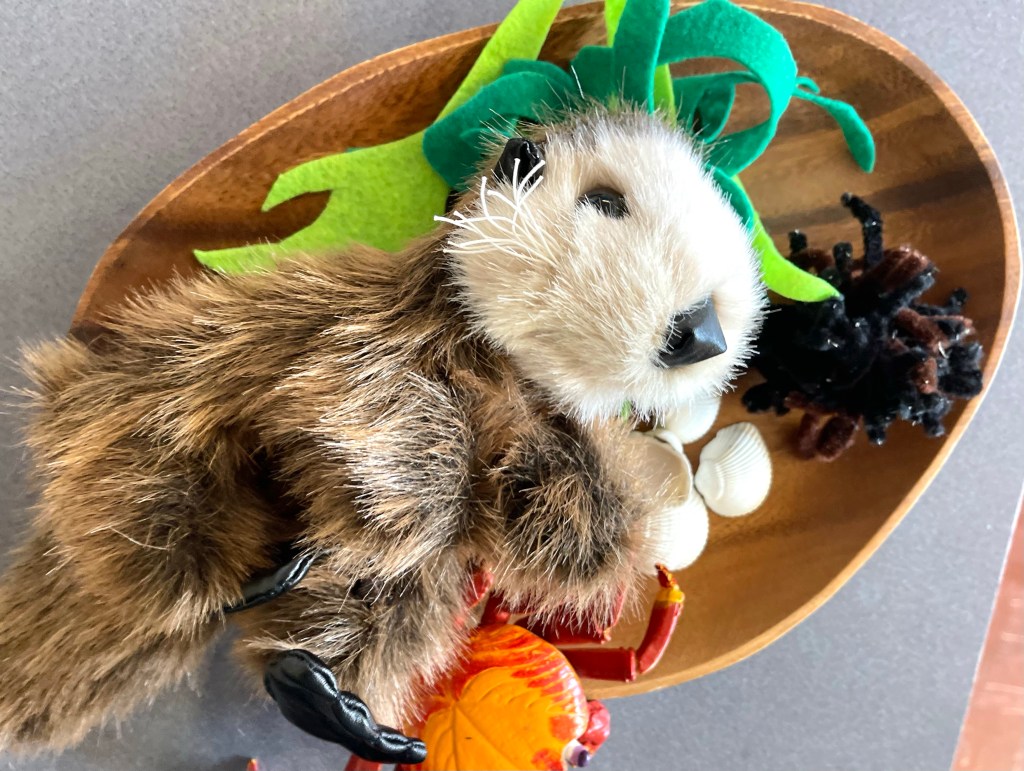
After lunch, we dove deeper into our learning about the fur trade. I brought in my “teaching toolbox” of related props and shared some more of the history from the first contact between the Indigenous peoples and the French and English explorers which drove demand for beaver pelts. We watched several videos, including the following:

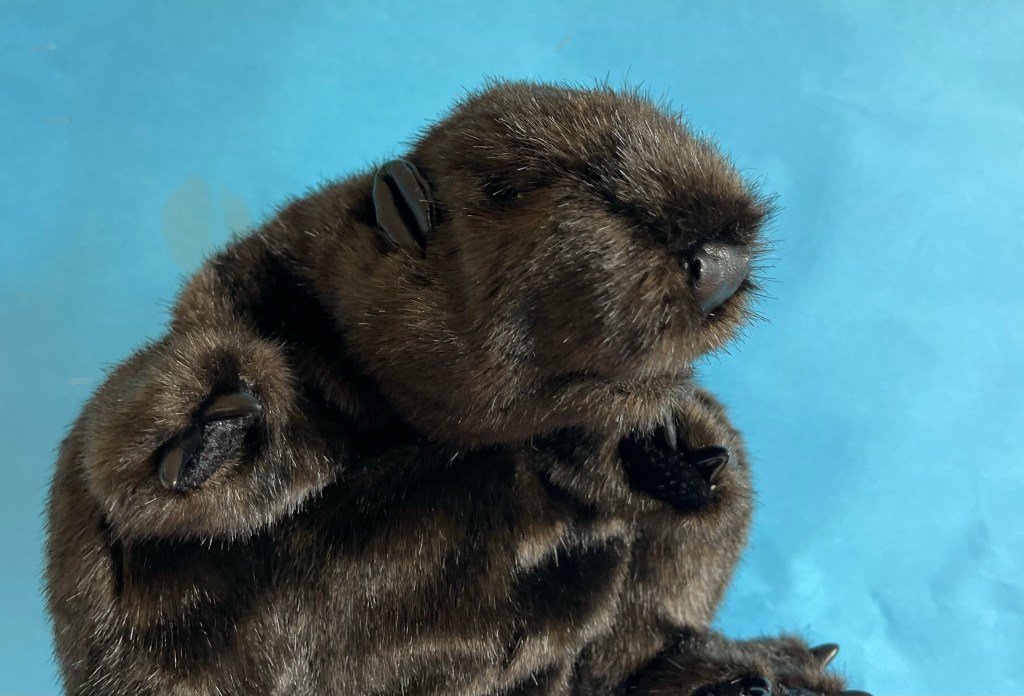
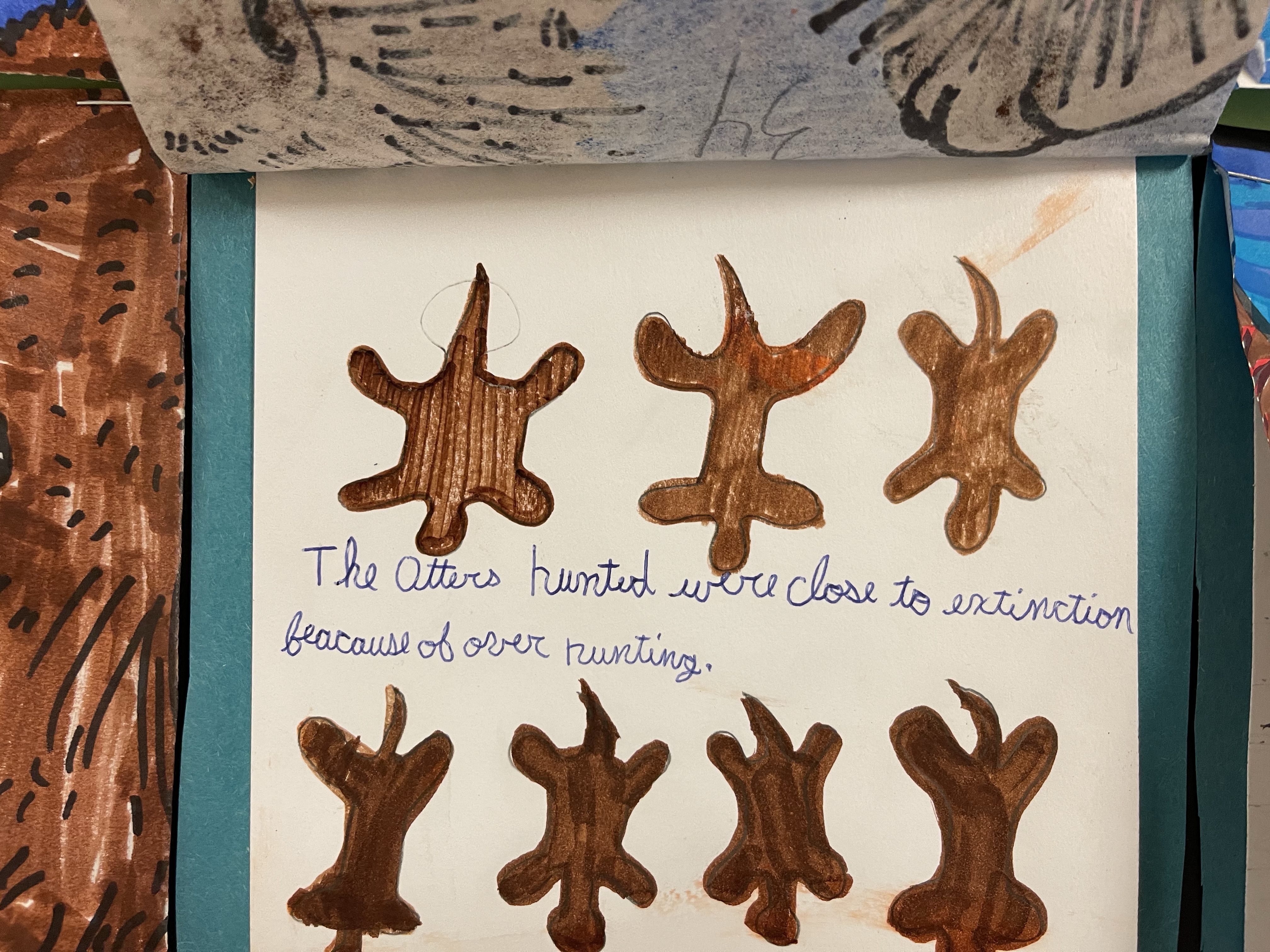
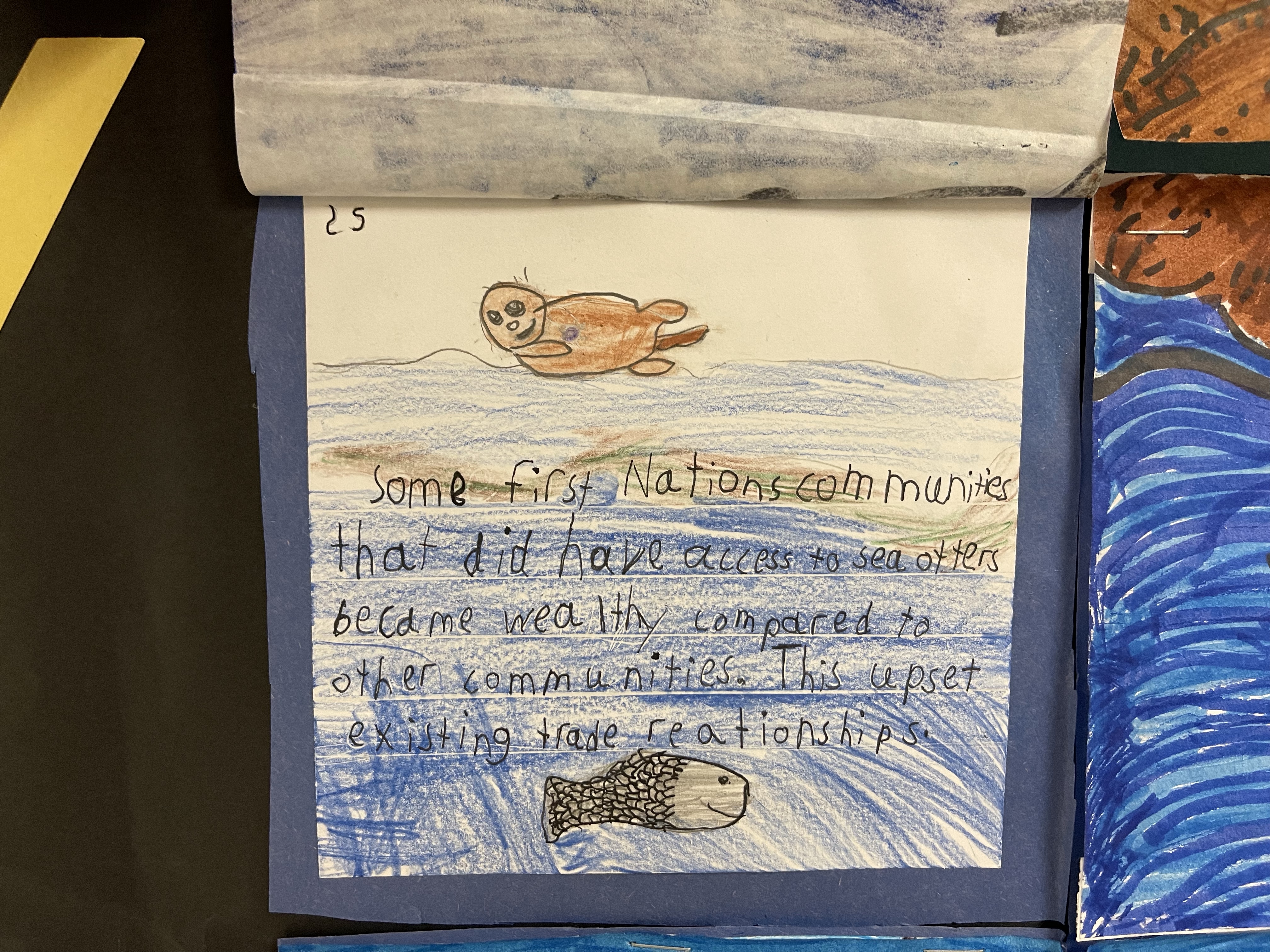
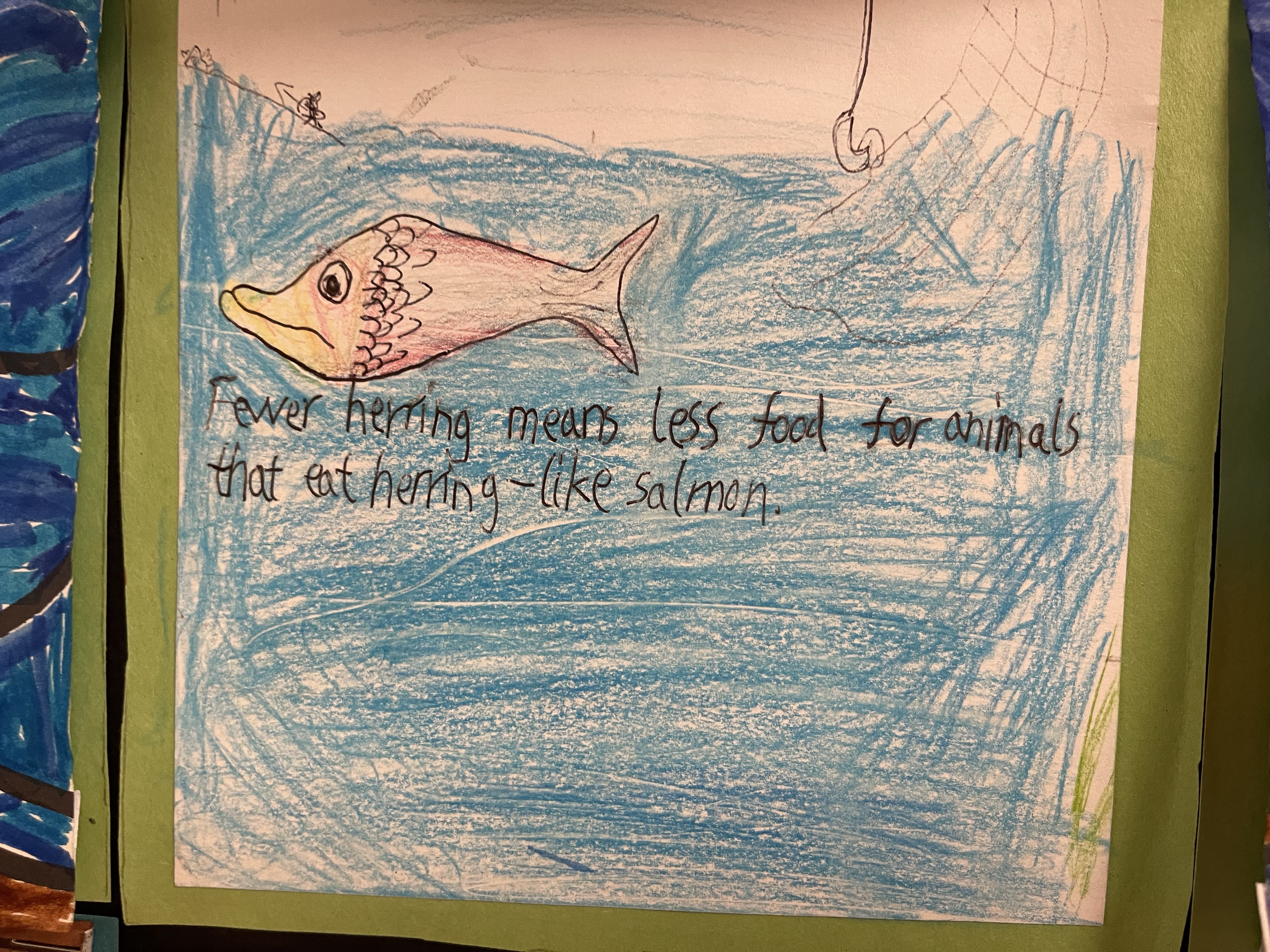
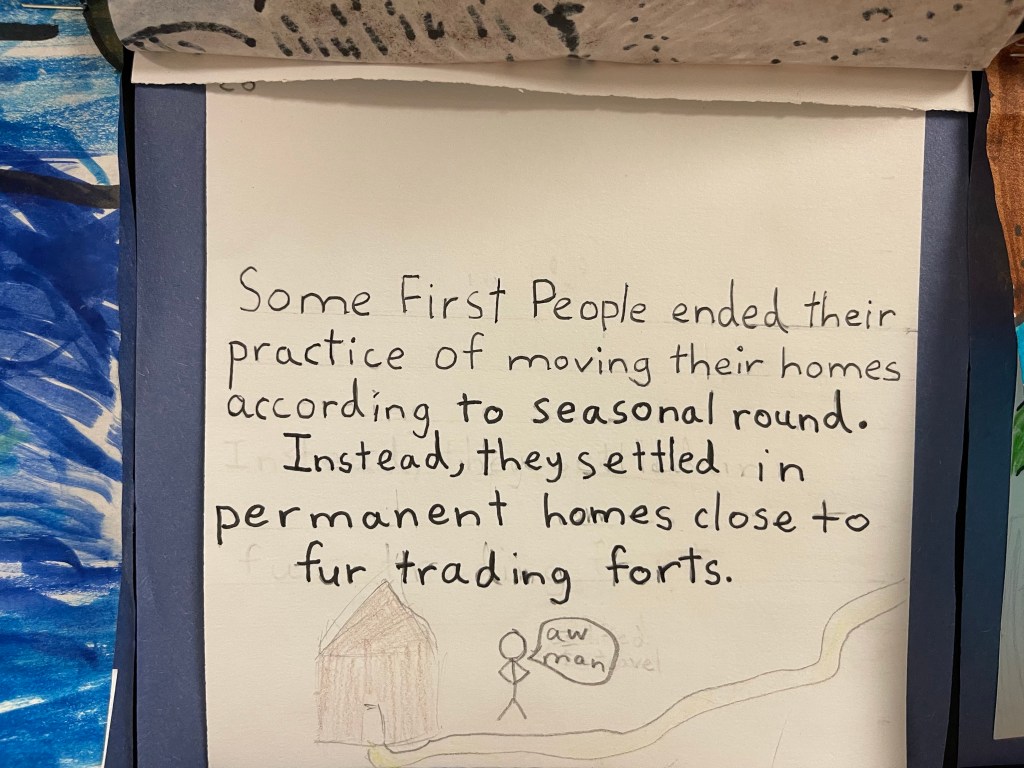
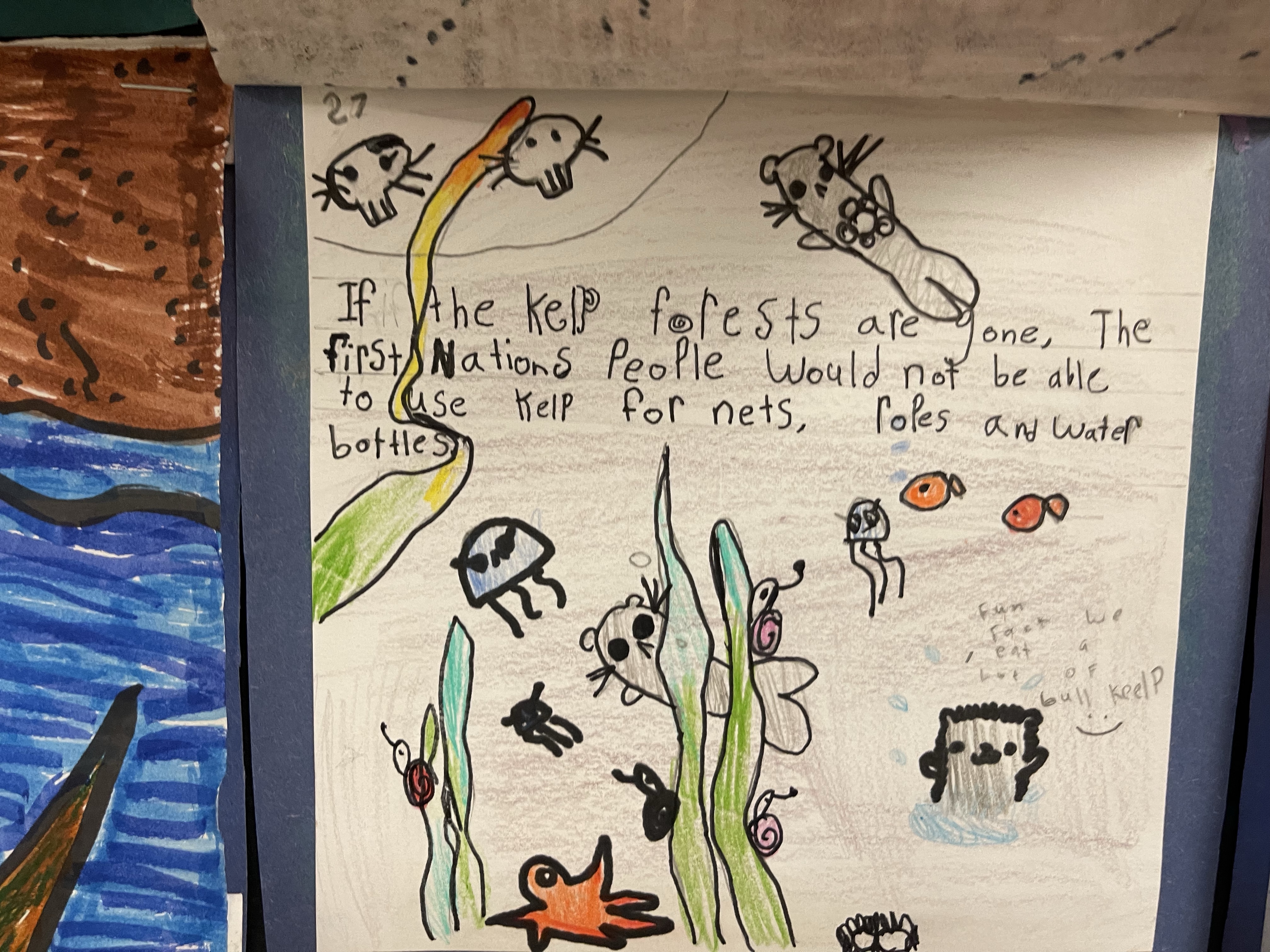
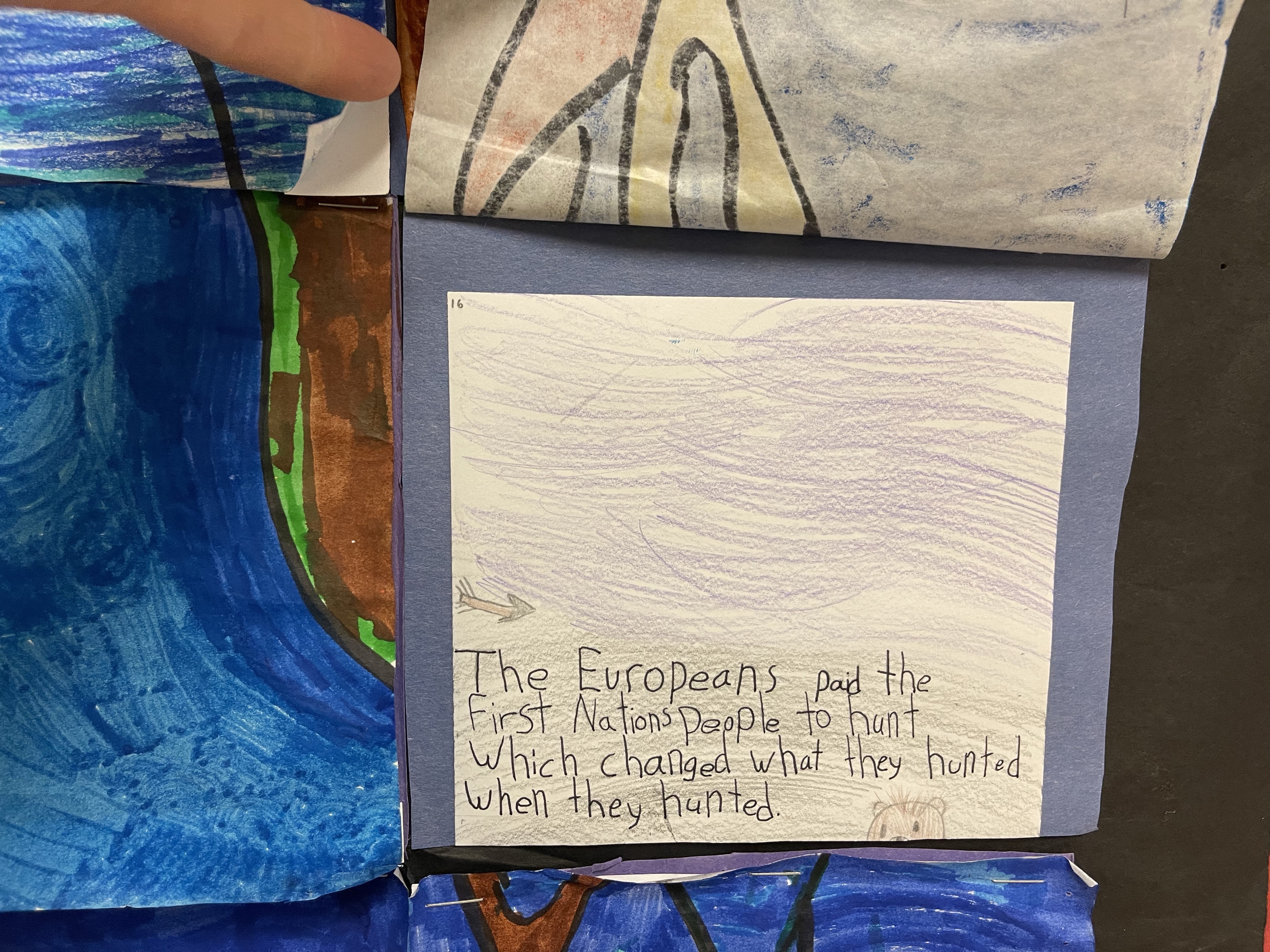
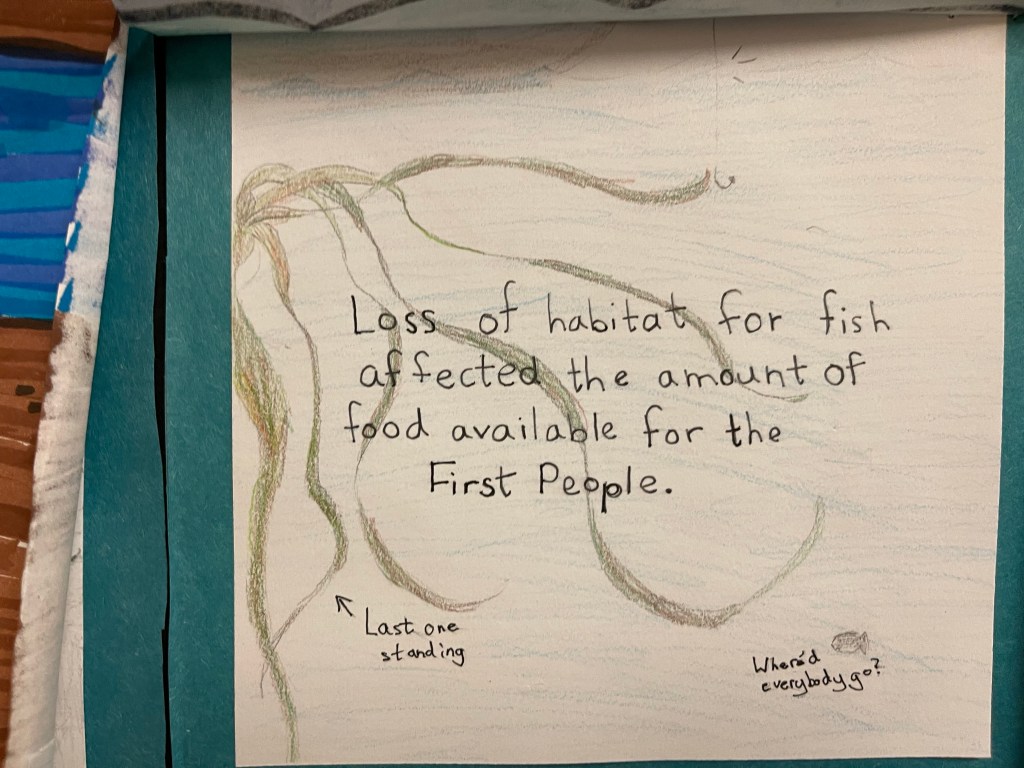
We then focused on how trade developed in the region that would eventually become British Columbia, learning about how fish and the sea otter were focal points of trade between Europeans and First Nations.

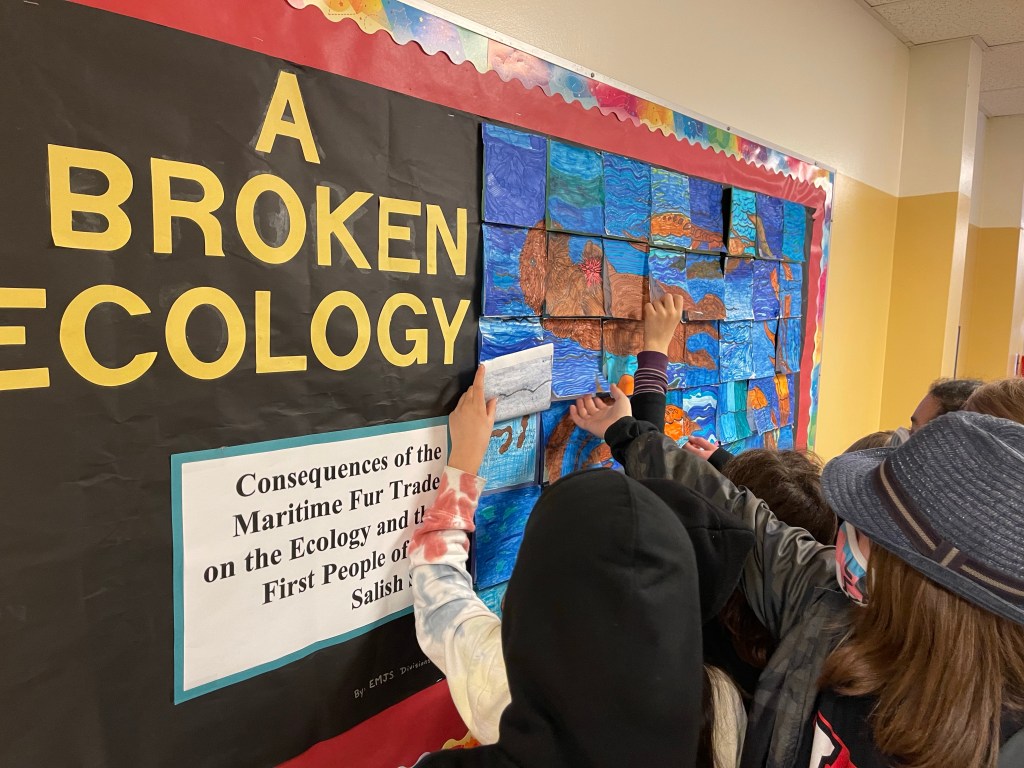
We were lucky that some grade 4/5 students from another class had already completed a unit on the fur trade last term, and so we took a stroll down the hall to see the great information display they created…

Also, we discussed how history may be understood and retold differently, with different details emphasized/included/omitted, depending on perspective. How would a settler from France describe the events of the first trade era as compared to an English settler, or as compared to a member of one First Nations community or another from a neighbouring region? (And, if animals could talk—as they do in Aesop’s fables—how would a beaver or sea otter retell the history of the fur trade?)

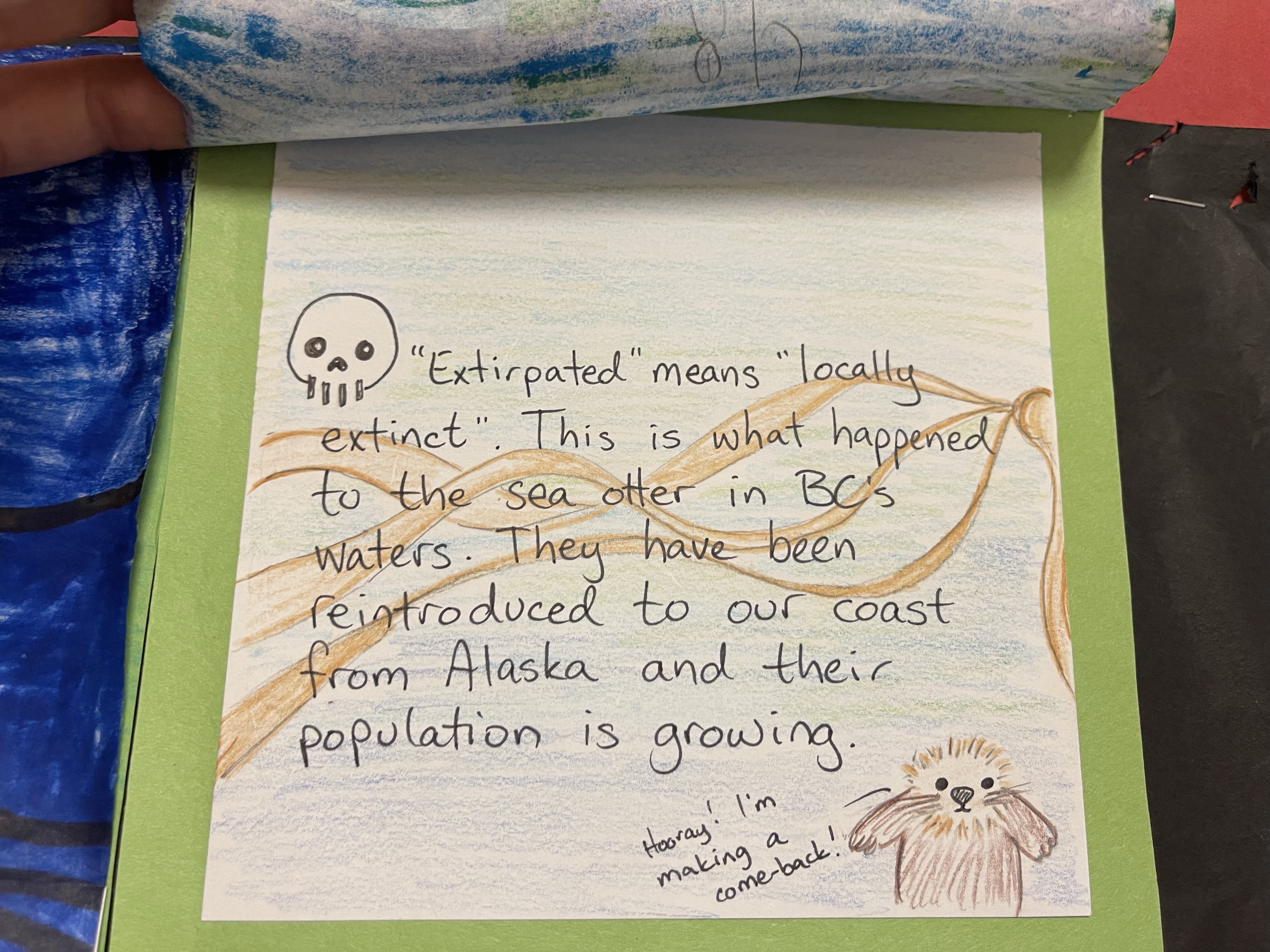
Wrapping up the day, I sang for students a little song I wrote for them to teach students about the history of the fur trade and the ecological impact of extirpating heroic keystone species, like beaver and sea otters. It was a fun time!

HOMEWORK: Keep practicing division as needed. Also, I invited students to go home and retell to a family “The Tortoise and the Hare” or another of Aesop’s fables. A student may also want to retell the fur trade history he/she has learned so far.

Year of the Tiger!

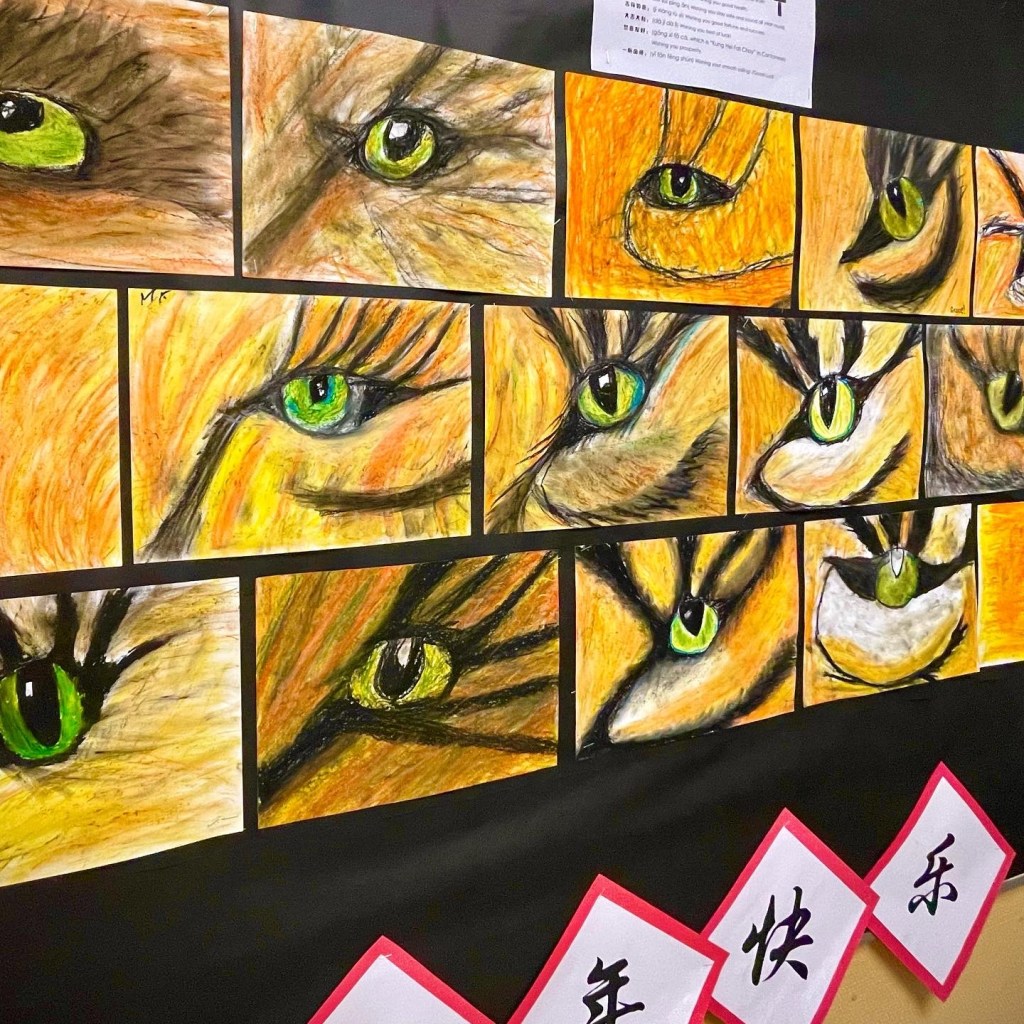
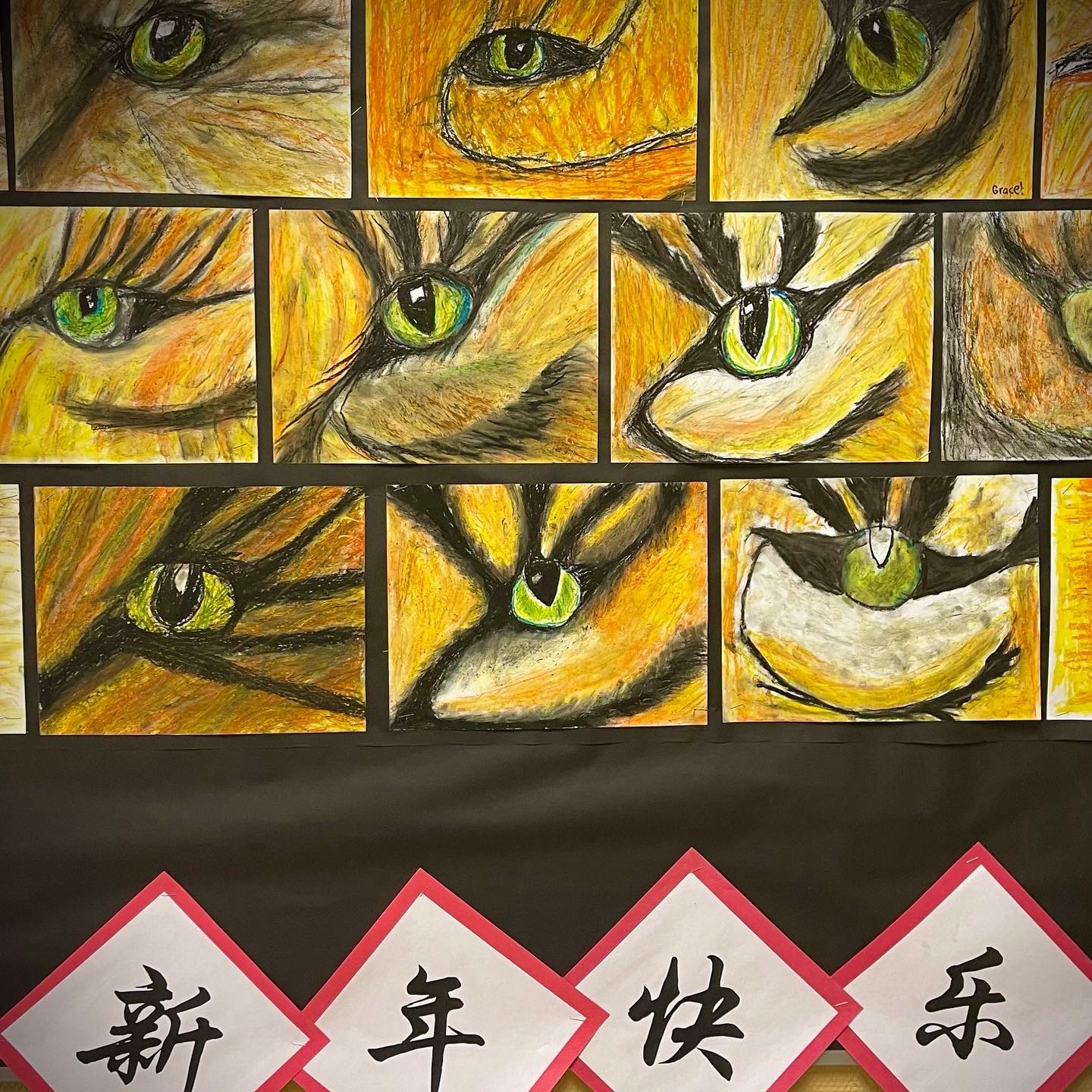
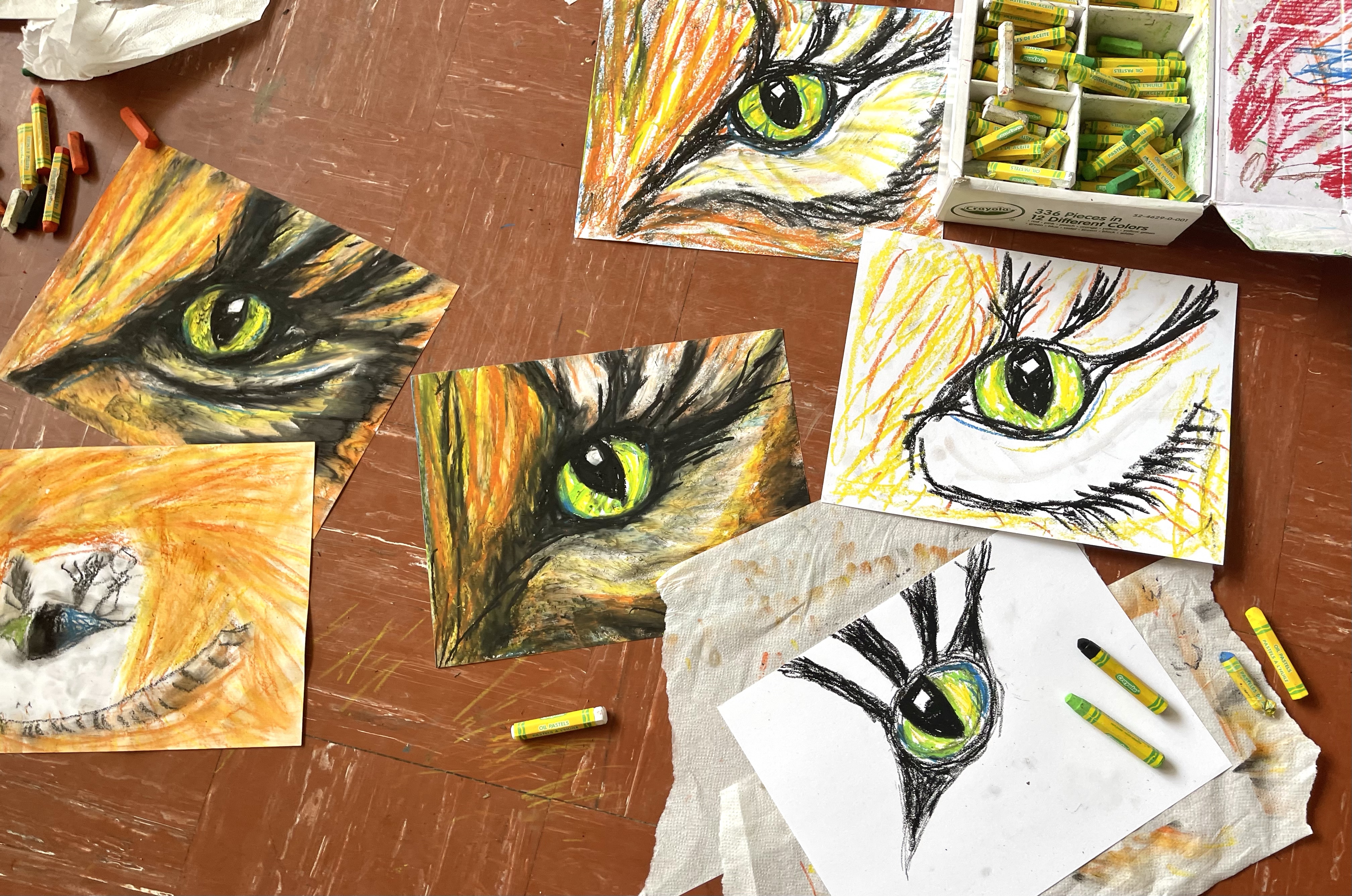
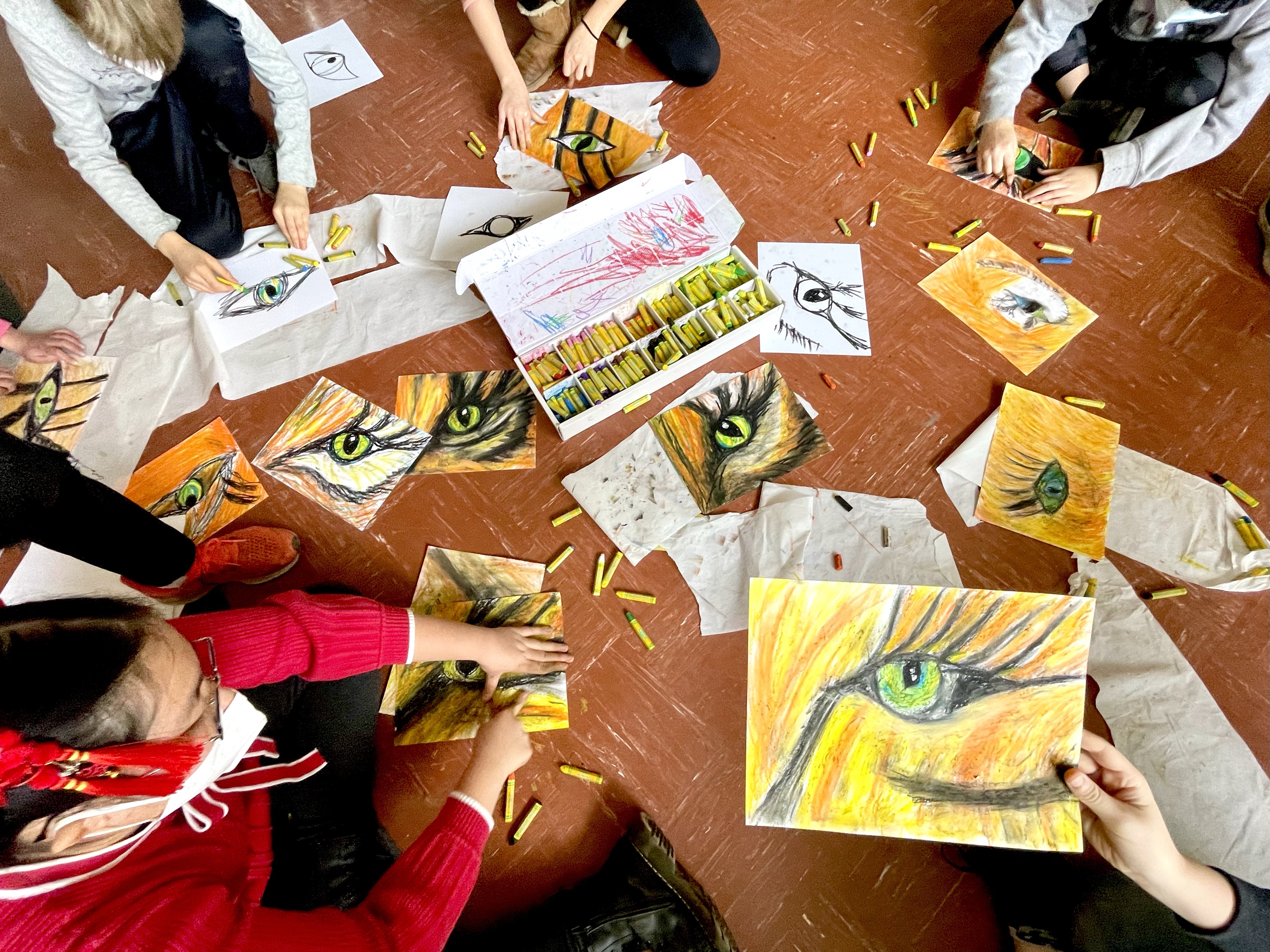
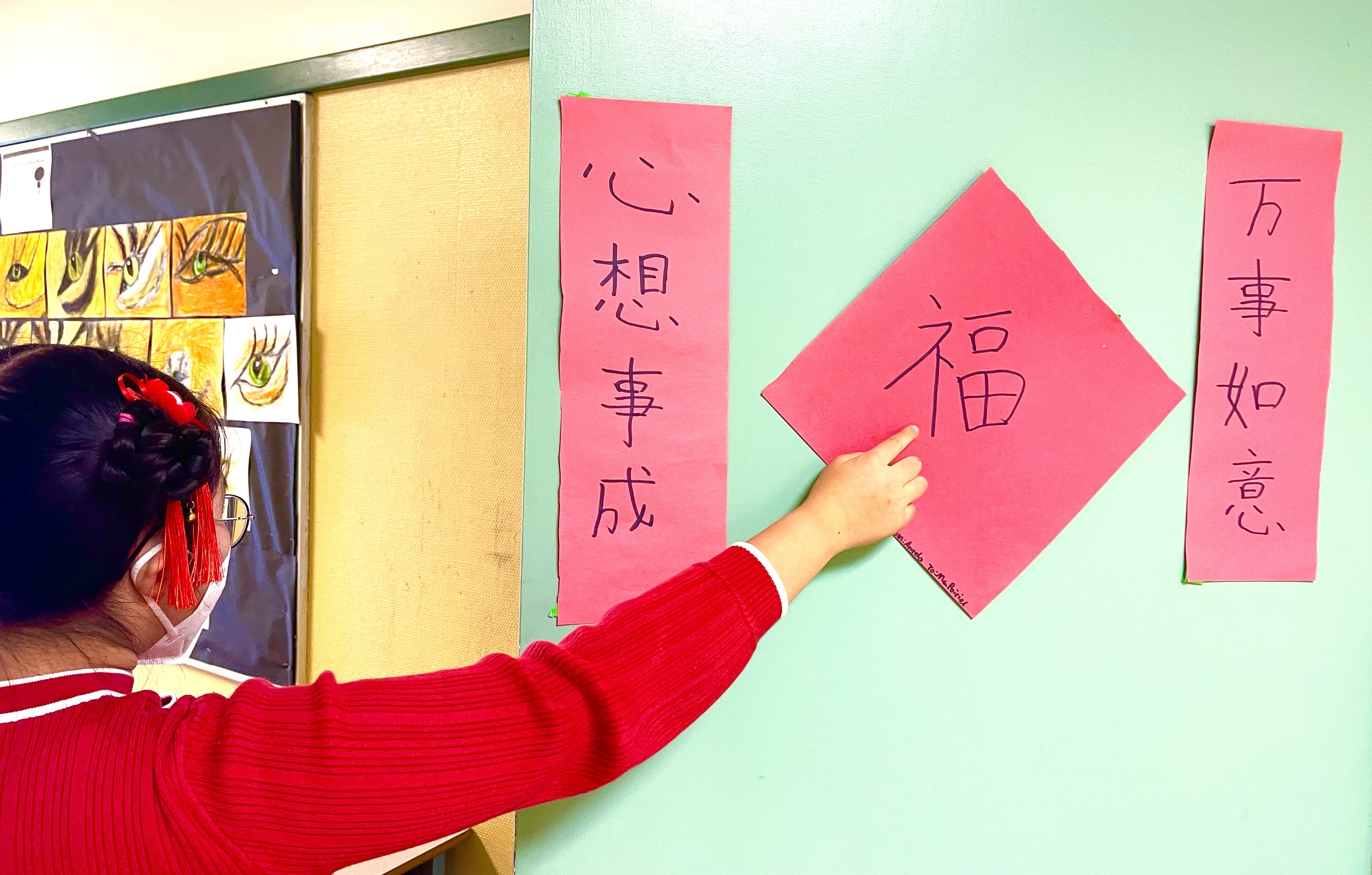
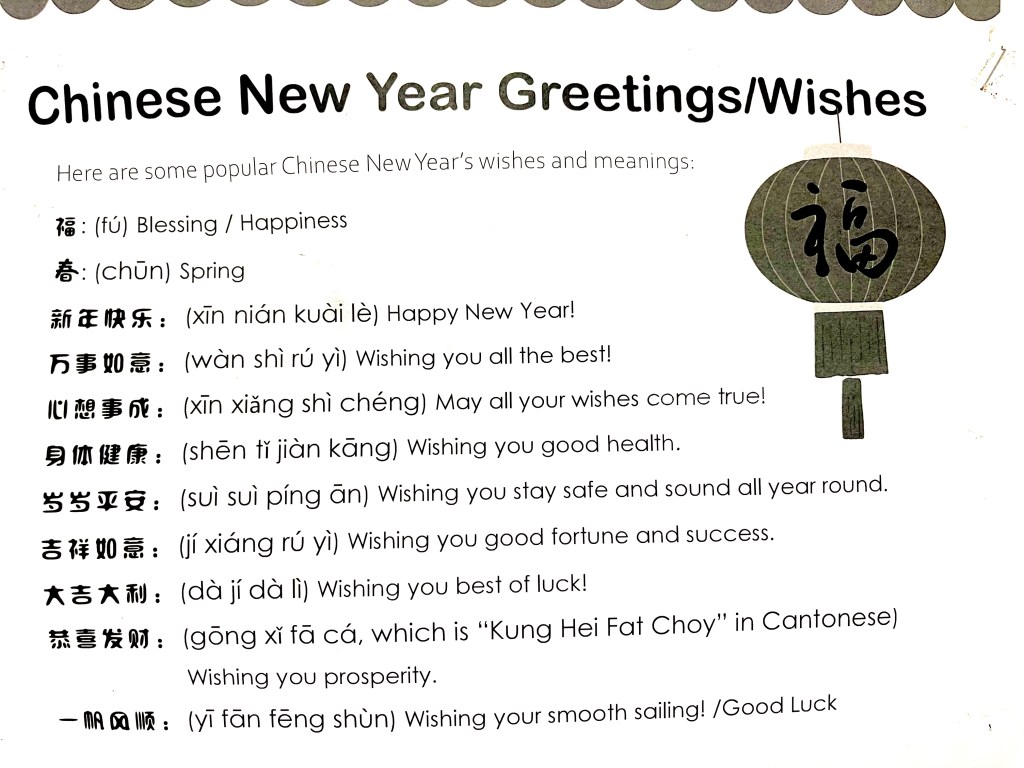
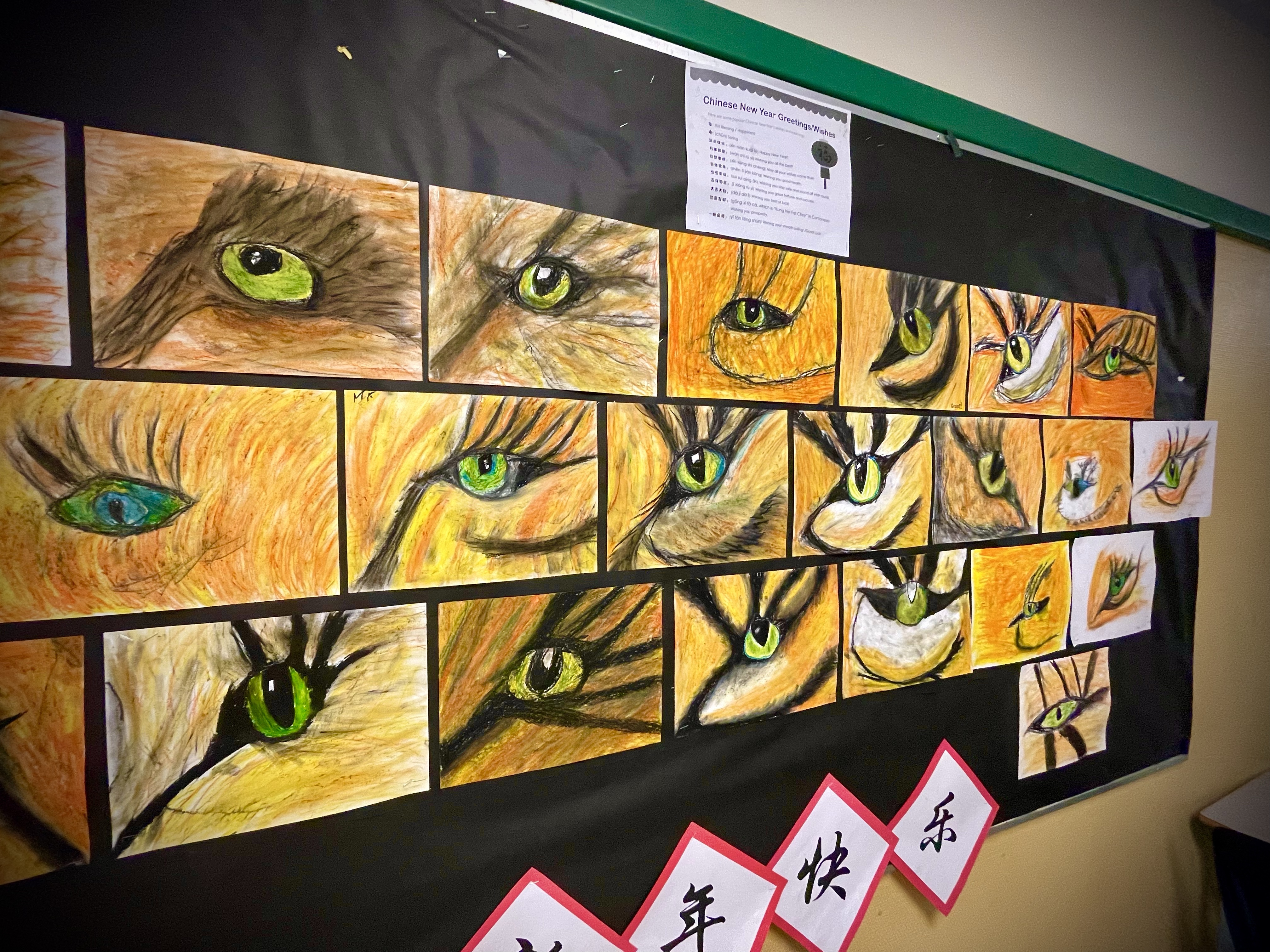
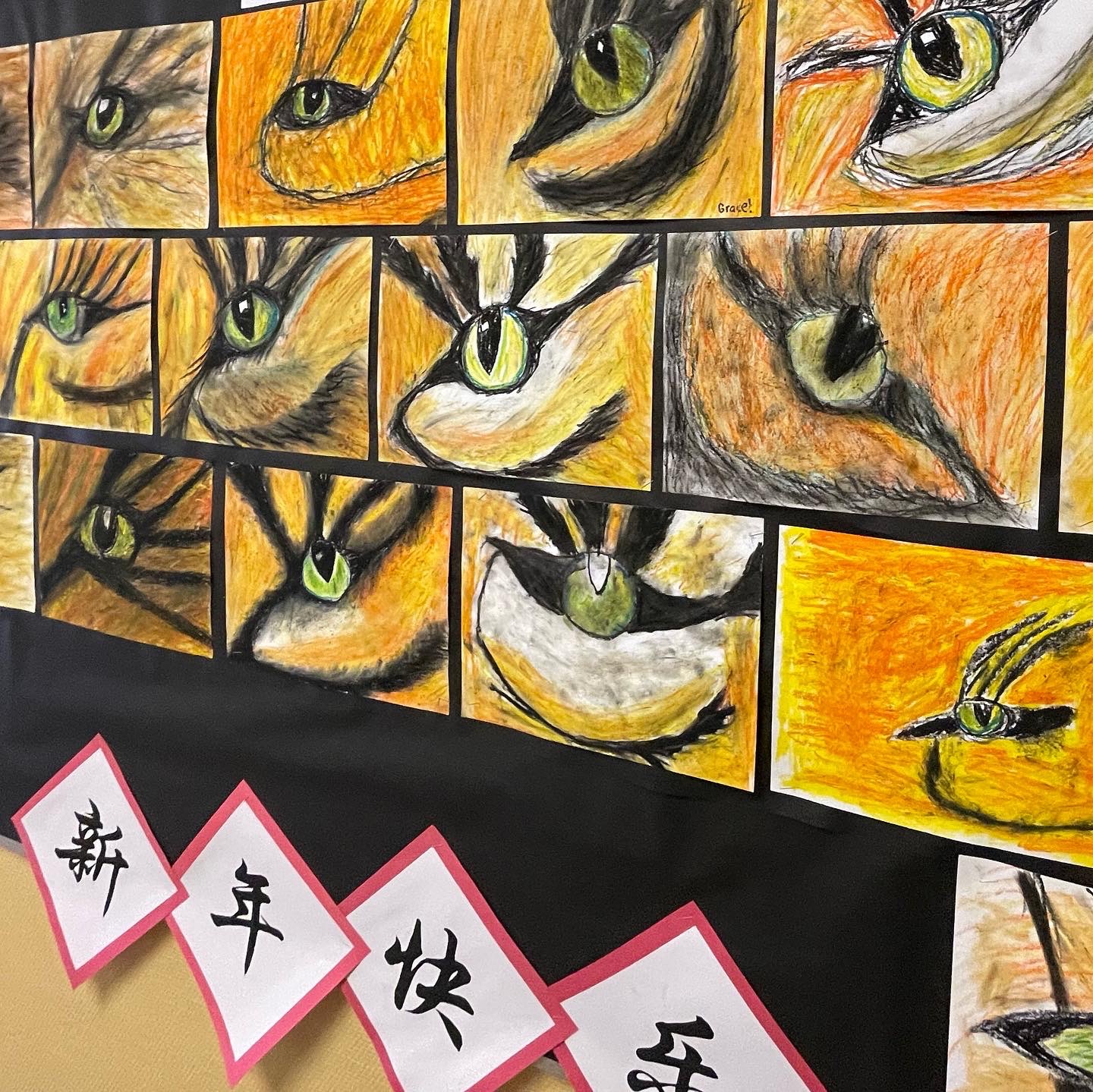
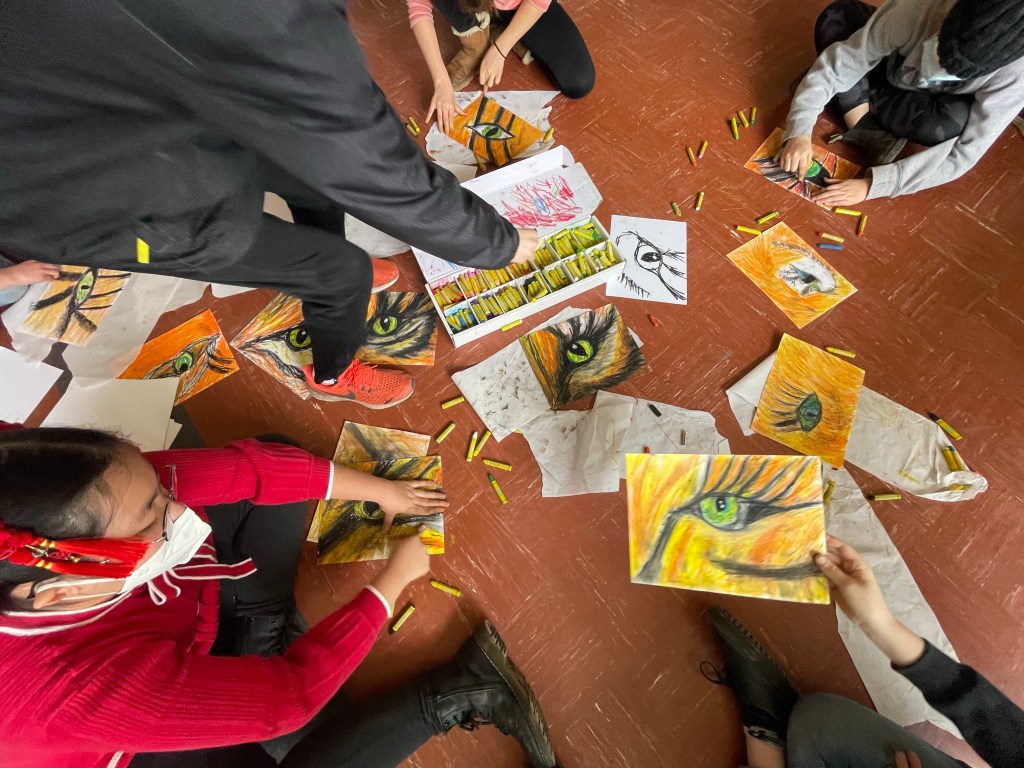
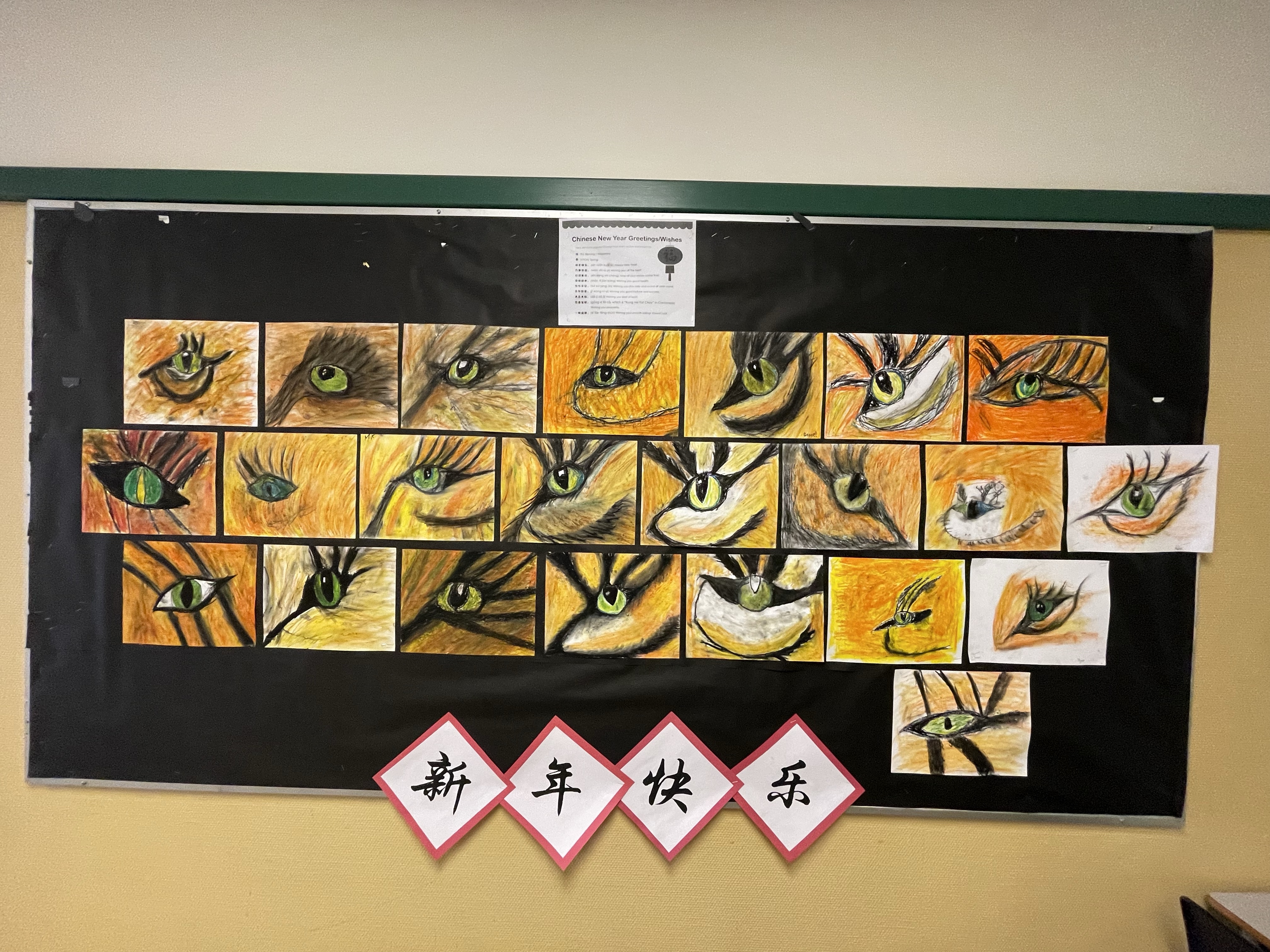
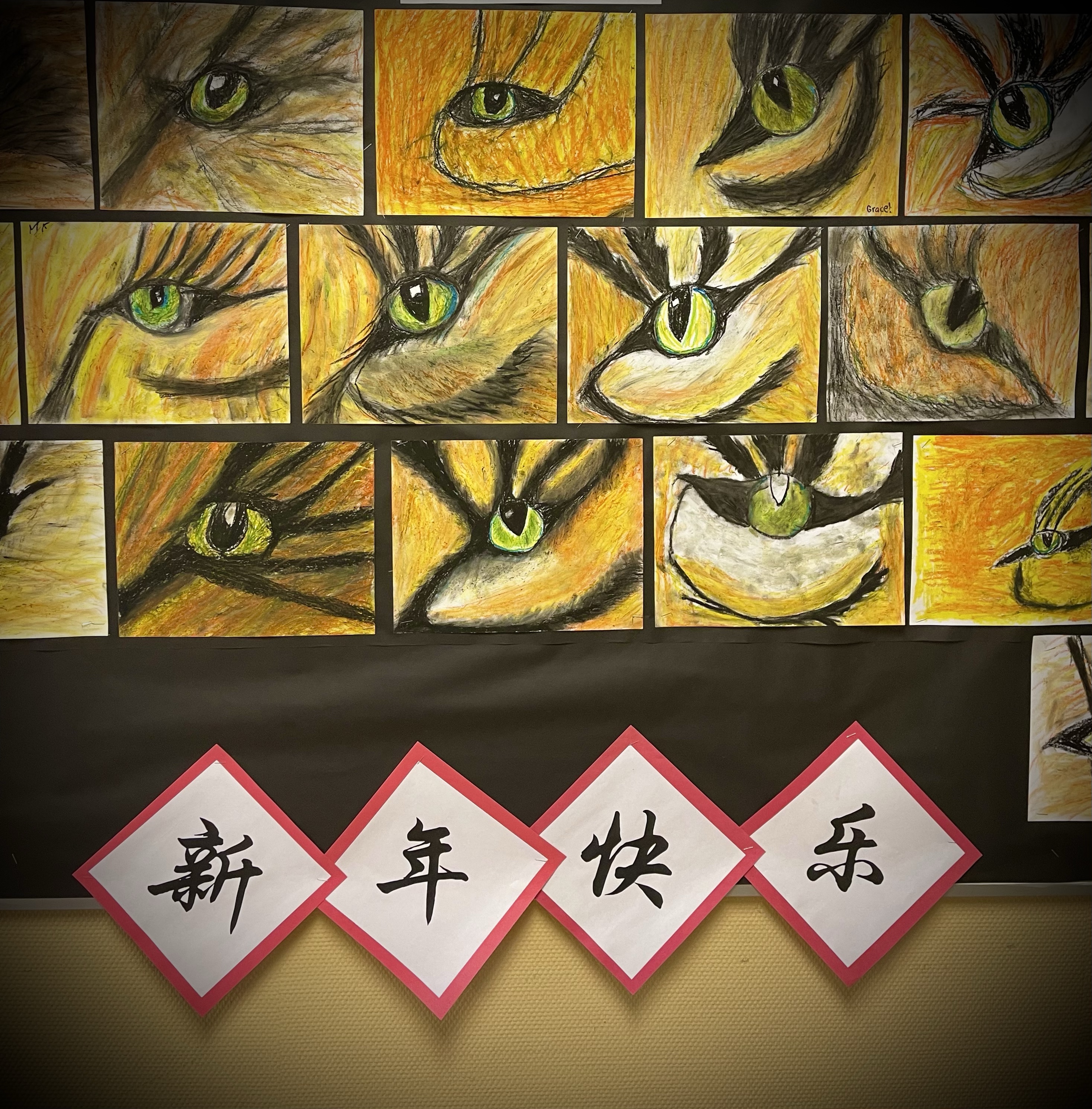
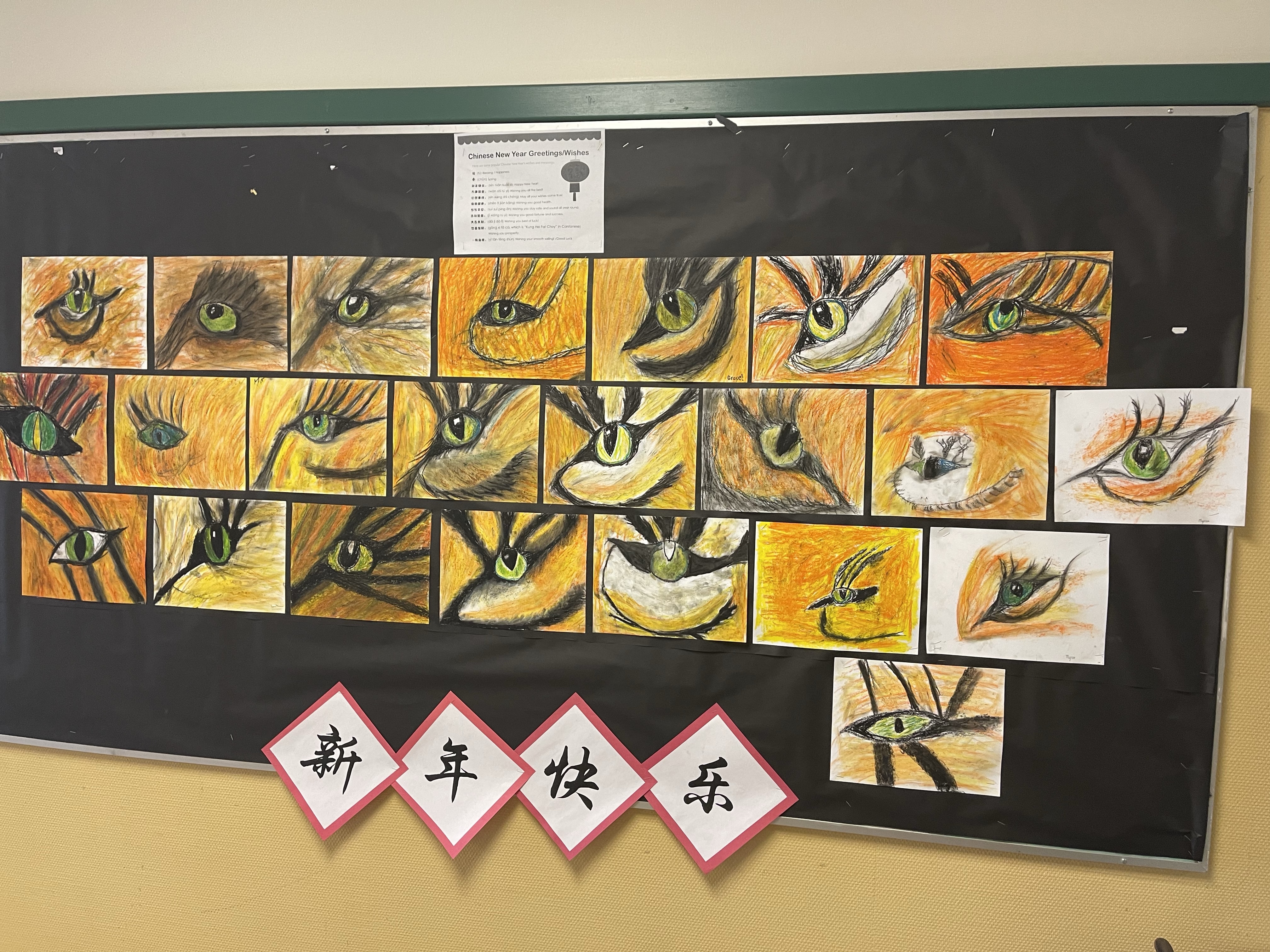
Happy Lunar New Year! Happy Chinese New Year! We celebrated the holiday in division 2 by learning some New Years greetings in Mandarin and Cantonese—as well, students made shockingly beautiful tigers eyes using oil pastels. They had my video tutorial for ideas, you can see the students’ own flowing artistry and unique creativity in every single piece. I adore their beautiful art display, and I actually did a happy dance when it went up!

We also had a fun writing lesson learning about how important it is to strategically order your ideas in a paragraph, often ending in your strongest point. We used the classic salesperson exercise of “Sell Me This Pen”. Each student had the invitation to come to the front of the room and give a 30-second spontaneous sales pitch featuring three reasons to buy his/her pen—and the most compelling reason was supposed to be presented last—as a grand finale! We heard some fun, thoughtful and even hilarious persuasive points.

TONIGHT’S HOMEWORK: In addition to the long division worksheet, I’ve asked students to pick a family member and give him/her a compelling sales pitch for a pen. They can exaggerate or make up details (like this pen is an original WWII artifact)— the challenge is for students to (1.) meaningfully sequence powerful reasons with the strongest point last, (2.) use transitional phrases, and (3.) use descriptive language to paint a picture in the mind of the potential “customer”.

Diving Deeper into Division

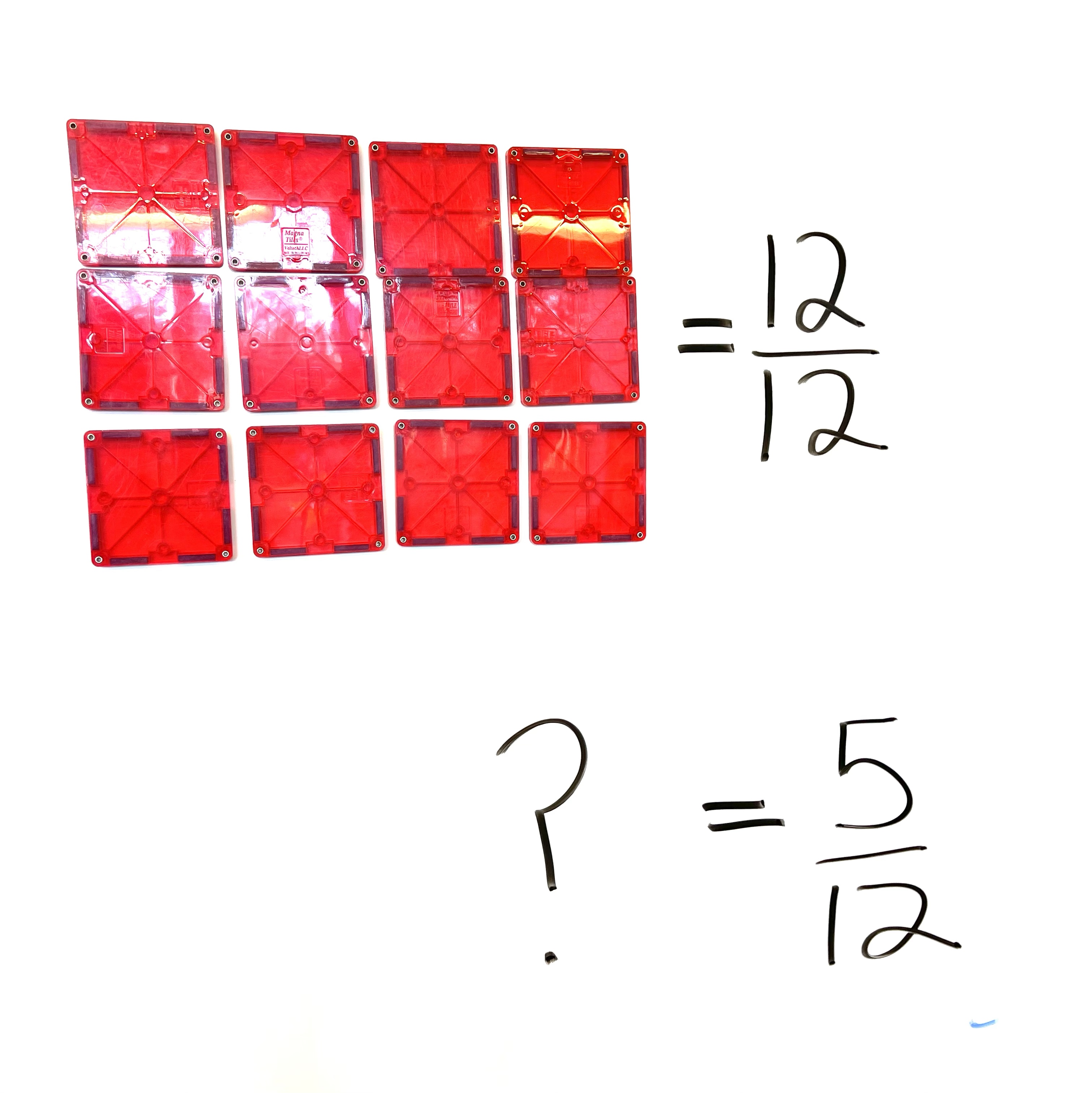
Hello, division 2 families! Today we dove deeper into our division unit, which we have been exploring and ramping up with various skill building activities and word problems since November. Here was our process for today. We reviewed some introductory division questions like 12 divided by 4 using word problems, and I drew these questions with symbolic images on the white board. For example, we asked, if there are 12 cookies and 4 friends, how many cookies would each friend get if we divide the cookies up equally?

We also looked different ways of expressing a division question and looked how the parts of a division question (dividend, divisor, and quotient) are located in these different expressions.

An emphasis of our learning is to try to keep in mind how our symbolic math relates to real life. So students were again invited to think of and share their own word problems—a practice we have been doing for a while, especially in our recent Math Stories challenges.

We also returned to looking at how division works using base ten blocks. For example, if there is $550 of prize money that needs to be divided equally among five prize winners, how many dollars would each winner get? $110, as shown below.

We discussed the importance of knowing multiplication facts to aid in the division process—and I reminded students they should consult their multiplication charts when in doubt to ensure accuracy. (Keep up that regular math facts practice at home!)

Then we reviewed the process for long division. After talking through and modelling the process with various questions from the homework sheet, students then viewed several long division instructional videos on YouTube. I asked them to evaluate and decide which videos were most helpful.

We discussed how students can increase their independence as math learners by paying attention in class, asking for help at school and at home from family, and also by exploring quality math instructional videos online.

Here are three of the videos students watched and decided were helpful:

HOMEWORK: Every student is at a different level of understanding in long division. Since we aim to wrap this unit up in three weeks time, I let students know that it would be helpful for students to spend at least 15-20 minutes each night practicing division. We will have daily practice in class with both teacher and peer support. When students do not finish assignments during our class time, I ask them to complete this work at home. ***Even if students finish all class work, they can keep practicing division by making up their own questions, reviewing division instructional videos, and getting support from family members. As well, I am available every day after school for students who need a few minutes of extra support in addition to the one-on-one support already provided during math class and our catch up blocks.

Parents/Guardians: Thank you for the extra help you can offer your child to learn division. We are working hard in class, but your time at home could make all the difference in helping your child make that leap in understanding.


JUST FYIALTERNATE METHODS COMING SOON: This week, in addition to the traditional long division algorithm, I will be presenting two alternate methods of doing division and students will be asked to try both in class. One method is the “box method” (video explanation here: https://youtu.be/8JYfVv94hww) and the other involves “using easy multiples of the divisor”, which is described in this helpful video by Margaret Jenkins’ own Mr. Pite here: https://youtu.be/UtYNaSpKzCQ.

I don’t expect students to master all three methods—but I asked them to work towards mastering their favourite division method. For our final division unit quiz in three weeks (Feb. 22), students are permitted to choose any method that works best for them, as long as they show their work.

***There is also a “Box Method” for multiplication, so be sure to remember which operation you are doing and use the correct method. https://youtu.be/n3q3XzzIGSY

Friendship, Marble Run & Writing

What does it mean to be a good friend? This was the big question we pondered in division 2 today.

After some initial thinking time to capture first thoughts, I read aloud, “Little Beaver and the Echo”—a story about a lonely beaver who calls out in sadness that he has no friends. When he hears a voice across the lake also call back the same lament, he goes in search of that other lonely soul. The voice turns out to be his own echo—but along his journey to discover his own voice, he meets a duck, turtle and otter who agree to be his friends. The students discussed the story’s message as being about the need to go out with courage and make your own friends. We also reflected on the value of befriending yourself (your own little echo) because self-kindness matters, but also because this practice may make you more ready to show kindness to others.

Then students engaged in a philosophical discussion about our central question, which we audio-recorded. This documentation process (1.) helps us focus on quietly listening to whomever the speaker was, (2.) captures the rapid flow of big ideas for deeper analysis later in the day as a pre-writing prompt, (3.) showcases our learning process for our families, and (4.) boosts students’ confidence by proving that their ideas have value and impact.

The students worked together to do their own mind map of their big ideas, and I modelled making a mind map as a summary of their dialogue points. I do this to honour their contributions in a visual form to make them easier to work with later and to show them the vast wisdom that can accrue from even just a short discussion.

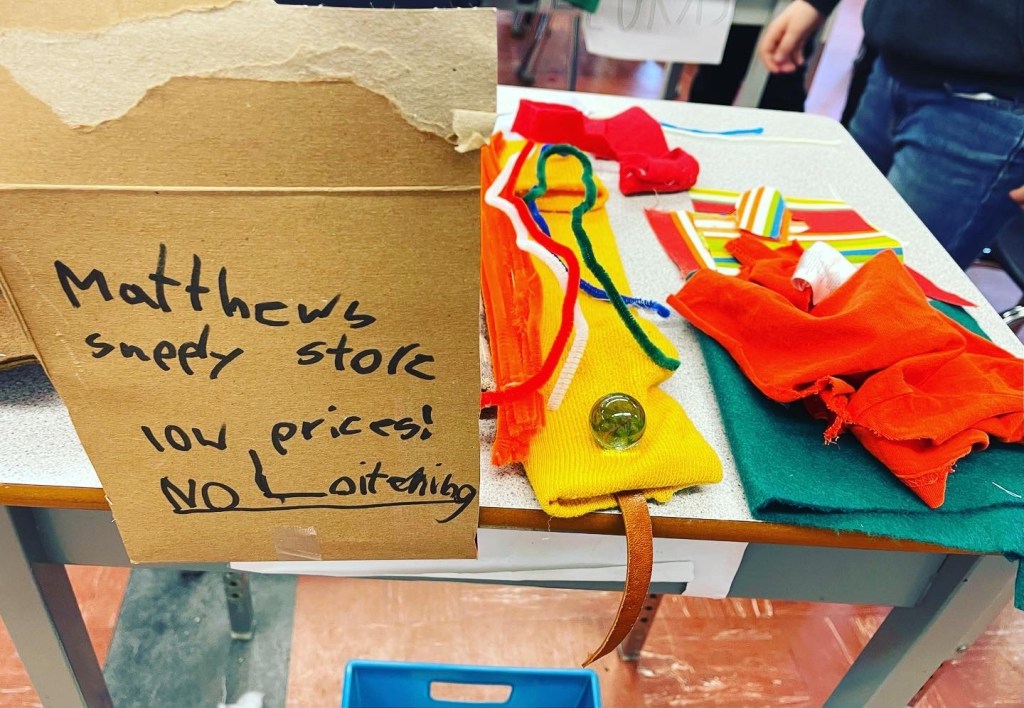
After some students went to Strings class and others collaboratively built a marble run, did art, or played chess, there was Music class, then lunch and a return to Language Arts learning. We had a lesson in editing paragraphs with Ms. Holman, and then students began planning a new well structured paragraph to capture their reflections on friendship.

*Fun fact: The fact that today our story’s protagonist was a beaver is significant because we are now in our Social Studies unit on the fur trade—and it’s nice to consider this great animal in new contexts!

Happy Monday!

Happy Monday! Today in division 2 we wrapped up our unit on multi-digit multiplication. Students have brought home their quizzes today with a note, and I’ve requested that they do their corrections as homework and return the quizzes with corrections to me on Friday. (They can rewrite the questions on a separate piece of paper or write on the same quiz sheet.) I’ve also asked that students analyze their work and get clarity on where they may be making errors. For example, are they simply forgetting their items tables? Do they forget the steps in multi-digit addition? Is it just a matter of needed to print and line up numbers more neatly so they can read their own writing? Students are able to rewrite this quiz in two weeks if they would like, and I ask that that they practice at home in preparation if that is their choice to rewrite.
In social studies today, we defined “continent” and watched this video, and they added continent and colony to their personal Social Studies Glossary pages.

Then, students had a sneak peak at our upcoming unit on the fur trade. I shared a big picture overview of the story of European’s contact with Indigenous peoples of North America in the 1500s. Students also reviewed the Nelson textbook

We also did a lesson and a group game to make sure we are clear on the difference between the following homophones: there, their, they’re

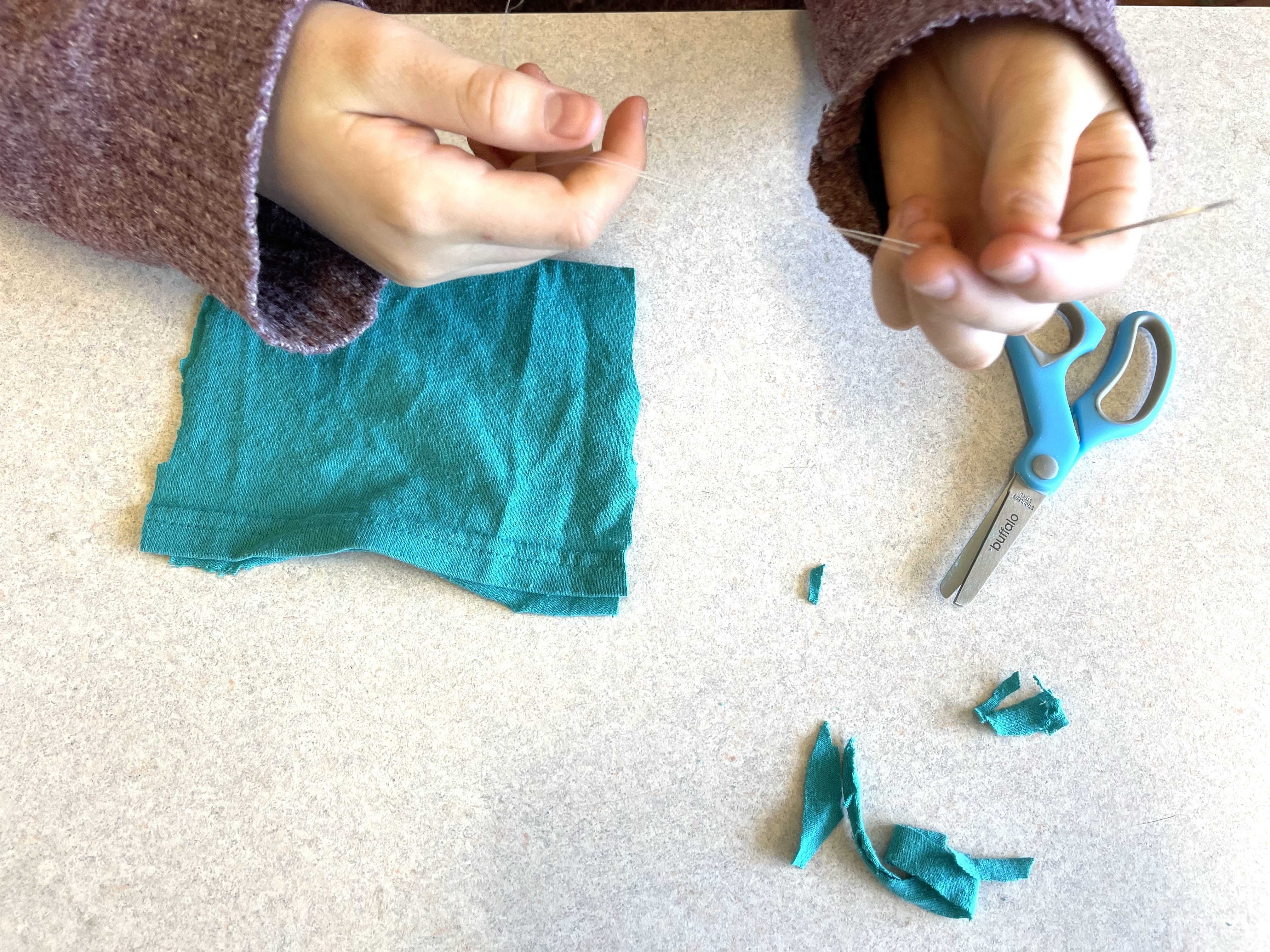
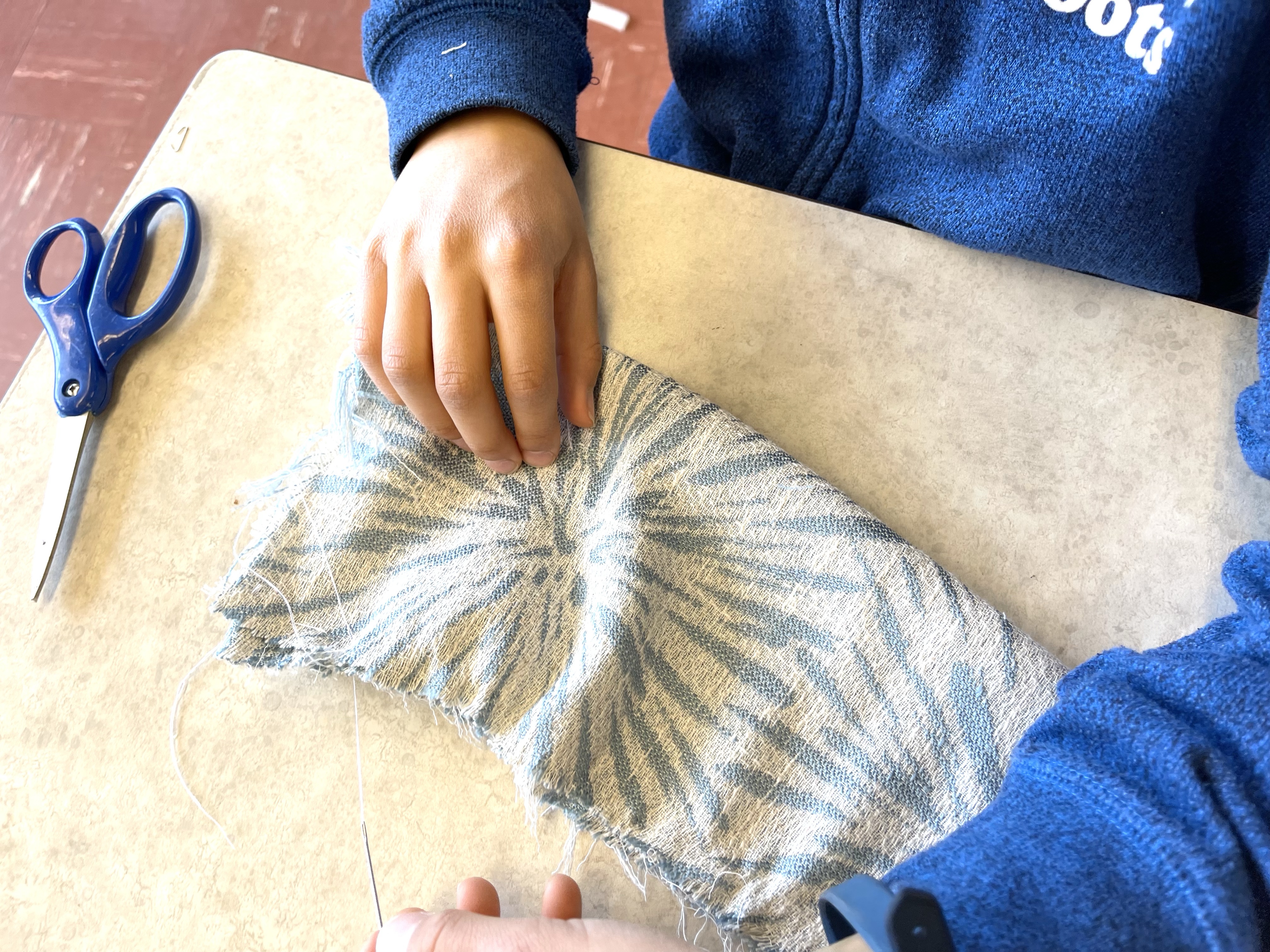
Students also completed their animal art to pair with their paragraphs from last week.